Professional Sound Systems
Looking to take your audio experience to the next level? Look no further than our collection of professional sound systems. Whether you're a DJ, musician, or simply a music enthusiast, these top-of-the-line sound systems are designed to deliver exceptional sound quality and performance. From powerful speakers and subwoofers to advanced audio mixers and amplifiers, our selection has everything you need to create an immersive audio experience. Elevate your next event, party, or gig with the latest technology and industry-leading features found in our professional sound systems.
Sort

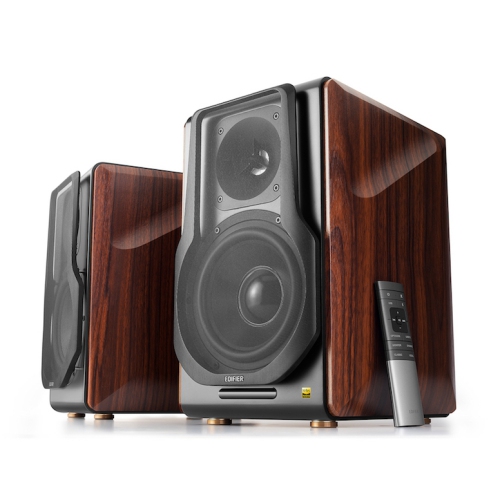
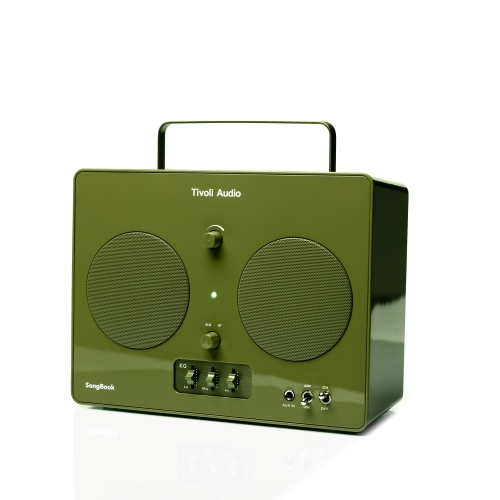
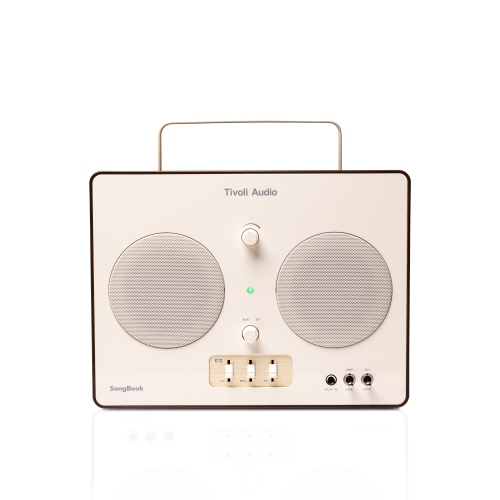

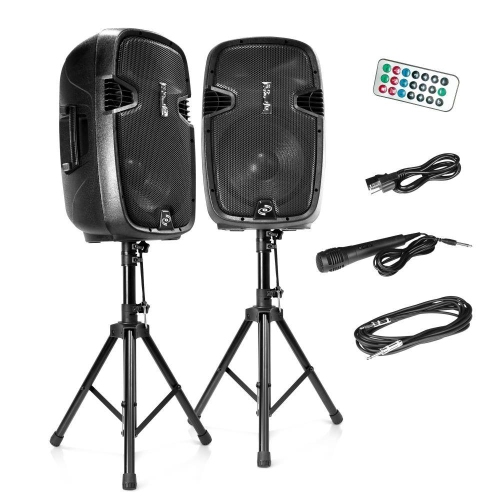

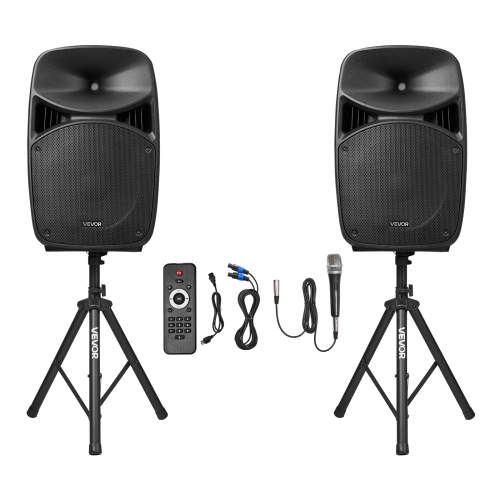
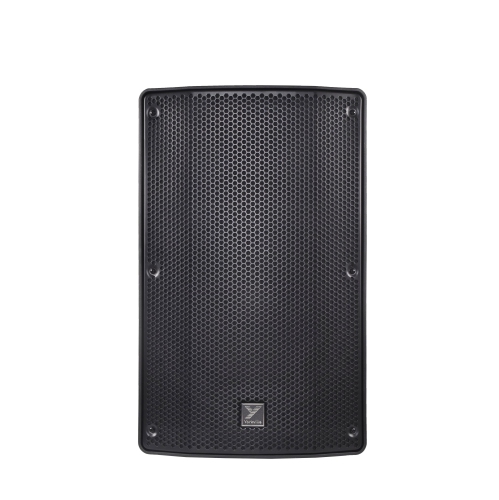
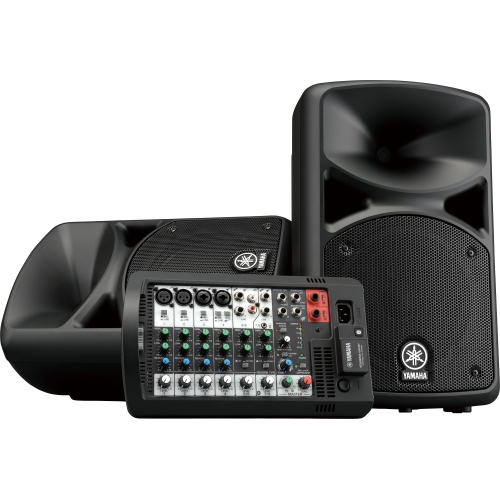
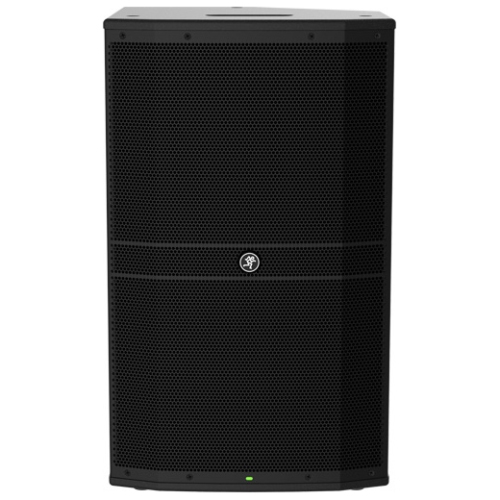

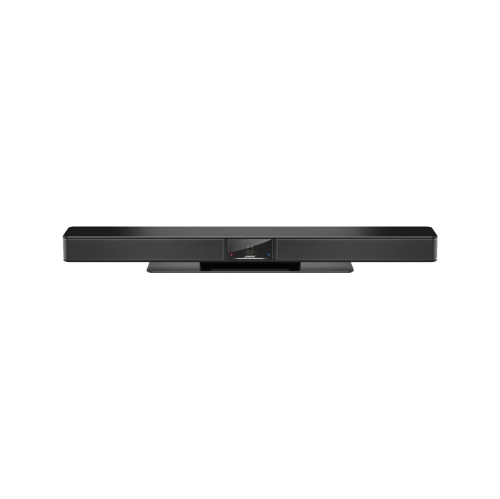
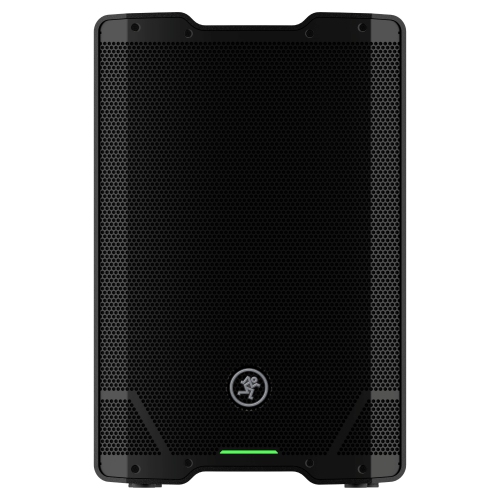
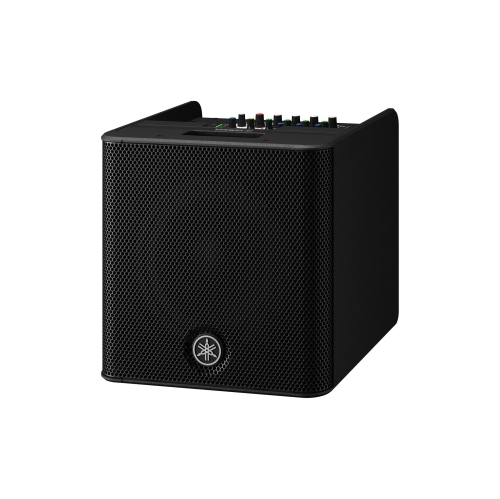
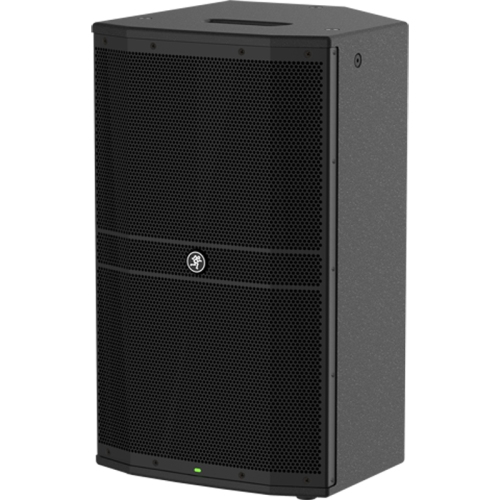





Clear audio depends on coverage, configuration, and venue
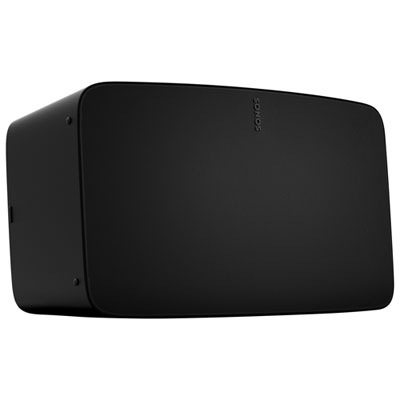
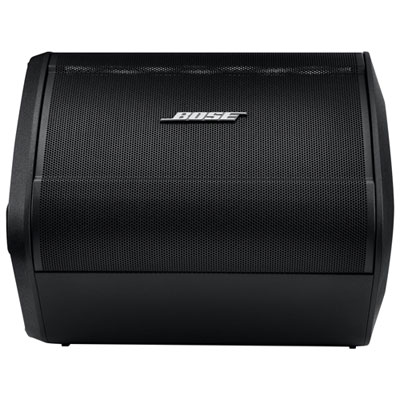
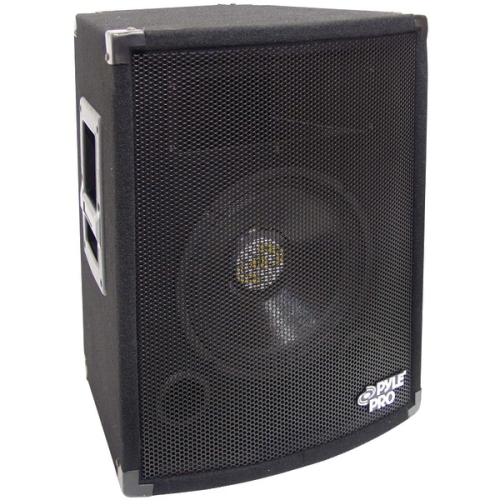
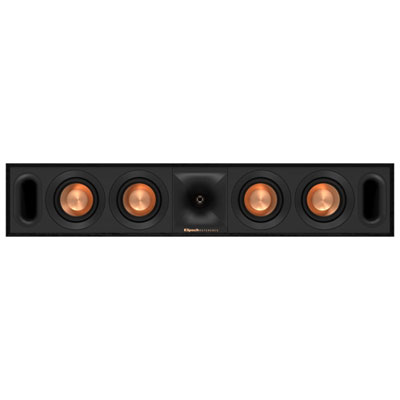
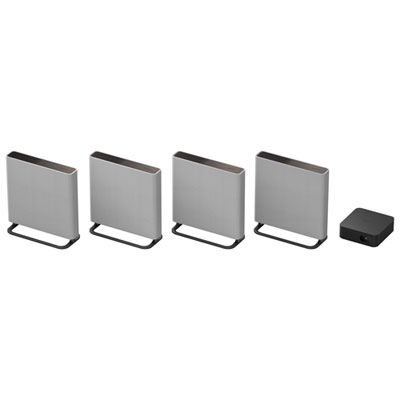
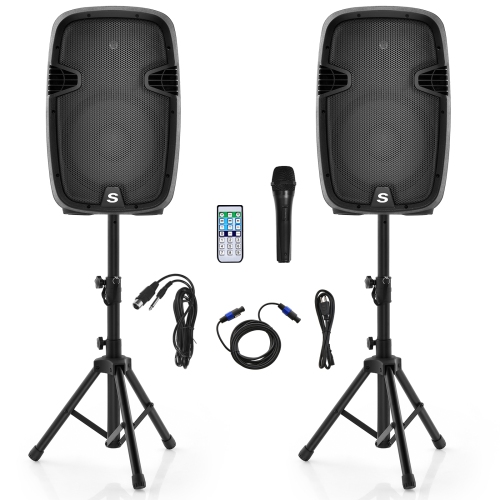
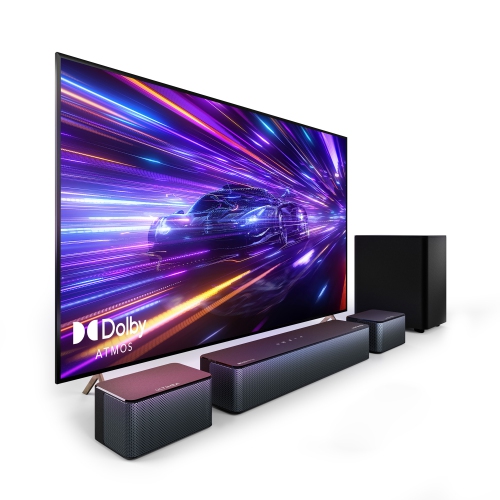
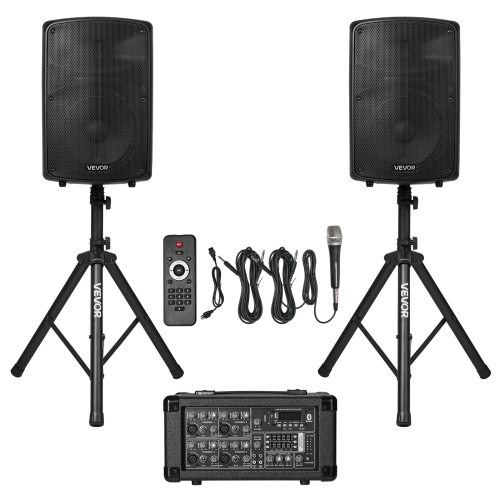
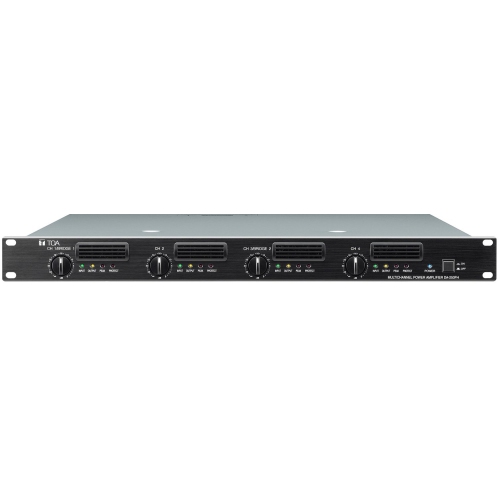
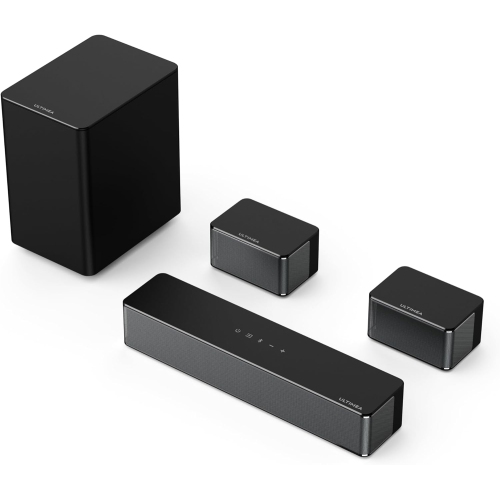
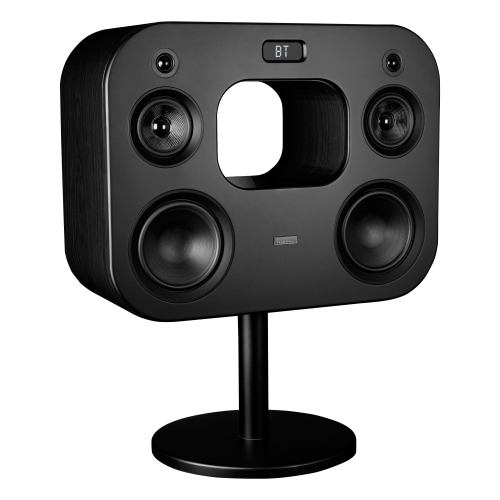
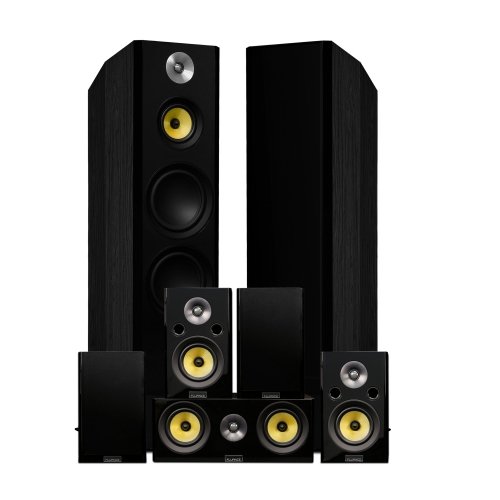
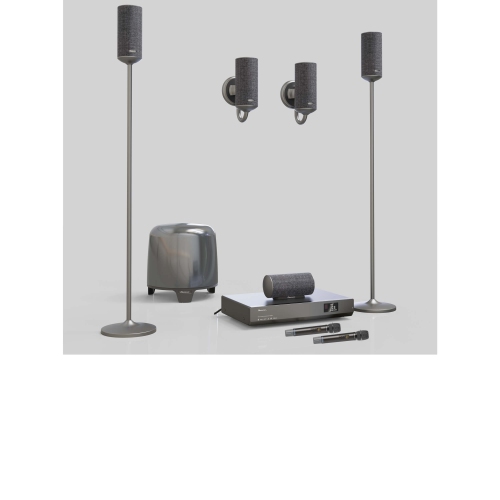
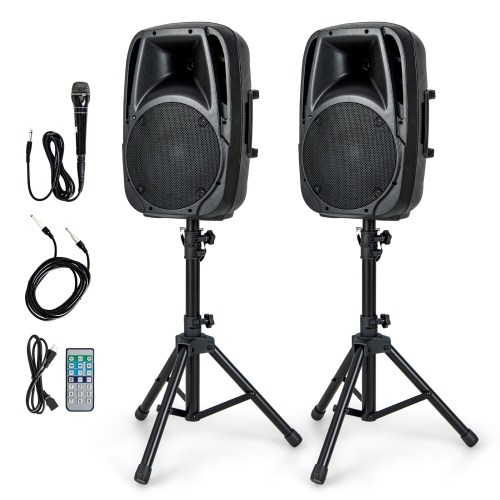
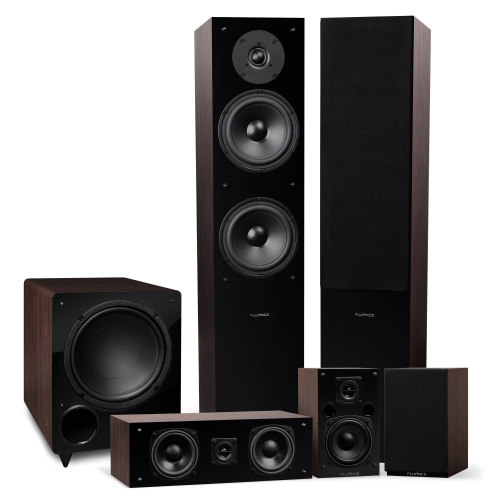
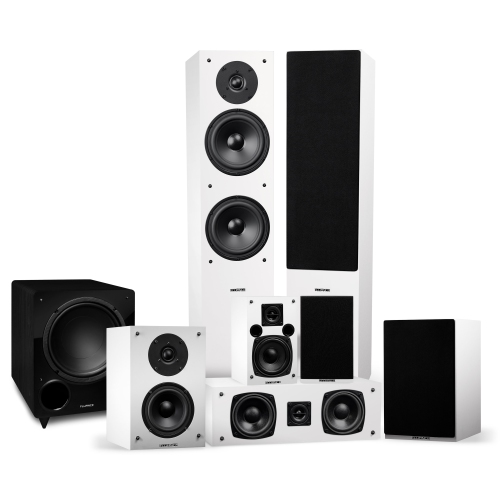
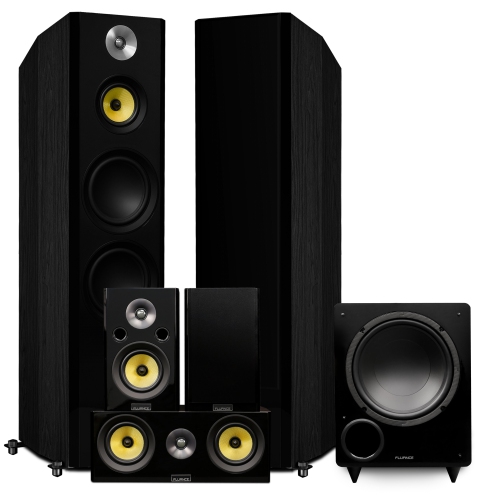
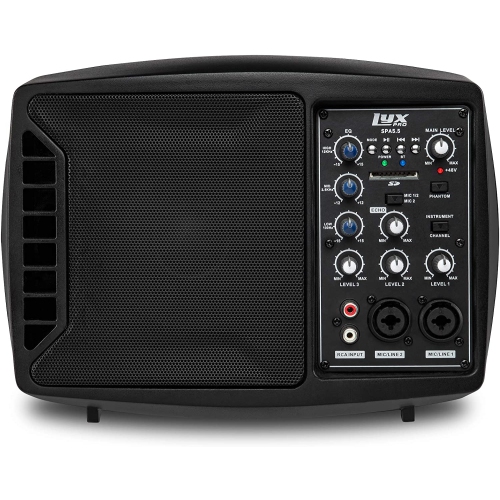
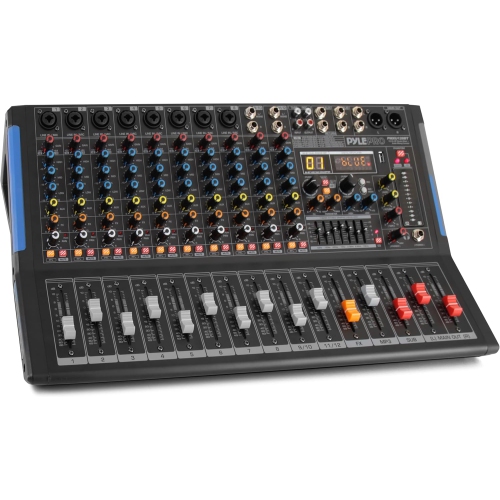
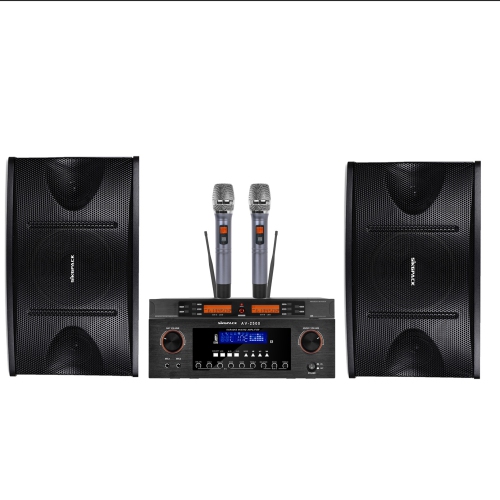
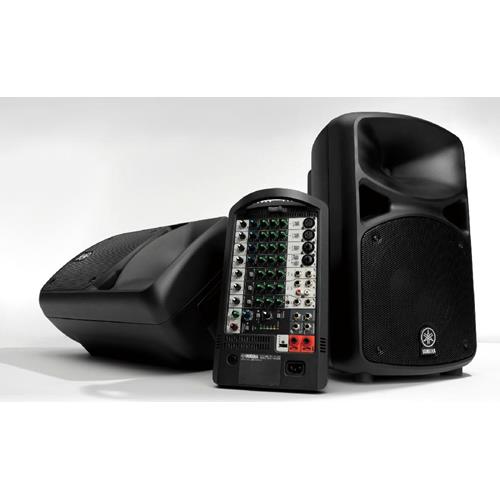
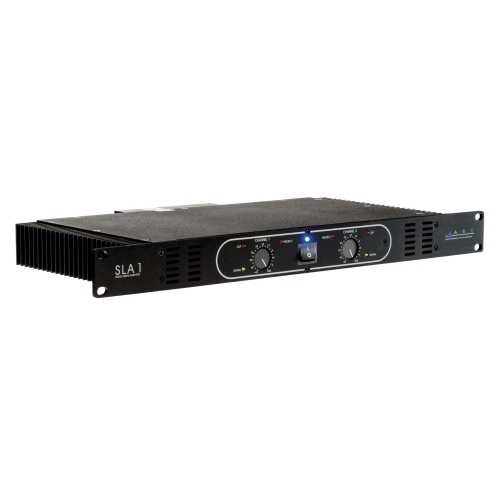
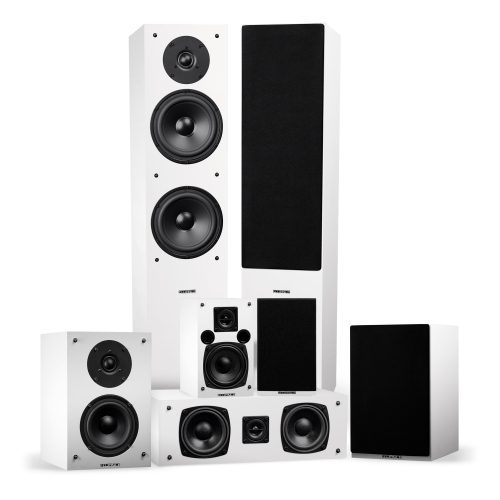
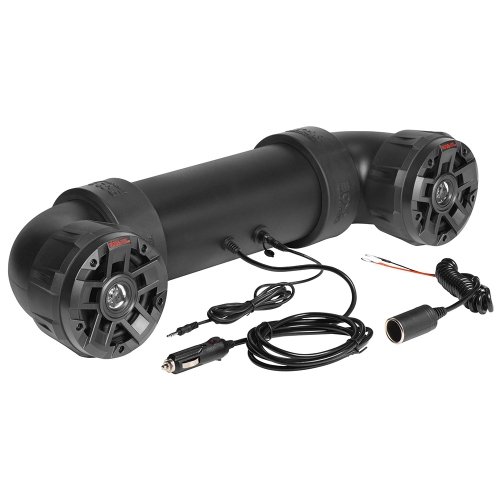
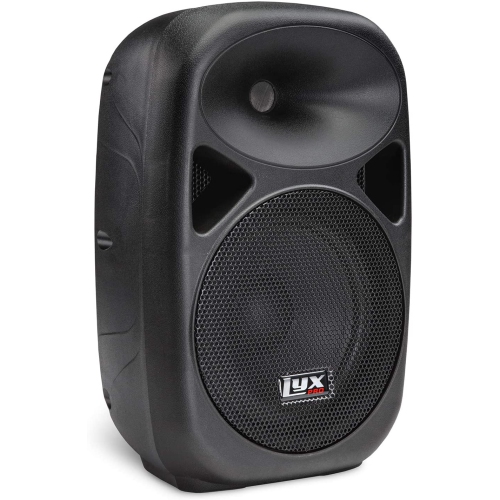
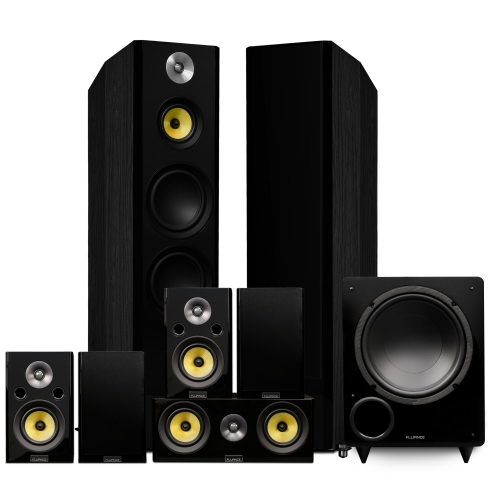
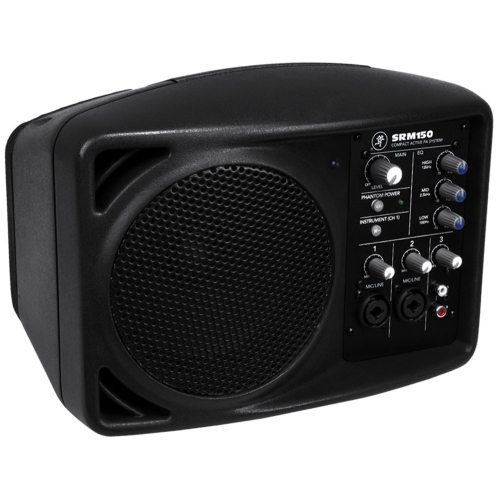
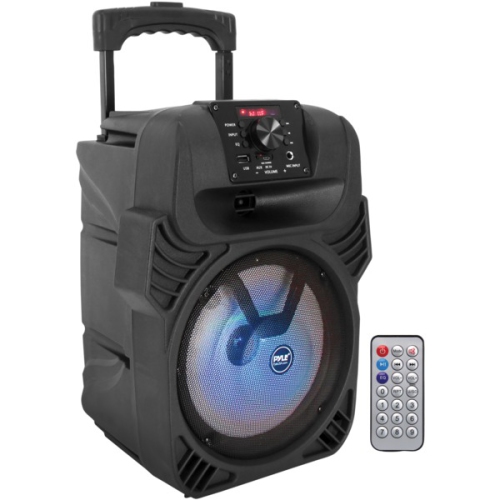
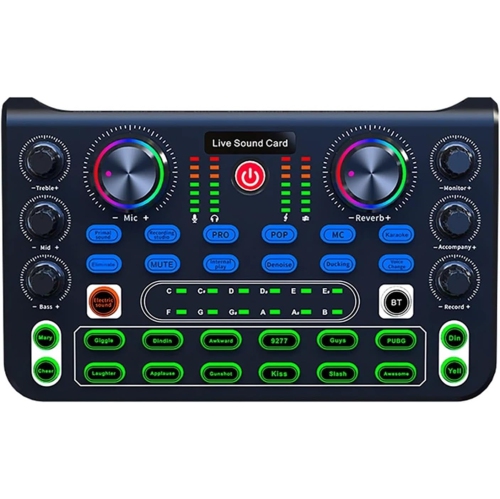
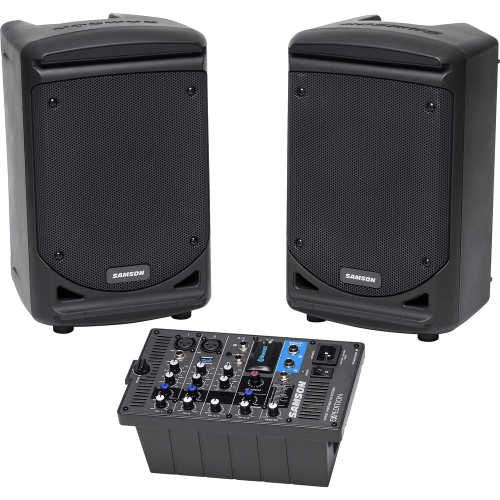
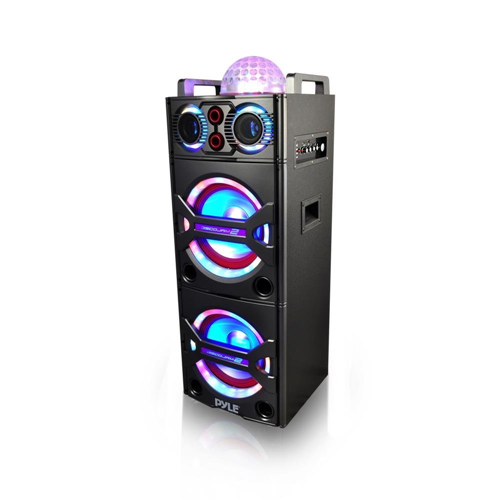
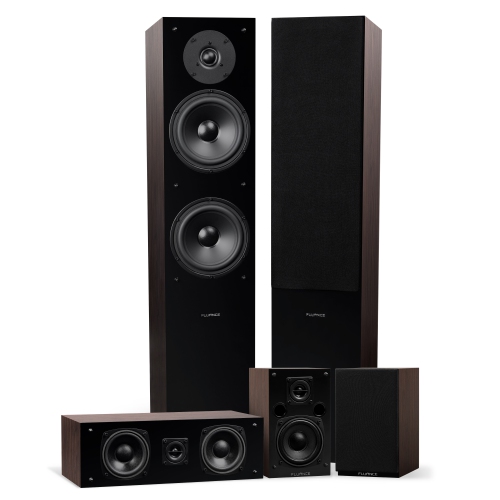
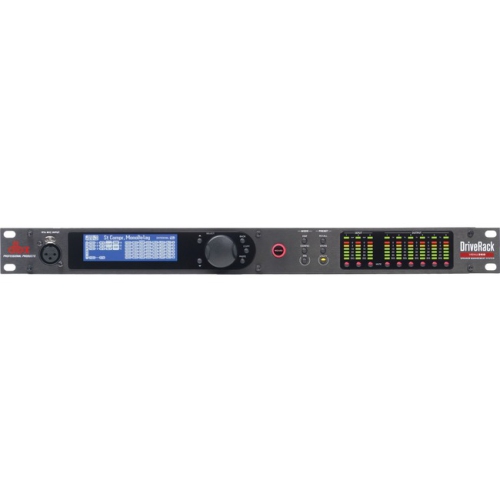
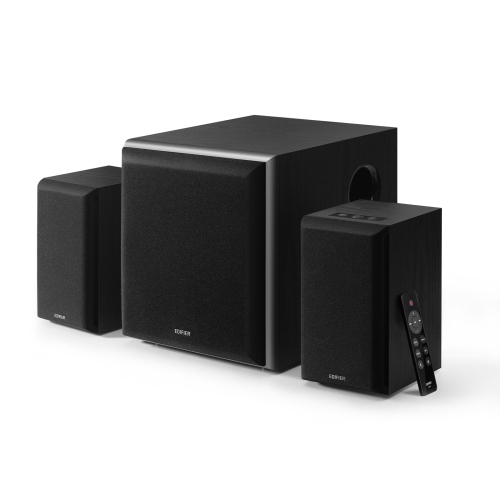
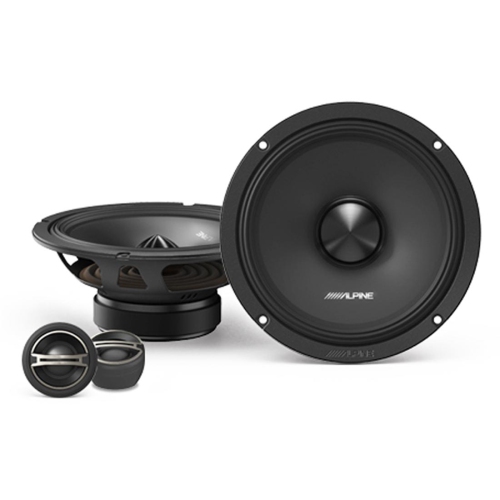
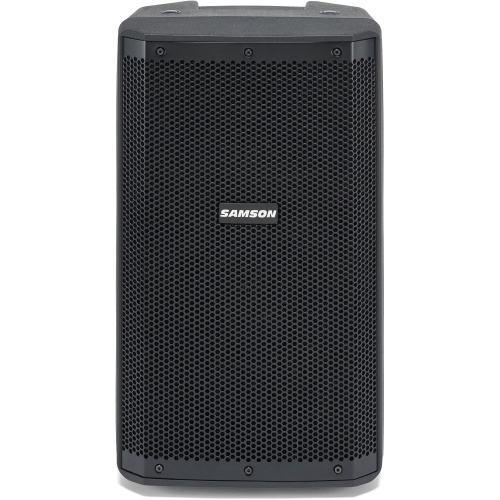
Professional sound systems are designed for spaces where clear, consistent audio needs to reach a large audience without becoming harsh, muddled, or unreliable. Unlike a small home audio setup, professional equipment is built to handle higher output levels, longer operating sessions, and the practical demands of venues such as clubs, theatres, conference rooms, houses of worship, restaurants, retail spaces, schools, community halls, and outdoor stages. A complete system may include powered or passive loudspeakers, subwoofers, mixers, amplifiers, microphones, stands, signal processors, cables, and accessories that work together to distribute sound across the room. Active speakers with built-in amplification can simplify setup for mobile entertainers, presenters, and event crews, while passive speakers paired with separate amplifiers may offer greater flexibility for permanent installations or larger production environments. Column-style PA systems are popular when a clean, portable footprint and broad horizontal coverage are important, especially for weddings, corporate presentations, acoustic performances, and smaller live events. Traditional loudspeaker-and-subwoofer combinations can deliver the fuller low-end impact needed for DJs, bands, dance floors, and amplified performances. When comparing professional sound systems, consider the size and shape of the venue, the number of people who need to hear the audio, the type of content being played, and whether the system will be used indoors, outdoors, or in both settings. A speaker that sounds impressive in a compact room may not provide the coverage required for a long banquet hall, while an oversized system may be unnecessarily difficult to transport and position. Look for specifications such as power handling, maximum sound pressure level, frequency response, dispersion pattern, input connections, and built-in mixing or wireless capabilities, but also pay attention to how easily the equipment can be carried, connected, adjusted, and stored between events.
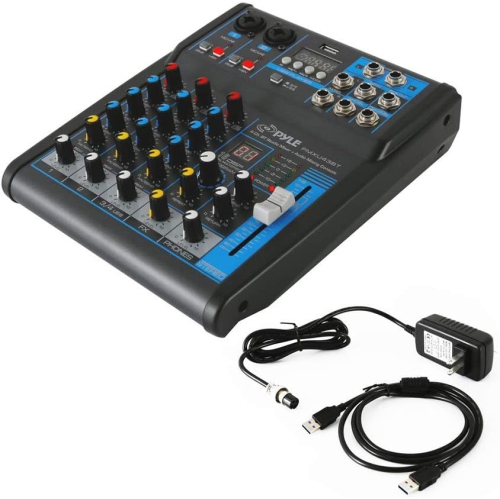
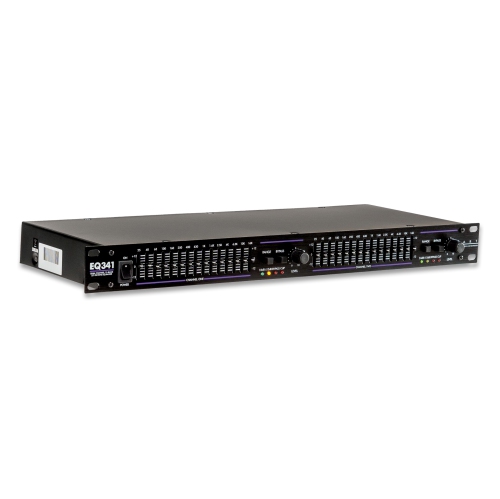
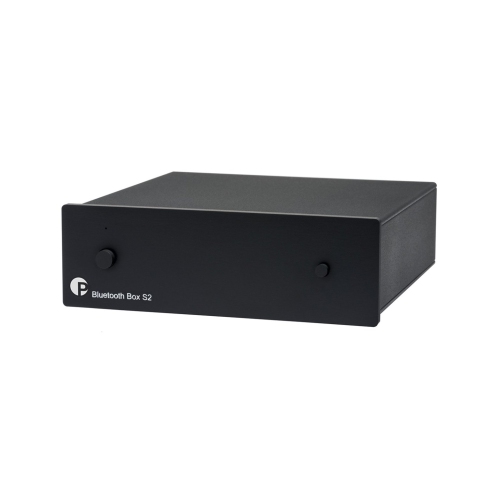
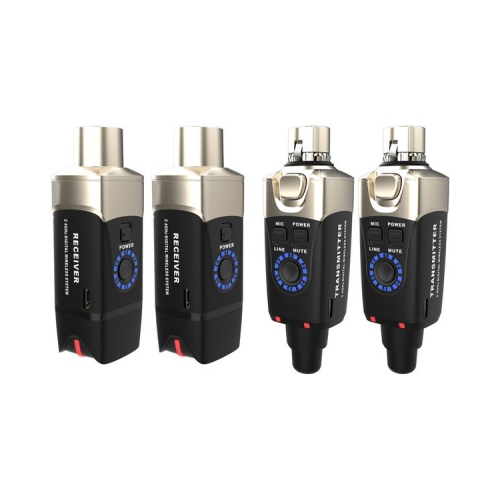
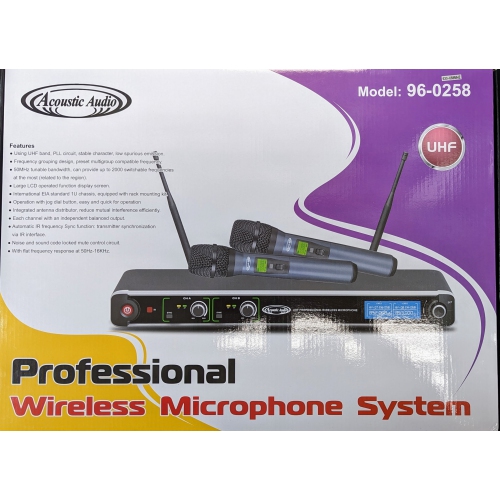
The right configuration depends on how the sound will be used. A mobile DJ may prioritize strong bass, quick setup, dependable inputs, and speakers that can be loaded into a vehicle without a large crew. A live band may need multiple microphone inputs, monitor speakers, a mixer with enough channels for vocals and instruments, and subwoofers that help the kick drum and bass guitar feel full without overwhelming the rest of the mix. A presenter or instructor may place greater importance on speech intelligibility, feedback control, wireless microphones, and even volume throughout the room. In a restaurant, shop, fitness studio, or other commercial space, background audio may be distributed through several speakers so that customers and staff experience a balanced level from one area to the next. Installed audio for business often calls for compact speakers, zone controls, discreet cabling, and equipment that can be managed easily by staff who are not sound technicians; explore Sound Systems for Business for configurations suited to commercial environments. For outdoor use, plan for changing conditions, longer cable runs, ambient noise, and the need to position speakers where sound can travel freely. Weather exposure, power availability, and secure placement also deserve careful attention. A system with Bluetooth connectivity can be convenient for playlists or informal events, while wired inputs remain valuable for dependable connections to mixers, instruments, laptops, and presentation equipment. Wireless microphones can make a host or performer more mobile, but they should be selected with operating range, battery life, and frequency compatibility in mind. A mixer gives the operator control over individual sources, allowing vocals, music, instruments, and announcements to be balanced rather than forced through one shared volume setting. Basic equalization, gain control, and feedback prevention can make a noticeable difference when a room has hard floors, glass, high ceilings, or other reflective surfaces.
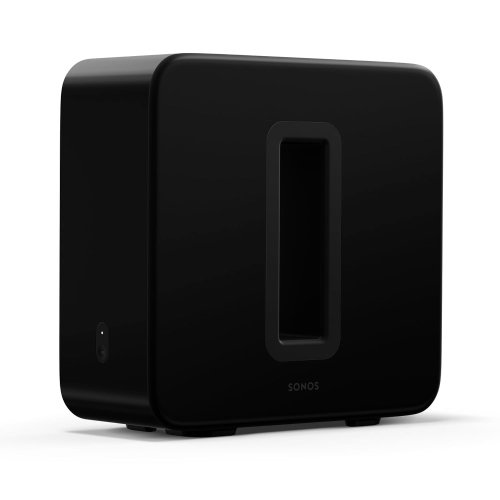
Professional sound equipment can also make a thoughtful gift for musicians, DJs, event hosts, community organizations, schools, and creators who are building a reliable setup over time. Someone beginning to perform at private celebrations may appreciate a portable PA system that supports microphones and music, while an experienced musician may benefit more from a matching subwoofer, monitor speaker, mixer, microphone, stand, or high-quality cable that expands an existing rig. Before choosing an individual component, check the connections and specifications of the equipment already in use so that the new addition will integrate properly. Consider the difference between a front-of-house speaker, which projects sound toward the audience, and a monitor, which lets performers hear themselves on stage. Subwoofers extend the lower frequencies and can bring depth to recorded music, electronic performances, films, and full-band arrangements, but they should be balanced with the main speakers rather than operated at maximum volume. Placement matters as much as power: raising loudspeakers above the audience can improve coverage, keeping microphones behind the main speakers can reduce feedback, and aiming each cabinet toward the listening area can help prevent hot spots and quiet corners. Give the system enough headroom to produce clean sound at the required volume instead of pushing it constantly to its limit. It is also worth allowing room in the budget for speaker stands, covers, extension cables, adapters, power distribution, cases, and spare batteries, since these practical additions often determine how smoothly an event runs. During the warmer season, portable systems can support outdoor ceremonies, patio performances, markets, and community gatherings; during the cooler months, the same equipment can move indoors for fundraisers, presentations, rehearsals, parties, and live entertainment. Whether the goal is powerful music for a crowded venue, natural speech for an audience, or even background audio across a commercial space, a well-matched professional sound system provides the coverage, control, and dependable performance needed to keep every part of the room connected.
The right configuration depends on how the sound will be used. A mobile DJ may prioritize strong bass, quick setup, dependable inputs, and speakers that can be loaded into a vehicle without a large crew. A live band may need multiple microphone inputs, monitor speakers, a mixer with enough channels for vocals and instruments, and subwoofers that help the kick drum and bass guitar feel full without overwhelming the rest of the mix. A presenter or instructor may place greater importance on speech intelligibility, feedback control, wireless microphones, and even volume throughout the room. In a restaurant, shop, fitness studio, or other commercial space, background audio may be distributed through several speakers so that customers and staff experience a balanced level from one area to the next. Installed audio for business often calls for compact speakers, zone controls, discreet cabling, and equipment that can be managed easily by staff who are not sound technicians; explore Sound Systems for Business for configurations suited to commercial environments. For outdoor use, plan for changing conditions, longer cable runs, ambient noise, and the need to position speakers where sound can travel freely. Weather exposure, power availability, and secure placement also deserve careful attention. A system with Bluetooth connectivity can be convenient for playlists or informal events, while wired inputs remain valuable for dependable connections to mixers, instruments, laptops, and presentation equipment. Wireless microphones can make a host or performer more mobile, but they should be selected with operating range, battery life, and frequency compatibility in mind. A mixer gives the operator control over individual sources, allowing vocals, music, instruments, and announcements to be balanced rather than forced through one shared volume setting. Basic equalization, gain control, and feedback prevention can make a noticeable difference when a room has hard floors, glass, high ceilings, or other reflective surfaces.
Professional sound equipment can also make a thoughtful gift for musicians, DJs, event hosts, community organizations, schools, and creators who are building a reliable setup over time. Someone beginning to perform at private celebrations may appreciate a portable PA system that supports microphones and music, while an experienced musician may benefit more from a matching subwoofer, monitor speaker, mixer, microphone, stand, or high-quality cable that expands an existing rig. Before choosing an individual component, check the connections and specifications of the equipment already in use so that the new addition will integrate properly. Consider the difference between a front-of-house speaker, which projects sound toward the audience, and a monitor, which lets performers hear themselves on stage. Subwoofers extend the lower frequencies and can bring depth to recorded music, electronic performances, films, and full-band arrangements, but they should be balanced with the main speakers rather than operated at maximum volume. Placement matters as much as power: raising loudspeakers above the audience can improve coverage, keeping microphones behind the main speakers can reduce feedback, and aiming each cabinet toward the listening area can help prevent hot spots and quiet corners. Give the system enough headroom to produce clean sound at the required volume instead of pushing it constantly to its limit. It is also worth allowing room in the budget for speaker stands, covers, extension cables, adapters, power distribution, cases, and spare batteries, since these practical additions often determine how smoothly an event runs. During the warmer season, portable systems can support outdoor ceremonies, patio performances, markets, and community gatherings; during the cooler months, the same equipment can move indoors for fundraisers, presentations, rehearsals, parties, and live entertainment. Whether the goal is powerful music for a crowded venue, natural speech for an audience, or even background audio across a commercial space, a well-matched professional sound system provides the coverage, control, and dependable performance needed to keep every part of the room connected.
Top selling and popular products
-
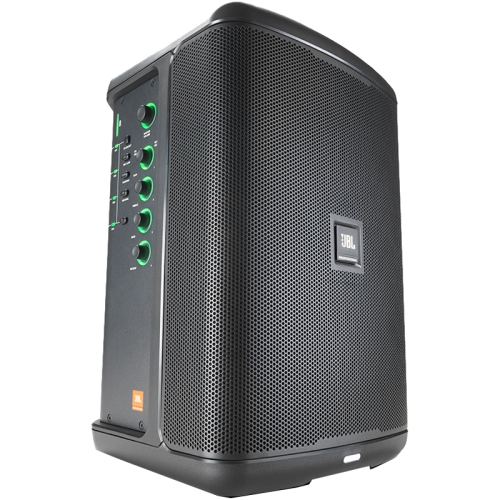 Your price for this item is $999.99
 -
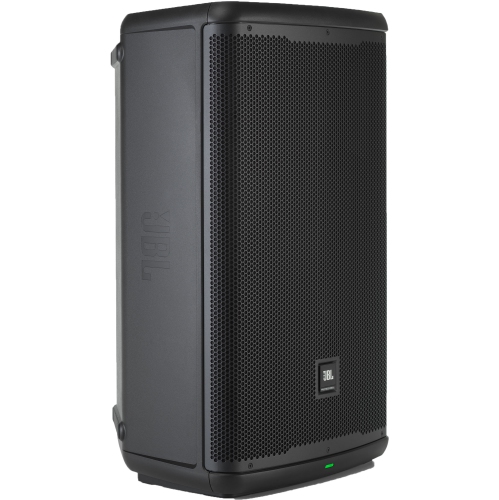 Your price for this item is $1049.99
 -
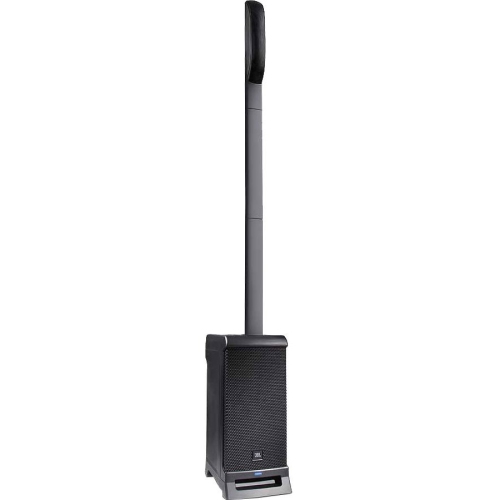 Your price for this item is $2099.99
 -
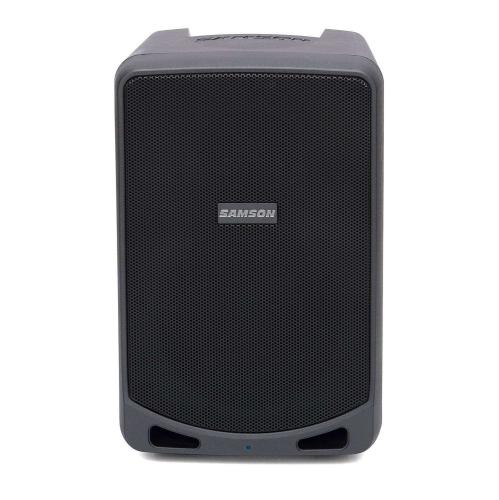 Your price for this item is $519.99
 -
 Your price for this item is $899.99
 -
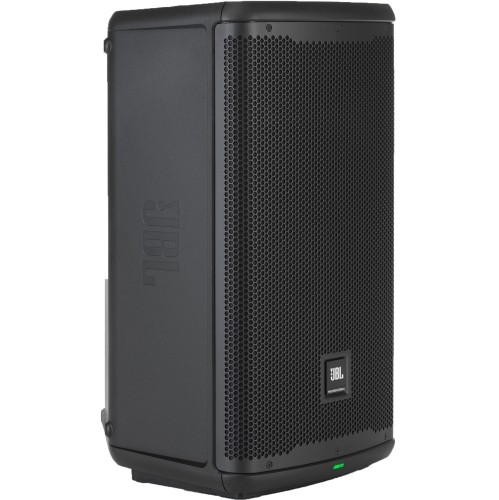 Your price for this item is $799.99
 -
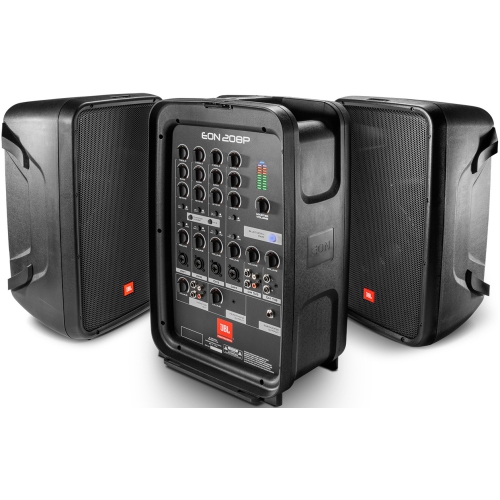 Your price for this item is $1649.99
 -
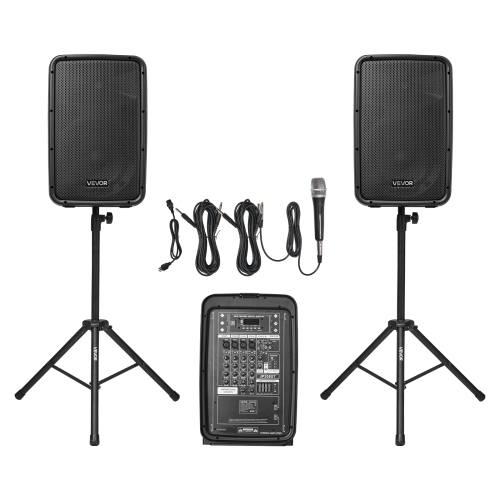 Your price for this item is $359.9
Discover more categories related to Professional Sound Systems

Top Collections:
Pokemon Centers, Kindle Devices, Best Budget Office Chairs, Apple iPhones 16, Best Laptops for Writers, iPhone 15 Apple, Canon G7X Cameras, Refurbished Apple Laptops, Alarm Clock, Motorola Razr Phones
Some products may be subject to Environmental Handling Fees
(EHF) depending on your province.
Learn more about EHFs.