Classic Vinyl Turntable Record Players
Experience the timeless beauty and nostalgia of vinyl with our collection of classic vinyl turntable record players. Whether you're a seasoned audiophile or just starting your vinyl journey, these record players combine vintage charm with modern functionality to deliver an unparalleled listening experience. Immerse yourself in the warm, rich sound that only vinyl can provide as you rediscover your favorite albums and explore new music. With a range of styles and features to choose from, find the perfect turntable to complement your home decor and elevate your audio setup.
Sort
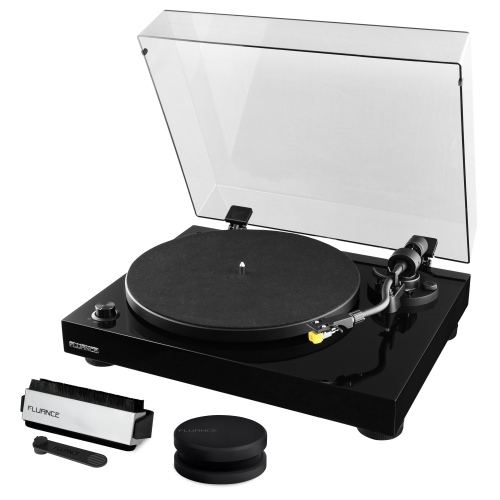
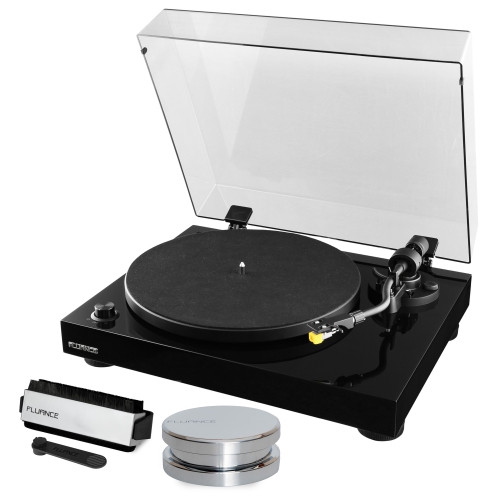
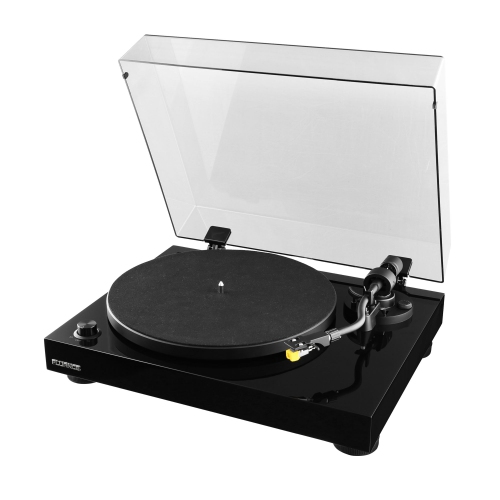

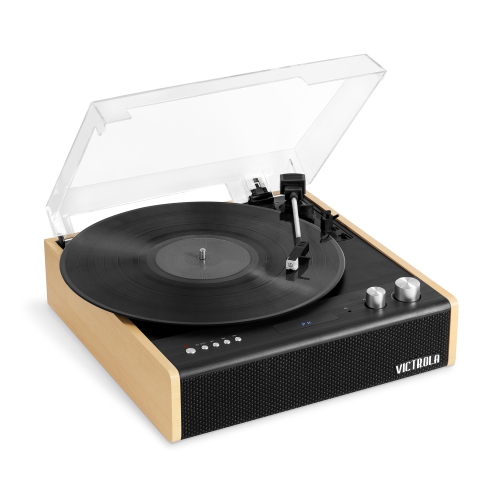


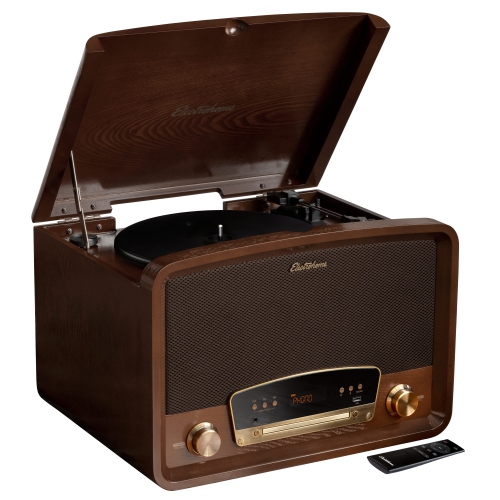
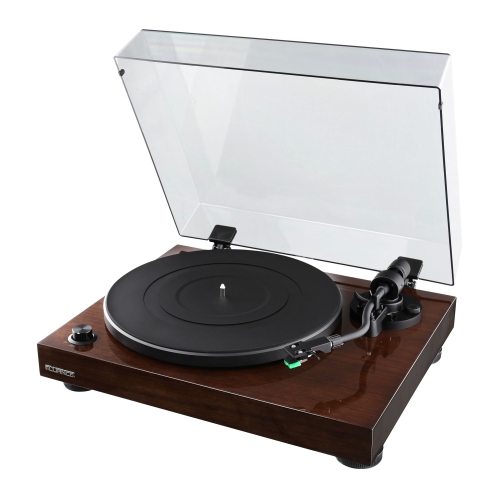
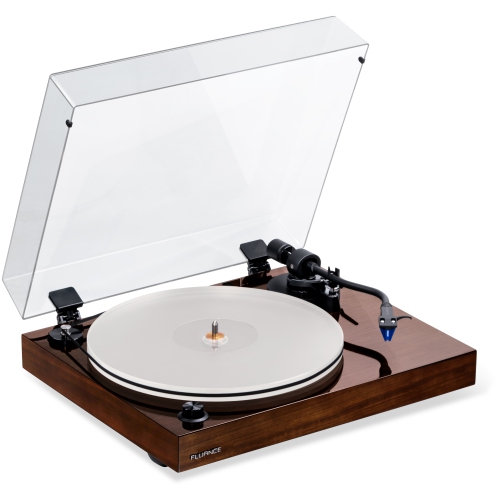
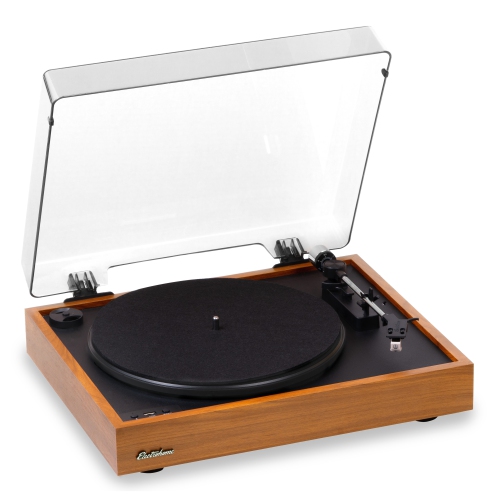
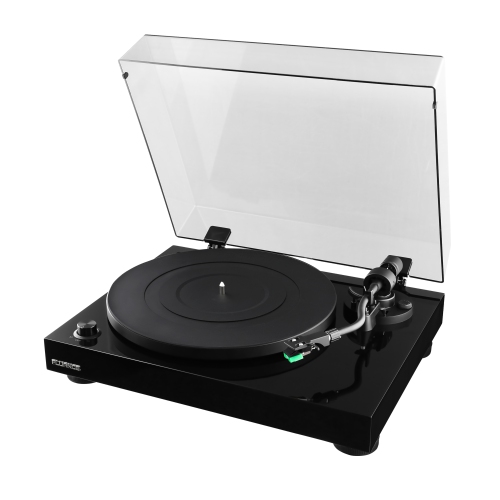
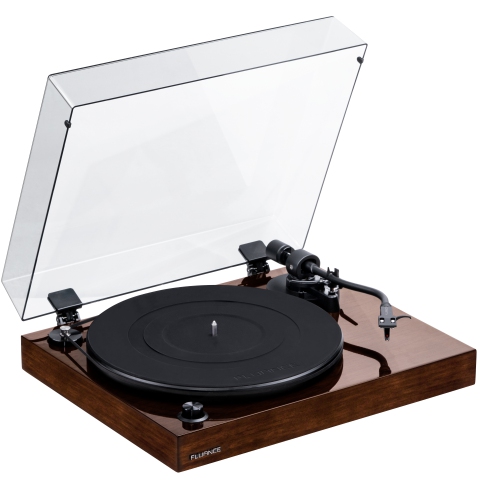
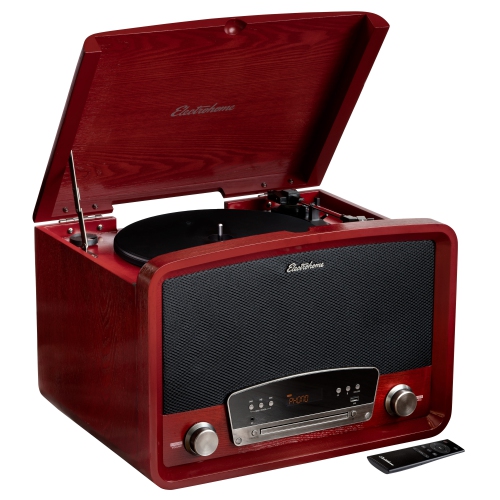
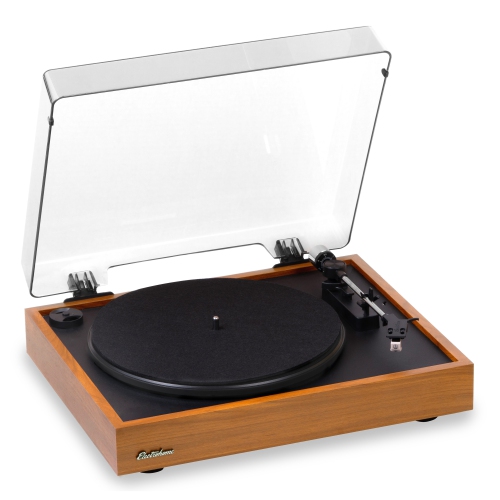

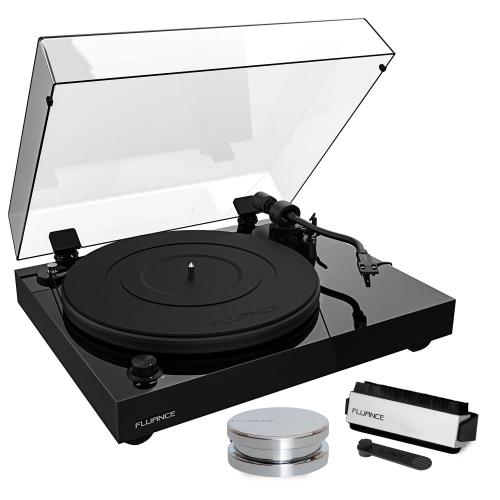
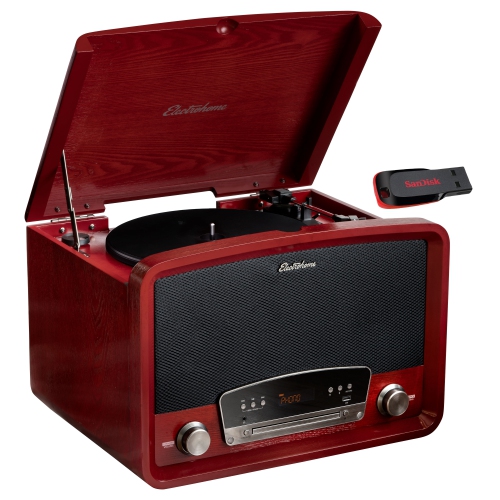
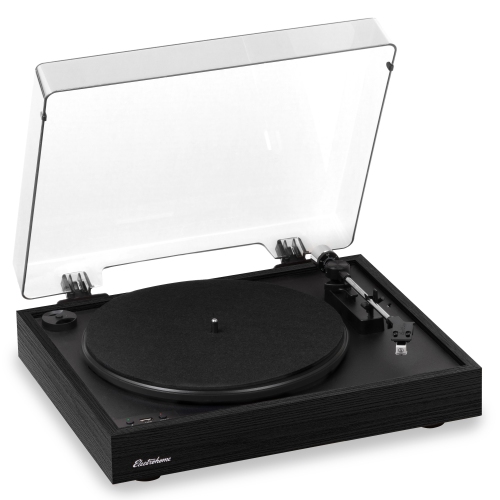

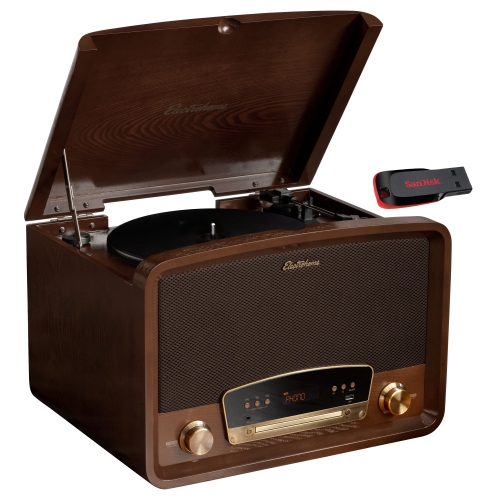

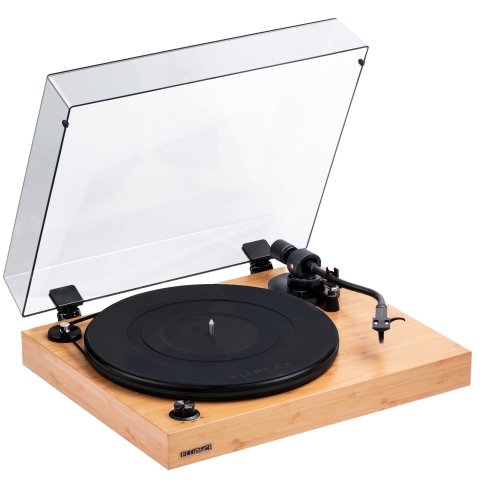
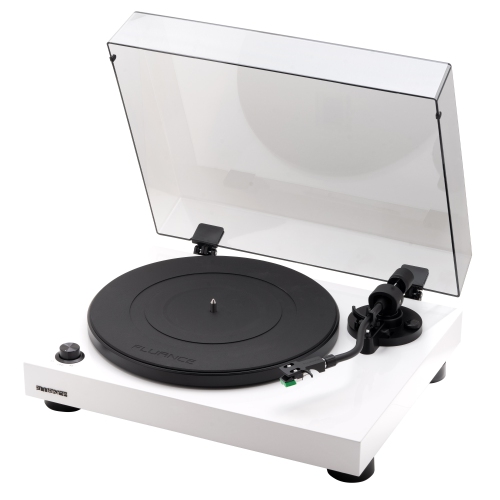
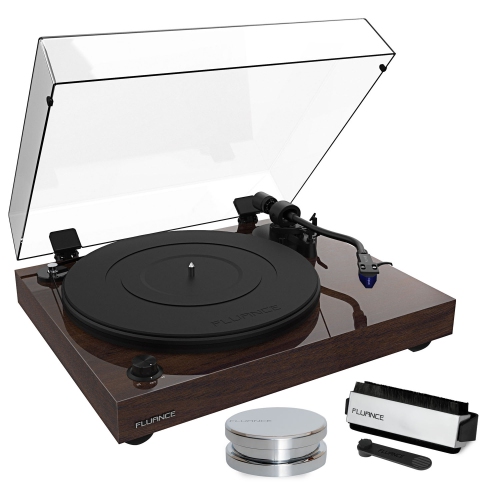
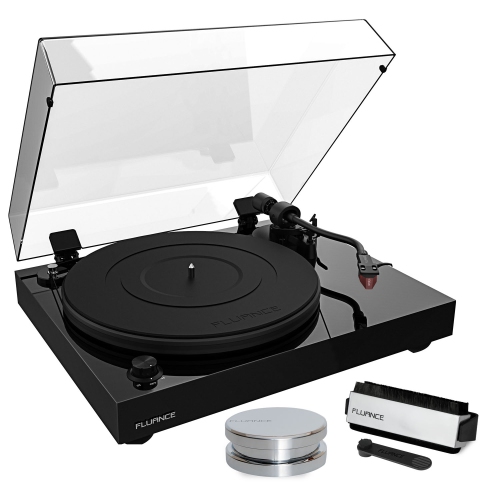
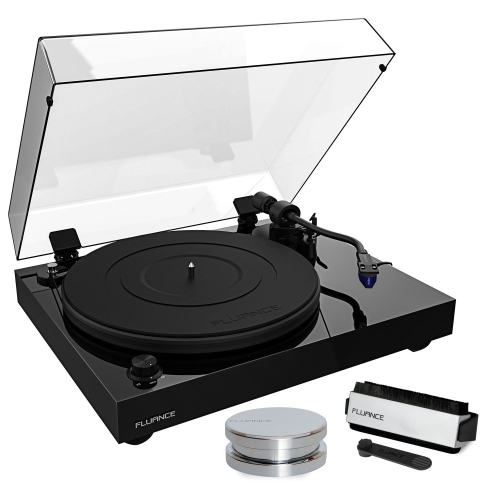
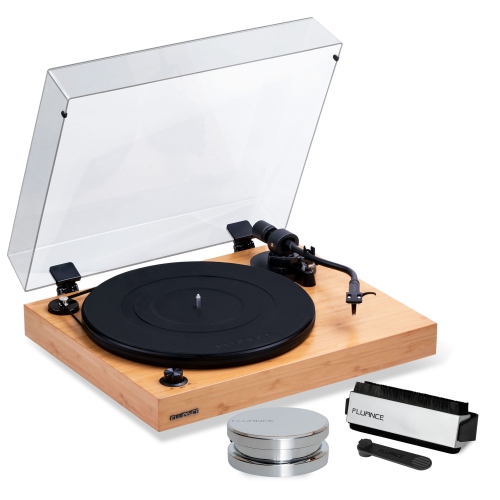
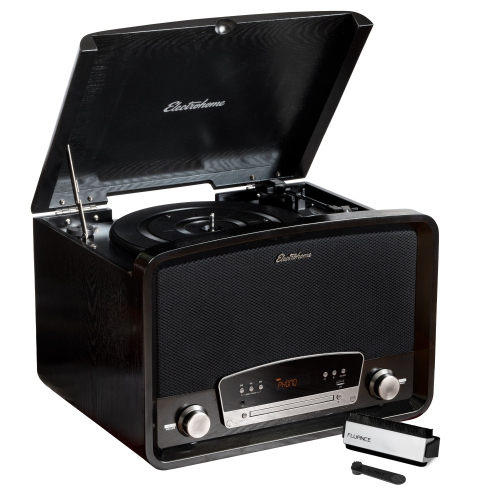
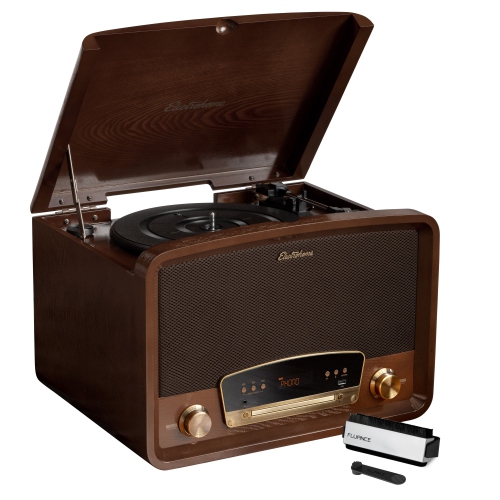
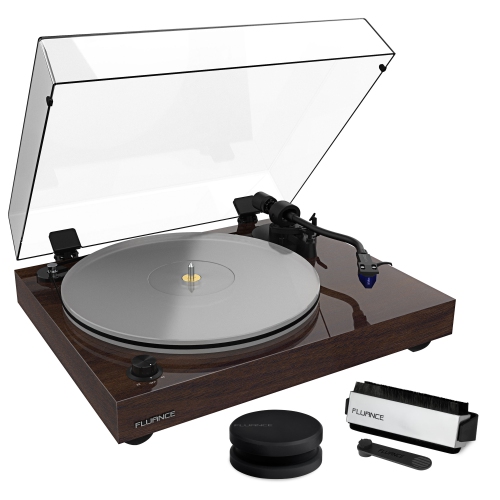
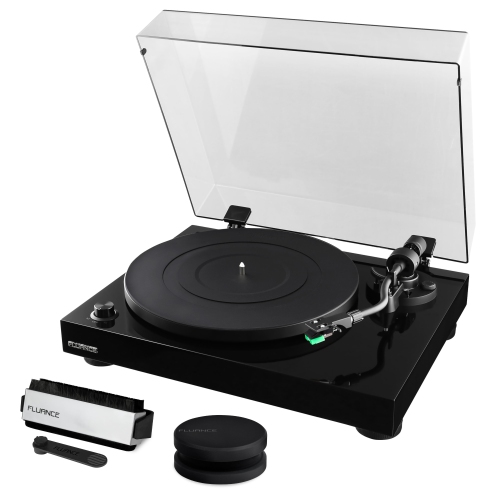
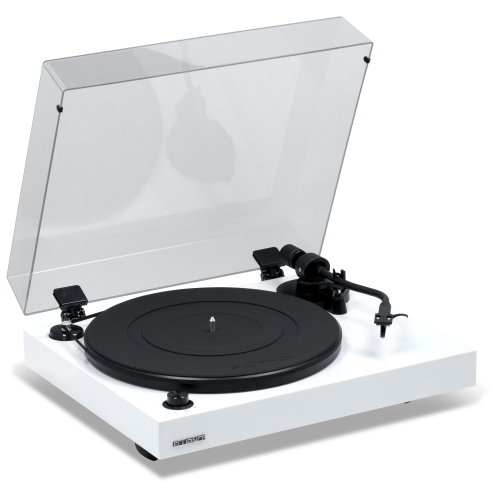
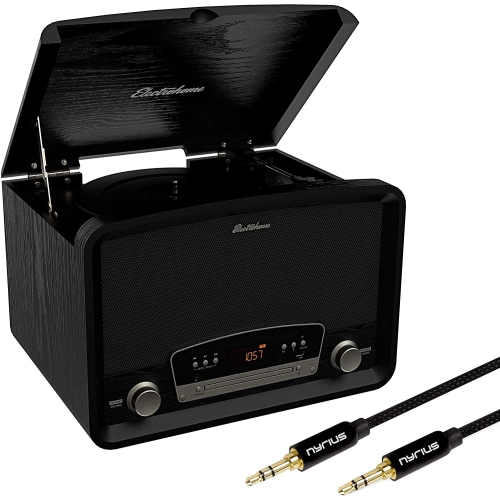
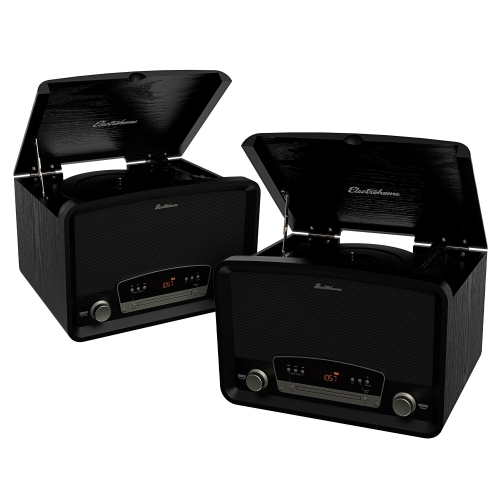
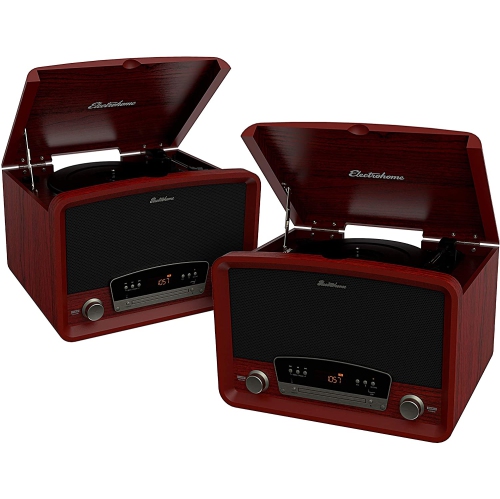
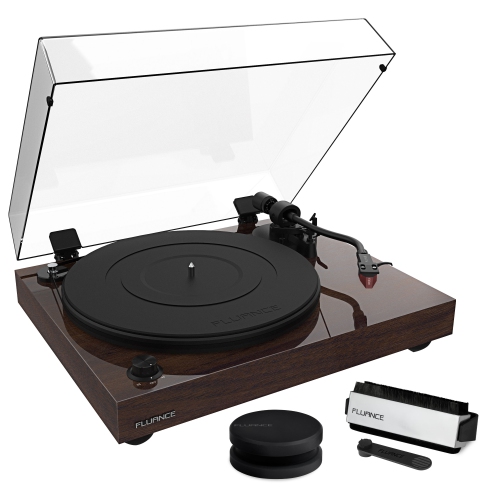
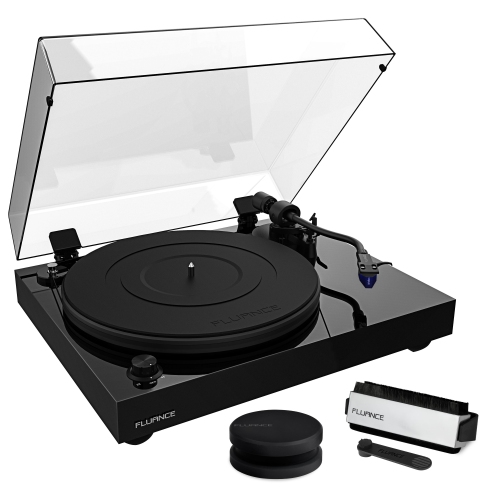
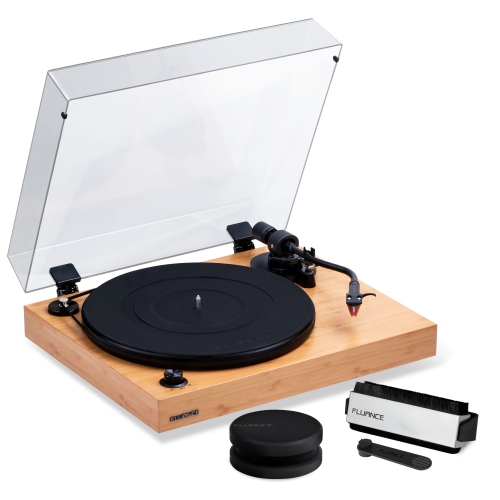
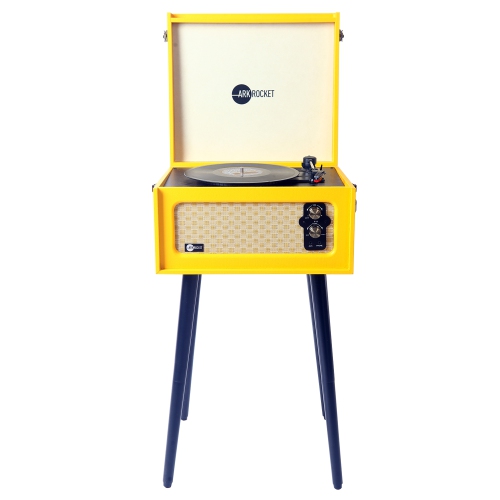
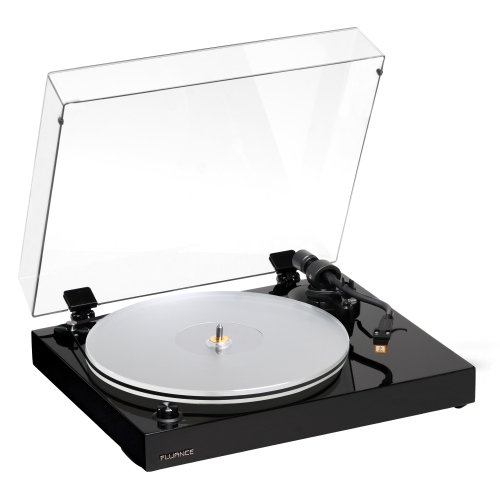
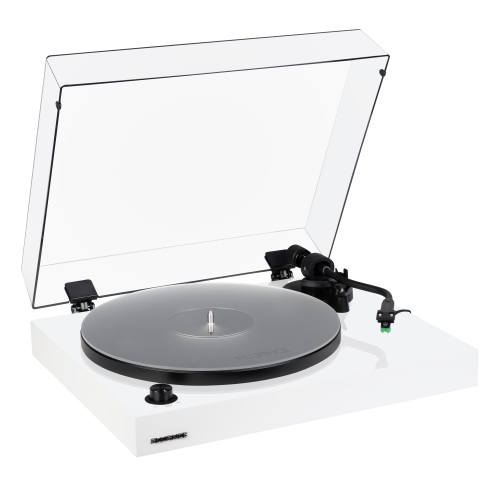
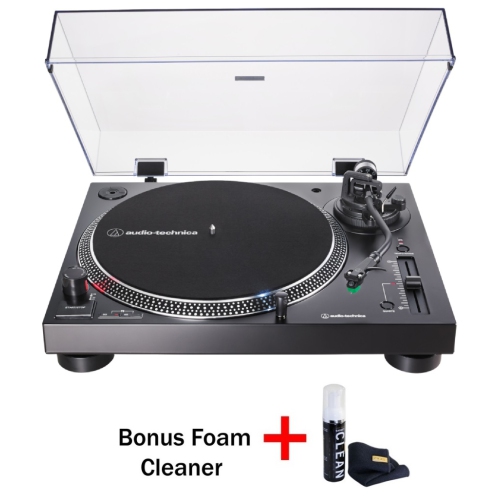
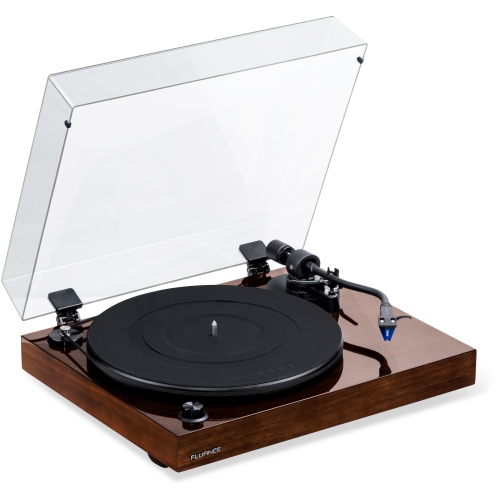
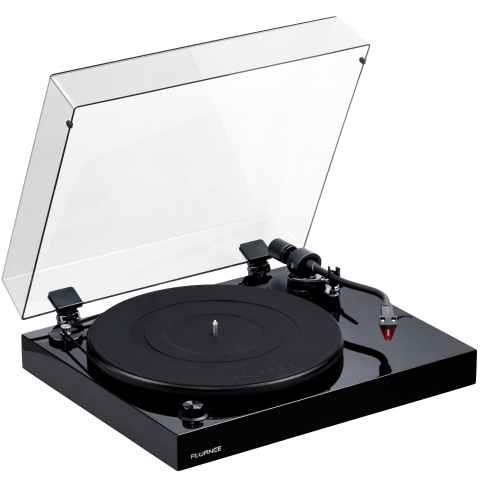
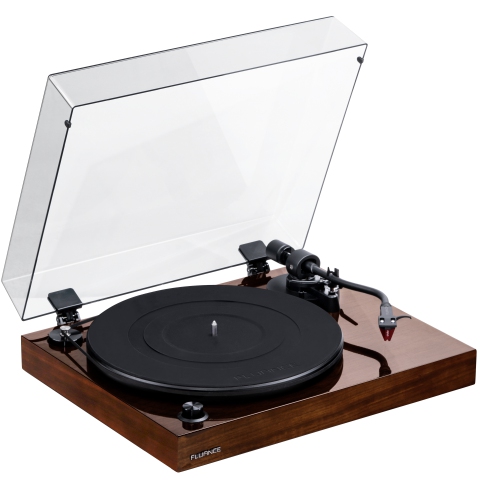
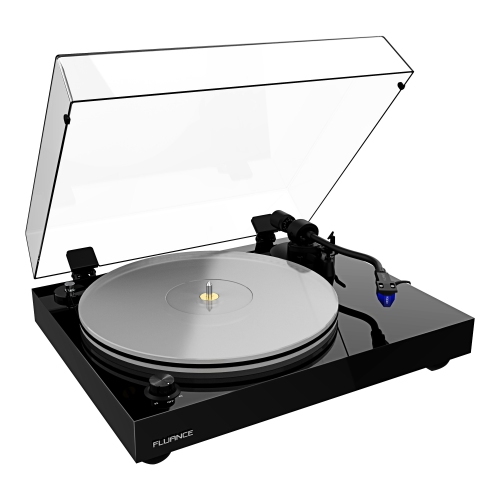
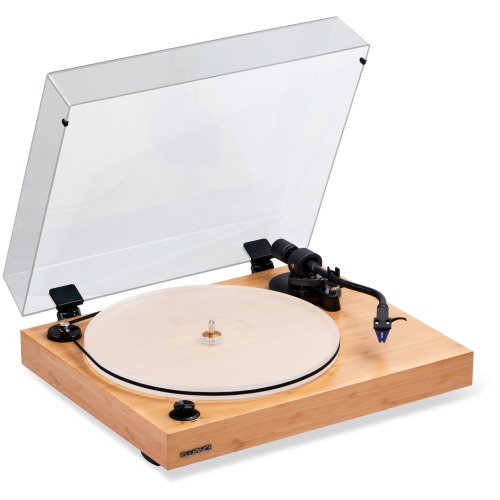
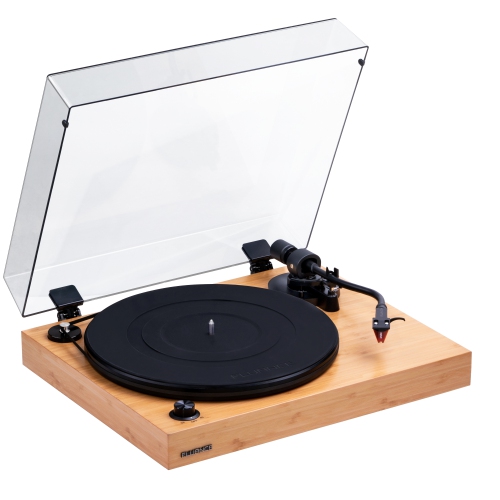
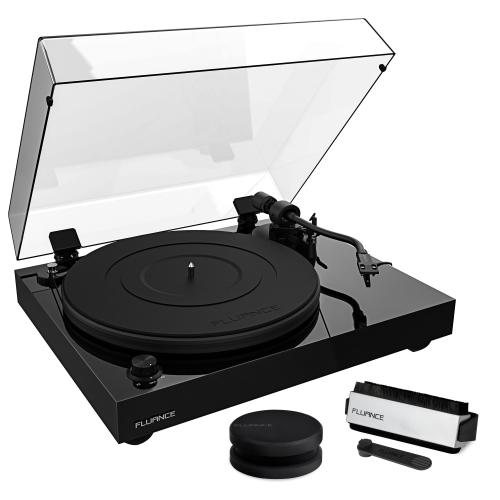
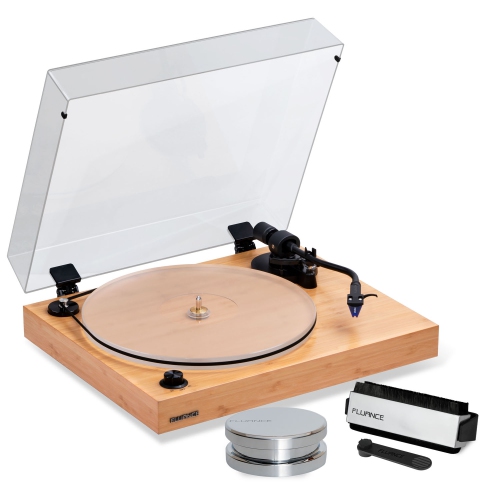
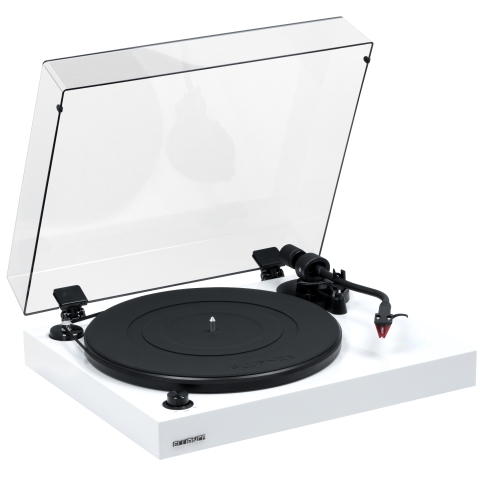
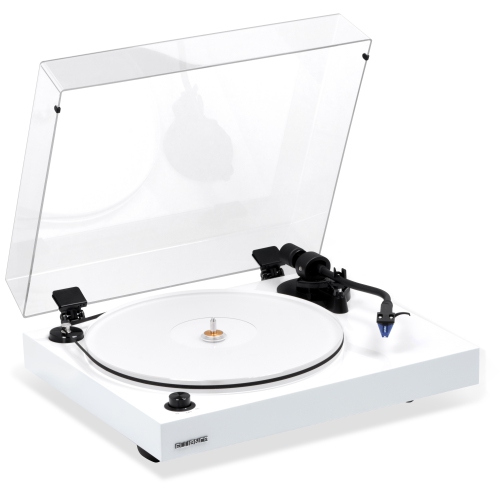
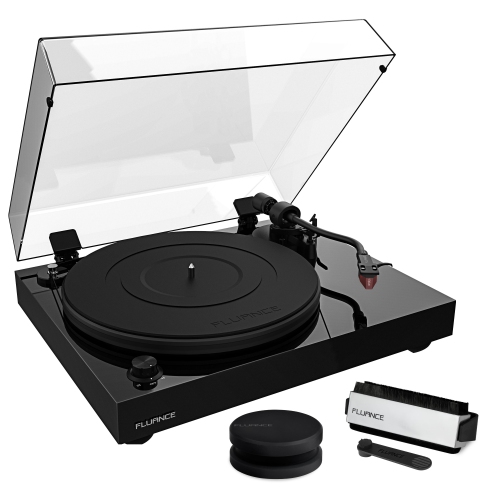
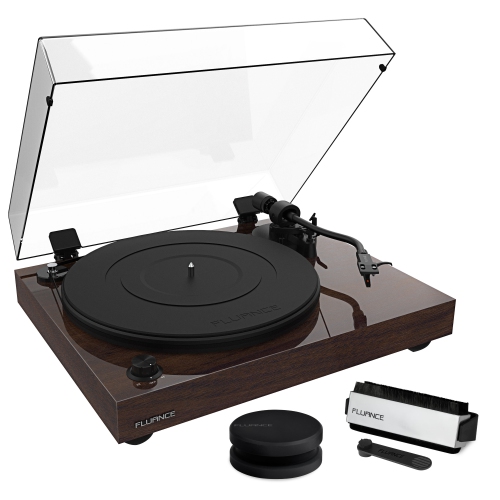
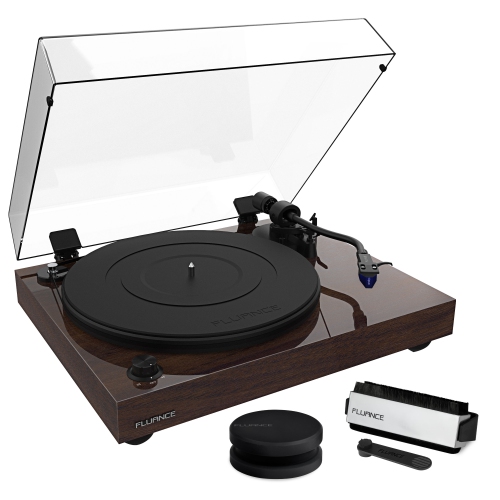
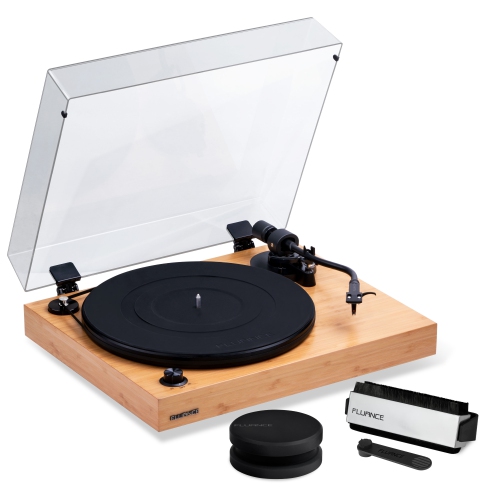
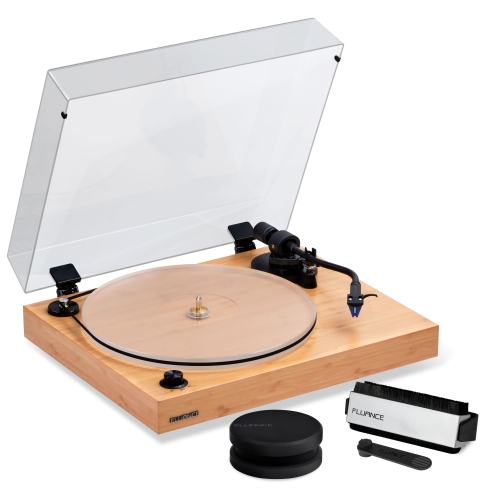
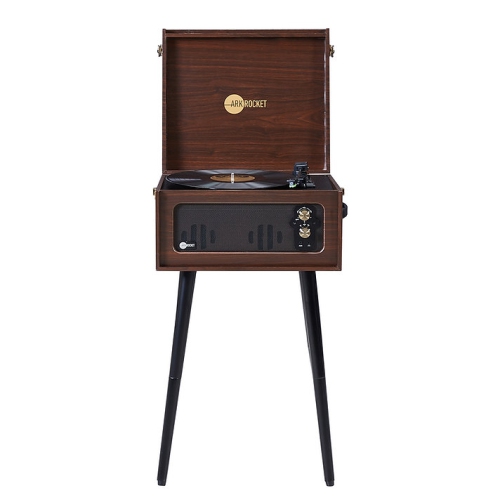
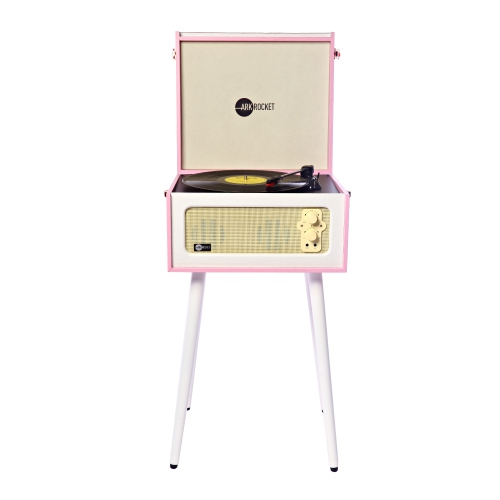
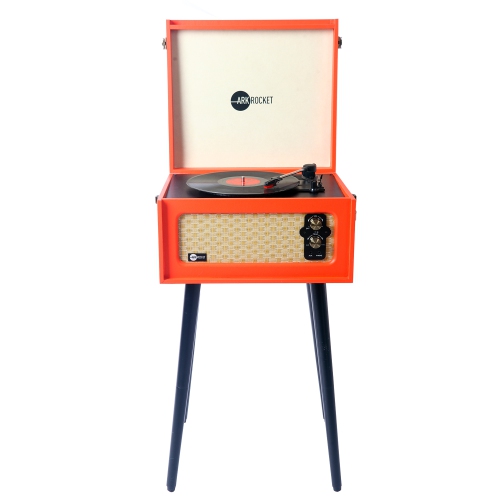
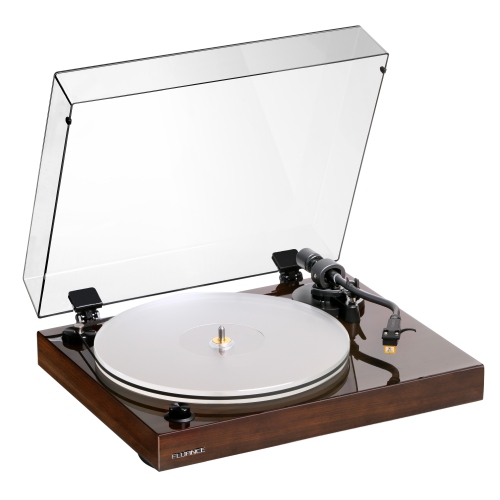

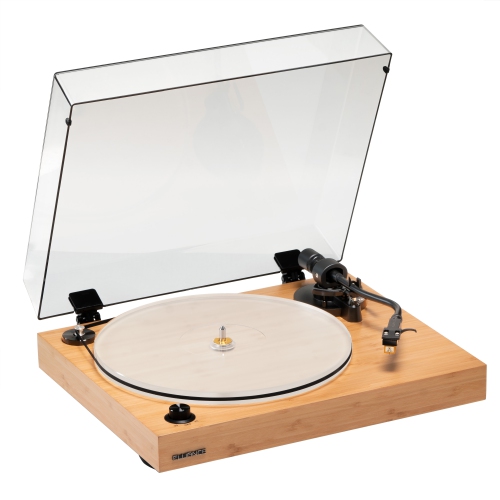

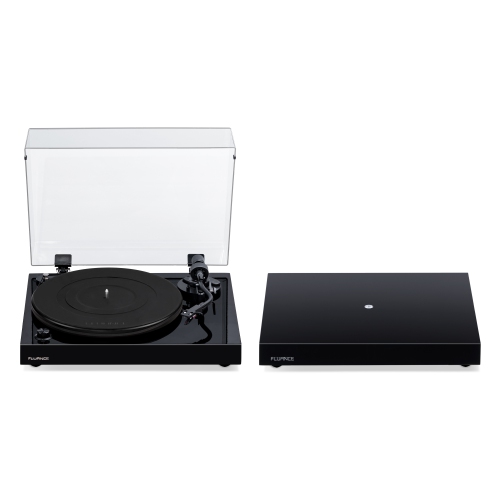
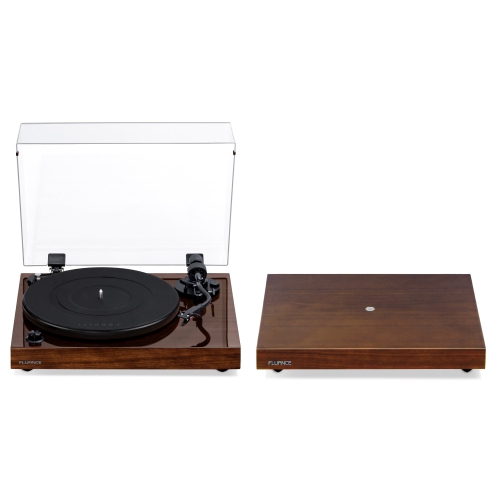
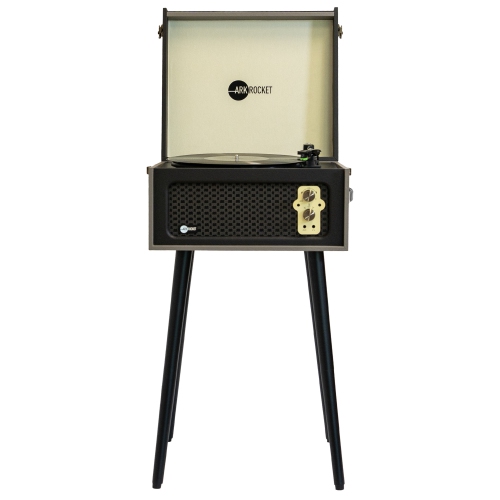
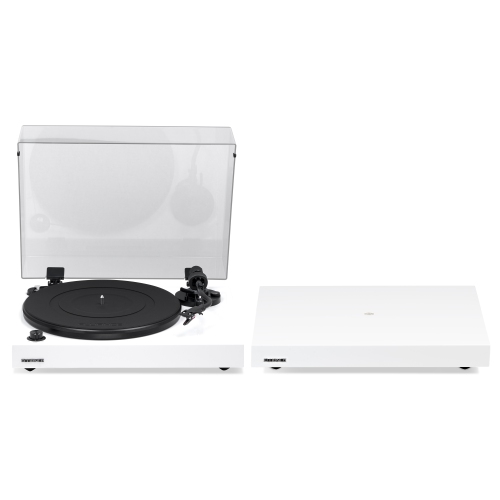
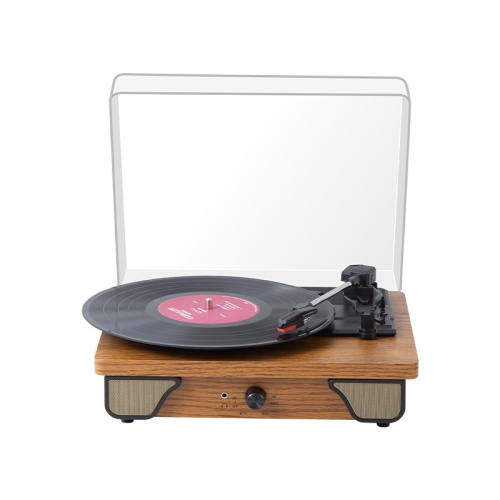
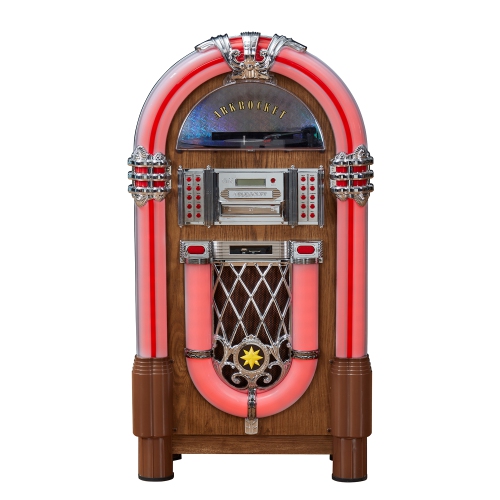
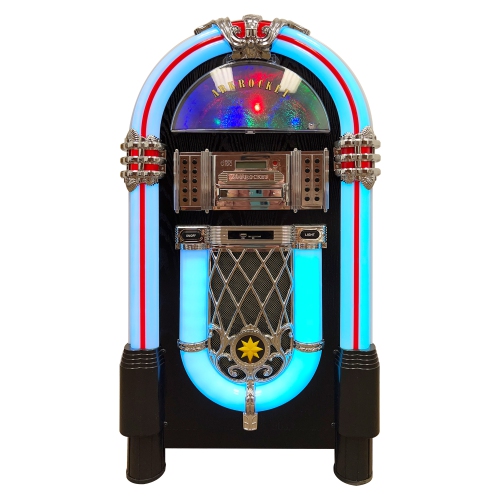

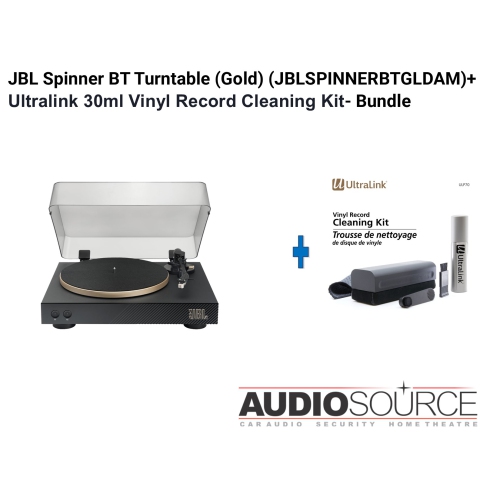
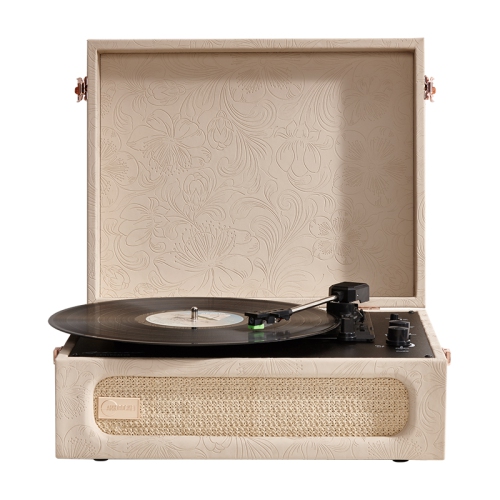
Timeless album rituals for modern listening spaces
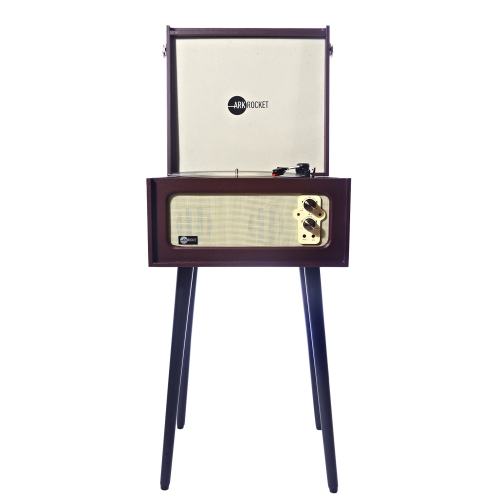
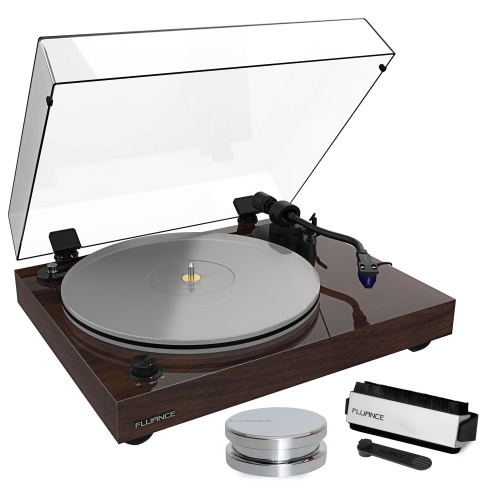
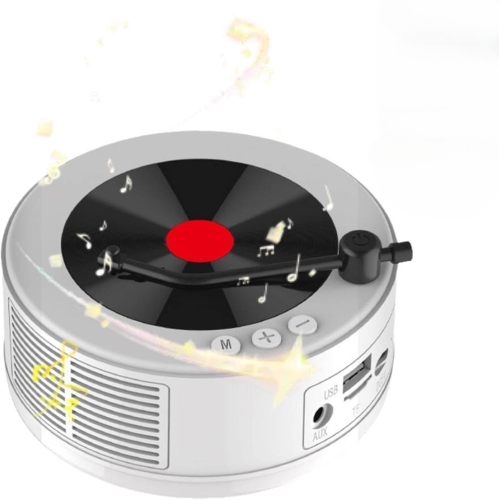
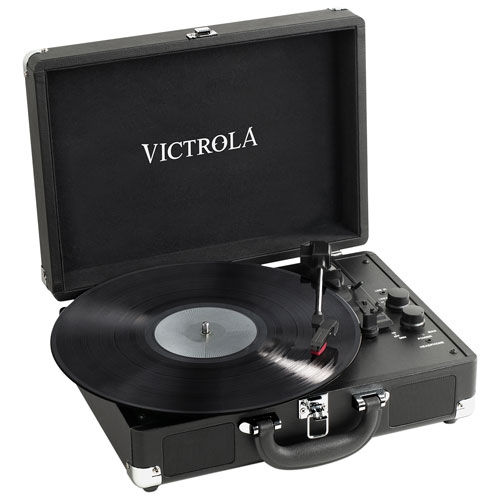
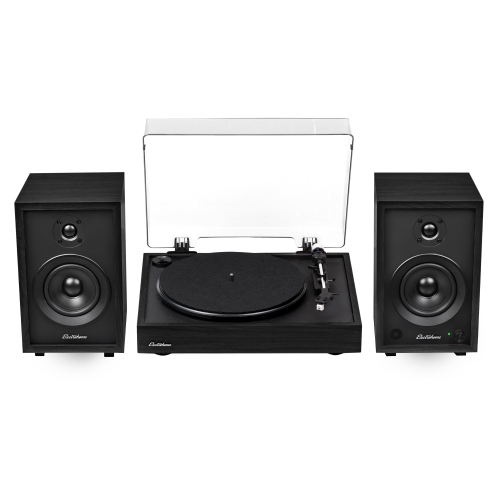
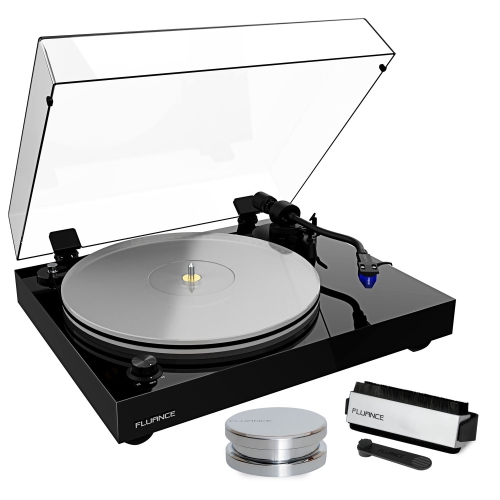
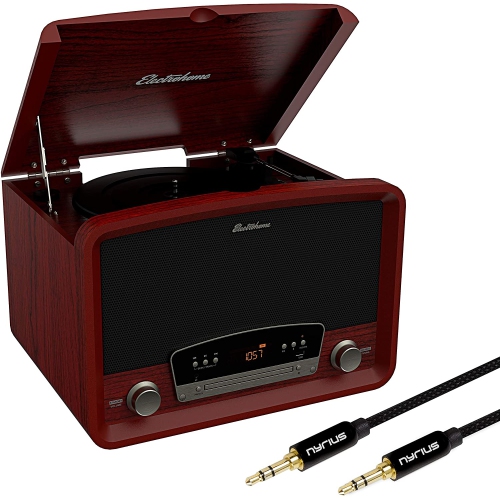
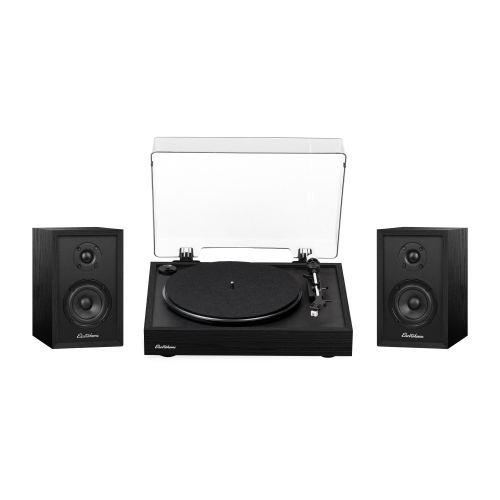
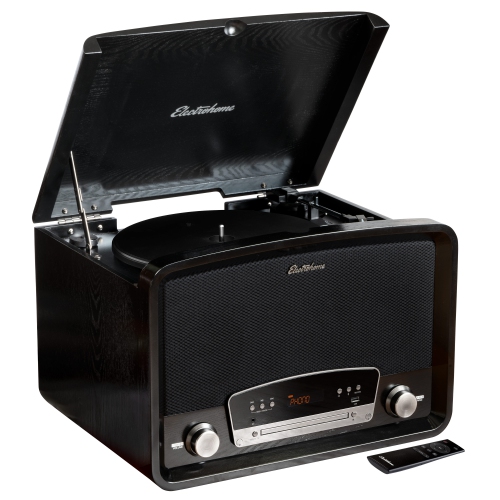
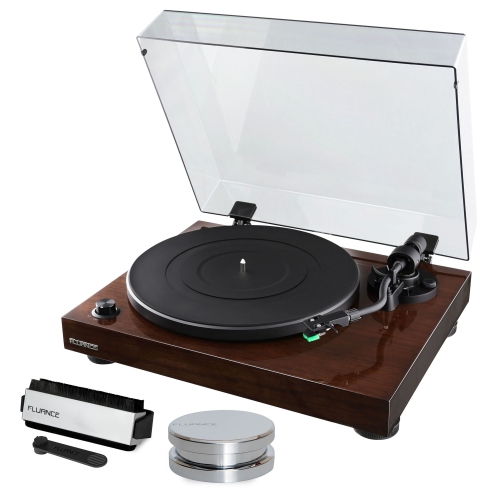
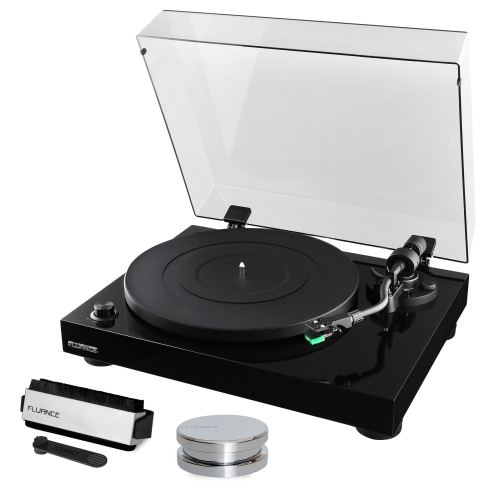
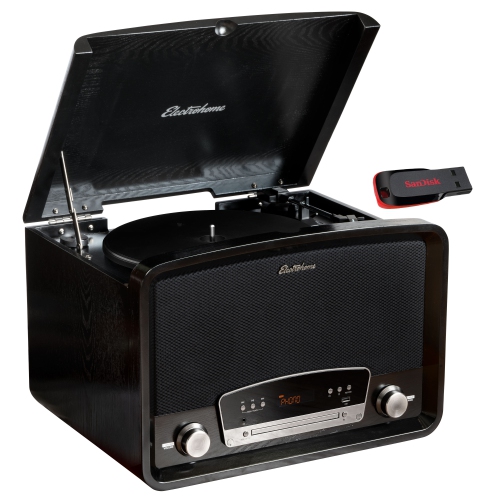
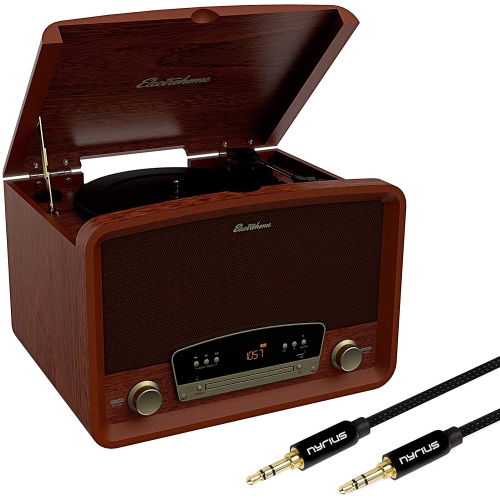
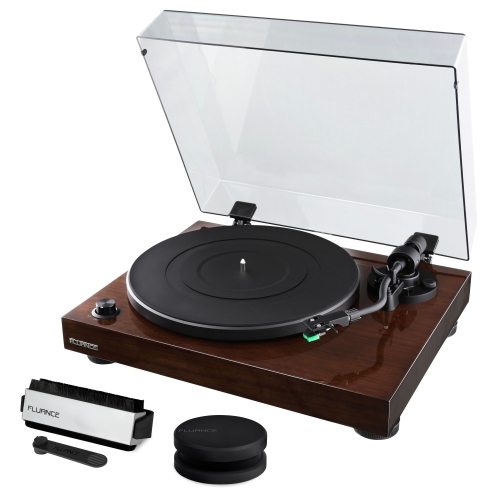
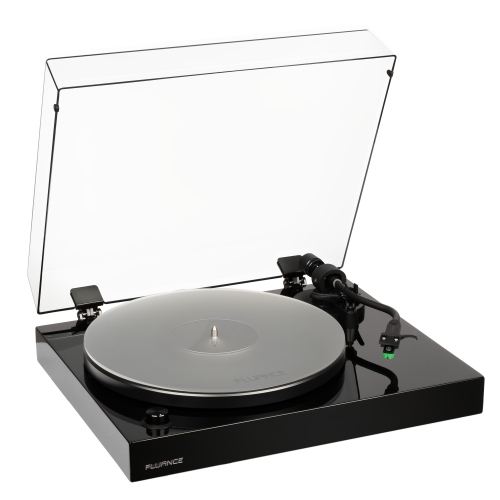
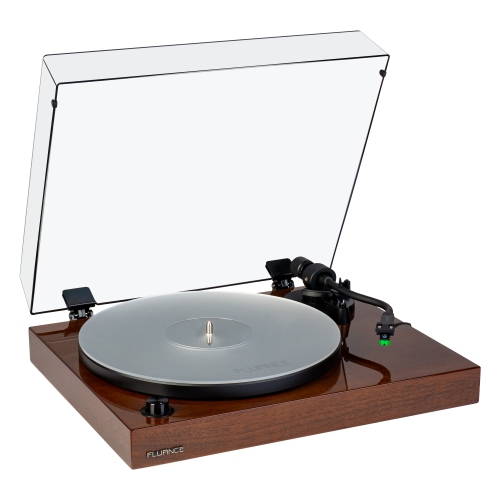
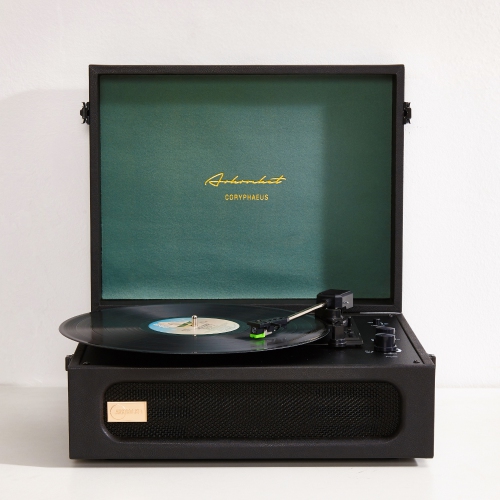
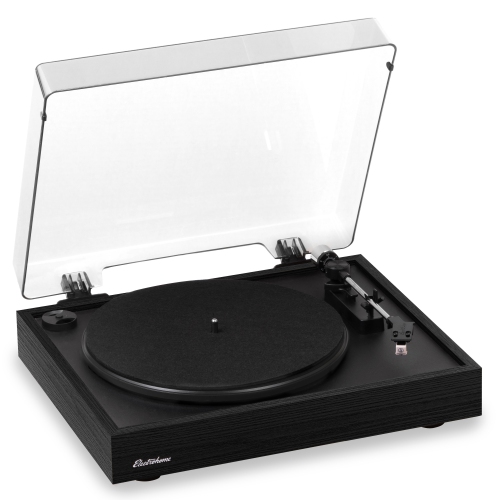
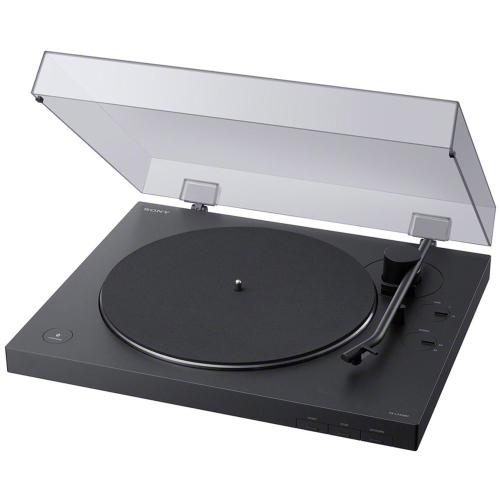
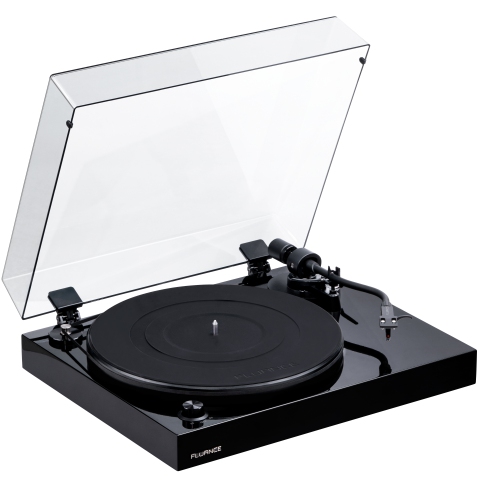
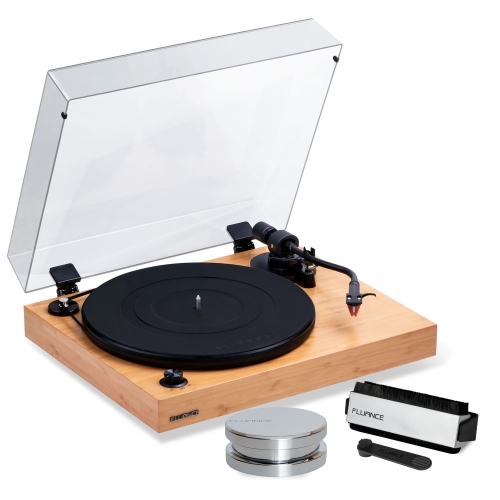
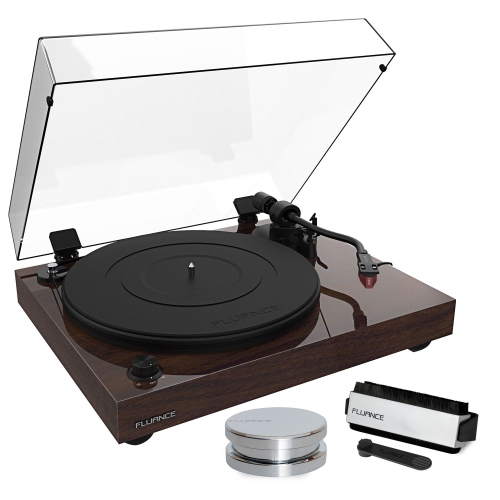
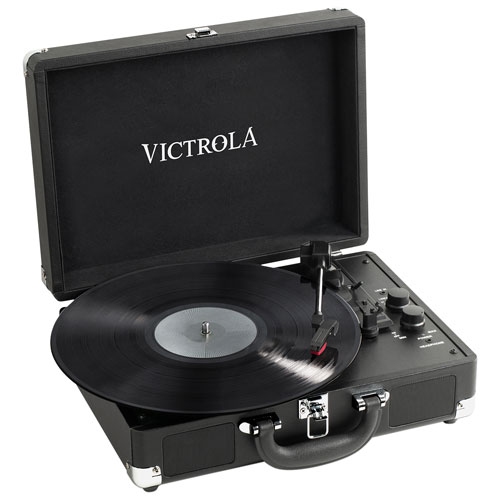
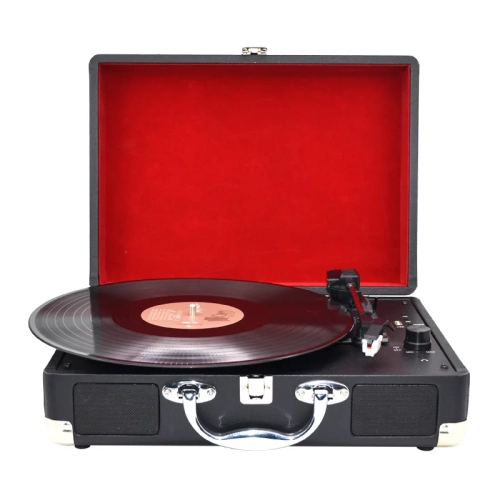
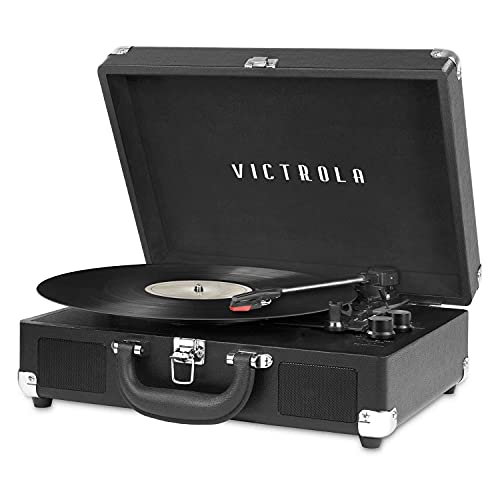
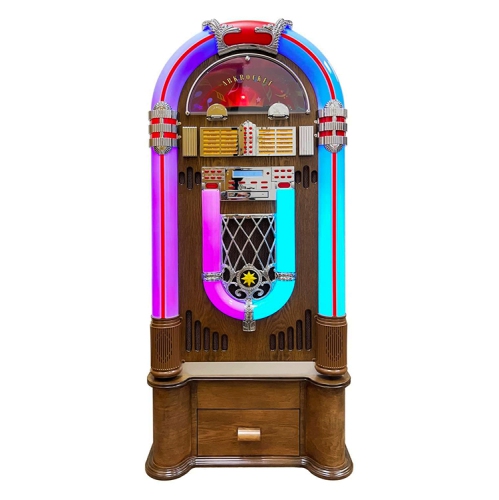
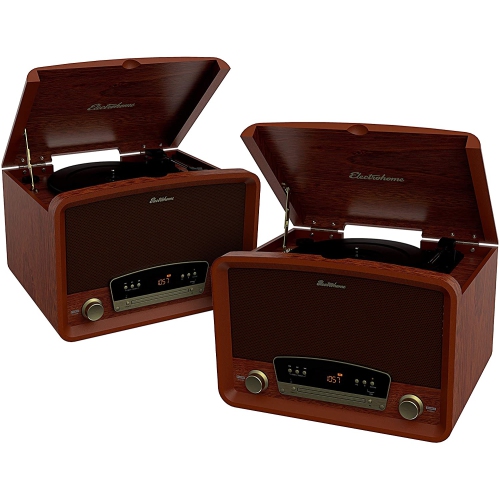
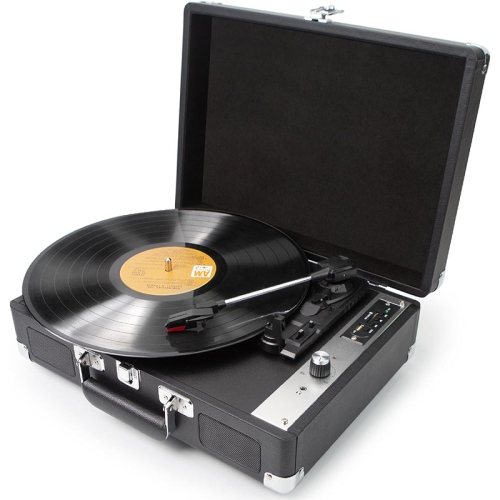
Classic vinyl turntable record players bring together the tactile pleasure of physical music and the warm, expressive character that makes records so enjoyable to play. A record is more than a way to hear an album; it is a hands-on listening experience, from choosing a sleeve and brushing away dust to lowering the tonearm and watching the platter begin to spin. Classic-style turntables often feature wood-look finishes, understated controls, rounded edges, or other details inspired by home audio equipment from the 1960s, 1970s, and 1980s, while adding practical features suited to modern spaces. They can be a natural fit for a living room, reading corner, home office, basement lounge, or music room, especially where the turntable is meant to be part of the décor rather than hidden away. Many models play records at 33 1/3 and 45 RPM, covering the most common album and single formats. Some include built-in stereo speakers for a simple, compact setup, while others are designed to connect to separate speakers, an amplifier, or a home audio system for more control over sound. Bluetooth connectivity can also make a turntable more flexible, allowing compatible wireless speakers or headphones to be used in certain setups. For shoppers exploring related styles, Classical Vinyl Players can offer another way to find a traditional-looking music system with features suited to a contemporary home.
The best choice depends on how much involvement you want from the listening experience and what equipment is already available. Fully automatic turntables are convenient for new listeners because the tonearm moves into position and returns when the record side ends, helping simplify everyday use. Manual models invite a more deliberate routine: place the record on the platter, select the correct speed, cue the tonearm, and lift it away when the music finishes. That ritual can be especially appealing to collectors who enjoy spending time with an album from beginning to end. Belt-drive designs use an elastic belt to turn the platter and are common in home listening because they help isolate the record from motor vibration. Direct-drive designs connect the motor more directly to the platter and are valued for quick, steady starts and durable performance. A built-in phono preamp is another important consideration. If the turntable has one, it can connect more easily to powered speakers, a receiver, or another input that does not have a dedicated phono connection. If it does not, a separate phono preamp or compatible amplifier is required. Check the available outputs before buying, particularly if you plan to use an older receiver, bookshelf speakers, a soundbar, or wireless audio equipment. Other useful details include a replaceable stylus, an adjustable counterweight, anti-skate control, a dust cover, and a stable platter. A replaceable stylus helps extend the useful life of the turntable, while correct tracking force and a level surface help protect records and keep music sounding clear. Models with USB recording can be useful for creating digital copies for personal listening, although careful record handling and a clean stylus remain the foundation of good playback.
Classic vinyl turntable record players can be an appealing gift for someone building a record collection, rediscovering music from their youth, decorating a retro-inspired space, or learning how albums were enjoyed before digital libraries became common. They can also suit a teenager or young adult who wants a more intentional way to listen, particularly when the design can complement a bedroom, apartment, or shared living area. For a gift, consider the recipient’s existing collection and equipment before choosing a format. Someone with shelves of traditional LPs will likely appreciate dependable 33 1/3 RPM playback, while a collection of small singles makes 45 RPM support important. An all-in-one system with built-in speakers may be the easiest option for a first-time listener, as it reduces the number of separate components and keeps the footprint modest. A turntable with speaker outputs or a stronger connection system may be better for an enthusiast who already owns an amplifier or wants to upgrade speakers later. Portable suitcase-style designs can be convenient for occasional listening and easy to move between rooms, while a full-size deck with separate speakers generally provides a more room-filling presentation. During the warmer and cooler parts of the year alike, vinyl can make ordinary routines feel more considered: an album playing quietly while dinner is prepared, a familiar record filling the room during an afternoon at home, or a shared listening session when friends visit. Store records vertically rather than stacking them flat, keep them away from heat and direct sunlight, and handle the playing surface by its edges. Clean records with suitable accessories, keep the dust cover closed when the turntable is not in use, and replace a worn stylus rather than allowing it to damage records. With the right combination of playback features, connections, styling, and care requirements, a classic turntable can become a lasting part of a home audio setup and a welcoming way to enjoy music one side at a time.
The best choice depends on how much involvement you want from the listening experience and what equipment is already available. Fully automatic turntables are convenient for new listeners because the tonearm moves into position and returns when the record side ends, helping simplify everyday use. Manual models invite a more deliberate routine: place the record on the platter, select the correct speed, cue the tonearm, and lift it away when the music finishes. That ritual can be especially appealing to collectors who enjoy spending time with an album from beginning to end. Belt-drive designs use an elastic belt to turn the platter and are common in home listening because they help isolate the record from motor vibration. Direct-drive designs connect the motor more directly to the platter and are valued for quick, steady starts and durable performance. A built-in phono preamp is another important consideration. If the turntable has one, it can connect more easily to powered speakers, a receiver, or another input that does not have a dedicated phono connection. If it does not, a separate phono preamp or compatible amplifier is required. Check the available outputs before buying, particularly if you plan to use an older receiver, bookshelf speakers, a soundbar, or wireless audio equipment. Other useful details include a replaceable stylus, an adjustable counterweight, anti-skate control, a dust cover, and a stable platter. A replaceable stylus helps extend the useful life of the turntable, while correct tracking force and a level surface help protect records and keep music sounding clear. Models with USB recording can be useful for creating digital copies for personal listening, although careful record handling and a clean stylus remain the foundation of good playback.
Classic vinyl turntable record players can be an appealing gift for someone building a record collection, rediscovering music from their youth, decorating a retro-inspired space, or learning how albums were enjoyed before digital libraries became common. They can also suit a teenager or young adult who wants a more intentional way to listen, particularly when the design can complement a bedroom, apartment, or shared living area. For a gift, consider the recipient’s existing collection and equipment before choosing a format. Someone with shelves of traditional LPs will likely appreciate dependable 33 1/3 RPM playback, while a collection of small singles makes 45 RPM support important. An all-in-one system with built-in speakers may be the easiest option for a first-time listener, as it reduces the number of separate components and keeps the footprint modest. A turntable with speaker outputs or a stronger connection system may be better for an enthusiast who already owns an amplifier or wants to upgrade speakers later. Portable suitcase-style designs can be convenient for occasional listening and easy to move between rooms, while a full-size deck with separate speakers generally provides a more room-filling presentation. During the warmer and cooler parts of the year alike, vinyl can make ordinary routines feel more considered: an album playing quietly while dinner is prepared, a familiar record filling the room during an afternoon at home, or a shared listening session when friends visit. Store records vertically rather than stacking them flat, keep them away from heat and direct sunlight, and handle the playing surface by its edges. Clean records with suitable accessories, keep the dust cover closed when the turntable is not in use, and replace a worn stylus rather than allowing it to damage records. With the right combination of playback features, connections, styling, and care requirements, a classic turntable can become a lasting part of a home audio setup and a welcoming way to enjoy music one side at a time.
Top selling and popular products
-
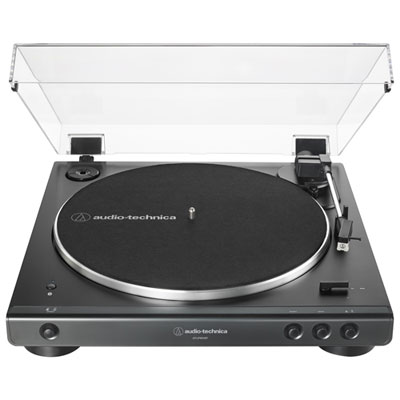 Your price for this item is $329.99
 -
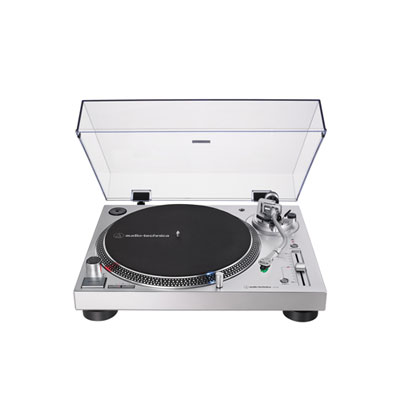 Your price for this item is $519.99
 -
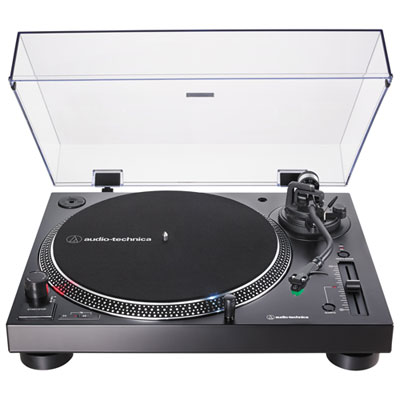 Your price for this item is $519.99
 -
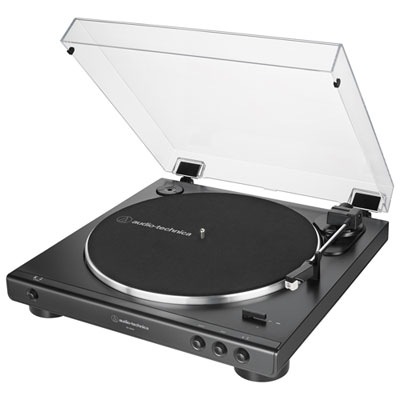 Your price for this item is $199.99
 -
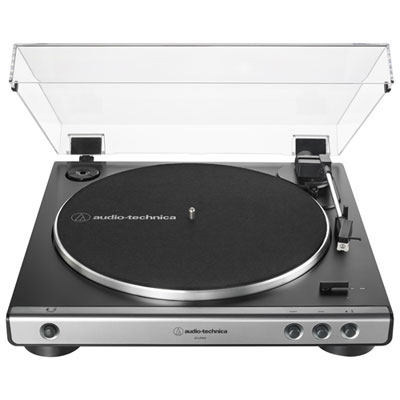 Your price for this item is $229.99
 -
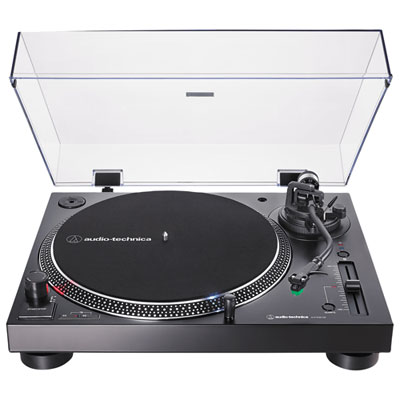 Your price for this item is $579.98
 -
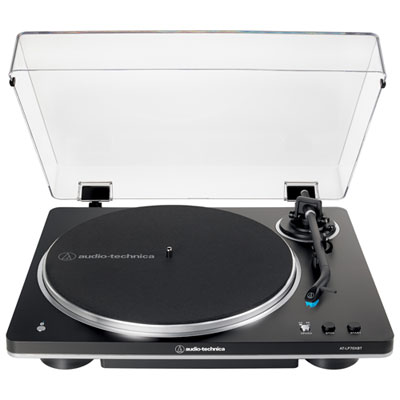 Your price for this item is $379.99
 -
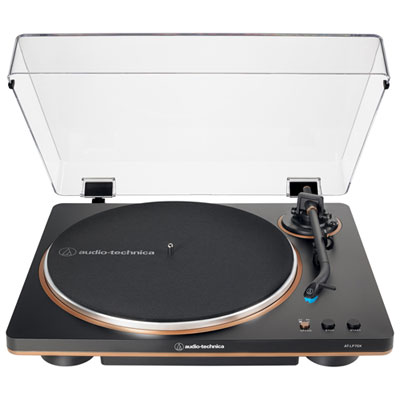 Your price for this item is $279.99
Discover more categories related to Classic Vinyl Turntable Record Players
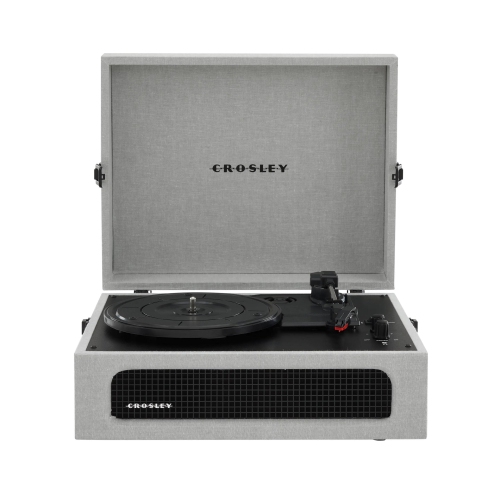
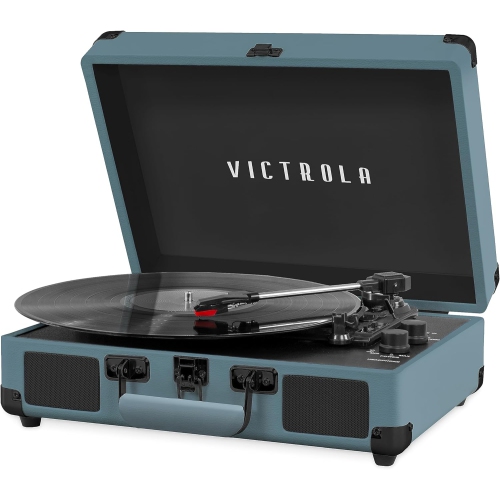
Top Collections:
Pokemon Centers, Kindle Devices, Best Budget Office Chairs, Apple iPhones 16, Best Laptops for Writers, iPhone 15 Apple, Canon G7X Cameras, Refurbished Apple Laptops, Alarm Clock, Motorola Razr Phones
Some products may be subject to Environmental Handling Fees
(EHF) depending on your province.
Learn more about EHFs.