Comfortable Ear Pads for Headphones
Upgrade your listening experience with Comfortable Ear Pads for Headphones, designed to enhance every moment of your favorite music, podcasts, and calls. Whether you’re replacing worn-out cushions or seeking added comfort for long listening sessions, these ear pads offer an easy way to refresh your headphones. Explore a variety of options that fit different styles and preferences, making it simple to find the perfect match for your needs. Enjoy superior comfort and renewed enjoyment every time you put on your headphones.
Sort
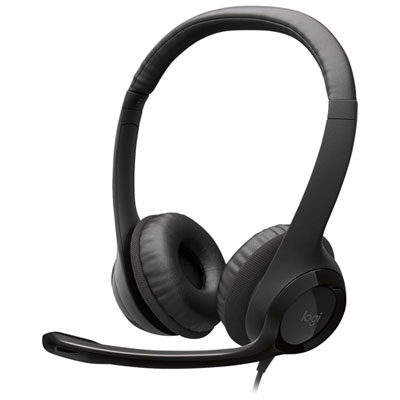
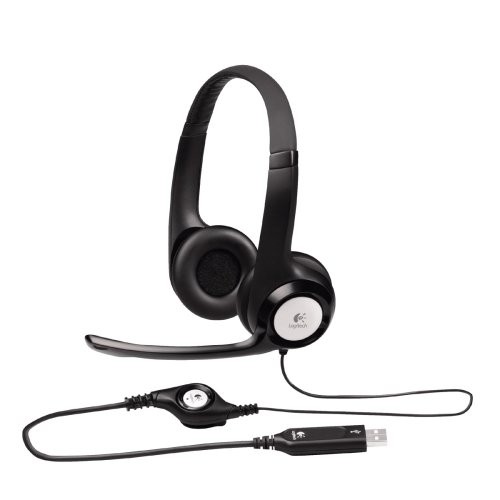
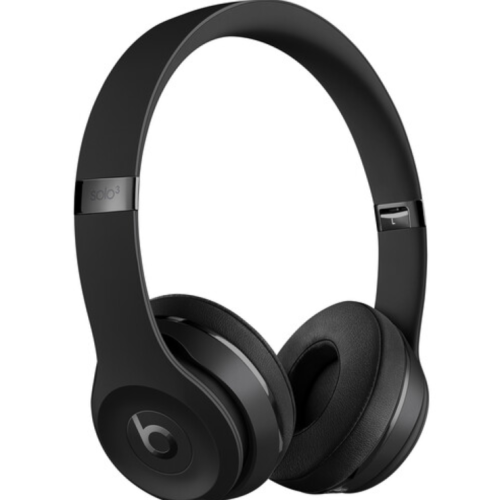
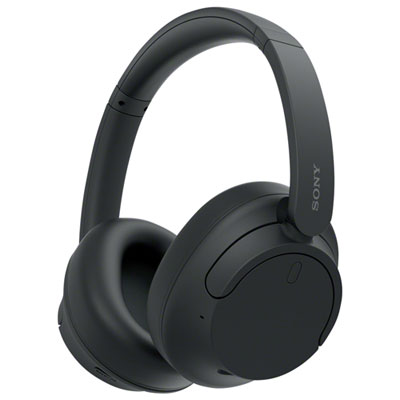

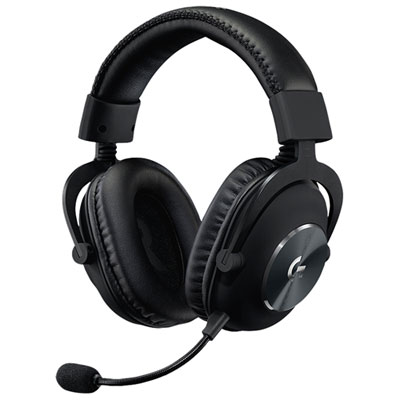
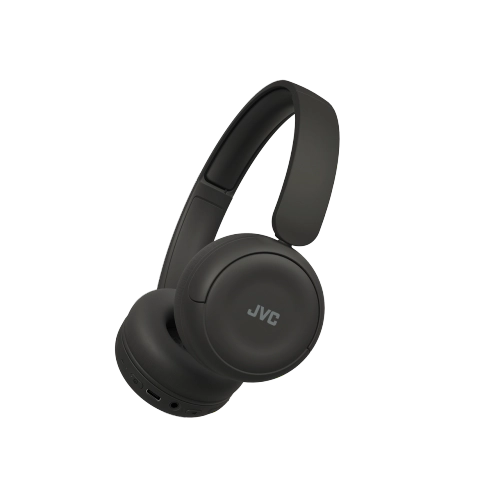
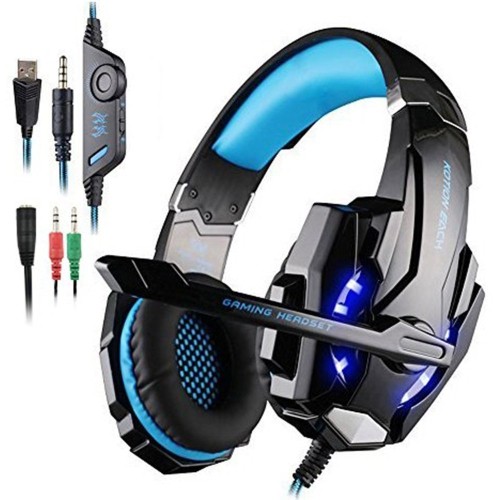

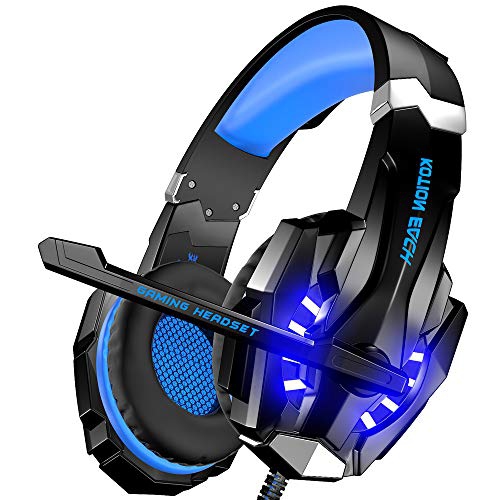
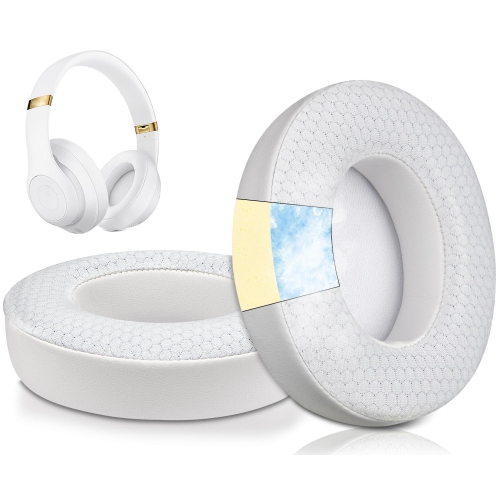
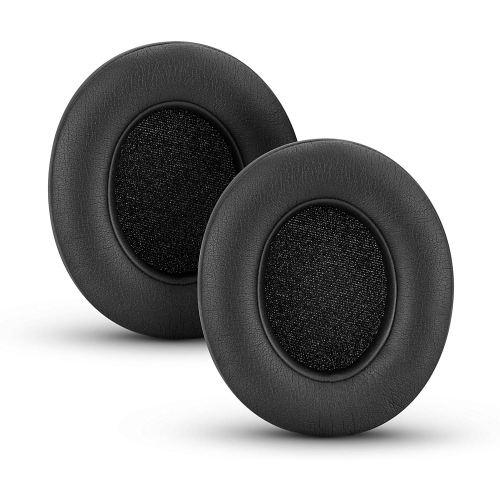
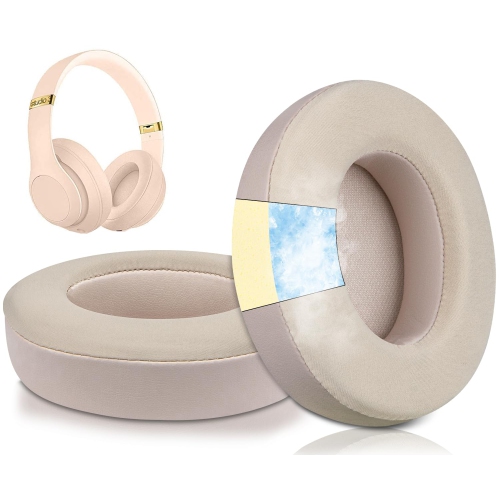
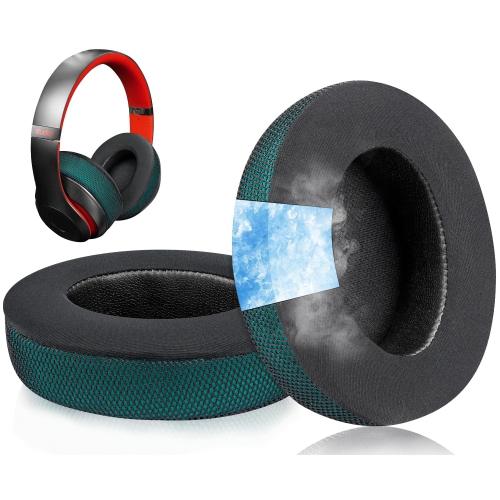
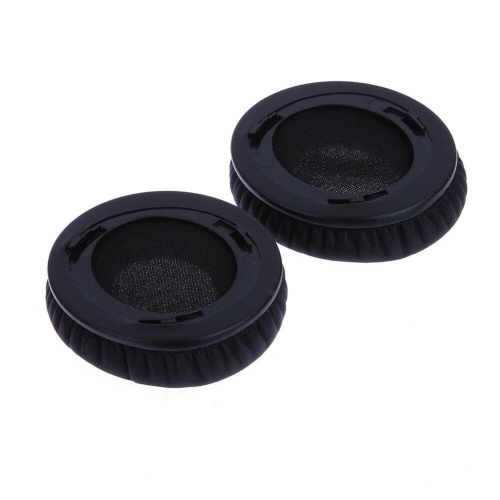

Why softer ear pads are not always more comfortable
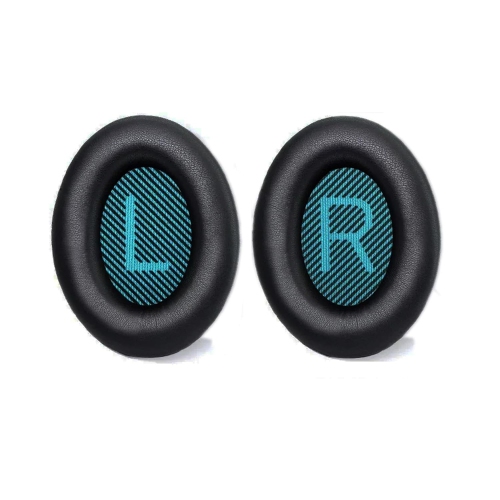
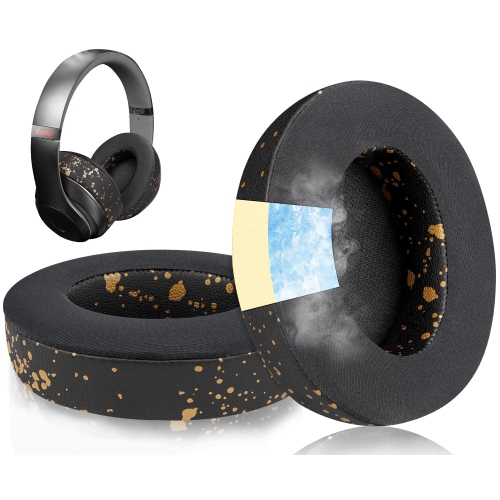
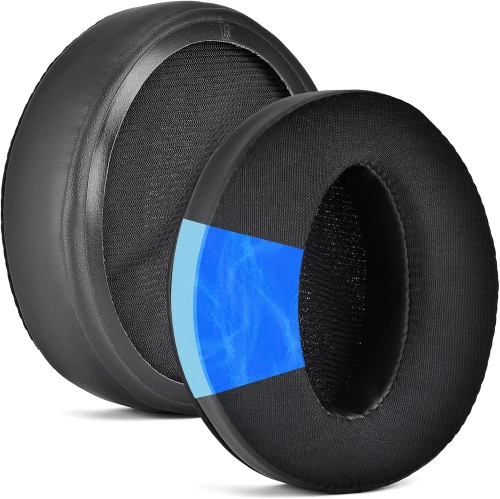
Comfortable ear pads for headphones provide a soft contact surface between the ear cups and the head, helping distribute pressure during music listening, video calls, gaming, and focused work. Their comfort depends on a combination of cushioning, surface material, shape, and compatibility with the headphones—not simply how thick or plush they look. Memory foam gradually compresses around the contours of the head and can create a close, supportive fit, while other foam fillings may feel springier and return to their original shape more quickly. A softer filling is not automatically more comfortable: if it compresses too far, the ear can end up touching the inner lining over the driver. Velour and other fabric covers offer a gentle, textured feel and often allow more airflow than smooth, non-perforated coverings. Microfibre and microsuede provide another soft-touch option, although their feel against the skin varies with the weave and finish. Leather and leatherette tend to create a closer seal, which can support passive noise isolation, but they may also retain more heat and moisture during extended wear. Perforated coverings and hybrid designs combine different surfaces, such as a fabric contact area with leatherette sidewalls, to balance softness, airflow, and sealing. Gel-infused or gel-layered pads may feel cool at first, though that sensation can diminish as they absorb body heat; they do not guarantee sweat-free listening. For someone who spends an afternoon editing audio or moves between meetings with only short breaks, a breathable contact surface may matter more than an especially deep cushion. Someone listening in a shared room may place greater value on a consistent seal. There is no single material that feels best to everyone, and the most suitable choice balances skin feel with support, ear clearance, and the listening experience the headphones were designed to deliver.
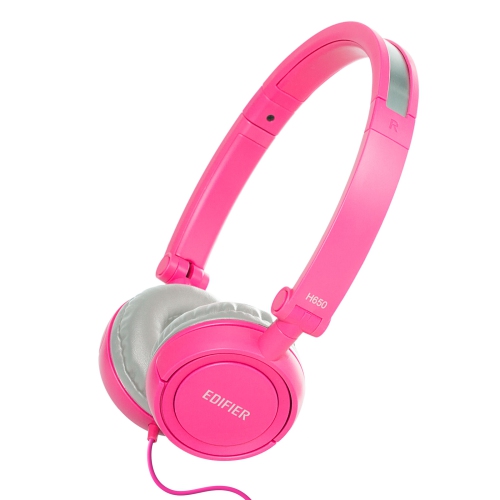
Fit is just as important as material when choosing replacement headphone ear pads. Over-ear pads should leave enough room for the ears inside the opening, while on-ear pads are designed to rest against the ears rather than surround them. Outer dimensions alone do not establish compatibility: the shape of the inner opening, cushion depth, backing structure, and attachment system all influence whether a replacement will sit correctly. Pads may attach with a flexible mounting lip, a retaining ring, clips, or an adhesive surface, and similar-looking cushions can use very different fittings. A “universal” description should not replace confirmation that the pad supports the exact headphone model and its mounting method. Rounded, oval, and rectangular openings also feel different in use. An opening that is too narrow can press against the edges of the ear, while a shallow cushion may leave the ear brushing the fabric inside the cup. Extra depth can provide clearance, but it can also change how far the cups sit from the head and how the headband distributes pressure. Glasses introduce another contact point: a cushion that conforms around the arms may reduce concentrated pressure at the temples, although the result also depends on the frame shape and headphone clamping force. Ear pads influence sound as well as comfort. Changes in material, seal, opening size, or the distance between the ear and driver can affect bass response, perceived detail, and passive isolation. On headphones with active noise cancellation, a poor seal may also affect performance. A replacement that closely matches the original pad design is generally a more predictable choice when preserving the familiar sound is a priority. If discomfort comes mainly from a heavy headset, a tight headband, or cups that cannot swivel into position, new pads may only partly address it. Comparing comfortable over-ear headphones can help put cushion design in the context of the complete fit, including headband adjustment, overall weight, and cup movement.
Everyday use gives ear pads a demanding job: they are compressed during wear, handled when headphones are put on and taken off, and exposed to skin oils, perspiration, hair products, and friction. Over time, foam may stay flattened, fabric can become matted, and coated surfaces can peel or crack. Uneven cushioning, exposed foam, loose seams, or a noticeably weaker seal are practical signs that replacement may be worthwhile. Durable construction depends on more than a tough outer covering; secure stitching, a well-fitted backing, resilient foam, and a mounting edge that stays in place all contribute to reliable use. Care should follow the pad and headphone manufacturers’ directions, since a cleaning method suitable for one material may damage another. A soft, dry cloth can remove light surface dust, while a lightly dampened cloth may be appropriate for some wipe-clean coverings. Moisture should stay away from the drivers and electronics, and removable pads should be fully dry before they are reattached. Fabric pads are not necessarily machine washable, and soaking can damage foam, adhesives, or internal layers. Harsh cleaners, solvents, direct heat, and vigorous scrubbing can shorten the life of delicate finishes. Allowing pads to air out after long sessions and storing headphones without crushing the cushions helps maintain their shape between uses. These details matter for a student wearing headphones through recorded lectures, a remote worker moving between calls, or a gamer relying on a headset for voice chat. For commuting, a secure seal may take priority; for listening at a desk, generous ear clearance and a pleasant fabric texture may be more noticeable. Replacement pads can also make a thoughtful, practical gift for someone attached to a familiar pair of headphones, provided the exact model and preferred material are known. Colour and texture offer room for personal preference, but correct attachment and balanced cushioning remain the essentials. The most useful replacement restores an even fit, keeps the ears comfortably positioned, and suits the way the headphones are worn day after day.
Fit is just as important as material when choosing replacement headphone ear pads. Over-ear pads should leave enough room for the ears inside the opening, while on-ear pads are designed to rest against the ears rather than surround them. Outer dimensions alone do not establish compatibility: the shape of the inner opening, cushion depth, backing structure, and attachment system all influence whether a replacement will sit correctly. Pads may attach with a flexible mounting lip, a retaining ring, clips, or an adhesive surface, and similar-looking cushions can use very different fittings. A “universal” description should not replace confirmation that the pad supports the exact headphone model and its mounting method. Rounded, oval, and rectangular openings also feel different in use. An opening that is too narrow can press against the edges of the ear, while a shallow cushion may leave the ear brushing the fabric inside the cup. Extra depth can provide clearance, but it can also change how far the cups sit from the head and how the headband distributes pressure. Glasses introduce another contact point: a cushion that conforms around the arms may reduce concentrated pressure at the temples, although the result also depends on the frame shape and headphone clamping force. Ear pads influence sound as well as comfort. Changes in material, seal, opening size, or the distance between the ear and driver can affect bass response, perceived detail, and passive isolation. On headphones with active noise cancellation, a poor seal may also affect performance. A replacement that closely matches the original pad design is generally a more predictable choice when preserving the familiar sound is a priority. If discomfort comes mainly from a heavy headset, a tight headband, or cups that cannot swivel into position, new pads may only partly address it. Comparing comfortable over-ear headphones can help put cushion design in the context of the complete fit, including headband adjustment, overall weight, and cup movement.
Everyday use gives ear pads a demanding job: they are compressed during wear, handled when headphones are put on and taken off, and exposed to skin oils, perspiration, hair products, and friction. Over time, foam may stay flattened, fabric can become matted, and coated surfaces can peel or crack. Uneven cushioning, exposed foam, loose seams, or a noticeably weaker seal are practical signs that replacement may be worthwhile. Durable construction depends on more than a tough outer covering; secure stitching, a well-fitted backing, resilient foam, and a mounting edge that stays in place all contribute to reliable use. Care should follow the pad and headphone manufacturers’ directions, since a cleaning method suitable for one material may damage another. A soft, dry cloth can remove light surface dust, while a lightly dampened cloth may be appropriate for some wipe-clean coverings. Moisture should stay away from the drivers and electronics, and removable pads should be fully dry before they are reattached. Fabric pads are not necessarily machine washable, and soaking can damage foam, adhesives, or internal layers. Harsh cleaners, solvents, direct heat, and vigorous scrubbing can shorten the life of delicate finishes. Allowing pads to air out after long sessions and storing headphones without crushing the cushions helps maintain their shape between uses. These details matter for a student wearing headphones through recorded lectures, a remote worker moving between calls, or a gamer relying on a headset for voice chat. For commuting, a secure seal may take priority; for listening at a desk, generous ear clearance and a pleasant fabric texture may be more noticeable. Replacement pads can also make a thoughtful, practical gift for someone attached to a familiar pair of headphones, provided the exact model and preferred material are known. Colour and texture offer room for personal preference, but correct attachment and balanced cushioning remain the essentials. The most useful replacement restores an even fit, keeps the ears comfortably positioned, and suits the way the headphones are worn day after day.
Top selling and popular products
-
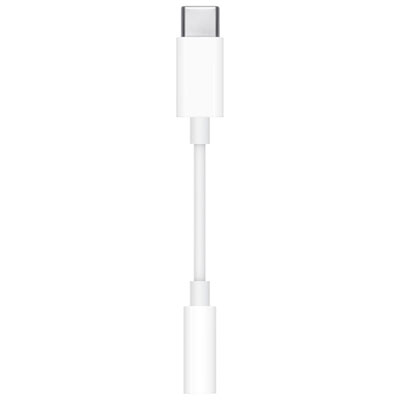 Your price for this item is $10
 -
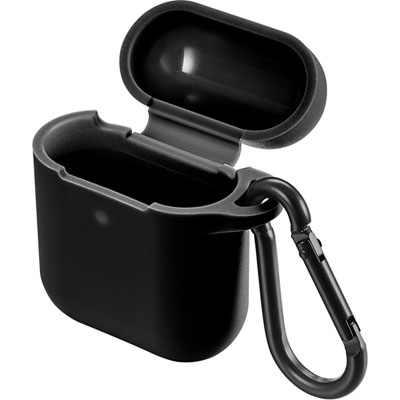 Your price for this item is $19.97
 -
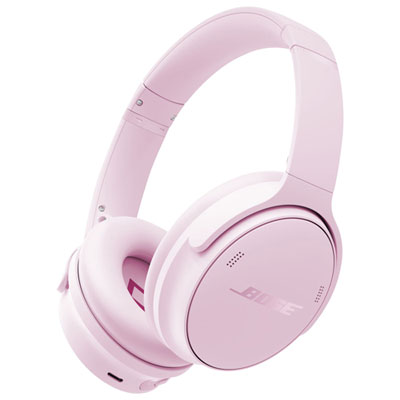 Your price for this item is $479.99
 -
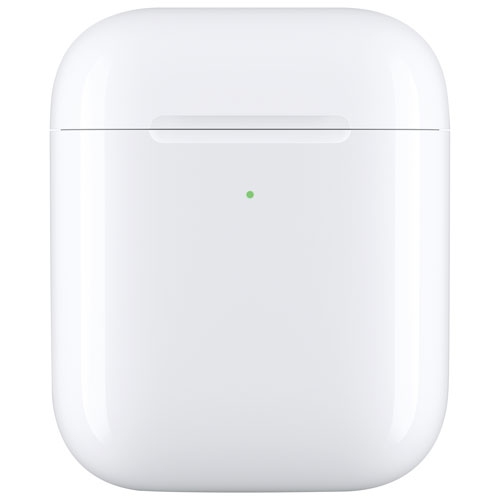 Your price for this item is $69.99
 -
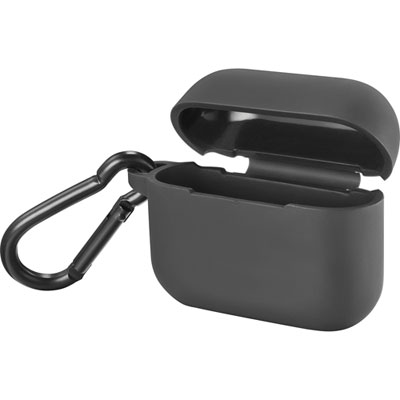 Your price for this item is $4.99
 -
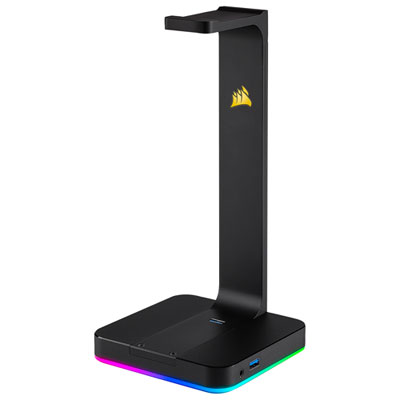 Your price for this item is $124.99
 -
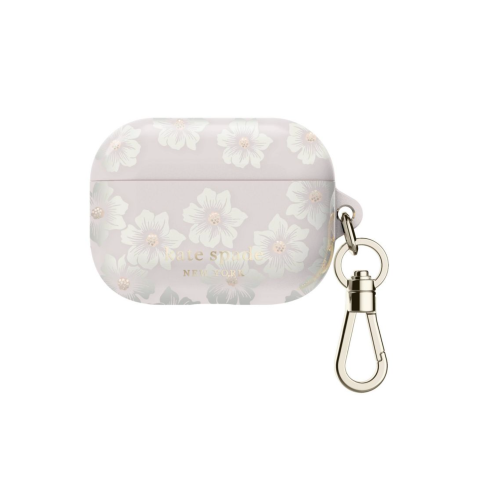 Your price for this item is $98.99
 -
 Your price for this item is $49.99
Discover more categories related to Comfortable Ear Pads for Headphones
Top Collections:
Pokemon Centers, Kindle Devices, Best Budget Office Chairs, Apple iPhones 16, Best Laptops for Writers, iPhone 15 Apple, Canon G7X Cameras, Refurbished Apple Laptops, Alarm Clock, Motorola Razr Phones
Some products may be subject to Environmental Handling Fees
(EHF) depending on your province.
Learn more about EHFs.