Foam Ear Cushions for Headphones
Foam Ear Cushions for Headphones offer a simple way to refresh and enhance your listening experience. Whether you’re replacing worn-out pads or looking to improve comfort during long sessions, these accessories are designed to fit a variety of headphone styles. Explore options that help keep your headphones feeling comfortable and ready for everyday use. Find the right Foam Ear Cushions for Headphones to match your needs and enjoy music, calls, and media with renewed ease.
Sort
Why headphone comfort depends on more than soft foam
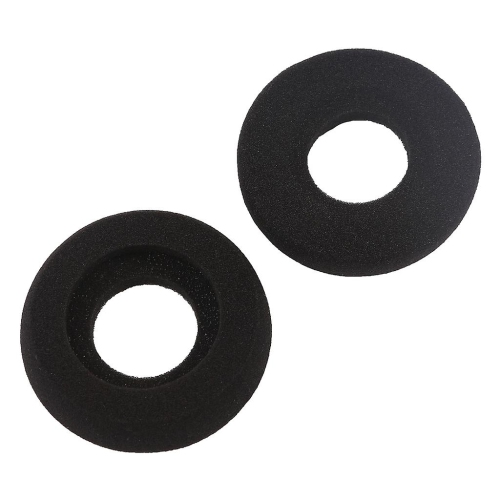
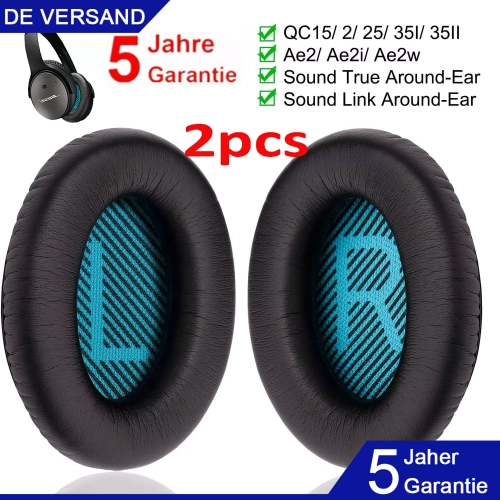
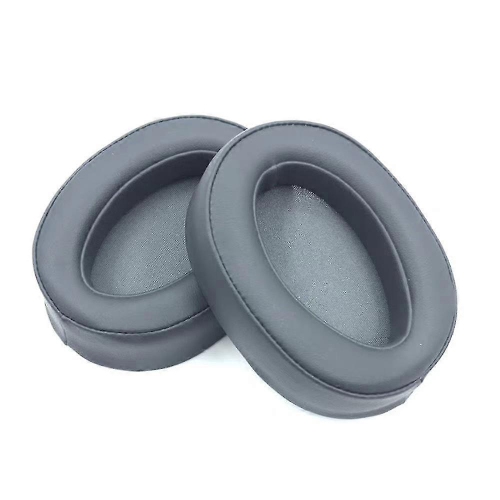
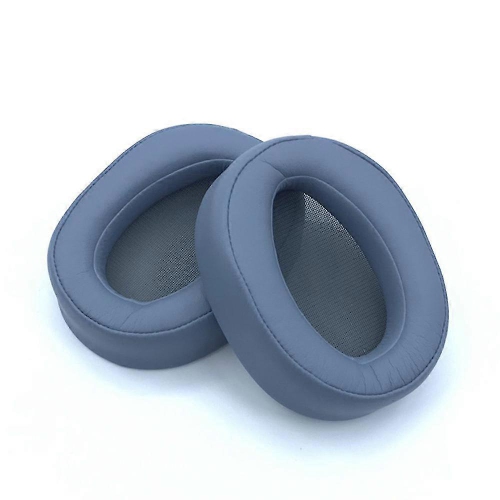
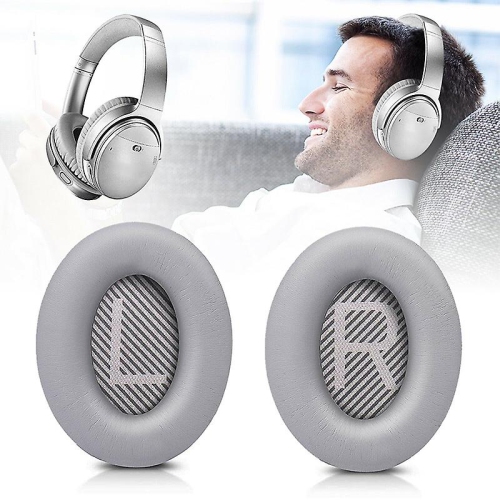
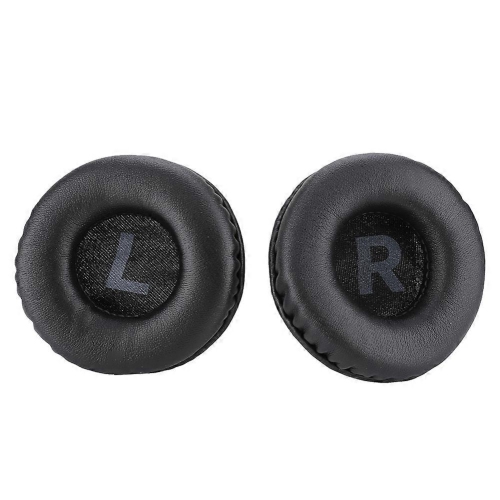
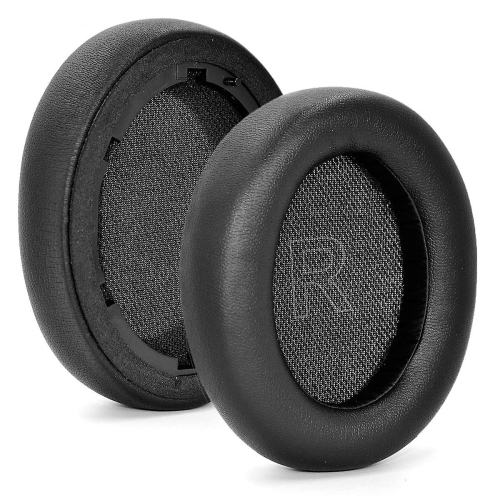
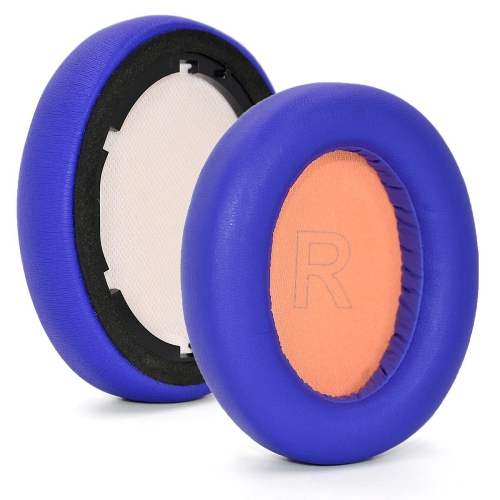
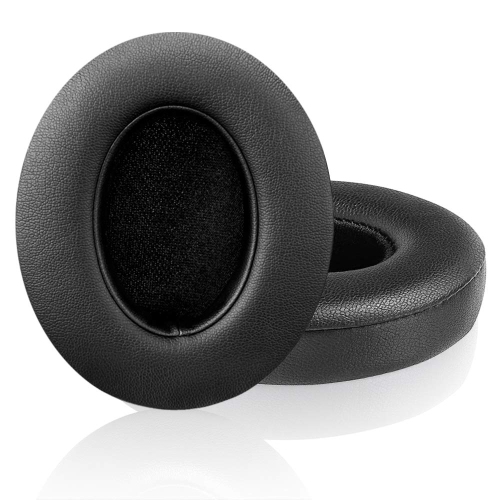
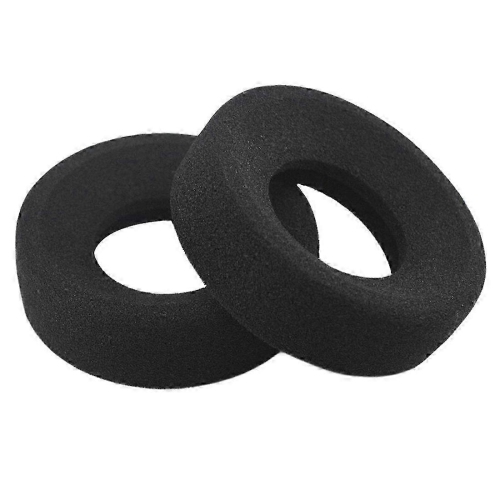
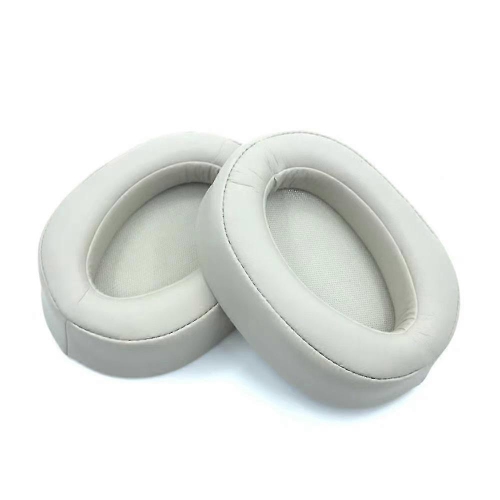
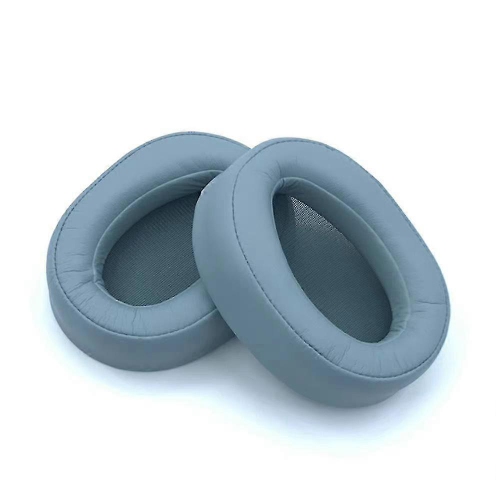
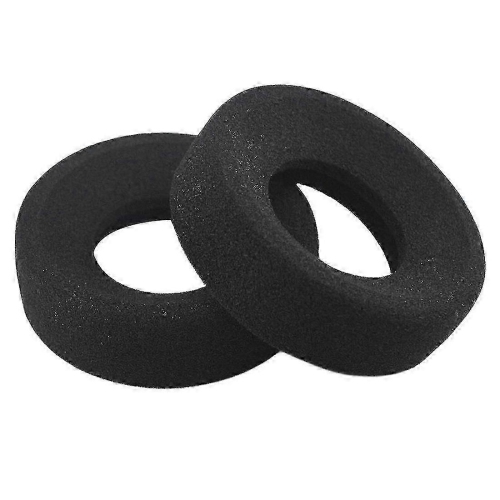
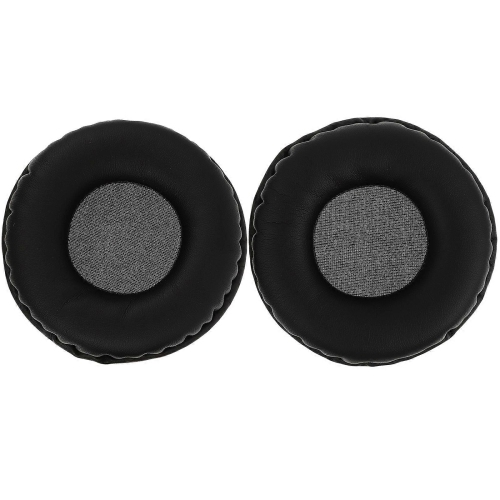
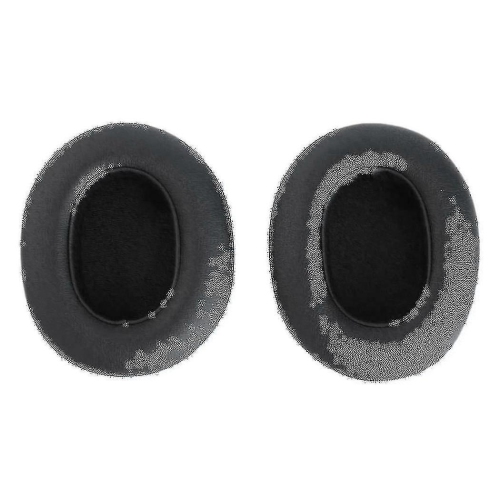
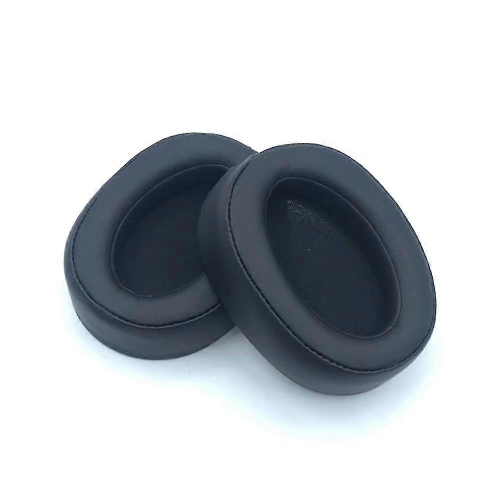
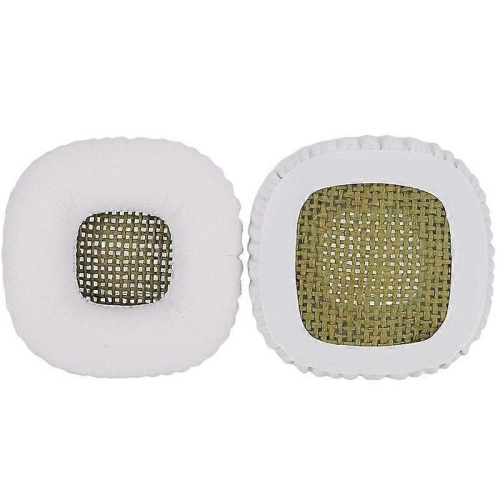
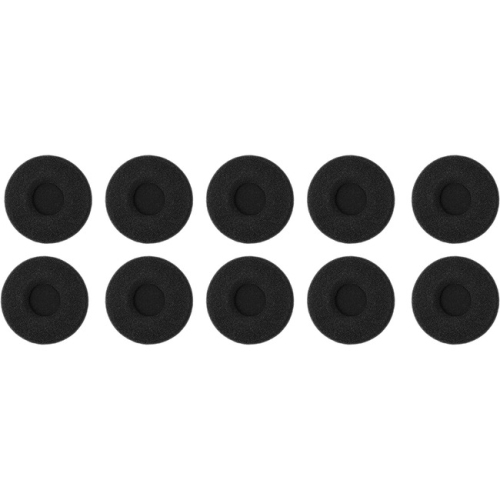
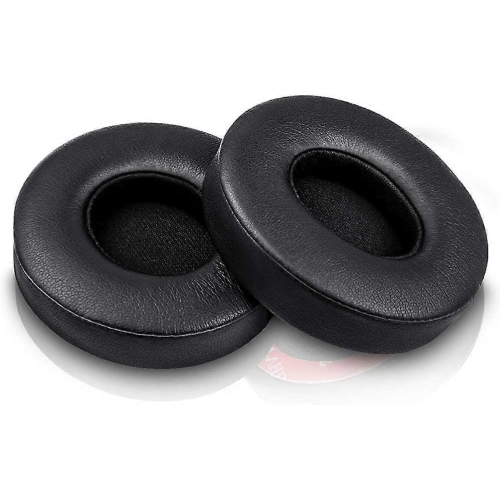
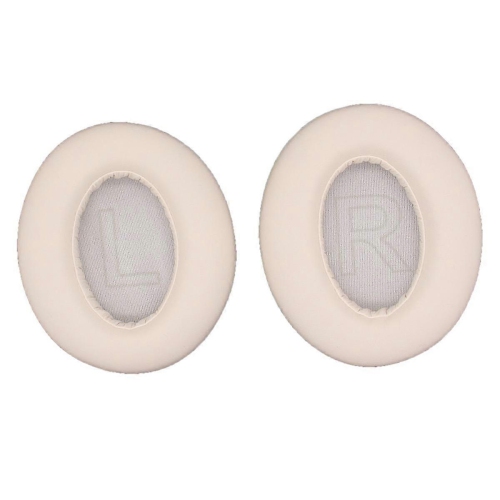
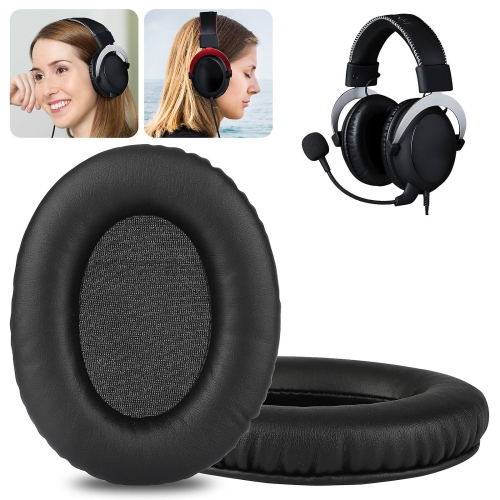
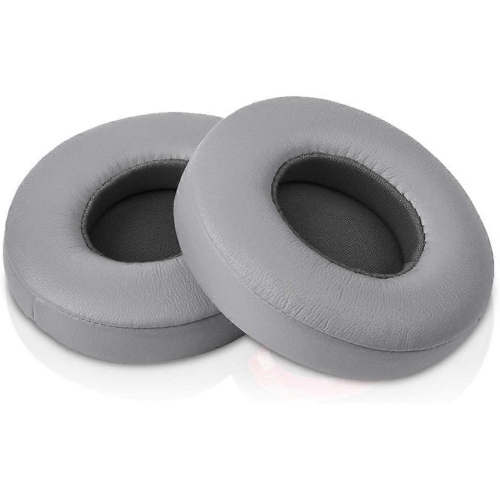
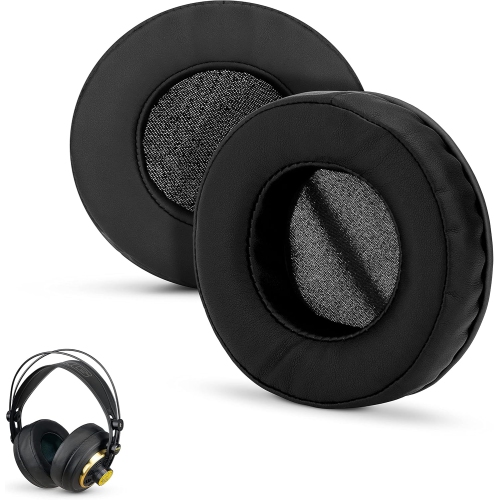
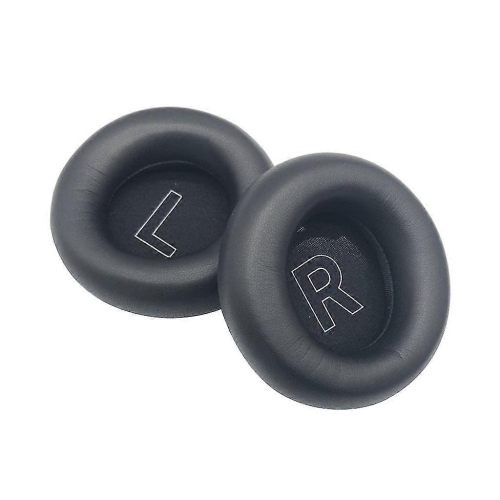
Foam ear cushions for headphones are replacement pads or covers that sit between the ear and the headphone housing, providing a softer contact surface during listening. They can replace pads that have flattened, split, or lost their shape, helping a familiar headset feel more comfortable without changing the headphones themselves. The category includes thin foam covers for compact on-ear headphones, padded rings for larger on-ear designs, and deeper cushions that surround the ears on over-ear headphones. These styles serve different purposes, so the shape and construction matter as much as the softness of the foam. Lightweight open-cell foam has a porous structure and is commonly used in simple covers that stretch over an earpiece. It provides a light layer of cushioning without adding much bulk, although it generally offers less passive noise isolation than a well-sealed, covered pad. Memory foam compresses under pressure and gradually returns to its original shape, allowing a cushion to conform to the contact area around the ear. It is often enclosed in a separate outer material rather than left exposed. Polyurethane leather, fabric, and velour each create a different feel against the skin: a smooth synthetic leather surface can support a closer seal, while fabric and velour tend to feel less enclosed and allow more airflow. The outer covering also affects how easily a pad can be cleaned and how it responds to repeated wear. Foam density influences support, with very soft padding compressing more readily and firmer padding tending to hold its shape under pressure. Neither is automatically more comfortable; the right balance depends on the headphones’ clamping force and the listener’s preferences. For someone moving between calls and music at a desk, cushioning can make the contact points less distracting. For a listener settling into an album or a gamer following a lengthy match, evenly supported pads can help avoid the constant urge to shift the earcups.
Fit is the most important consideration when choosing replacement foam ear cushions, because similar-looking pads are not necessarily interchangeable. Compatibility depends on the headphone model, the outside dimensions of the earcup, the size of the ear opening, and the attachment method. Some cushions have a flexible lip that tucks into a groove, while others use a mounting ring, clips, or an adhesive backing. A pad described as universal may fit several designs, but that description does not guarantee a secure fit on every headset. Model compatibility information is a stronger starting point than appearance alone. Where dimensions are provided, measurements in millimetres can help distinguish pads that look nearly identical in a photograph. Round and oval cushions also need to match the housing shape, and the opening should leave enough room for the intended style of wear. An over-ear cushion that presses on the outer ear can feel quite different from one that rests around it, even when both attach to the same housing. Depth matters too: a shallow pad may let the ear touch the inner lining, while a deeper replacement changes the distance between the ear and the speaker. Cushion thickness and the quality of the seal can affect sound, including perceived bass and clarity, so thicker padding is not a guaranteed audio upgrade. A close-fitting covered cushion may reduce some outside sound through passive isolation, but it does not add active noise cancellation or replace hearing protection. Glasses introduce another contact point, since the arms pass beneath the cushion and can create pressure or a small gap in the seal. A pad that yields around them may feel better during a long call, though comfort will still depend on the frame and headset. Keeping the left and right cushions consistent in material, shape, and condition helps maintain a balanced fit. For replacements with removable mounting parts, it is worth checking whether those parts are included or must be transferred from the existing pads.
Day-to-day care helps foam ear cushions retain a pleasant feel and reliable fit. Skin oils, perspiration, dust, and friction gradually affect both the padding and its covering, particularly on headphones used for commuting, studying, remote work, or frequent gaming sessions. Smooth coverings can often be gently wiped, while fabric surfaces may need a different cleaning method; the manufacturer’s care directions should determine which approach is suitable. Unless washing is expressly permitted, soaking a cushion can leave moisture inside the foam, affect adhesives, or change its shape. A soft, dry cloth is a useful starting point for surface dust, and any permitted damp cleaning should be followed by thorough air-drying before the pads are reattached or worn. Harsh cleaners, forceful scrubbing, and pulling on thin foam can damage a cushion even when it still looks intact. Durability also depends on handling: repeatedly stretching a cover beyond its intended size or compressing headphones beneath heavy objects can strain the material. Storing a headset where the pads are not crushed helps preserve their shape between uses. Signs that replacement may be worthwhile include foam that stays flattened, a covering that flakes or splits, an attachment edge that no longer holds securely, or a noticeable change in comfort despite adjusting the headband. Replacing both sides together can restore a more even feel when the original pair has worn at a similar rate. For a broader look at cushioning styles, explore Comfortable Ear Pads for Headphones while keeping the headset’s fit requirements in mind. Replacement cushions can also be a thoughtful accessory gift for someone who relies on a favourite pair of headphones, provided the exact model and preferred pad style are known. A person who values a snug seal for focused listening may prefer a different covering from someone who wants a softer fabric contact surface for extended conversations. Matching those everyday preferences with the correct attachment, dimensions, and foam construction makes the replacement more useful than choosing by appearance alone.
Top selling and popular products
-
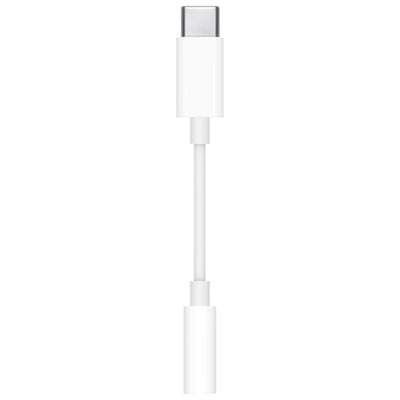 Your price for this item is $10
-
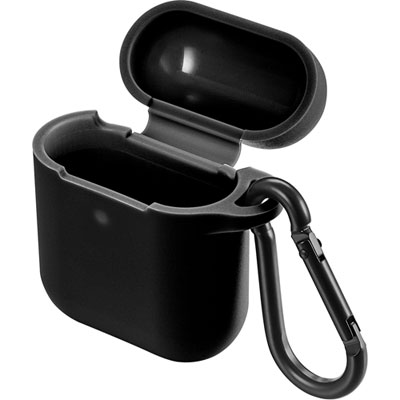 Your price for this item is $19.97
-
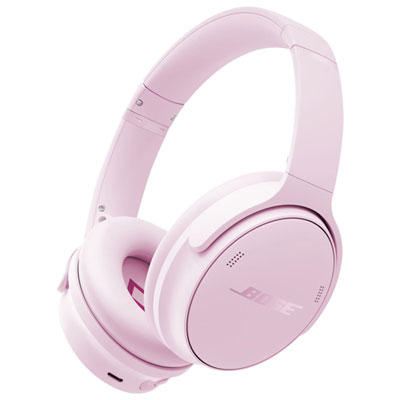 Your price for this item is $249
-
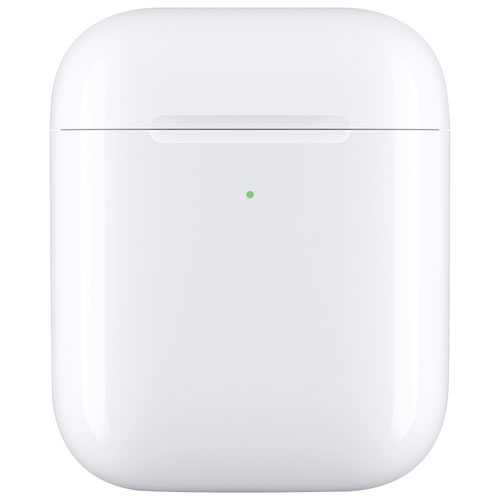 Your price for this item is $59.99
-
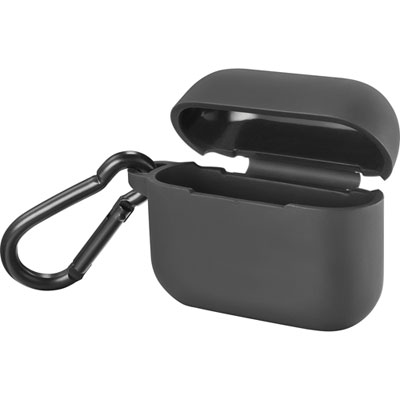 Your price for this item is $4.99
-
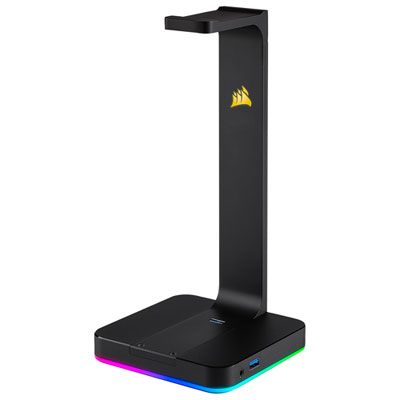 Your price for this item is $124.95
-
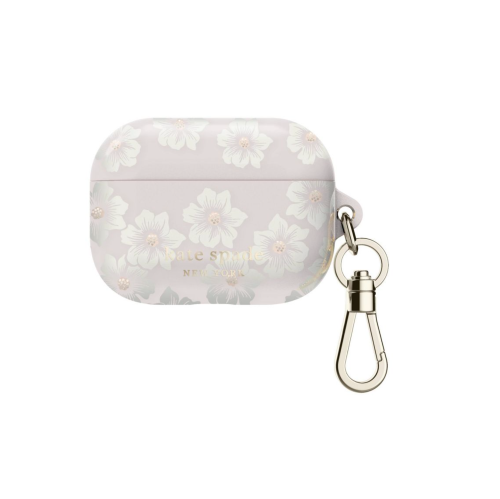 Your price for this item is $98.99
-
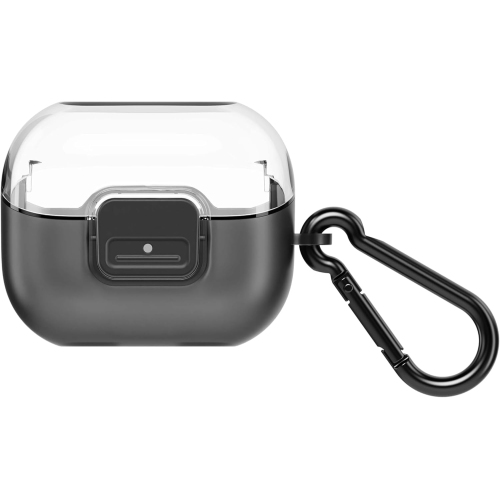 Your price for this item is $49.99
Discover more categories related to Foam Ear Cushions for Headphones
Top Collections:
Best Black Friday Deals This Year, Best Black Friday Deals On Electronics, Kindle Devices, Pokemon Centers, Best Black Friday Deals On Apple Products, Best Cameras for Sports Photography, Dyson Airwrap, Pokémon 30th Celebration Cards, Apple iPhone 17 Pro, Canon G7X Cameras
Some products may be subject to Environmental Handling Fees
(EHF) depending on your province.
Learn more about EHFs.