Cube Speakers
Enhance your audio experience with this selection of cube speakers, designed to deliver powerful sound in a compact and stylish package. These speakers are perfect for anyone looking to upgrade their home entertainment system or bring high-quality audio on the go. With a range of features such as Bluetooth connectivity, impressive sound output, and sleek modern designs, these cube speakers are sure to impress even the most discerning audiophiles.
Sort



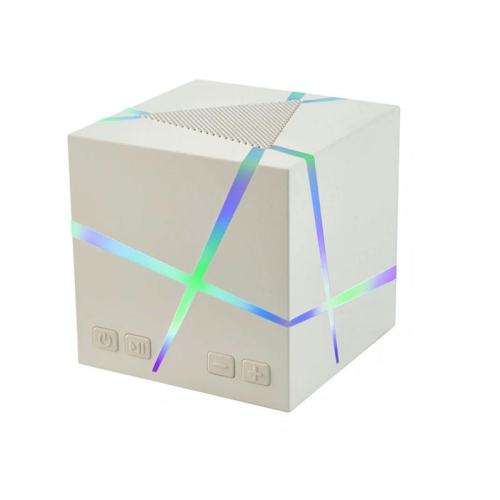


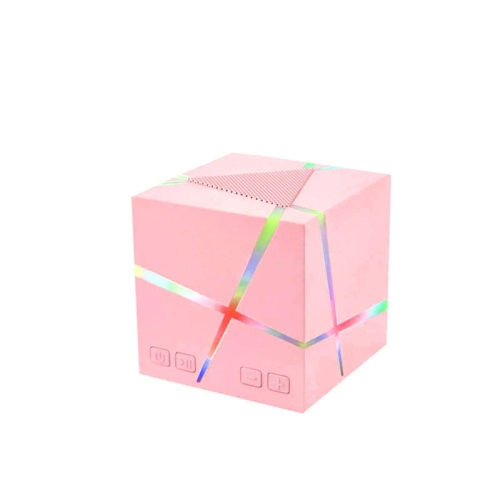


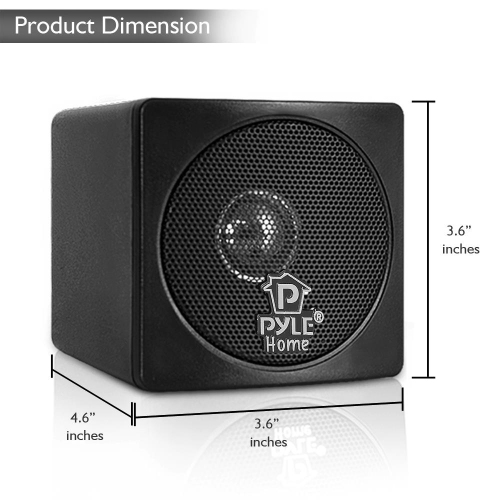


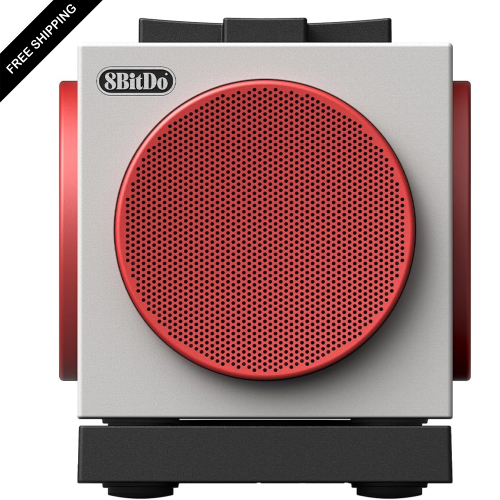





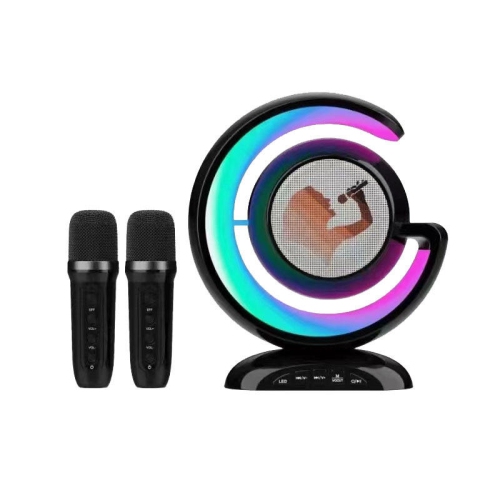



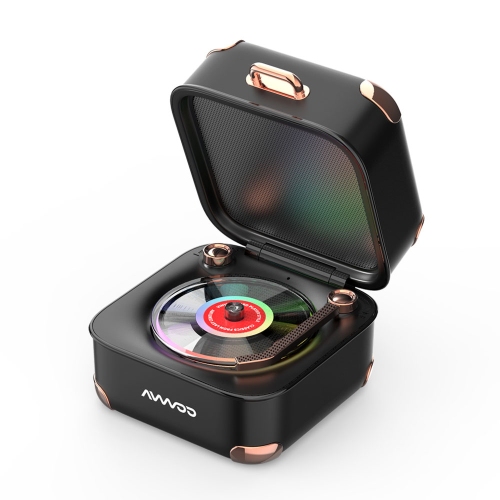
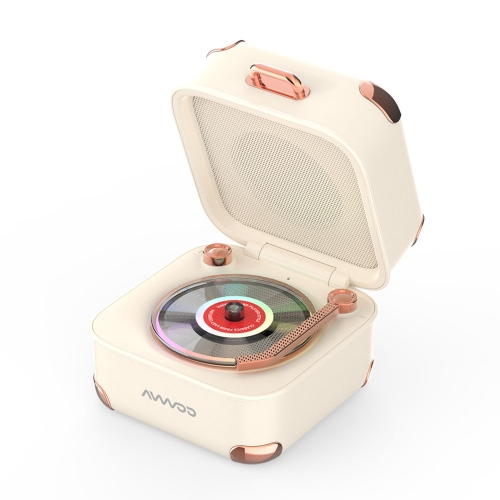
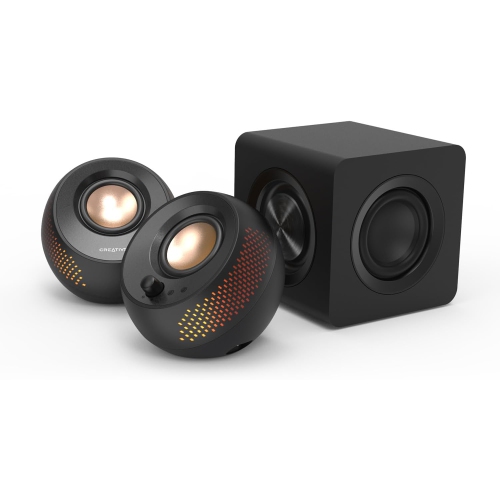


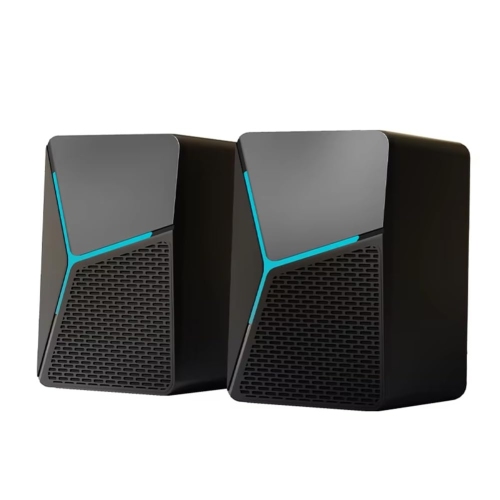


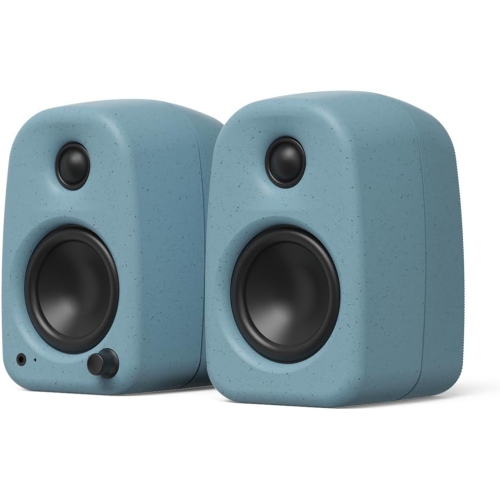
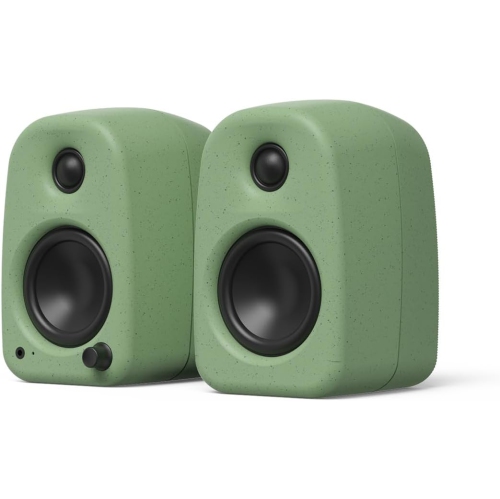


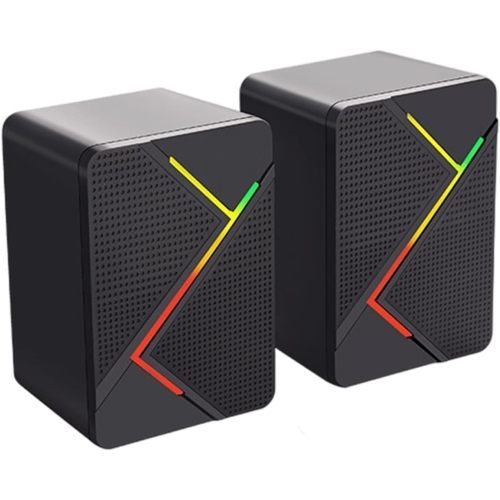

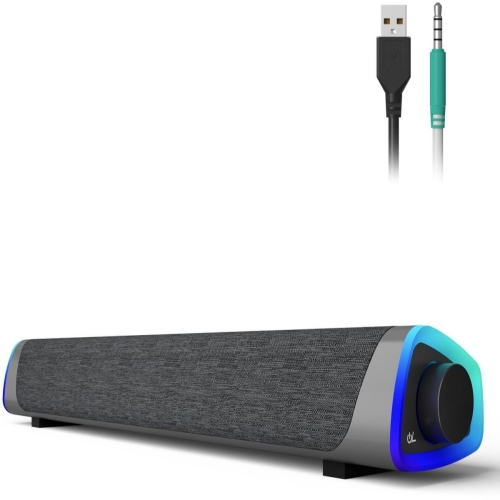
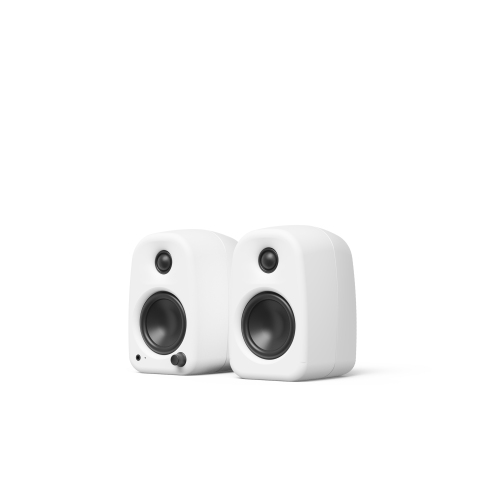
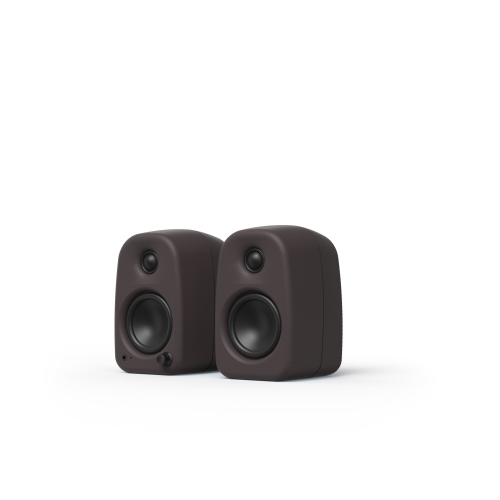
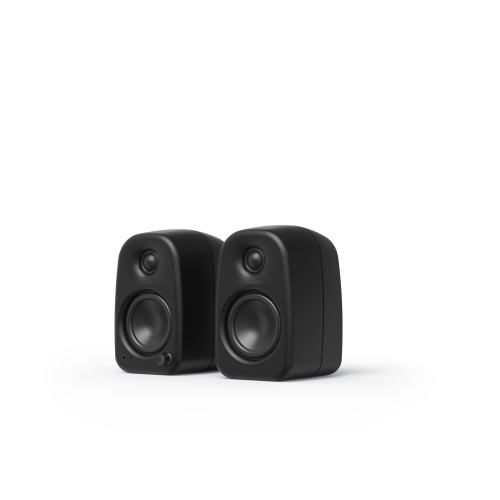


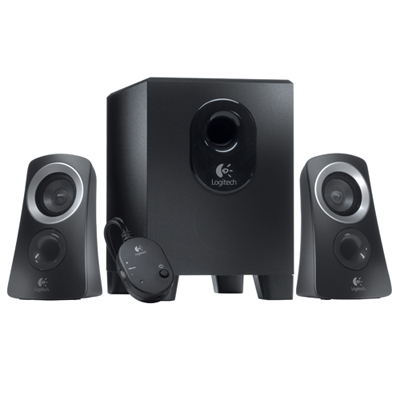

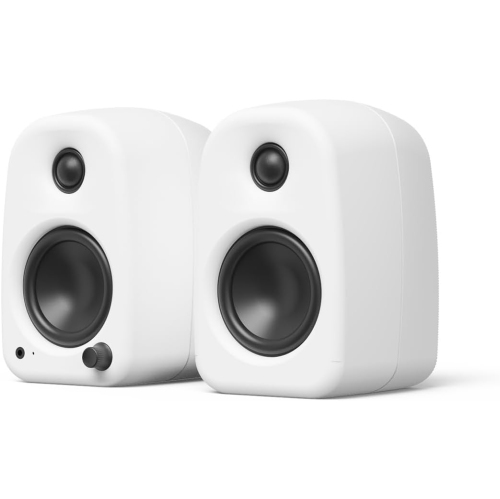
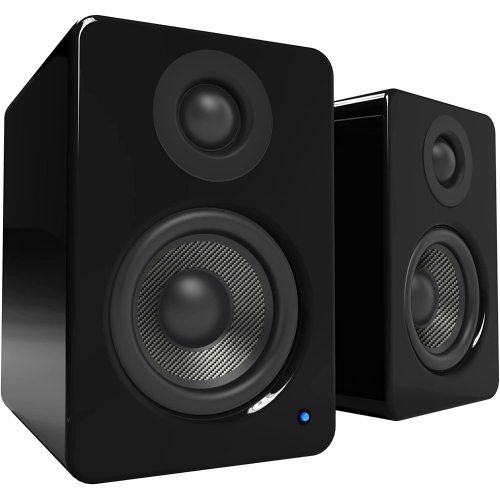
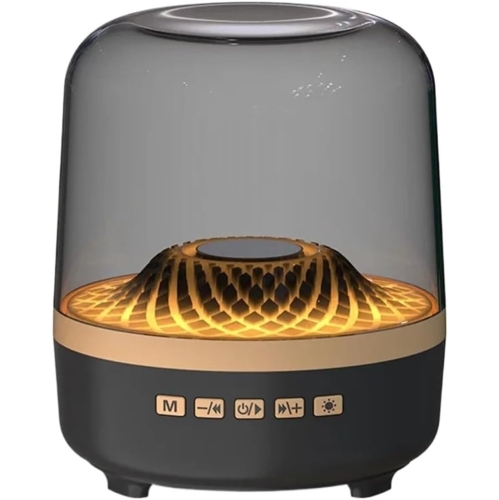

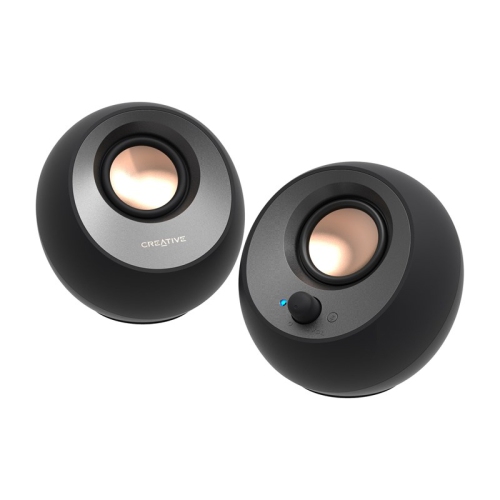

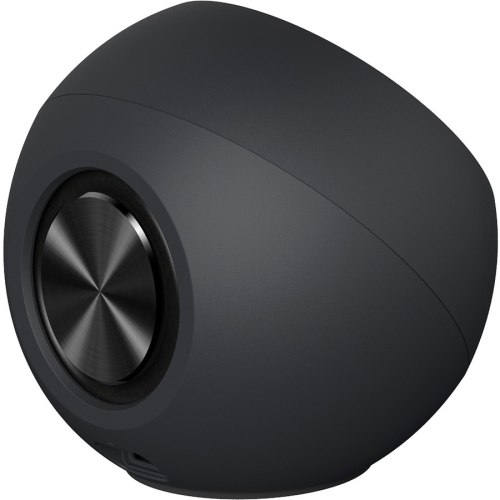
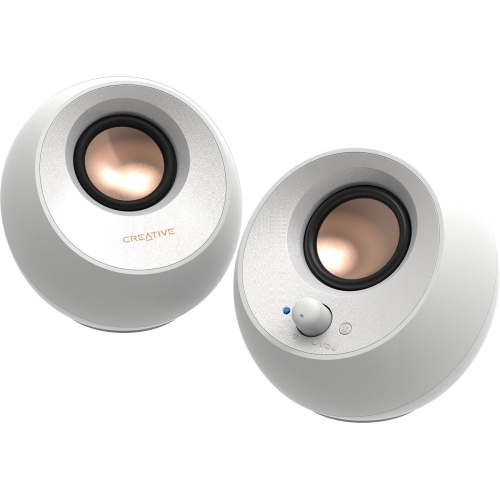
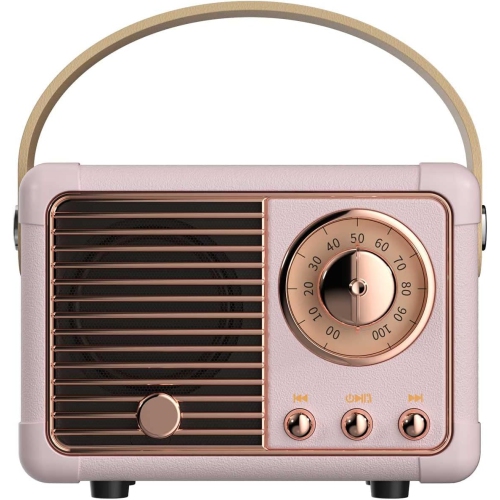





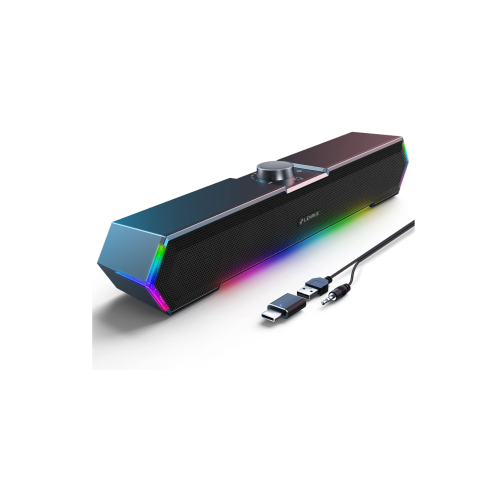
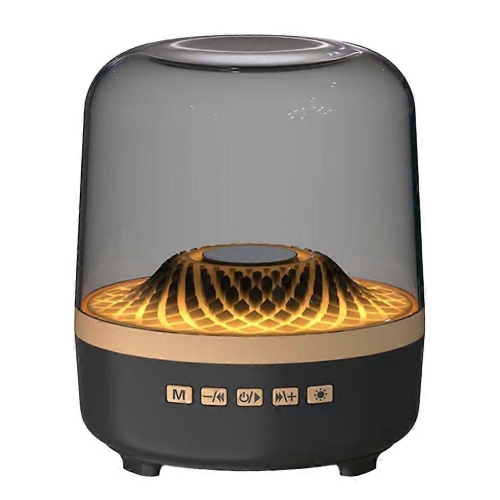
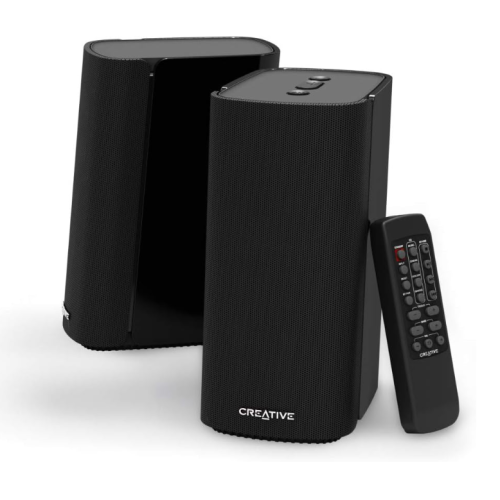


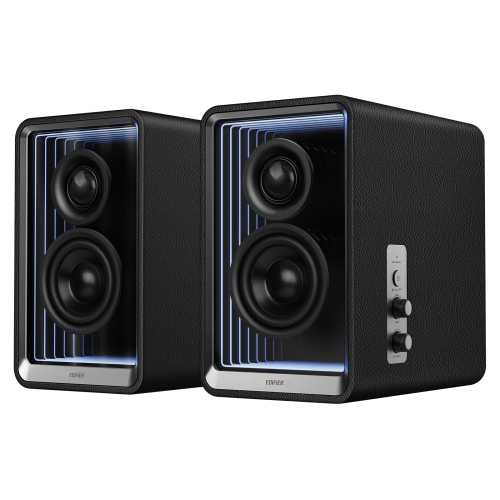
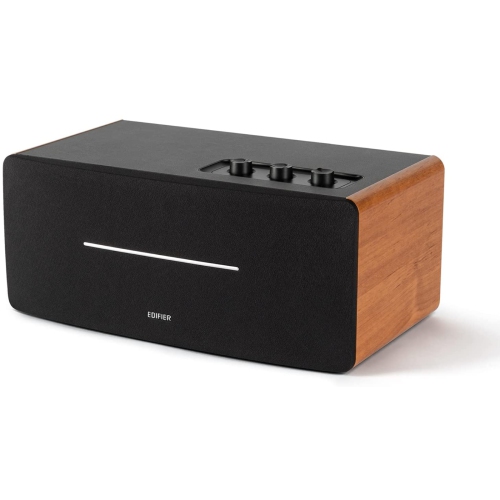
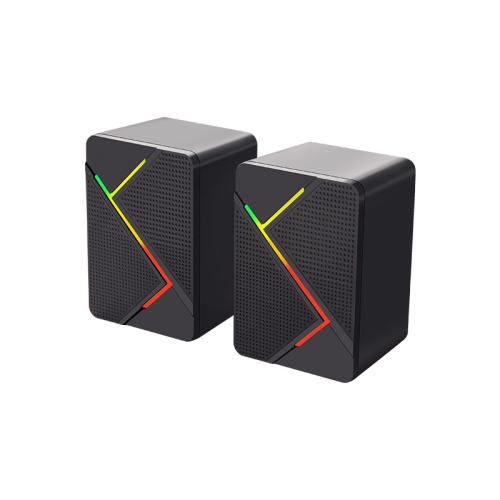


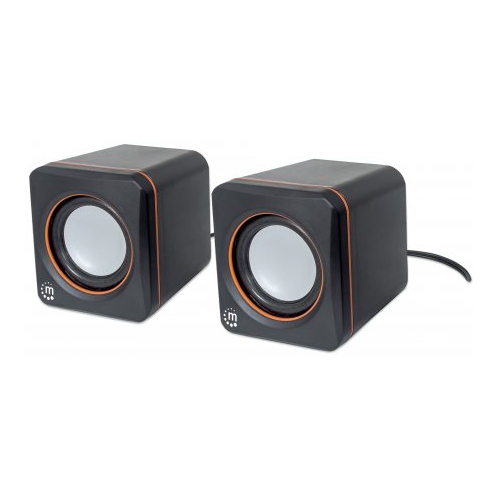
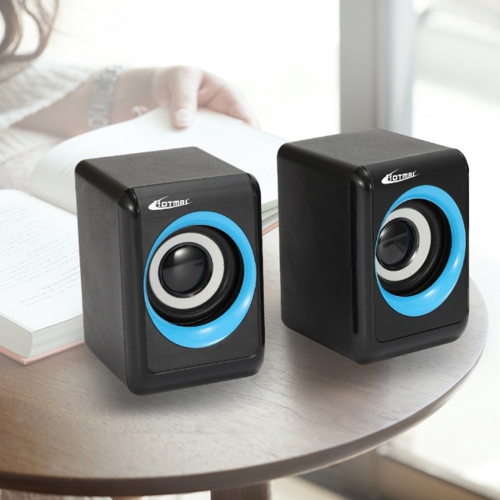

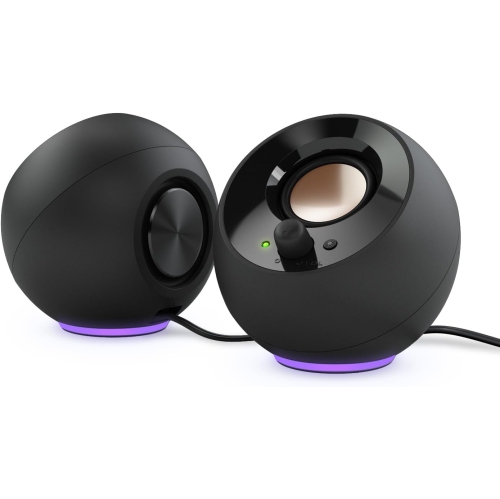
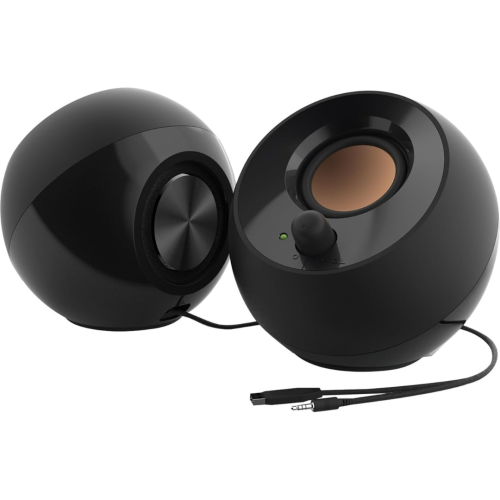
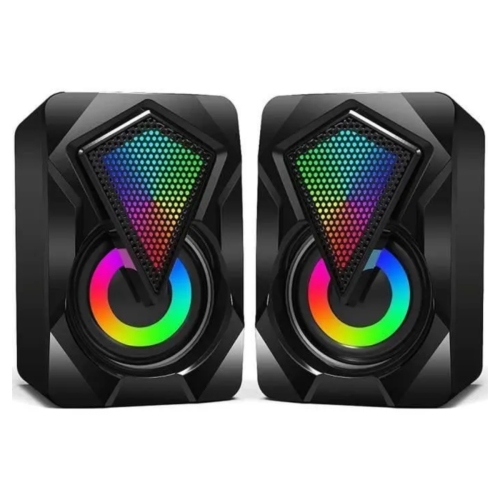

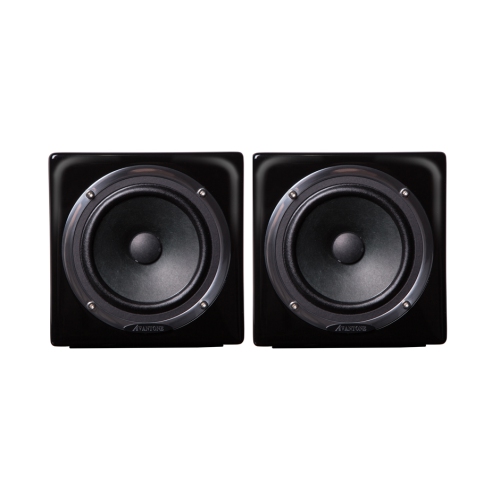

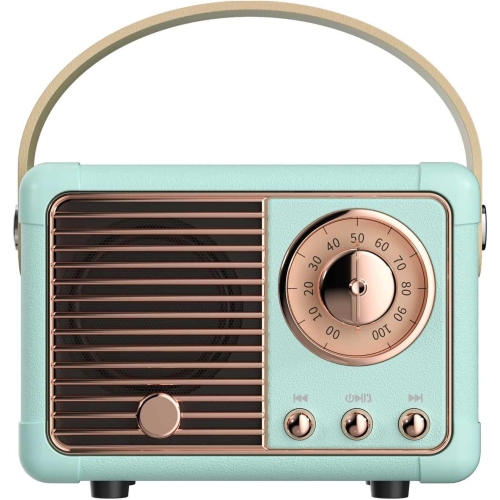

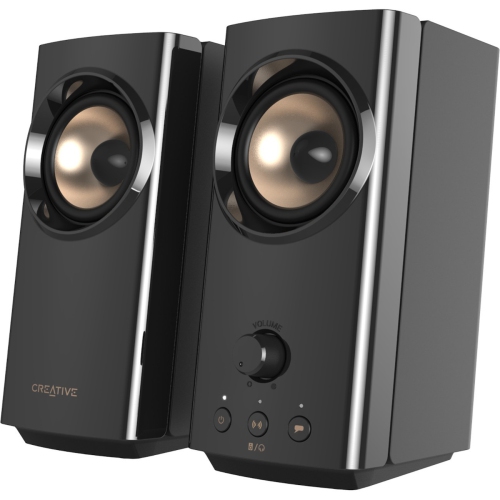

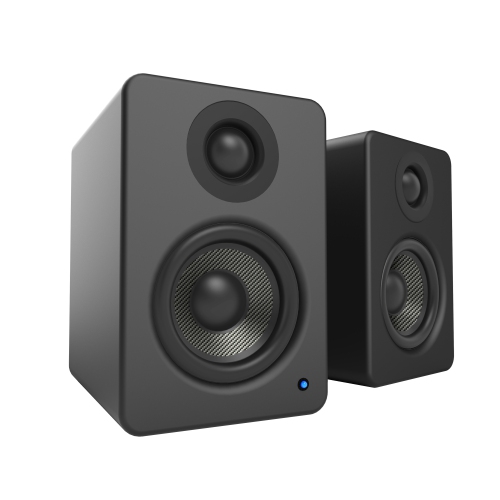
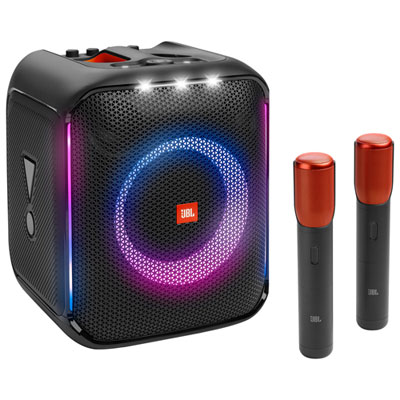




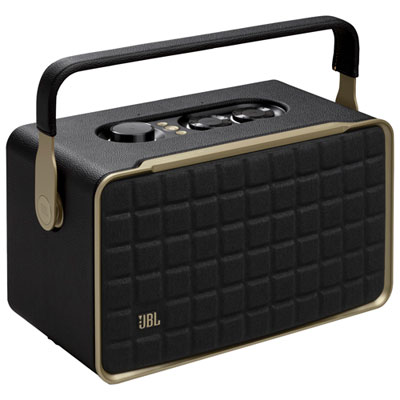



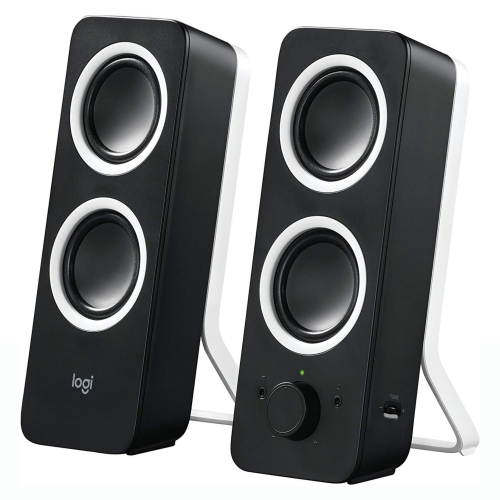

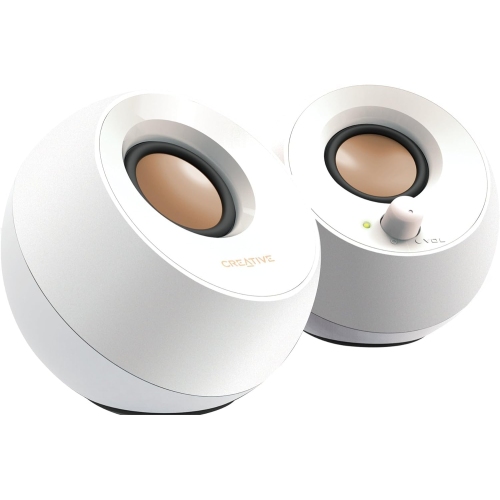

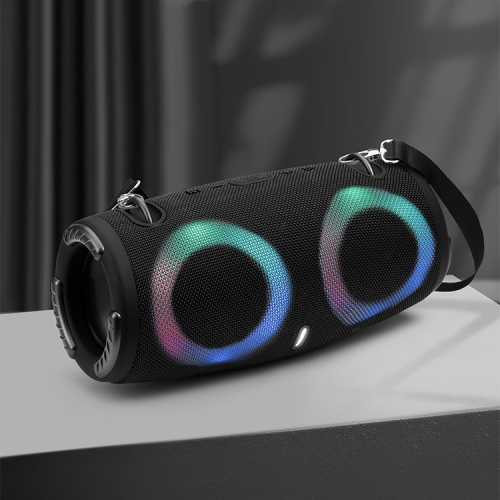
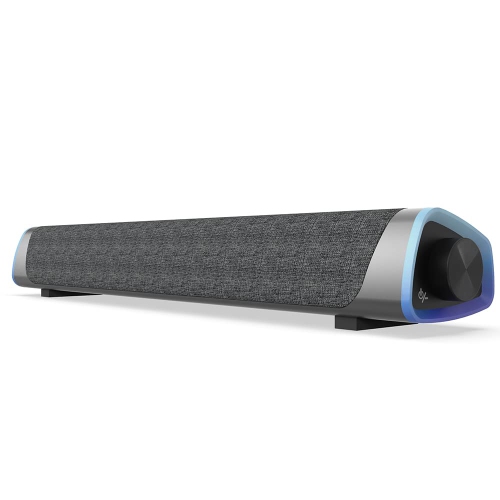
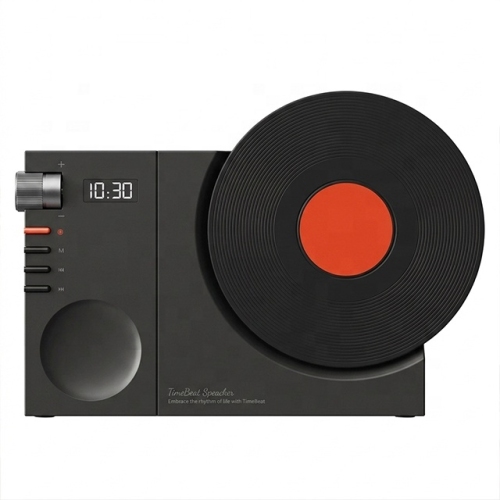
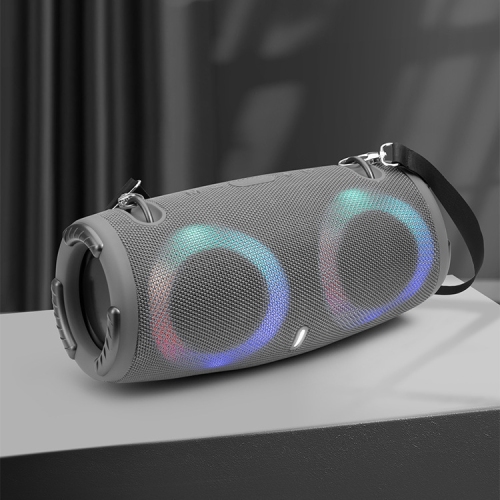
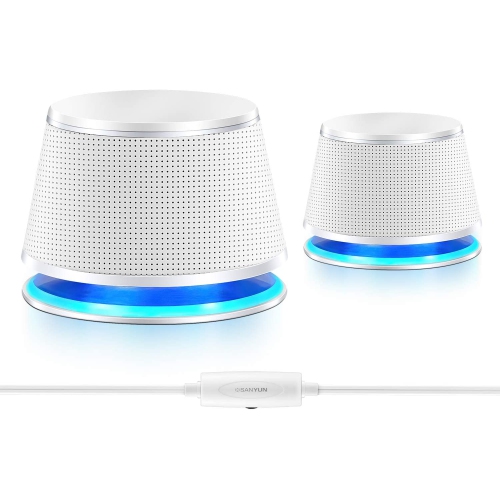
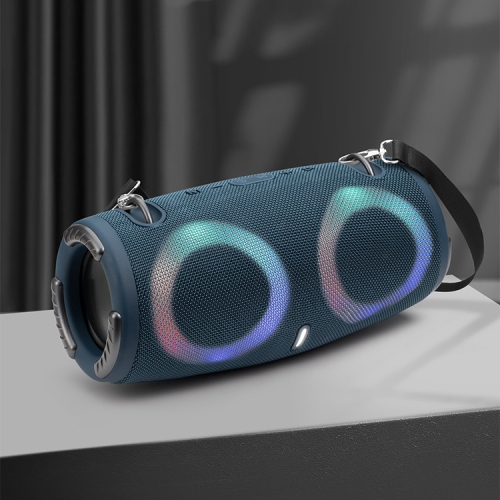
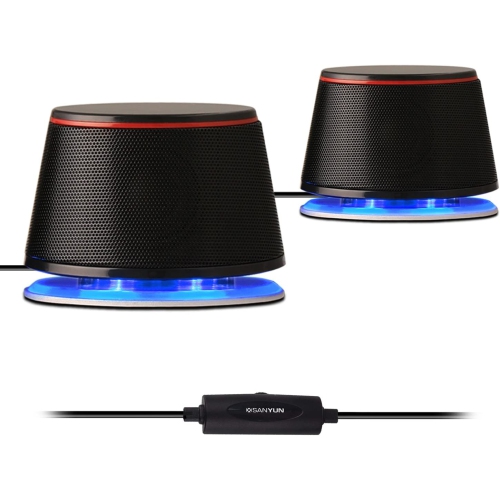
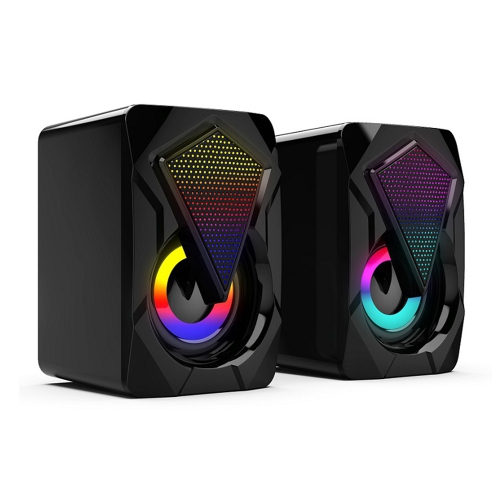

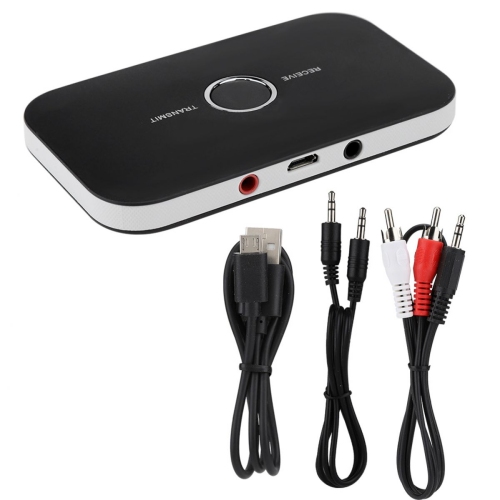
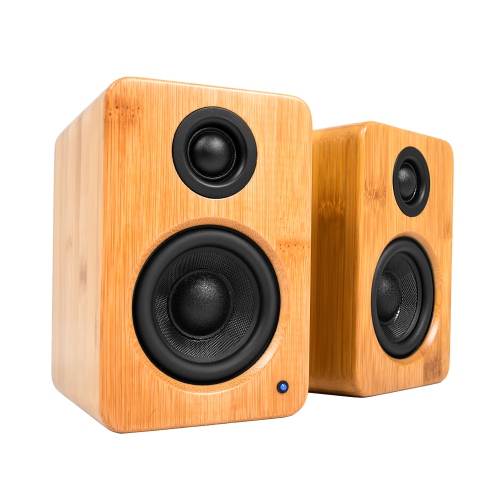
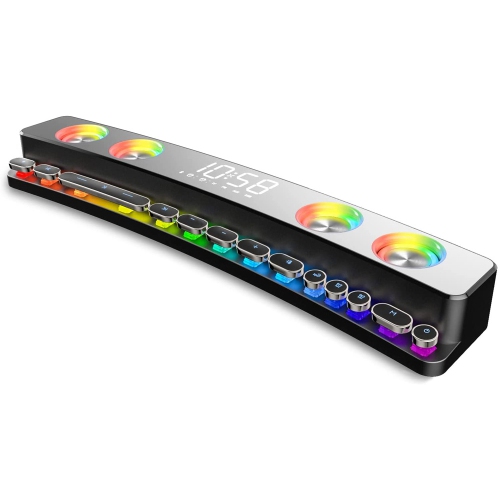
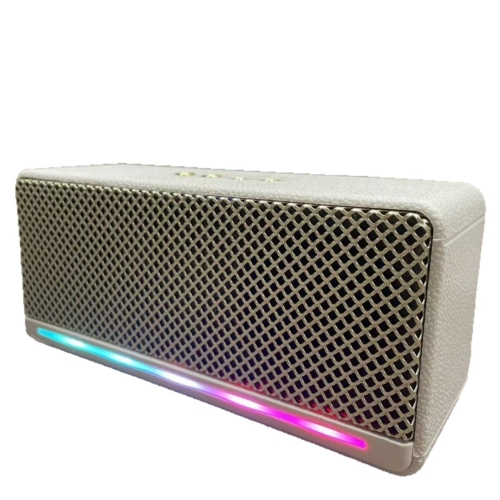
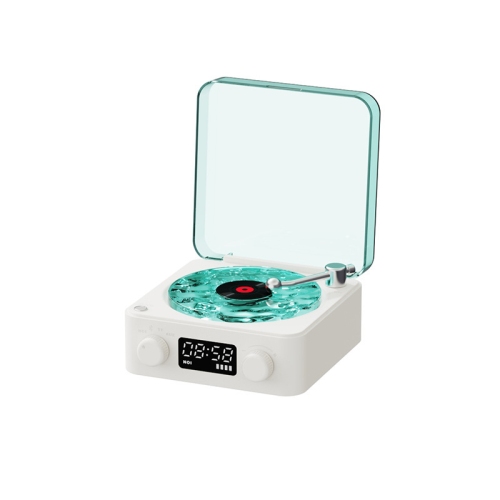
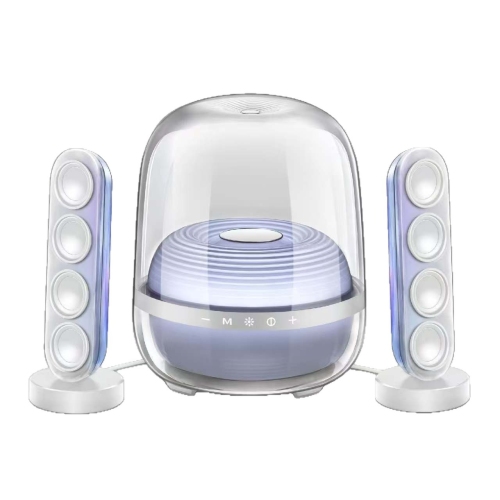
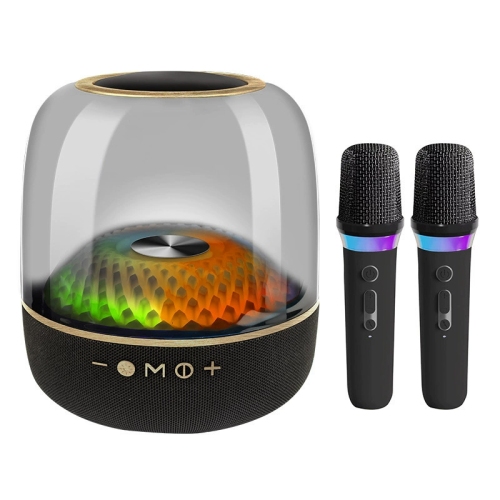

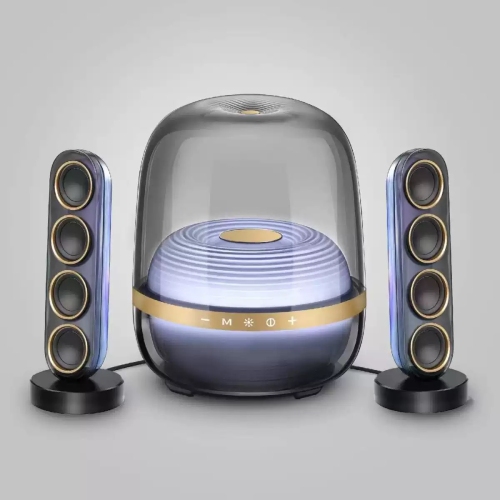

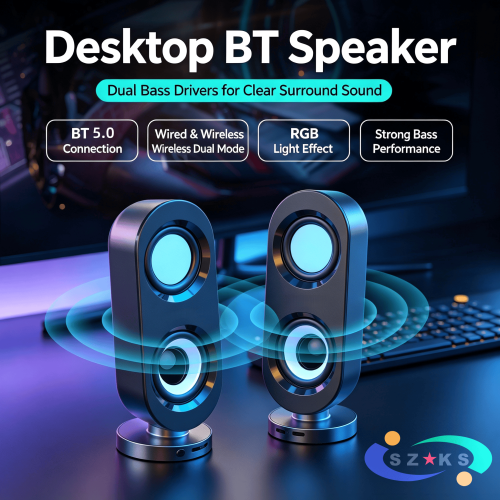
Small speakers with more to consider than size
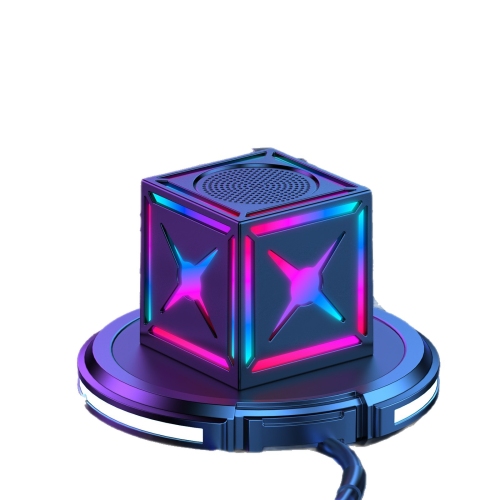
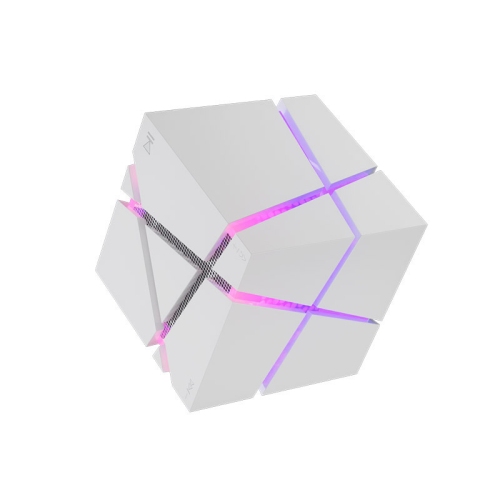
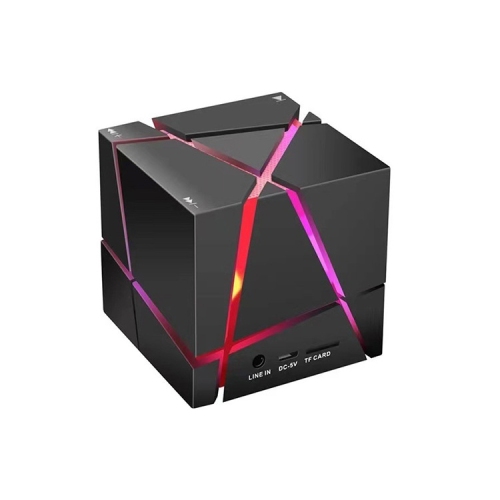
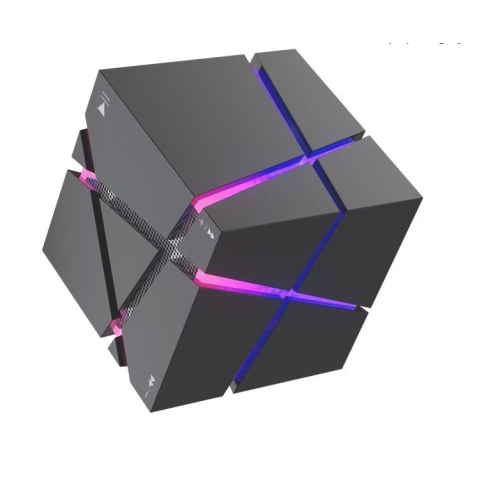
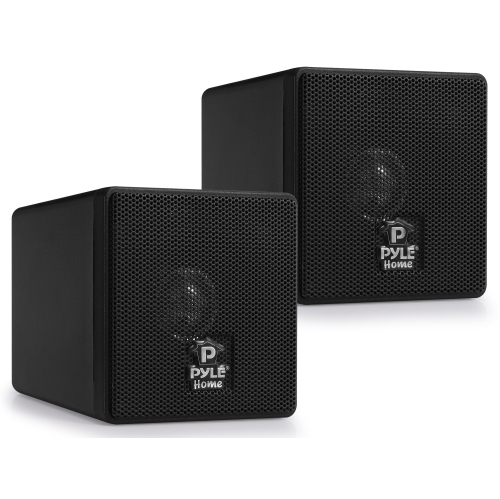
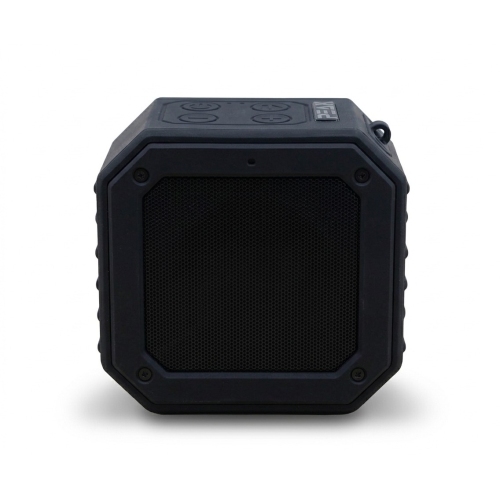
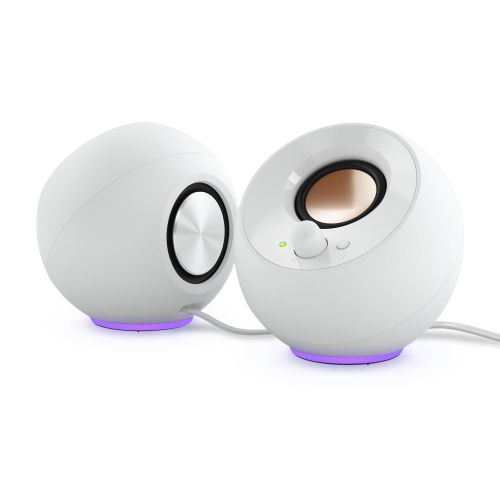
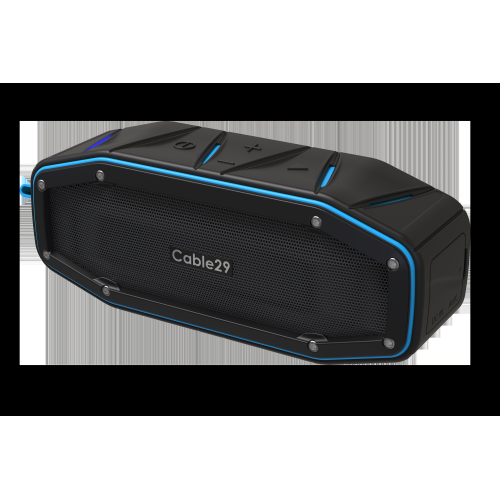
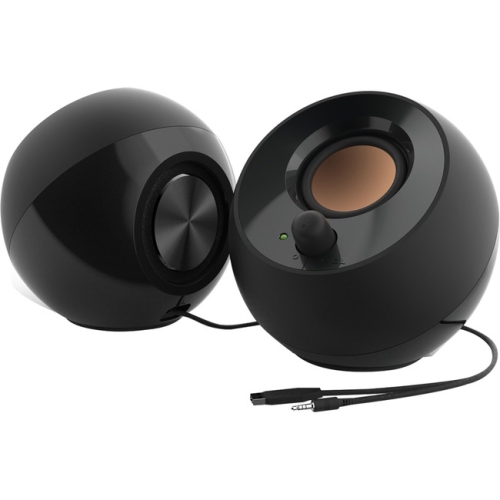
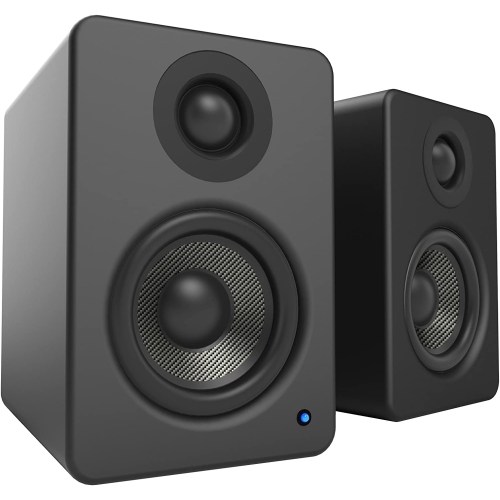
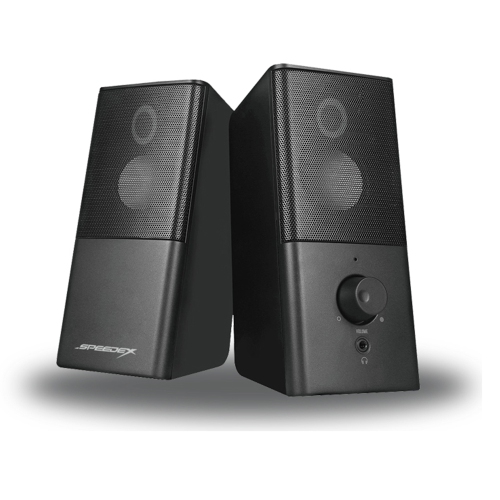
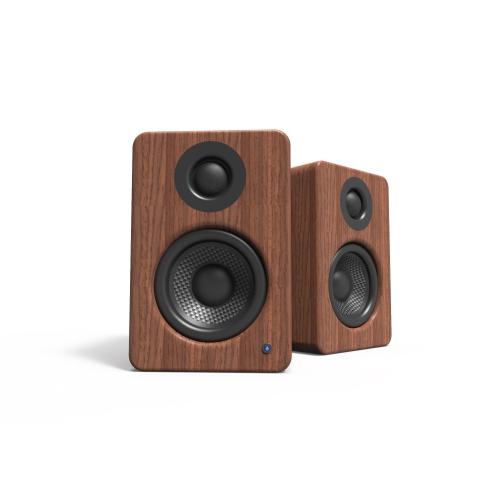
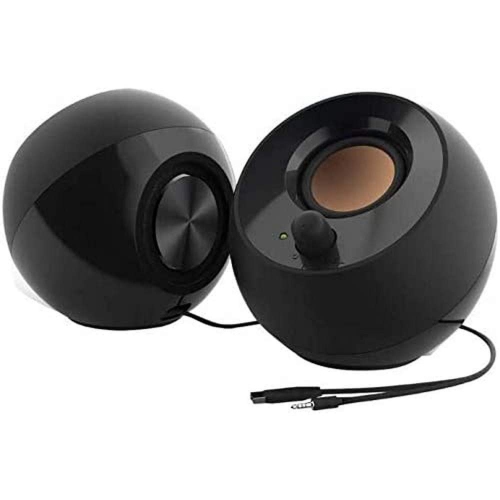
Cube speakers are compact loudspeakers with a square or nearly square cabinet, designed to bring audio into spaces where larger speakers would be awkward or visually dominant. Their tidy proportions suit bookshelves, desktop corners, media units, and wall-mounted home theatre arrangements. The cube shape describes the cabinet rather than a particular connection type or sound capability: cube speakers can be passive satellites connected to an amplifier, powered speakers with amplification built in, or wireless designs that receive audio through Bluetooth or Wi-Fi. That distinction matters more than appearance when matching speakers to a television, computer, phone, or existing sound system. A small pair beside a monitor can keep spoken dialogue and music close to the listener without occupying much desk space, while compact satellites positioned around a seating area can reproduce surround effects without large floor-standing cabinets. Sound quality depends on the drivers, cabinet construction, tuning, and placement, not simply the geometric shape. Small drivers can deliver clear voices and detailed higher frequencies, but their limited size generally restricts deep bass and how loudly they can play cleanly. In many home theatre systems, a separate subwoofer handles low-frequency effects and gives music more weight. A cube speaker described as full-range is not necessarily a substitute for a larger speaker or a system with a subwoofer, especially in an open living area. For close listening at a desk or modest listening levels in a smaller room, compact speakers may provide a satisfying balance of clarity and convenience. For movie soundtracks, bass-heavy music, or listening across a larger space, the overall system design becomes more important. Dimensions are also worth considering beyond the cabinet itself. A speaker that fits neatly between books still needs room for cable plugs, any specified clearance around its ports, and a clear path from its drivers to the listening position. Keeping the front of the speaker unobstructed helps preserve the detail that can disappear when it is tucked behind ornaments or deep inside a shelf.
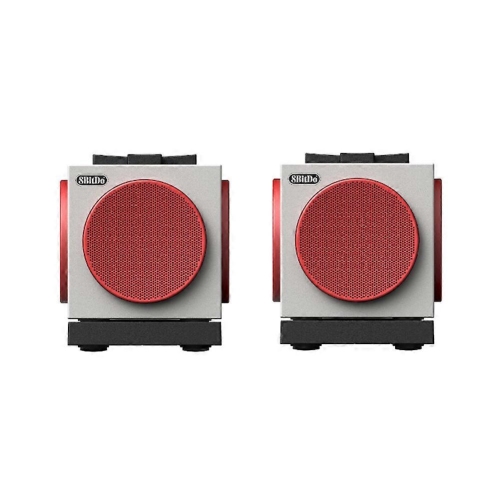
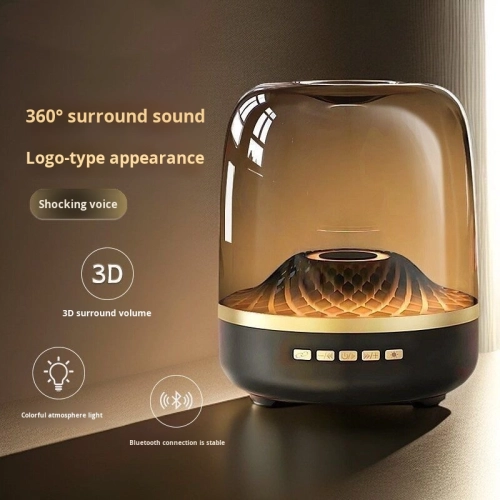
Connections determine how cube speakers fit into everyday listening. Passive cube speakers need a compatible amplifier or receiver and speaker wire; they cannot normally connect directly to a phone, a computer’s headphone socket, or a television’s audio output. Impedance and recommended amplifier power help establish a suitable match, while continuous power handling is generally more useful than a peak power figure alone. Some compact satellites belong to a particular home theatre system and may depend on its dedicated connections or bass-management settings, so matching the connector is not always enough to establish compatibility. Powered cube speakers contain an amplifier, although a stereo pair may still use a cable between the two cabinets. Depending on the design, inputs might include an analogue connection, USB audio, or an optical connection, and each input needs to match the source device. Bluetooth can make casual playback from a phone straightforward, while Wi-Fi functionality may support network streaming or multi-room listening through compatible software. Wireless audio does not necessarily mean cordless operation: many speakers still require mains power, and battery operation should not be assumed from a compact size. For television use, a compatible wired connection can also avoid the lip-sync delay that may occur with some Bluetooth arrangements. Speaker layout shapes the experience as much as connectivity. Two speakers placed to either side of a screen can create a stereo image, making a voice sound centred while instruments spread between the left and right channels. A single cube may be convenient for background listening, but its shape alone does not create stereo separation or sound that radiates evenly in every direction. For a listening area where people sit around a table or move between different parts of the room, 360 Speakers offer a related format designed around broader directional coverage. Cube speakers with adjustable brackets or pivoting sections provide a different kind of flexibility, allowing their drivers to be aimed towards listeners when the design supports it. Surround speakers work best when their position and angle suit the system layout rather than simply filling an empty corner.
Materials, mounting options, and everyday handling influence how comfortably cube speakers settle into a room. Cabinets may use moulded plastic, wood-based panels, or metal, with fabric or perforated metal grilles covering the drivers. Each approach can produce a durable speaker when properly designed; material alone does not establish sound quality. A rigid cabinet, secure fittings, and well-supported placement help limit unwanted vibration, while a grille offers some protection from accidental contact with delicate driver surfaces. On a desk, small isolation pads or suitable stands can reduce vibration transferred into the work surface and bring the speakers closer to ear height. On a bookshelf, placing the front of the cabinet near the shelf edge can reduce reflections from the surrounding surfaces. Corners and nearby walls can reinforce bass, but they can also make certain notes sound heavier than others, so a modest change in position may improve balance. Wall mounting keeps a desktop or media unit clear, provided the speaker has an approved mounting point and the bracket suits its weight. Secure fixings appropriate to the wall construction are important, as is a cable route that avoids loose loops within reach of children or pets. In a home theatre setup with a subwoofer, receiver calibration and an appropriate crossover setting help direct bass away from small satellites and blend the speakers into a more cohesive system. Care is usually straightforward: disconnect power where applicable, dust the cabinet with a soft, dry cloth, and follow the manufacturer’s directions for cleaning grilles. Spraying cleaner directly onto a speaker or pressing against an exposed driver can cause damage. Compact cabinets are easy to move, but that does not make them suitable for damp locations or rough handling without the relevant protection rating. Cube speakers can make a thoughtful gift for someone setting up a study space, refining a gaming desk, or adding compatible surround channels to a home theatre. The most useful fit comes from knowing the recipient’s source devices, available connections, and listening space, so the small footprint brings practical convenience as well as a clean, understated look.
Top selling and popular products
-
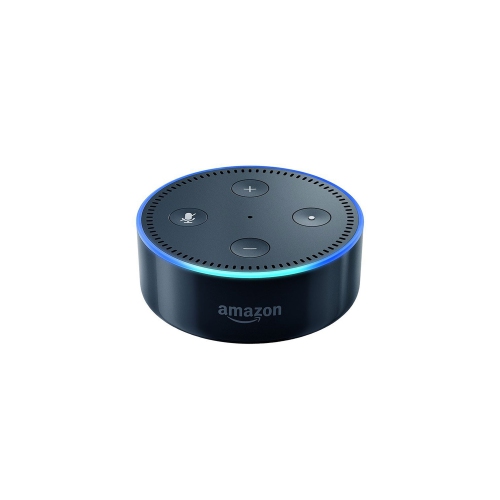 Your price for this item is $48.99
-
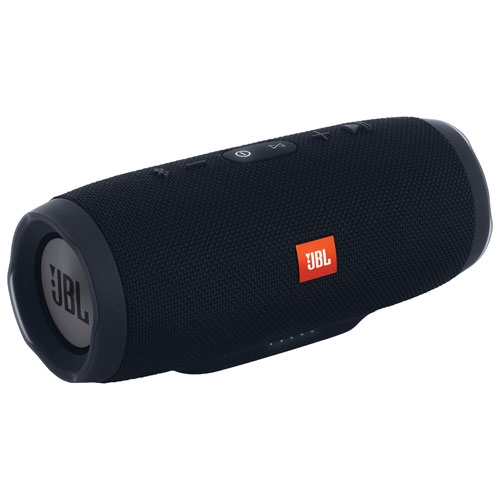 Your price for this item is $189
-
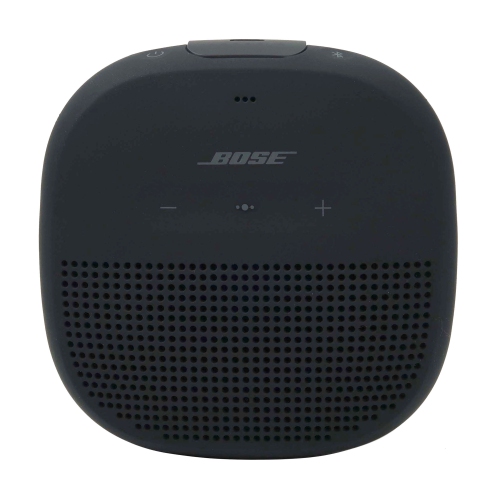 Your price for this item is $110
-
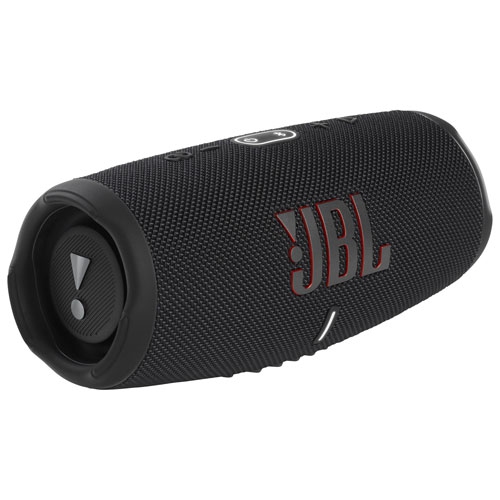 Your price for this item is $239.98
-
 Your price for this item is $149.99
-
 Your price for this item is $59.99
-
 Your price for this item is $399.99
-
 Your price for this item is $33.68
Discover more categories related to Cube Speakers

Top Collections:
Pokemon Centers, Best Cameras for Sports Photography, Kindle Devices, Samsung Galaxy Phones, Canon G7X Cameras, Pokémon 30th Celebration Cards, Refurbished Apple Laptops, iPhone 15 Apple, Laptops for Students, Budget Smartphones
Some products may be subject to Environmental Handling Fees
(EHF) depending on your province.
Learn more about EHFs.