Dorm Room Bluetooth Speakers
Dorm Room Bluetooth Speakers are the perfect addition to any college setup, offering a convenient way to enjoy your favorite playlists, podcasts, and streaming audio. Compact and easy to move, these speakers fit effortlessly into limited spaces while delivering impressive sound for study sessions or social gatherings. With wireless connectivity, you can pair your devices and control your music from across the room. Explore a wide selection of Dorm Room Bluetooth Speakers to find the right match for your space and style.
Sort
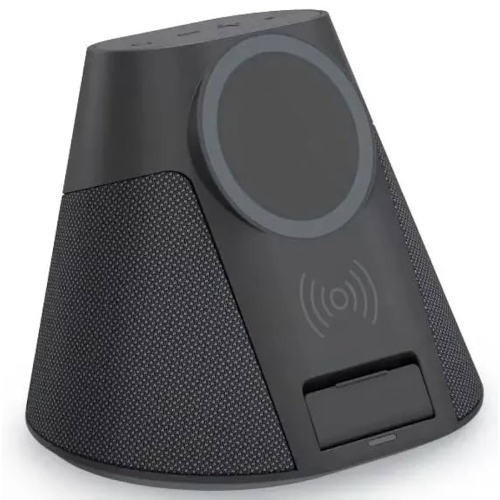
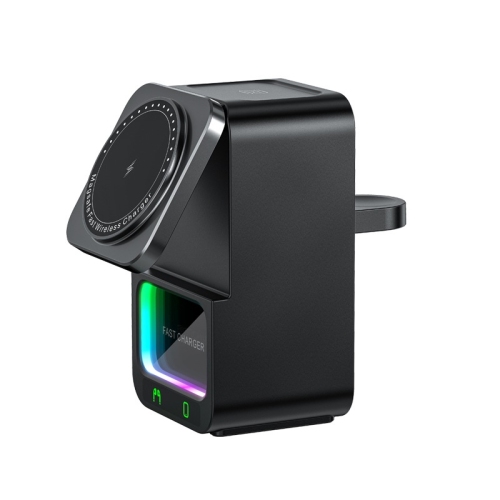
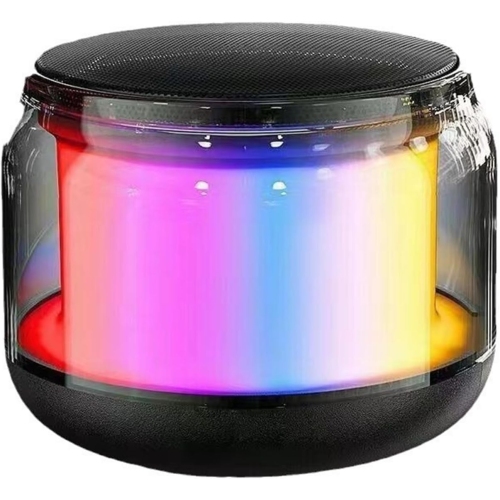
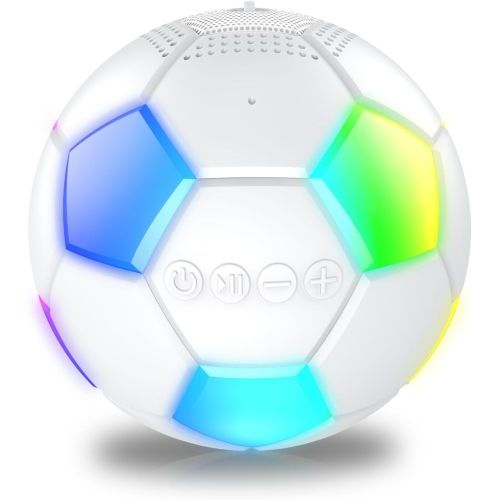


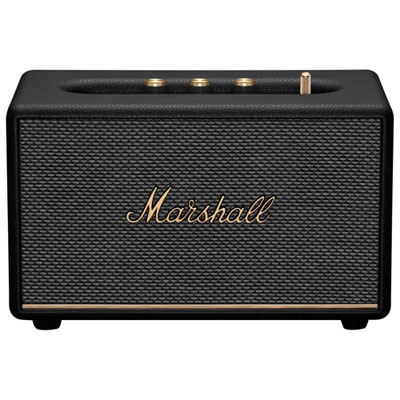
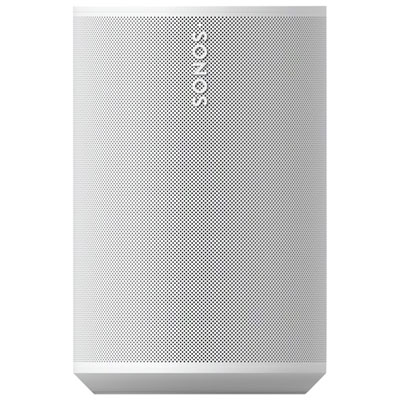
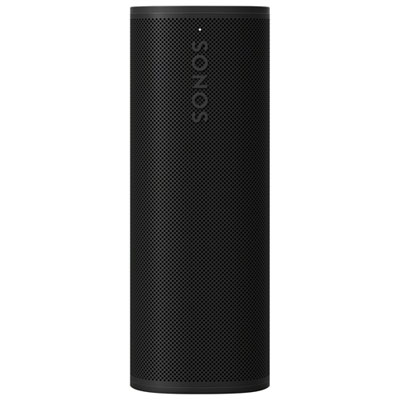
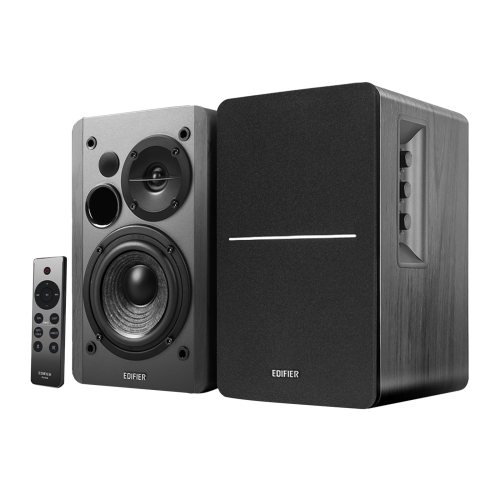
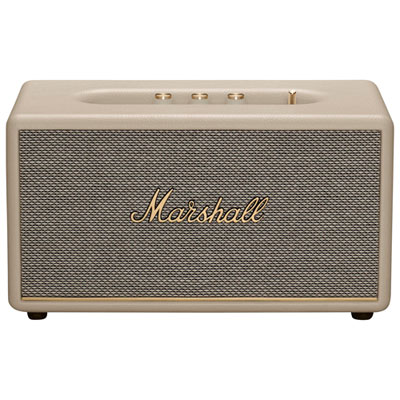
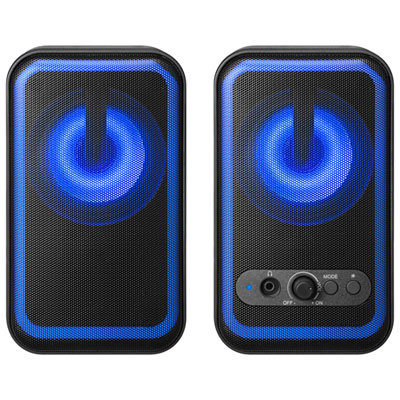

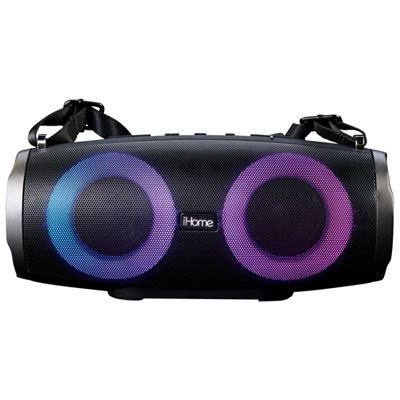
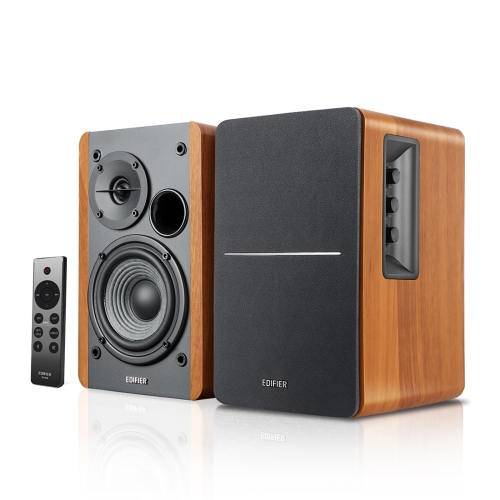
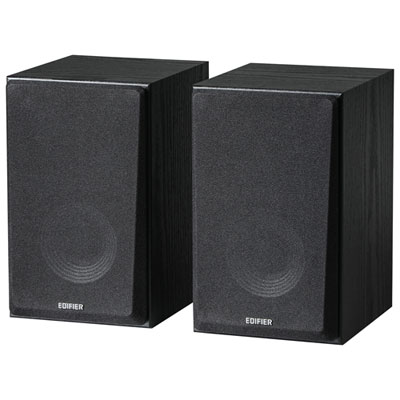
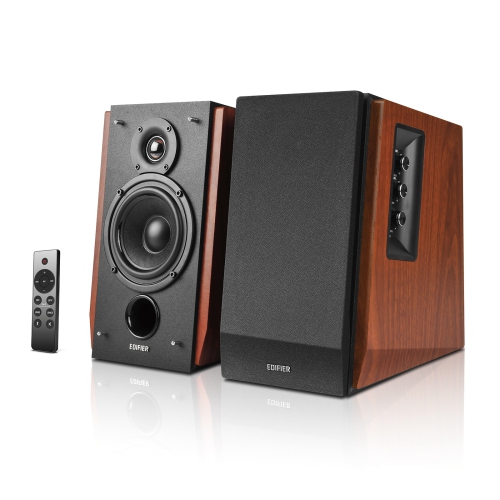
Fuller sound without crowding your shared space
Dorm room Bluetooth speakers bring personal audio into a space where a bed, desk, wardrobe and shared storage may all sit within a few steps of one another. A compact speaker can give a favourite playlist more presence than a phone’s built-in audio while leaving room for textbooks, a desk lamp and an open laptop. Everyday listening in a residence room often calls for clear vocals, balanced sound and easy volume adjustment rather than enough output to fill a large gathering space. Podcasts need intelligible speech, acoustic tracks benefit from detail, and bass-heavy music is more comfortable to share when low frequencies remain controlled. Small dimensions do not tell the whole story: enclosure design, driver arrangement and sound processing all influence how a speaker performs. A slightly larger body may offer fuller sound, while a smaller design can be easier to carry between a room and a common area. The Bluetooth Speakers for Dorm Room collection centres on this balance between everyday listening and limited space. Physical fit includes more than finding an empty patch of desk. A stable base, accessible buttons and a shape that sits securely on a shelf all matter when charging cables, notebooks and water bottles share the same surface. Placement also changes the listening experience. Tucking a speaker into a tight cubby or pressing it against a wall can alter its sound, particularly the bass, while a clear position on a sturdy surface may help voices come through more distinctly. In a small room, satisfying sound at a modest volume can be more useful than maximum loudness. Clear playback during a quiet afternoon, background music while organizing notes and a little extra presence for a video call are all practical uses, provided the speaker supports the features involved. For shared rooms, an easy-to-reach volume control makes it simpler to keep listening comfortable without interrupting a roommate’s reading or rest.
Wireless convenience is a large part of the appeal, especially when a phone moves between a desk, backpack and bedside table throughout the day. Bluetooth carries audio from a compatible device without requiring a cable between the source and speaker, although the speaker still needs power from a charged battery or an outlet, depending on its design. Everyday usability comes down to details such as straightforward pairing, clear connection indicators and controls that are easy to identify by touch. In shared accommodation, predictable pairing behaviour is particularly helpful: a speaker that reconnects to a previously paired device may need that connection released before another person can use it. Some designs can remember several devices, while support for maintaining more than one connection at a time varies. Those features are different from pairing two compatible speakers for stereo playback, which generally depends on the manufacturer’s supported system rather than Bluetooth alone. For laptop use, connection compatibility matters as much as the speaker’s size. Wireless audio can introduce a delay, so dialogue, games and video calls may feel different from music playback; a supported wired audio input can provide another connection option. Built-in microphones, where included, can be useful for occasional calls, but not every Bluetooth speaker offers speakerphone functions. Battery life also deserves context. Published playback estimates depend on test conditions, and actual listening time can change with volume, lighting effects and other enabled features. A rechargeable design suits movement around a residence, while an outlet-powered design may be convenient for a speaker that stays on a desk. Charging-port placement and cable length affect how neatly either setup fits beside a laptop and lamp. USB-C charging can simplify a routine when other devices use the same connector, but the required power source and included accessories vary. Simple controls, dependable connections and a charging arrangement that suits the room often make more difference to daily enjoyment than a long feature list.
Materials and construction help determine how well a dorm room speaker handles frequent use and occasional trips in a backpack. Moulded housings can be practical for carrying, metal grilles provide a firm protective surface, and fabric coverings offer a softer texture that may coordinate with bedding or other room furnishings. Each finish has different care needs: textured fabric can catch dust, glossy surfaces may show fingerprints, and openings around buttons or ports need protection from debris. A rubberized base can help a speaker stay put on a smooth work surface, although secure placement remains important near desk edges. Carry loops and handles, when included, can make transport easier, but they do not make a speaker resistant to drops. Water-resistance ratings also need careful interpretation. Protection against splashes is not the same as suitability for immersion, and water resistance does not establish resistance to every kind of spill. Coffee, sugary drinks and cleaning products can still damage materials or leave residue. Routine care is usually straightforward: dusting with a soft cloth, keeping liquids away from connections and following the manufacturer’s cleaning directions help protect the finish and controls. Charging ports should be dry before use, and a speaker belongs somewhere it will not be knocked over by a moving chair or a bag sliding off the bed. For students receiving a speaker as a gift, practical compatibility can be more valuable than elaborate extras. A manageable size, familiar controls and a colour that suits the recipient’s taste make it easier to fit into an established routine. A student who listens mainly at a desk may value different features from someone who carries music to shared lounges. In either case, a dorm room speaker works best as part of considerate shared living: headphones still have their place during quiet hours, and restrained bass helps keep music from becoming a distraction beyond the room. The result is a personal audio setup that feels comfortable, useful and easy to live with.
Top selling and popular products
-
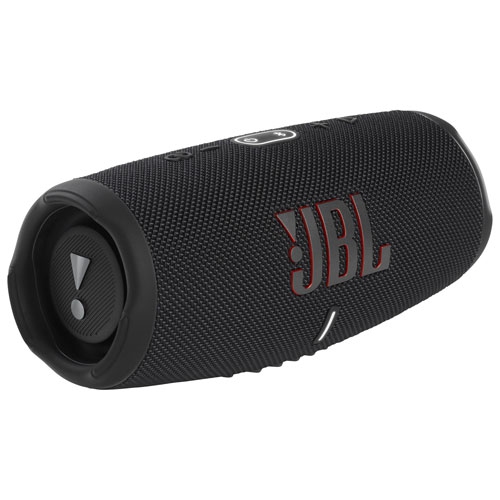 Your price for this item is $239.98
-
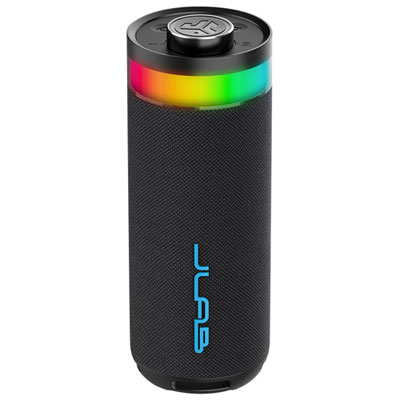 Your price for this item is $59.99
-
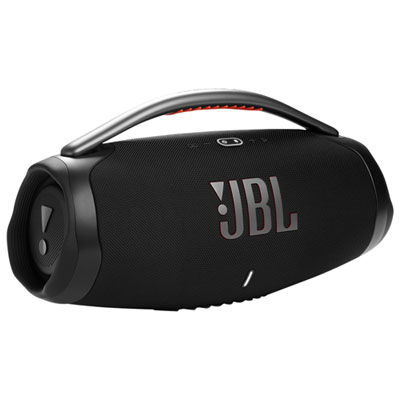 Your price for this item is $599.99
-
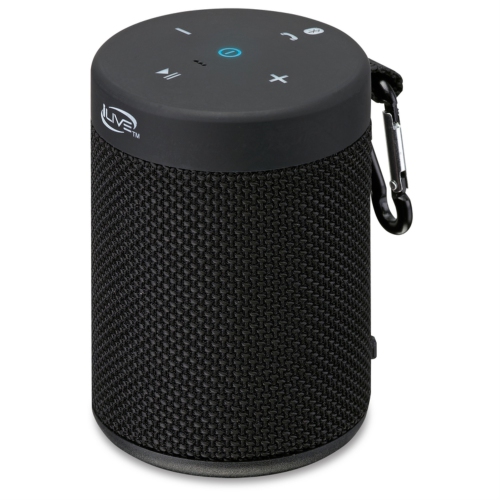 Your price for this item is $23.68
-
 Your price for this item is $549.99
-
 Your price for this item is $369.98
-
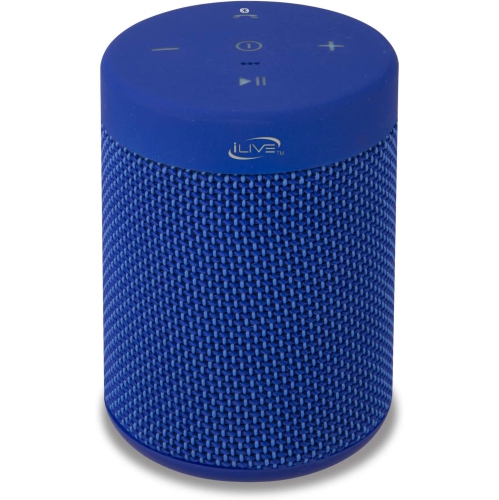 Your price for this item is $31.68
-
 Your price for this item is $25.68
Discover more categories related to Dorm Room Bluetooth Speakers
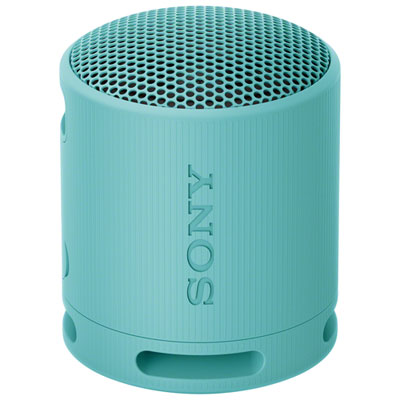
Top Collections:
Best Black Friday Deals This Year, Best Black Friday Deals On Electronics, Kindle Devices, Pokemon Centers, Best Black Friday Deals On Apple Products, Best Cameras for Sports Photography, Dyson Airwrap, Pokémon 30th Celebration Cards, Apple iPhone 17 Pro, Canon G7X Cameras
Some products may be subject to Environmental Handling Fees
(EHF) depending on your province.
Learn more about EHFs.