Dual Voice Coil Subwoofers
Experience the ultimate in audio performance with dual voice coil subwoofers, designed to elevate your sound system to new heights. Whether you're upgrading your car audio or enhancing your home theater setup, these subwoofers offer unparalleled flexibility and power. With their unique dual voice coil configuration, you can enjoy greater control over impedance settings, allowing for seamless integration with a variety of amplifiers. Dive into a world of rich bass and dynamic soundscapes that transform every listening session into an immersive experience. Discover how dual voice coil subwoofers can redefine your audio landscape today.
Sort
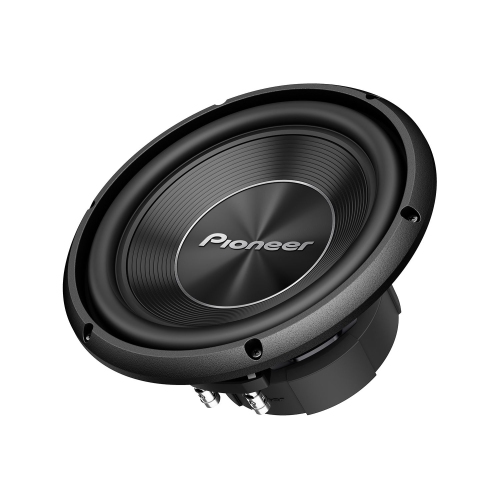
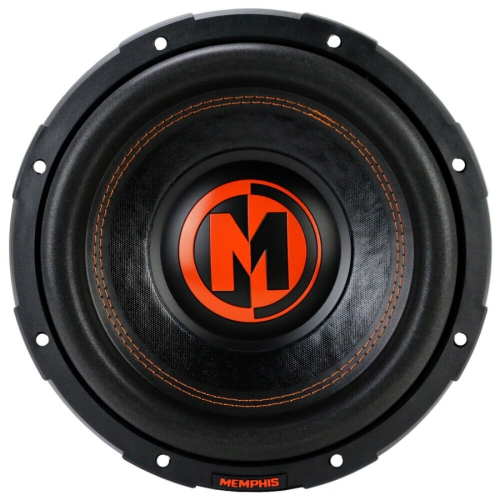
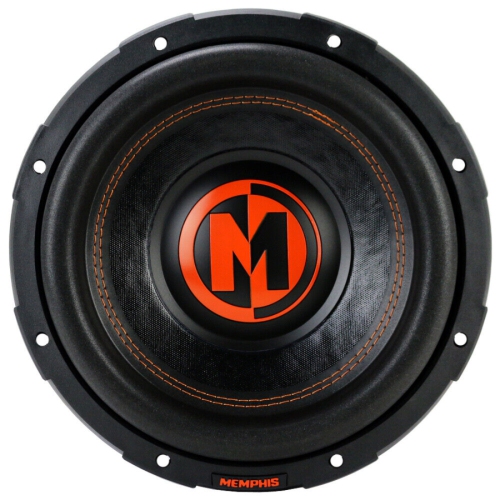
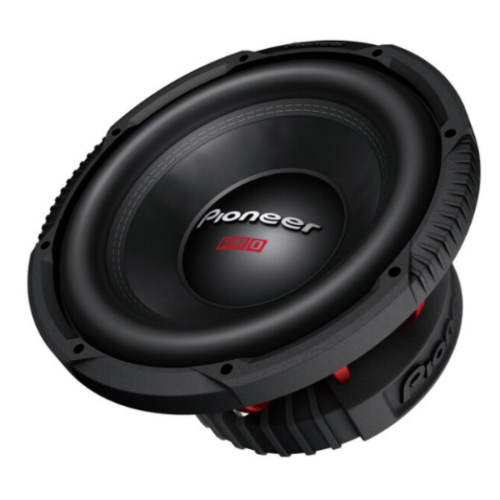



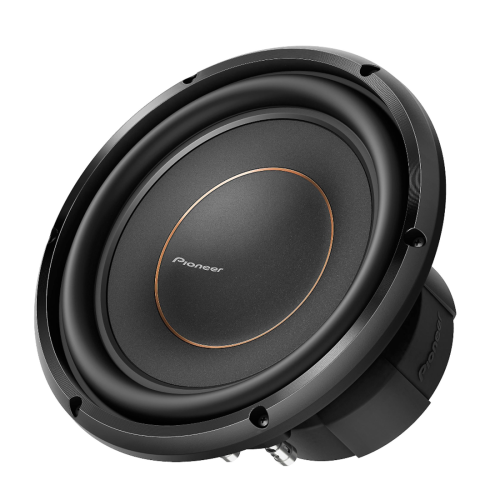

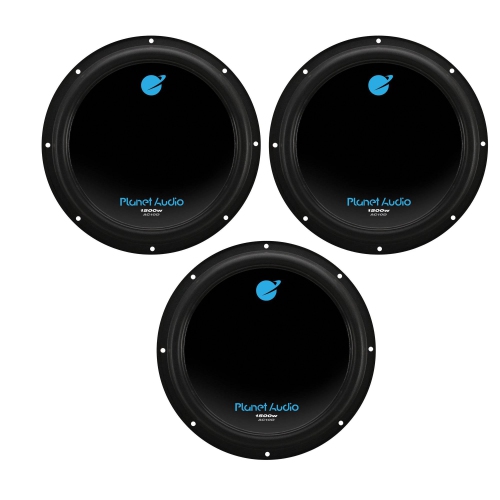
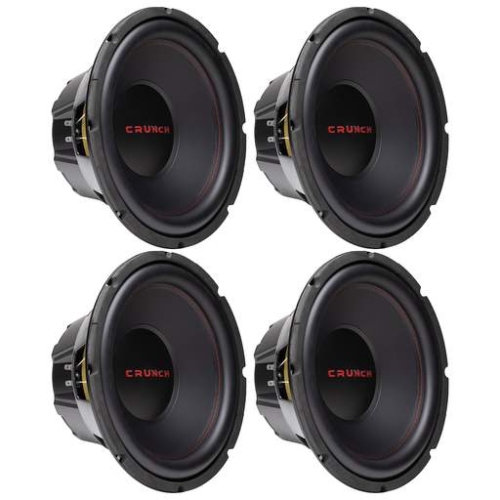
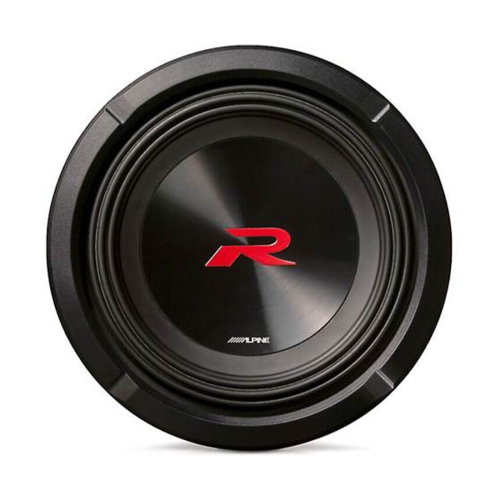
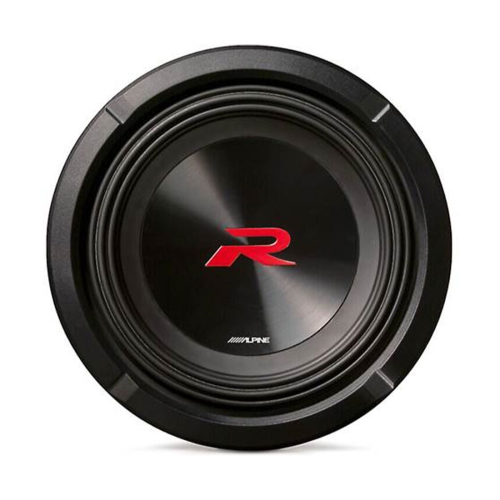







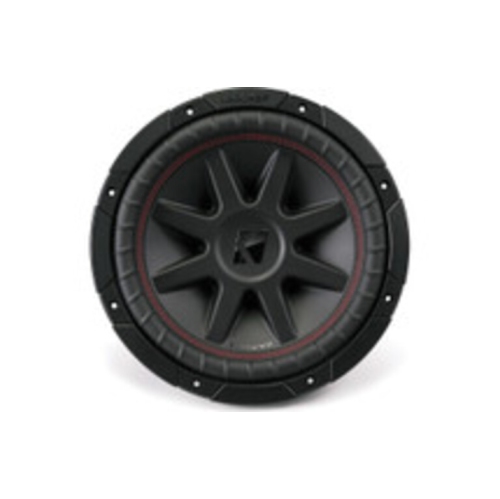
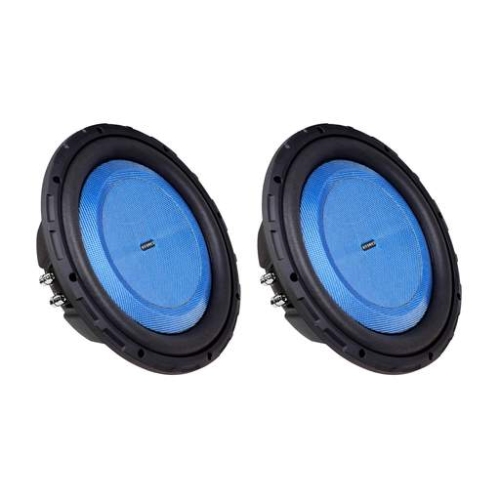
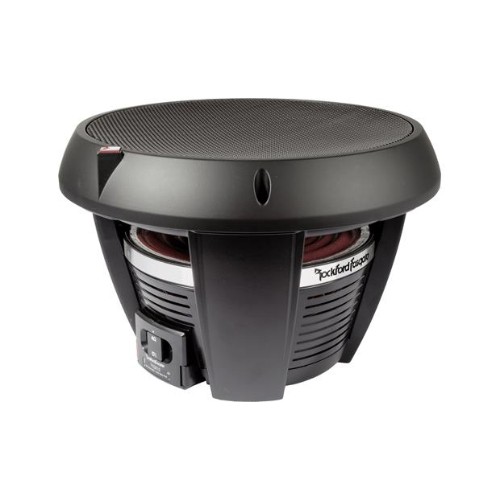
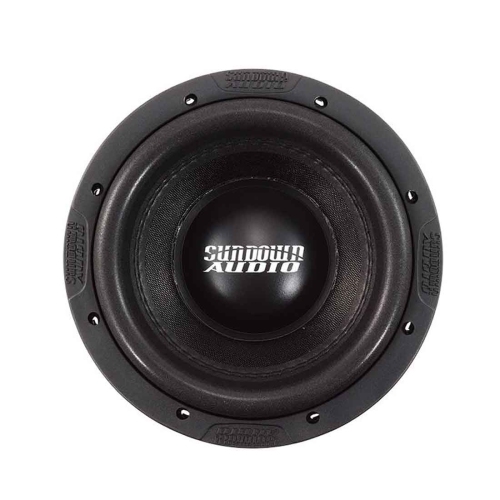

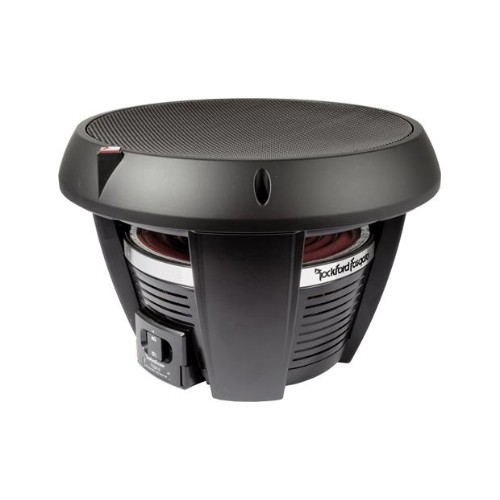
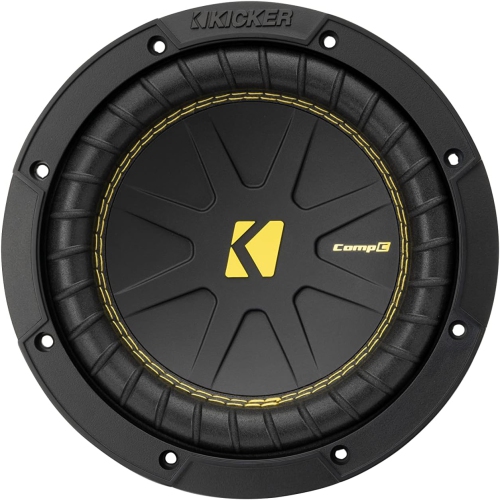

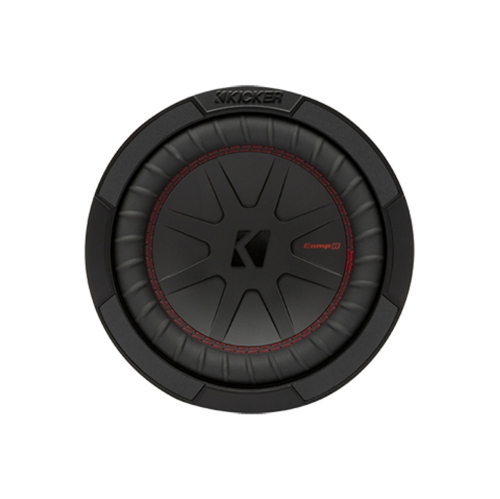
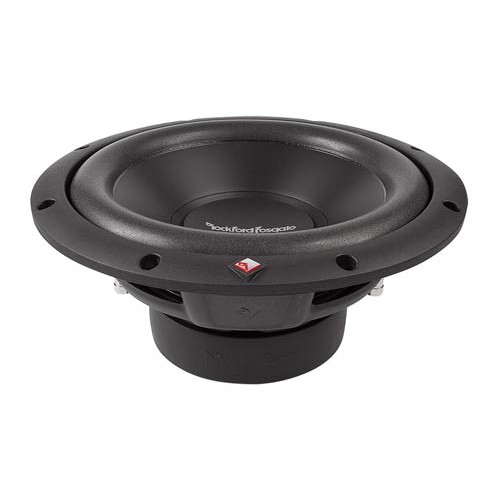
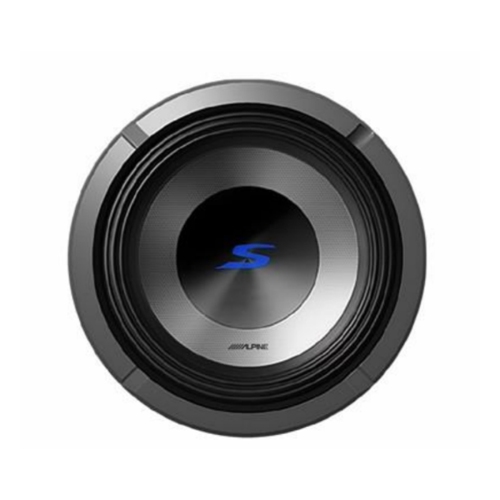
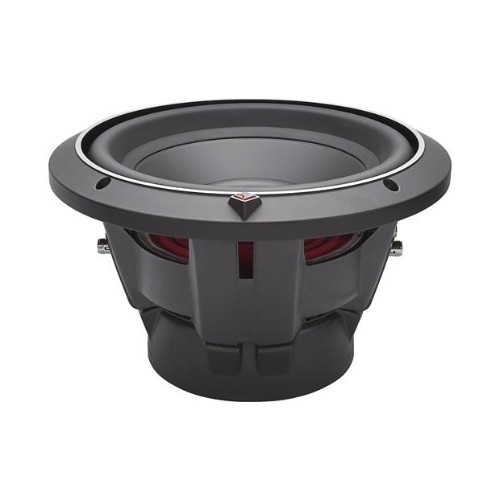
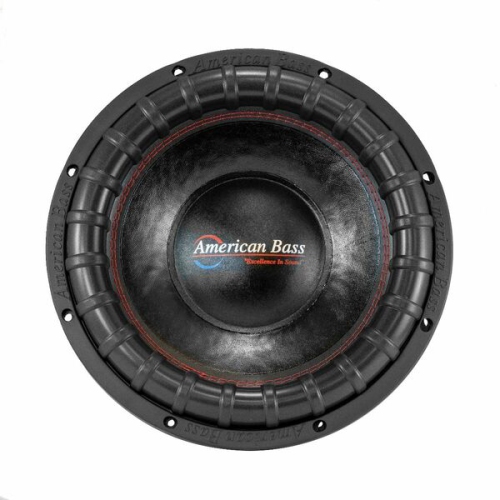
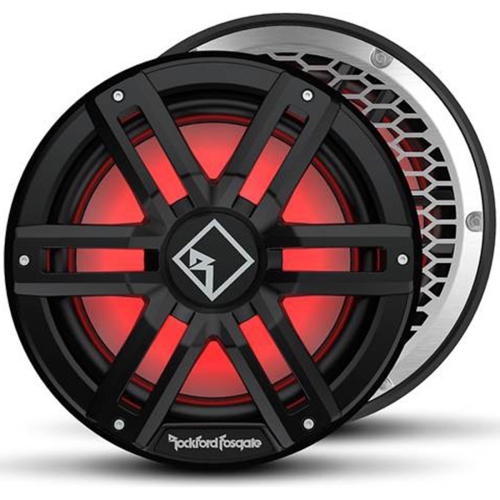
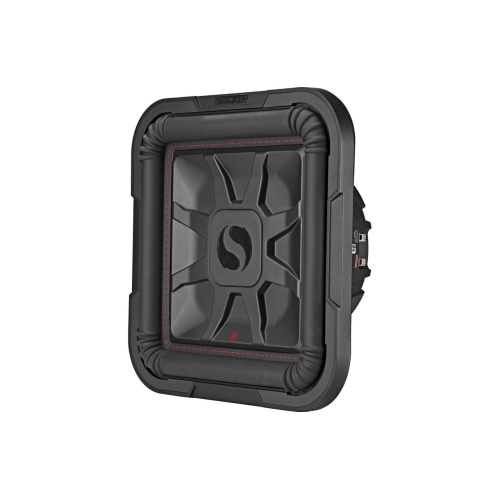
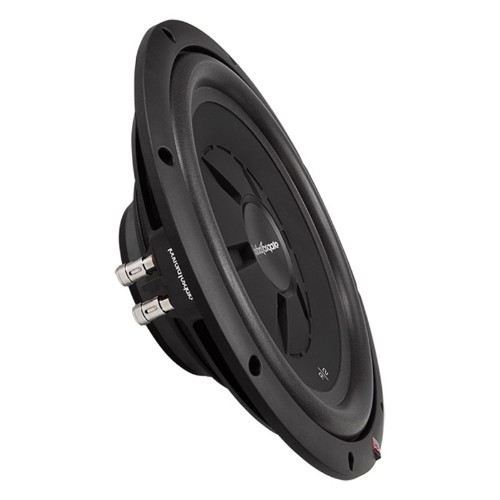
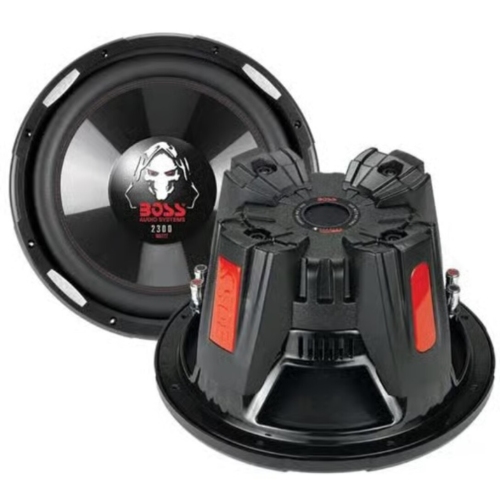


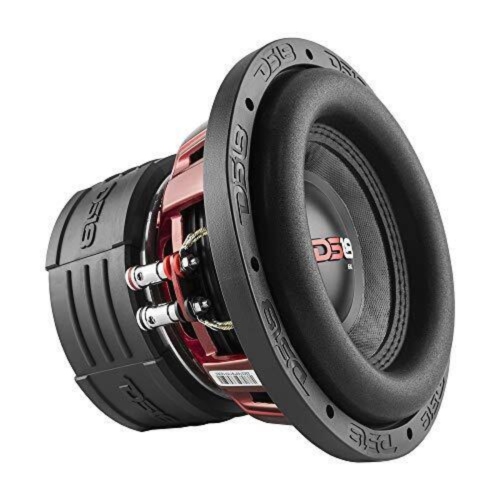
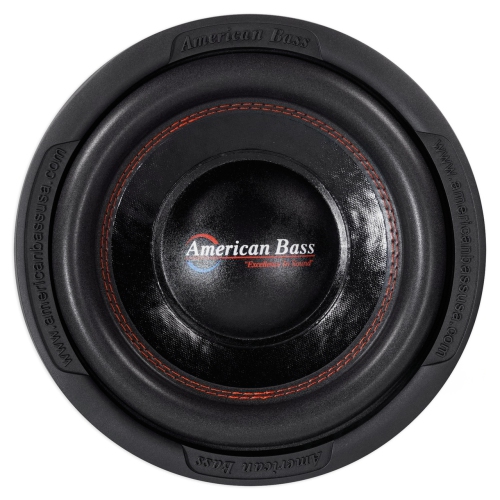
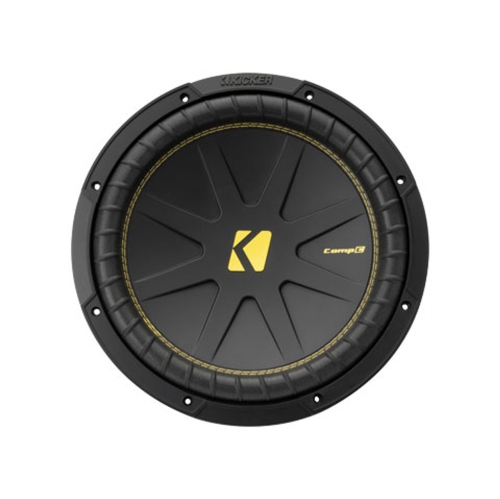
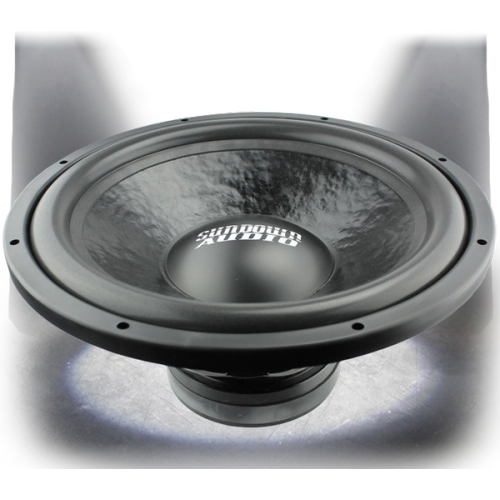
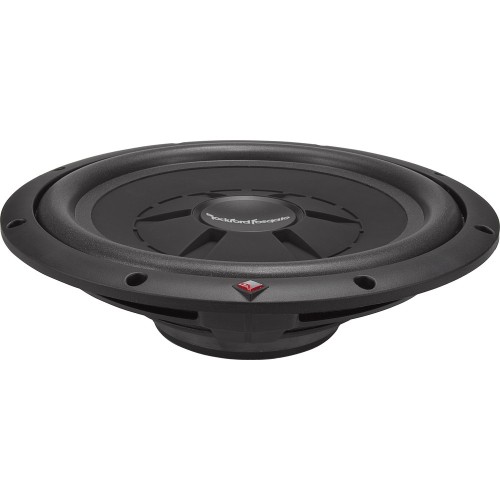
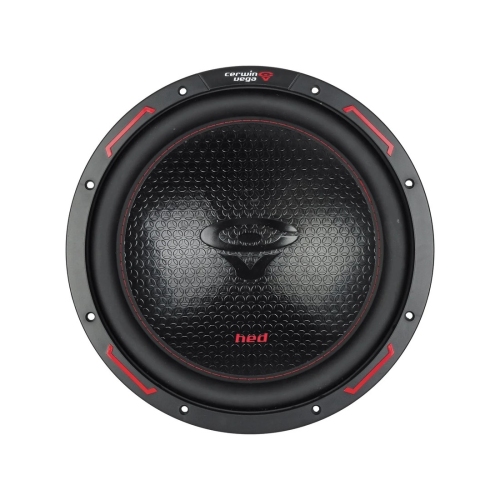
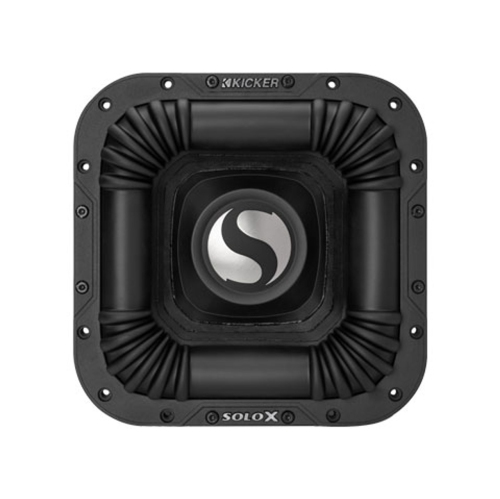
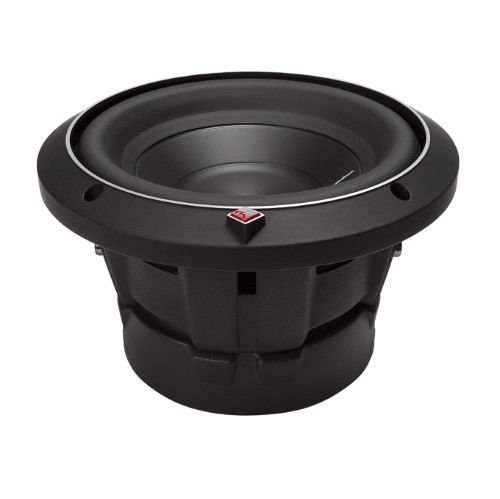

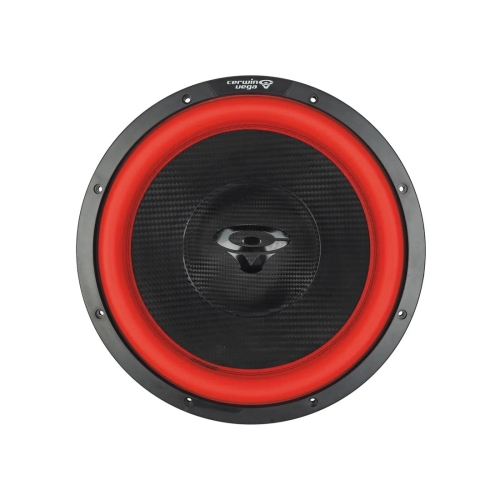
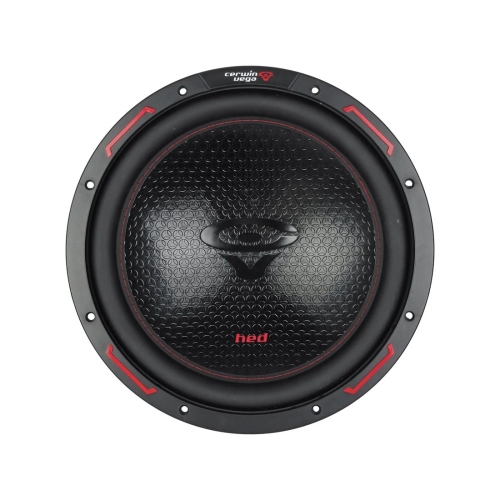
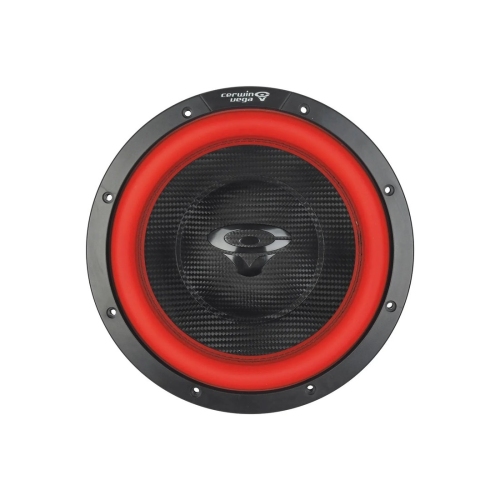
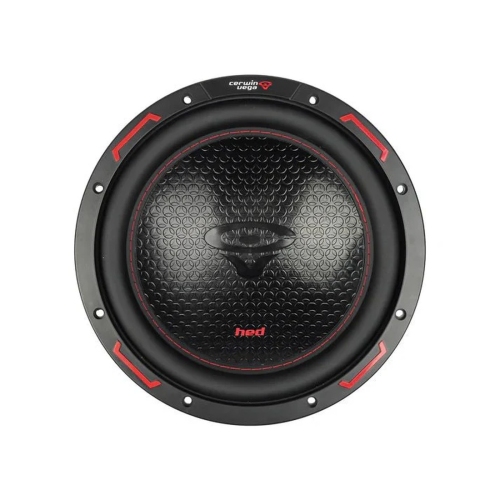
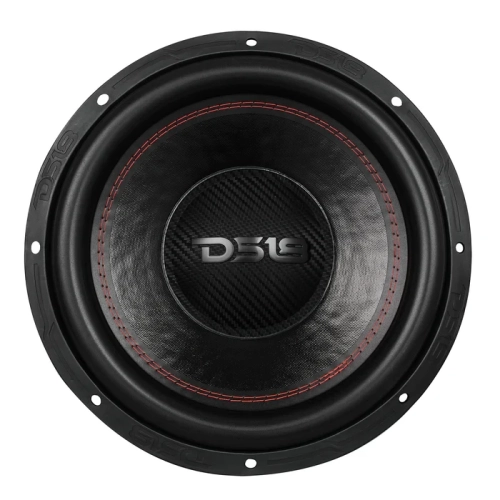
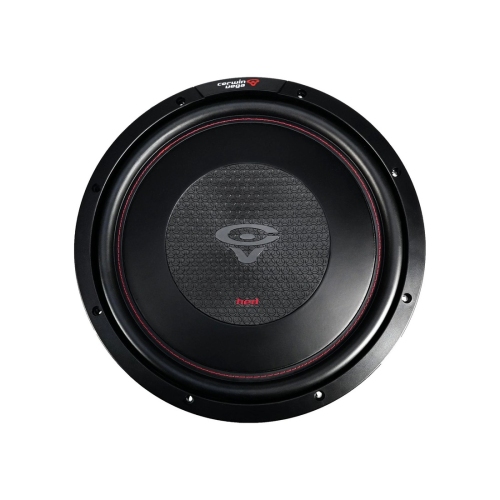
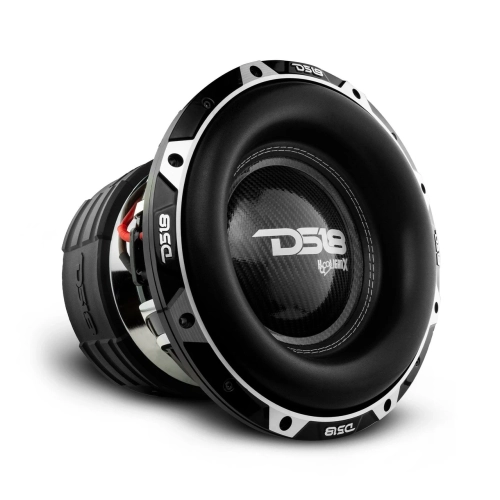
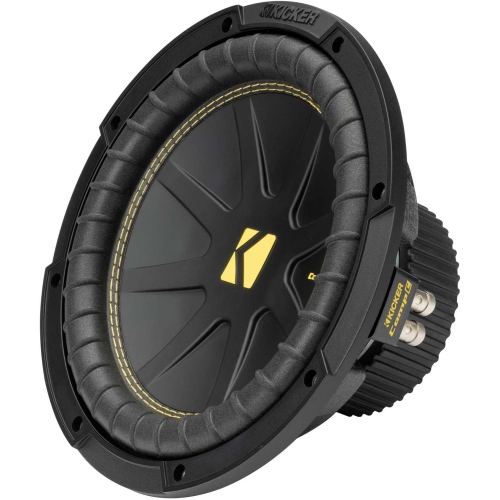
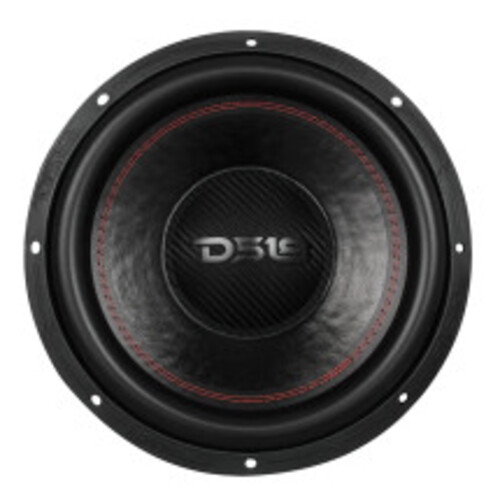

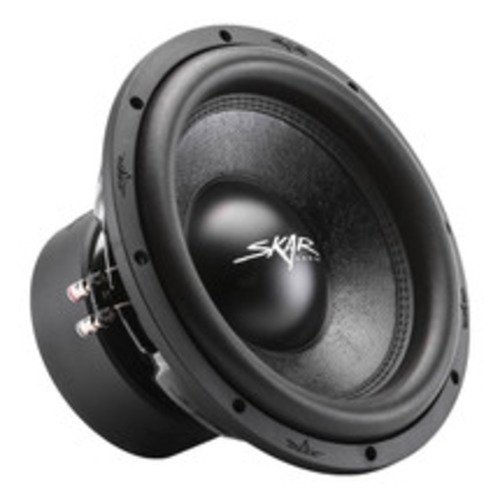
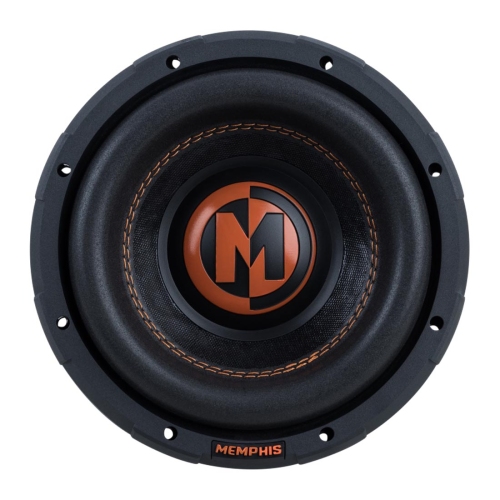

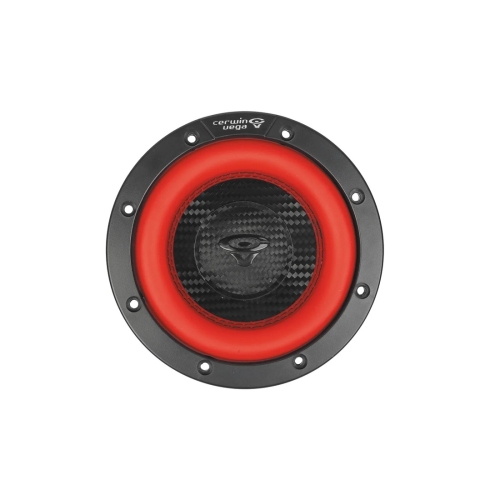


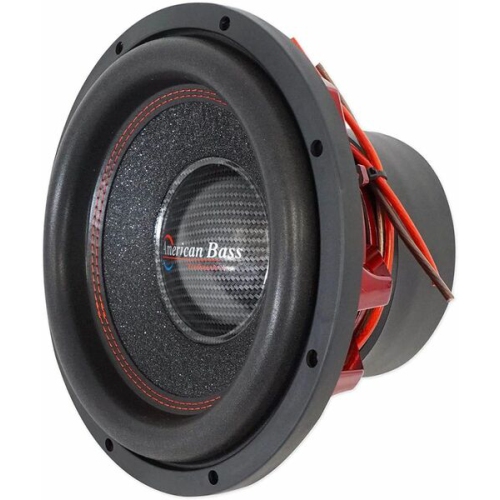
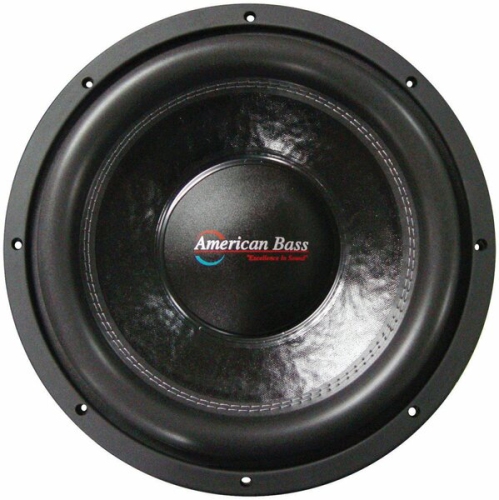

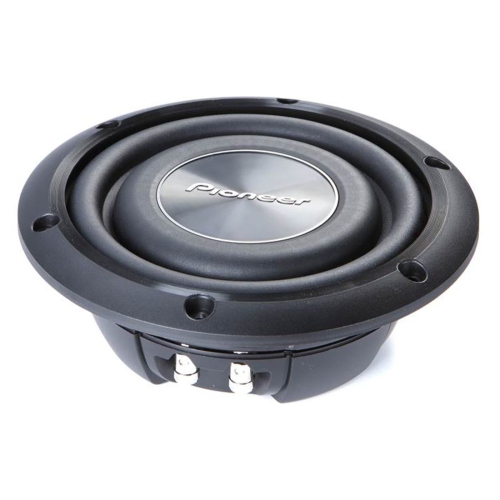

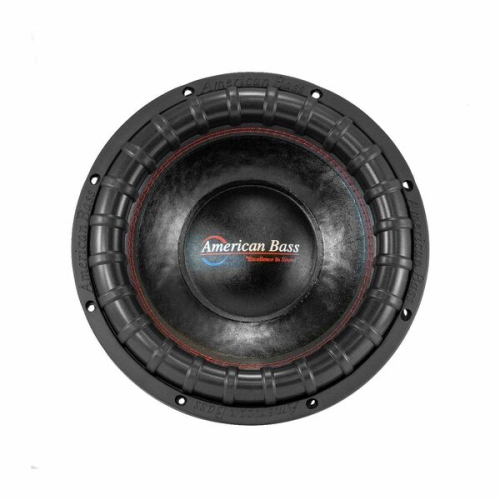


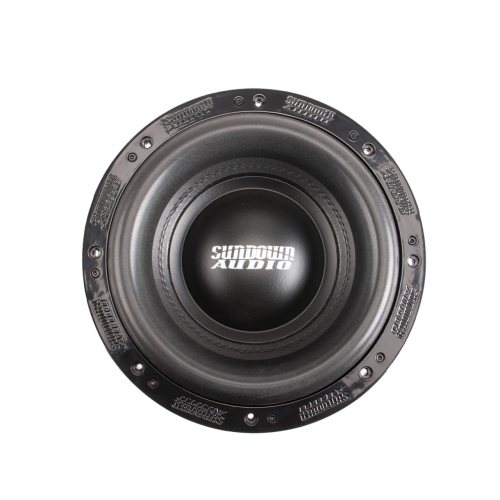
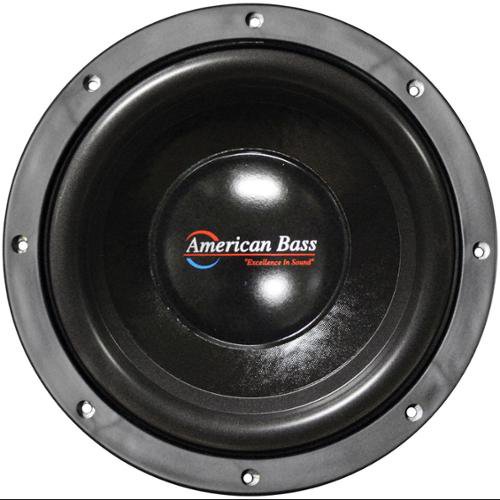
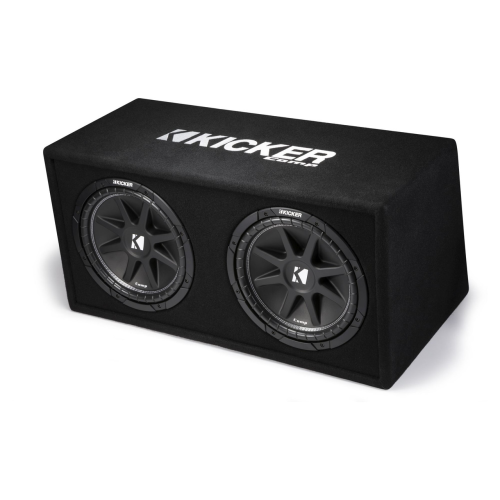
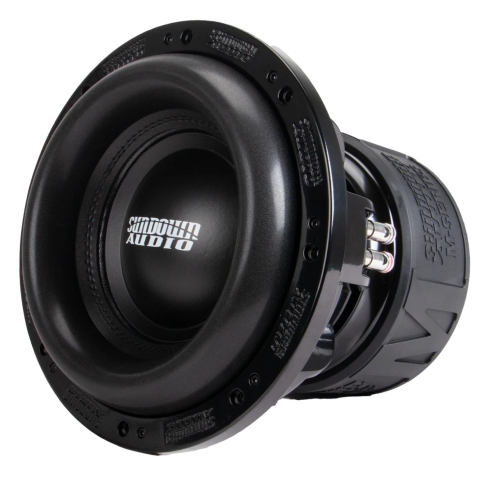
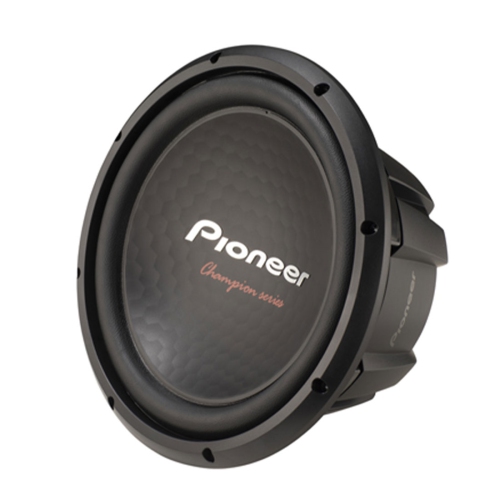
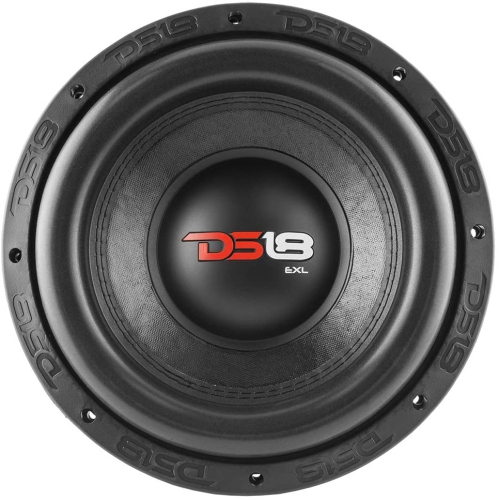
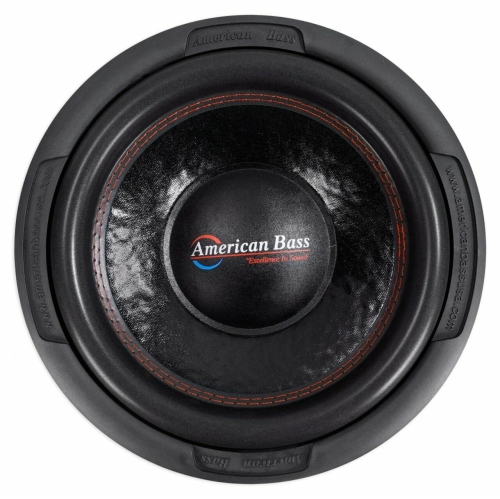
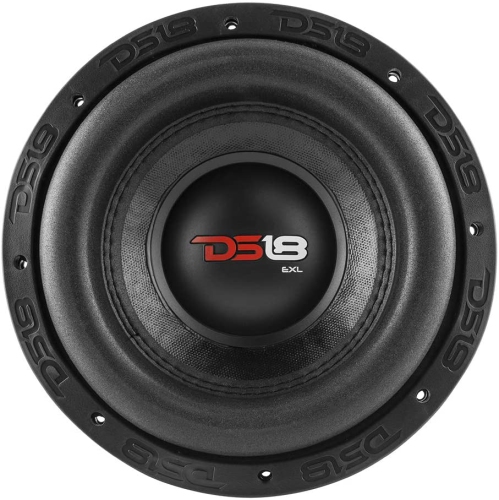
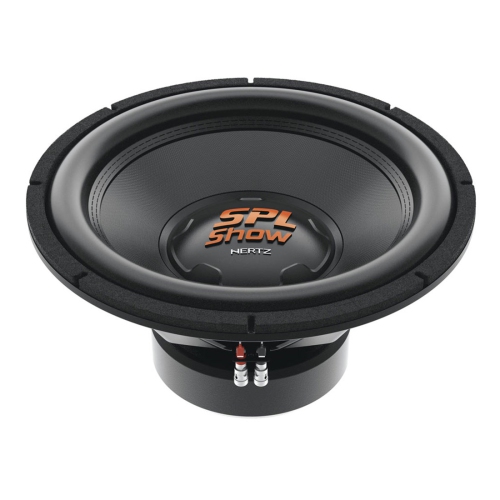
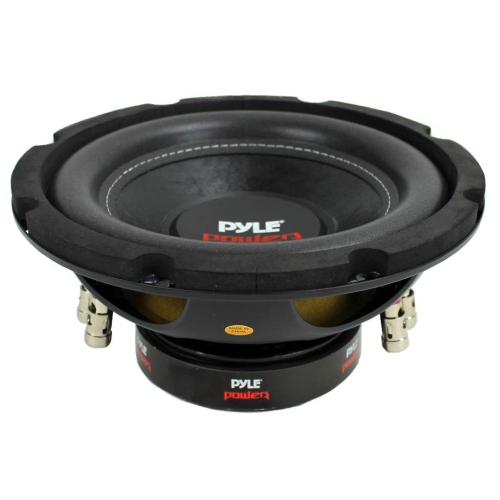

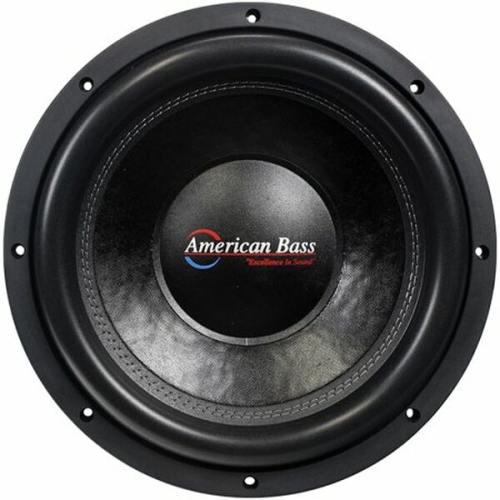


Impedance and enclosure choices shape your bass system
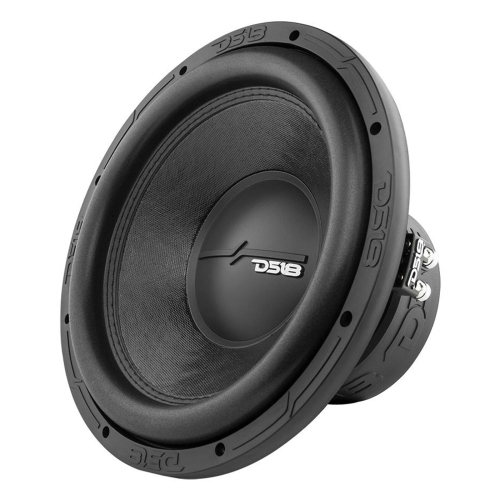
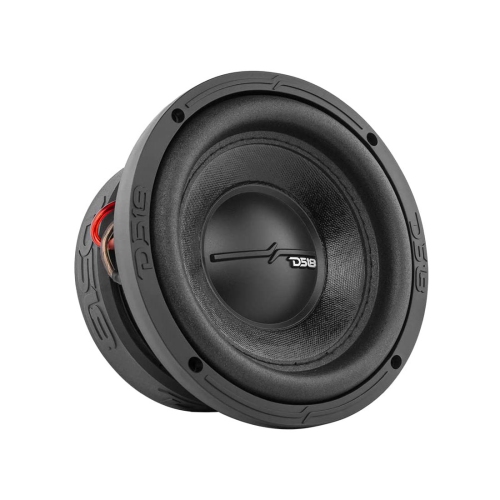
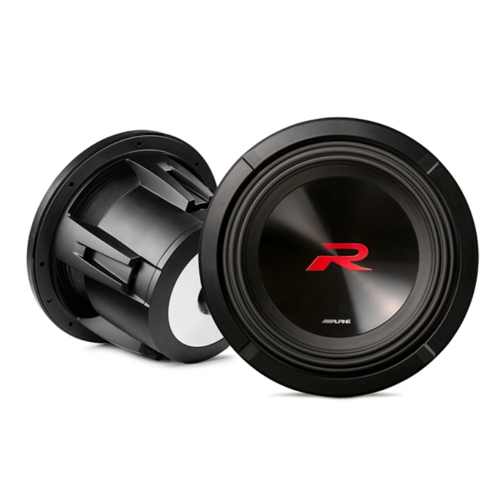
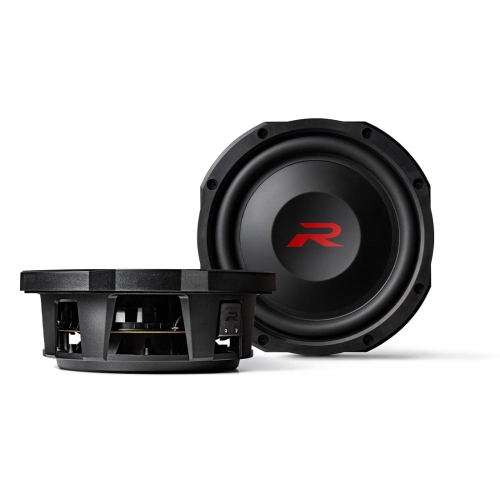
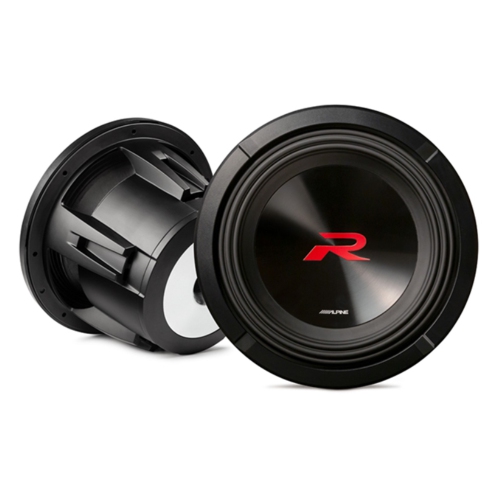
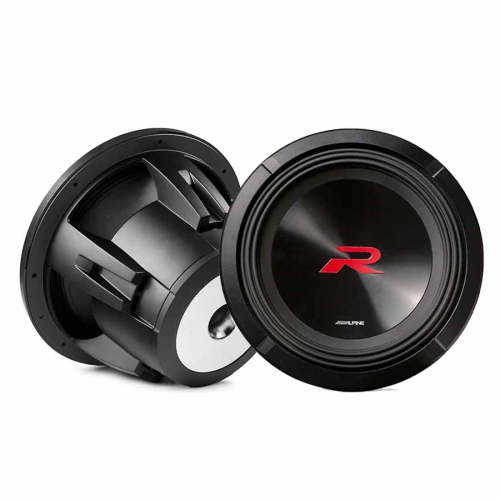
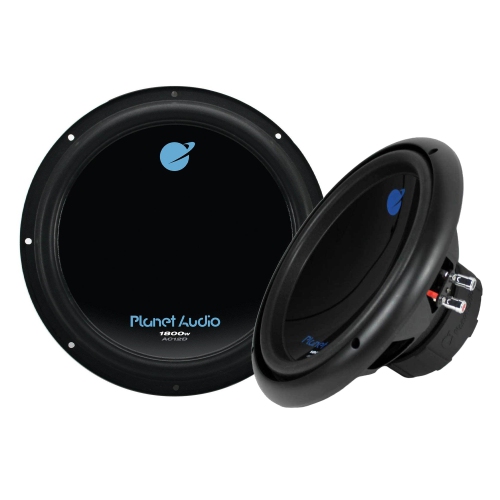
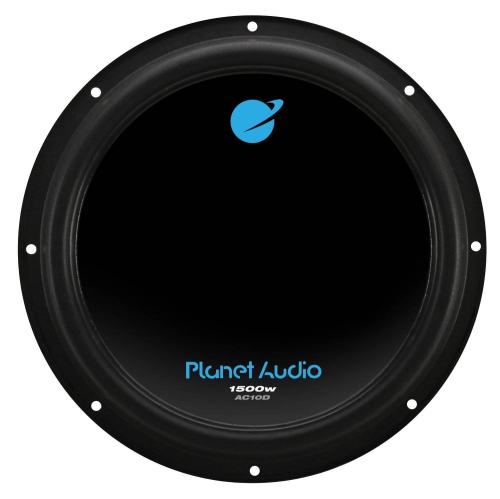
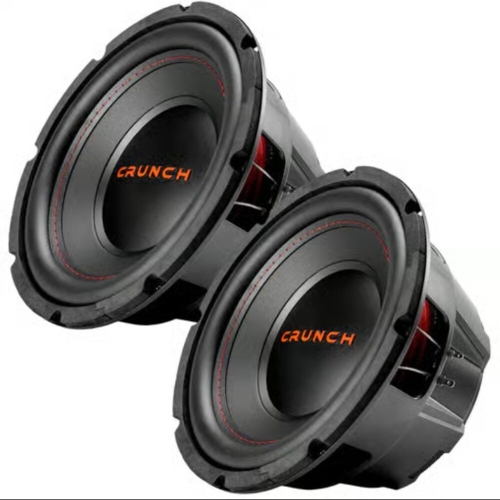
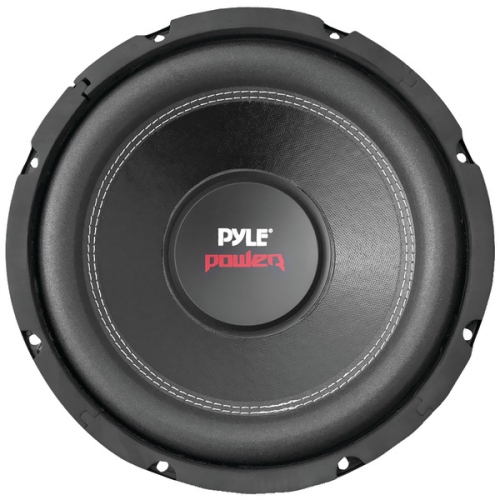
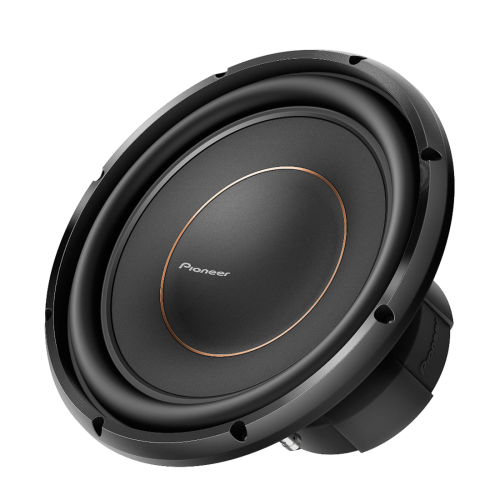
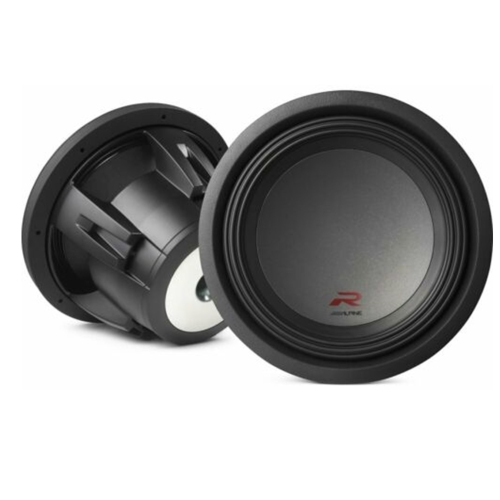
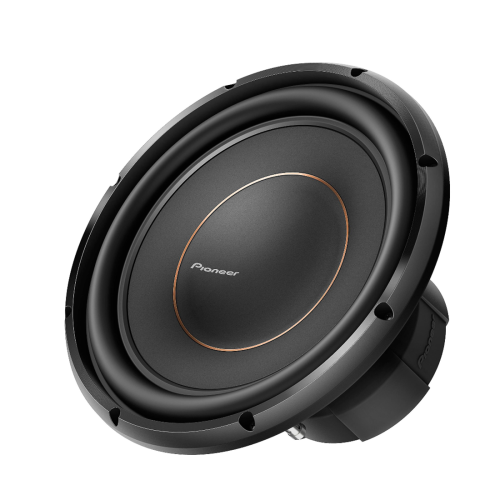
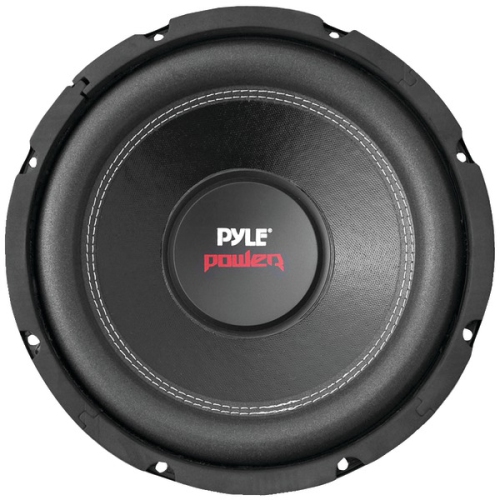
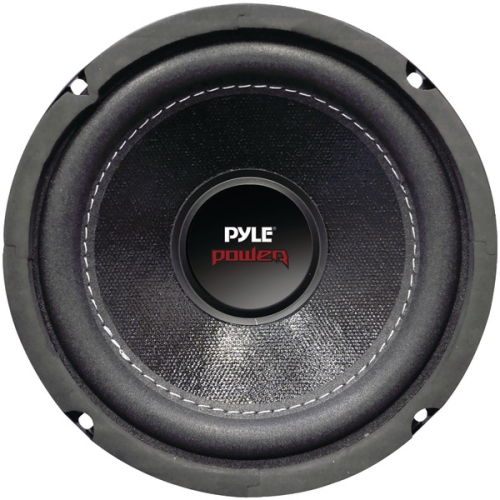
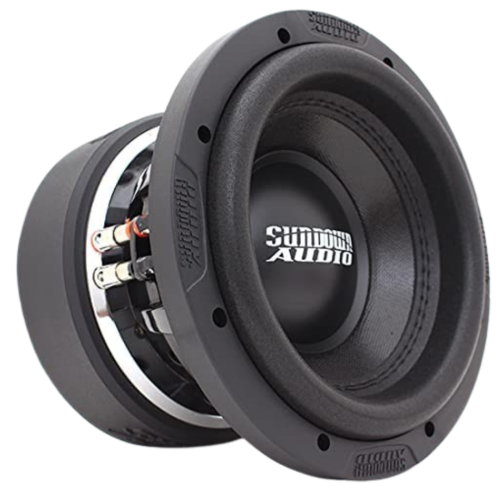
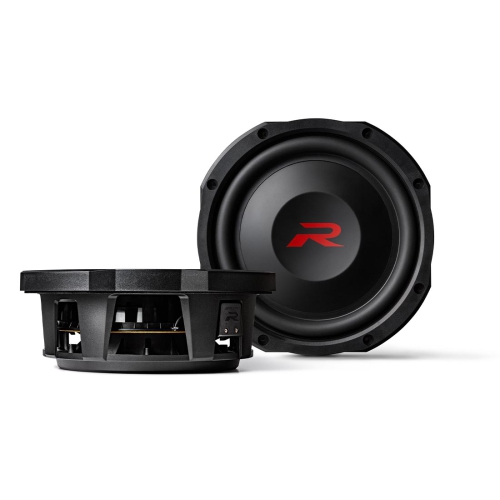
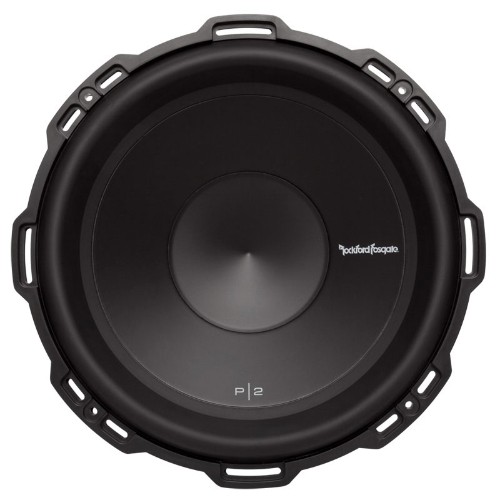
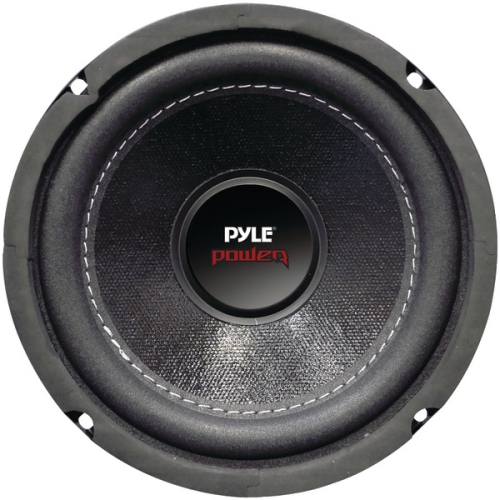
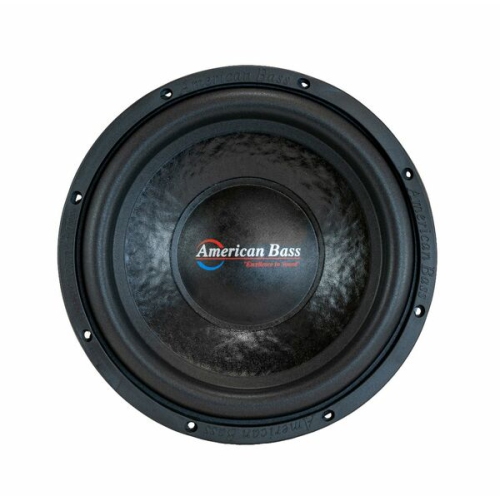
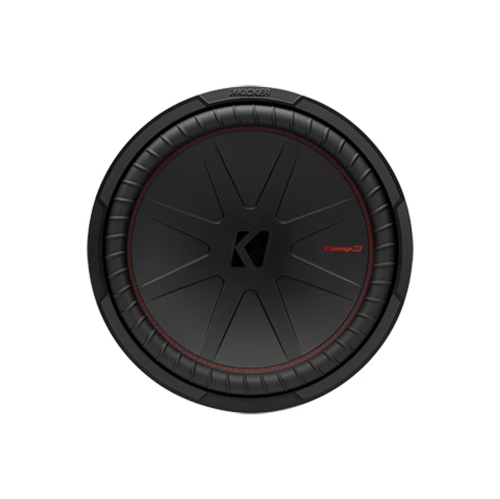
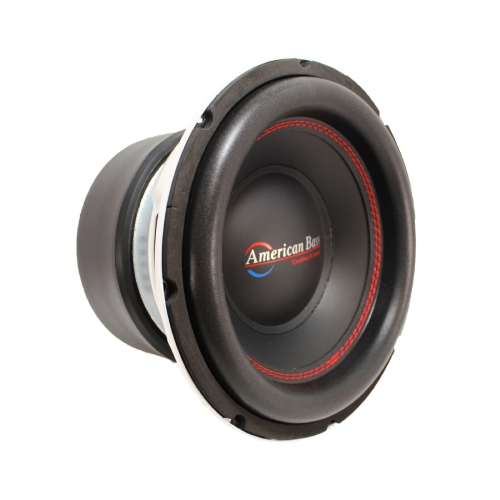
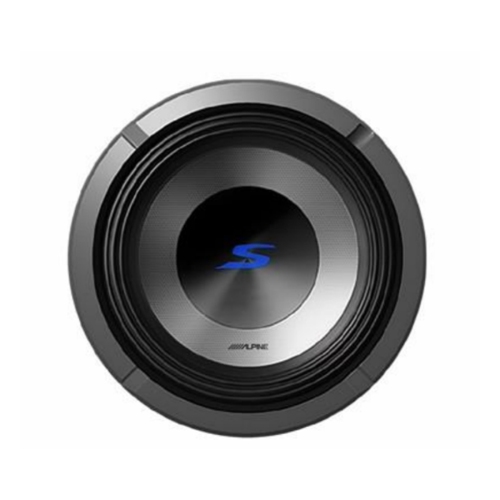
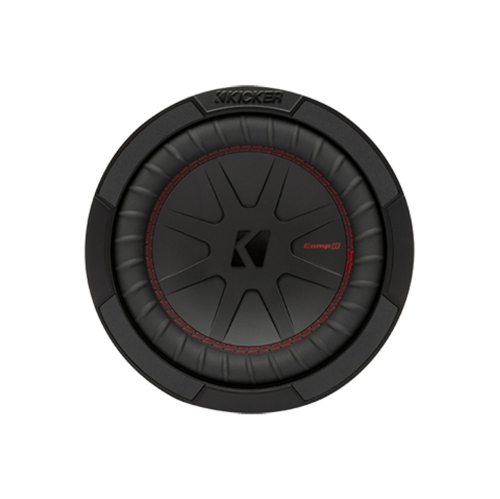
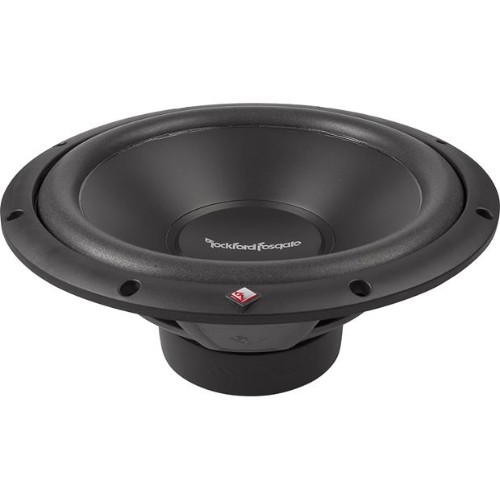
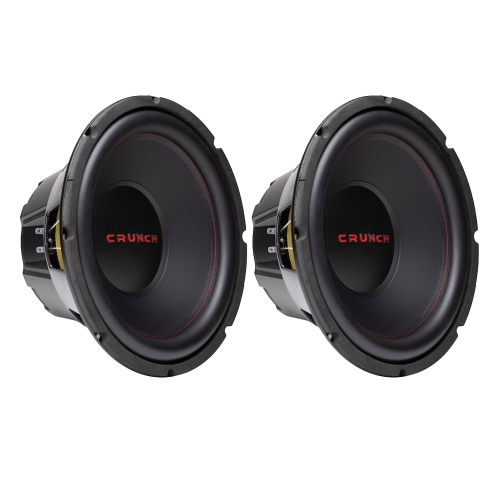
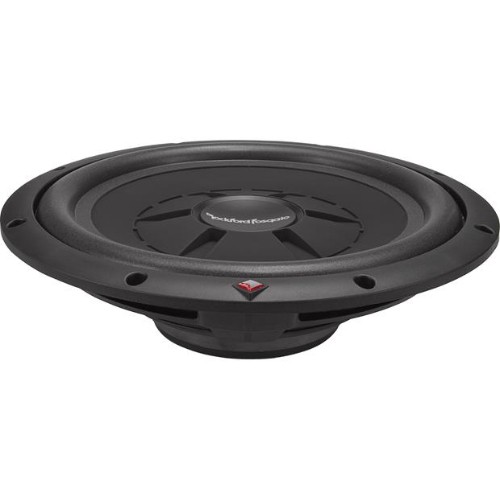
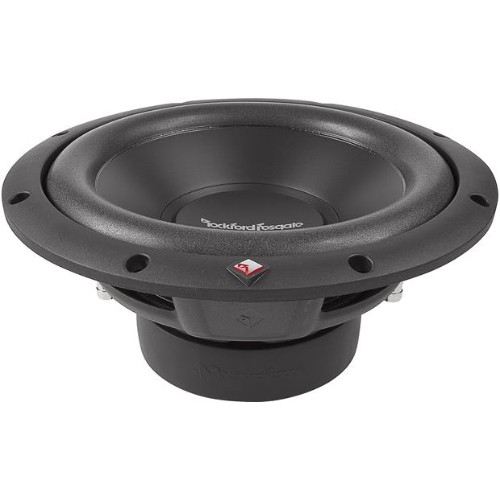
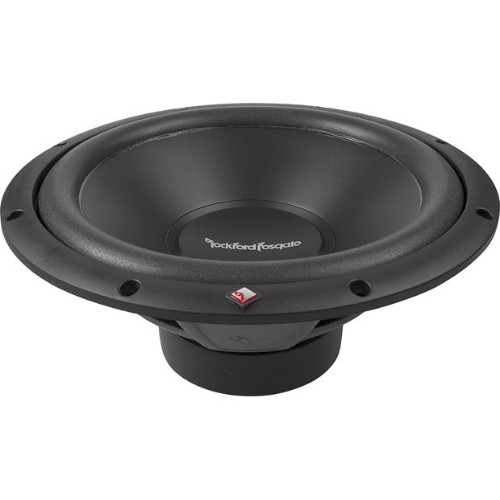
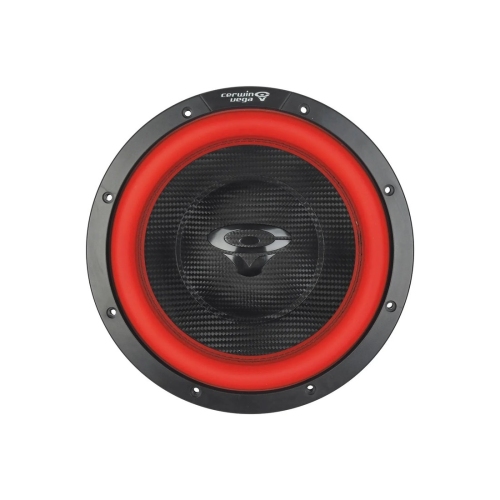
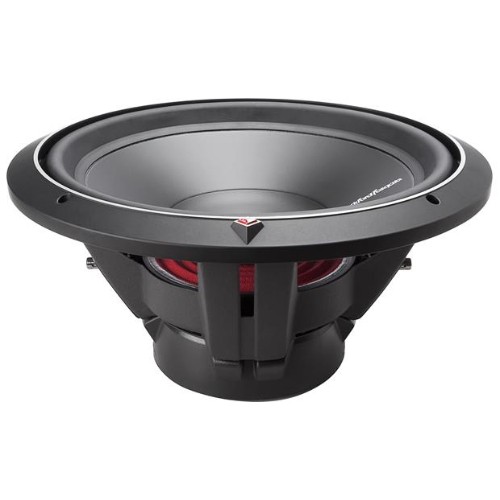
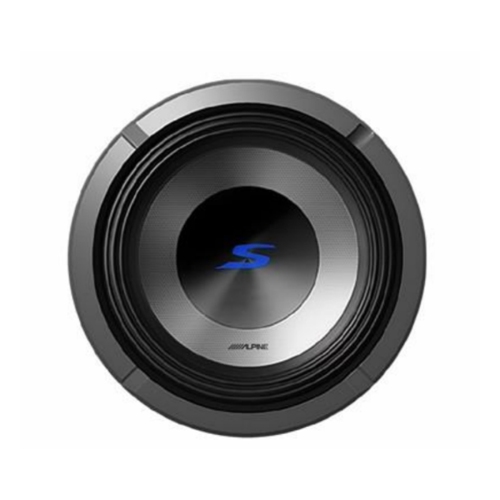
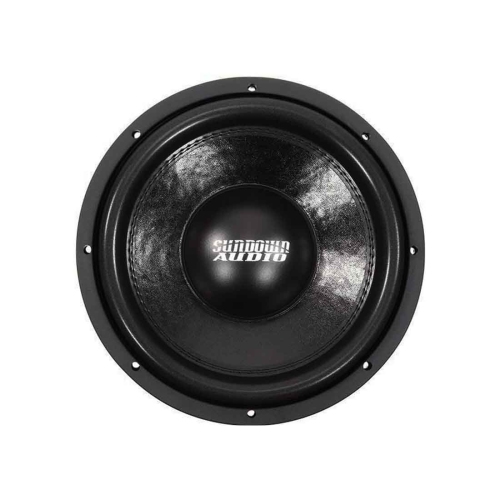
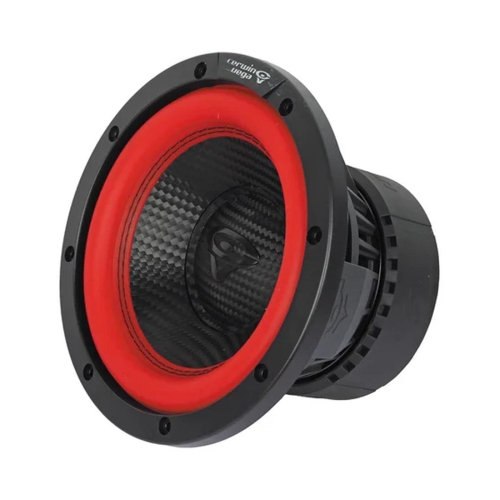
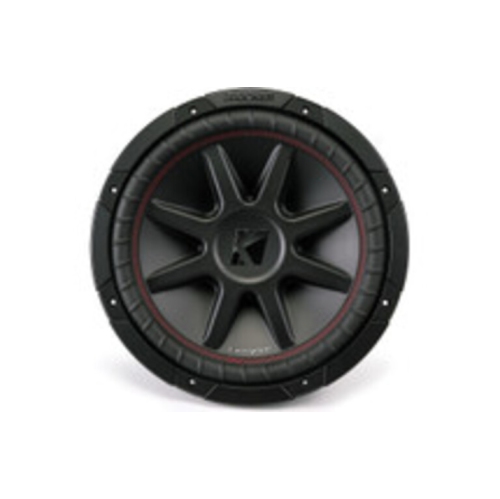
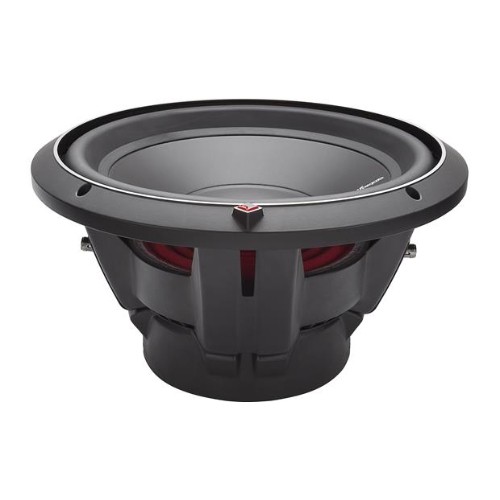
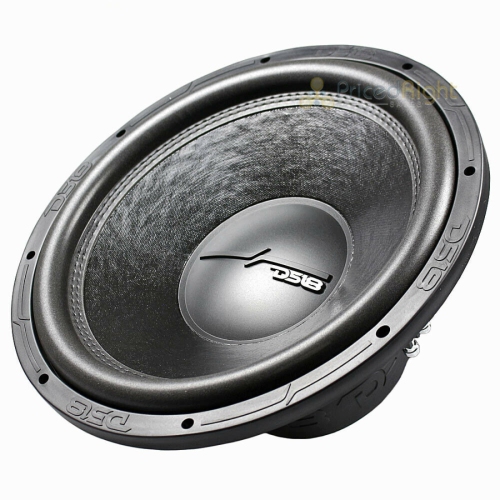
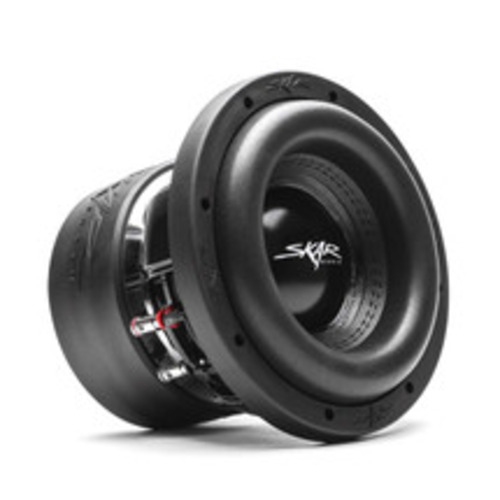
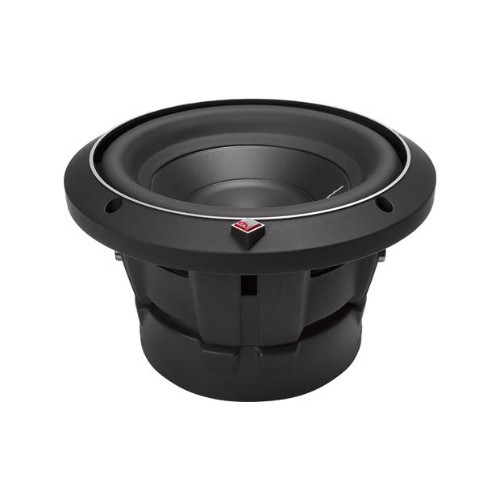
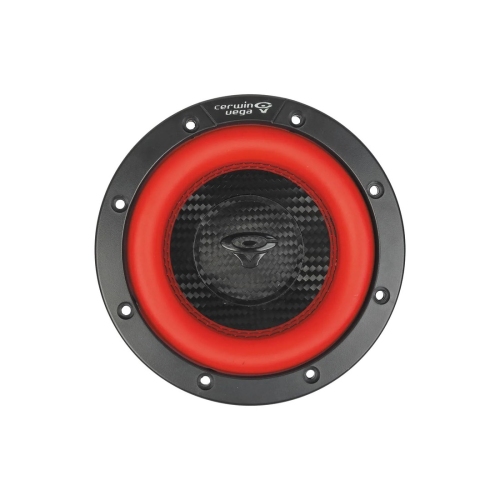
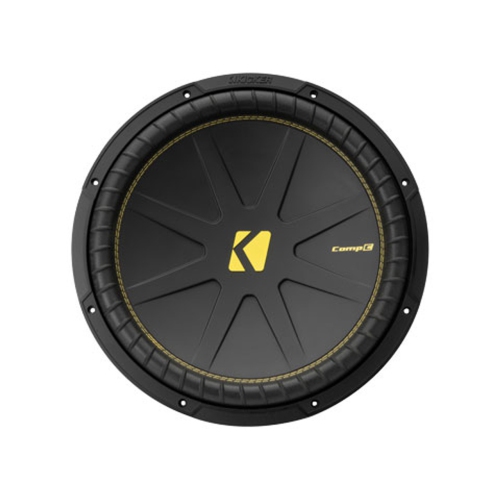
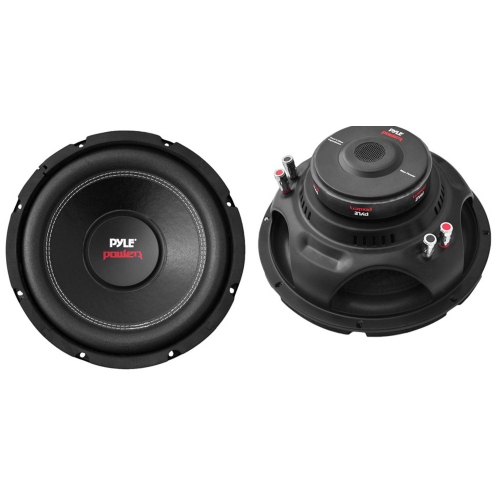
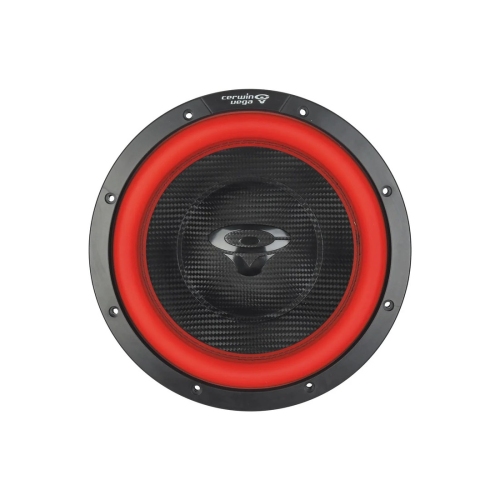
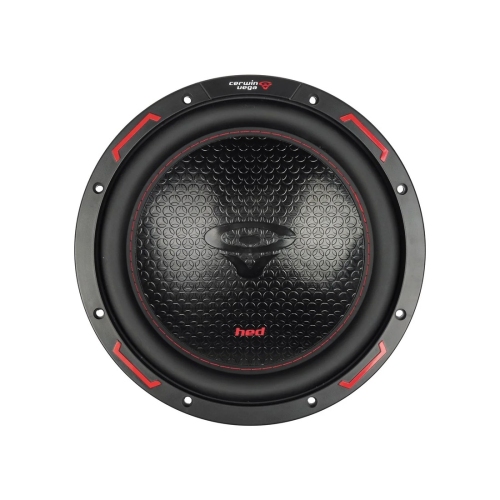
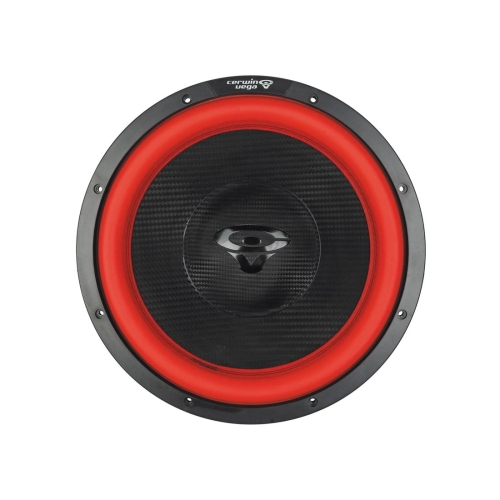
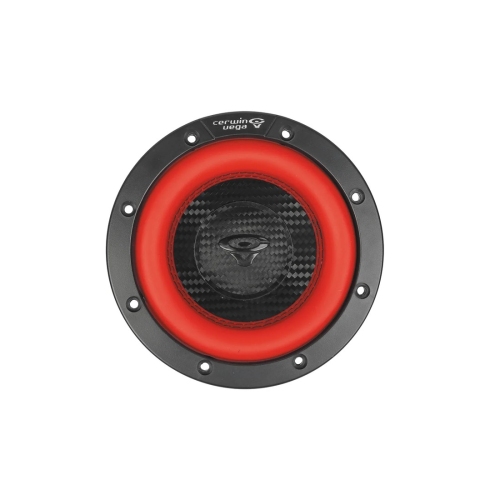
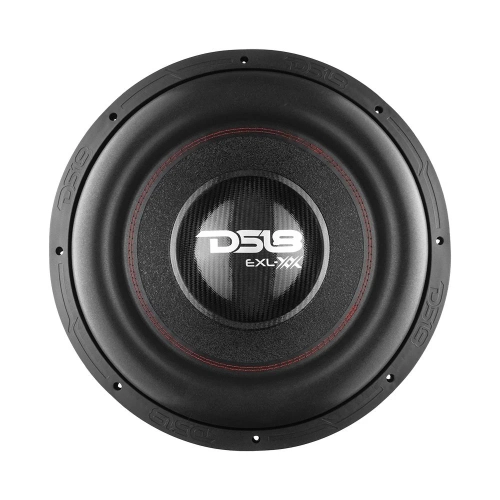
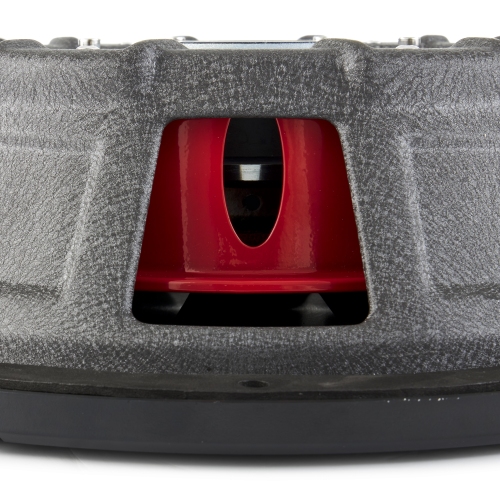
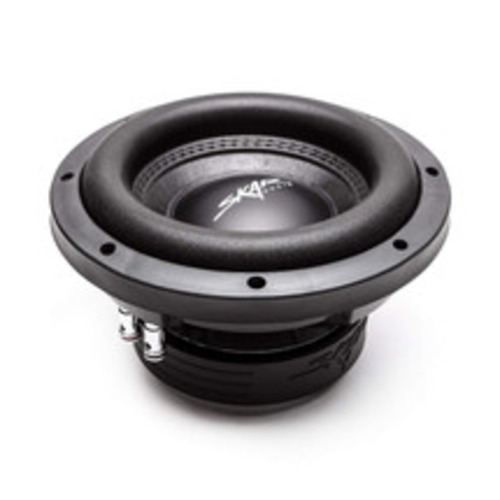
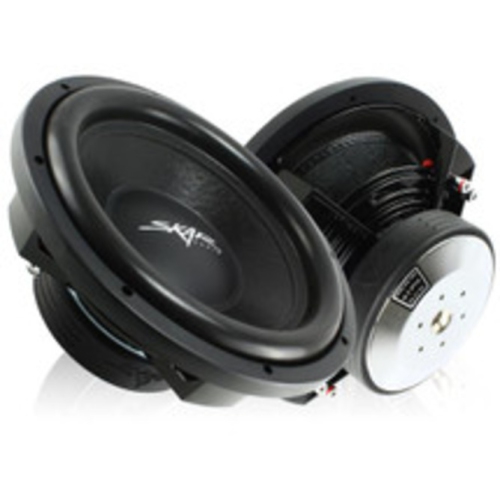
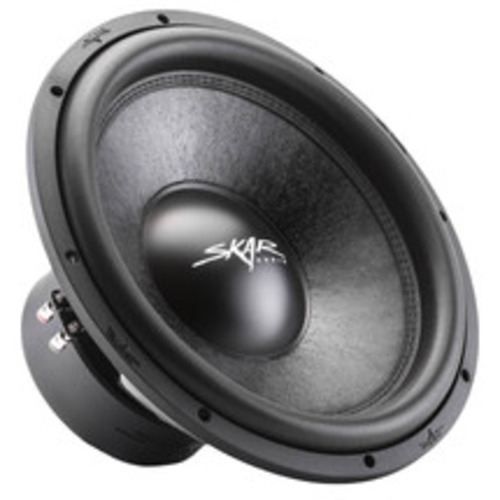
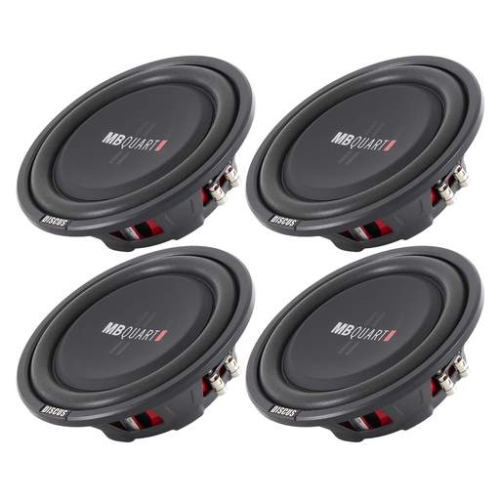
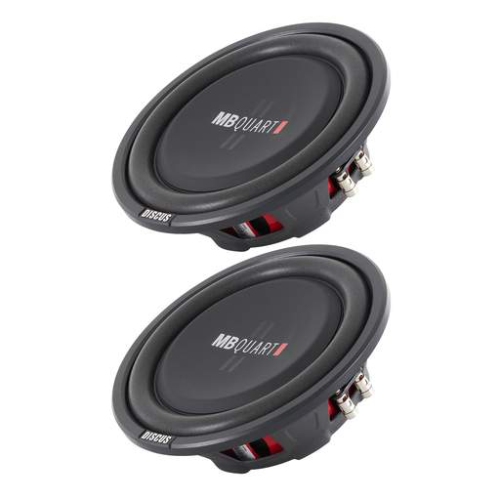
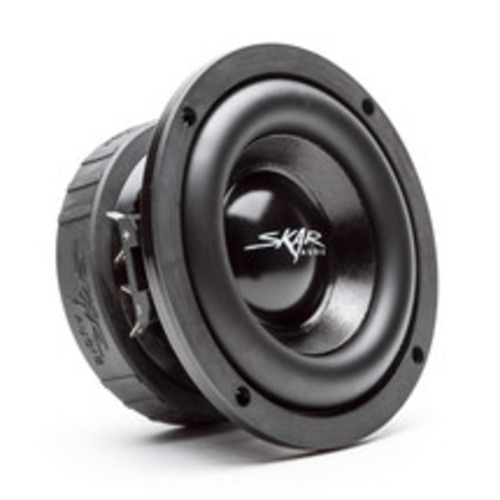
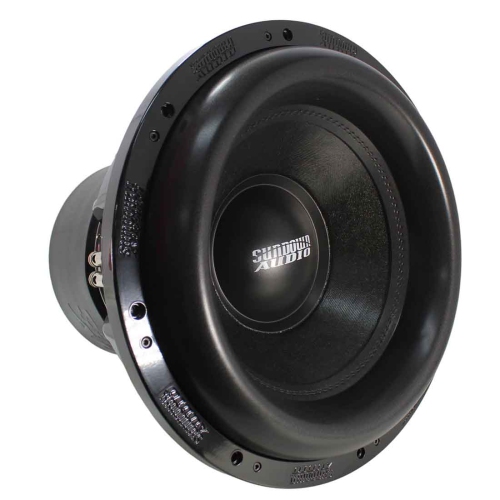
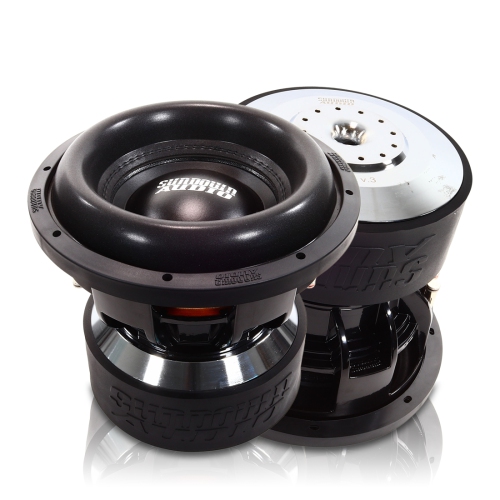
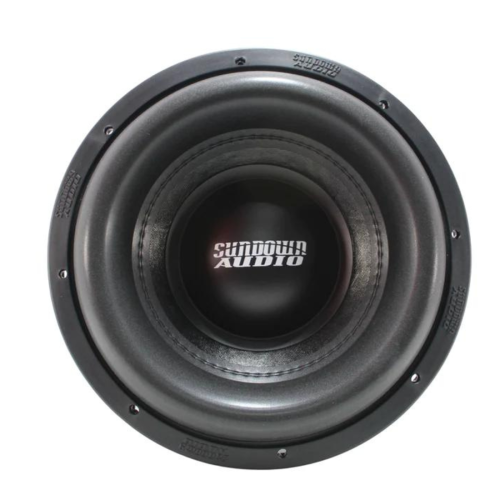
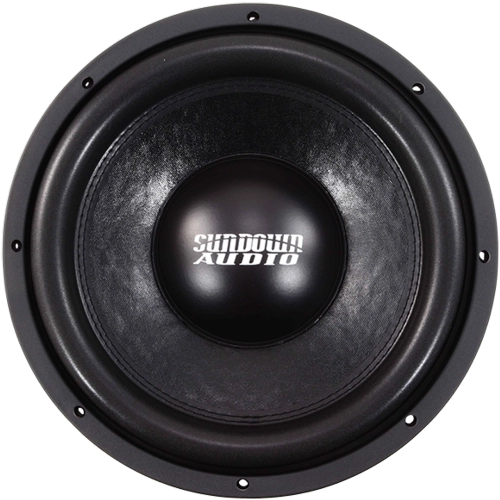
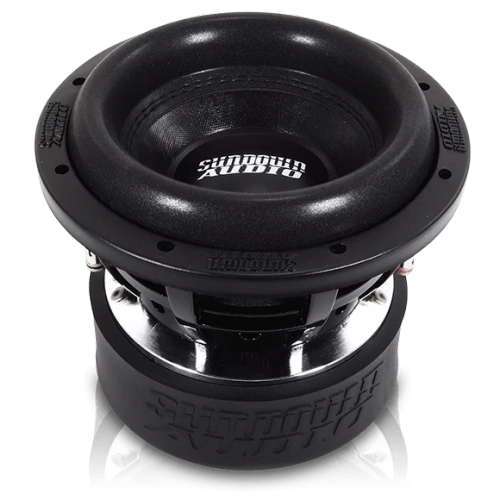
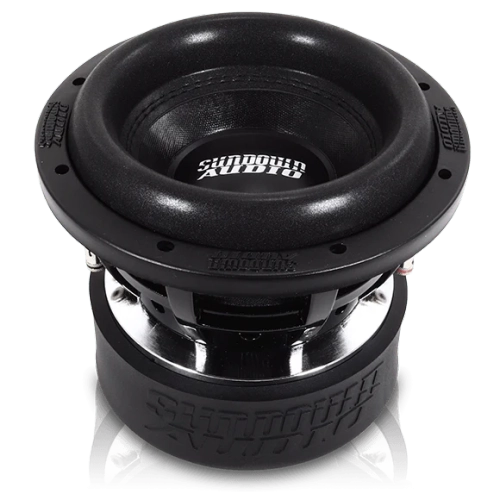
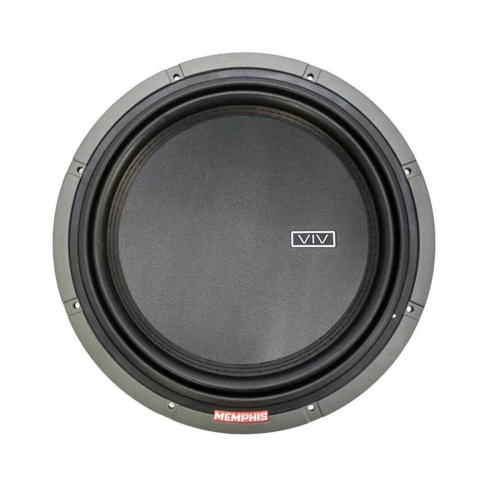
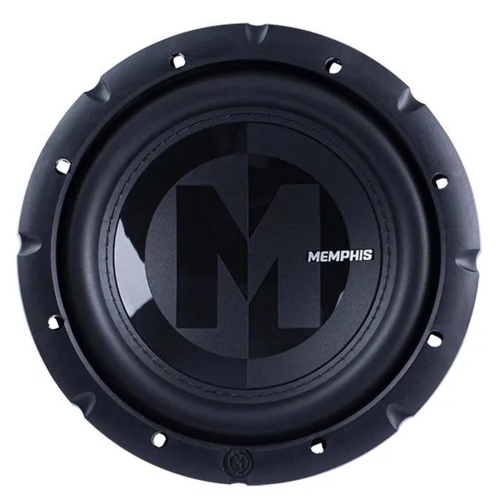
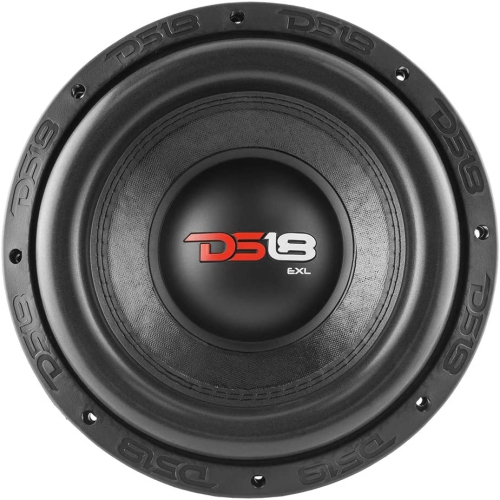
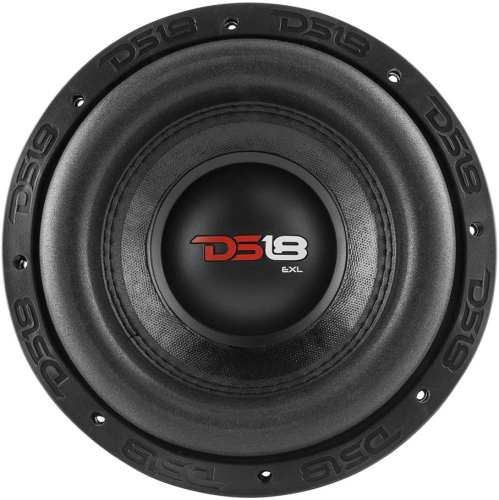
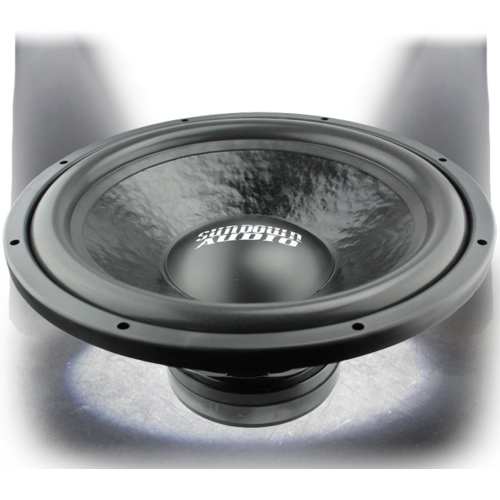
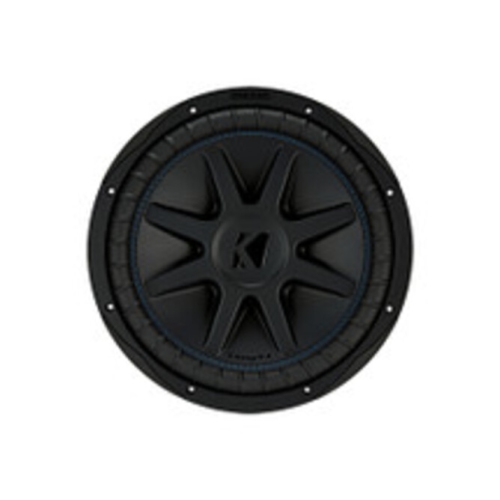
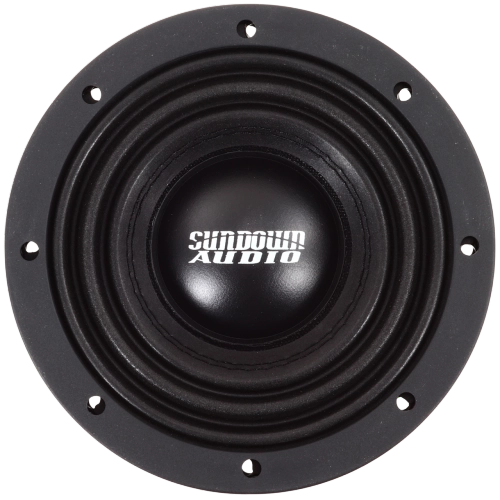
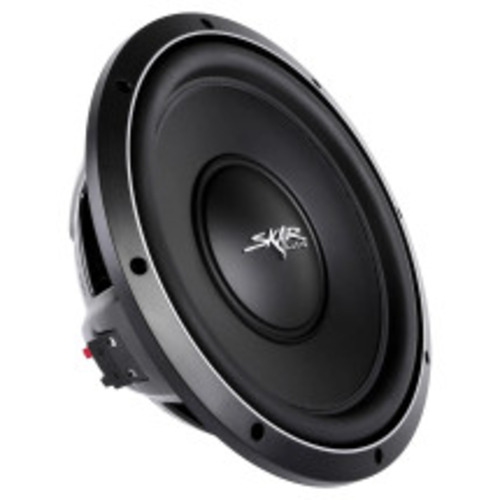
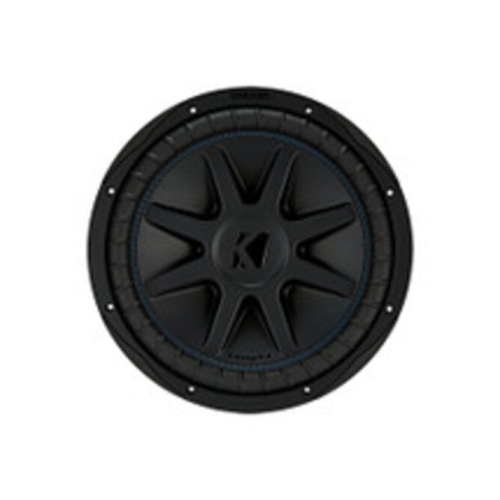
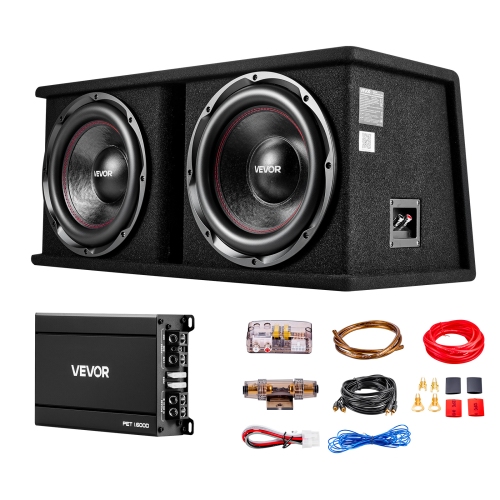
Dual voice coil subwoofers, also called DVC subwoofers or double coil subwoofers, are designed to give car audio enthusiasts more flexibility when building or upgrading a bass system. A dual voice coil subwoofer has two separate wire coils wound around the same former and connected to the same speaker cone and motor structure. Each coil has its own positive (+) and negative (-) terminal, creating four terminals in total rather than the two found on a typical single voice coil subwoofer. Both coils move the same cone together, so the design does not mean that one coil handles one channel or that the subwoofer produces two separate bass signals. Instead, the two independent electrical circuits give you more ways to configure the subwoofer and match it with a compatible amplifier. This flexibility is especially useful when selecting a mono amplifier, planning a multi-subwoofer installation, or working within the electrical limits of an existing system. A dual voice coil subwoofer can be used in a car, truck, SUV, boat, or custom audio enclosure, depending on its specifications and the installation requirements. It is a popular choice for listeners who want deeper, more physical bass for music, films, podcasts with strong low-frequency effects, or a more immersive drive during everyday commutes and longer road trips. When properly wired and powered, a DVC subwoofer can deliver the same type of performance as a single voice coil subwoofer with the same final impedance; its main advantage is the additional wiring and system-design flexibility.
The most important purchase consideration is impedance, measured in ohms, and how the subwoofer’s coils can be connected to your amplifier. Wiring both coils in parallel means connecting the positive terminals together and the negative terminals together. This reduces the total nominal impedance and allows a compatible amplifier to deliver more power. For example, a dual 4-ohm subwoofer wired in parallel presents a 2-ohm load, while a dual 2-ohm subwoofer wired in parallel presents a 1-ohm load. Wiring the coils in series means connecting the positive terminal of one coil to the negative terminal of the other, then connecting the remaining positive and negative terminals to the amplifier. This adds the coil impedances together; a dual 2-ohm subwoofer wired in series produces a 4-ohm load, while a dual 4-ohm subwoofer produces an 8-ohm load. These configurations are useful in different systems, but the final load must remain within the amplifier’s safe operating range. Before purchasing, check the amplifier’s RMS power rating at the intended impedance rather than relying only on its maximum or peak wattage. The subwoofer’s RMS handling should also be reasonably matched to the amplifier’s RMS output, with clean power preferred over an amplifier that is pushed into clipping. When installing multiple subwoofers, calculate the final impedance of the complete setup, since adding another DVC subwoofer can create a much lower or higher load depending on whether the coils and speakers are wired in series, parallel, or a combination of both. Careful planning helps protect the amplifier, keeps the system stable, and makes it easier to get strong, controlled bass without unnecessary distortion. If you are comparing options with a 4-ohm configuration, browse 4-Ohm Dual-Voice-Coil Subwoofers to narrow the selection around that particular electrical load.
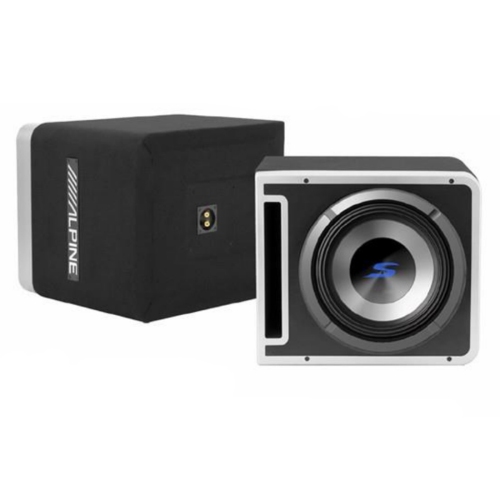
Enclosure compatibility is another major part of choosing a dual voice coil subwoofer. Confirm the subwoofer’s diameter, mounting depth, cutout diameter, and recommended enclosure volume before beginning an installation. Common sizes can fit very different spaces, and a subwoofer that is physically suitable for a trunk may not fit beneath a seat or inside a compact cargo area. Sealed enclosures generally offer tight, controlled bass and can be a practical choice when space is limited, while ported enclosures can produce a louder, more pronounced low-end response when built to the recommended specifications. Some subwoofers are intended for a specific enclosure type, so following the manufacturer’s requirements is important for reliable performance. Also consider sensitivity, frequency response, cone construction, terminal layout, and whether the system needs a separate amplifier, wiring kit, enclosure, or sound processor. A powered subwoofer includes its own amplifier, but a passive dual voice coil subwoofer normally requires an appropriately matched external amplifier and secure installation. The coils should be wired evenly and connected with suitable speaker wire; using only one coil or wiring the coils out of phase can reduce performance and may place uneven stress on the subwoofer. Set the amplifier’s gain by matching it to the source signal, not by treating the gain control as a volume knob, and adjust crossover and phase controls so the bass blends smoothly with the vehicle’s existing speakers. These subwoofers can be a thoughtful gift for a music-loving driver, a new car owner building a first custom audio system, or someone who enjoys improving the sound of weekend drives and road-trip playlists. They can also suit experienced installers who are expanding a system and need more control over impedance and power distribution. Whether the goal is subtle depth or room-shaking impact, choosing the right dual voice coil subwoofer involves balancing electrical load, amplifier power, enclosure space, installation method, and the listening style you want from your vehicle’s audio system.
The most important purchase consideration is impedance, measured in ohms, and how the subwoofer’s coils can be connected to your amplifier. Wiring both coils in parallel means connecting the positive terminals together and the negative terminals together. This reduces the total nominal impedance and allows a compatible amplifier to deliver more power. For example, a dual 4-ohm subwoofer wired in parallel presents a 2-ohm load, while a dual 2-ohm subwoofer wired in parallel presents a 1-ohm load. Wiring the coils in series means connecting the positive terminal of one coil to the negative terminal of the other, then connecting the remaining positive and negative terminals to the amplifier. This adds the coil impedances together; a dual 2-ohm subwoofer wired in series produces a 4-ohm load, while a dual 4-ohm subwoofer produces an 8-ohm load. These configurations are useful in different systems, but the final load must remain within the amplifier’s safe operating range. Before purchasing, check the amplifier’s RMS power rating at the intended impedance rather than relying only on its maximum or peak wattage. The subwoofer’s RMS handling should also be reasonably matched to the amplifier’s RMS output, with clean power preferred over an amplifier that is pushed into clipping. When installing multiple subwoofers, calculate the final impedance of the complete setup, since adding another DVC subwoofer can create a much lower or higher load depending on whether the coils and speakers are wired in series, parallel, or a combination of both. Careful planning helps protect the amplifier, keeps the system stable, and makes it easier to get strong, controlled bass without unnecessary distortion. If you are comparing options with a 4-ohm configuration, browse 4-Ohm Dual-Voice-Coil Subwoofers to narrow the selection around that particular electrical load.
Enclosure compatibility is another major part of choosing a dual voice coil subwoofer. Confirm the subwoofer’s diameter, mounting depth, cutout diameter, and recommended enclosure volume before beginning an installation. Common sizes can fit very different spaces, and a subwoofer that is physically suitable for a trunk may not fit beneath a seat or inside a compact cargo area. Sealed enclosures generally offer tight, controlled bass and can be a practical choice when space is limited, while ported enclosures can produce a louder, more pronounced low-end response when built to the recommended specifications. Some subwoofers are intended for a specific enclosure type, so following the manufacturer’s requirements is important for reliable performance. Also consider sensitivity, frequency response, cone construction, terminal layout, and whether the system needs a separate amplifier, wiring kit, enclosure, or sound processor. A powered subwoofer includes its own amplifier, but a passive dual voice coil subwoofer normally requires an appropriately matched external amplifier and secure installation. The coils should be wired evenly and connected with suitable speaker wire; using only one coil or wiring the coils out of phase can reduce performance and may place uneven stress on the subwoofer. Set the amplifier’s gain by matching it to the source signal, not by treating the gain control as a volume knob, and adjust crossover and phase controls so the bass blends smoothly with the vehicle’s existing speakers. These subwoofers can be a thoughtful gift for a music-loving driver, a new car owner building a first custom audio system, or someone who enjoys improving the sound of weekend drives and road-trip playlists. They can also suit experienced installers who are expanding a system and need more control over impedance and power distribution. Whether the goal is subtle depth or room-shaking impact, choosing the right dual voice coil subwoofer involves balancing electrical load, amplifier power, enclosure space, installation method, and the listening style you want from your vehicle’s audio system.
Top selling and popular products
-
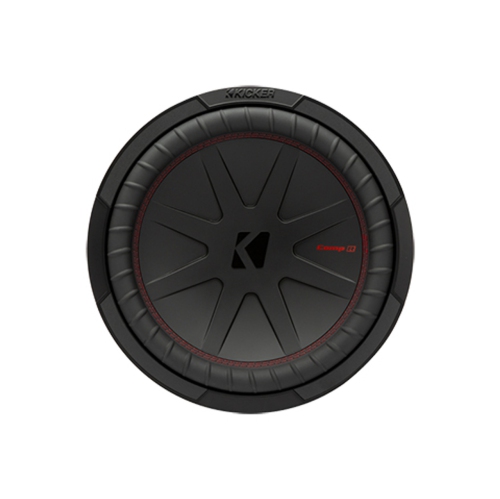 Your price for this item is $299.95
 -
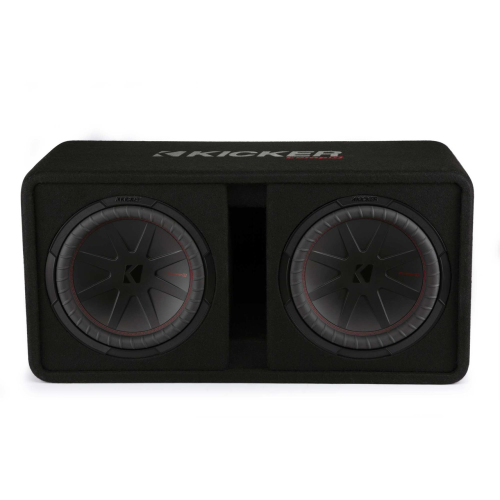 Your price for this item is $869.95
 -
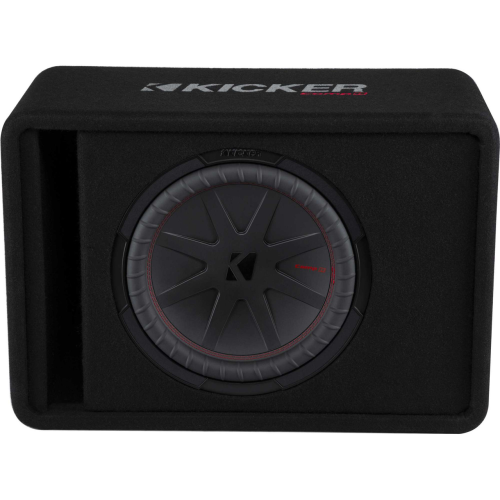 Your price for this item is $469.95
 -
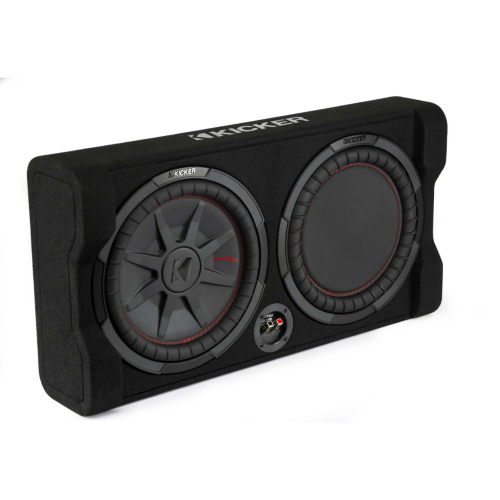 Your price for this item is $549.95
 -
 Your price for this item is $529.95
 -
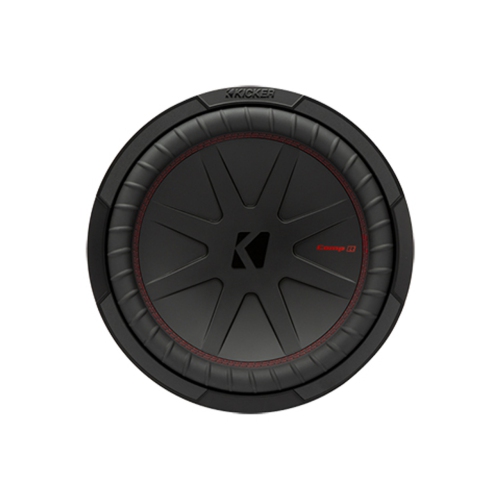 Your price for this item is $299.95
 -
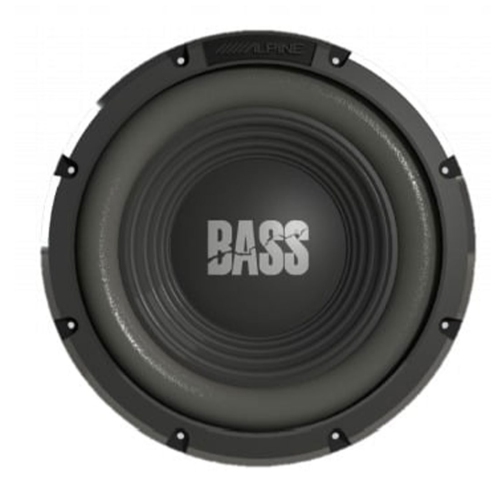 Your price for this item is $158
 -
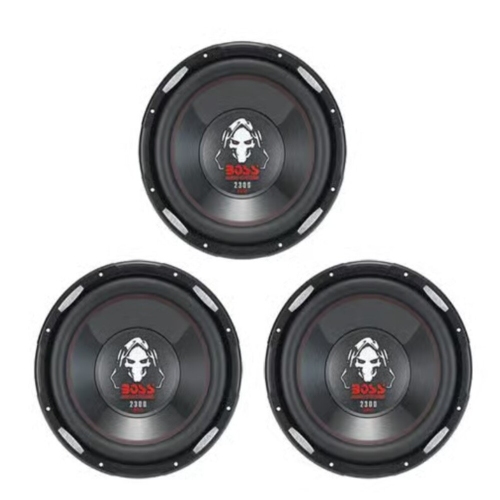 Your price for this item is $458.99
Discover more categories related to Dual Voice Coil Subwoofers
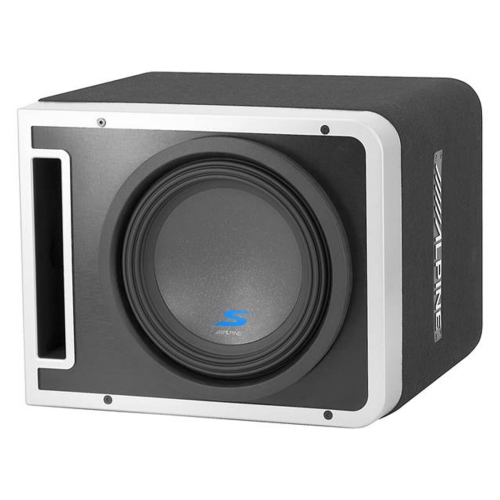
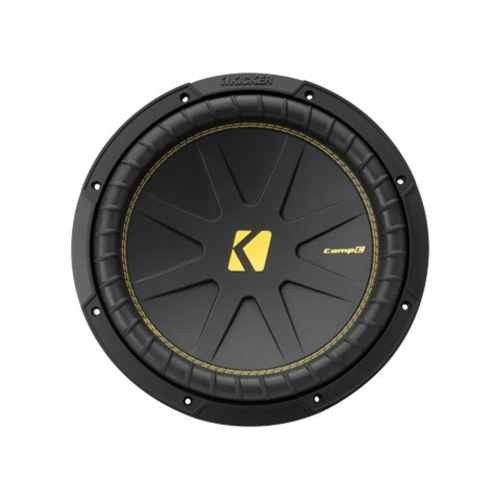
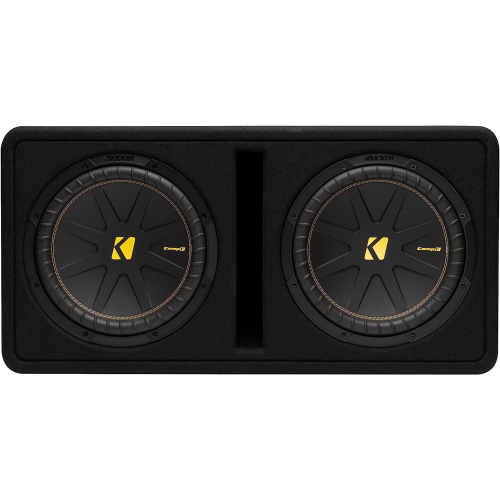
Top Collections:
Pokemon Centers, Best Cameras for Sports Photography, Kindle Devices, Samsung Galaxy Phones, Canon G7X Cameras, Pokémon 30th Celebration Cards, Refurbished Apple Laptops, iPhone 15 Apple, Laptops for Students, Budget Smartphones
Some products may be subject to Environmental Handling Fees
(EHF) depending on your province.
Learn more about EHFs.