Durable Headphone Stands
Keep your headphones organized and easily accessible with durable headphone stands designed to complement any setup. Whether you’re outfitting a home office, gaming station, or entertainment area, these stands offer a practical solution for storing your headphones when not in use. Explore a variety of styles and finishes to find the perfect match for your space, all while ensuring your headphones have a dedicated spot. Discover how durable headphone stands can help maintain order and enhance the look of your desk or media center.
Sort








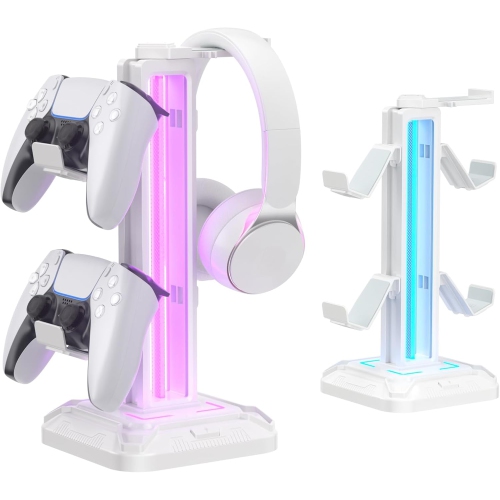


Reliable headphone support takes more than a heavy base
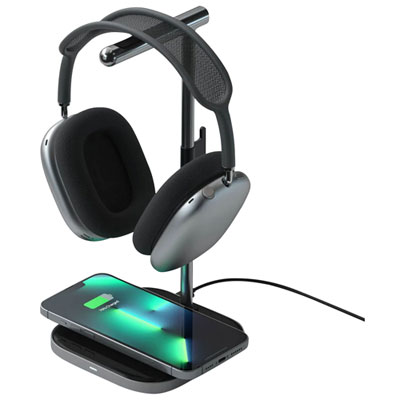
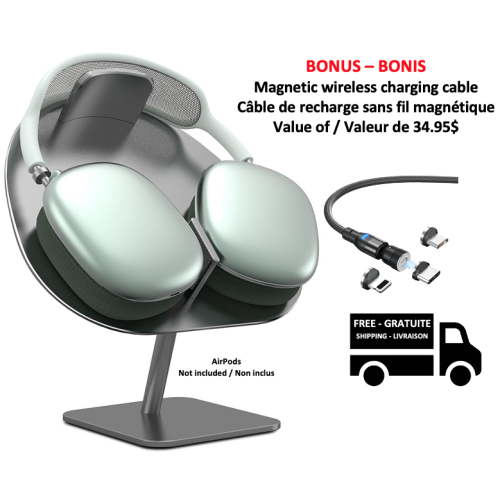
Durable headphone stands give over-ear headphones and gaming headsets a dedicated resting place, keeping earcups off the desktop and cables away from the keyboard. Their strength comes from a combination of sturdy construction, stable support and a cradle that suits the headband—not simply from how heavy they feel. Steel, aluminum, solid wood and reinforced plastic can all work well, with different advantages for different spaces. Steel provides rigidity and can add useful weight near the base, while aluminum allows a slimmer structure without making the upright unnecessarily bulky. Solid wood offers a substantial feel and visible grain that fits naturally beside a wooden desk or bookshelf. Moulded plastic designs can also withstand everyday handling when they have adequate wall thickness, reinforced joints and a well-supported base. Across these materials, smooth edges, securely fitted components and an even finish matter more than appearance alone. A stand should remain steady when headphones are lifted off or returned with one hand, although no freestanding design is immune to tipping if a cable gets pulled. A broad or weighted base with non-slip feet can help limit sliding and wobbling on a level surface. Soft silicone or rubber contact points can also reduce direct contact between hard parts and the desk or headband. For anyone comparing the broader range of Headphone Stands, durability is best understood as how well the whole structure handles repeated daily use. A thick metal upright is less useful if its connection to the base loosens easily, just as a substantial wooden frame needs a smooth, properly finished resting surface. At a desk used for work calls, music and evening gaming, these small construction details become noticeable each time the headset goes back on its stand. A dependable design feels settled in its place, supports the headphones without awkward balancing and leaves enough room for the rest of the workspace.
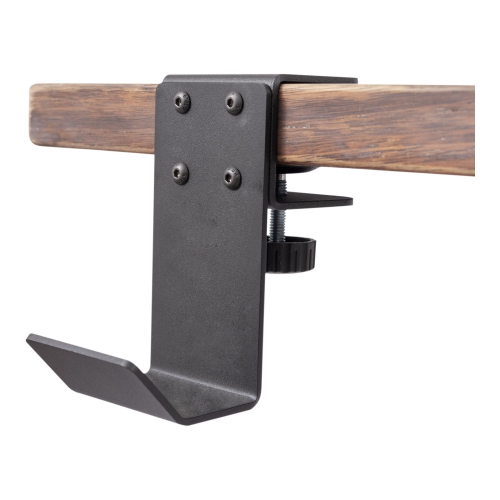
Fit is just as important as material when choosing a durable headphone stand. The supporting cradle should be wide and gently shaped enough to spread the load across the headband rather than concentrating it on a narrow edge. This is especially relevant for thick foam padding, soft coverings and suspended headband straps, which may need different points of support. The headphone manufacturer's storage guidance can help identify the best resting position for an unusual headband design. A stand that forces the earcups far apart may keep the headband under unnecessary tension, while a cradle that is too narrow can leave headphones perched precariously. Usable height matters, too: there should be clearance beneath the earcups, including space for cable plugs and a relaxed bend in any attached lead. For a gaming headset, allow room for a fixed boom microphone or fold an adjustable microphone into its intended storage position. Desktop stands keep headphones visible and within reach, making them practical beside a monitor or audio interface. Their footprint needs to fit the desk without crowding a mouse mat, covering ventilation openings or sitting where an arm regularly brushes past. Under-desk holders and clamp-mounted hangers offer another approach, freeing up the work surface while keeping a headset nearby. A clamp needs to match the desktop's thickness and edge profile, with protective pads and a secure grip suited to the surface. Bevelled edges, shallow overhangs and support rails can affect where a holder can attach. Glass or other delicate surfaces require particular attention to the desk and holder manufacturers' mounting guidance. Adhesive-mounted holders depend on compatible surfaces, careful preparation and the stated load limit; they should not be assumed to perform like a mechanical clamp. Wall-mounted designs need suitable fixings for the wall material and the weight they will carry. For two pairs of headphones, a dual holder needs sufficient spacing and support for the combined load. Each pair should be easy to remove without knocking the other loose or tangling the cables.
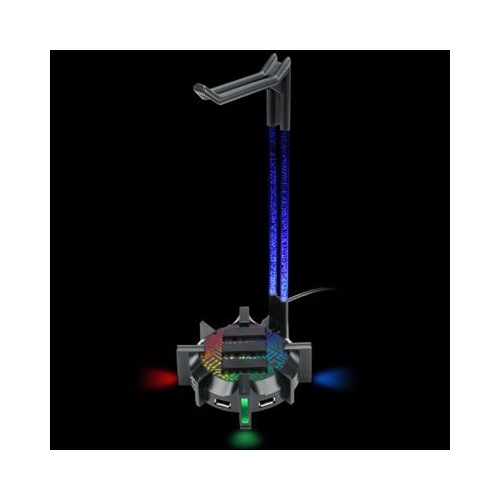
Everyday convenience helps distinguish a stand that looks tidy from one that continues to work well after repeated use. A student moving between online classes and music may appreciate a compact desktop design with a simple cable hook, while someone taking frequent video calls may prefer a holder positioned just outside the keyboard area. Gamers often need extra clearance for larger earcups and microphone assemblies, and listeners with heavier over-ear headphones benefit from checking the stand's stated weight capacity rather than judging strength by looks. In a shared workspace, separate resting places can keep headsets from piling up or getting caught beneath notebooks. Integrated cable channels can help manage loose leads, provided they do not pinch the cable or force a sharp bend near the connector. Some stands include USB ports or lighting, but those features are separate from structural durability. A USB port may supply power, transfer data or do both, so its stated function and power requirements matter when connecting accessories. Any power lead also needs a route that will not tug at the stand when a chair moves or a laptop is unplugged. Care is usually straightforward: wipe the frame with a soft cloth, remove dust from the cradle and keep the base and desk surface clean so the feet can grip properly. Follow the material-specific cleaning instructions, particularly for wood finishes, painted surfaces and soft contact pads. Strong solvents, abrasive cleaners and excessive moisture can damage finishes or affect padding and adhesives. Where the design uses accessible assembly screws, occasional checks for looseness can help maintain a steady fit without overtightening the hardware. An open stand keeps headphones accessible, but it does not replace a protective case for travel or shield them from dust and spills. As a gift for a music listener, student, remote worker or gamer, a well-matched stand can be a useful addition without requiring a change to their preferred headphones. Knowing the headset's size, the available desk space and the intended mounting position makes that match more practical. The lasting appeal is simple: a reliable place to put headphones down, with their shape supported and the next listening session easy to start.
Top selling and popular products
-
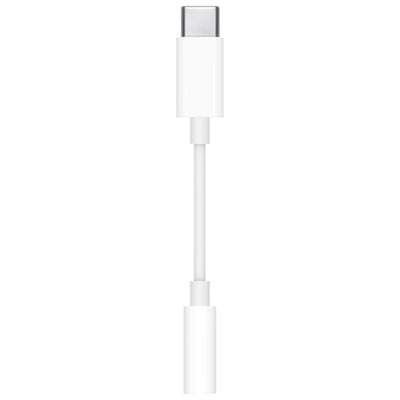 Your price for this item is $10
-
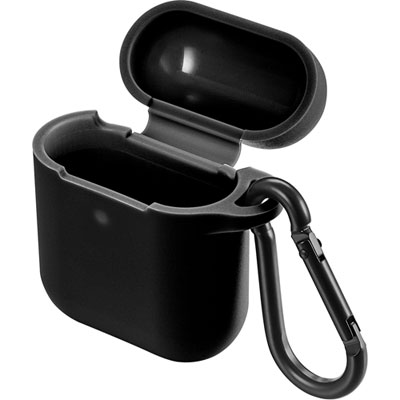 Your price for this item is $19.97
-
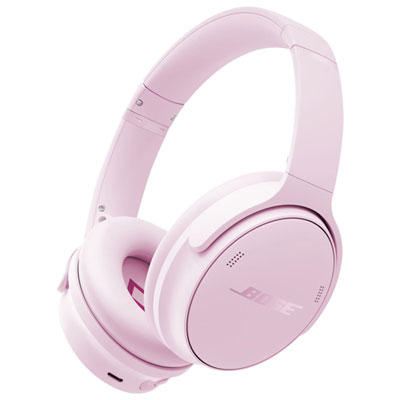 Your price for this item is $479.99
-
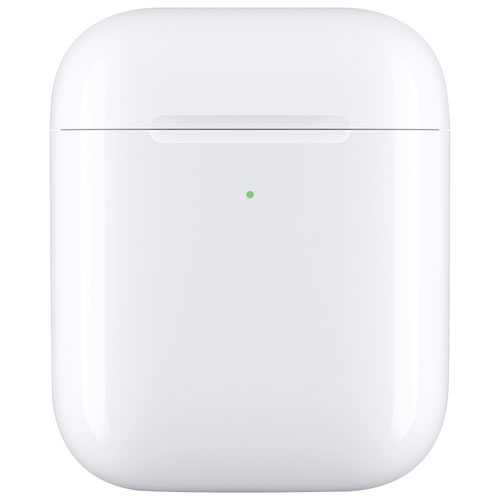 Your price for this item is $69.99
-
 Your price for this item is $4.99
-
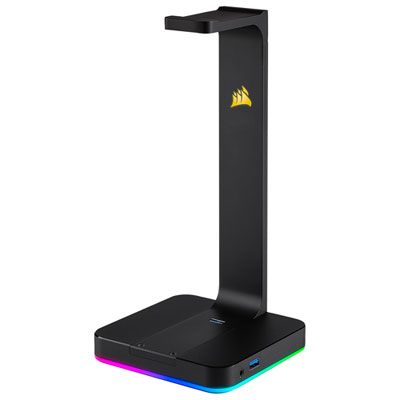 Your price for this item is $124.99
-
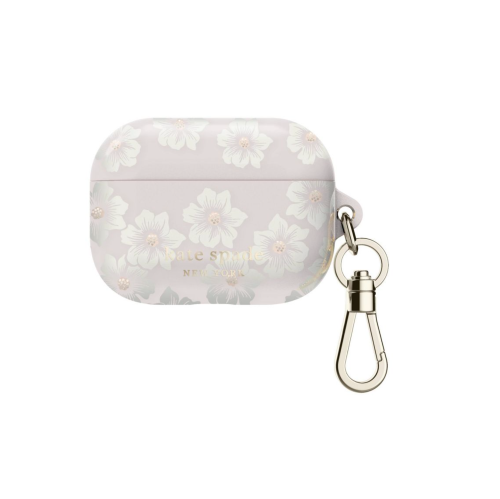 Your price for this item is $107.9
-
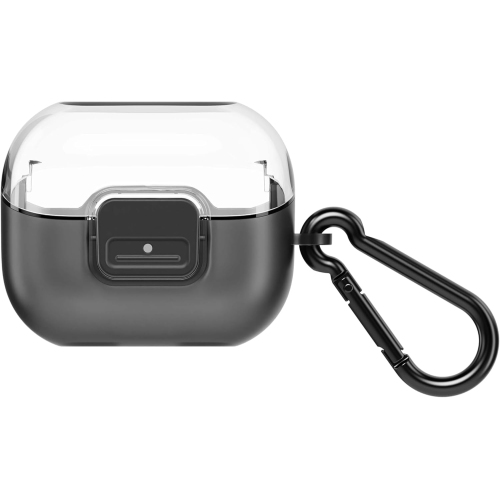 Your price for this item is $49.99
Discover more categories related to Durable Headphone Stands

Top Collections:
Pokemon Centers, Best Cameras for Sports Photography, Kindle Devices, Samsung Galaxy Phones, Canon G7X Cameras, Pokémon 30th Celebration Cards, Refurbished Apple Laptops, iPhone 15 Apple, Laptops for Students, Budget Smartphones
Some products may be subject to Environmental Handling Fees
(EHF) depending on your province.
Learn more about EHFs.