Earbud Replacement Tips for Small Ears
Finding the perfect fit is essential for enjoying your favorite music, podcasts, and calls without discomfort. Earbud Replacement Tips for Small Ears are designed to provide a snug and comfortable listening experience for those with smaller ear canals. Explore a range of options that help keep your earbuds secure and enhance your daily audio routine. Whether you need replacements for worn-out tips or want to improve comfort, discover solutions tailored specifically for small ears.
Sort
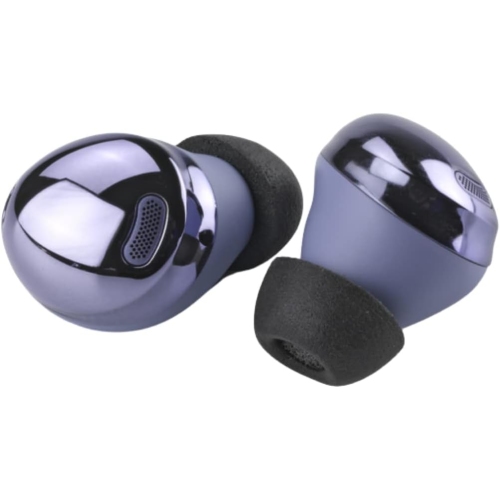
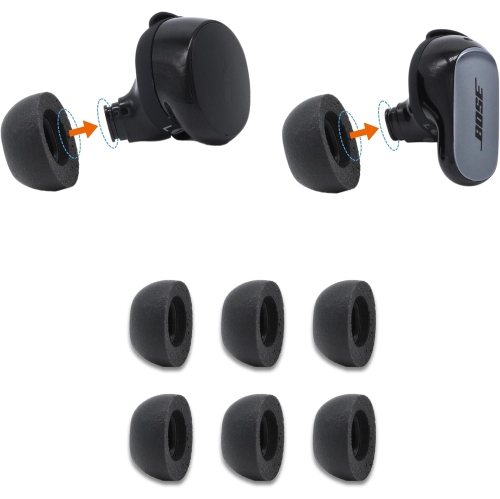
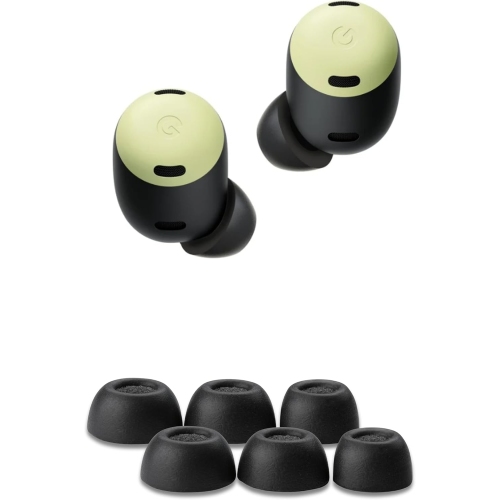
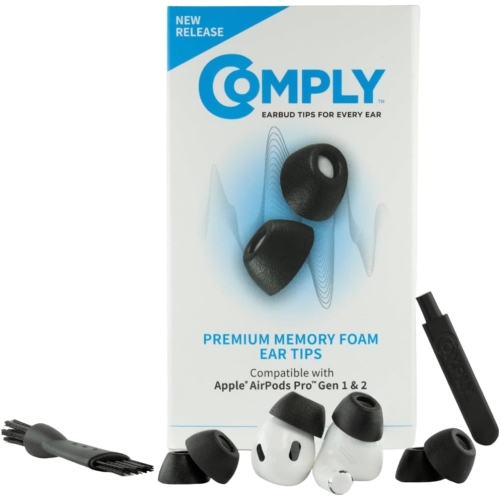

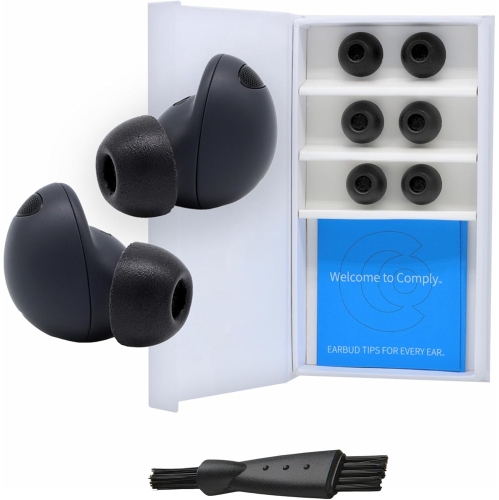
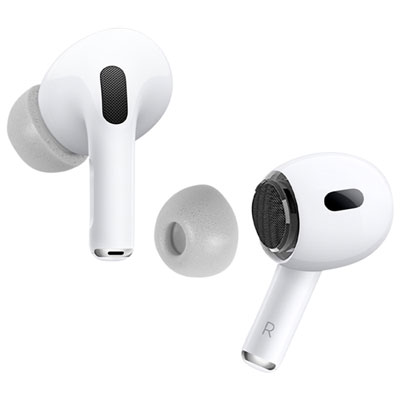
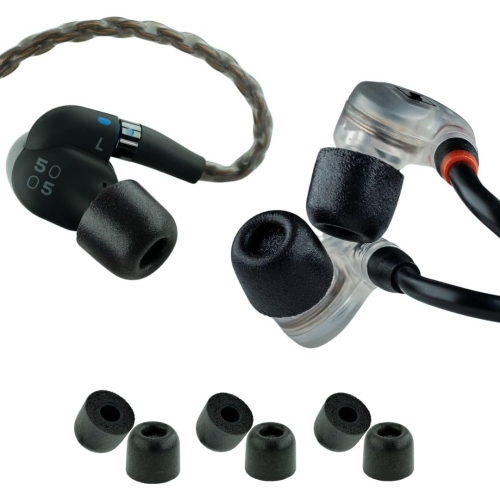
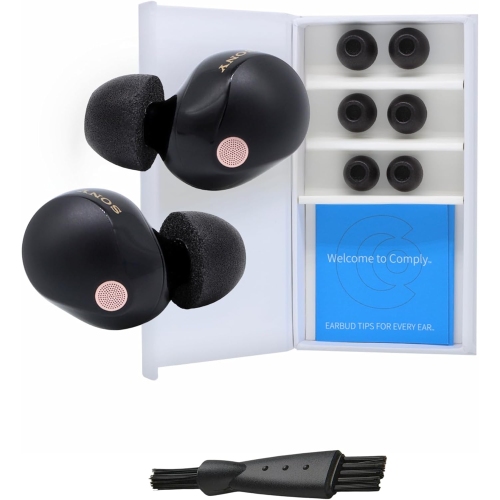
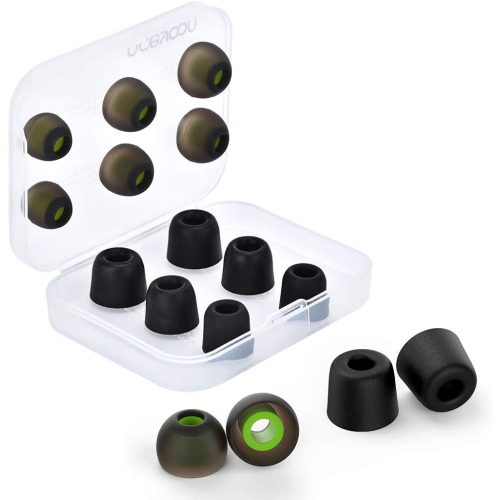
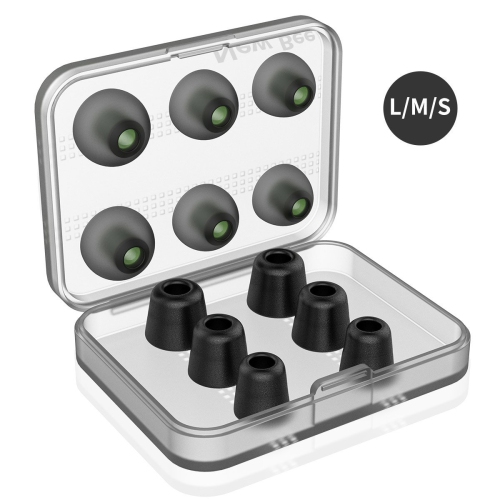
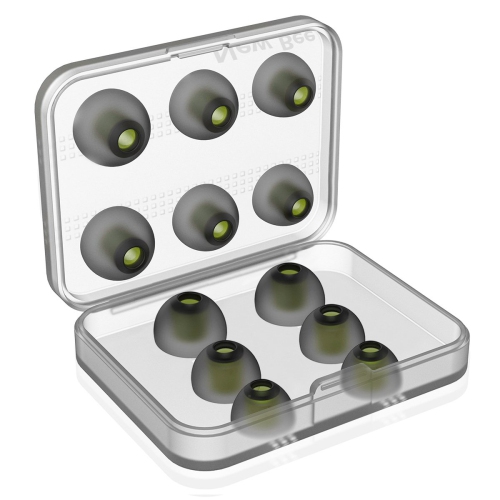

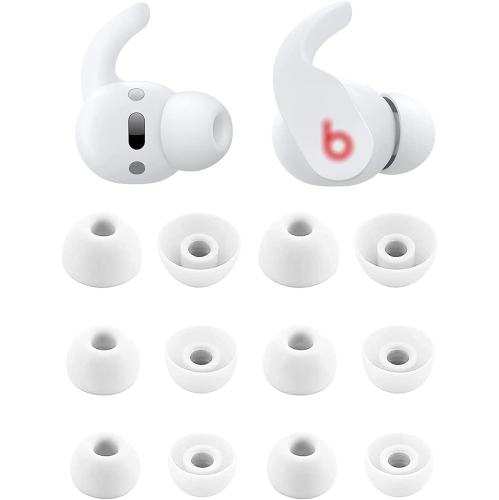
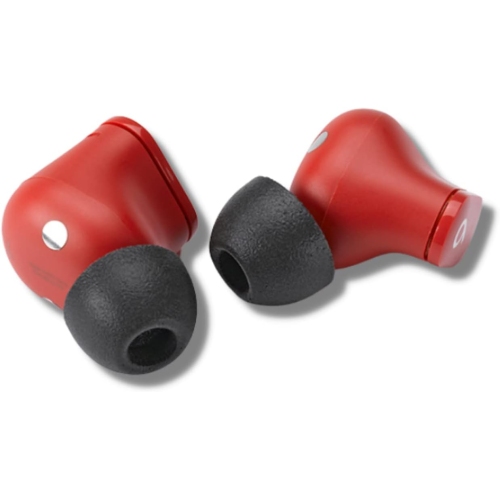
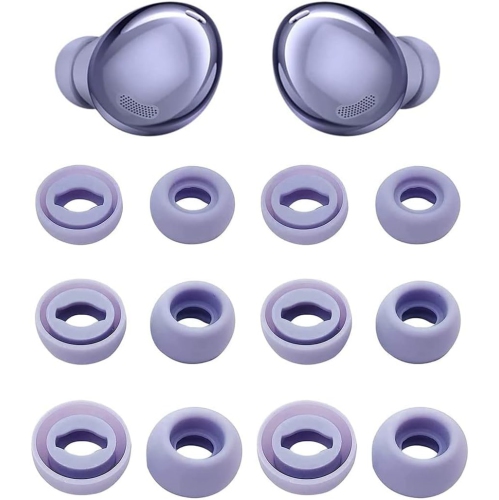
A comfortable earbud fit goes beyond tip size
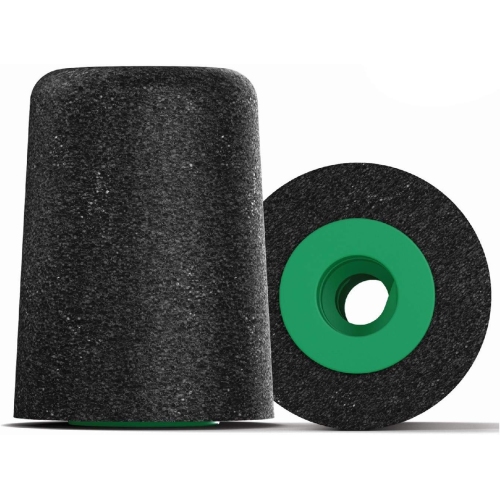
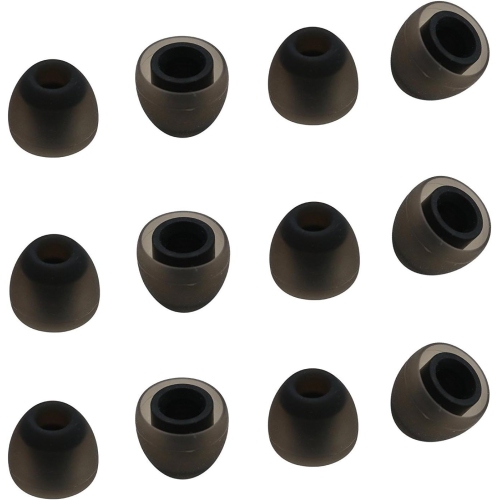
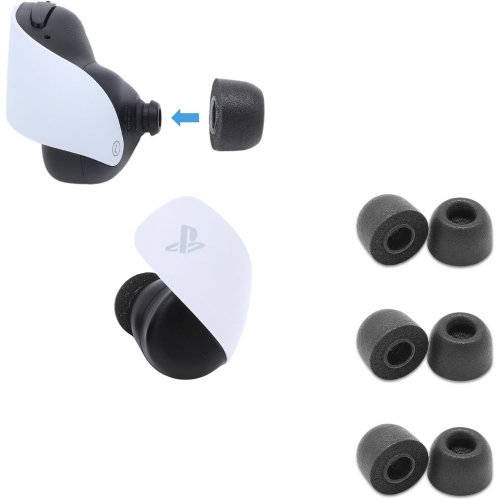
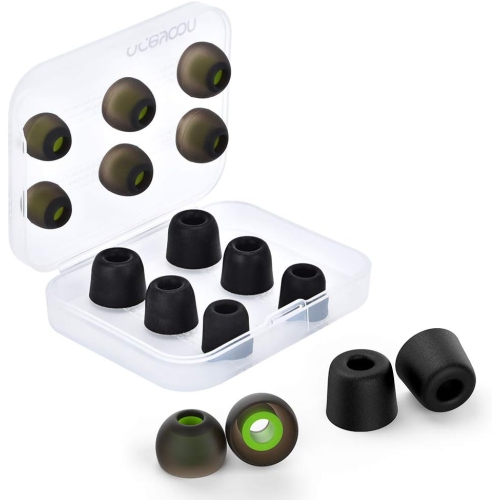
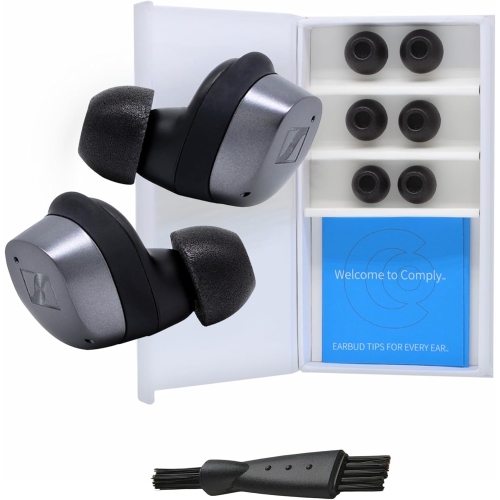
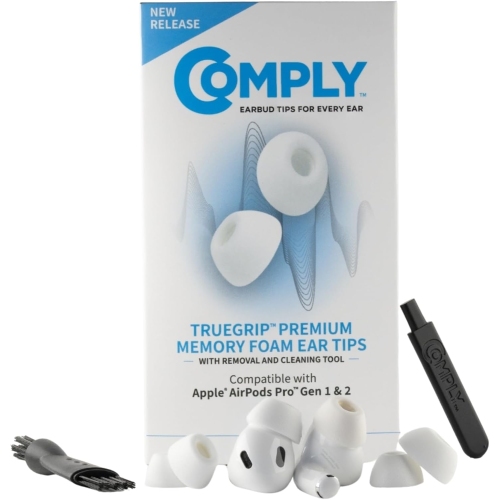
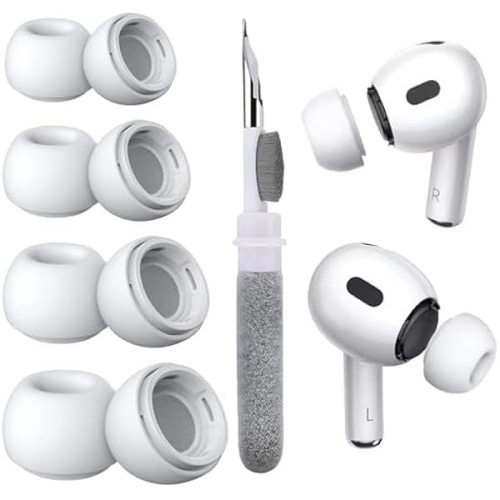
Earbud replacement tips for small ears can make a familiar pair of in-ear headphones feel more comfortable, particularly when the original tips seem too wide, loosen during conversation, or create pressure after a short listening session. These small accessories form the contact point between the earbud nozzle and the ear canal, so their shape and dimensions matter as much as their size label. A narrow tip with a rounded profile may feel different from a shallow dome, even when both are described as small. Extra-small options can suit narrower ear canals, while shorter designs may appeal to listeners who dislike the feeling of a tip sitting too deeply. Small outer ears do not necessarily mean narrow ear canals, and the left and right ear may need different sizes. Packs with several sizes offer room to find a comfortable match without assuming that both sides should feel identical. A suitable fit generally feels stable without needing to be pushed firmly into place; persistent pressure, soreness, or repeated slipping suggests that the size or shape is not right. For someone whose earbuds shift while walking to the station or gradually work loose during a call, the issue may be the tip rather than the entire pair of headphones. Still, replacement tips cannot make a bulky earbud housing smaller. If the hard body presses against the outer ear, Compact Earbuds for Small Ears may be a more relevant category to explore. Replacement tips are most useful when the earbuds themselves sit comfortably but the removable contact pieces need a better match. Size descriptions are not standardized across manufacturers, so measurements and stated compatibility are more useful than a small or extra-small label alone. The outside diameter, overall height, and opening that attaches to the nozzle all contribute to how a tip feels and whether it stays securely attached during everyday use.
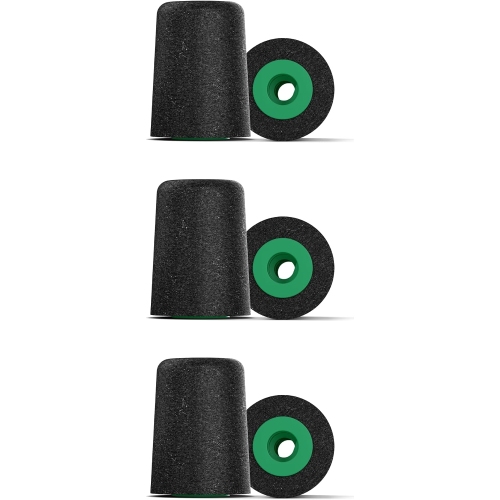
Material adds another layer to that fit. Silicone tips usually have a smooth, flexible surface and are often straightforward to wipe clean, making them a practical choice for regular commuting, desk work, and casual listening. Their flexibility varies: some have thin, soft skirts that bend readily, while others hold their shape more firmly. Neither feel is automatically better for small ears, since a softer edge may feel gentler but still need the right diameter to maintain a seal. Memory foam tips compress and then gradually expand, offering a different contact feel that some listeners prefer for longer sessions. They can also retain moisture and show wear differently from silicone, making their care requirements worth considering. Single-flange tips have one sealing skirt, while multi-flange designs use more than one; the latter are not necessarily more comfortable simply because they offer additional contact points. For smaller ear canals, the amount of material and the depth of the design can be especially noticeable. A consistent seal can help maintain bass response and reduce the need to keep adjusting an earbud, but results depend on the headphones and the individual fit. A tip that is too loose may let outside sound leak in and make music seem thinner, while an overly tight one can create an uncomfortable plugged sensation. Replacement materials and shapes may also change how active noise cancellation performs, so compatibility involves more than whether a tip can be stretched over a nozzle. The attachment needs to match the earbud’s mounting design and remain secure when the earbud is removed. For true wireless earbuds, the tips also need to leave enough clearance for the charging case to close and the charging contacts to connect properly. A wider rim or taller foam body can interfere even when the tip fits the earbud itself, which makes model-specific compatibility details particularly valuable.
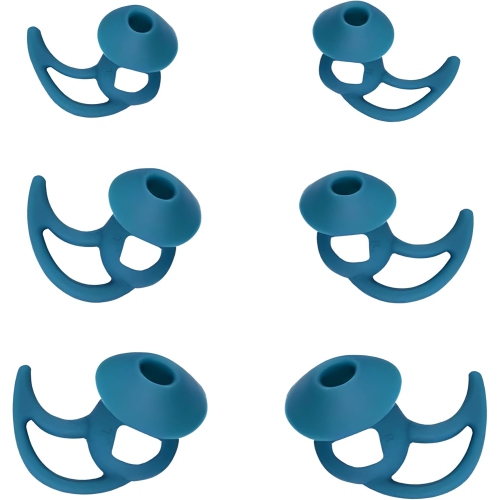
Daily habits help determine which replacement tips will be easiest to live with. Someone who wears earbuds for short phone calls may value a smooth surface that is quick to clean, while a listener settling into an audiobook may care more about how the material feels after extended contact. For workouts, a secure attachment and a comfortable seal matter, but replacement tips do not add water resistance to earbuds or change their rated protection against sweat. Ear tips are also separate from stabilizing wings or hooks, which support the earbud against the outer ear rather than sealing the ear canal. Keeping those functions distinct helps avoid expecting a smaller tip to solve every kind of movement. Care should follow the material and manufacturer’s directions: removable silicone and foam tips may need different treatment, and soaking, alcohol, or harsh cleaners can damage some designs. Any permitted cleaning should leave the tips fully dry before they are reattached, with moisture kept away from the earbud’s speaker opening and charging contacts. Regular handling also provides a chance to notice tears, hardened edges, stretched attachment openings, or foam that no longer returns to shape. Those changes can affect comfort and retention even when the earbuds still work normally. A small storage container helps keep spare tips together and protects them from lint at the bottom of a bag, while keeping clean replacements separate from used ones makes everyday swaps simpler. Replacement tips can be a thoughtful accessory gift for someone who already likes their earbuds but struggles with the original fit, provided the exact earbud model is known. A range of compatible sizes is often more useful than guessing a single size from the appearance of someone’s ears. For shared households, having personal sets also avoids passing the same contact pieces between listeners. Ultimately, the most useful replacement tips are the ones that attach correctly, sit comfortably, and let the earbuds remain a dependable part of an ordinary day, from a morning podcast to an evening playlist.
Top selling and popular products
-
 Your price for this item is $10
-
 Your price for this item is $19.97
-
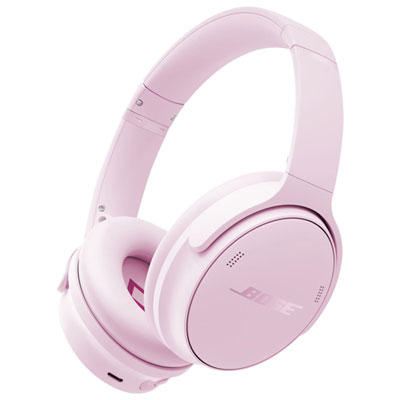 Your price for this item is $249
-
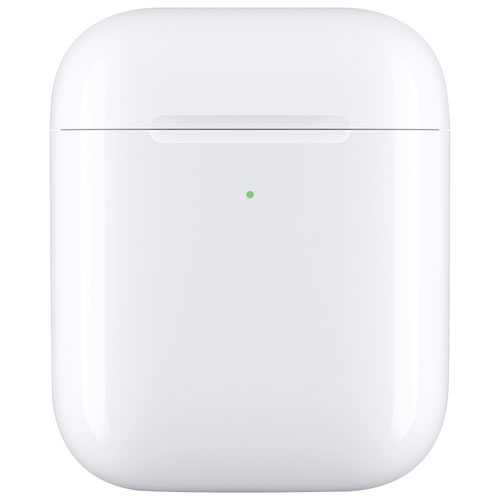 Your price for this item is $59.99
-
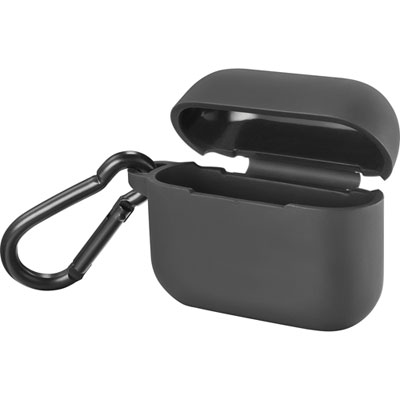 Your price for this item is $4.99
-
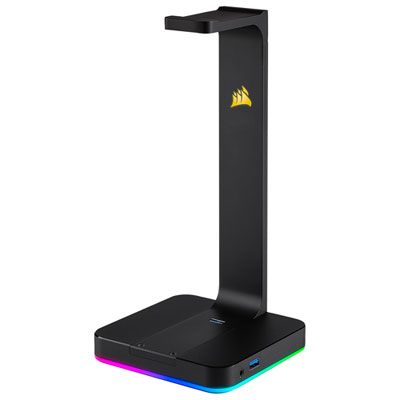 Your price for this item is $124.95
-
 Your price for this item is $98.99
-
 Your price for this item is $49.99
Discover more categories related to Earbud Replacement Tips for Small Ears
Top Collections:
Best Black Friday Deals This Year, Best Black Friday Deals On Electronics, Kindle Devices, Best Black Friday Deals On Apple Products, Best Budget Office Chairs, Best Cameras for Sports Photography, Dyson Airwrap, Canon G7X Cameras, Best Laptops for Writers, Samsung Galaxy Phones
Some products may be subject to Environmental Handling Fees
(EHF) depending on your province.
Learn more about EHFs.