Earbuds for Biking
Whether you're a commuter, an athlete, or just someone who likes to listen to music while you bike, the right pair of earbuds can make all the difference. They should be comfortable and stay put while you're moving around. They should also sound great, so you can enjoy your tunes without sacrificing quality. Here are some of the best earbuds for biking available today.
Sort
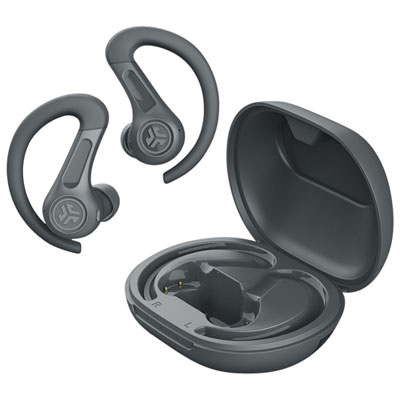
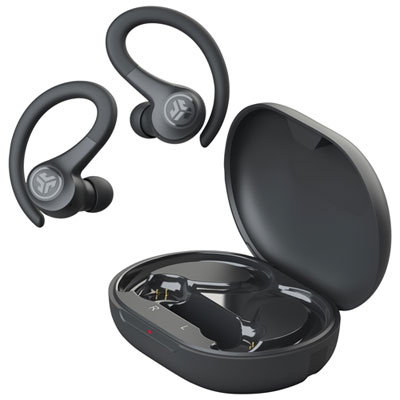
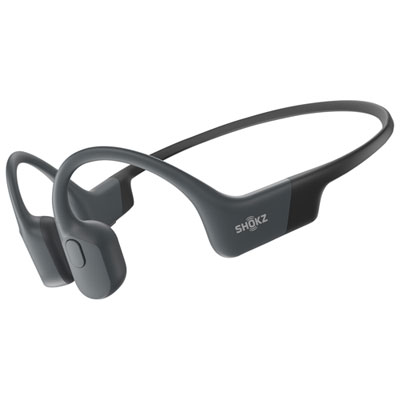
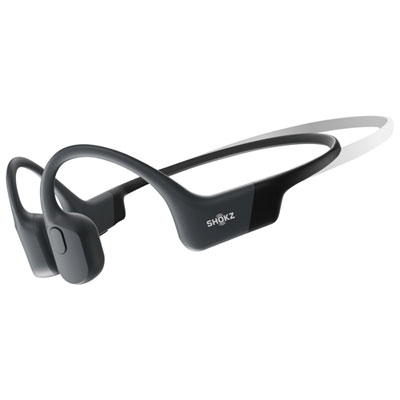
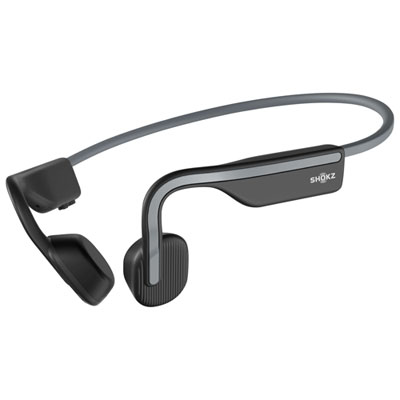
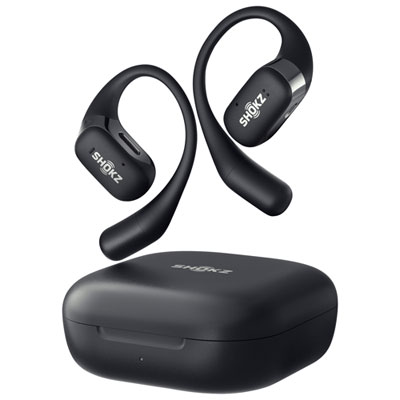
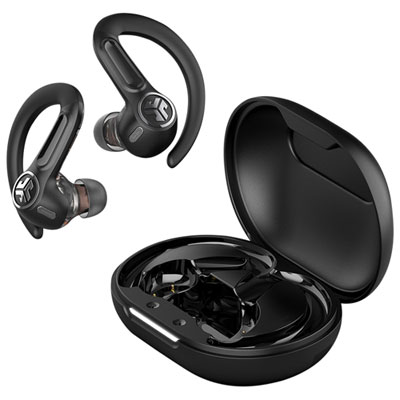
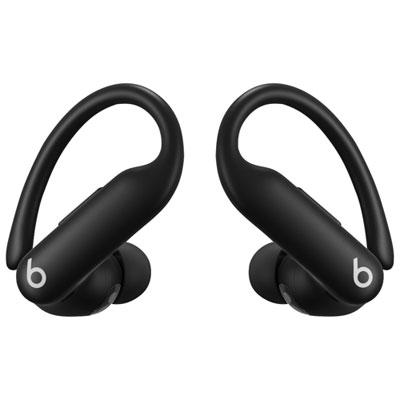
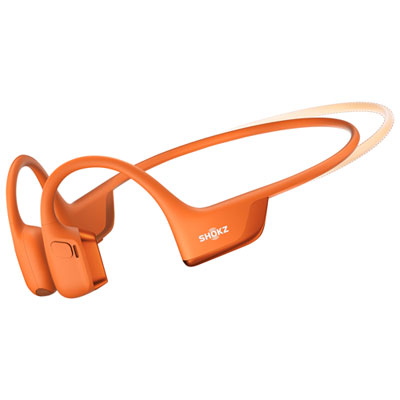
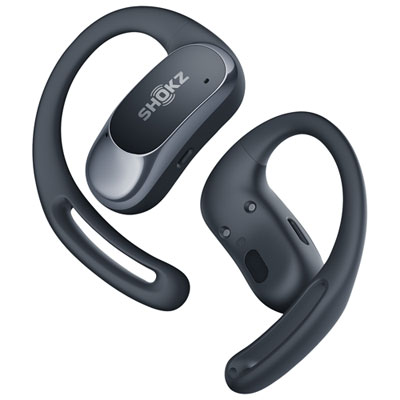
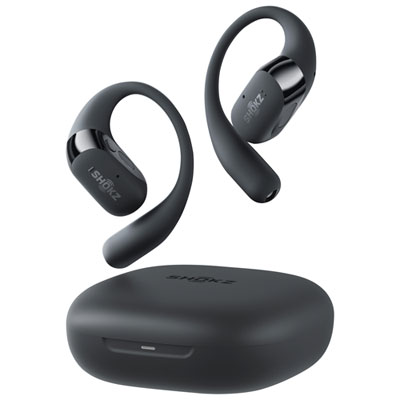
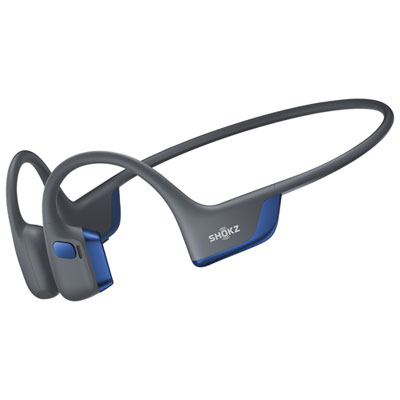
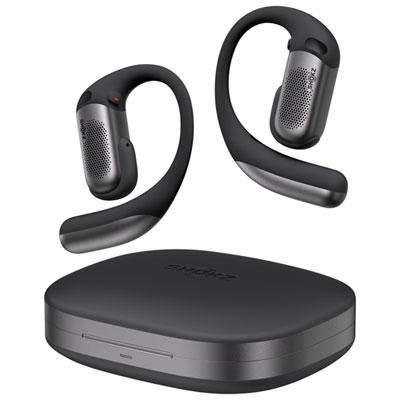

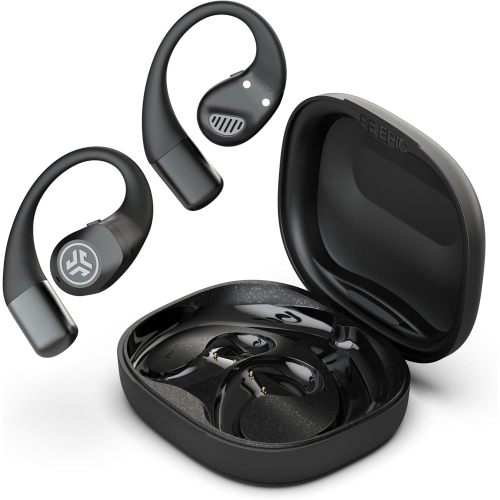
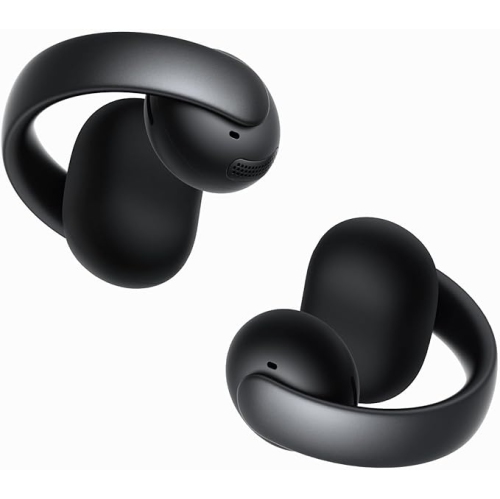
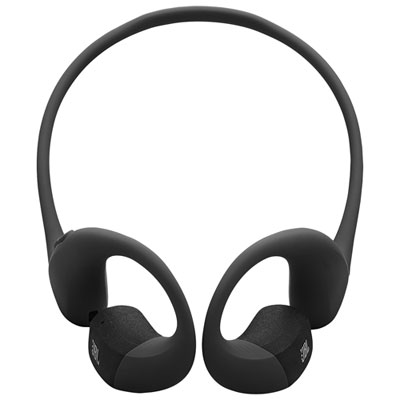
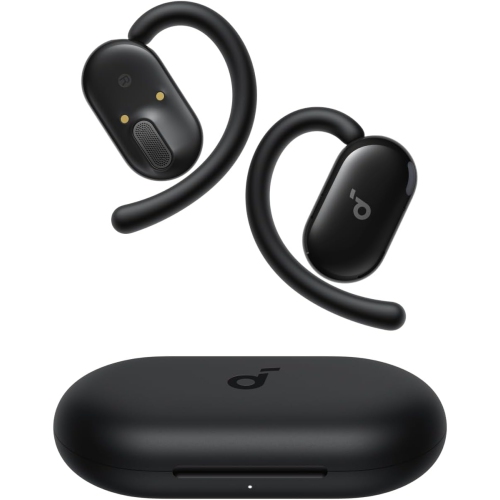
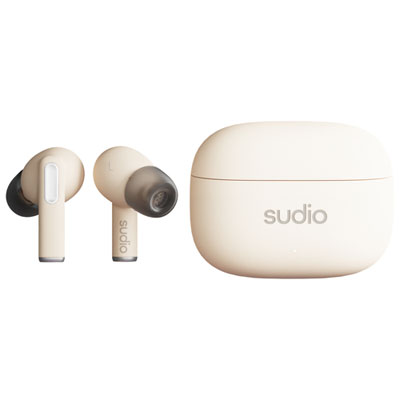
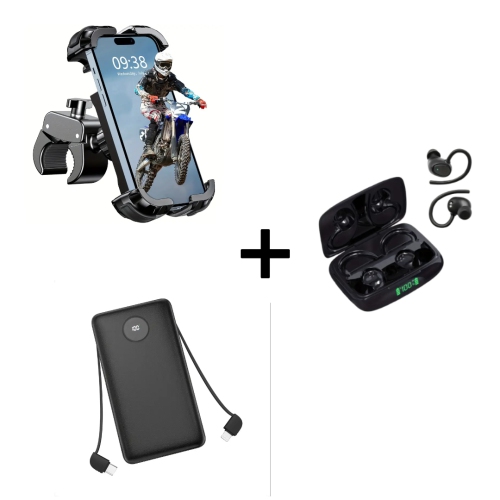
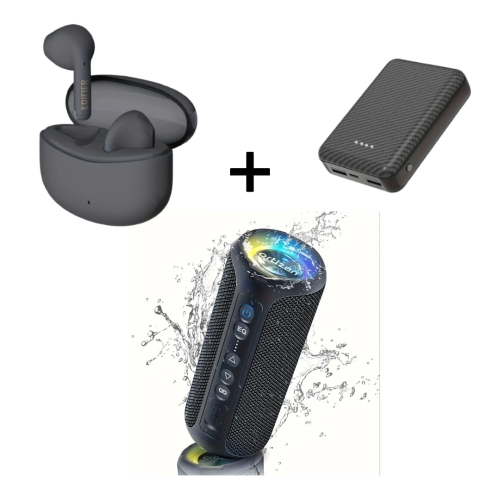
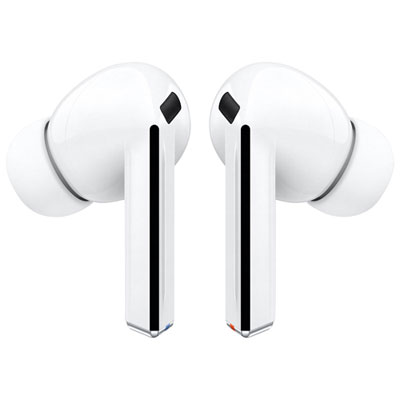
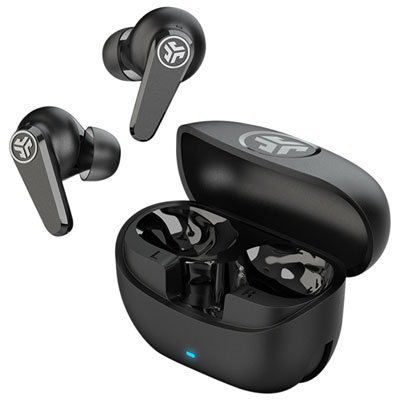
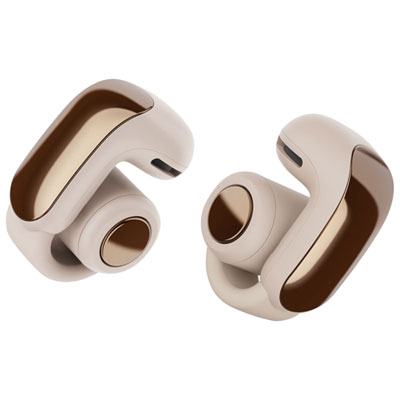
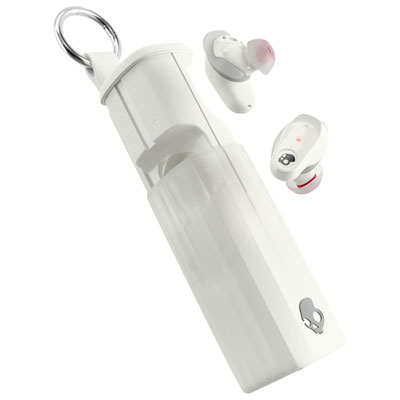
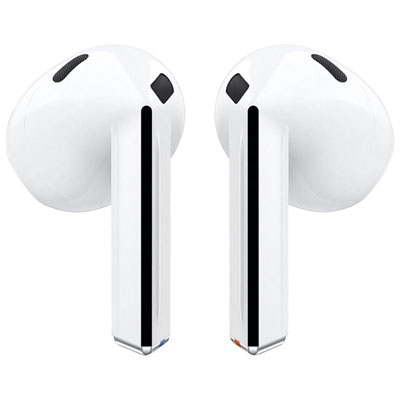
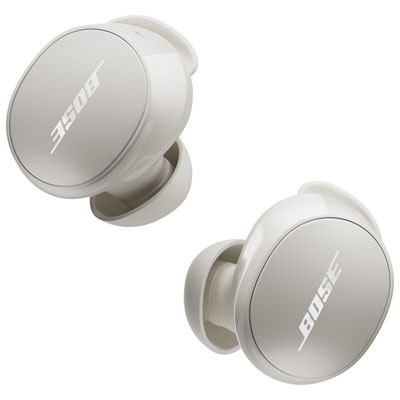
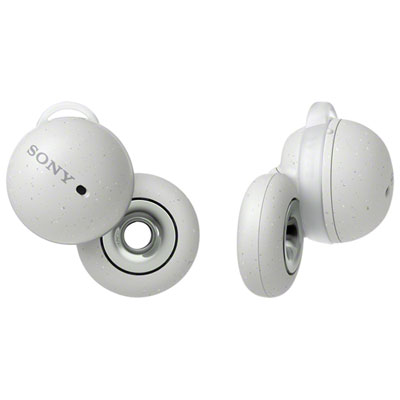
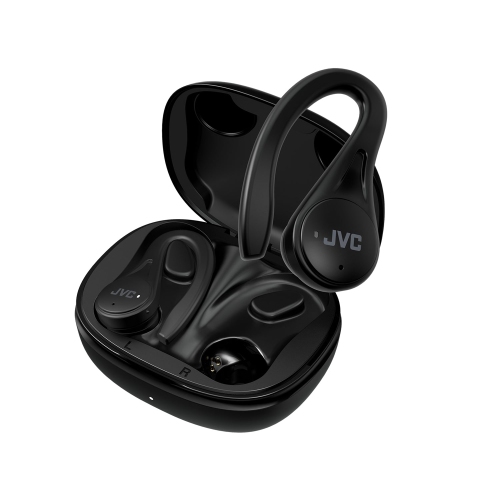
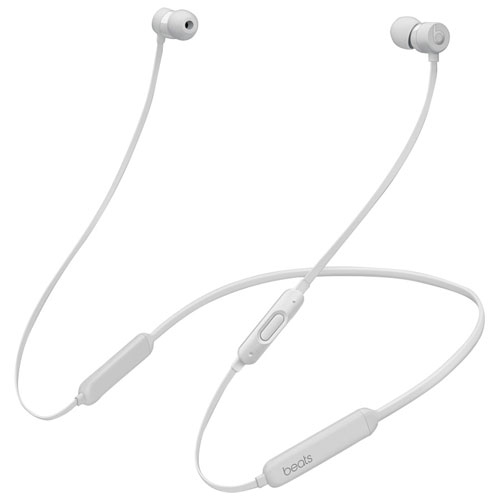
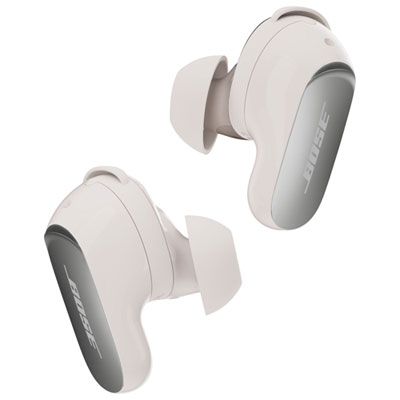
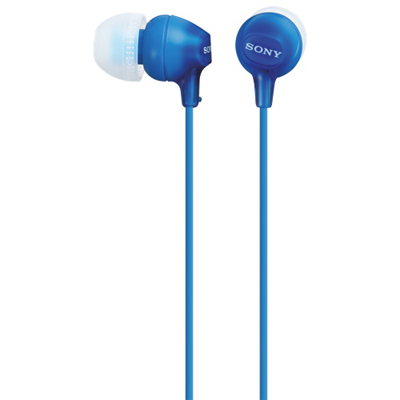
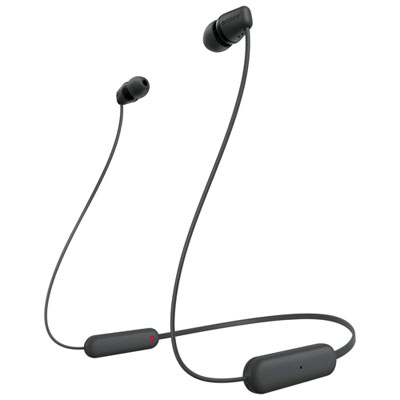
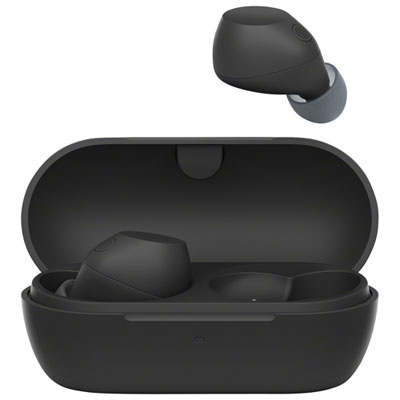
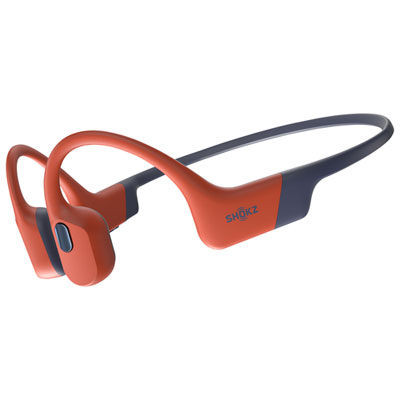
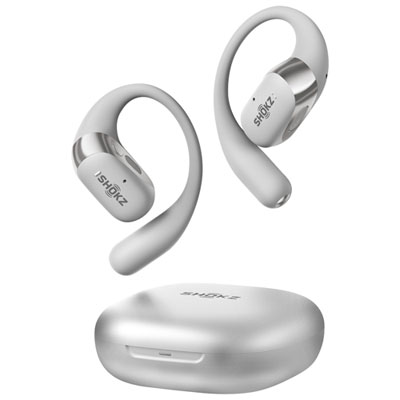
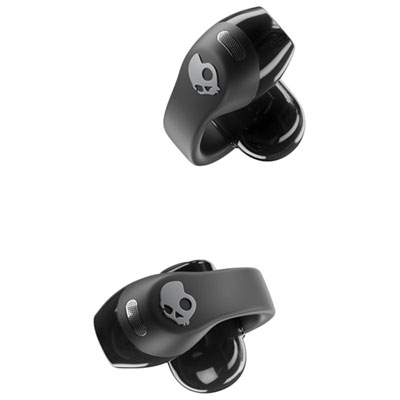
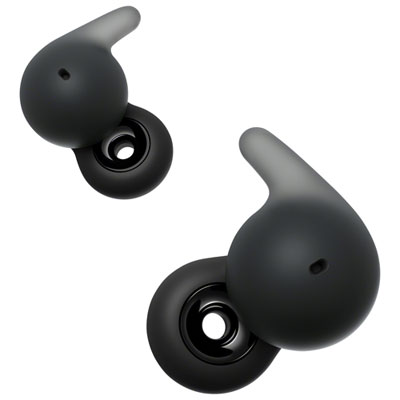
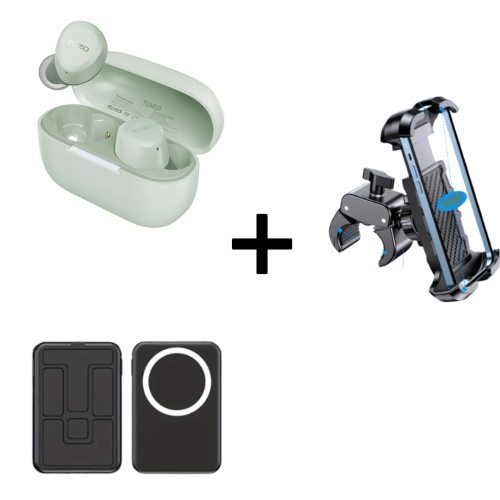
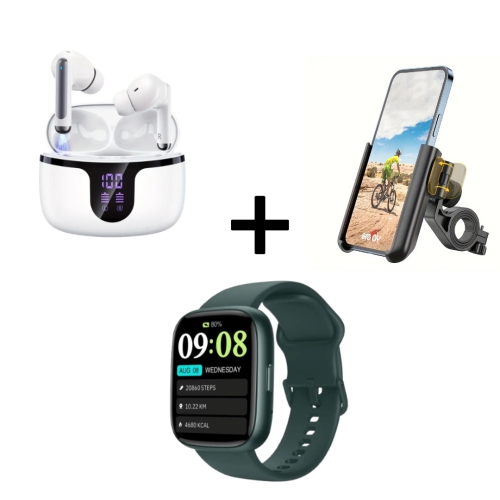
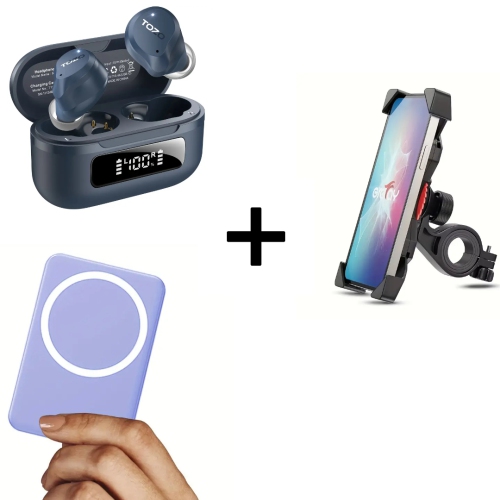
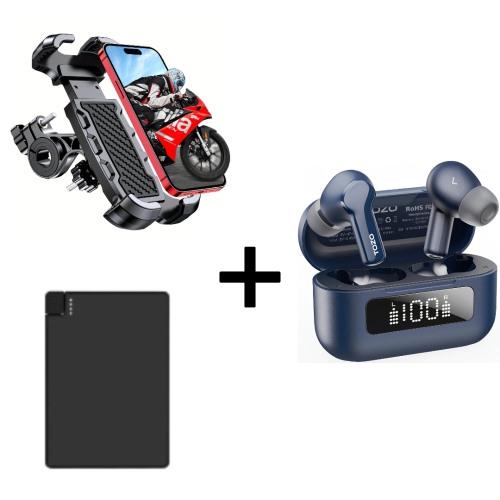
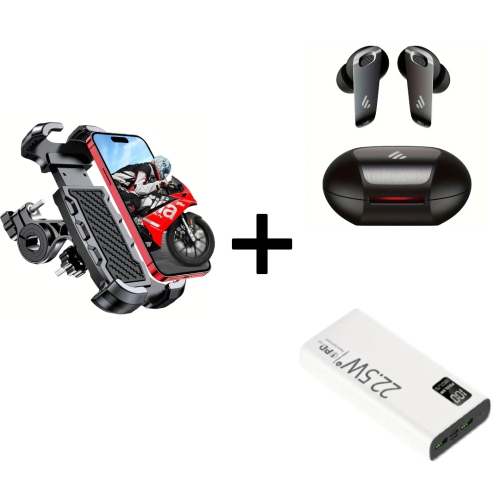
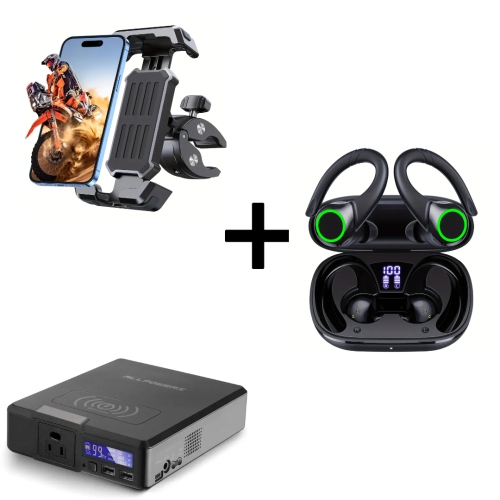
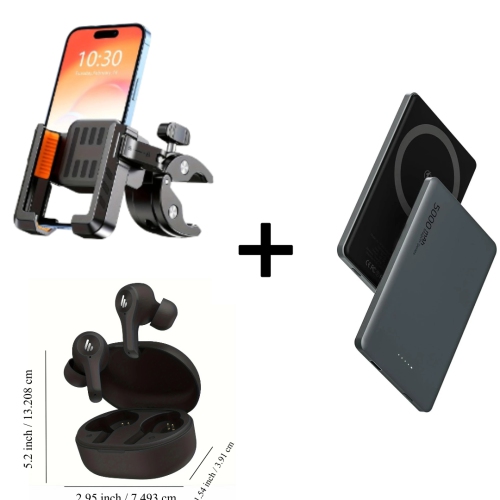
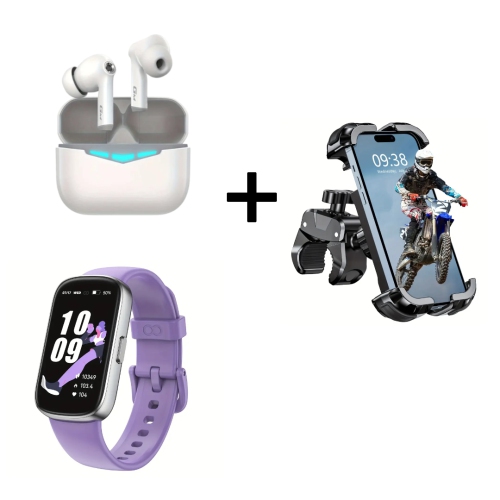
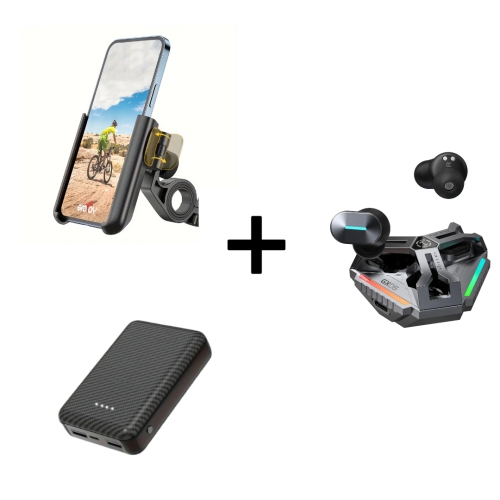

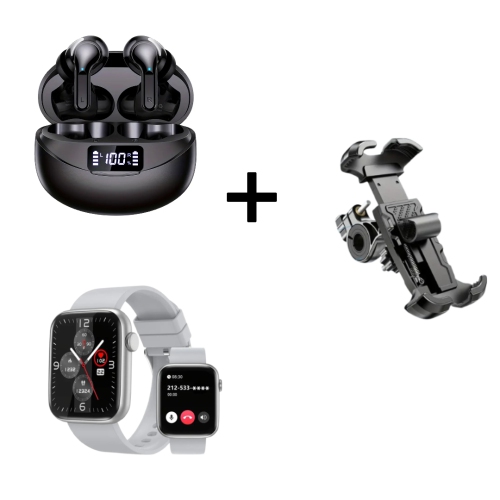
Open-ear comfort and road awareness for every ride
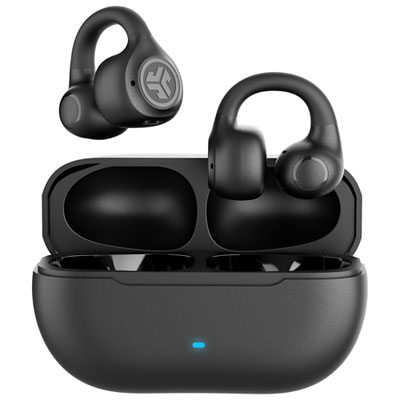
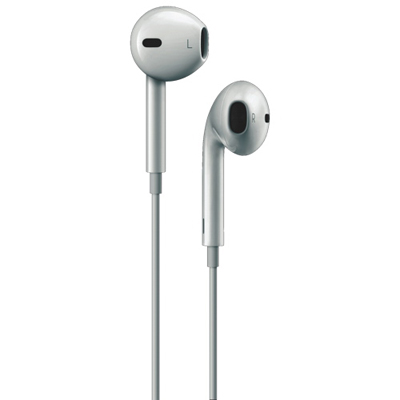
Earbuds for biking are designed to bring music, podcasts, navigation prompts, and hands-free calls along for the ride without making a bike commute or weekend excursion feel disconnected from the world around you. The most important distinction is how the earbuds deliver sound. Open-ear earbuds sit just outside the ear canal, while bone-conduction models rest near the cheekbones and transmit sound without covering the ears. Both designs can help you remain more aware of nearby traffic, bells, pedestrians, other cyclists, and changing road conditions than traditional noise-isolating earbuds. That awareness is especially useful when riding on shared paths, through busy intersections, or along roads where sound can provide an early indication of what is happening around you. Open-ear audio does not replace responsible cycling habits, visual checks, lights, or local road-safety rules, but it can be a practical choice for riders who want entertainment or directions while keeping ambient sounds accessible. Traditional in-ear earbuds may still appeal to riders who prioritize a sealed fit and stronger sound isolation, particularly when using an indoor trainer or cycling in a controlled environment. For outdoor biking, many shoppers focus first on open-ear or bone-conduction designs, then compare comfort, stability, battery life, controls, and resistance to sweat or light rain.
A secure fit matters just as much as sound quality when a ride includes potholes, gravel, sharp turns, or a brisk downhill stretch. Look for lightweight frames, flexible bands, or soft ear hooks that stay in place without creating pressure behind the ears. A wraparound design may work well beneath many helmet straps, although the fit should always be checked with your own helmet before heading out. Earbuds that press against a retention dial, interfere with a chin strap, or shift when you turn your head can become distracting over time. It is worth testing the fit while wearing cycling glasses, a helmet, and any seasonal layers you normally use, since the combination can change how the earbuds sit. Controls should also be easy to locate by touch, allowing you to adjust volume, pause audio, answer a call, or skip a track without repeatedly reaching for a phone. Voice controls can be convenient for navigation and calls, while physical buttons may be easier to operate with damp fingers or lightweight gloves during cooler rides. Wind noise is another consideration. At higher speeds, rushing air can overpower quieter audio, particularly on exposed roads and descents. Look for designs that position speakers carefully, offer adjustable volume, or include sound processing intended to improve clarity outdoors. Keeping the volume at a reasonable level helps preserve awareness and makes longer listening sessions more comfortable. Battery life should match the way you ride: a shorter commute may only require a compact charge, while touring, recreational rides, and multi-day trips call for longer playback, quick charging, or a case that can provide additional power. USB-C charging is convenient when other cycling accessories use the same cable, and clear battery indicators help prevent an unexpectedly silent final stretch.
The right pair can suit a wide range of riders, from someone replacing a daily transit routine with a bicycle commute to a recreational cyclist who enjoys a spoken training session on a quiet path. They can also be a thoughtful gift for a friend who rides to work, a family member who joins weekend group rides, or someone preparing for longer routes during the warmer and cooler parts of the cycling season. Consider the recipient’s routine before choosing a style: open-ear earbuds may be a better match for road awareness, while a secure, sweat-resistant fit may matter most to a rider who combines cycling with gym sessions or other workouts. Those comparing options for several types of exercise can also browse Earbuds for Fitness for designs suited to active use beyond the bicycle. For riders who travel, a compact charging case, reliable wireless connectivity, built-in microphones, and multipoint pairing can make it easier to switch between a phone, tablet, and bike computer. Riders who spend time outdoors should check the product’s stated water- or sweat-resistance rating and remember that resistance to splashes is not the same as protection from heavy rain or submersion. During cooler months, a secure fit becomes especially helpful when moving between a helmet, a toque, and a higher collar, while in warmer weather, breathable open designs can feel less enclosed during sustained effort. Whether the route follows a quiet rail trail or a lively city street, choosing earbuds around awareness, comfort, stability, wind performance, and everyday convenience can make audio feel like a natural part of the ride rather than another piece of equipment to manage.
A secure fit matters just as much as sound quality when a ride includes potholes, gravel, sharp turns, or a brisk downhill stretch. Look for lightweight frames, flexible bands, or soft ear hooks that stay in place without creating pressure behind the ears. A wraparound design may work well beneath many helmet straps, although the fit should always be checked with your own helmet before heading out. Earbuds that press against a retention dial, interfere with a chin strap, or shift when you turn your head can become distracting over time. It is worth testing the fit while wearing cycling glasses, a helmet, and any seasonal layers you normally use, since the combination can change how the earbuds sit. Controls should also be easy to locate by touch, allowing you to adjust volume, pause audio, answer a call, or skip a track without repeatedly reaching for a phone. Voice controls can be convenient for navigation and calls, while physical buttons may be easier to operate with damp fingers or lightweight gloves during cooler rides. Wind noise is another consideration. At higher speeds, rushing air can overpower quieter audio, particularly on exposed roads and descents. Look for designs that position speakers carefully, offer adjustable volume, or include sound processing intended to improve clarity outdoors. Keeping the volume at a reasonable level helps preserve awareness and makes longer listening sessions more comfortable. Battery life should match the way you ride: a shorter commute may only require a compact charge, while touring, recreational rides, and multi-day trips call for longer playback, quick charging, or a case that can provide additional power. USB-C charging is convenient when other cycling accessories use the same cable, and clear battery indicators help prevent an unexpectedly silent final stretch.
The right pair can suit a wide range of riders, from someone replacing a daily transit routine with a bicycle commute to a recreational cyclist who enjoys a spoken training session on a quiet path. They can also be a thoughtful gift for a friend who rides to work, a family member who joins weekend group rides, or someone preparing for longer routes during the warmer and cooler parts of the cycling season. Consider the recipient’s routine before choosing a style: open-ear earbuds may be a better match for road awareness, while a secure, sweat-resistant fit may matter most to a rider who combines cycling with gym sessions or other workouts. Those comparing options for several types of exercise can also browse Earbuds for Fitness for designs suited to active use beyond the bicycle. For riders who travel, a compact charging case, reliable wireless connectivity, built-in microphones, and multipoint pairing can make it easier to switch between a phone, tablet, and bike computer. Riders who spend time outdoors should check the product’s stated water- or sweat-resistance rating and remember that resistance to splashes is not the same as protection from heavy rain or submersion. During cooler months, a secure fit becomes especially helpful when moving between a helmet, a toque, and a higher collar, while in warmer weather, breathable open designs can feel less enclosed during sustained effort. Whether the route follows a quiet rail trail or a lively city street, choosing earbuds around awareness, comfort, stability, wind performance, and everyday convenience can make audio feel like a natural part of the ride rather than another piece of equipment to manage.
Top selling and popular products
-
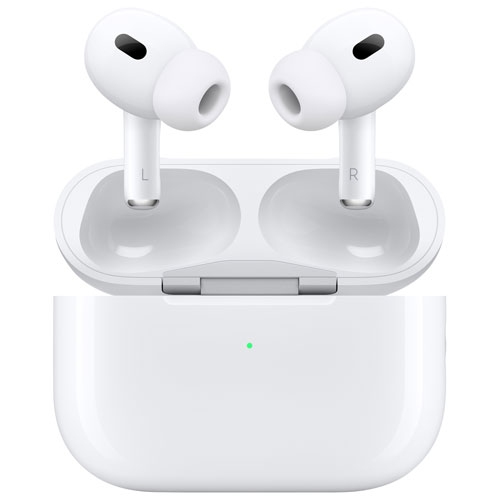 Your price for this item is $349.99
 -
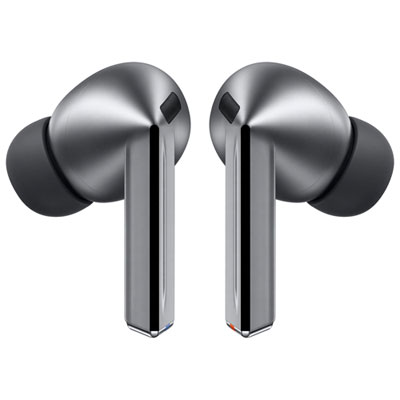 Your price for this item is $329.99
 -
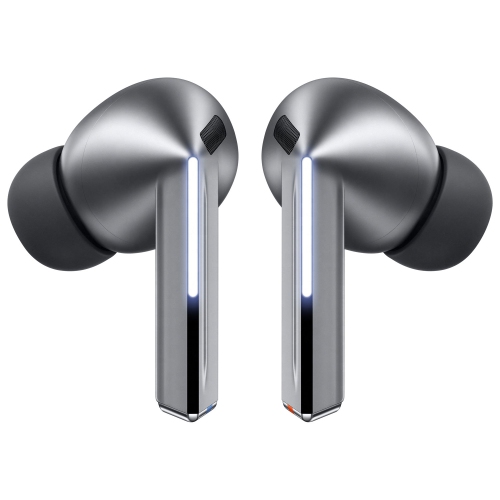 Your price for this item is $229
 -
 Your price for this item is $227
 -
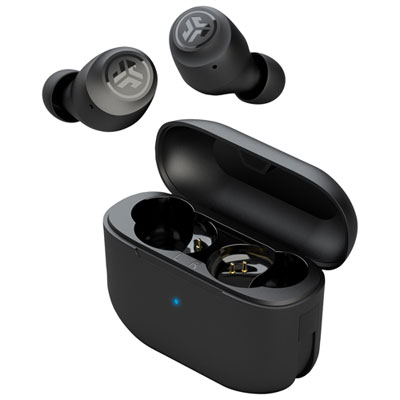 Your price for this item is $19.99
 -
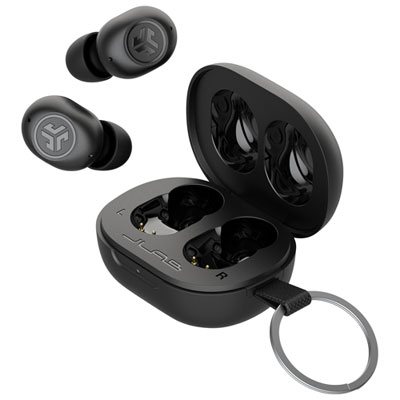 Your price for this item is $39.99
 -
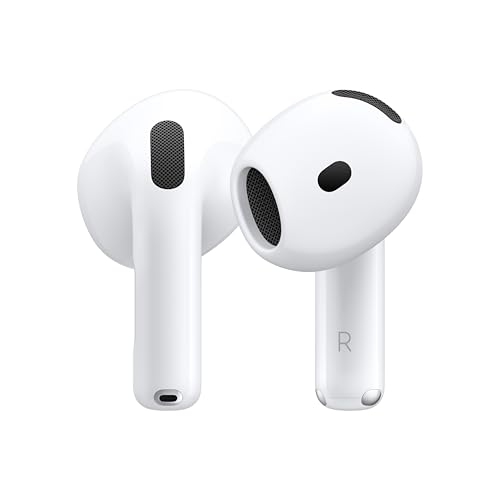 Your price for this item is $238.99
 -
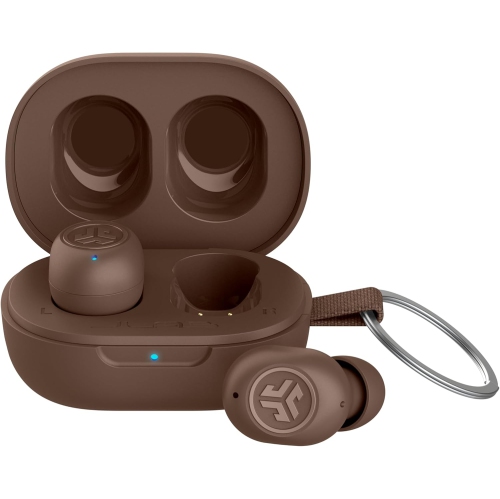 Your price for this item is $89.99
Discover more categories related to Earbuds for Biking
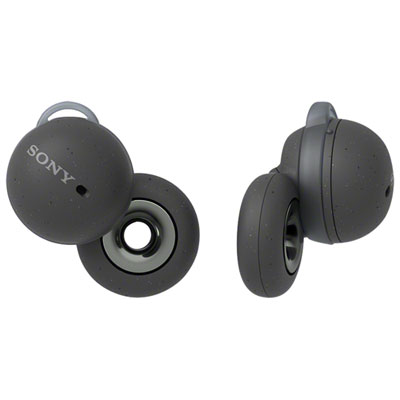
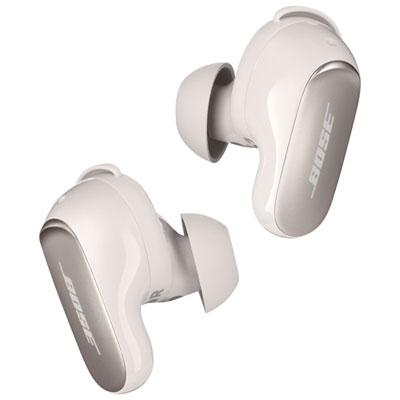
Top Collections:
Pokemon Centers, Kindle Devices, Best Budget Office Chairs, Apple iPhones 16, Best Laptops for Writers, iPhone 15 Apple, Canon G7X Cameras, Refurbished Apple Laptops, Alarm Clock, Motorola Razr Phones
Some products may be subject to Environmental Handling Fees
(EHF) depending on your province.
Learn more about EHFs.