Headphone Amp
Enhance your audio experience with a headphone amp that brings clarity and depth to every note. Whether you're an audiophile seeking to unlock the full potential of high-end headphones or just looking to enjoy music with richer sound quality, a headphone amplifier can make all the difference. These compact yet powerful devices are designed to boost audio signals, ensuring that your headphones deliver the crisp, detailed sound you crave. Perfect for home use or on-the-go listening, a headphone amp is an essential addition for anyone serious about their sound. Explore our selection to find the perfect match for your listening needs and elevate your audio journey today.
Sort
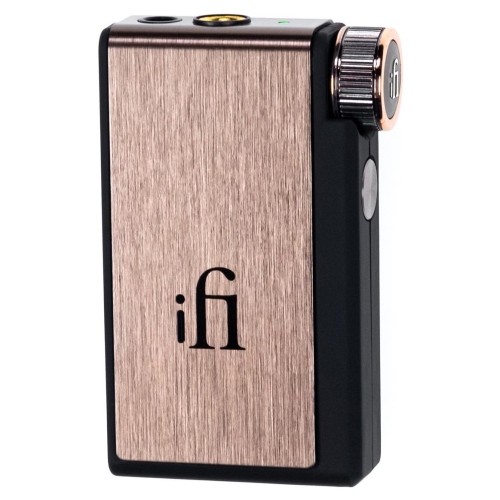
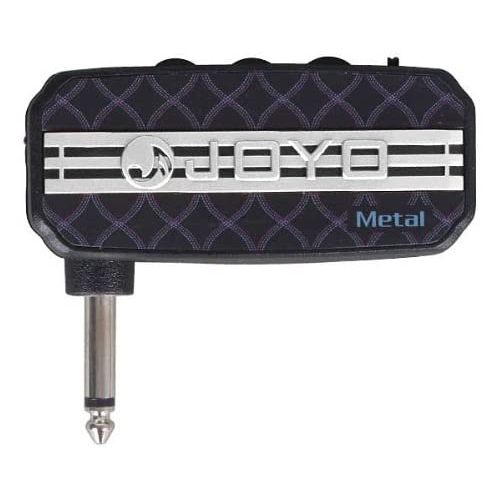
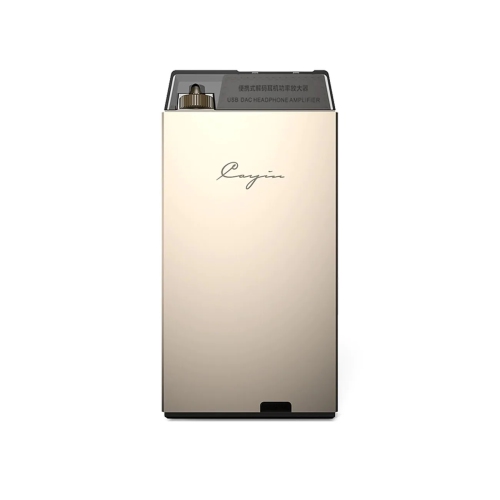
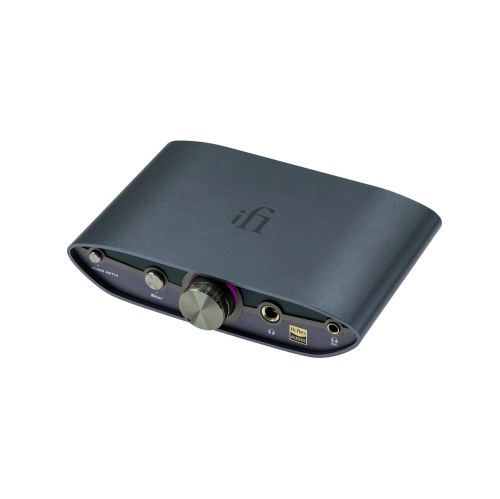



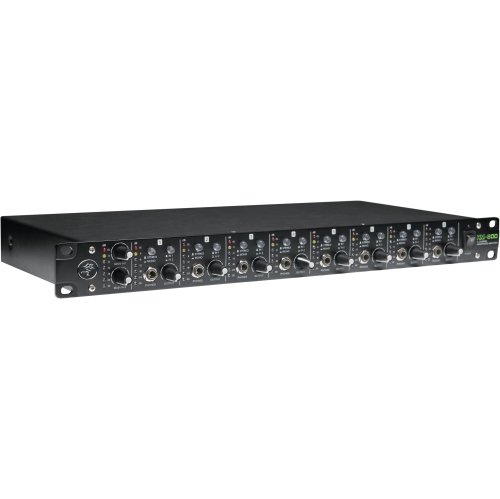
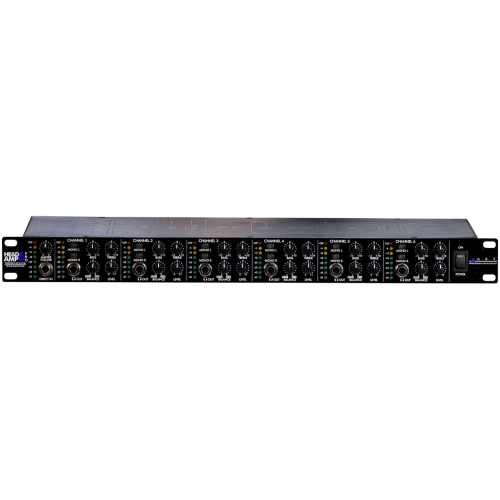
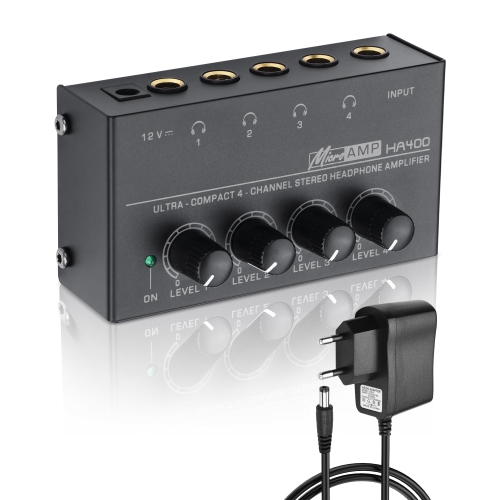
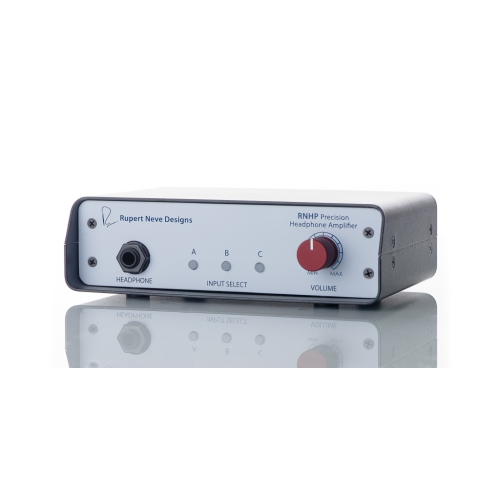
The right match brings out more from demanding headphones
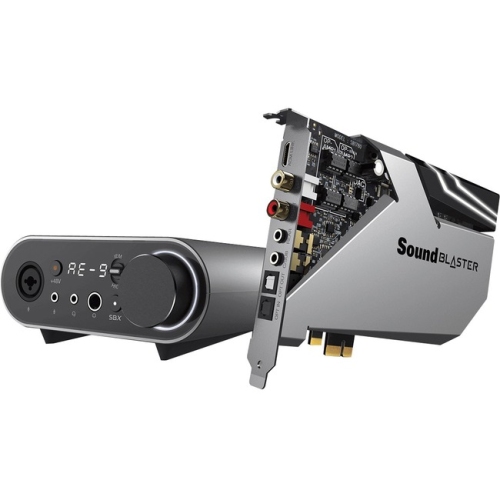
A headphone amplifier is a dedicated audio device designed to strengthen the signal from a source such as a phone, computer, turntable setup, audio interface, or other music player so headphones can perform at their best. Many headphones work adequately when connected directly to a laptop or mobile device, but demanding models may sound quiet, restrained, or less dynamic without enough power behind them. A dedicated amp can provide the voltage and current needed to control the headphones more effectively, helping music feel fuller, more balanced, and more expressive. This is especially relevant for high-impedance headphones, which may require more power than a standard headphone jack can comfortably deliver, as well as planar magnetic models that can benefit from a strong, stable output. Sensitivity matters, too: headphones with lower sensitivity may need more amplification even when their impedance does not appear particularly high. Listening habits are another useful consideration. Someone who enjoys quiet late-night sessions may appreciate a cleaner, more controlled signal at moderate volume, while a home recording enthusiast may need reliable monitoring that reveals details in vocals, guitar, room ambience, and low-frequency effects. A headphone amp is not intended to make every pair of headphones dramatically louder; its value is in matching the source and headphones properly, reducing the strain on a weaker output, and giving the listener more headroom for peaks without immediately reaching the limits of the system. When choosing one, check the headphone specifications, the amp’s output power at the relevant impedance, the available connection types, and whether the unit includes a built-in digital-to-analog converter, commonly called a DAC. A DAC changes digital audio into an analogue signal, while the amplifier supplies the power needed to drive the headphones. Combining both functions in one device can create a tidy solution for a computer or digital music setup, whereas a separate amplifier may suit listeners who already own a preferred DAC or want to upgrade individual components over time.
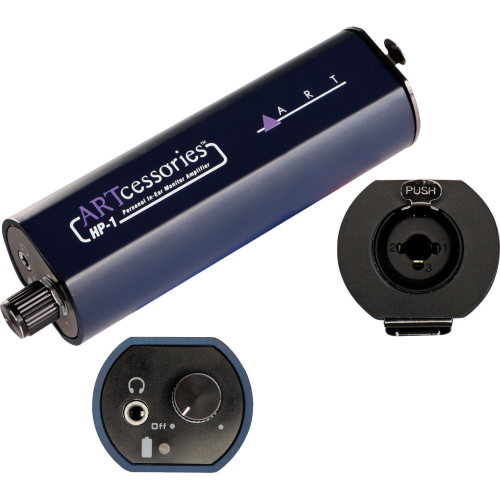
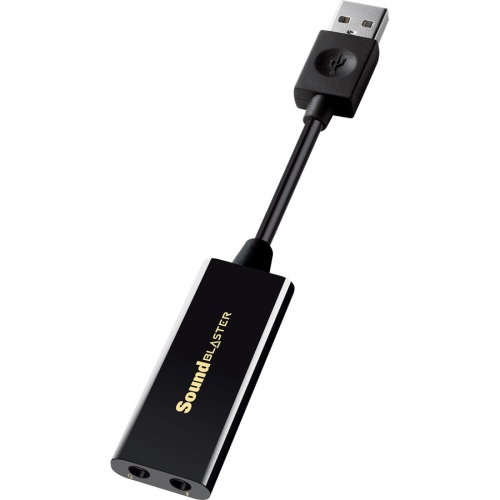
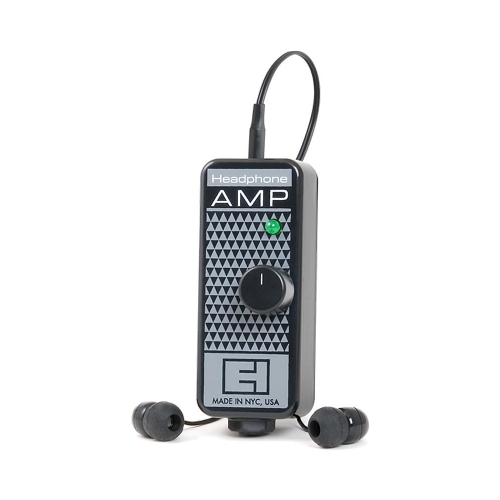
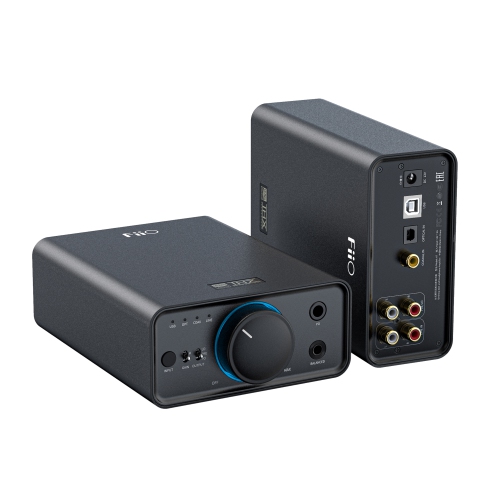
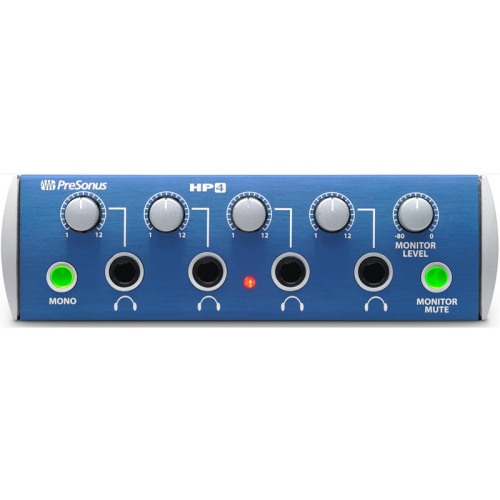
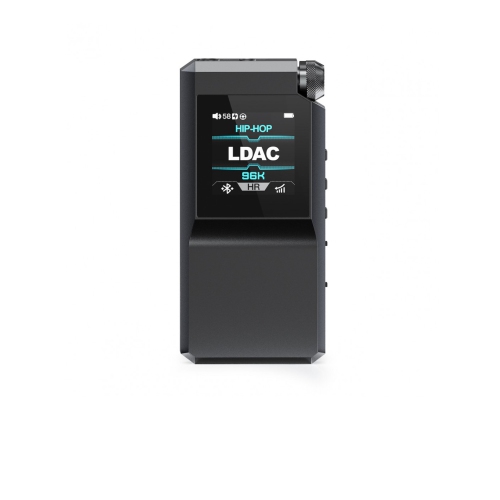
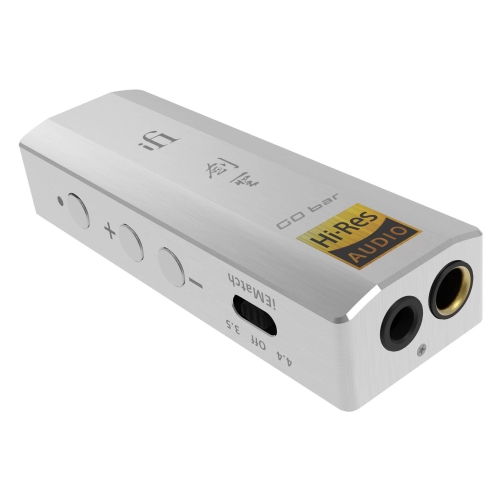
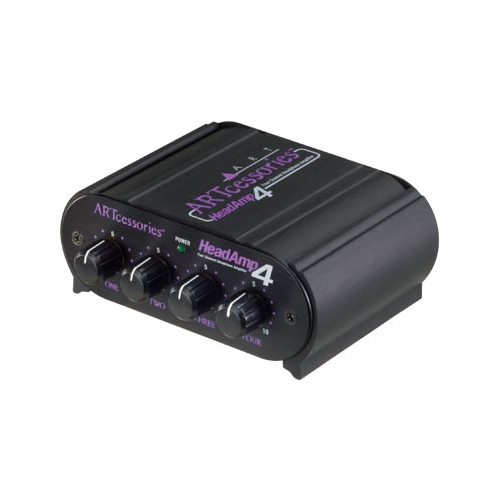
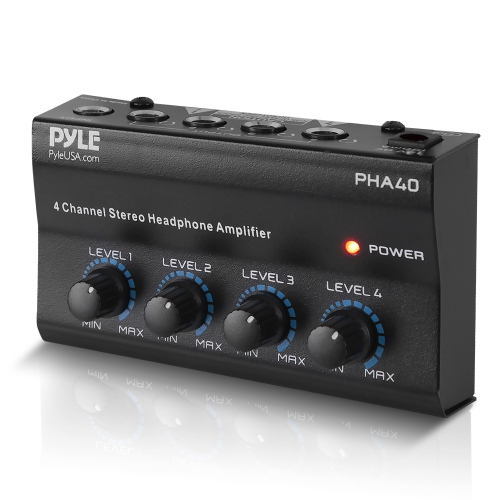
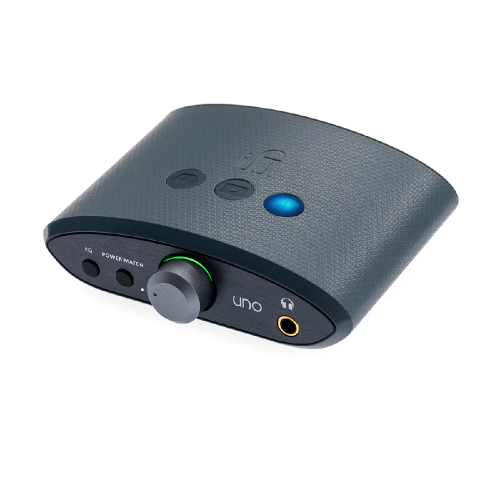
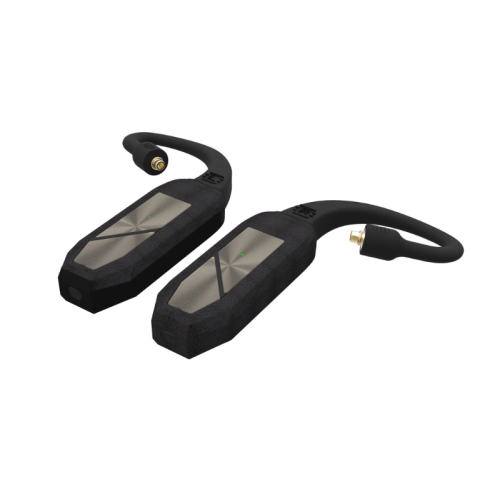
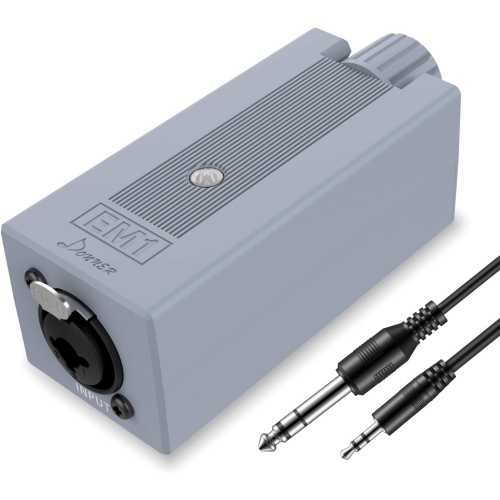
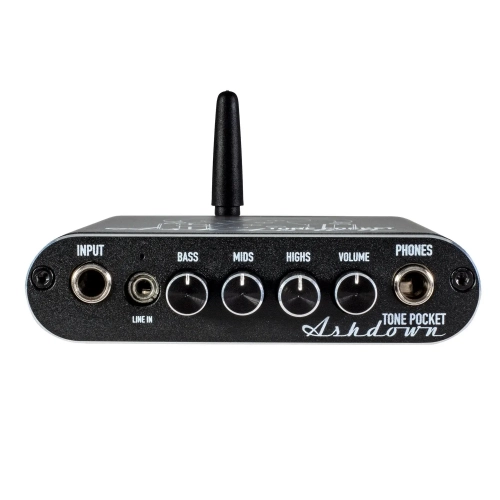
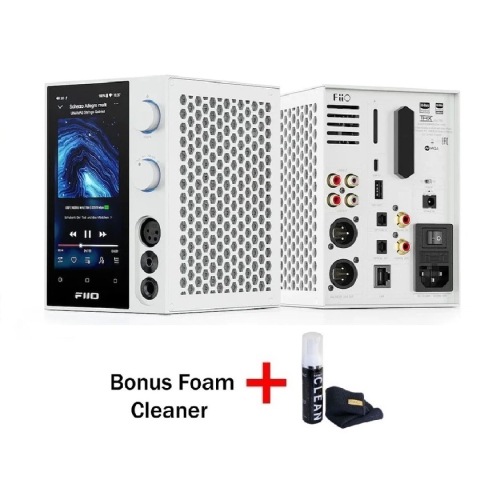
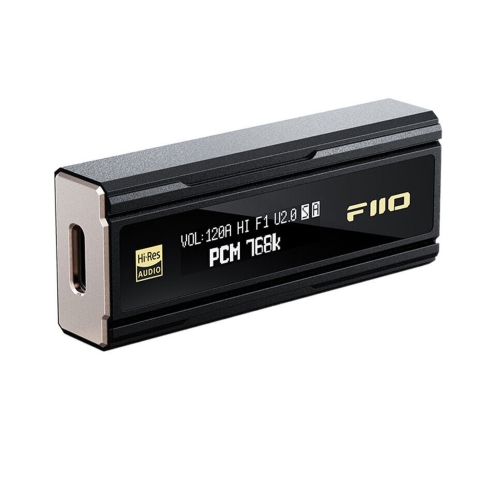
Headphone amps are available in several formats, each suited to a different listening environment. Portable models are compact enough for a backpack, coat pocket, or travel case and may connect through USB to a phone, tablet, or computer. Some draw power from the connected device, while others use an internal battery, making them useful for commuting, working away from home, or listening in a quiet corner during the cooler months. Their small size does not necessarily mean they are limited; the right portable amp can provide a cleaner, more capable output than a mobile device alone, although compatibility with the phone, operating system, charging port, and headphones should be confirmed before purchase. Desktop models are better suited to a home office, bedroom listening space, or hi-fi arrangement. They commonly include a larger selection of inputs and outputs, a physical volume control, and enough power for full-sized headphones. A desktop amp can become the central point of a personal audio setup: a computer sits nearby, a music library is ready on screen, and a smooth volume knob makes it easy to settle into an album without reaching behind the desk. Some units offer balanced connections, which may be useful when the rest of the system supports them, while others focus on straightforward single-ended connections for broad compatibility. Distribution amplifiers take a different approach by allowing several people to monitor the same audio source through separate headphone outputs. They are useful in recording spaces, rehearsal rooms, classrooms, podcasting setups, and other situations where more than one listener needs to hear the same performance. Independent volume controls can make shared listening more comfortable, particularly when one person prefers a softer monitoring level than another. For musicians, it is also worth distinguishing a headphone amplifier from Guitar Amp Headphones, which are headphones intended for use with guitar amplification or practice equipment rather than a general-purpose headphone amp for driving headphones from a music source.
Sound preferences and system matching also play a role in selecting a headphone amplifier. Solid-state designs are often chosen for their clean, consistent presentation, quick response, and straightforward operation. Tube-based designs can introduce a warmer character and may appeal to listeners who enjoy a softer presentation, classic styling, and the tactile experience of visible tubes. Neither approach automatically suits every headphone or recording, so the most important factors remain compatibility, output quality, controls, and the way the amp fits into the existing setup. Look for gain settings when using headphones with different power requirements; a low-gain option can help sensitive in-ear monitors play quietly and cleanly, while a higher-gain setting can provide additional reach for demanding over-ear headphones. Noise performance is particularly important with sensitive in-ear monitors, since an amp with a poor noise floor may add hiss during quiet passages. Input selection, preamp outputs, pass-through connections, and the ability to switch between headphones and powered speakers may also matter in a desktop system. A headphone amp can make a thoughtful gift for a music lover, home-office listener, gamer who values clear positional audio, student building a first recording setup, or family member who enjoys uninterrupted listening without filling the room with sound. It can also be a practical addition for someone who already owns well-loved headphones but finds that a phone or computer does not provide enough volume or impact. The best choice depends on the complete chain, from source to DAC to amplifier to headphones, along with the available space and preferred listening style. With the right match, familiar recordings can take on a more open sense of scale: the soft intake of breath before a vocal line, the texture of a brushed cymbal, and the gradual rise of a bass note can all remain distinct rather than collapsing together when the music becomes more complex.
Headphone amps are available in several formats, each suited to a different listening environment. Portable models are compact enough for a backpack, coat pocket, or travel case and may connect through USB to a phone, tablet, or computer. Some draw power from the connected device, while others use an internal battery, making them useful for commuting, working away from home, or listening in a quiet corner during the cooler months. Their small size does not necessarily mean they are limited; the right portable amp can provide a cleaner, more capable output than a mobile device alone, although compatibility with the phone, operating system, charging port, and headphones should be confirmed before purchase. Desktop models are better suited to a home office, bedroom listening space, or hi-fi arrangement. They commonly include a larger selection of inputs and outputs, a physical volume control, and enough power for full-sized headphones. A desktop amp can become the central point of a personal audio setup: a computer sits nearby, a music library is ready on screen, and a smooth volume knob makes it easy to settle into an album without reaching behind the desk. Some units offer balanced connections, which may be useful when the rest of the system supports them, while others focus on straightforward single-ended connections for broad compatibility. Distribution amplifiers take a different approach by allowing several people to monitor the same audio source through separate headphone outputs. They are useful in recording spaces, rehearsal rooms, classrooms, podcasting setups, and other situations where more than one listener needs to hear the same performance. Independent volume controls can make shared listening more comfortable, particularly when one person prefers a softer monitoring level than another. For musicians, it is also worth distinguishing a headphone amplifier from Guitar Amp Headphones, which are headphones intended for use with guitar amplification or practice equipment rather than a general-purpose headphone amp for driving headphones from a music source.
Sound preferences and system matching also play a role in selecting a headphone amplifier. Solid-state designs are often chosen for their clean, consistent presentation, quick response, and straightforward operation. Tube-based designs can introduce a warmer character and may appeal to listeners who enjoy a softer presentation, classic styling, and the tactile experience of visible tubes. Neither approach automatically suits every headphone or recording, so the most important factors remain compatibility, output quality, controls, and the way the amp fits into the existing setup. Look for gain settings when using headphones with different power requirements; a low-gain option can help sensitive in-ear monitors play quietly and cleanly, while a higher-gain setting can provide additional reach for demanding over-ear headphones. Noise performance is particularly important with sensitive in-ear monitors, since an amp with a poor noise floor may add hiss during quiet passages. Input selection, preamp outputs, pass-through connections, and the ability to switch between headphones and powered speakers may also matter in a desktop system. A headphone amp can make a thoughtful gift for a music lover, home-office listener, gamer who values clear positional audio, student building a first recording setup, or family member who enjoys uninterrupted listening without filling the room with sound. It can also be a practical addition for someone who already owns well-loved headphones but finds that a phone or computer does not provide enough volume or impact. The best choice depends on the complete chain, from source to DAC to amplifier to headphones, along with the available space and preferred listening style. With the right match, familiar recordings can take on a more open sense of scale: the soft intake of breath before a vocal line, the texture of a brushed cymbal, and the gradual rise of a bass note can all remain distinct rather than collapsing together when the music becomes more complex.
Top selling and popular products
-
 Your price for this item is $10
 -
 Your price for this item is $19.97
 -
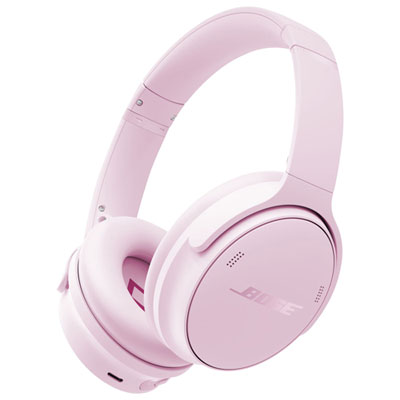 Your price for this item is $479.99
 -
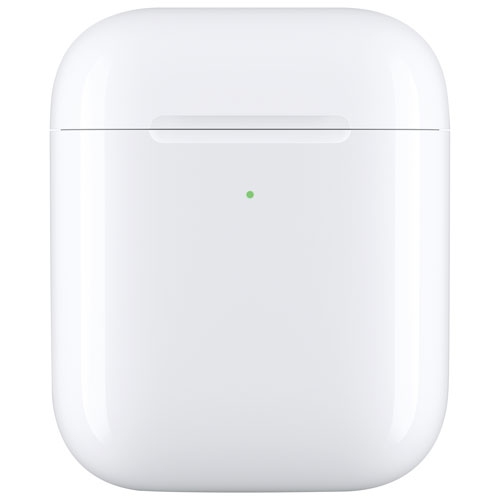 Your price for this item is $69.99
 -
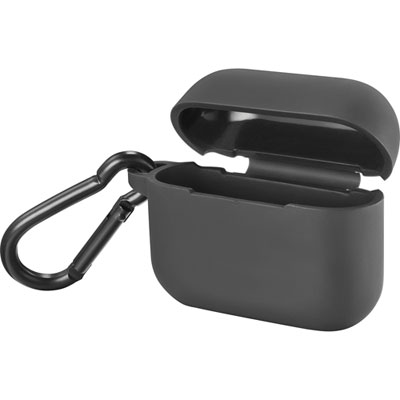 Your price for this item is $4.99
 -
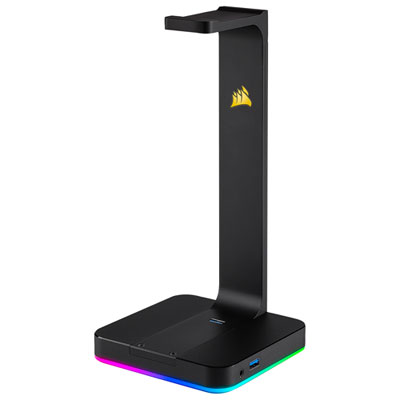 Your price for this item is $124.99
 -
 Your price for this item is $98.99
 -
 Your price for this item is $49.99
Discover more categories related to Headphone Amp

Top Collections:
Pokemon Centers, Kindle Devices, Best Budget Office Chairs, Apple iPhones 16, Best Laptops for Writers, iPhone 15 Apple, Canon G7X Cameras, Refurbished Apple Laptops, Alarm Clock, Motorola Razr Phones
Some products may be subject to Environmental Handling Fees
(EHF) depending on your province.
Learn more about EHFs.