HiFi Stereo
HiFi Stereo systems deliver an exceptional audio experience for music lovers and home entertainment enthusiasts. Explore a wide selection of HiFi Stereo options designed to enhance your listening sessions, whether you’re upgrading your current setup or building a new one from scratch. Find the perfect fit for your space and enjoy high-quality sound that brings every note to life. Discover the latest in HiFi Stereo technology and enjoy immersive audio at home.
Sort
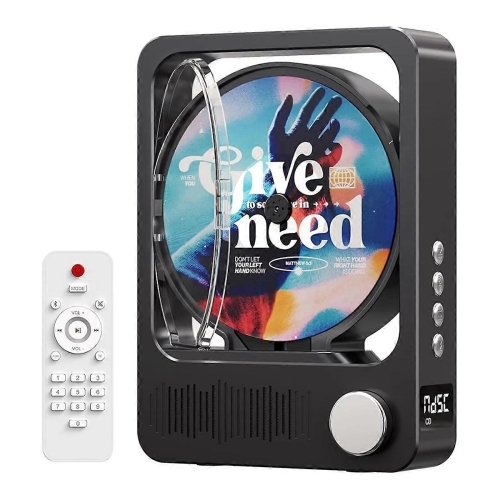
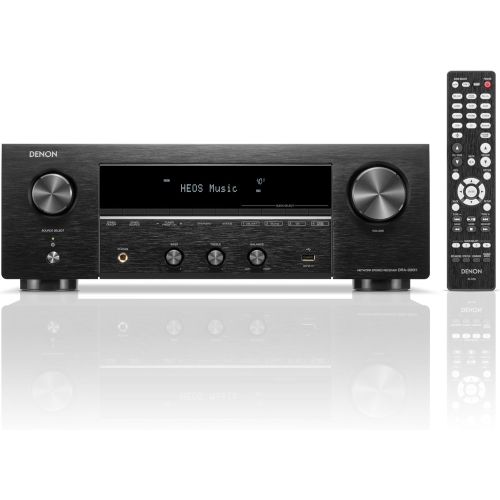

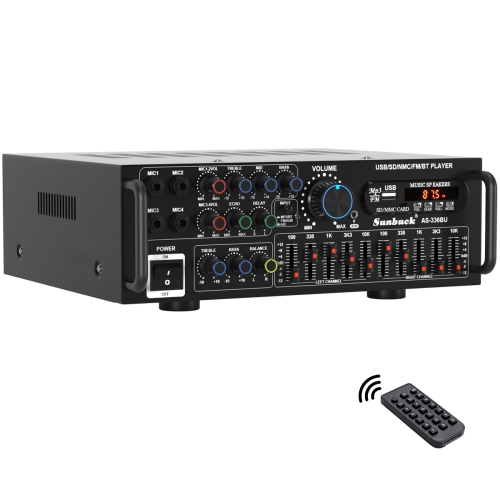
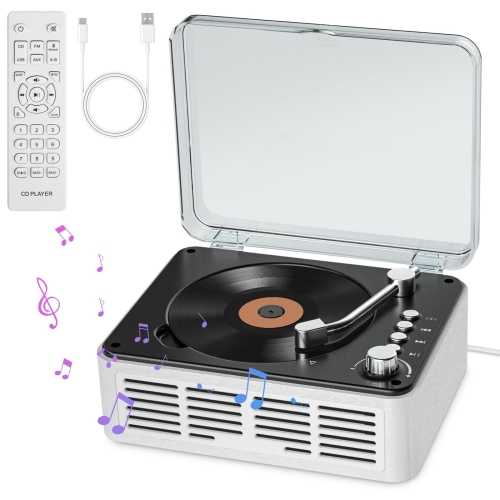


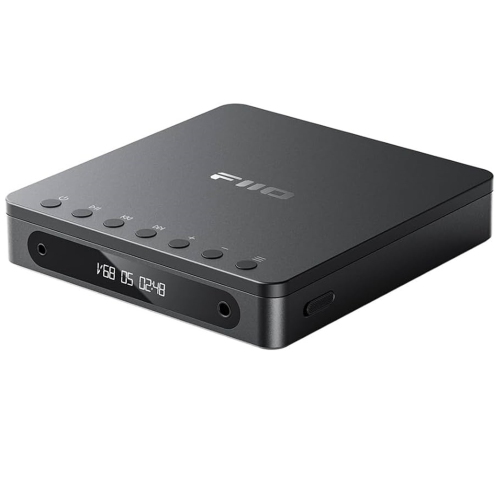
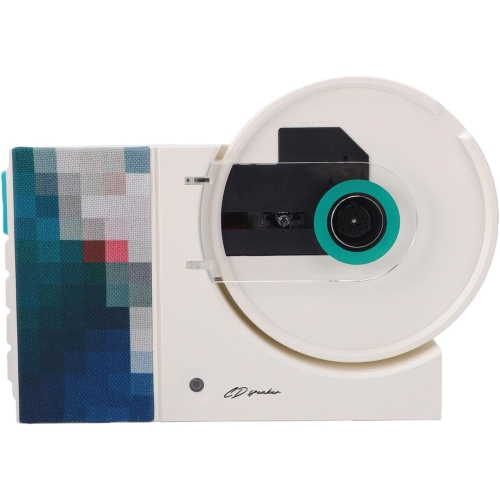
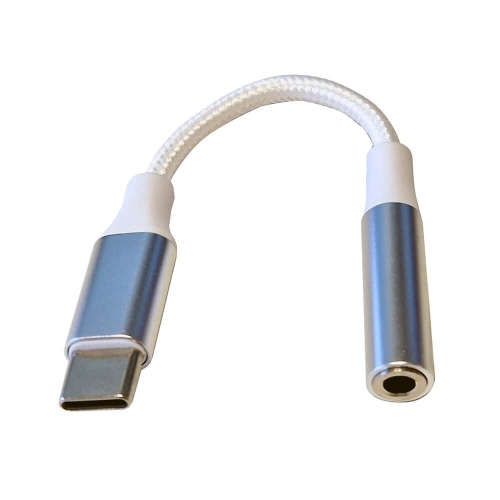


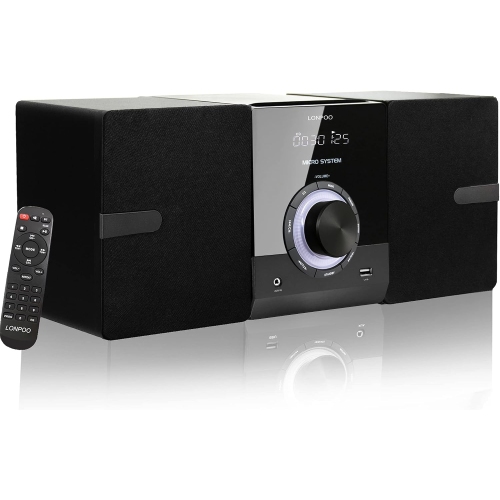


How two speakers give music a sense of space
Hi-fi stereo is a two-channel audio system designed to reproduce recorded sound accurately, with low distortion and clear separation between the left and right channels. Short for high fidelity, hi-fi describes an approach to playback that preserves detail, tonal balance, and the contrast between quiet and loud passages. Stereo adds a sense of space: a singer can appear centred between two speakers, while instruments occupy distinct positions across the recording. That presentation depends on the recording, the playback equipment, and the room, rather than a single specification. A typical setup includes a music source, amplification, and a pair of speakers. These functions may be housed in separate components or combined in a more compact system. Passive speakers require an external amplifier, while powered speakers contain their own amplification and may also include source connections. An integrated amplifier combines volume control and power amplification in one component; a stereo receiver adds radio reception, although other features vary. Music sources can include a turntable, CD player, network streamer, computer, or compatible mobile device. Analogue and digital connections serve different purposes, so the connections between components matter as much as the number of inputs. A turntable generally needs a phono stage somewhere in the signal path, whether built into the turntable, amplifier, or a separate component. Digital sources need digital-to-analogue conversion before the signal reaches the amplification stage, and that conversion may happen inside the source, amplifier, or powered speakers. Bluetooth offers convenient playback from compatible devices, while Wi-Fi streaming can support listening without keeping a phone directly connected to the system. Supported audio formats, streaming services, and connection methods vary by component. For everyday listening, a well-matched stereo system brings these elements together without making each listening session complicated. The result can be as intimate as hearing a vocalist take a breath before a phrase or as expansive as following an orchestra from its quiet opening to its final sustained chord.
The physical fit of a hi-fi stereo system has a direct bearing on both its sound and its usefulness at home. Compact bookshelf speakers can suit a study, bedroom, or smaller living area, although their name does not mean a crowded shelf is always their best position. Floor-standing speakers take up more space and often offer greater bass extension or output, but cabinet size alone does not establish sound quality. A small listening area may benefit more from careful positioning than from larger speakers. Two speakers placed at similar distances from the main seat can form a stable stereo image, with vocals appearing between them rather than seeming to come from one side. Leaving suitable space around the cabinets, according to the manufacturer's recommendations, can help reduce excessive bass reinforcement from nearby walls. Rugs, curtains, upholstered seating, and bare surfaces also influence how sound reflects through a room. Speaker cabinets may use engineered wood, solid wood in selected parts, metal, or other materials, with internal bracing and construction intended to limit unwanted vibration. Finish quality, secure terminals, sturdy controls, and well-supported connections are practical considerations for equipment that will be handled and used regularly. An amplifier's suitability depends on its compatibility with the speakers' impedance and power requirements, not simply the largest wattage figure on a specification sheet. Ventilation space matters for components that produce heat, while stable furniture and secure speaker stands help keep equipment properly supported. In a home shared with children or pets, cable routing and resistance to accidental tipping deserve particular attention. Routine care is generally straightforward: a soft, dry cloth for suitable exterior surfaces, clean hands when handling records, and protection from spills, direct sunlight, and excessive dust. Speaker drivers and delicate turntable parts need gentler handling than cabinet surfaces. A listening area that leaves controls accessible, cables unstrained, and components easy to clean is more practical over time than a tightly packed arrangement that is difficult to maintain.
Hi-fi stereo can serve very different listening habits without losing its focus on two-channel music. For someone who enjoys sitting down with a complete album, physical media and straightforward controls may be central to the appeal. A turntable-based setup makes room for the small rituals of selecting a record, cleaning it, and lowering the stylus, while digital playback makes it easier to move between a familiar album and an unfamiliar artist. At a desk, compact speakers can provide a fuller listening experience than a computer's built-in sound, provided their size and placement leave enough working space. In a shared living room, easy source switching and clear controls can make the system approachable for several listeners. A headphone connection can also be useful when private listening matters, though its presence and capabilities depend on the equipment. Some stereo systems can play television audio through compatible connections, but two-channel stereo is distinct from a multi-speaker surround-sound arrangement. Dialogue, music, and effects remain presented through left and right speakers rather than through separate centre and rear channels. For a broader look at the components involved, Hi Fi Electronics brings related audio equipment into the same conversation. The most useful features are those that support actual listening habits: accessible inputs for frequently used sources, suitable volume control for close listening, or room to add another component later. A stereo setup can make a thoughtful gift for a music enthusiast, a record collector, or someone establishing a dedicated listening space, particularly when their existing equipment and available room are understood. Compatibility matters more than adding another box for its own sake. Across these uses, the appeal of high-fidelity stereo is consistent: familiar music becomes easier to follow, from the texture of a bowed string to the placement of backing vocals. A system that suits the room and its listeners can make attentive listening feel natural while remaining convenient enough for music throughout an ordinary day.
Top selling and popular products
-
 Your price for this item is $75.68
-
 Your price for this item is $199.99
-
 Your price for this item is $109.99
-
 Your price for this item is $499.99
-
 Your price for this item is $549.99
-
 Your price for this item is $149.99
-
 Your price for this item is $248.99
-
 Your price for this item is $599
Discover more categories related to HiFi Stereo

Top Collections:
Best Black Friday Deals This Year, Best Black Friday Deals On Electronics, Kindle Devices, Pokemon Centers, Best Black Friday Deals On Apple Products, Best Cameras for Sports Photography, Dyson Airwrap, Pokémon 30th Celebration Cards, Apple iPhone 17 Pro, Canon G7X Cameras
Some products may be subject to Environmental Handling Fees
(EHF) depending on your province.
Learn more about EHFs.