High End Open Back Headphones
High End Open Back Headphones deliver a premium listening experience designed for discerning audio enthusiasts. Perfect for enjoying music, movies, or gaming with exceptional clarity, these headphones create an immersive soundstage that brings every detail to life. Explore a curated selection of High End Open Back Headphones that combine comfort, style, and advanced audio engineering to elevate your everyday listening sessions.
Sort
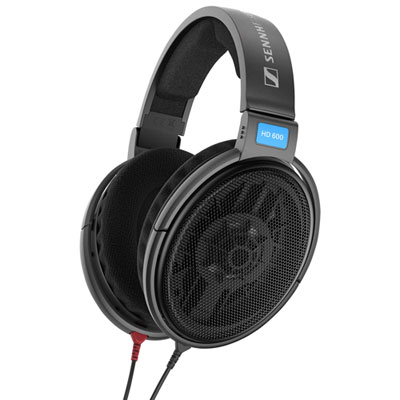

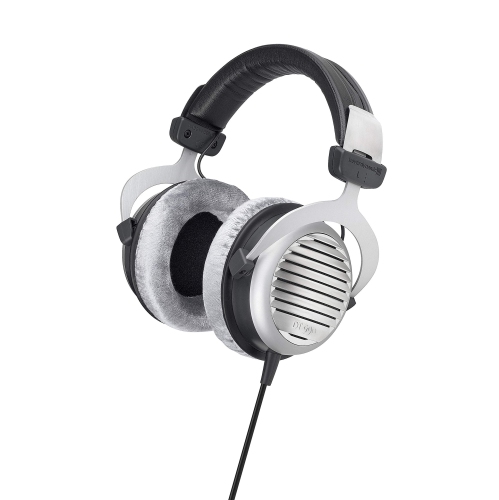
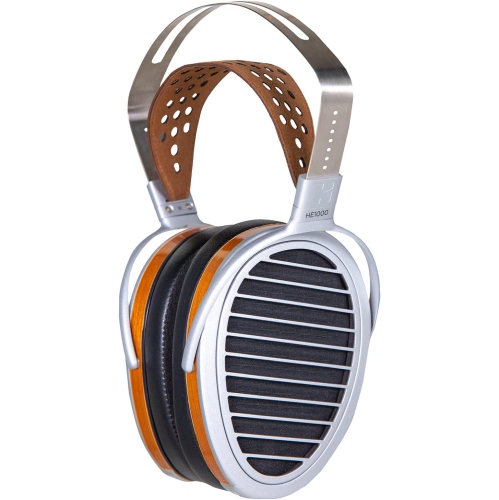
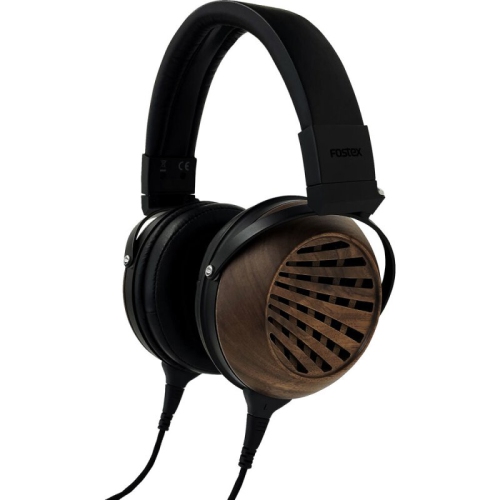


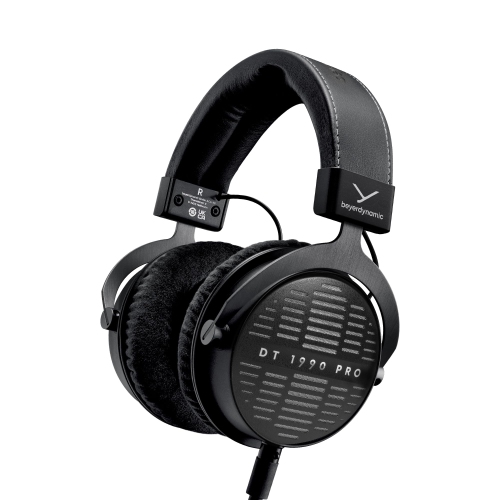
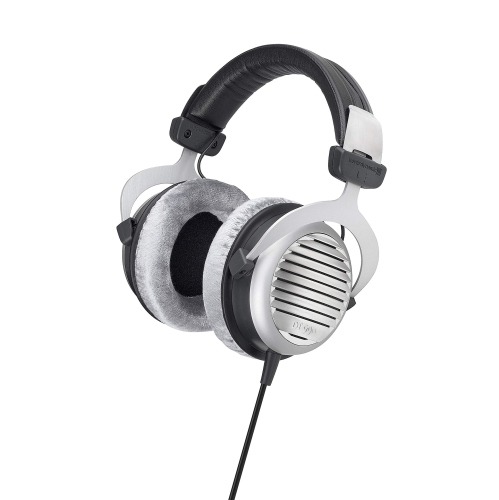

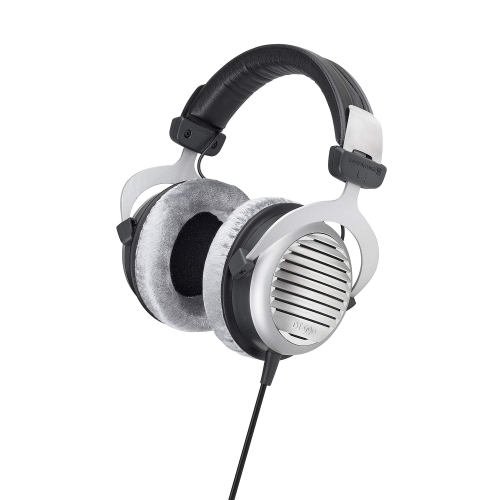
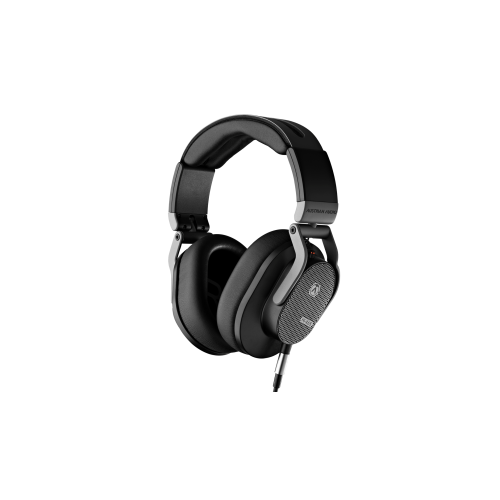



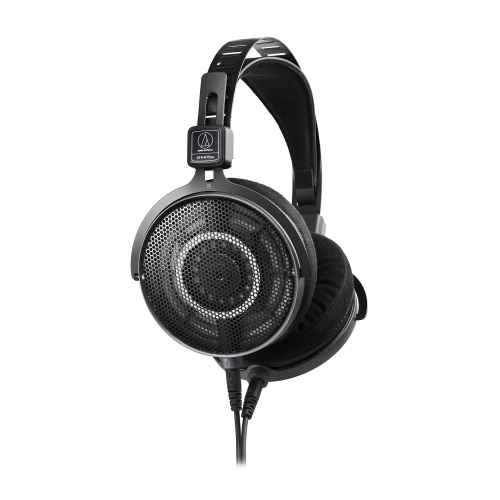
Why open-back listening works best in a quiet room
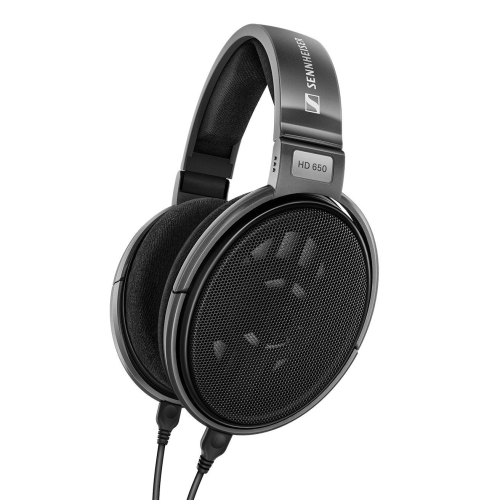
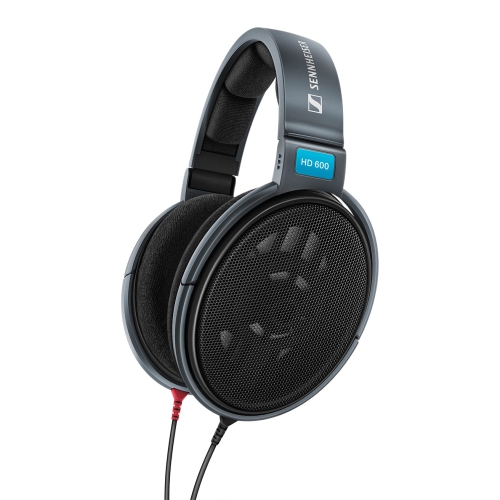
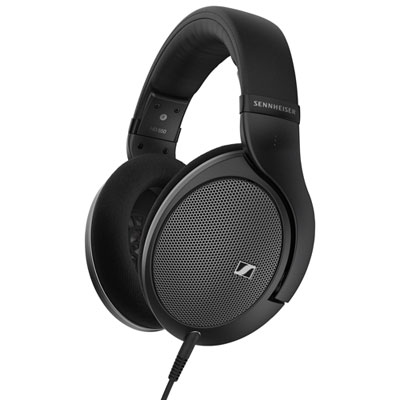
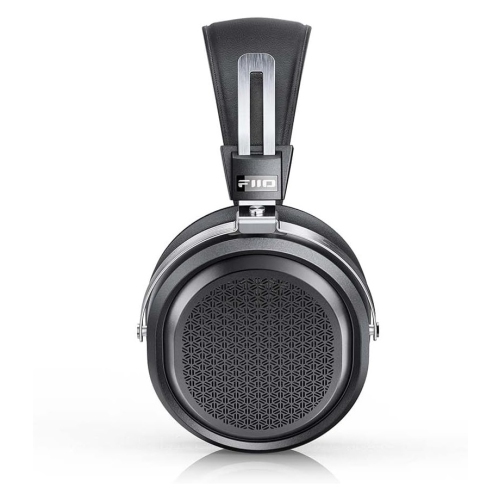
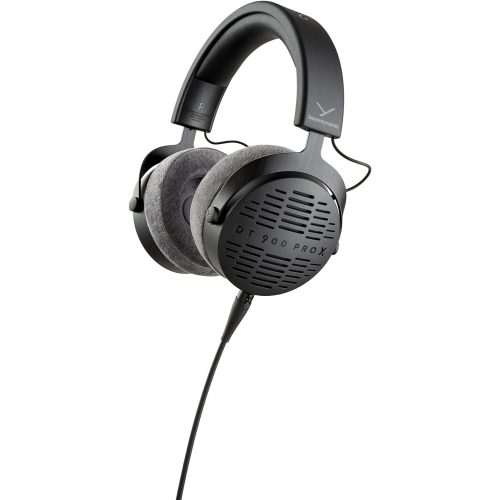
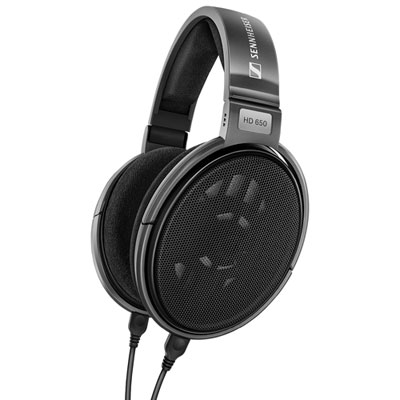
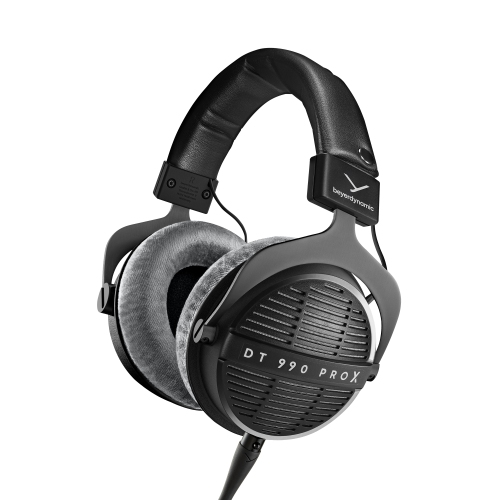
High-end open-back headphones are designed for attentive listening, with vented ear cups that allow air and sound to pass through the outer housing rather than enclosing the drivers behind a sealed shell. This construction can contribute to a spacious presentation, with voices and instruments seeming less confined to the centre of the head. Soundstage describes that perceived sense of width and depth, while imaging refers to how precisely sounds occupy positions within it. With a well-recorded string quartet, distinct instruments may feel separated across a small performance space; on a live album, applause and room reverberation can give the performance a convincing sense of scale. Those qualities depend on the headphones’ tuning, the recording, and individual hearing, so an open-back design alone does not guarantee a wide or natural presentation. Its most important practical characteristic is sound leakage: nearby people can hear some of the playback, and outside sounds remain audible to the listener. A quiet room with a comfortable chair or a dedicated desk is therefore a more suitable setting than public transit, a busy office, or a shared bedroom where someone is sleeping. Unlike closed-back headphones, open-back models offer little passive isolation, and they are not intended to shut out surrounding noise. Their appeal lies in focused sessions with music, films, or other detailed audio, where isolation is not the priority. Listeners exploring High End Headphones may find open-back designs particularly appealing for acoustic performances, orchestral works, layered studio productions, and recordings with a strong sense of space. They can also suit gaming at a quiet desk, where clear positional cues help establish direction, although microphone support and connection compatibility vary. For musicians and audio professionals, they can provide another perspective on balance and spatial detail during editing or mixing, but sound leakage generally makes them unsuitable for recording vocals near a sensitive microphone.
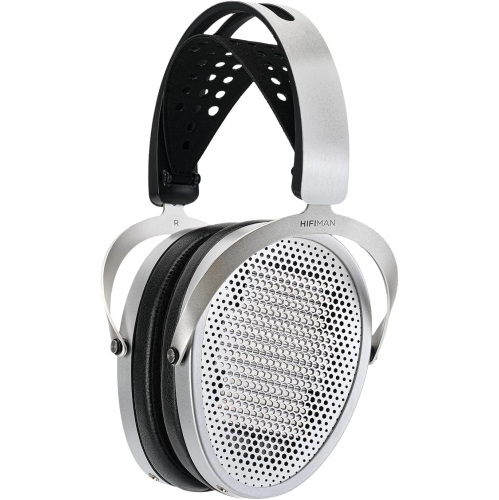
The character of high-end open-back headphones comes from the complete acoustic design, not a single specification or driver type. Dynamic drivers use a voice coil to move a diaphragm, while planar magnetic drivers use a thin diaphragm with conductive traces suspended within a magnetic field. Both approaches can deliver nuanced, engaging sound; neither guarantees better results across every recording or listening preference. Bass extension, vocal presence, treble balance, distortion, and the way the ear cups interact with the ears all influence the experience. Some listeners favour a restrained, even balance that keeps speech and instruments clear, while others prefer fuller bass or a softer upper range for lengthy album sessions. Open-back headphones can reproduce deep bass, but the amount and physical impression vary considerably by design and fit. A broad published frequency range is not, by itself, evidence of audible detail or accurate tuning. Similarly, a revealing presentation should not need to sound sharp or tiring to make small musical details apparent. The connection to the audio source matters as well. Impedance and sensitivity together help indicate how demanding a pair may be to drive, and impedance alone does not establish whether an amplifier is necessary. Some open-back headphones work comfortably with a suitable portable source, while others benefit from a dedicated headphone amplifier with sufficient voltage or current for clean musical peaks. A digital-to-analogue converter handles the conversion from digital audio to an analogue signal; it may be built into a computer, an audio interface, or a combined converter and amplifier. Matching the source output, headphone requirements, and connector type helps avoid weak playback, unwanted noise, or inadequate volume headroom. Balanced connections are an option on some equipment, not a universal requirement for better sound. For a desktop listening setup, cable length and routing also deserve attention: a lead that reaches an amplifier without pulling across a keyboard can make daily listening much more comfortable.
Comfort and construction carry particular weight in headphones intended for complete albums, extended editing sessions, or an evening with a favourite concert recording. Many high-end open-back headphones use an over-ear shape, but ear-cup depth, pad openings, clamping force, and overall weight differ. A generous opening can keep the pads from pressing directly on the ears, while adequate depth helps prevent contact with the inner covering. Glasses, hairstyle, and head shape can change how pressure is distributed, so a substantial metal frame or thick cushioning does not automatically translate into a comfortable fit. Padded headbands and suspension straps spread weight differently, and heavier designs may feel quite manageable when their balance suits the wearer. Ear pads made from velour, leather, synthetic leather, or woven fabrics each have a distinct feel, and their density and shape also form part of the acoustic design. Replacing them with a different material can alter the sound as well as the fit. Metal yokes, smoothly adjustable headbands, and securely mounted connectors can support durability, while replaceable pads and detachable cables make common wear easier to address. Open grilles still call for careful handling: they should not be pressed against hard objects or exposed to liquids, and the driver area should not be poked or cleaned with compressed air. Routine care usually involves wiping suitable exterior surfaces with a soft, dry cloth and following the manufacturer’s directions for the pads and headband. A case or a clean storage space helps keep dust away between sessions, and loosely arranging the cable reduces strain at the plugs. Sensible listening levels remain important because an open design does not protect hearing, and raising the volume to overpower background noise defeats its intended use. As a gift, these headphones are especially meaningful for someone who already enjoys focused listening and has a quiet place to use them. Familiarity with that person’s source equipment, preferred sound balance, and tolerance for headphone weight helps make the gift a lasting part of their listening routine rather than an impressive-looking accessory.
Top selling and popular products
-
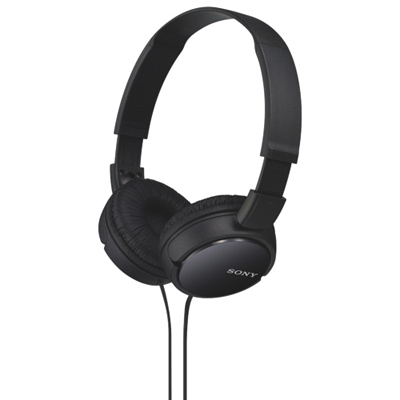 Your price for this item is $24.99
-
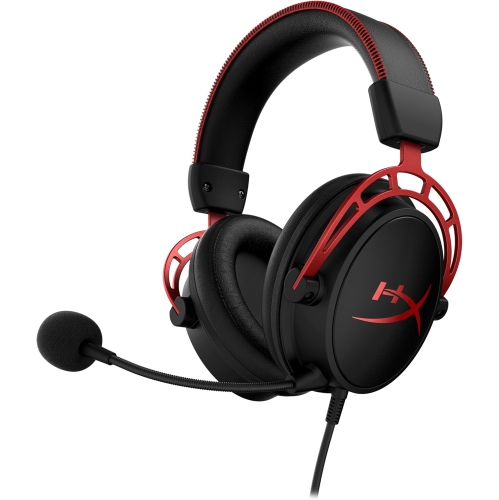 Your price for this item is $124.99
-
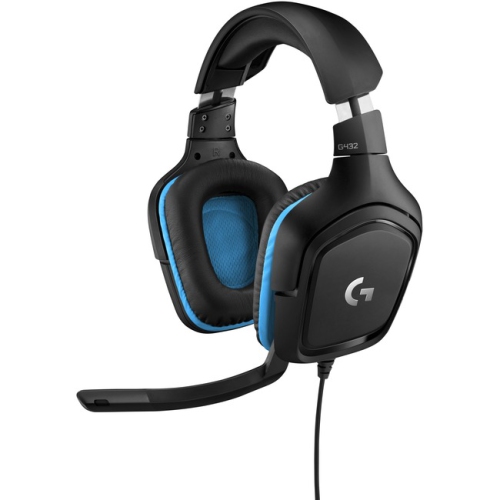 Your price for this item is $116.9
-
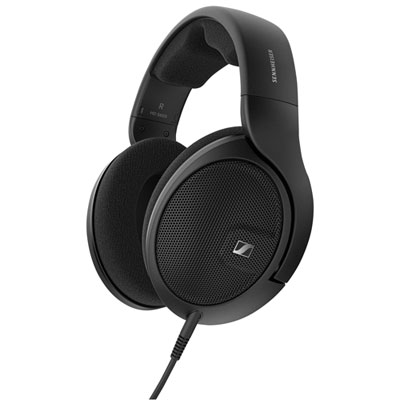 Your price for this item is $179.99
-
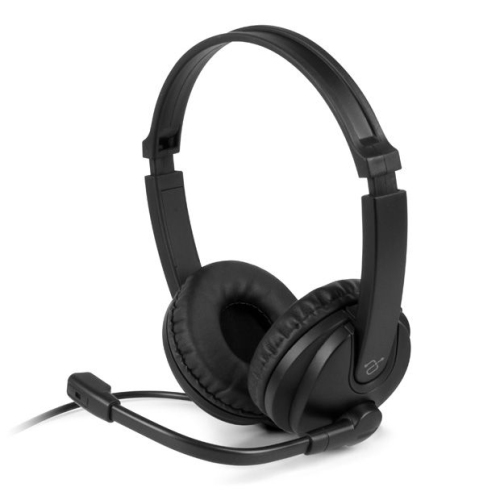 Your price for this item is $46.99
-
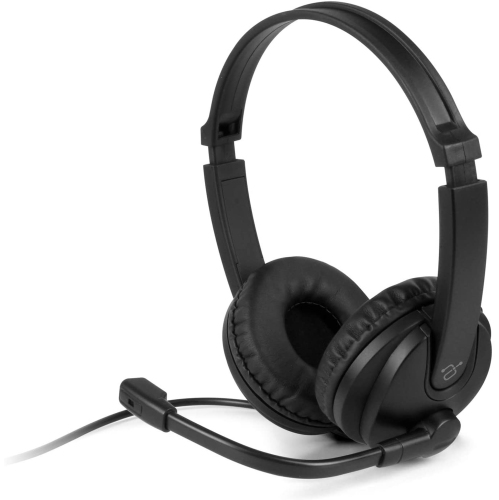 Your price for this item is $63.66
-
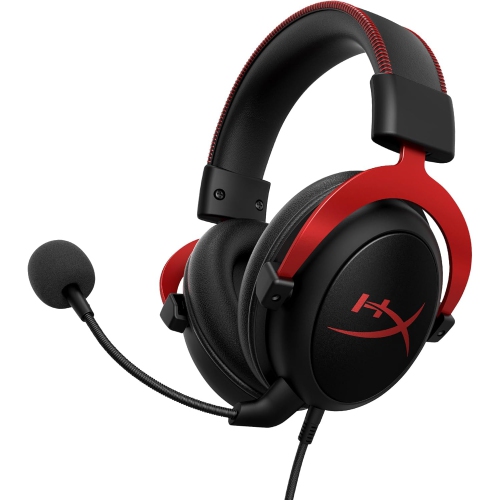 Your price for this item is $144.49
-
 Your price for this item is $105.89
Discover more categories related to High End Open Back Headphones


Top Collections:
Pokemon Centers, Kindle Devices, Best Budget Office Chairs, Canon G7X Cameras, Apple iPhones 16, Samsung Galaxy Phones, Refurbished Apple Laptops, Laptops for Students, iPhone 15 Apple, Budget Smartphones
Some products may be subject to Environmental Handling Fees
(EHF) depending on your province.
Learn more about EHFs.