Open Back Headphones
Looking for a truly immersive audio experience? Look no further than open-back headphones. Designed to deliver an unparalleled level of sound quality and spaciousness, these headphones are perfect for audiophiles, gamers, and music enthusiasts alike. With their unique design that allows air to flow freely through the ear cups, open-back headphones offer a natural and realistic soundstage that will transport you to the heart of your favorite songs, movies, and games. Whether you're looking to upgrade your existing headphones or diving into the world of high-fidelity audio for the first time, open-back headphones are sure to take your listening experience to new heights.
Sort
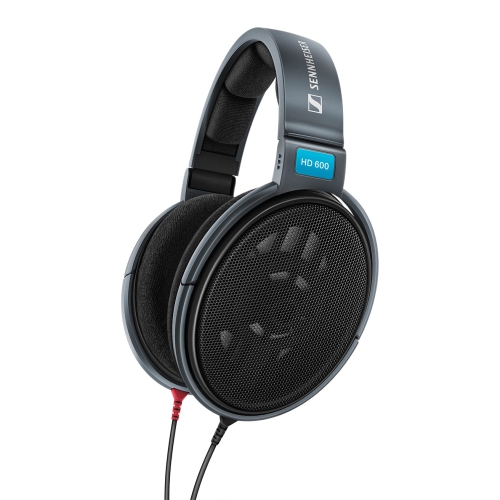
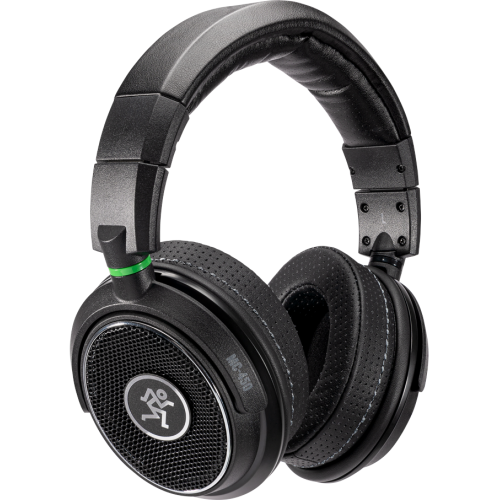
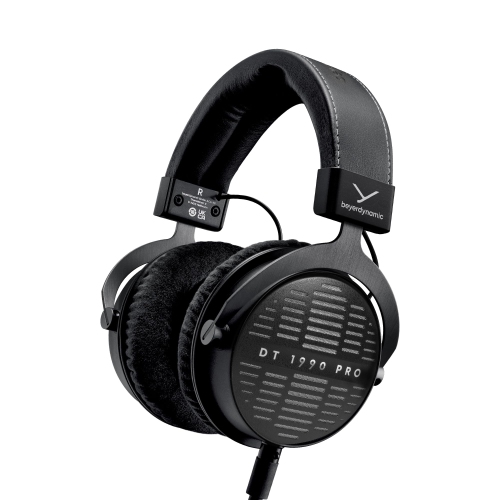
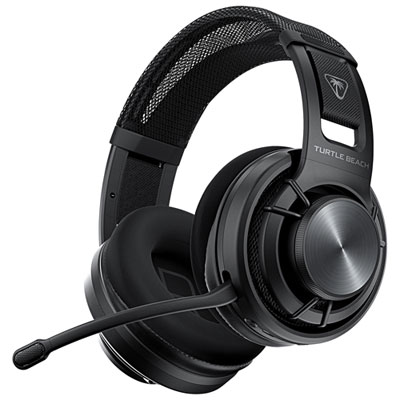


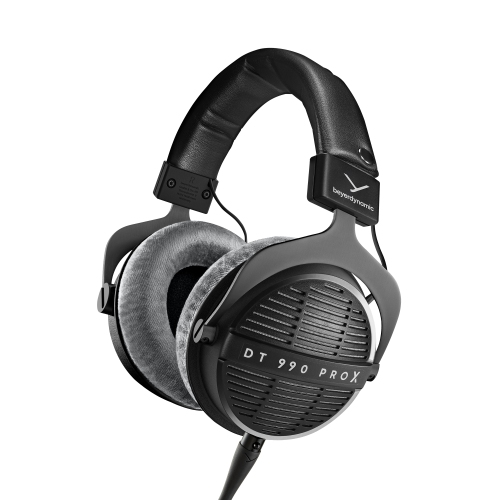
Why spacious sound works best in a quiet room
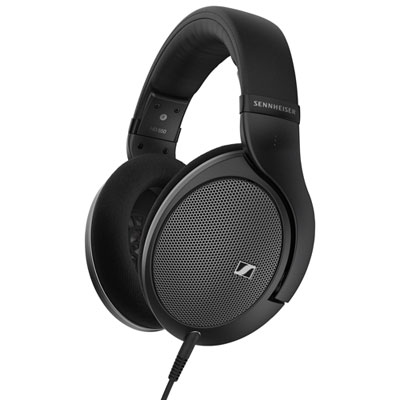
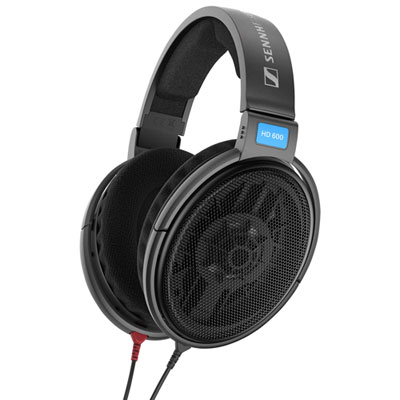
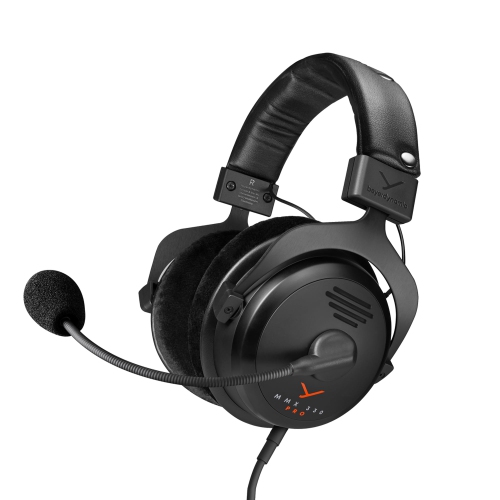
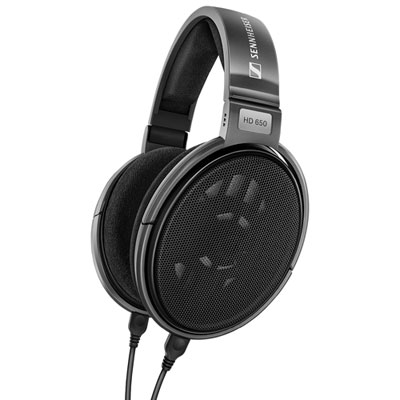
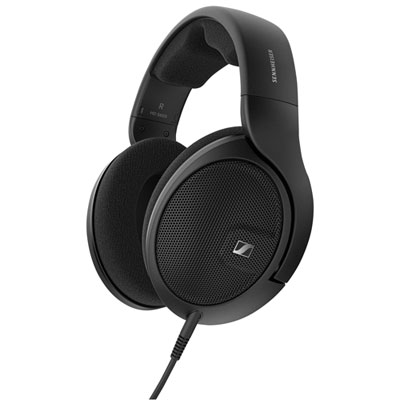
Open-back headphones have vented or perforated ear cups that let air and sound pass through the rear of the drivers rather than enclosing them in a sealed chamber. This design can create a spacious, natural presentation, with instruments and voices seeming to occupy distinct positions around the listener. A vocal may sit at the centre while backing harmonies extend to either side, and the lingering resonance of a piano or the ambience of a live recording can feel less confined. That sense of space, often called soundstage, makes open-back headphones appealing for focused music listening, film soundtracks, and games with carefully layered audio. Imaging describes something slightly different: how precisely a headphone places individual sounds within that space. Both qualities depend on the headphone’s tuning, the recording, and the listener, so an open design alone does not guarantee a wide soundstage or pinpoint positioning. The main trade-off is sound leakage. People nearby may hear the audio, while conversations, appliances, and other room sounds remain audible to the wearer. Open-back headphones are therefore best suited to a quiet room where listening will not disturb someone else, rather than a busy commute, a shared office, or a library. They are not designed to provide the isolation of a sealed ear cup. For recording vocals beside a sensitive microphone or listening where sound containment matters, Closed Back Studio Headphones are generally a more practical match. Bass performance also varies: some open-back designs have a lighter sense of deep bass than closed-back alternatives, while others deliver substantial low-frequency extension. An open construction does not automatically mean weak bass, just as it does not automatically mean neutral sound. Tonal balance, including the weight of a bass guitar, the presence of a singer, and the brightness of cymbals, remains an important part of how each design presents familiar recordings.
Comfort matters especially when headphones are used for an entire album, a long editing session, or an evening at a desk. Most open-back headphones use an over-ear fit, with cushions intended to surround the ears rather than press directly against them. Ear cup depth and the size of the cushion opening can matter as much as the overall dimensions: a shallow cup may let the ear touch the inner lining, while a narrow opening can create pressure around the edges. Headband adjustment, weight distribution, and clamping force all contribute to the fit. A broad padded headband or suspension strap can spread weight across the head, but individual comfort still depends on head shape and personal preference. Glasses wearers may notice pressure where the arms pass beneath the cushions, making softer padding and a forgiving fit useful considerations. Fabric, velour, leather, and synthetic leather ear pads each have a different feel, and their construction can affect both comfort and sound. Open ear cups allow airflow, but they do not eliminate warmth or moisture around the cushions. Materials elsewhere also play a role in everyday durability. Metal adjustment parts can provide rigidity, while well-designed plastic components can keep weight manageable; careful assembly matters more than any single material. Replaceable ear pads and detachable cables can make routine upkeep simpler, provided compatible replacements are supported. Changing to a different pad material or thickness may alter the sound, so replacements made for the headphone are usually the most predictable option. For care, wipe exterior surfaces with a soft, dry cloth and follow the manufacturer’s directions for cushion cleaning. Avoid spraying cleaner into the grilles or letting liquid reach the drivers. A stand, case, or clear shelf keeps headphones away from spills, crushed cushions, and tangled cables. Handling the frame rather than pulling on the cable, and leaving some slack near the connector, also helps reduce strain during regular use.
The connection and playback source deserve the same attention as fit. Many open-back headphones use a wired connection, which suits desk-based listening and avoids the need to recharge a headphone battery. Cable length, connector size, and whether the cable detaches can affect how neatly the headphones fit into a home audio setup. A computer, audio interface, receiver, or portable player needs a compatible headphone output, and some phones require a suitable adapter. Impedance and sensitivity together help indicate how demanding a headphone may be to drive; impedance alone does not establish whether a separate headphone amplifier is necessary. Some designs reach comfortable listening levels from modest sources, while others benefit from an amplifier with enough output for clear, unclipped playback. Extra amplification does not automatically improve every setup, and more volume is not the goal. Comfortable levels and regular listening breaks remain important, especially during extended sessions. For musicians and audio editors, open-back headphones can make it easier to examine vocal placement, reverb tails, stereo balance, and small changes in a mix. They are less suitable for monitoring beside a live microphone because escaping sound can be picked up in the recording, and a spacious presentation should not be mistaken for a guarantee of an accurate mix. Checking work on other playback systems still has value. For gaming, clear directional cues can help distinguish footsteps and movement, although positional results also depend on the game’s audio processing. A separate microphone may be needed for voice chat, and microphone placement matters when headphone sound can escape. As a gift, open-back headphones are a thoughtful match for a music enthusiast, home recording hobbyist, or frequent gamer who has a quiet place to listen. Knowing whether the recipient shares a room, wears glasses, prefers a wired setup, or already uses a headphone amplifier helps make the choice more personal. The strongest match is a design that fits comfortably, works with the intended source, and suits the way its listener spends time with sound.
Top selling and popular products
-
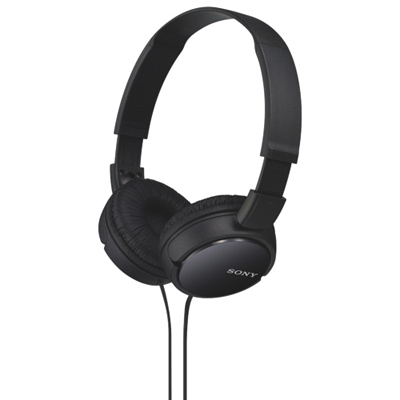 Your price for this item is $24.99
-
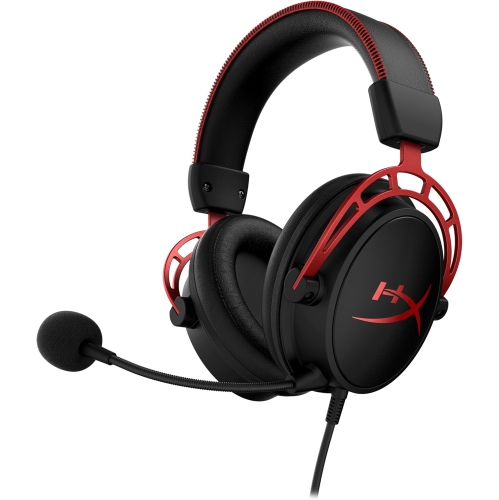 Your price for this item is $124.99
-
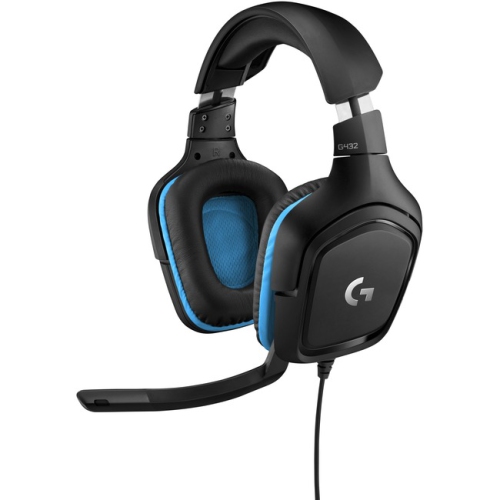 Your price for this item is $116.9
-
 Your price for this item is $179.99
-
 Your price for this item is $63.66
-
 Your price for this item is $46.99
-
 Your price for this item is $144.99
-
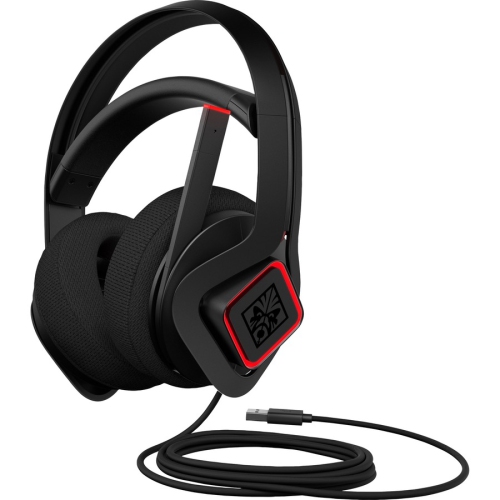 Your price for this item is $105.89
Discover more categories related to Open Back Headphones

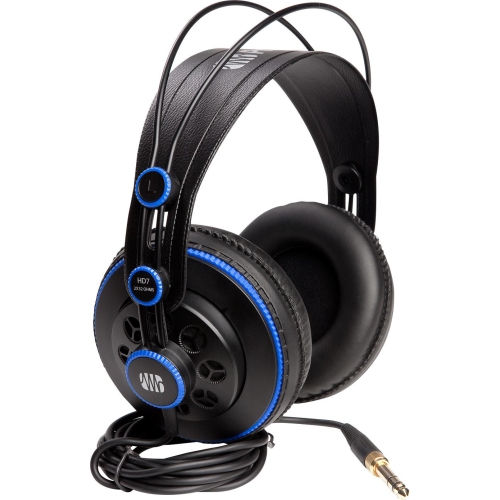
Top Collections:
Pokemon Centers, Best Cameras for Sports Photography, Kindle Devices, Samsung Galaxy Phones, Canon G7X Cameras, Pokémon 30th Celebration Cards, Refurbished Apple Laptops, iPhone 15 Apple, Laptops for Students, Budget Smartphones
Some products may be subject to Environmental Handling Fees
(EHF) depending on your province.
Learn more about EHFs.