High Quality Earbuds
A high-quality earbud is designed to deliver exceptional sound clarity, immersive bass, and a comfortable fit that will keep you grooving all day long. With cutting-edge technology and sleek designs, these earbuds are sure to enhance your listening pleasure and take your audio game to new heights. Whether you're a music enthusiast, a podcast lover, or a fitness fanatic in need of wireless freedom, these earbuds have something for everyone.
Sort





















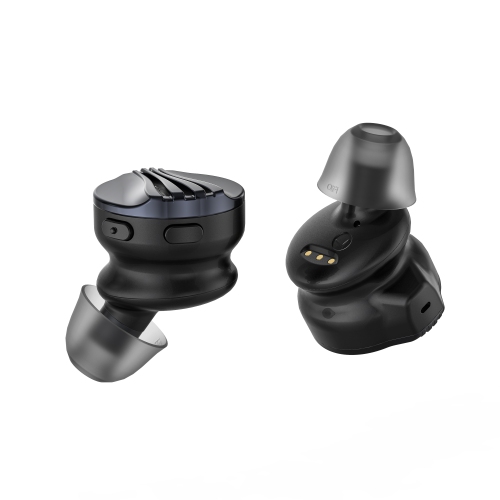
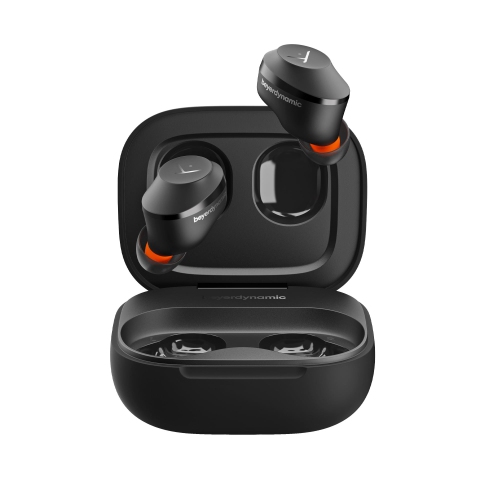

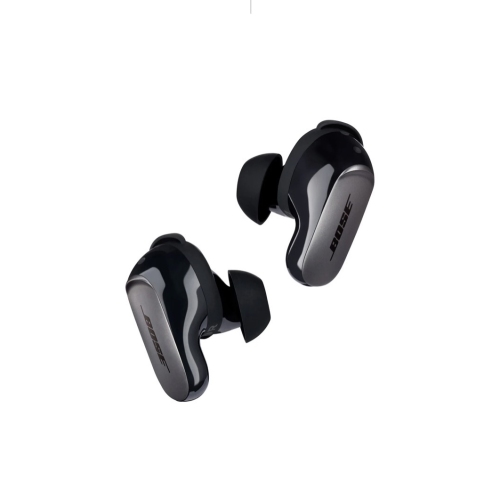

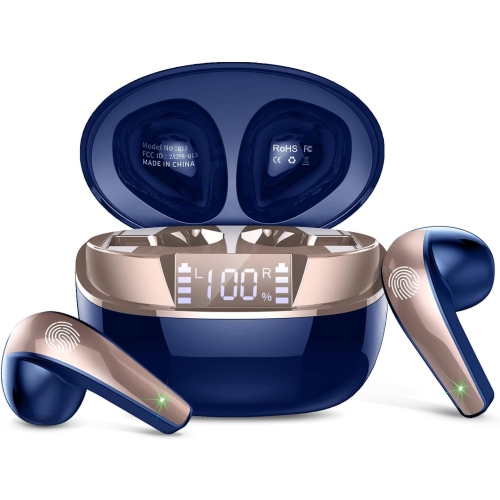








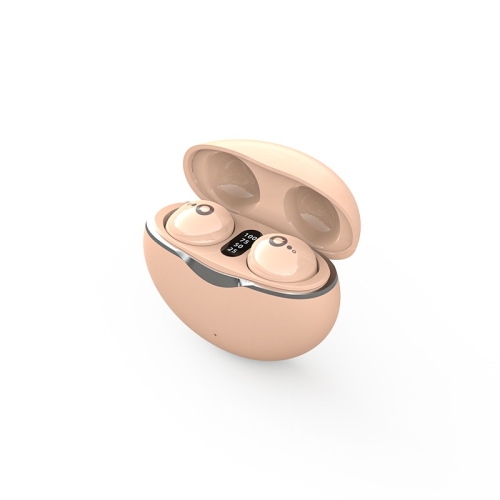
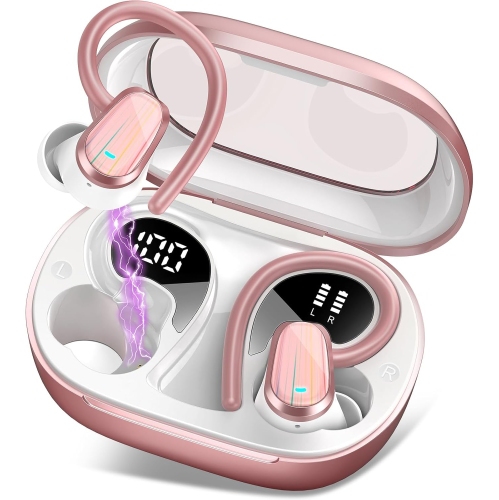


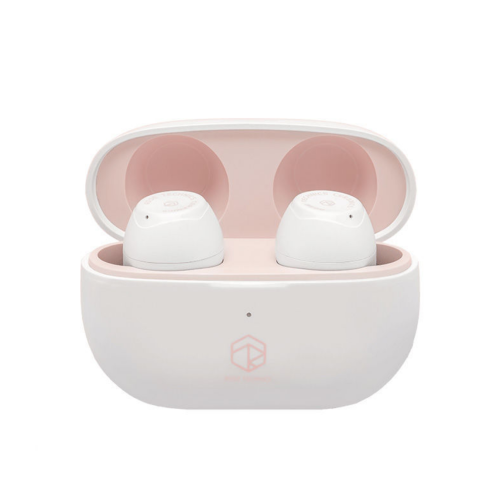
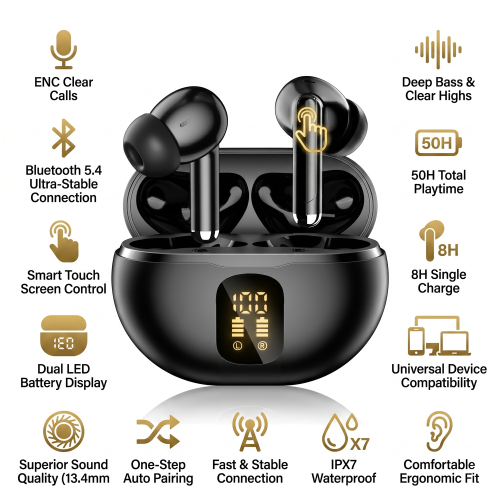








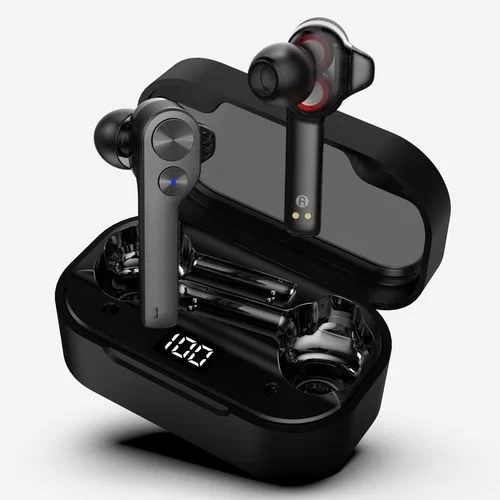


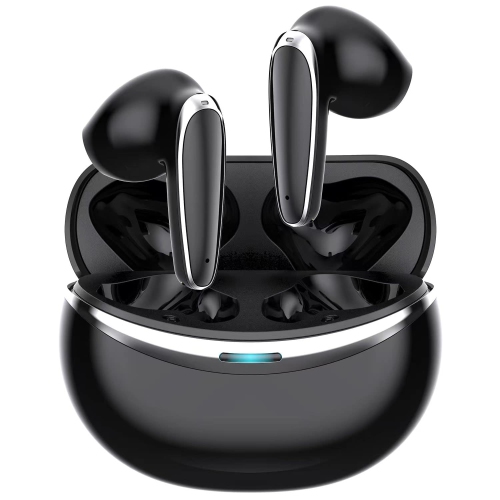
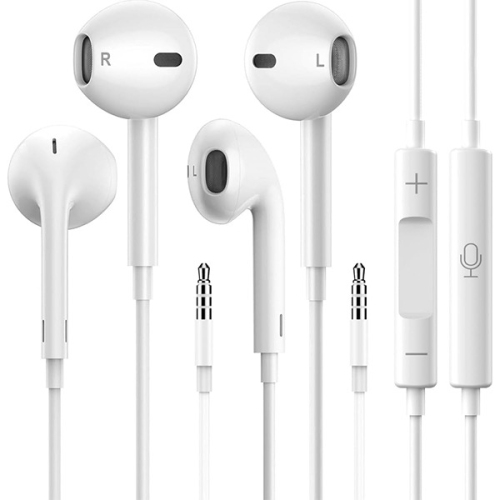


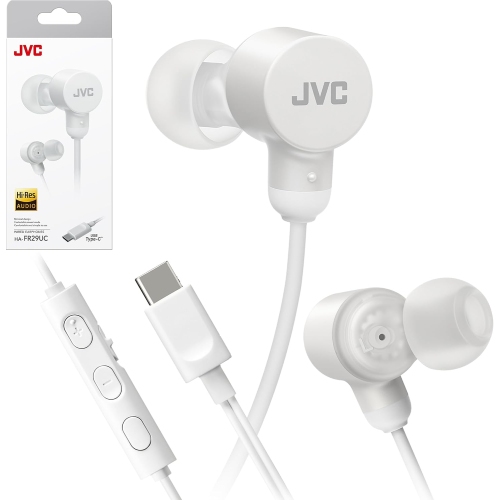


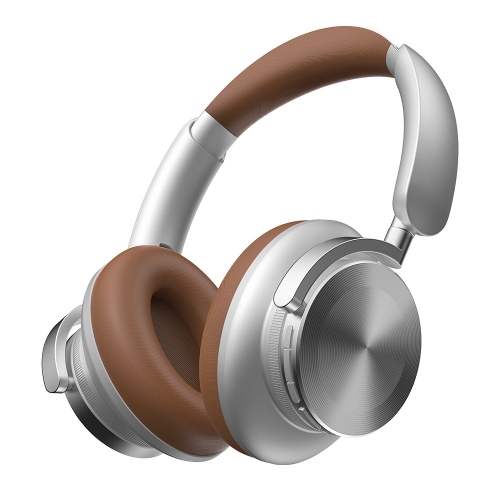


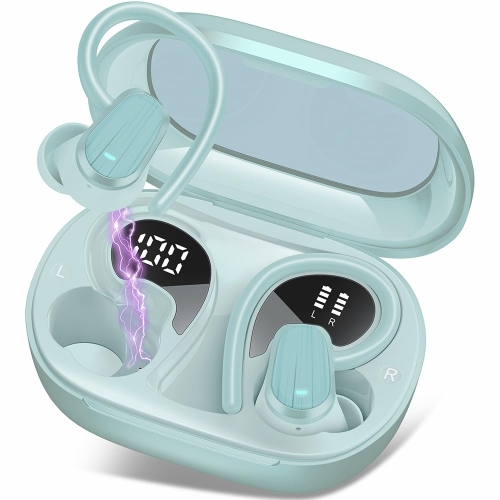

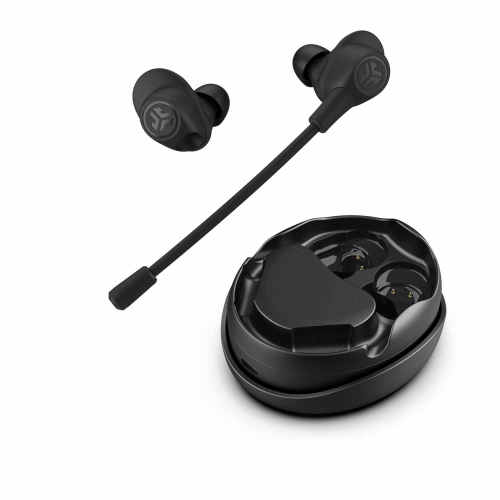
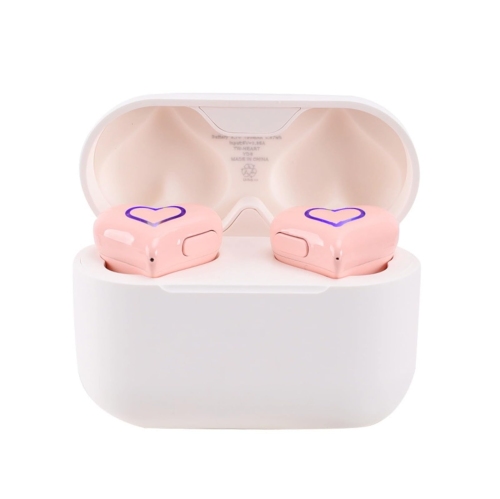
























Why the right fit matters as much as sound
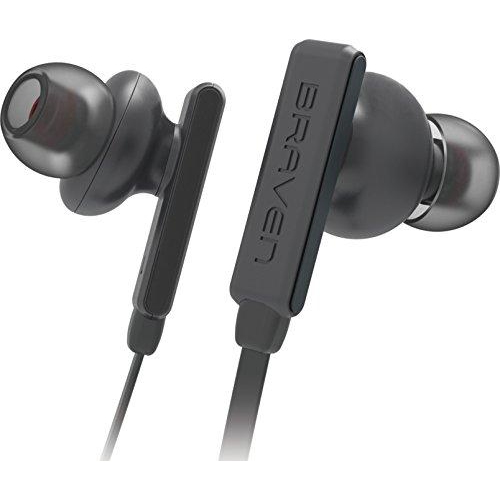
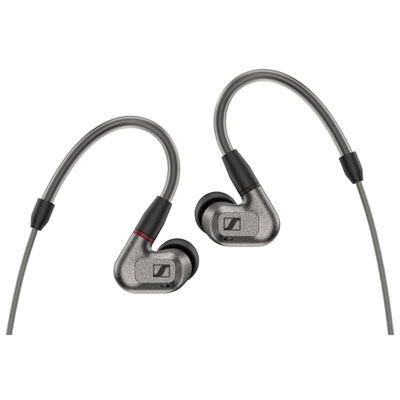
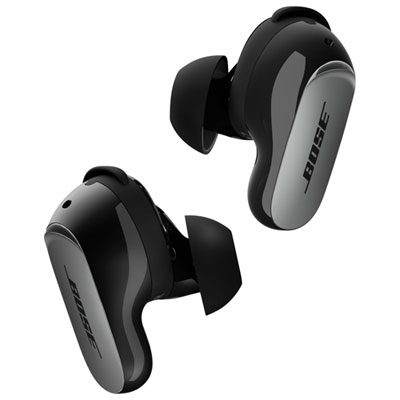
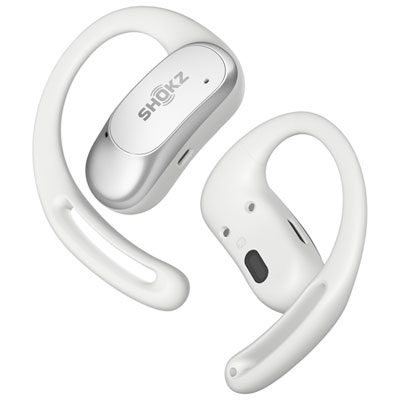
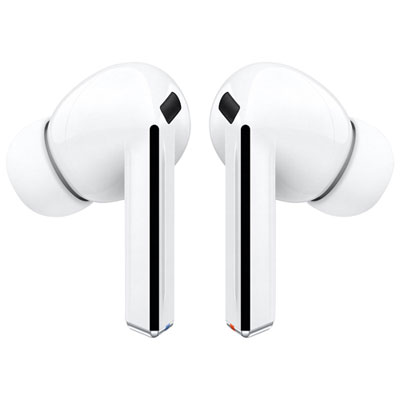
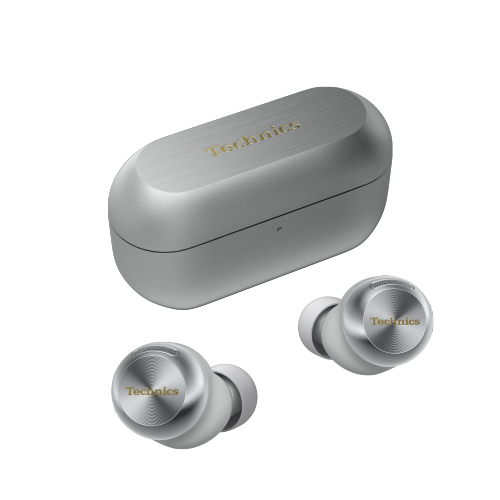
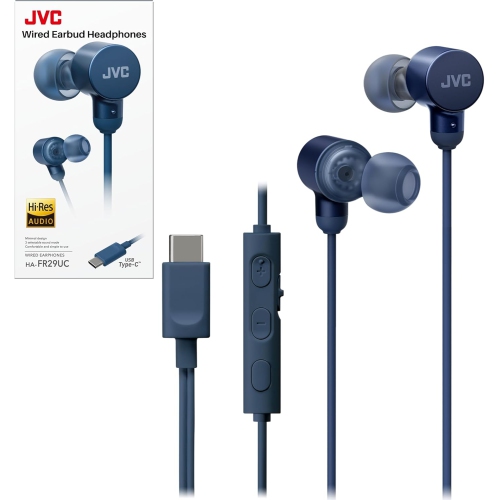
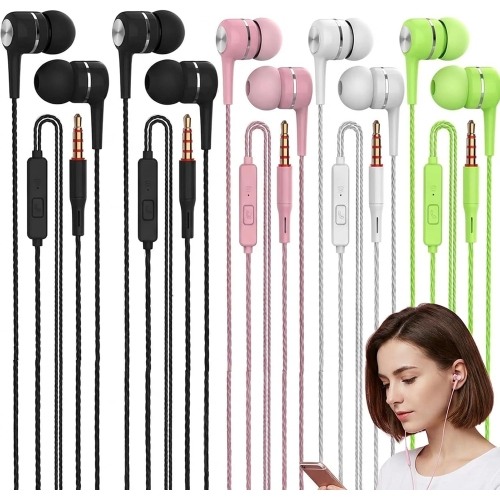
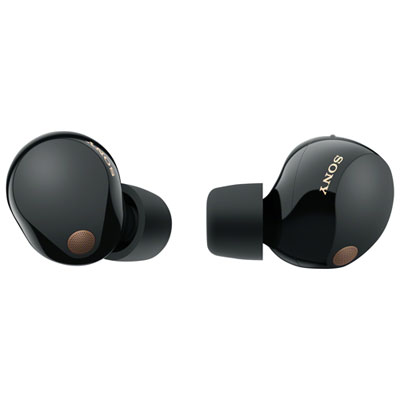
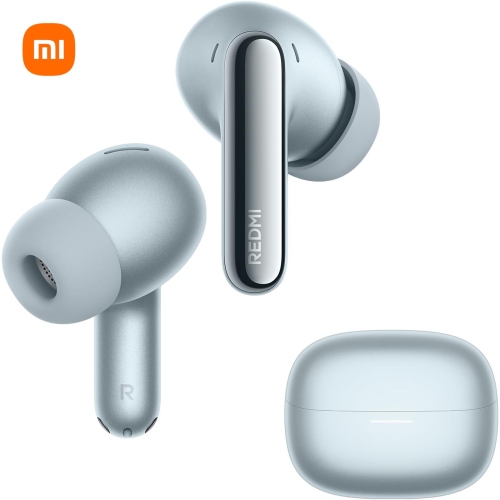
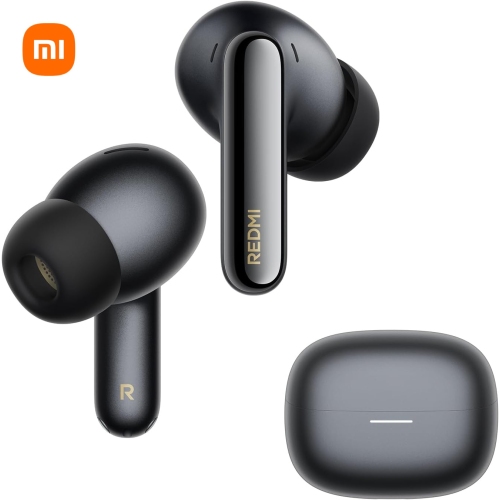
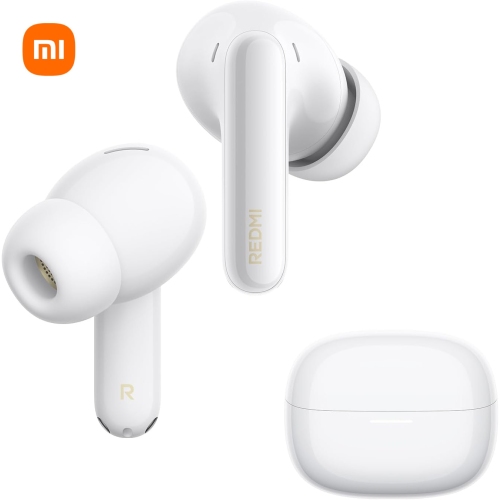
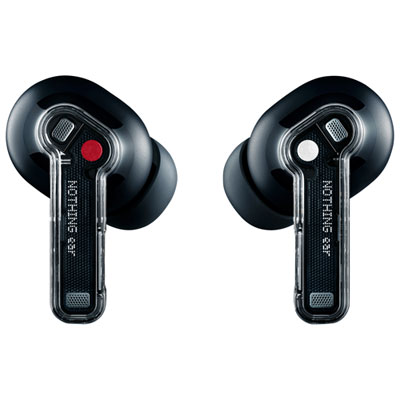
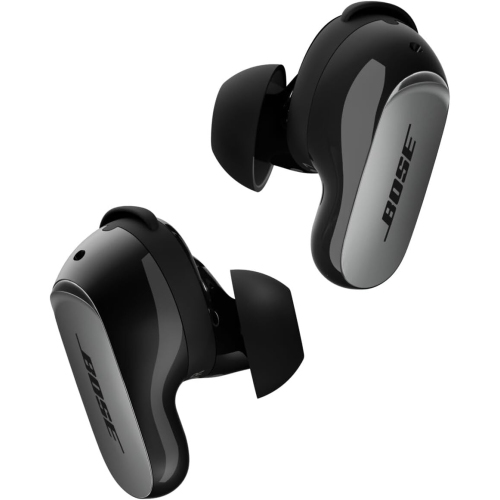
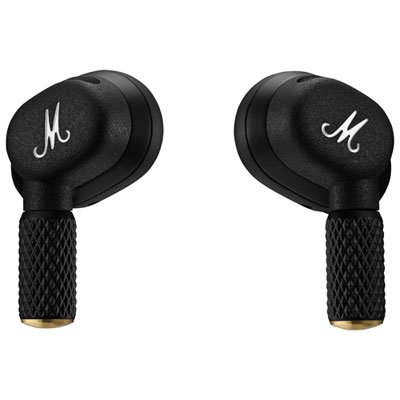
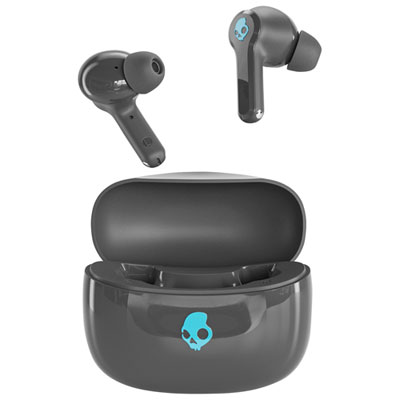
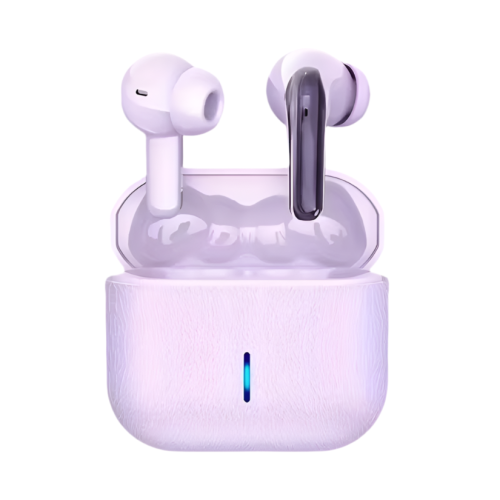
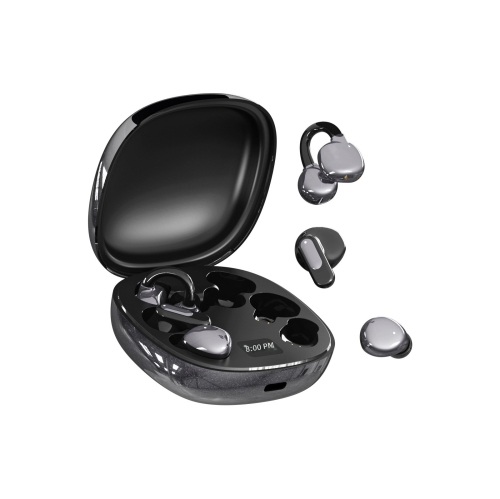
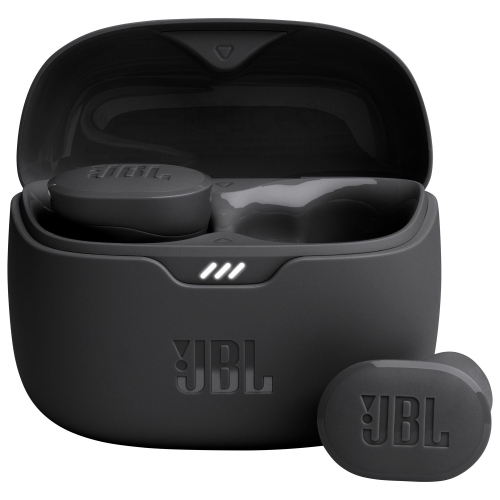
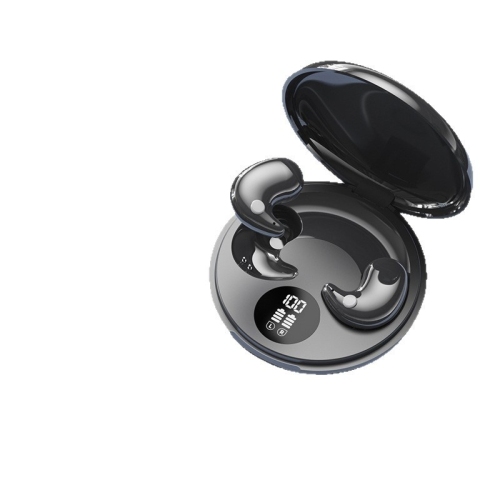
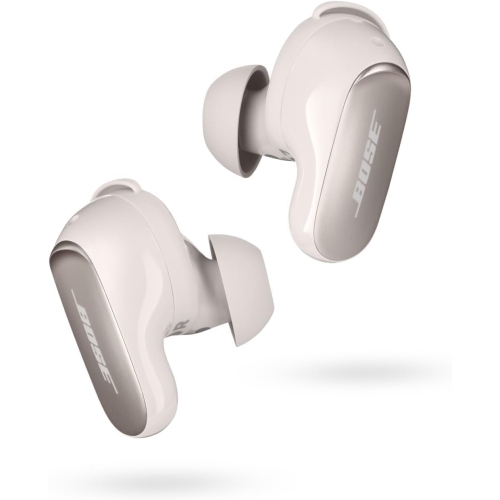
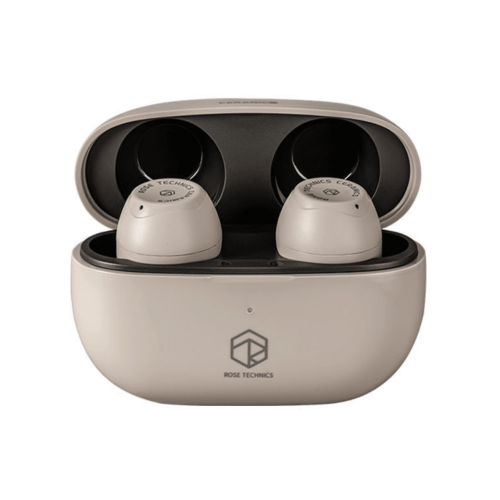
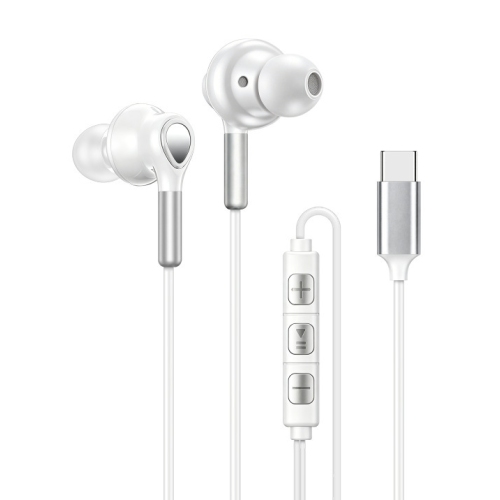
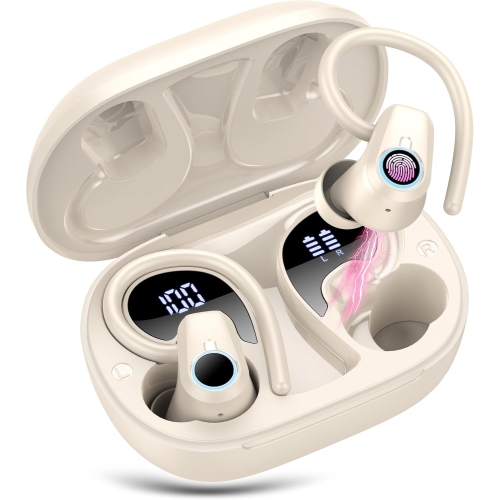
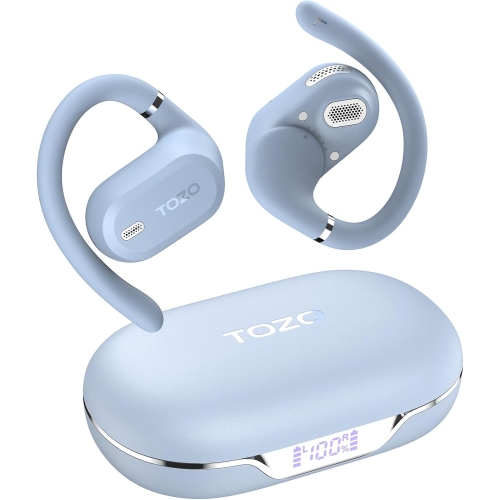
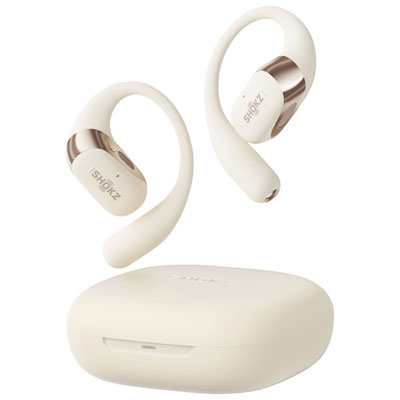
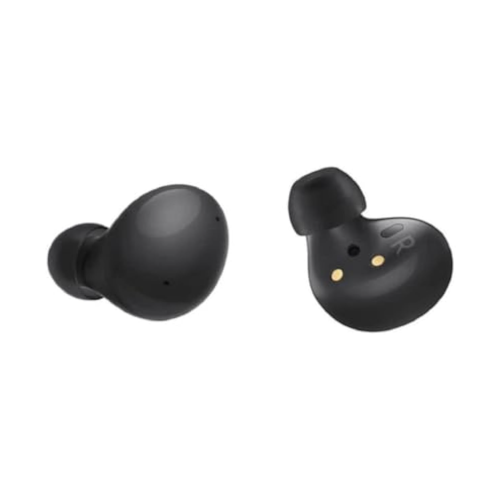
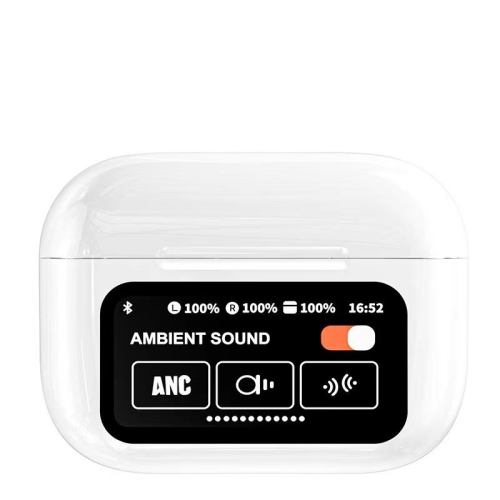
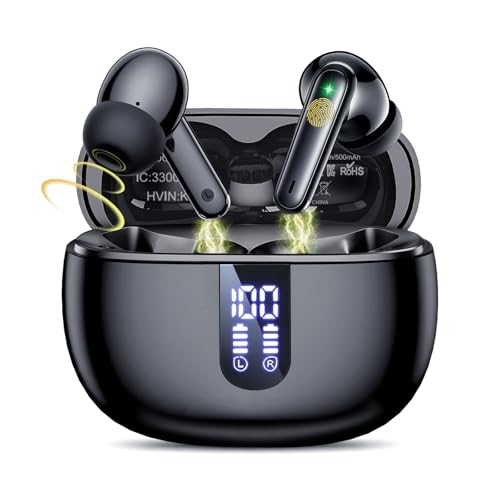
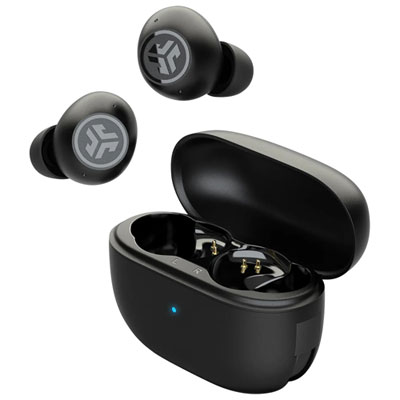
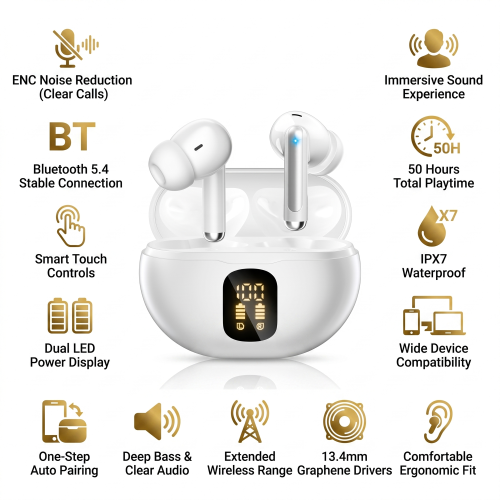
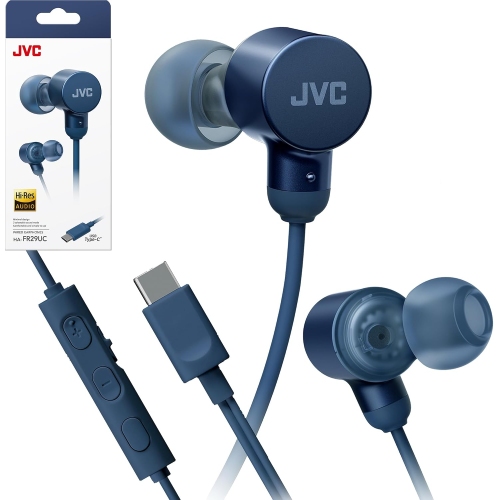
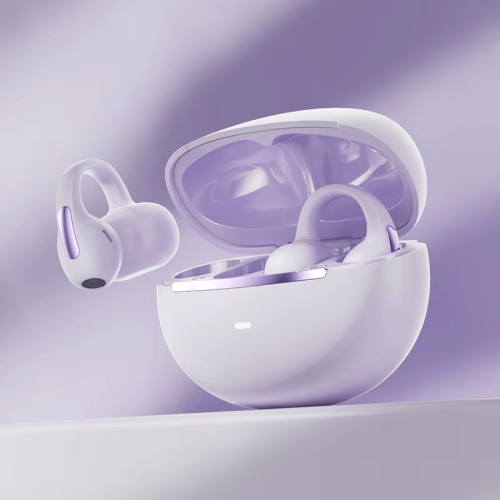
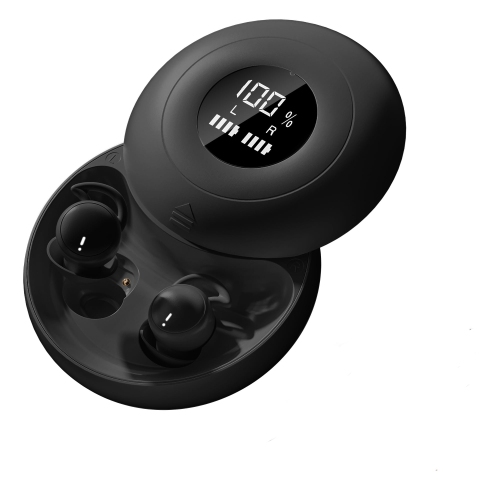
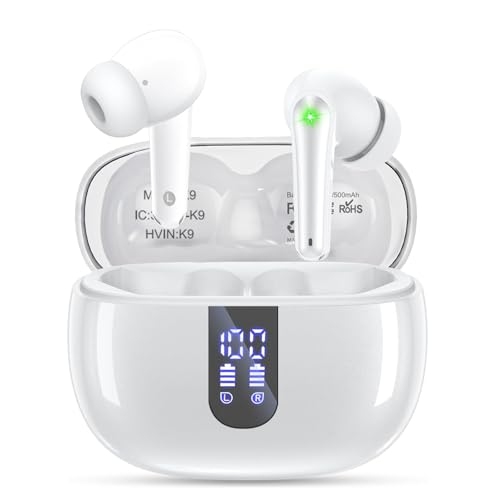
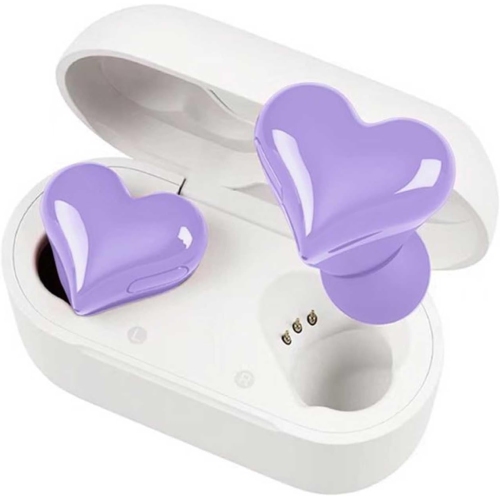
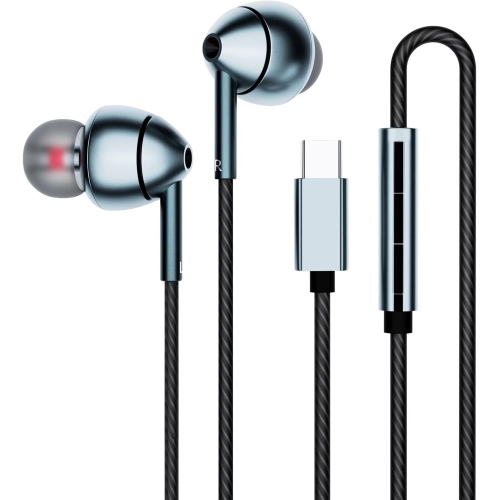
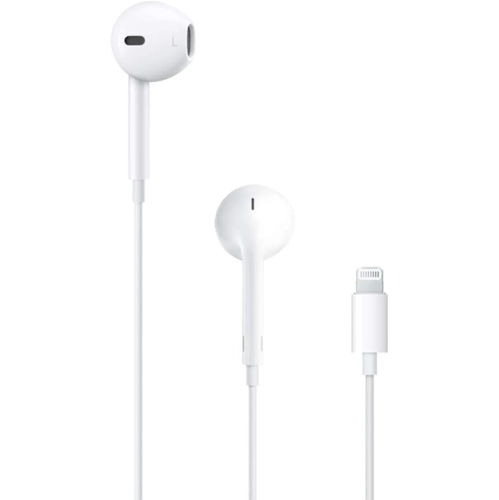
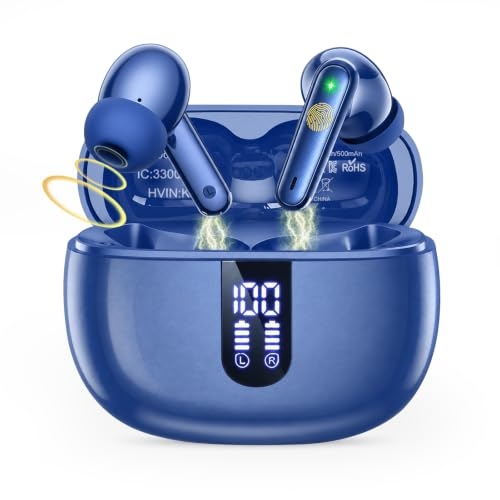
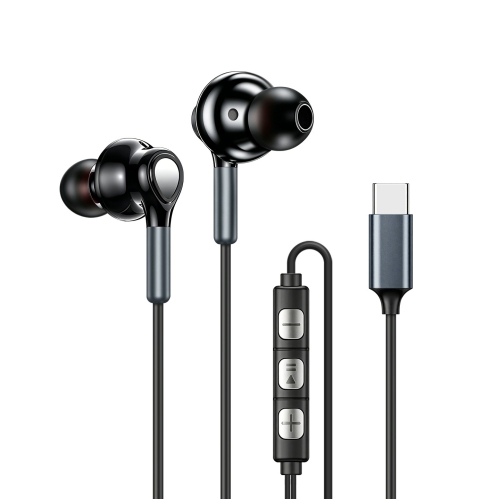
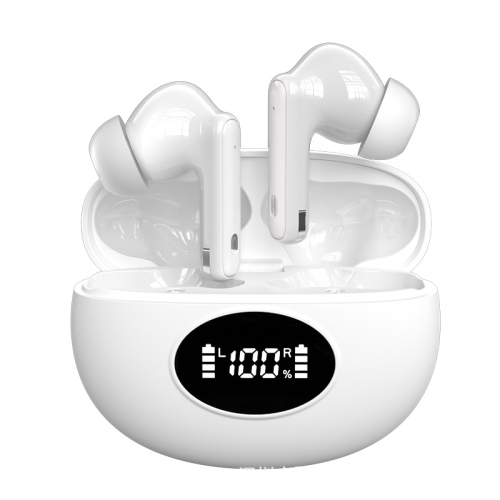
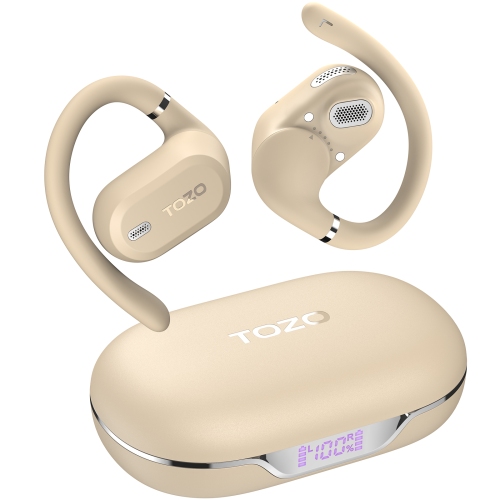
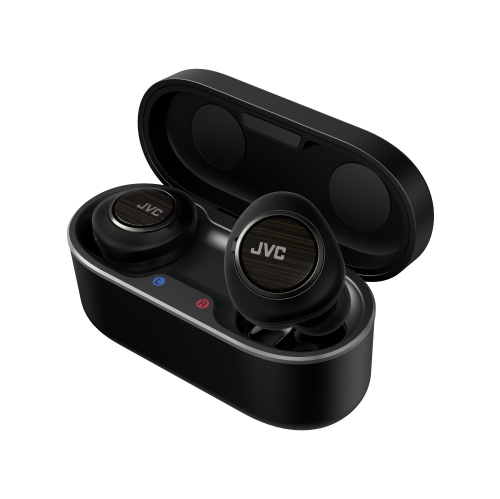
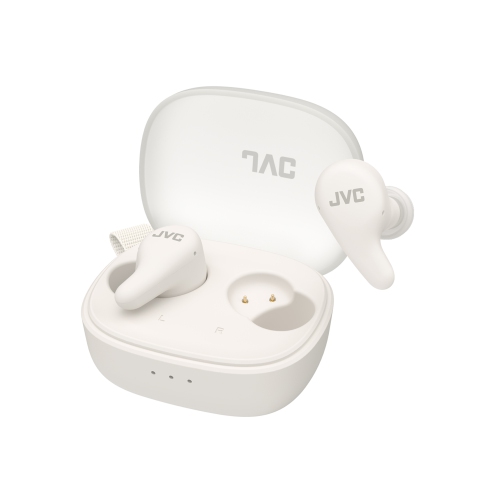
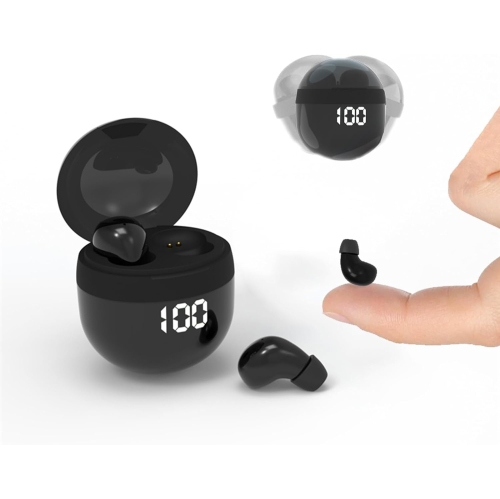
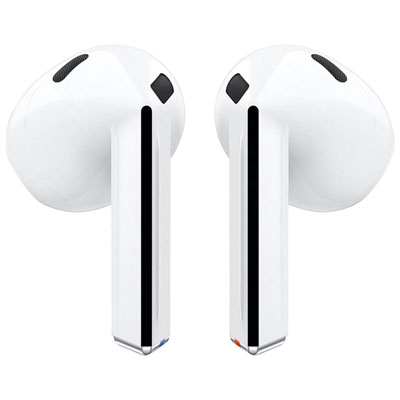
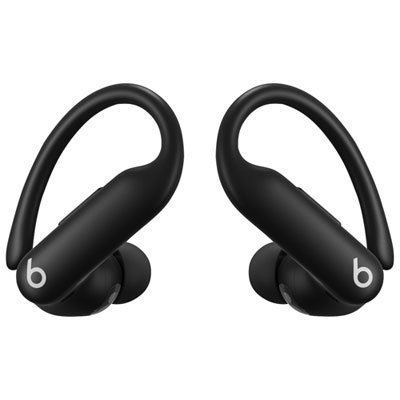
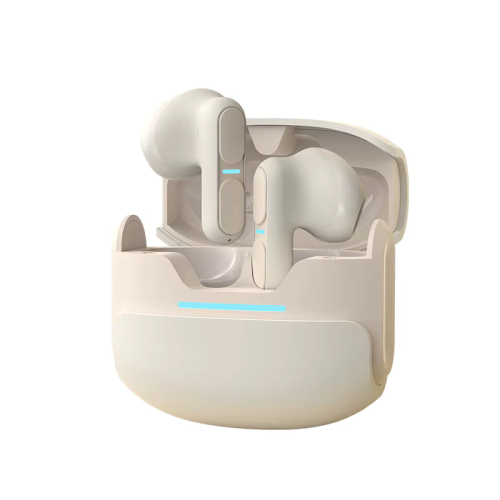
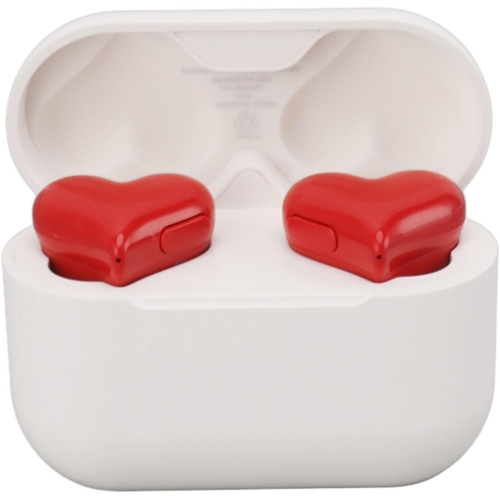
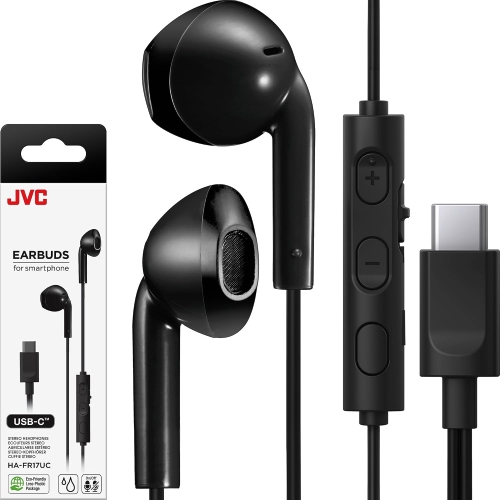
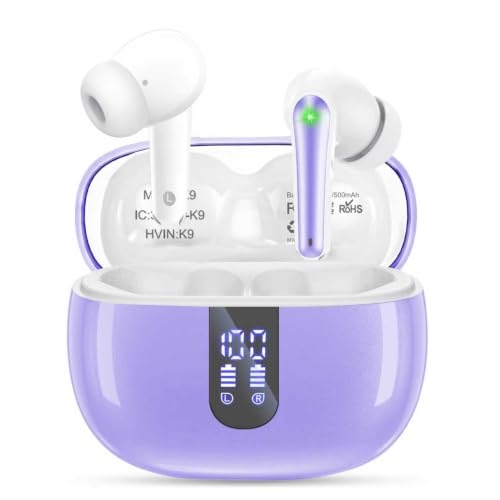
High-quality earbuds combine clear, balanced sound with a comfortable fit and dependable performance for everyday listening. Their appeal is not simply louder playback or heavier bass, but the ability to hear the texture of a singer’s voice, the separation between instruments, and the quieter details that can disappear in a busy setting. A well-balanced sound profile gives bass notes depth without covering dialogue or making cymbals sound harsh. Different listeners may prefer a warmer presentation for electronic music or a more neutral balance for acoustic recordings, podcasts, and spoken-word audio. Adjustable equalizer settings, where supported, offer a way to tailor that balance without changing earbuds. Sound quality also depends on fit: in-ear designs typically use silicone or foam tips to create a seal, helping retain bass and reduce outside noise. Silicone tips are generally easy to wipe clean, while foam tips compress before expanding to follow the shape of the ear canal. Comfort varies with ear shape, tip size, housing weight, and how deeply the earbuds sit. Each ear may need a different tip size, and a secure fit should not require pushing the housing uncomfortably far into place. Open-fit earbuds rest near the ear canal rather than sealing it, which some listeners find more comfortable, although their sound can be more affected by nearby noise. Smooth housings, rounded edges, and balanced weight matter during a full album or a long conversation. Driver design and acoustic tuning influence performance, but a larger driver or a metal housing alone does not guarantee better sound. Durable plastics can keep weight low, while metal components may add rigidity or a distinctive finish. The most satisfying combination is one that feels unobtrusive and delivers clear audio at a comfortable volume, whether the listening session involves a favourite playlist, a recorded lecture, or a film on a tablet.
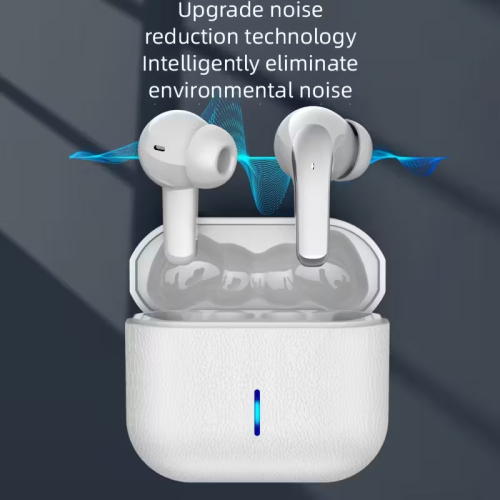
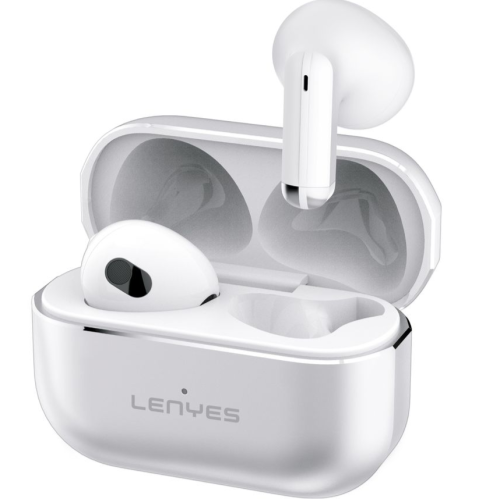
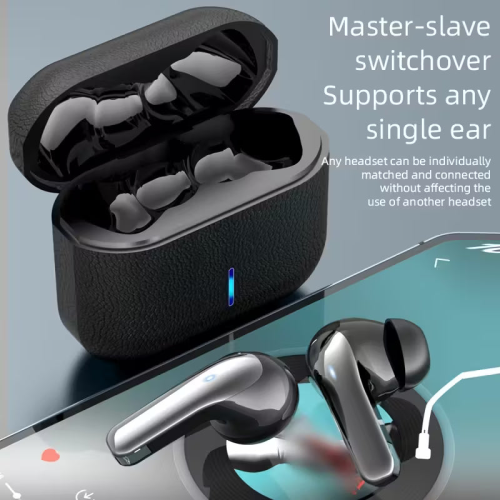
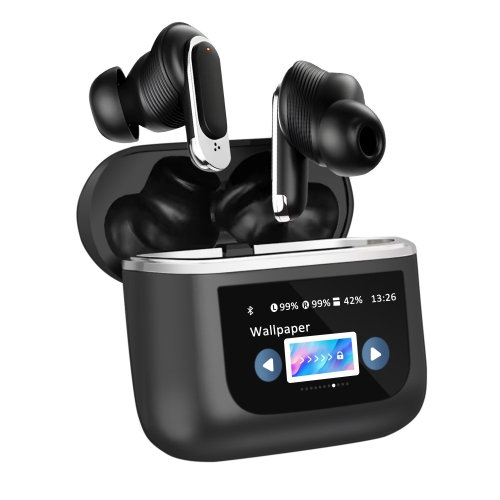
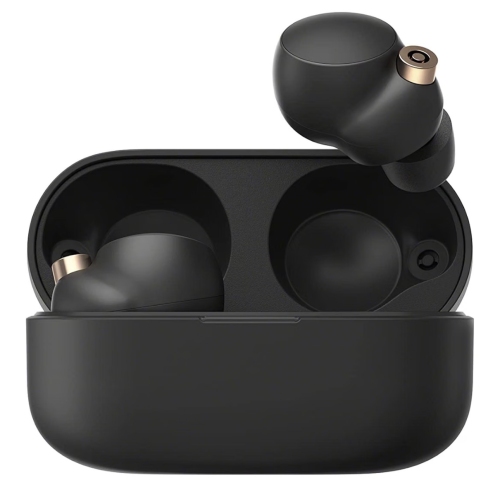
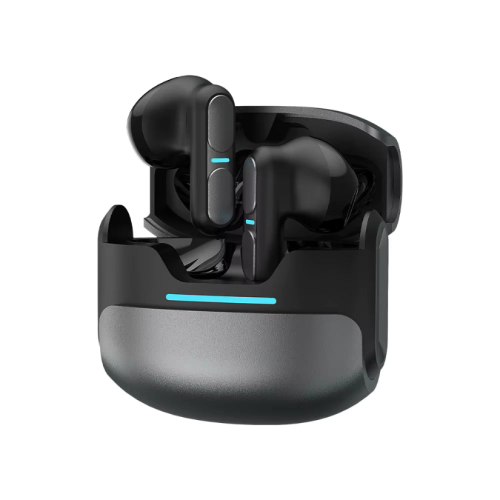
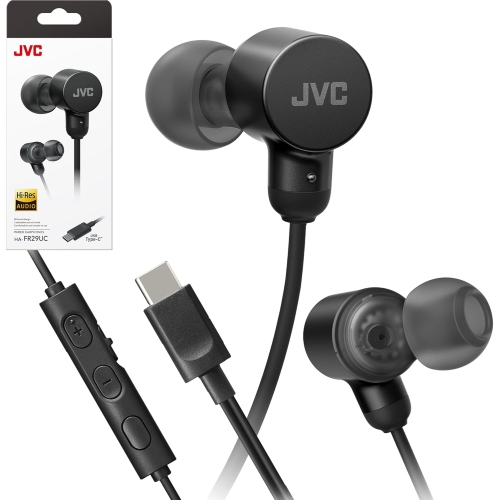
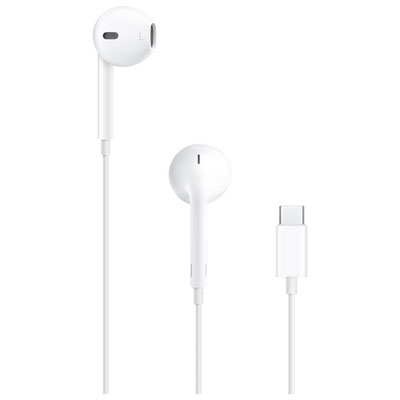
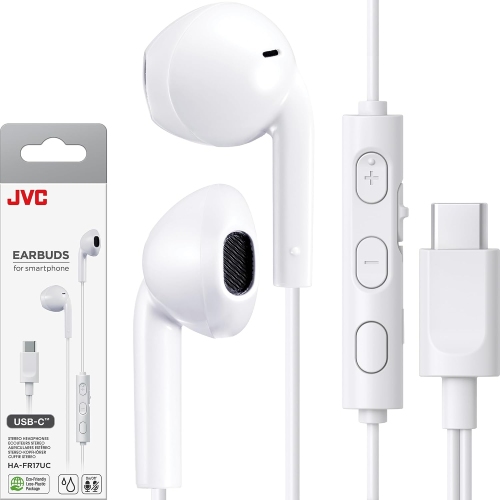
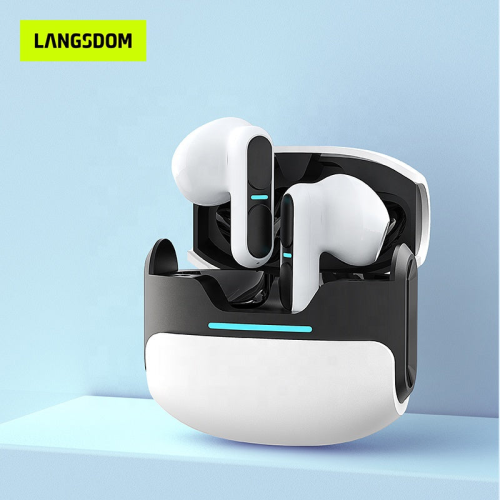
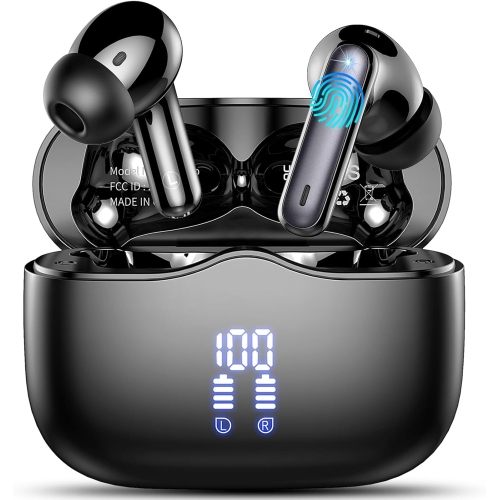
Wireless features shape how earbuds fit into a day, particularly when listening moves between a phone, laptop, and other compatible devices. True wireless earbuds have no cable between the earpieces, keeping them easy to carry and convenient for commuting, walking, or working at a desk. Wired earbuds remain useful for compatible audio devices and situations where straightforward connection matters more than freedom from a cable; they also avoid the need to charge the earbuds themselves. With wireless designs, Bluetooth compatibility and connection stability are more useful considerations than a version number alone. Higher-quality audio codecs can support more detailed wireless playback, but both the earbuds and the source device must support the same codec, and results also depend on the recording and listening conditions. Multipoint connectivity, when included, can keep earbuds connected to two devices, making it easier to move from music on a laptop to a call on a phone. Active noise cancellation uses microphones and electronic processing to reduce unwanted sound, usually working best against steady noise such as ventilation or the low rumble of transit. It does not remove every sound, and a good physical seal remains important. Transparency or ambient listening modes bring in outside sound through the microphones, making brief conversations more convenient without removing both earbuds. These modes are not a substitute for paying attention around traffic or other hazards. For calls, microphone placement, voice processing, and wind reduction can matter as much as playback quality. Someone joining meetings from a shared room has different needs from someone listening quietly at home. Touch controls can make playback adjustments quick, while physical buttons provide a more definite response; either should be easy to operate without shifting the earbuds out of place. App support may add control customization, fit checks, or firmware updates. Features such as spatial audio and head tracking can create a wider sense of space with compatible content, but their usefulness depends on the listener’s preferences and the devices involved.
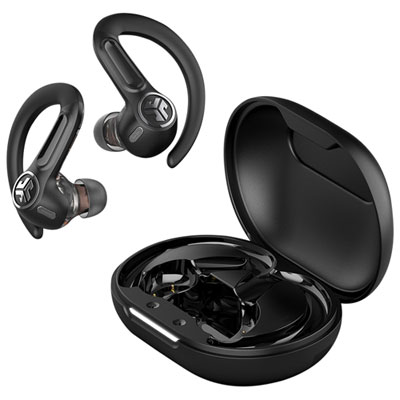
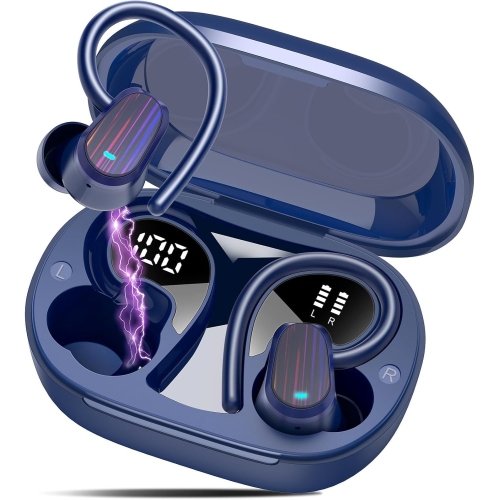
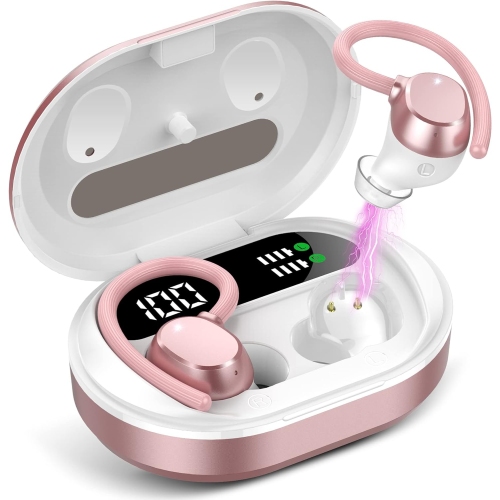
Everyday durability comes from suitable construction, sensible handling, and care that matches the materials. For exercise, a stable fit and an appropriate water-resistance rating are more relevant than appearance alone. Ear fins or hooks can add security during movement, while compact housings may feel less intrusive during floor exercises. Water resistance is not the same as waterproofing: protection varies by rating, and the charging case may not have the same protection as the earbuds. Sweat-resistant earbuds should still be wiped down and allowed to dry before charging, following the manufacturer’s instructions. Ear tips and speaker meshes need regular attention because accumulated earwax and debris can affect sound and fit. A soft, dry cloth is suitable for many outer surfaces, while removable tips should be cleaned only as directed and dried fully before reattachment. Sharp tools, harsh cleaners, and liquid pushed into openings can damage delicate parts. Keeping earbuds in their case protects them from loose keys, pocket lint, and accidental pressure inside a bag. Battery performance deserves consideration as well: a stated earbud runtime describes a different measure from total listening time with case recharges. Noise cancellation, call use, volume, and other enabled features can change how long a charge lasts. Quick charging may be helpful before leaving home, but the charging time and resulting playback vary by model. A clear battery indicator and a convenient charging connection can make daily use simpler. Comfort, sound, and practical features all help define the Best Earbuds for an individual listener. A student may value concentration and portability, a frequent caller may prioritize intelligible speech, and a music enthusiast may care most about tonal balance and customization. Earbuds can also make a thoughtful gift for someone who regularly listens to music, audiobooks, or podcasts. Matching the recipient’s device connections, preferred fit, and daily habits makes the choice more personal than focusing on a long feature list alone.
Top selling and popular products
-
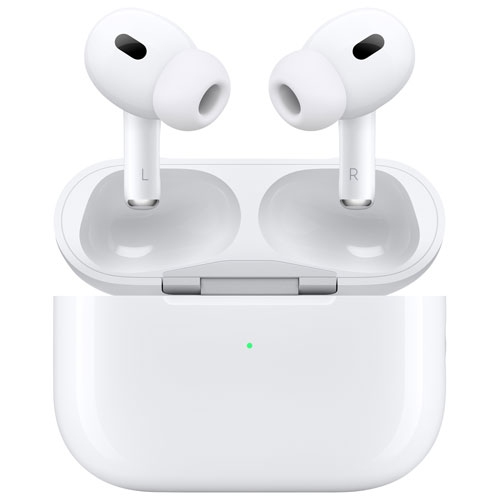 Your price for this item is $349.99
-
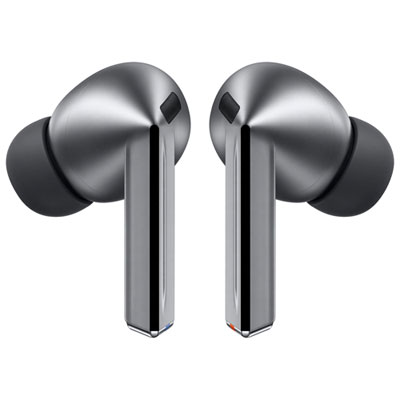 Your price for this item is $329.99
-
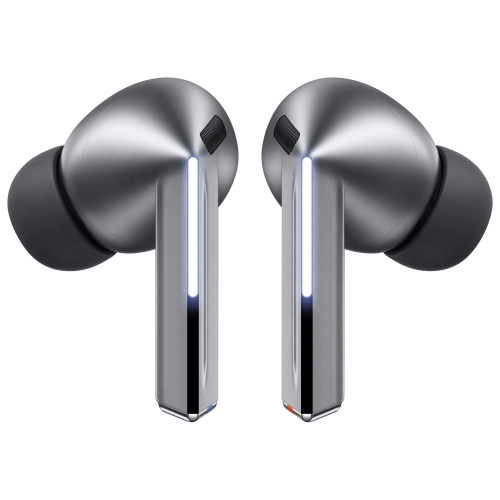 Your price for this item is $229
-
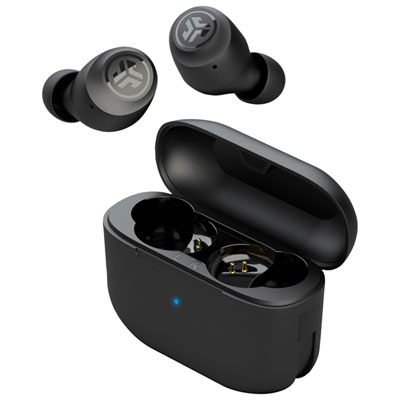 Your price for this item is $19.99
-
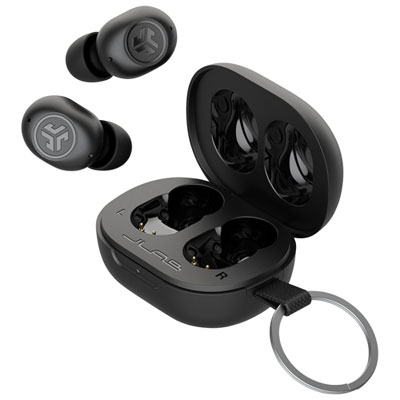 Your price for this item is $59.99
-
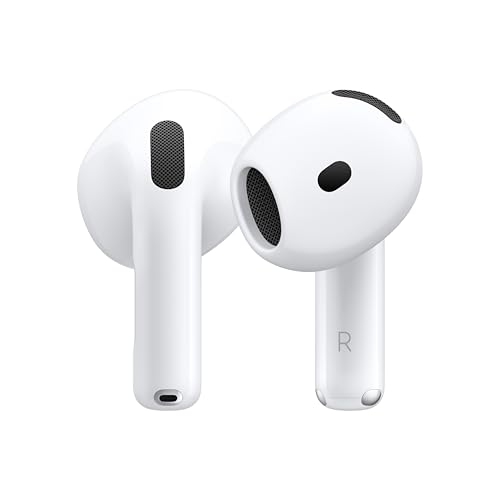 Your price for this item is $339.88
-
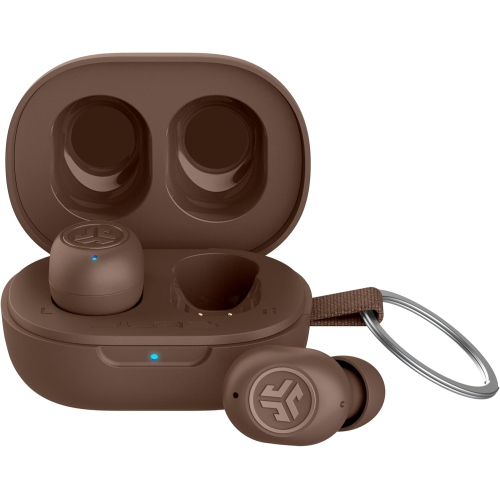 Your price for this item is $107.49
-
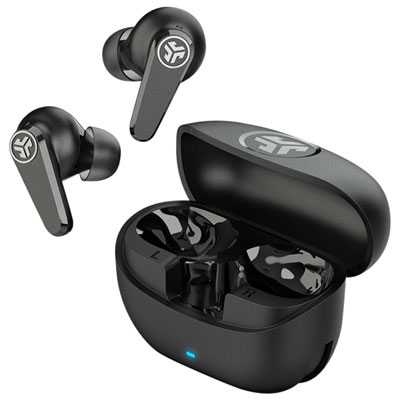 Your price for this item is $59.99
Discover more categories related to High Quality Earbuds


Top Collections:
Best Black Friday Deals This Year, Best Black Friday Deals On Electronics, Kindle Devices, Pokemon Centers, Best Black Friday Deals On Apple Products, Best Cameras for Sports Photography, Dyson Airwrap, Pokémon 30th Celebration Cards, Apple iPhone 17 Pro, Canon G7X Cameras
Some products may be subject to Environmental Handling Fees
(EHF) depending on your province.
Learn more about EHFs.