KEF Audio
Elevate your listening experience with KEF Audio, where exceptional sound quality meets innovative design. Discover a wide selection of audio solutions crafted to enhance every moment, whether you're enjoying music, movies, or gaming. KEF Audio products are engineered for clarity and performance, making them a top choice for audio enthusiasts and casual listeners alike. Explore the range to find the perfect addition to your home entertainment setup.
Sort

Why speaker design and placement shape what you hear
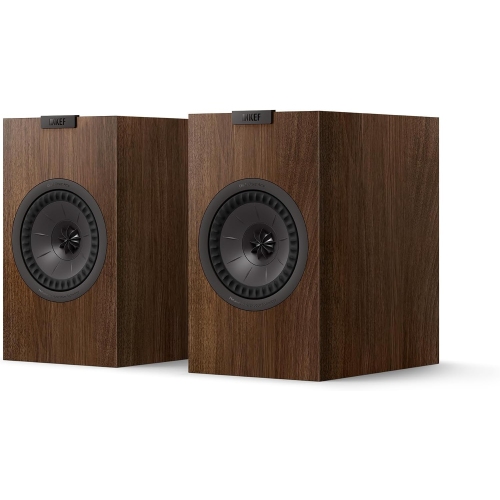
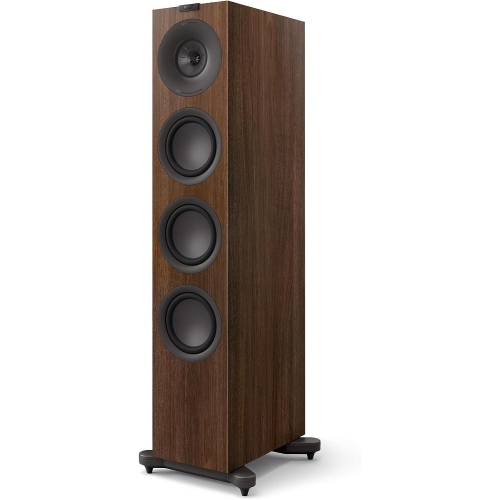
High-fidelity audio is designed to reproduce recorded sound with clarity, tonal balance, and a convincing sense of space. A well-matched speaker system can make a singer seem centred between two speakers, keep the separate instruments in a busy arrangement distinct, and give a film soundtrack weight without letting dialogue disappear beneath it. The experience depends on more than strong bass or high volume: controlled timing, low distortion, and smooth transitions between drivers all contribute to sound that remains engaging through an entire album. In a concentric driver arrangement, the tweeter sits at the centre of a larger driver, bringing their acoustic origins close together. This approach can help different frequencies reach the listener coherently and maintain a consistent presentation across a wider seating area, though placement and room acoustics still matter. Internal acoustic structures can also absorb unwanted sound behind a tweeter, reducing reflections that might otherwise colour its output. These engineering details are useful context for understanding why speakers of similar dimensions can sound noticeably different. Compact bookshelf speakers often suit a desk, den, or smaller living room, while floor-standing speakers can provide greater scale and bass extension where there is space to position them properly. Passive speakers require a separate amplifier, making them a flexible foundation for a system that may change over time. Powered speakers incorporate amplification, and some also include streaming or digital connections for a simpler setup. Neither approach automatically guarantees better sound; the right fit depends on the listening space, preferred sources, and the amount of equipment that feels practical at home. A listener who enjoys choosing an amplifier and connecting a turntable may value a component system, while someone moving between streamed music and television sound may prefer fewer separate boxes. In either case, the most useful qualities are clear voices, believable instrument tone, and a presentation that stays composed at the volume normally used.
The room is part of any home audio system, so physical fit deserves as much attention as specifications. A speaker that looks compact on its own may need additional space for its stand, rear connections, and clearance from nearby surfaces. Bookshelf speakers do not always perform best inside a bookshelf: enclosing them tightly can reinforce bass and create reflections that blur detail. Stable stands or a suitably sturdy surface help keep the speakers secure, with the main drivers positioned near seated ear height where practical. Floor-standing designs also benefit from a stable footing and enough distance from furniture to avoid obstructing their output. Placement close to a wall or corner often increases bass, but that extra weight can become uneven, particularly in rooms with bare floors and large windows. A rug, upholstered sofa, and curtains can soften some reflections without turning a living room into a dedicated listening studio. Cabinet construction matters too. Well-braced wood-based panels, including medium-density fibreboard, can help limit unwanted vibration, while metal components may provide rigidity in stands, driver assemblies, or enclosures. Wood veneers, painted finishes, and fabric grilles each bring a different look and require appropriate care. Finish choice is partly aesthetic, but household traffic, curious pets, and the position of furniture also affect how comfortably a system fits into everyday life. For film and television, a centre-channel speaker can anchor dialogue near the screen, while surround speakers add directional effects and a stronger sense of place. A subwoofer handles deeper bass, helping convey the low rumble of a soundtrack or the body of a bass instrument. Its contribution should blend with the main speakers rather than draw attention to a separate corner of the room. A two-speaker music system can remain satisfying on its own, however, and adding more channels makes sense only when the room, connections, and listening habits support that arrangement.
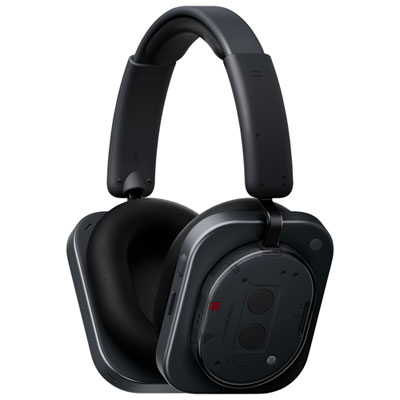
Day-to-day usability often determines how much enjoyment an audio system delivers. Connection types should suit the sources being used, whether that means an amplifier, a television, a computer, or a turntable. A turntable may require a phono preamplifier, either built into another component or connected separately, because its signal differs from a standard line-level source. For passive speakers, amplifier compatibility involves impedance, sensitivity, and the manufacturer’s recommended operating range rather than simply matching two wattage figures. With connected speakers, Wi-Fi support, streaming compatibility, app controls, and the method of connecting a television all influence how easily the system fits into a routine. Wireless playback does not necessarily mean a completely cable-free setup; power cords and, in some designs, a connection between speakers still need a safe route. Practical cable management keeps walkways clear and reduces the chance of a connector being pulled loose. Long-term care is generally straightforward when it follows the manufacturer’s directions. Cabinets can usually be dusted gently with a soft, dry cloth, while delicate driver surfaces should be left untouched unless specific cleaning guidance says otherwise. Liquids, abrasive cleaners, direct sunlight, and blocked ventilation can damage finishes or interfere with reliable operation. Secure stands and properly fitted supports are especially important in homes with children or pets. For a gift, the recipient’s existing equipment and living space matter more than choosing the largest speaker: a compact system may be ideal for an apartment, while a separate component can be meaningful for someone building a dedicated listening setup. Listeners who split their time between shared listening and headphones can also explore Meze Audio as a related option for more personal sessions. Whether the occasion is a favourite album after dinner, a family film, or background music while preparing a meal, a thoughtfully matched audio system should feel easy to live with and rewarding to hear.
Top selling and popular products
-
 Your price for this item is $849.99
-
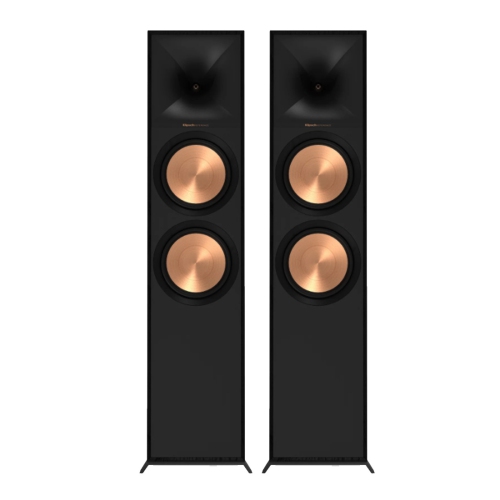 Your price for this item is $1496
-
 Your price for this item is $439.99
-
 Your price for this item is $699.99
-
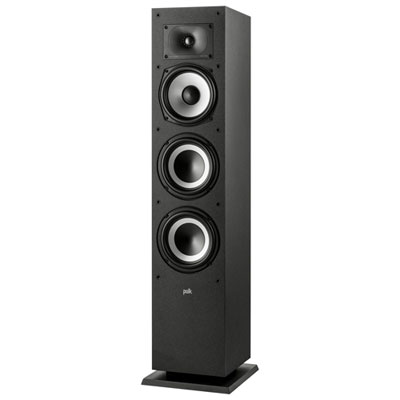 Your price for this item is $299
-
 Your price for this item is $399
-
 Your price for this item is $749.99
-
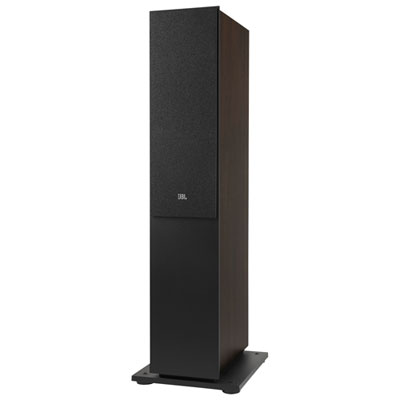 Your price for this item is $699.99
Discover more categories related to KEF Audio
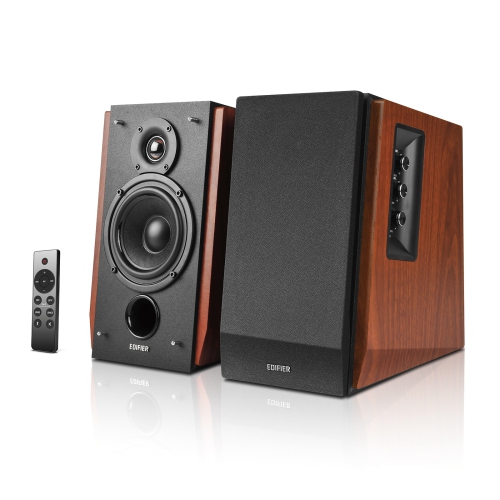
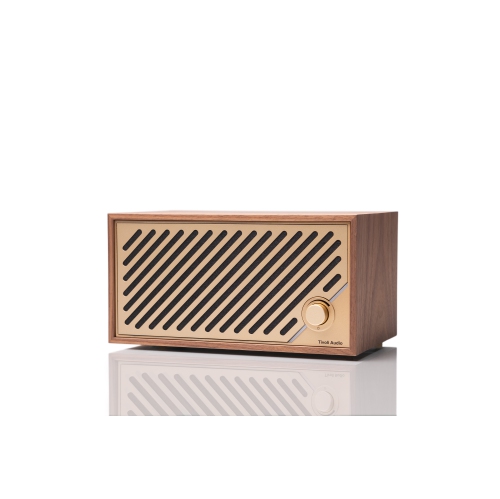
Top Collections:
Pokemon Centers, Best Cameras for Sports Photography, Kindle Devices, Samsung Galaxy Phones, Canon G7X Cameras, Pokémon 30th Celebration Cards, Refurbished Apple Laptops, iPhone 15 Apple, Laptops for Students, Budget Smartphones
Some products may be subject to Environmental Handling Fees
(EHF) depending on your province.
Learn more about EHFs.