Keychain Carabiners
Looking for a convenient and versatile solution to keep your keys organized and easily accessible? Look no further than our selection of keychain carabiners. These practical accessories are designed to securely hold your keys while offering added functionality. Whether you're an outdoor enthusiast looking for a reliable way to attach your keys to your backpack or simply someone who wants a sturdy and stylish way to keep their keys together, our range of keychain carabiners has got you covered. Explore our collection today and find the perfect keychain carabiner to suit your needs.
Sort
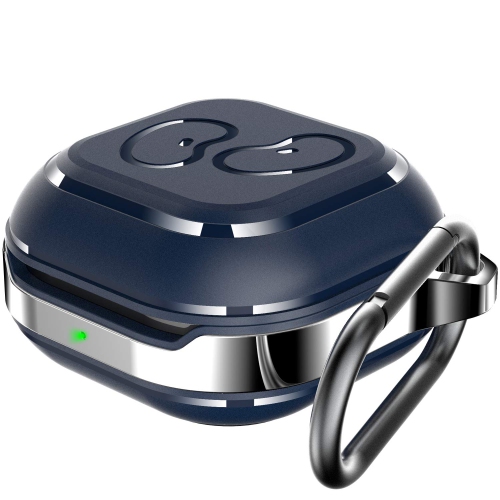
![NAVOR Airpods Pro Case Protective Cover [Front Led Visible] [Added Carabiner] Compatible With Apple Airpods Pro 2019 (Midnight Blue)](https://multimedia.bbycastatic.ca/multimedia/products/500x500/143/14368/14368020.jpeg)
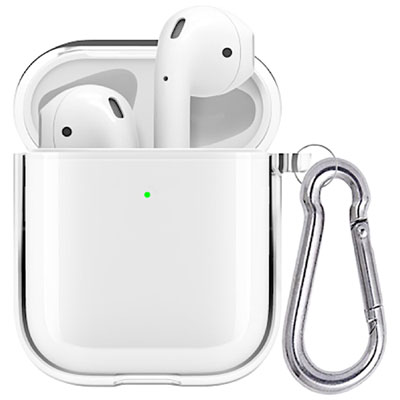
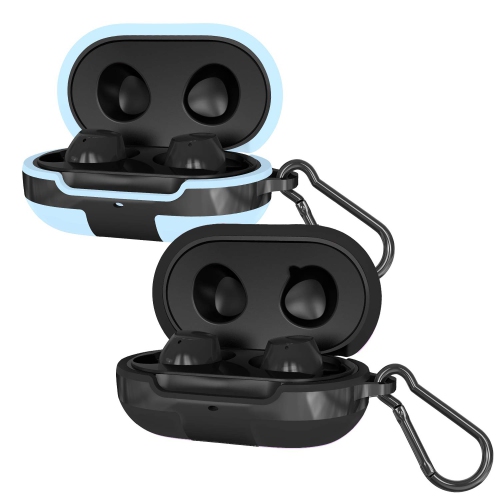


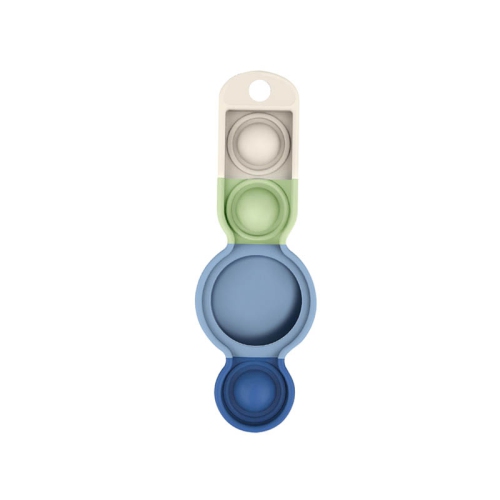
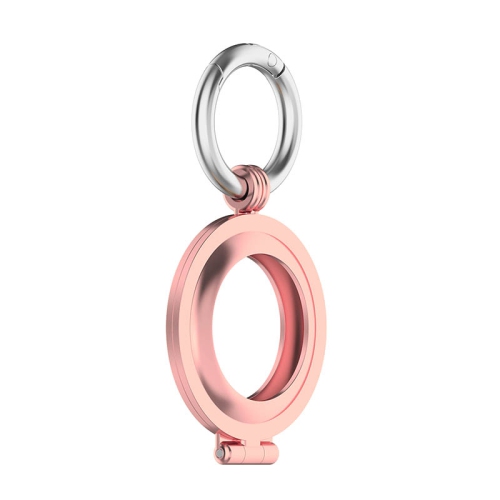
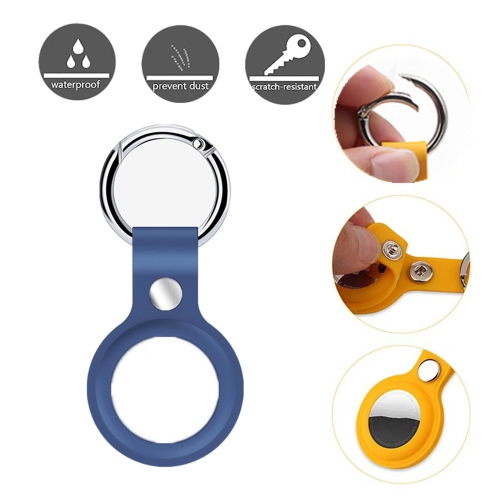
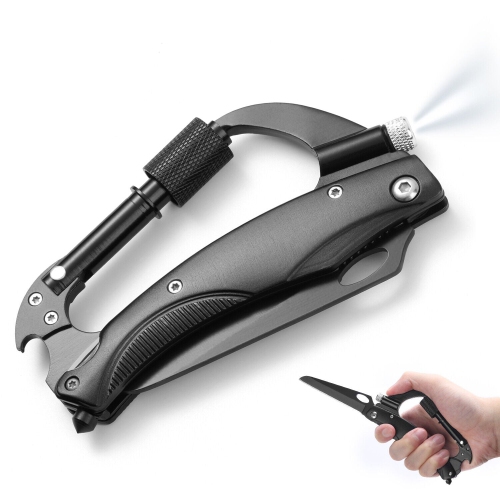
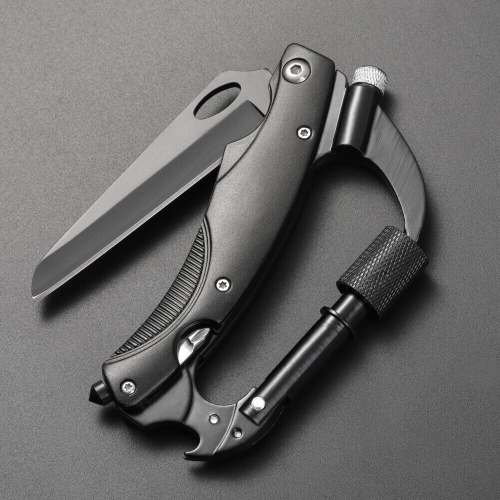
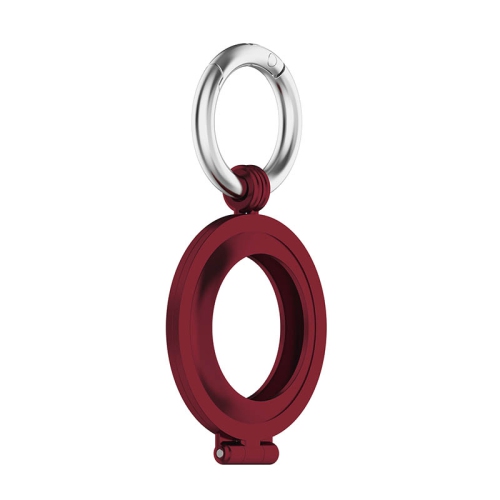
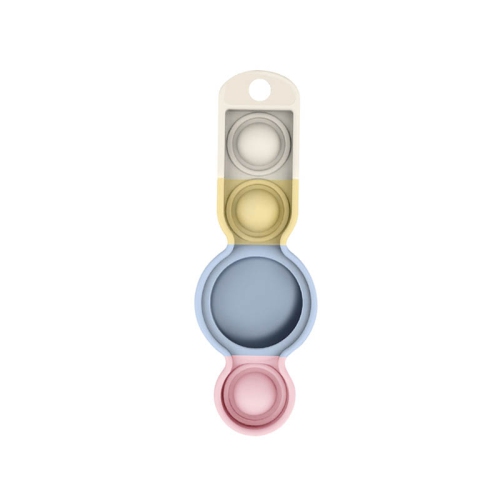
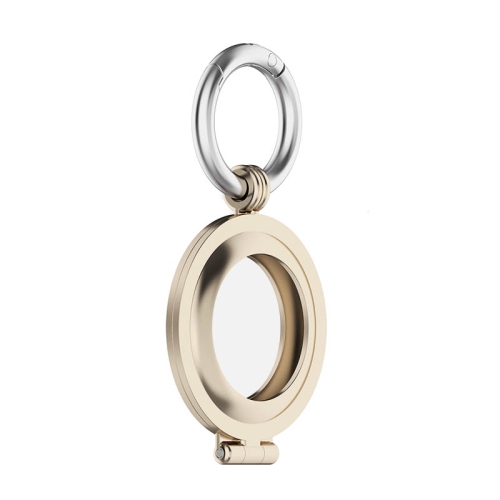
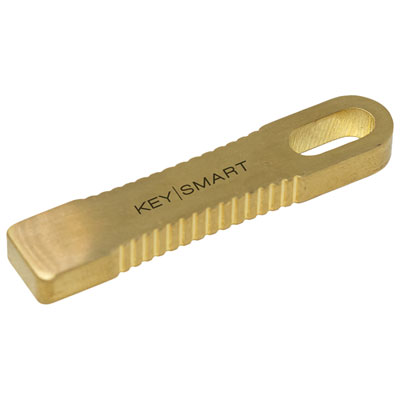
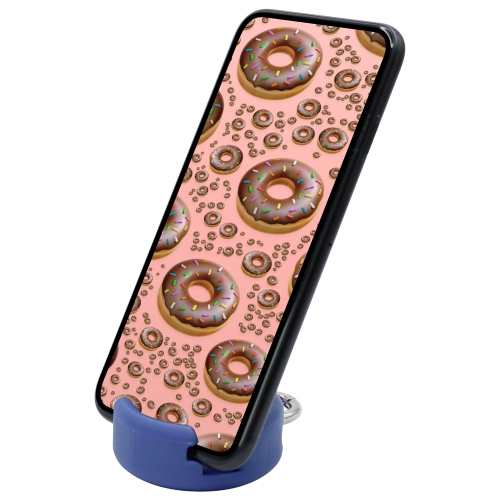
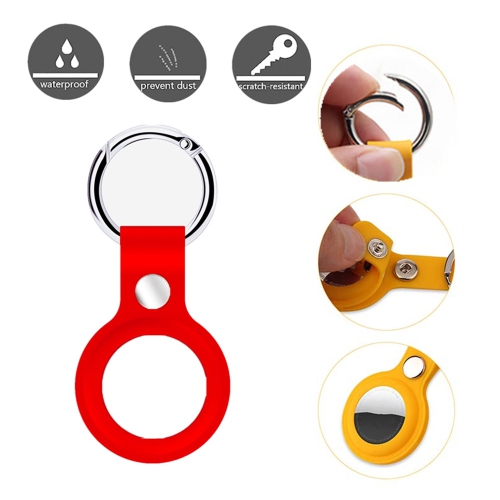
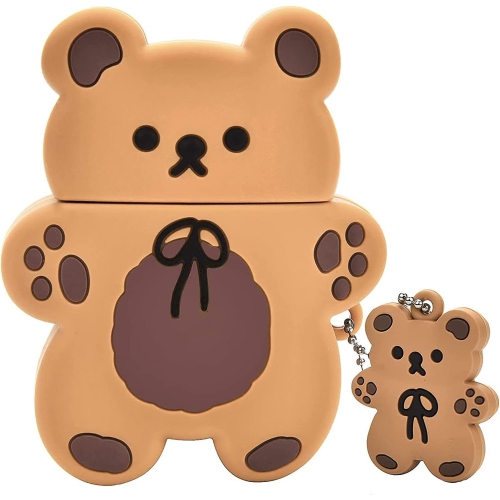
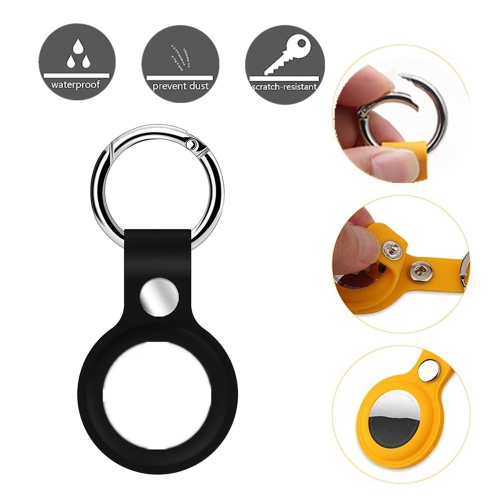
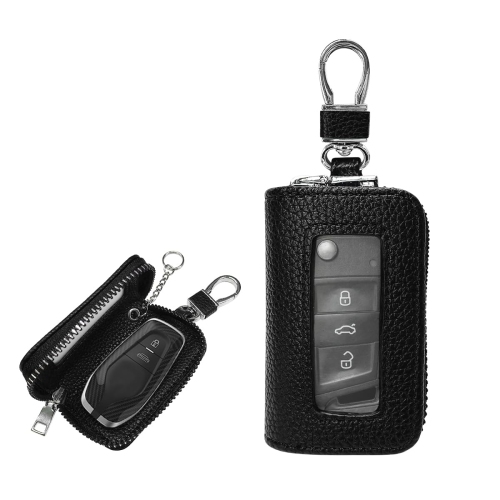
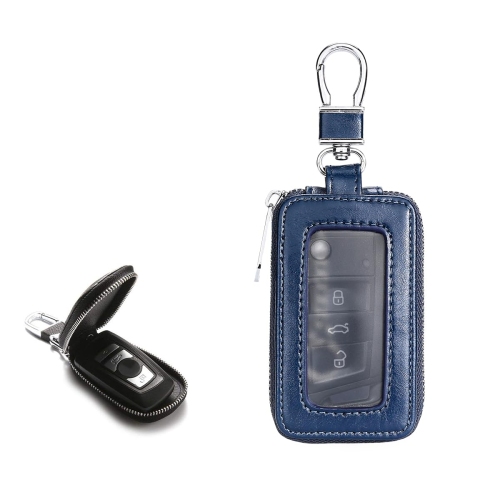
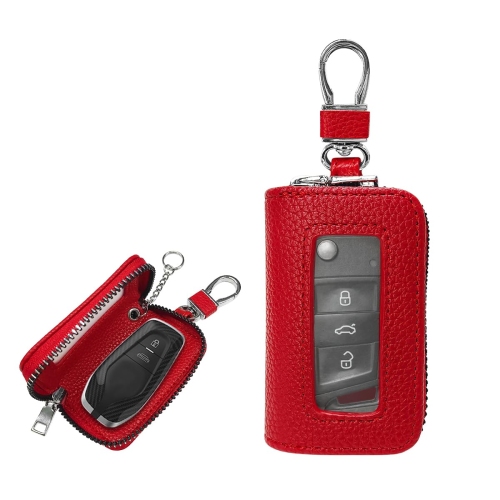
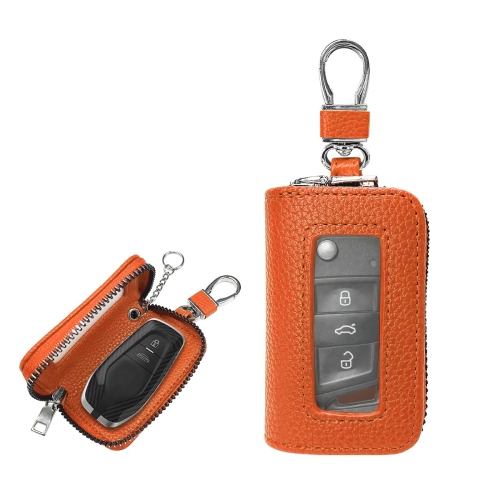
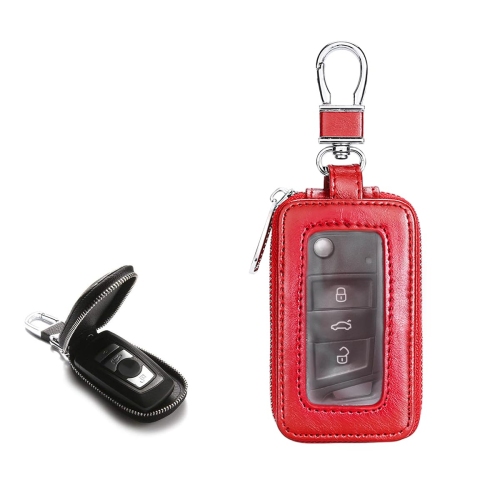
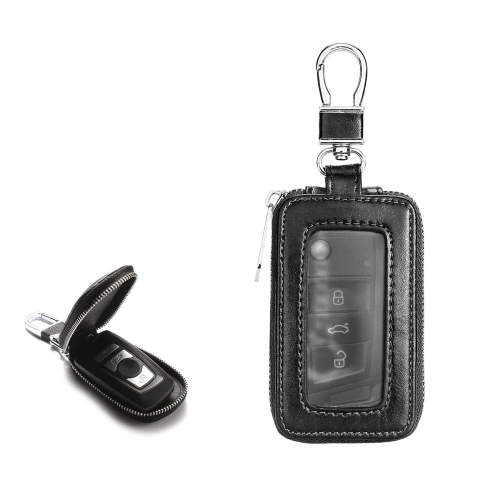
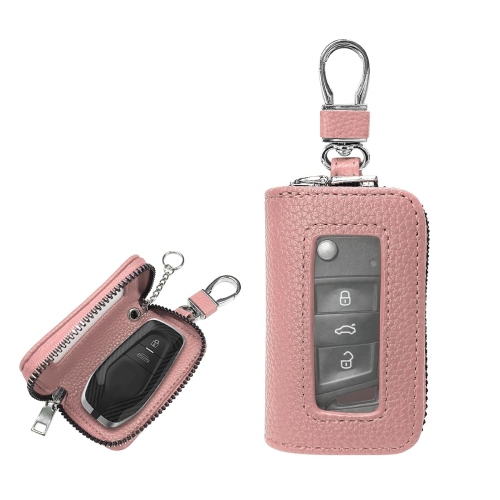
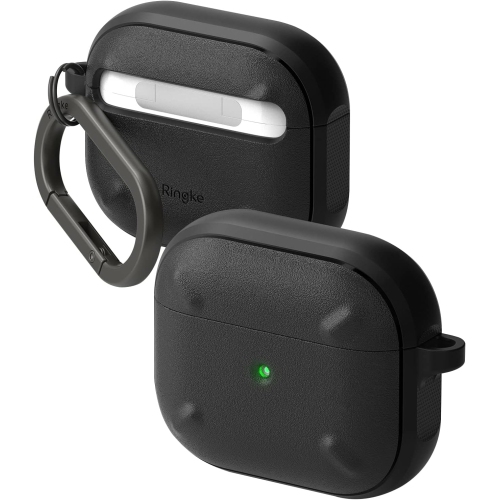

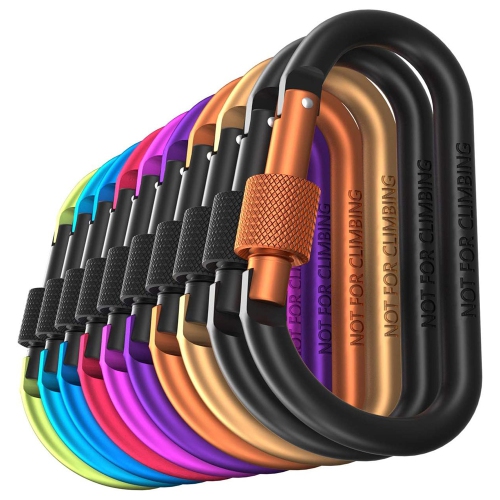
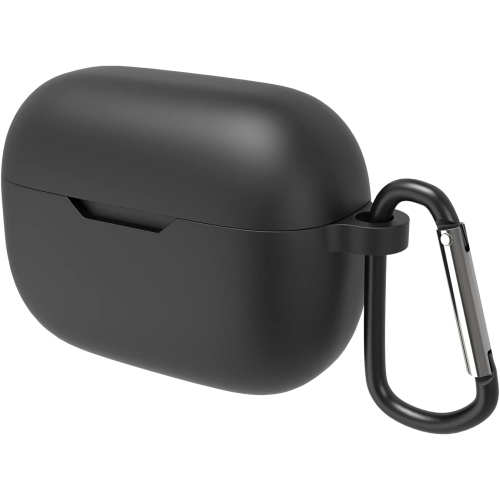

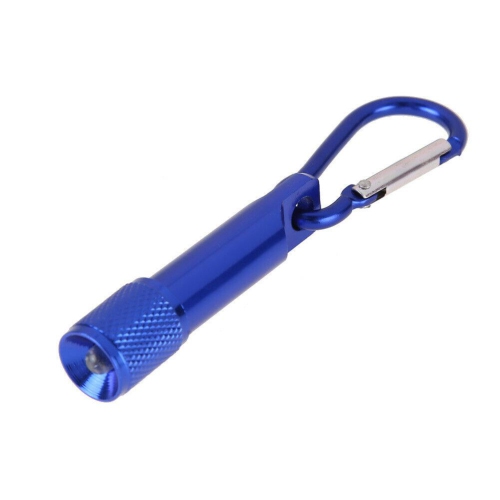
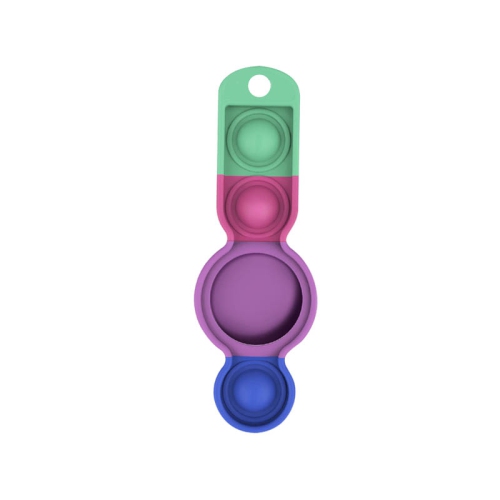
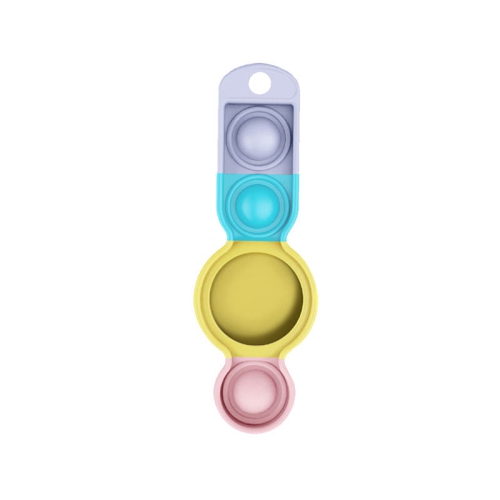
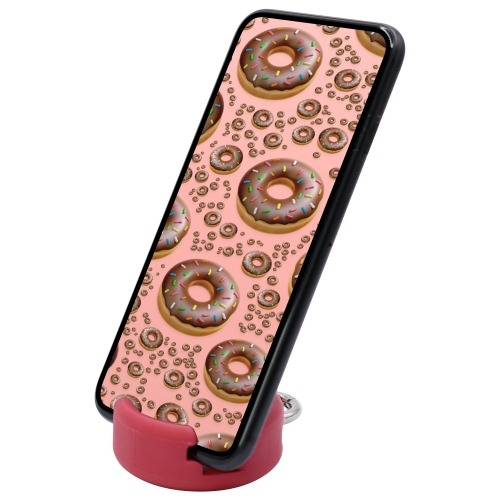
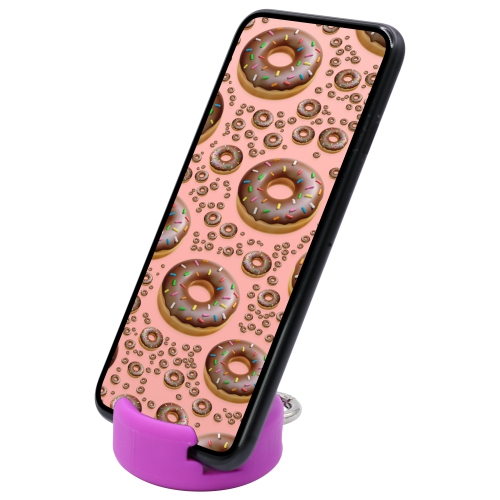
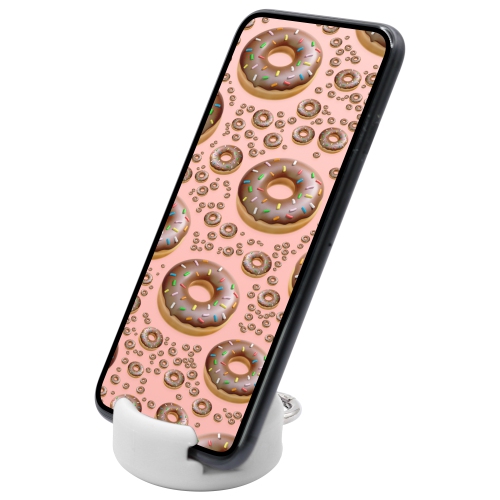
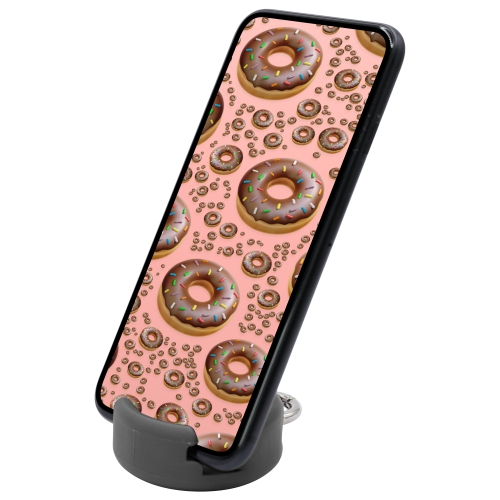
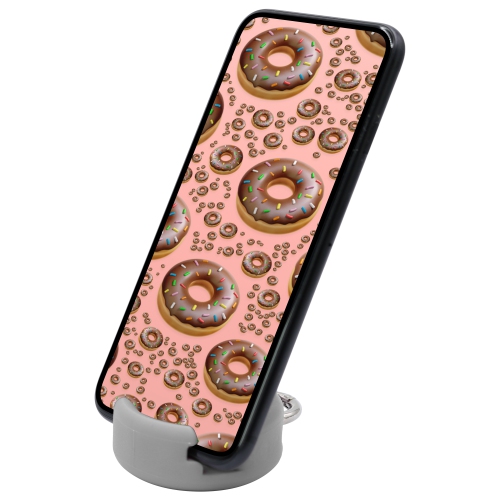
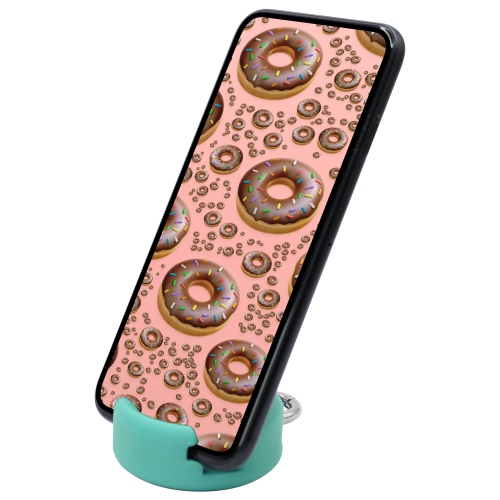
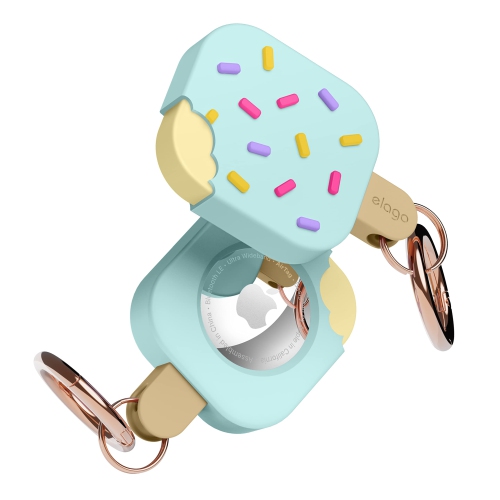
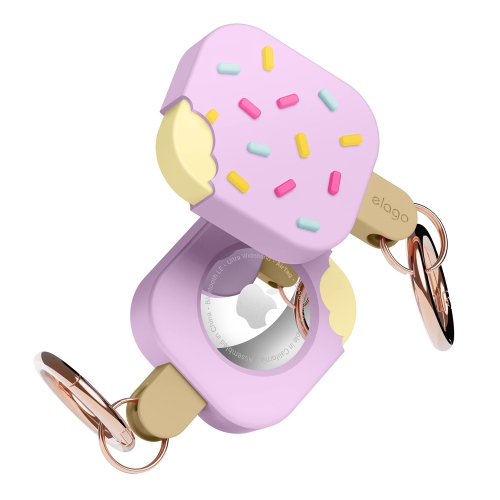
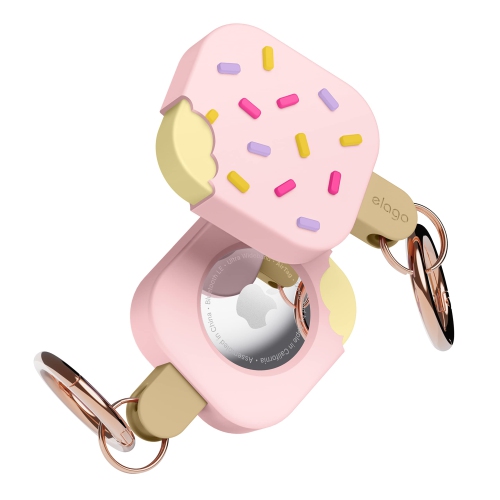
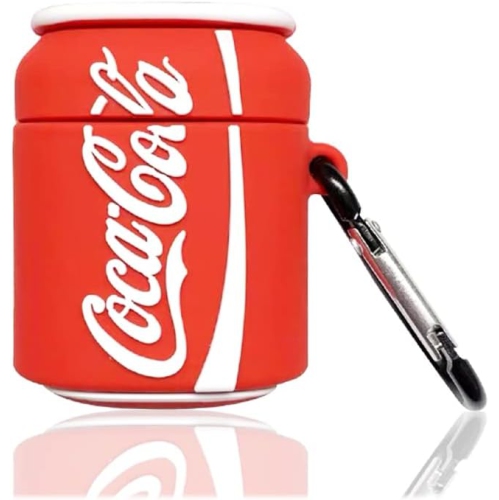
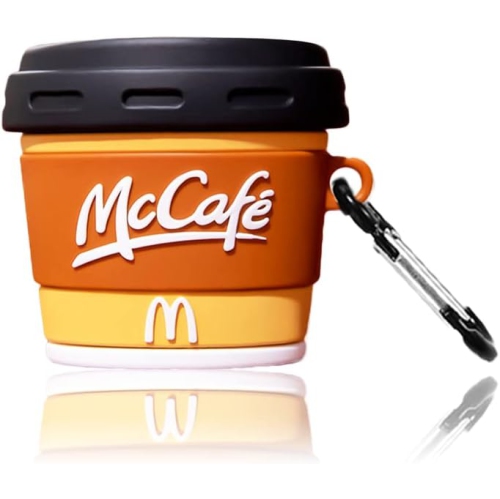
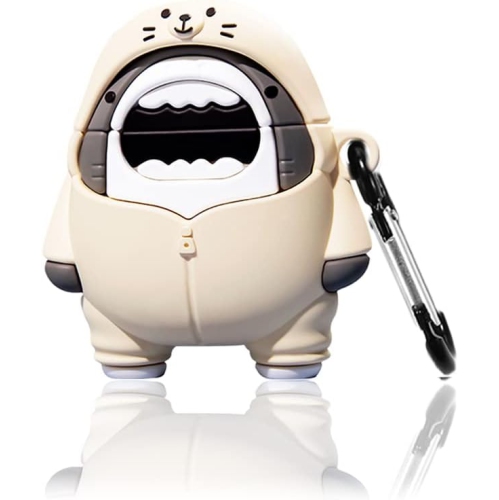
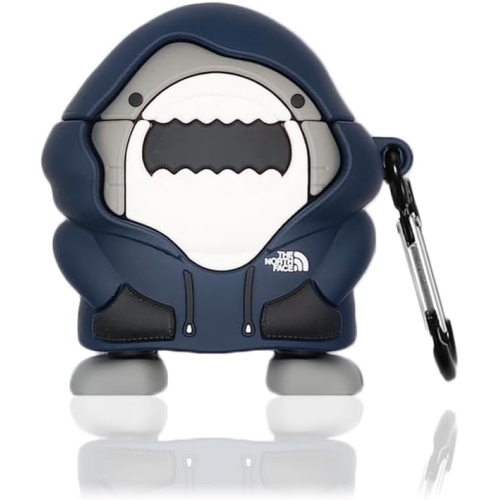
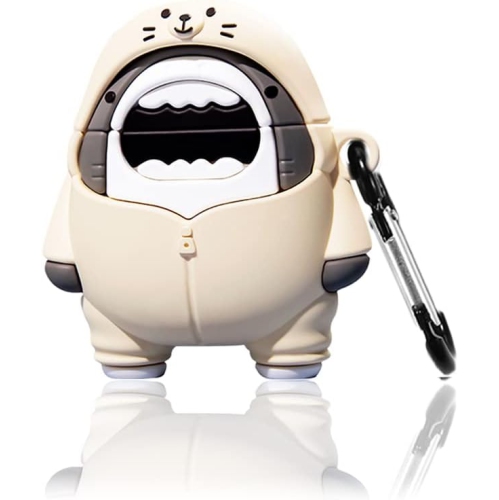
Small clips that put everyday keys within reach
Keychain carabiners are small gated clips that keep keys together and attach them to a belt loop, bag strap, or suitable attachment point. Their appeal is straightforward: instead of searching the bottom of a tote for a loose key ring, the keys stay in a familiar place and can be unclipped when needed. A typical design pairs a curved or angular frame with a spring-loaded gate, while some versions add a locking mechanism or a separate ring for the keys. These details affect how the clip works in everyday situations, from opening an apartment door with groceries in hand to moving a set of office keys between a work bag and a jacket pocket. Standard spring gates offer quick access, while slide-lock and screw-gate styles add a step that helps prevent accidental opening. A lock is useful when keys brush against clothing or other bag contents, though it still needs to be fully engaged to do its job. Double-gated designs can separate the attachment point from the key-carrying section, making it easier to detach the clip without disturbing the keys. A separate split ring provides another practical distinction: the keys remain together even when the carabiner is open. Alongside a traditional Key Chain, a carabiner-style attachment offers a convenient way to move keys between carrying locations without threading the entire set through a strap. Standard keychain carabiners are accessory clips, not climbing equipment, and must not be used for climbing, fall protection, or supporting a person. A locking gate alone does not make a clip suitable for those purposes. For everyday use, the most useful design is one that matches both the size of the key bundle and the place where it will be attached. Someone carrying two house keys may prefer a compact frame, while a larger set with a vehicle fob needs enough room to move freely without crowding the gate.
Materials, dimensions, and gate construction influence how a keychain carabiner feels and wears over time. Aluminium is often chosen for its low weight, particularly when the clip hangs from a trouser loop or sits inside a small bag. Stainless steel generally adds weight but can suit people who prefer a firmer, more substantial feel. Plastic accessory clips offer another lightweight option, although their suitability depends on their construction and stated purpose. Material alone does not establish strength: the shape of the frame, quality of the hinge, and way the gate meets the body all matter. Smooth edges are especially useful around knitwear, pocket linings, and woven straps, where rough surfaces can catch. Coloured finishes can make a key set easier to distinguish, but repeated contact with metal keys may leave visible wear. Dimensions deserve attention beyond the overall length of the clip. The gate opening must be wide enough to pass over the intended loop or ring, and the space inside the frame must accommodate the keys without pressing them into the moving parts. A broad backpack handle may not fit a narrow gate, even if the carabiner looks large in a photograph. Thick vehicle fobs also need clearance, particularly if they share the clip with several split rings. A flatter shape can sit more comfortably against the body, while a rounded frame may allow attached rings to shift more easily. During the cooler months, a gate or locking tab that is manageable with bare fingers may feel fiddly with gloves, making the size and position of the controls worth considering. Spring resistance should allow deliberate opening while letting the gate return fully to its closed position. For keys carried on the outside of a bag, a locking style can add reassurance, but the attachment point itself must also be secure. A sound clip cannot compensate for a worn belt loop or a loose fabric tab.
Everyday carrying habits often make the difference between a useful keychain carabiner and one that feels cumbersome. Commuters may prefer clipping keys to an internal bag loop, where they remain easy to locate without swinging against the outside of the bag. Students can keep a residence key separate from a larger bundle, while someone moving between home, a shared workspace, and a storage locker may find separate rings helpful for identifying each set by touch. For travel, keeping keys inside a zipped compartment with an internal attachment point limits both dangling and exposure. An accessory carabiner may also hold a small pouch or another lightweight belonging when that use falls within the manufacturer's specifications, but it should not be treated as a security device or a substitute for a purpose-built fastener. Extra functions, such as an integrated bottle opener, can be convenient, although they also change the clip's shape, weight, and feel in a pocket. A simple frame may be more comfortable for someone who carries keys all day. Keychain carabiners can make practical gifts for a new driver, a student leaving home, or someone settling into a new place, especially when the size and closure suit the recipient's routine. Care is usually uncomplicated: follow the manufacturer's directions, remove surface dirt with a soft cloth, and dry the clip after exposure to moisture. Grit around a hinge or locking tab can interfere with movement, so those areas deserve a closer look after the clip has been carried outdoors. Road salt transferred from wet gloves or clothing should be cleaned away promptly using a method appropriate to the material and finish. Periodically check that the gate closes completely, the lock engages properly, and any connecting ring or strap remains intact. A bent frame, cracked body, loose hinge, or gate that no longer closes reliably is a reason to stop using the clip. Keeping the key bundle manageable also reduces bulk and rubbing, helping the whole arrangement stay comfortable and easy to handle through daily trips in and out of the door.
Materials, dimensions, and gate construction influence how a keychain carabiner feels and wears over time. Aluminium is often chosen for its low weight, particularly when the clip hangs from a trouser loop or sits inside a small bag. Stainless steel generally adds weight but can suit people who prefer a firmer, more substantial feel. Plastic accessory clips offer another lightweight option, although their suitability depends on their construction and stated purpose. Material alone does not establish strength: the shape of the frame, quality of the hinge, and way the gate meets the body all matter. Smooth edges are especially useful around knitwear, pocket linings, and woven straps, where rough surfaces can catch. Coloured finishes can make a key set easier to distinguish, but repeated contact with metal keys may leave visible wear. Dimensions deserve attention beyond the overall length of the clip. The gate opening must be wide enough to pass over the intended loop or ring, and the space inside the frame must accommodate the keys without pressing them into the moving parts. A broad backpack handle may not fit a narrow gate, even if the carabiner looks large in a photograph. Thick vehicle fobs also need clearance, particularly if they share the clip with several split rings. A flatter shape can sit more comfortably against the body, while a rounded frame may allow attached rings to shift more easily. During the cooler months, a gate or locking tab that is manageable with bare fingers may feel fiddly with gloves, making the size and position of the controls worth considering. Spring resistance should allow deliberate opening while letting the gate return fully to its closed position. For keys carried on the outside of a bag, a locking style can add reassurance, but the attachment point itself must also be secure. A sound clip cannot compensate for a worn belt loop or a loose fabric tab.
Everyday carrying habits often make the difference between a useful keychain carabiner and one that feels cumbersome. Commuters may prefer clipping keys to an internal bag loop, where they remain easy to locate without swinging against the outside of the bag. Students can keep a residence key separate from a larger bundle, while someone moving between home, a shared workspace, and a storage locker may find separate rings helpful for identifying each set by touch. For travel, keeping keys inside a zipped compartment with an internal attachment point limits both dangling and exposure. An accessory carabiner may also hold a small pouch or another lightweight belonging when that use falls within the manufacturer's specifications, but it should not be treated as a security device or a substitute for a purpose-built fastener. Extra functions, such as an integrated bottle opener, can be convenient, although they also change the clip's shape, weight, and feel in a pocket. A simple frame may be more comfortable for someone who carries keys all day. Keychain carabiners can make practical gifts for a new driver, a student leaving home, or someone settling into a new place, especially when the size and closure suit the recipient's routine. Care is usually uncomplicated: follow the manufacturer's directions, remove surface dirt with a soft cloth, and dry the clip after exposure to moisture. Grit around a hinge or locking tab can interfere with movement, so those areas deserve a closer look after the clip has been carried outdoors. Road salt transferred from wet gloves or clothing should be cleaned away promptly using a method appropriate to the material and finish. Periodically check that the gate closes completely, the lock engages properly, and any connecting ring or strap remains intact. A bent frame, cracked body, loose hinge, or gate that no longer closes reliably is a reason to stop using the clip. Keeping the key bundle manageable also reduces bulk and rubbing, helping the whole arrangement stay comfortable and easy to handle through daily trips in and out of the door.
Top selling and popular products
-
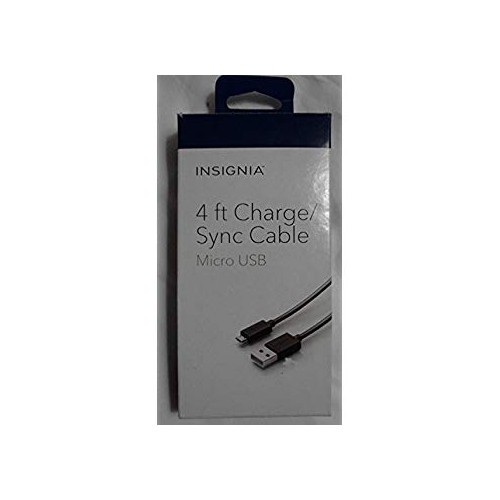 Your price for this item is $0.99
 -
 Your price for this item is $34.99
 -
![ANDOBIL Phone Holder Car Vent, [Military Sturdy, Firmly Grip & Never Slip] Car Phone Holder Mount Universal Vent Cell Phone Holder Car, Fit For](https://multimedia.bbycastatic.ca/multimedia/products/500x500/196/19675/19675335.jpeg) Your price for this item is $58.99
Your price for this item is $58.99 -
 Your price for this item is $49.99
 -
 Your price for this item is $1129
 -
 Your price for this item is $7.99
 -
 Your price for this item is $79.99
 -
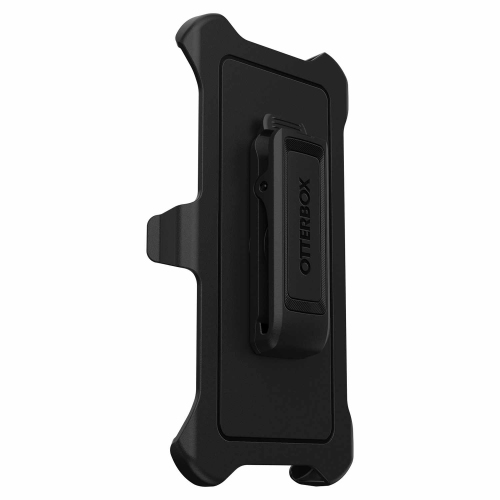 Your price for this item is $24.99
Discover more categories related to Keychain Carabiners
Top Collections:
Pokemon Centers, Budget 4K TVs, Kindle Devices, Canon G7X Cameras, Apple iPhones 16, iPhone 15 Apple, Laptops for Business Work, Flip Phones, Xiaomi Phones, Refurbished Apple Laptops
Some products may be subject to Environmental Handling Fees
(EHF) depending on your province.
Learn more about EHFs.