Noise Cancelling Earbuds for Studying
Noise Cancelling Earbuds for Studying are designed to help you maintain focus and minimize distractions in any environment. Whether you're preparing for exams at home, working on assignments in a busy library, or tuning out background noise in a coffee shop, these earbuds offer a convenient solution for students and professionals alike. Explore a wide selection of options that combine comfort, style, and advanced technology to support your study sessions. Find the perfect pair of Noise Cancelling Earbuds for Studying to enhance productivity and create your ideal learning space.
Sort

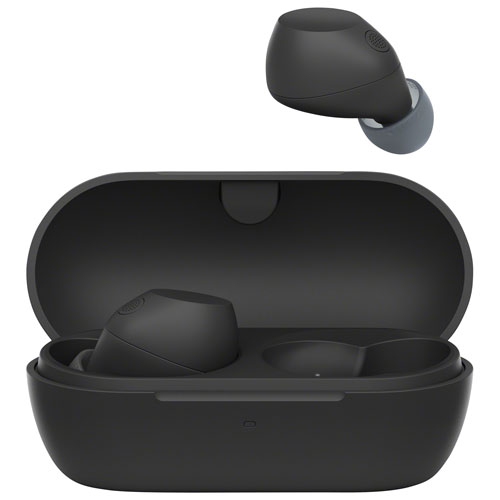
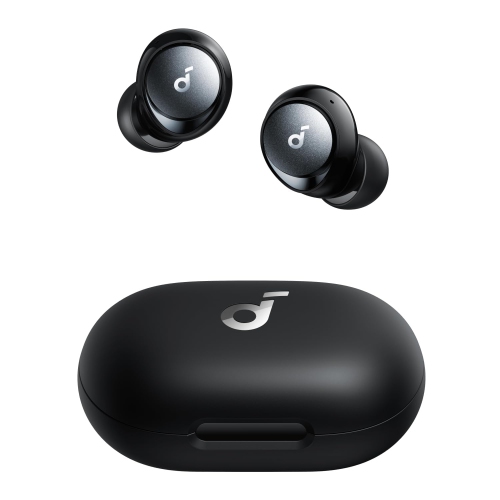
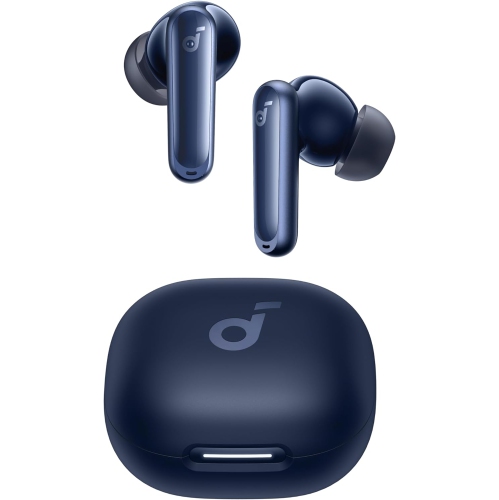
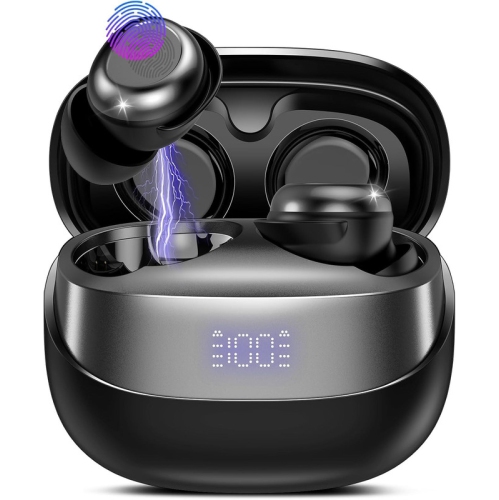
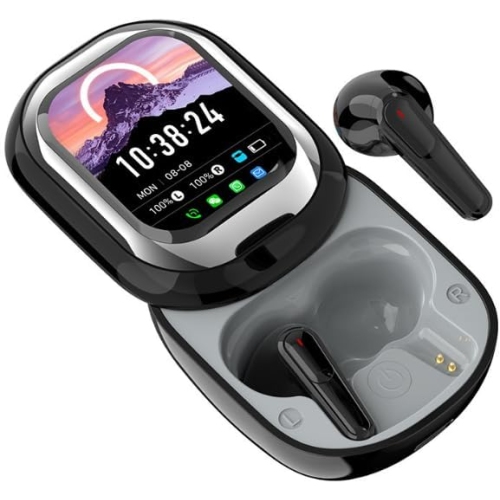
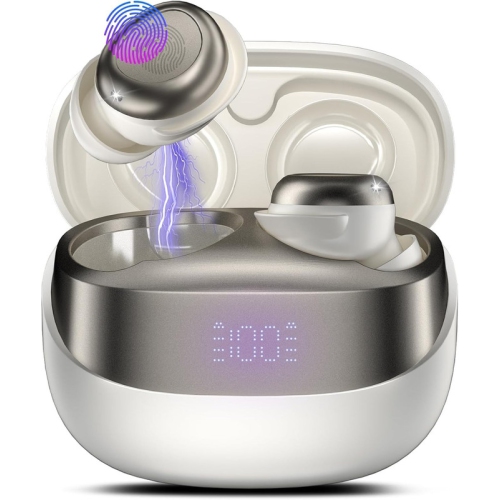
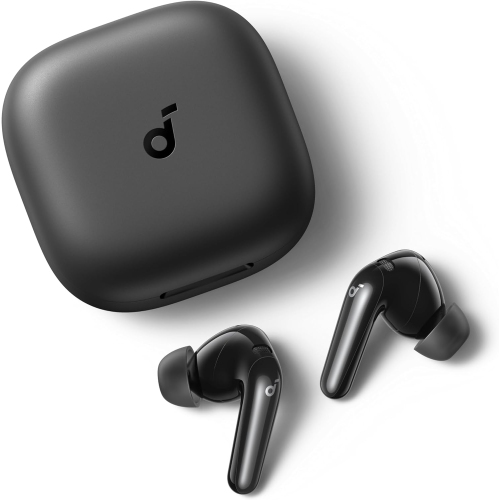
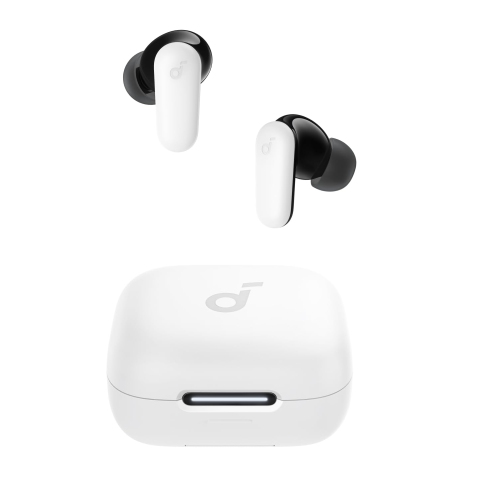
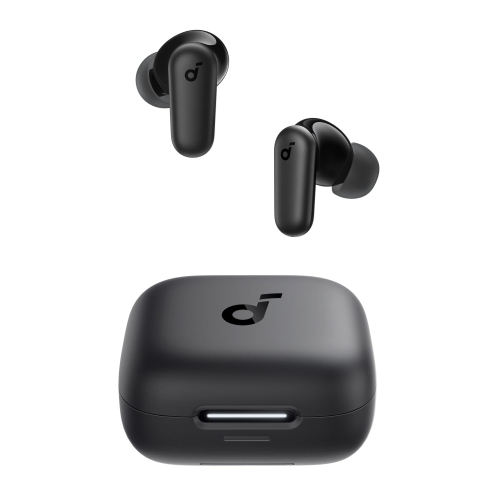

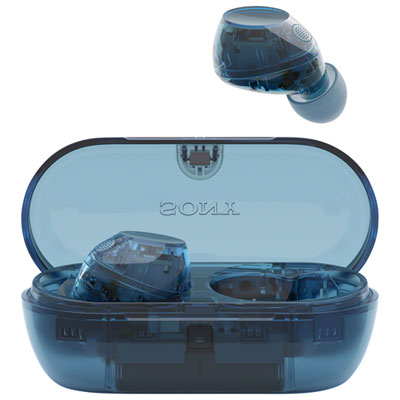

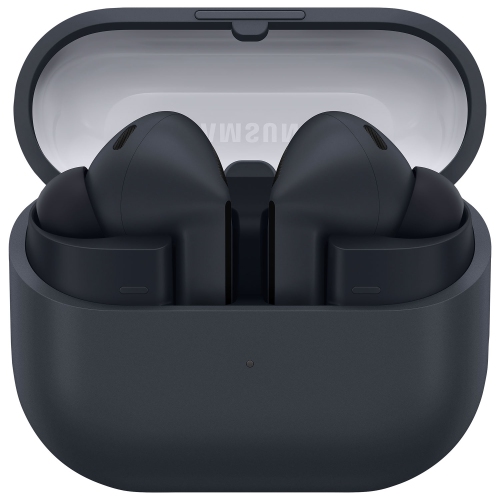
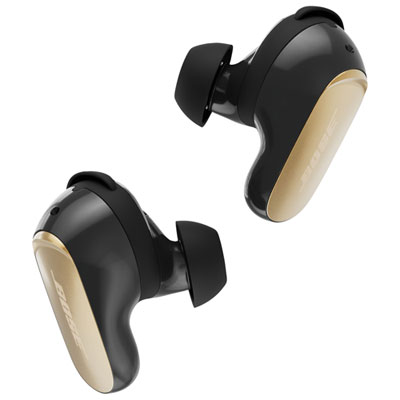
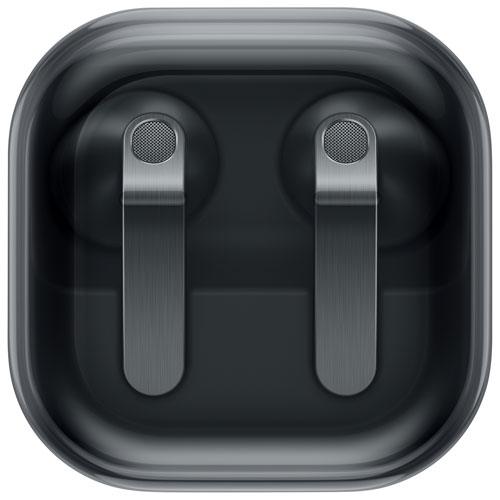
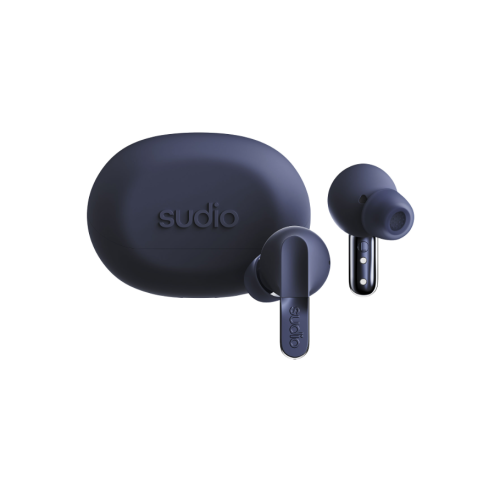
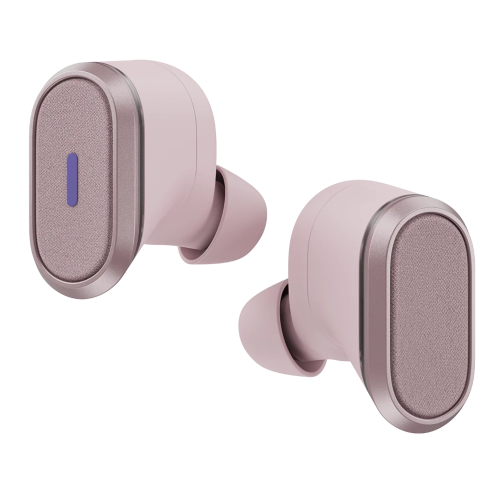
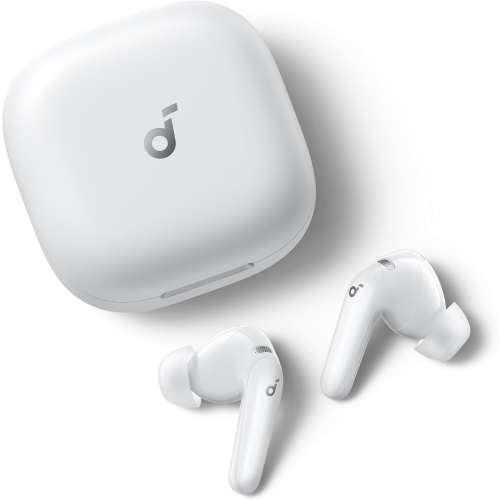
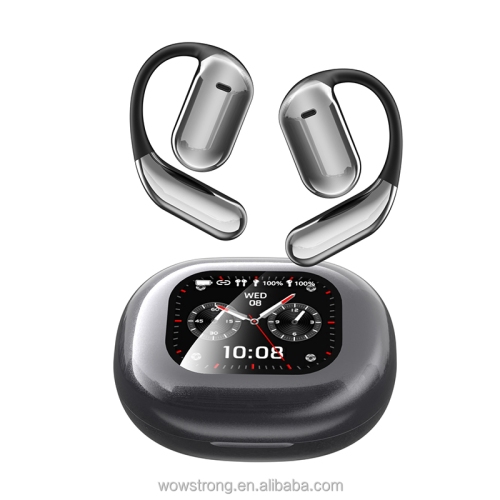
Why earbud fit matters as much as noise cancellation
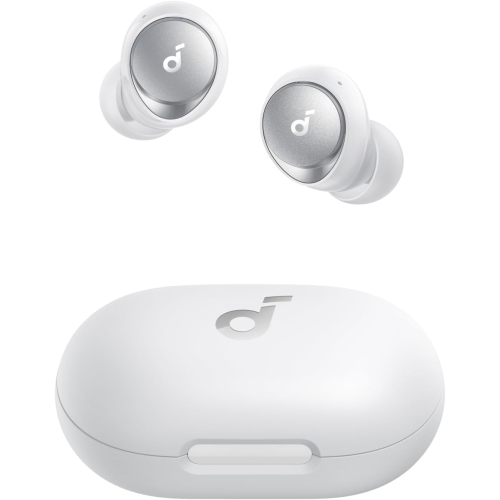
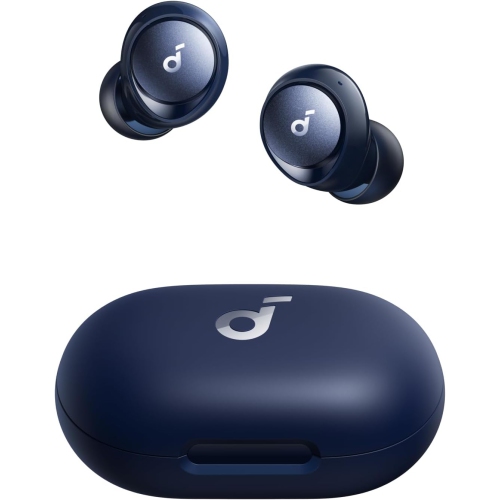
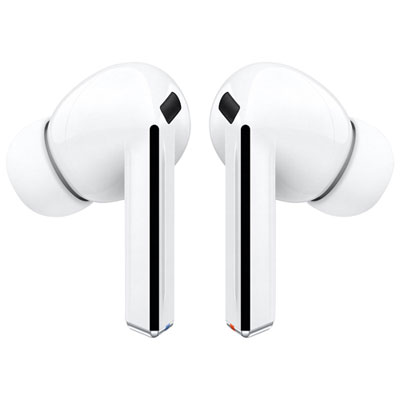
Noise cancelling earbuds for studying help reduce distracting background sound while keeping music, recorded lectures, and spoken-word audio close at hand. Their appeal is especially clear at a shared kitchen table, in a busy campus study area, or beside the steady hum of a ventilation system. Active noise cancellation, often shortened to ANC, uses microphones and audio processing to reduce certain external sounds. It generally works best on steady, lower-frequency noise, while nearby conversations, a dropped textbook, or the scrape of a chair may still be audible. A secure in-ear seal adds passive noise isolation, so the shape and fit of the earbuds matter alongside the cancellation technology. Together, these features can make background distractions less prominent without requiring music to overpower the room. Some earbuds allow ANC to operate without audio playing, which can suit reading, writing, or working through calculations, although this capability varies by model. Adjustable cancellation offers flexibility when moving between a quiet desk and a busier shared space. Adaptive ANC may adjust its response as surrounding sound changes, but performance still depends on fit and the type of noise present. Transparency or ambient listening modes serve a different purpose: they let more outside sound through when speaking with a classmate or listening for an announcement. These modes are convenient, but they do not replace removing the earbuds when full awareness is needed. For coursework that involves video lessons, clear speech reproduction can be more useful than powerful bass. Balanced sound helps keep dialogue intelligible, while an adjustable equalizer allows listeners to reduce a heavy low end or bring voices forward. Instrumental music, soft background audio, and recorded course material each place different demands on sound tuning. Noise cancellation does not guarantee concentration or complete silence, but it can make a chosen study space more comfortable to use. Keeping playback at a moderate level remains important, even when outside noise seems quieter.
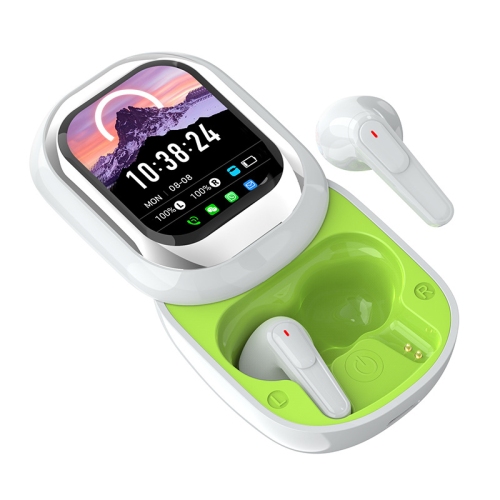
Comfort becomes particularly noticeable during a long reading assignment or several back-to-back lectures. Lightweight earbuds with a low-profile shape can feel less intrusive than larger housings, especially for someone who wears glasses or frequently rests a hand against the side of their face. Ear tips are an important part of that fit. Silicone tips are flexible and generally straightforward to clean, while foam tips can conform to the ear canal and may need more frequent replacement as they wear. Neither material is automatically the better choice; comfort depends on ear shape, tip size, and how the earbud sits. A tip that is too small may leave gaps that weaken bass and noise isolation, while one that is too large can create pressure. Different sizes may suit the left and right ears, and a supported fit test can help identify an incomplete seal. Earbuds should sit securely without needing to be pushed deeply into place or repeatedly adjusted between paragraphs. Small housings and smooth edges can be helpful for extended wear, but occasional breaks still give ears a rest. Controls also affect everyday comfort. Touch surfaces can be convenient, although accidental taps may interrupt playback when adjusting an earbud; physical buttons provide a more definite response but may press against the ear during use. Customizable controls can make it easier to pause a lecture or switch listening modes without reaching for a phone. For students carrying earbuds between home, campus, and a workplace, a sturdy charging case helps protect the housings and keeps the pair together in a bag. Water-resistance ratings, where provided, describe particular tested conditions rather than protection against every kind of moisture. Care should follow the manufacturer’s directions, with attention to ear tips, speaker meshes, and charging contacts. A soft, dry cloth is often useful for routine cleaning, and earbuds should be dry before returning to the case. Replace worn or damaged tips to help maintain a comfortable seal, and avoid loose storage beside keys or other objects that could scratch the surfaces.
Battery life and connectivity shape how smoothly earbuds fit into a study routine. For noise cancelling earbuds, the most relevant battery figure is listening time with ANC enabled, since cancellation uses power and published maximums may reflect different settings. Volume, calls, connection features, and listening modes can also affect actual runtime. The charging case provides additional top-ups, but its total battery figure is not the same as uninterrupted listening time from the earbuds themselves. Someone who studies in short blocks may find convenient case charging more useful than maximum single-charge endurance, while longer lecture sessions place more emphasis on the earbuds’ own runtime. Quick charging can help before a class, although the listening time gained from a brief charge varies. A compatible charging connection simplifies packing, and wireless case charging may suit a desk that already has a charging pad. Bluetooth multipoint is useful when supported because it can maintain connections with two devices, such as a laptop and a phone, rather than requiring repeated manual pairing. Device switching behaviour differs, so compatibility with the intended setup matters. Video lessons also benefit from consistent audio synchronization, particularly when following an instructor’s demonstration. For online seminars and group projects, microphone quality deserves separate attention: ANC reduces sound heard by the listener, whereas microphone noise reduction aims to improve what other participants hear. One feature does not guarantee the performance of the other. Independent single-earbud use can be convenient for brief conversations or lighter listening, though cancellation and controls may behave differently in that mode. Within the broader category of Earbuds for Studying, noise cancelling designs are particularly relevant to students sharing rooms, commuters reviewing course material, and adult learners balancing coursework with a busy household. They can also make a thoughtful gift for someone beginning a program or setting up a dedicated study space. Fit preferences, device compatibility, and an easy-to-use companion app help make that gift practical beyond the first listening session.
Top selling and popular products
-
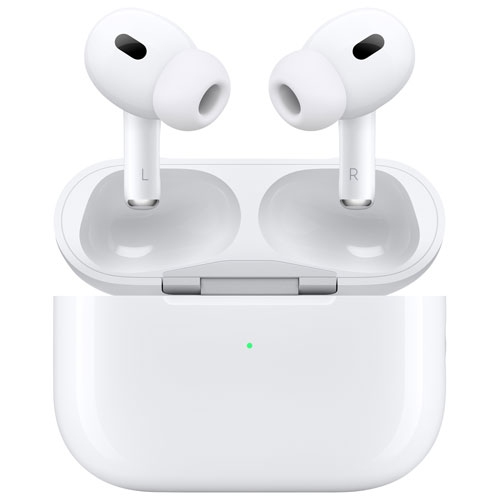 Your price for this item is $349.99
-
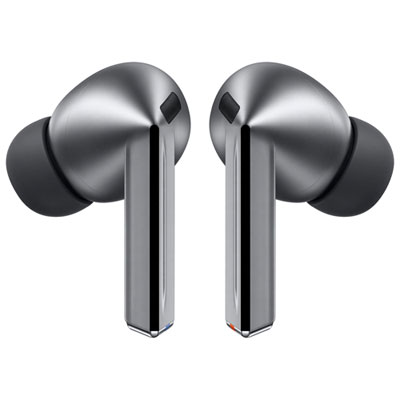 Your price for this item is $329.99
-
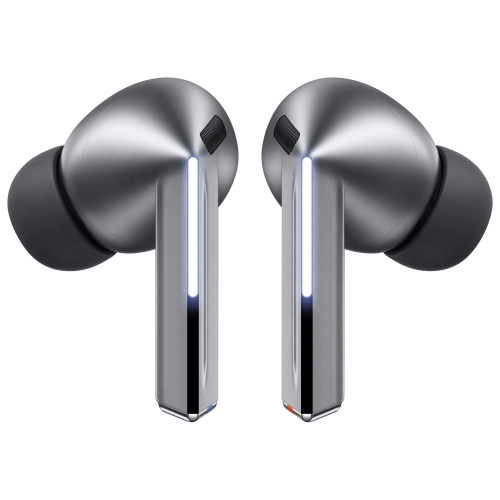 Your price for this item is $229
-
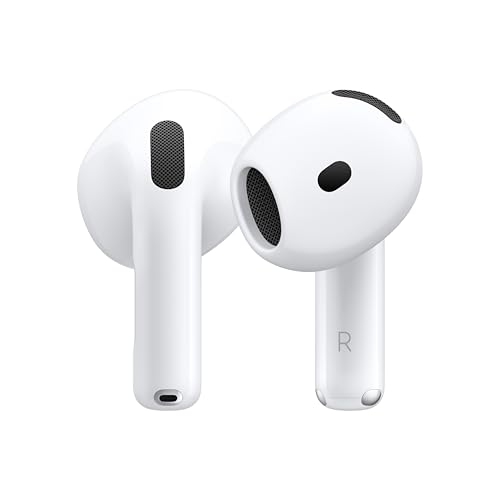 Your price for this item is $159.99
-
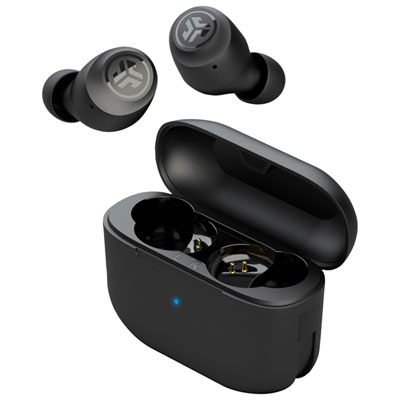 Your price for this item is $19.99
-
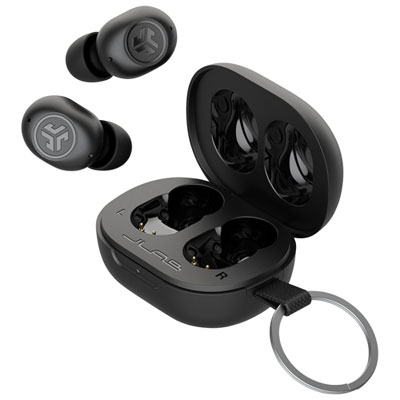 Your price for this item is $59.99
-
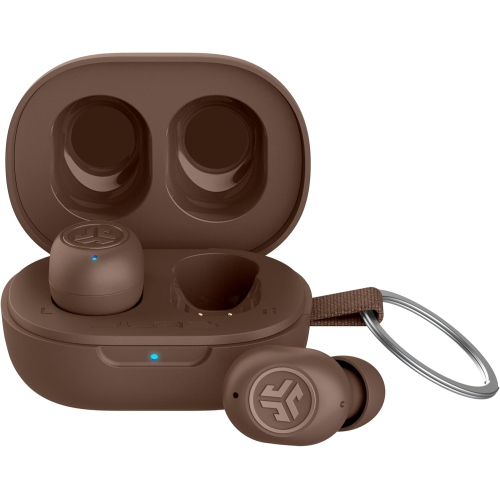 Your price for this item is $107.49
-
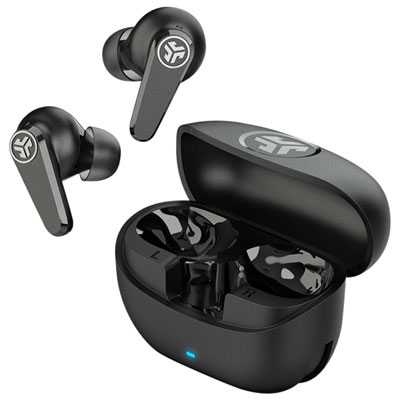 Your price for this item is $59.99
Discover more categories related to Noise Cancelling Earbuds for Studying
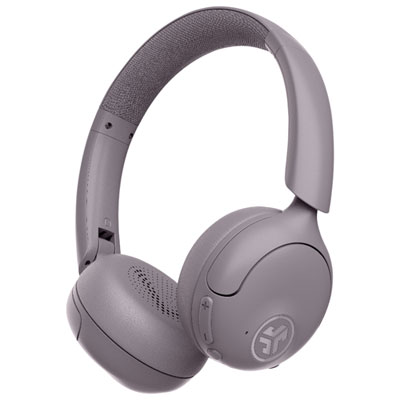
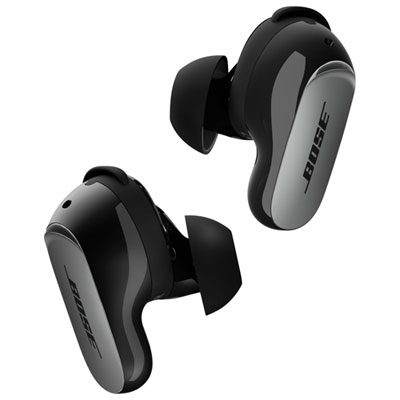
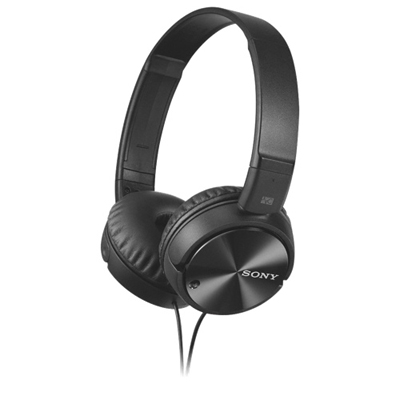
Top Collections:
Best Black Friday Deals This Year, Best Black Friday Deals On Electronics, Kindle Devices, Best Black Friday Deals On Apple Products, Best Budget Office Chairs, Best Cameras for Sports Photography, Dyson Airwrap, Canon G7X Cameras, Best Laptops for Writers, Samsung Galaxy Phones
Some products may be subject to Environmental Handling Fees
(EHF) depending on your province.
Learn more about EHFs.