Philips Headphones
Philips Headphones offer a versatile selection designed to suit a variety of listening preferences and lifestyles. Whether you're looking for options for music, calls, or on-the-go entertainment, there’s a pair to match your needs. Browse the full range of Philips Headphones to find comfortable designs and reliable performance for your daily routine. Discover models that combine style and convenience, making it easy to enjoy your favorite audio wherever you are.
Sort
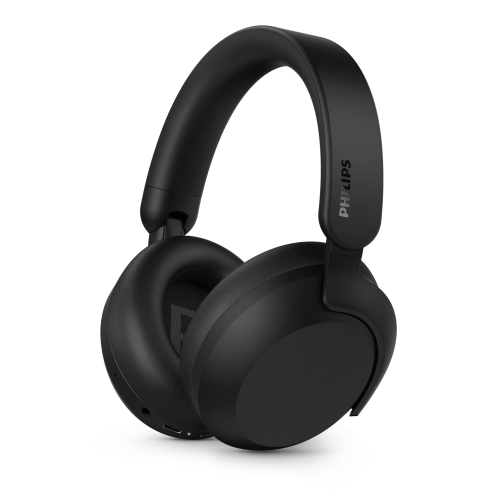

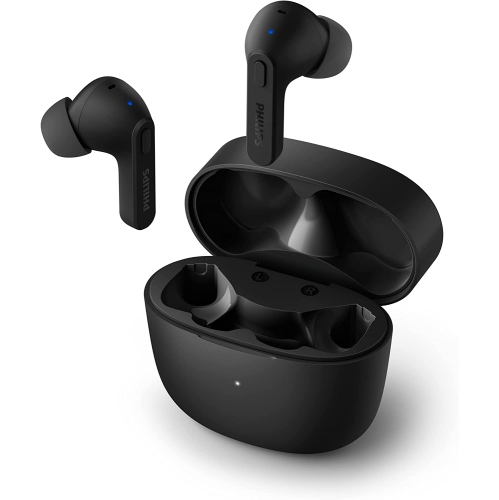

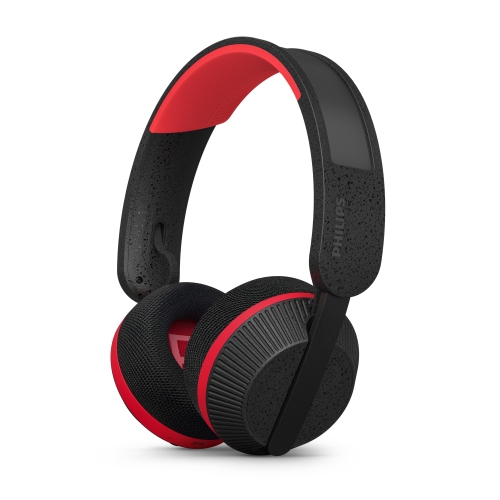
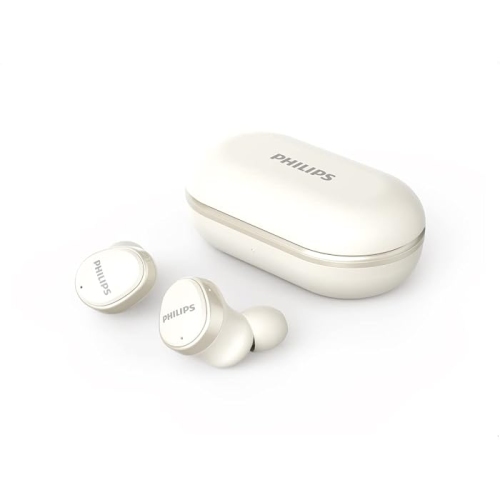







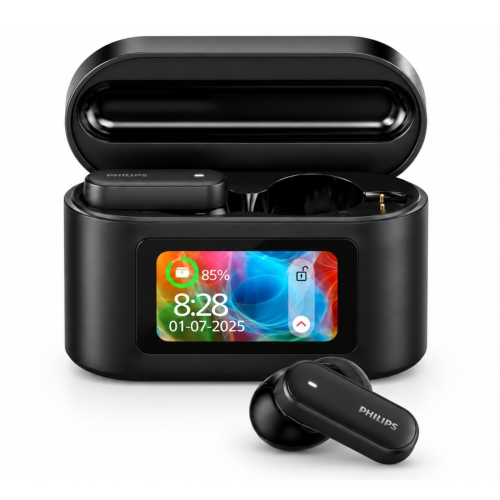
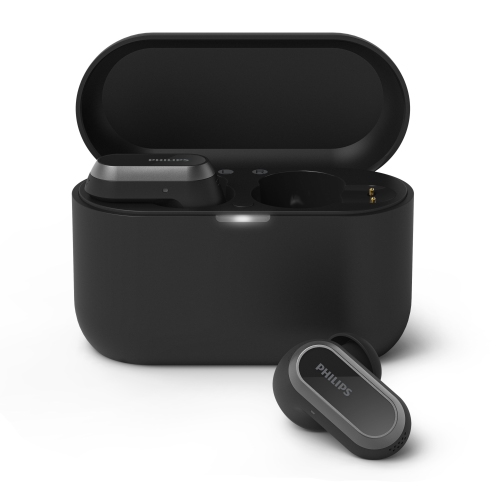

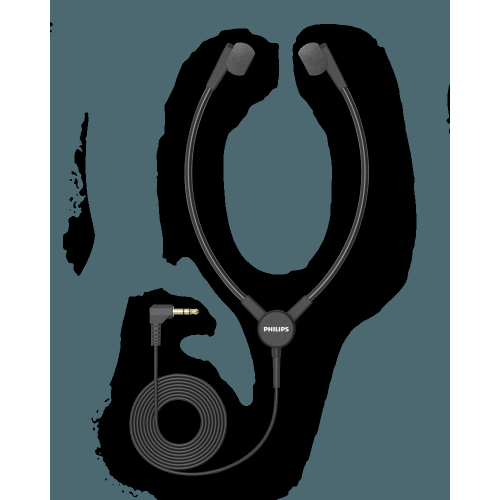

The right fit goes beyond how headphones feel
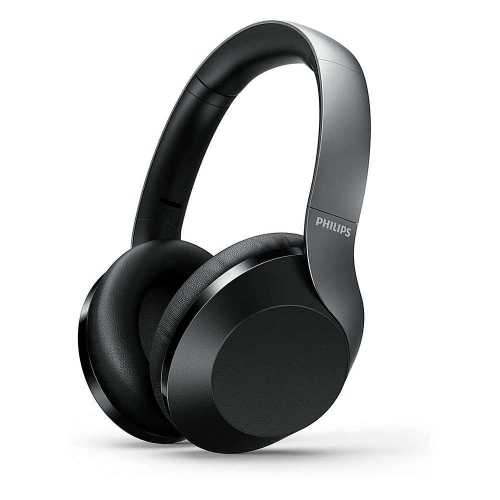
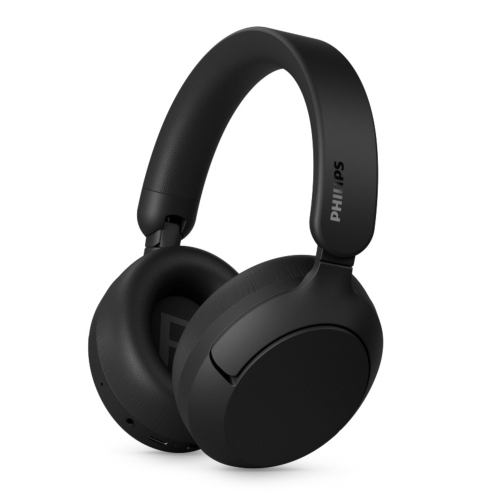
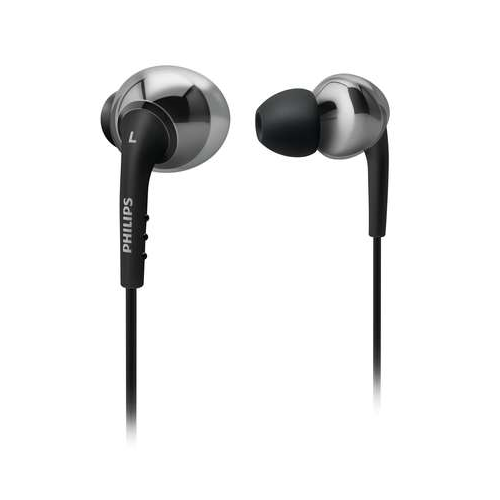
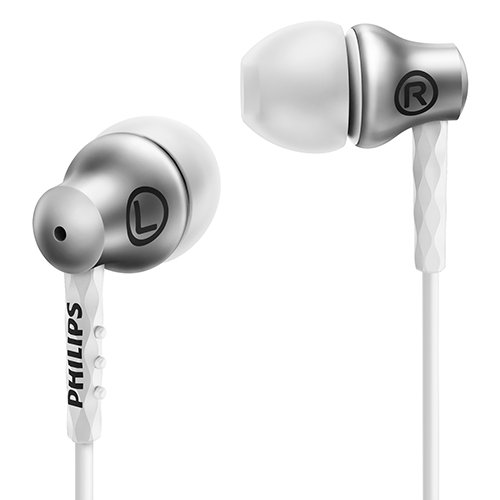
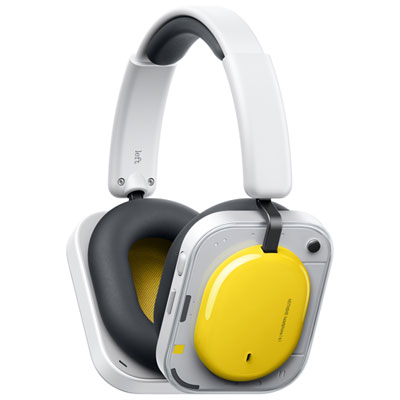
Headphones make room for music, podcasts, films, and calls in a busy day, with different designs suited to different listening habits. Common styles include over-ear headphones, on-ear headphones, and in-ear earbuds, with wired and Bluetooth connections serving distinct needs. Over-ear designs surround the ears with cushioned cups, creating a comfortable space for longer listening sessions when the headband pressure and ear openings suit the wearer. On-ear headphones rest against the ears and often have a smaller profile for carrying between home, work, and school. In-ear earbuds take up little room in a bag or pocket, while true wireless earbuds remove the cable between the earpieces and typically recharge inside a carrying case. Fit matters as much as size: an ear cushion that presses against the edge of the ear or an ear tip that slips during a walk can become distracting well before an album finishes. Adjustable headbands, swivelling earcups, and interchangeable silicone tips give listeners different ways to find a secure, comfortable position. People who wear glasses may prefer softer cushions that put less pressure on the arms of their frames. Materials also affect the feel of everyday use. Fabric-covered cushions can feel different against the skin than smooth leatherette, while foam padding helps distribute contact around the ears. Lightweight plastic keeps bulk down, and metal reinforcement at hinges or headband joints can add structure, although the quality of the complete design matters more than any single material. A folding frame may fit neatly beside a lunch container or notebook, while a rigid over-ear design may be better suited to a dedicated listening space. For someone moving regularly between a desk and public transit, portability and a secure fit may take priority; for someone settling into an evening of albums, roomy earcups and even headband pressure can make a greater difference. Colour, finish, and the position of buttons or touch controls round out how naturally a pair fits into a daily routine.
Sound and connection features shape the listening experience beyond the physical fit. A balanced presentation can keep spoken voices clear and instruments distinct, while a stronger bass emphasis may appeal to listeners who enjoy the weight of electronic music or the pulse of a workout playlist. Driver size alone does not establish sound quality; tuning, earcup construction, and the seal around or inside the ear all influence what reaches the listener. Closed-back headphones help contain sound and reduce some outside noise through their physical design. Open-back headphones allow air and sound to pass through the earcups, which can create a more spacious presentation but also lets nearby people hear some of the audio. That makes open-back designs better suited to quiet, shared-noise-free listening than a library table or busy office. Active noise cancellation uses microphones and processing to reduce external sound, often working particularly well against steady, low-frequency noise such as the rumble of a train. It does not remove every voice or sudden sound, and a good fit remains important. An ambient listening mode, where supported, lets outside sound through the headphones for brief conversations or greater awareness of nearby activity. Bluetooth headphones offer freedom from a cable connected to a phone or computer, while wired headphones provide a direct connection that can be useful for a desk setup or an audio source with a compatible headphone output. Wireless features vary: multipoint connectivity can allow connections to more than one device, but pairing behaviour and switching controls depend on the design. Microphone placement and noise-reduction processing can help with calls, although background noise and connection quality still affect how clearly speech comes through. For video meetings, easy access to mute and volume controls can matter as much as music playback. Battery-life figures also need context, since volume, calling, noise cancellation, and other features influence listening time between charges. A charging case adds portable recharging for true wireless earbuds, but its combined battery figure is different from the uninterrupted listening time of the earbuds themselves.
Everyday durability depends on both construction and how headphones are handled. Hinges, headband sliders, cable entry points, and charging contacts are worth considering because they receive repeated use. A detachable cable or replaceable ear cushions can make routine wear easier to address, provided compatible replacement parts are supported. A fitted case helps protect earcups and controls from pressure inside a backpack, and keeping a wired cable loosely coiled reduces strain compared with wrapping it tightly around a phone. For earbuds used during exercise, a secure fit and an appropriate water-resistance rating matter more than a sporty appearance. Sweat or splash resistance does not automatically mean a pair is suitable for swimming, showering, or rinsing under a tap; the stated rating and care directions define those limits. Regular cleaning helps preserve comfort and keeps sound openings clear. A soft, dry cloth is suitable for many exterior surfaces, while removable ear tips may have separate cleaning instructions. Liquids should stay away from drivers, microphones, ports, and charging contacts, and earbuds should be dry before returning to their case. Listening volume deserves the same attention as physical care: a comfortable seal or effective noise cancellation can reduce the temptation to turn music up to compete with surrounding noise. Headphones also make a personal gift for students, commuters, frequent callers, and people who enjoy listening without filling a room with sound. The most useful match reflects the recipient’s habits, including the devices they use, whether they prefer earbuds or a headband, and how long they typically listen at a stretch. When browsing Best Headphones, comfort and compatibility are practical points of comparison, especially for a pair intended for daily use. Someone editing audio at a desk has different priorities from someone taking calls between errands, and those familiar routines often reveal more than a long list of specifications. A comfortable fit, dependable controls, and a connection that works with the listener’s devices help headphones become a natural part of the day.
Top selling and popular products
-
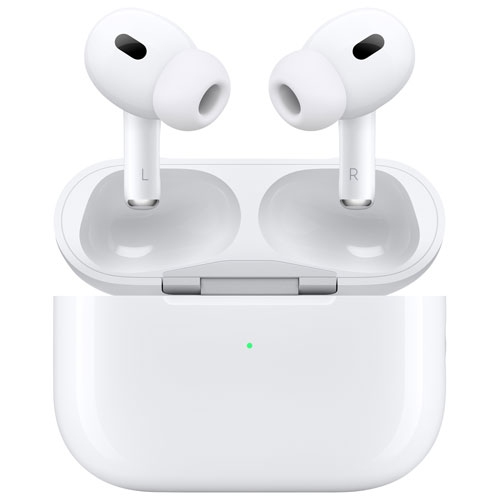 Your price for this item is $349.99
-
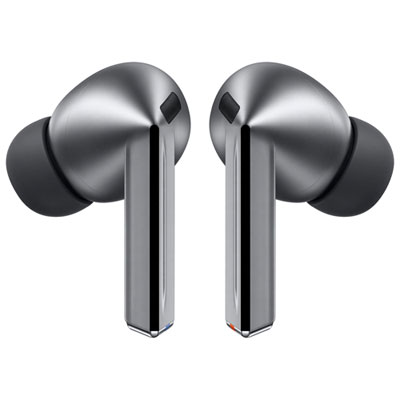 Your price for this item is $329.99
-
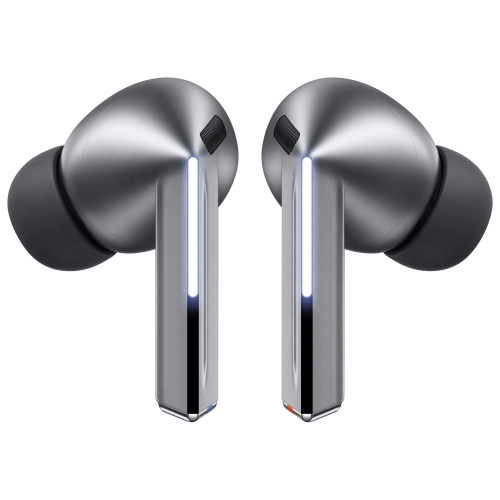 Your price for this item is $229
-
 Your price for this item is $215
-
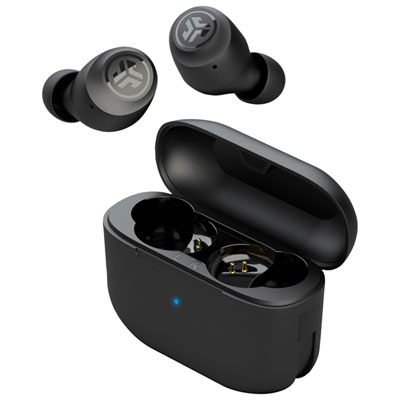 Your price for this item is $34.99
-
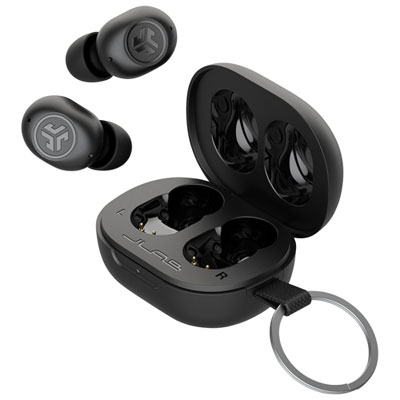 Your price for this item is $59.99
-
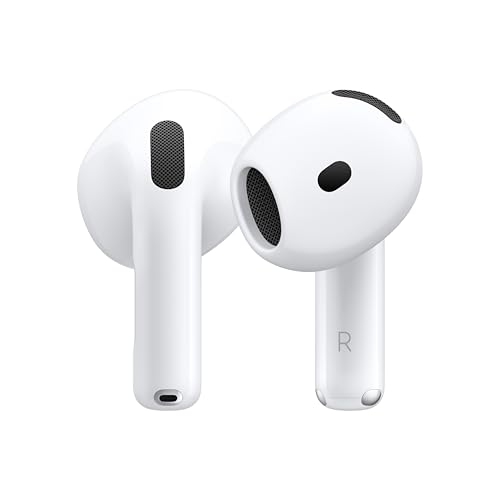 Your price for this item is $189
-
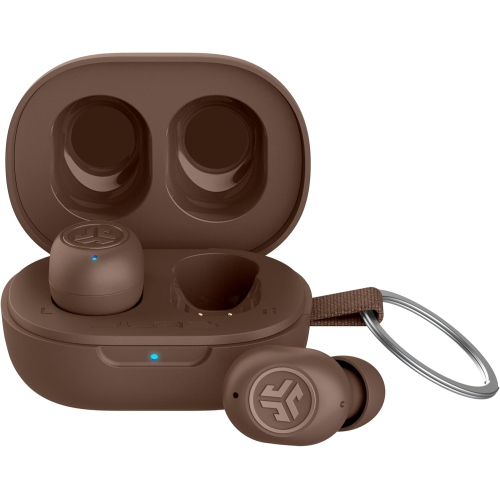 Your price for this item is $89.99
Discover more categories related to Philips Headphones
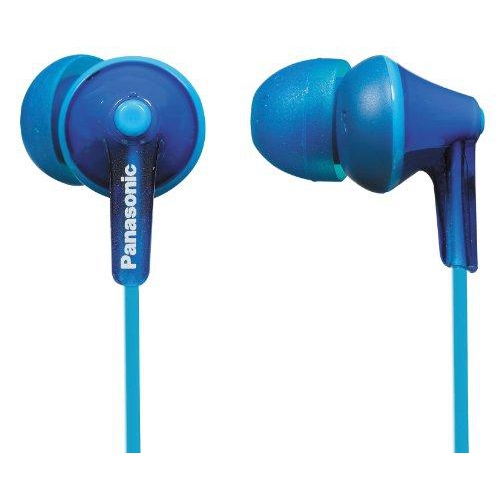
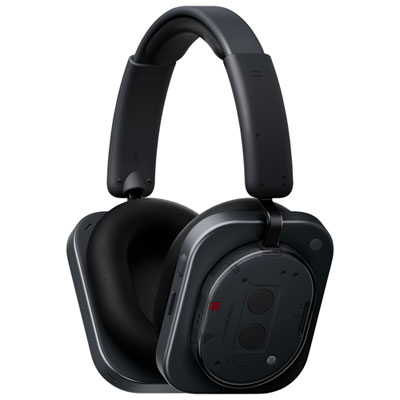

Top Collections:
Pokemon Centers, Best Cameras for Sports Photography, Kindle Devices, Samsung Galaxy Phones, Canon G7X Cameras, Pokémon 30th Celebration Cards, Refurbished Apple Laptops, iPhone 15 Apple, Laptops for Students, Budget Smartphones
Some products may be subject to Environmental Handling Fees
(EHF) depending on your province.
Learn more about EHFs.