Portable PA Speakers
Looking to take your music on the go? Look no further than our selection of portable PA speakers. Whether you're a musician looking for a compact and powerful solution for your performances or simply someone who loves hosting outdoor parties and events, these portable speakers are designed to deliver impressive sound quality in a convenient package. With their lightweight designs and easy-to-use features, you can enjoy your favorite tunes wherever you go. From backyard gatherings to beach parties, these portable PA speakers are the perfect companion for almost any occasion.
Sort
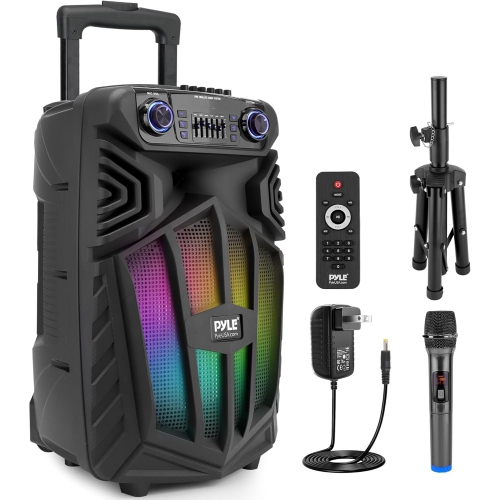

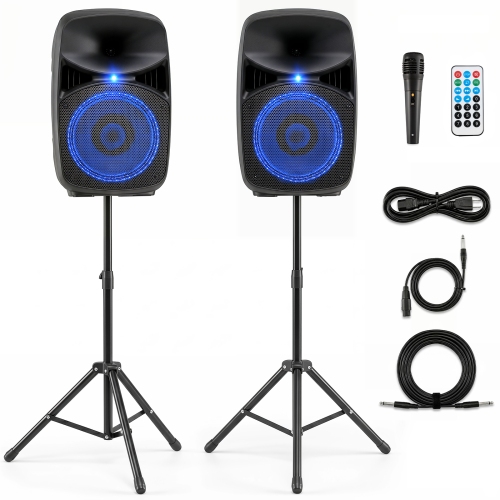
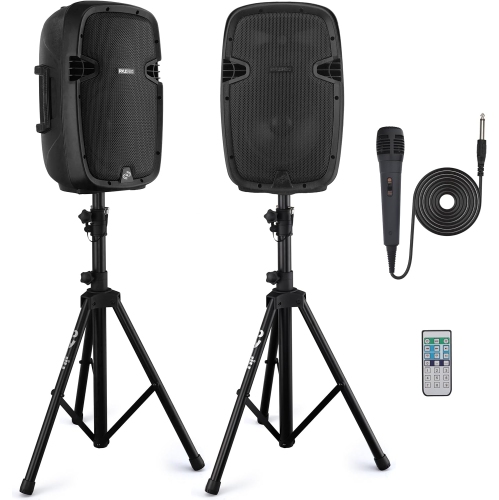
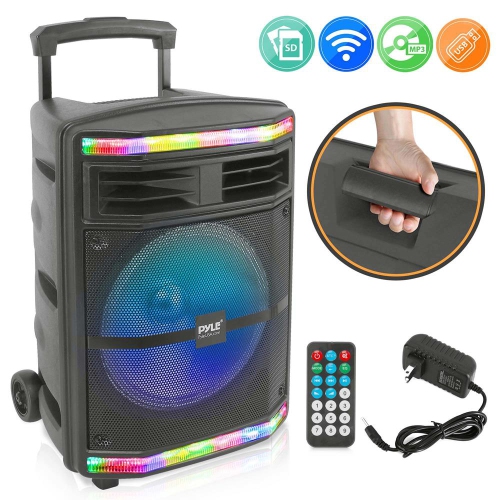
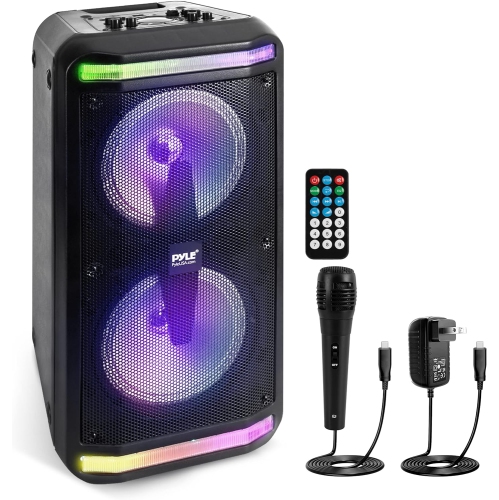


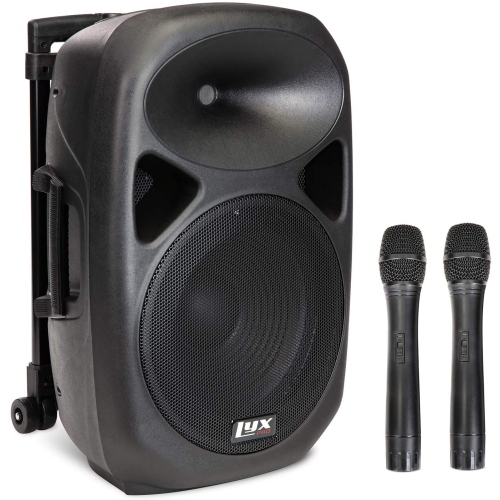
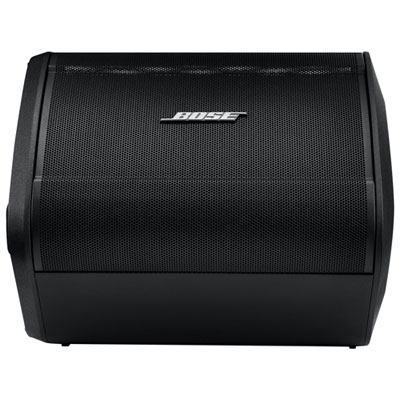
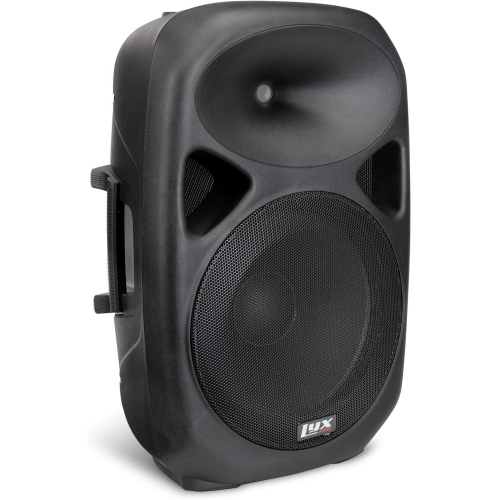
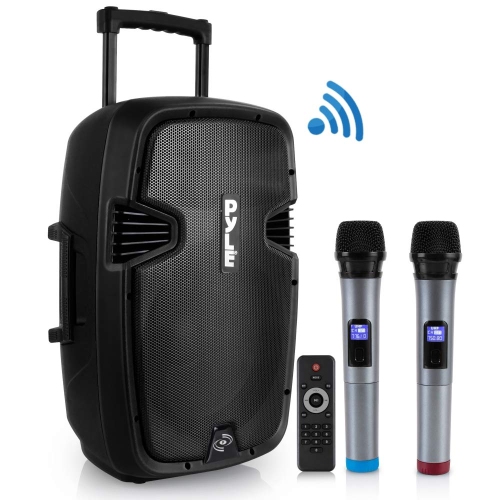
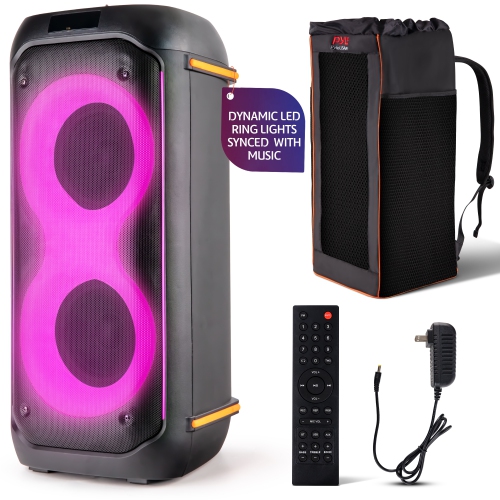
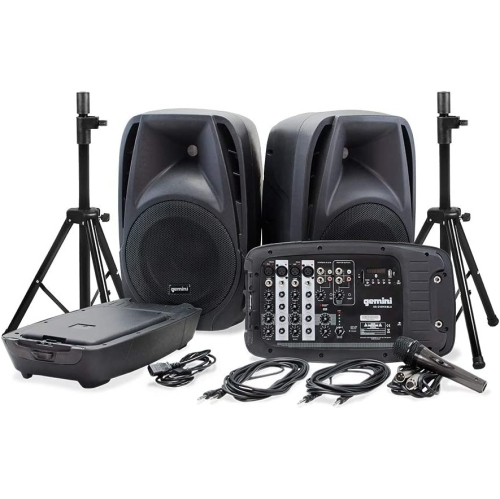
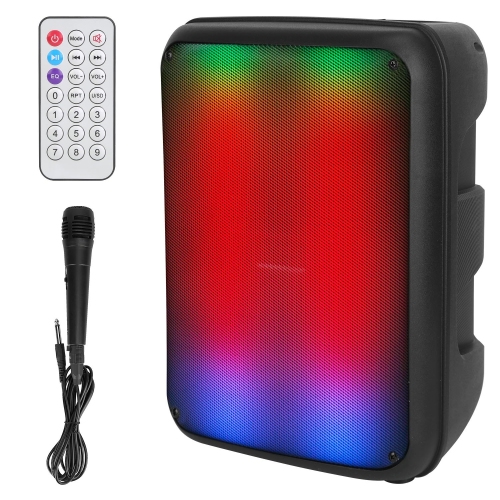

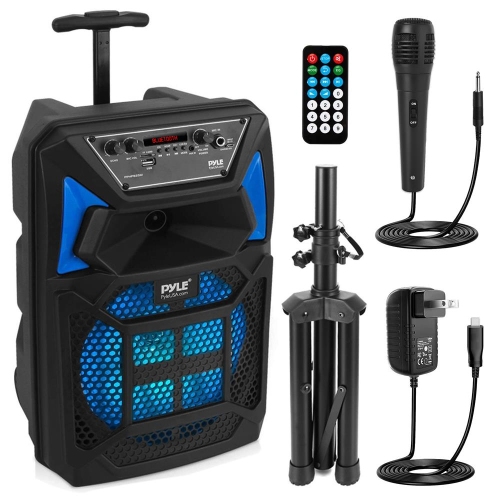
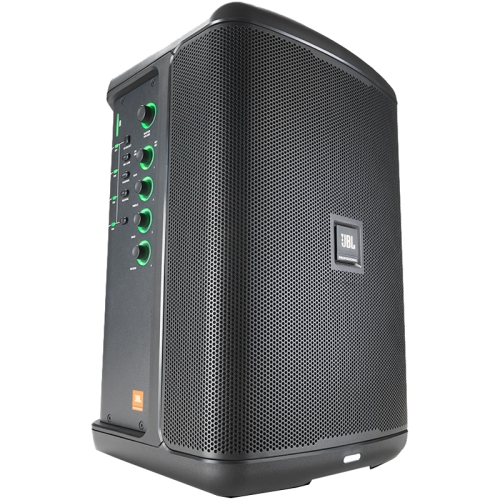

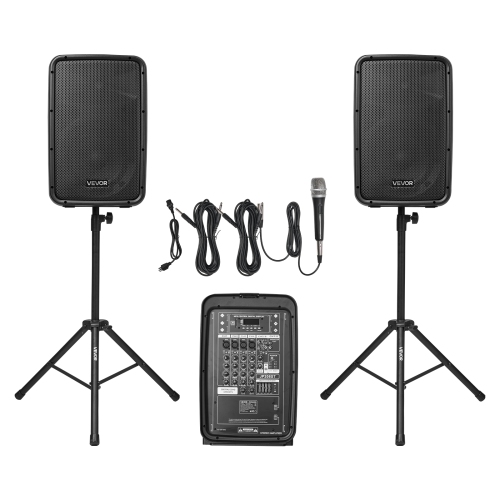
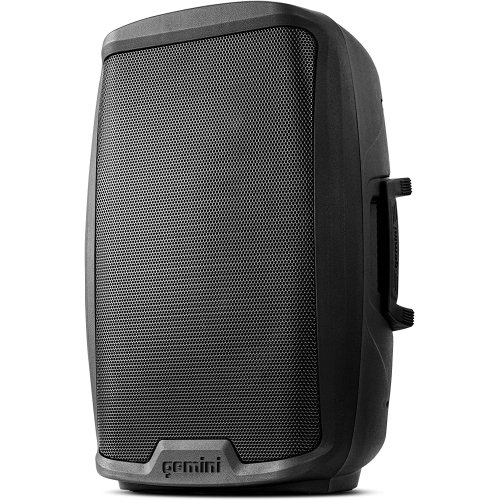

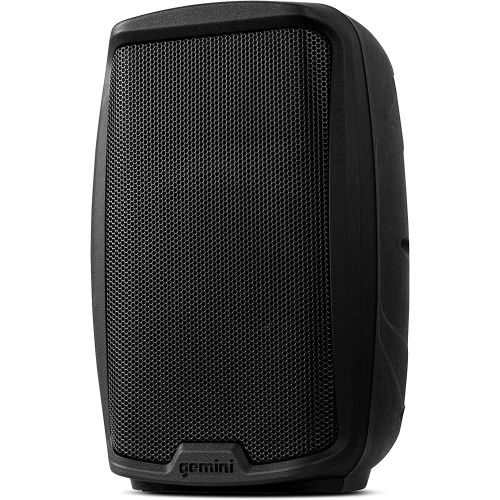
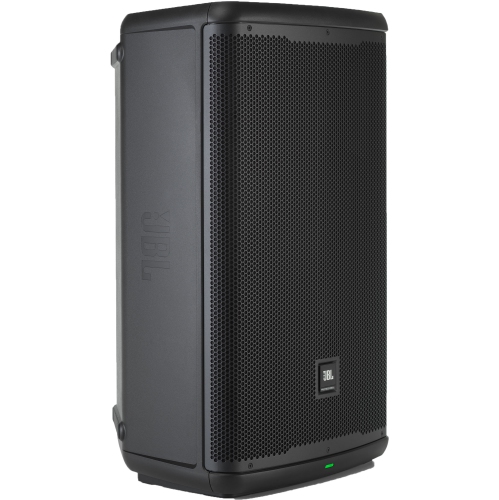

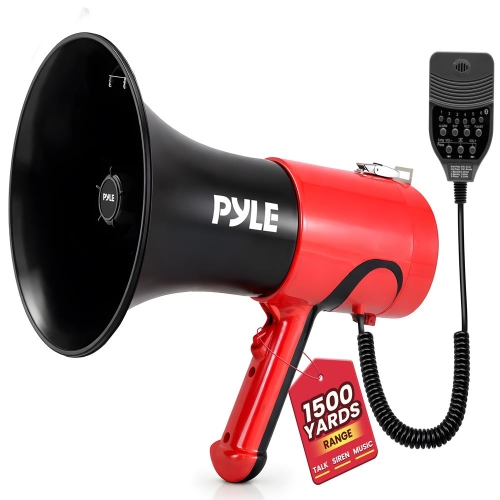

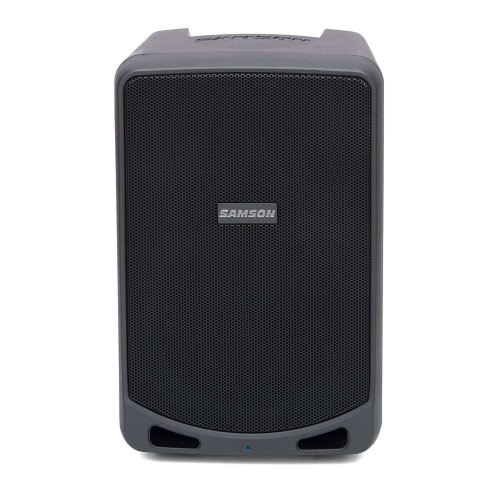
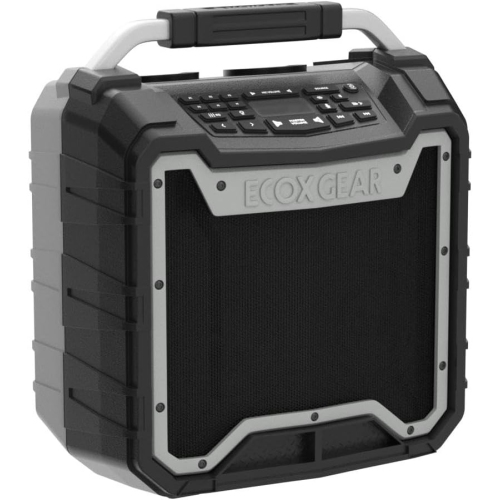
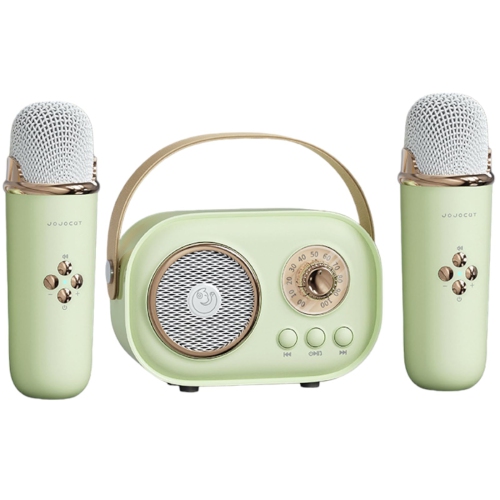
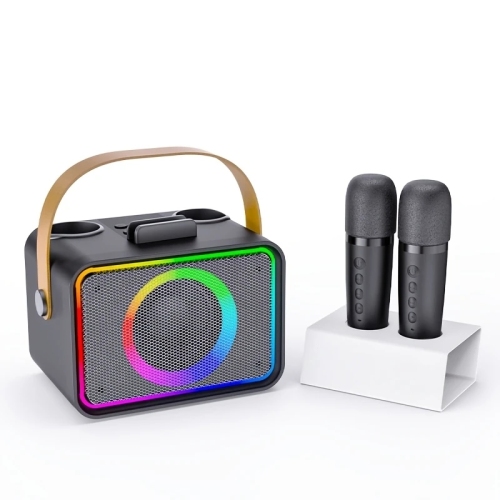

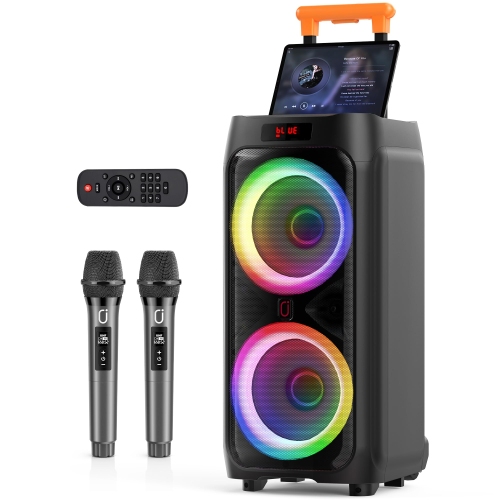
















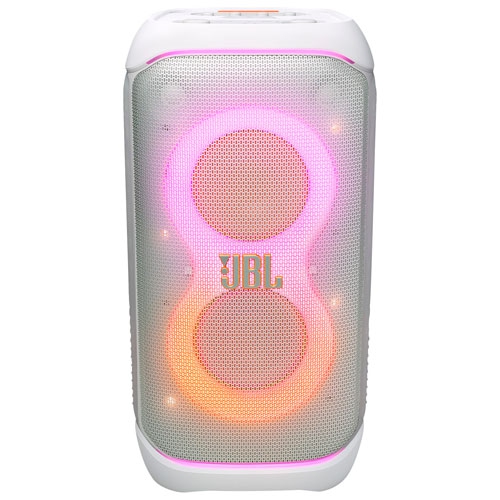

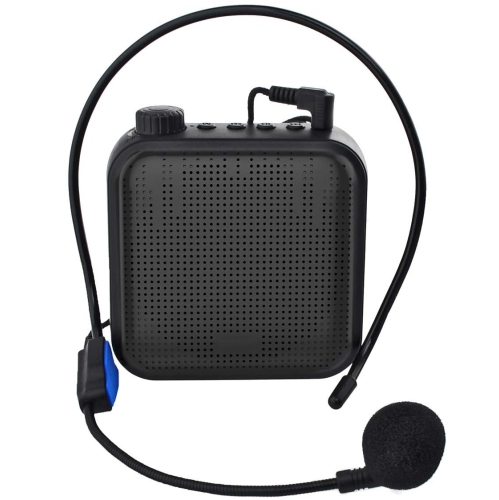

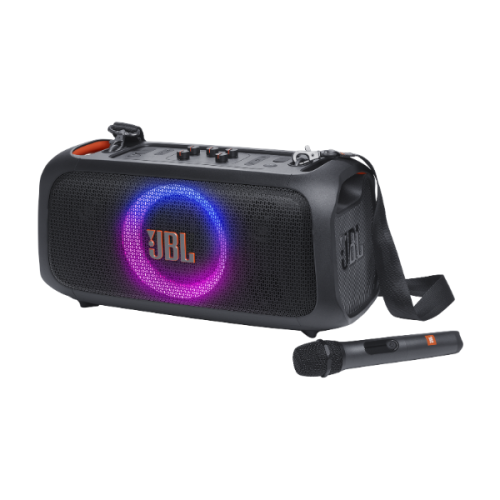
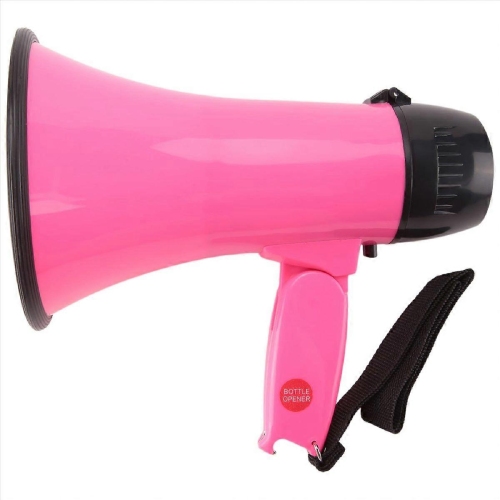
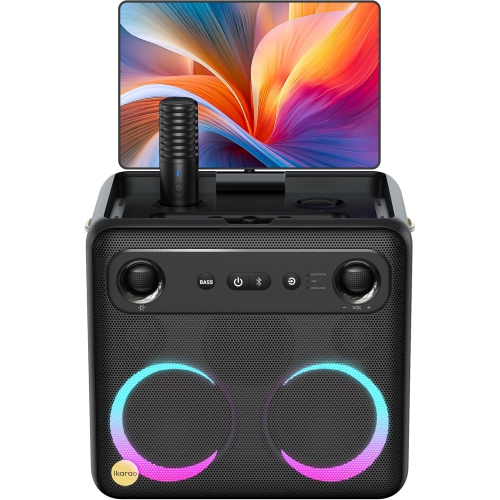
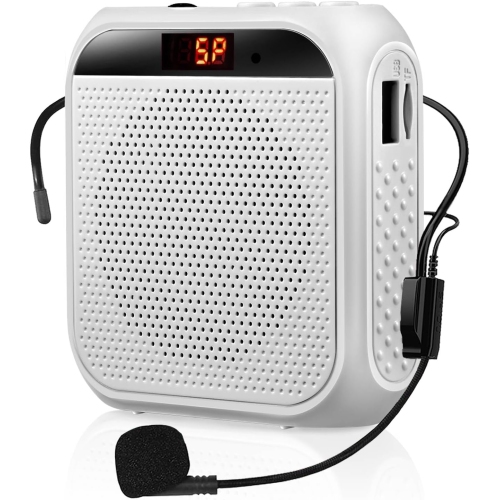
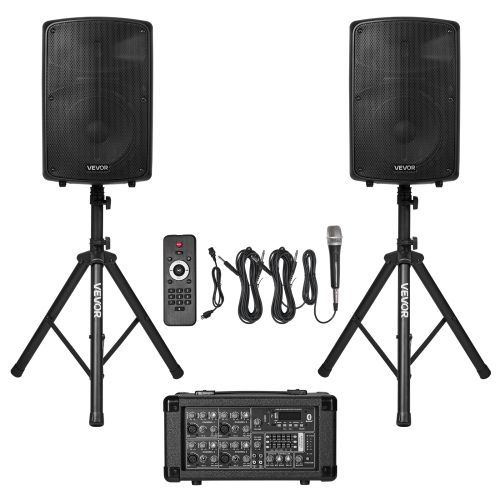
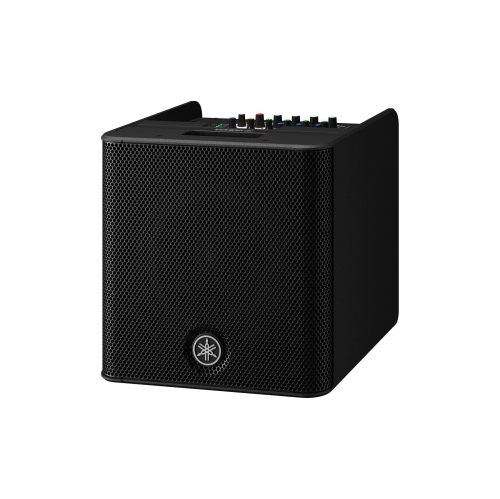








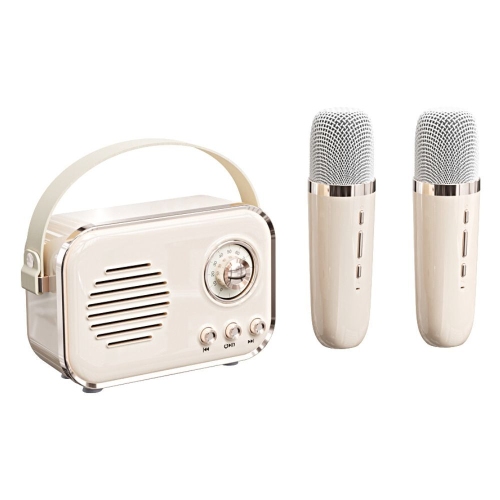
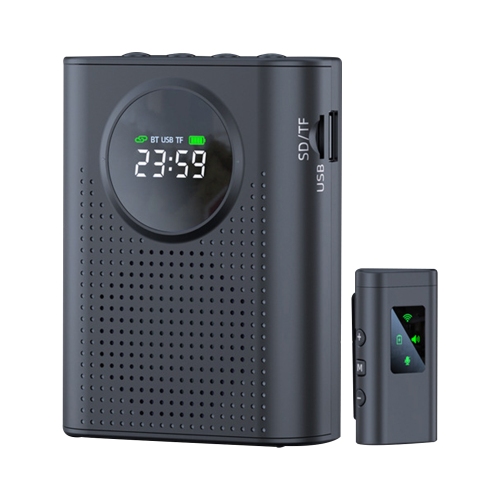
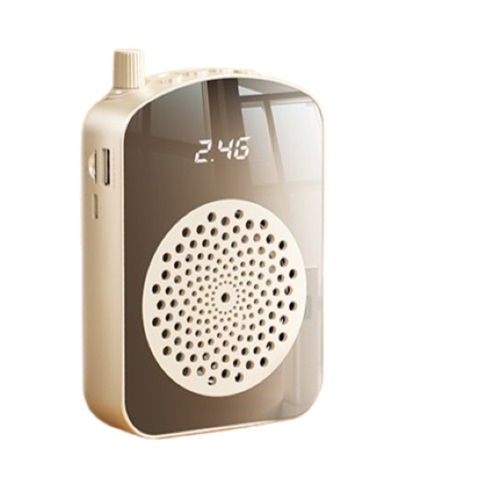

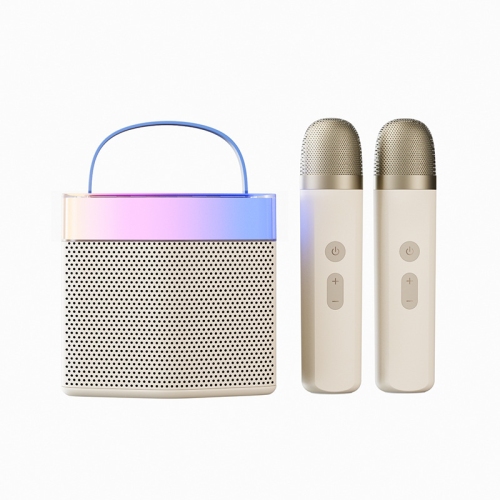




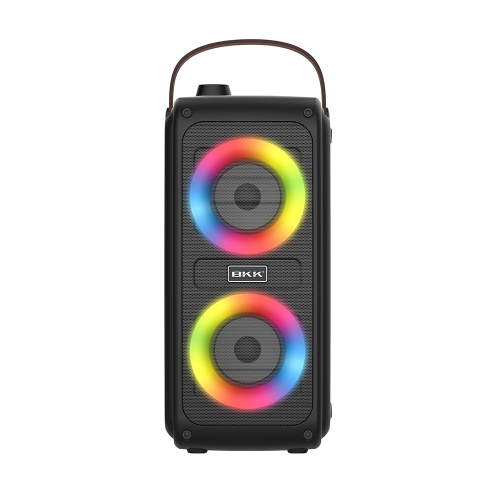
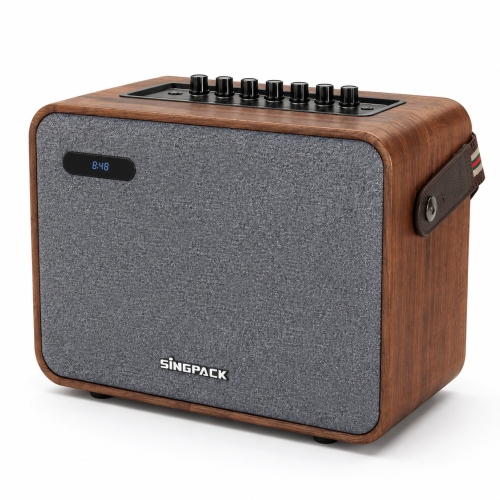
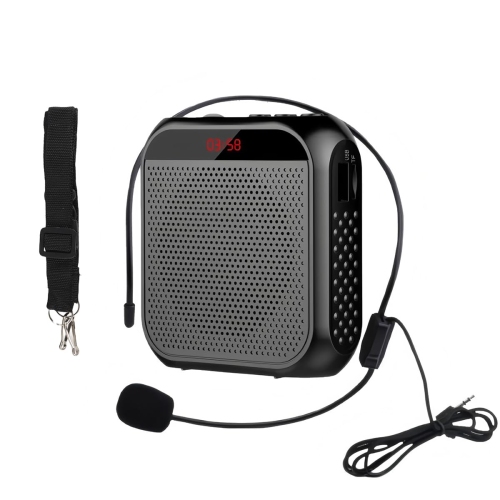


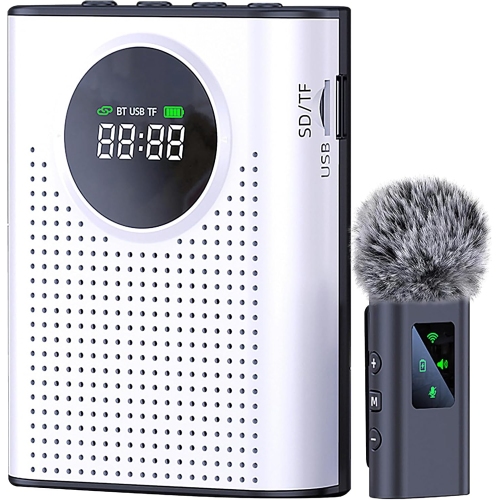

















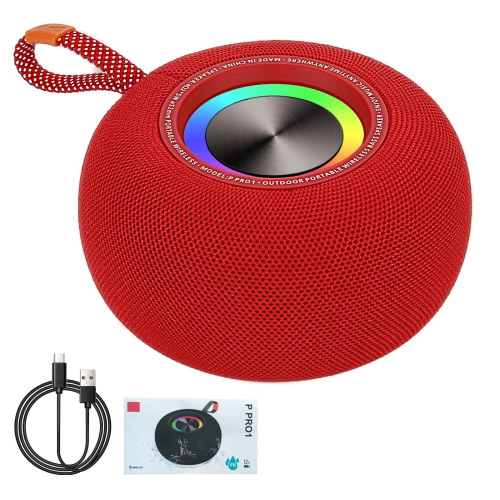
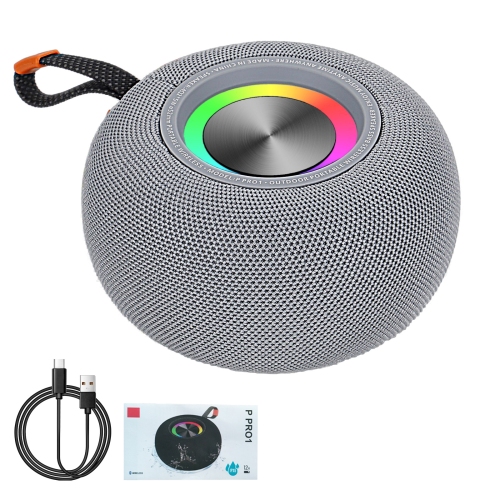

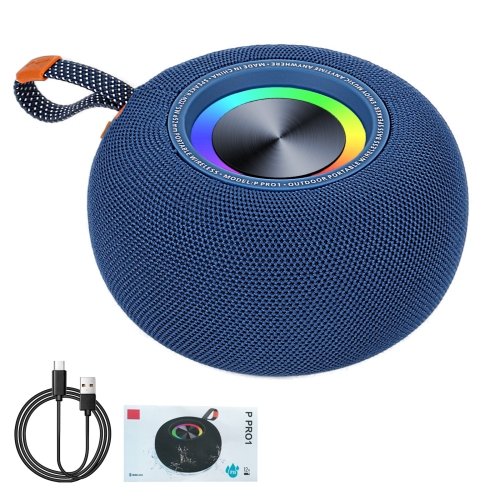
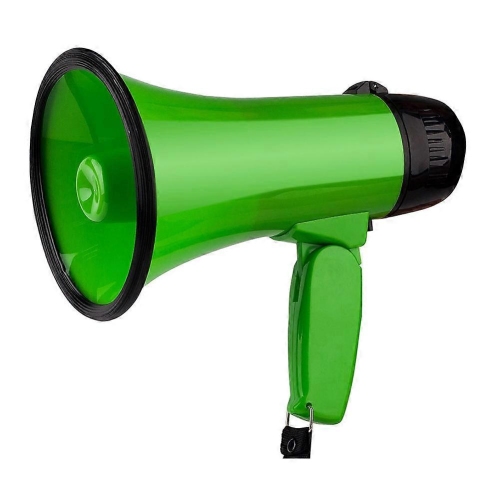


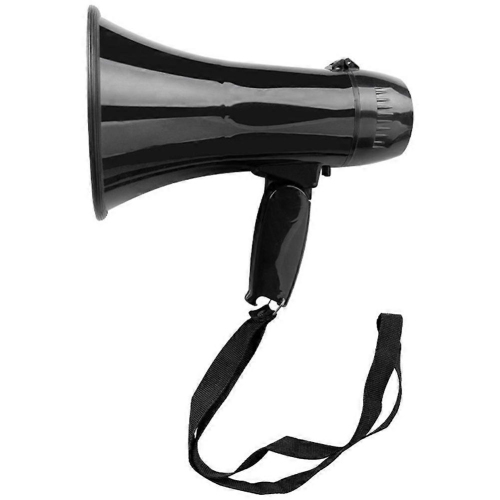
Sound that reaches your audience and travels with you
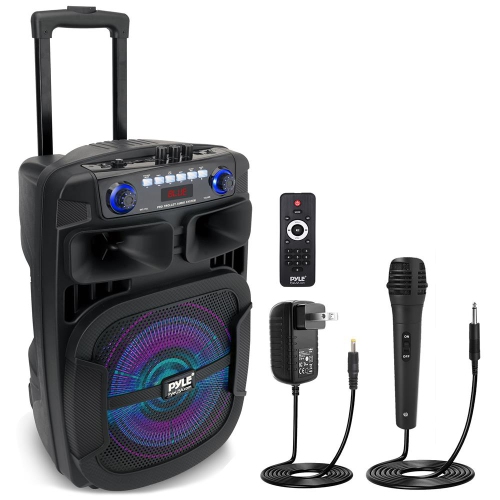
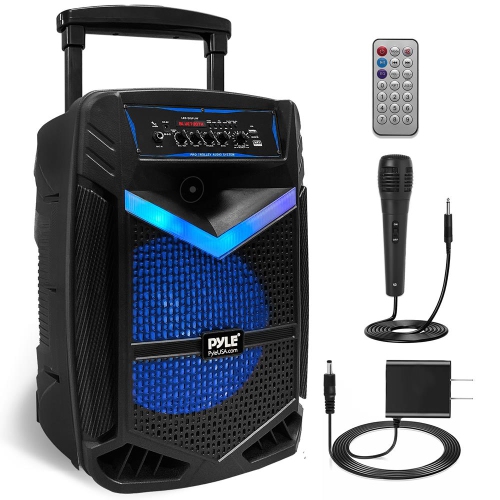
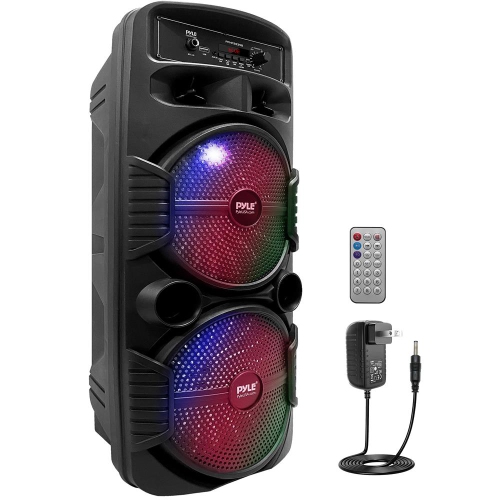
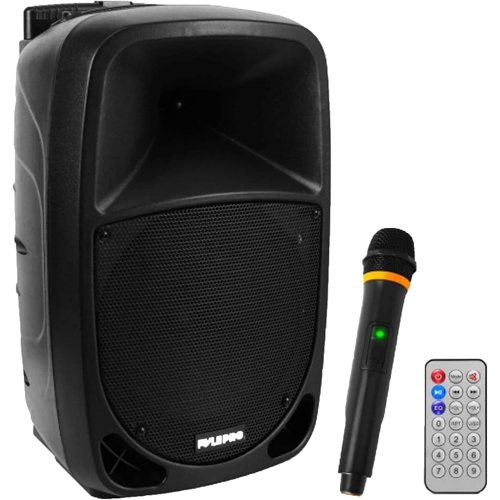
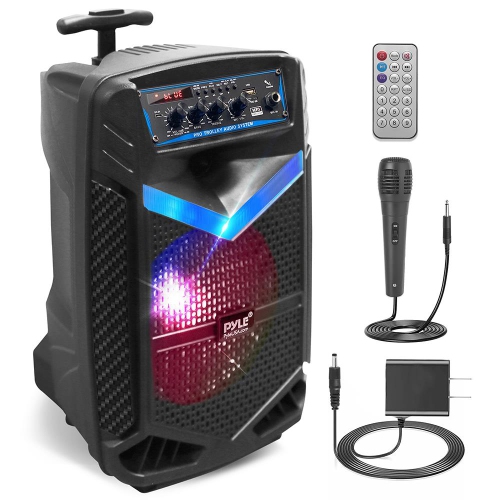
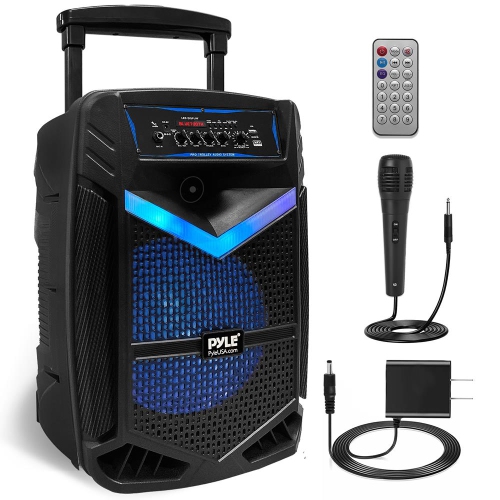
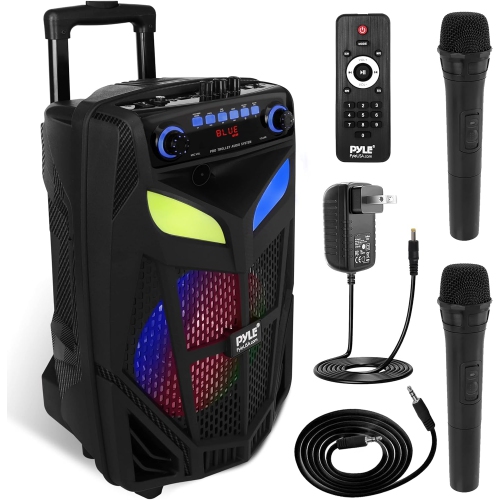
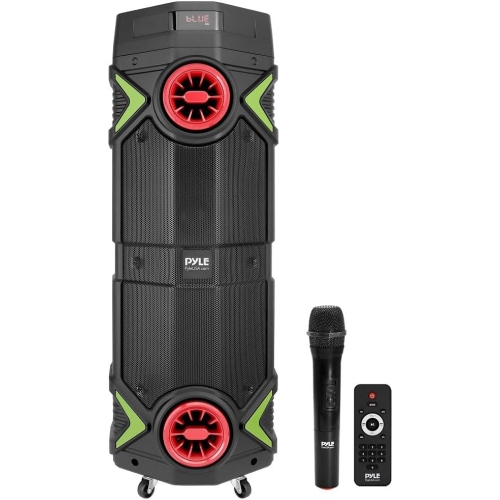
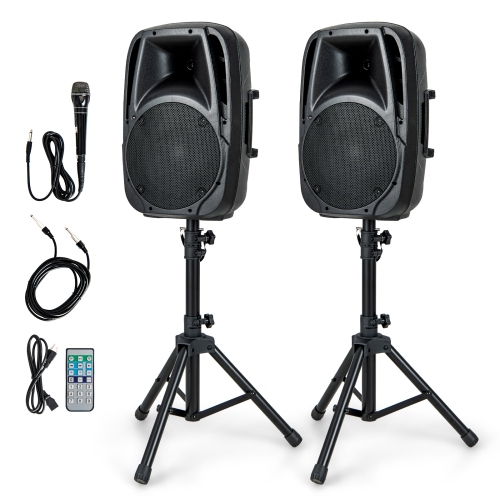
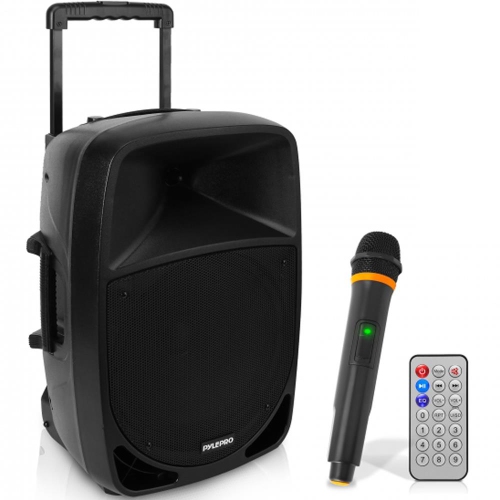
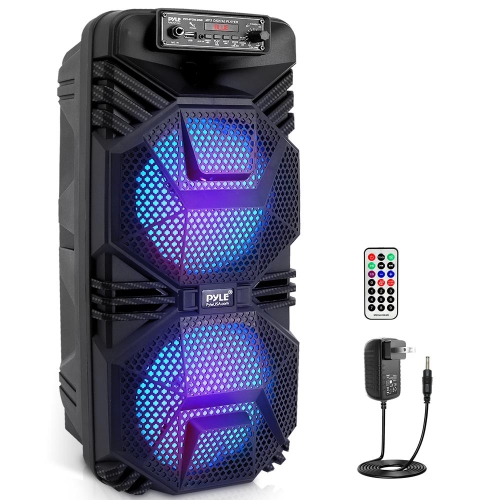
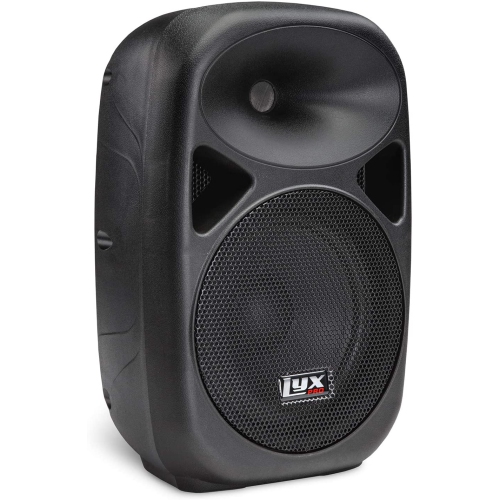
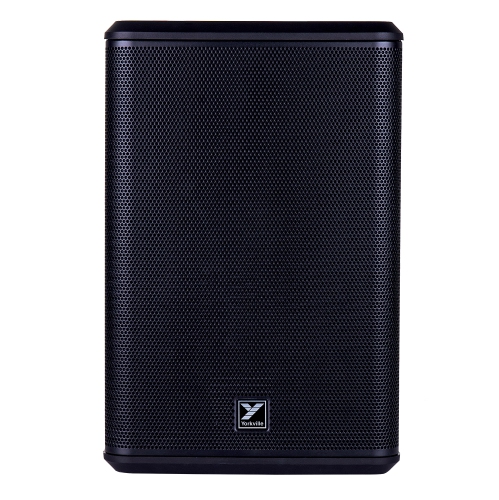
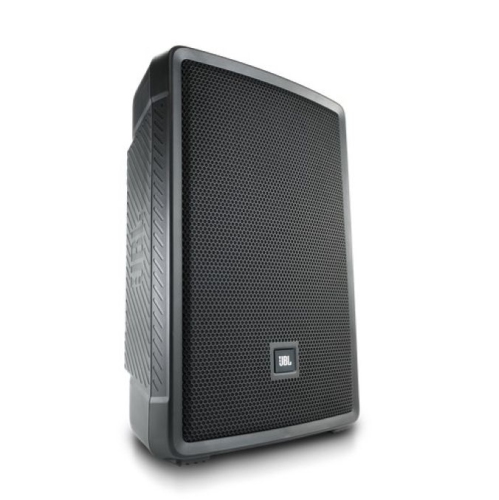
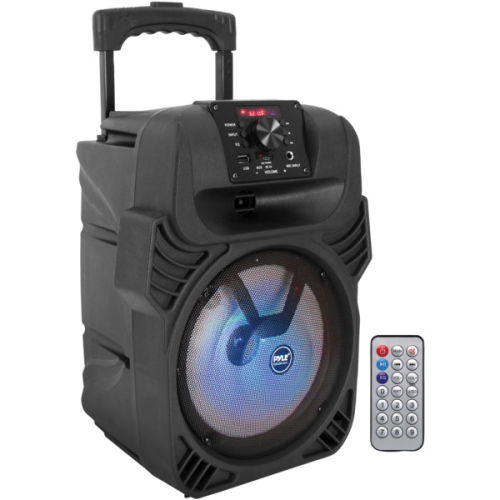
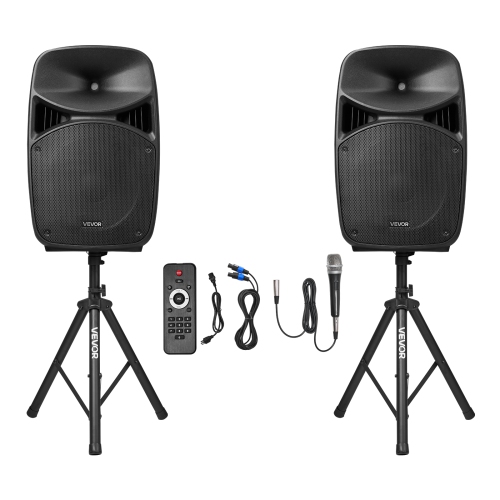
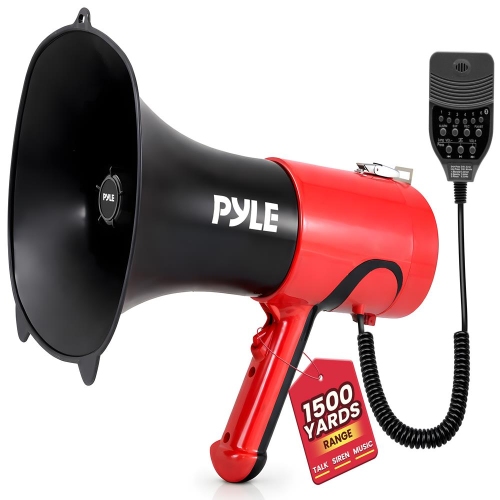
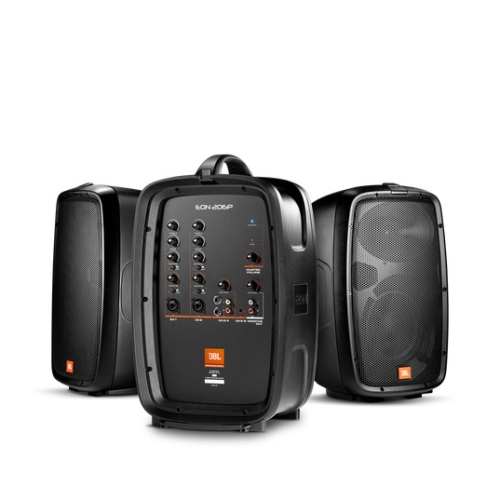
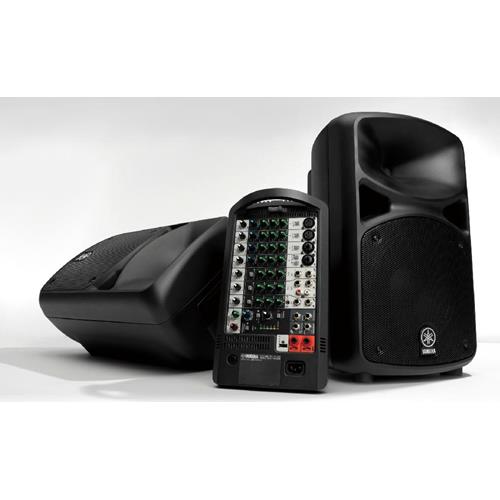
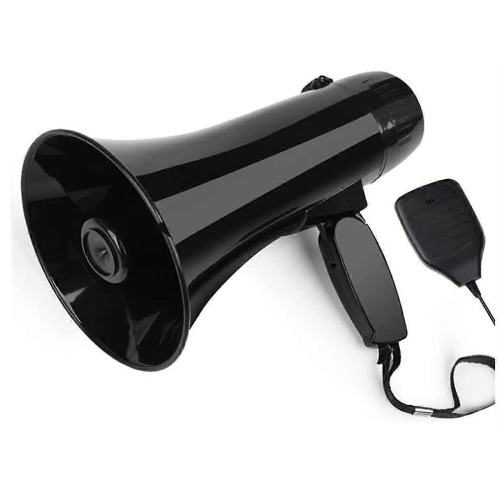
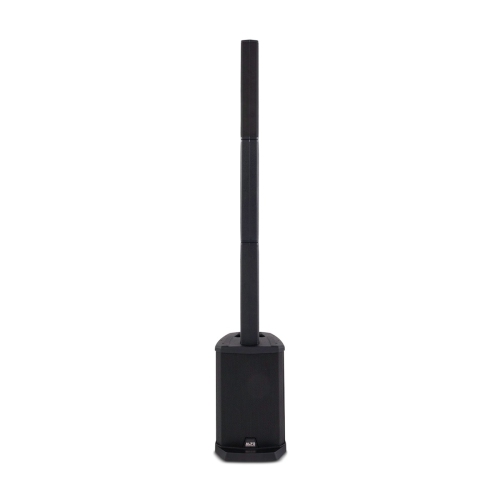
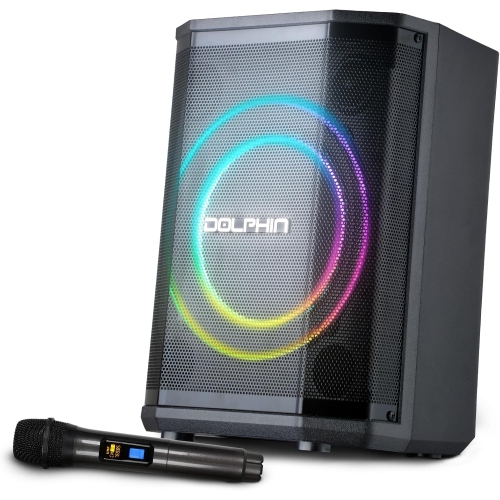
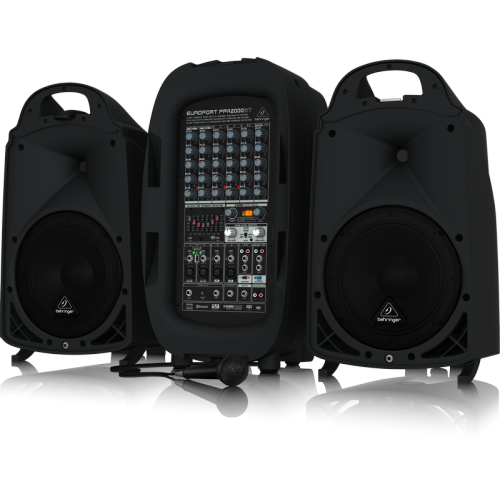
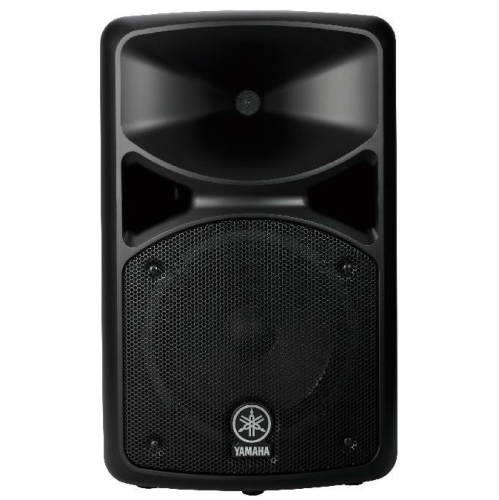
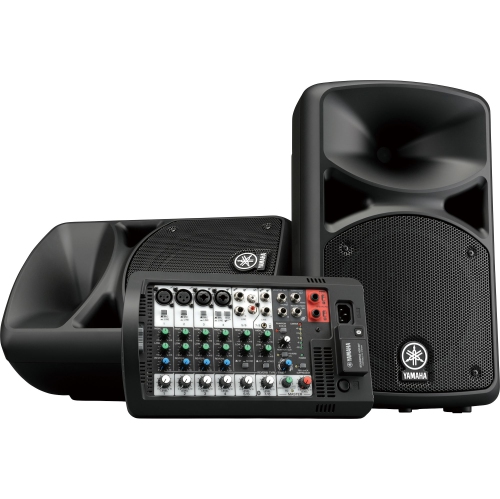
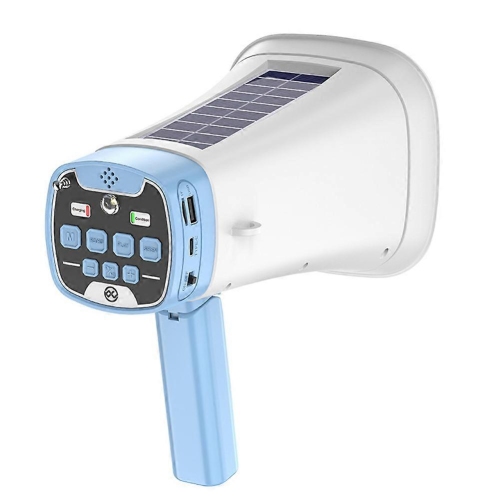
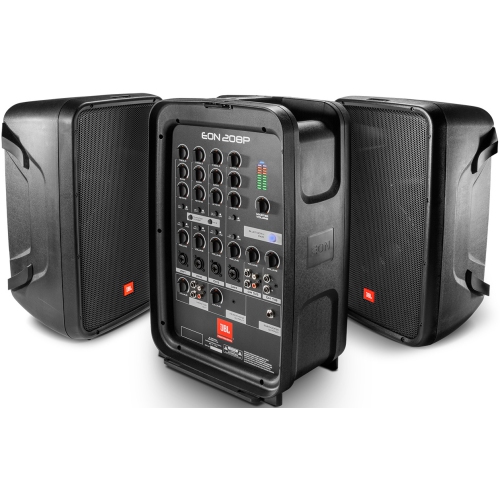
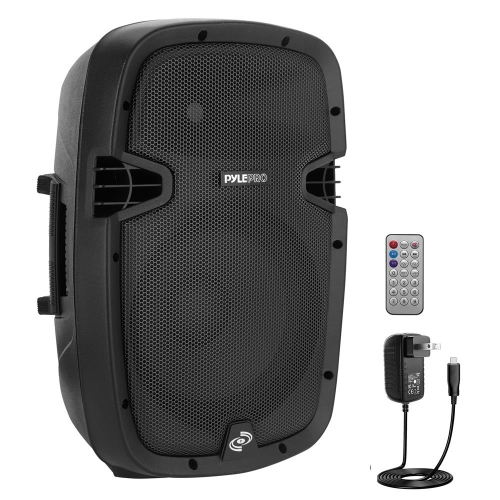
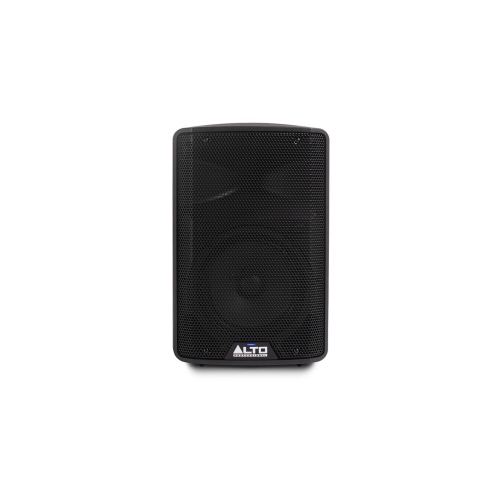
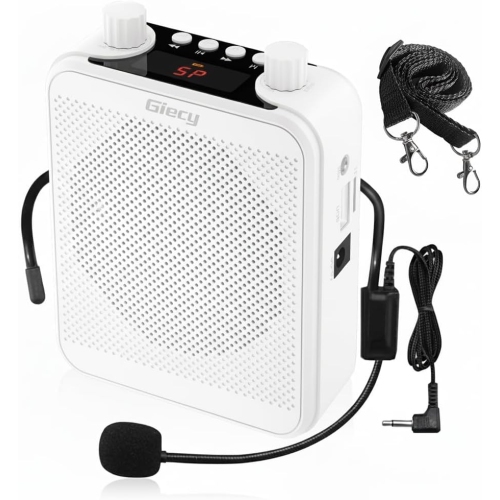
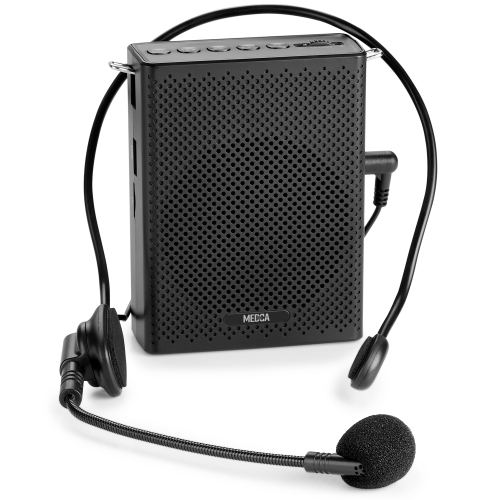
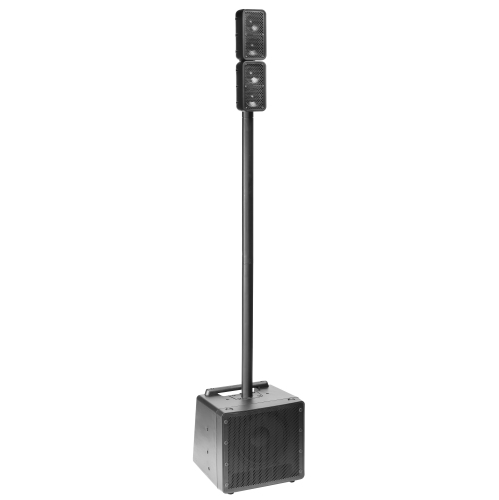
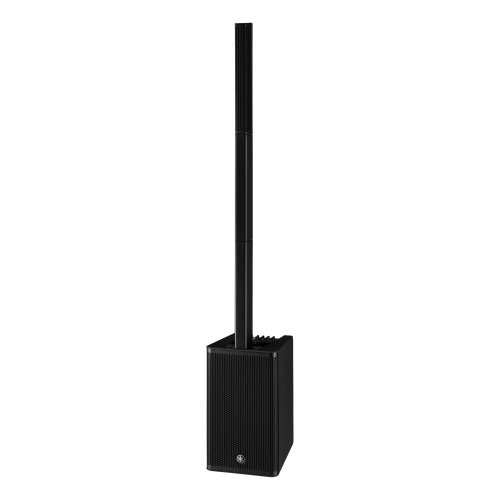
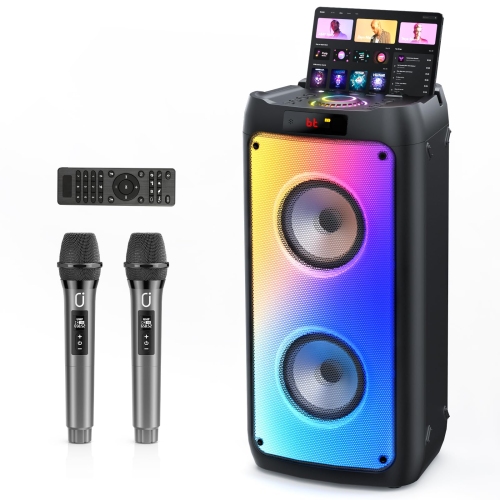
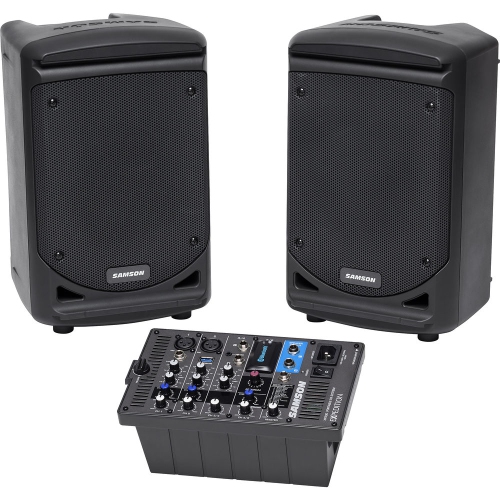
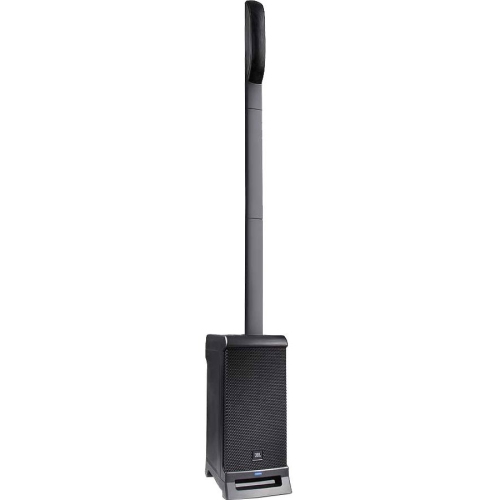
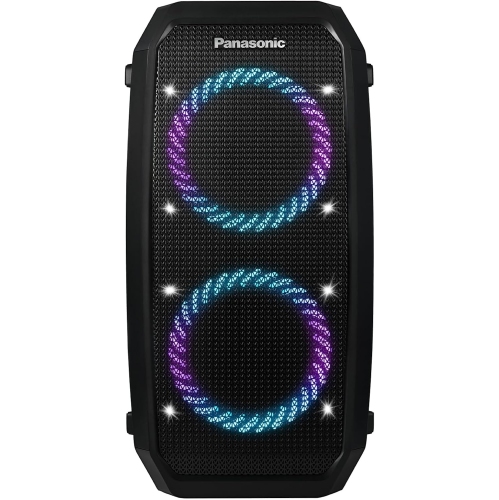
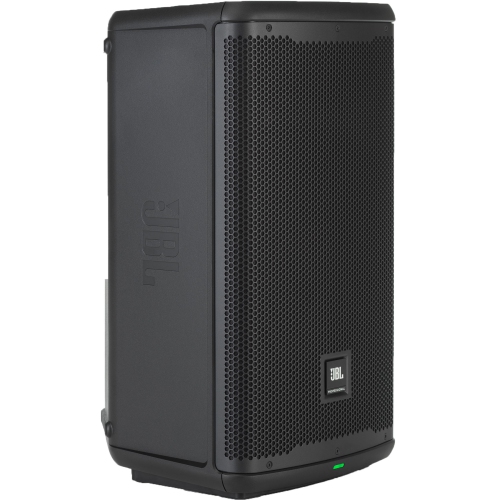
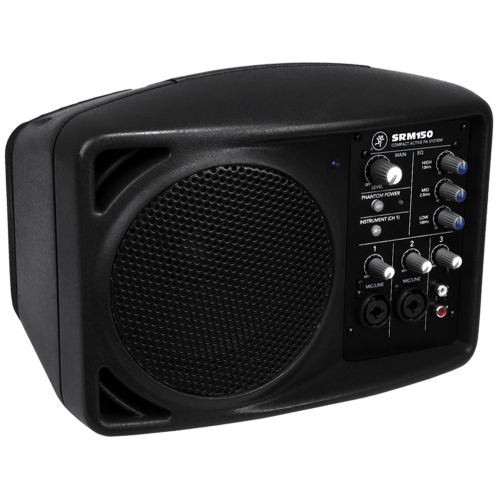
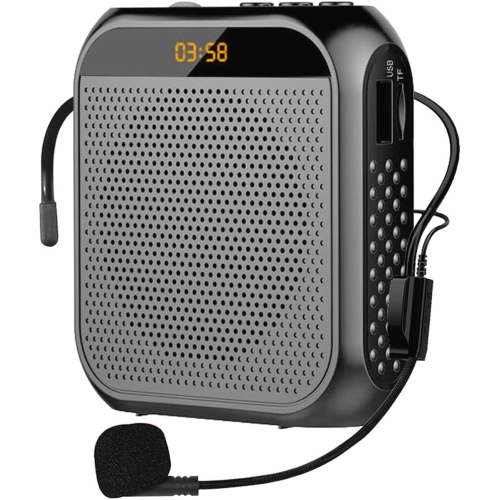
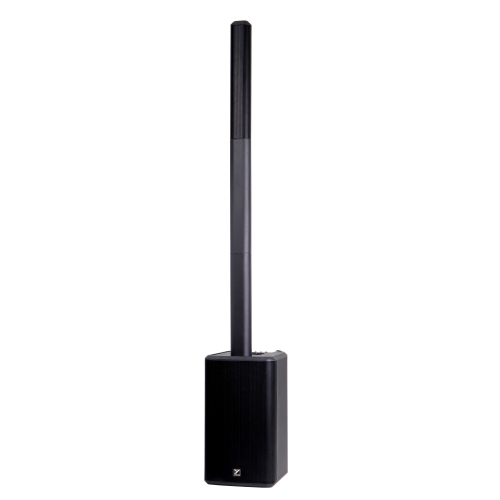
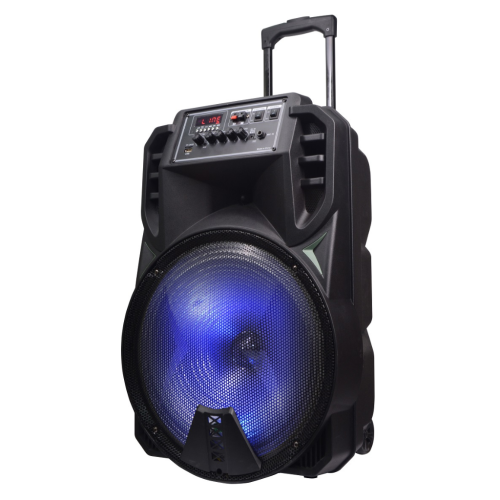
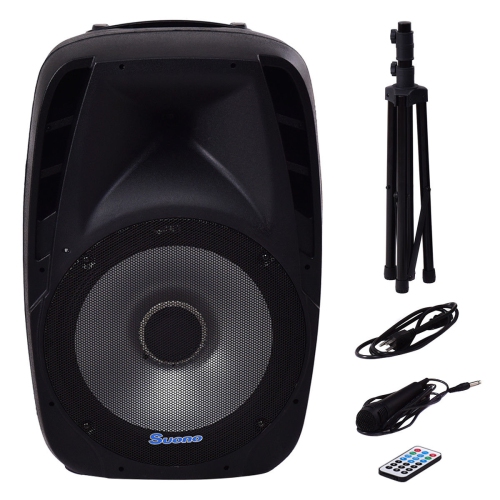
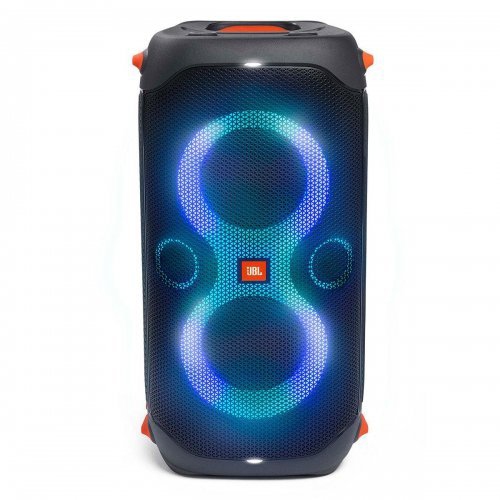
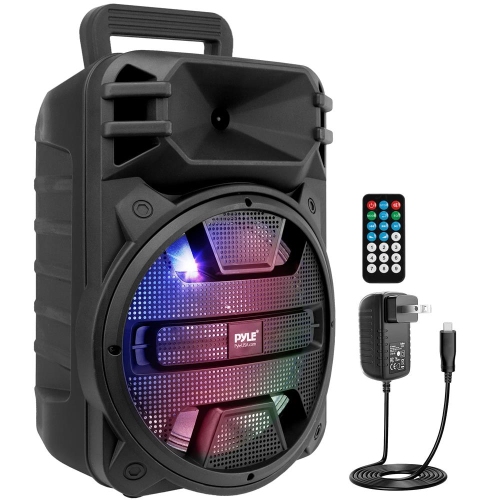
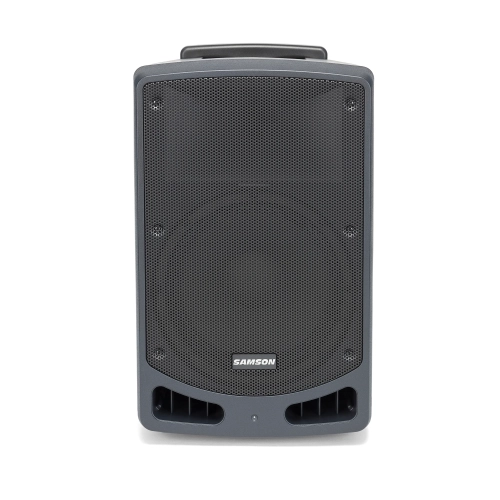
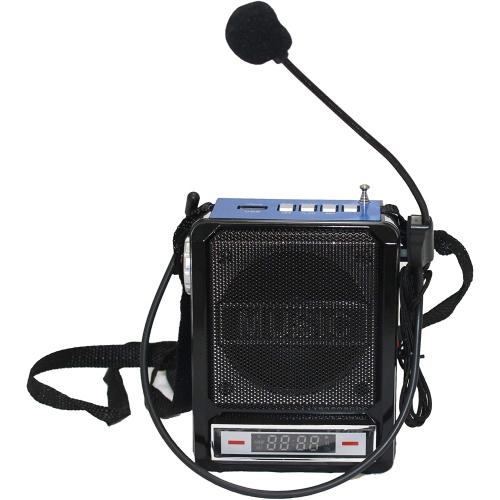
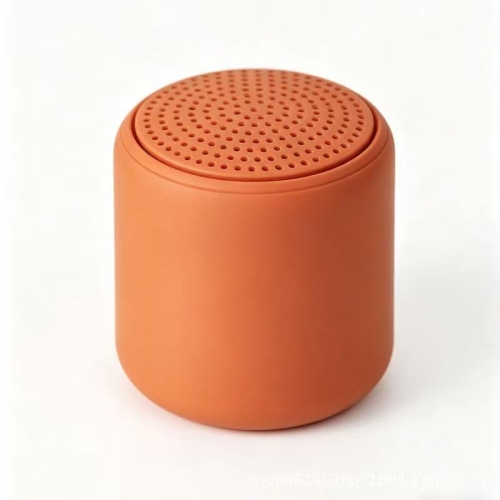
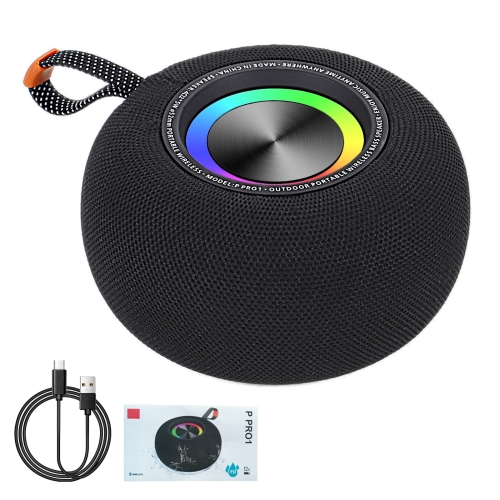
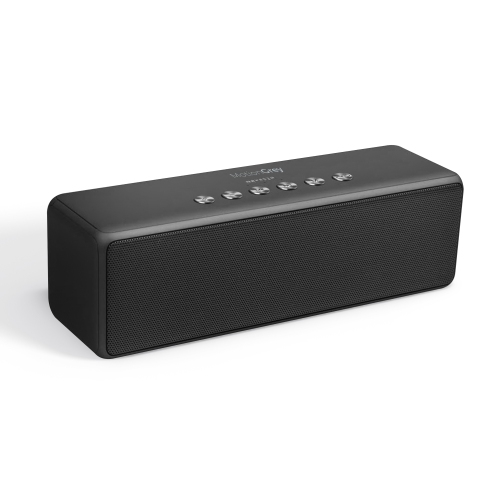
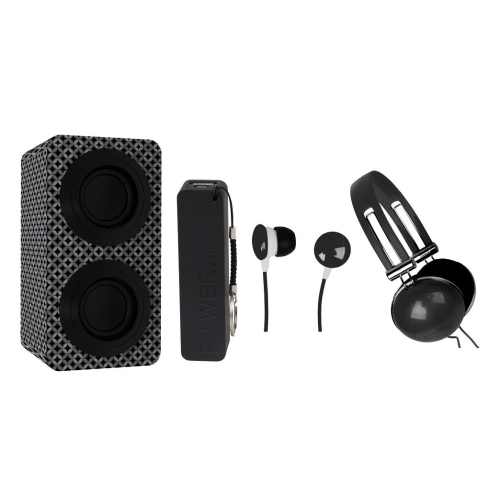
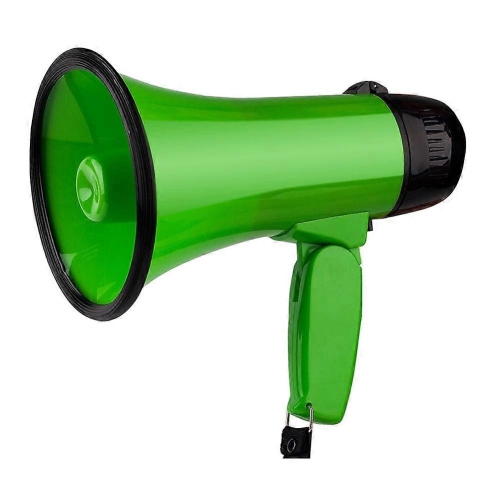
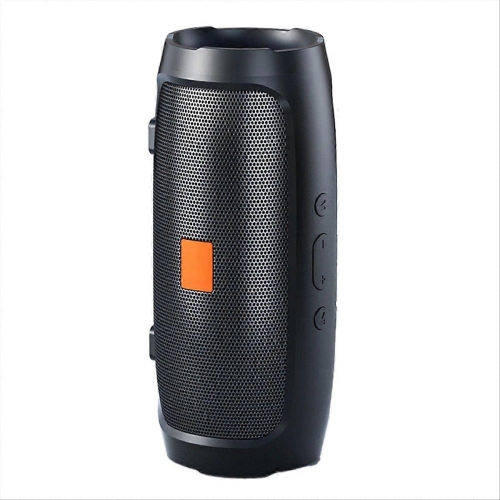
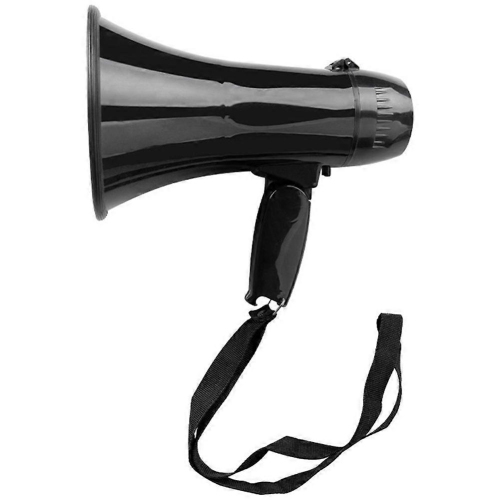
Portable PA speakers are movable loudspeakers designed to amplify speech, vocals, instruments, and recorded music for an audience. They suit everything from a presenter addressing a community meeting to a singer performing an acoustic set or an instructor leading a fitness class. Unlike a typical personal Bluetooth speaker, a portable PA speaker often includes microphone connections, separate input controls, and sound settings that help voices remain clear alongside music. Many are powered speakers, meaning the amplifier is built into the cabinet; battery operation is a separate feature and is not included in every portable design. The right balance of output, coverage, and carrying weight depends on how the speaker will be used. A compact unit can make announcements easier to hear in a meeting room, while a larger gathering or a performance with stronger bass may call for greater output, additional speakers, or a compatible subwoofer. Amplifier wattage alone does not describe how loud or clear a speaker will sound. Maximum sound pressure level, usually listed as maximum SPL, provides another useful reference, although manufacturers’ measurement methods can differ. Coverage matters just as much: a speaker with broad horizontal dispersion can reach listeners spread across a room, while careful placement helps prevent people near the front from hearing much more volume than those at the back. Raising a suitable speaker on a compatible stand can help its high-frequency sound travel above seated listeners rather than into furniture. Traditional cabinet-style speakers offer familiar carrying handles and stand-mount options, while portable column systems combine a slim speaker array with a separate or integrated base. Some designs can also sit at an angle as a floor monitor, allowing a performer to hear vocals or an instrument more clearly. These different formats make portable PA speakers useful for mobile entertainers, teachers, event organizers, and performers who need sound reinforcement without a permanently installed setup.
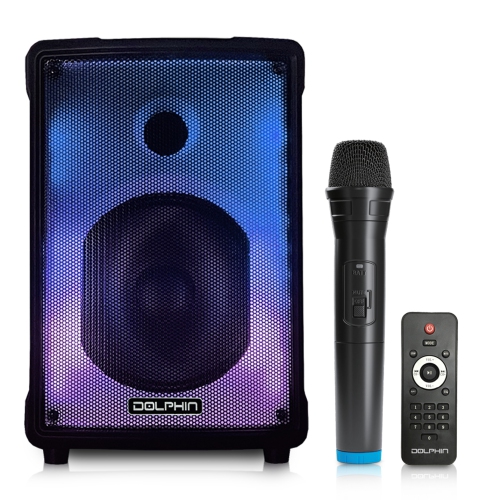
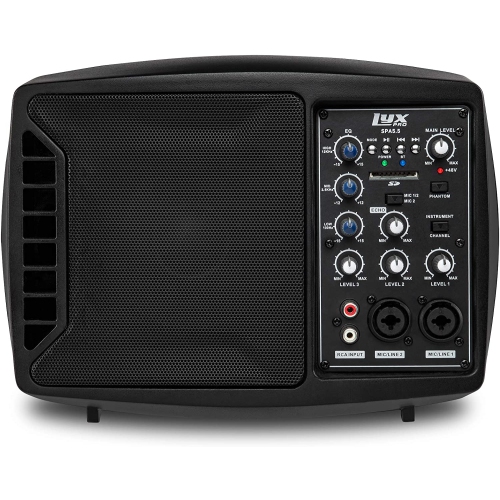
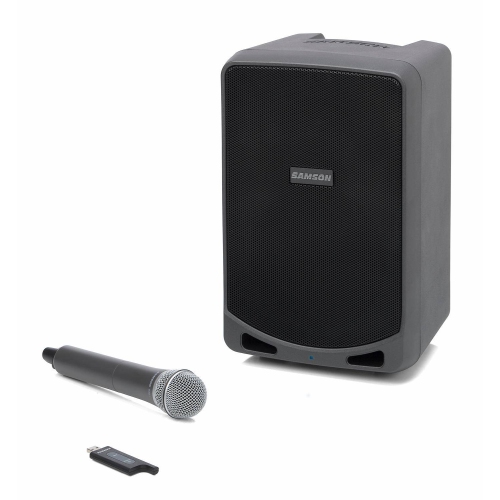
Connections and onboard controls shape what a portable PA speaker can do once the audience arrives. XLR microphone inputs are common, and combination sockets may accept either an XLR plug or a quarter-inch connection. The socket shape does not tell the whole story, since microphone, line-level, and instrument signals have different requirements. A singer using a microphone and an acoustic guitar benefits from separate channels, with an appropriate instrument input for the guitar’s pickup or a compatible direct box where needed. Condenser microphones may require phantom power, a feature that is not included on every portable PA speaker. For a presenter playing walk-in music from a phone, Bluetooth streaming can simplify playback, while a wired connection provides an alternative when dependable timing or a longer programme takes priority. Bluetooth playback does not automatically mean a speaker supports wireless microphones, and a wireless microphone may require its own compatible receiver. Built-in mixers can reduce the amount of separate equipment needed for simple performances, especially when each source has its own level control. Equalization helps shape the balance of bass, midrange, and treble; modest adjustments can improve speech intelligibility or reduce a boomy sound in a reflective room. Reverb can give vocals a little space, but too much can blur spoken words. Feedback suppression, where included, can help manage ringing, although keeping microphones behind the main speakers and away from their direct output remains important. Output connections are useful for sending a signal to another speaker or expanding a setup, but their routing and compatibility vary. For performances that bring voices and instruments together, Portable PA Systems for Live Music offer configurations suited to different channel counts, audience layouts, and transport needs. A solo performer may value simple controls within arm’s reach, while a small ensemble may need more inputs and an external mixer. App-based control can make adjustments convenient from elsewhere in the room, but accessible physical controls remain useful when a phone is occupied with playback.
Portability is about the whole trip, not just the weight printed in the specifications. A speaker that feels manageable on a short carry may be less convenient when the route includes stairs, a parking garage, and several doors. Recessed handles, balanced lifting points, wheels, and a protective carry bag can make regular transport easier, while cabinet dimensions determine whether the speaker fits comfortably in a vehicle alongside stands, cables, and instruments. Enclosures may use moulded plastic or wood-based construction, with metal grilles protecting the drivers; overall durability also depends on the quality of handles, corners, connectors, and controls. Battery-powered PA speakers are particularly useful for mobile presentations and performances where a nearby electrical outlet is not practical. Stated battery life is usually based on particular test conditions, so louder playback, stronger bass, and connected accessories can reduce operating time. Charging time, battery replacement options, and the ability to operate from AC power are useful considerations for longer events. A power indicator or battery display can make planning easier, but a fully charged speaker and a tested backup connection are still valuable before an important performance. Comfortable operation matters for frequent users: readable controls, clear input labels, and a sensible setup sequence can save time when an audience is already taking its seats. For safe placement, compatible speaker stands need the correct mounting fit and load rating, with legs positioned away from walkways and cables secured to reduce tripping hazards. Routine care is straightforward but worthwhile. A soft, dry cloth can remove surface dust, ventilation openings should remain unobstructed, and connectors benefit from being protected against dirt and strain. Transport covers help limit scuffs, though they do not replace the protection of a properly secured load. Following the manufacturer’s charging and storage directions helps keep a battery-equipped speaker ready for repeated use. For a musician, instructor, or community volunteer, a portable PA speaker can also be a practical gift when its weight, inputs, and operating style suit the recipient’s existing equipment and everyday routine.
Top selling and popular products
-
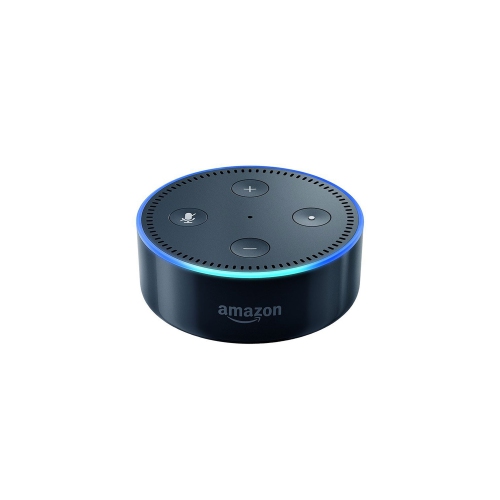 Your price for this item is $48.99
-
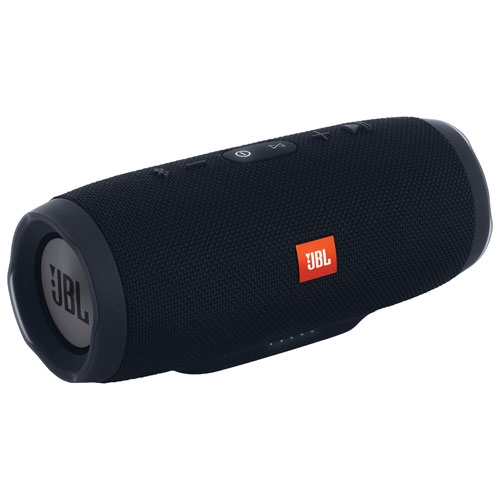 Your price for this item is $189
-
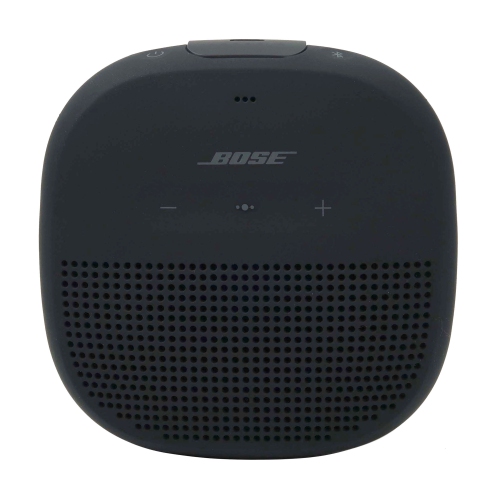 Your price for this item is $110
-
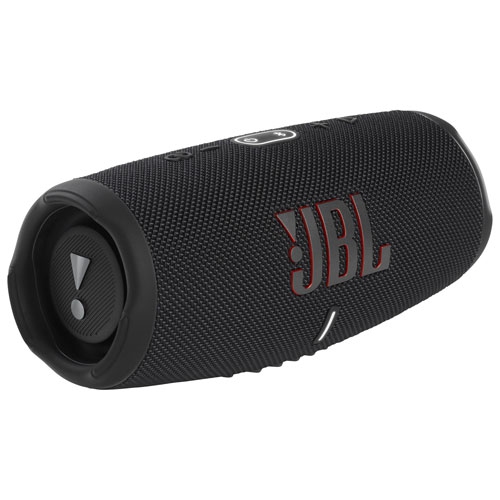 Your price for this item is $239.98
-
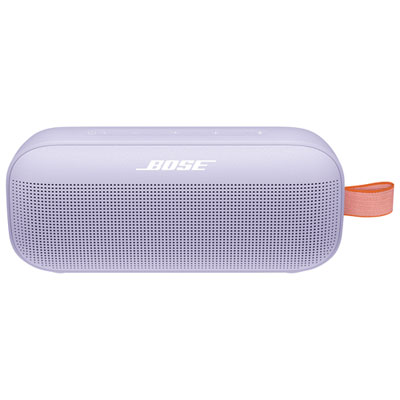 Your price for this item is $149.99
-
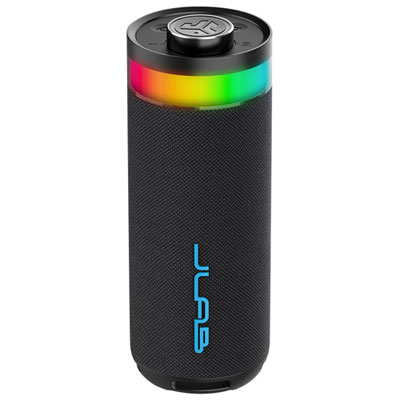 Your price for this item is $59.99
-
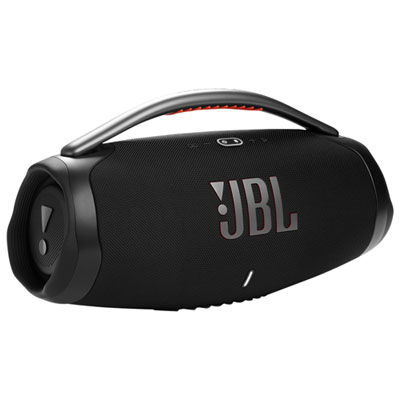 Your price for this item is $399.99
-
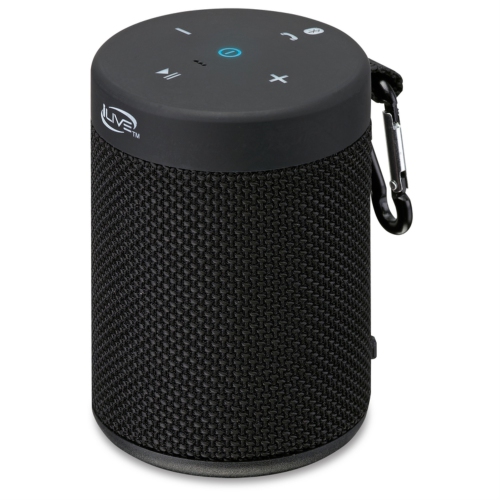 Your price for this item is $33.68
Discover more categories related to Portable PA Speakers
Top Collections:
Pokemon Centers, Best Cameras for Sports Photography, Kindle Devices, Samsung Galaxy Phones, Canon G7X Cameras, Pokémon 30th Celebration Cards, Refurbished Apple Laptops, iPhone 15 Apple, Laptops for Students, Budget Smartphones
Some products may be subject to Environmental Handling Fees
(EHF) depending on your province.
Learn more about EHFs.