Rechargeable Headlights
If you're looking for a convenient and reliable lighting solution that keeps up with your active lifestyle, look no further than this selection of rechargeable headlights. Whether you're an avid camper, a dedicated cyclist, or simply need a hands-free lighting option for your outdoor adventures, these rechargeable headlights are designed to provide you with the illumination you need, whenever and wherever you need it. With various brightness levels, adjustable straps, and long-lasting battery life, these rechargeable headlights offer the perfect blend of functionality and convenience.
Sort
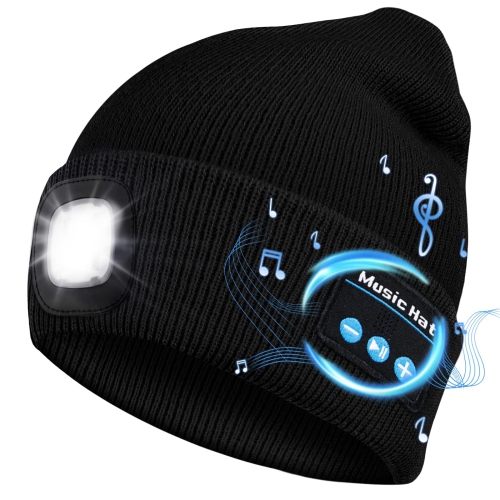
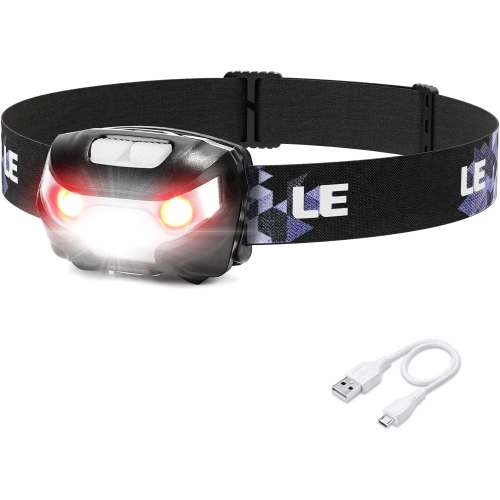
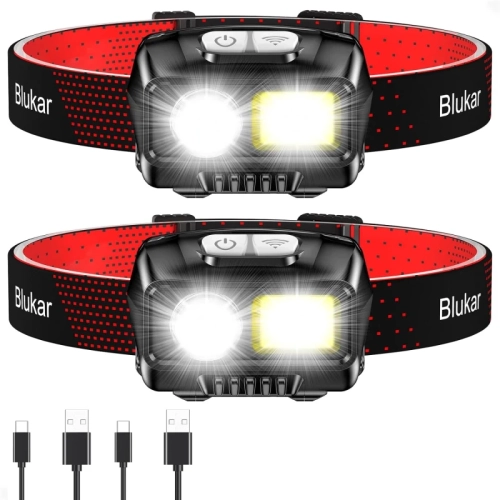
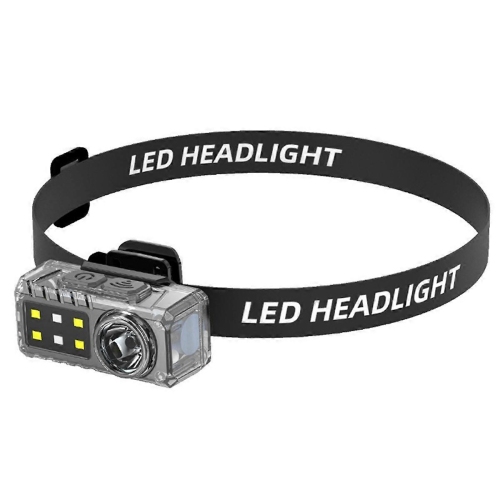
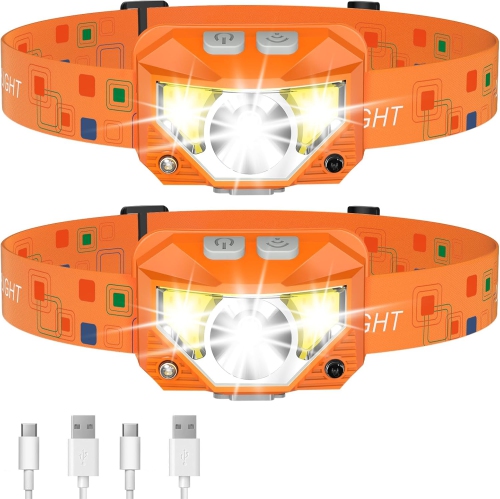
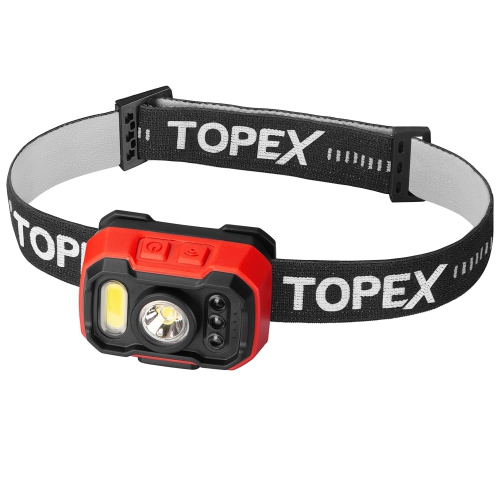
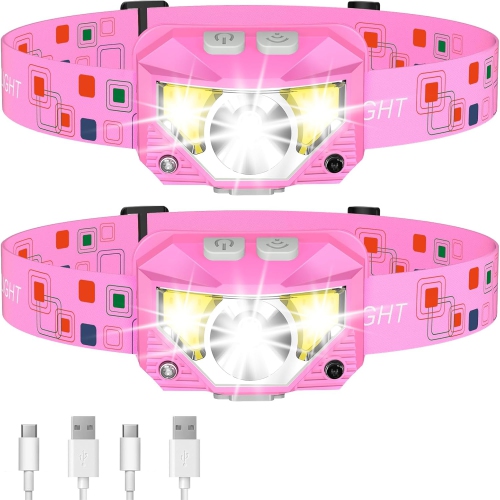
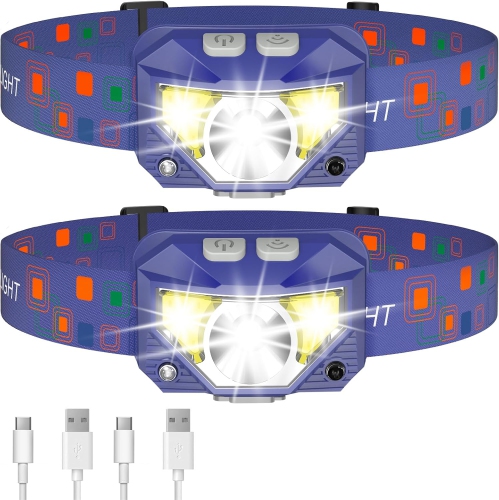
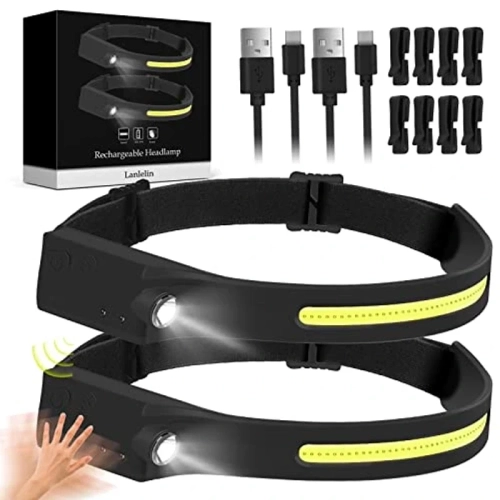
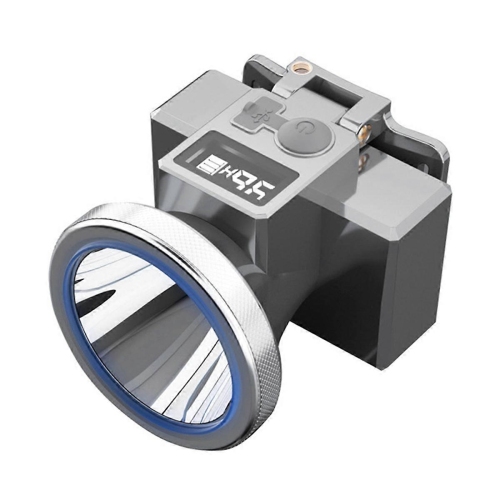
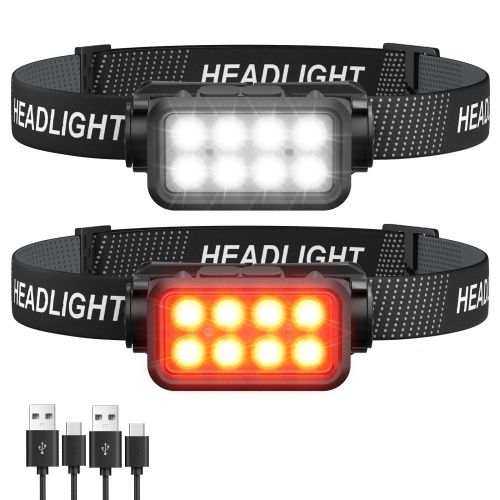
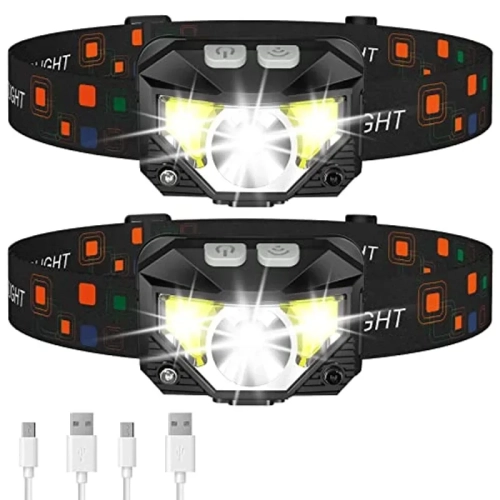

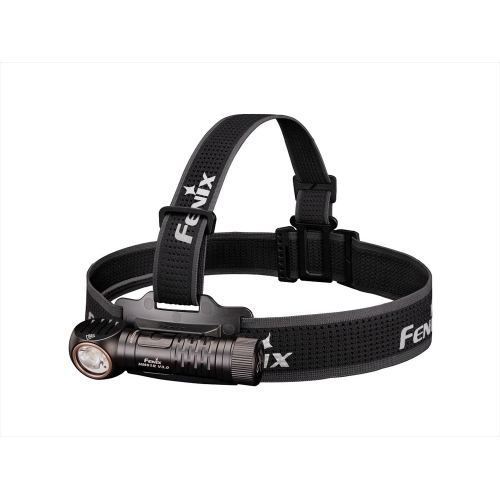
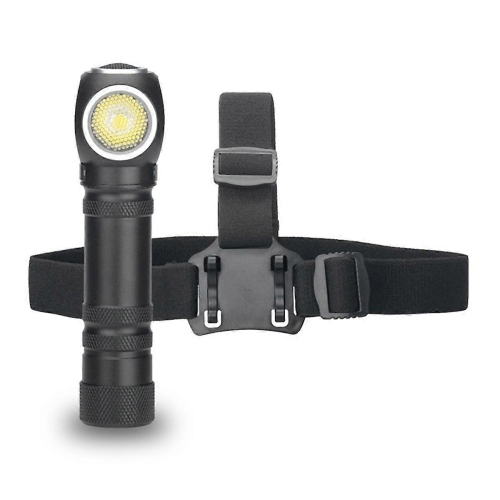
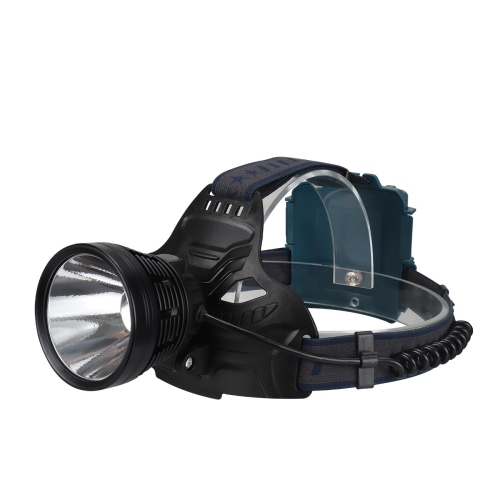
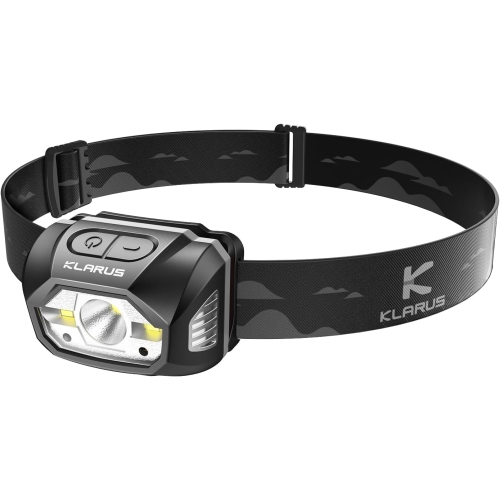
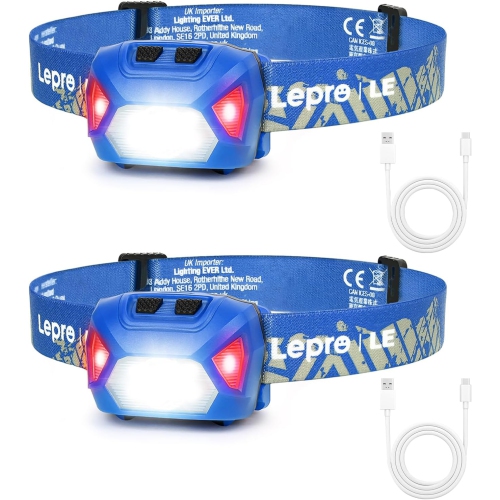
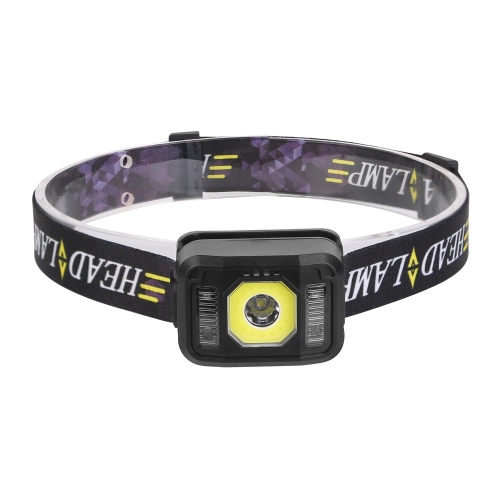
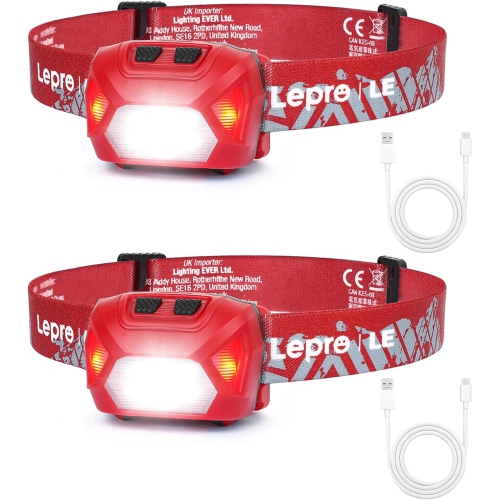
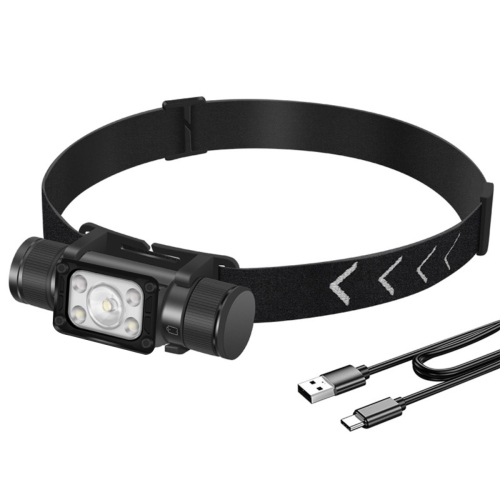
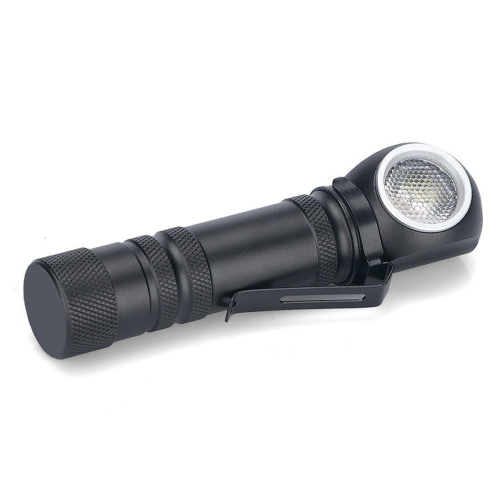
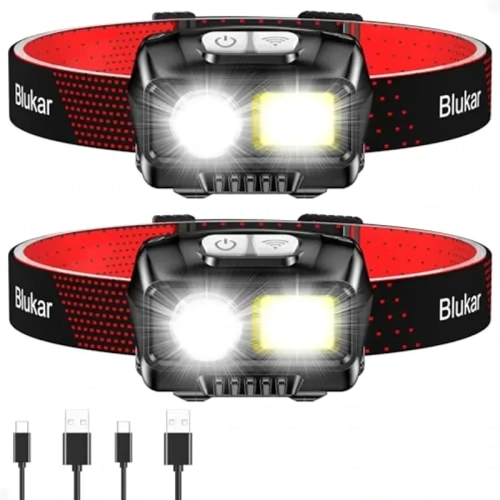
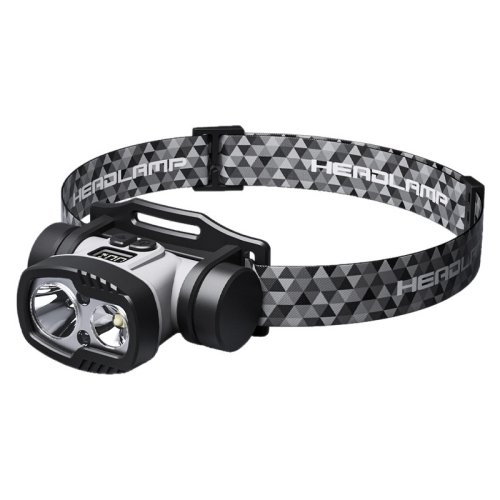
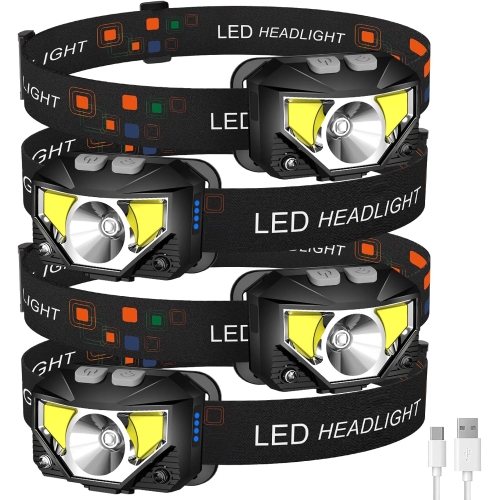
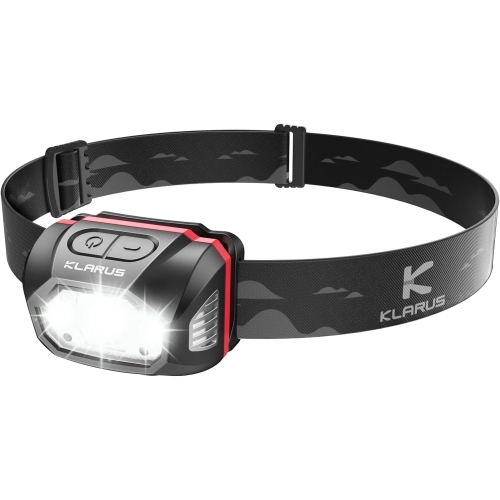
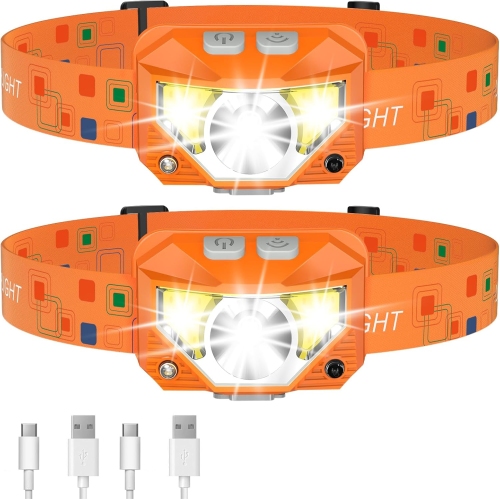
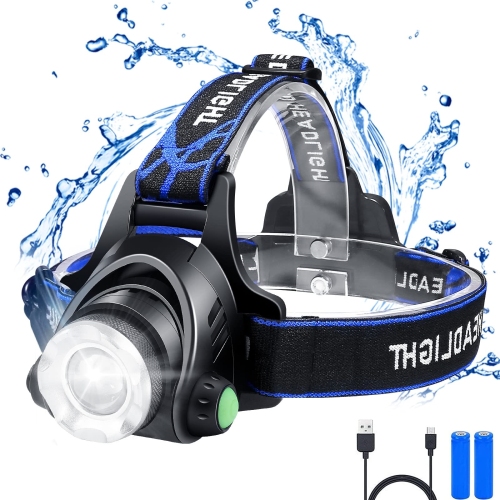
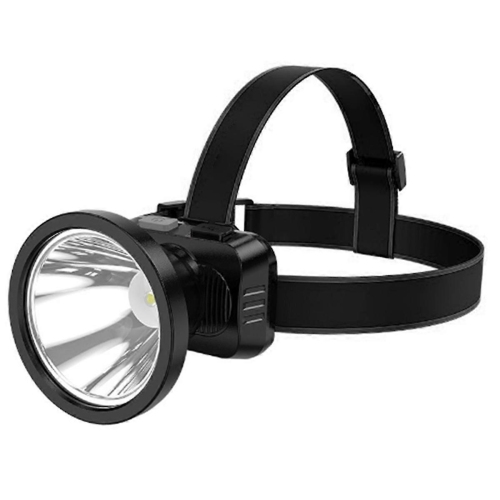
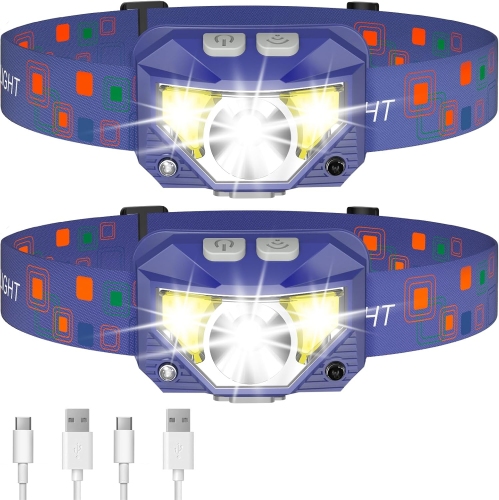
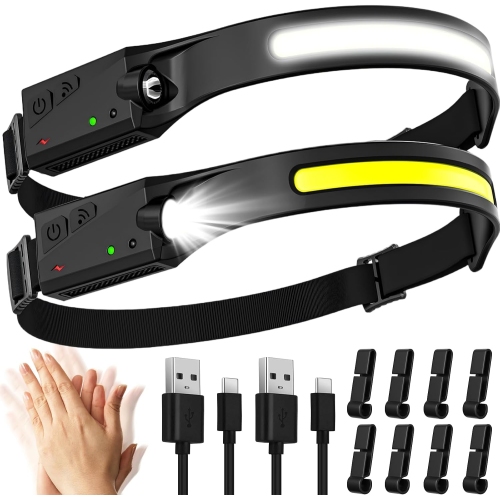
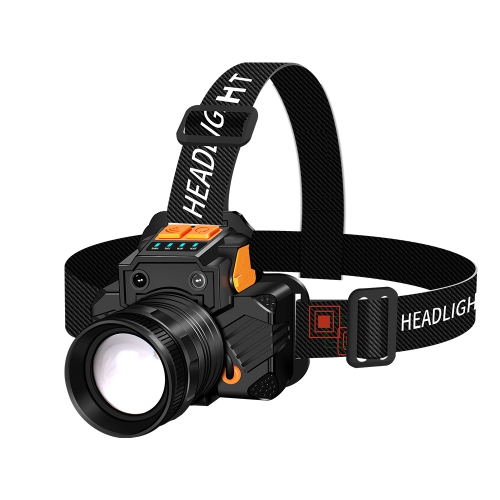
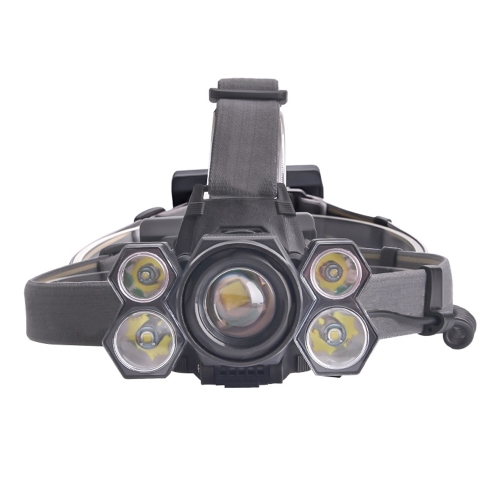
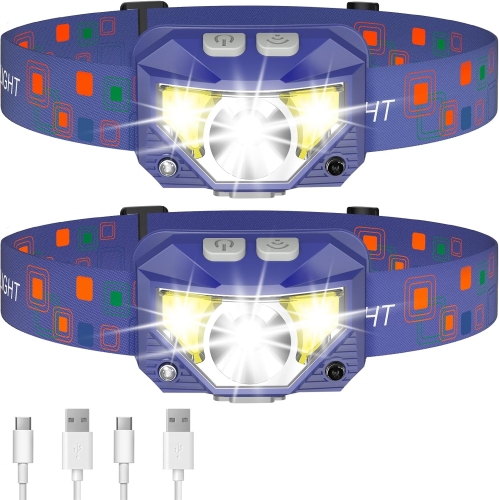
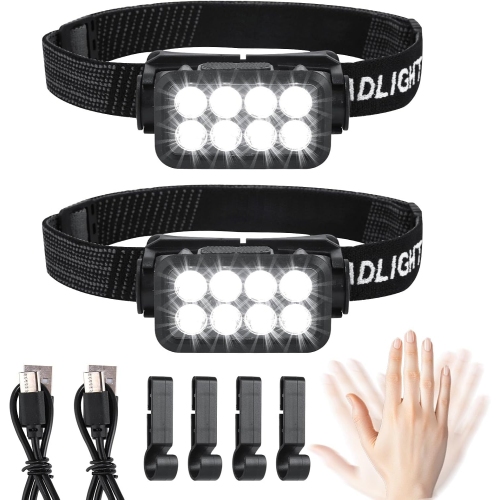
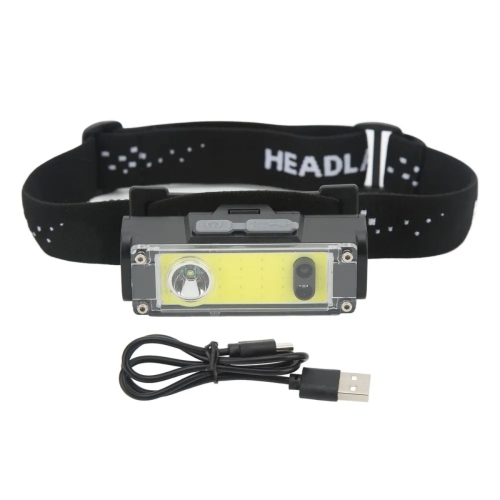
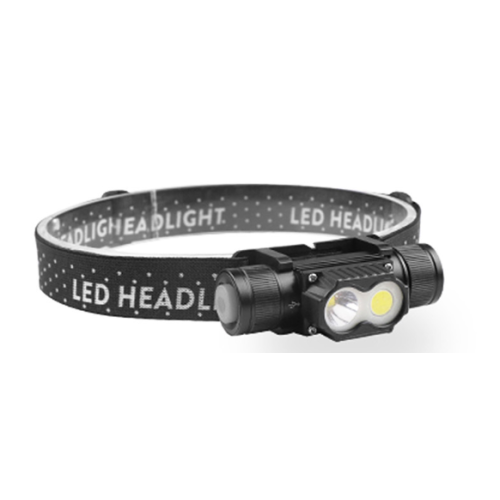
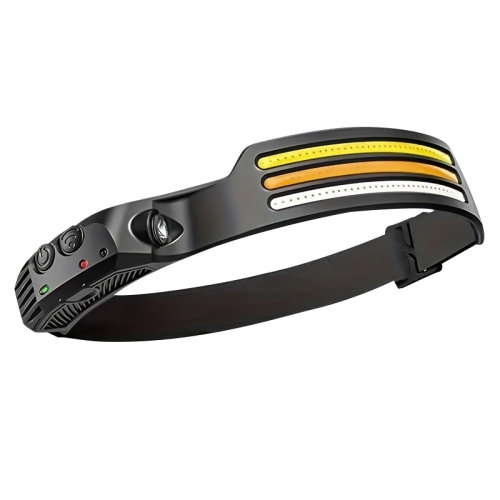
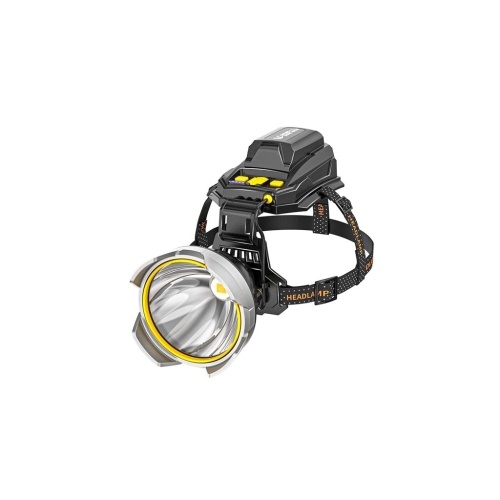
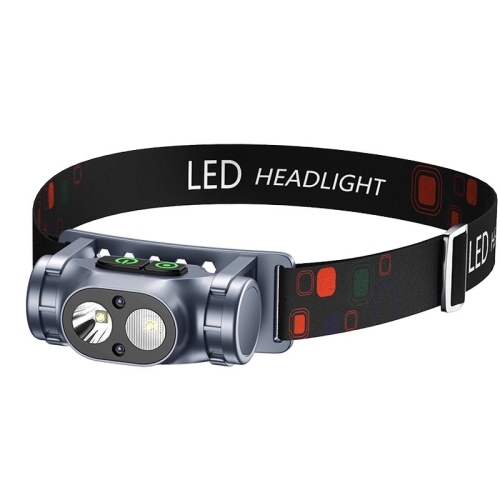

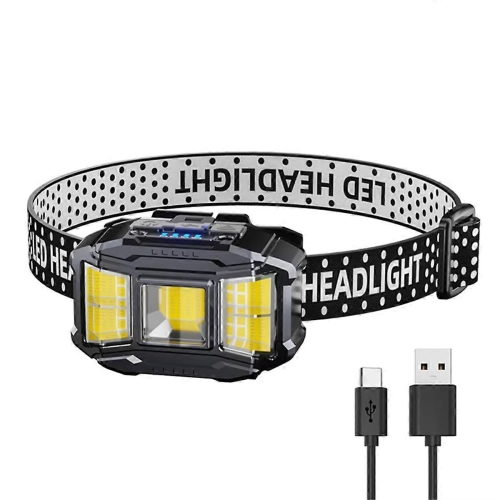
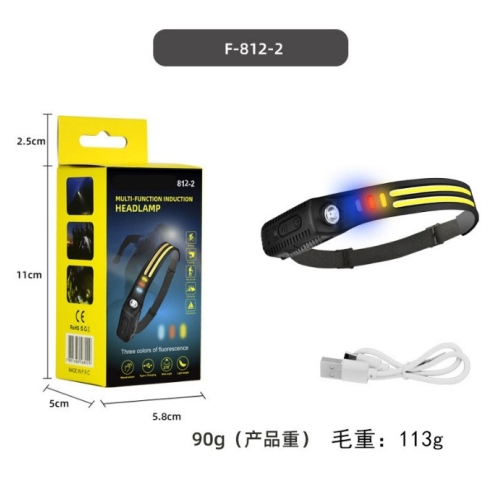
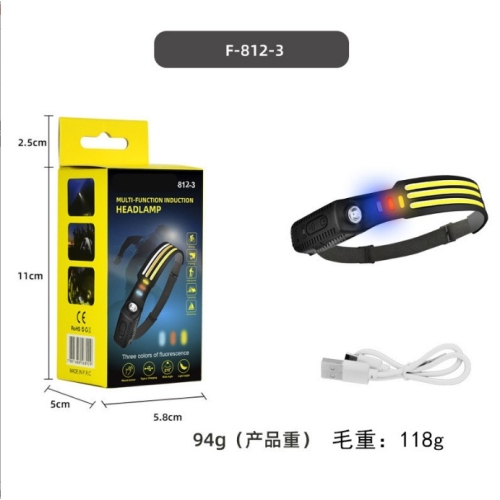
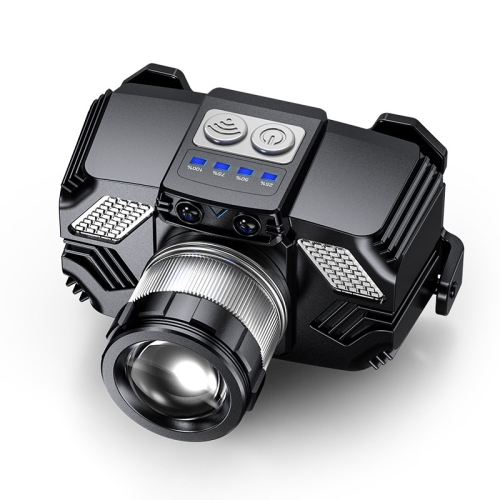
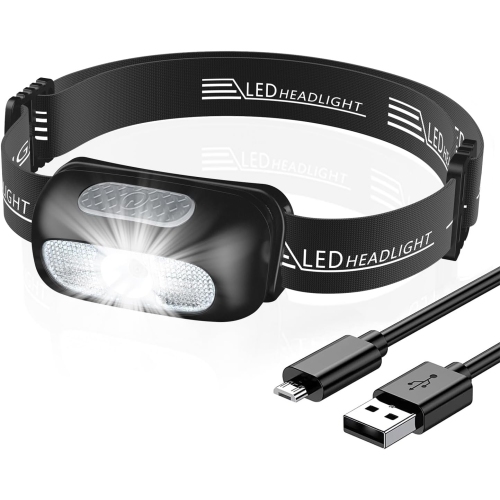
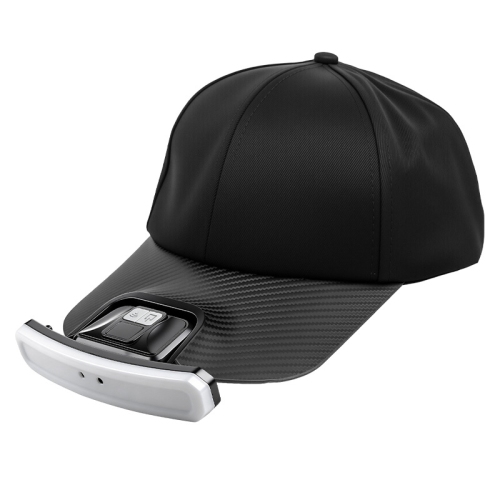
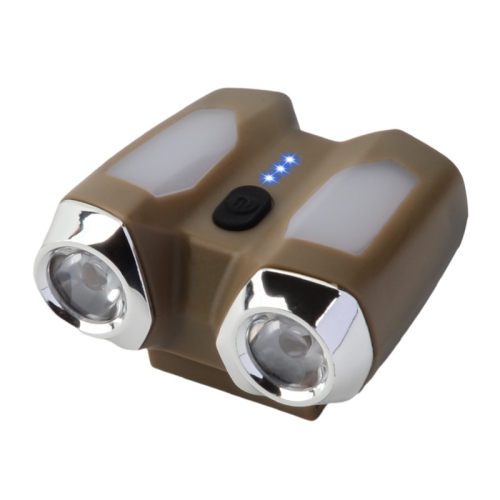
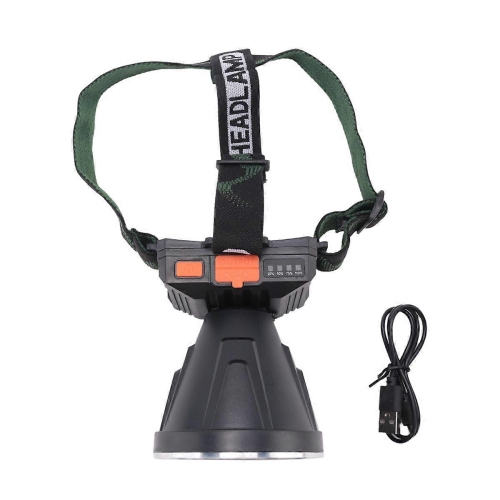
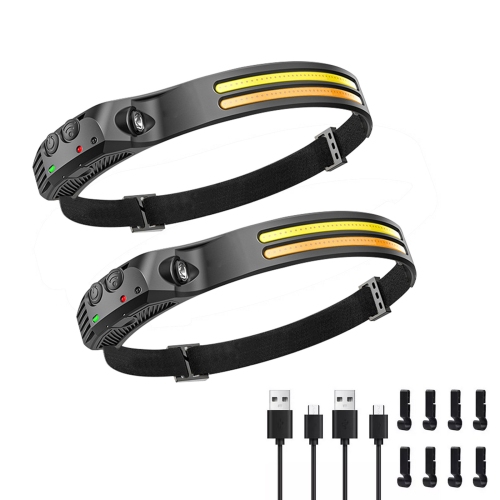


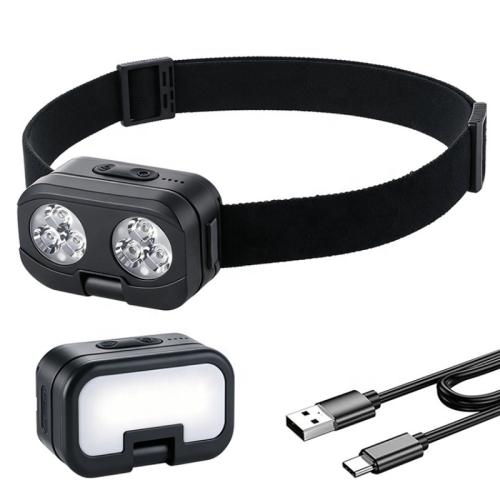
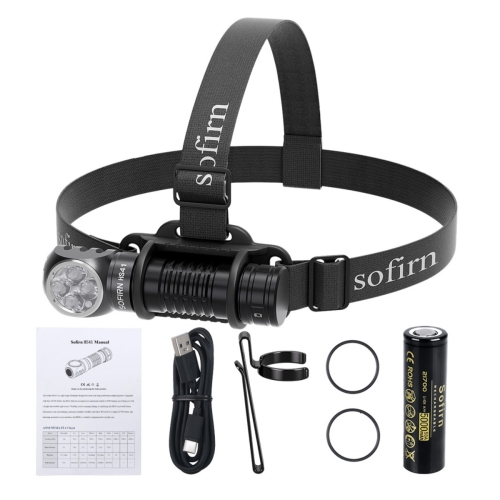
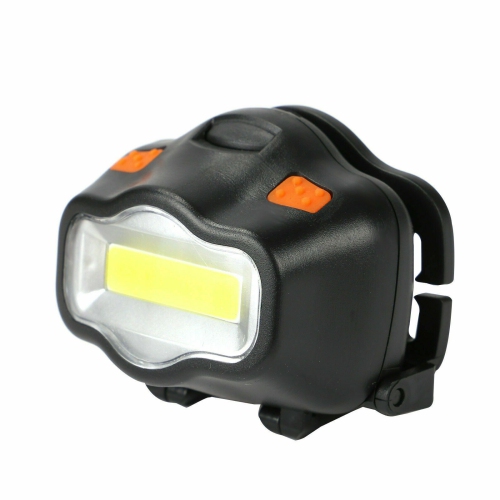

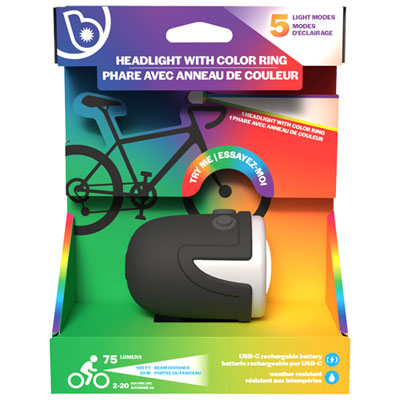
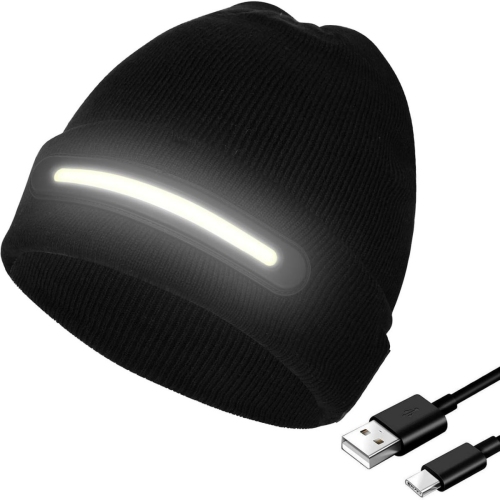
Hands-free lighting that goes beyond the trail
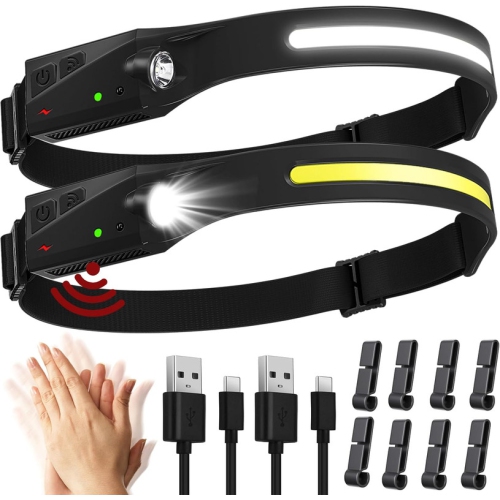
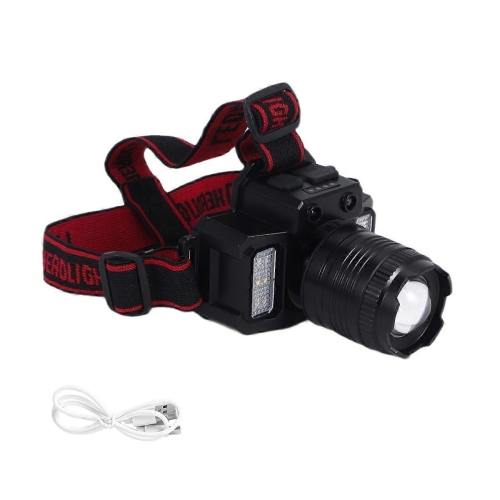
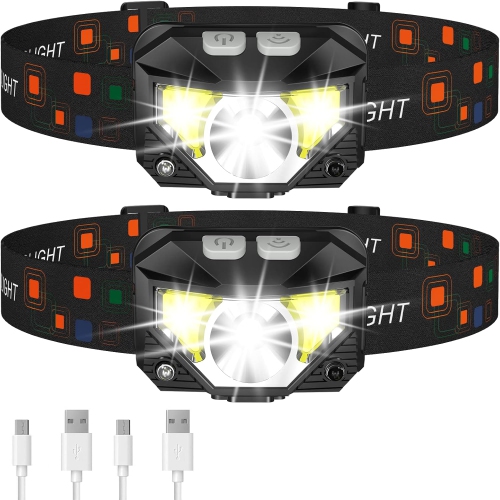
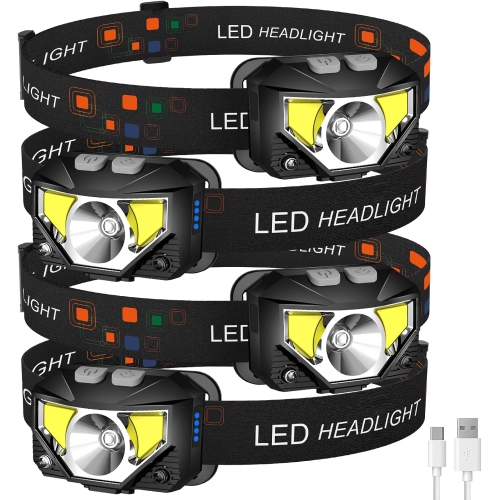
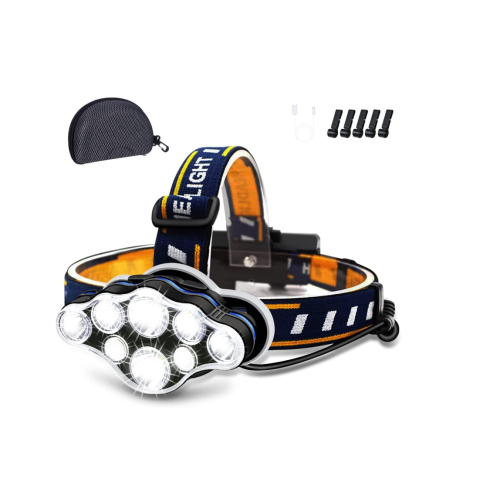
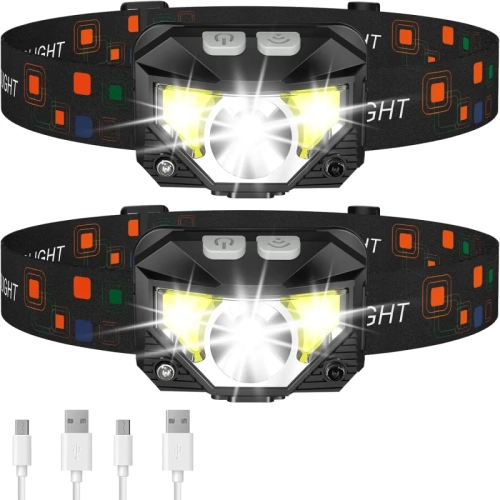
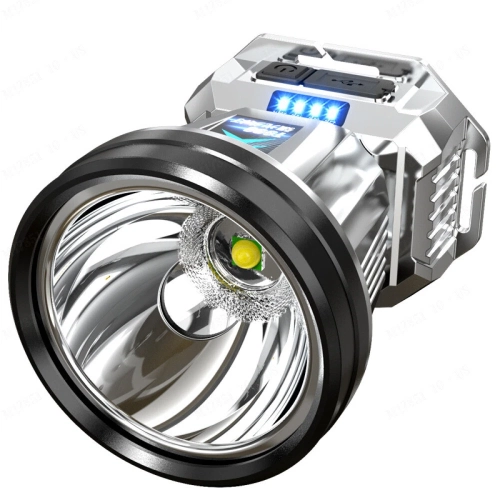
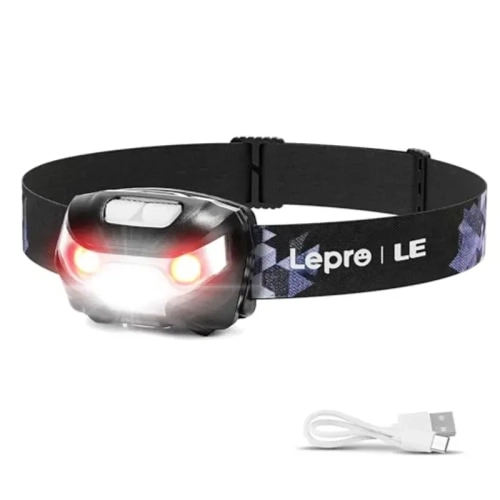
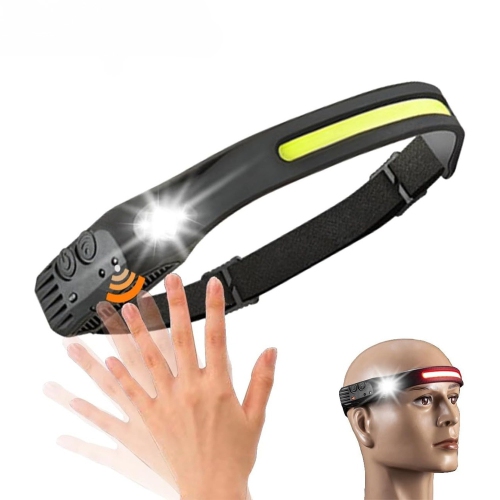
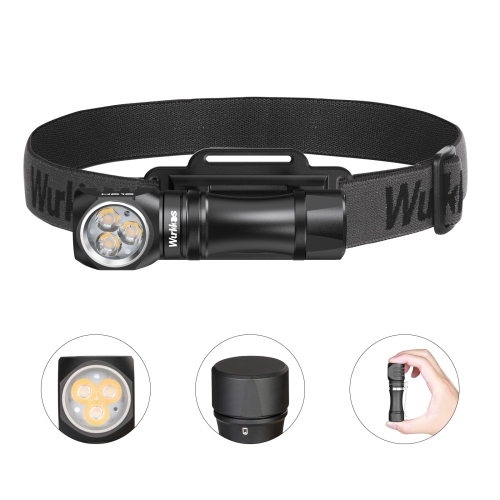
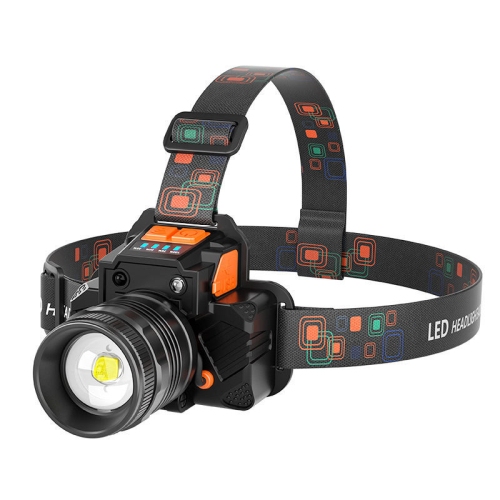
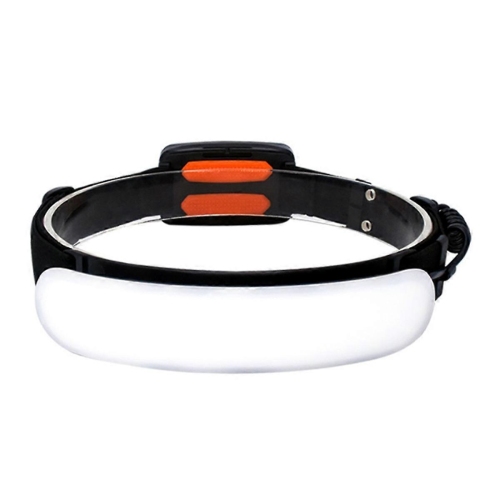
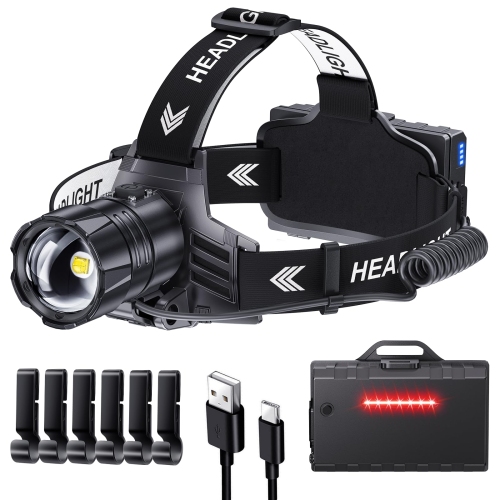
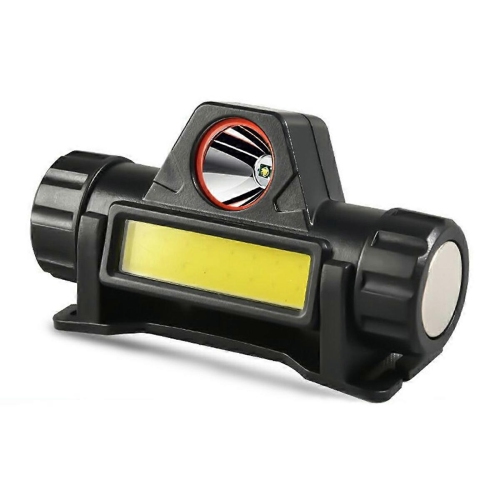
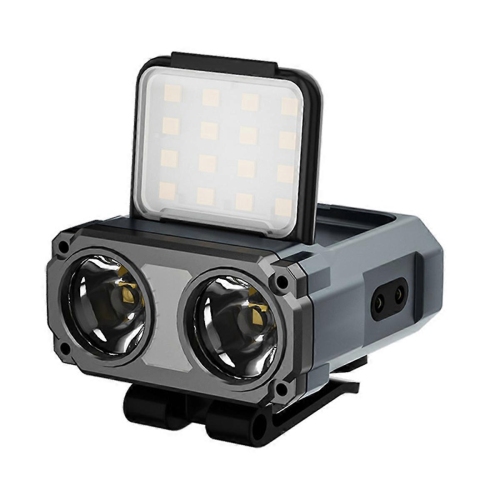
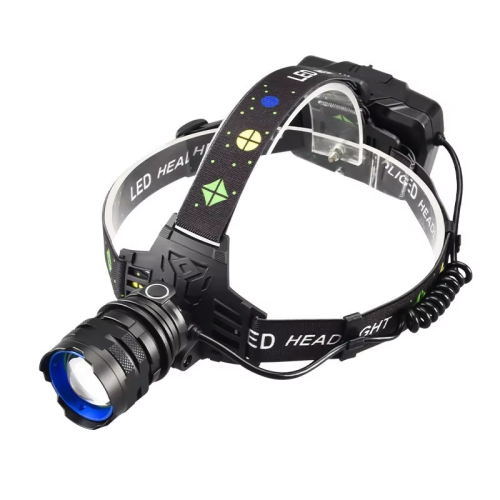
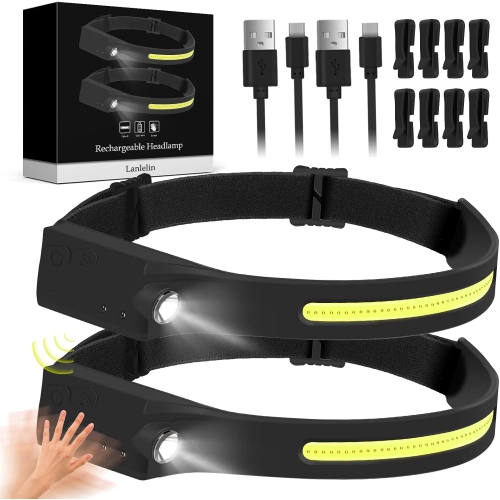
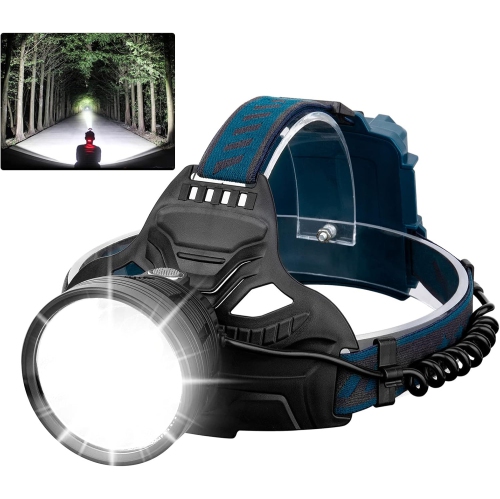
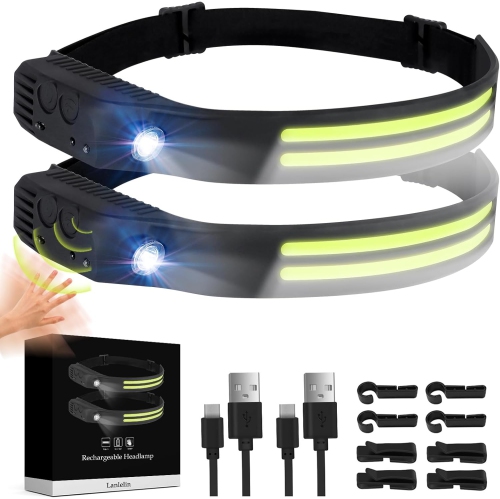
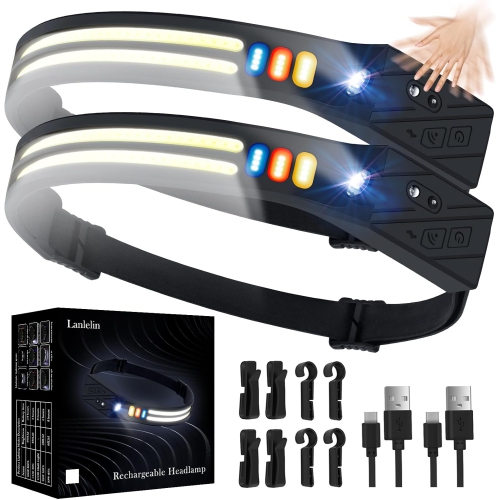
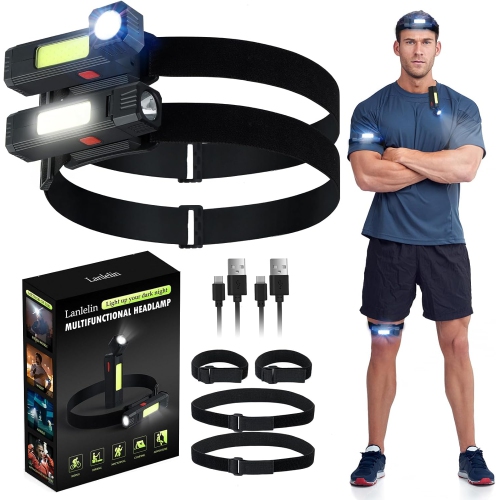
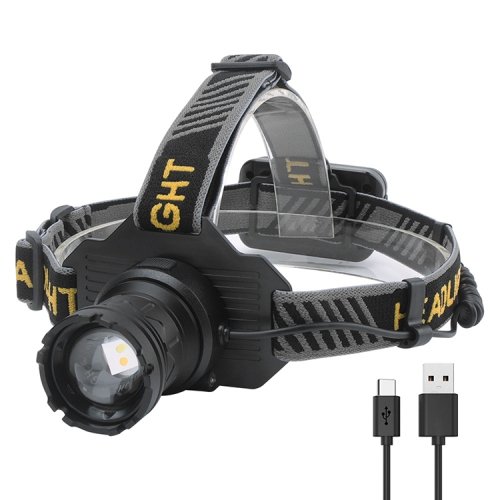
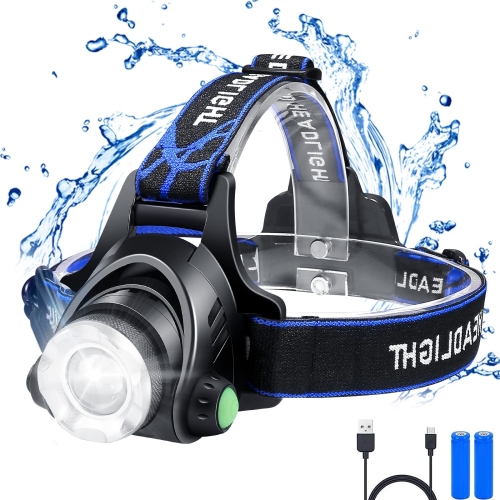
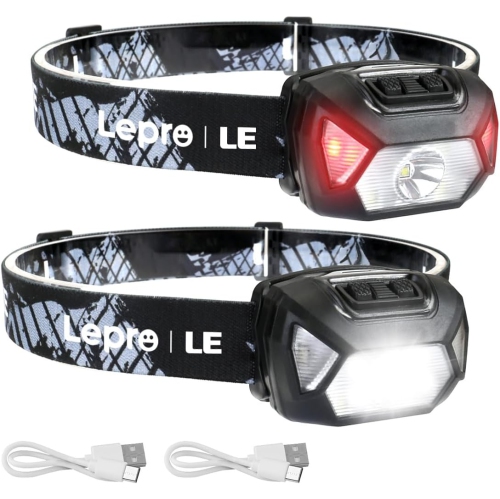
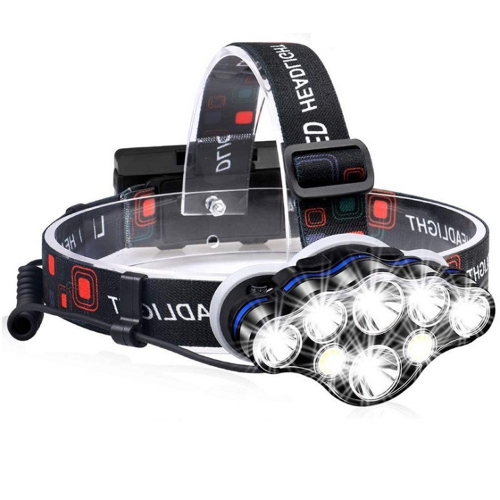
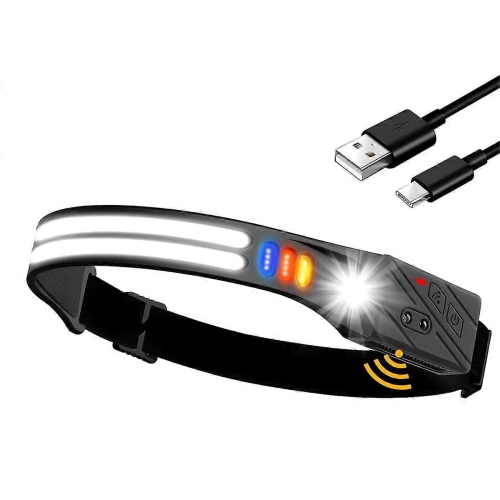
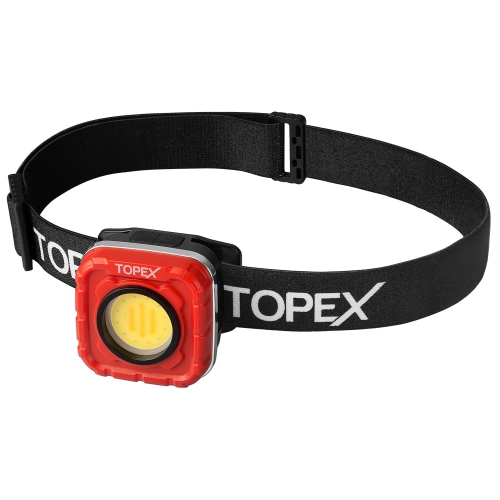
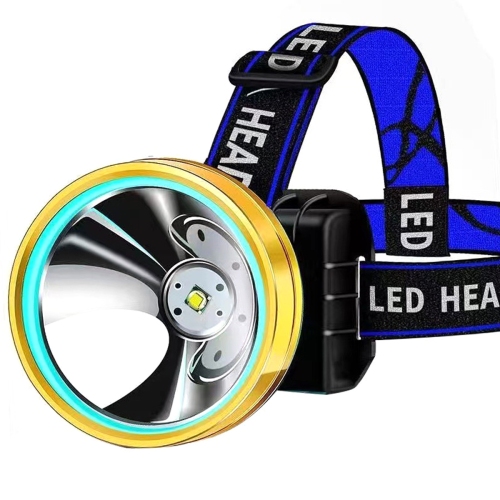
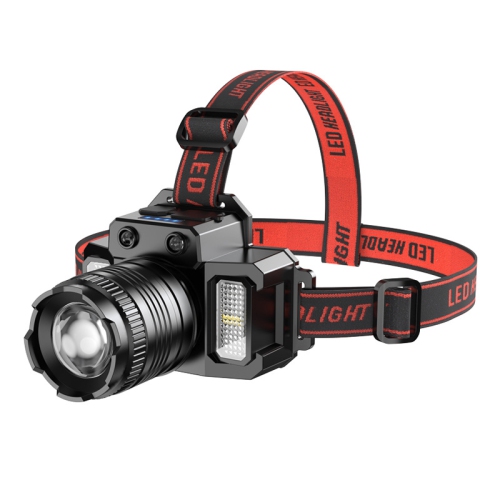
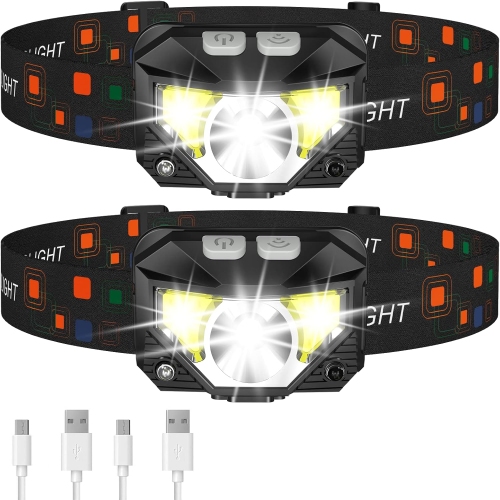
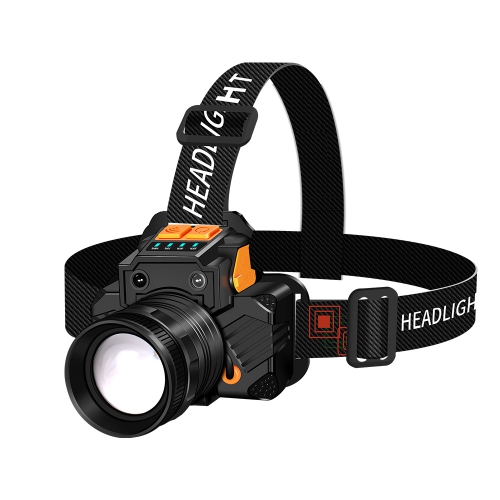
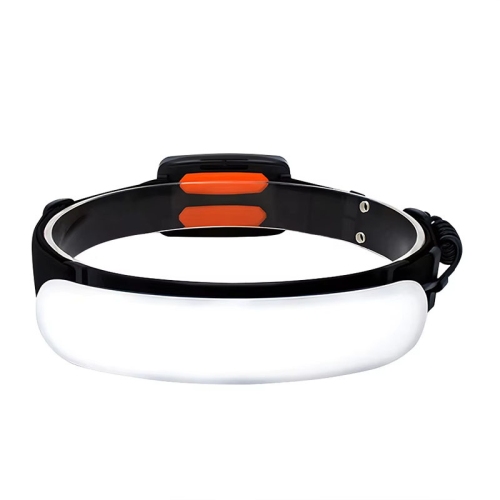
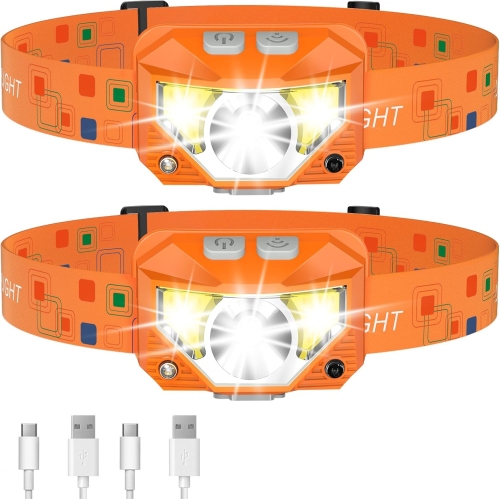
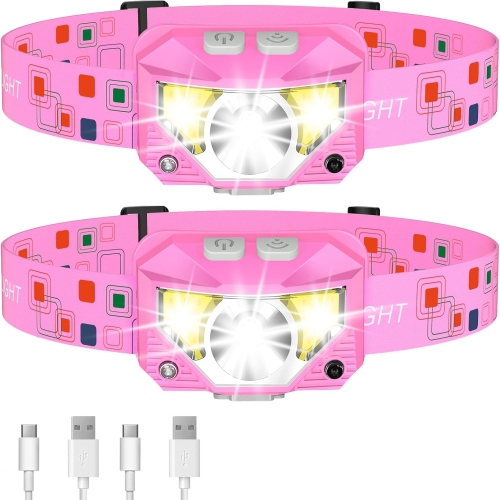
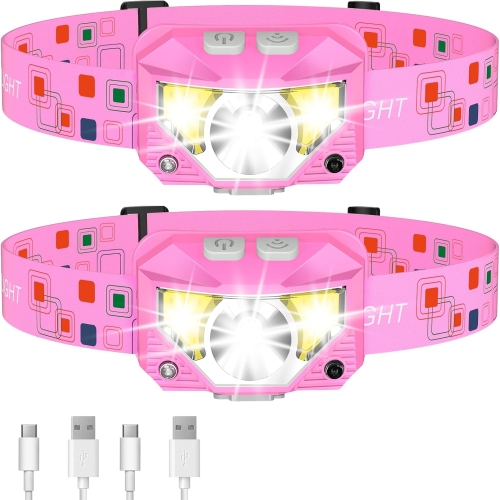
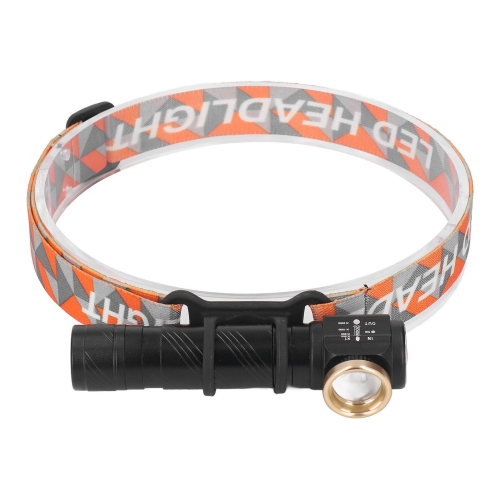
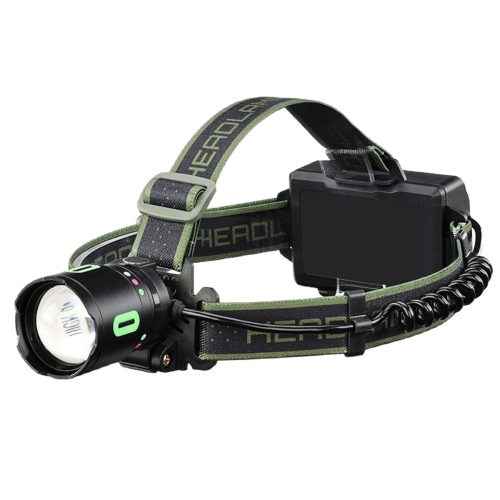
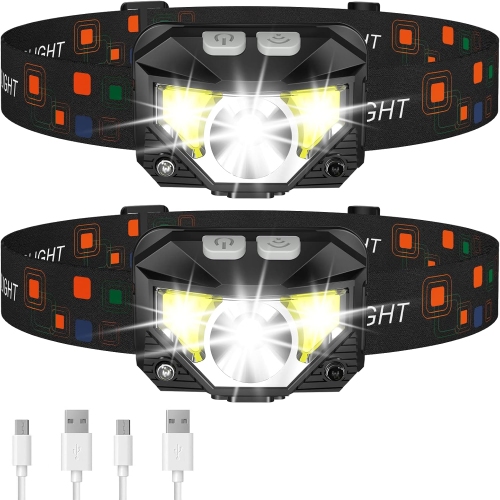
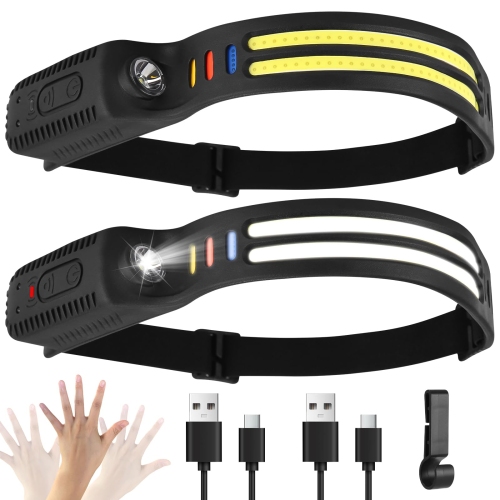
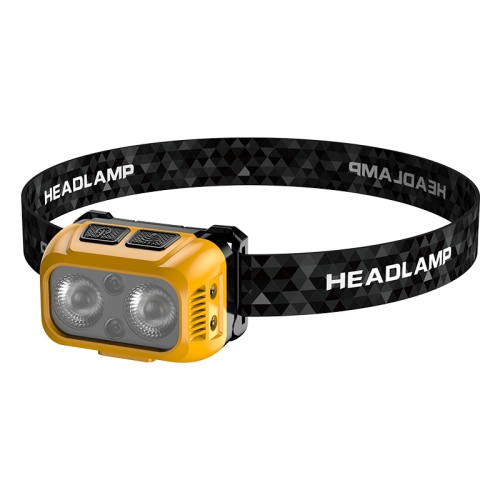
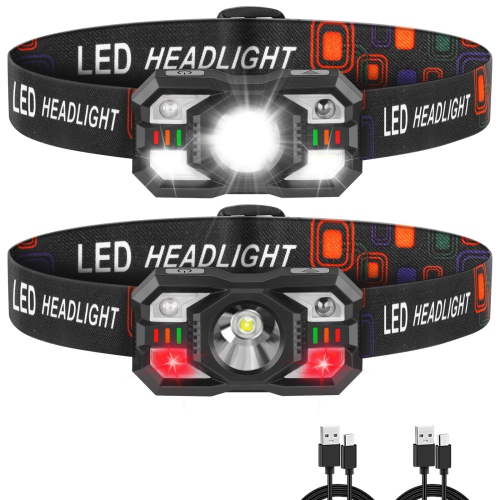
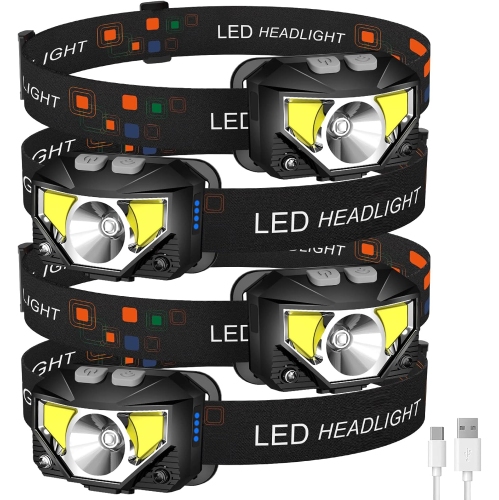
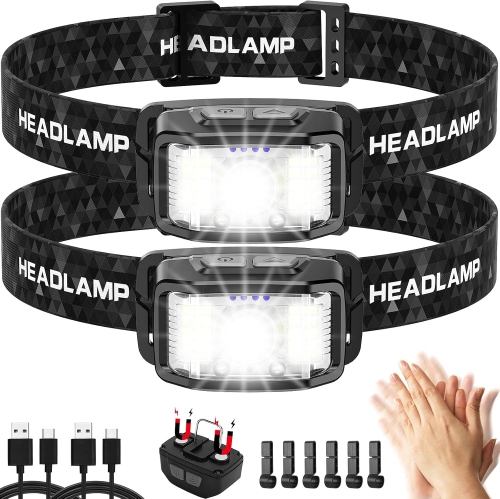
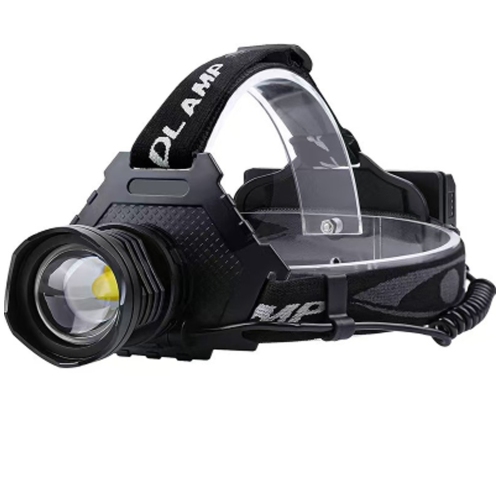
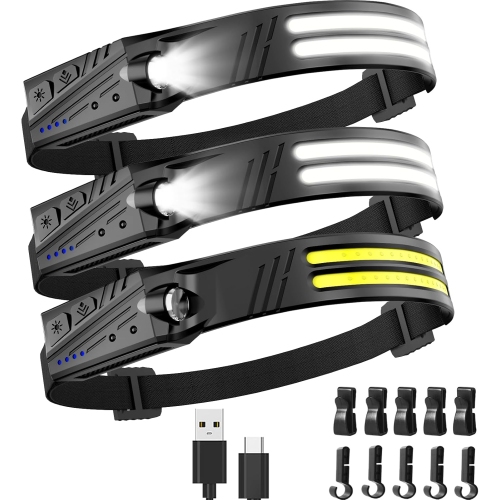
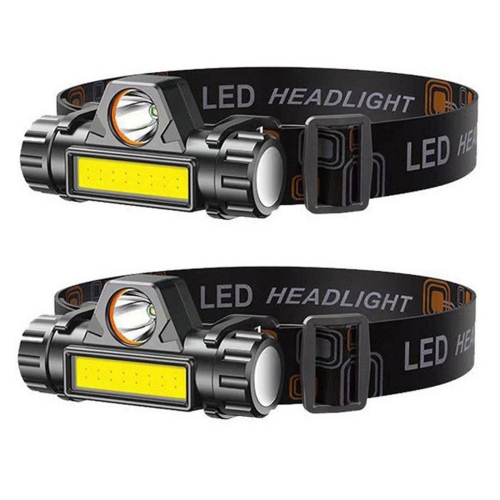
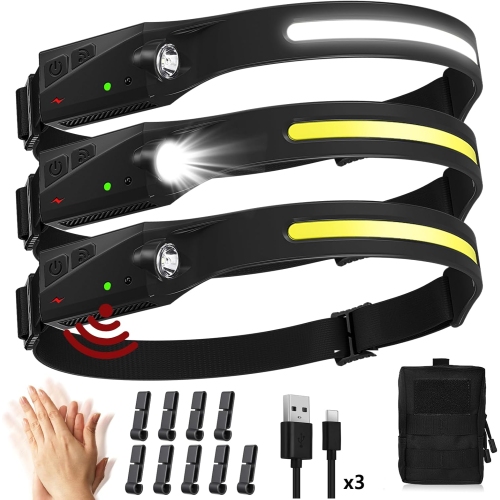
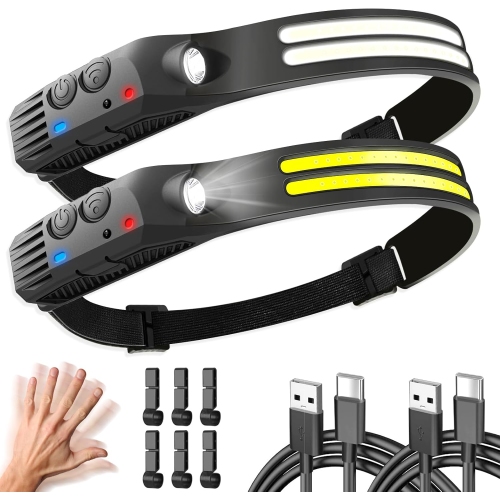
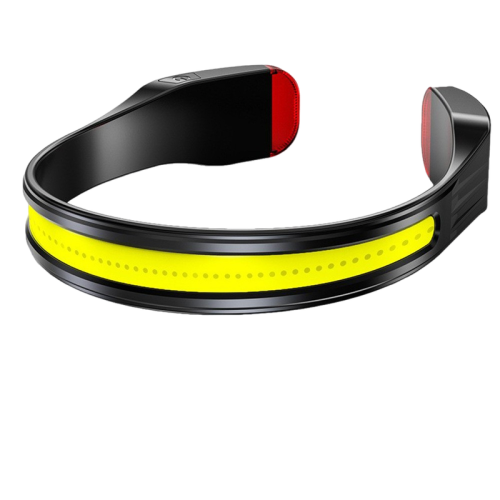
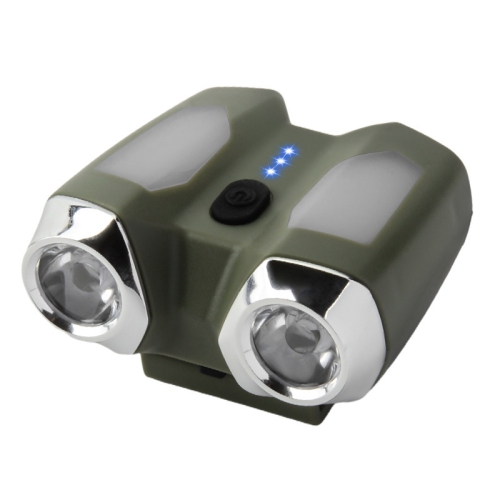
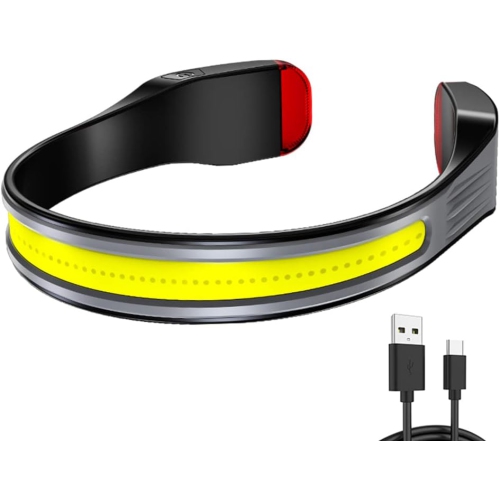
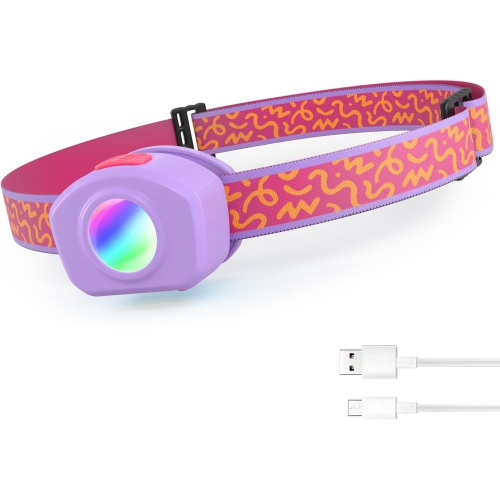
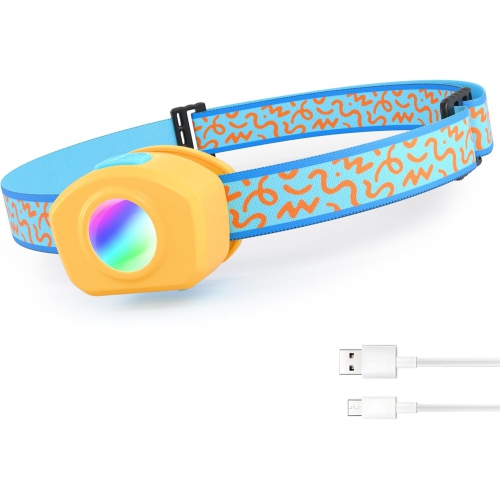
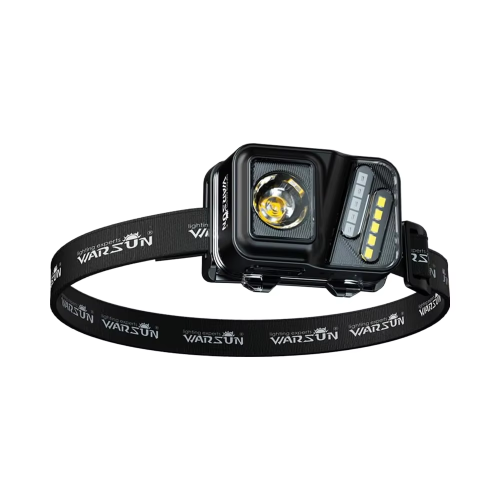
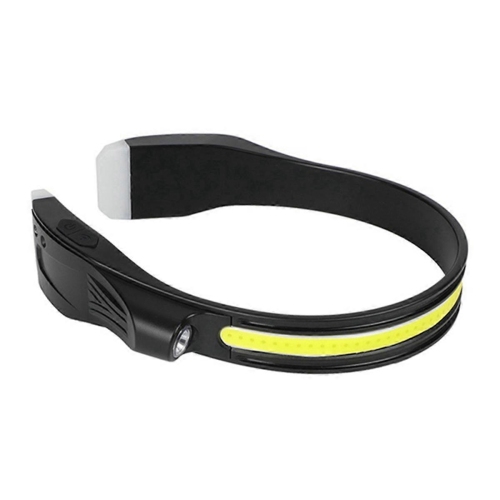
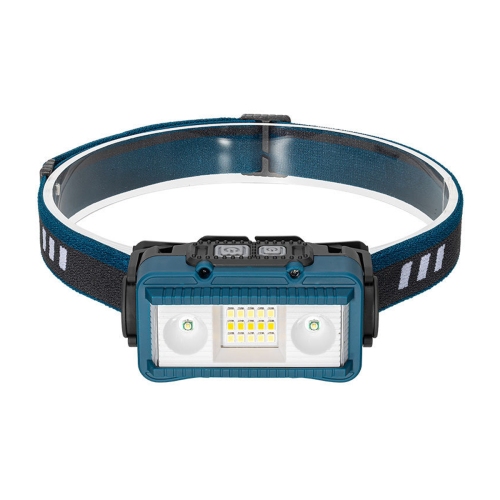
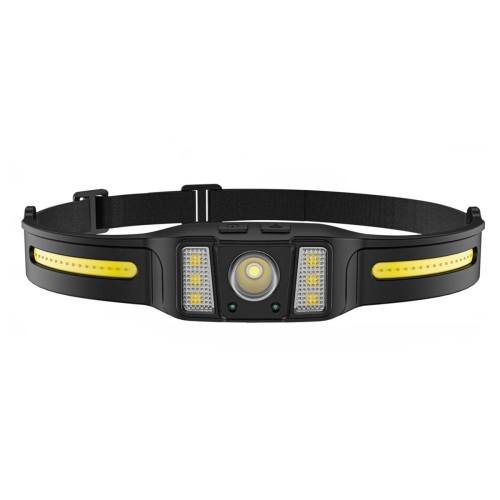
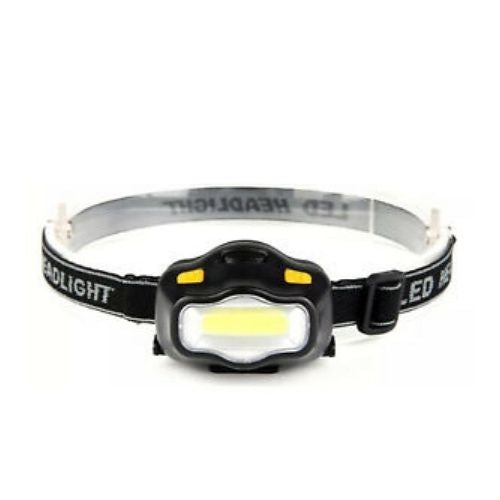
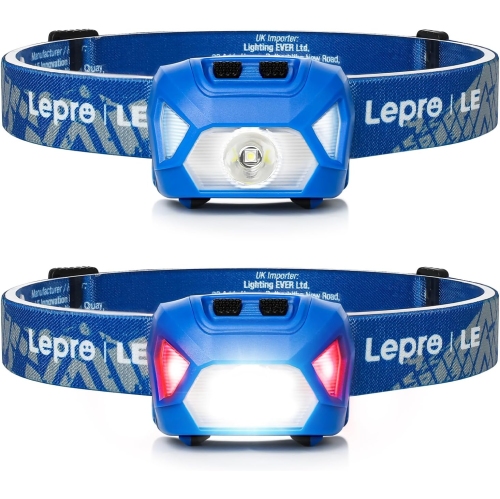
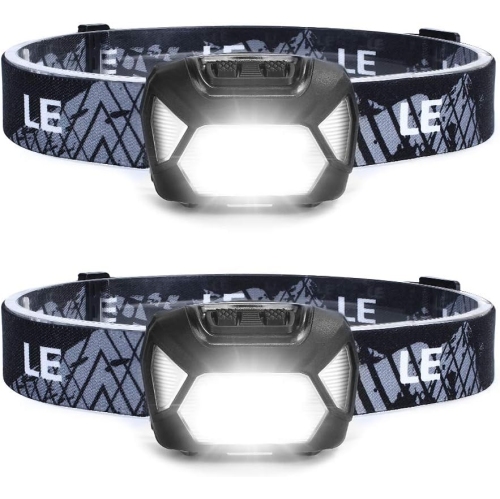
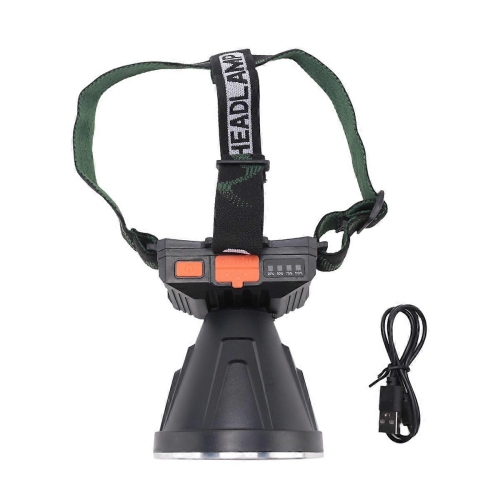
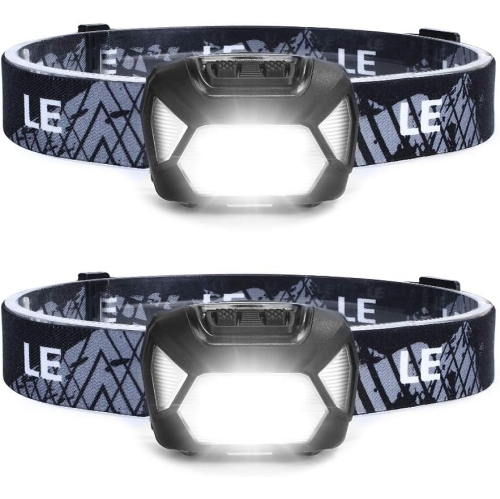
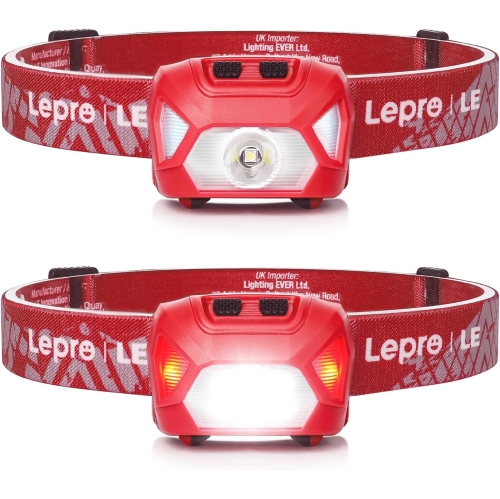
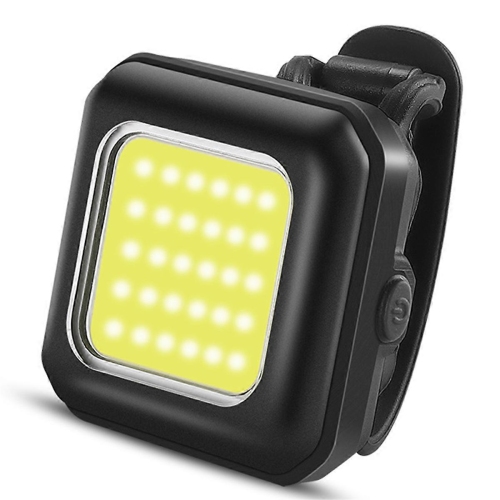
Rechargeable headlights, often called headlamps, provide hands-free lighting for tasks where holding a flashlight would get in the way. Worn around the head, they direct light towards the area being viewed, whether that is a trail, a cabinet hinge or a tangle of cables behind a desk. Their appeal extends beyond hiking and camping: runners, hobbyists, mechanics and anyone assembling furniture can benefit from keeping both hands free. The beam pattern makes a noticeable difference to how the light feels in use. A broad flood beam spreads illumination across nearby surfaces, making it useful for reading instructions, sorting tools or preparing food at a campsite. A focused spot beam concentrates light farther ahead, helping reveal trail markers or objects beyond the immediate work area. Designs with separate flood and spot settings offer flexibility between close-up tasks and distance viewing, while combined modes can illuminate both areas at once. Lumens describe total light output, but a higher lumen figure does not automatically mean a longer-reaching or more comfortable beam. Lens design, beam angle and the distribution of light all affect visibility. For detailed work at arm’s length, an even pool of light with fewer harsh bright spots may be more useful than a powerful, narrow beam. An adjustable lamp angle also matters: tilting the light down towards a book or work surface avoids having to keep the neck bent. Multiple brightness levels make the same headlight practical for different activities, from checking a map to following a path after dark. Red-light modes can provide low-level illumination with less disruption to dark-adapted vision than bright white light, although brightness and exposure still matter. Motion-sensor controls offer another convenience when hands are occupied, but accessible physical buttons remain useful for dependable adjustments. A control lock helps prevent the lamp from switching on inside a bag, and straightforward mode controls make it easier to reach the intended setting without cycling through unwanted flashing modes.
Rechargeable LED Head Lamps combine LED illumination with a rechargeable power source, reducing the need to keep replacing disposable batteries in compatible designs. Built-in lithium-ion batteries are common, while other constructions use removable rechargeable cells or a battery pack that can be exchanged when depleted. Hybrid designs may also accept specified disposable batteries, providing another power option when charging is impractical. These arrangements are not interchangeable, so battery compatibility is an important part of the design rather than something to assume from appearance. USB-C and micro-USB charging connections are both used in this category; the connector type, supplied cable and required electrical input determine what charging equipment is suitable. A USB-C port alone does not guarantee fast charging. Charging time also varies with battery capacity, the power source and the lamp’s charging circuitry. For travel or extended outings, compatibility with a suitable portable power bank can make recharging more convenient between uses. Runtime deserves as much attention as maximum brightness. A light may operate for many hours on its lowest setting but deliver a much shorter period at full output. Some lamps gradually dim as the battery drains, while regulated designs aim to maintain steadier brightness for part of the discharge cycle. Published runtime figures are therefore most useful when considered alongside the relevant brightness setting and test conditions. A very bright boost mode may be intended for brief use rather than continuous operation, and output can step down as heat builds. Battery-level indicators make it easier to judge whether a lamp needs charging before a task, especially when it is used intermittently. For longer activities, a manageable medium setting often provides a better balance of usable illumination and operating time than maximum output. User-replaceable batteries can offer flexibility over the life of the lamp, provided replacements match the manufacturer’s specifications. Integrated batteries keep the design self-contained, with battery servicing depending on how the lamp is constructed.
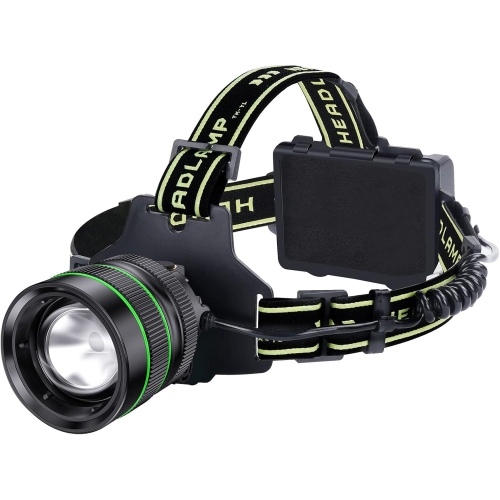
Comfort and construction become especially important when a rechargeable headlight is worn for more than a few minutes. A lightweight lamp with a broad, adjustable strap can feel less intrusive during close-up work, while a top strap may help stabilize a heavier unit during movement. The position of the battery affects balance: a front-mounted battery keeps everything together, whereas a rear battery pack distributes weight around the head but adds a cable and another contact point. Soft strap edges, a padded contact area and enough adjustment for the intended wearer help reduce pressure against the forehead. Fit over a cap or compatibility with a helmet depends on the mounting arrangement, and a standard elastic headband should not be assumed to provide a secure helmet attachment. Durable plastic housings can keep weight down, while aluminium components may help manage heat and withstand everyday handling. Neither material alone determines durability; hinge strength, charging-port covers, strap attachments and tested impact resistance also matter. Water-resistance ratings provide a more useful description of protection than a general claim of toughness. IPX4 indicates protection against splashing water under specified test conditions, while IP67 indicates dust-tight construction and protection against temporary immersion under defined conditions. These ratings do not automatically make a lamp suitable for swimming, prolonged submersion or exposure to cleaning chemicals. Routine care is generally straightforward: keeping the lens clean preserves beam clarity, and wiping the housing prevents dirt from collecting around controls. A removable, washable strap can be helpful for frequently worn lights, with cleaning methods determined by the manufacturer’s care instructions. Charging contacts and ports should be clean and dry before connection, and damaged batteries or housings warrant attention before further use. For storage, switching the lamp off, engaging its lock if fitted and keeping it away from excessive heat helps prevent accidental operation and unnecessary wear. As a gift, a rechargeable headlight suits someone who enjoys practical equipment, from a camper organizing gear to a hobbyist painting small details. Comfortable fit, simple controls and a beam matched to the activity are often what make it a regularly used tool rather than something left in a drawer.
Top selling and popular products
-
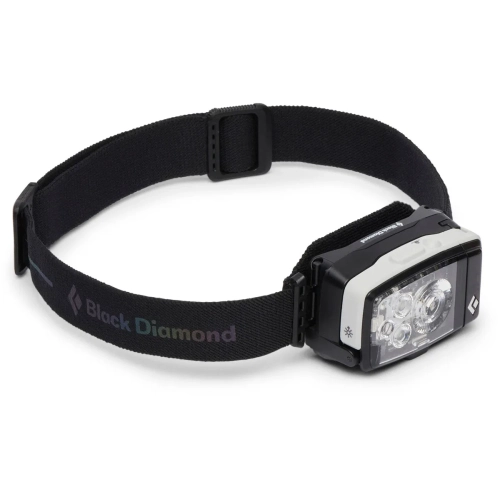 Your price for this item is $139.99
-
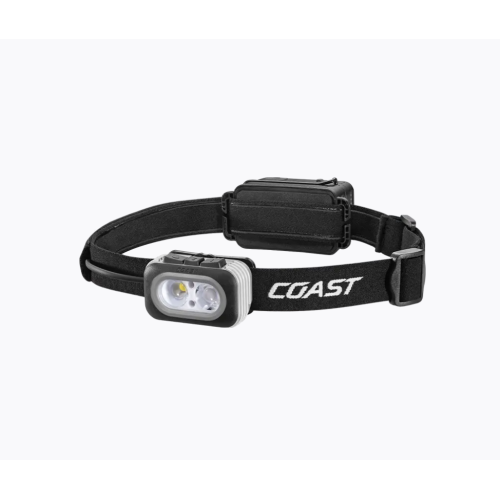 Your price for this item is $39.99
-
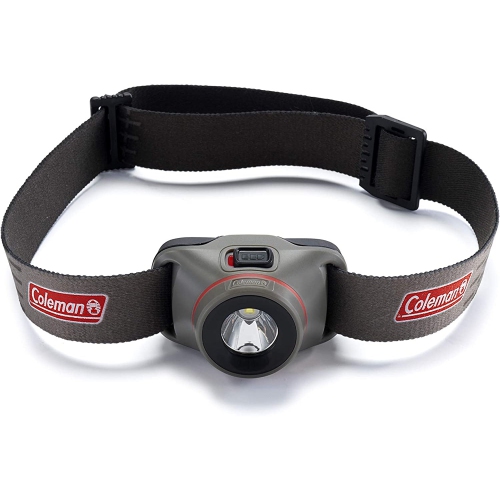 Your price for this item is $49.97
-
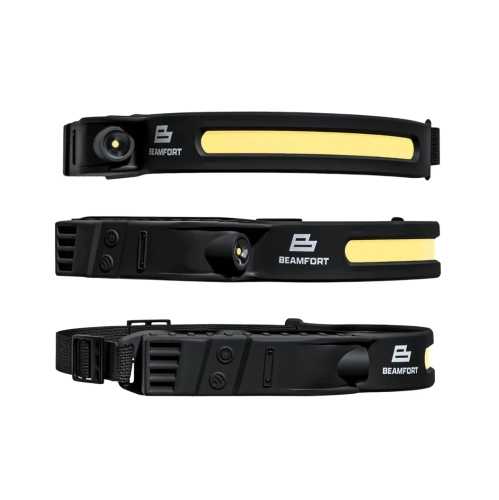 Your price for this item is $43
-
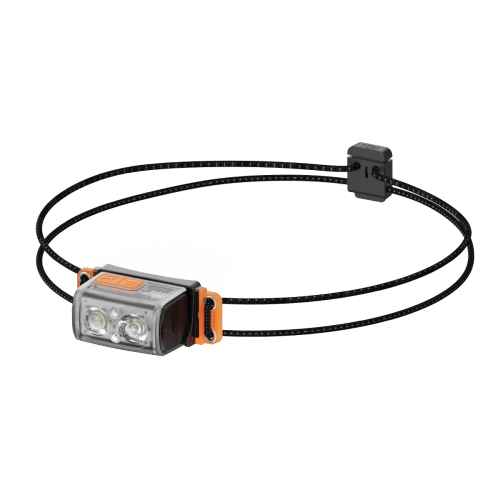 Your price for this item is $35
-
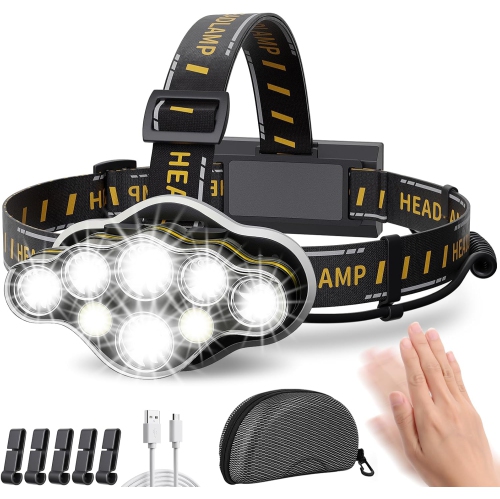 Your price for this item is $33.99
-
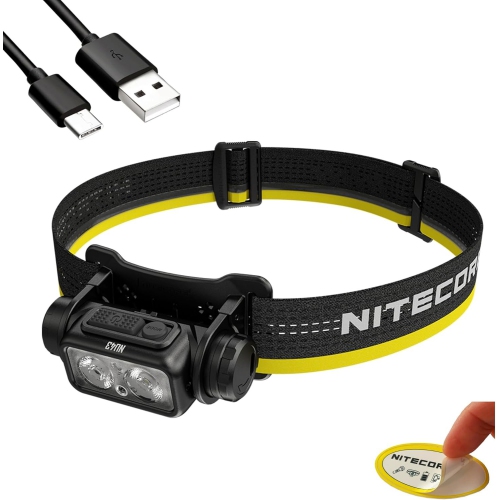 Your price for this item is $104.95
-
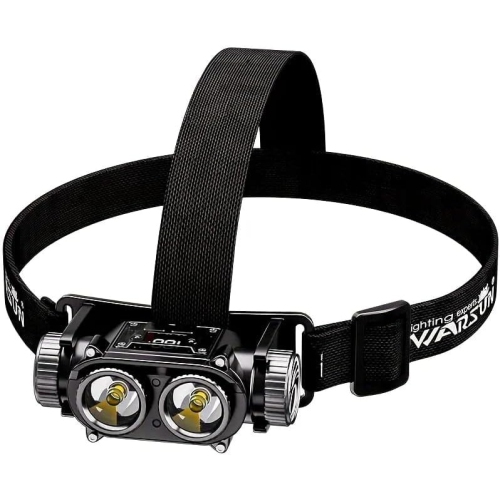 Your price for this item is $58.95
Discover more categories related to Rechargeable Headlights
Top Collections:
Best Black Friday Deals This Year, Best Black Friday Deals On Electronics, Kindle Devices, Pokemon Centers, Best Black Friday Deals On Apple Products, Best Cameras for Sports Photography, Dyson Airwrap, Pokémon 30th Celebration Cards, Apple iPhone 17 Pro, Canon G7X Cameras
Some products may be subject to Environmental Handling Fees
(EHF) depending on your province.
Learn more about EHFs.