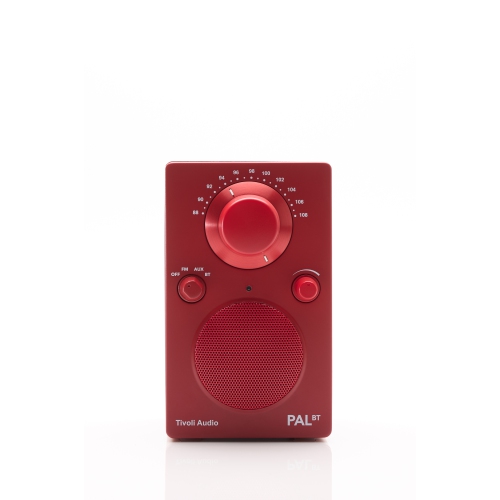
Retro Music Players
Looking to bring back the nostalgic charm of the good old days? Look no further than our collection of retro music players. These timeless devices combine classic aesthetics with modern technology, allowing you to enjoy your favorite tunes in style. From vintage-inspired turntables to portable cassette players, our selection offers a wide range of options to suit every music lover's taste. Whether you're a vinyl enthusiast or a fan of the warm sound of analog tapes, our retro music players will transport you back in time while delivering exceptional audio quality. Get ready to groove to the beats of yesteryear with these iconic pieces that are sure to be a hit at any gathering or simply enhance your personal listening experience.
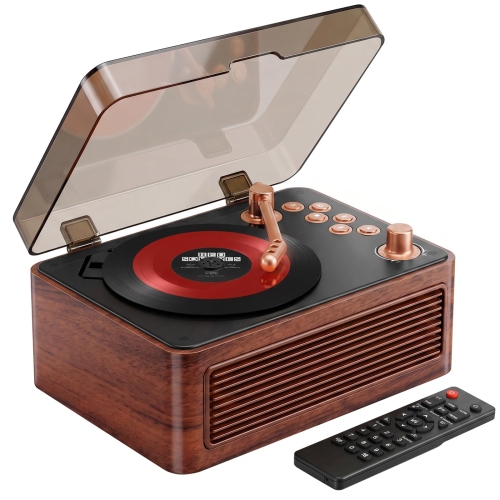
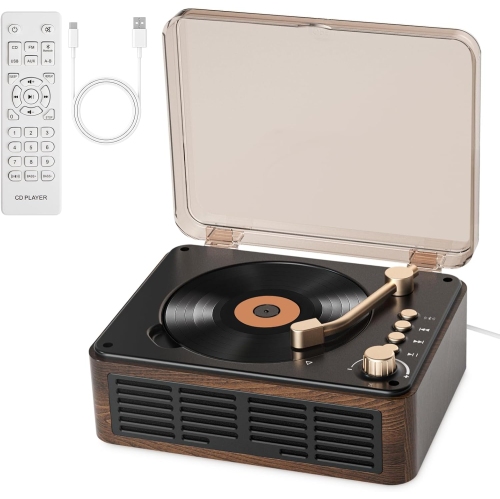

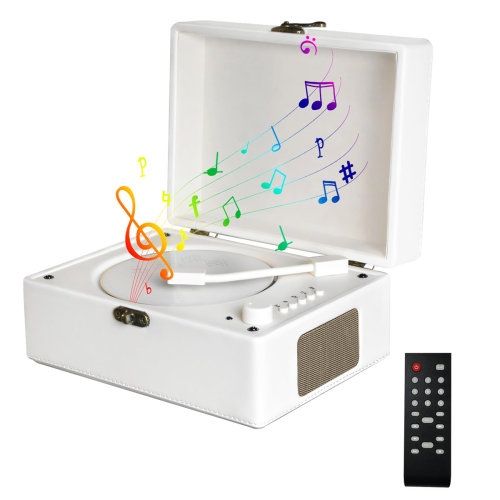
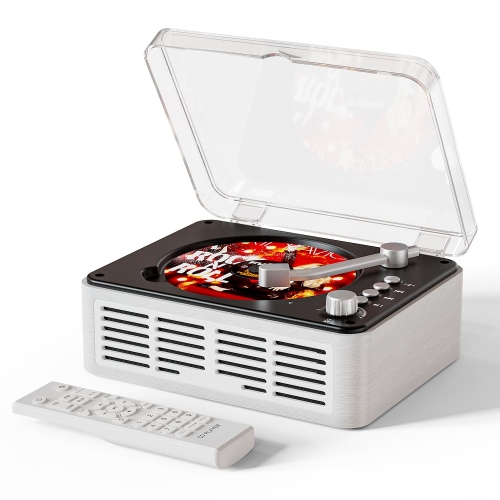

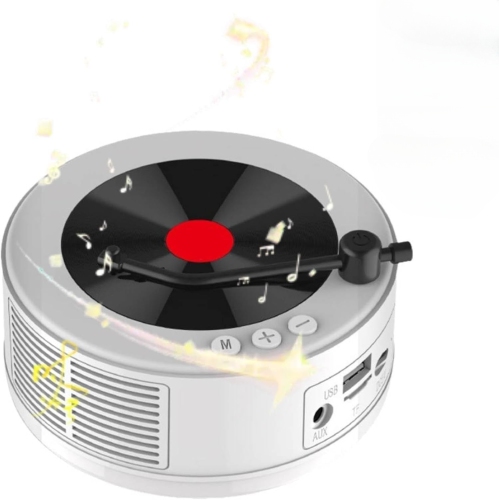
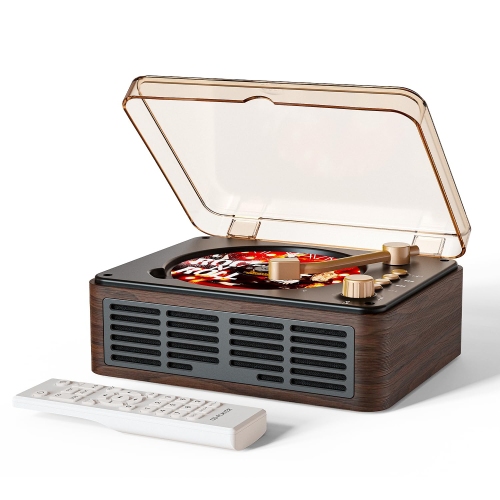

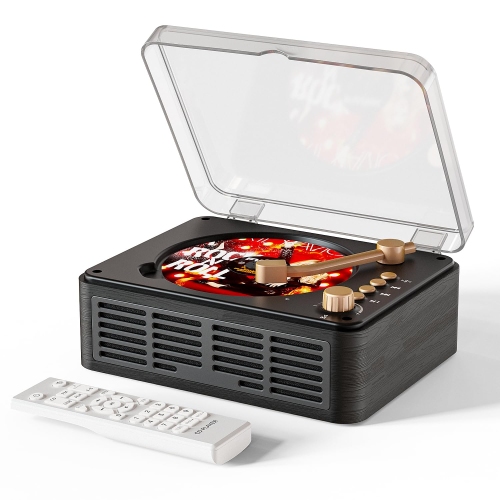
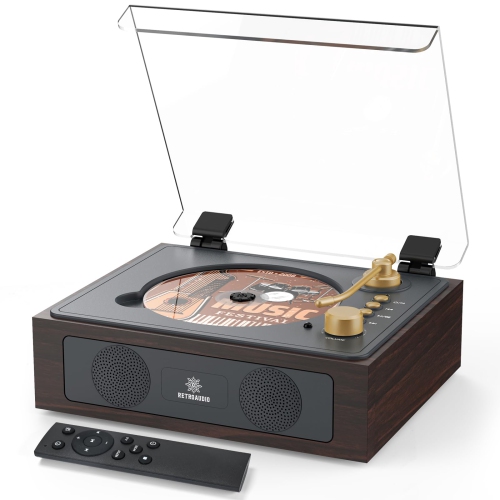
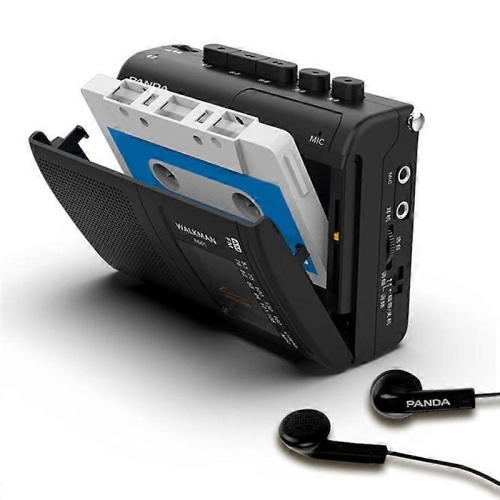

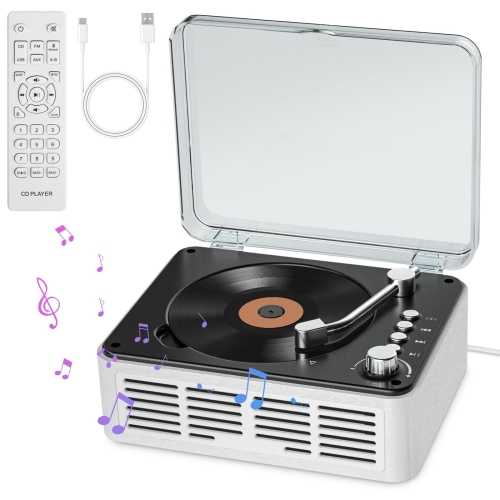

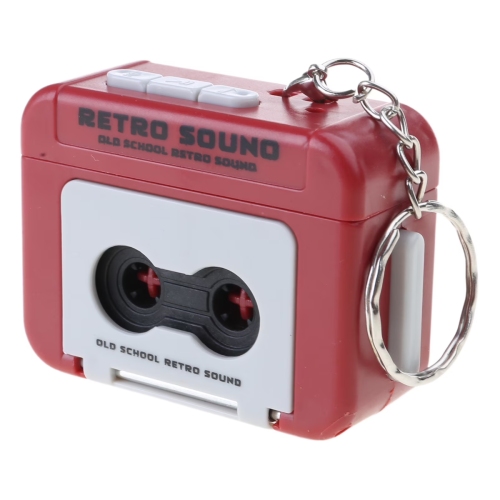
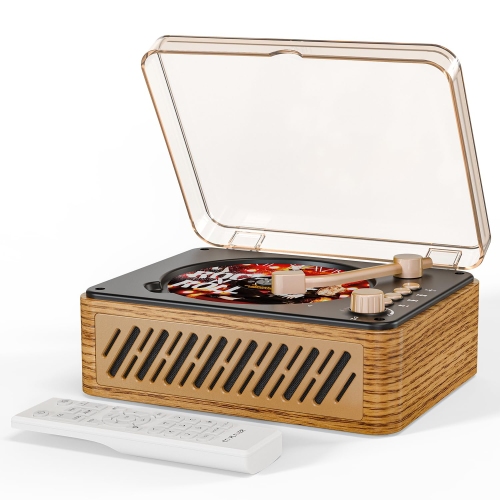



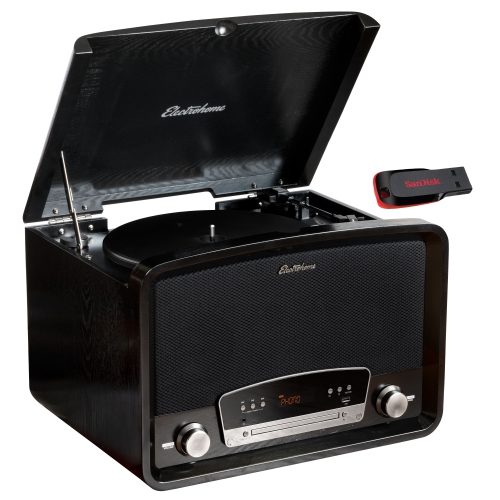
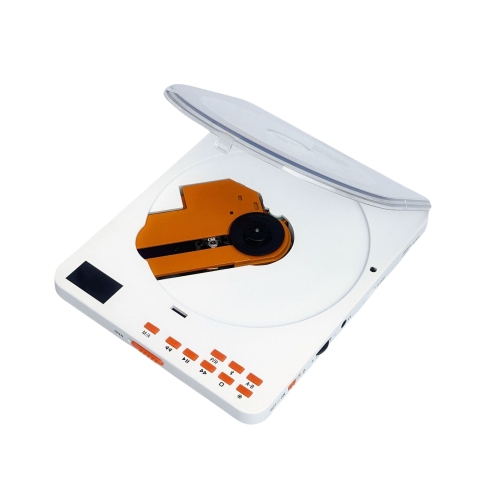
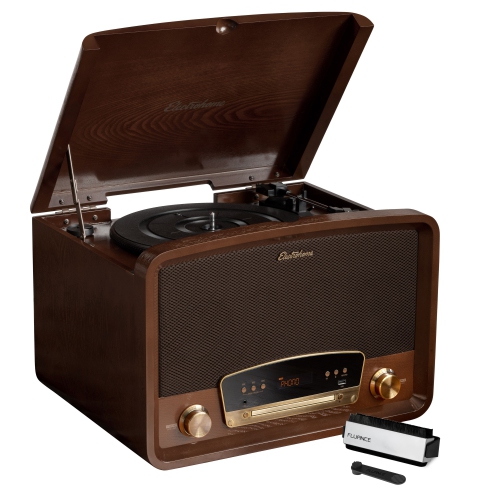
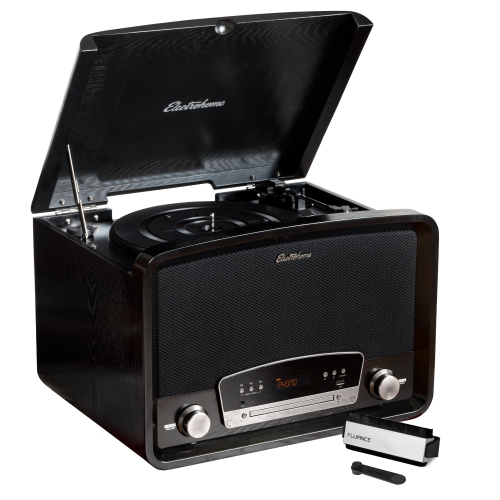
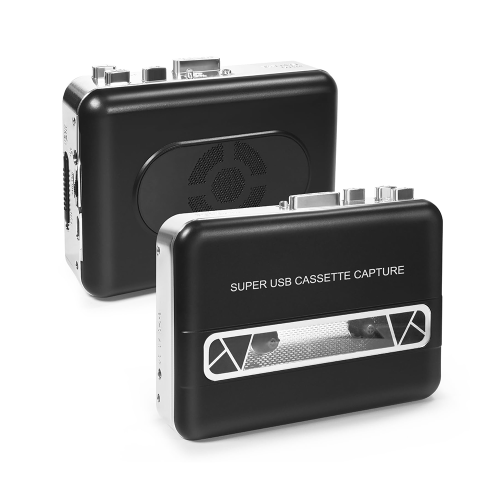
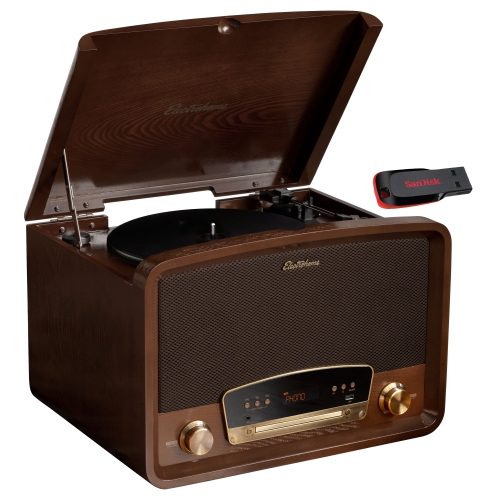
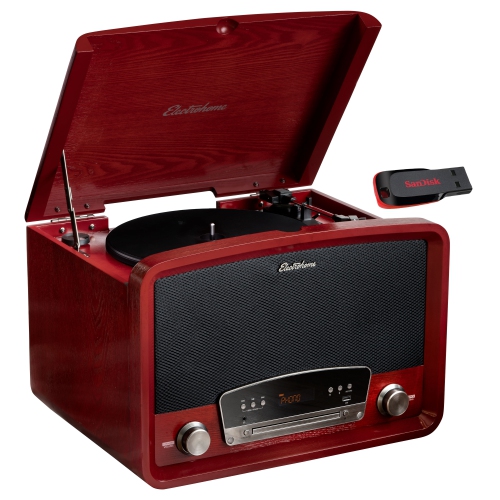
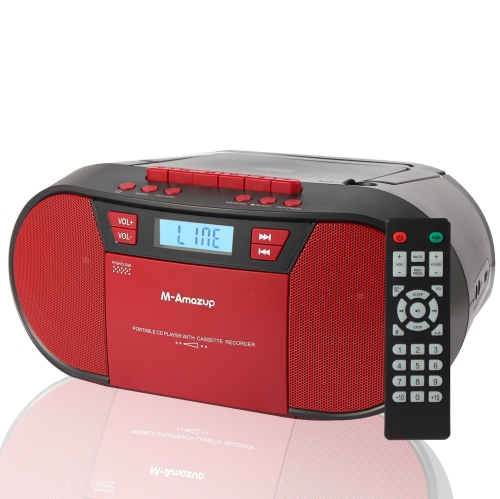
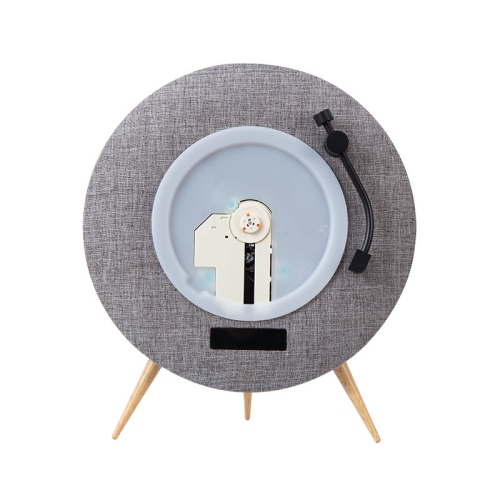
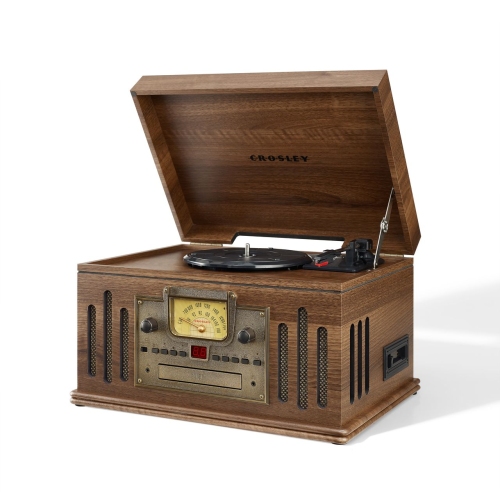
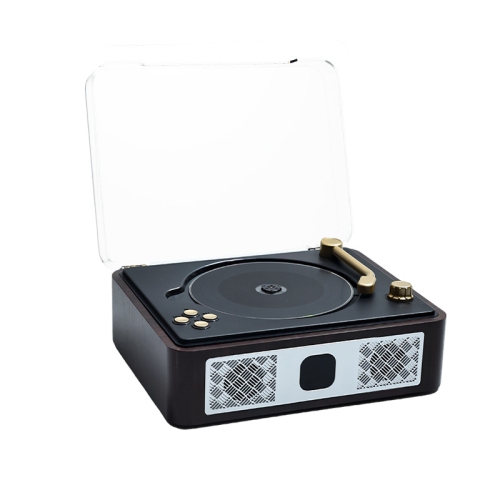
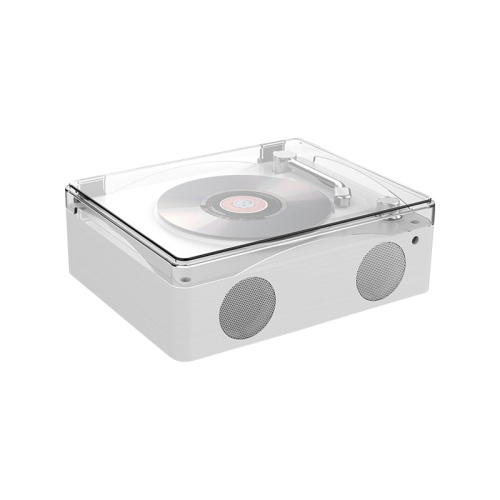
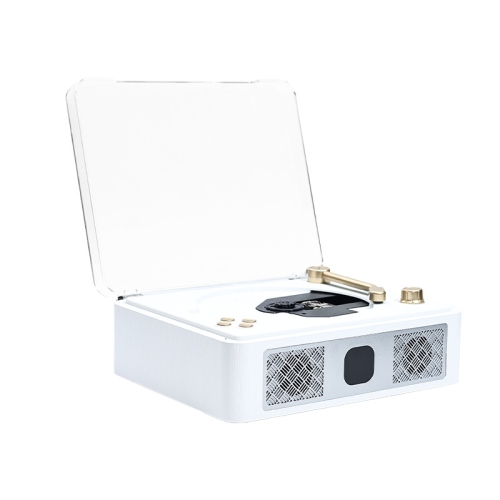


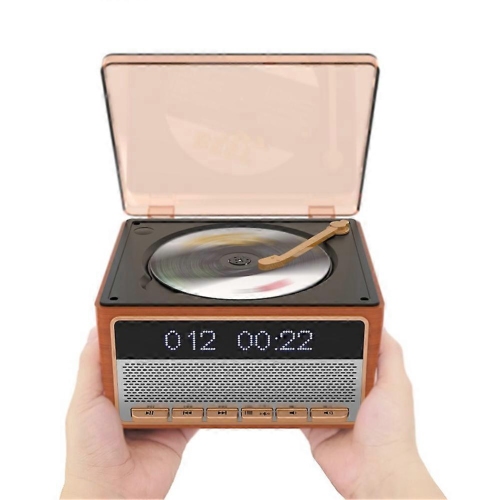
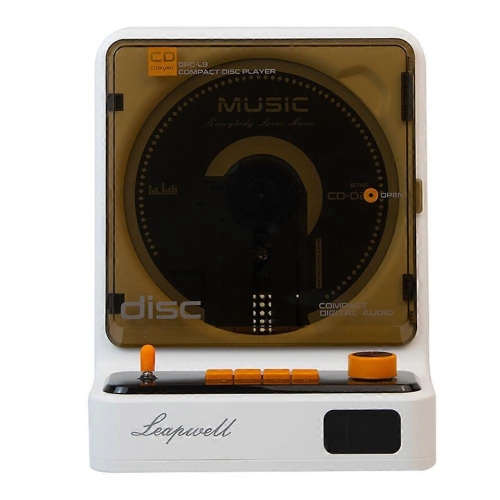
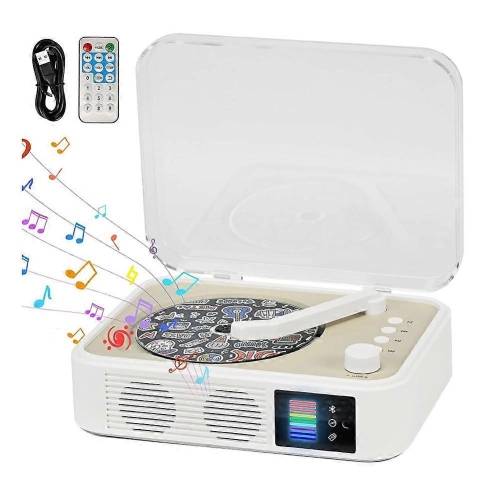


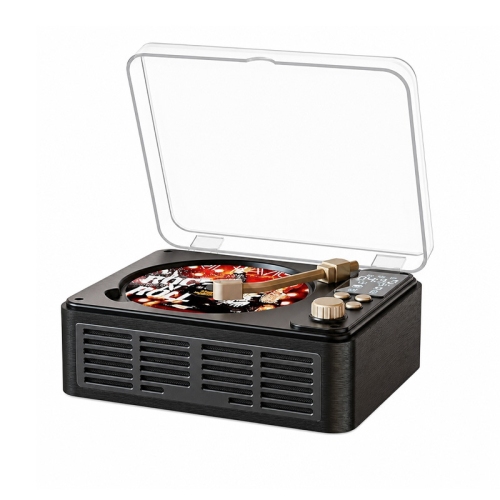


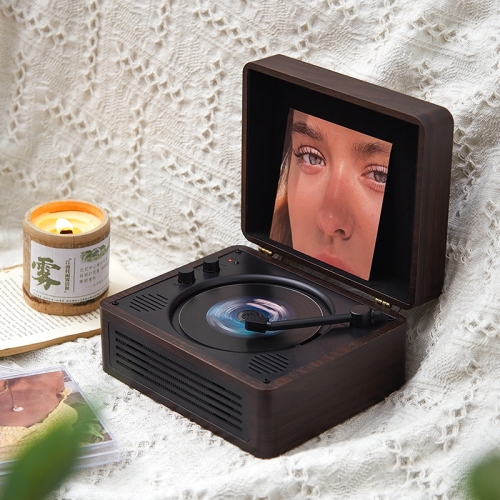
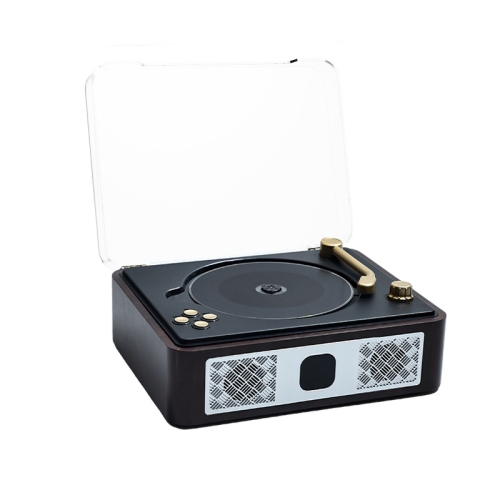
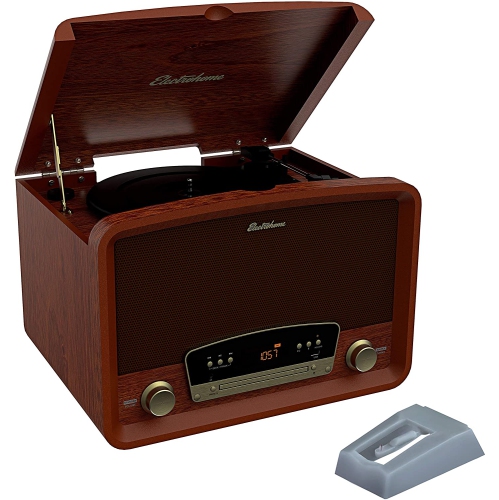


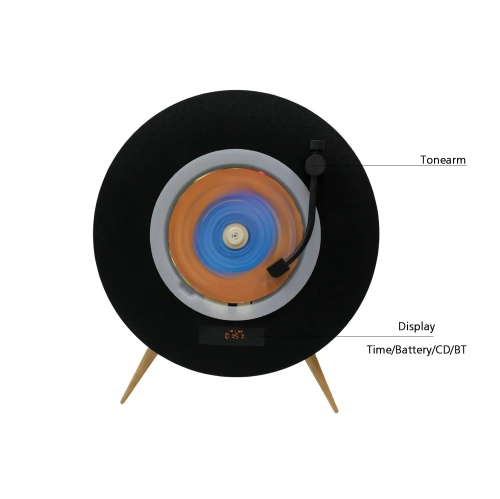

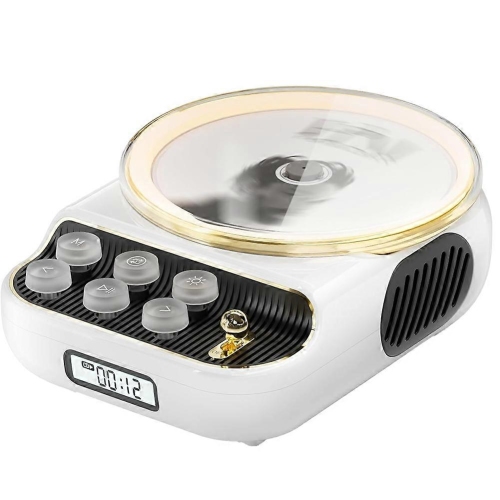
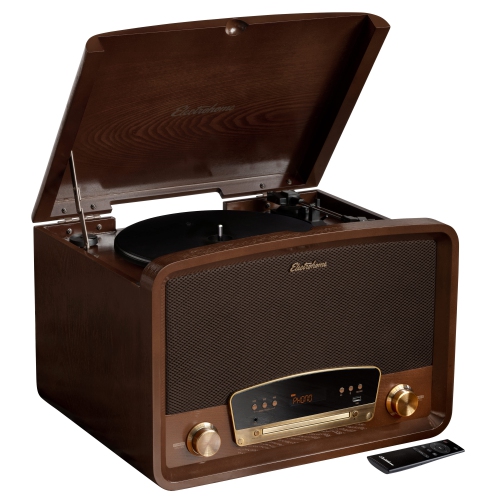
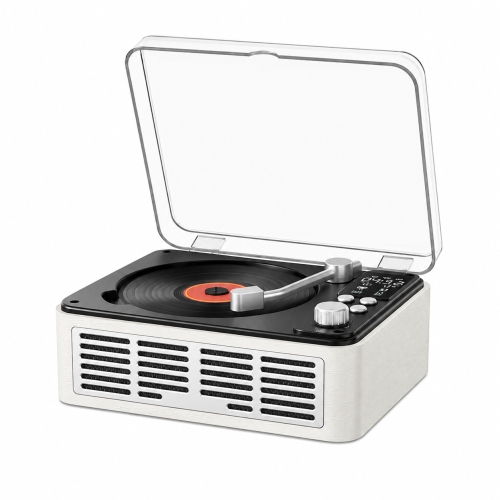
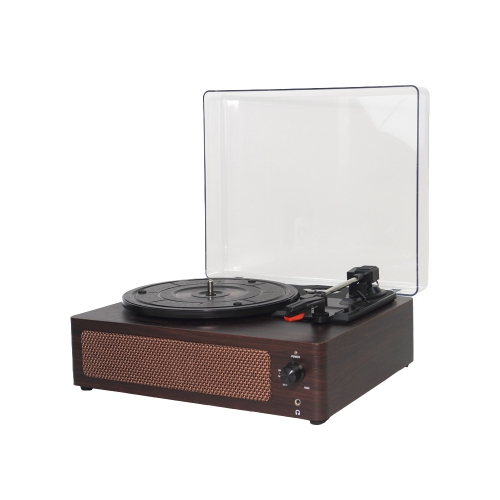
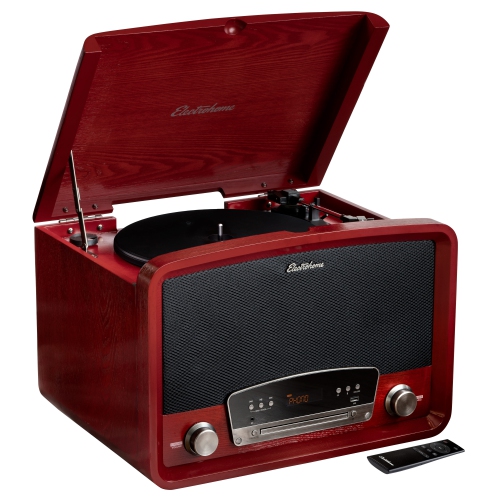

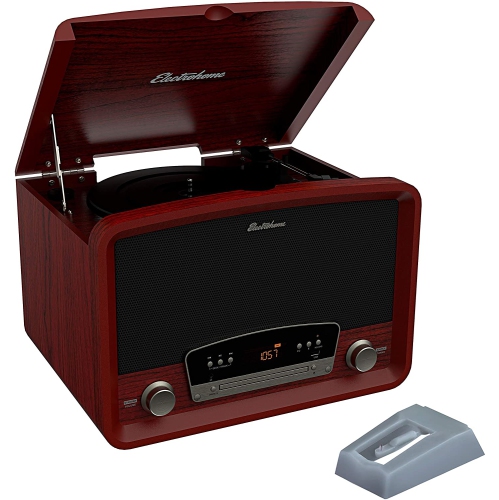
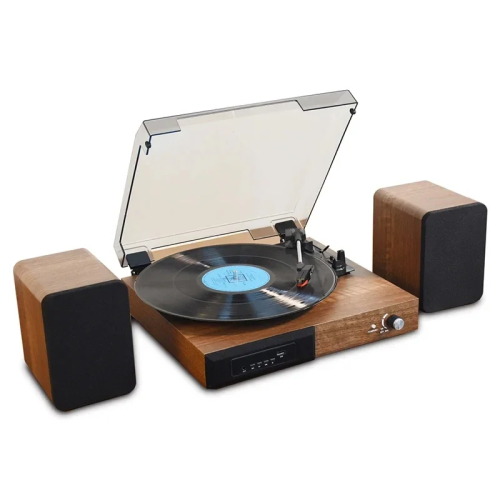
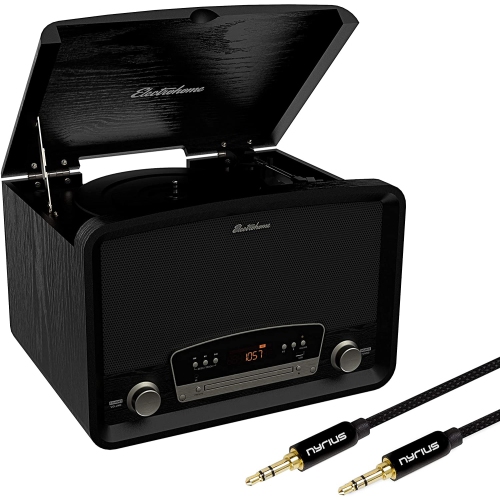
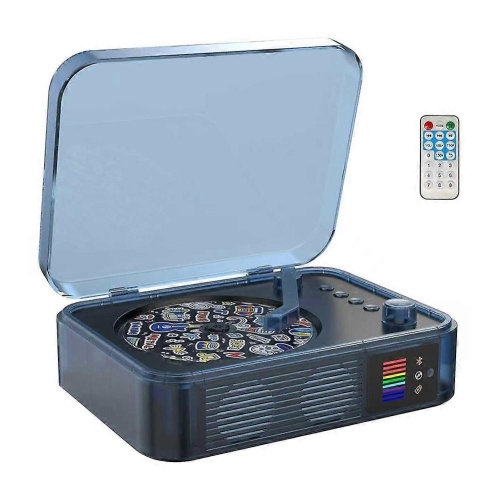


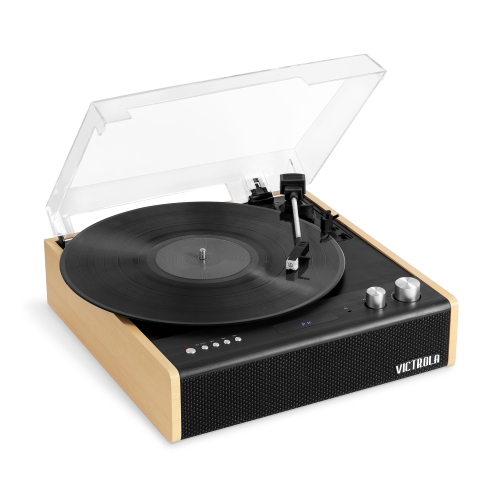
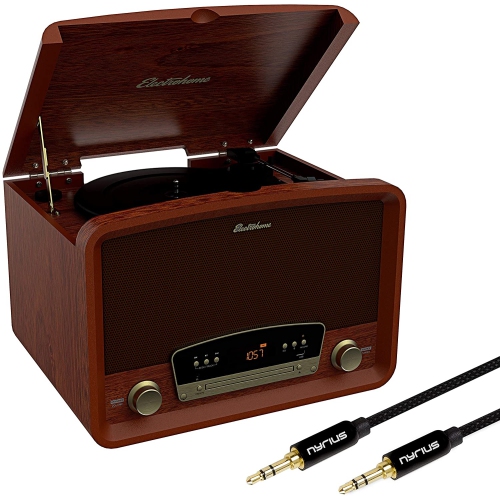
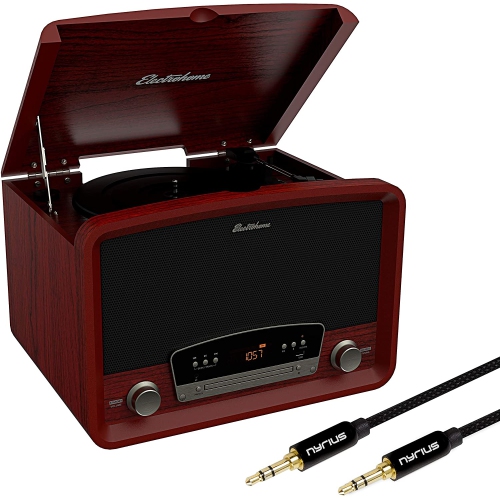
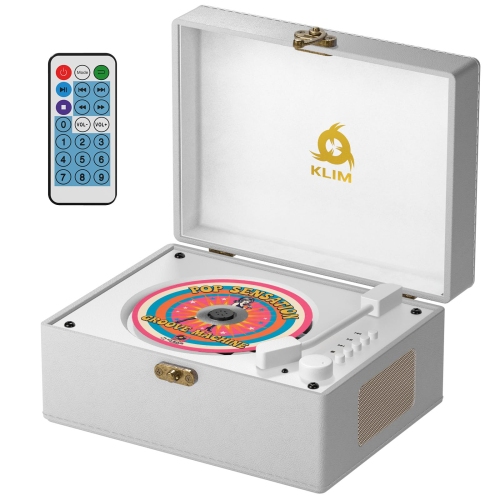
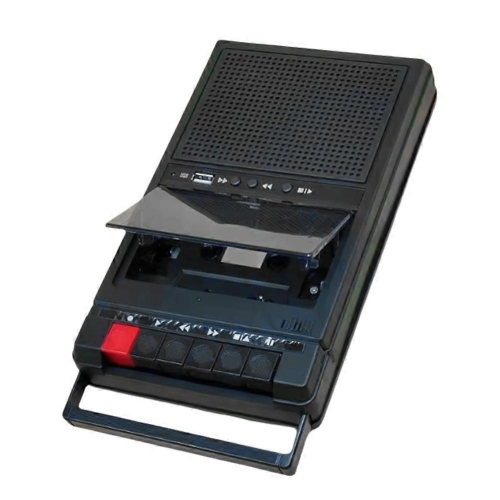
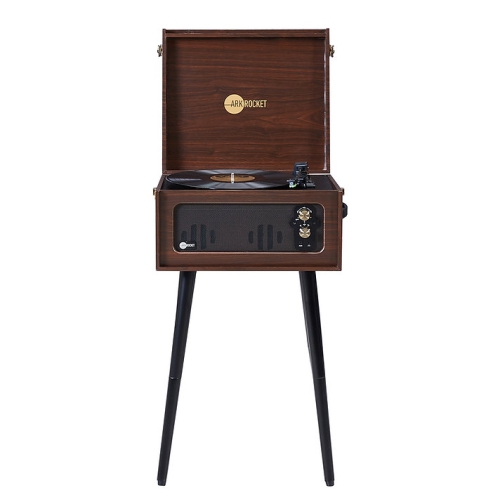


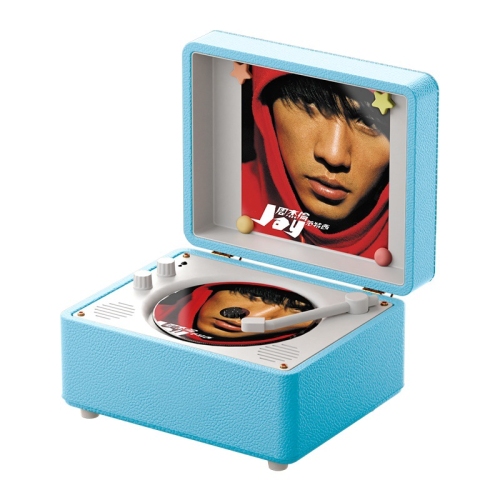

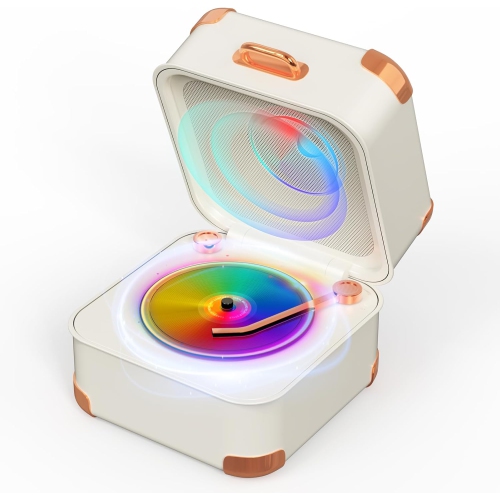

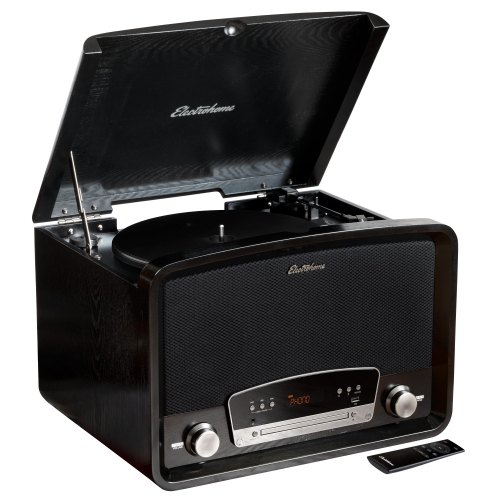
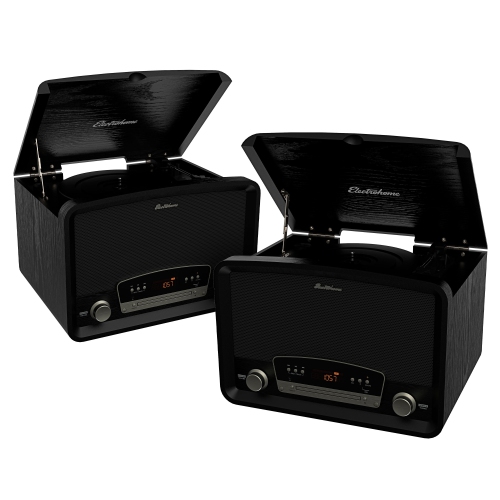
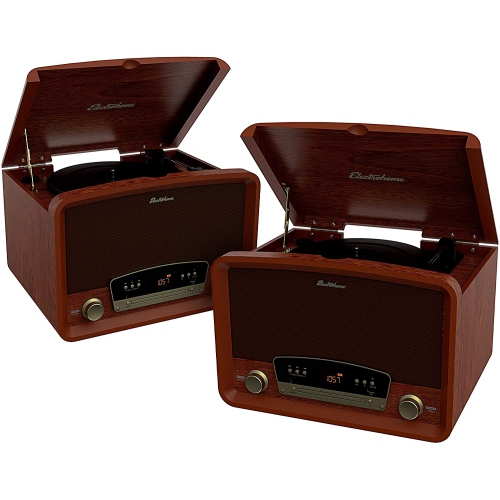
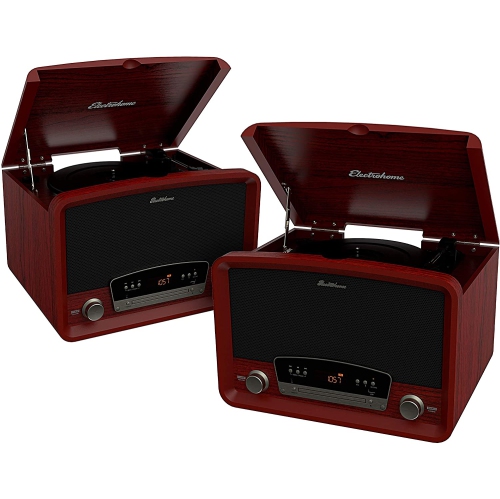
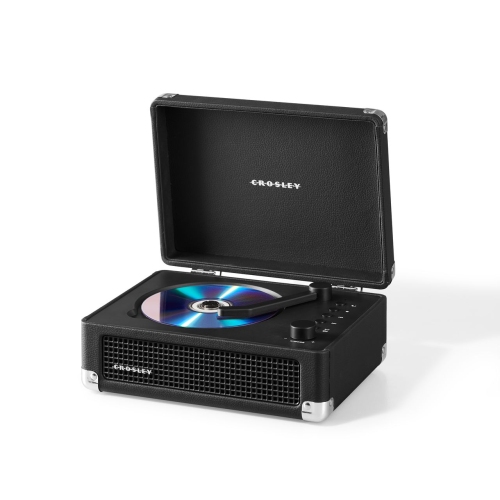

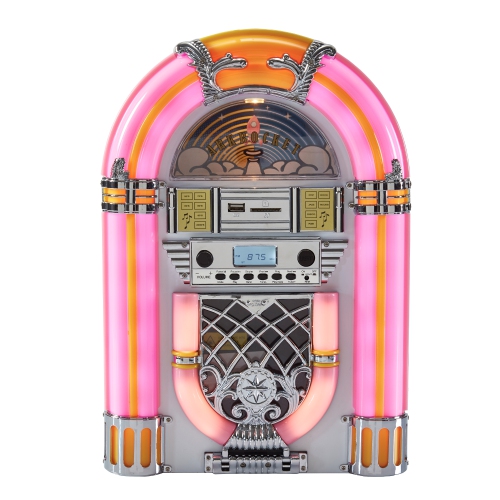


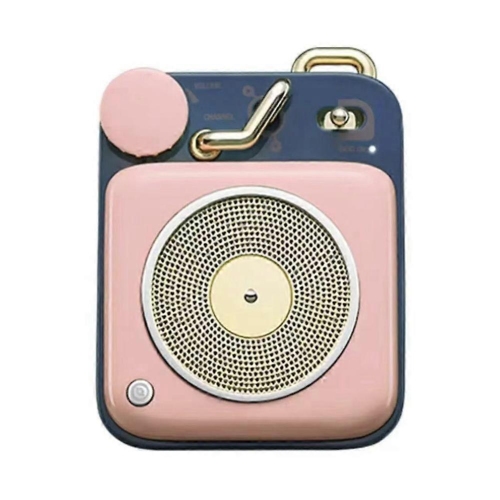

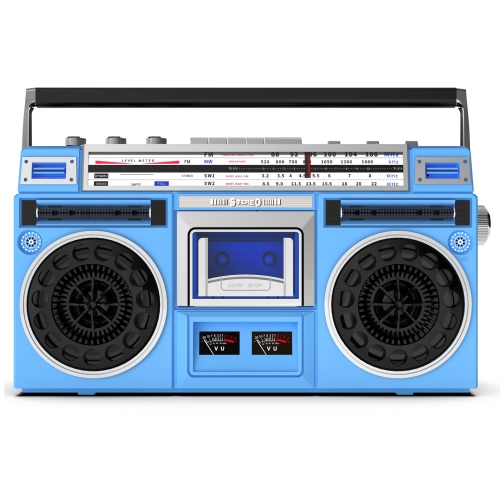
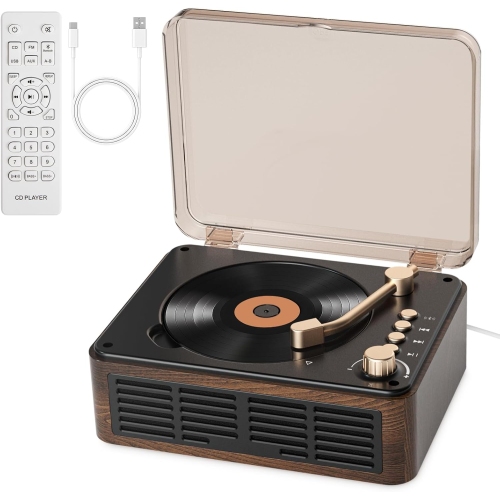
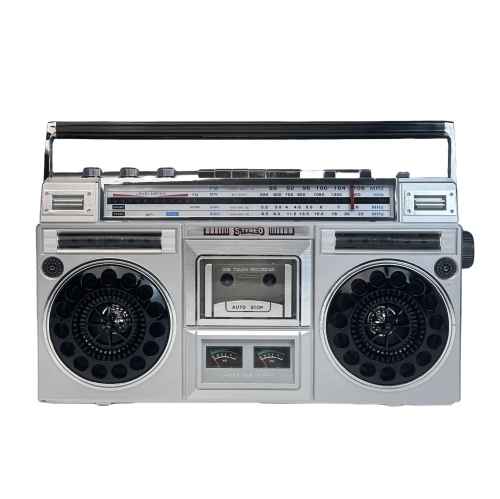


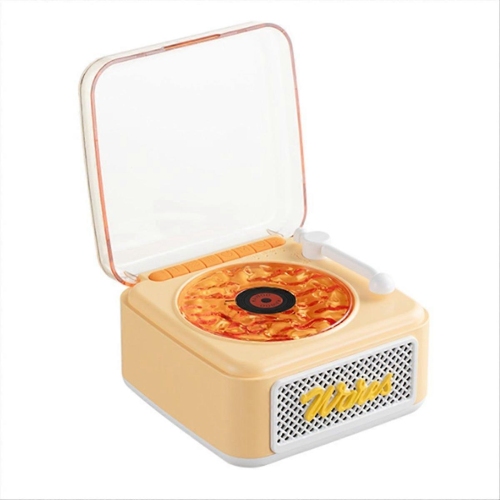
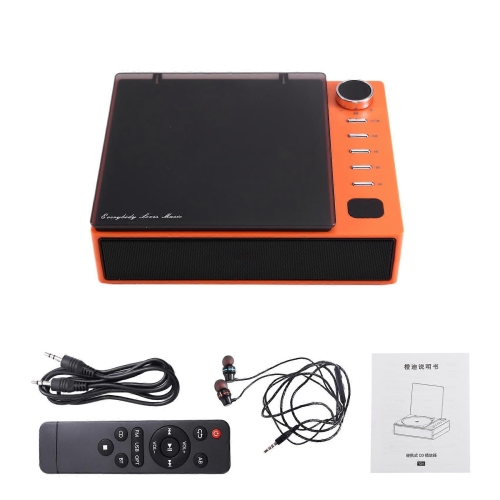
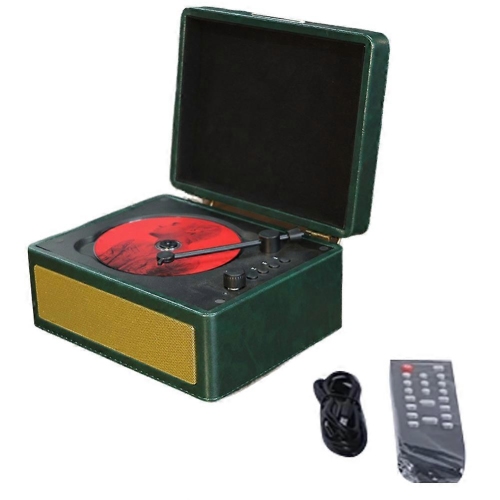
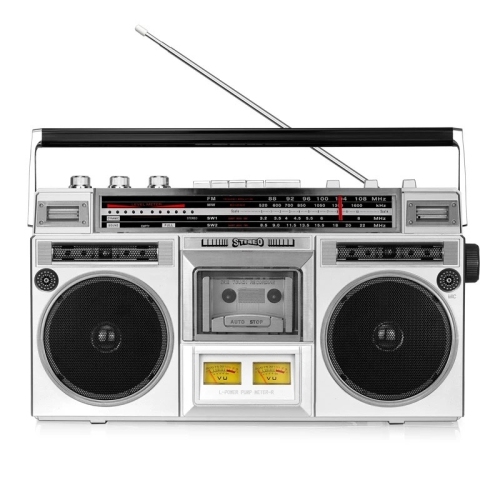


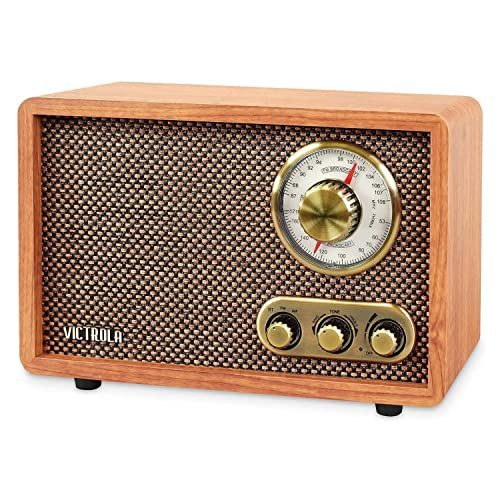
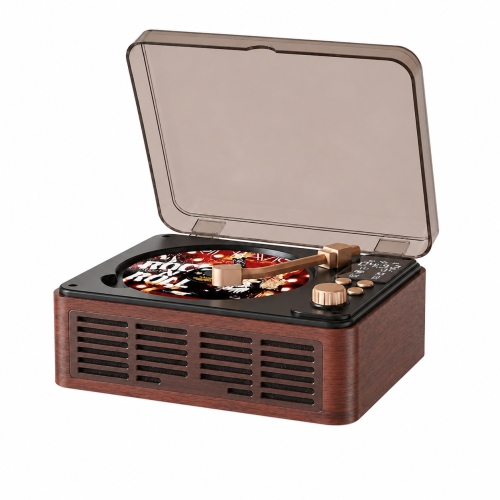

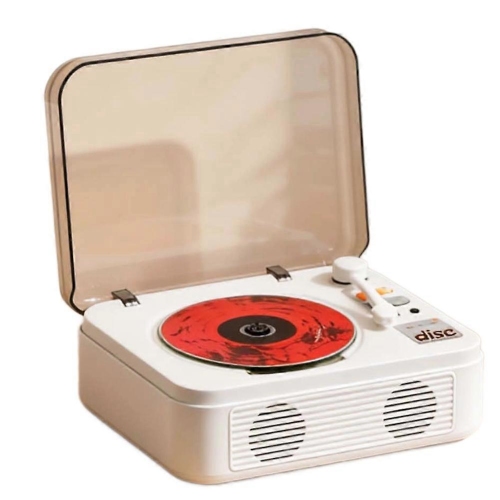
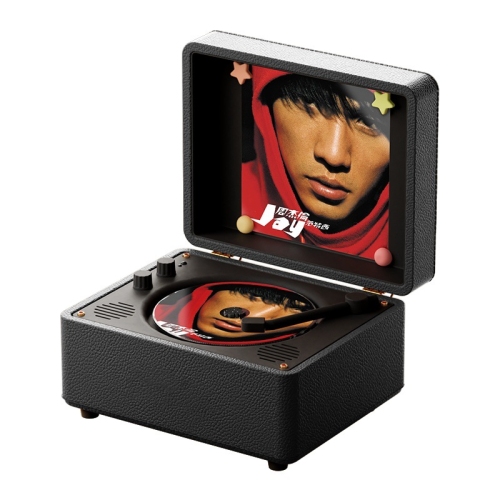
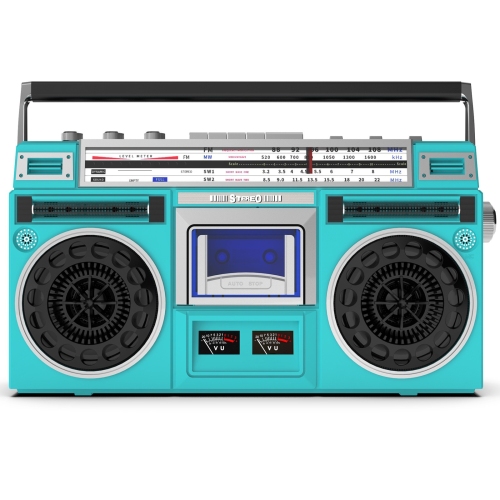
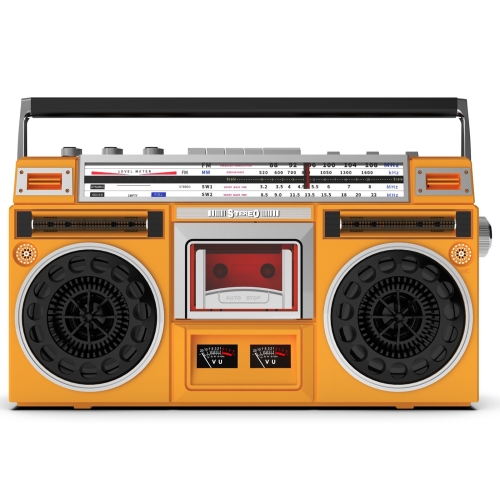
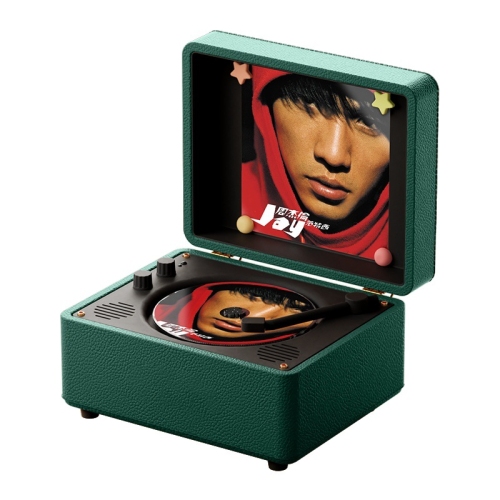
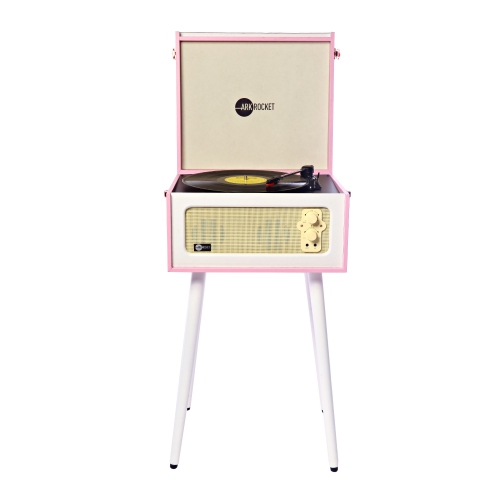

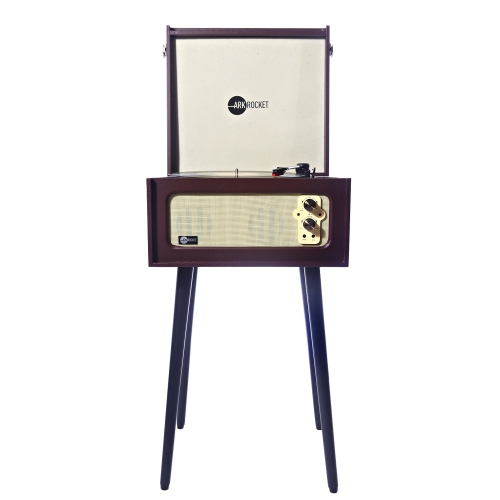
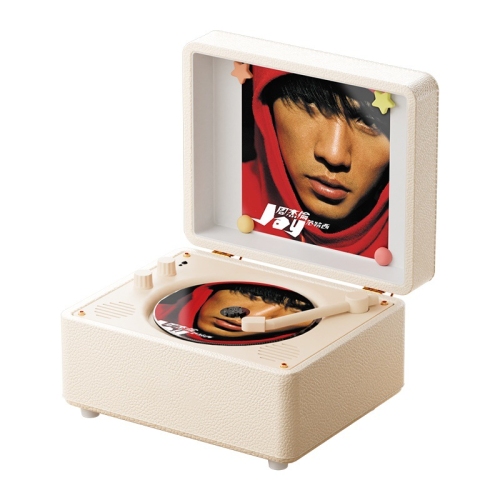
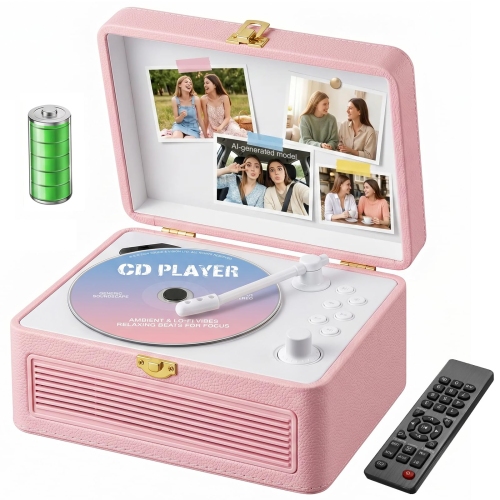

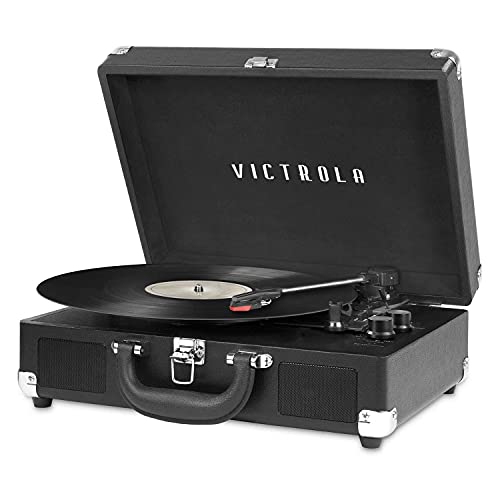
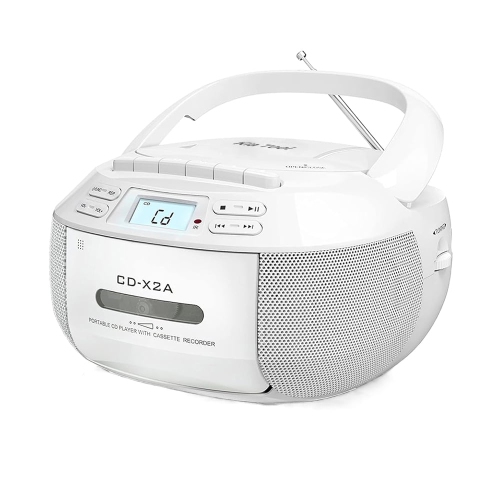
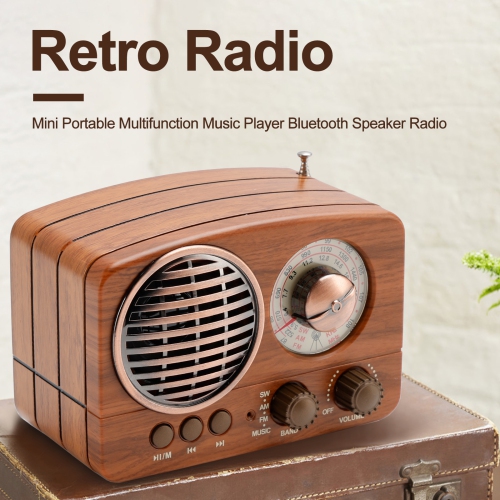
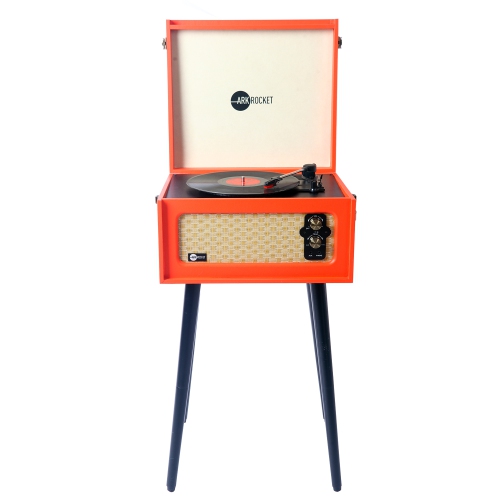
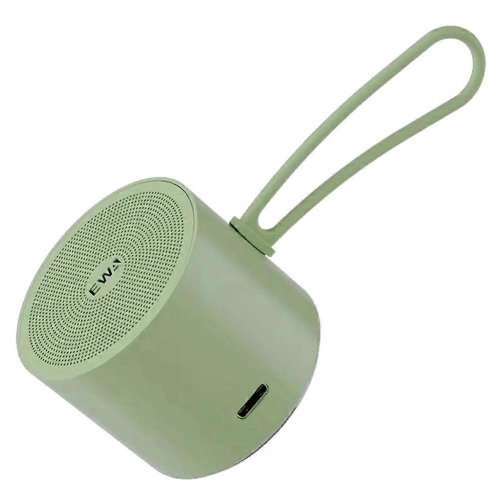
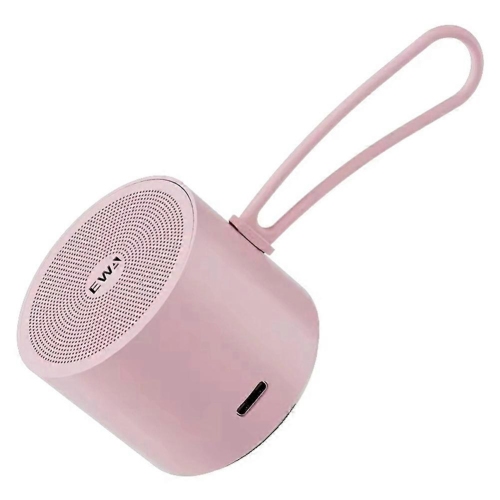


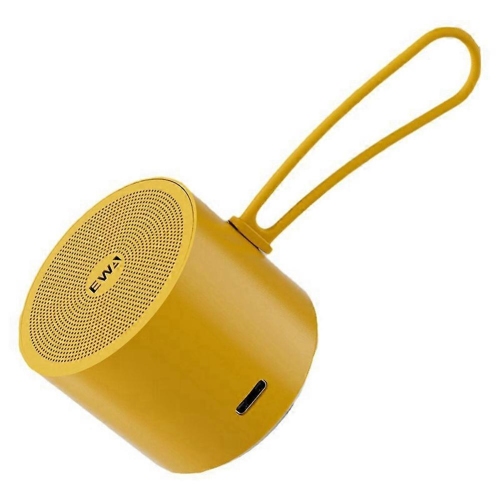
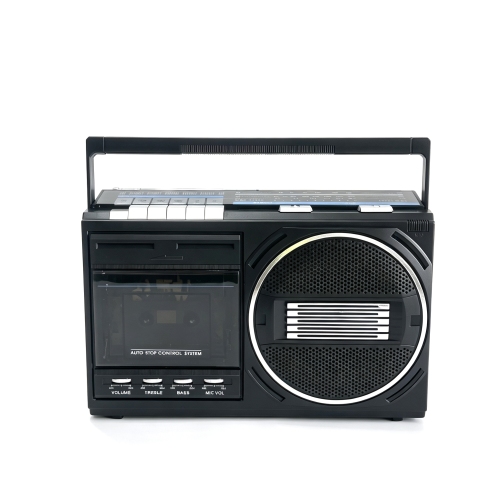
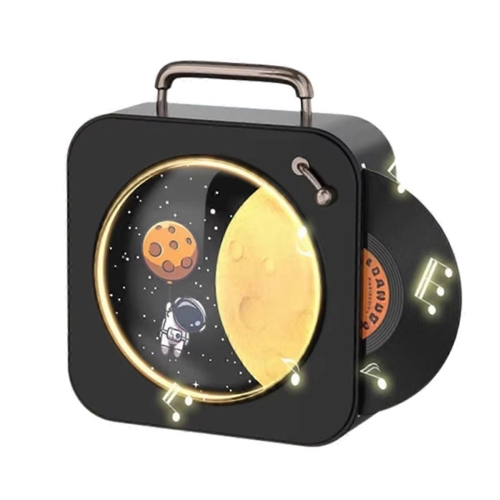
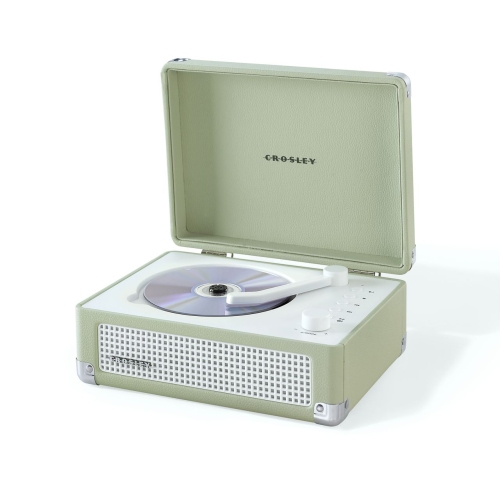
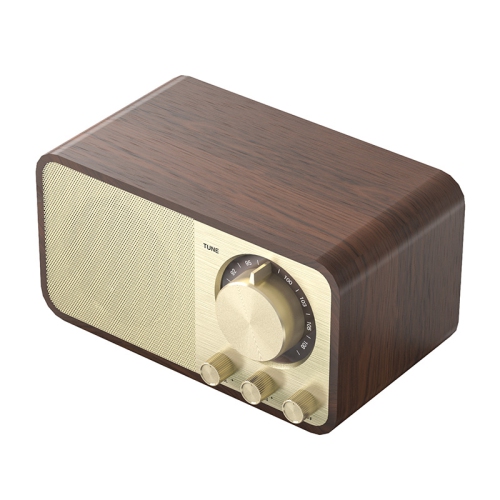
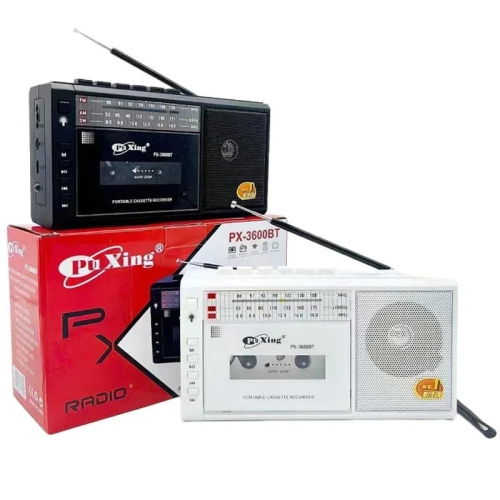
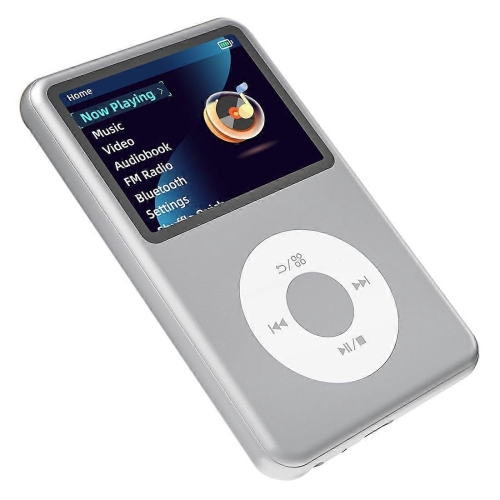
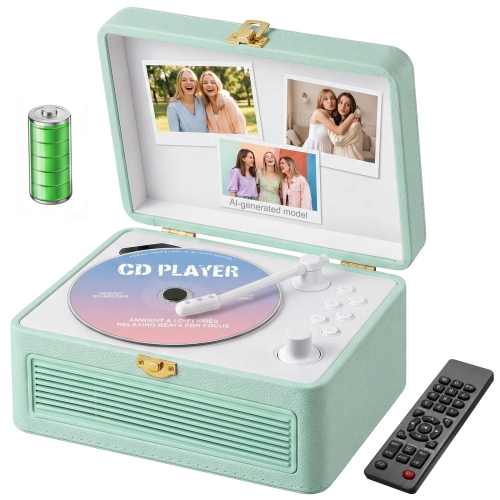
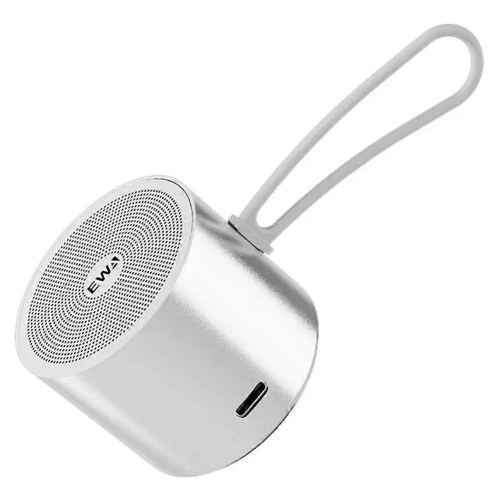
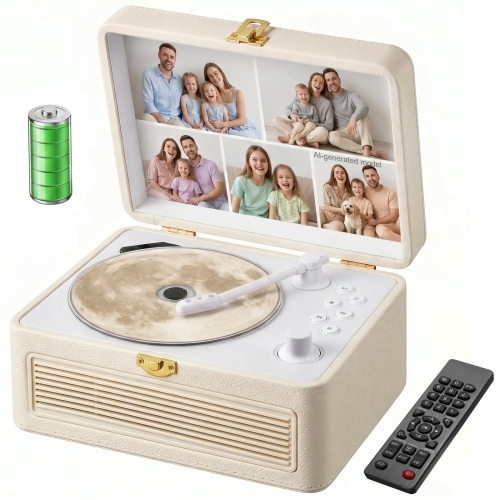
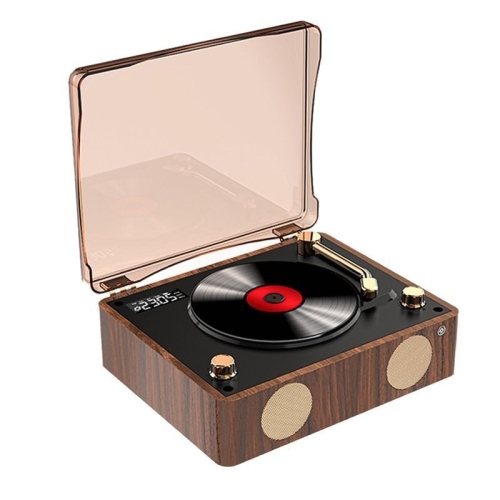
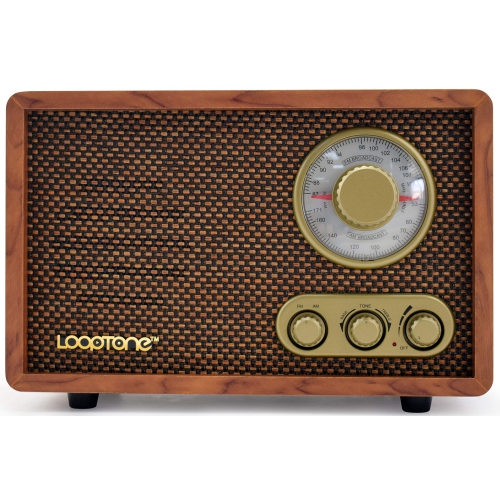
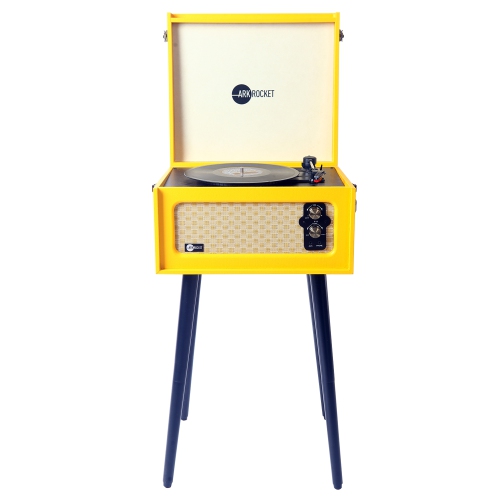

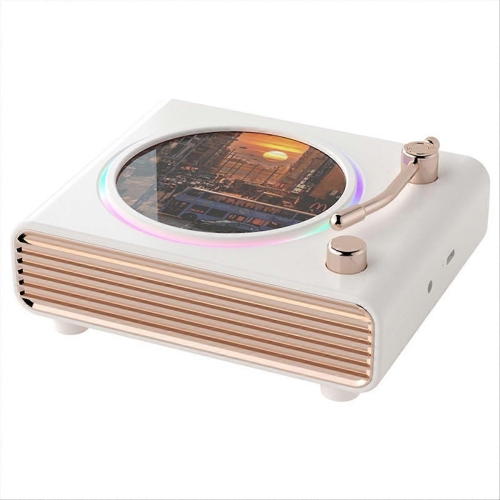

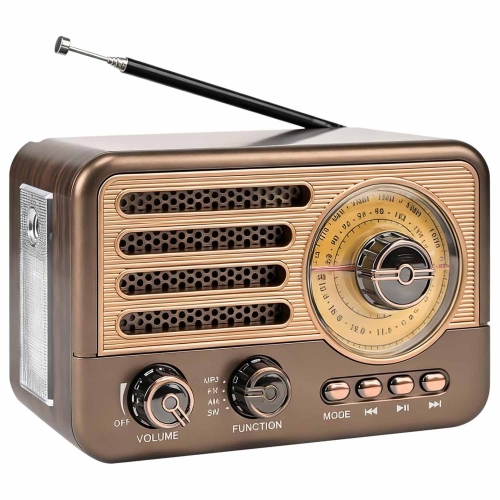


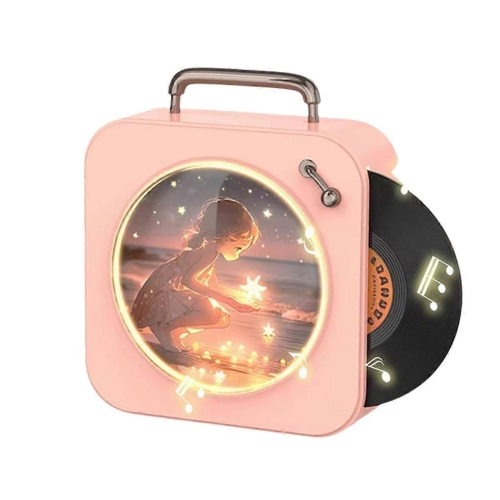

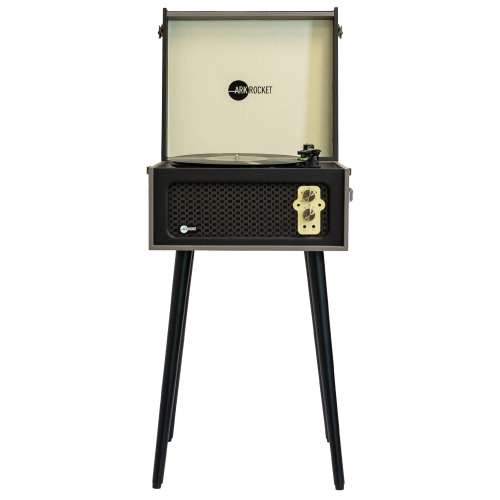
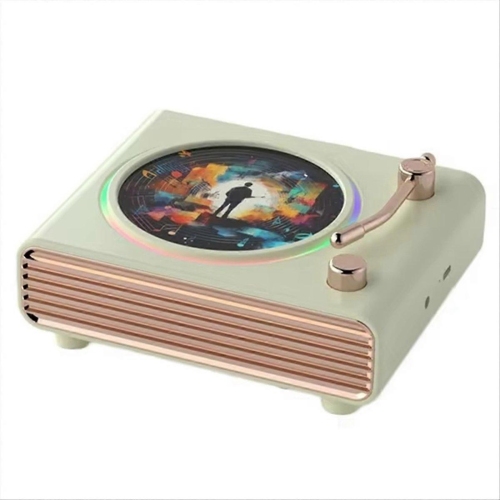


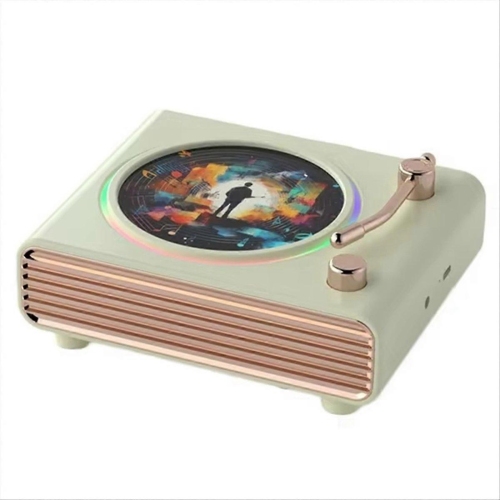
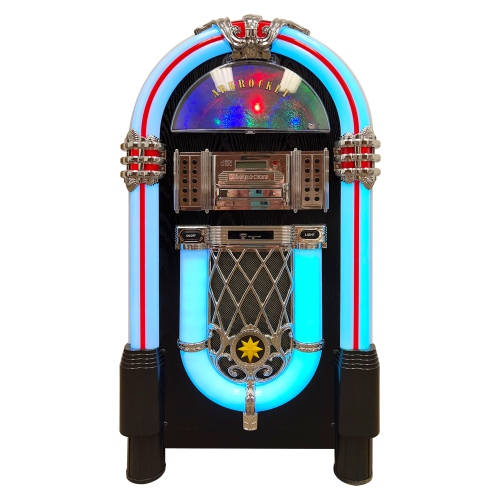

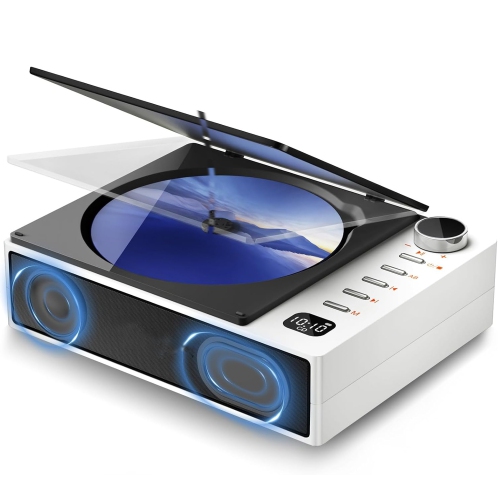
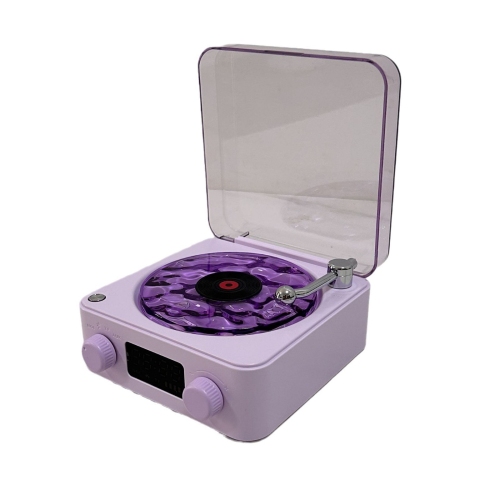
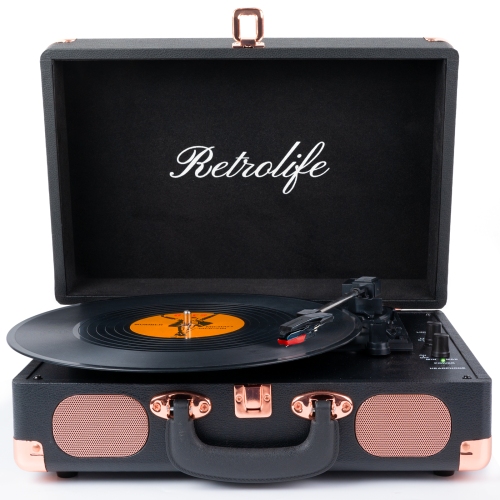
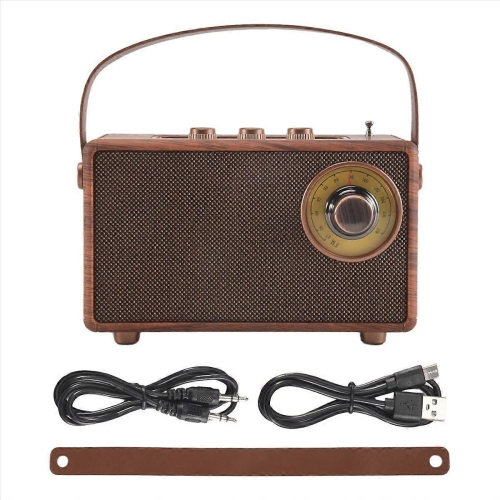
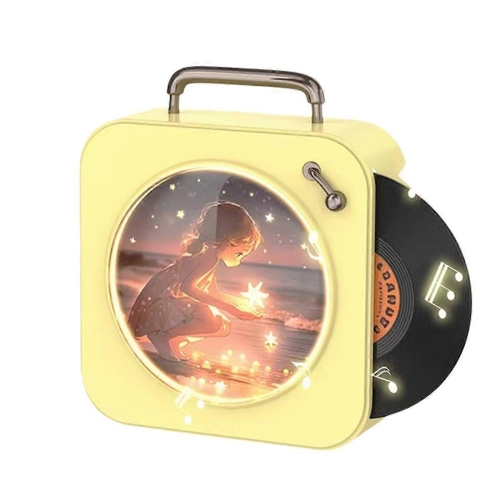
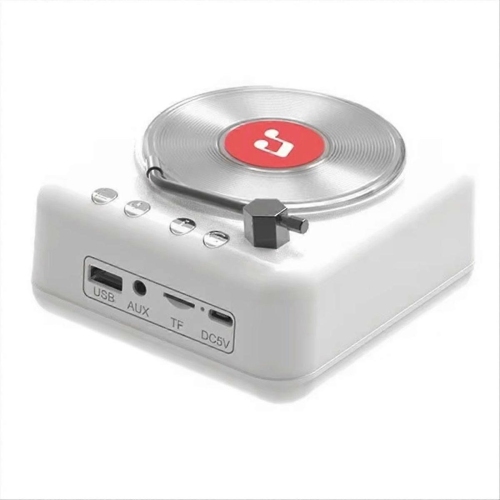
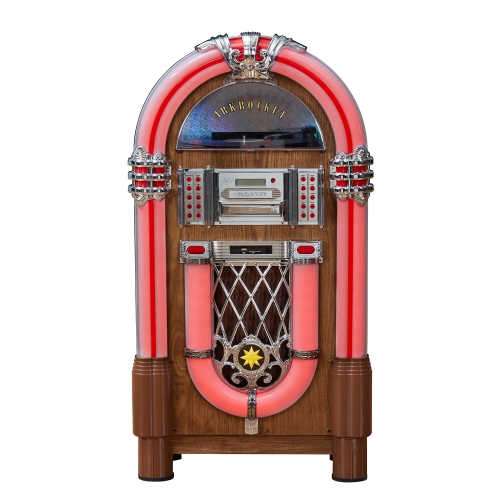
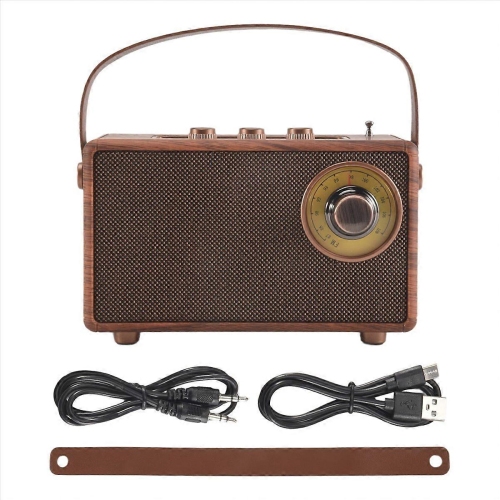

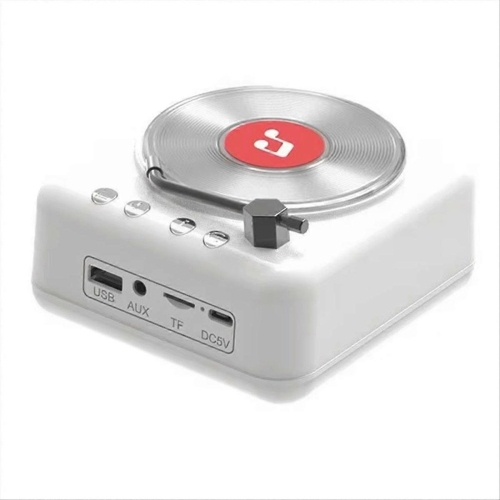


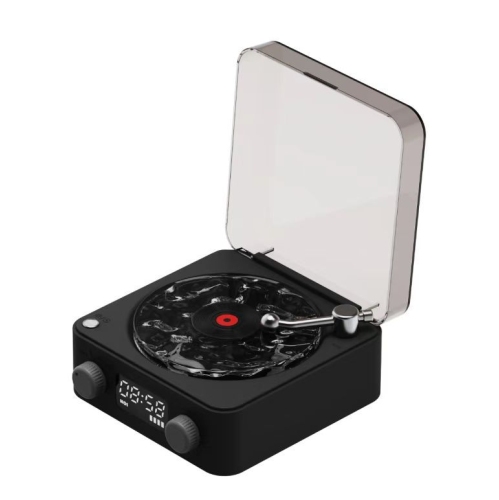
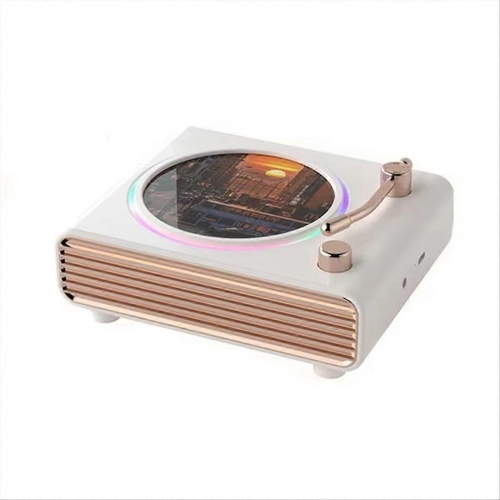
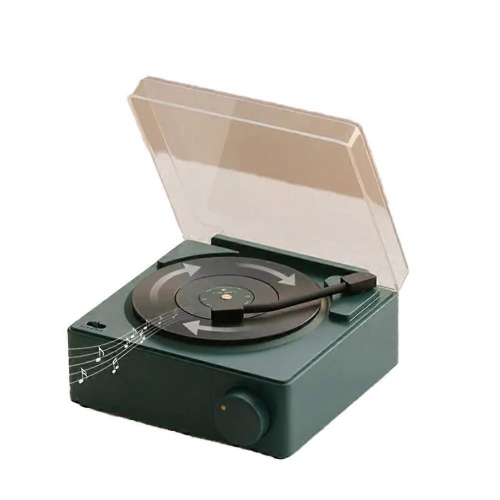
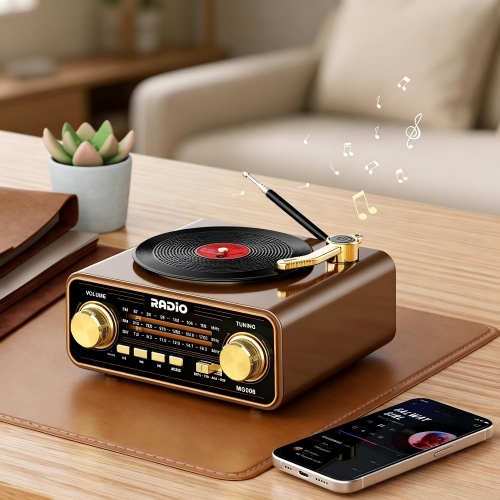
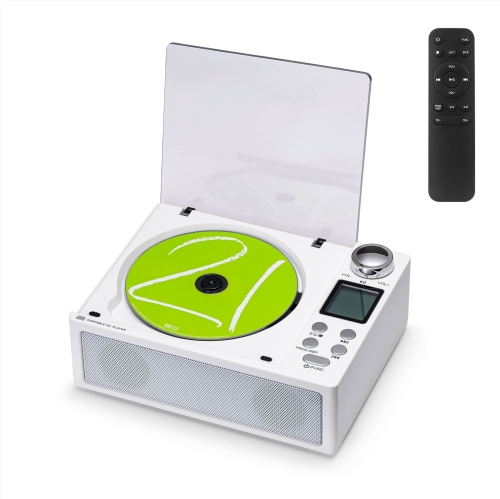
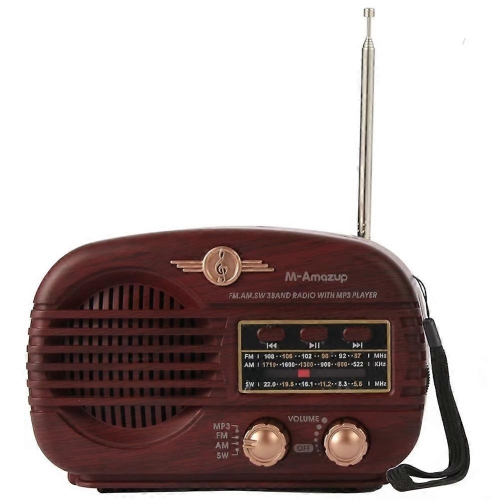
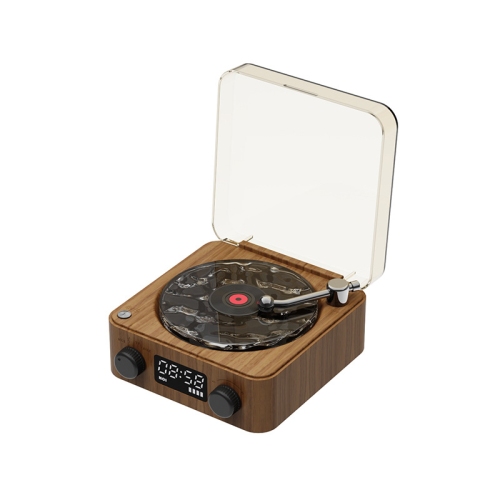
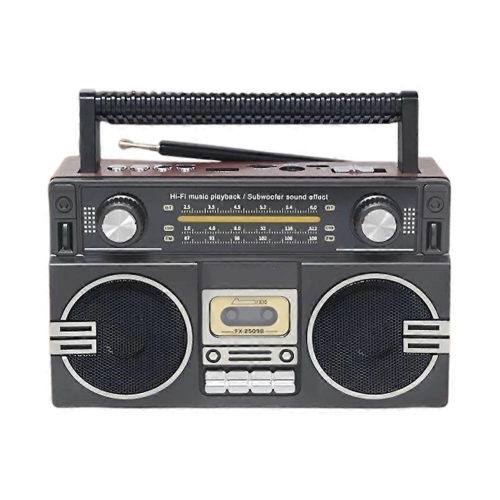


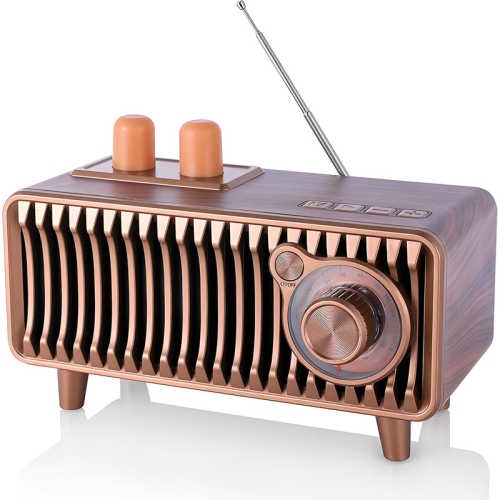


Classic looks and hands-on listening for your favourite albums
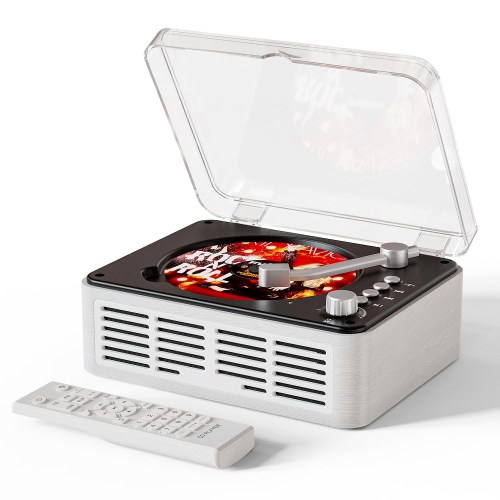
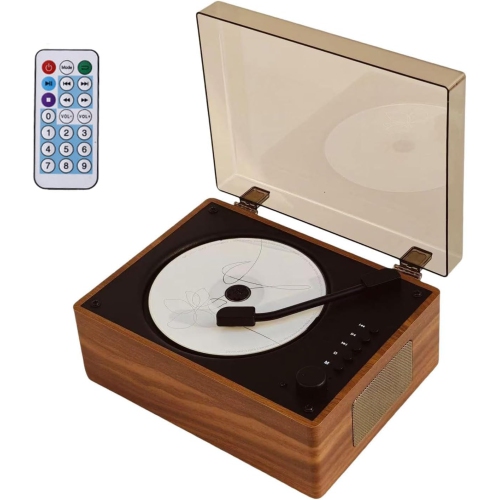
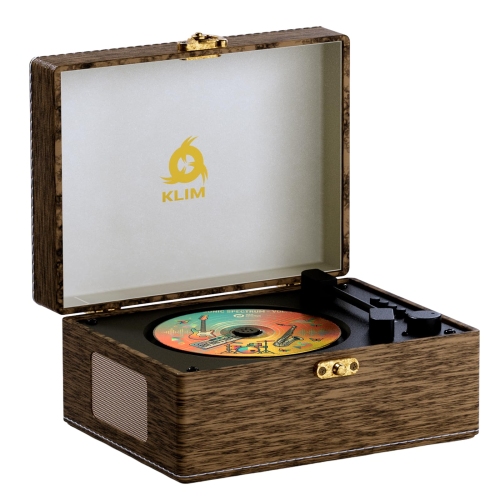
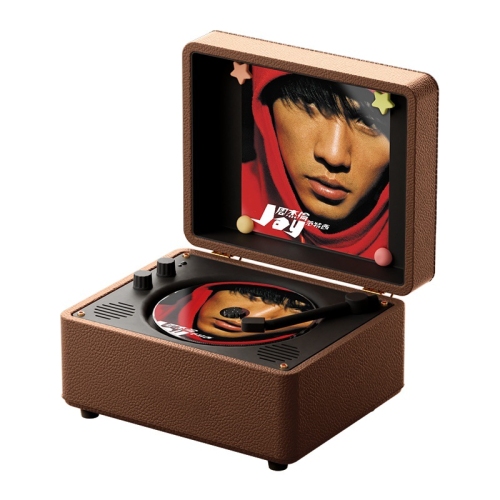
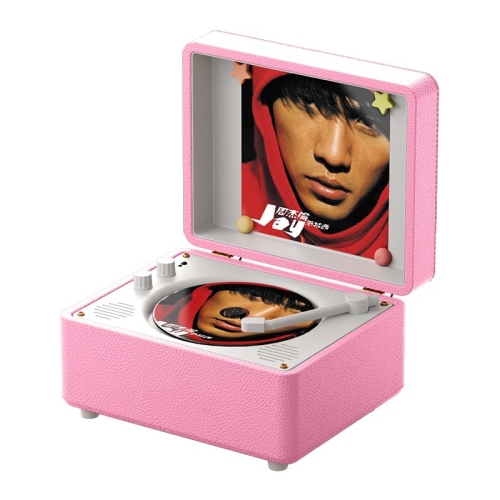
Vinyl record players are closely associated with retro audio because they make the process of playing music visible: a record turns, the tonearm lowers, and an album side unfolds in sequence. Their compatibility depends on more than the size of the record. Many LPs play at 33⅓ rpm, many singles play at 45 rpm, and older shellac discs commonly require 78 rpm. A player must support the required speed, and 78 rpm records generally need a suitable stylus rather than the same stylus used for modern vinyl. Belt-drive and direct-drive designs describe how the motor turns the platter; either can be suitable for home listening when the mechanism is well made and correctly maintained. The cartridge and stylus, tonearm setup, speed stability, and speaker system all contribute to playback quality. Some players include built-in speakers for a straightforward setup, while others send audio to powered speakers or to an amplifier and passive speakers. Built-in speakers can be convenient for casual listening, but separate speakers offer more flexibility in placement and sound presentation. Connections need to match the rest of the system: a phono-level output requires a compatible phono input or separate phono preamp, while a line-level output connects to a suitable line input. Placement matters, too. A sturdy, level surface away from foot traffic helps reduce vibration, and keeping separate speakers off the turntable’s surface can limit interference during playback. Care is part of the appeal of physical media, but it need not become complicated. Handling records by their edges and label areas, returning them to protective sleeves, and storing them upright helps keep the collection in good condition. A record-cleaning brush and appropriate cleaning supplies can help manage dust, while the stylus should be cleaned according to the manufacturer’s directions and replaced when worn. These details make a difference for both a first-time listener opening a favourite album and an experienced collector revisiting records that have been carefully kept for years.
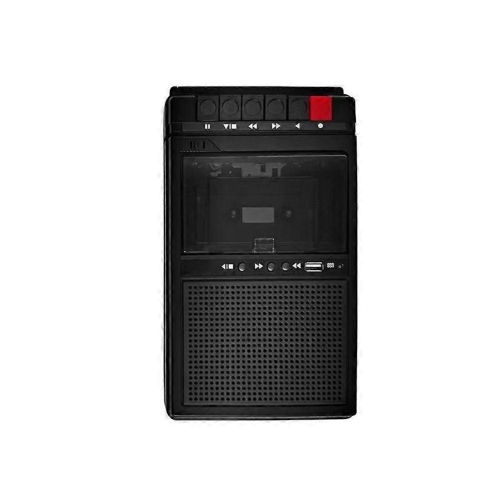
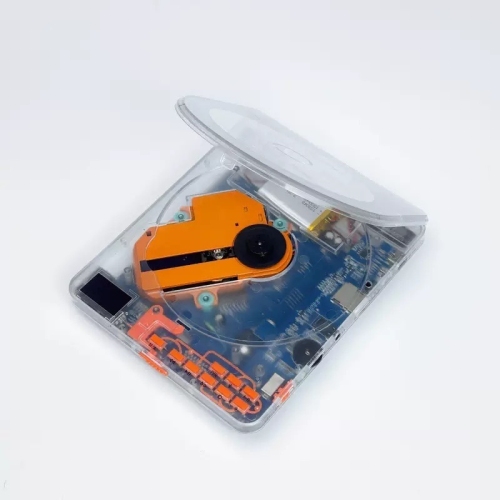
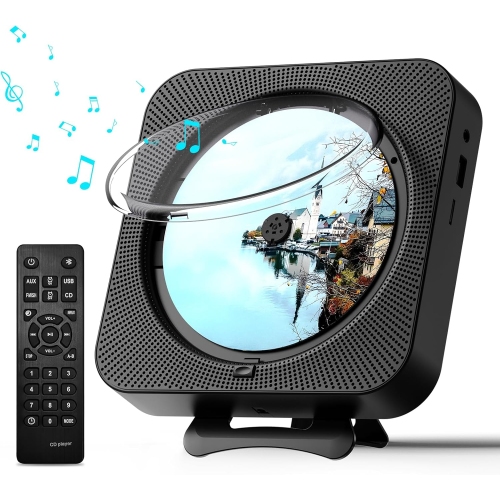
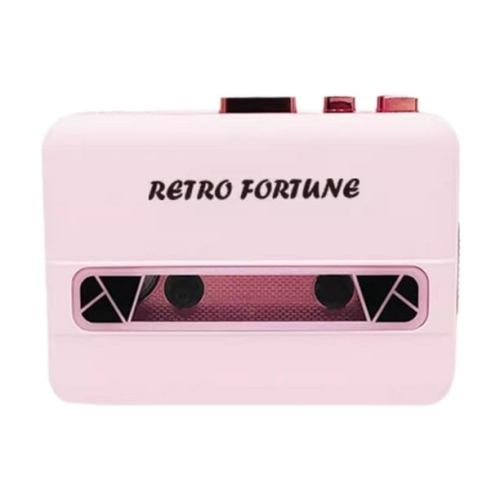
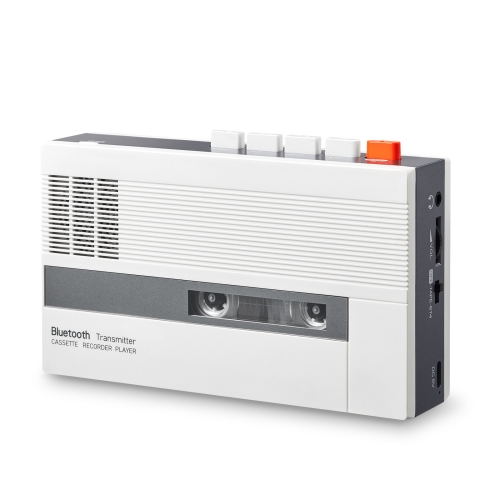
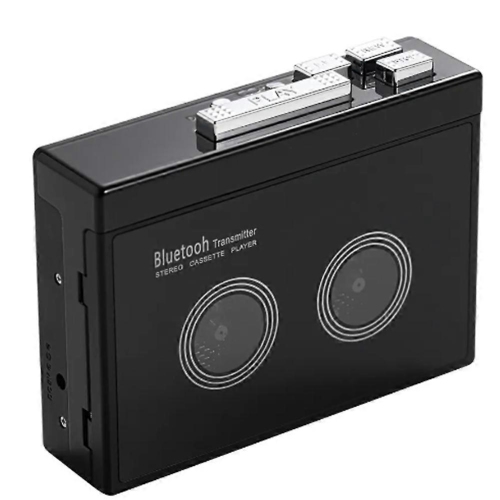
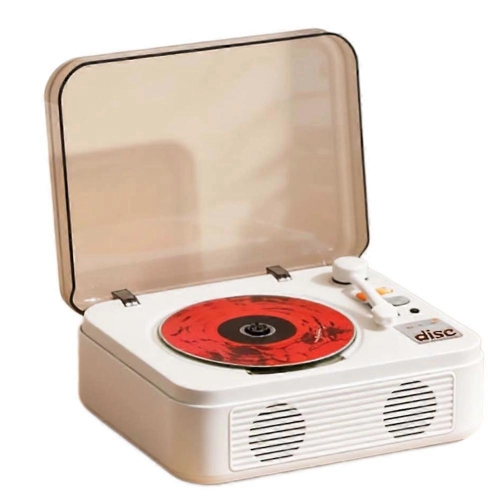
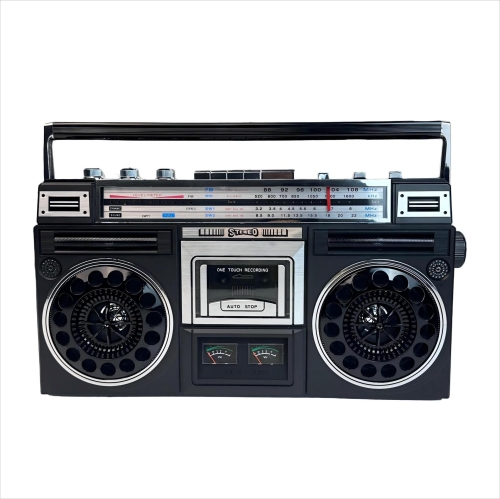
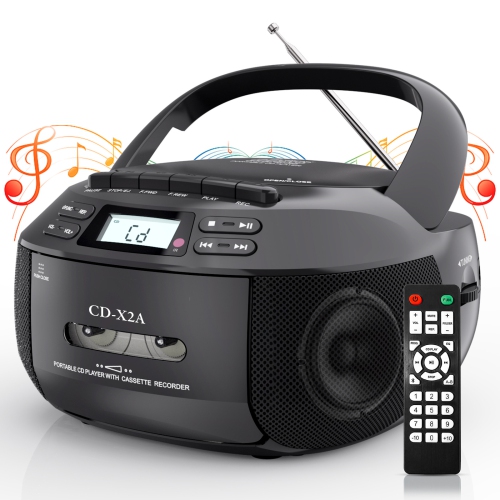
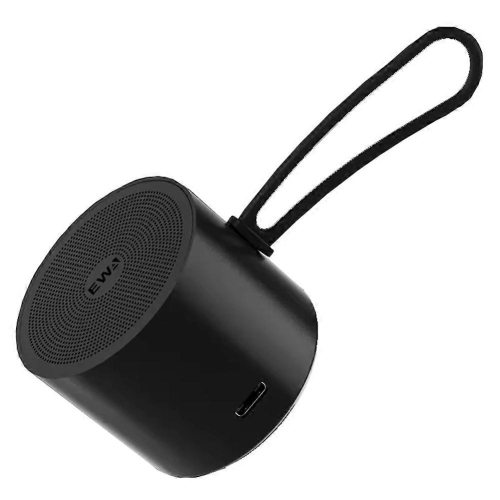
CD and cassette players offer other ways to enjoy physical music collections, often with a more compact listening setup. For listeners who enjoy choosing an album from a shelf and using familiar track controls, Retro Cd Players pair a classic visual style with the convenience of digital disc playback. CD support can vary, particularly for recordable discs or discs containing compressed audio files, so format compatibility matters when a collection includes home-burned mixes as well as commercially released albums. Keeping discs in their cases and wiping them gently from the centre outward with a suitable soft cloth helps protect the playing surface. Cassette players bring a different tactile experience, from the click of the transport buttons to the pause between sides of a tape. Playback and recording are separate capabilities, and not every cassette player includes both. Tape mechanisms also involve moving parts: belts, rollers, and playback heads can need attention, especially in older equipment. A cassette that has become tangled or damaged should not be forced through the mechanism. AM/FM radio can add another listening option to a retro system, with reception affected by antenna placement and the building around it. Modern connections may broaden how a player is used without changing its classic appearance. Bluetooth reception allows a compatible player to receive audio from a phone, while Bluetooth transmission sends audio to compatible wireless speakers or headphones; support for one does not necessarily mean support for the other. An auxiliary input can connect an external audio source, and a headphone output can suit private listening in a shared room. Portable designs may use batteries, rechargeable power, or a mains adapter, so intended use helps determine which arrangement makes sense. Retro music players can be thoughtful gifts for someone building a first record collection, rediscovering saved cassettes, or keeping treasured CDs within easy reach. Matching the player to that person’s existing music, available space, and preferred listening setup makes the gift more personal. The appeal is not simply a nostalgic cabinet: it is the opportunity to handle an album, read its liner notes, and enjoy music through a format that feels familiar or newly interesting.
Top selling and popular products
-
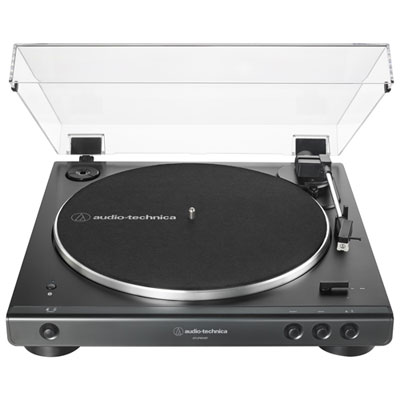 Your price for this item is $299.99
-
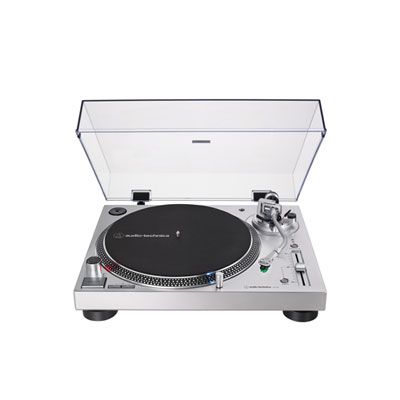 Your price for this item is $519.99
-
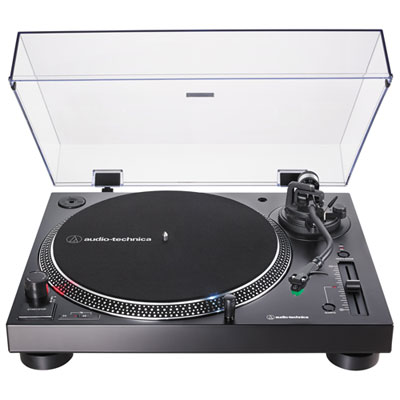 Your price for this item is $519.99
-
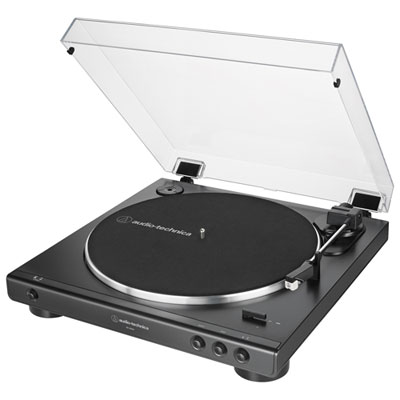 Your price for this item is $199.99
-
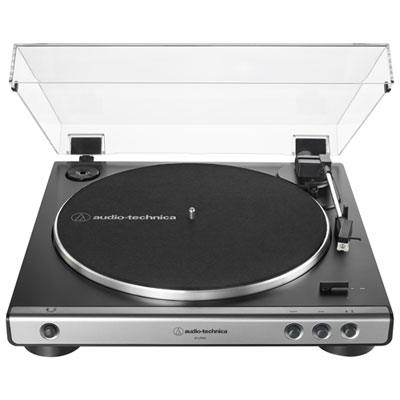 Your price for this item is $199.99
-
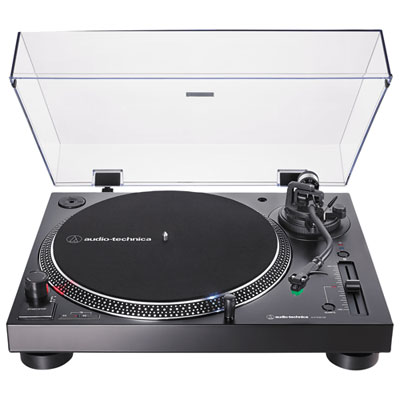 Your price for this item is $519.99
-
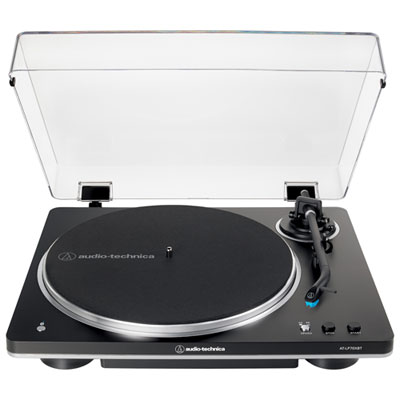 Your price for this item is $329.99
-
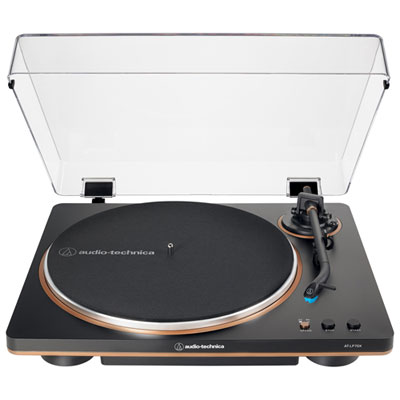 Your price for this item is $279.99