School Bluetooth Speakers
School Bluetooth Speakers offer a convenient way to enhance audio experiences in classrooms, auditoriums, and other educational settings. With wireless connectivity and easy portability, these speakers are ideal for sharing music, presentations, or educational content with groups of students. Explore a wide range of School Bluetooth Speakers designed to help create an engaging learning space and support various classroom activities.
Sort

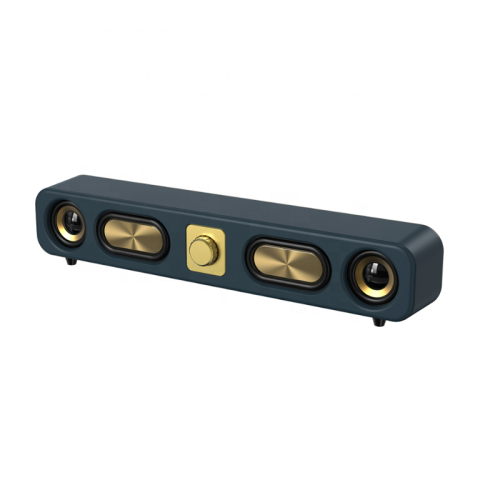
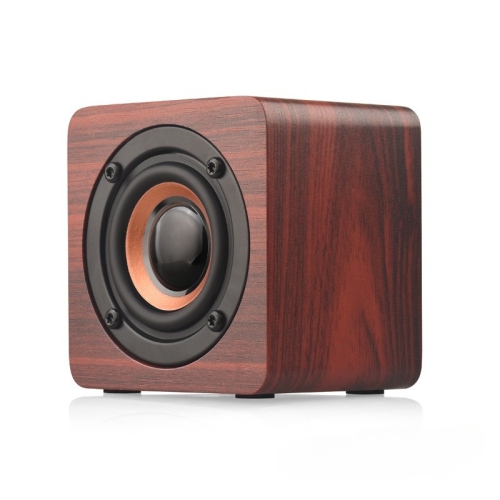
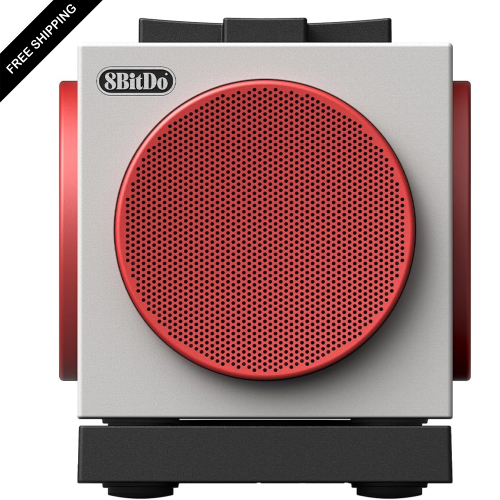
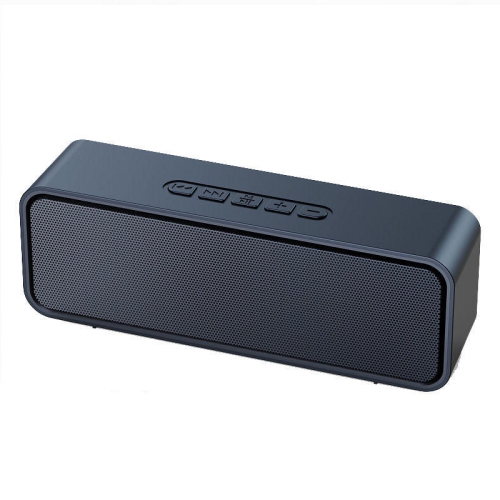

Why clear classroom audio takes more than volume
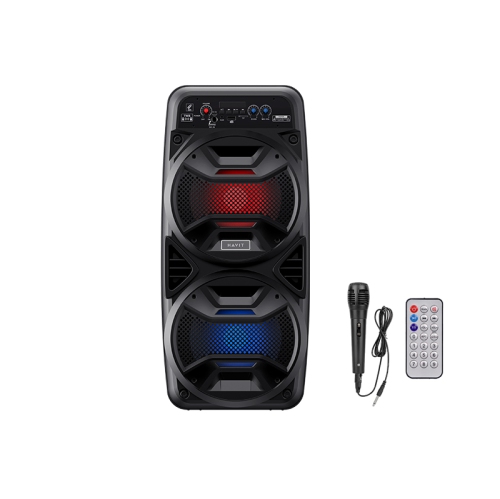
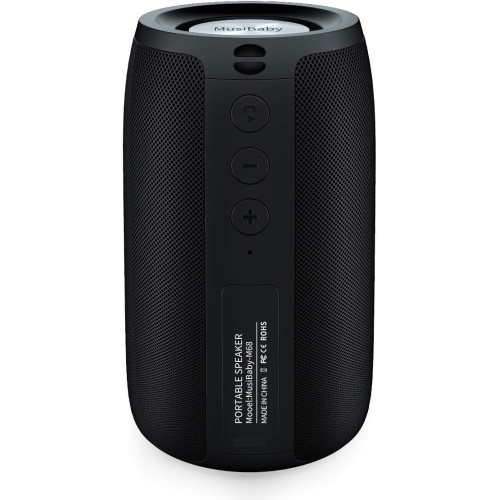
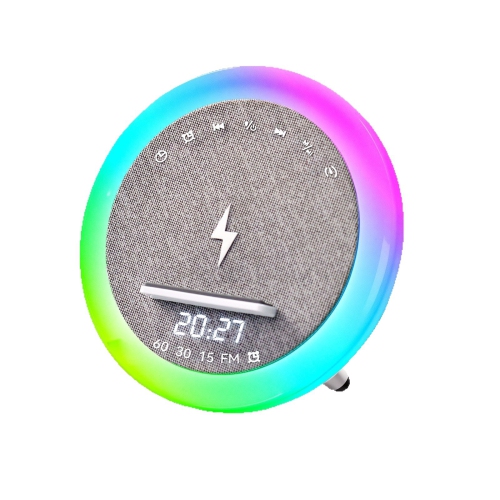
School Bluetooth speakers bring shared audio to lessons, group activities, and student projects without requiring a permanent sound installation. In a classroom, clear speech is often more useful than powerful bass: an audiobook, a French listening exercise, or dialogue in a history video needs to remain understandable beyond the front row. Balanced sound and straightforward volume controls help teachers move between spoken content and music without distracting adjustments. A compact speaker can suit a reading corner, a small seminar room, or a media cart that travels between classrooms. Larger rooms, dance spaces, and gymnasiums place different demands on audio equipment, particularly when students are moving and background noise is high. These settings may need greater output, broader sound coverage, or a portable amplified speaker rather than a small desktop model. Wattage alone does not establish how clearly a speaker will fill a space; speaker design, placement, room size, and competing noise also matter. Hard floors and bare walls can make speech less distinct, so simply raising the volume may not improve understanding. Positioning a speaker on a stable surface, with its sound directed towards listeners and away from obstructions, can make everyday playback more effective. For teachers who need voice amplification, microphone support is a separate consideration from Bluetooth playback. A speaker that plays audio from a laptop does not necessarily accept a wireless microphone, and a built-in microphone intended for calls is not equivalent to a classroom amplification system. Drama clubs, presentations, and school events may benefit from dedicated microphone inputs and separate controls for voice and music. For everyday teaching, the most useful school Bluetooth speakers are those whose size, sound, and controls match the room and activity, whether that means gentle background music during independent work or clear instructions for a supervised movement session.
Connections and power arrangements shape how smoothly a speaker fits into the school day. Bluetooth carries audio wirelessly from a compatible source, such as a laptop, tablet, or phone, but school-managed devices may have pairing restrictions that affect everyday use. Compatibility with the actual classroom device matters more than compatibility with a personal phone used for an initial test. Bluetooth playback itself does not require Wi-Fi, although streaming a video or accessing online lesson materials may require an internet connection. Support for a wired audio input can provide another connection option when the source device has a suitable output or compatible adapter. A USB port should not automatically be treated as an audio input, since some ports are intended only for charging. Video lessons introduce another consideration: wireless audio can arrive slightly behind the picture, making lip movements and dialogue appear out of step. A supported wired connection may be useful when timing is especially important. Shared classrooms also benefit from accessible pairing controls and a clear way to disconnect a previous device, helping prevent a teacher’s lesson from being interrupted by audio from another nearby source. Rechargeable speakers offer flexibility for rooms without a convenient socket, while mains-powered designs can suit a more permanent teaching station. Battery-life figures depend on factors such as listening volume and enabled features, so a stated maximum is not a promise of identical performance throughout a busy day. Charging time, the required cable and power adapter, and whether playback is supported during charging all influence daily practicality. A predictable charging routine helps keep a shared speaker ready for consecutive classes. Where cables are necessary, routing them away from walkways and keeping charging equipment in a supervised location supports a tidier setup. Simple controls, visible battery indicators, and settings that are easy to understand can be valuable when several staff members use the same equipment.
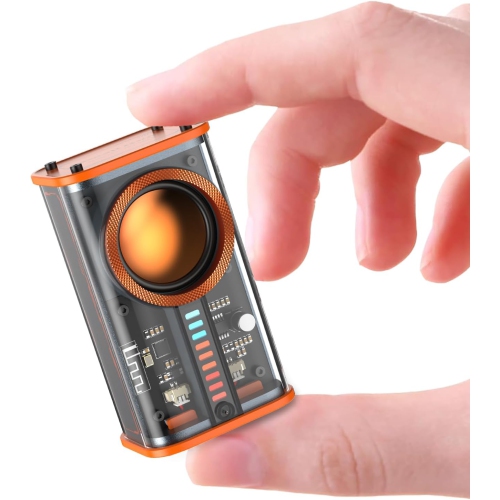
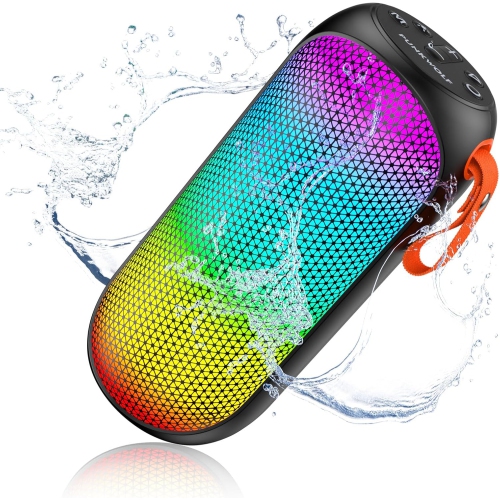
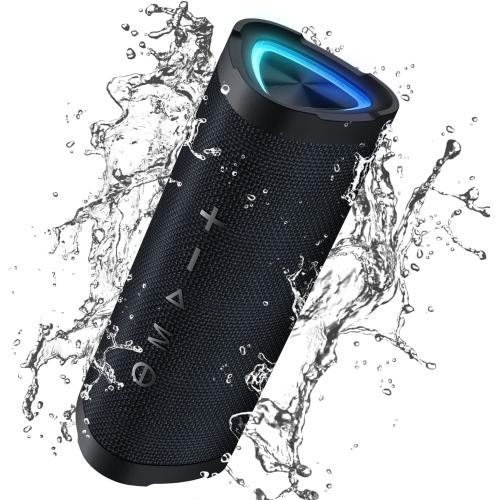
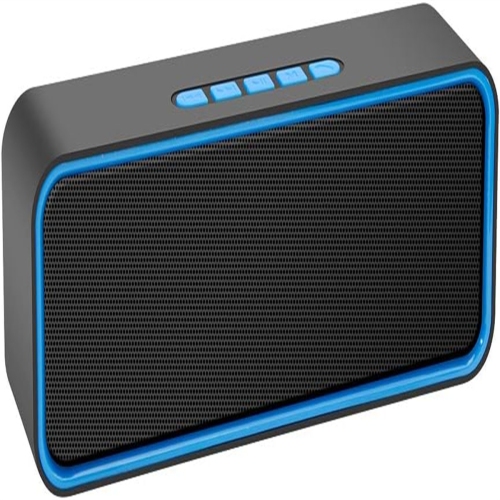
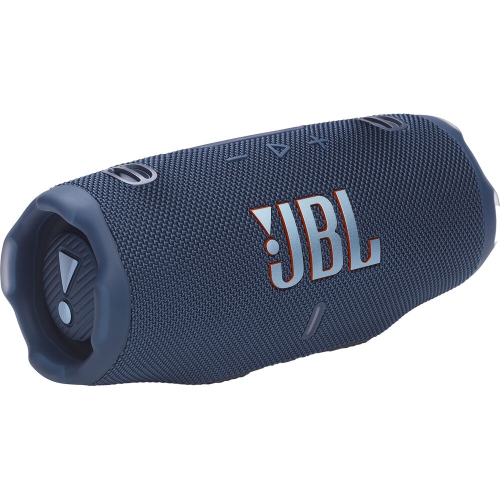
Durability and portability matter when a speaker moves between a classroom shelf, a library table, and a student club meeting. Rigid plastic housings, metal grilles, fabric coverings, and rubberized edges each have different care needs, and the overall construction matters as much as the outer finish. A firm base helps a speaker stay put on a desk, while a comfortable handle can make a larger model easier for an adult to carry between rooms. Backpack-sized designs are convenient for students taking part in supervised projects or small-group activities, but portability should be balanced against the sound coverage the activity requires. A very small speaker may be easy to transport without being suitable for a whole-class presentation. Water-resistance ratings can be helpful where spilled drinks are a concern, but protection varies by rating and does not make every opening or charging connection safe to expose to liquid. Drop resistance is also a separate feature rather than an automatic benefit of water resistance. Routine care usually centres on switching the speaker off, following the manufacturer’s cleaning directions, and keeping moisture away from ports. Fabric and mesh surfaces may need gentler treatment than a smooth housing, especially when equipment is shared frequently. Storage space is worth considering too: a speaker and its charging accessories should fit neatly in the intended cupboard or cart without pressure on cables or controls. Colour can help staff distinguish equipment assigned to different rooms or activity groups, with blue Bluetooth speakers offering a distinctive option for a classroom or personal study space. Teachers, librarians, coaches, and student club leaders may each value different features, from easy transport to clear spoken audio or microphone connectivity. For students, a speaker can support collaborative projects, presentation rehearsals, and music practice where school rules permit its use. In every setting, comfortable listening levels and thoughtful placement help keep audio focused on the intended group rather than neighbouring classrooms. A well-matched speaker fits the routines of the people using it, with manageable controls, suitable connections, and construction appropriate to regular handling.
Top selling and popular products
-
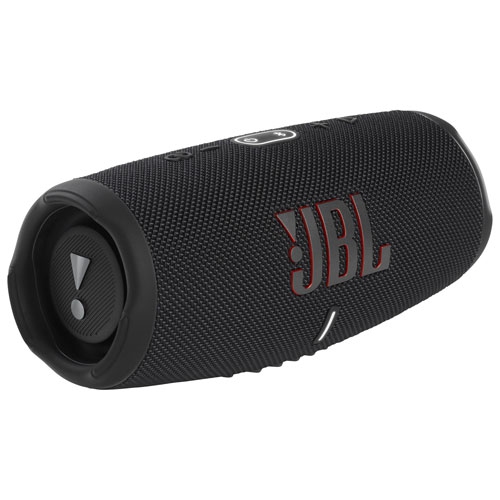 Your price for this item is $239.98
-
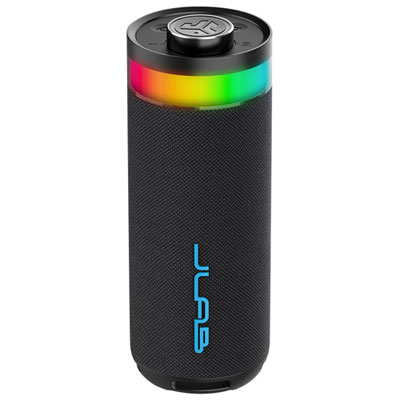 Your price for this item is $59.99
-
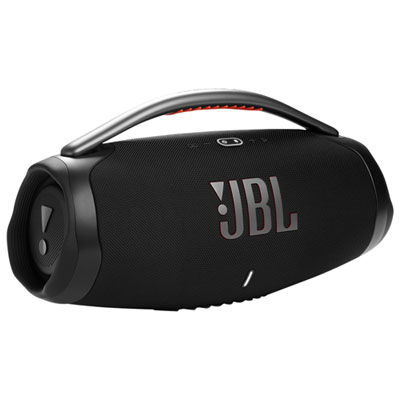 Your price for this item is $599.99
-
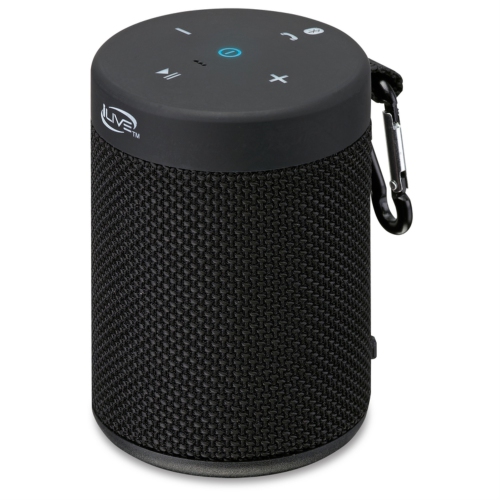 Your price for this item is $23.68
-
 Your price for this item is $549.99
-
 Your price for this item is $369.98
-
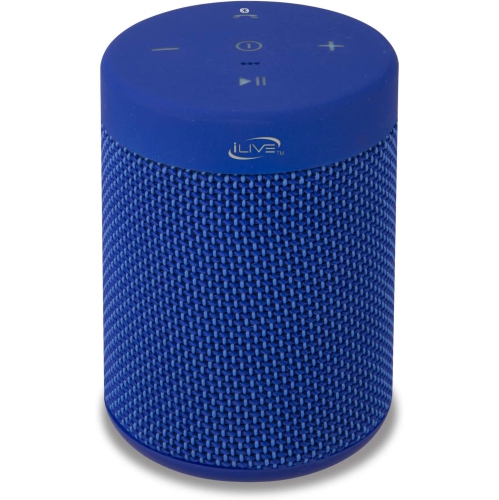 Your price for this item is $31.68
-
 Your price for this item is $25.68
Discover more categories related to School Bluetooth Speakers
Top Collections:
Best Black Friday Deals This Year, Best Black Friday Deals On Electronics, Kindle Devices, Pokemon Centers, Best Black Friday Deals On Apple Products, Best Cameras for Sports Photography, Dyson Airwrap, Pokémon 30th Celebration Cards, Apple iPhone 17 Pro, Canon G7X Cameras
Some products may be subject to Environmental Handling Fees
(EHF) depending on your province.
Learn more about EHFs.