Shielded Audio Cables
When it comes to enjoying high-quality audio, having the right cables can make all the difference. That's where shielded audio cables come in. Designed to minimize interference and deliver crystal-clear sound, these cables are a must-have for any audio enthusiast. Whether you're connecting speakers, headphones, or other audio devices, shielded audio cables ensure that you get the best possible sound experience. With their advanced shielding technology, these cables help eliminate unwanted noise and distortion, allowing you to fully immerse yourself in your favorite music, movies, and more.
Sort

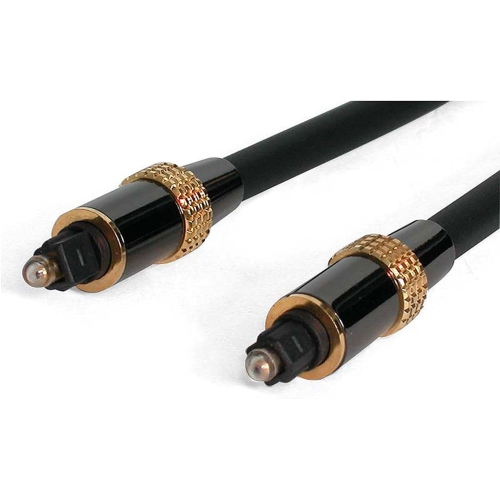
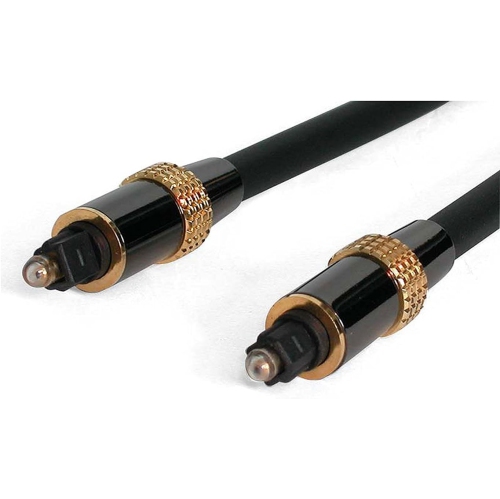
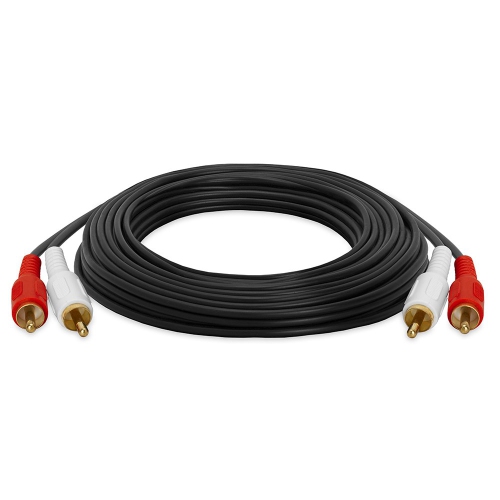
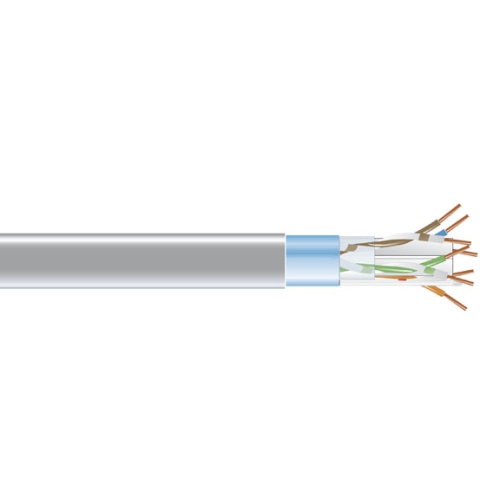
![RETRO-BIT Retro Prism Component Cable for Gamecube []](https://multimedia.bbycastatic.ca/multimedia/products/500x500/175/17552/17552778.jpeg)
How shielding helps preserve cleaner audio in demanding setups
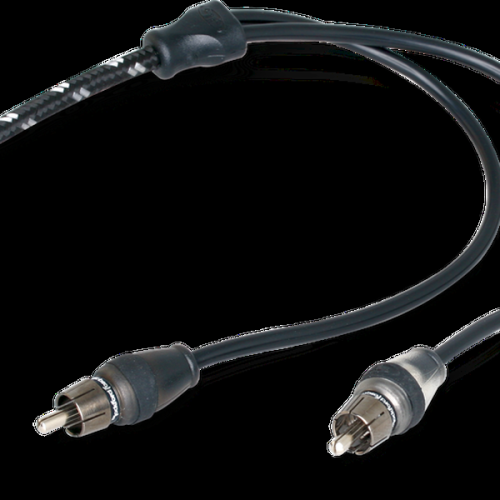
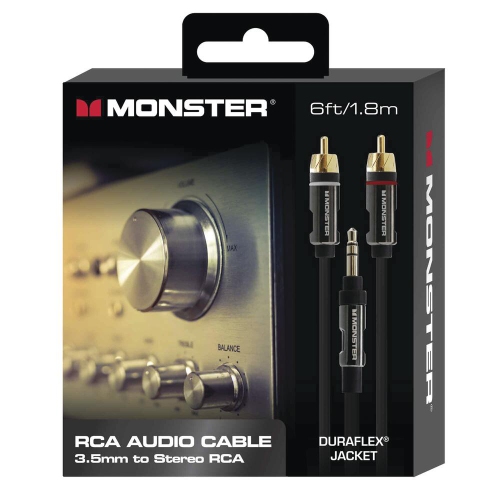
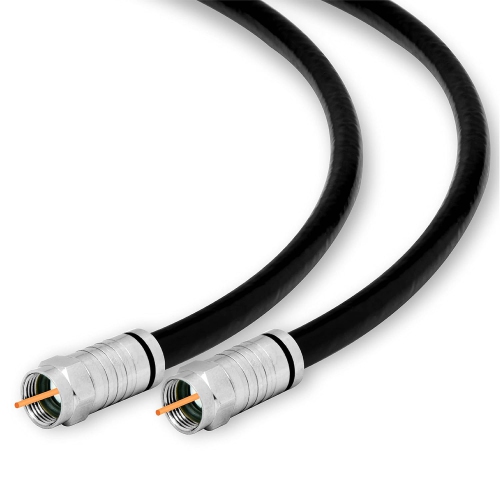
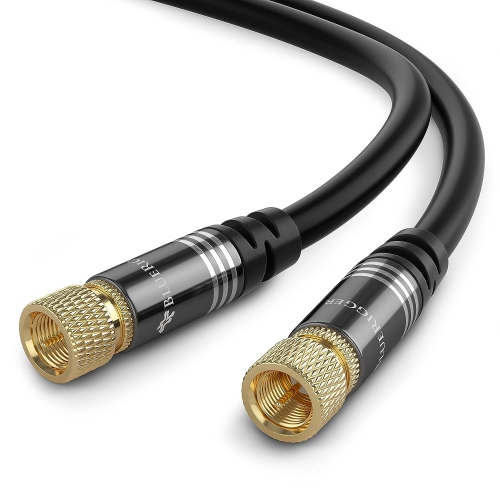
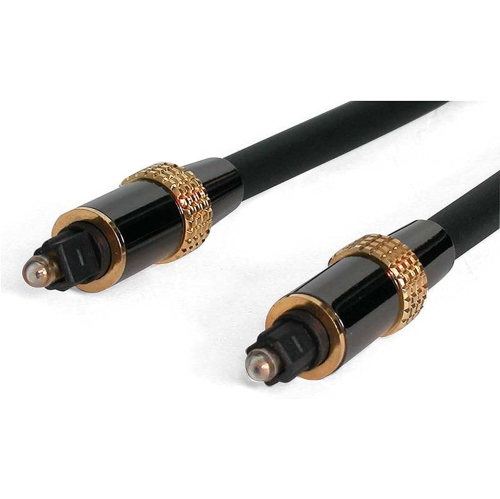
Shielded audio cables are designed to carry an audio signal while helping protect it from electromagnetic interference (EMI) and radio frequency interference (RFI). An internal conductive layer, often made from woven copper braid, foil, or a combination of both, surrounds the signal-carrying conductors and helps intercept unwanted electrical noise before it reaches connected equipment. That noise can come from nearby power cords, chargers, lighting, computers, wireless devices, appliances, or other electronics. The shielding is typically connected to ground so interference can be directed away from the audio signal instead of being heard through speakers, headphones, monitors, or an amplifier. This makes shielded audio cables especially useful for low-voltage and high-gain connections, where a small amount of interference can become noticeable. They are commonly used with microphones, turntables, guitars, mixers, receivers, powered speakers, studio monitors, car audio components, and home entertainment systems. In a quiet room, the difference may be subtle, but a faint hum, buzz, crackle, or radio-like noise can become distracting when the volume is turned up. A well-matched shielded cable helps maintain a cleaner connection between components and can make troubleshooting a new or existing setup much easier.
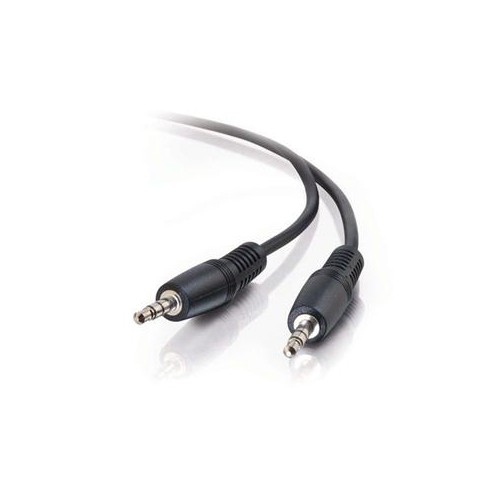
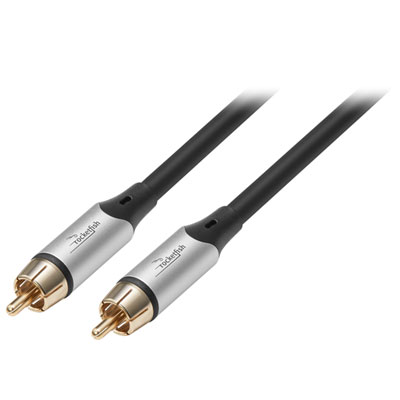
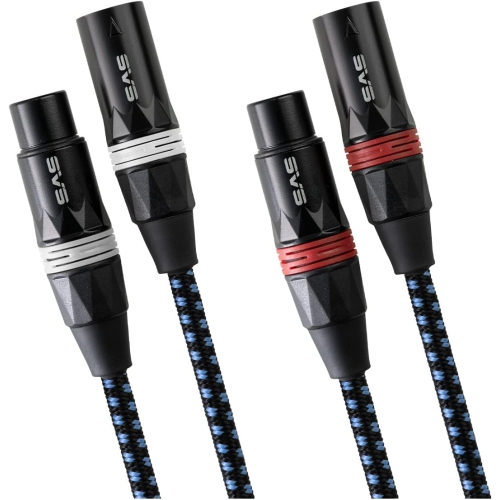
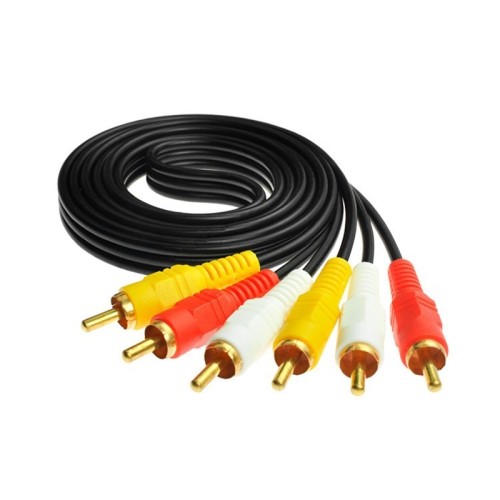
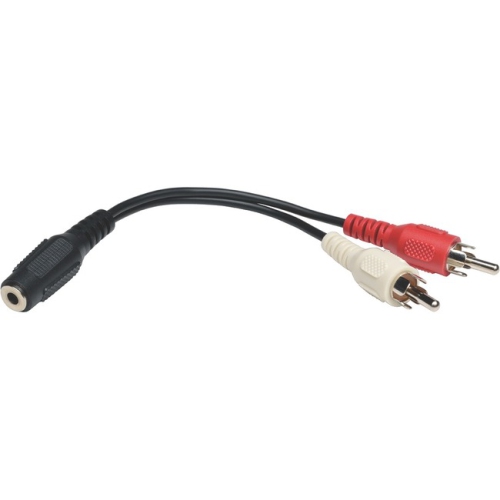
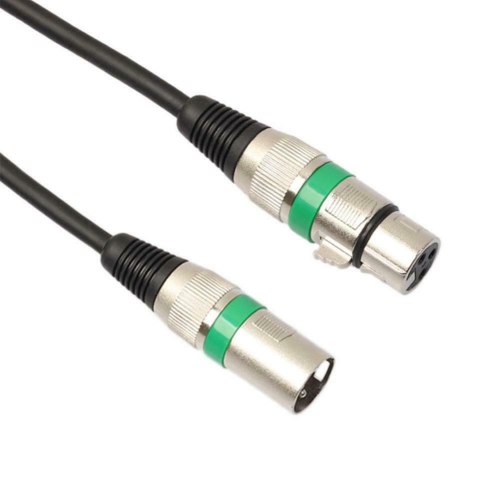
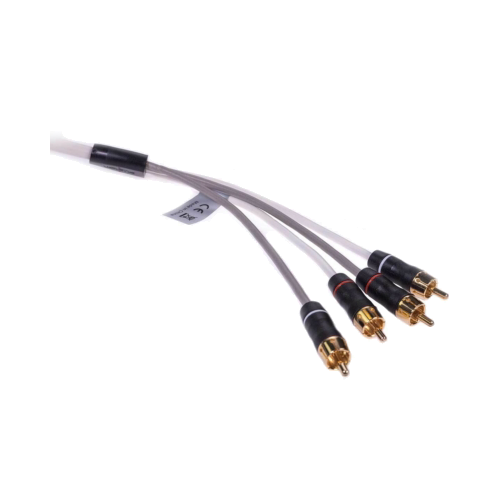
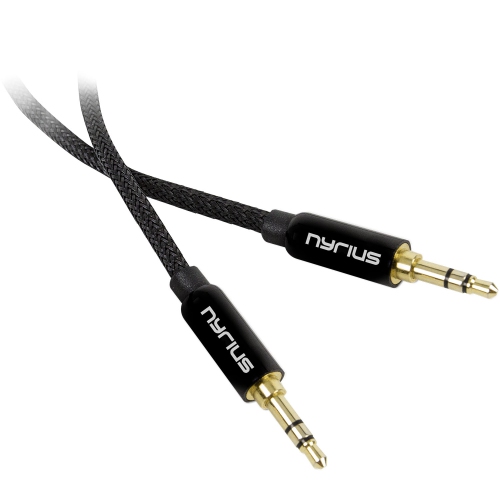
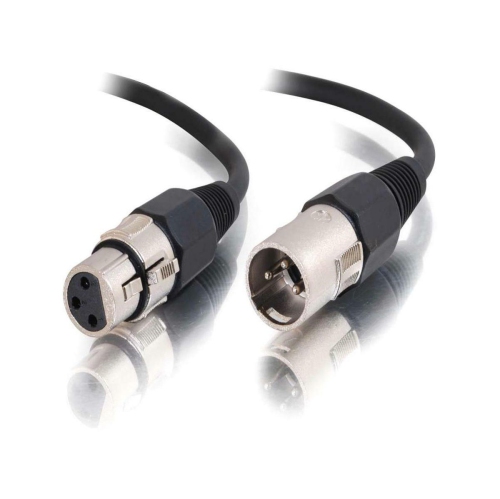
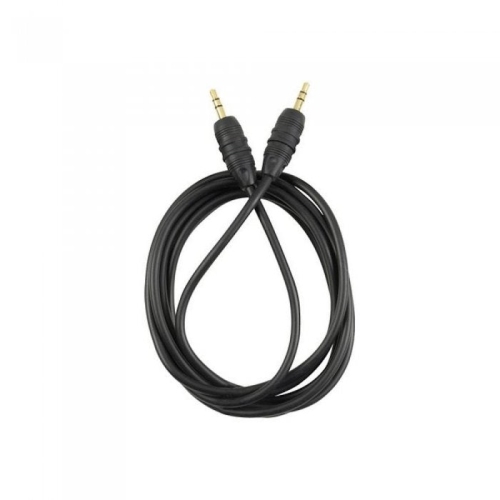
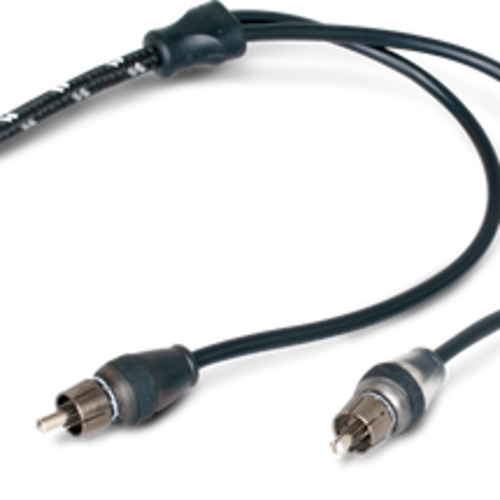
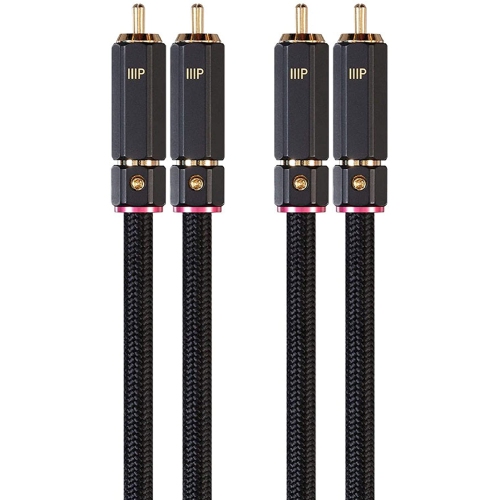
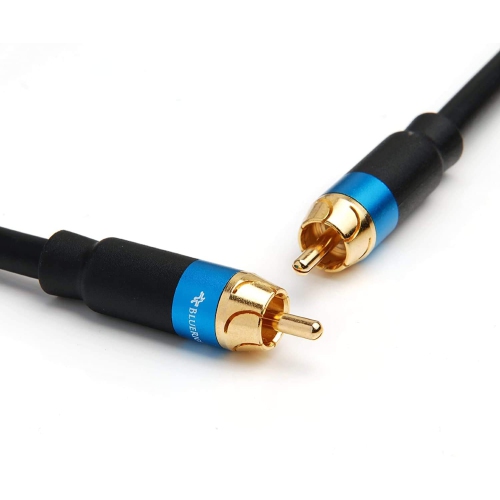
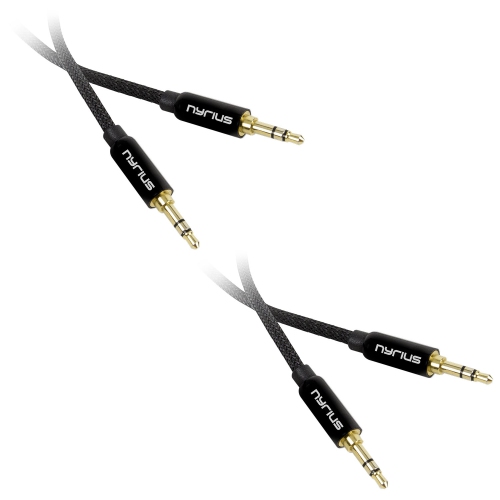
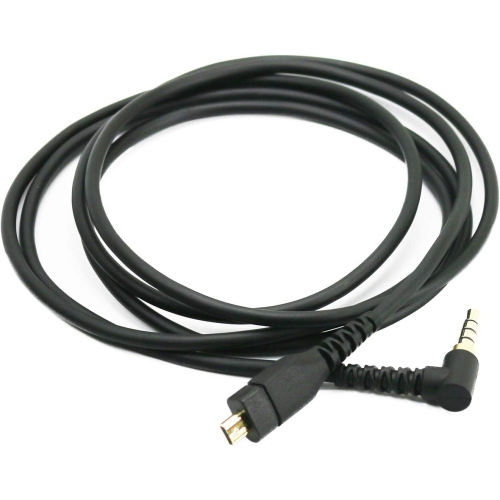
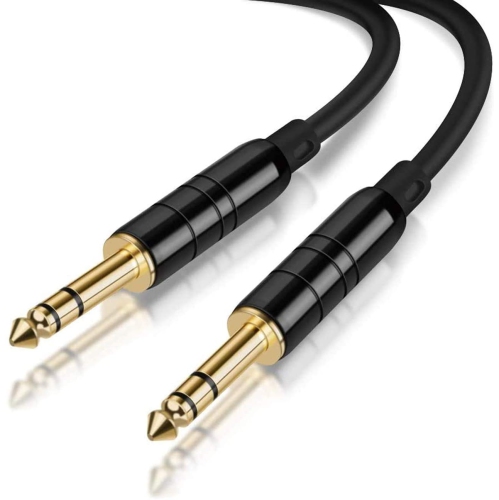
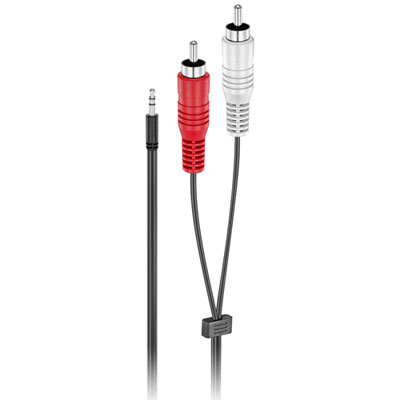
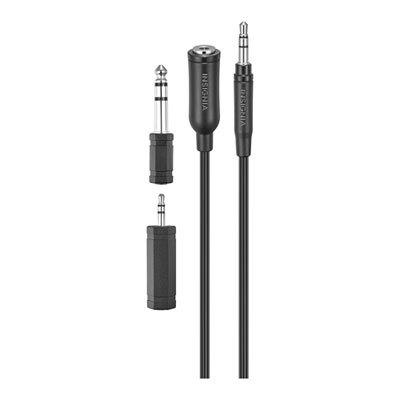
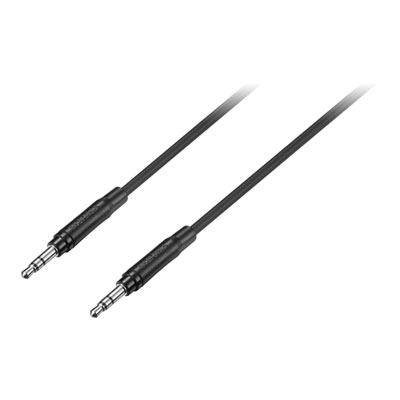
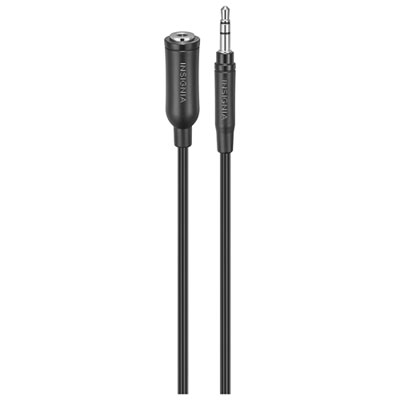
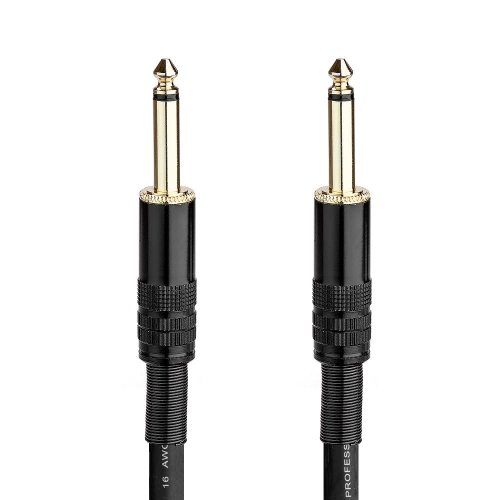
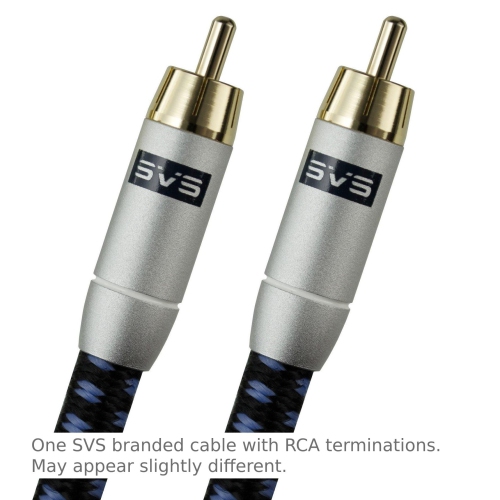
When choosing shielded audio cables, begin with the connector type required by each device. Common options include 3.5 mm, 6.35 mm (1/4 inch), RCA, XLR, and other audio connectors, with some cables using different connector types at either end. The cable must match the input and output on the equipment, and the connection should be designed for the signal being carried. Stereo cables are suited to left-and-right audio connections, while mono cables are often used for instruments, microphones, or individual audio channels. Balanced connections, such as those commonly using XLR or TRS connectors, can provide additional protection against noise over longer runs when paired with compatible equipment. Cable length is another important consideration. Choose enough length to position equipment comfortably, but avoid leaving a large excess coiled behind a cabinet or desk. Longer runs can be more exposed to interference, so shielding, connector quality, and sensible cable routing become increasingly important. A braided shield is often valued for flexibility and durability, making it practical for cables that are frequently moved, unplugged, or packed away. Foil shielding can provide broad coverage and may be well suited to stationary connections behind a television, stereo rack, recording desk, or other fixed installation. Some cables include a drain wire or layered shielding to support reliable grounding. Strain relief at the connector ends, a flexible outer jacket, and secure-fitting plugs are also worth considering, particularly when the cable will be used in a busy studio, rehearsal space, office, or family room.
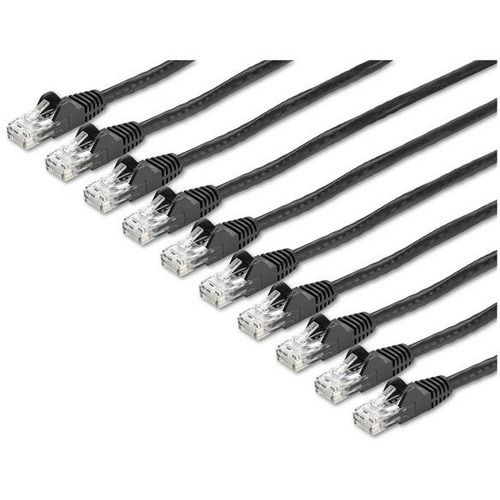
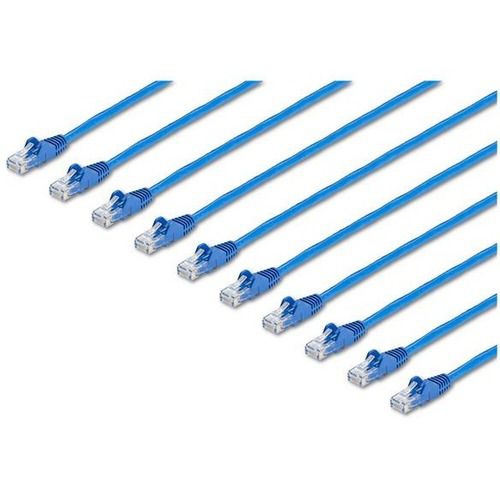
Shielded audio cables can be useful for many listening and working environments. A turntable connection benefits from careful cable selection because phono signals are very low level and can pick up hum easily, especially when routed near power cables or adapters. Microphone lines also benefit from shielding when a performer, presenter, podcaster, or musician needs a clean signal at a mixer or recording interface. Guitarists and other instrument players may use shielded cables between an instrument and an amplifier or effects pedal, where unwanted buzz can become more obvious during quiet passages. At home, these cables can connect a receiver to speakers, a television to an audio system, or a portable music source to powered speakers. In a workspace, they can help connect a computer, audio interface, headphones, or studio monitors while keeping signal paths organised around desks and equipment racks. Good cable placement still matters: keep audio cables separated from power cords where practical, cross power and audio cables at a right angle when they must meet, and avoid running them directly beside transformers, dimmer switches, or other sources of electrical noise. For digital networking rather than analogue or line-level audio, a different cable category is required; shoppers comparing options for wired network equipment can browse Shielded Cat6 Cables. A shielded audio cable can also be a thoughtful gift for someone setting up a listening area, home studio, rehearsal space, gaming station, or media room, particularly when the recipient is adding equipment and needs dependable connections. The best choice comes down to the equipment being connected, the connector format, the required length, whether the signal is balanced or unbalanced, and how much movement or electrical interference the cable will encounter.
When choosing shielded audio cables, begin with the connector type required by each device. Common options include 3.5 mm, 6.35 mm (1/4 inch), RCA, XLR, and other audio connectors, with some cables using different connector types at either end. The cable must match the input and output on the equipment, and the connection should be designed for the signal being carried. Stereo cables are suited to left-and-right audio connections, while mono cables are often used for instruments, microphones, or individual audio channels. Balanced connections, such as those commonly using XLR or TRS connectors, can provide additional protection against noise over longer runs when paired with compatible equipment. Cable length is another important consideration. Choose enough length to position equipment comfortably, but avoid leaving a large excess coiled behind a cabinet or desk. Longer runs can be more exposed to interference, so shielding, connector quality, and sensible cable routing become increasingly important. A braided shield is often valued for flexibility and durability, making it practical for cables that are frequently moved, unplugged, or packed away. Foil shielding can provide broad coverage and may be well suited to stationary connections behind a television, stereo rack, recording desk, or other fixed installation. Some cables include a drain wire or layered shielding to support reliable grounding. Strain relief at the connector ends, a flexible outer jacket, and secure-fitting plugs are also worth considering, particularly when the cable will be used in a busy studio, rehearsal space, office, or family room.
Shielded audio cables can be useful for many listening and working environments. A turntable connection benefits from careful cable selection because phono signals are very low level and can pick up hum easily, especially when routed near power cables or adapters. Microphone lines also benefit from shielding when a performer, presenter, podcaster, or musician needs a clean signal at a mixer or recording interface. Guitarists and other instrument players may use shielded cables between an instrument and an amplifier or effects pedal, where unwanted buzz can become more obvious during quiet passages. At home, these cables can connect a receiver to speakers, a television to an audio system, or a portable music source to powered speakers. In a workspace, they can help connect a computer, audio interface, headphones, or studio monitors while keeping signal paths organised around desks and equipment racks. Good cable placement still matters: keep audio cables separated from power cords where practical, cross power and audio cables at a right angle when they must meet, and avoid running them directly beside transformers, dimmer switches, or other sources of electrical noise. For digital networking rather than analogue or line-level audio, a different cable category is required; shoppers comparing options for wired network equipment can browse Shielded Cat6 Cables. A shielded audio cable can also be a thoughtful gift for someone setting up a listening area, home studio, rehearsal space, gaming station, or media room, particularly when the recipient is adding equipment and needs dependable connections. The best choice comes down to the equipment being connected, the connector format, the required length, whether the signal is balanced or unbalanced, and how much movement or electrical interference the cable will encounter.
Top selling and popular products
-
 Your price for this item is $19.99
 -
 Your price for this item is $26.99
 -
 Your price for this item is $14.99
 -
 Your price for this item is $14.99
 -
 Your price for this item is $19.99
 -
 Your price for this item is $19.99
 -
 Your price for this item is $9.99
 -
 Your price for this item is $17.5
Discover more categories related to Shielded Audio Cables
Top Collections:
Pokemon Centers, Kindle Devices, Best Budget Office Chairs, Apple iPhones 16, Best Laptops for Writers, iPhone 15 Apple, Canon G7X Cameras, Refurbished Apple Laptops, Alarm Clock, Motorola Razr Phones
Some products may be subject to Environmental Handling Fees
(EHF) depending on your province.
Learn more about EHFs.