Shielded Cat6 Cables
If you're looking for reliable and high-performance networking cables, look no further than these shielded Cat6 cables. Designed to provide superior signal quality and reduce interference, these cables are perfect for both home and office use. Whether you're setting up a new network or upgrading your existing one, these shielded Cat6 cables offer fast and reliable data transmission, ensuring seamless connectivity for all your devices. With their durable construction and advanced shielding technology, these cables are built to withstand the demands of modern networking applications.
Sort


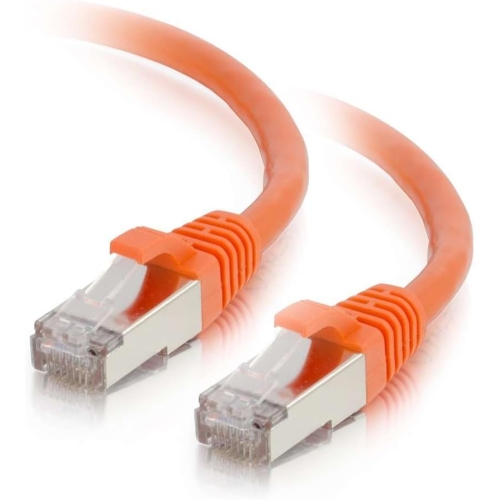




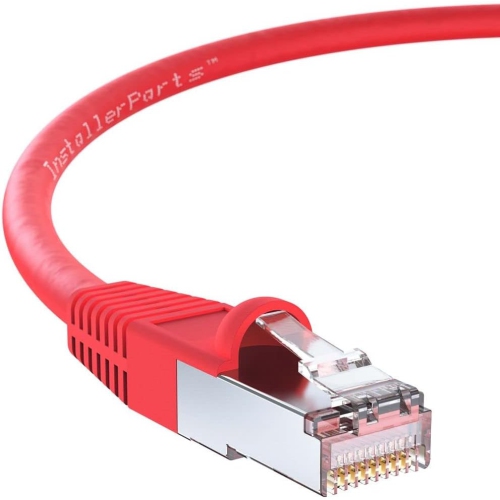

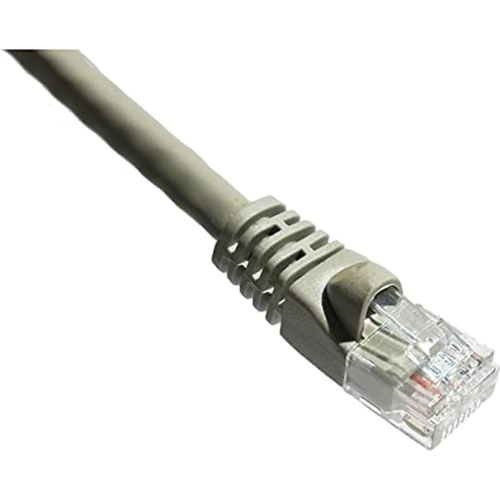


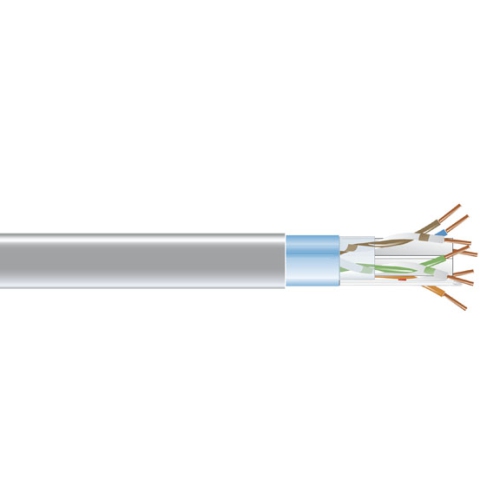


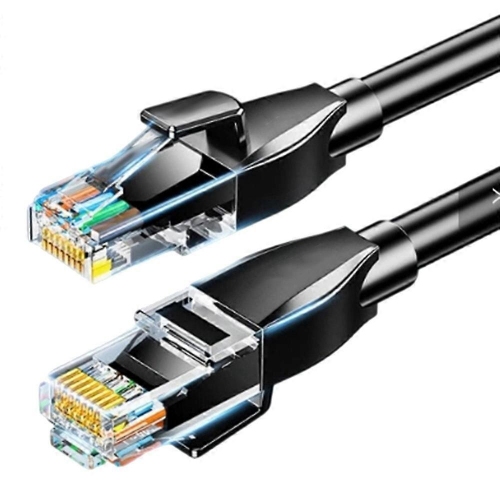
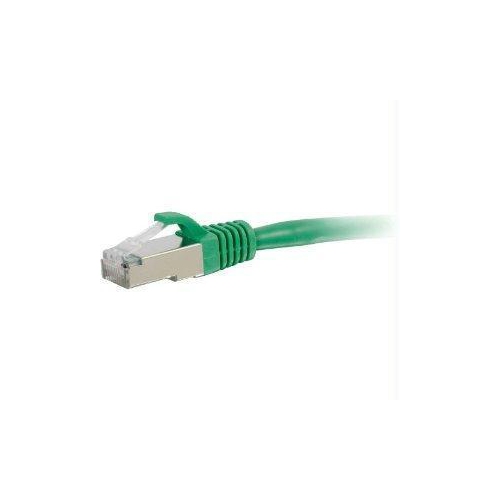


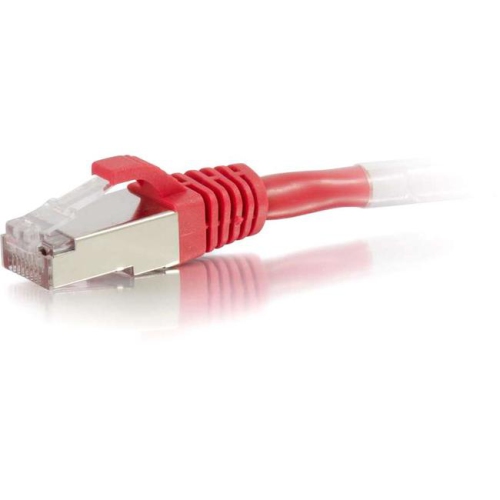


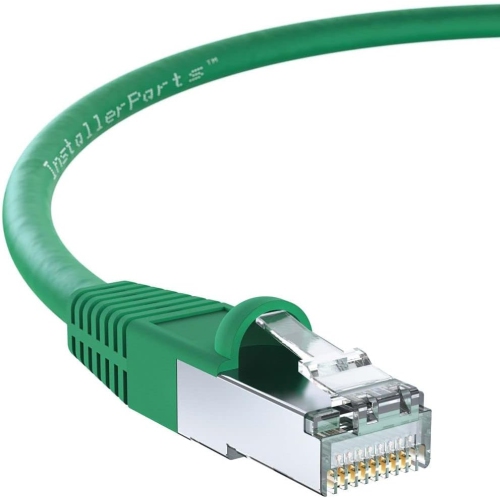


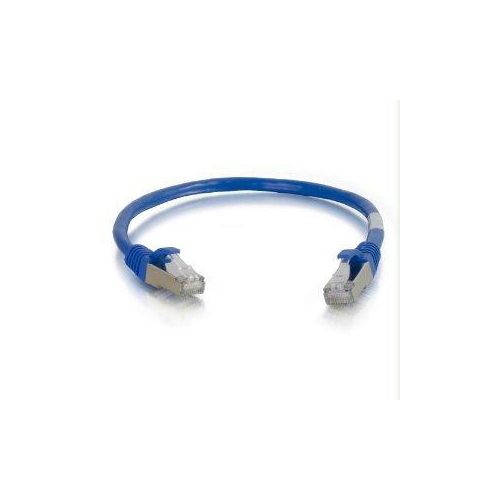

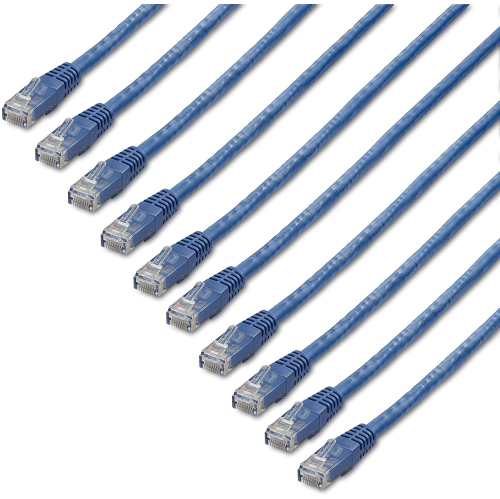
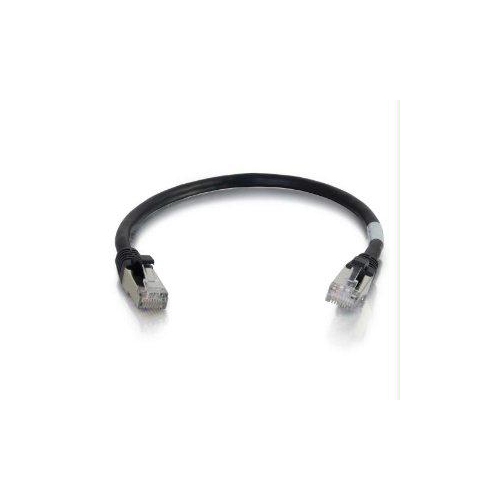



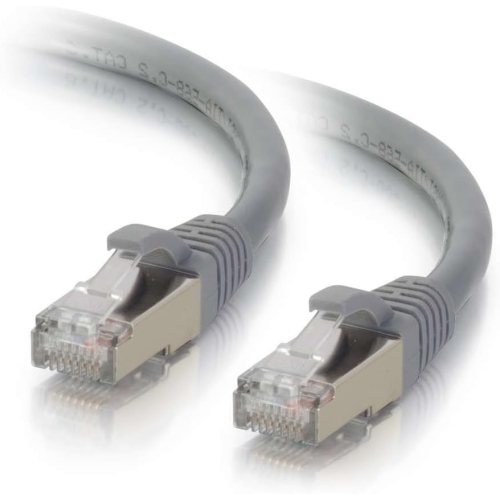
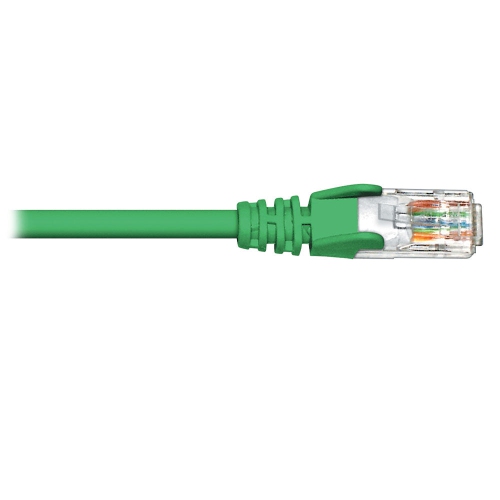


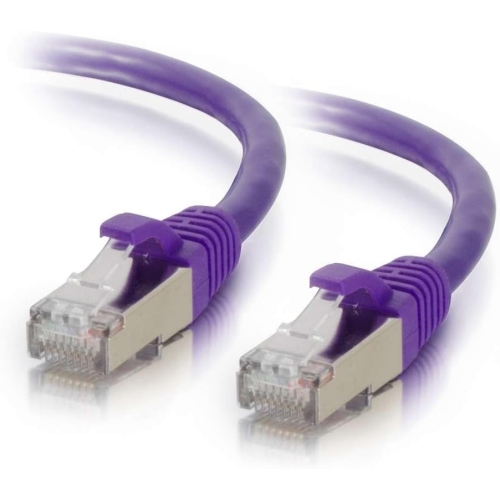


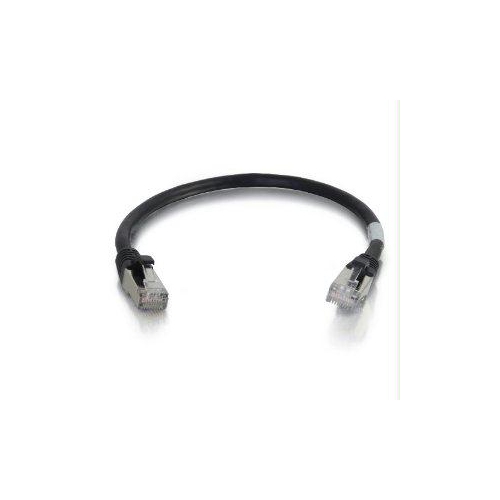




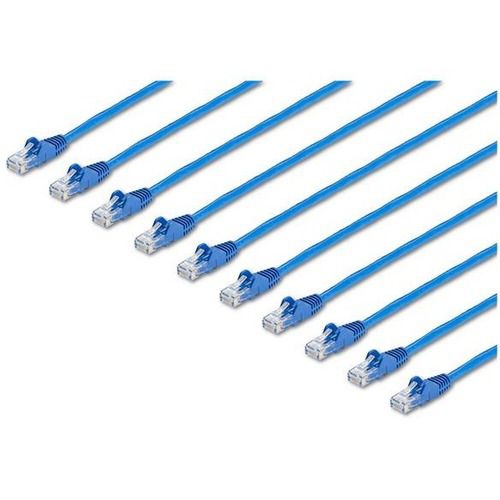

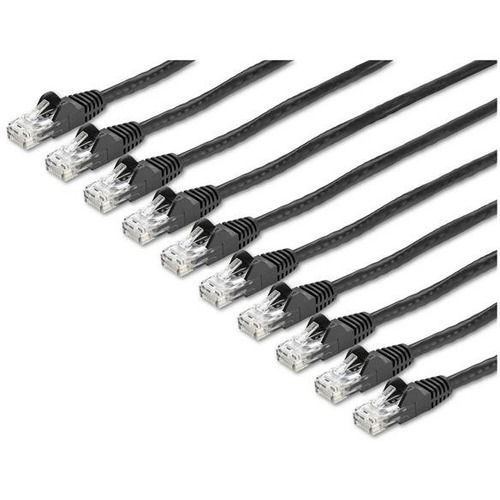

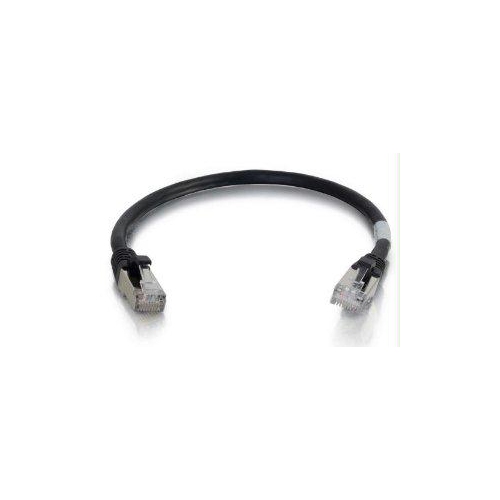


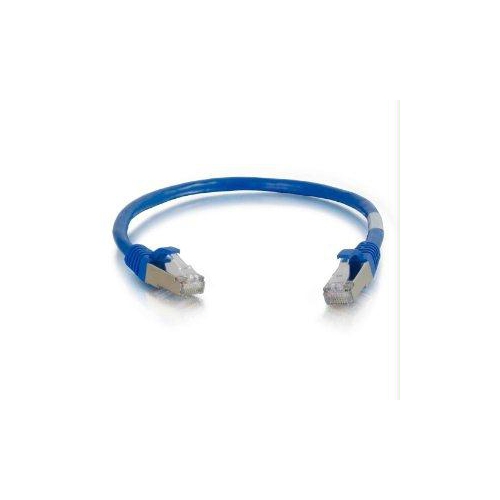


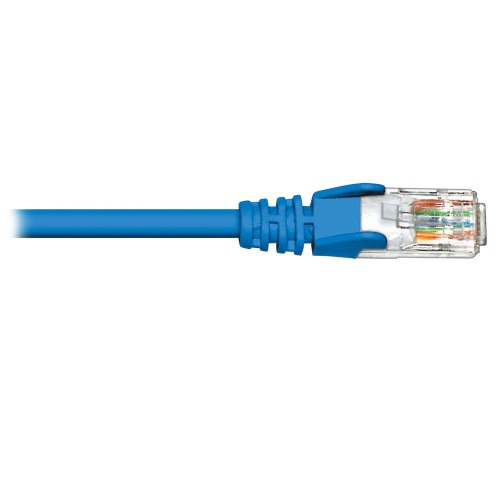
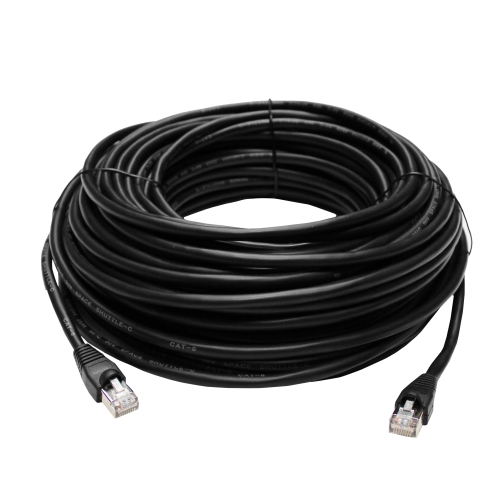
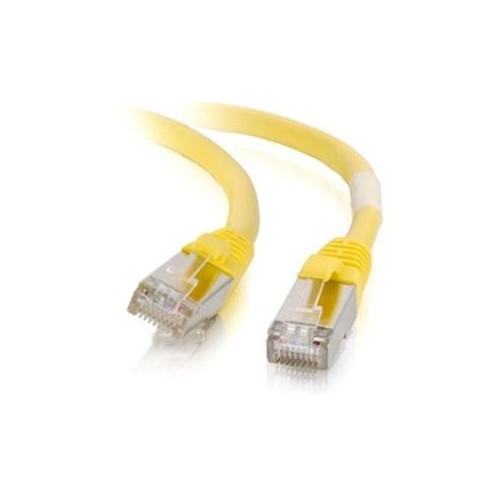


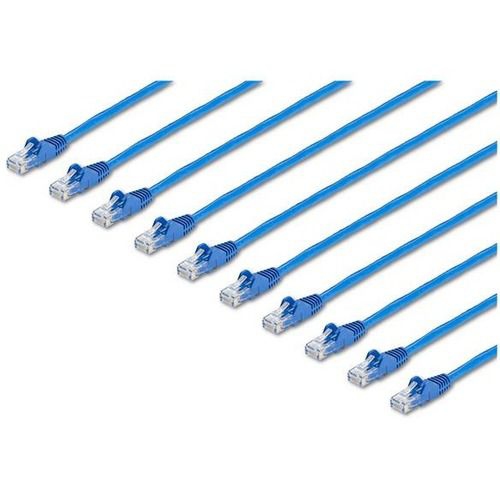
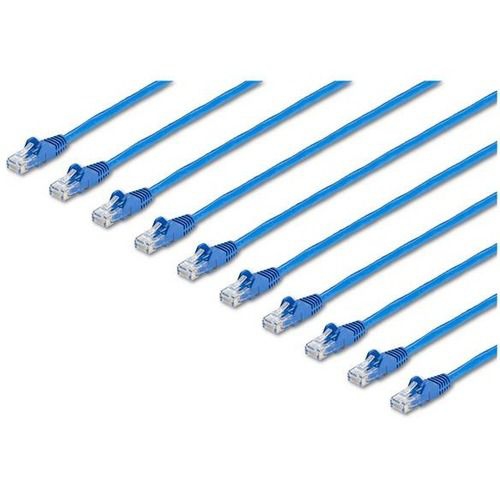


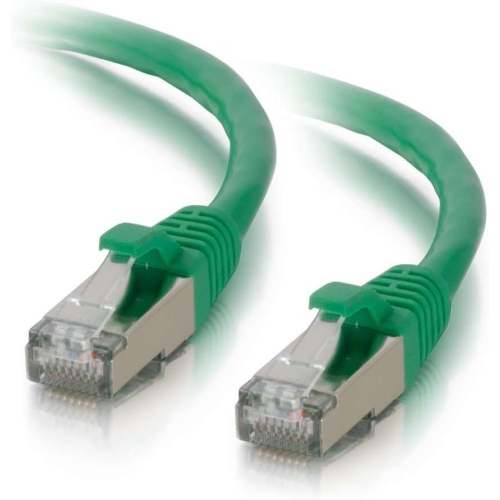


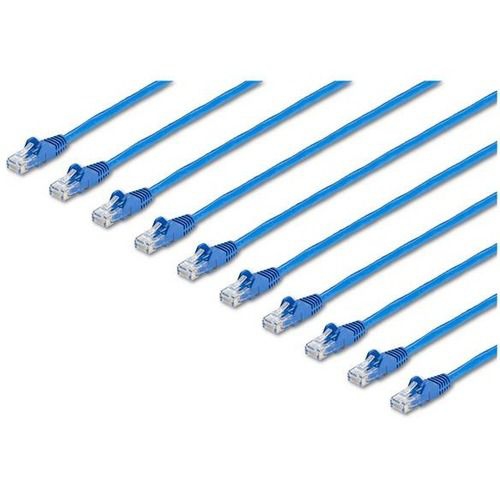






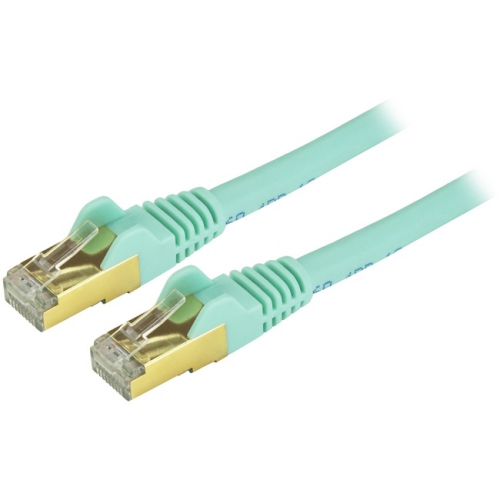


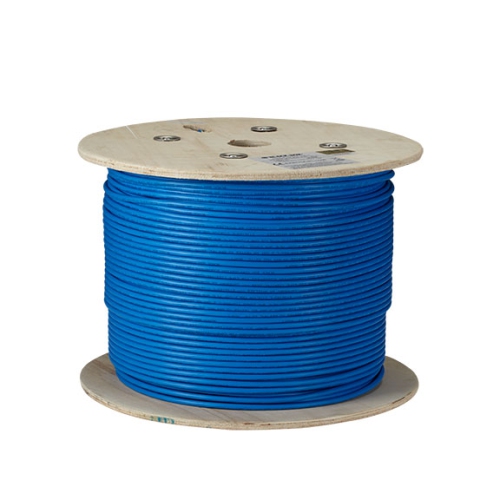
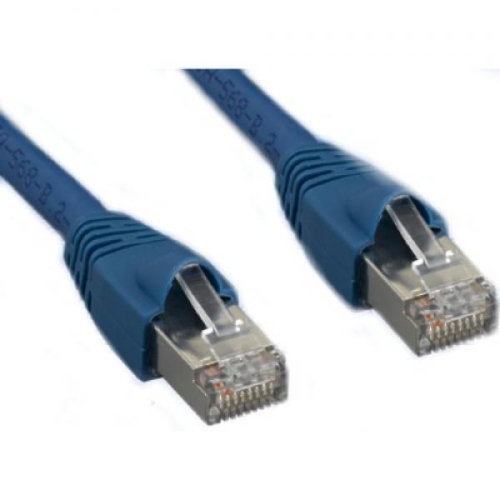





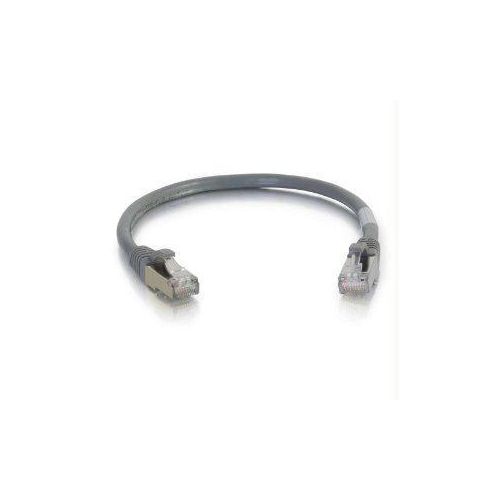


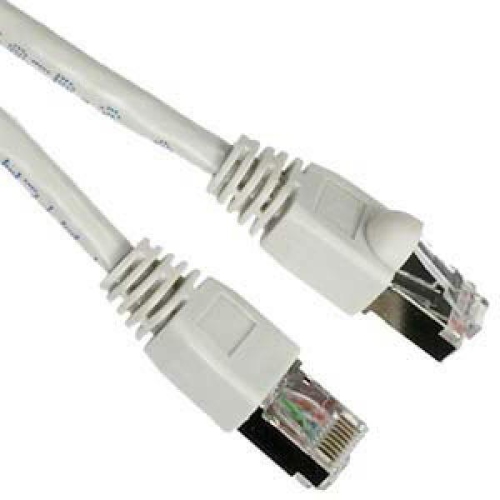

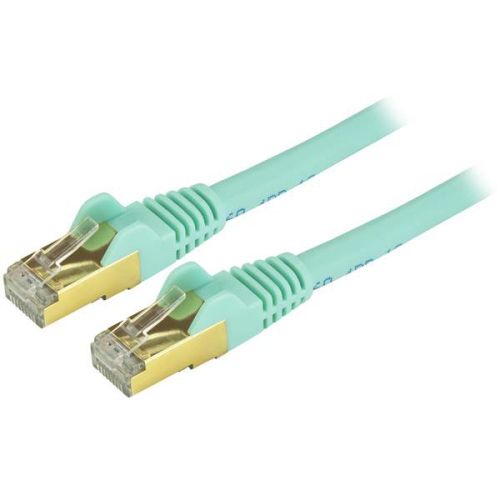

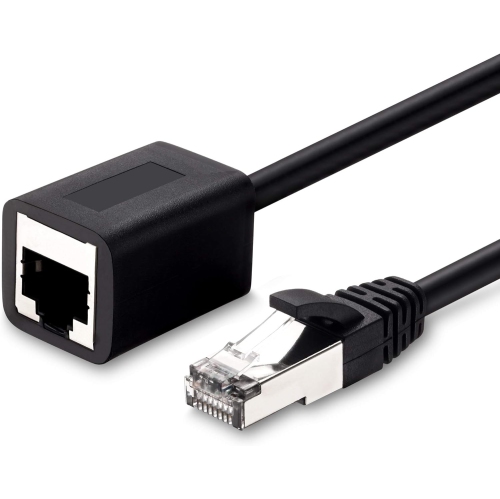


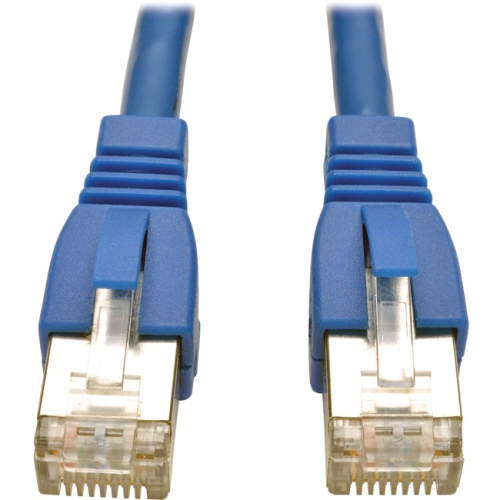


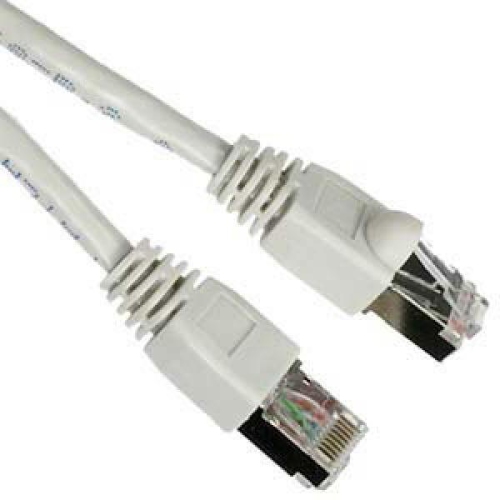

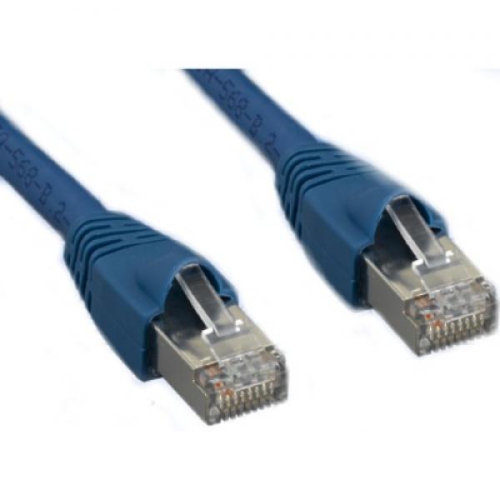


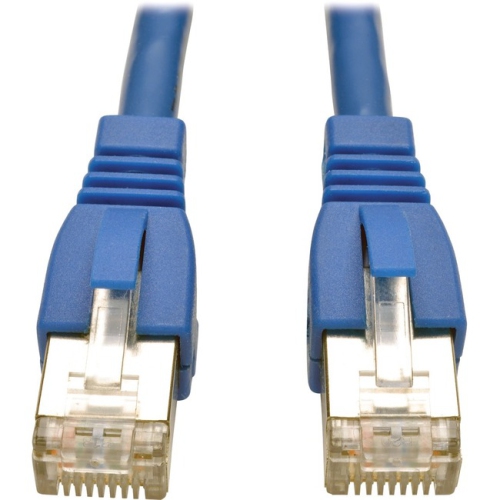


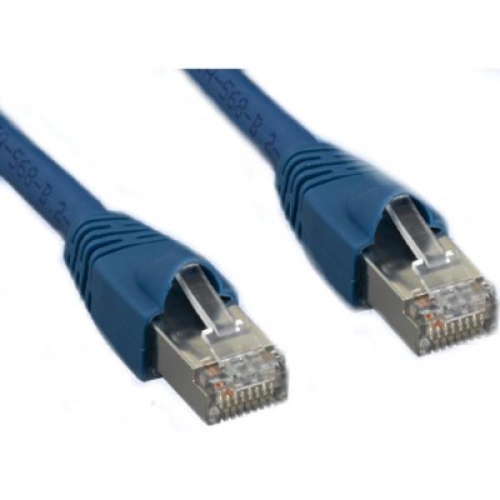

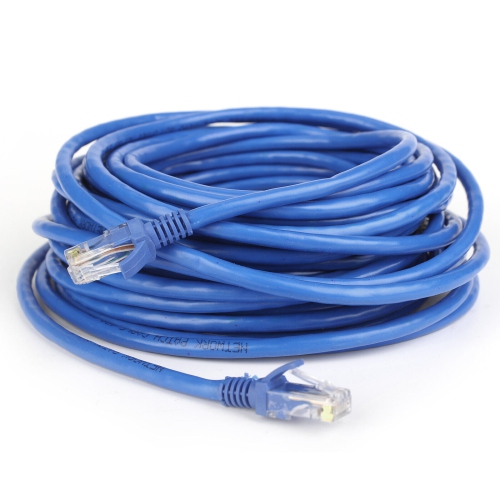


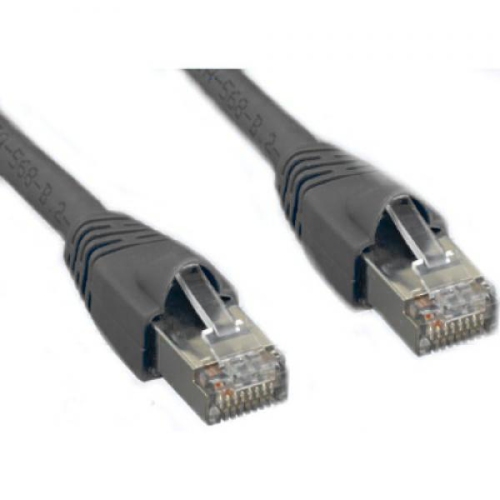


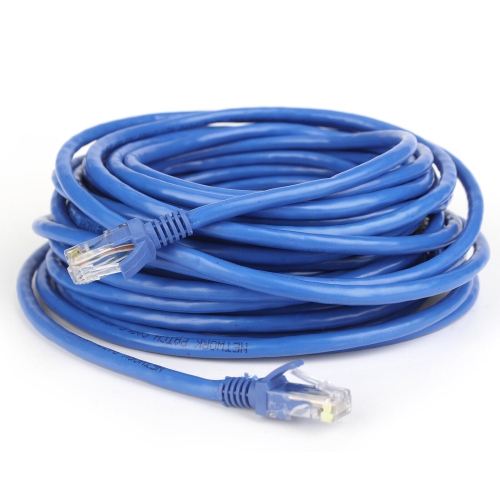
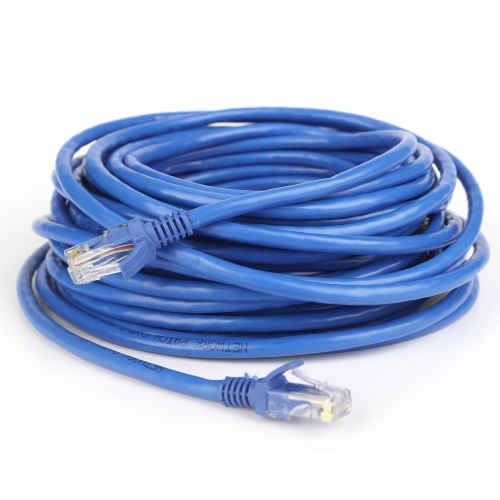
How shielding helps protect Ethernet signals from interference
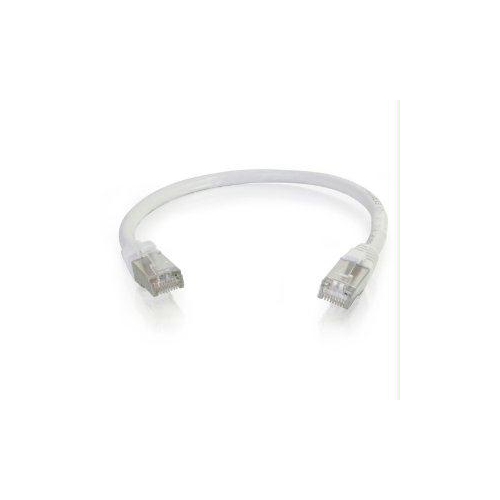
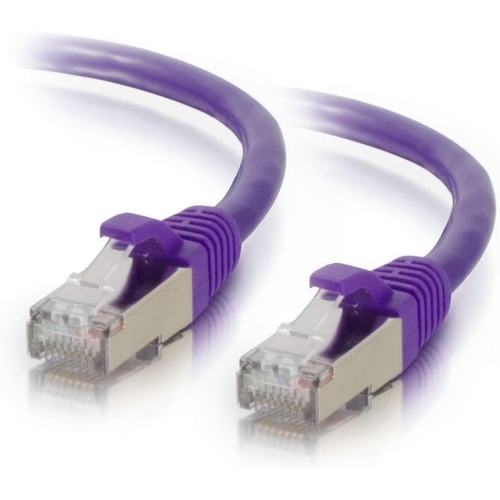
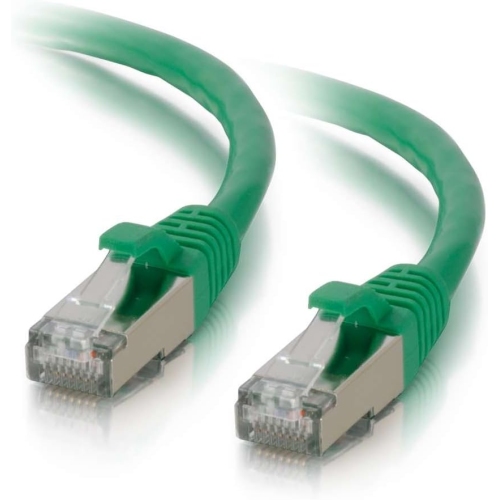
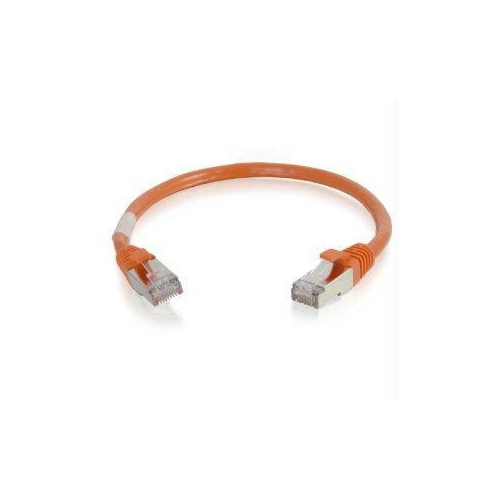
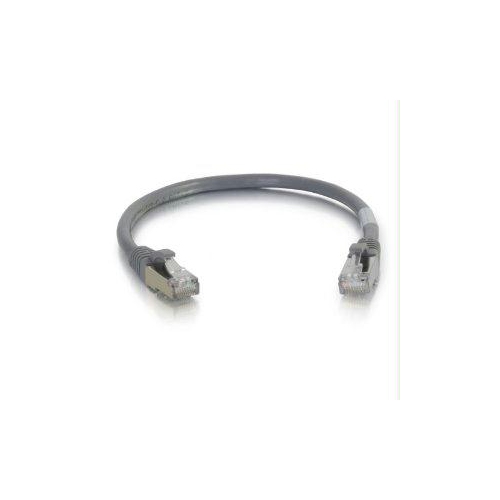
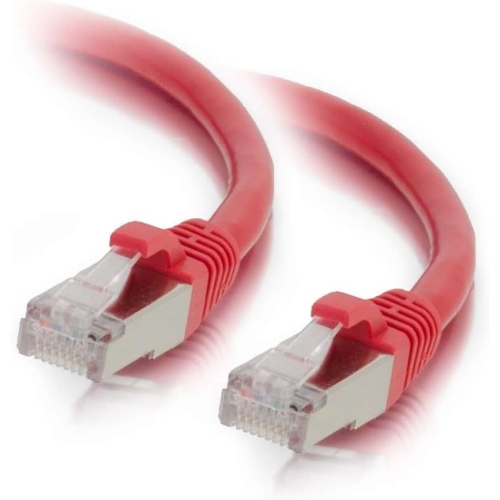
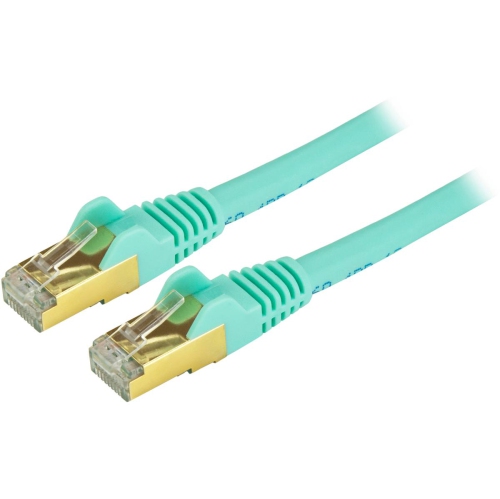
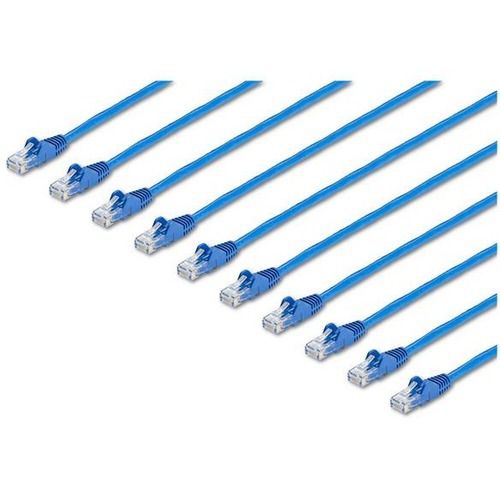
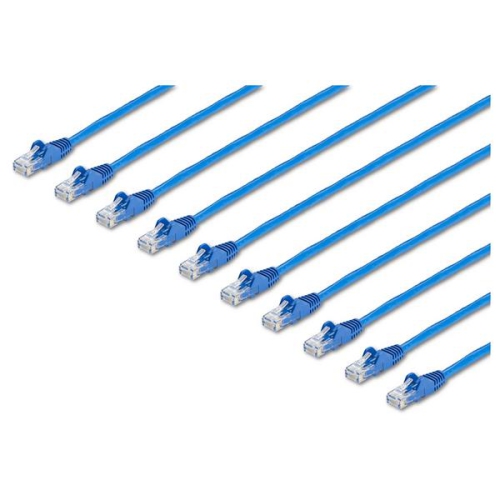
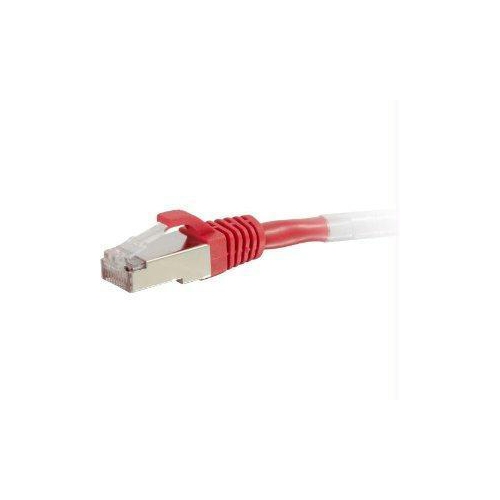
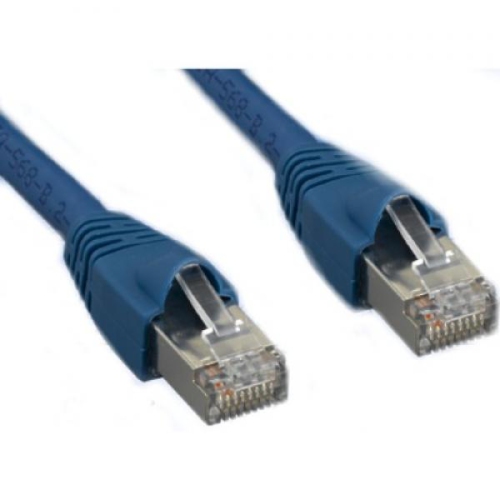
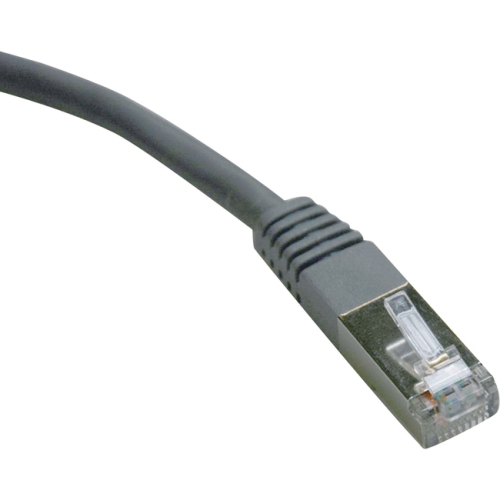
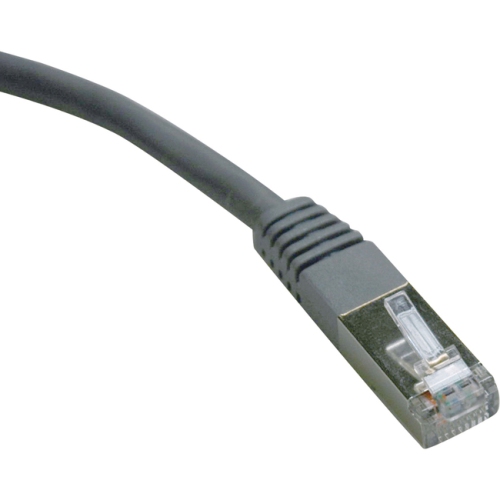
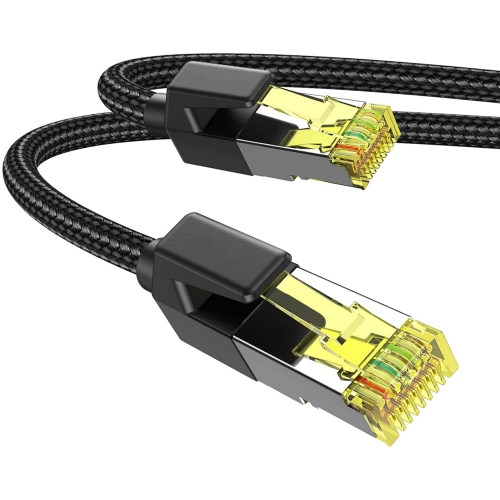
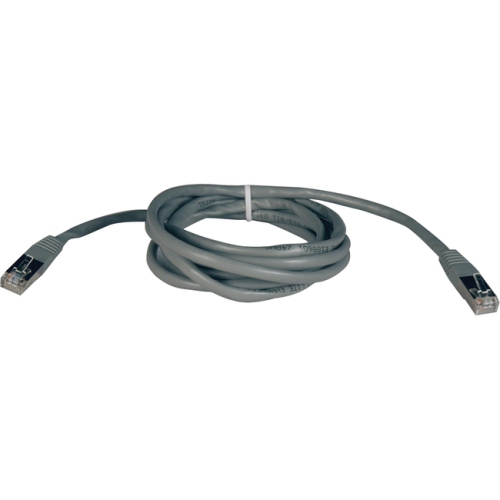
Shielded Cat6 cables connect Ethernet devices while adding a protective metal layer around the internal wiring to help reduce electromagnetic interference (EMI) and radio frequency interference (RFI). Inside the cable, four twisted pairs of copper conductors carry data; the twists help limit noise, while foil, braided metal, or a combination of shielding materials provides another barrier against unwanted electrical interference. That extra protection can be useful in a busy network cabinet, a commercial workspace with electrically noisy equipment, or a home office where the cable route passes near several potential sources of interference. Shielding arrangements vary: F/UTP generally describes an overall foil shield around unshielded twisted pairs, while other constructions may shield individual pairs as well. The construction stated in the cable specifications is more informative than the word “shielded” alone. Cat6 is specified for frequencies up to 250 MHz and supports Gigabit Ethernet over a compliant channel of up to 100 metres, including patch cables and fixed wiring. It can also support 10 Gigabit Ethernet over shorter distances, often up to 55 metres, depending on installation conditions and interference between neighbouring cables. Shielding does not automatically increase the cable’s category rating, extend its supported distance, or make an internet plan faster. Its purpose is to help preserve signal integrity where electrical noise could otherwise disrupt communication. For someone transferring large video files to network storage, connecting a desktop workstation, or linking a switch to a patch panel, a well-matched cable supports a dependable wired connection without relying on Wi-Fi reception. Gaming consoles, smart TVs, network printers, and compatible security equipment can also use Ethernet connections, although their performance remains limited by their own network ports and the rest of the network. Many ordinary homes and offices work well with unshielded Cat6; shielded versions are most relevant when the installation has a clear need for additional noise protection rather than simply a desire for a higher speed label.
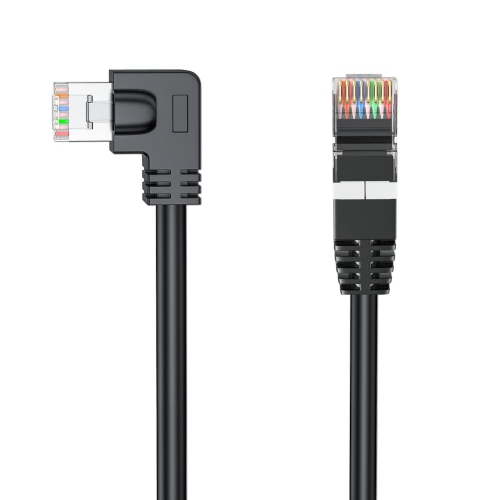
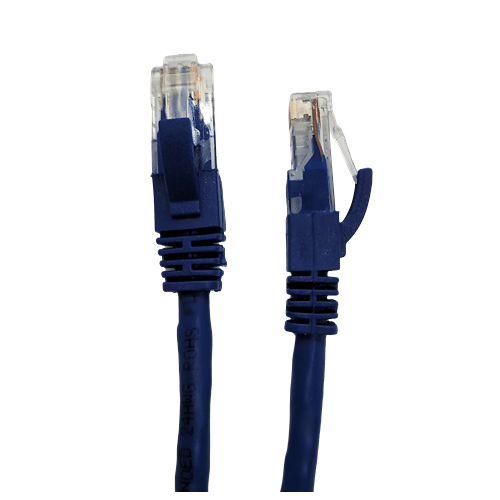
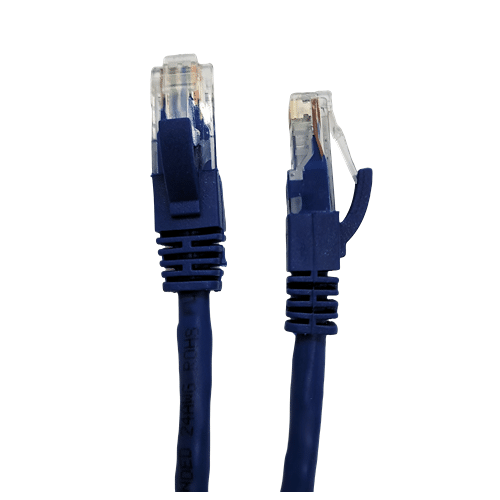
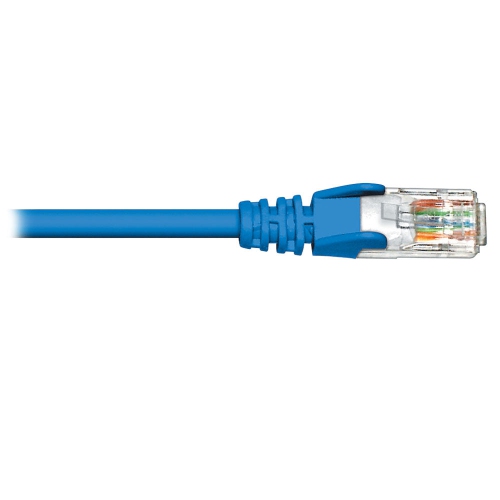
The physical details of shielded Cat6 cables matter as much as their network rating. Factory-terminated patch cables commonly have RJ45 plugs that fit standard Ethernet ports, but the plug housing, latch protector, and cable thickness can affect how neatly they fit behind a wall-mounted TV or into closely spaced switch ports. A snagless boot helps protect the release tab from catching when a cable is pulled through a bundle, while moulded strain relief supports the point where the cable enters the connector. A large boot can be awkward in a recessed port, so connector clearance deserves attention in tight spaces. Stranded copper conductors offer flexibility for patch connections that may be moved during desk changes or equipment maintenance; solid copper conductors are generally used for fixed structured cabling with compatible terminations. Copper-clad aluminium is not equivalent to solid copper, and conductor material is particularly important for standards compliance and Power over Ethernet applications. For a PoE access point, camera, or phone, suitability depends on the cable’s conductor size, resistance, length, connector quality, and the power requirements of the equipment—not on shielding alone. Length also affects the practical fit. A cable should reach its destination along the actual routing path, with enough slack to avoid tension at the ports but without a large coil crowding the cabinet. Measure around furniture, through cable-management channels, and along rack rails rather than taking only the straight-line distance between devices. Jacket materials and ratings should match the installation. PVC and low-smoke, zero-halogen jackets have different characteristics, but neither description alone establishes suitability for every concealed space or building requirement. In-wall, riser, plenum, outdoor, and direct-burial applications each call for the appropriate markings and approvals where applicable. A metal shield does not make a cable waterproof, sunlight-resistant, or suitable for burial. Colour can help distinguish connections by room or function, making a crowded patch panel easier to follow during maintenance. Clear length and category markings are useful when several similar-looking cables share the same route.
Shielding works as part of a complete cabling system, not as an isolated feature of one lead. Shielded connectors, compatible jacks, and shielded patch panels help maintain continuity along the intended path, while appropriate bonding and grounding allow that system to function as designed. A shielded patch cable may still carry Ethernet data when plugged into unshielded hardware, but that connection does not establish a complete shielding path or guarantee the intended interference protection. Grounding arrangements should follow the equipment manufacturer’s requirements, applicable cabling standards, and local electrical rules; improvised connections to nearby metalwork are not a substitute. For permanent wiring or a rack installation, a qualified installer can confirm the bonding arrangement and test the completed links. Cable routing still matters even with shielding. Data cables need appropriate separation from electrical wiring, and shielding is not permission to share unsuitable conduits, run beside high-voltage equipment, or disregard electrical safety requirements. Gentle bends, supported cable runs, and loosely secured hook-and-loop ties help preserve the internal pair geometry. Tight staples, crushed sections under furniture, sharp kinks, and repeated pulling on the plugs can damage a cable without leaving an obvious mark on its jacket. Disconnecting a patch cable by releasing its latch and holding the connector, rather than tugging the lead, helps protect both the cable and the device port. For routine care, keep connectors clean and dry, inspect accessible sections for cuts or flattened areas, and replace cables with damaged latches or exposed shielding. In a shared office or home network cabinet, labels at both ends make future changes easier and reduce unnecessary unplugging. Where the goal is 10 Gigabit Ethernet across a full 100-metre channel, Cat6a Shielded Patch Cables are relevant to a complete Cat6a-rated installation; changing a patch lead alone does not upgrade existing Cat6 fixed wiring. For shielded Cat6 connections, the strongest match is a cable whose length, flexibility, connector shape, jacket rating, and shielding construction suit both the equipment and the route it will follow.
Top selling and popular products
-
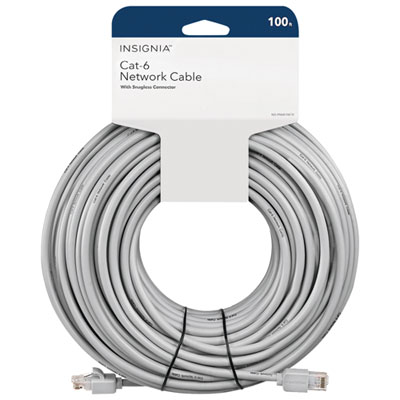 Your price for this item is $49.95
-
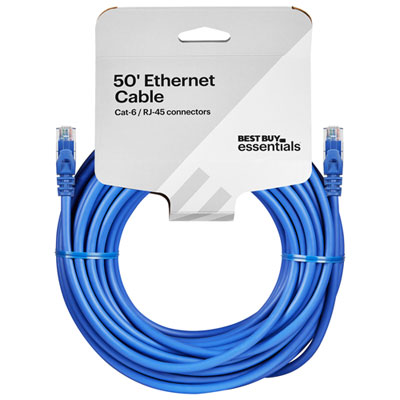 Your price for this item is $24.99
-
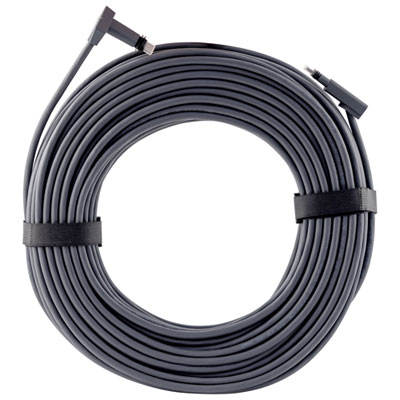 Your price for this item is $164.99
-
 Your price for this item is $31.37
-
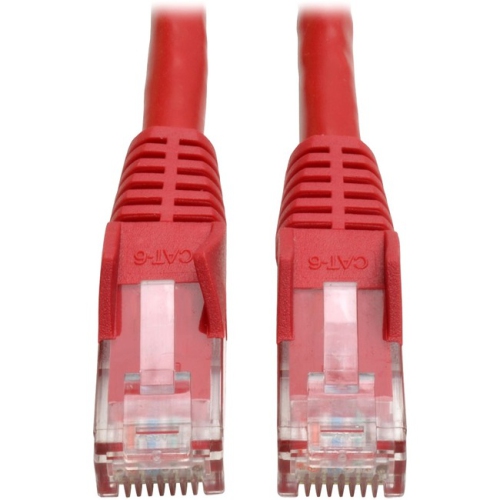 Your price for this item is $79.68
-
 Your price for this item is $57.68
-
 Your price for this item is $50.99
-
 Your price for this item is $57.68
Discover more categories related to Shielded Cat6 Cables

Top Collections:
Pokemon Centers, Kindle Devices, Best Cameras for Sports Photography, Pokémon 30th Celebration Cards, Apple iPhones 16, Canon G7X Cameras, iPhone 15 Apple, Flip Phones, Samsung Galaxy Phones, Alarm Clock
Some products may be subject to Environmental Handling Fees
(EHF) depending on your province.
Learn more about EHFs.