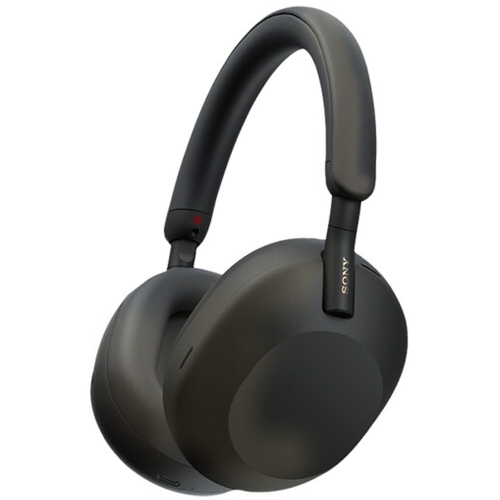
Sony WH 1000XM5 On Ear
Experience premium audio and exceptional comfort with the Sony WH 1000XM5 On Ear headphones. Perfect for music lovers, commuters, and anyone seeking immersive sound, these headphones deliver a refined listening experience in any setting. With a sleek design and advanced technology, the Sony WH 1000XM5 On Ear is crafted to elevate your everyday entertainment. Discover a new level of clarity and convenience that fits seamlessly into your lifestyle.
Sort


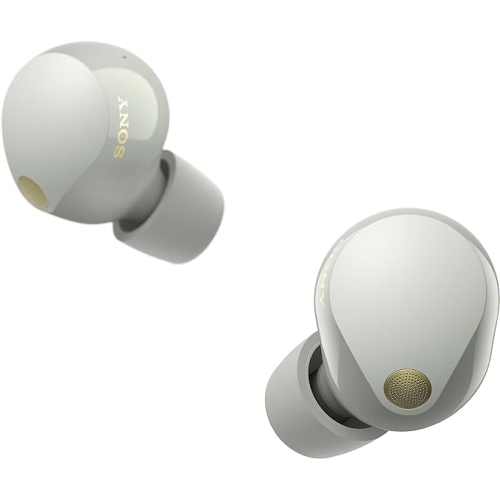

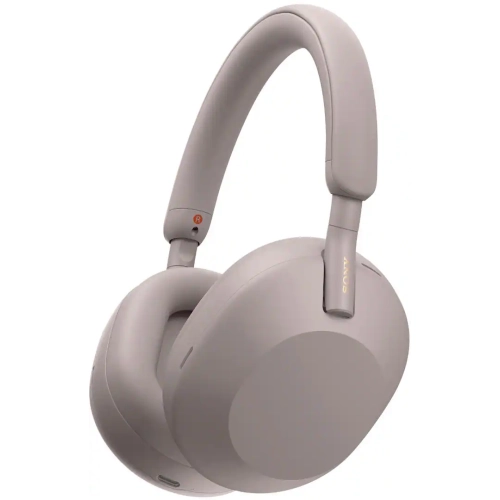

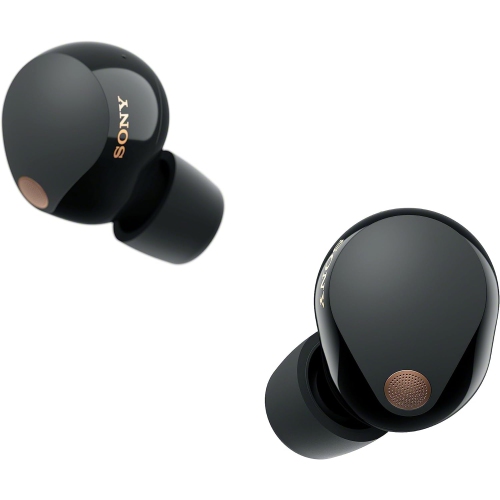

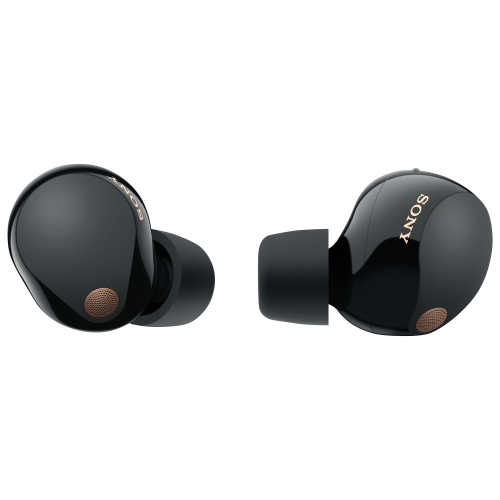


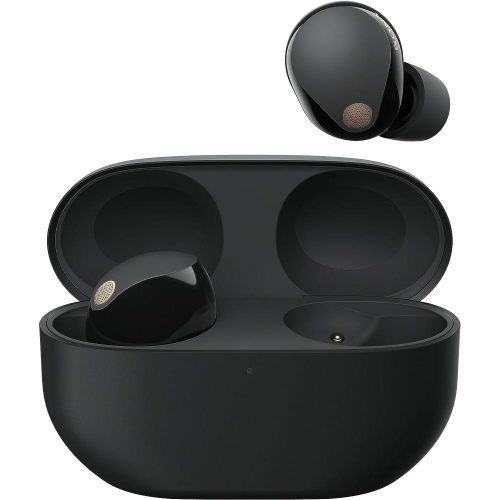



Why over-ear fit matters for comfort and quieter listening
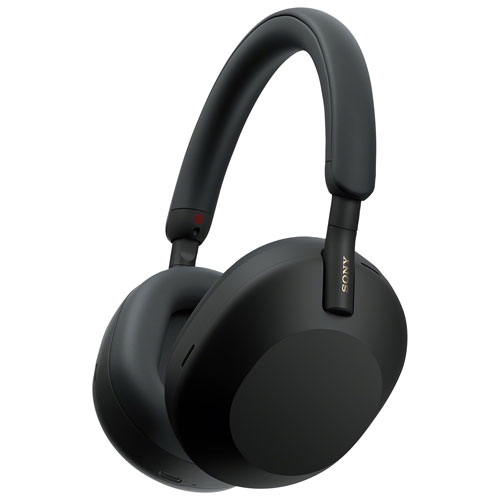
The Sony 1000Xm5 headphone design uses an over-ear (circumaural) fit, not an on-ear (supra-aural) fit. That distinction describes where the earcups sit: over-ear cushions surround the ears, while on-ear cushions rest directly against them. Both styles can serve everyday listening, but they feel different during a long playlist, a work call, or a flight. With an over-ear design, the space inside each cup and the depth of the padding matter as much as the overall size. A comfortable fit leaves room for the ears without pressing them against the interior, and an adjustable headband helps distribute weight across the head. Soft cushioning can ease pressure, although comfort also depends on head shape, hairstyle, earrings, and glasses. Thick spectacle arms can interrupt the seal around the ear or create pressure points over time. Common headphone materials include lightweight plastics, metal adjustment components, foam padding, and fabric or synthetic leather coverings, each contributing to weight, feel, and everyday wear. A snug seal provides passive sound isolation by physically reducing the amount of outside sound reaching the ears. Active noise cancellation adds another layer, using microphones and electronic processing to reduce certain external sounds. It is particularly useful for persistent background noise, such as the low hum of aircraft engines or office ventilation, but it does not make every conversation or sudden sound disappear. For someone settling into a train seat with a podcast or concentrating at a desk, the combination of fit and noise reduction can make listening less distracting without relying solely on higher volume. Over-ear headphones are generally larger than on-ear designs, so their appeal often lies in cushioned coverage and an enclosed listening experience rather than pocket-sized portability. The right fit feels secure during normal movement without requiring frequent readjustment or creating uncomfortable pressure around the jaw and temples.
Wireless over-ear headphones suit a range of routines, from listening to an album while preparing dinner to joining a video meeting from a laptop. Bluetooth connectivity removes the need for an audio cable during ordinary use, but connection features deserve attention when headphones will move between devices. Where supported, multipoint pairing can maintain connections with two devices, making it easier to alternate between computer audio and a call on a phone. Switching behaviour can vary by device and application, so compatibility matters as much as the feature name. Microphone performance is another consideration for people who take frequent calls: a voice that sounds clear in a quiet room may be harder to hear beside a busy road or in a café. Noise cancellation for listening and noise reduction for outgoing speech perform different jobs, and strong performance in one does not automatically guarantee the other. Touch controls, physical buttons, and companion app settings also shape everyday convenience. Easy access to volume, playback, and listening modes can reduce the need to reach for a phone, while adjustable sound settings may help tailor playback to spoken-word recordings or different musical preferences. A balanced sound profile can keep vocals intelligible and instruments distinct; stronger bass may appeal for rhythmic music, provided it does not overwhelm the rest of the recording. Battery life should be considered alongside listening habits, since noise cancellation, calls, and other settings can affect how long a charge lasts. Charging connections and supported charging methods are worth checking before relying on an existing cable or adapter. Wired listening, when supported, can be useful with compatible audio equipment, but the supplied connections and any power requirements should be confirmed. For travel, the dimensions of the carrying case and whether the earcups swivel or the headband folds influence how easily headphones fit into a bag. Those construction details vary, and a compact-looking pair should not automatically be assumed to fold.
Everyday care helps preserve the comfort and function of over-ear headphones. Cushions come into regular contact with skin, hair products, and natural oils, so a gentle wipe with a soft cloth can help keep their surfaces clean. Cleaning methods should follow the manufacturer's directions; soaking the padding, spraying liquid directly into the earcups, or using harsh cleaners can damage coverings and internal components. Headphones should be dry before being placed in a case, and they are best carried in a way that protects the headband, earcups, and charging port from pressure and debris. A dedicated case can prevent keys from scratching the finish and keep the cushions from being compressed beneath a laptop or books. Hinges and adjustment mechanisms benefit from careful handling rather than being forced beyond their intended range. Over time, cushions may flatten or their coverings may wear, making replaceable ear pads a useful consideration for long-term ownership. Batteries also age, so practical durability includes the condition of the electronics as well as the visible materials. Headphones intended for everyday listening should not be assumed to resist sweat or water unless their specifications explicitly say so; a gym-focused design may be more appropriate for vigorous exercise. For commuting and walking, awareness modes can help bring nearby sounds into the listening experience, but they do not replace paying attention to traffic, announcements, or other people. Comfortable volume levels and regular listening breaks remain important whether noise cancellation is enabled or not. As a gift, wireless over-ear headphones can suit a music enthusiast, a student with shared study space, a frequent traveller, or someone who spends much of the day on calls. The most useful choice reflects the recipient's habits: generous earcup space for extended listening, straightforward controls for frequent adjustments, dependable device compatibility, and a carrying case for regular journeys. A pair that fits comfortably and integrates easily with familiar devices is more likely to become part of a daily routine than one chosen for features alone.
Top selling and popular products
-
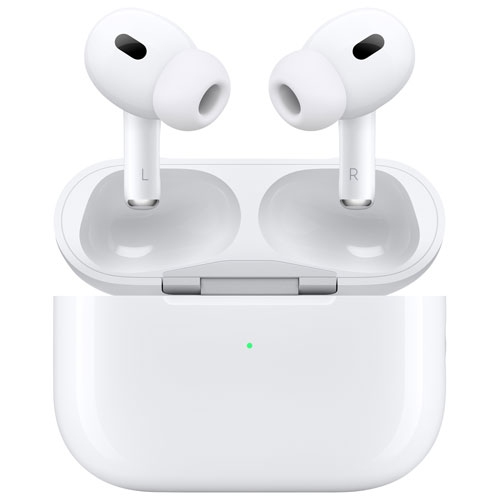 Your price for this item is $349.99
-
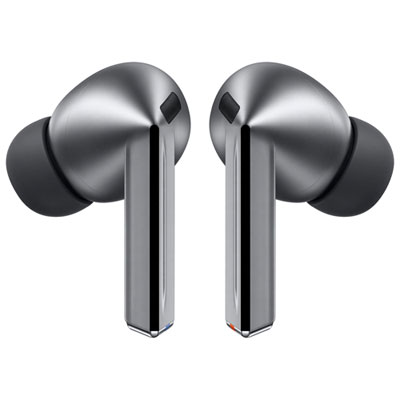 Your price for this item is $329.99
-
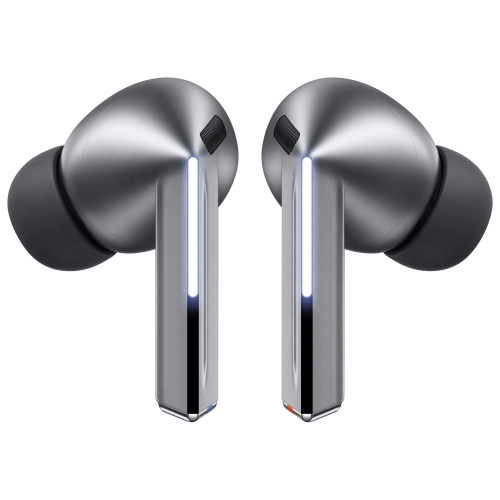 Your price for this item is $229
-
 Your price for this item is $215
-
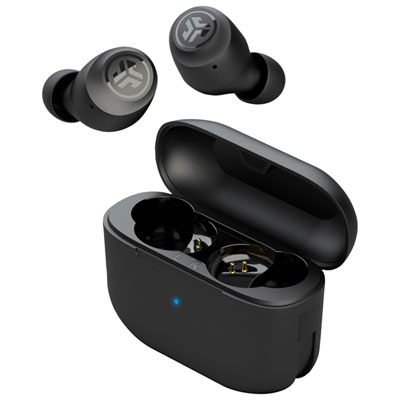 Your price for this item is $34.99
-
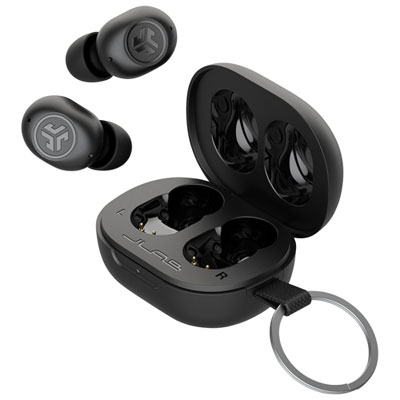 Your price for this item is $59.99
-
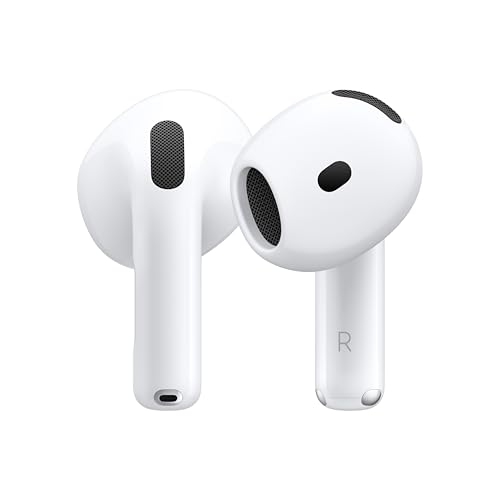 Your price for this item is $189
-
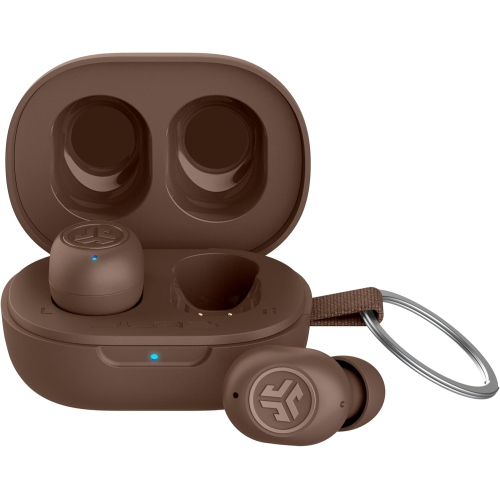 Your price for this item is $89.99
Discover more categories related to Sony WH 1000XM5 On Ear
Top Collections:
Pokemon Centers, Best Cameras for Sports Photography, Kindle Devices, Samsung Galaxy Phones, Canon G7X Cameras, Pokémon 30th Celebration Cards, Refurbished Apple Laptops, iPhone 15 Apple, Laptops for Students, Budget Smartphones
Some products may be subject to Environmental Handling Fees
(EHF) depending on your province.
Learn more about EHFs.