Sound Equipment for Schools
Sound equipment for schools plays a vital role in creating an engaging and effective learning environment. Whether outfitting classrooms, auditoriums, or gymnasiums, the right audio solutions help ensure clear communication and enhance every presentation, performance, or event. Explore a wide selection of sound equipment for schools designed to support both small group activities and large gatherings, making it easier to deliver lessons and announcements with confidence. Find options that fit your school’s needs and help foster a dynamic educational experience.
Sort
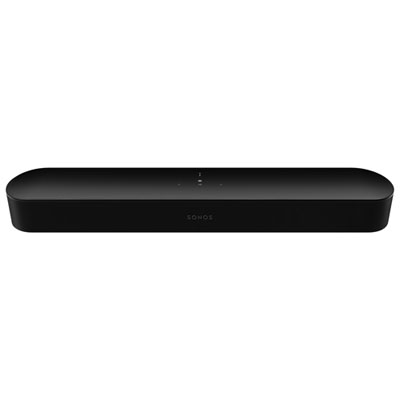
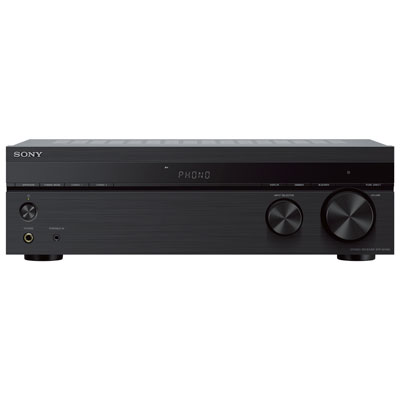
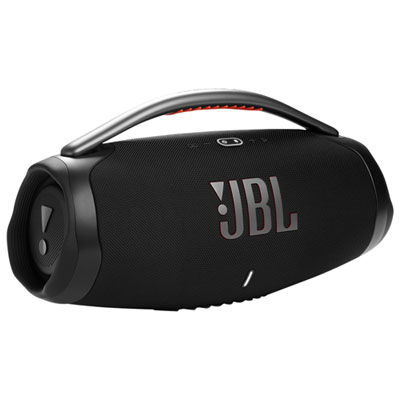
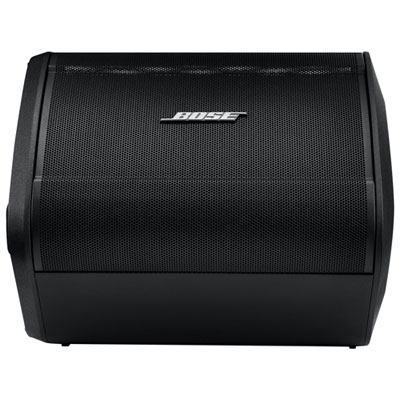
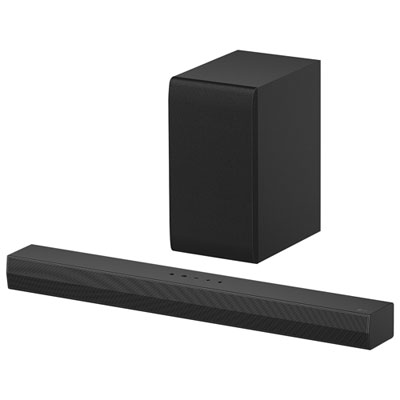

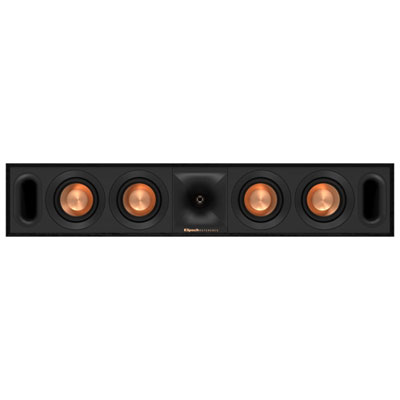
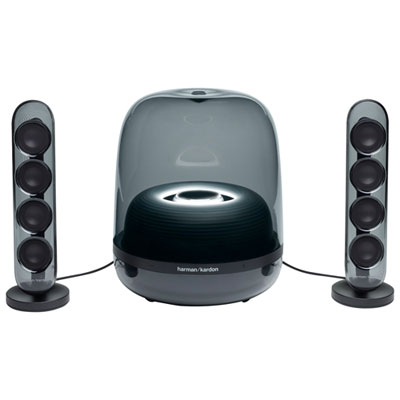


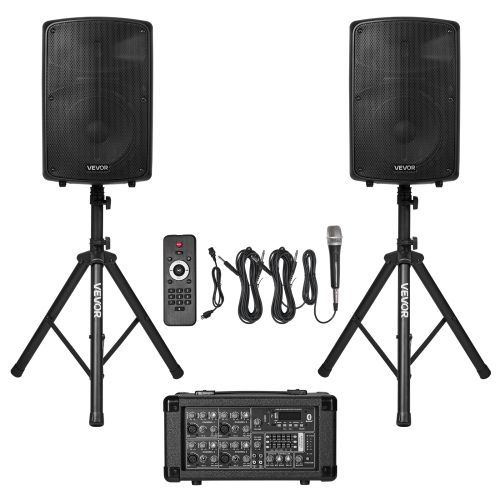


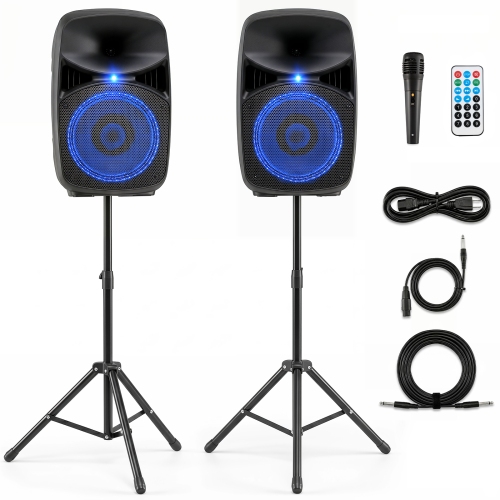
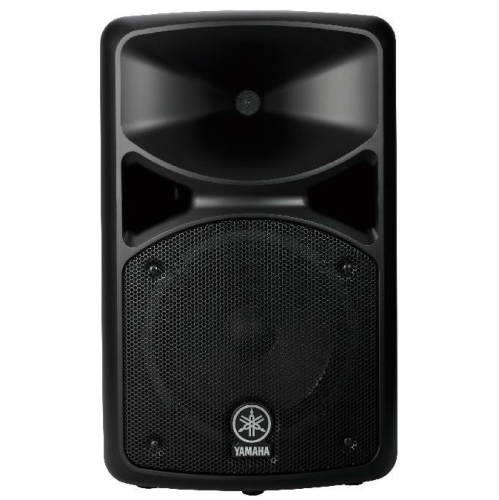
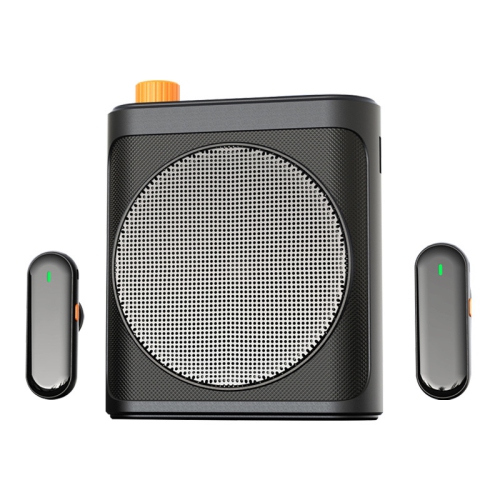

Clearer speech from the front row to the back
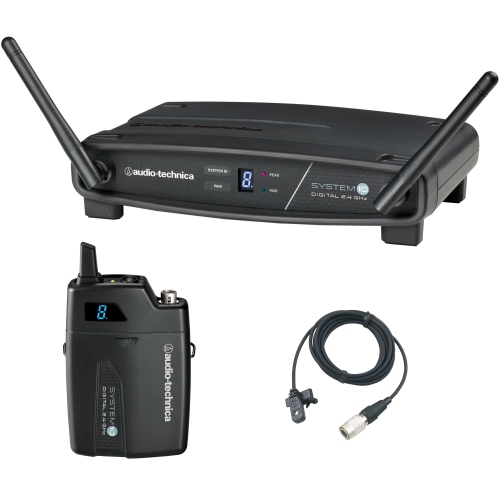
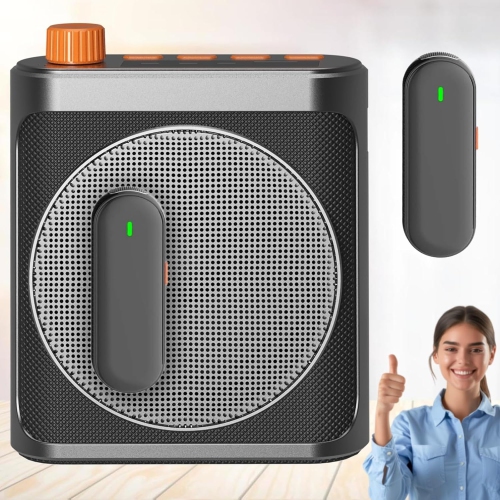
Sound equipment for schools supports clear speech, shared listening, and live performances across classrooms, libraries, gymnasiums, and auditoriums. The most suitable setup depends on the size and layout of the space, the number of listeners, and whether the main use is teaching, playing media, or amplifying music. In a classroom, intelligibility matters more than sheer volume: students at the back should be able to follow a teacher’s explanation without those at the front hearing an uncomfortably loud voice. Classroom audio systems typically combine a microphone, amplification, and speakers positioned to spread sound across the listening area. A lightweight wearable microphone leaves a teacher’s hands free for writing on a board or demonstrating a science activity, while a handheld microphone can suit student presentations and group discussions. Wireless options allow movement between desks, although their range, charging needs, and receiver connections need to suit the room. For spaces dedicated to everyday lessons, Sound Systems for Classroom brings the focus to audio intended for teaching and shared learning. Connections also shape how smoothly equipment fits into the school day. A wired input can provide a straightforward link to a classroom computer, while Bluetooth can support playback from a compatible device when permitted by school policies. Dialogue in a video, pronunciation exercises, and spoken instructions all benefit from balanced sound rather than exaggerated bass. Rooms with hard floors, glass, and bare walls may have noticeable reverberation, so speaker placement and room acoustics influence clarity as much as the equipment itself. Multiple speakers playing at moderate levels can sometimes distribute speech more evenly than a single loud source, depending on the design. For students using assistive listening technology, compatibility should be confirmed with the relevant support team; general room amplification does not replace individualized hearing support. Easy-to-read controls, accessible mute functions, and clearly labelled connections help teachers use the system confidently between lessons.
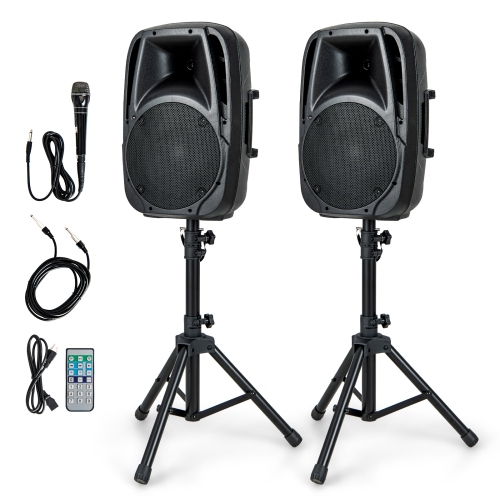
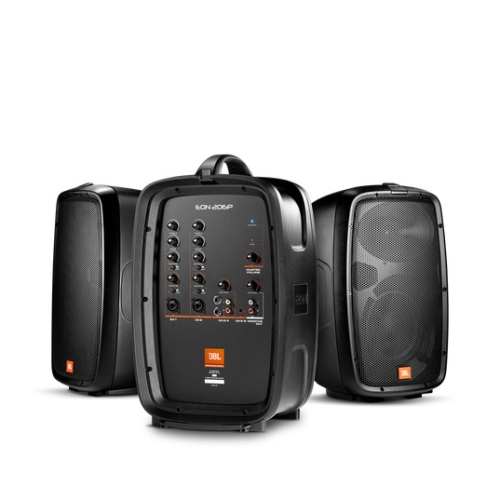
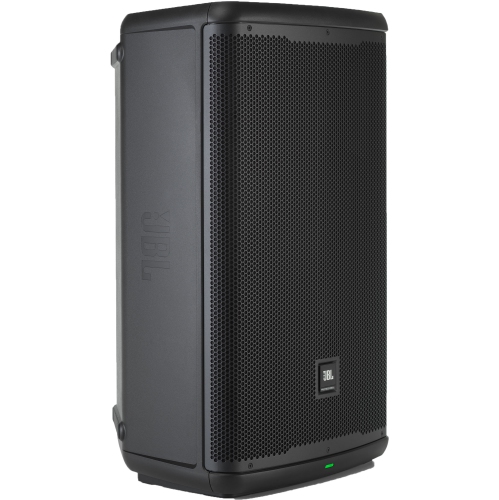
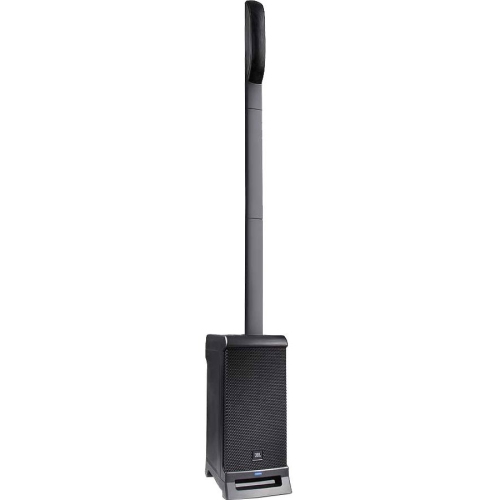
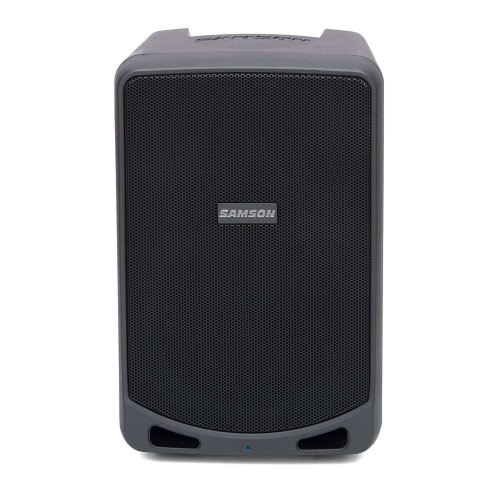
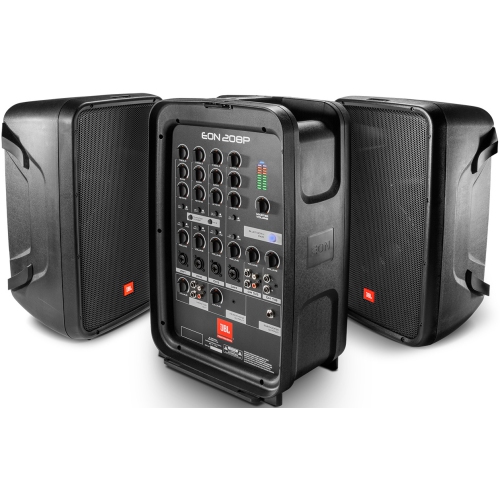
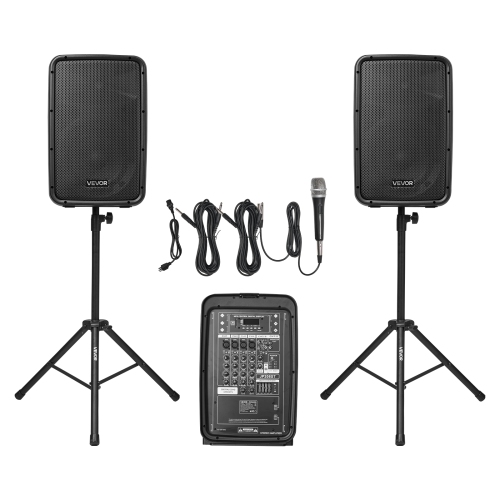
Portable PA systems suit schools where sound equipment moves between assemblies, drama rehearsals, club meetings, and physical education activities. These systems often bring amplification, speakers, and basic mixing controls together in a format that is easier to transport than a permanently installed setup. A compact system may serve a small presentation area, while a larger gathering can require wider coverage, additional speakers, or more microphone inputs. A useful distinction is whether the equipment needs to amplify one speaker at a time or handle several sources together. A principal addressing an assembly has different requirements from a student panel with several microphones and a laptop playing introductory audio. Built-in mixers allow separate volume adjustments for these sources, and clearly marked controls make handovers between staff members less confusing. Battery-powered equipment can reduce dependence on nearby outlets during mobile activities, but expected operating time varies with volume, connected functions, and battery condition. Access to mains power remains valuable for longer events and repeat use throughout the day. Portability also involves more than weight. Recessed handles, sturdy wheels, protective grilles, and well-balanced cabinets can make a difference when equipment travels through corridors or crosses a gym floor. Durable moulded housings and reinforced corners help protect frequently moved components, while padded carry bags or fitted cases limit scuffs during storage and transport. Stands need an appropriate load rating and a stable footprint, with speaker height and positioning planned around seated listeners, sightlines, and busy walkways. Cables routed away from doors and secured with suitable cable protection reduce trip hazards. For shared equipment, labelled cables, organized accessory compartments, and a consistent storage location help keep a quick lunchtime announcement from turning into a search for the correct adapter. Microphone clips, power supplies, and connection leads deserve the same attention as the main components because the complete setup determines how readily the system can be used.
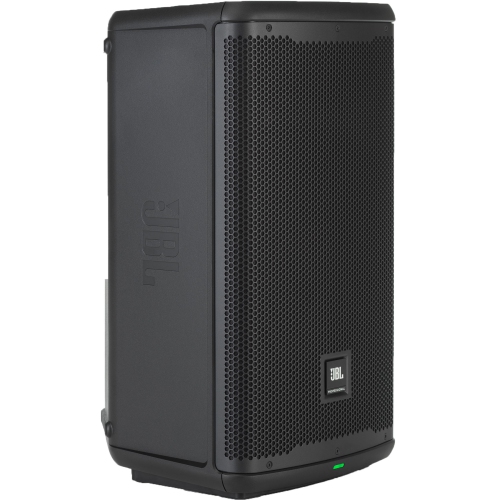
Gymnasiums, auditoriums, and performance spaces place broader demands on school sound systems, especially when speech, singing, instruments, and recorded audio share the same setup. Gym floors and large wall surfaces can reflect sound strongly, making controlled coverage more useful than simply increasing output. Auditoriums may need sound directed towards seating while keeping stage microphones away from the main speaker coverage to reduce feedback. Powered speakers contain their own amplification, whereas passive speakers require a separate, appropriately matched amplifier; the choice affects cabling, power access, and how the system is expanded or serviced. Advertised wattage alone does not describe how clearly a system will cover a room. Speaker sensitivity, output capability, dispersion, placement, and listening distance also matter. Mixing equipment becomes more important as events grow more complex, allowing staff or trained student operators to balance microphones, instruments, and playback sources independently. Equalization can help shape tonal balance, but it cannot fully correct difficult room acoustics or poor microphone technique. A microphone held consistently near the speaker’s mouth generally captures speech more effectively than one held at waist level, and stage monitors need careful positioning to avoid feeding amplified sound back into open microphones. School theatre productions and music presentations may also call for several wireless channels, making compatible frequency operation and coordination important. Equipment intended for installed use needs suitable mounting hardware and professional assessment where structural attachment or electrical work is involved. Across both fixed and portable setups, long service life depends on sensible handling and routine care. Protective grilles should remain unobstructed, ventilation openings need clearance, and connectors should not bear the weight of hanging cables. Shared microphones can be cleaned according to the manufacturer’s directions, with suitable care for removable windscreens and delicate capsules. Dry, secure storage, inspection of worn cables, and an organized charging routine help keep equipment ready for the next lesson or performance. Controls that are straightforward enough for everyday staff use, alongside the flexibility needed by music teachers and event teams, make school audio equipment a practical part of learning and school life.
Top selling and popular products
-
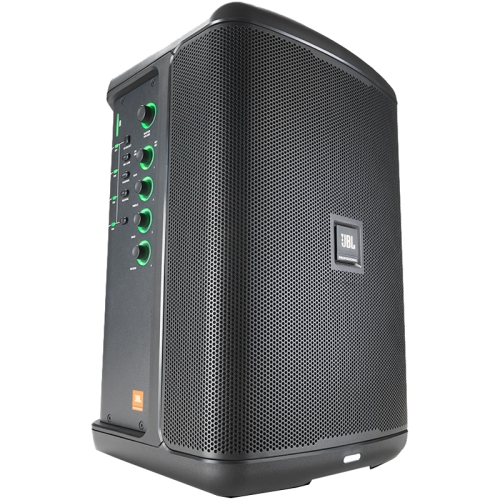 Your price for this item is $999.99
-
 Your price for this item is $1049.99
-
 Your price for this item is $2099.99
-
 Your price for this item is $519.99
-
 Your price for this item is $899.99
-
 Your price for this item is $799.99
-
 Your price for this item is $1649.99
-
 Your price for this item is $359.9
Discover more categories related to Sound Equipment for Schools

Top Collections:
Pokemon Centers, Best Cameras for Sports Photography, Kindle Devices, Samsung Galaxy Phones, Canon G7X Cameras, Pokémon 30th Celebration Cards, Refurbished Apple Laptops, iPhone 15 Apple, Laptops for Students, Budget Smartphones
Some products may be subject to Environmental Handling Fees
(EHF) depending on your province.
Learn more about EHFs.