Speakers for Vinyl Player
If you're a vinyl fan, you know that the sound quality of your records can vary greatly depending on the playback equipment. Speakers are one of the most important components in a record player setup, and there are many options available to suit any budget or style. Here are some of the best speakers for your vinyl player.
Sort
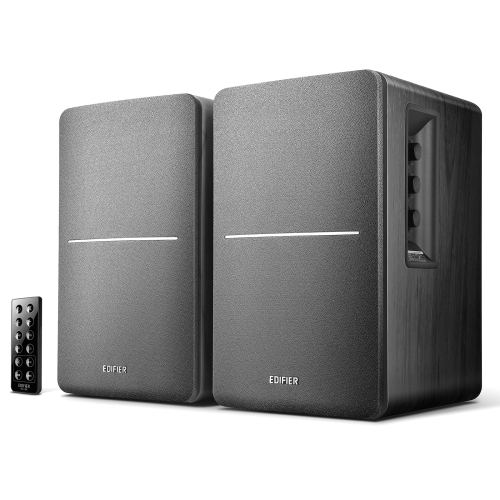
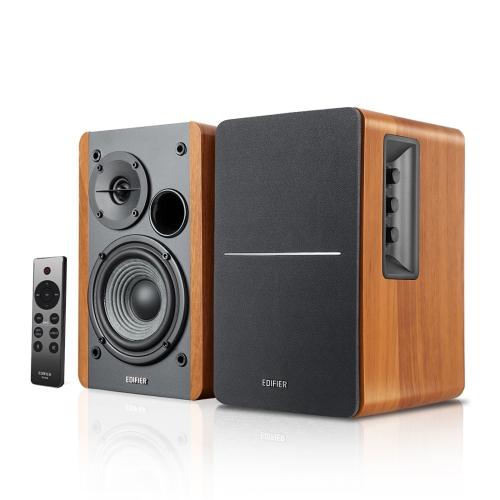
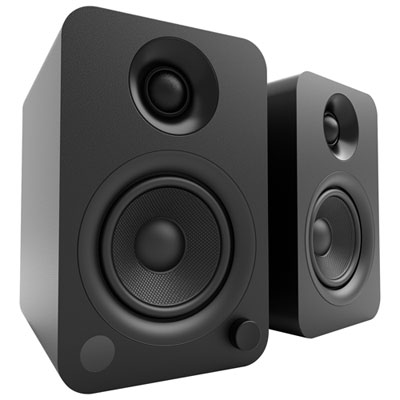
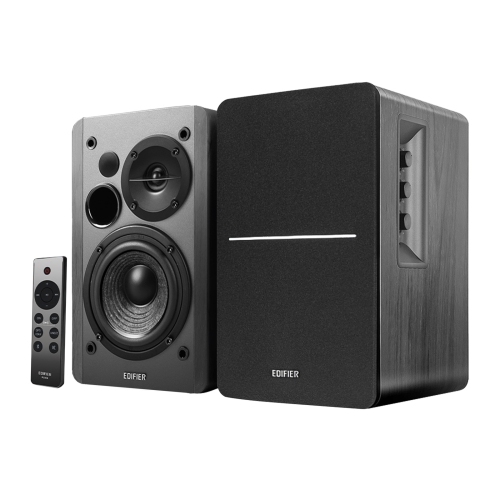
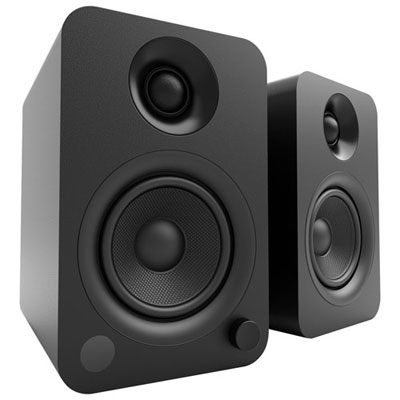
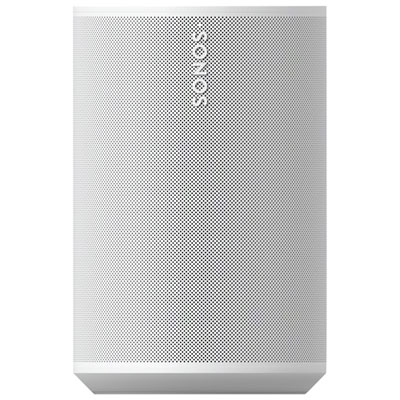
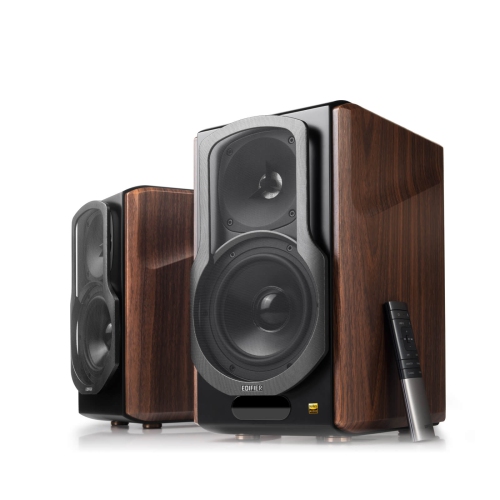

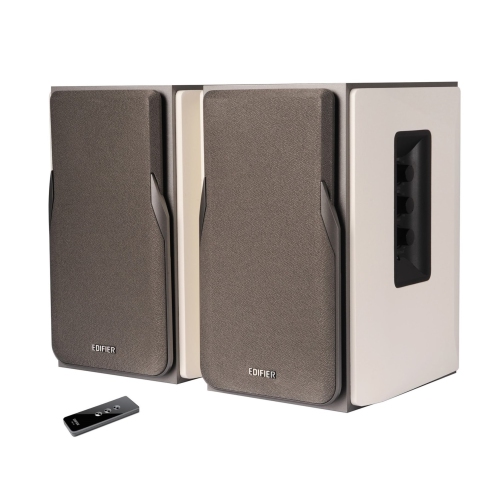
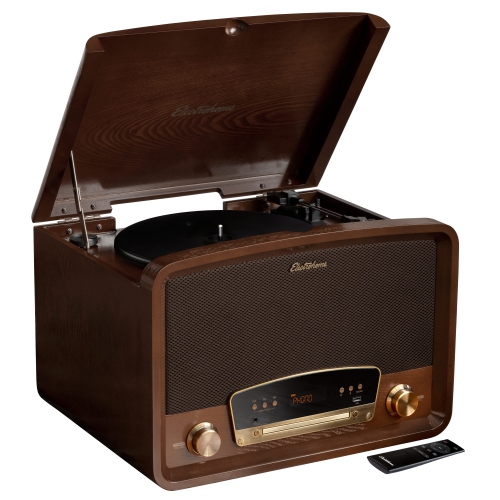
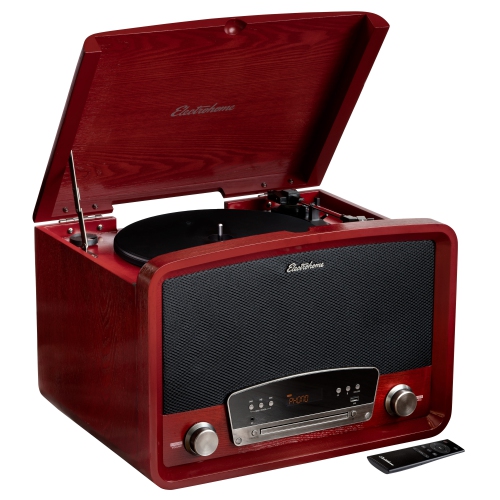
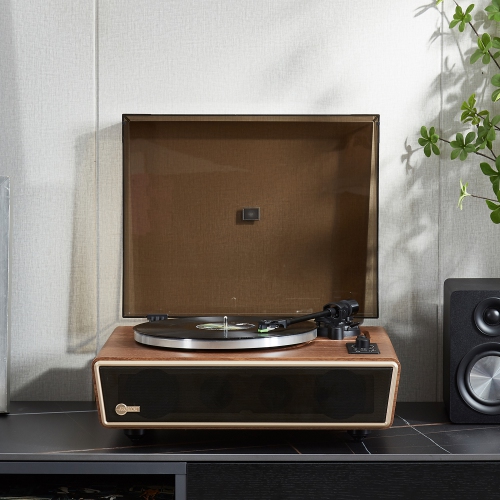
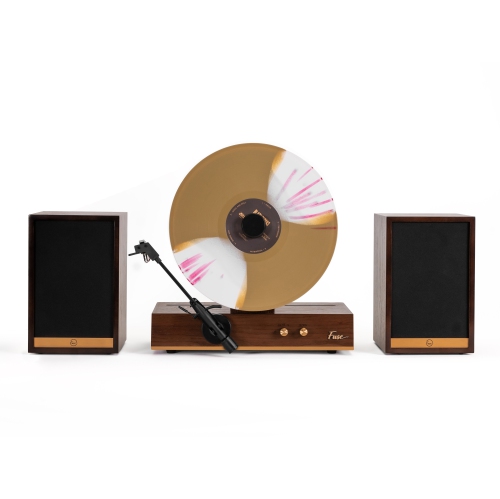
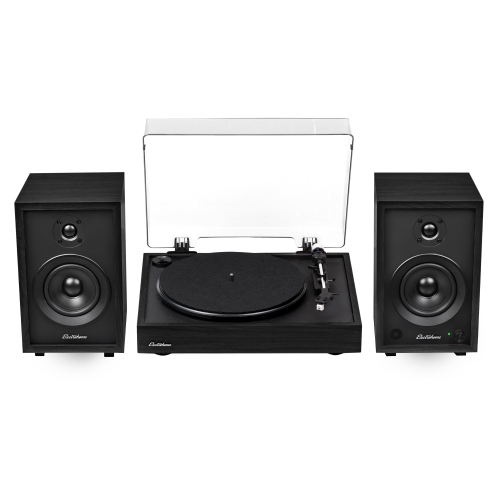
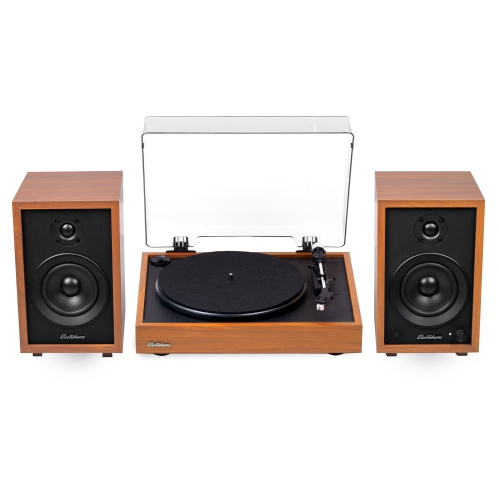
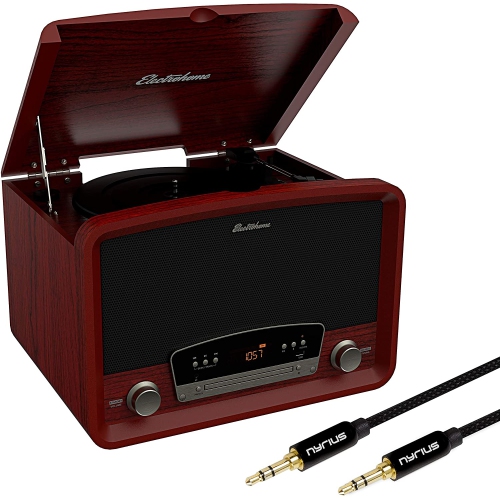
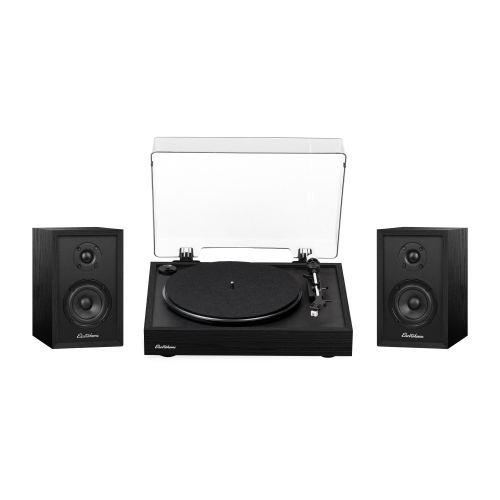


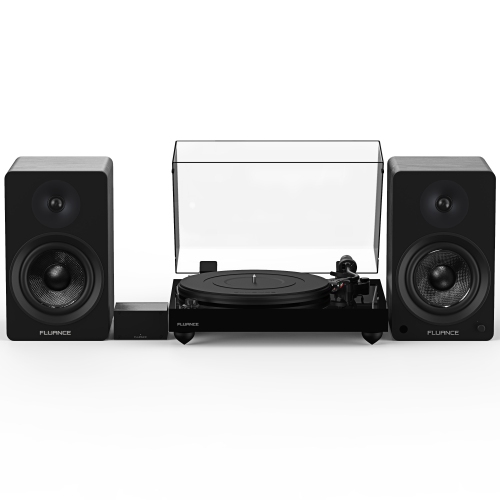
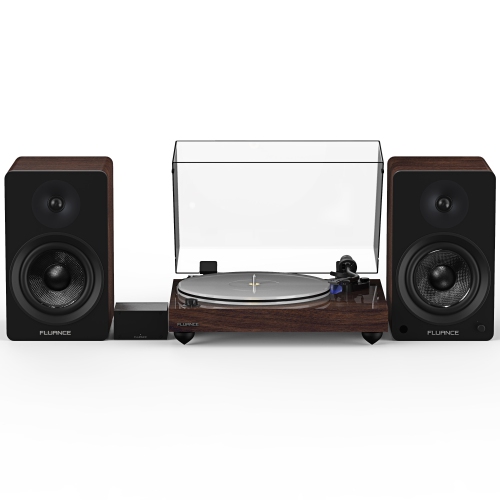
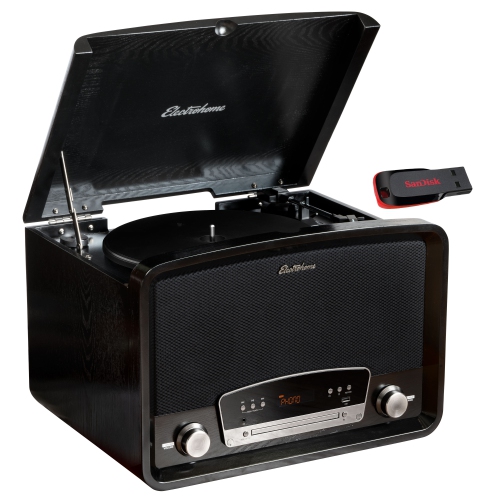
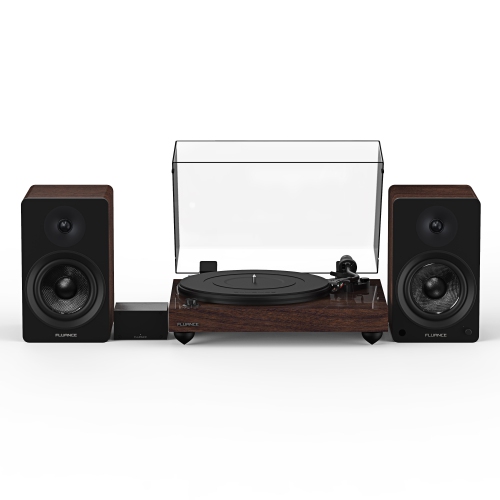
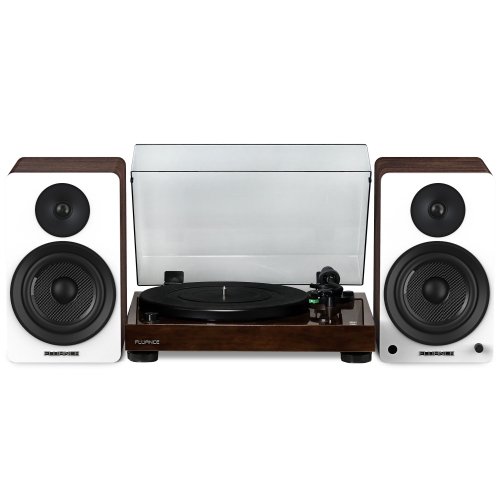
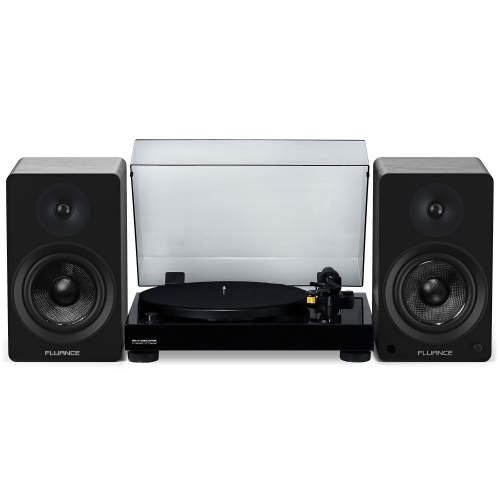
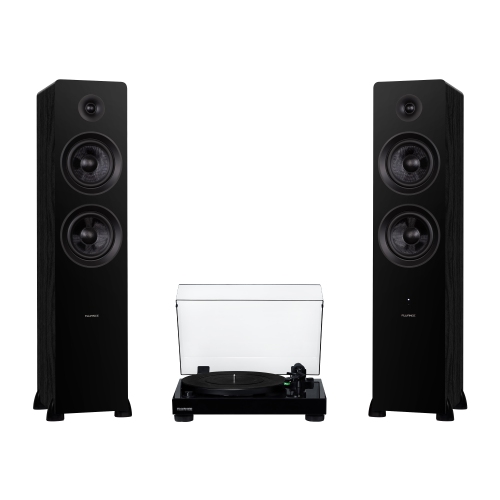
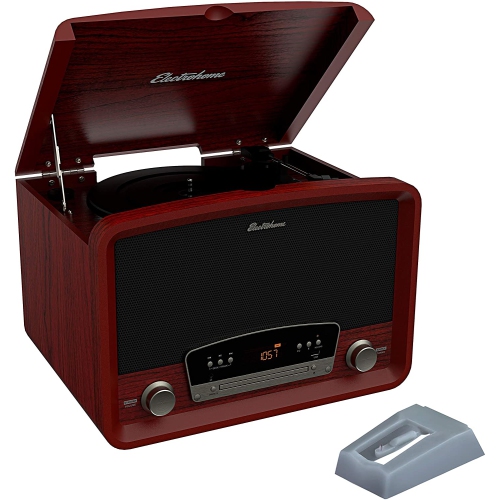
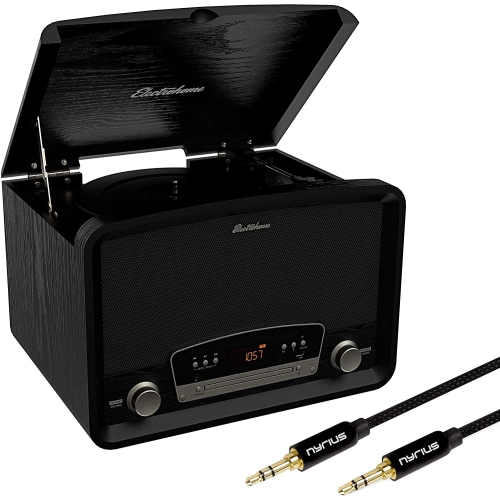

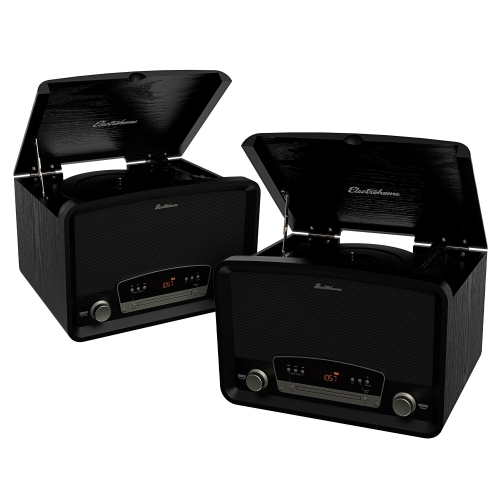
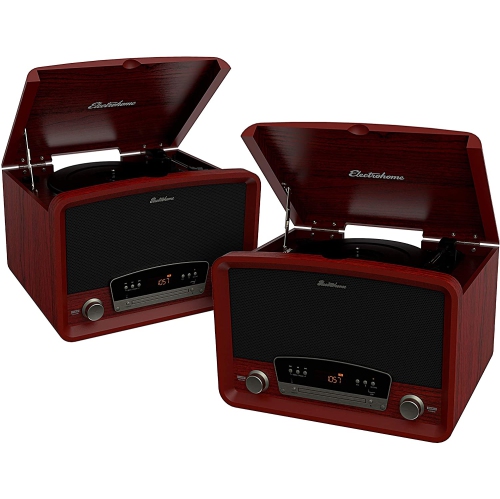
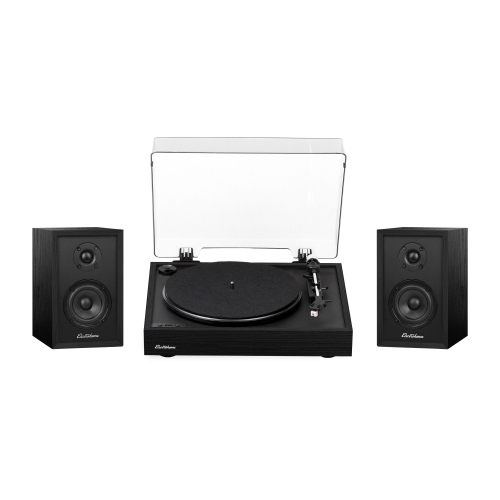
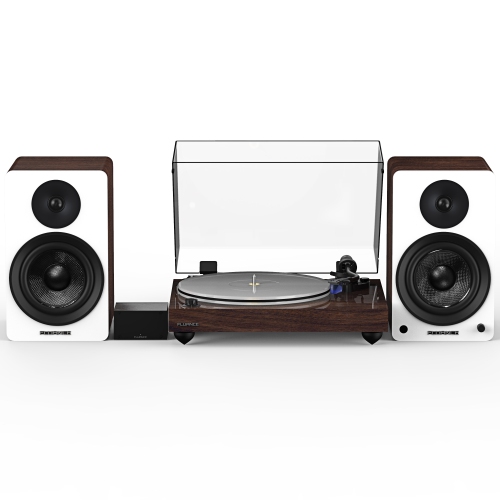
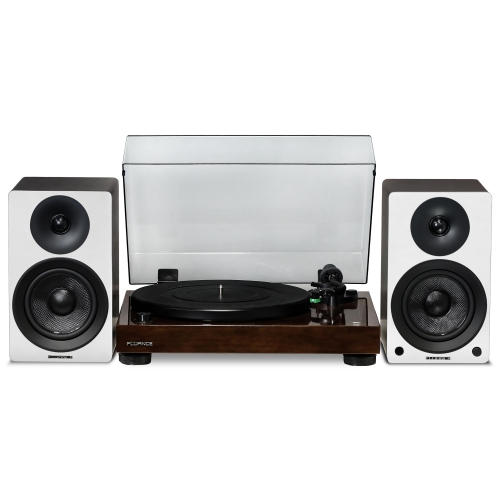
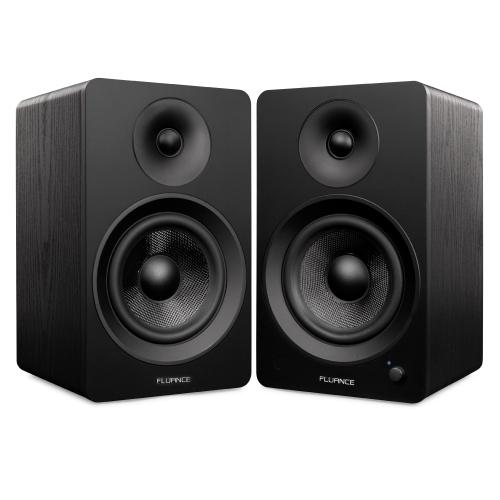
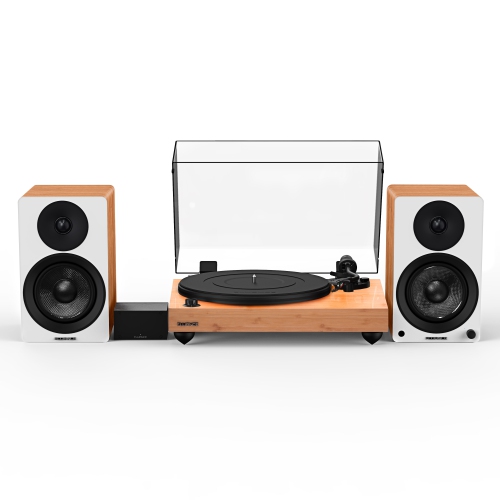
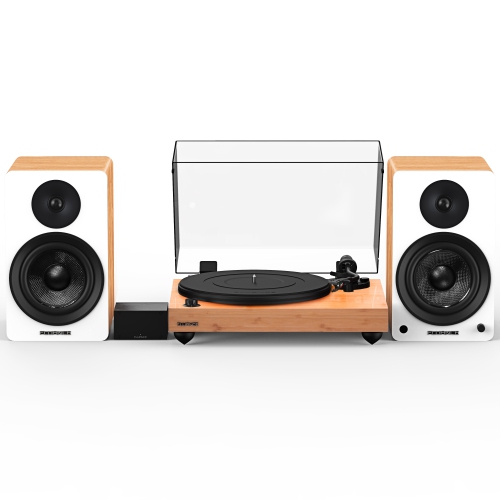
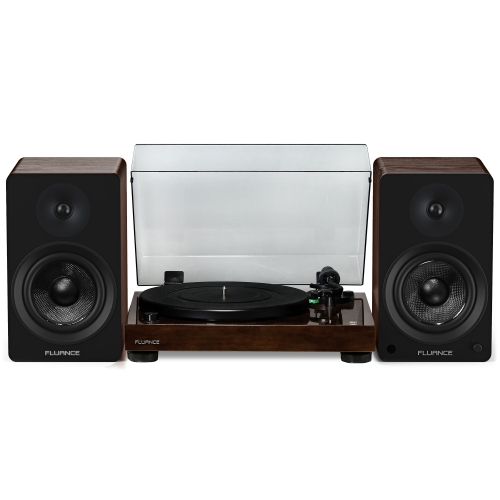
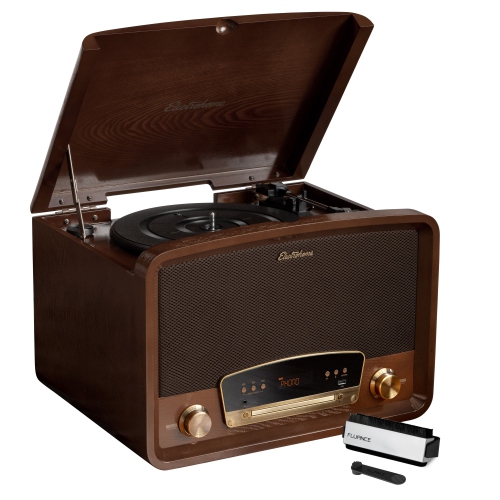
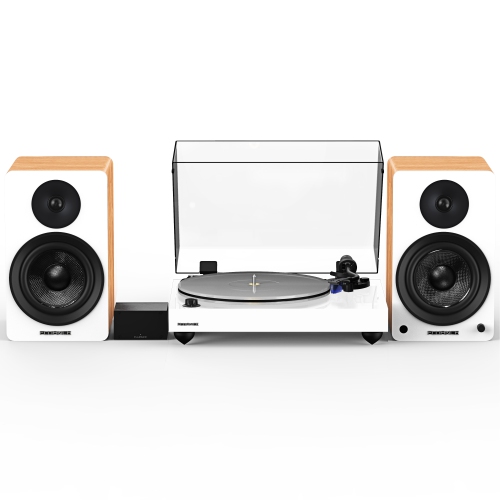
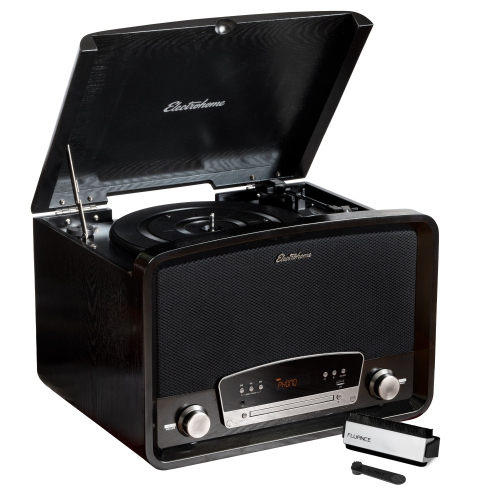

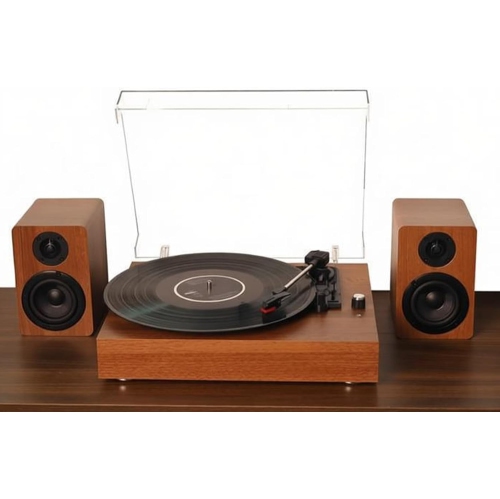
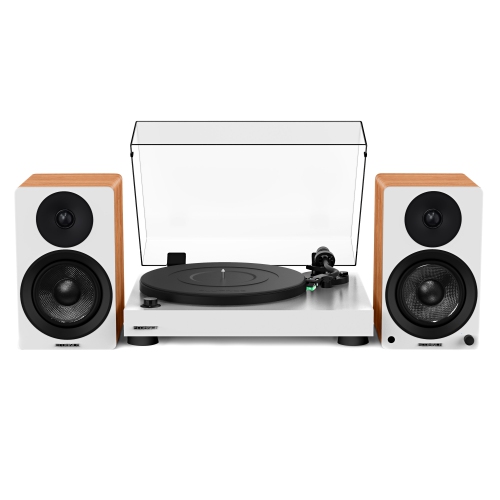
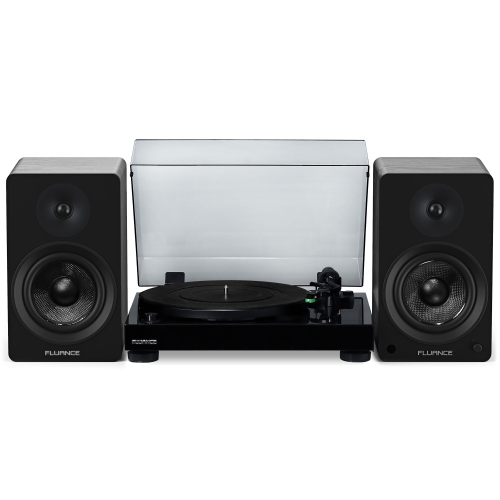
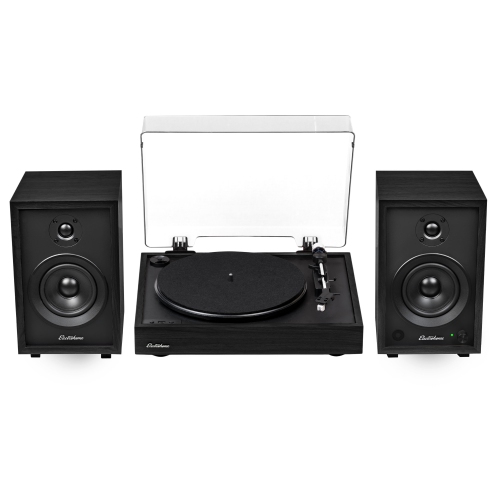

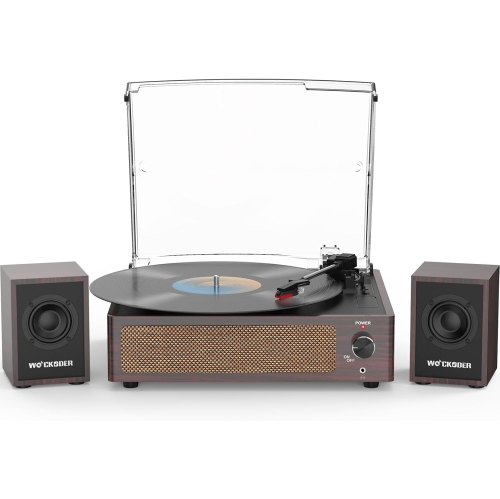
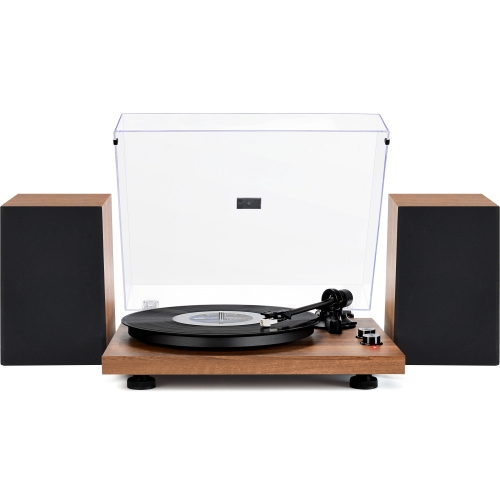
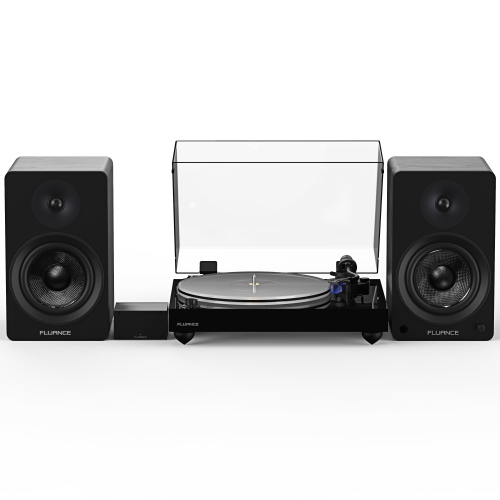
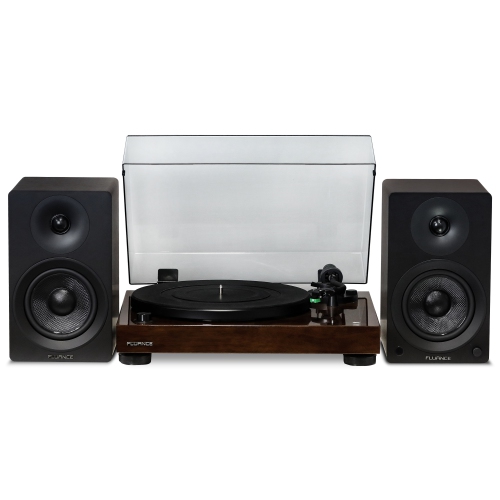
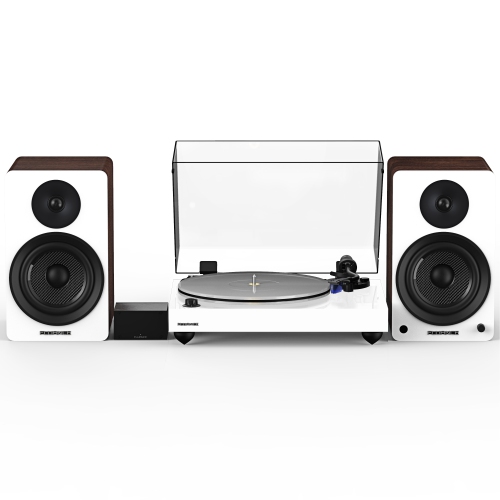
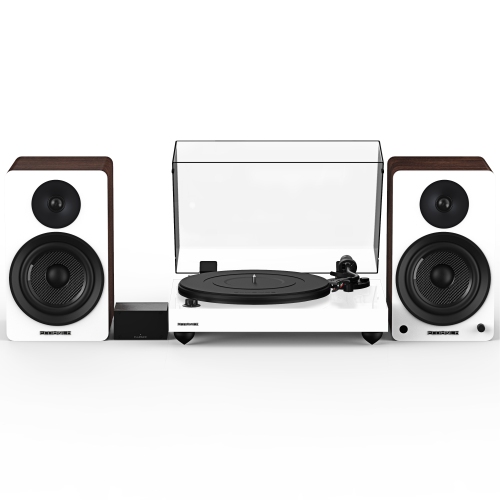
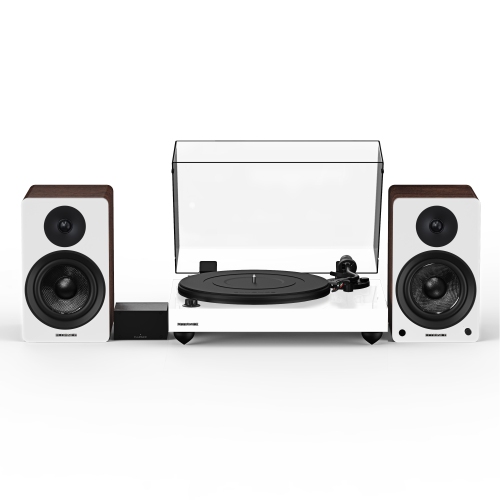
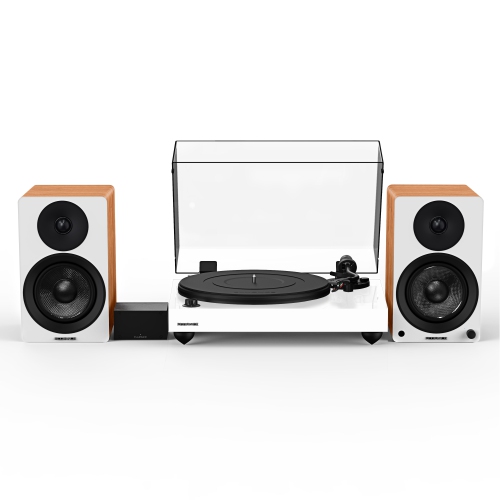
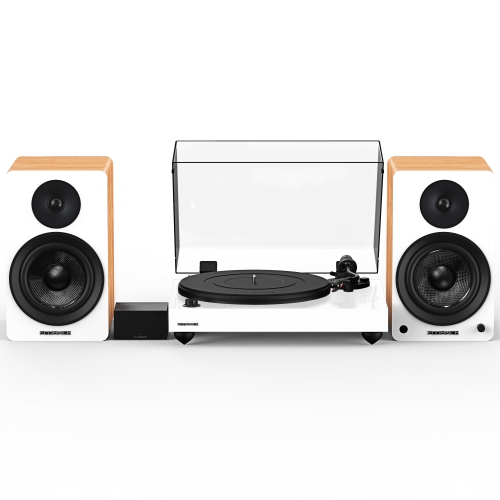
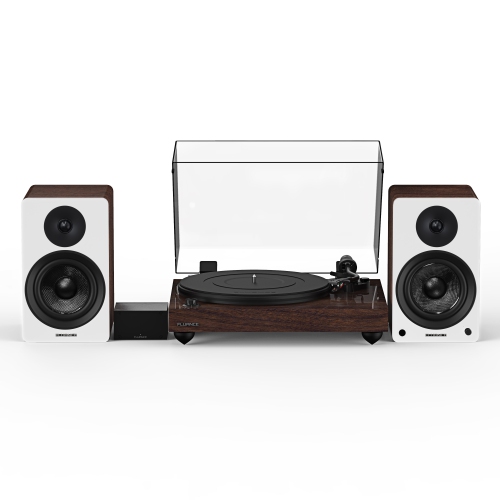
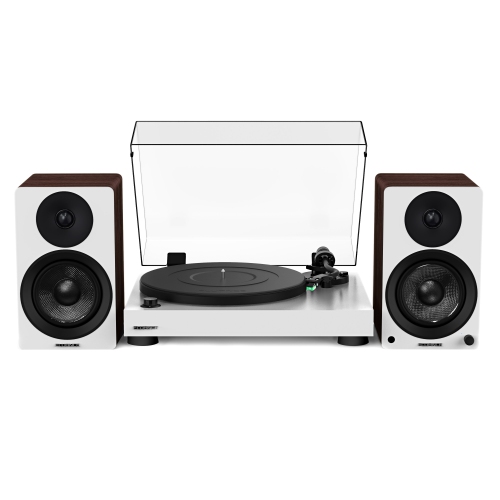
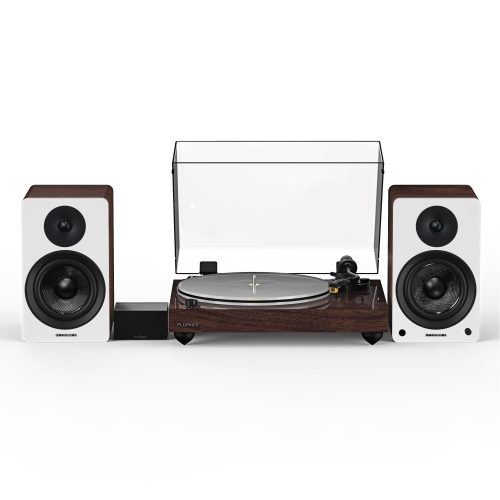
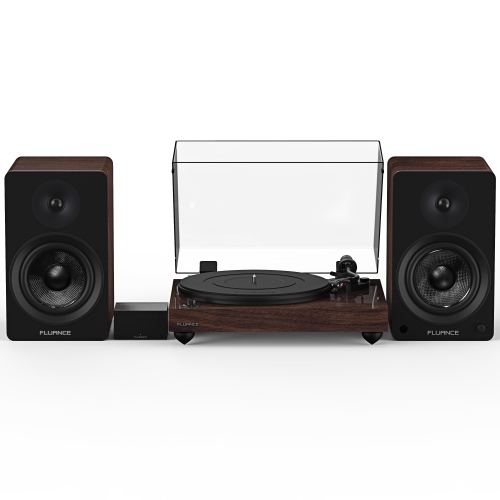
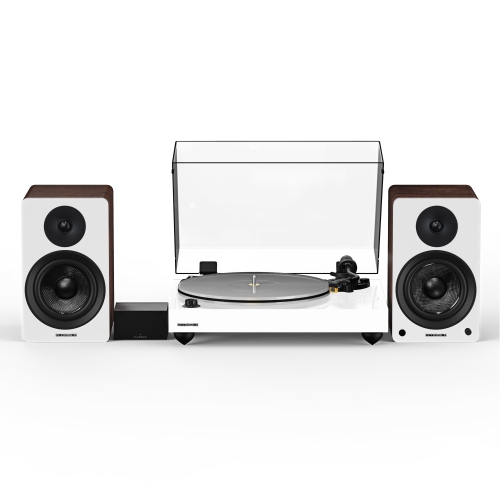
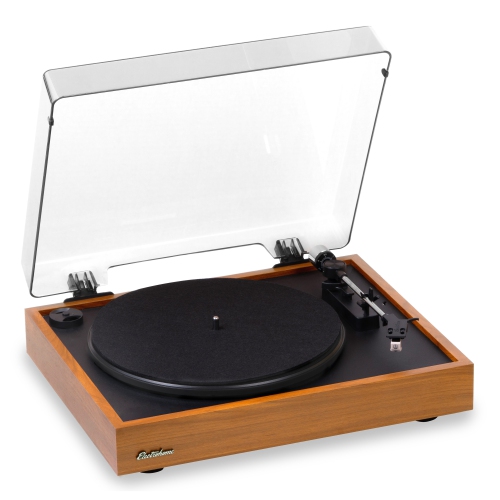
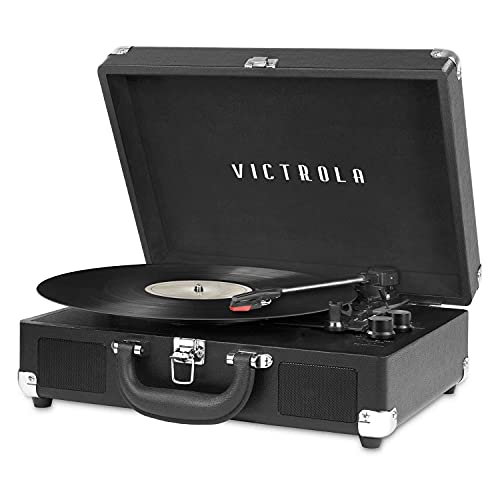

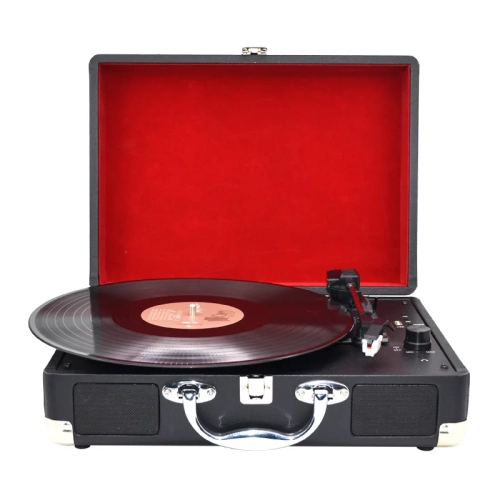
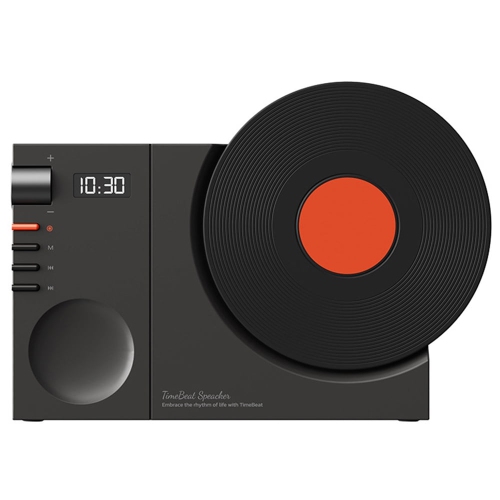
Better vinyl sound starts with the right connections
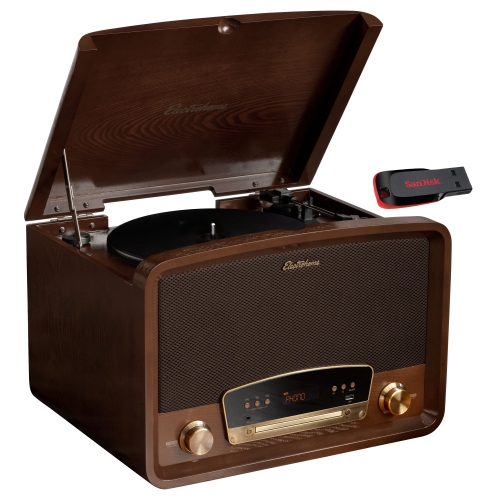
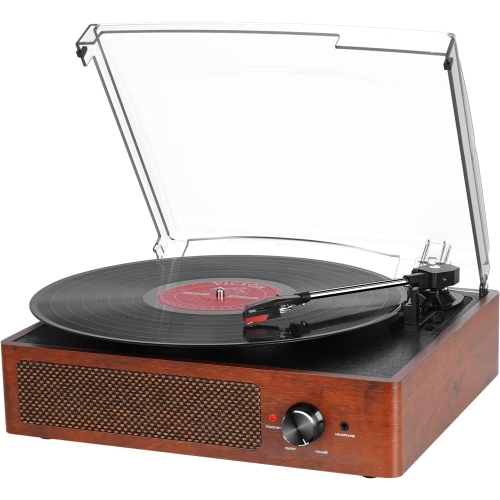
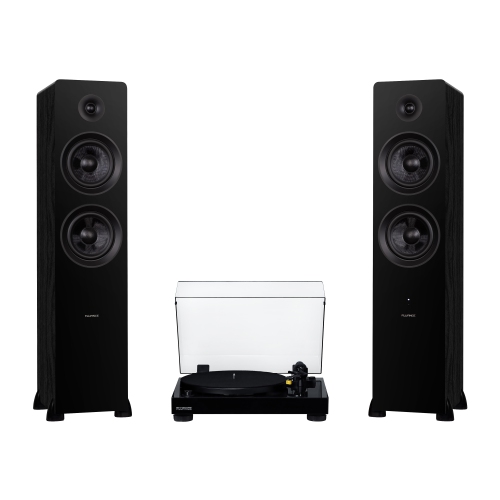
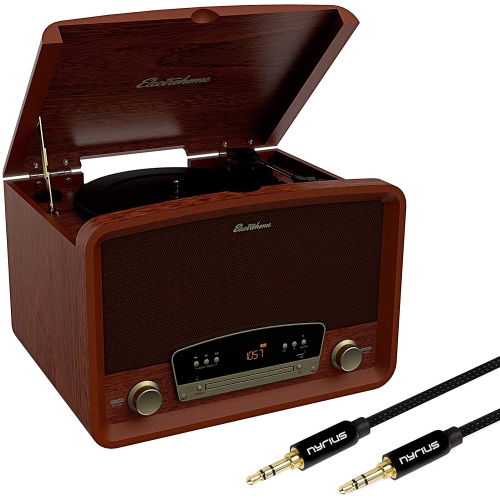
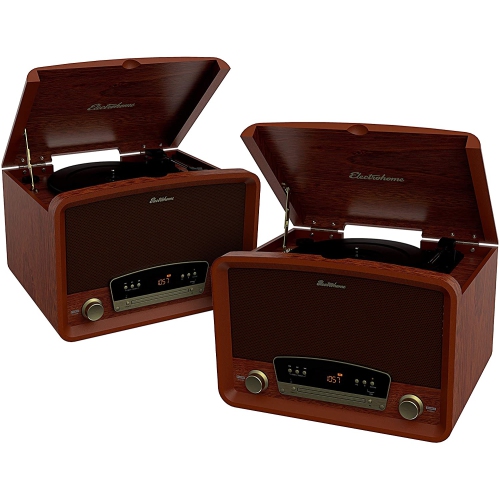
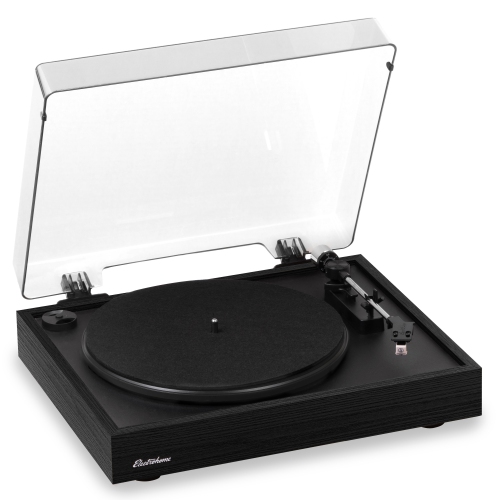
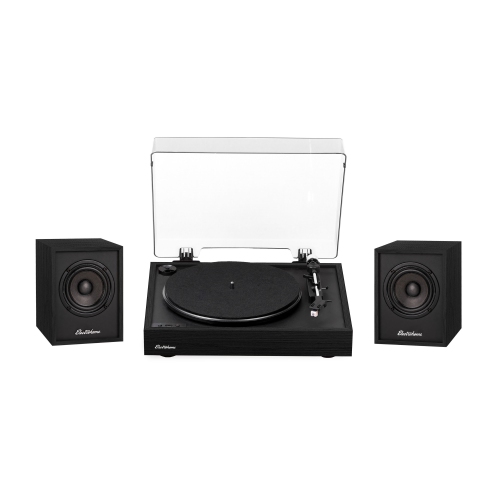
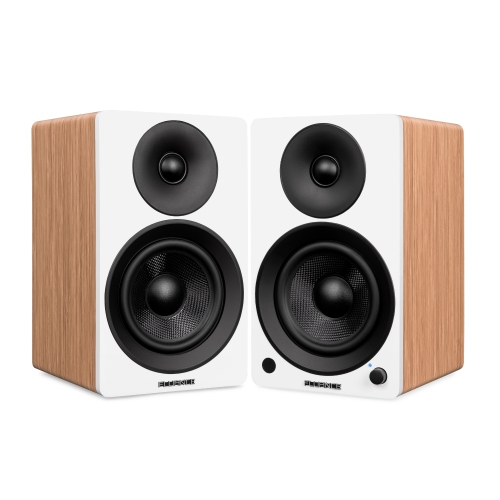
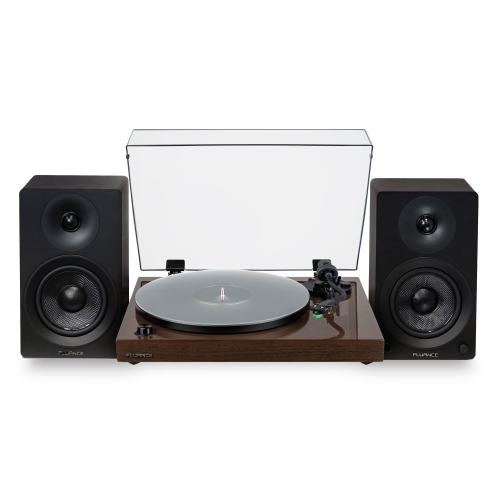
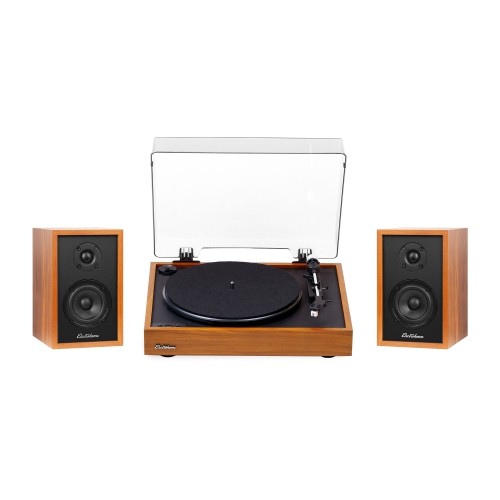
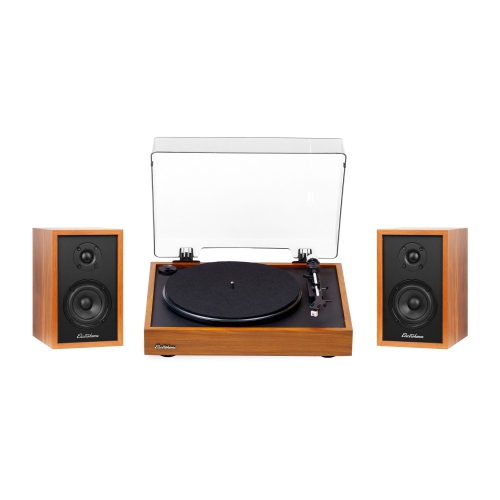
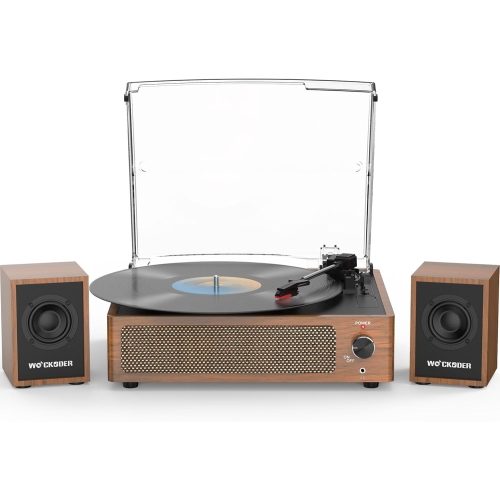
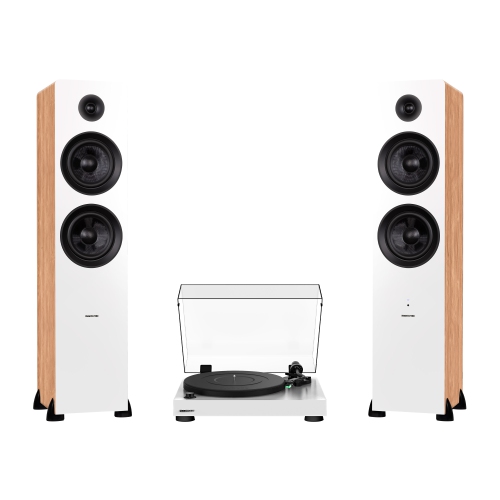
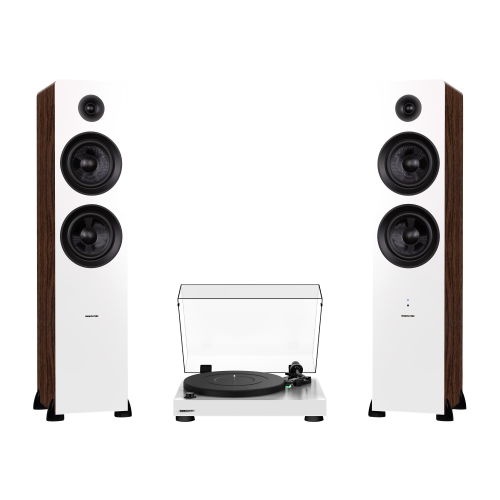
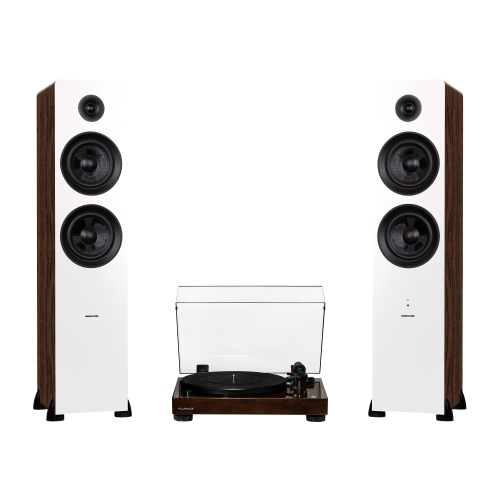
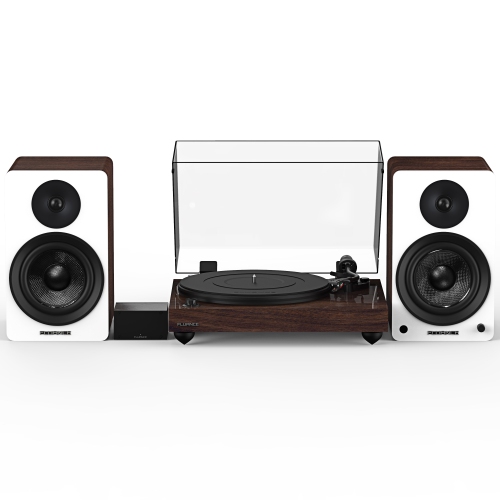
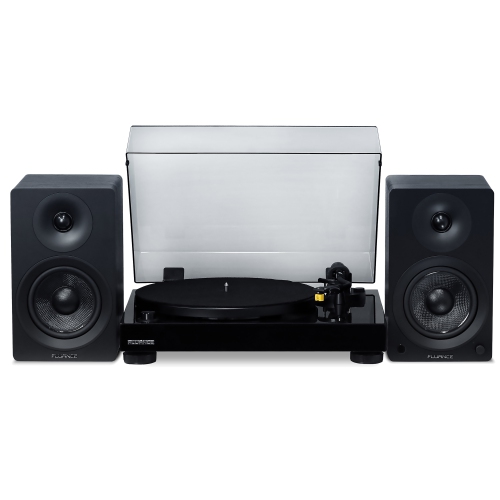
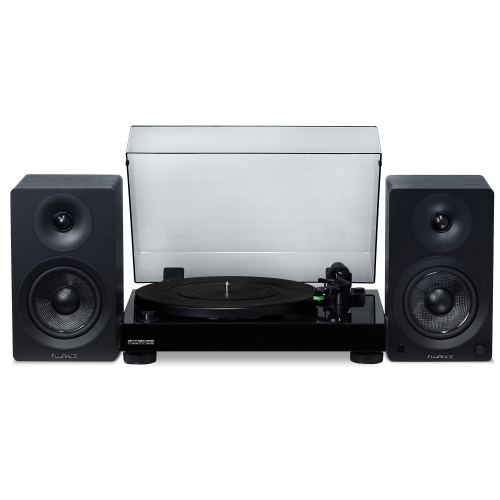
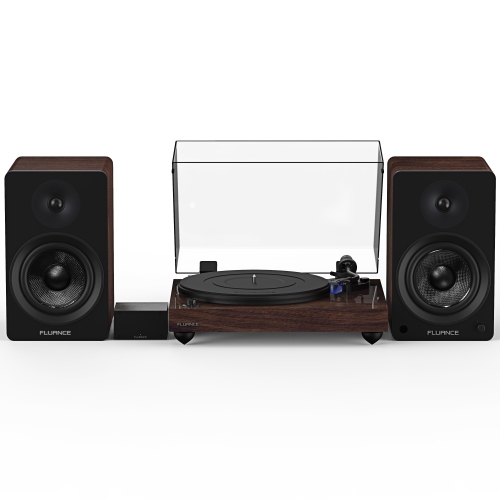
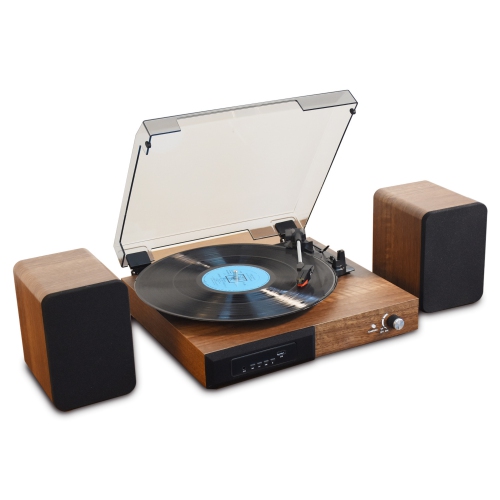
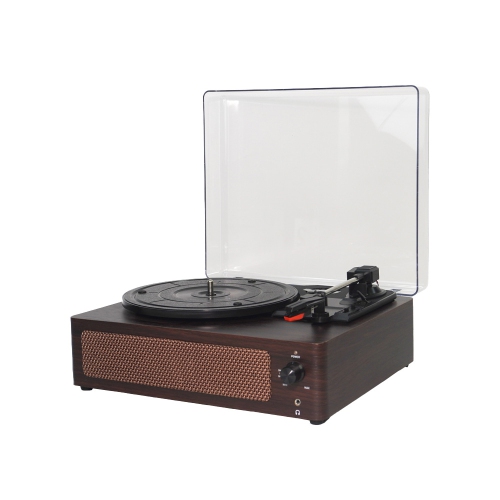
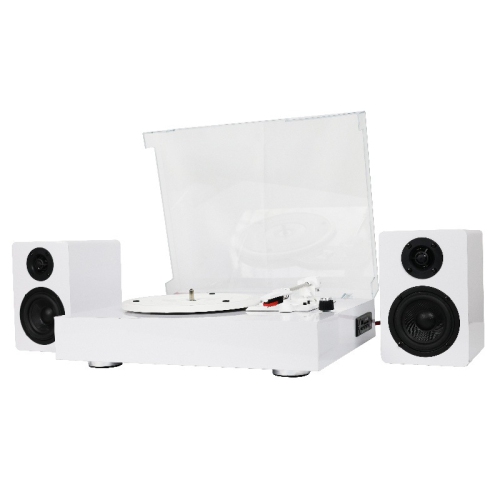
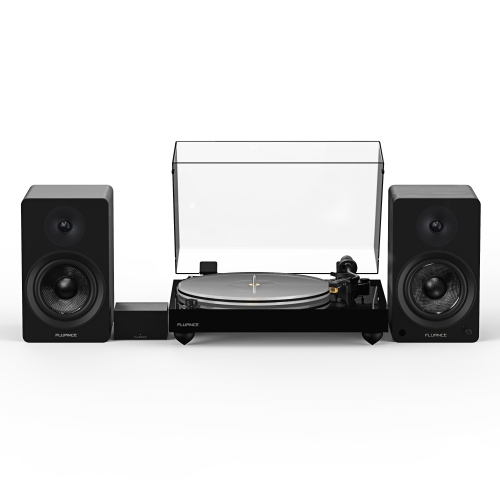
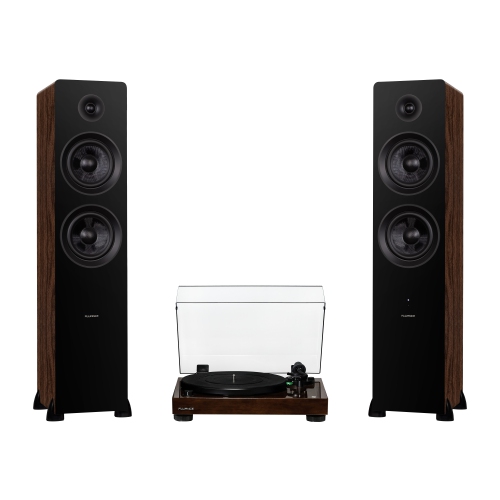
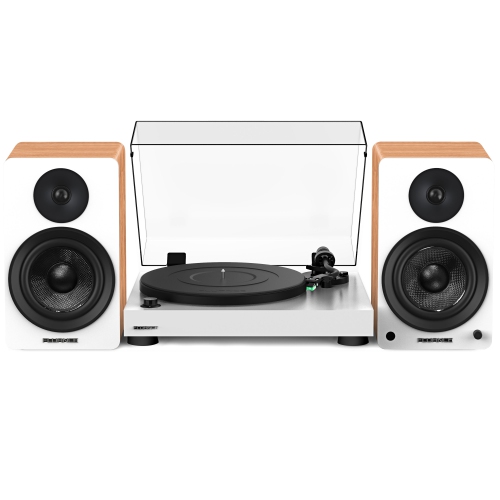
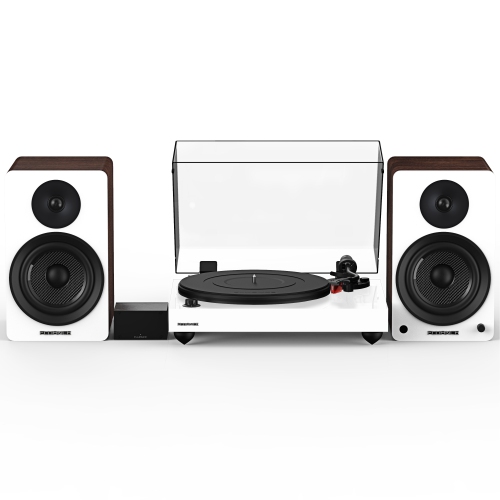
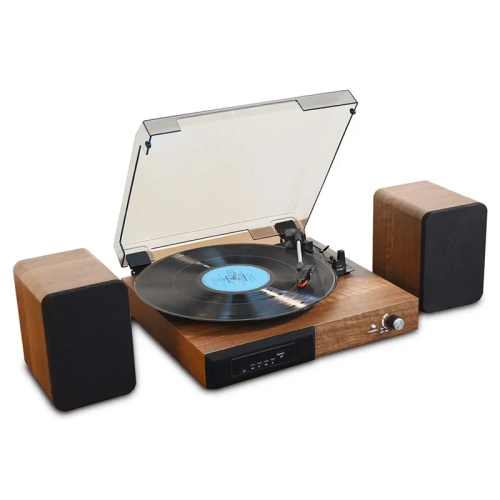
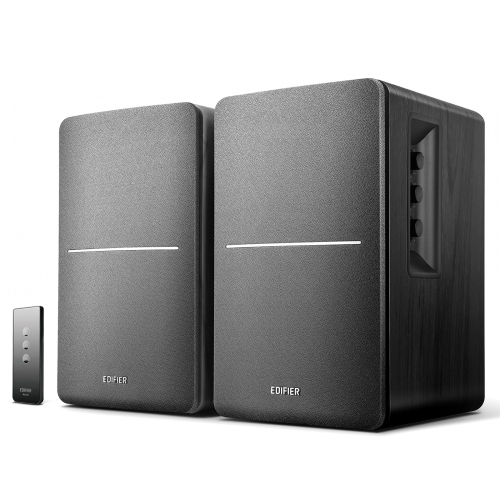
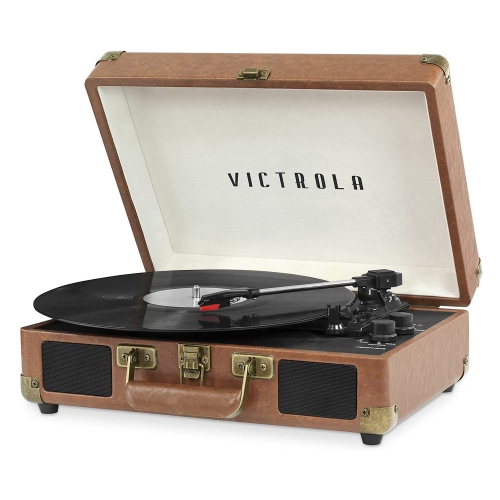
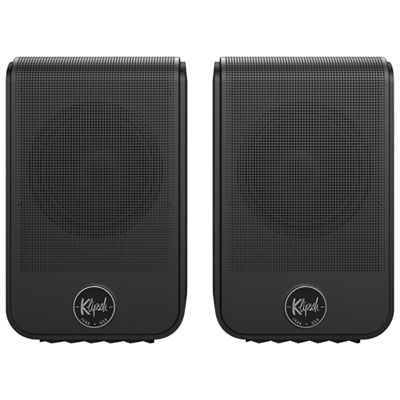
Speakers for a vinyl player bring the sound of a turntable into the room, giving vocals, instruments, and bass the space to feel distinct rather than crowded together. A separate pair of stereo speakers can make a familiar album more engaging, whether the appeal is the texture of an acoustic guitar, the weight of a kick drum, or the sense of musicians spread across a stage. Powered speakers are often a straightforward match for a record player because they include amplification and do not require a separate stereo amplifier or receiver. Passive speakers need an external amplifier or receiver, making them a natural fit for an existing hi-fi system or a setup intended to grow over time. With either type, the phono stage matters as much as the speaker connection. A turntable cartridge produces a low-level signal that needs a phono preamp to raise it to line level and apply the equalization required for vinyl playback. That preamp may be built into the turntable, included in an amplifier or a compatible pair of powered speakers, or supplied as a separate component. A standard RCA input on powered speakers does not necessarily include a phono preamp; an input specifically labelled “phono” is the important distinction. A turntable with a built-in preamp switched to its line setting can connect to a suitable line-level input, while a turntable without one needs a compatible phono stage somewhere before amplification. Cartridge compatibility also matters, particularly with moving-coil cartridges, which may require different support from the more common moving-magnet type. Getting these connections matched helps avoid unusually quiet playback, thin sound, or distortion. For a first listening setup, powered bookshelf speakers with suitable inputs can keep the arrangement simple and compact. For an established system, passive bookshelf or floor-standing speakers offer another route to a satisfying stereo presentation. Shoppers comparing separate speakers with a complete turntable arrangement can also explore best vinyl players with speakers.
The right speaker size depends on the room, the listening distance, and how the system will be used. Compact bookshelf speakers suit a bedroom, study, or smaller living room where the listening seat is relatively close. Despite their name, they often sound clearer on stable stands or a sturdy surface with some breathing room than tucked tightly between books. Larger bookshelf speakers and floor-standing designs can offer greater scale and fuller bass, although cabinet size alone does not determine sound quality. In an open living area, the ability to play cleanly across a wider space may matter more than a small footprint. In an apartment, balanced sound at lower volumes can be more useful than maximum output. Amplifier wattage is only part of that picture: speaker sensitivity, listening distance, and room acoustics also affect how loudly and comfortably a system plays. For passive speakers, the amplifier should support the speakers’ impedance and provide suitable power within the manufacturers’ recommendations. Sound character deserves attention as well. Clear midrange helps voices and guitars retain their presence, controlled bass gives rhythm without overwhelming the room, and smooth treble keeps cymbals and strings detailed without becoming tiring. A stereo pair placed at roughly equal distances from the main listening position can create a convincing centre image, with a singer appearing between the cabinets rather than coming from one side. Tweeters positioned near seated ear level often help preserve clarity. Placement away from corners may reduce boomy bass, while the clearance needed behind a speaker depends on its design and the manufacturer’s guidance. Keeping speakers off the same surface as the turntable can also limit vibration reaching the stylus, especially during bass-heavy passages. A solid turntable support and separate speaker stands are useful when a living-room cabinet seems to vibrate along with the music. For listeners who want deeper low frequencies, speakers or an amplifier with a compatible subwoofer output leave room for an added subwoofer, without making one essential for enjoyable vinyl playback.
Connections, construction, and everyday handling help determine how comfortably speakers fit into a vinyl listening routine. A wired RCA connection is a common way to carry a turntable’s line-level signal to powered speakers or an amplifier. A fully analogue signal path is possible when the connected components support it, though some powered speakers process their inputs digitally. Bluetooth can be convenient when both the turntable and speakers support compatible wireless transmission and reception, but it converts the audio for wireless playback and may introduce compression. Bluetooth-equipped speakers do not automatically accept a wireless signal from every turntable, and they generally still need power cables; some stereo pairs also require a cable between the cabinets. Other inputs can make a speaker system useful beyond vinyl, allowing compatible equipment such as a television or computer to share the same pair. For a shared living room, accessible volume controls, a remote, and clearly labelled inputs can make the difference between a system used daily and one that feels awkward to operate. Cabinet materials and finishes influence both appearance and durability. Many speakers use engineered wood cabinets designed to provide rigidity and limit unwanted resonance, with finishes ranging from wood veneer to easy-to-wipe laminates. Well-fitted grilles offer a modest barrier against accidental contact, although delicate cones and tweeters still need protection from curious fingers and pets. Stable stands, secure cable routing, and enough ventilation around powered components help keep the setup tidy and practical. Care is usually simple: a soft, dry cloth for cabinets, gentle dusting around controls, and no direct spray onto drivers, ports, or connections. Strong sunlight, damp areas, and nearby heat sources can damage finishes or components over time. These details matter in a dedicated listening corner as much as in a busy family room. Speakers can also be a thoughtful gift for someone building a record collection, provided their turntable connections, available space, and existing amplifier are known. A well-matched pair supports everything from quiet evening listening during the cooler months to sharing favourite albums with friends, making the ritual of lowering the stylus feel comfortably at home.
The right speaker size depends on the room, the listening distance, and how the system will be used. Compact bookshelf speakers suit a bedroom, study, or smaller living room where the listening seat is relatively close. Despite their name, they often sound clearer on stable stands or a sturdy surface with some breathing room than tucked tightly between books. Larger bookshelf speakers and floor-standing designs can offer greater scale and fuller bass, although cabinet size alone does not determine sound quality. In an open living area, the ability to play cleanly across a wider space may matter more than a small footprint. In an apartment, balanced sound at lower volumes can be more useful than maximum output. Amplifier wattage is only part of that picture: speaker sensitivity, listening distance, and room acoustics also affect how loudly and comfortably a system plays. For passive speakers, the amplifier should support the speakers’ impedance and provide suitable power within the manufacturers’ recommendations. Sound character deserves attention as well. Clear midrange helps voices and guitars retain their presence, controlled bass gives rhythm without overwhelming the room, and smooth treble keeps cymbals and strings detailed without becoming tiring. A stereo pair placed at roughly equal distances from the main listening position can create a convincing centre image, with a singer appearing between the cabinets rather than coming from one side. Tweeters positioned near seated ear level often help preserve clarity. Placement away from corners may reduce boomy bass, while the clearance needed behind a speaker depends on its design and the manufacturer’s guidance. Keeping speakers off the same surface as the turntable can also limit vibration reaching the stylus, especially during bass-heavy passages. A solid turntable support and separate speaker stands are useful when a living-room cabinet seems to vibrate along with the music. For listeners who want deeper low frequencies, speakers or an amplifier with a compatible subwoofer output leave room for an added subwoofer, without making one essential for enjoyable vinyl playback.
Connections, construction, and everyday handling help determine how comfortably speakers fit into a vinyl listening routine. A wired RCA connection is a common way to carry a turntable’s line-level signal to powered speakers or an amplifier. A fully analogue signal path is possible when the connected components support it, though some powered speakers process their inputs digitally. Bluetooth can be convenient when both the turntable and speakers support compatible wireless transmission and reception, but it converts the audio for wireless playback and may introduce compression. Bluetooth-equipped speakers do not automatically accept a wireless signal from every turntable, and they generally still need power cables; some stereo pairs also require a cable between the cabinets. Other inputs can make a speaker system useful beyond vinyl, allowing compatible equipment such as a television or computer to share the same pair. For a shared living room, accessible volume controls, a remote, and clearly labelled inputs can make the difference between a system used daily and one that feels awkward to operate. Cabinet materials and finishes influence both appearance and durability. Many speakers use engineered wood cabinets designed to provide rigidity and limit unwanted resonance, with finishes ranging from wood veneer to easy-to-wipe laminates. Well-fitted grilles offer a modest barrier against accidental contact, although delicate cones and tweeters still need protection from curious fingers and pets. Stable stands, secure cable routing, and enough ventilation around powered components help keep the setup tidy and practical. Care is usually simple: a soft, dry cloth for cabinets, gentle dusting around controls, and no direct spray onto drivers, ports, or connections. Strong sunlight, damp areas, and nearby heat sources can damage finishes or components over time. These details matter in a dedicated listening corner as much as in a busy family room. Speakers can also be a thoughtful gift for someone building a record collection, provided their turntable connections, available space, and existing amplifier are known. A well-matched pair supports everything from quiet evening listening during the cooler months to sharing favourite albums with friends, making the ritual of lowering the stylus feel comfortably at home.
Top selling and popular products
-
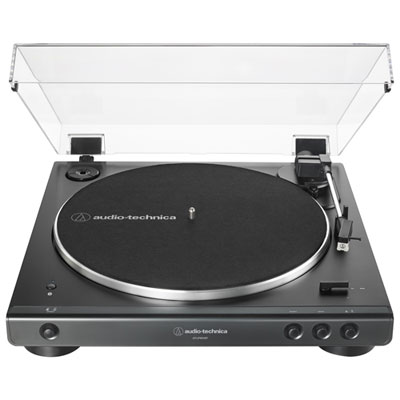 Your price for this item is $329.99
 -
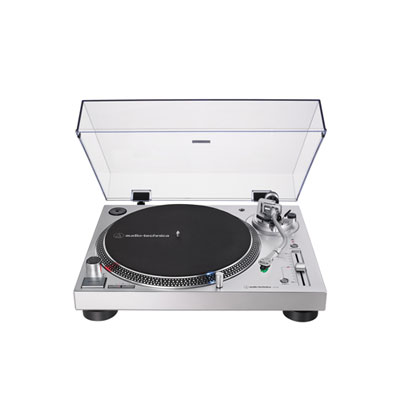 Your price for this item is $519.99
 -
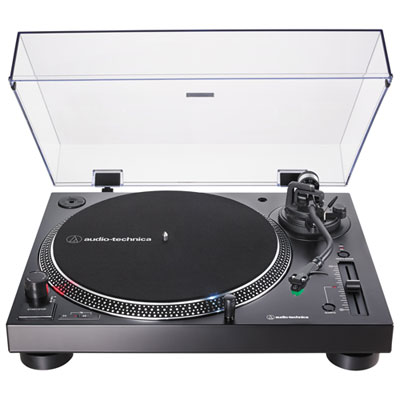 Your price for this item is $519.99
 -
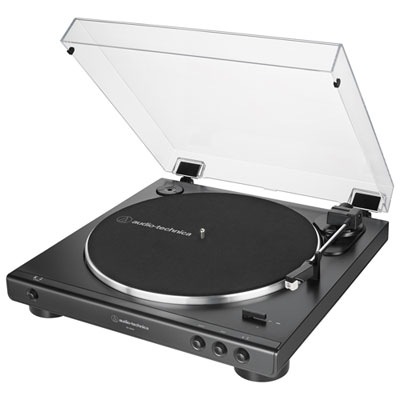 Your price for this item is $199.99
 -
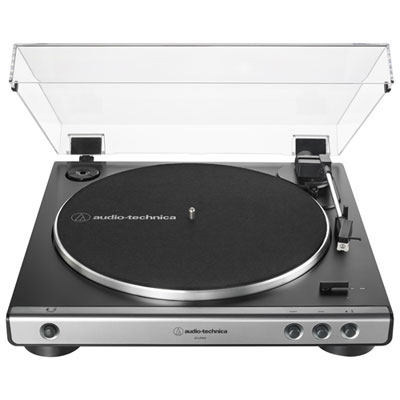 Your price for this item is $229.99
 -
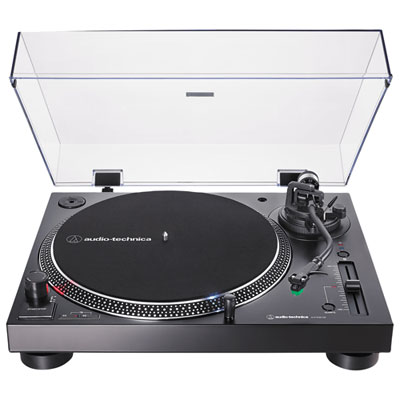 Your price for this item is $579.98
 -
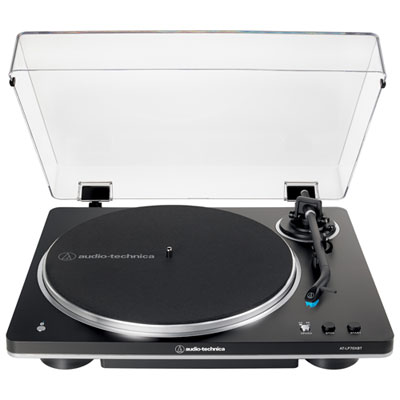 Your price for this item is $379.99
 -
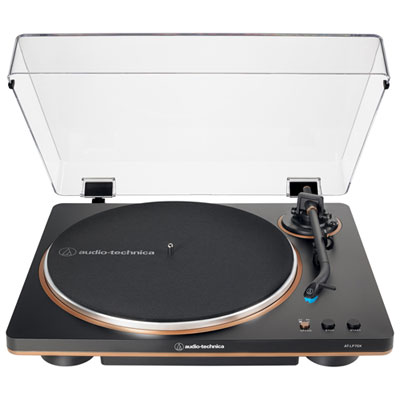 Your price for this item is $279.99
Discover more categories related to Speakers for Vinyl Player
Top Collections:
Pokemon Centers, Kindle Devices, Best Budget Office Chairs, Apple iPhones 16, Best Laptops for Writers, iPhone 15 Apple, Canon G7X Cameras, Refurbished Apple Laptops, Alarm Clock, Motorola Razr Phones
Some products may be subject to Environmental Handling Fees
(EHF) depending on your province.
Learn more about EHFs.