Tivoli Model One
Elevate your listening experience with the Tivoli Model One. Designed to complement any space, these radios blend timeless style with reliable performance. Whether you’re looking to enhance your home office, bedroom, or living room, the Tivoli Model One offers a versatile solution for enjoying your favorite stations and playlists. Discover options that fit seamlessly into your lifestyle and bring classic appeal to your audio setup.
Sort
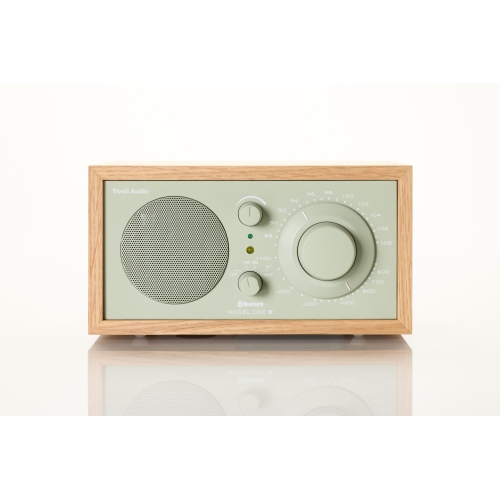
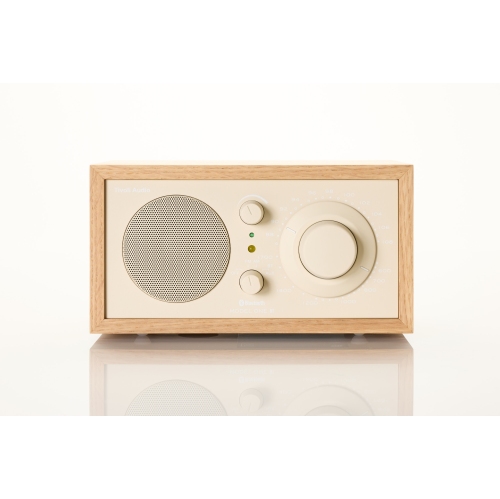
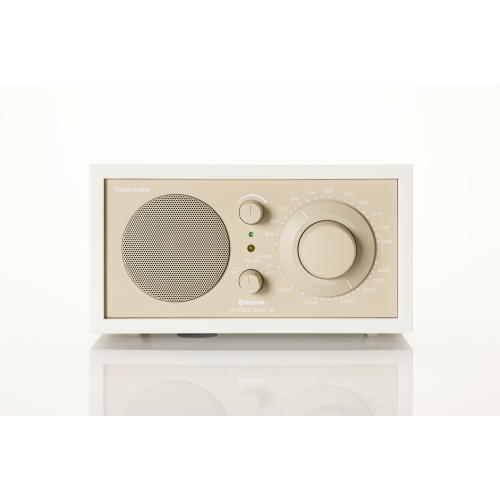


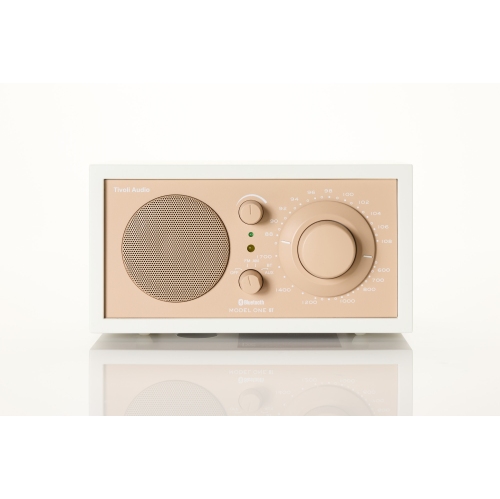


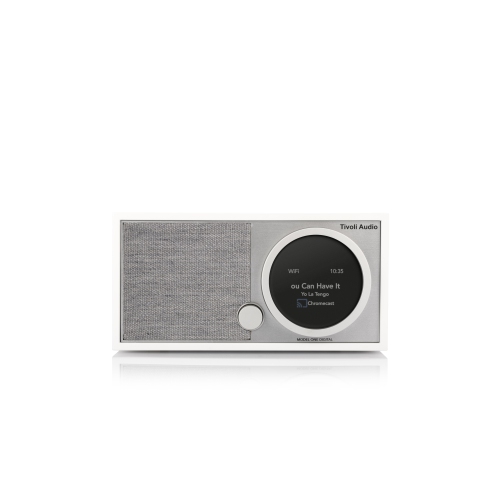
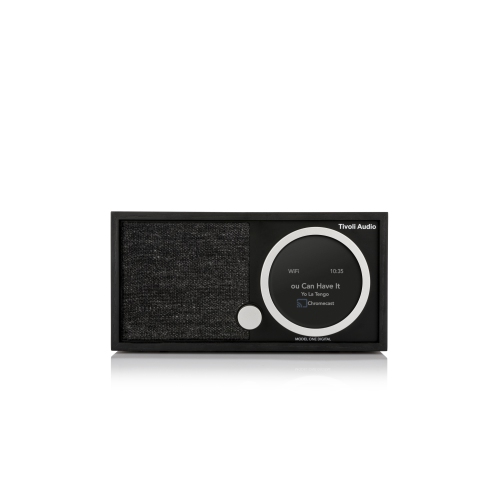


Everyday radio listening without a screen taking centre stage
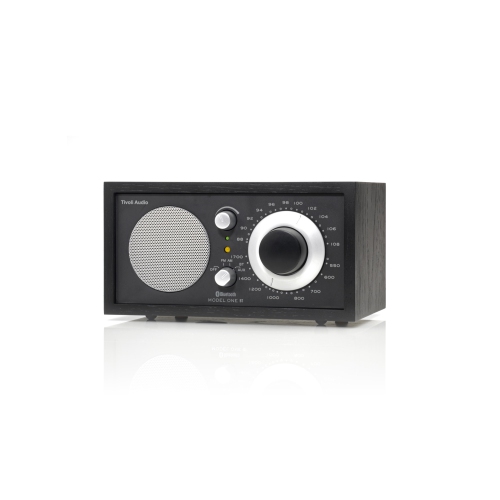
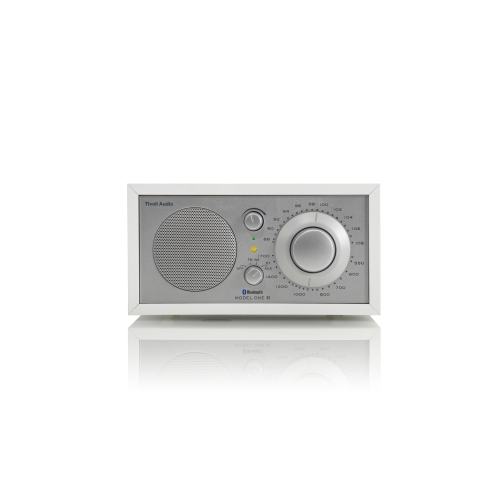
An AM/FM tabletop radio brings local broadcasting, familiar voices, and music into a room without making a screen the centre of attention. This style of compact home audio is built around an approachable idea: turn it on, choose a station, and adjust the volume. An analogue tuning dial gives the experience a tactile quality, with the listener moving through the broadcast band rather than scrolling through menus. A geared tuning mechanism can make those movements more precise, helping separate closely spaced stations, although reception still depends on the signal, antenna, and location. Straightforward controls for power, source selection, and volume suit anyone who values an uncluttered listening routine. On a kitchen counter, a radio can accompany breakfast and the morning news; on a desk, it can provide music without another open app competing for attention. A single-speaker design is particularly suited to this kind of everyday listening, keeping the sound source compact and the setup simple. It does not create the left-to-right separation of a pair of stereo speakers, but clear voices and a balanced presentation can matter more when following an interview or enjoying background music. Speech intelligibility is worth considering alongside bass response, especially for listeners who spend as much time with news and conversation as they do with songs. A well-designed cabinet supports the speaker and helps control unwanted vibration, while the speaker, enclosure, and tuning together shape the sound. Wood veneer adds visible grain and a furniture-like finish, allowing a small radio to feel at home beside books, a reading lamp, or a favourite chair. For listeners drawn to compact audio with a distinctive design approach, Tivoli Audio Music offers a related place to explore. The appeal of a tabletop radio remains its balance of useful sound, physical controls, and a modest footprint rather than the number of functions it can fit onto a front panel.
Connection options determine how a tabletop radio fits into listening habits beyond live broadcasts. A traditional analogue design may focus on AM/FM reception and a wired auxiliary input, while other versions add Bluetooth or network streaming. These are different capabilities, not interchangeable descriptions. Bluetooth allows a compatible phone or tablet to send audio wirelessly to the radio, making it useful for podcasts, saved playlists, and music apps. The phone generally remains the playback controller, and wireless range depends on the devices and obstacles between them. Wi-Fi-equipped designs may support compatible streaming platforms or playback across multiple rooms, but those functions depend on the particular hardware, software, and home network. An auxiliary input provides another route for connecting an external player, provided its output and cable are compatible. A phone without a headphone socket may need an appropriate audio adapter, and an input socket should not be mistaken for an output intended to drive another speaker. A headphone connection, where included, supports private listening at a desk or beside a bed; its size and behaviour are details worth checking if headphones are part of the daily routine. Power arrangements also affect intended use. A radio with a small cabinet is easy to reposition, but compact dimensions do not necessarily mean battery-powered operation or suitability for travel. For a mains-powered design, the distance to an outlet and the path of the power cable matter just as much as the space on the shelf. Placement can also change reception noticeably. Nearby computers, power adapters, and other electronics may introduce interference, particularly on AM, while moving the radio or adjusting its antenna can improve a marginal signal. A clear position with room for the antenna is often more useful than a tight recess chosen only for appearance. These practical differences help distinguish a simple broadcast companion from a more connected music system, without assuming that every listener needs the same setup.
Materials, proportions, and everyday handling are important when a radio becomes a lasting part of a room. Wood veneer is a thin layer of real wood applied over a supporting structure, rather than a solid-wood cabinet, and its grain can vary naturally. Finish colour, front-panel contrast, and knob size all contribute to how the radio looks and feels in use. A warm wood tone can sit comfortably with traditional furniture, while a darker or lighter finish may suit a cleaner, more contemporary desk arrangement. Physical fit deserves equal attention: the cabinet needs a stable, level surface, enough clearance for ventilation, and space behind it for plugs and cables. Shelving that looks generous from the front can become cramped once connectors and an antenna are accounted for. Positioning a speaker too close to surrounding surfaces can also change its tonal balance, sometimes making bass more pronounced than intended. A little open space can help preserve clarity, particularly when voices are the main focus. In a kitchen, keep the radio away from sinks, splashes, cooking grease, and steam unless it is specifically rated for those conditions. For routine care, follow the manufacturer’s directions, unplug the unit before cleaning, and use a soft, dry cloth rather than spraying cleaner onto the cabinet or controls. Abrasive products and excess moisture can damage finishes, while accumulated dust around openings can be addressed gently without pushing it further inside. Durability depends on careful placement and handling as well as construction; turning controls gently and avoiding strain on connected cables helps protect parts used every day. As a gift, a tabletop radio can suit a parent who follows local news, a music lover who enjoys physical controls, or someone furnishing a home office. Familiar operation may be more valuable than extra connectivity, though dial legibility and ease of adjustment are personal considerations rather than guarantees of accessibility. Matching the radio’s controls, connections, and size to the recipient’s habits makes it a thoughtful addition to ordinary routines, from listening to an afternoon interview to keeping music close while reading.
Top selling and popular products
-
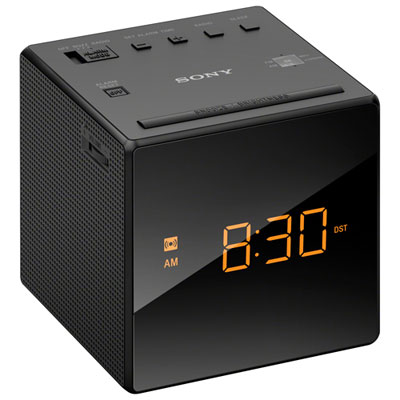 Your price for this item is $49.99
-
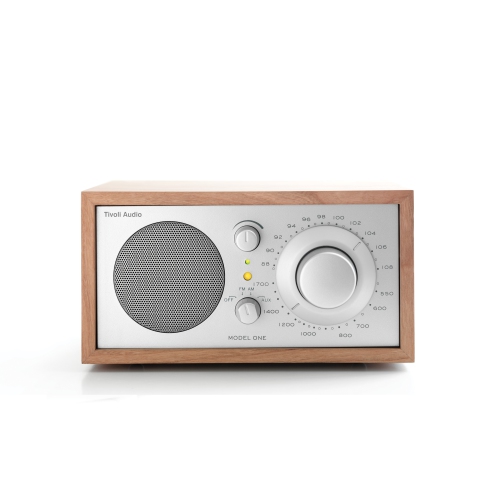 Your price for this item is $199
-
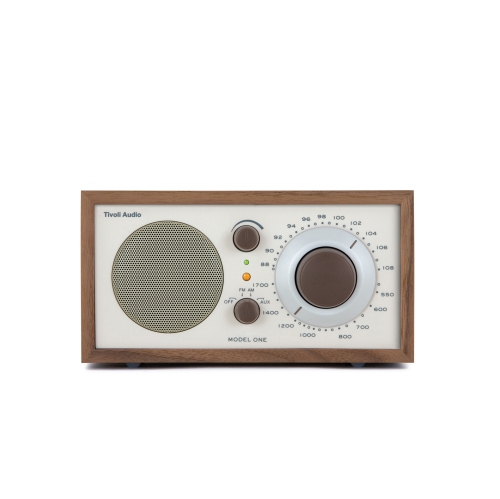 Your price for this item is $199
-
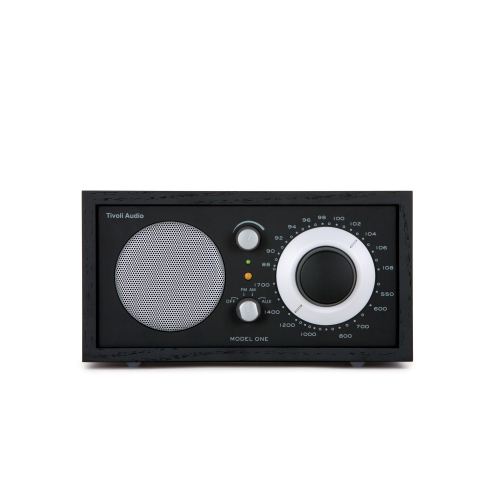 Your price for this item is $199
-
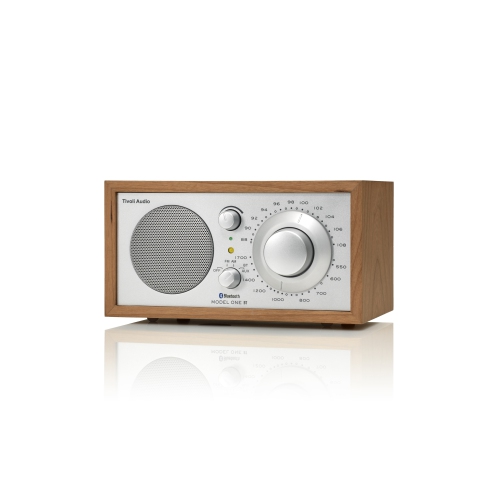 Your price for this item is $279
-
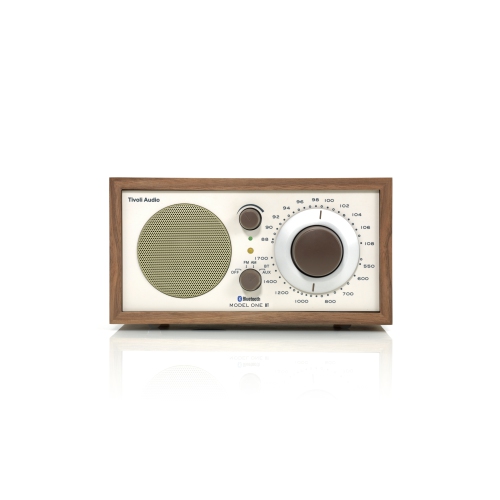 Your price for this item is $279
-
 Your price for this item is $279
-
 Your price for this item is $279
Discover more categories related to Tivoli Model One
Top Collections:
Pokemon Centers, Best Cameras for Sports Photography, Kindle Devices, Samsung Galaxy Phones, Canon G7X Cameras, Pokémon 30th Celebration Cards, Refurbished Apple Laptops, iPhone 15 Apple, Laptops for Students, Budget Smartphones
Some products may be subject to Environmental Handling Fees
(EHF) depending on your province.
Learn more about EHFs.