Top-Rated Wireless Earbuds
Discover the ultimate listening experience with top-rated wireless earbuds, designed for convenience and quality on the go. Whether you’re looking to upgrade your daily commute, power through workouts, or enjoy crisp audio at home, these highly rated options deliver impressive performance and style. Explore a range of choices that combine comfort, reliability, and seamless connectivity, making it easy to find the perfect pair to match your lifestyle. Find your new favorite way to enjoy music, podcasts, and calls with top-rated wireless earbuds available now.
Sort
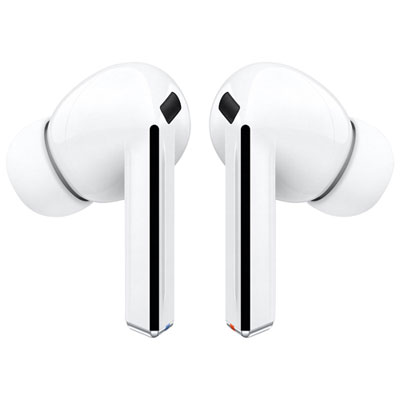
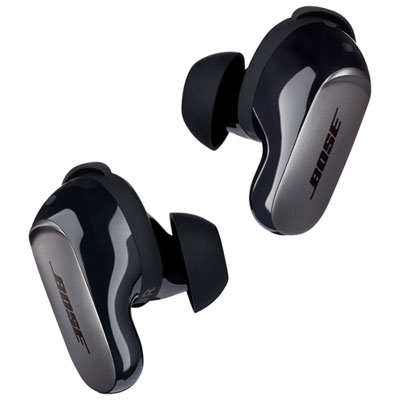
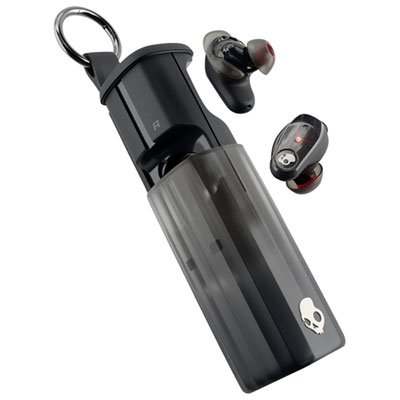
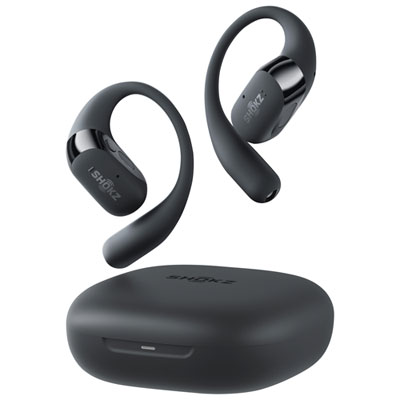
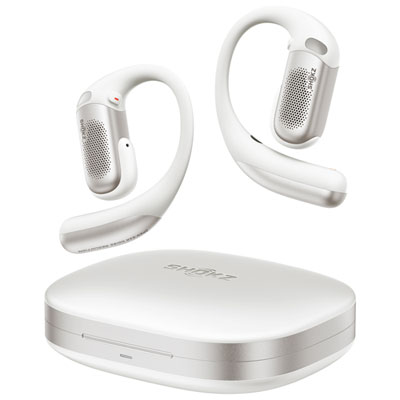
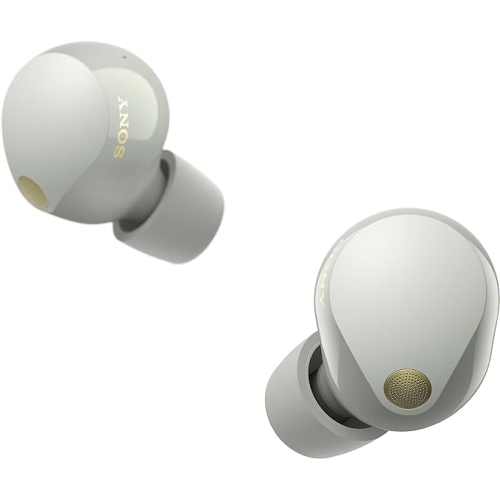
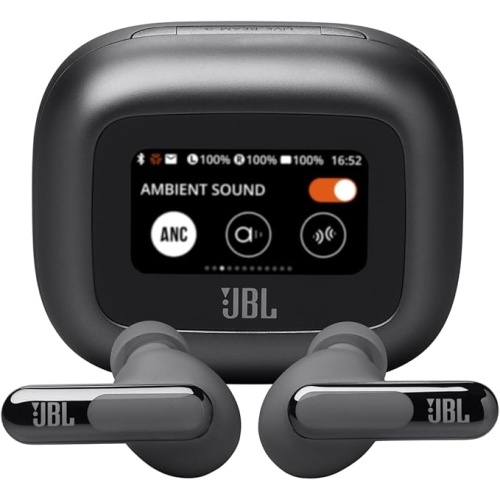
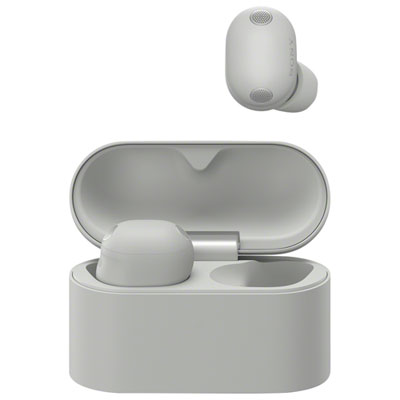
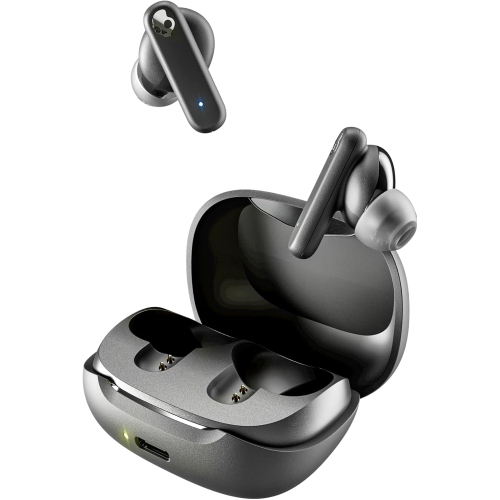
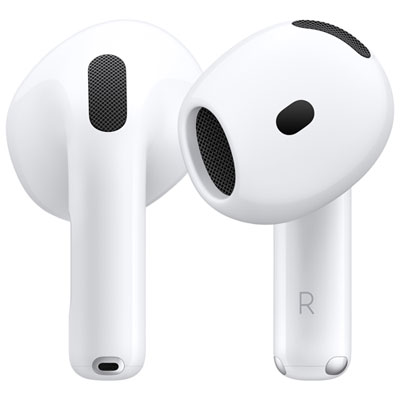
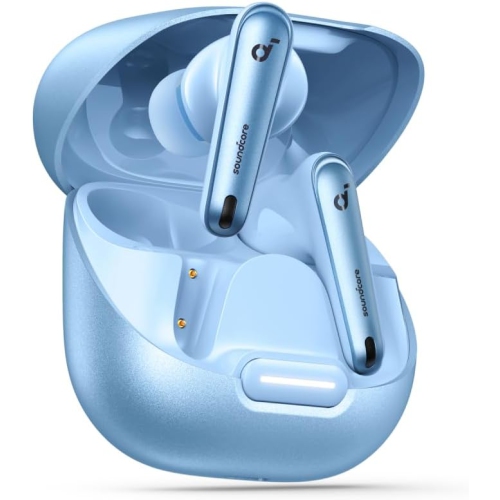
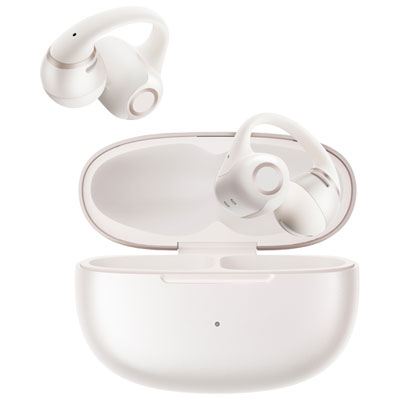
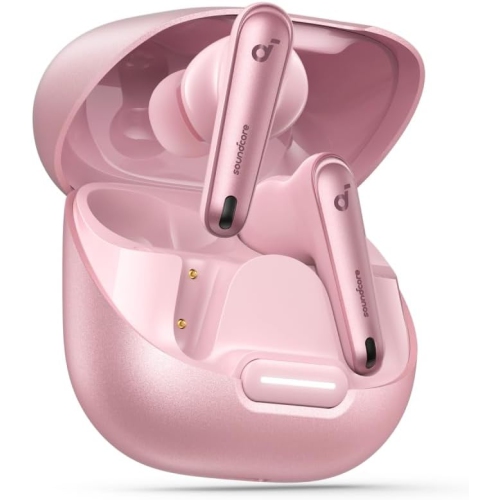

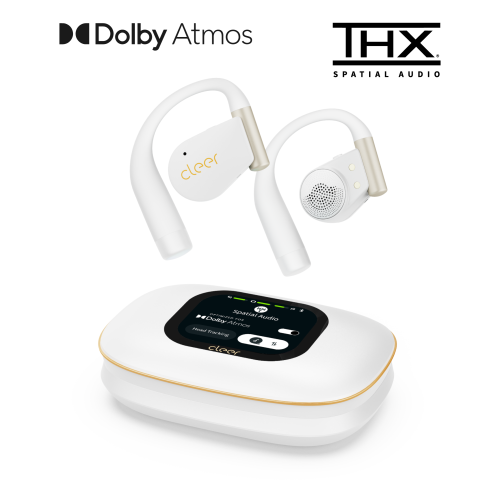
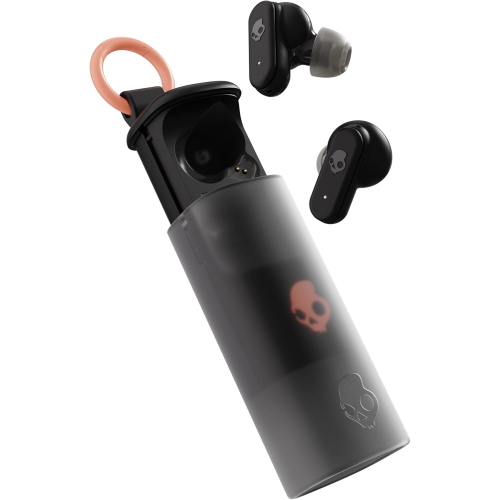

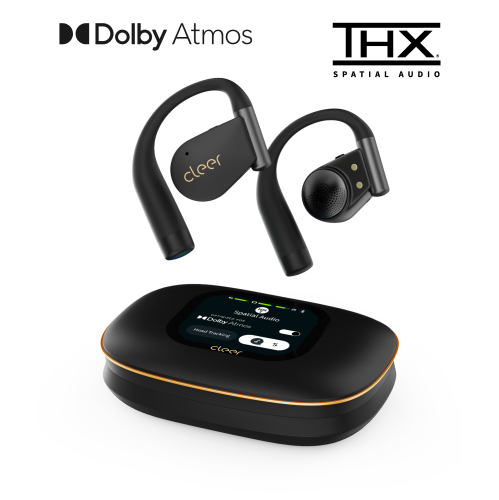
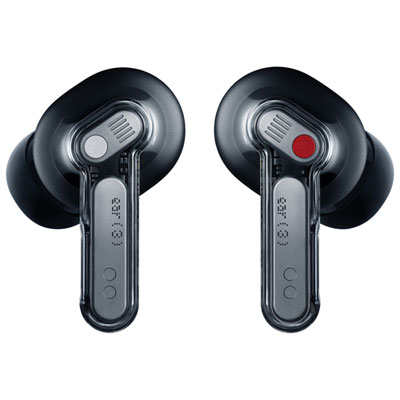
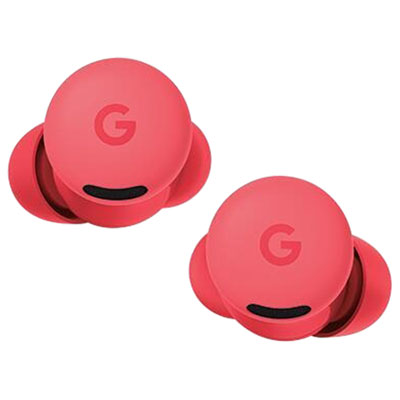
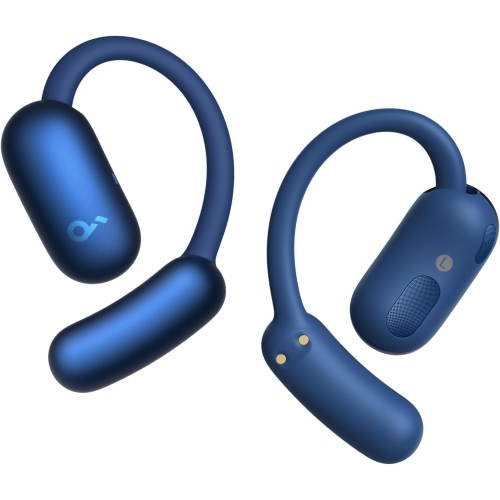
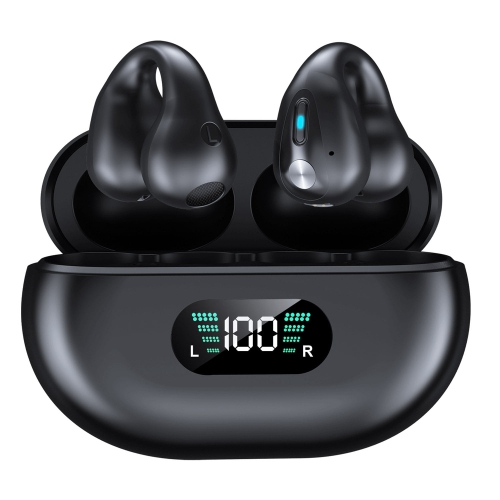
Why the best earbuds depend on your listening habits
Top-rated wireless earbuds bring together sound quality, a secure fit, reliable connectivity, and features that make everyday listening easier. The best choice depends on listening habits, comfort, call needs, and compatibility with the devices used most often. For someone who spends a commute listening to podcasts, clear voices and effective noise cancellation may matter more than powerful bass. For a music listener, a balanced sound can help vocals, instruments, and percussion remain distinct without one part of a track overwhelming the rest. Adjustable equalizer settings offer another layer of flexibility, allowing supported earbuds to emphasize speech, soften bright treble, or add weight to lower notes. Active noise cancellation uses microphones and processing to reduce unwanted sound, particularly steady background noise such as the hum of a train or ventilation system. Its effectiveness varies by design, fit, and the sounds nearby; it does not create complete silence. A snug seal also provides passive isolation by physically limiting how much outside sound reaches the ear. Transparency or ambient listening modes take a different approach, allowing more surrounding sound through the earbuds so that a brief conversation or announcement may be easier to hear. These modes are convenient, but they do not replace paying attention to nearby activity. Device compatibility is equally important. Basic Bluetooth audio may work across several types of phones, tablets, and computers, while advanced controls, audio formats, and app features can depend on the connected device and its software. Multipoint connectivity, where supported, can keep earbuds connected to two devices, making it easier to move between a laptop meeting and audio on a phone. Automatic switching is a separate feature and may depend on devices belonging to the same platform. For video, games, and virtual meetings, audio delay is another consideration, since connection stability and sound quality alone do not guarantee that speech and on-screen action will stay closely synchronized. Ratings become more useful when paired with comments about these practical details rather than treated as a single measure of performance.
Comfort often determines whether wireless earbuds become a daily companion or spend most of their time in a charging case. In-ear designs typically use tips that sit at the entrance to the ear canal, while open-fit designs rest without creating the same seal. Neither shape suits everyone, and even highly rated earbuds can feel different from one person to another. Soft silicone tips are common because they are flexible and easy to wipe clean. Compatible foam tips, on designs that support them, compress before expanding to follow the shape of the ear, although they can require different care and more frequent replacement. Tip size affects both comfort and sound: a poor seal can make bass seem thin and reduce noise-cancelling performance, while a tip that is too large may create pressure during longer sessions. Different sizes may fit each ear best. Housing shape, weight, and how far the earbuds project from the ear also matter, particularly for listeners who wear glasses or use them for several hours at a desk. For exercise, stabilizing fins or ear hooks can provide extra security during repeated movement, while a compact, low-profile shape may feel less noticeable during a walk or a seated workout. Durability involves more than the outer shell. Water-resistance ratings describe protection under specified test conditions and should not be read as permission to swim, shower, or rinse the earbuds under a tap. Sweat resistance should be checked separately in the manufacturer’s specifications, and the charging case may have a different protection rating from the earbuds themselves. Regular care helps preserve fit and charging performance. Ear tips, speaker meshes, and charging contacts can collect skin oils, lint, and debris, so cleaning should follow the manufacturer’s directions without pushing material into openings. Earbuds should be dry before returning to the case. Keeping the case away from loose keys and abrasive objects can also help protect its finish, hinge, and charging port through daily trips between a pocket, gym bag, and desk.
Battery life is most meaningful when it reflects an actual listening routine. The playback time available from one charge determines how long the earbuds can stay in use without a break, while the larger total often listed includes additional charges stored in the case. Those figures serve different purposes: a compact case with several recharges is useful across repeated short outings, but it cannot extend an uninterrupted call once the earbuds themselves need charging. Active noise cancellation, higher volume, microphone use, and certain audio settings can reduce playback time compared with advertised test results. Quick charging can help before a commute or meeting, although both the charging time and resulting playback depend on the design. USB-C charging is convenient for many everyday setups, while wireless charging requires a compatible case and charging pad. Controls deserve similar attention. Physical buttons provide a distinct press, whereas touch controls can reduce the pressure needed to pause music or answer a call; either approach works best when the actions are easy to remember and perform. Adjustable controls, automatic pause when an earbud is removed, and the ability to use one earbud independently can make frequent interruptions less awkward. For calls, microphone placement and voice processing matter as much as the quality of music playback. A voice that sounds clear in a quiet room may be harder to distinguish beside café chatter, so reviews describing real conversations offer useful context. Students moving between lectures and study sessions, commuters listening to audiobooks, and people taking calls from a shared workspace may all use wireless earbuds differently. As a gift, they are particularly personal: the recipient’s preferred fit, phone compatibility, and comfort with app-based settings are worth considering alongside sound features. The Top 10 Wireless Earbuds collection provides another selection to explore within this category. Across top-rated wireless earbuds, the most satisfying match is usually the one whose strengths support familiar routines, from a clearly heard conversation to a favourite album enjoyed without repeated adjustments.
Top selling and popular products
-
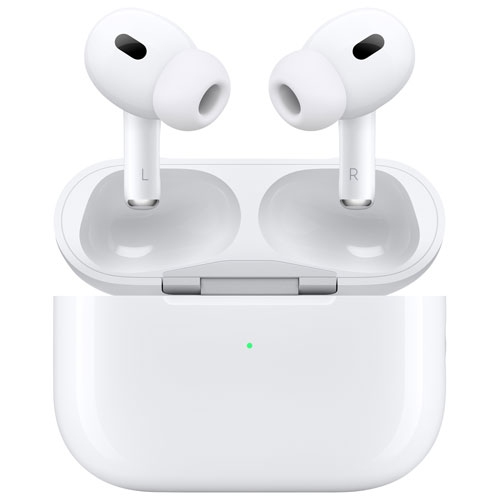 Your price for this item is $349.99
-
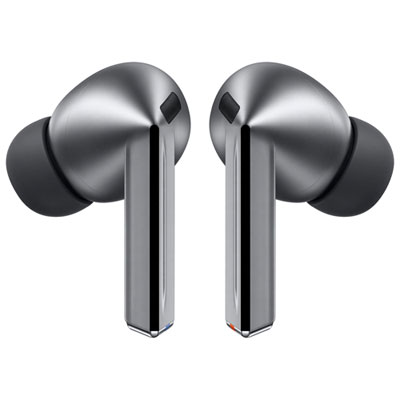 Your price for this item is $329.99
-
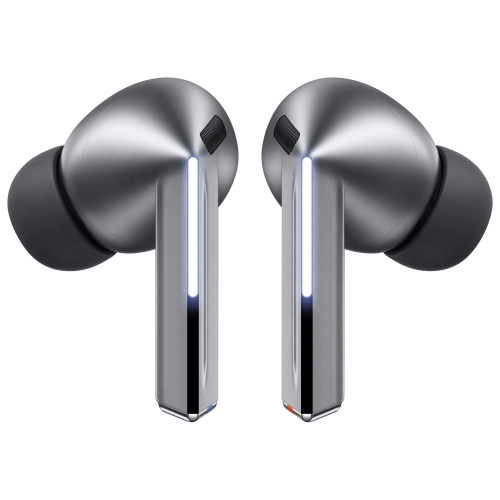 Your price for this item is $229
-
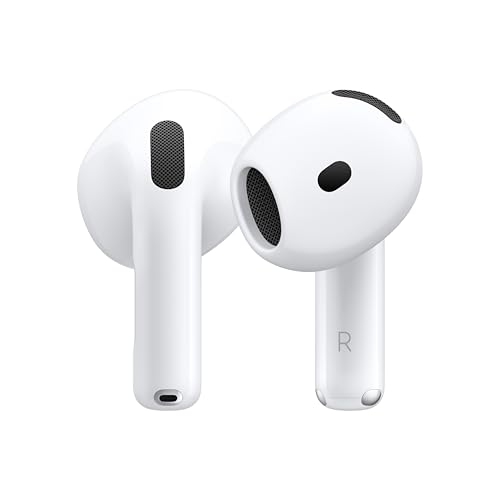 Your price for this item is $159.99
-
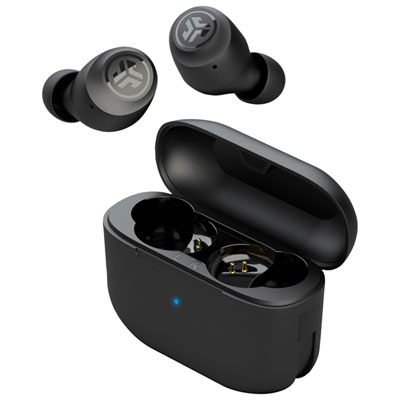 Your price for this item is $19.99
-
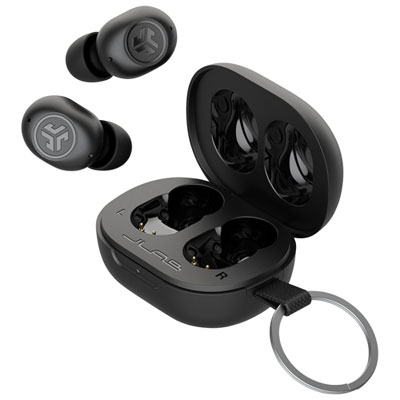 Your price for this item is $59.99
-
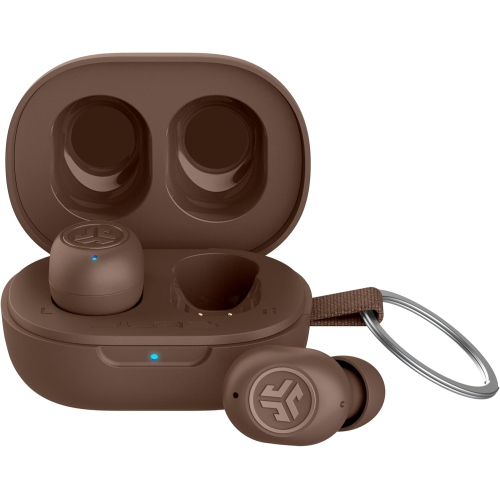 Your price for this item is $107.49
-
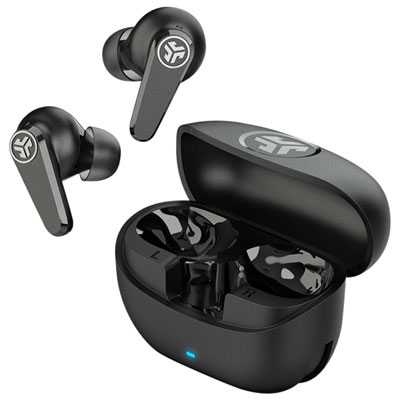 Your price for this item is $59.99
Discover more categories related to Top-Rated Wireless Earbuds


Top Collections:
Best Black Friday Deals This Year, Best Black Friday Deals On Electronics, Kindle Devices, Best Black Friday Deals On Apple Products, Best Budget Office Chairs, Best Cameras for Sports Photography, Dyson Airwrap, Canon G7X Cameras, Best Laptops for Writers, Samsung Galaxy Phones
Some products may be subject to Environmental Handling Fees
(EHF) depending on your province.
Learn more about EHFs.