True Wireless Noise Cancelling Earbuds
Experience the freedom of untethered listening with True Wireless Noise Cancelling Earbuds. Designed for seamless connectivity and immersive sound, these earbuds offer a sleek and comfortable fit for daily commutes, workouts, or relaxing at home. Explore a wide selection of innovative options to enjoy your favorite music, podcasts, and calls without distraction. Find the perfect pair of True Wireless Noise Cancelling Earbuds to match your lifestyle and elevate your audio experience.
Sort











Why earbud fit matters as much as noise cancellation
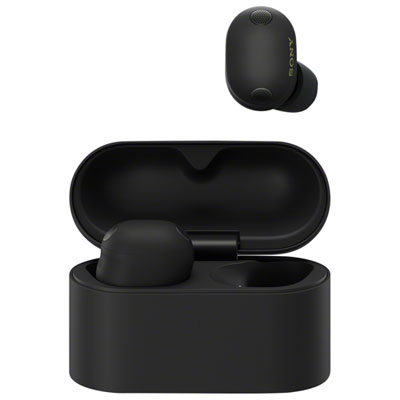
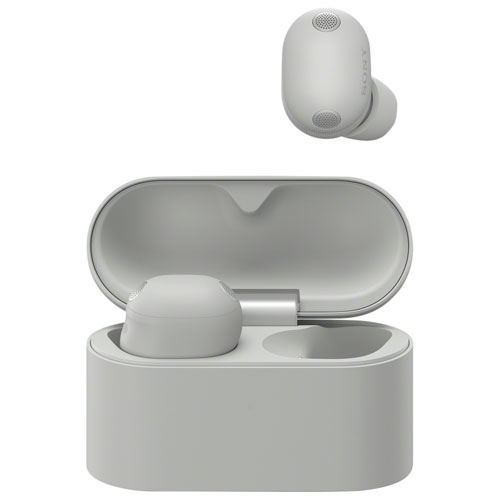
True wireless noise cancelling earbuds combine cable-free listening with technology that reduces unwanted background sound. Each earpiece connects wirelessly, without a cord joining the two, while a compact charging case stores the earbuds and replenishes their batteries between uses. Active noise cancellation, often called ANC, uses microphones to detect surrounding sound and generates an opposing sound wave to reduce what reaches the listener. It is generally most effective against steady, lower-frequency noise, such as the rumble of a train, an aircraft cabin or a ventilation system. Passive noise isolation works differently: the earbud tips form a physical seal that limits outside sound entering the ear canal. The two approaches work together, making fit just as important as the electronic features. Voices, sudden noises and higher-frequency sounds may still be audible, so noise cancellation should not be mistaken for complete silence. For someone listening to a podcast on public transit or an album beside a humming office fan, the benefit is less competing noise and less temptation to turn up the volume. Transparency or ambient sound modes use microphones to bring outside sound into the earbuds, making a brief conversation or a station announcement easier to hear without removing them. These modes do not guarantee awareness of every nearby sound, and earbuds are not a substitute for hearing protection. Sound quality also depends on the earbud design, tuning and seal. A secure fit can give bass more weight and keep spoken dialogue clear, while a poor seal can make music sound thin even when ANC is switched on. Adjustable equalizer settings offer another way to shape playback, whether the preference is a fuller low end or clearer vocals. Features such as spatial audio and higher-quality Bluetooth codecs vary, and their benefits depend on compatible devices, apps and audio sources. Together, these details shape how earbuds suit everyday listening, from an audiobook during a commute to a playlist that helps make a shared workspace feel less distracting.
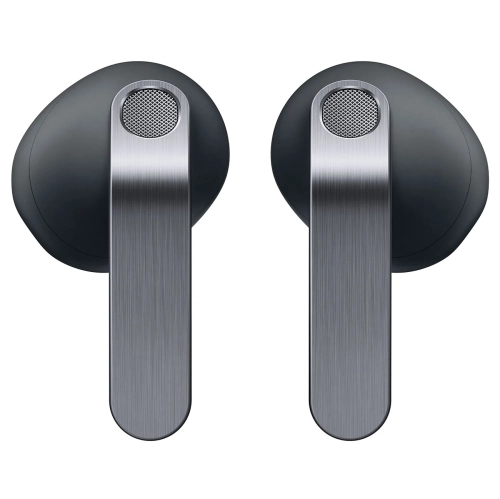
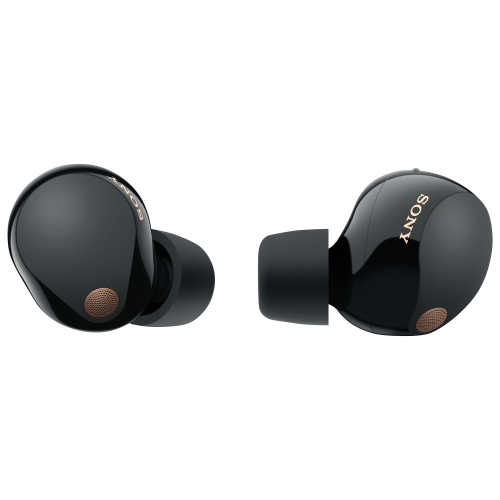
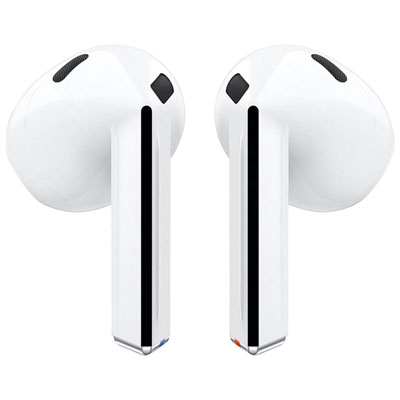
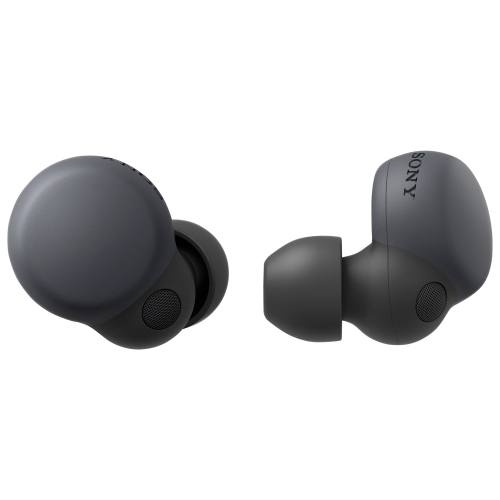
Comfort is especially important for earbuds worn through a long study session, a series of calls or several episodes of a favourite podcast. Common designs pair lightweight plastic housings with soft silicone ear tips; some use foam tips that compress before expanding to fill the ear canal. Silicone is generally straightforward to wipe clean, while foam can offer a snug fit but may need more frequent replacement as it wears. Neither material is automatically the best choice for every listener. Ear canals can differ in size, even between the left and right ear, so a different tip size on each side may provide a better seal. Well-fitting earbuds should feel secure without creating persistent pressure or soreness, and their housings should sit comfortably against the outer ear. A compact shape can be useful for someone with smaller ears, while stabilizing fins or other retention features may help keep earbuds in place during movement. For exercise, comfort and a stated sweat-resistance rating matter more than appearance alone. Water-resistance ratings describe protection under particular test conditions, not permission to swim, shower or expose earbuds to every kind of liquid; the charging case may have a different rating or none at all. Intended use also influences which controls and connections feel most practical. Touch surfaces allow quick playback adjustments, though accidental touches can happen while repositioning an earbud. Physical buttons provide a more distinct press, with placement affecting how comfortable they are to use. Bluetooth multipoint can help someone move between a computer meeting and a phone call by maintaining connections to two compatible devices, although switching behaviour varies. Call microphones deserve separate consideration from listening ANC: reducing noise heard by the wearer is not the same as reducing background noise picked up during a conversation. For remote workers, students and frequent travellers, clear voice pickup can be as valuable as music playback. Earbuds can also make a thoughtful gift for a regular podcast listener or someone who prefers a small audio accessory, particularly when comfort, device compatibility and straightforward controls match the recipient’s habits.
Battery life and charging habits determine how easily true wireless noise cancelling earbuds fit into a daily routine. Playback time per charge refers to the earbuds themselves, while a total battery-life figure usually includes additional charges supplied by the case. Those measurements serve different purposes: a longer single-charge runtime is useful for an extended journey or uninterrupted work session, whereas case capacity matters when there are regular opportunities to put the earbuds away between listening periods. Published battery figures are typically measured under specified conditions, and actual runtime changes with volume, ANC settings, calls and other features. Fast charging may provide useful listening time after a short charging period, but the stated charging duration and playback estimate need to be understood together. Charging connections vary, with USB-C common on many cases and wireless charging offered on some designs. For a desk or bedside setup where setting down the case is more convenient than connecting a cable, Noise Cancelling Earbuds with Wireless Charging bring that charging option together with noise-reducing listening features. Wireless charging generally applies to the case, which then charges the earbuds; compatibility with a charging pad and any required accessories depends on the design. Daily care is equally practical. Earwax, skin oils and dust can collect on tips, microphone openings and charging contacts, affecting comfort, sound or charging reliability. Gentle cleaning with a soft, dry cloth, along with the manufacturer’s directions for removable tips, helps keep those areas clear without damaging delicate meshes. Earbuds should be dry before they go back into the case, particularly after a workout, and liquid cleaners should not be applied unless the care instructions permit them. Keeping the case closed when not in use protects the earpieces from loose debris in a bag or pocket. Replaceable tips, a sturdy hinge and secure charging contacts are useful details for repeated handling. The most satisfying everyday pairing is a comfortable seal, sound that suits the listener and enough battery capacity to support the way the earbuds will actually be used.
Top selling and popular products
-
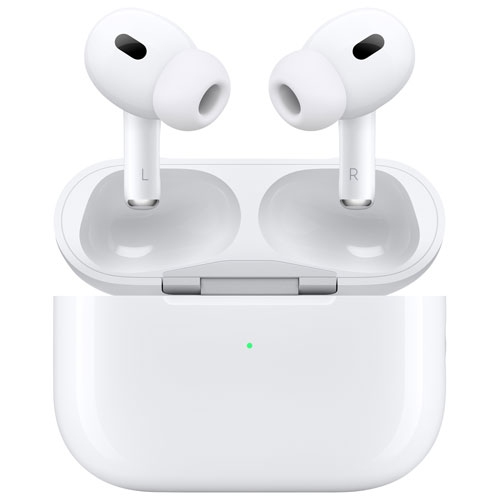 Your price for this item is $349.99
-
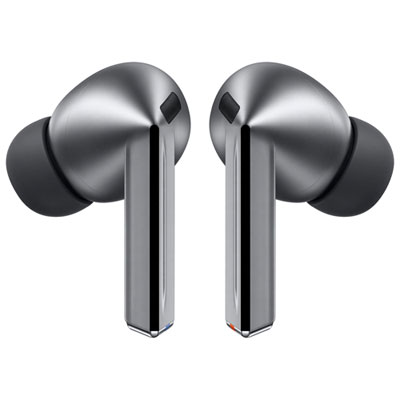 Your price for this item is $249.99
-
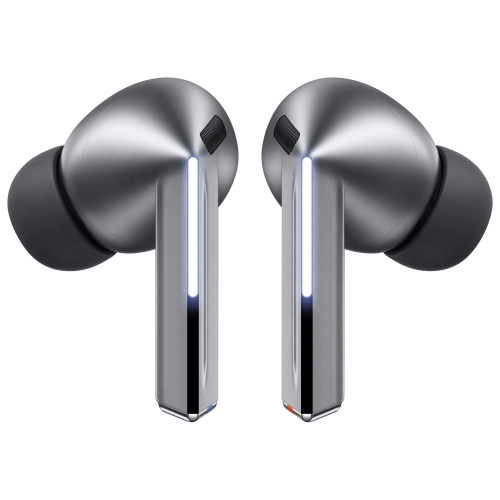 Your price for this item is $229
-
 Your price for this item is $215
-
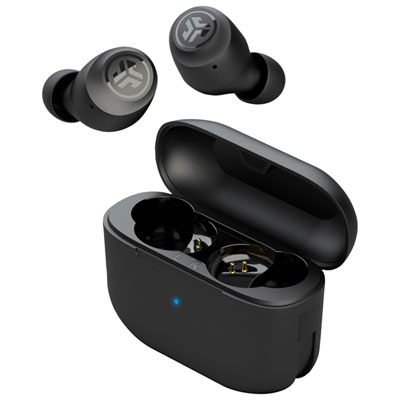 Your price for this item is $34.99
-
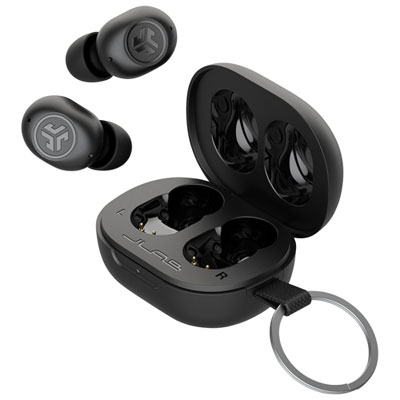 Your price for this item is $59.99
-
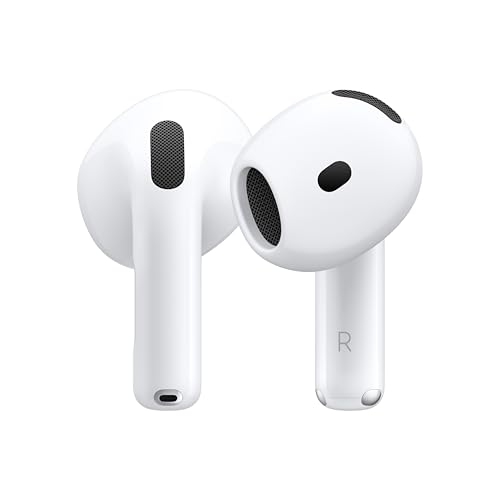 Your price for this item is $189
-
 Your price for this item is $89.99
Discover more categories related to True Wireless Noise Cancelling Earbuds


Top Collections:
Pokemon Centers, Kindle Devices, Best Budget Office Chairs, Canon G7X Cameras, Apple iPhones 16, Samsung Galaxy Phones, Refurbished Apple Laptops, Laptops for Students, iPhone 15 Apple, Budget Smartphones
Some products may be subject to Environmental Handling Fees
(EHF) depending on your province.
Learn more about EHFs.