Wireless Noise Cancelling Sport Earbuds
Wireless Noise Cancelling Sport Earbuds deliver a premium audio experience designed for active lifestyles. Perfect for workouts, runs, or daily commutes, these earbuds combine convenience and comfort with advanced sound technology. Explore a wide selection of Wireless Noise Cancelling Sport Earbuds that help you stay focused on your goals while enjoying your favorite music and podcasts. Find the ideal pair to match your fitness routine and personal style right here.
Sort


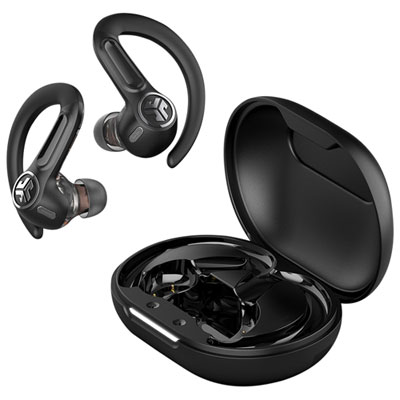
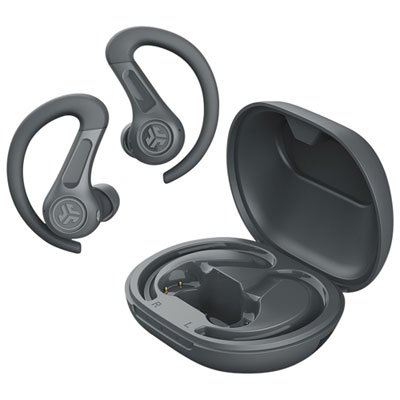


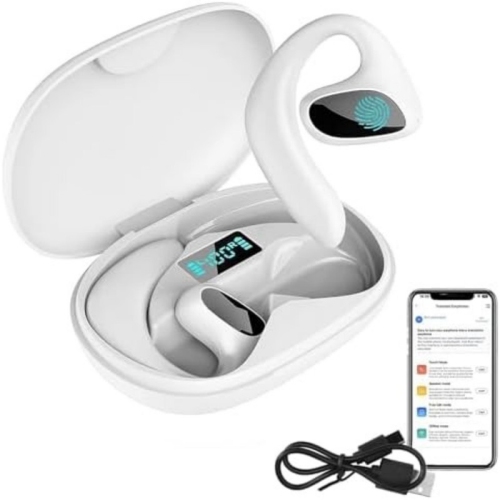
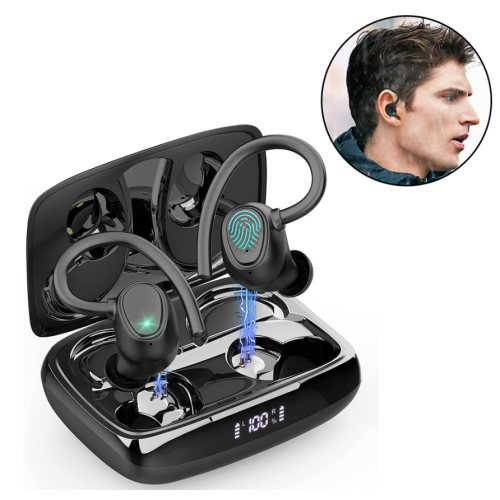
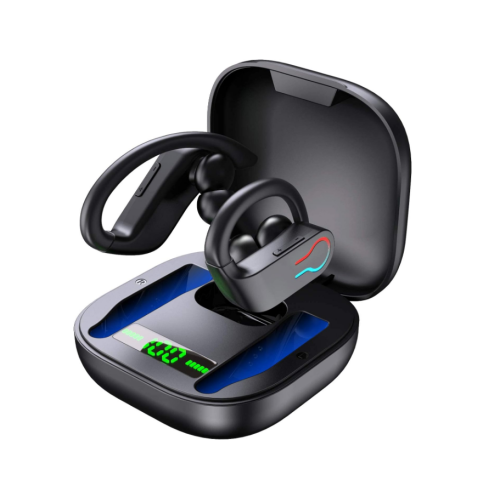
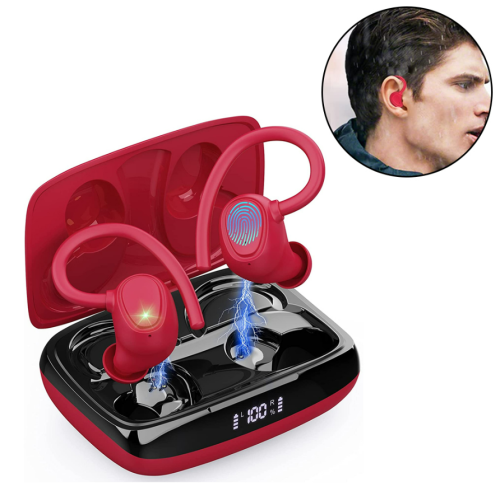

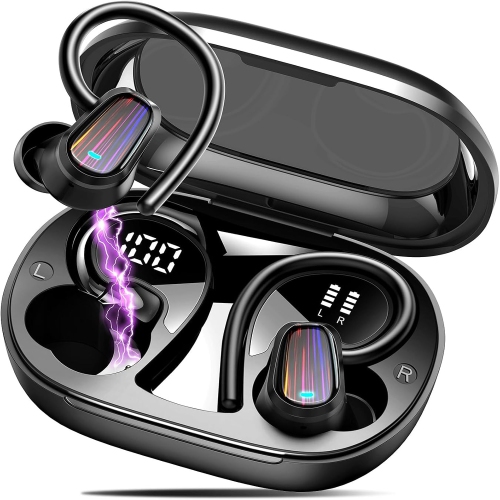
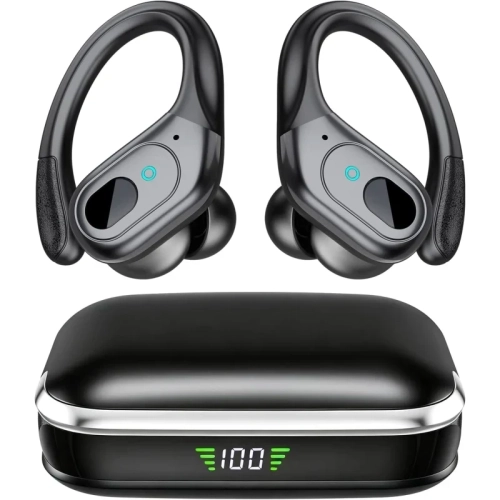

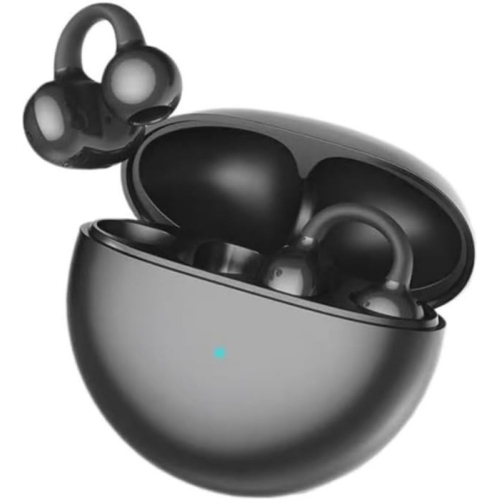
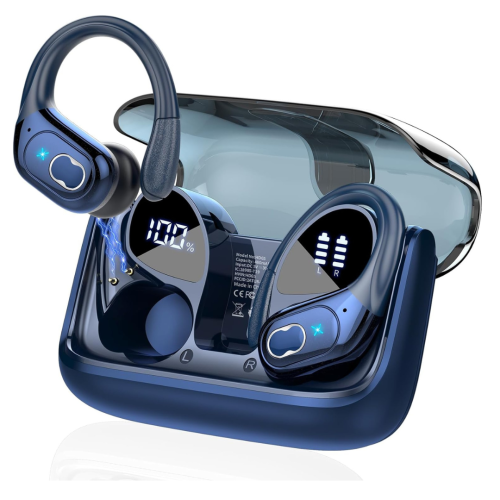
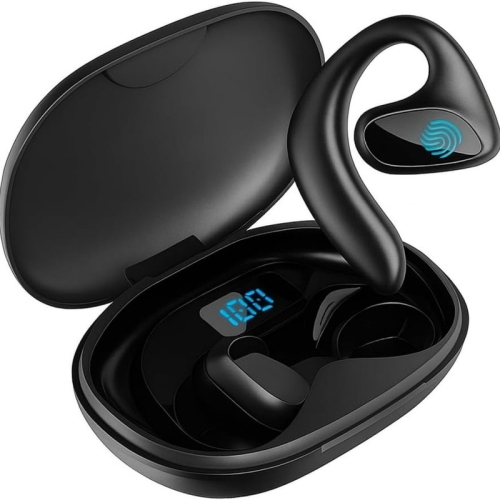
Better workout sound starts with a secure fit
Wireless noise cancelling sport earbuds combine cable-free listening, active noise cancellation and a fit designed to stay secure during movement. They suit everything from strength training and stationary cycling to a brisk walk, with different designs offering different levels of stability, sound isolation and sweat resistance. Active noise cancellation, often shortened to ANC, uses microphones and sound processing to reduce unwanted background sound. It is generally most effective against steady noise, such as the hum of ventilation or the rumble of exercise equipment, rather than sudden voices or the clang of weights. A well-sealed ear tip adds passive noise isolation, helping music, podcasts and spoken workout cues sound clearer without competing as much with surrounding noise. ANC does not create complete silence, and its performance depends partly on how well the earbuds fit. For exercise near traffic, shared paths or other moving people, an ambient listening or transparency mode can bring some outside sound through the microphones. This feature does not replace paying attention to nearby activity; pausing playback or removing an earbud may still be necessary. Secure fit is just as important as sound quality when a workout involves repeated movement. Flexible ear hooks sit around the outer ear, while stabilizing wings rest against its contours to help hold the earpiece in place. Compact in-ear designs rely more heavily on the shape of the housing and the seal of the ear tips. Soft silicone tips are common, and some designs support foam tips that compress before expanding gently in the ear canal. The right fit feels supported rather than tightly wedged, stays comfortable through a full session and maintains a consistent seal when the jaw moves. Different tip sizes may be needed for each ear. For someone who wears glasses, an over-ear hook also needs enough space to sit comfortably beside the frames without creating pressure behind the ear.
Sport earbuds are made for movement, but their ability to handle moisture and everyday wear varies. Water resistance is usually described by an IP rating, which identifies tested protection against dust and water. An IPX4 rating indicates resistance to splashing water under specified test conditions, while the X means that a dust-protection rating has not been specified. Higher water-resistance ratings describe different test conditions, not unlimited protection from every type of moisture. Splash resistance should not be treated as permission to swim, shower or rinse earbuds under a tap, and the charging case may have a different rating or no water-resistance rating at all. Sweat also leaves residue, making regular care important even when the earbuds are intended for exercise. A soft, dry cloth helps remove surface moisture after a session, while ear tips and sound openings need cleaning according to the manufacturer’s directions. Removable tips should only be washed if their care instructions permit it, and every part should be fully dry before reassembly or charging. Putting damp earbuds straight into their case can leave moisture against the charging contacts. Abrasive cleaners, sharp tools and strong chemicals can damage mesh screens, finishes or flexible components. Lightweight plastic housings, pliable hooks and replaceable tips can balance comfort with practical durability, although no material makes an earbud immune to drops or rough handling. A protective charging case gives each earpiece a dedicated place between sessions and helps prevent loose earbuds from disappearing into a gym bag. Fit also affects comfort during particular exercises: a low-profile housing may sit more comfortably during floor work, while a pronounced hook may feel more reassuring during repeated jumping or quick changes of direction. Touch controls can be convenient, but physical buttons may be easier to operate by feel. In either case, controls that respond without forcing the earbud deeper into the ear are helpful when adjusting volume, changing tracks or switching listening modes between sets.
Battery life and everyday usability determine how smoothly sport earbuds fit into a routine beyond the workout itself. Per-charge listening time describes how long the earbuds can operate before returning to the case; total battery life includes the additional charges stored in that case. These figures are not interchangeable, and actual listening time varies with volume, noise cancellation, calls and other enabled features. A quick-charge function can be useful before an unplanned session, though the amount of playback gained depends on the design and charging conditions. USB-C charging is common, and some cases also support wireless charging. Connection stability matters when a phone is tucked into a waist belt, pocket or nearby bag, while compatibility with the phone’s operating system affects access to companion apps and settings. App-based equalizers can adjust bass, vocals and other sound characteristics, and customizable controls may let listeners keep frequently used functions close at hand. Multipoint connectivity, where supported, allows a connection to more than one device, which can simplify moving between a phone and a computer. Built-in microphones add convenience for calls, although busy gyms and moving air can still affect voice clarity. Many sport-focused designs belong to the wider category of True Wireless Noise Cancelling Earbuds, pairing independent earpieces with a charging case for use during exercise, commuting and everyday listening. For regular runners, secure fit and awareness of nearby activity may matter most; for gym users, comfortable noise reduction and straightforward controls can make a greater difference. Someone who moves from a workout to calls or study time may appreciate balanced sound and easy device switching. As a gift for an active listener, sport earbuds are a personal choice: ear shape, preferred controls, phone compatibility and the activities they enjoy all influence how comfortably the earbuds become part of a daily routine.
Top selling and popular products
-
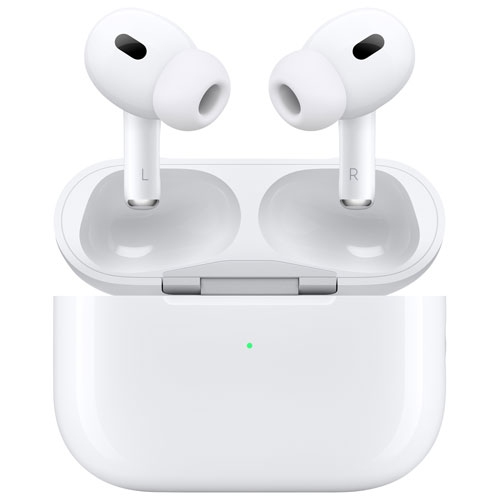 Your price for this item is $349.99
-
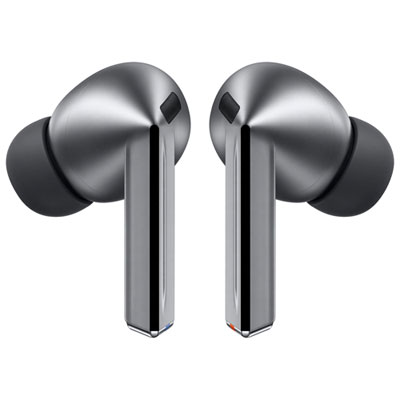 Your price for this item is $329.99
-
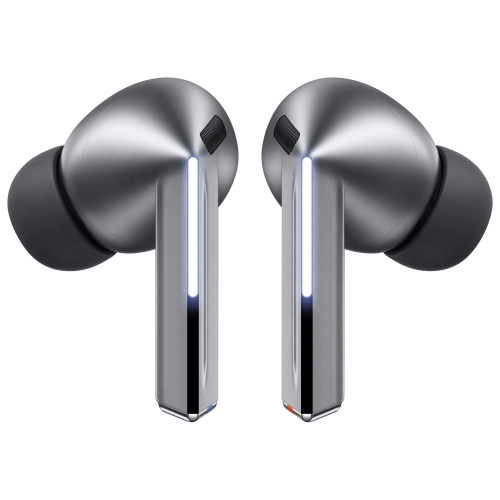 Your price for this item is $229
-
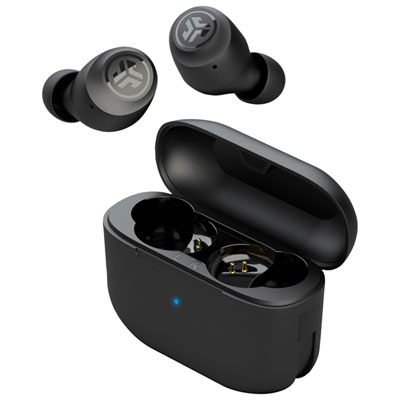 Your price for this item is $19.99
-
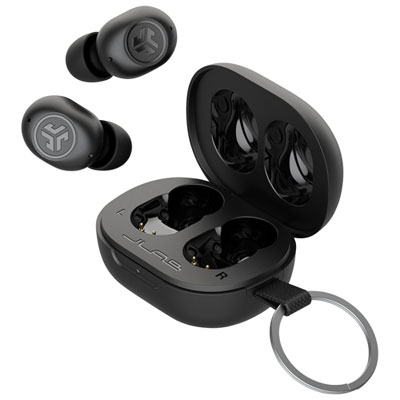 Your price for this item is $59.99
-
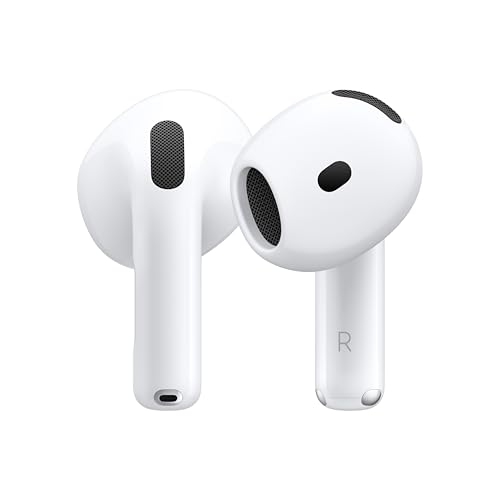 Your price for this item is $339.88
-
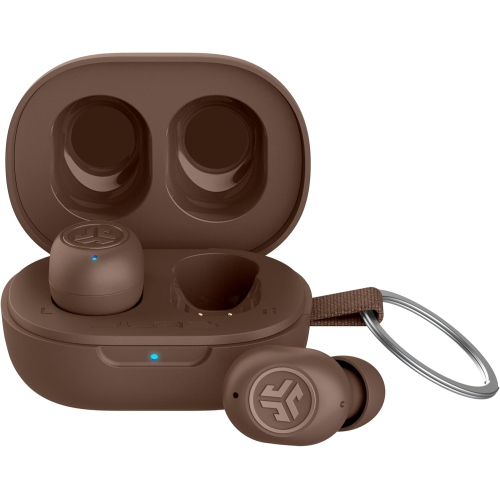 Your price for this item is $107.49
-
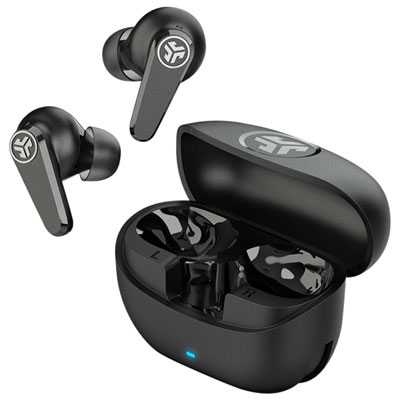 Your price for this item is $59.99
Discover more categories related to Wireless Noise Cancelling Sport Earbuds


Top Collections:
Best Black Friday Deals This Year, Best Black Friday Deals On Electronics, Kindle Devices, Pokemon Centers, Best Black Friday Deals On Apple Products, Best Cameras for Sports Photography, Dyson Airwrap, Pokémon 30th Celebration Cards, Apple iPhone 17 Pro, Canon G7X Cameras
Some products may be subject to Environmental Handling Fees
(EHF) depending on your province.
Learn more about EHFs.