Vintage Stereo Speakers
Looking to add a touch of nostalgia and exceptional sound quality to your audio setup? Look no further than our selection of vintage stereo speakers. These timeless classics boast a unique blend of retro aesthetics and powerful audio performance, making them the perfect addition to any music lover's collection. Whether you're a vinyl enthusiast or simply appreciate the warm, rich tones that vintage speakers deliver, we have something for everyone.
Sort
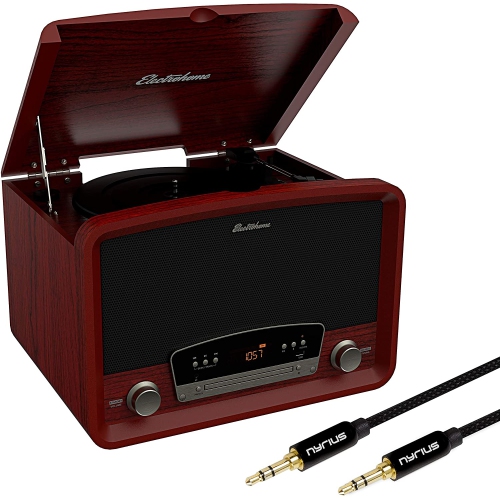
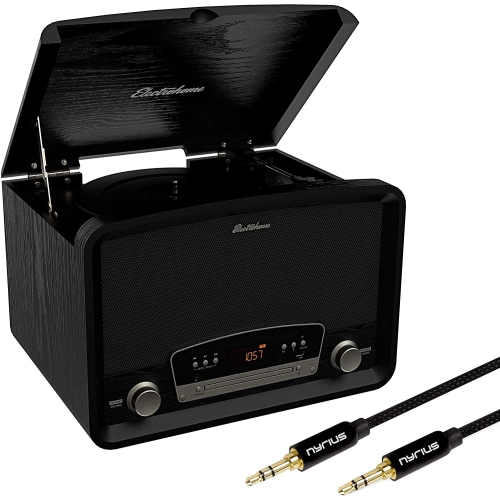
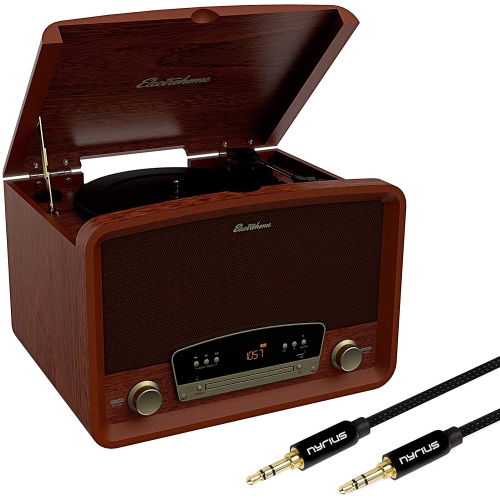
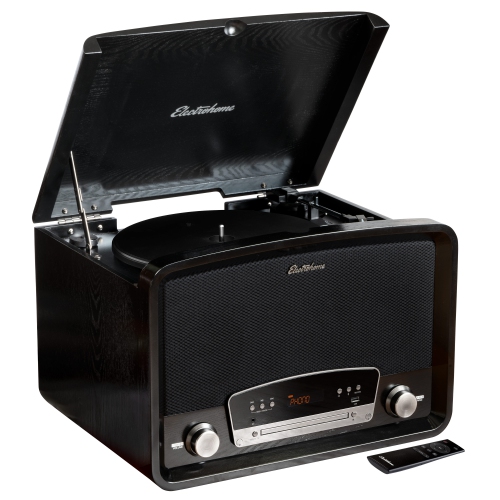

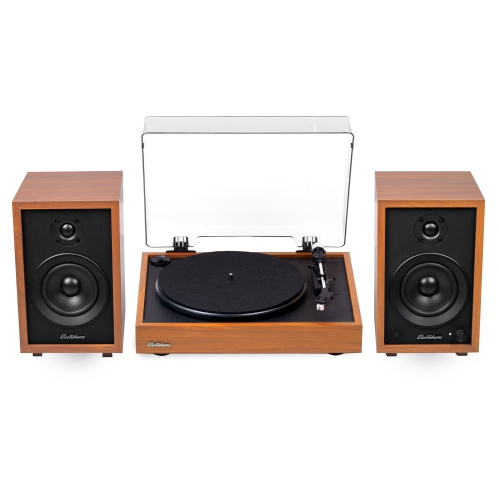
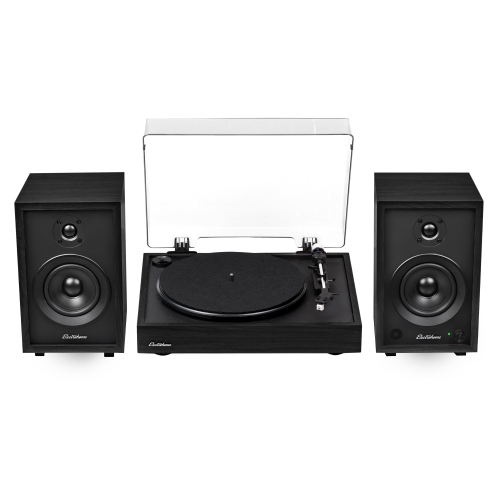
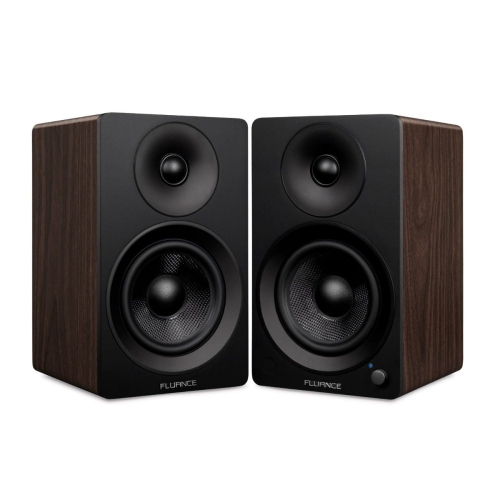
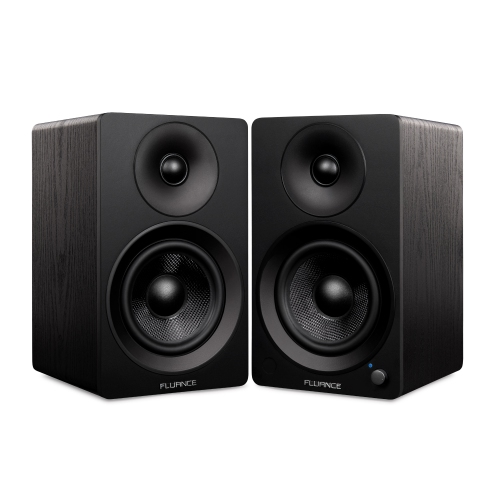
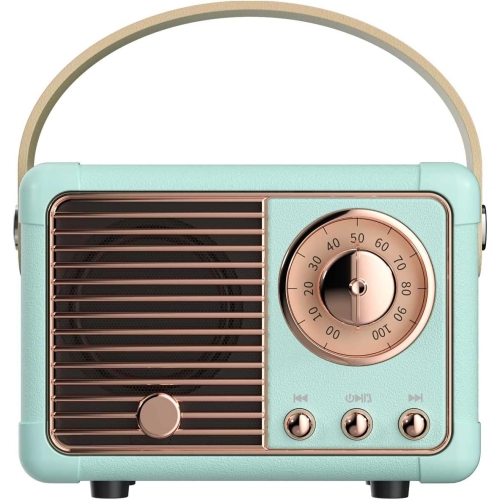
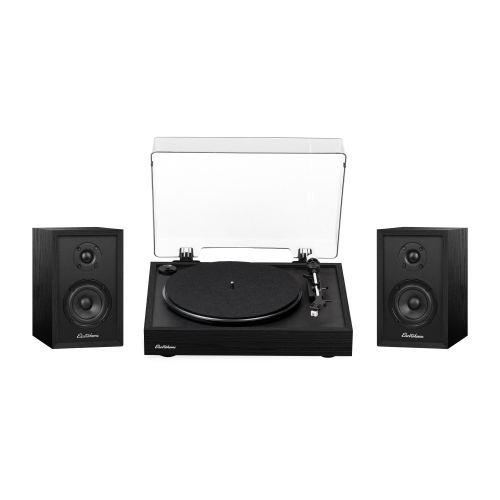


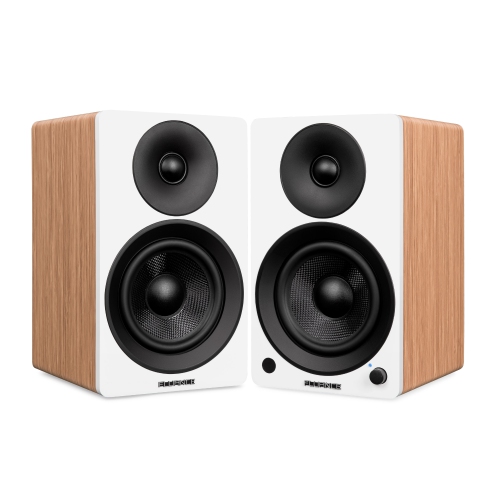
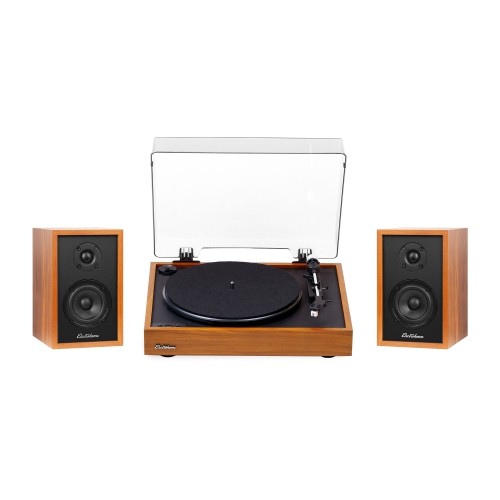
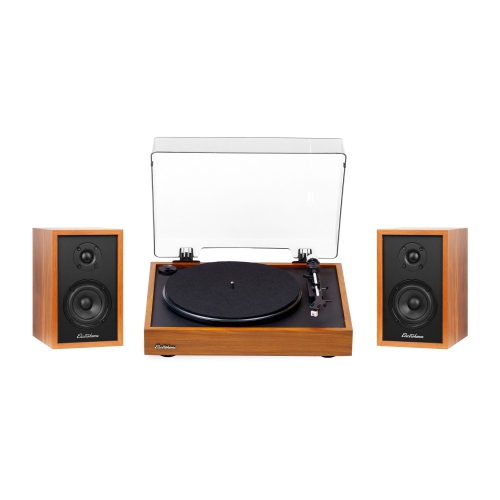
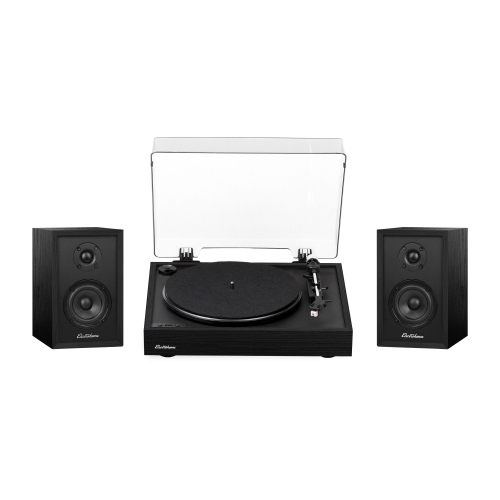

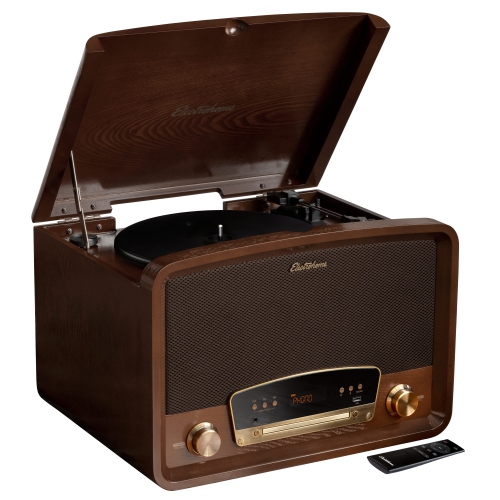
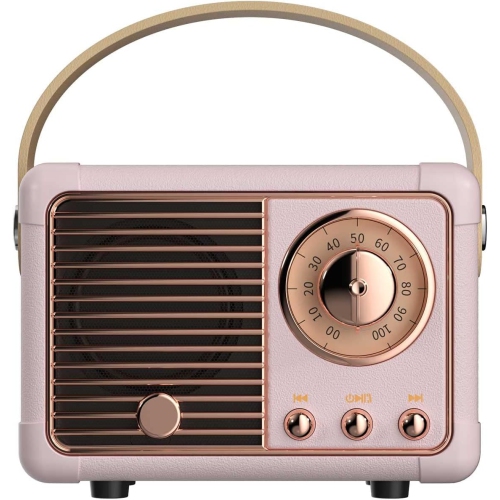
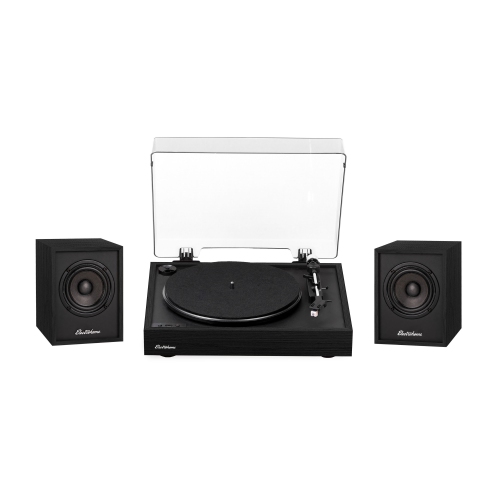
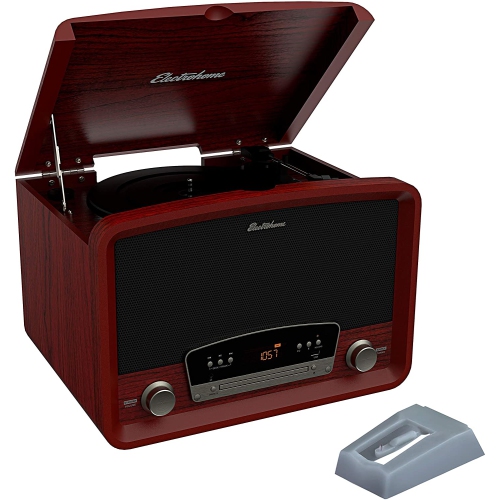

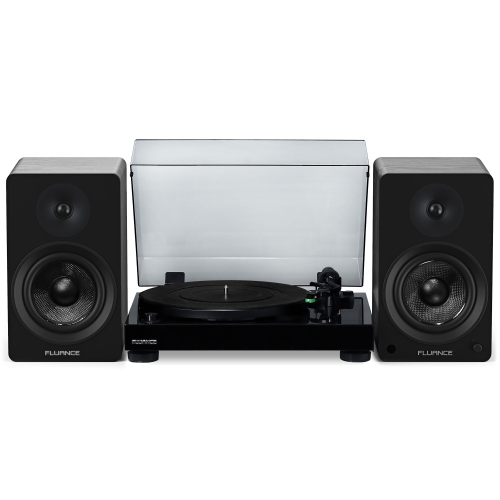
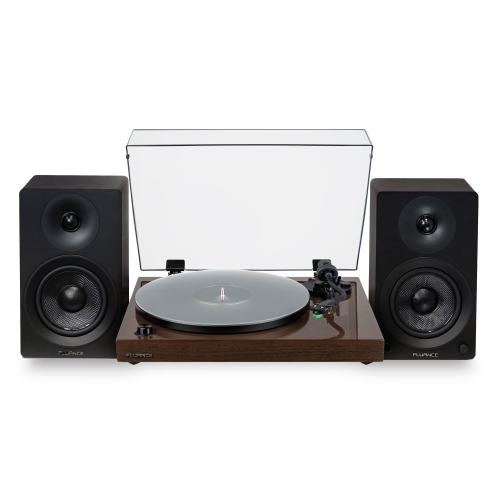
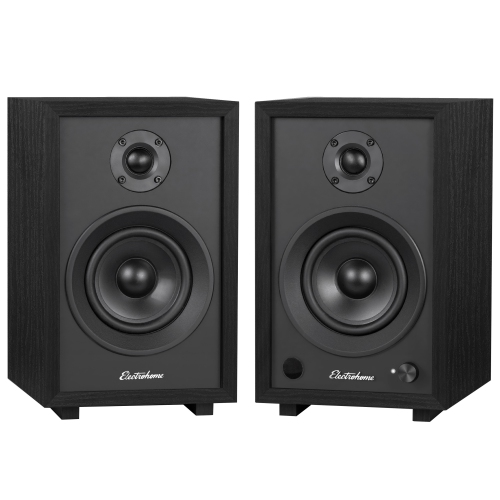
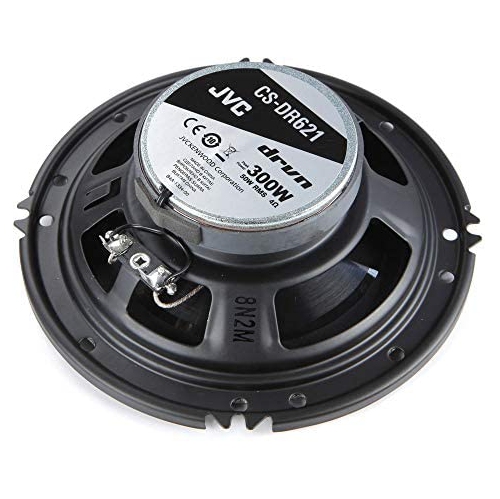
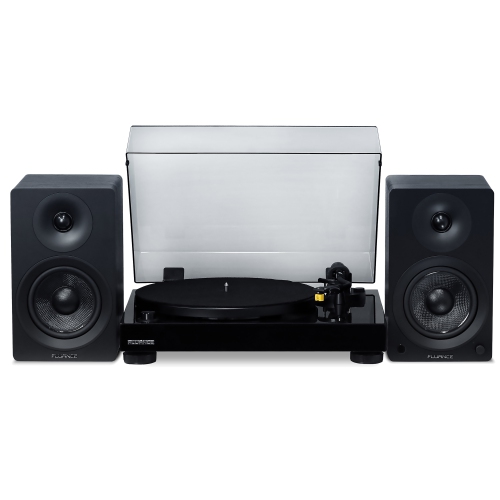
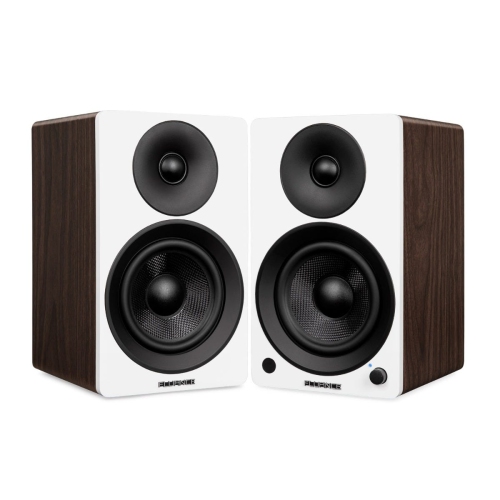
Classic character meets careful placement and modern compatibility
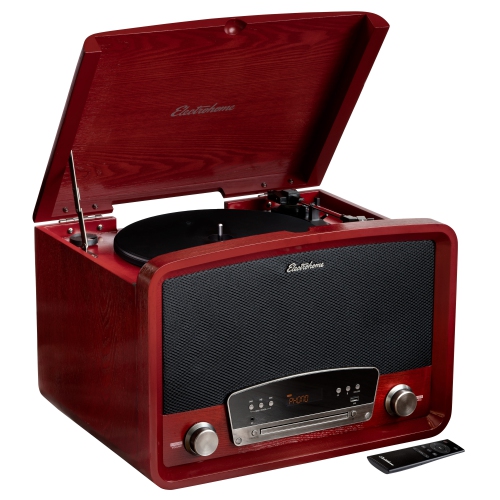
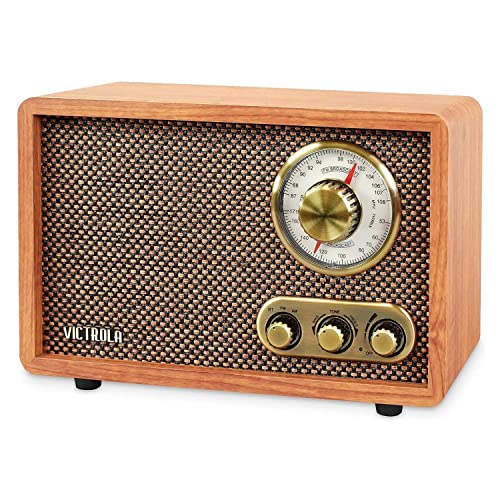
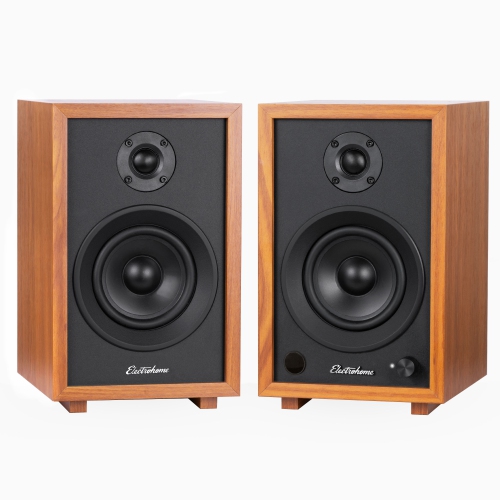
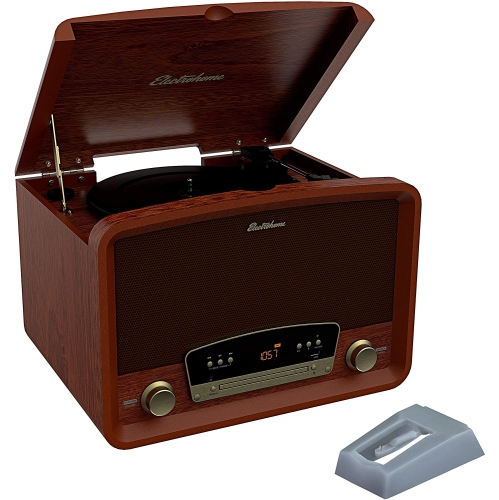
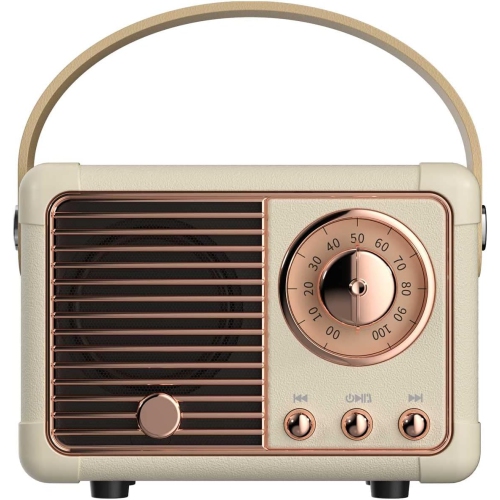
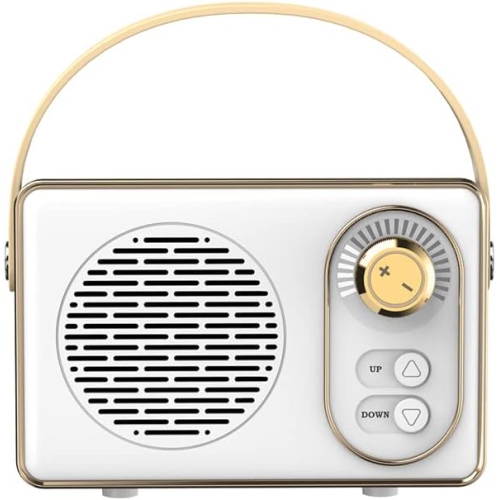
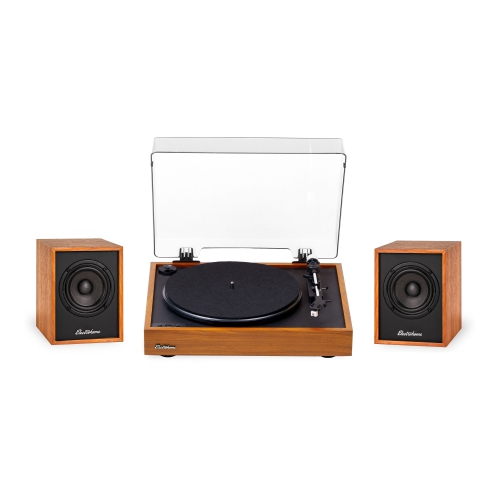
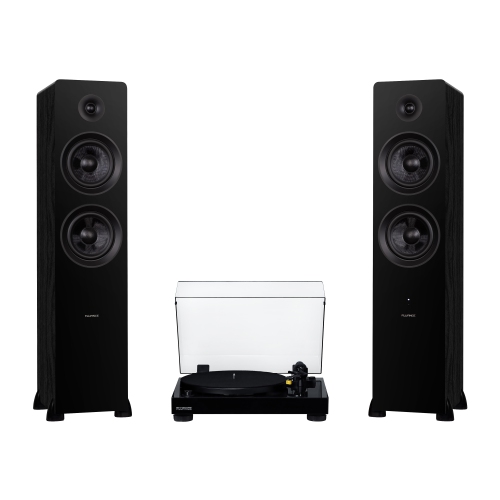
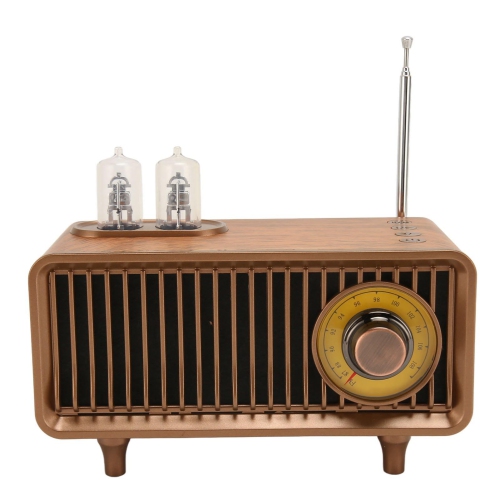
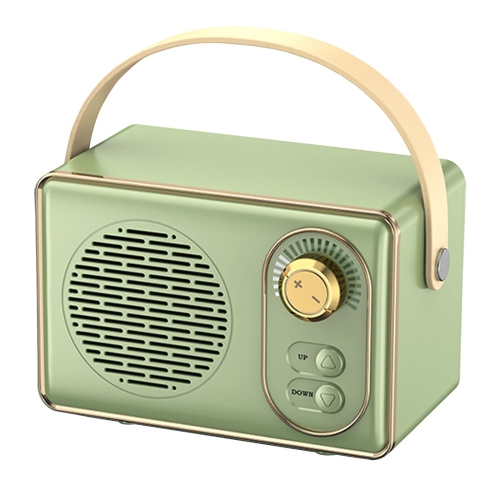
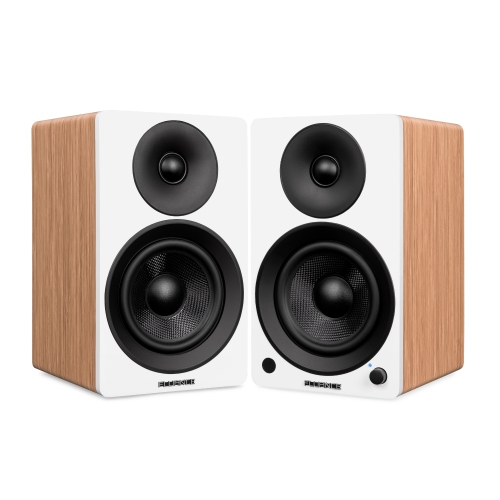
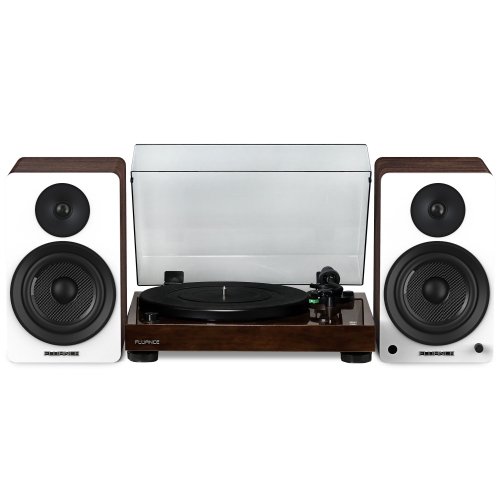
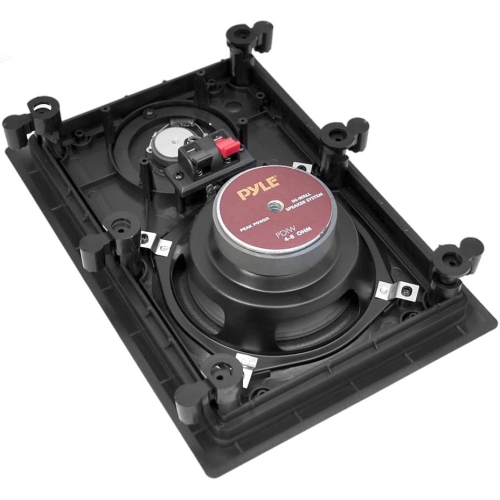
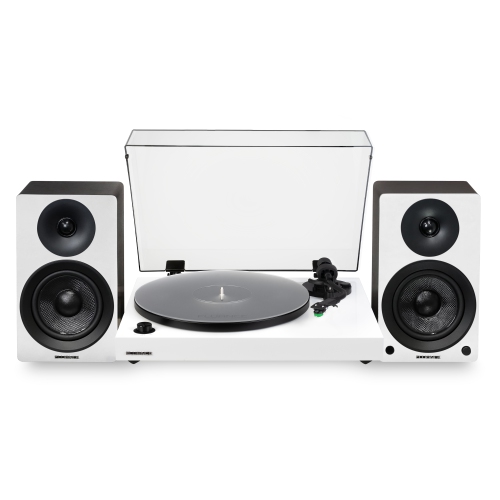
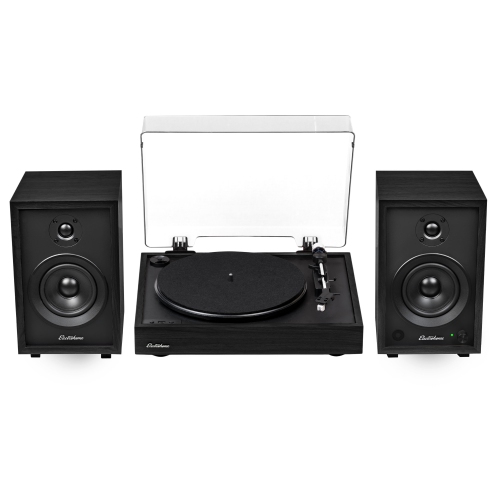
Vintage stereo speakers bring more than sound to a room. Their wood-grain cabinets, fabric grilles, brushed trim, and substantial proportions can give a listening space the character of a classic record room, a well-loved den, or a small club from the golden age of home audio. Many listeners are drawn to the warm, dynamic presentation associated with classic speaker designs, especially when vocals, acoustic instruments, jazz ensembles, or rock recordings are played through a properly matched stereo system. The appeal is both sonic and visual: a pair can create a defined left-and-right soundstage while adding a strong furniture-like presence to a room. Some vintage-style speakers recreate the look of earlier decades with updated internal components, while older or restored speakers may offer design details and cabinet construction that reflect their original era. Before choosing a pair, consider the size of the room, the type of music you enjoy, and how far you will sit from the speakers. Larger cabinets and woofers can produce fuller bass and a more spacious presentation, but they also need adequate room to breathe. Compact models may be easier to place on stands, shelves, or a media console, although they may benefit from a subwoofer if you want especially deep low frequencies. Speaker placement has a noticeable effect on the experience. Position the speakers at equal distances from your main listening seat, angle them slightly inward toward the listening area, and keep them away from corners when possible to prevent bass from becoming boomy. Stands can help raise smaller speakers so the tweeters are close to ear level, while larger floorstanding cabinets may work best with a clear area around them. A little space between the rear of a speaker and the wall can also improve definition, particularly with designs that use rear-facing ports. For an authentic classic appearance, look for details such as wood-look finishes, woven or textured grilles, rounded cabinet edges, and simple control accents. For a more flexible setup, consider Vintage Bluetooth Speakers, which combine retro-inspired styling with wireless listening from a phone, tablet, or computer.
Matching vintage stereo speakers with the rest of your audio system is just as important as choosing their appearance. Start by checking the speaker’s nominal impedance and recommended amplifier power, then compare those specifications with your stereo receiver, integrated amplifier, or home audio system. A speaker with a sensitivity rating suited to your amplifier can play clearly and confidently without requiring excessive power. Higher-sensitivity designs may be a practical choice for lower-powered amplifiers, while other speakers can perform well with a more powerful receiver that offers additional headroom for lively music and movie soundtracks. Confirm that your amplifier has the connections you need, including standard speaker terminals or binding posts, and measure the distance between components before selecting speaker wire. If you are considering older or restored equipment, condition deserves close attention. Foam surrounds around older woofers can deteriorate with age, leading to distortion, rattling, or reduced bass response, while damaged paper or fabric surrounds can affect the driver’s movement. Listen for buzzing, crackling, silence, or an uneven balance between the left and right channels. The woofer, midrange driver, and tweeter should each contribute cleanly across their intended frequencies. Cabinets should be checked for water damage, swelling, loose veneer, deep splits, and rattling panels; cosmetic marks may add character, but structural damage can affect both appearance and performance. Grilles should sit securely, and removable grilles should not be warped or torn if presentation is important. Internal crossover components can also age, so a speaker that has been professionally serviced may offer greater peace of mind than one with an unknown history. For new vintage-inspired designs, review the manufacturer’s specifications, warranty details, driver materials, and included accessories. Think about how the speakers will be used day to day: a pair in a living room can make weekend albums feel more involving, while speakers in a home office can add a warmer, more relaxed atmosphere to background listening. They can also be a thoughtful gift for someone who collects records, enjoys classic décor, is building a first stereo system, or appreciates the tactile ritual of selecting an album and lowering the needle. During the warmer and cooler parts of the year, they can suit everything from open-window afternoon listening to a cosy evening soundtrack indoors. Whether your priority is rich bass, clear vocals, lively dynamics, classic cabinet styling, or easy integration with modern equipment, paying attention to placement, compatibility, condition, and intended use will help you choose vintage stereo speakers that feel natural in your space and rewarding every time the music begins.
Matching vintage stereo speakers with the rest of your audio system is just as important as choosing their appearance. Start by checking the speaker’s nominal impedance and recommended amplifier power, then compare those specifications with your stereo receiver, integrated amplifier, or home audio system. A speaker with a sensitivity rating suited to your amplifier can play clearly and confidently without requiring excessive power. Higher-sensitivity designs may be a practical choice for lower-powered amplifiers, while other speakers can perform well with a more powerful receiver that offers additional headroom for lively music and movie soundtracks. Confirm that your amplifier has the connections you need, including standard speaker terminals or binding posts, and measure the distance between components before selecting speaker wire. If you are considering older or restored equipment, condition deserves close attention. Foam surrounds around older woofers can deteriorate with age, leading to distortion, rattling, or reduced bass response, while damaged paper or fabric surrounds can affect the driver’s movement. Listen for buzzing, crackling, silence, or an uneven balance between the left and right channels. The woofer, midrange driver, and tweeter should each contribute cleanly across their intended frequencies. Cabinets should be checked for water damage, swelling, loose veneer, deep splits, and rattling panels; cosmetic marks may add character, but structural damage can affect both appearance and performance. Grilles should sit securely, and removable grilles should not be warped or torn if presentation is important. Internal crossover components can also age, so a speaker that has been professionally serviced may offer greater peace of mind than one with an unknown history. For new vintage-inspired designs, review the manufacturer’s specifications, warranty details, driver materials, and included accessories. Think about how the speakers will be used day to day: a pair in a living room can make weekend albums feel more involving, while speakers in a home office can add a warmer, more relaxed atmosphere to background listening. They can also be a thoughtful gift for someone who collects records, enjoys classic décor, is building a first stereo system, or appreciates the tactile ritual of selecting an album and lowering the needle. During the warmer and cooler parts of the year, they can suit everything from open-window afternoon listening to a cosy evening soundtrack indoors. Whether your priority is rich bass, clear vocals, lively dynamics, classic cabinet styling, or easy integration with modern equipment, paying attention to placement, compatibility, condition, and intended use will help you choose vintage stereo speakers that feel natural in your space and rewarding every time the music begins.
Top selling and popular products
-
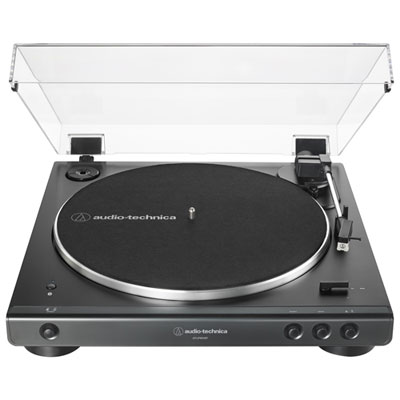 Your price for this item is $329.99
 -
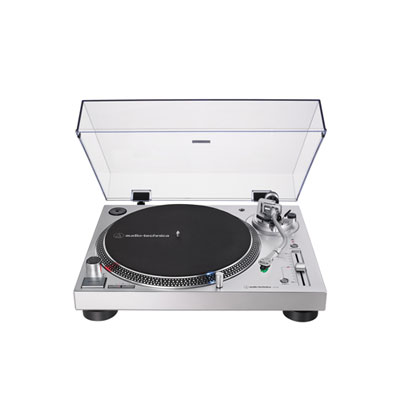 Your price for this item is $519.99
 -
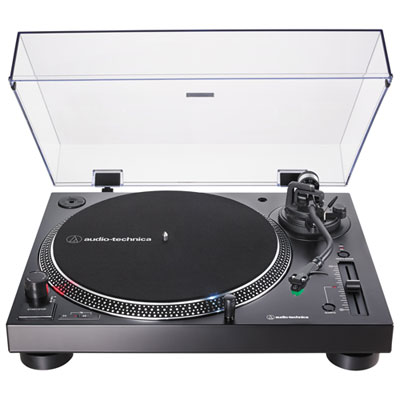 Your price for this item is $519.99
 -
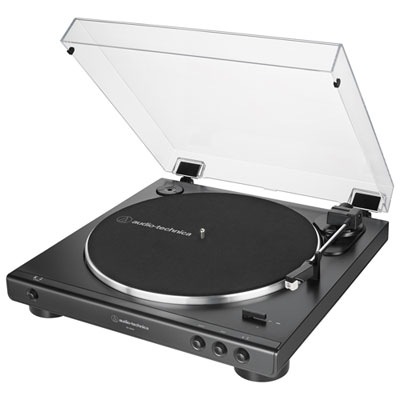 Your price for this item is $199.99
 -
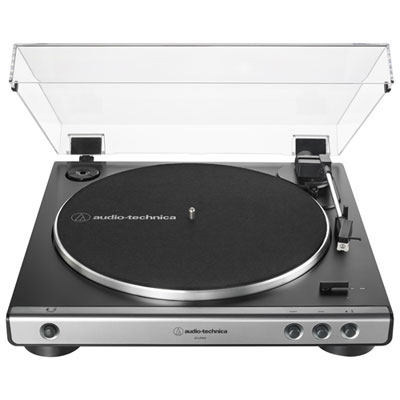 Your price for this item is $229.99
 -
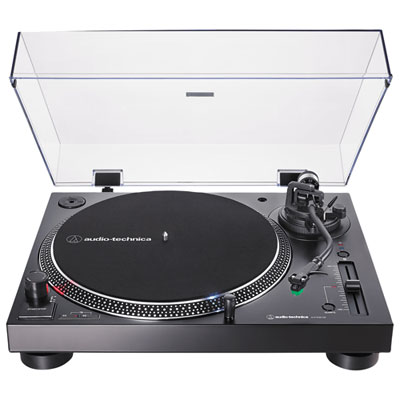 Your price for this item is $579.98
 -
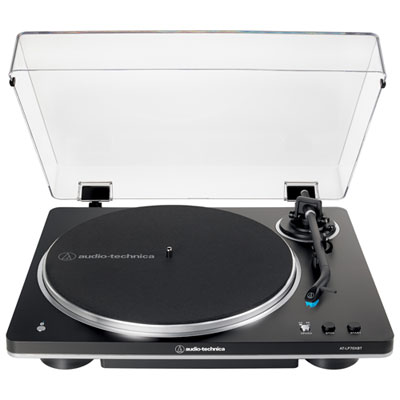 Your price for this item is $379.99
 -
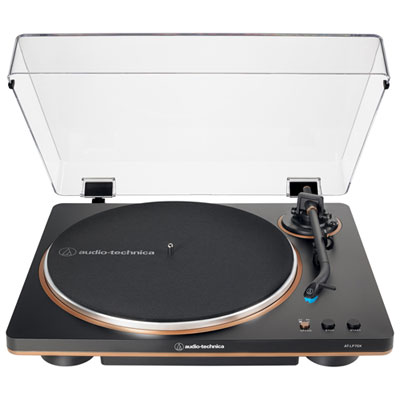 Your price for this item is $279.99
Discover more categories related to Vintage Stereo Speakers
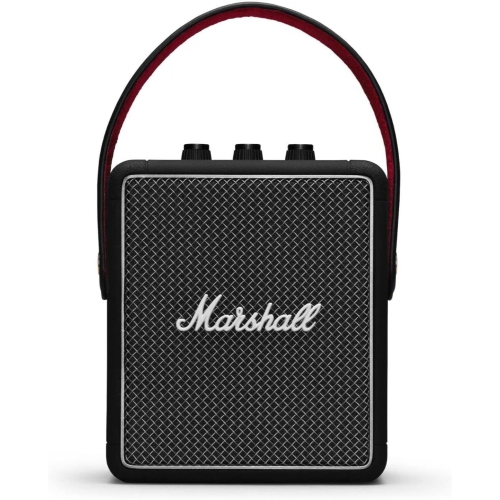
Top Collections:
Pokemon Centers, Kindle Devices, Best Budget Office Chairs, Apple iPhones 16, Best Laptops for Writers, iPhone 15 Apple, Canon G7X Cameras, Refurbished Apple Laptops, Alarm Clock, Motorola Razr Phones
Some products may be subject to Environmental Handling Fees
(EHF) depending on your province.
Learn more about EHFs.