Vinyl Records
Looking to add some vintage charm and timeless melodies to your music collection? Look no further than our extensive selection of vinyl records. From classic rock to jazz, pop to hip-hop, our vinyl collection spans across genres, offering you a diverse range of options to choose from. Immerse yourself in the warm sound and tactile experience that only vinyl can provide as you rediscover the joy of flipping through album covers and placing the needle on the groove. Here are some great options available.
Sort
![COLUMBIA RECORDS Bruce Springsteen - Springsteen On Broadway - (150 Gram Vinyl, O-Card Packaging) - [Vinyl]](https://multimedia.bbycastatic.ca/multimedia/products/500x500/186/18608/18608977.jpeg)
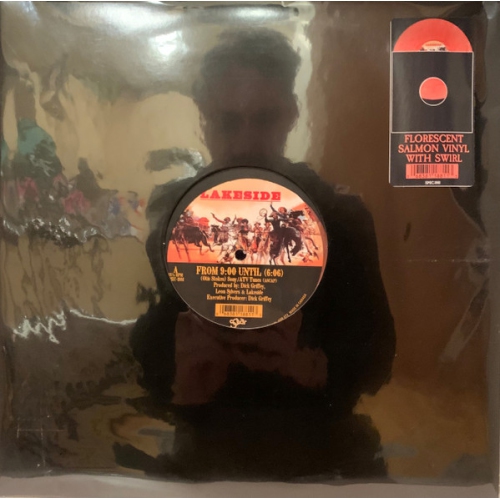
![WARNER BROS UK Panic At The Disco - Death Of A Bachelor [Import] - (United Kingdom - Import) - [Vinyl] In Multicolor Great album](https://multimedia.bbycastatic.ca/multimedia/products/500x500/167/16707/16707059.jpeg)
![WARNER RECORDS Prince - Rain - (180 Gram Vinyl, Remastered) - [Vinyl] In Purple](https://multimedia.bbycastatic.ca/multimedia/products/500x500/187/18710/18710020.jpeg)
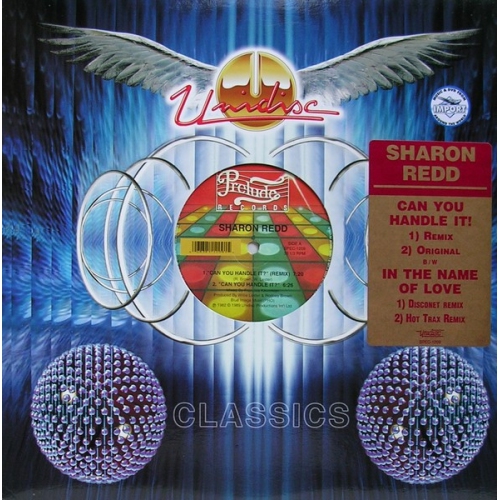
![INTERSCOPE RECORDS Afi - Sing The Sorrow - (45 Rpm) - [Vinyl] In Multicolor](https://multimedia.bbycastatic.ca/multimedia/products/500x500/186/18605/18605454.jpeg)
![BURNING SOUNDS Toots & Maytals - Recoup - 180Gm Vinyl [Vinyl Lp] Colo Vinyl, 180 Gram, Uk - Import In Red](https://multimedia.bbycastatic.ca/multimedia/products/500x500/165/16564/16564609.jpeg)
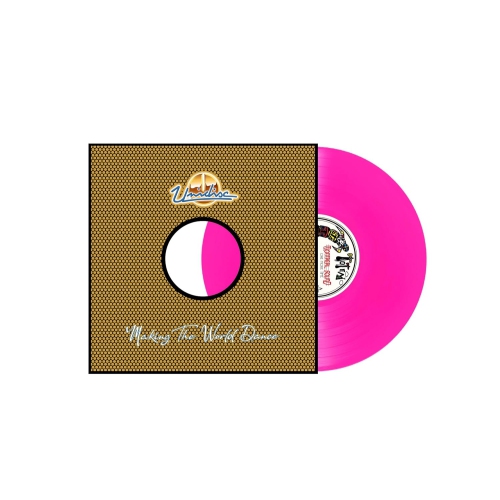
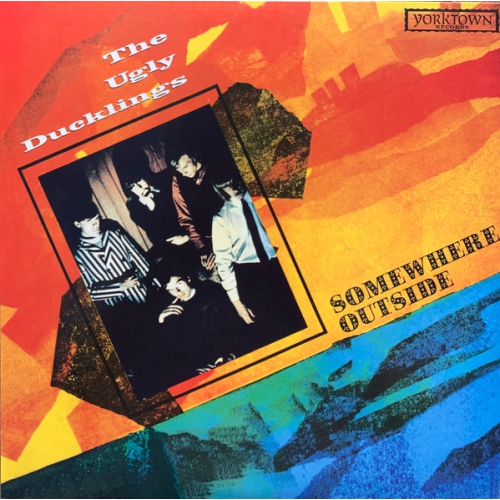
![UNIVERSAL MUSIC INTL The Rolling Stones - Dirty Work - (180 Gram Vinyl) - [Vinyl]](https://multimedia.bbycastatic.ca/multimedia/products/500x500/174/17472/17472689.jpeg)

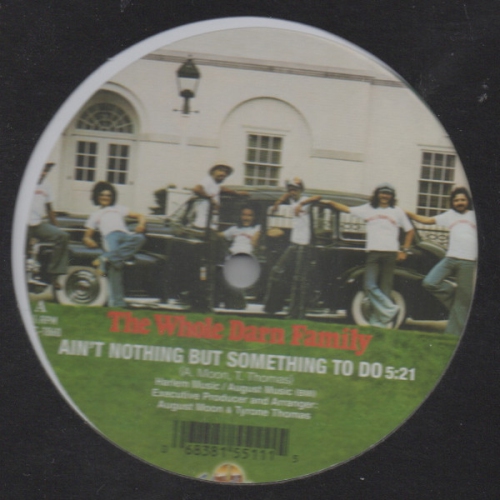
![WARNER RECORDS Madonna - Everybody - (Rsd Exclusive, 180 Gram Vinyl, 45 Rpm) - [Vinyl]](https://multimedia.bbycastatic.ca/multimedia/products/500x500/174/17475/17475134.jpeg)
![LAKESHORE RECORDS Wednesday Addams - Wednesday - Paint It / Main Titles - [Vinyl] In Black](https://multimedia.bbycastatic.ca/multimedia/products/500x500/200/20063/20063994.jpeg)
![WARNER RECORDS Mother Mother - Nostalgia [Vinyl Lp]](https://multimedia.bbycastatic.ca/multimedia/products/500x500/194/19442/19442618.jpeg)
![INTERSCOPE/GEFFEN/A& Lana Del Rey - Lana Del Ray - Paradise (Vinyl) - [Vinyl]](https://multimedia.bbycastatic.ca/multimedia/products/500x500/172/17202/17202187.jpeg)
![REAL GONE MUSIC Fear Factory - Concrete - (Colored Vinyl, Purple, Blue, Gray) - [Vinyl]](https://multimedia.bbycastatic.ca/multimedia/products/500x500/197/19706/19706578.jpeg)
![THRILL JOCKEY Pit Er Pat - Shakey - [Vinyl]](https://multimedia.bbycastatic.ca/multimedia/products/500x500/186/18610/18610623.jpeg)
![ISLAND RECORDS Tony Bennett & Lady Gaga - Love for Sale - (180 Gram Vinyl) - [Vinyl]](https://multimedia.bbycastatic.ca/multimedia/products/500x500/174/17469/17469453.jpeg)
![PIRATES PRESS RECS The Mess - Under Attack - [Vinyl]](https://multimedia.bbycastatic.ca/multimedia/products/500x500/201/20194/20194810.jpeg)
![FUELED BY RAMEN Twenty One Pilots - Vessel - (Clear Vinyl, Digital Download Card) - [Vinyl] Great!](https://multimedia.bbycastatic.ca/multimedia/products/500x500/186/18607/18607986.jpeg)
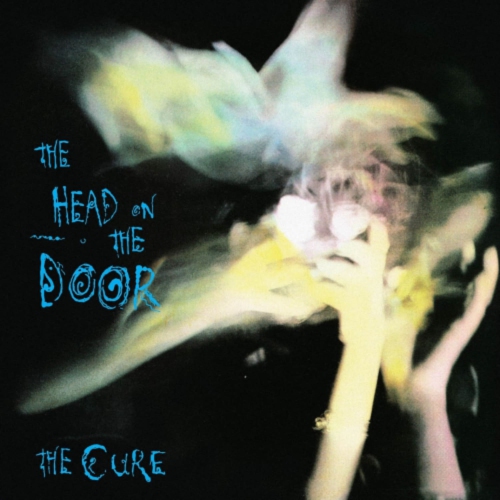
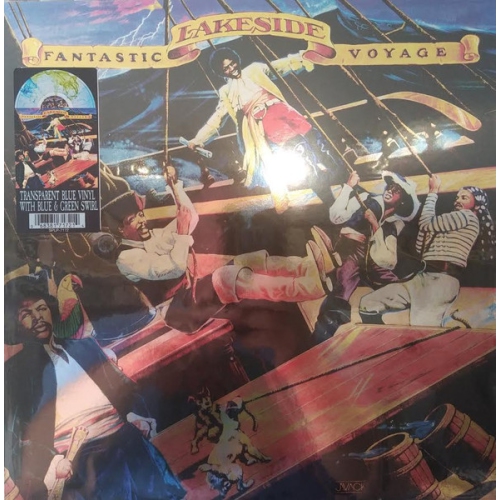
![METROPOLIS RECORDS Vaniish - Memory Work - (Limited Edition) - [Vinyl]](https://multimedia.bbycastatic.ca/multimedia/products/500x500/199/19936/19936339.jpeg)
![OPEN ROAD RECORDINGS Tim Hicks - Throw Down [Import] - (Canada - Import) - [Vinyl]](https://multimedia.bbycastatic.ca/multimedia/products/500x500/186/18610/18610631.jpeg)
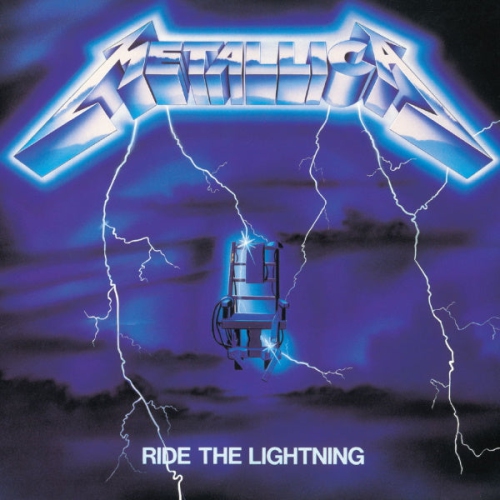
![MUSIC ON VINYL Dead Or Alive - Youthquake - 180-Gram - [Vinyl] In Black](https://multimedia.bbycastatic.ca/multimedia/products/500x500/199/19942/19942912.jpeg)
![HIP-O RECORDS (UME) Eminem - Recovery [Explicit Content] - (Parental Advisory Explicit Lyrics) - [Vinyl] In Multicolor Great Album](https://multimedia.bbycastatic.ca/multimedia/products/500x500/193/19302/19302516.jpeg)
![NETTWERK RECORDS Ladytron - Paradises - (140 Gram, Gatefold Lp Jacket) - [Vinyl]](https://multimedia.bbycastatic.ca/multimedia/products/500x500/198/19853/19853499.jpeg)
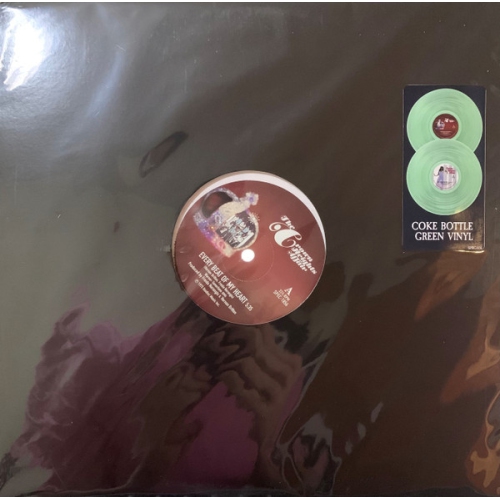
![COMMUNION GROUP LTD The Cardinals - Masquerade - (Indie Exclusive, Clear Vinyl, Red) - [Vinyl]](https://multimedia.bbycastatic.ca/multimedia/products/500x500/197/19777/19777943.jpeg)
![WARNER RECORDS Linkin Park - Minutes to Midnight - [Vinyl]](https://multimedia.bbycastatic.ca/multimedia/products/500x500/186/18604/18604478.jpeg)
![ISLAND RECORDS Amy Winehouse - Lioness: Hidden Treasures - [Vinyl] Beautiful renditions of some of Amy winehouse's best songs](https://multimedia.bbycastatic.ca/multimedia/products/500x500/192/19209/19209792.jpeg)
![SEPTEMBER RECORDS Loukeman - Sd-3 - (140 Gram ) - [Vinyl]](https://multimedia.bbycastatic.ca/multimedia/products/500x500/199/19962/19962987.jpeg)
![INTERSCOPE Juice Wrld - Legends Never Die [Explicit Content] - (Parental Advisory Explicit Lyrics) - [Vinyl] Great experience](https://multimedia.bbycastatic.ca/multimedia/products/500x500/174/17473/17473574.jpeg)
![THRILL JOCKEY RECORD Claire Rousay - Sentiment - (Indie Exclusive, Digital Download Card) - [Vinyl]](https://multimedia.bbycastatic.ca/multimedia/products/500x500/186/18616/18616586.jpeg)
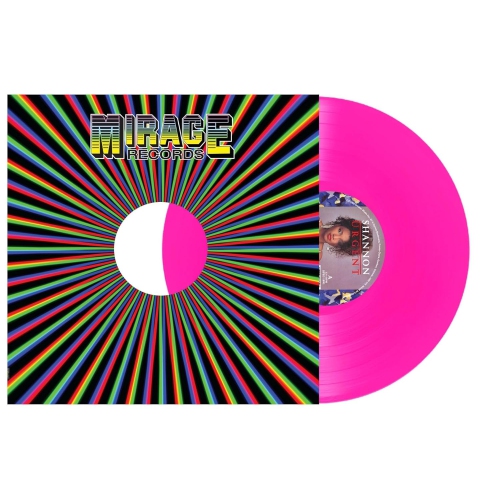
![SPINEFARM RECORDS Vrsty - Welcome Home [Explicit Content] - (Parental Advisory Explicit Lyrics, Colored Vinyl, Purple) - [Vinyl]](https://multimedia.bbycastatic.ca/multimedia/products/500x500/174/17467/17467129.jpeg)
![PINK FLOYD RECORDS Floyd - Relics - (180 Gram Vinyl) - [Vinyl]](https://multimedia.bbycastatic.ca/multimedia/products/500x500/186/18604/18604846.jpeg)
![DAMAGED GOODS RECORD Courettes - Shake - (Colored Vinyl, Gold) - [Vinyl]](https://multimedia.bbycastatic.ca/multimedia/products/500x500/186/18605/18605166.jpeg)
![UNIVERSAL MUSIC Prhyme - Prhyme 2 [Explicit Content] - (Parental Advisory Explicit Lyrics, Gatefold Lp Jacket) - [Vinyl]](https://multimedia.bbycastatic.ca/multimedia/products/500x500/172/17202/17202194.jpeg)
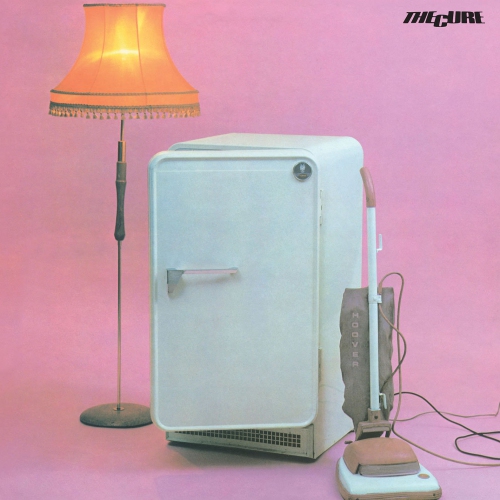
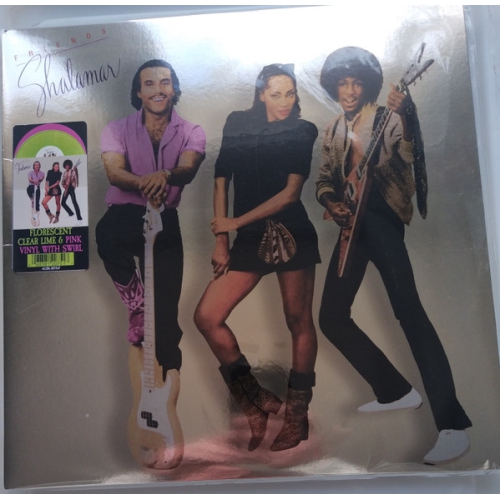
![UNIDISC RECORDS April Wine - Greatest Hits [180-Gram Colored Vinyl] [Import] - (180 Gram Vinyl, Colored Vinyl, Canada - Import) - [Vinyl] In Gold](https://multimedia.bbycastatic.ca/multimedia/products/500x500/192/19211/19211346.jpeg)
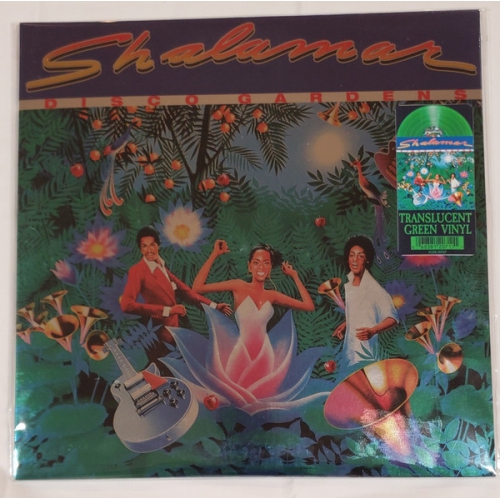
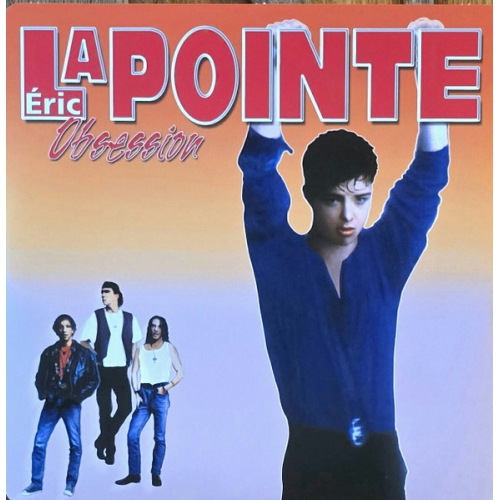
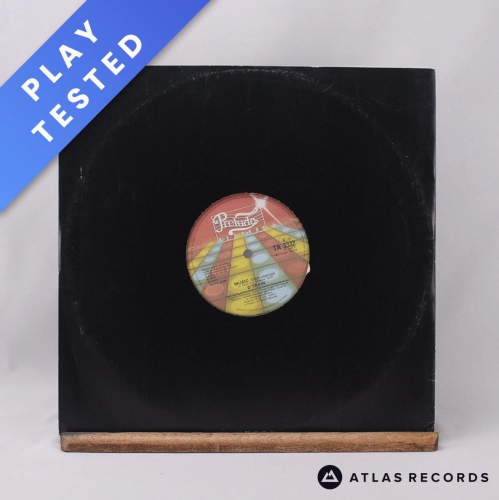
![UNIDISC RECORDS April Wine - The Best Of Rock Ballads - Color Vinyl 180G [Import] - (Colored Vinyl, 180 Gram Vinyl, Canada - Import) - [Vinyl]](https://multimedia.bbycastatic.ca/multimedia/products/500x500/174/17472/17472446.jpeg)
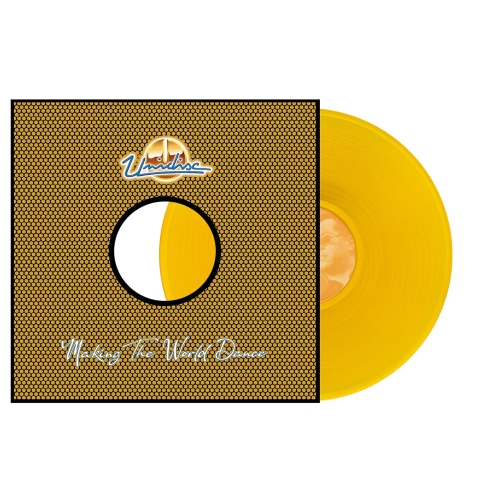
![PACEMAKER RECORDS Mystery Plane - Still Life [Import] - (United Kingdom - Import) - [Vinyl]](https://multimedia.bbycastatic.ca/multimedia/products/500x500/174/17471/17471496.jpeg)
![SME NASHVILLE Tenille Townes - The Worktapes - (150 Gram ) - [Vinyl]](https://multimedia.bbycastatic.ca/multimedia/products/500x500/198/19853/19853418.jpeg)
![WARNER RECORDS Prince - & The New Power Generation - Diamonds And Pearls - [Vinyl] In Multicolor](https://multimedia.bbycastatic.ca/multimedia/products/500x500/186/18609/18609351.jpeg)
![GEFFEN RECORDS Weezer - Weezer (Red Album) - [Vinyl]](https://multimedia.bbycastatic.ca/multimedia/products/500x500/192/19231/19231214.jpeg)
![CALUMET QUEEN RECORD Kiely Connell - My Own Company - [Vinyl] In Multicolor](https://multimedia.bbycastatic.ca/multimedia/products/500x500/186/18605/18605885.jpeg)

![AQUARIUS MUSIC April Wine - On Record (180-Gram Lime Vinyl) [Import] - (Canada - Import) - [Vinyl] In Green](https://multimedia.bbycastatic.ca/multimedia/products/500x500/174/17468/17468180.jpeg)
![UNIDISC RECORDS Moxy - Ridin' High - Color Vinyl 180G [Import] - (Colored Vinyl, 180 Gram Vinyl, Canada - Import) - [Vinyl]](https://multimedia.bbycastatic.ca/multimedia/products/500x500/186/18606/18606663.jpeg)
![INTERSCOPE RECORDS Afi - Decemberunderground - [Vinyl]](https://multimedia.bbycastatic.ca/multimedia/products/500x500/199/19964/19964528.jpeg)
![CAPITOL Aerosmith - Aerosmith — Greatest Hits 2Lp - [Vinyl] Some of their best songs are on this LP and I love it](https://multimedia.bbycastatic.ca/multimedia/products/500x500/174/17474/17474437.jpeg)
![MNRK RECORDS Underoath - Place After This One - Ruby - (Clear Vinyl, Ruby, 180 Gram Vinyl) - [Vinyl]](https://multimedia.bbycastatic.ca/multimedia/products/500x500/193/19302/19302099.jpeg)
![FBR Panic At The Disco - Too Weird to Live Too Rare to Die - [Vinyl] In Multicolor Love it!](https://multimedia.bbycastatic.ca/multimedia/products/500x500/191/19163/19163299.png)
![EPITAPH Thrice - Horizons/ East - [Vinyl] Great find, great music](https://multimedia.bbycastatic.ca/multimedia/products/500x500/174/17469/17469642.jpeg)
![WARM AND COZY RECORD Brett Eldredge - Merry Christmas (Welcome to The Family) - [Vinyl]](https://multimedia.bbycastatic.ca/multimedia/products/500x500/186/18616/18616766.jpeg)
![URBNET / FONTANA NOR Anzola - Caracas (Say That Again / Might Be Something) - [Vinyl]](https://multimedia.bbycastatic.ca/multimedia/products/500x500/186/18610/18610340.jpeg)
![METHOD RECORDS Slowthai - Tyron [Import] - (Canada - Import) - [Vinyl]](https://multimedia.bbycastatic.ca/multimedia/products/500x500/174/17468/17468037.jpeg)

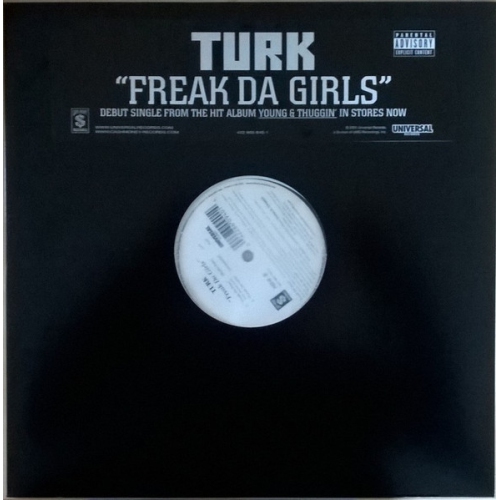
![SONY IMPORT Buoys - Lustre - Eco-Colored - [Vinyl]](https://multimedia.bbycastatic.ca/multimedia/products/500x500/198/19858/19858102.jpeg)
![ROLLING STONES RECOR The Rolling Stones - The Rolling Stones Zoetrope Lp Record - [Vinyl] In Black/blue](https://multimedia.bbycastatic.ca/multimedia/products/500x500/198/19854/19854660.jpeg)
![WAX Virginia to Vegas - Greatest Hits [Import] - (Canada - Import) - [Vinyl] In Multicolor](https://multimedia.bbycastatic.ca/multimedia/products/500x500/186/18606/18606644.jpeg)
![FLUFF AND GRAVY RECS Murry Hammond - Trail Songs Of The Deep - [Vinyl]](https://multimedia.bbycastatic.ca/multimedia/products/500x500/198/19853/19853354.jpeg)
![UNIVERSAL MUSIC CANA Teenage Head - Tornado [Deluxe] [Import] - (Deluxe Edition, Canada - Import) - [Vinyl]](https://multimedia.bbycastatic.ca/multimedia/products/500x500/174/17471/17471366.jpeg)
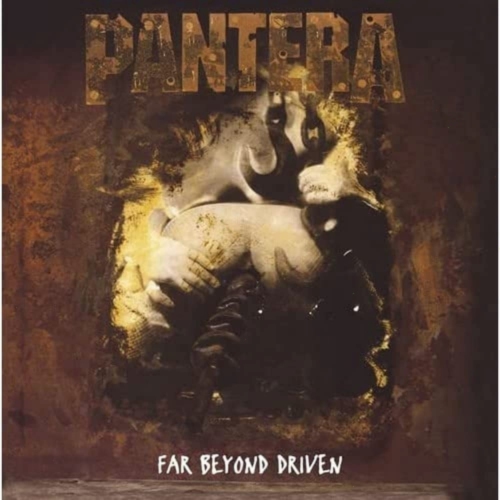
![DAYGLOW LLC Dayglow - Biggest Fan / Just So You Know - [Vinyl]](https://multimedia.bbycastatic.ca/multimedia/products/500x500/201/20193/20193620.jpeg)

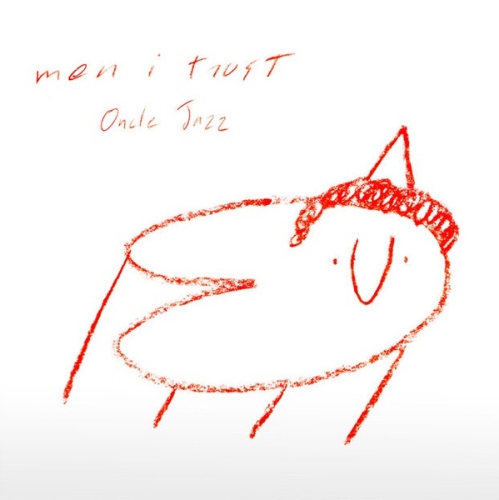
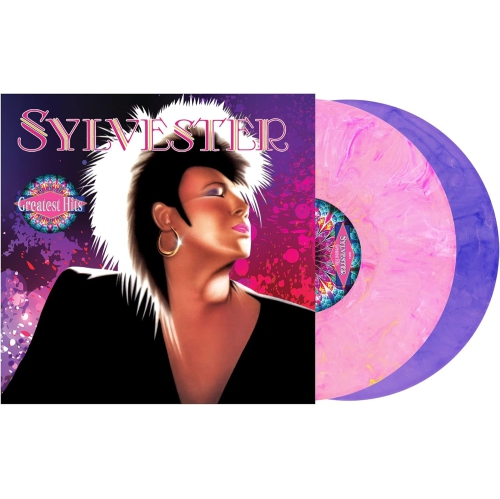

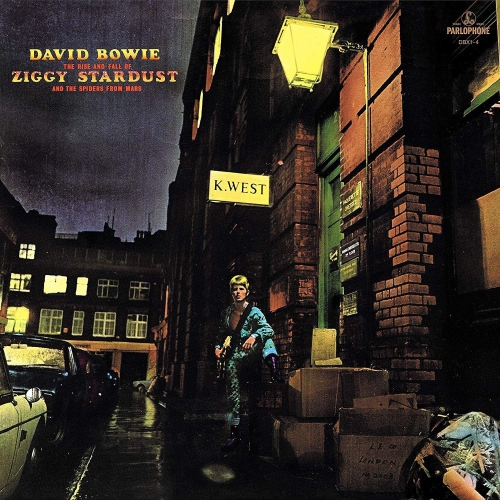
![SONY UK Billy Ocean - Suddenly - Ocean Colored Vinyl [Import] - (United Kingdom - Import) - [Vinyl] In Blue](https://multimedia.bbycastatic.ca/multimedia/products/500x500/187/18741/18741428.jpeg)
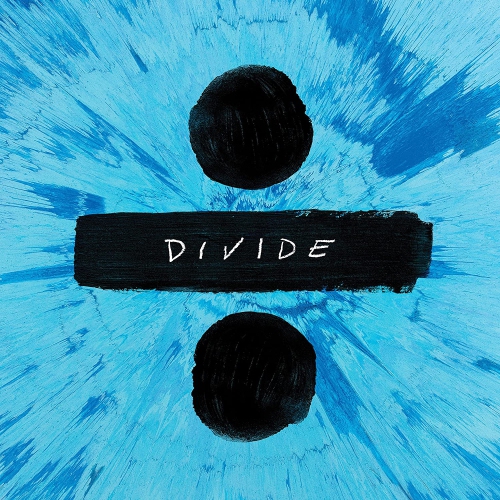
![BONSOUND Champion - Best Seller - (Gatefold Lp Jacket) - [Vinyl]](https://multimedia.bbycastatic.ca/multimedia/products/500x500/193/19302/19302207.png)

![UNIVERSAL RECORDS Eddie Vedder - Ukulele Songs - (180 Gram Vinyl, Deluxe Edition) - [Vinyl]](https://multimedia.bbycastatic.ca/multimedia/products/500x500/174/17469/17469263.jpeg)
![RHW The Cure - Pornography - (180 Gram Vinyl) - [Vinyl] Great to have one of my favorite albums in vinyl](https://multimedia.bbycastatic.ca/multimedia/products/500x500/186/18609/18609763.jpeg)

![UNIDISC France Joli - Gonna Get Over You (A-Trak & Wev Remix) 4 Mixes Color Vinyl 160Gm [Import] - (Colored Vinyl, 160 Gram Vinyl, Canada - Import)](https://multimedia.bbycastatic.ca/multimedia/products/500x500/174/17473/17473253.jpeg)
![ROADRUNNER RECORDS Turnstile - Time & Space - (Digital Download Card) - [Vinyl]](https://multimedia.bbycastatic.ca/multimedia/products/500x500/174/17471/17471581.jpeg)
![GET YER VINYL OUT GY Nirvana - Greatest Hits Live - [Vinyl] In Multicolor](https://multimedia.bbycastatic.ca/multimedia/products/500x500/198/19853/19853409.jpeg)
![Todd Rundgren - Todd Rundgren's Utopia - (RSD Exclusive, Colored Vinyl, Violet, Splatter) - [Vinyl] in Multicolor](https://multimedia.bbycastatic.ca/multimedia/products/500x500/192/19213/19213640.jpeg)
![VINILO The Beatles - Long Tall Sally - Rsd - Sealed - [Vinyl] In Multicolor](https://multimedia.bbycastatic.ca/multimedia/products/500x500/198/19853/19853501.jpeg)

![A&M The Carpenters - The Singles 1969-1973 - (180 Gram Vinyl) - [Vinyl]](https://multimedia.bbycastatic.ca/multimedia/products/500x500/165/16549/16549658.jpeg)
![RHI Tori Amos - Little Earthquakes - (180 Gram Vinyl) - [Vinyl] Love this album and vinyl captures the beauty of the vocals and piano](https://multimedia.bbycastatic.ca/multimedia/products/500x500/174/17470/17470130.jpeg)


![Iron Maiden - Iron Maiden [Import] - (Remastered, Spain - Import) - [Vinyl]](https://multimedia.bbycastatic.ca/multimedia/products/500x500/186/18616/18616745.jpeg)
![UNIVERSAL IMPORT Abba - The Album - Limited Picture Disc Pressing [Import] - (Limited Edition, Picture Disc Vinyl) - [Vinyl]](https://multimedia.bbycastatic.ca/multimedia/products/500x500/170/17085/17085529.jpeg)
![SI / RELAPSE Wrong - [Vinyl]](https://multimedia.bbycastatic.ca/multimedia/products/500x500/186/18606/18606176.jpeg)
![APPLE The Beatles - 1 - [Vinyl] [This review was collected as part of a promotion](https://multimedia.bbycastatic.ca/multimedia/products/500x500/155/15589/15589664.jpeg)
![UNIDISC RECORDS Shalamar - 12 Inch Collection - Limited Colored Vinyl [Import] - (Limited Edition, Colored Vinyl, Canada - Import) - [Vinyl]](https://multimedia.bbycastatic.ca/multimedia/products/500x500/194/19461/19461536.jpeg)
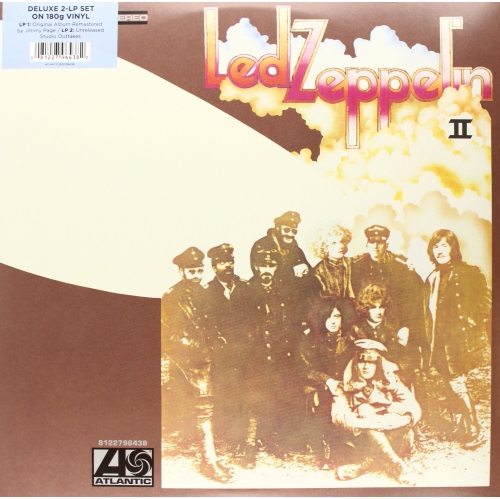
![MUSIC ON VINYL Armin Van Buuren - Piano - (Armin Van Buuren) - [Vinyl]](https://multimedia.bbycastatic.ca/multimedia/products/500x500/199/19912/19912949.jpeg)
![WARNER RECORDS Linkin Park - Meteora - [Vinyl] Great album](https://multimedia.bbycastatic.ca/multimedia/products/500x500/174/17475/17475023.jpeg)
![EQUAL VISION Hot Water Music - Vows - [Vinyl]](https://multimedia.bbycastatic.ca/multimedia/products/500x500/192/19211/19211692.jpeg)
![WARNER RECORDS Madonna - Erotica - (Picture Disc Vinyl) - [Vinyl]](https://multimedia.bbycastatic.ca/multimedia/products/500x500/174/17475/17475337.jpeg)
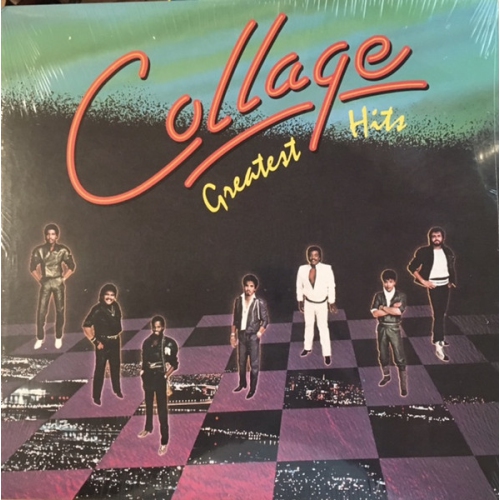
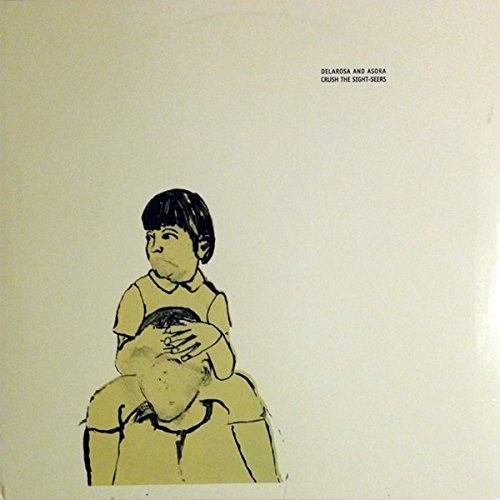
![VIDCO-345 Hell Freezes Over [2 Lp][Remastered] Great album](https://multimedia.bbycastatic.ca/multimedia/products/500x500/163/16373/16373968.jpeg)
![HIP-O RECORDS (UME) Stevie Wonder - The Definitive Collection - (Photo / Photo Card) - [Vinyl]](https://multimedia.bbycastatic.ca/multimedia/products/500x500/193/19302/19302758.jpeg)
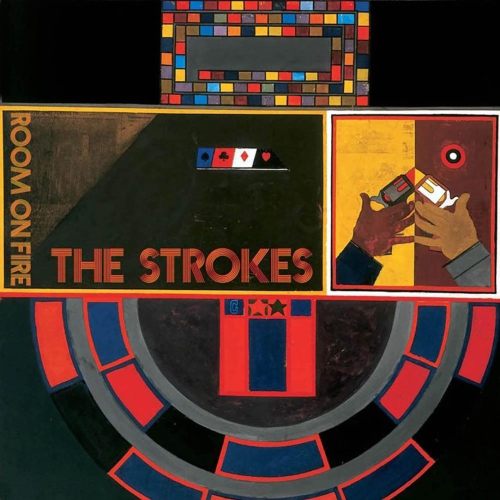
![FRONTIERS RECORDS Megadeth - Megadeth - [Vinyl]](https://multimedia.bbycastatic.ca/multimedia/products/500x500/197/19706/19706585.jpeg)

![RED / DINE ALONE REC Dirty Nil - Master Volume - [Vinyl]](https://multimedia.bbycastatic.ca/multimedia/products/500x500/192/19213/19213347.png)
![MUSIC ON VINYL Various Artists - Avicii: The Iconic Joia Records Remixes (Various Artists) - (Colored, 180 Gram, Limited Edition) - [Vinyl]](https://multimedia.bbycastatic.ca/multimedia/products/500x500/201/20142/20142685.jpeg)
![EARACHE RECORDS MOSH Buckcherry - Butterfly - [Vinyl] In Black](https://multimedia.bbycastatic.ca/multimedia/products/500x500/201/20174/20174726.jpeg)
![LET THEM EAT VINYL Sky - 3 - [Vinyl]](https://multimedia.bbycastatic.ca/multimedia/products/500x500/174/17472/17472699.jpeg)
![FBR Panic At The Disco - Pray for The Wicked - (Black, Digital Download Card) - [Vinyl] Best price I've found for this album and I'm in love!](https://multimedia.bbycastatic.ca/multimedia/products/500x500/174/17469/17469575.jpeg)
![RCA RECORDS LABEL NA Chris Young - Famous Friends - (140 Gram Vinyl) - [Vinyl]](https://multimedia.bbycastatic.ca/multimedia/products/500x500/192/19214/19214719.jpeg)
![INTERSCOPE Eminem - Music to Be Murdered By [Explicit Content] - (Parental Advisory Explicit Lyrics, Colored Vinyl) - [Vinyl] Great album](https://multimedia.bbycastatic.ca/multimedia/products/500x500/174/17467/17467703.jpeg)
![WARNER RECORDS Isaiah Rashad - The House Is Burning - [Vinyl]](https://multimedia.bbycastatic.ca/multimedia/products/500x500/186/18608/18608178.jpeg)
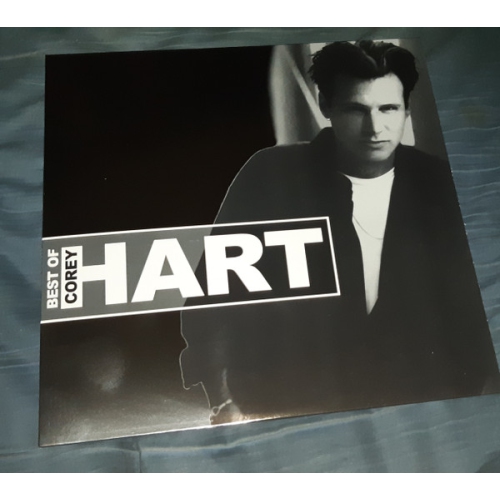
![RHINO Jethro Tull - Songs From The Vault: 1975-1978 - (Rsd Exclusive, Recycled / Recyclable) - [Vinyl]](https://multimedia.bbycastatic.ca/multimedia/products/500x500/194/19456/19456157.jpeg)
![RCA RECORDS LABEL Britney Spears - Glory [Explicit Content] [Import] - (Parental Advisory Explicit Lyrics, Deluxe Edition, Download Insert) - [Vinyl] Best Britney Album Since Blackout!](https://multimedia.bbycastatic.ca/multimedia/products/500x500/174/17470/17470542.jpeg)
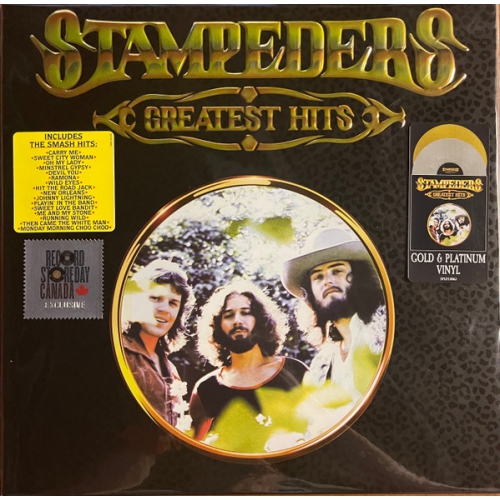
![ARTS&CRAFTS PROD / E Broken Social Scene - Bf 221 - Feel Good Lost /rsd] - [Vinyl]](https://multimedia.bbycastatic.ca/multimedia/products/500x500/174/17472/17472413.jpeg)
![WEA + (Vinyl) - Sheeran, Ed [Lp]](https://multimedia.bbycastatic.ca/multimedia/products/500x500/123/12352/12352777.jpeg)
![REPRISE RECORDS Fleetwood Mac - Then Play On [Audio Vinyl]](https://multimedia.bbycastatic.ca/multimedia/products/500x500/192/19213/19213434.jpeg)
![EMI RECORDS Iron Maiden: Killers [Audio Vinyl]](https://multimedia.bbycastatic.ca/multimedia/products/500x500/193/19384/19384231.jpeg)
![METAL BLADE RECORDS Dvne - Voidkind - [Vinyl]](https://multimedia.bbycastatic.ca/multimedia/products/500x500/191/19160/19160036.jpeg)
![The Avett Brothers - Mignonette - (180 Gram Vinyl) - [Vinyl]](https://multimedia.bbycastatic.ca/multimedia/products/500x500/187/18741/18741461.jpeg)
![NEXT DOOR RECORDS Ada Lea - When I Paint My Masterpiece - [Vinyl]](https://multimedia.bbycastatic.ca/multimedia/products/500x500/194/19467/19467600.jpeg)
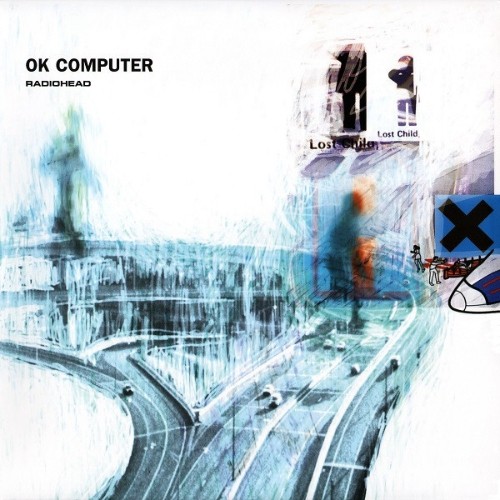

![DEADBEATS Percy - Thrillington D2C - [Vinyl]](https://multimedia.bbycastatic.ca/multimedia/products/500x500/174/17467/17467823.jpeg)
![CP RECORDS /THE WEEK Weeknd The - Thursday - [Vinyl] This is a Great Great mixtape](https://multimedia.bbycastatic.ca/multimedia/products/500x500/188/18885/18885386.jpeg)
![REPRISE Neil Young - Before And After - (Clear Vinyl, Indie Exclusive) - [Vinyl]](https://multimedia.bbycastatic.ca/multimedia/products/500x500/186/18604/18604568.jpeg)

![DEF JAM RECORDINGS Logic - Vinyl Days [Explicit Content] - (Parental Advisory Explicit Lyrics) - [Vinyl]](https://multimedia.bbycastatic.ca/multimedia/products/500x500/174/17467/17467474.jpeg)
![VIDCO-345 Adore [2Lp Vinyl]](https://multimedia.bbycastatic.ca/multimedia/products/500x500/158/15850/15850135.jpeg)

![RAMSEUR RECORDS The Avett Brothers - The Avett Brothers - [Vinyl]](https://multimedia.bbycastatic.ca/multimedia/products/500x500/186/18604/18604725.jpeg)


![WARNER RECORDS Warren Zeiders - 717 Tapes The Album - [Vinyl]](https://multimedia.bbycastatic.ca/multimedia/products/500x500/186/18608/18608397.jpeg)
![MERCURY Thin Lizzy - Acoustic Sessions - [Vinyl] In Multicolor](https://multimedia.bbycastatic.ca/multimedia/products/500x500/194/19494/19494130.jpeg)
![VIDCO-345 Fat Of The Land (Uk Pressing) [2Lp Vinyl]Prodigy Was excited when I saw it was available on Best Buy](https://multimedia.bbycastatic.ca/multimedia/products/500x500/169/16916/16916241.jpeg)
![KESHA RECORDS Kesha - . [Period] - [Vinyl]](https://multimedia.bbycastatic.ca/multimedia/products/500x500/194/19459/19459945.jpeg)
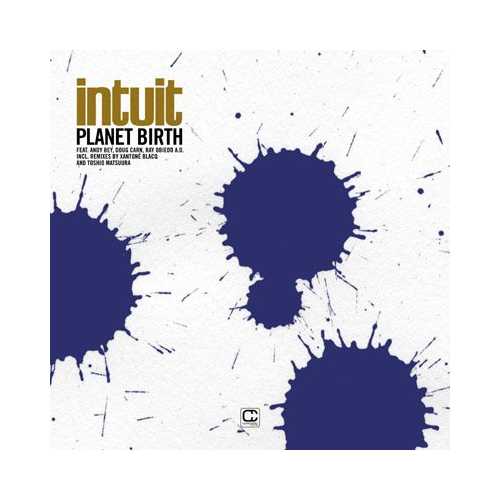
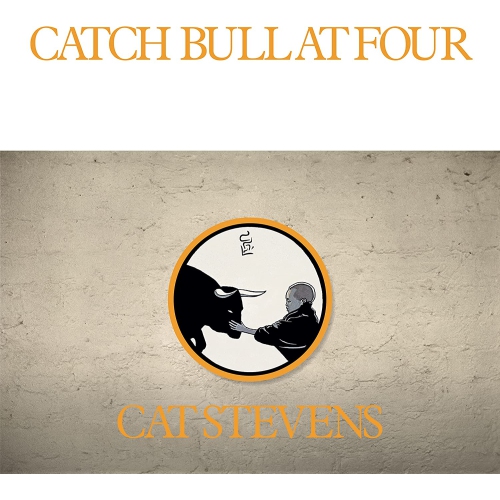

![WARNER RECORDS Dua Lipa - Future Nostalgia [Audio Vinyl] great](https://multimedia.bbycastatic.ca/multimedia/products/500x500/174/17475/17475727.jpeg)
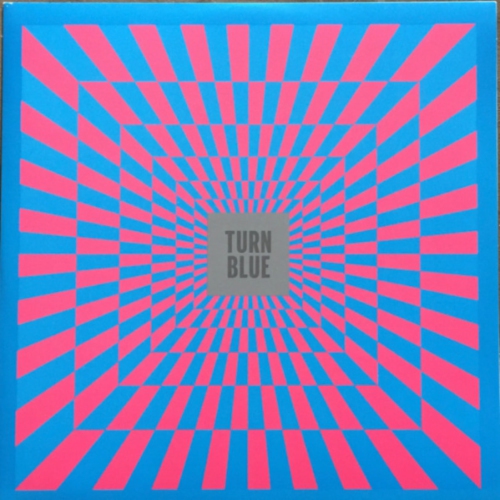
![COLUMBIA Our Lady Peace - Collected 1994 - 2022 - (Rsd Exclusive, Clear Vinyl) - [Vinyl]](https://multimedia.bbycastatic.ca/multimedia/products/500x500/174/17470/17470614.jpeg)

![MUSIC ON VINYL Eddie Money - [Vinyl]](https://multimedia.bbycastatic.ca/multimedia/products/500x500/186/18605/18605437.jpeg)
![COLUMBIA Bruce Springsteen - The Rising - (140 Gram Vinyl) - [Vinyl] Great Album To Add To Your Bruce Collection](https://multimedia.bbycastatic.ca/multimedia/products/500x500/186/18606/18606695.jpeg)
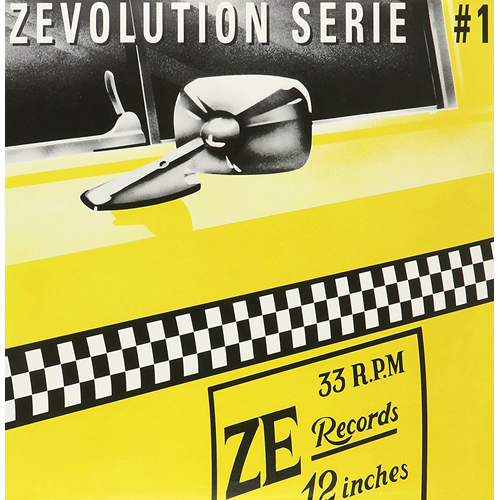

![J RECORDS Alicia Keys - The Diary Of Alicia Keys - [Vinyl] Her voice on this album was so great! This is another one of my favorites from her!](https://multimedia.bbycastatic.ca/multimedia/products/500x500/186/18611/18611155.jpeg)
![EPIC/FREEBANDZ Future - I Never Liked You [Explicit Content] - (Parental Advisory Explicit Lyrics, 140 Gram Vinyl) - [Vinyl] Great Album](https://multimedia.bbycastatic.ca/multimedia/products/500x500/174/17470/17470246.jpeg)
![SONY LEGACY Roy Orbison - Ultimate Roy Orbison - (Gatefold Lp Jacket) - [Vinyl] Love it…all the best Roy Orbison classics plus some!](https://multimedia.bbycastatic.ca/multimedia/products/500x500/187/18709/18709633.jpeg)
![ARTOFFACT RECORDS Spectres - Nostalgia - [Vinyl]](https://multimedia.bbycastatic.ca/multimedia/products/500x500/191/19170/19170582.jpeg)


![BIG MACHINE RECORDS Taylor Swift: 1989 - Vinyl [Audio Vinyl Music]](https://multimedia.bbycastatic.ca/multimedia/products/500x500/193/19384/19384249.jpeg)

![PURE NOISE RECORDS Four Year Strong - Enemy Of The World - [Vinyl]](https://multimedia.bbycastatic.ca/multimedia/products/500x500/191/19165/19165295.jpeg)
![Sister Sledge - Now Playing - [Vinyl]](https://multimedia.bbycastatic.ca/multimedia/products/500x500/186/18603/18603343.jpeg)
![UNIVERSAL RECORDS Eddie Vedder / Glen Hansard / Cat Power - Flag Day (Original Soundtrack) [Explicit Content] - (Parental Advisory Explicit Lyrics)](https://multimedia.bbycastatic.ca/multimedia/products/500x500/174/17474/17474862.jpeg)



![NONESUCH Kronos Quartet - Kronos Quartet Performs Philip Glass - [Vinyl]](https://multimedia.bbycastatic.ca/multimedia/products/500x500/186/18610/18610939.jpeg)
A record collection connects music, equipment and everyday rituals
Vinyl records bring music into the room in a way that feels both familiar and wonderfully tangible. Each record is a disc-shaped analogue audio format with a continuous spiral groove that a stylus follows as the disc rotates on a turntable. Instead of selecting an invisible file, listeners handle an album, admire its artwork, place it on the platter and settle into the side-long flow of the recording. Standard 12-inch LPs typically play at 33⅓ revolutions per minute and hold roughly 20 to 22 minutes of music per side, making them a popular format for complete albums, soundtracks and collections built around a particular artist or genre. Seven-inch singles are smaller and commonly play at 45 revolutions per minute, often featuring one track on each side, while 10-inch records occupy a useful middle ground for shorter albums and extended plays. Pressings may also vary in appearance, including traditional black vinyl, translucent or coloured designs and picture records with printed artwork. These variations can make a record feel especially personal, whether it is chosen for its music, its cover design or its place in a particular era of popular culture. The range of music available makes vinyl suitable for long-time collectors, listeners returning to albums they remember from earlier years and newcomers discovering the pleasure of physical playback. A record can be a thoughtful gift for someone who enjoys music, interior décor, nostalgia or collecting, particularly when the artwork connects with a favourite film, performer, decade or style. Browse the selection of Vinyl Releases to find albums and formats that suit different listening habits, collecting interests and gift occasions.
A vinyl collection works best when the records and playback equipment are considered together. A turntable is the central component, using a motor to rotate the platter while the tonearm, cartridge and stylus trace the record’s grooves. The cartridge converts those movements into an audio signal, and the stylus is the small contact point that must be handled carefully. Because the signal produced by a cartridge is quite weak, a phono preamp is needed to raise it to a level that audio equipment can use; some turntables include a built-in phono preamp, while others require a separate component. The final sound comes through speakers, which may be powered models with amplification built in or passive models paired with a compatible amplifier or receiver. Checking these connections before buying helps create a straightforward setup and prevents surprises when it is time to play the first record. Placement matters as well. A turntable should sit on a stable, level surface away from strong vibration, and speakers should be positioned so sound can fill the listening area without causing unwanted feedback through the stylus. Vinyl is often enjoyed as a focused listening experience, with the large album sleeve in hand and a comfortable chair nearby, but records also suit background music during dinner, weekend cleaning, creative work or relaxed evenings at home. The format encourages listeners to hear an album as a complete sequence rather than as a collection of isolated tracks, while the option to flip the record creates a natural pause between sides. For a new listener, a modest selection of favourite albums can be enough to establish a meaningful collection. For an experienced collector, different editions, live recordings, compilations, picture discs and genre-spanning releases can add depth and variety over time.
Proper storage and gentle handling help records remain enjoyable through repeated listening. Store vinyl vertically, standing straight up beside other records rather than stacked in a flat pile, since prolonged pressure can contribute to warping. Keep records away from heat, direct sunlight and damp areas, and avoid leaning them at an angle for long periods. Inner sleeves help protect the playing surface from dust and scratches, while outer sleeves can help preserve the cardboard jacket and its artwork. Before playing a record, remove it from the sleeve by touching the edges and the centre label instead of the grooved surface. Dust can affect playback by creating clicks, pops and unwanted noise, so a carbon fibre brush or another record-safe cleaning tool can be useful before and after listening. For deeper cleaning, a wet vacuum record-cleaning system or a suitable manual cleaning method can remove particles that a dry brush cannot lift; any cleaning solution should be intended for vinyl and used according to its instructions. The stylus also benefits from careful maintenance, as a dusty or damaged stylus can reduce sound quality and may mark records. Never place a record on an unclean surface, and return it to its sleeve after it has cooled and finished playing. These small habits become part of the ritual, much like lowering the needle or turning the record over, and they help preserve both the sound and the visual character of a collection. Whether displayed on a shelf, given as a gift or played during the cooler months when home listening feels especially inviting, vinyl records offer a lasting way to connect music with memory, design and the simple pleasure of making time for an album.
A vinyl collection works best when the records and playback equipment are considered together. A turntable is the central component, using a motor to rotate the platter while the tonearm, cartridge and stylus trace the record’s grooves. The cartridge converts those movements into an audio signal, and the stylus is the small contact point that must be handled carefully. Because the signal produced by a cartridge is quite weak, a phono preamp is needed to raise it to a level that audio equipment can use; some turntables include a built-in phono preamp, while others require a separate component. The final sound comes through speakers, which may be powered models with amplification built in or passive models paired with a compatible amplifier or receiver. Checking these connections before buying helps create a straightforward setup and prevents surprises when it is time to play the first record. Placement matters as well. A turntable should sit on a stable, level surface away from strong vibration, and speakers should be positioned so sound can fill the listening area without causing unwanted feedback through the stylus. Vinyl is often enjoyed as a focused listening experience, with the large album sleeve in hand and a comfortable chair nearby, but records also suit background music during dinner, weekend cleaning, creative work or relaxed evenings at home. The format encourages listeners to hear an album as a complete sequence rather than as a collection of isolated tracks, while the option to flip the record creates a natural pause between sides. For a new listener, a modest selection of favourite albums can be enough to establish a meaningful collection. For an experienced collector, different editions, live recordings, compilations, picture discs and genre-spanning releases can add depth and variety over time.
Proper storage and gentle handling help records remain enjoyable through repeated listening. Store vinyl vertically, standing straight up beside other records rather than stacked in a flat pile, since prolonged pressure can contribute to warping. Keep records away from heat, direct sunlight and damp areas, and avoid leaning them at an angle for long periods. Inner sleeves help protect the playing surface from dust and scratches, while outer sleeves can help preserve the cardboard jacket and its artwork. Before playing a record, remove it from the sleeve by touching the edges and the centre label instead of the grooved surface. Dust can affect playback by creating clicks, pops and unwanted noise, so a carbon fibre brush or another record-safe cleaning tool can be useful before and after listening. For deeper cleaning, a wet vacuum record-cleaning system or a suitable manual cleaning method can remove particles that a dry brush cannot lift; any cleaning solution should be intended for vinyl and used according to its instructions. The stylus also benefits from careful maintenance, as a dusty or damaged stylus can reduce sound quality and may mark records. Never place a record on an unclean surface, and return it to its sleeve after it has cooled and finished playing. These small habits become part of the ritual, much like lowering the needle or turning the record over, and they help preserve both the sound and the visual character of a collection. Whether displayed on a shelf, given as a gift or played during the cooler months when home listening feels especially inviting, vinyl records offer a lasting way to connect music with memory, design and the simple pleasure of making time for an album.
Top selling and popular products
-
![ATLANTIC Bruno Mars - 24K Magic - [CD]](https://multimedia.bbycastatic.ca/multimedia/products/500x500/192/19212/19212123.png) Your price for this item is $15.32
Your price for this item is $15.32 -
![REPUBLIC RECORDS The Weeknd - Starboy (Ex) - [CD]](https://multimedia.bbycastatic.ca/multimedia/products/500x500/192/19212/19212700.jpeg) Your price for this item is $5.99
Your price for this item is $5.99 -
![FUELED BY RAMEN Twenty One Pilots - Blurryface - [CD]](https://multimedia.bbycastatic.ca/multimedia/products/500x500/186/18617/18617420.jpeg) Your price for this item is $16.29
Your price for this item is $16.29 -
![WB RECORDS Linkin Park - One More Light - [CD]](https://multimedia.bbycastatic.ca/multimedia/products/500x500/186/18617/18617410.jpeg) Your price for this item is $15.32
Your price for this item is $15.32 -
![REPRISE Disturbed - Immortalized [Deluxe Version] [Limited Edition] [Explicit Content] - (Parental Advisory Explicit Lyrics, Deluxe Edition, Limited](https://multimedia.bbycastatic.ca/multimedia/products/500x500/186/18609/18609237.jpeg) Your price for this item is $24.68
Your price for this item is $24.68 -
![REPRISE Disturbed - Immortalized [Explicit Content] - (Parental Advisory Explicit Lyrics) - [CD]](https://multimedia.bbycastatic.ca/multimedia/products/500x500/187/18709/18709690.jpeg) Your price for this item is $15.32
Your price for this item is $15.32 -
![WB RECORDS Hot Chili Peppers - Getaway [Import] - (United Kingdom - Import) - [CD] In Red](https://multimedia.bbycastatic.ca/multimedia/products/500x500/186/18617/18617551.jpeg) Your price for this item is $15.32
Your price for this item is $15.32 -
 Your price for this item is $15.91
Discover more categories related to Vinyl Records

Top Collections:
Pokemon Centers, Kindle Devices, Best Budget Office Chairs, Canon G7X Cameras, Apple iPhones 16, Samsung Galaxy Phones, Refurbished Apple Laptops, Laptops for Students, iPhone 15 Apple, Budget Smartphones
Some products may be subject to Environmental Handling Fees
(EHF) depending on your province.
Learn more about EHFs.