Disco Vinyl Records
Step onto the dance floor and relive the golden era of groove with Disco Vinyl Records. Perfect for collectors, DJs, and music lovers alike, these records capture the infectious rhythms and iconic beats that defined a generation. Whether you're building your collection or searching for the perfect soundtrack to your next party, Disco Vinyl Records offer an authentic listening experience that brings timeless energy to any turntable setup. Discover a wide selection and let the vibrant sounds of disco take center stage in your music library.
Sort
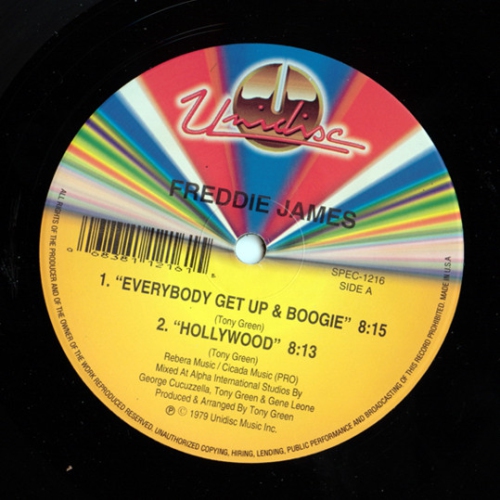


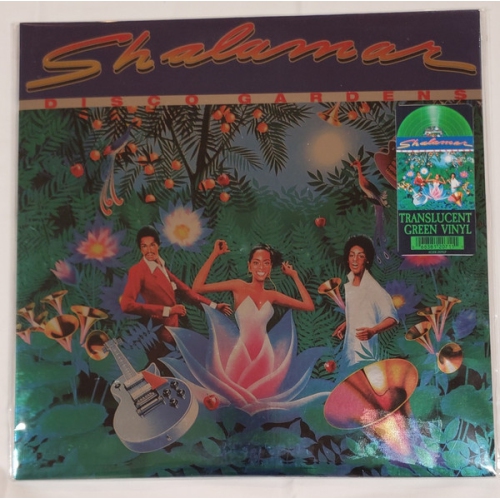


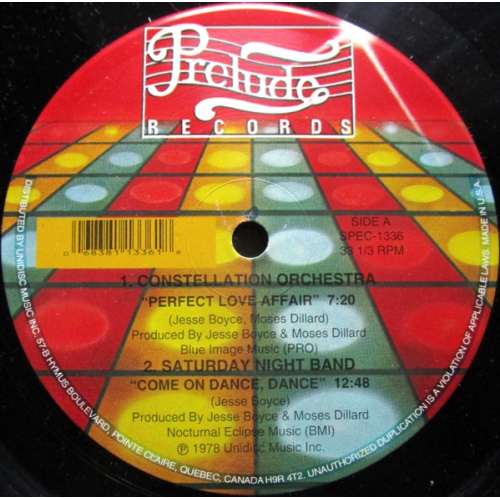
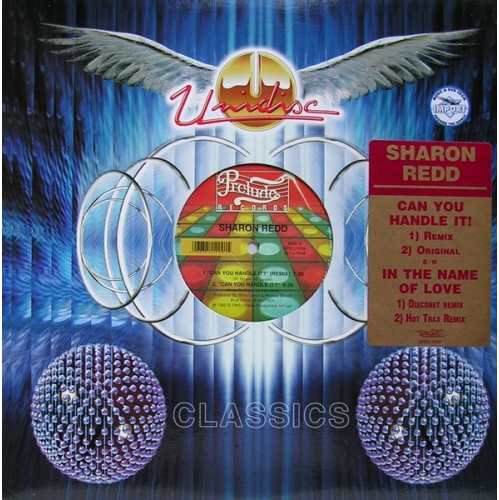


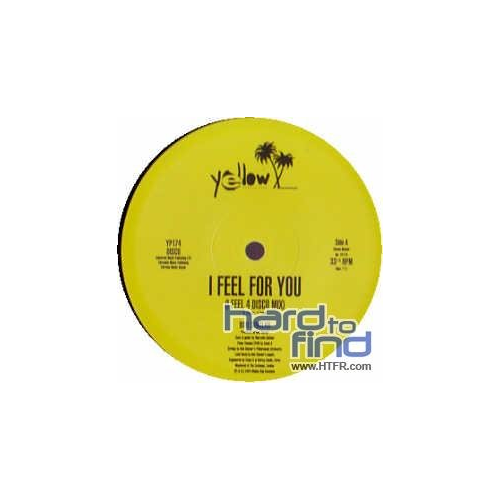

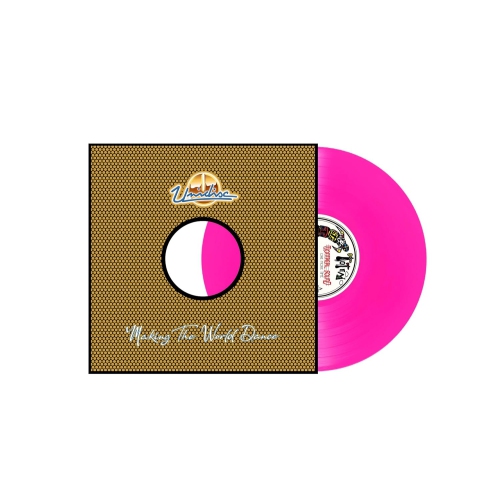
There’s more to disco than the dance-floor beat
Disco vinyl records bring together the steady pulse of dance music and the hands-on pleasure of playing a physical album. Rooted in soul, funk, and the club culture of the 1970s, disco is known for its four-on-the-floor beat, expressive bass lines, sweeping strings, bright horn arrangements, and vocals that can move from intimate to exuberant within a single track. Those elements give the genre plenty of range: some recordings lean into lush orchestration, while others favour spare percussion, electronic textures, or a heavier funk influence. A disco collection can include full-length albums, extended club singles, compilations, and later recordings that carry those musical ideas forward. Each format offers a different listening experience. An album gives space to an artist’s sound across a complete sequence, including quieter moments and tracks that may never have become dance-floor favourites. A compilation brings multiple performers together and can offer a broad introduction to a particular period or style. Extended singles often leave more room for instrumental passages, percussion breaks, and gradual builds, letting a bass line settle into the room before the vocal returns. For listeners who enjoy hearing how a song develops, those longer arrangements are a major part of disco’s appeal on vinyl. Original-era pressings, later reissues, and contemporary disco releases also serve different interests. An earlier pressing may appeal for its period artwork and historical connection, while a reissue can make a recording accessible in a newly produced edition. Neither age nor presentation alone determines how a record will sound; the source recording, mastering, pressing quality, and condition all matter. Whether the occasion is a relaxed evening of album listening, a gathering with friends, or time spent practising a DJ set, disco’s rhythmic detail rewards attention. Beneath the familiar beat, small changes in the drums, strings, and backing vocals can give each passage its own character, making a well-chosen record enjoyable beyond its best-known chorus.
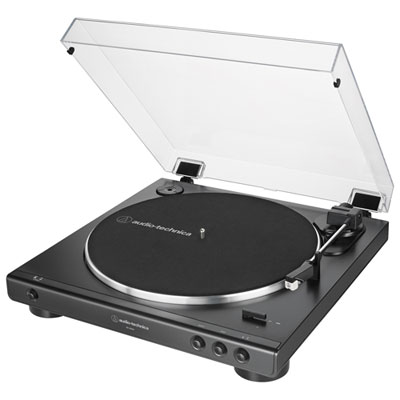
Format and playback details help distinguish disco records that might otherwise look similar on the shelf. LP albums commonly play at 33⅓ revolutions per minute, while singles may play at either 33⅓ or 45 RPM; the label or packaging should identify the correct speed. A 12-inch single is particularly associated with disco because it can accommodate extended arrangements and, depending on the running time and mastering, give the cutting engineer more room for the music. That does not mean every 12-inch pressing sounds better than an album version, but it helps explain why the format became important in club playback. Smaller 7-inch singles often feature shorter edits, while multi-record compilations can spread a larger selection across several sides. The track listing is therefore as important as the title: an album mix, radio edit, extended mix, and instrumental version may offer noticeably different structures even when they share the same song name. For home listening, the practical fit is between the record and the playback setup. A turntable needs the appropriate speed setting, a compatible cartridge and stylus, and a phono stage somewhere in the signal chain, whether built into the turntable, included in an amplifier, or supplied separately. Correct setup helps the stylus follow the groove without unnecessary wear. For DJ use, long introductions, clear rhythmic passages, and extended endings can provide useful space for transitions, although the actual arrangement varies by release. Vinyl records are generally made from polyvinyl chloride, with grooves that carry the recorded signal and a centre label that identifies each side. Black and coloured vinyl can both be suitable for listening; colour, weight, and decorative presentation are not reliable measures of sound quality on their own. Sleeve artwork, printed credits, and liner notes add another dimension, particularly for listeners interested in musicians, arrangers, and production details. Taken together, the format, version, playback requirements, and packaging give a clearer picture of how a disco record will fit into a collection than appearance alone.
A disco vinyl collection benefits from simple, consistent care, especially when favourite sides receive frequent play. Handling a record by its outer edge and centre label helps keep fingerprints away from the grooves. A clean, record-safe brush can remove loose surface dust before playback, while more thorough cleaning calls for a solution and method intended for vinyl. Any wet-cleaned record should be fully dry before it returns to its sleeve. The stylus also needs attention according to its manufacturer’s directions, since debris at the tip can affect playback even when the record itself looks clean. Protective inner sleeves help reduce scuffing, and outer sleeves can shield jackets from handling marks. Records are best stored upright with enough support to prevent leaning, rather than stacked flat beneath other albums. Keeping them away from direct sunlight and allowing a little room between sleeves makes browsing easier without putting pressure on the jackets. These habits matter because vinyl is durable enough for repeated listening but remains vulnerable to scratches, warping, and groove wear from poor handling or an unsuitable playback setup. For collectors, condition includes both the playing surface and the packaging; light sleeve wear is different from damage that affects the groove, and visible marks do not always tell the whole story about audible noise. Disco records also make thoughtful gifts for someone who enjoys dance music, appreciates album artwork, or has begun building a turntable collection. The most useful choice reflects the recipient’s listening habits: a broad compilation can suit someone exploring the genre, an album can reward focused listening, and an extended single can appeal to someone drawn to club arrangements. Checking their playback format helps avoid giving music they cannot easily enjoy. For listeners who also use a disc player, Disco Music CDs offer another physical format for exploring the genre. On vinyl, the ritual remains distinctive: sliding out the sleeve, setting the speed, lowering the stylus, and letting the rhythm unfold one side at a time.
Top selling and popular products
-
 Your price for this item is $50.85
-
 Your price for this item is $15.28
-
 Your price for this item is $39.79
-
 Your price for this item is $54.99
-
 Your price for this item is $16.85
-
 Your price for this item is $47.36
-
 Your price for this item is $28.6
-
 Your price for this item is $40
Discover more categories related to Disco Vinyl Records


Top Collections:
Pokemon Centers, Kindle Devices, Best Budget Office Chairs, Canon G7X Cameras, Apple iPhones 16, Samsung Galaxy Phones, Refurbished Apple Laptops, Laptops for Students, iPhone 15 Apple, Budget Smartphones
Some products may be subject to Environmental Handling Fees
(EHF) depending on your province.
Learn more about EHFs.