Waterproof Portable Radios
A waterproof portable radio is a great tool to have in any emergency situation. Whether you're hiking, camping, or just driving around town, a waterproof portable radio can help you stay connected to the world around you. Here are some of the best options available.
Sort

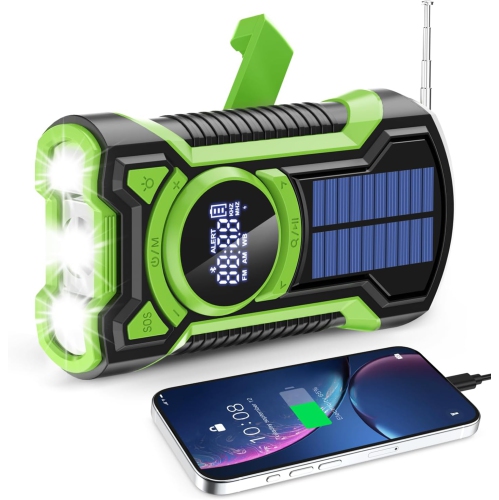
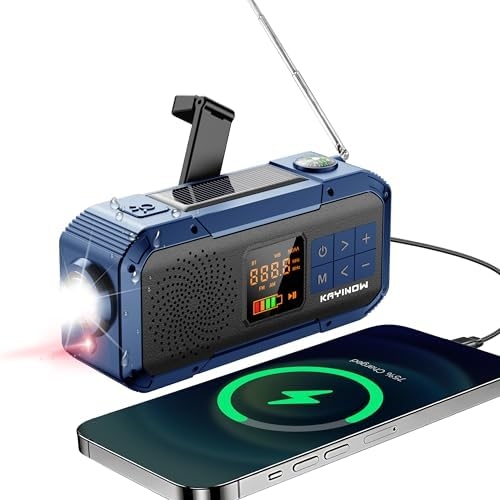
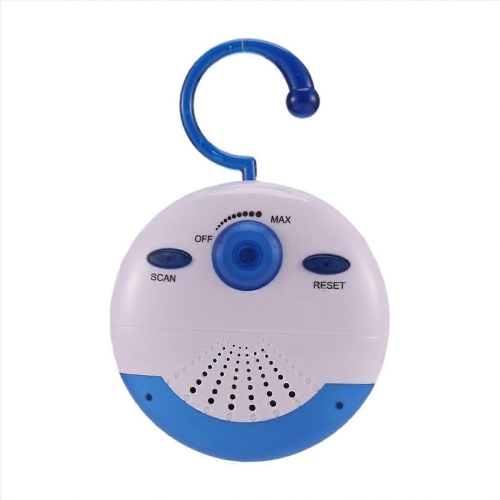
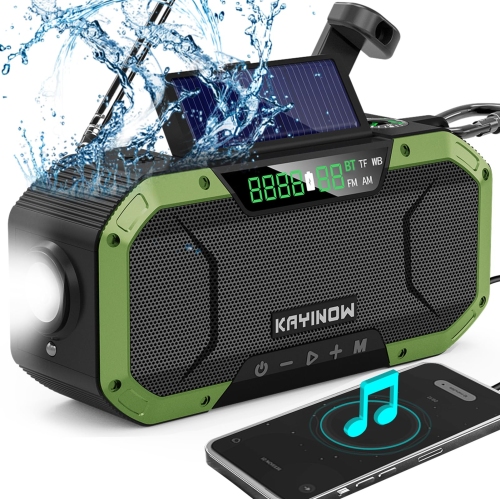
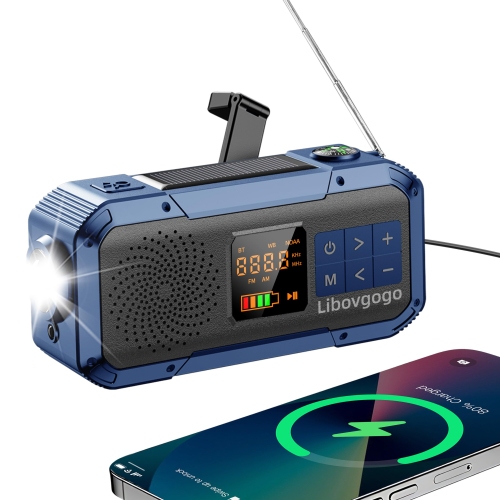
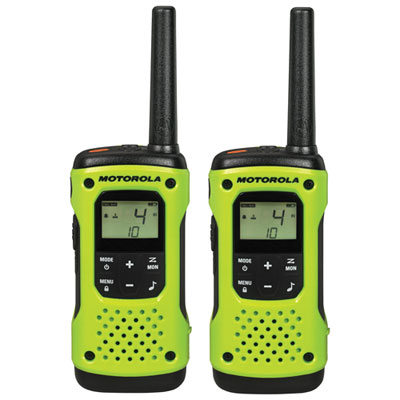
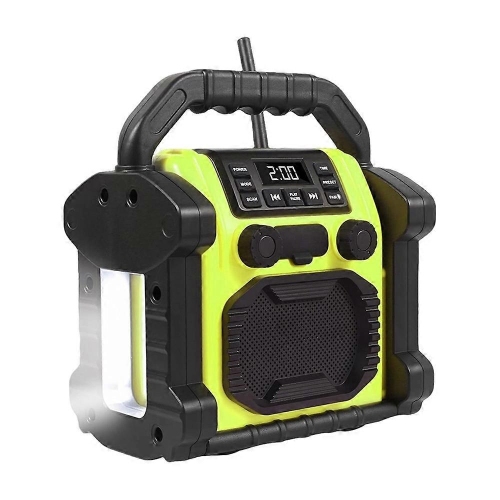
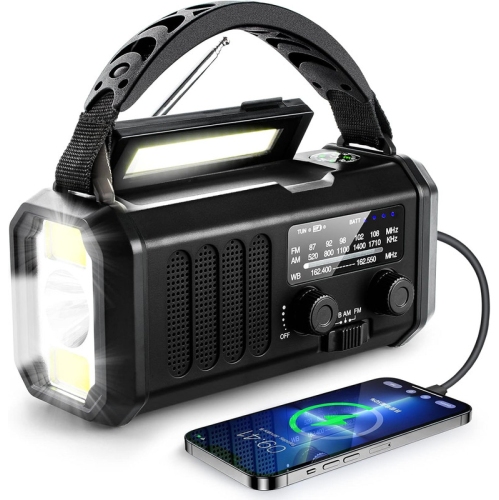
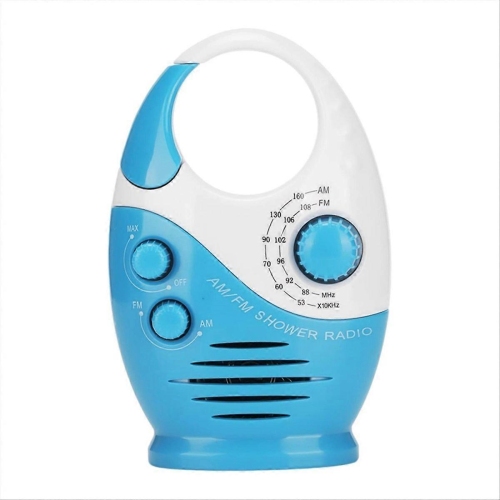

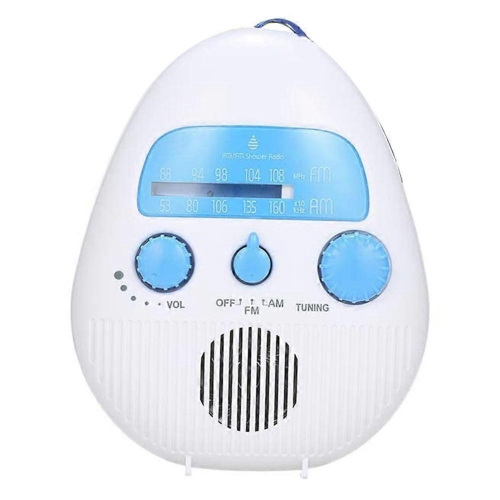
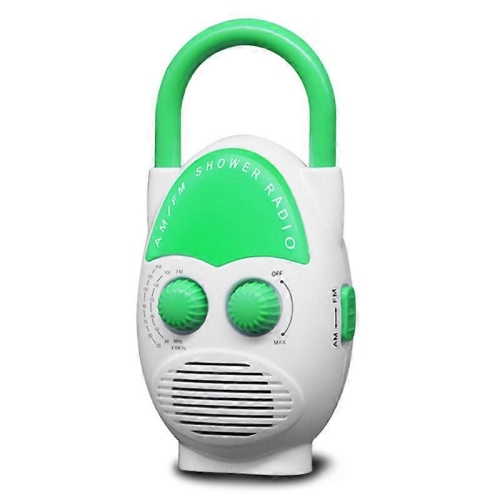

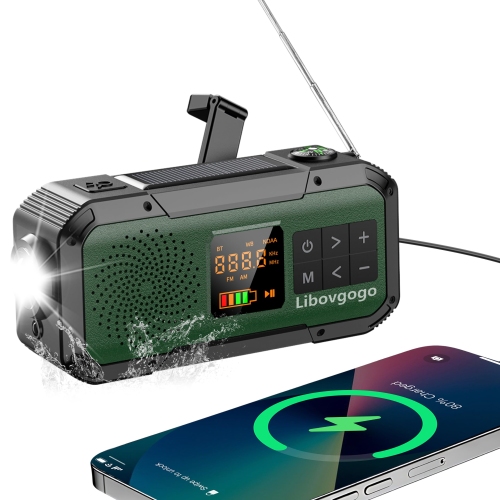





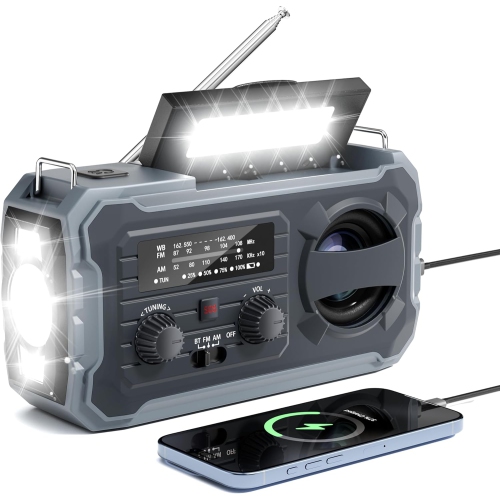
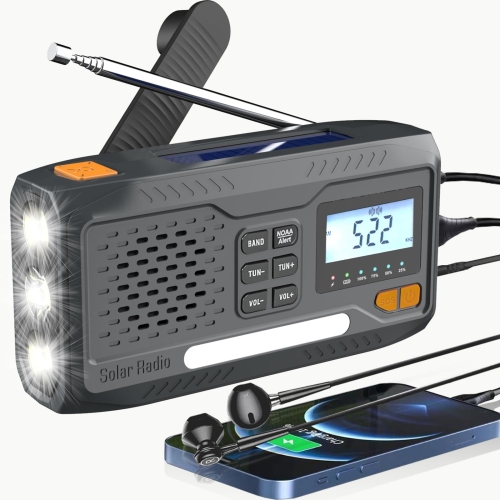


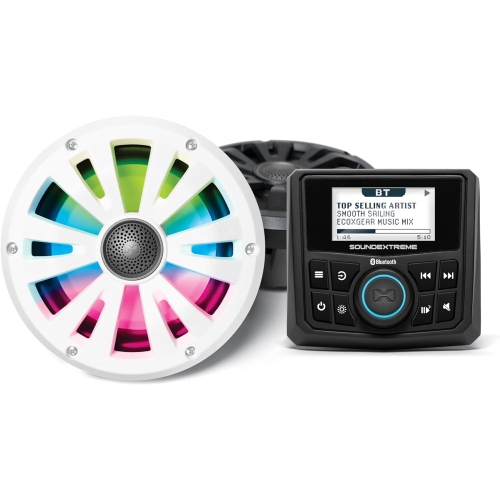
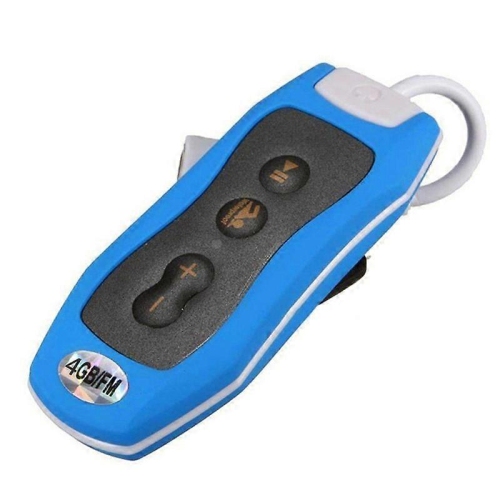
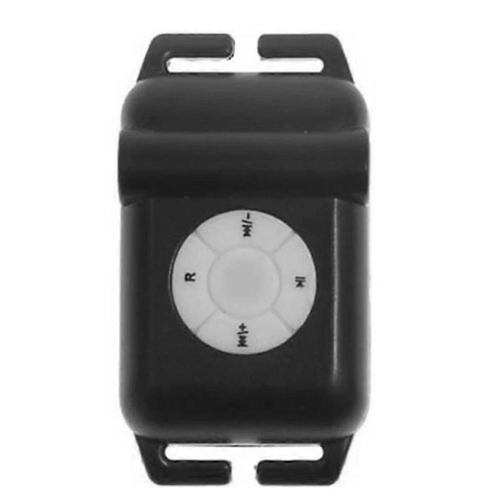
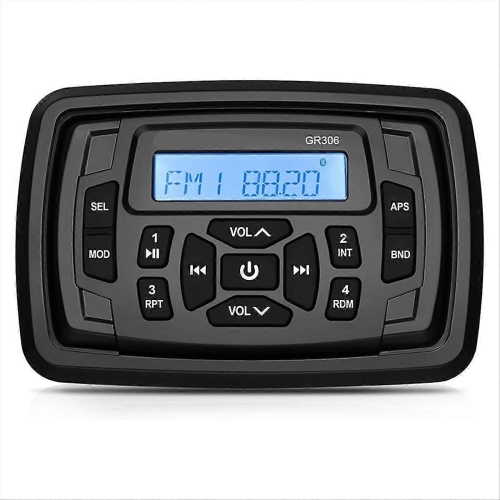
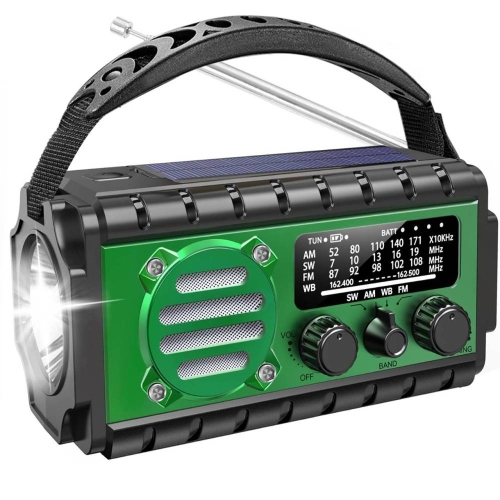

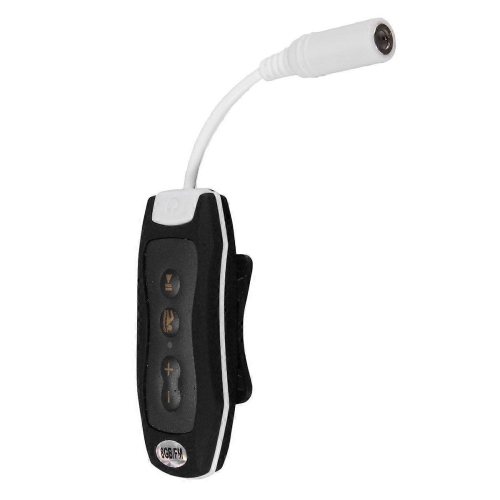
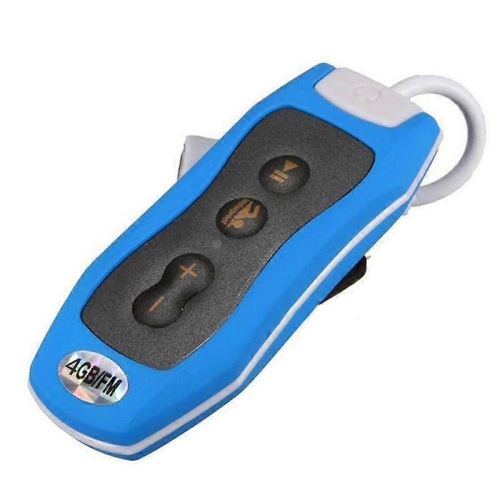
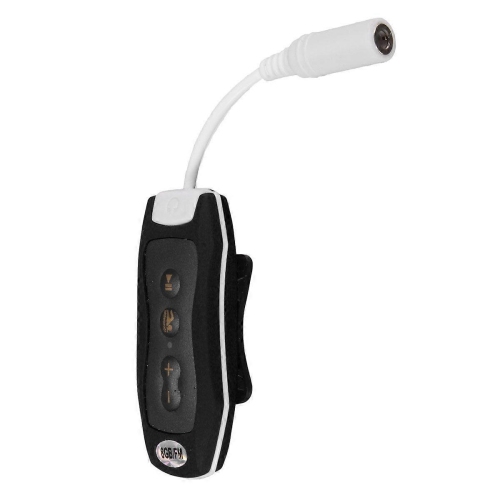
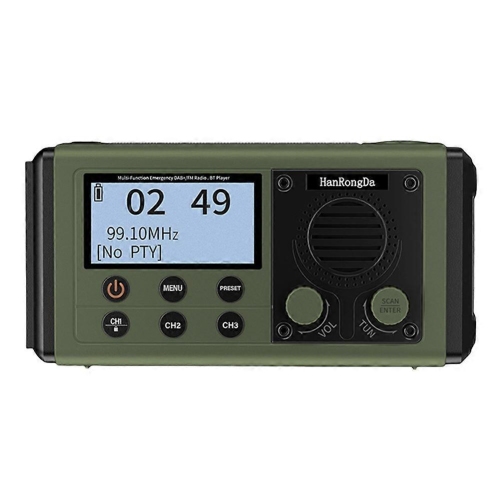
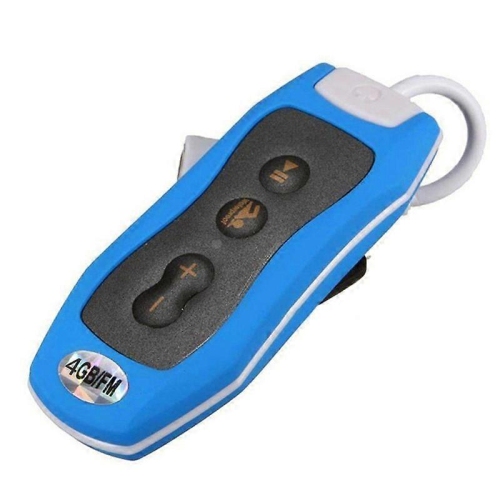


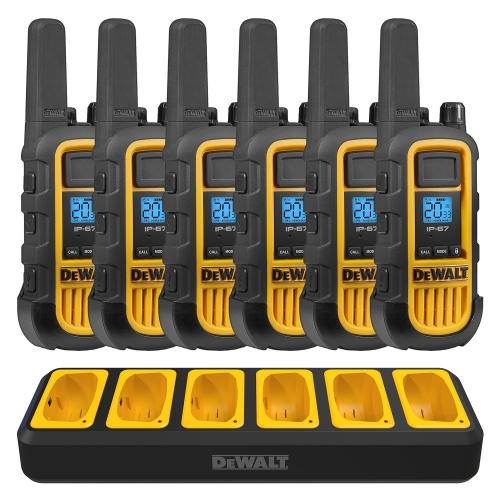


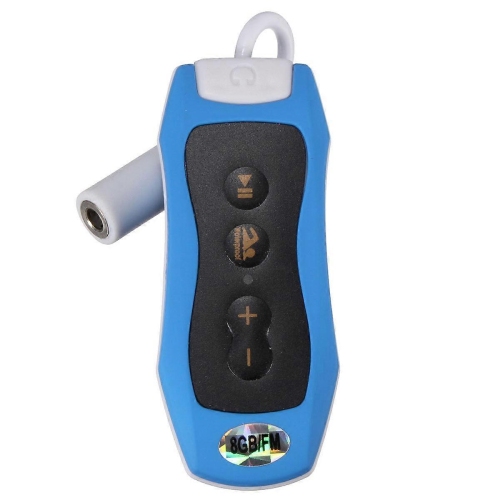
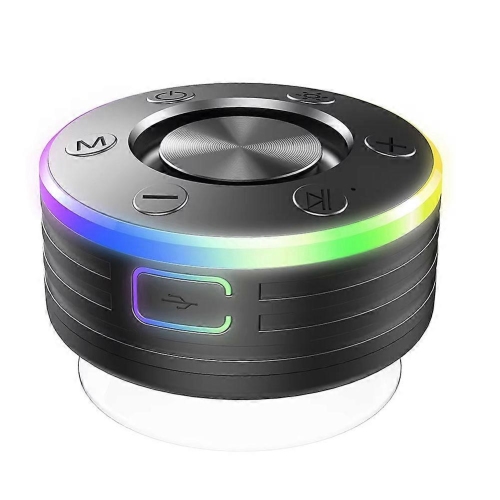
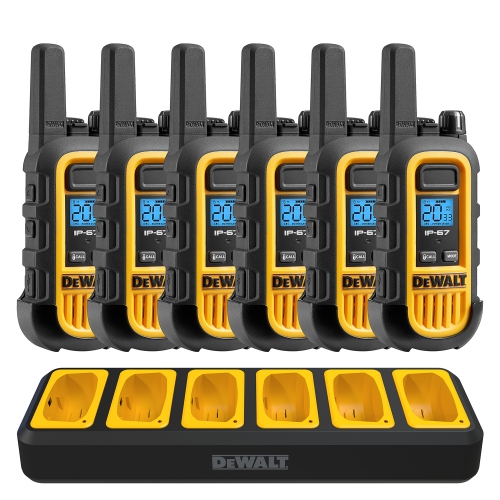
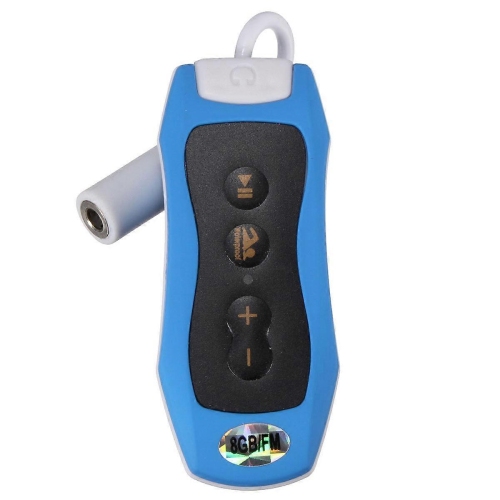

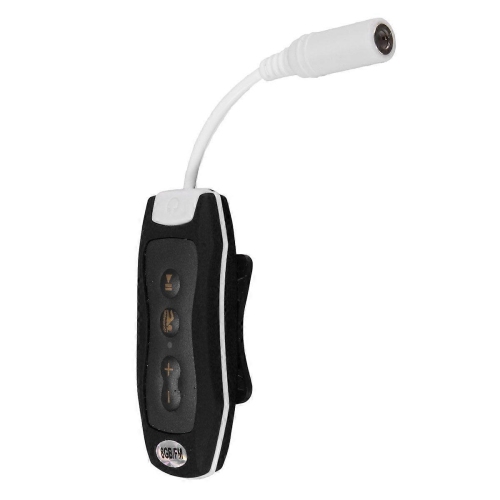

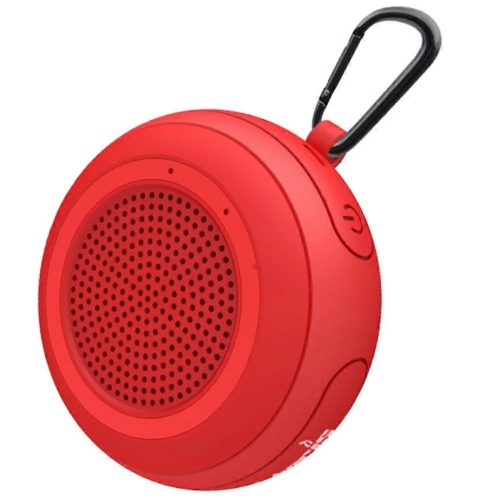
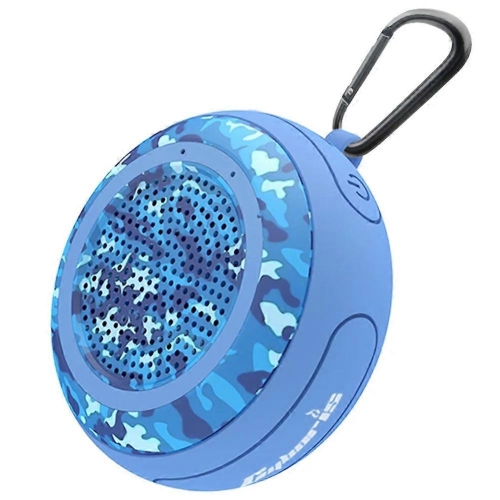




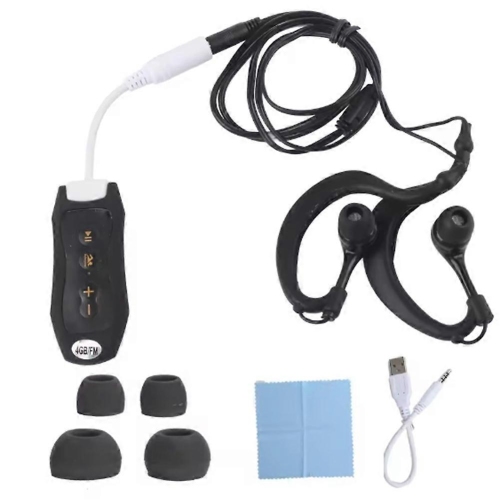

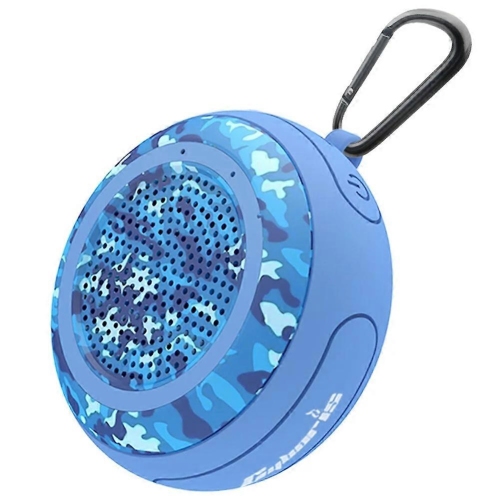


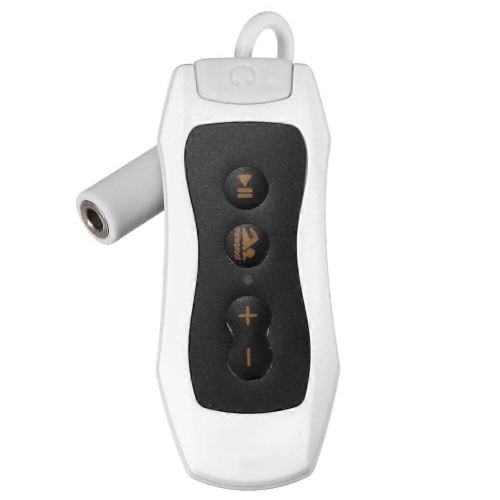


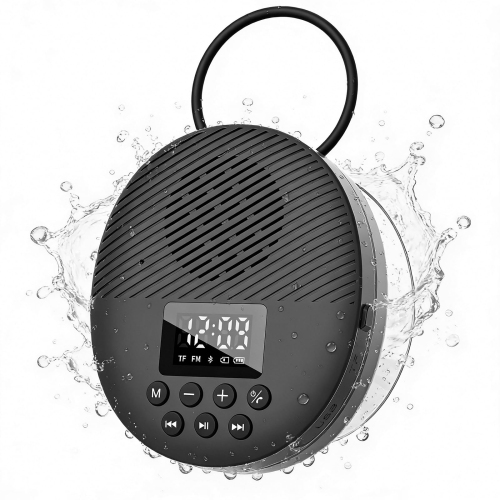







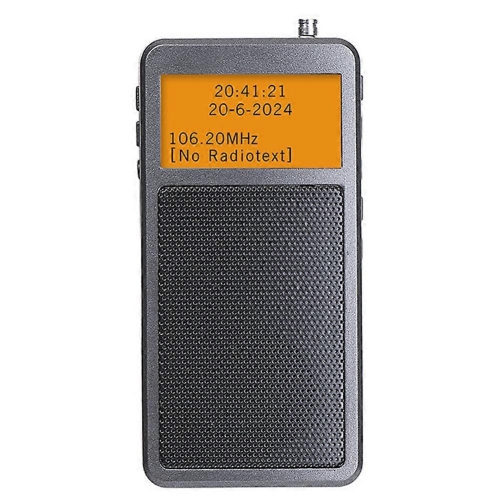


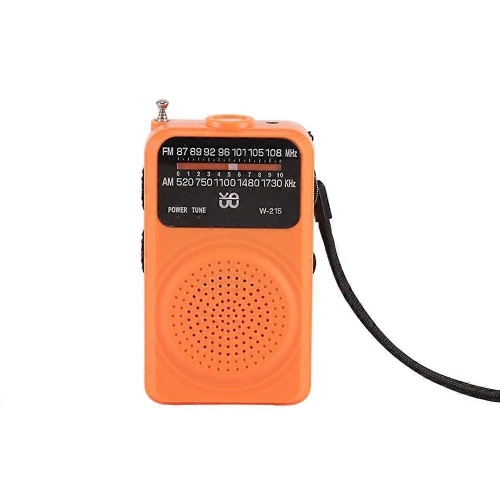
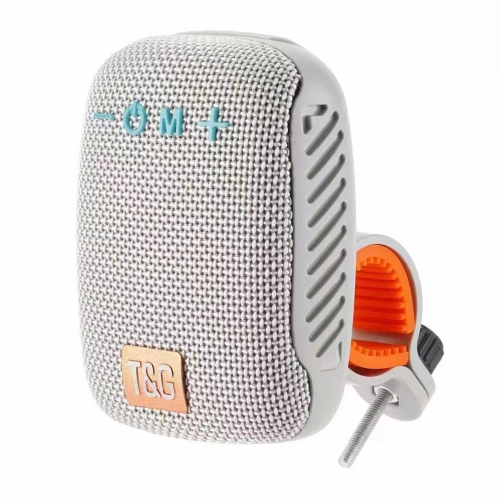


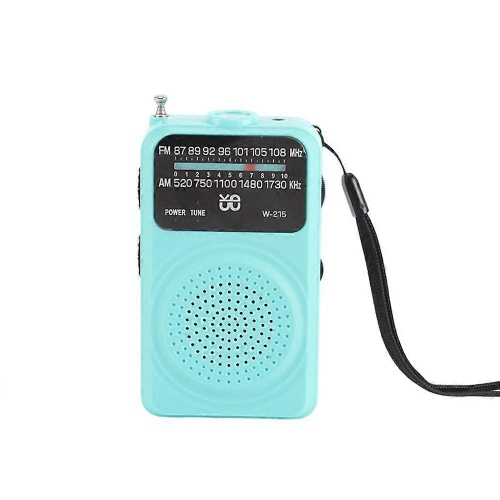
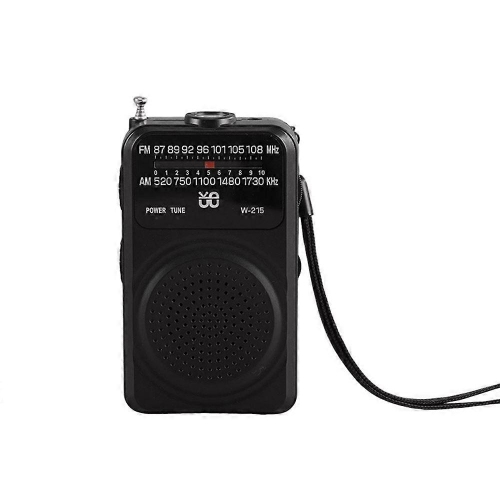


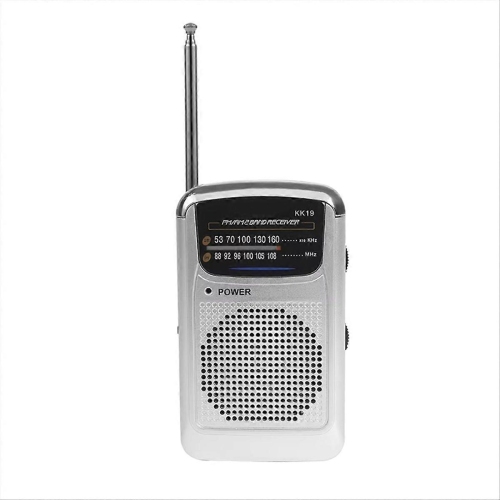

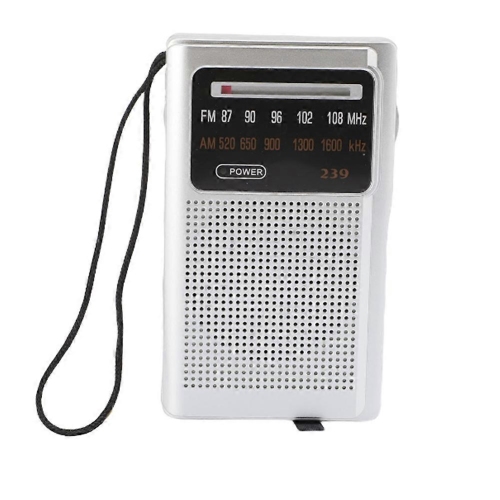
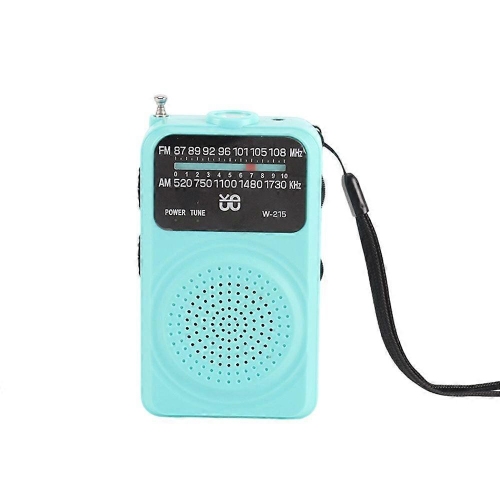
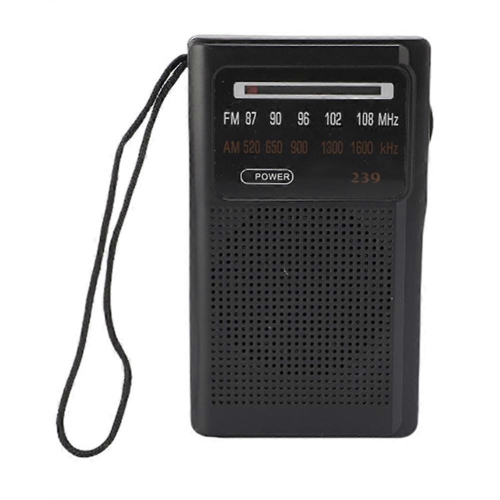
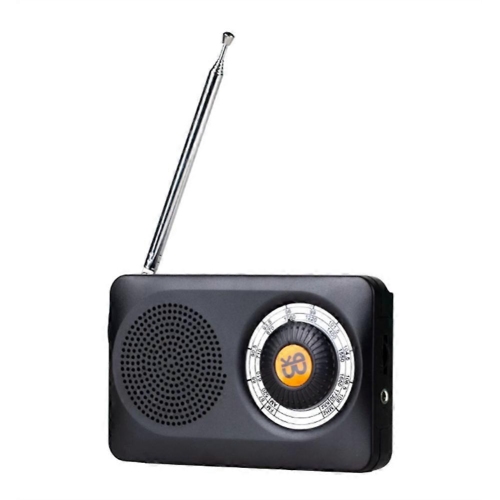
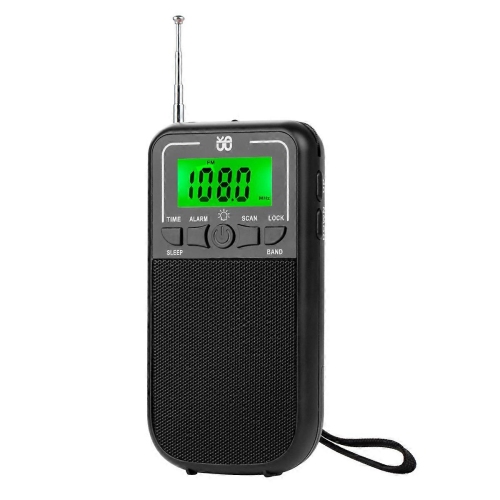
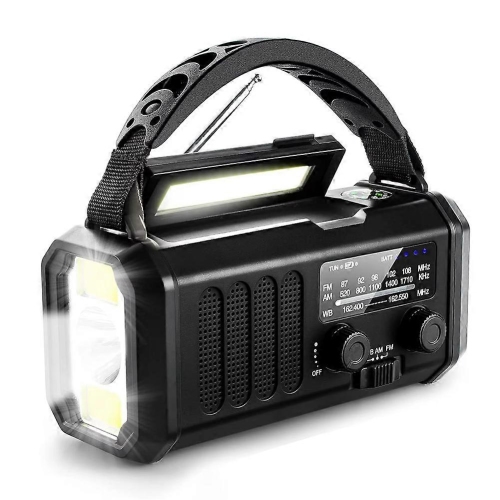

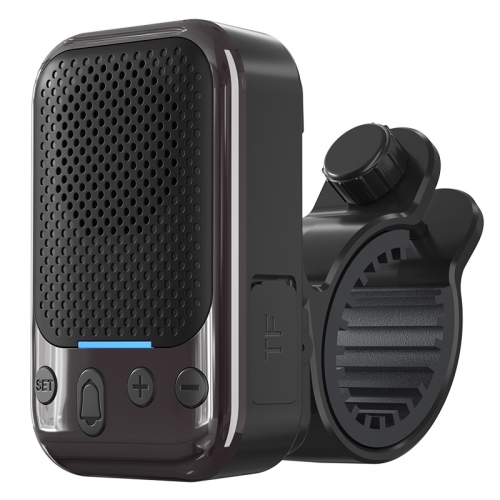
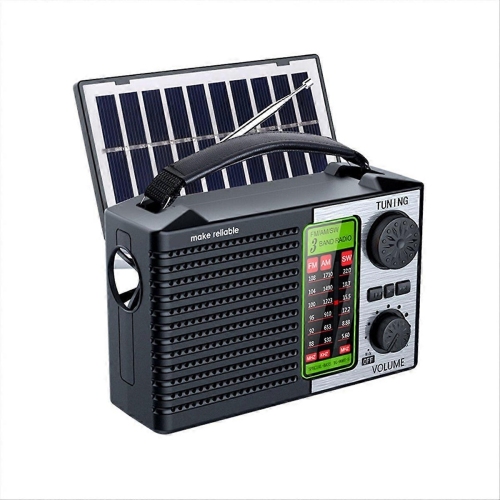
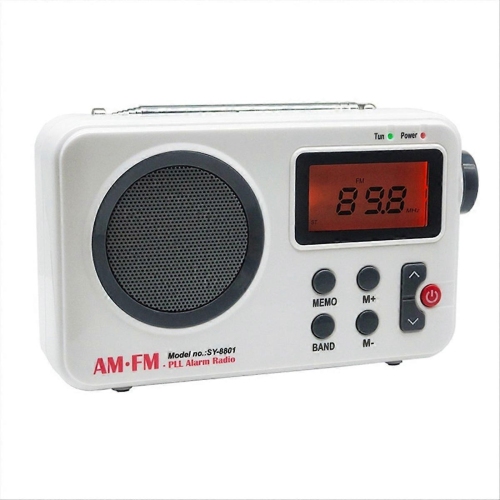
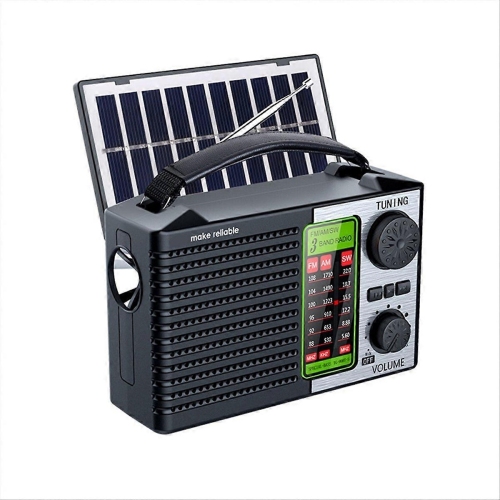
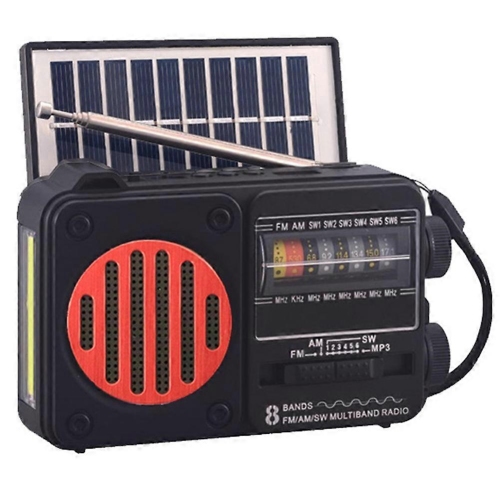


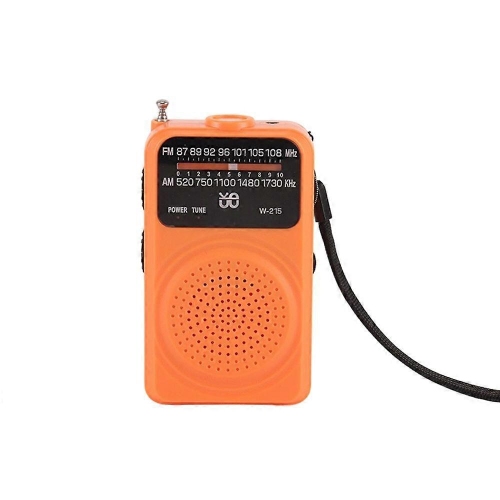
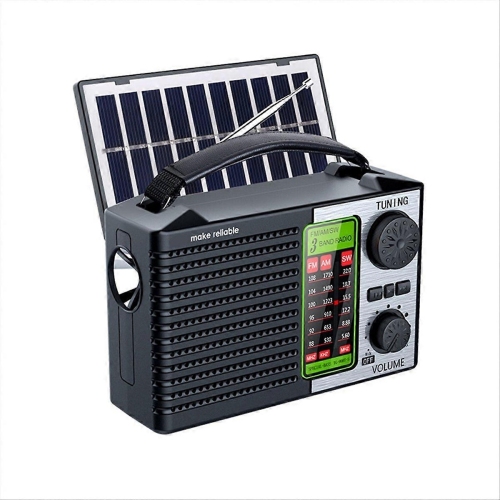
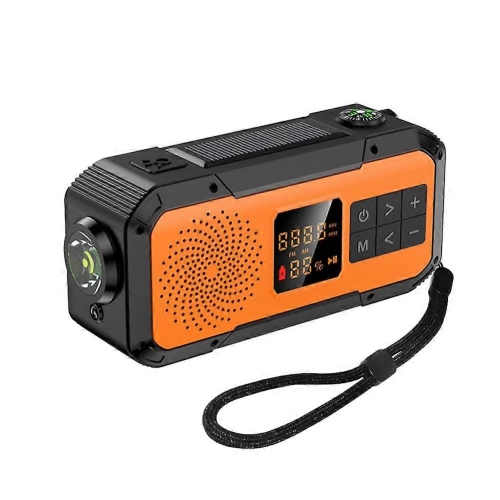
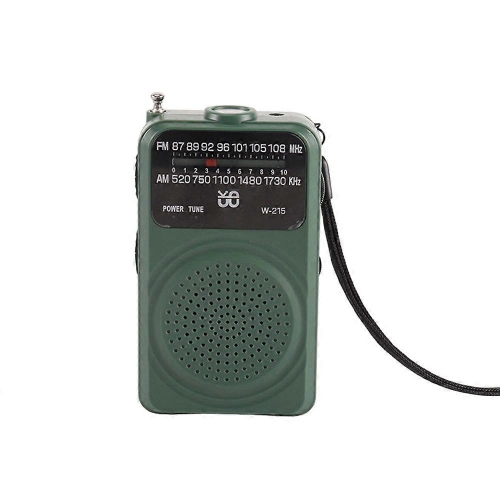
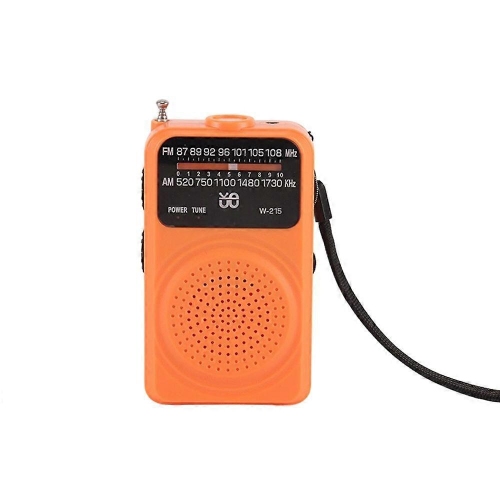
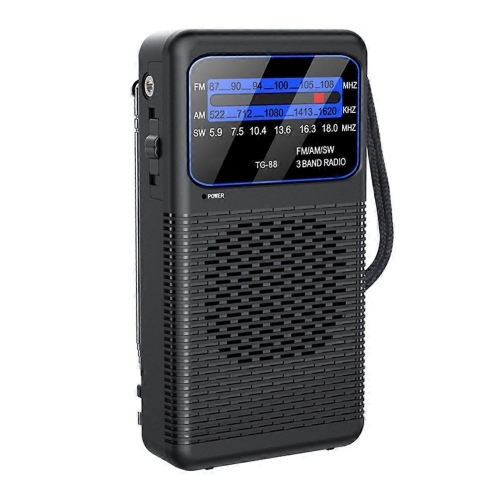
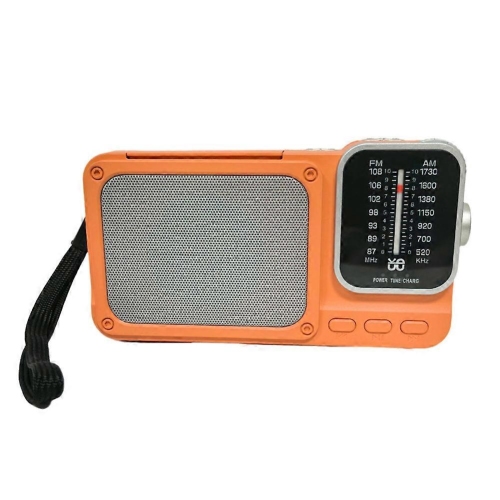
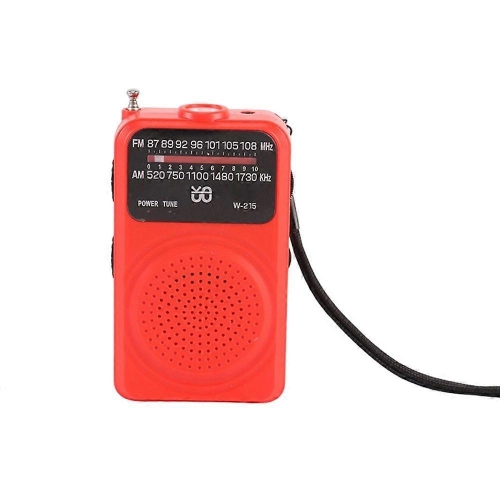
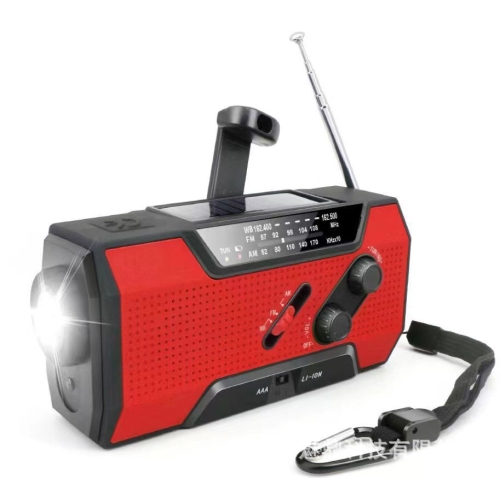
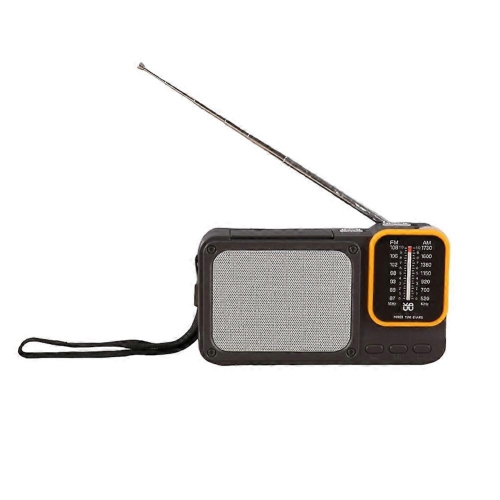
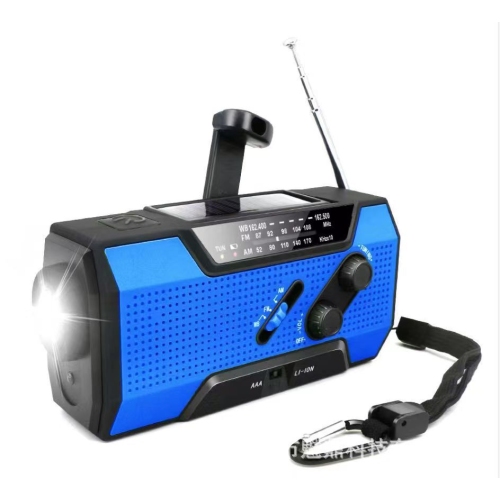
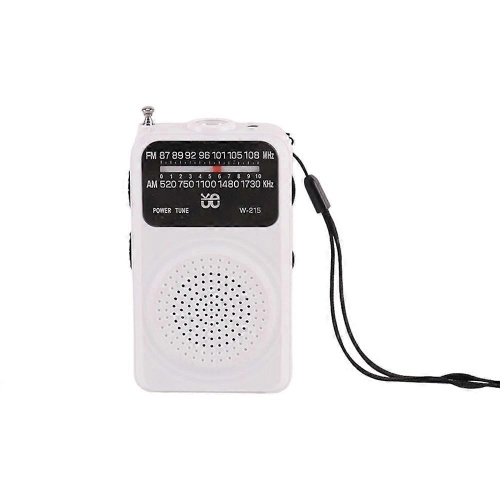
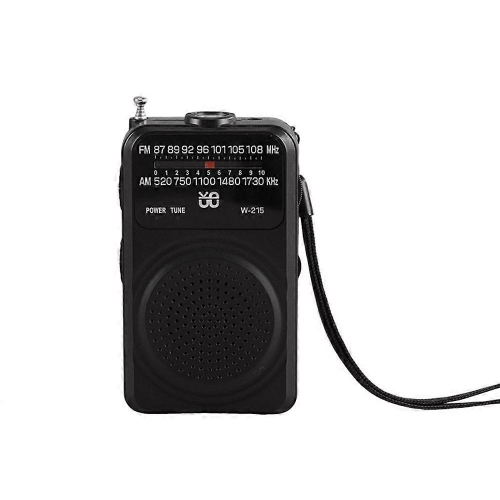
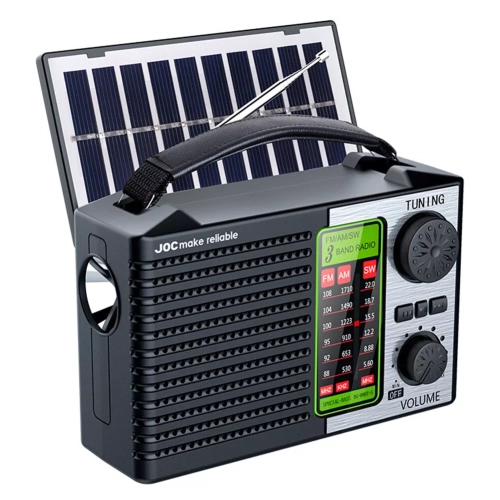
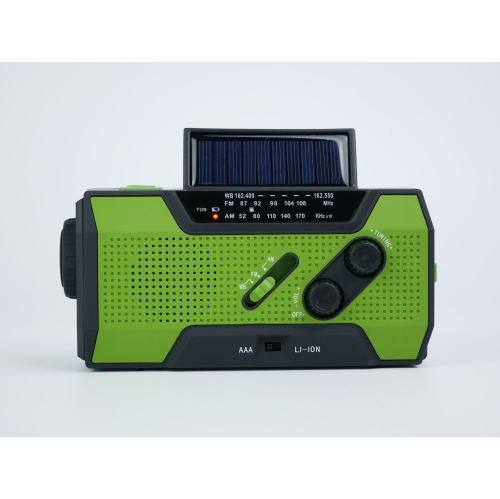
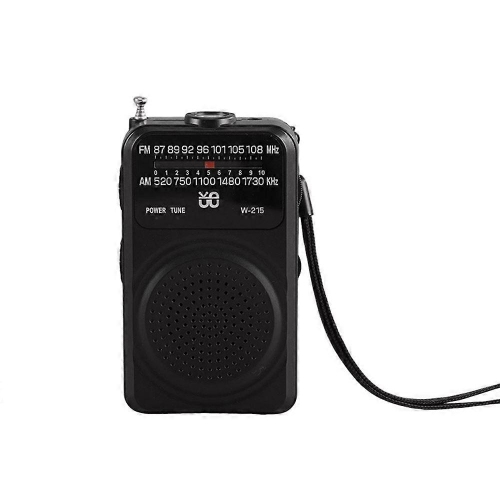
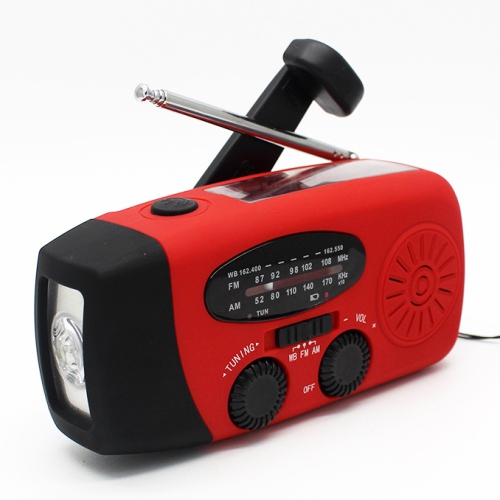
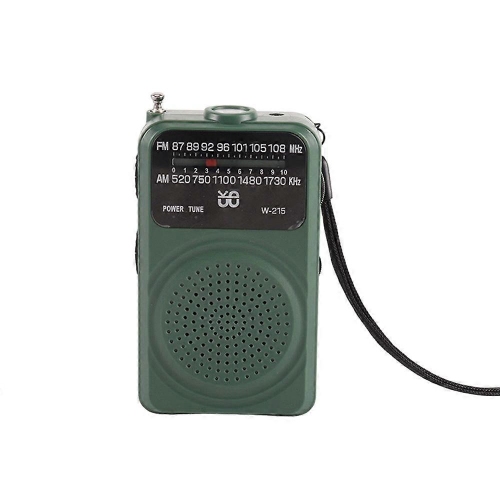

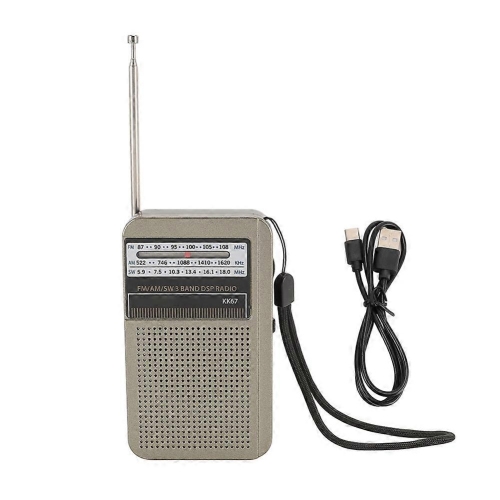
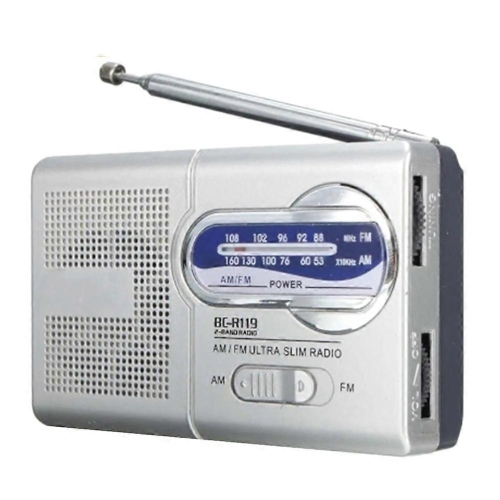
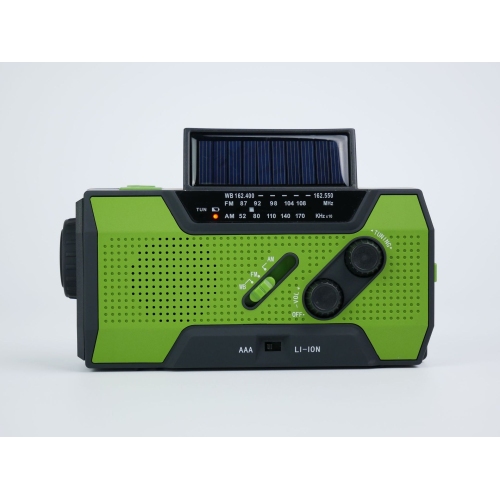
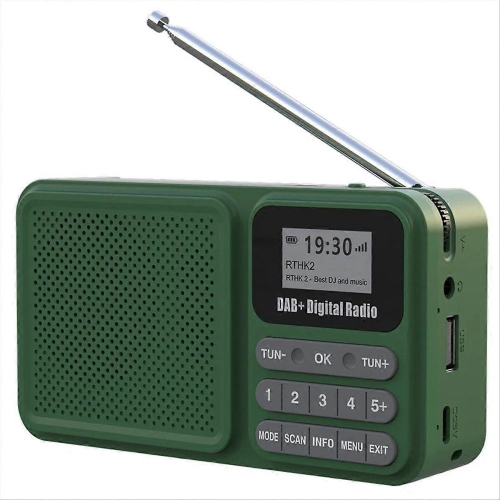
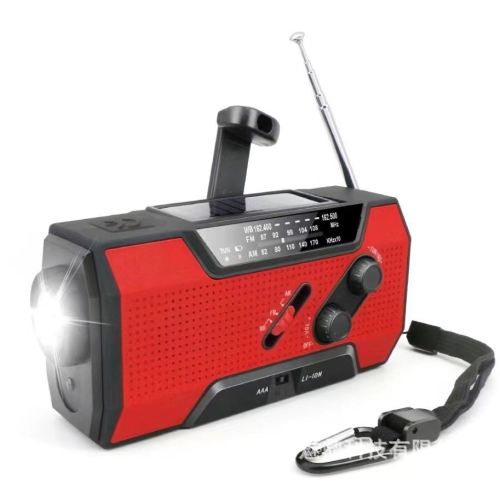

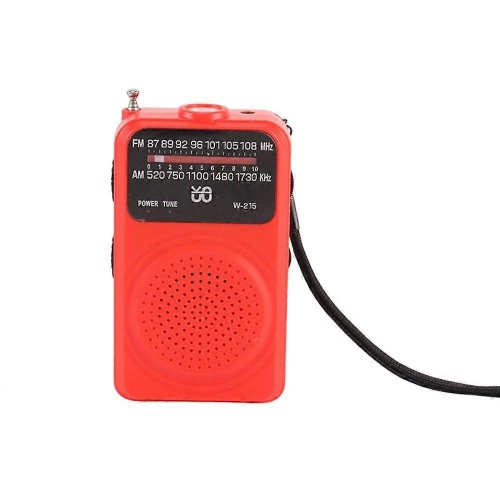
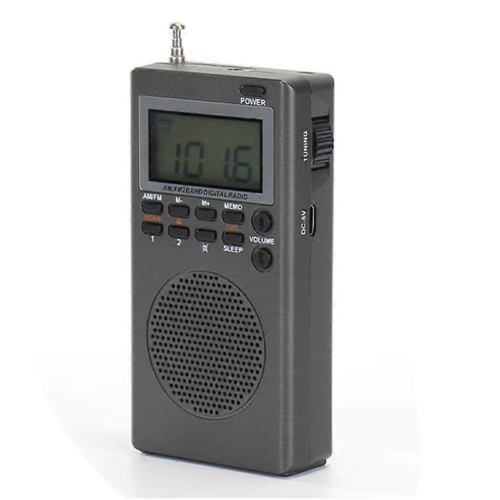

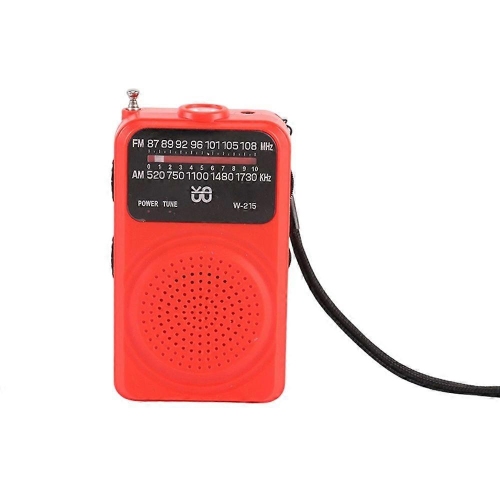
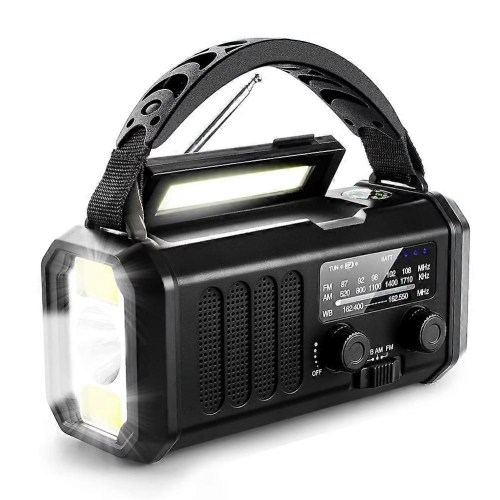
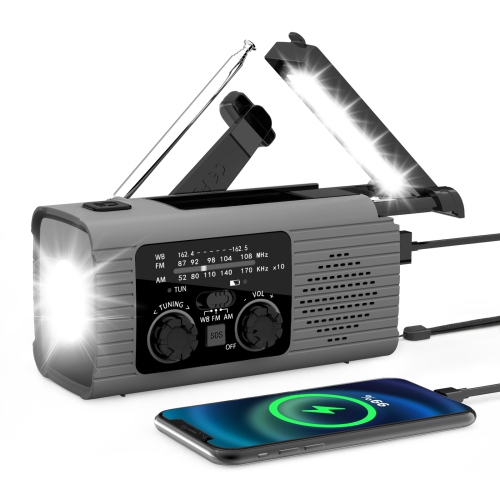
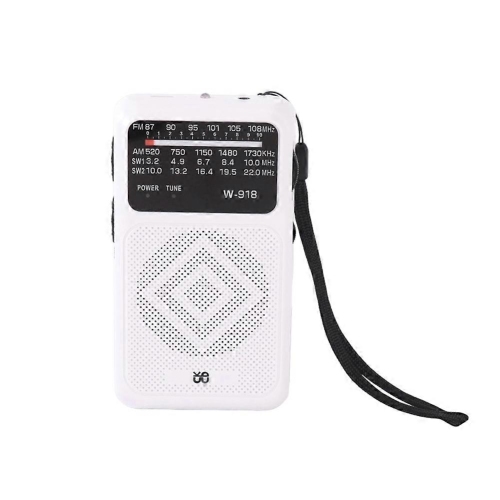
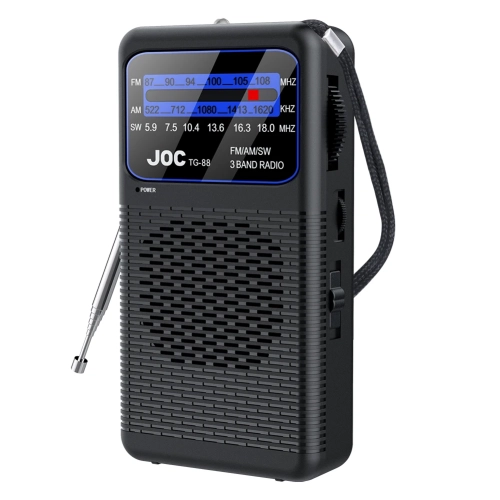
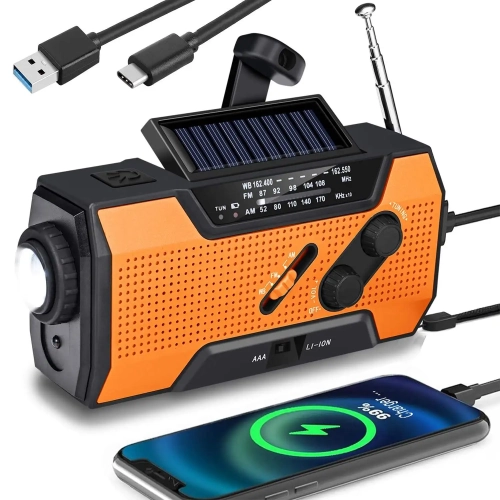
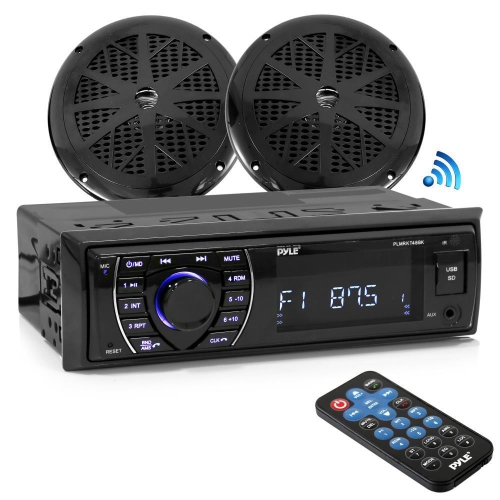
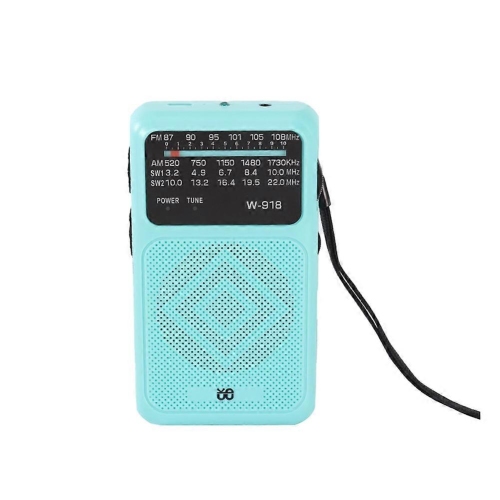
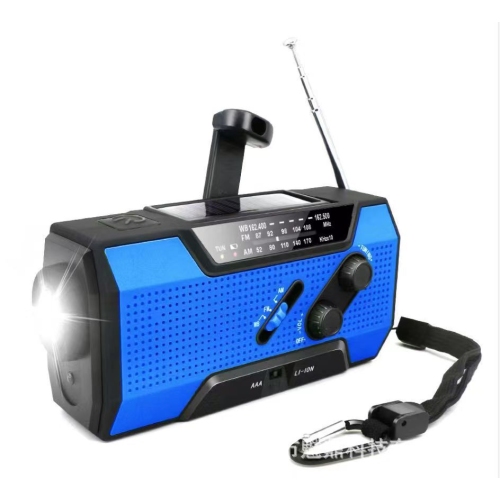
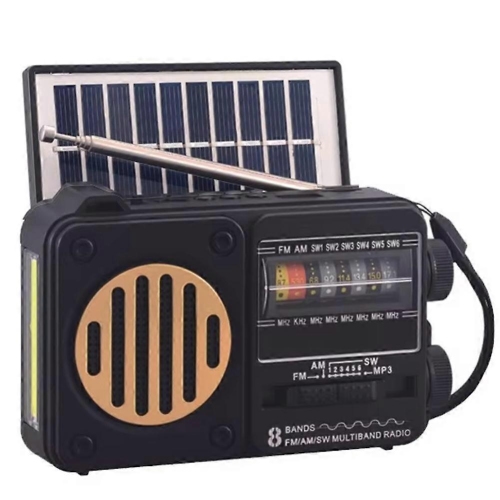
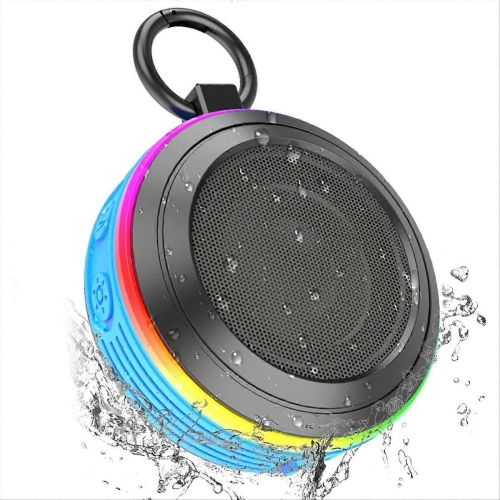

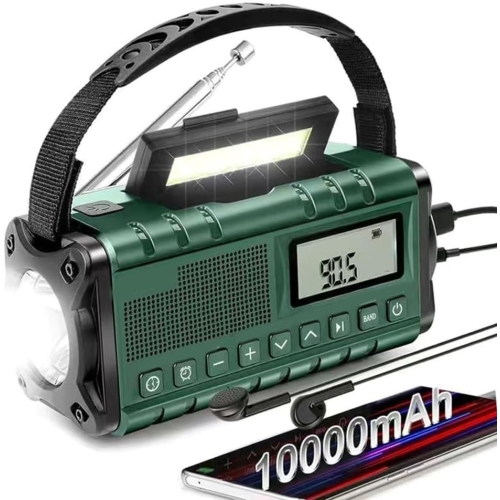
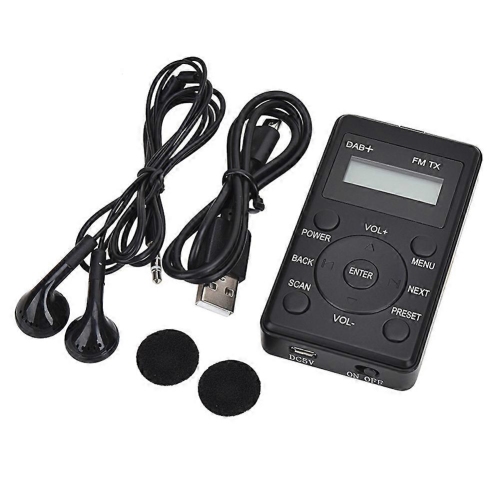
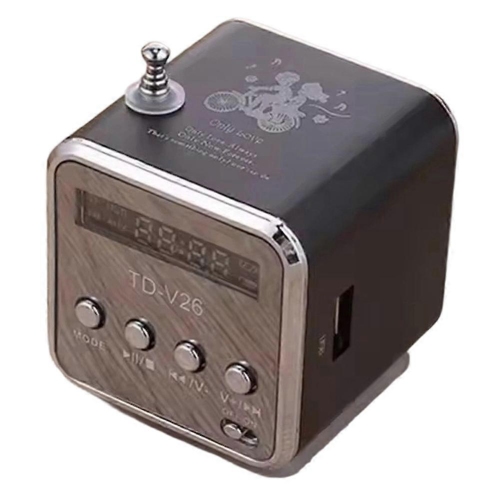
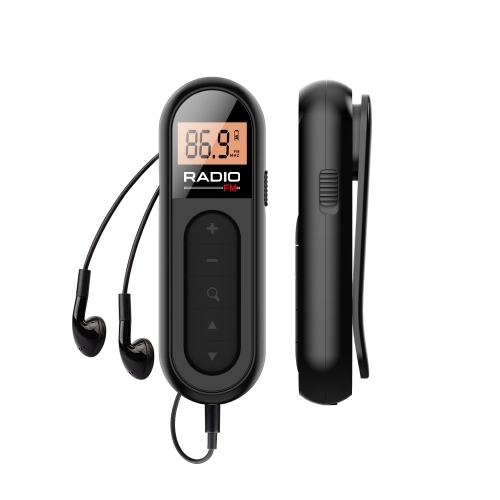

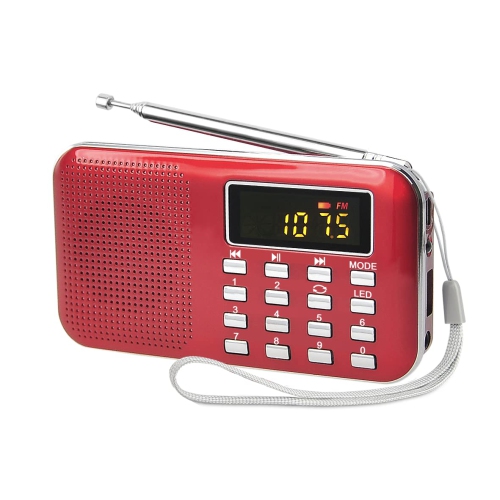
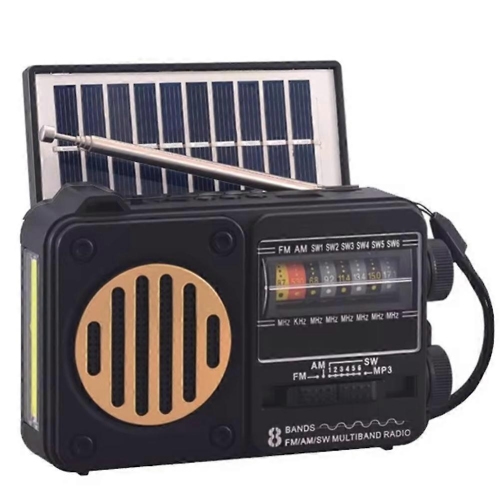
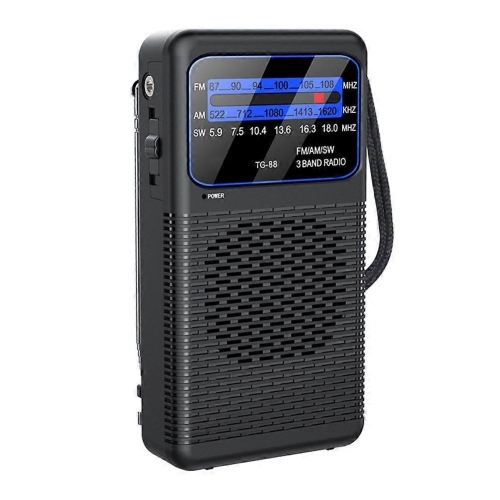
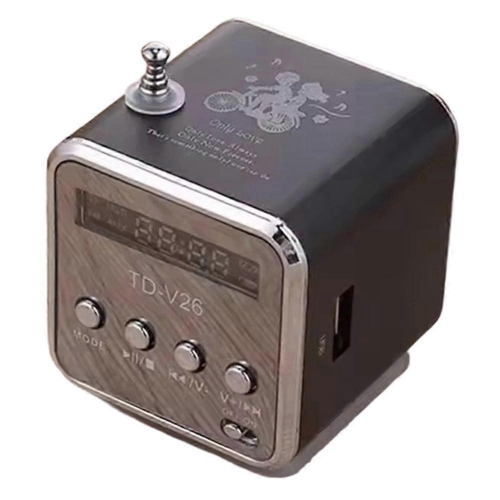
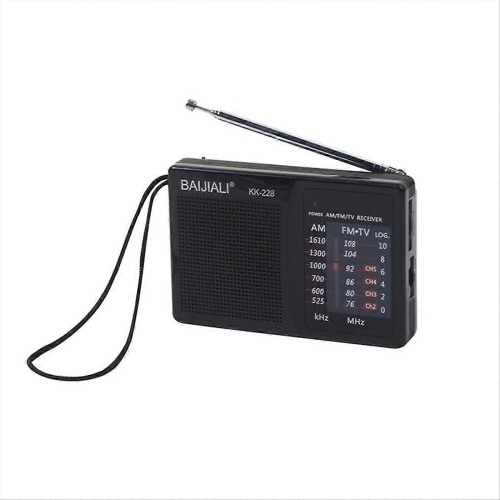
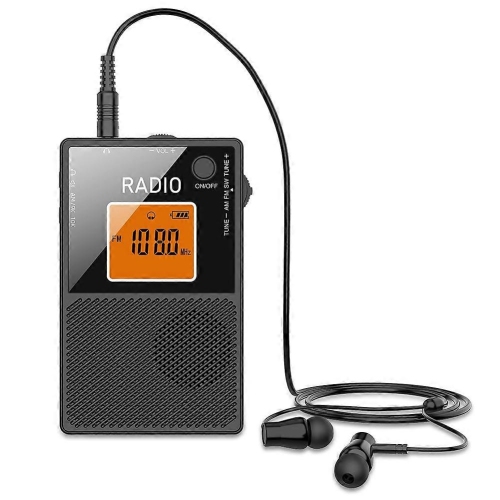
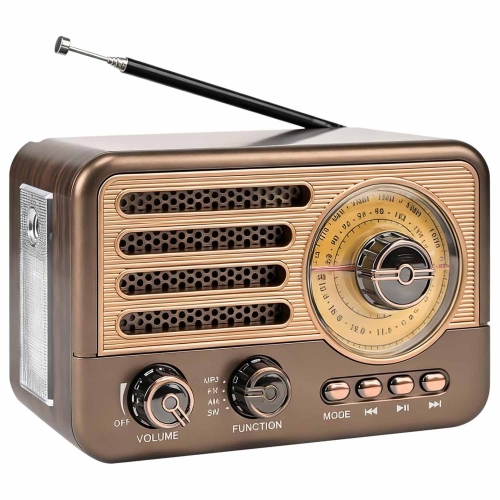
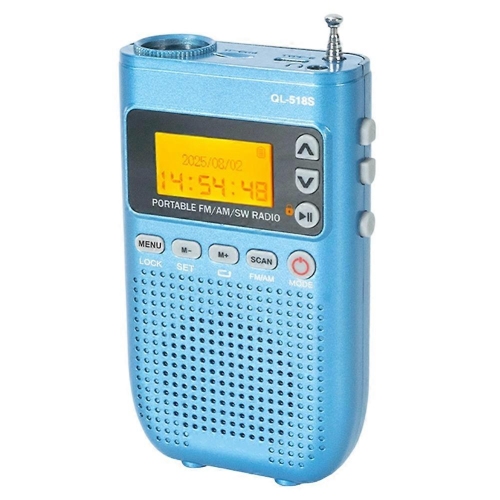
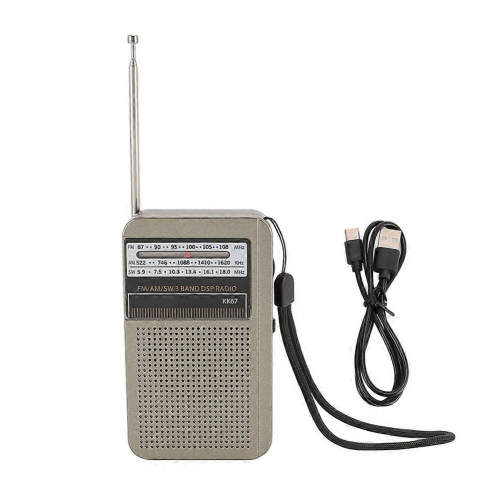

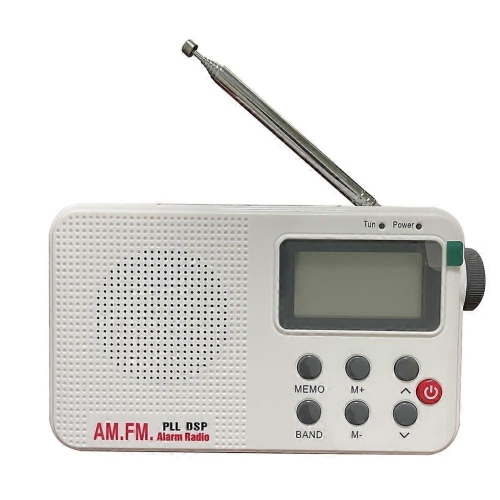
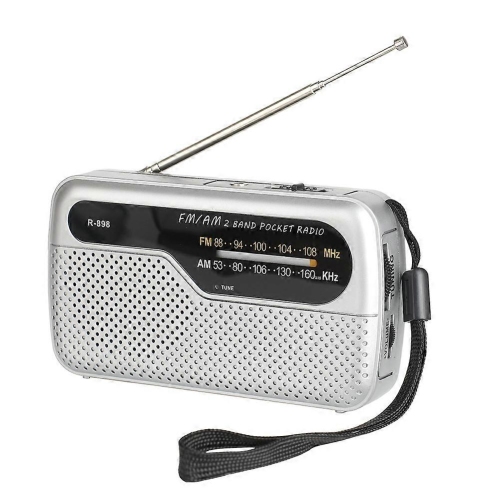
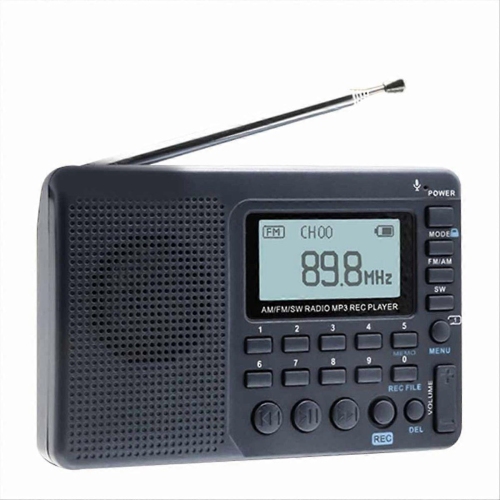

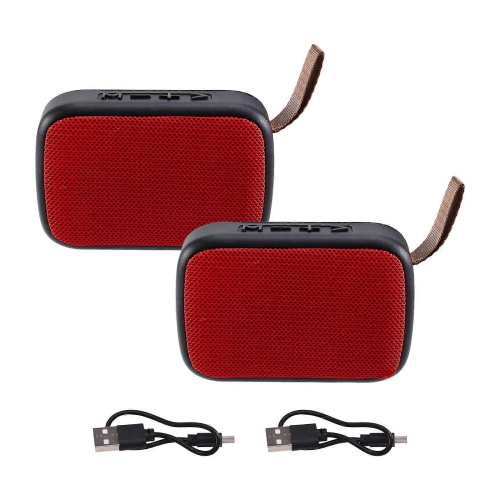
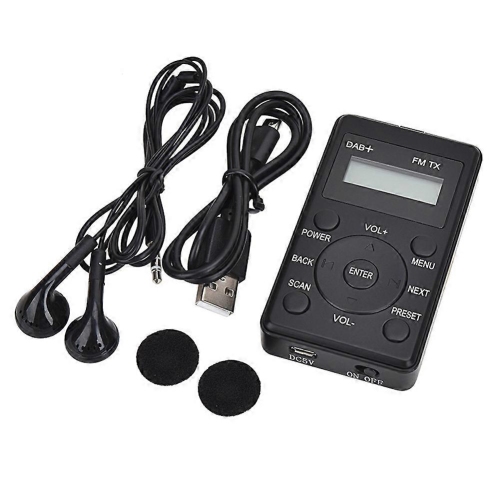
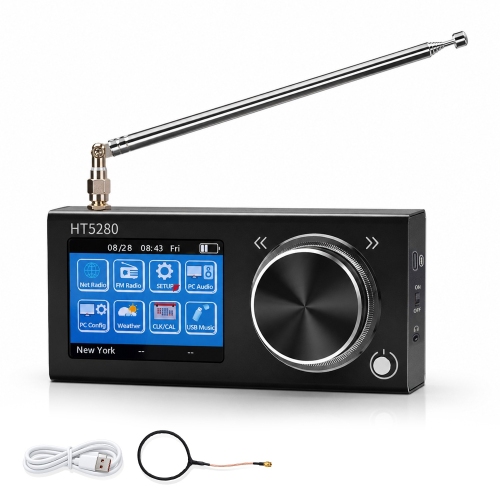
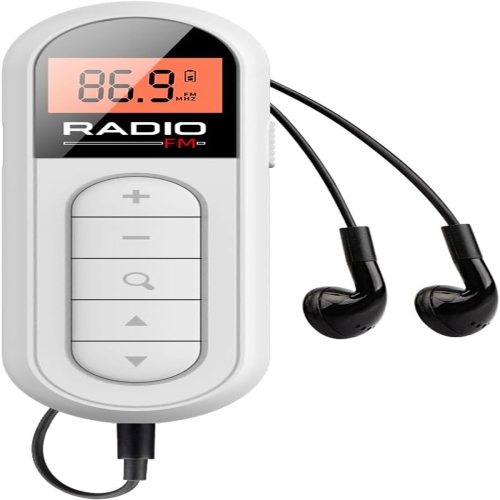
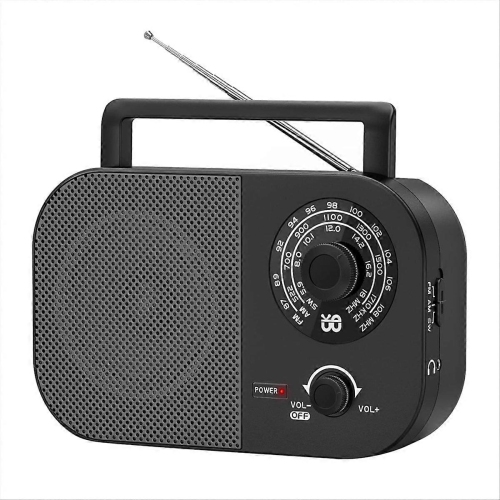
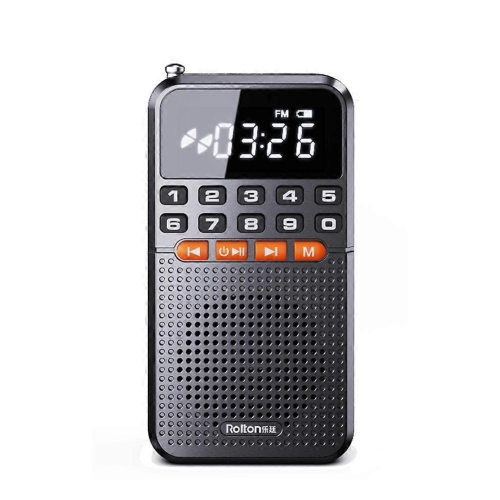
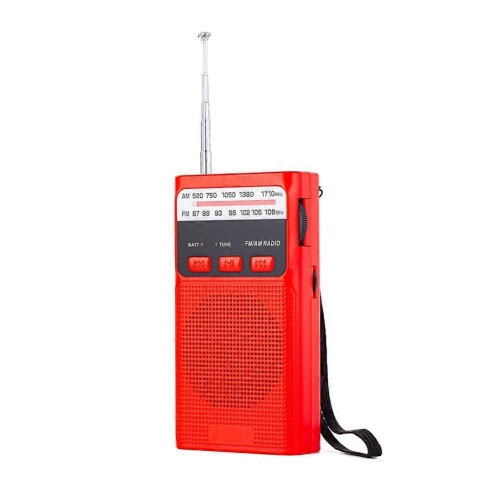


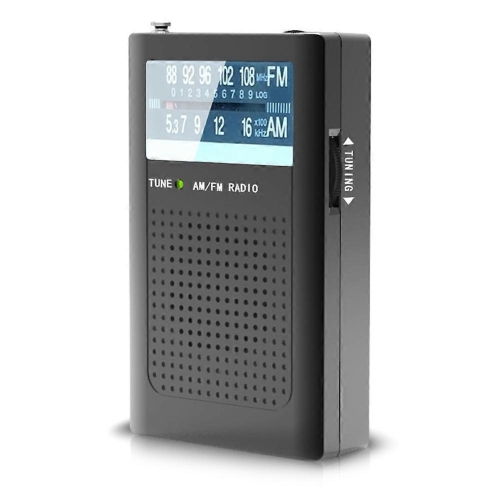
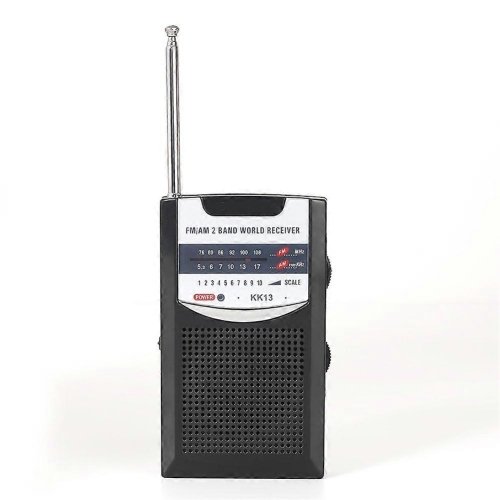
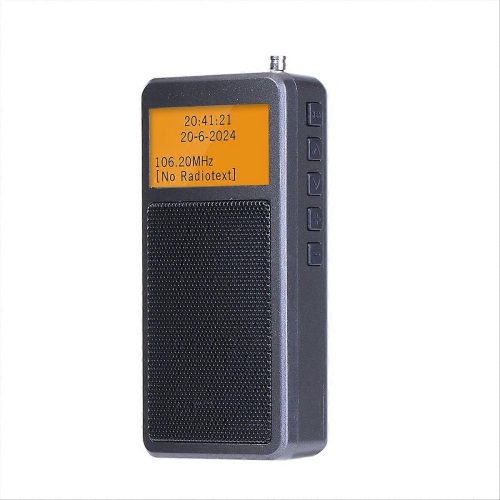
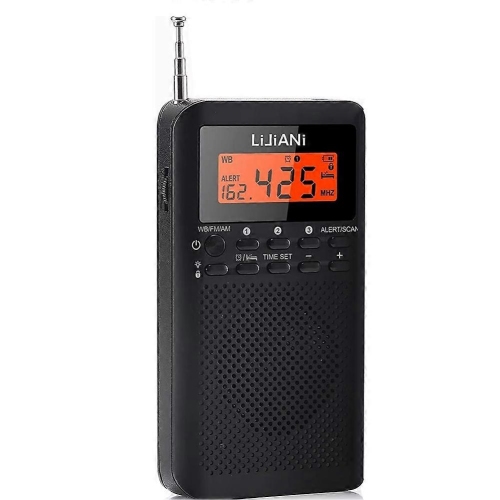
Local broadcasts by the sink or at the campsite
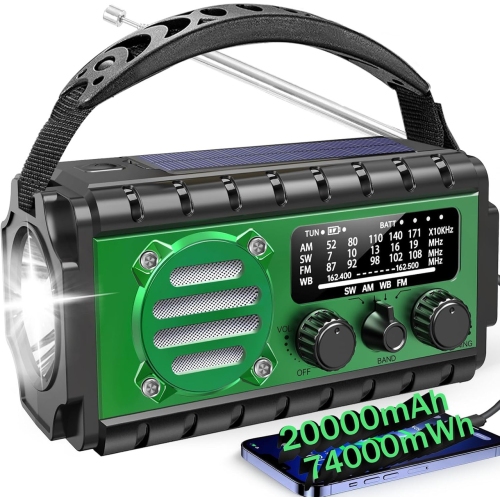
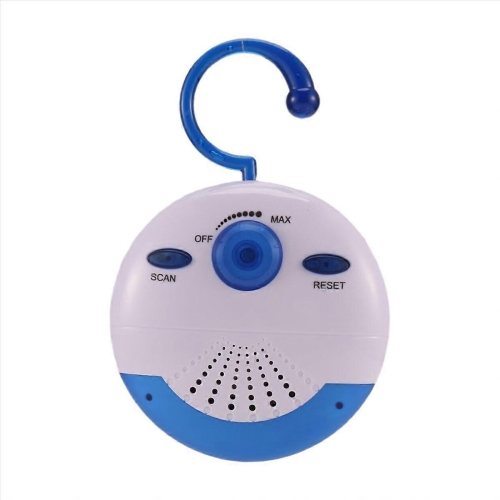
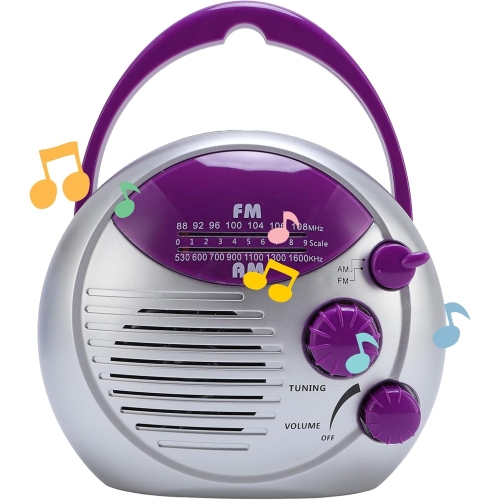
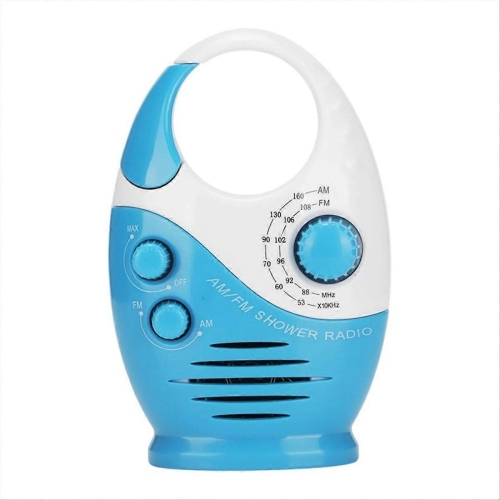
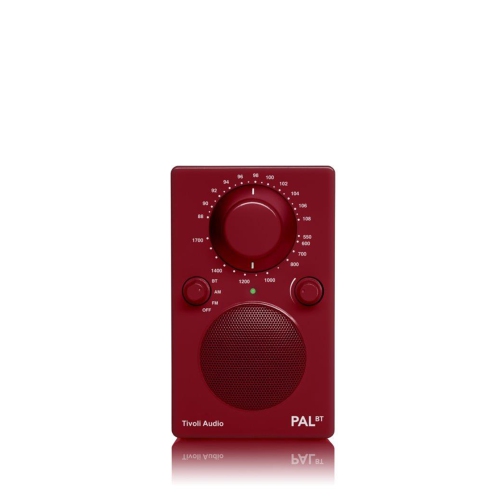
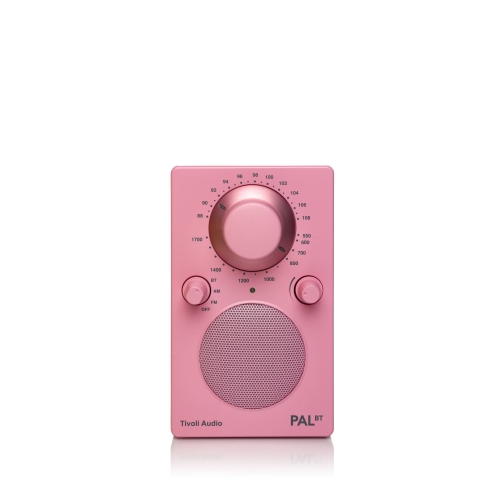
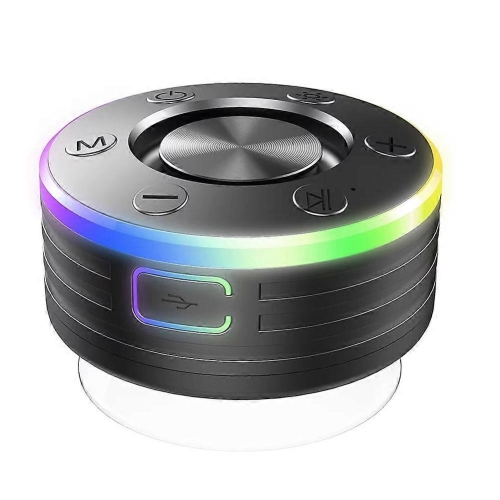
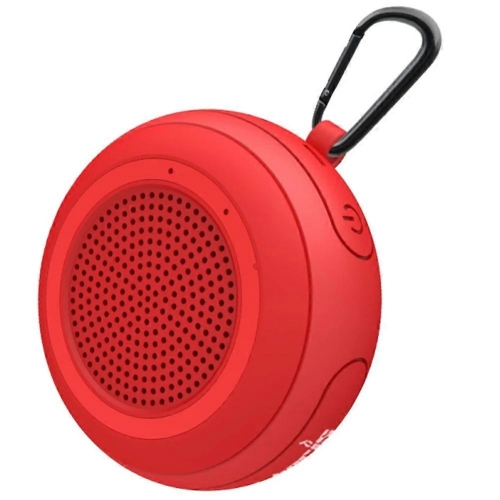
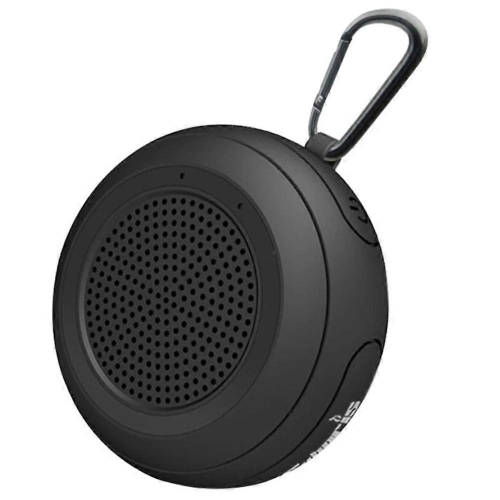
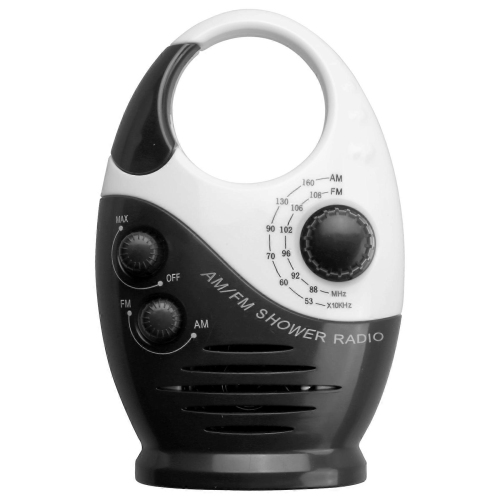
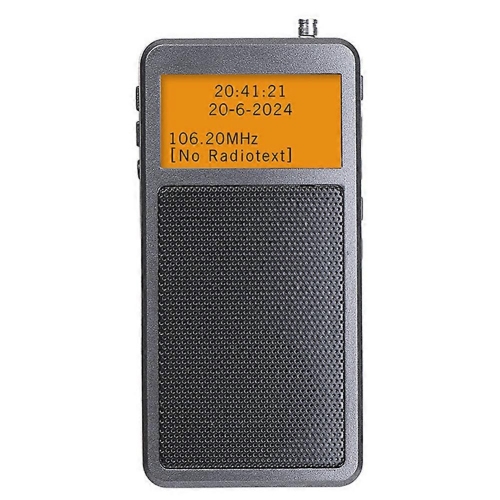
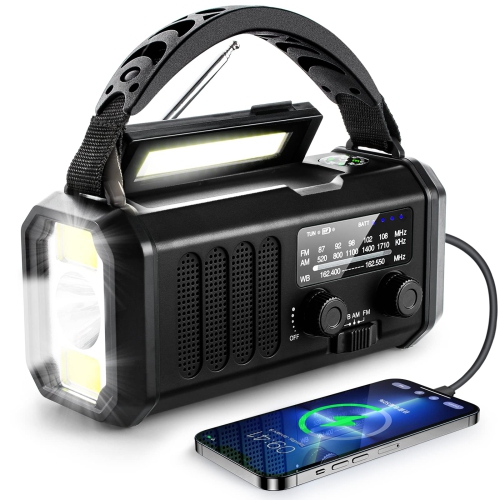
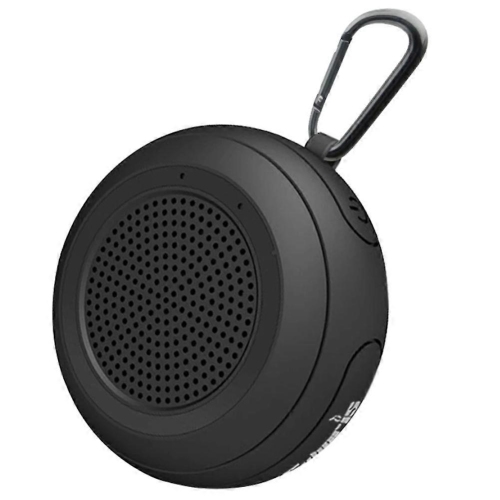
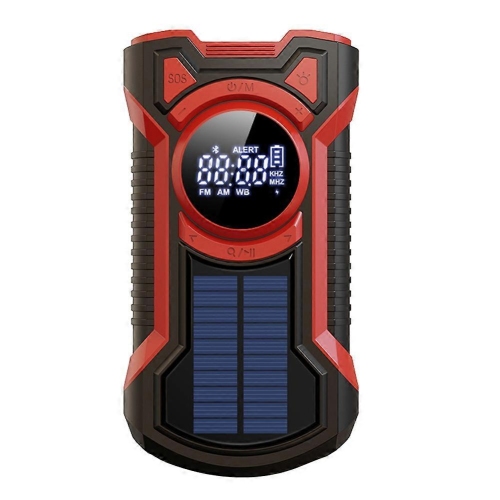
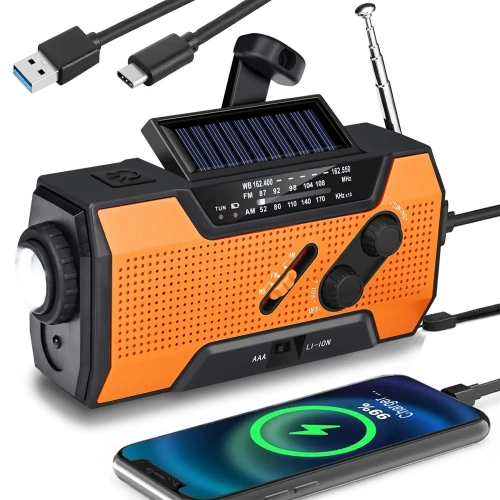
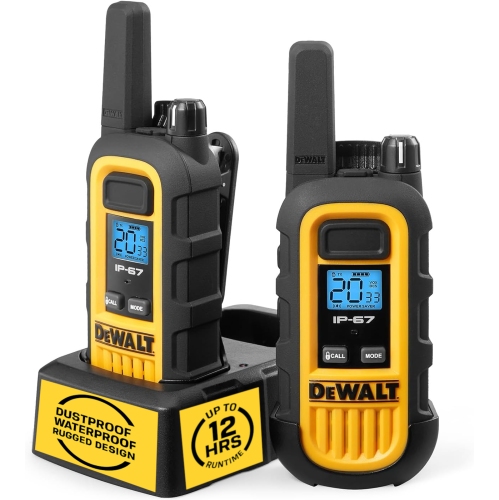
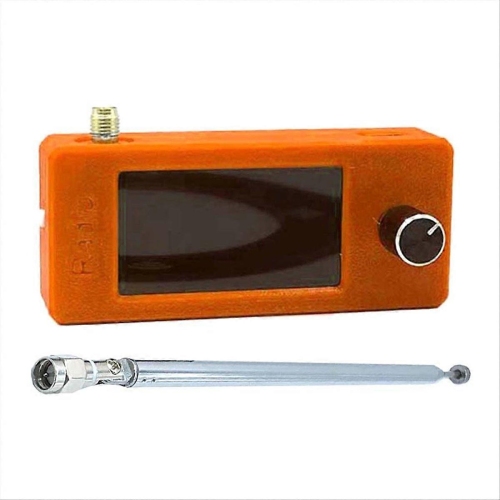
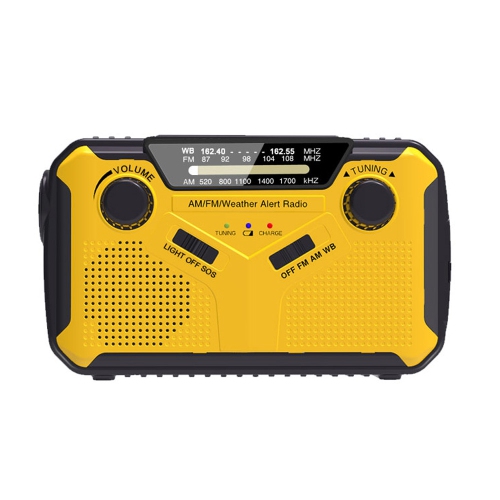
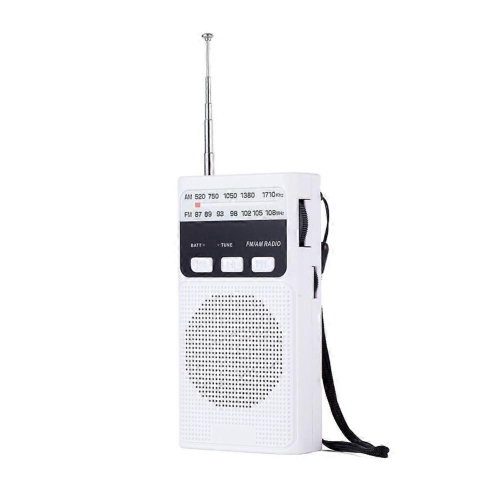
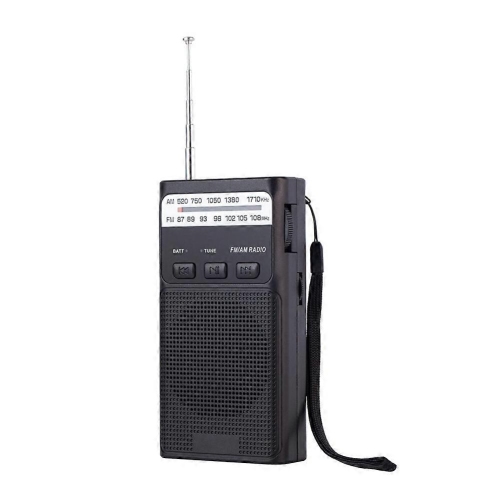
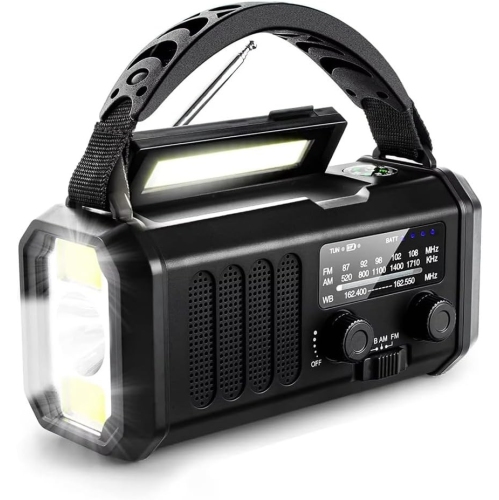
Waterproof portable radios bring broadcast listening to places where splashes, spray, or rain can make an ordinary radio a poor fit. They suit everyday routines such as listening to the news beside a bathroom sink, following a game at a campsite, or keeping music close to a backyard seating area. Unlike a wireless speaker that depends on another device for its audio, a radio with a built-in AM/FM tuner can receive local broadcasts without a phone, mobile data, or an internet connection. Bluetooth, where included, adds the option of playing audio from a compatible phone, but it does not replace the radio tuner. The distinction between waterproof and water-resistant construction matters more than the name alone. An IPX4 rating indicates resistance to splashing water, while IPX5 covers protection against water jets under specified test conditions. IPX7 indicates protection against temporary immersion under defined conditions, typically up to one metre for 30 minutes. IPX8 immersion limits are specified by the manufacturer and should not be treated as identical across radios. The X means that the rating does not declare a level of dust protection; a rating such as IP67 includes both dust and water protection. None of these markings automatically means a radio floats, tolerates hot water, or can remain underwater indefinitely. Bathroom use calls for particular attention to placement: a splash-resistant shower radio may suit a shelf outside the direct spray, provided that location matches its instructions, while a hanging design needs a secure support. Poolside and boating use introduce different concerns, including accidental drops and exposure to treated or salt water. A stated water rating is most useful when considered alongside the manufacturer’s intended use, required port-cover positions, and cleaning directions. Waterproof portable radios are therefore a varied product category rather than a single level of protection, with compact bathroom designs, rugged outdoor receivers, and multifunction emergency radios serving different listening needs.
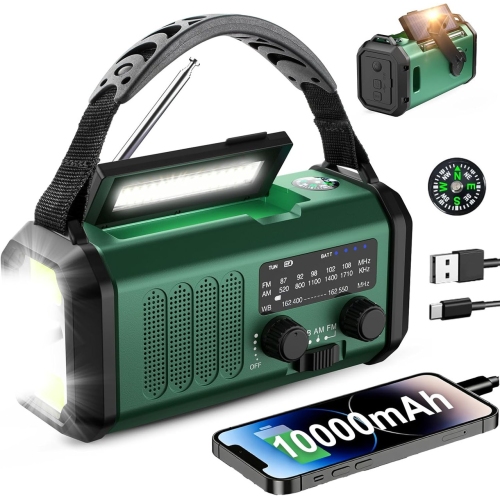
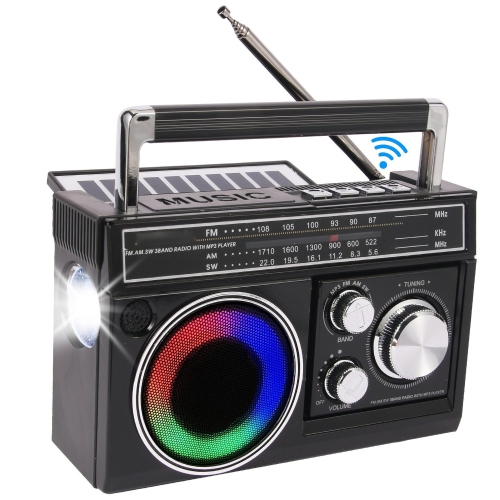
The most useful physical details often become apparent during ordinary handling. A textured casing can be easier to grip with damp hands, and rubberized corners may help cushion minor bumps, although water protection does not itself establish drop resistance. Durable plastic housings keep weight manageable, while reinforced handles and securely attached straps make carrying a radio between a kitchen, patio, and campsite more comfortable. A broad, stable base helps on a picnic table or bathroom shelf, especially when the antenna is extended. Size also affects how naturally a radio fits into its intended space: a small unit can tuck into a day bag, whereas a larger cabinet may offer bigger controls and a fuller sound. Speaker size alone does not determine audio quality, but clear speech reproduction is especially valuable for news, talk programmes, and public updates. Beside running water, accessible volume controls and a speaker that remains intelligible at moderate listening levels are more useful than an emphasis on loudness alone. Large buttons, distinct tuning controls, and a high-contrast display can make daily operation easier for listeners with limited dexterity or reduced vision. Station presets reduce repeated tuning, and a clock or sleep timer can make a radio a practical bedside companion between outings. Reception still depends on local signal strength, terrain, nearby buildings, and placement. Moving a radio away from some electrical devices or adjusting its antenna may improve reception, but a rugged casing cannot guarantee a clear signal in a remote area. FM reception commonly benefits from an extended telescopic antenna, while AM reception may improve when the whole radio is rotated because many AM receivers use an internal directional antenna. For a gift, these everyday details can matter more than a long feature list. A frequent camper may appreciate a sturdy handle and straightforward battery replacement, while someone who listens during a morning routine may prefer simple presets, an easy-to-read display, and a compact shape that leaves room on the counter.
Power options help define where and how a waterproof portable radio can be used. Replaceable batteries offer flexibility on longer outings when charging is inconvenient, provided spare batteries are kept dry and the correct type is used. A built-in rechargeable battery can suit regular listening at home and short trips, with charging connections protected as directed whenever the radio is exposed to water. Stated battery life depends on test conditions; listening volume, display lighting, Bluetooth playback, and extra functions can change the time between charges. Radios equipped with a hand crank or a small solar charging panel may provide supplementary power, but their charging rate and required effort vary, so these features are better understood as backup options than as a promise of uninterrupted listening. An integrated torch or USB power output can be useful during a power interruption, although charging a phone draws from the same stored energy needed for the radio. Weather-band reception, where supported, can provide another source of information, but reception and alert functions depend on compatible local broadcasts and coverage. In Canada, the presence of a NOAA label alone does not establish that automatic alerts will operate at the intended location. Broadcast receivers also serve a different purpose from communication equipment: listening to AM/FM stations is not the same as speaking with another person over a radio channel. For activities that require compatible devices for group communication, Waterproof Two Way Radios are a distinct category with their own channel, range, and operating requirements. Whichever listening format suits the setting, care helps preserve the protection built into the housing. Port covers and battery doors need to be properly closed, and seals should remain free of grit, hair, or damage. After exposure, cleaning should follow the manufacturer’s directions, particularly when soap, chlorine, or salt is involved. Charging ports should be fully dry before connecting power, and a wet radio should not be connected to mains power near water. Dry storage, gentle handling of the antenna, and inspection of seals help keep a portable radio ready for familiar stations at home or farther afield.
Top selling and popular products
-
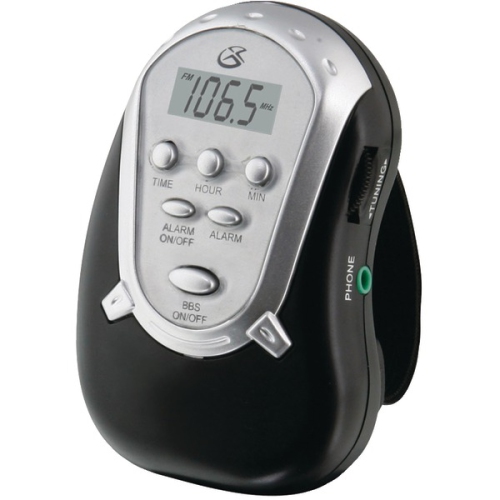 Your price for this item is $116.68
-
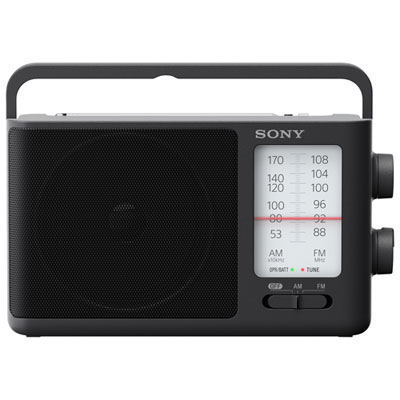 Your price for this item is $69.99
-
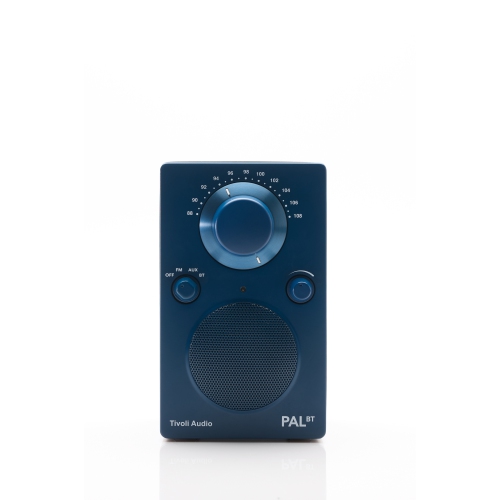 Your price for this item is $279
-
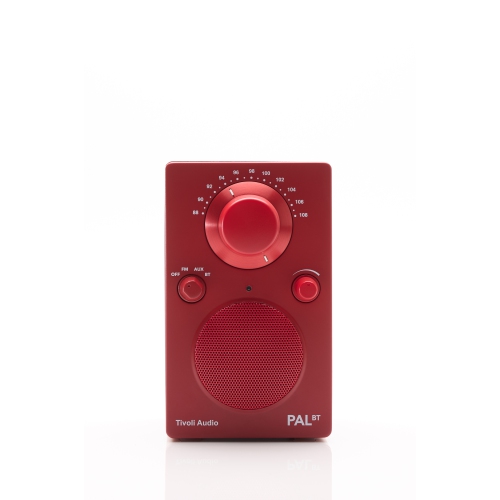 Your price for this item is $279
-
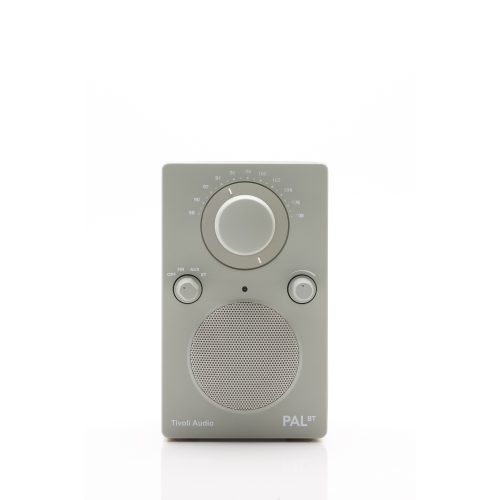 Your price for this item is $279
-
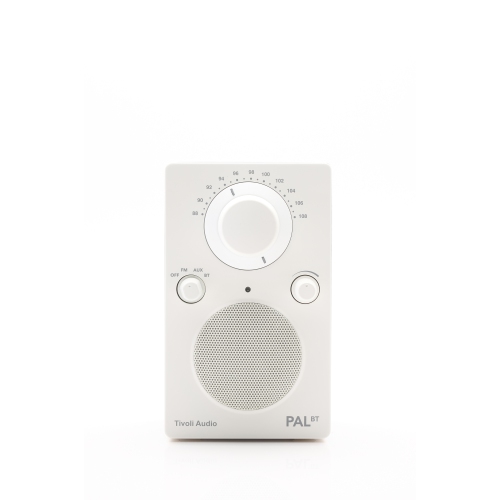 Your price for this item is $279
-
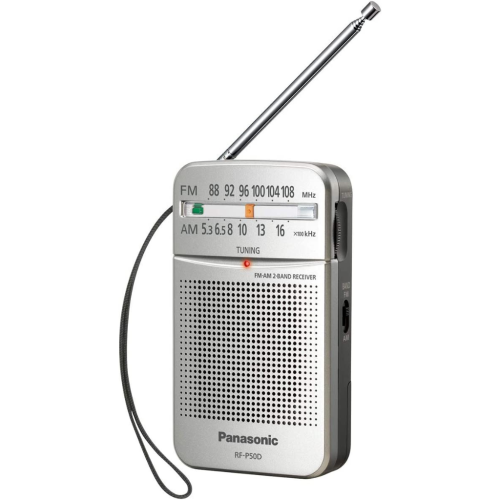 Your price for this item is $39.95
-
 Your price for this item is $45.99
Discover more categories related to Waterproof Portable Radios
Top Collections:
Pokemon Centers, Best Cameras for Sports Photography, Kindle Devices, Samsung Galaxy Phones, Canon G7X Cameras, Pokémon 30th Celebration Cards, Refurbished Apple Laptops, iPhone 15 Apple, Laptops for Students, Budget Smartphones
Some products may be subject to Environmental Handling Fees
(EHF) depending on your province.
Learn more about EHFs.