Wicked Audio
Wicked Audio delivers bold sound and style for those who want to elevate their listening experience. Explore a wide selection of headphones, earbuds, and audio accessories designed to keep you connected to your favorite music, podcasts, and calls. Whether you're on the go, hitting the gym, or relaxing at home, Wicked Audio offers options that fit seamlessly into any lifestyle. Find the perfect audio solution to match your needs and enjoy powerful performance every time you press play.
Sort












Why headphone fit matters as much as sound
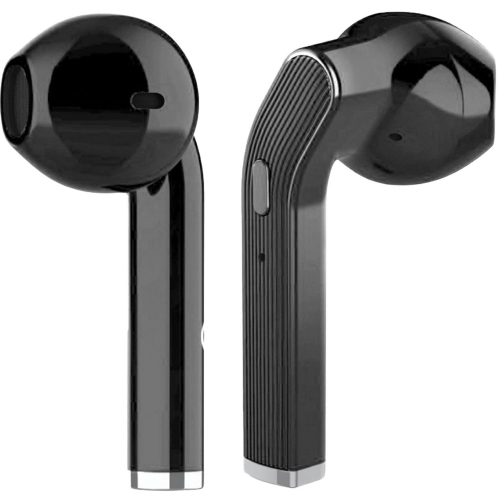
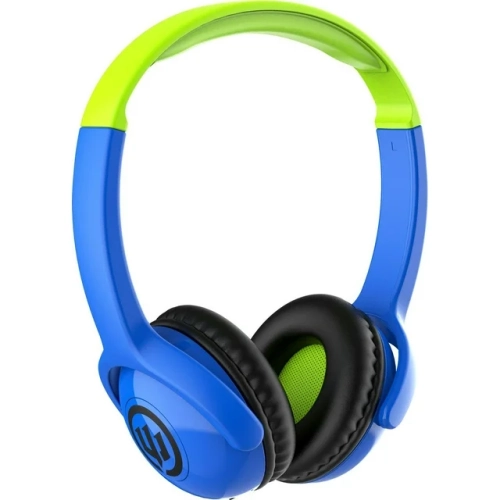
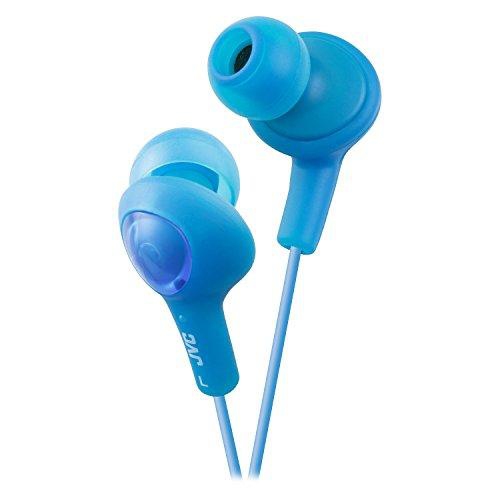
Headphones and earbuds bring music, podcasts, calls, and videos into everyday routines, whether that means listening on a bus ride, following a lecture between classes, or enjoying an album without filling a shared room with sound. The difference between a pair that gets used occasionally and one that becomes a daily companion often comes down to fit as much as sound. In-ear earphones sit at the entrance to the ear canal and offer a compact shape that slips easily into a small bag. Soft silicone tips in different sizes can help create a comfortable seal, which supports fuller bass and reduces some surrounding noise without requiring the volume to be turned up. Each ear may need a different tip size, and a secure fit should not feel painfully tight. Over-ear headphones surround the ears with cushioned cups, while on-ear designs rest against them and can feel less bulky when carried. Neither shape is automatically more comfortable for everyone: headband adjustment, ear cushion depth, overall weight, and clamping pressure all matter during a long listening session. Someone wearing glasses may notice pressure where the cushions meet the arms of the frames, while someone using earbuds during a walk may care more about keeping them seated securely. Lightweight plastic housings help keep portable audio gear manageable, and padded headbands or flexible ear tips soften the points of contact. Sound preferences are just as personal. A stronger bass response can add weight to electronic music or action scenes, while clear vocals and balanced mids help spoken dialogue remain easy to follow. A good seal and sensible listening levels often make a greater difference to everyday enjoyment than a long list of technical terms. For shared spaces, sound leakage also matters: a comfortable listening level should not turn a quiet study table into an unwanted soundtrack for everyone nearby. Comfort over time is especially important for students, commuters, and anyone who listens through several parts of the day rather than for a few minutes at a time.
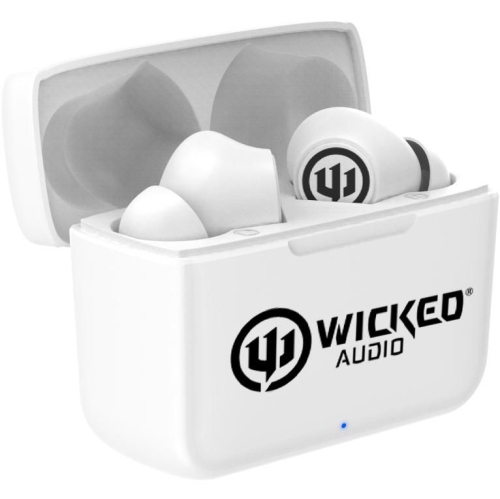
Connection type shapes how headphones and earphones fit into those routines. Wired designs provide a direct connection without needing a separate listening battery, making them useful for a desk setup, a compatible handheld device, or a longer session where charging would be inconvenient. For listeners who prefer that straightforward approach, wired earphones with clear audio offer a related category to explore. Connector compatibility still matters: a headphone jack and a charging port are not interchangeable, and an adapter may need to support audio as well as physically fit the device. Wireless headphones remove the cable between the listener and the source device, while true wireless earbuds also remove the cord between the two earpieces. That freedom can make it easier to move around a room or keep a phone tucked away during a commute. Battery figures need a little context, however. Earbud listening time on a single charge is different from total listening time that includes additional charges from a carrying case. Volume, calls, and features such as active noise cancellation can affect how long a charge lasts. Passive isolation comes from the physical fit of an ear tip or ear cushion; active noise cancellation uses microphones and electronic processing to reduce certain surrounding sounds, often working best on steady background noise. Neither creates complete silence. A transparency or ambient listening mode, where included, lets more outside sound through and can make a brief conversation easier without removing the earphones. Microphone quality is a separate consideration from music playback, particularly for calls made near traffic or other voices. Convenient controls can reduce the need to reach for a phone, but touch gestures and physical buttons feel different in use. Connection behaviour, video synchronization, and compatibility with calling or gaming software also deserve attention when the same pair will move between entertainment and conversation. These practical details help distinguish a listening setup suited to a seated workday from one intended mainly for short, frequent trips.
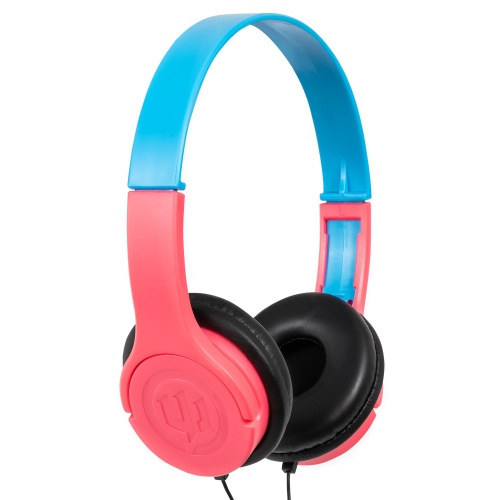
Durability depends on both construction and everyday handling. A cable that is repeatedly pulled from the middle, twisted tightly around a device, or caught under a chair is exposed to more strain than one unplugged by its connector and stored in a loose loop. On headphones, hinges, sliders, and the points where the cups meet the headband take repeated movement; on earbuds, charging contacts and the case lid are frequent touchpoints. A protective case helps keep ear tips free of bag debris and prevents small accessories from getting tangled with keys. Water resistance should be understood according to the stated rating rather than assumed from a sporty appearance. Resistance to sweat or splashes does not necessarily mean suitability for swimming, showering, or rinsing under a tap, and a charging case may have a different rating from the earbuds it holds. After exercise, a soft, dry cloth can remove surface moisture before storage, and charging contacts should be dry before the earphones go back into their case. Cleaning methods should suit the materials and the care directions: removable silicone tips, fabric cushions, and exposed speaker mesh do not all tolerate the same treatment. Gentle handling helps preserve both comfort and sound, especially when wax or dust begins to collect around an earbud opening. For gifting, the recipient’s habits are often more useful than appearance alone. A frequent caller may appreciate accessible controls and comfortable wear, a student may value a compact carrying shape, and a music listener may care most about fit and tonal balance. For children, an appropriately sized design and a clearly stated volume-limiting feature are worth considering alongside adult supervision and listening breaks; a limiter is not a substitute for sensible listening habits. Colour, cushion texture, and a manageable charging routine add personal touches, but the strongest match is a pair that feels comfortable, connects to the devices already in use, and suits the places where listening happens.
Top selling and popular products
-
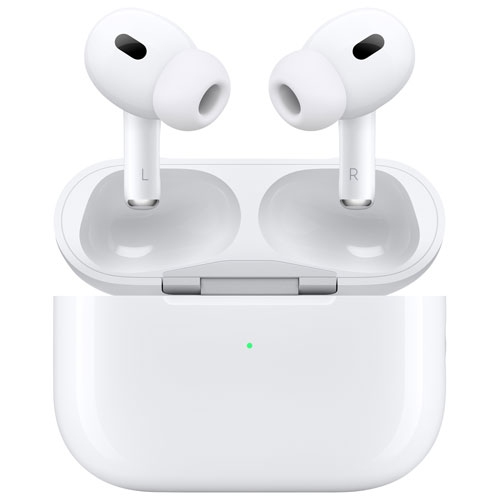 Your price for this item is $349.99
-
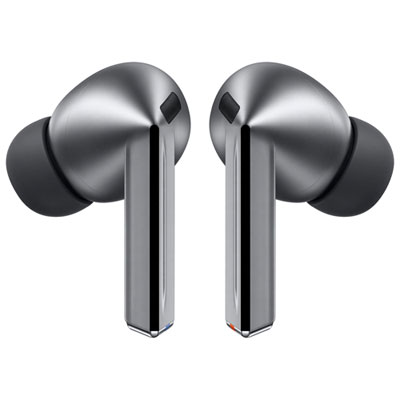 Your price for this item is $329.99
-
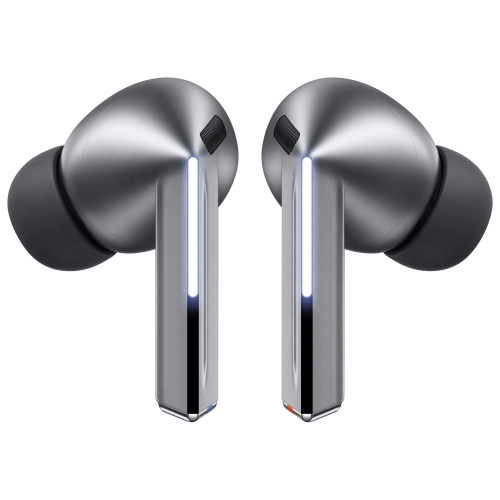 Your price for this item is $229
-
 Your price for this item is $215
-
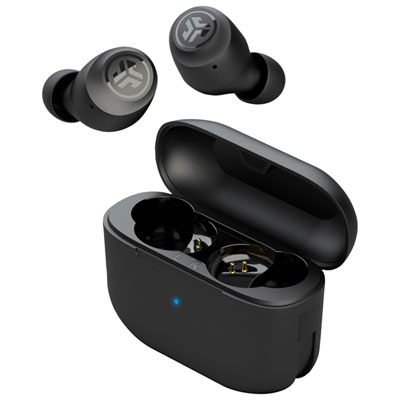 Your price for this item is $34.99
-
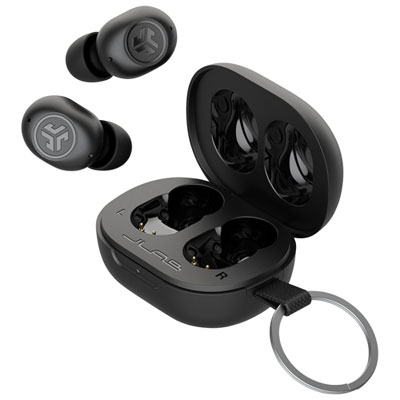 Your price for this item is $59.99
-
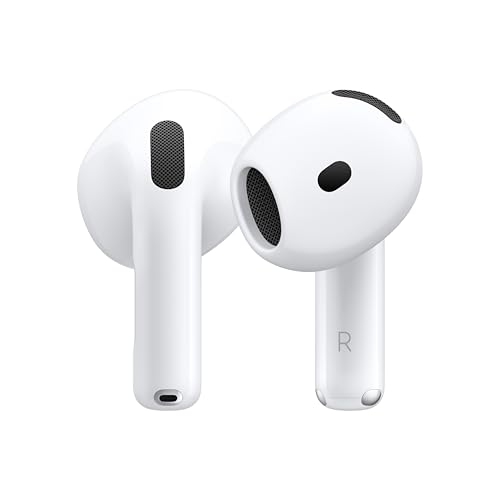 Your price for this item is $189
-
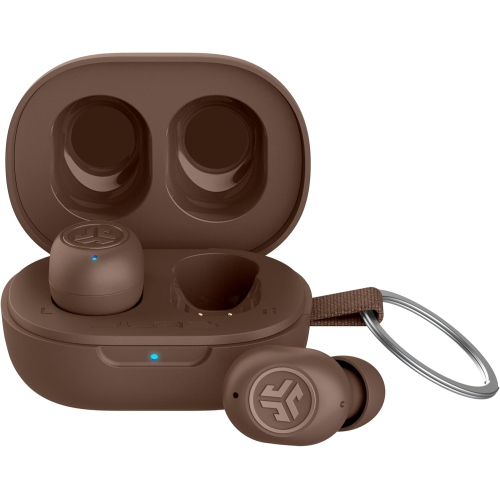 Your price for this item is $89.99
Discover more categories related to Wicked Audio



Top Collections:
Pokemon Centers, Best Cameras for Sports Photography, Kindle Devices, Samsung Galaxy Phones, Canon G7X Cameras, Pokémon 30th Celebration Cards, Refurbished Apple Laptops, iPhone 15 Apple, Laptops for Students, Budget Smartphones
Some products may be subject to Environmental Handling Fees
(EHF) depending on your province.
Learn more about EHFs.