4 Wheel Strollers
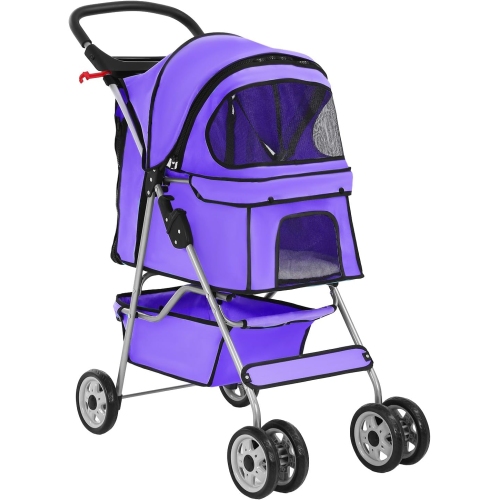
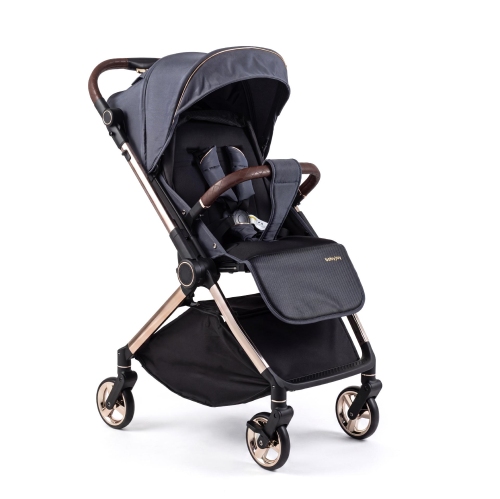
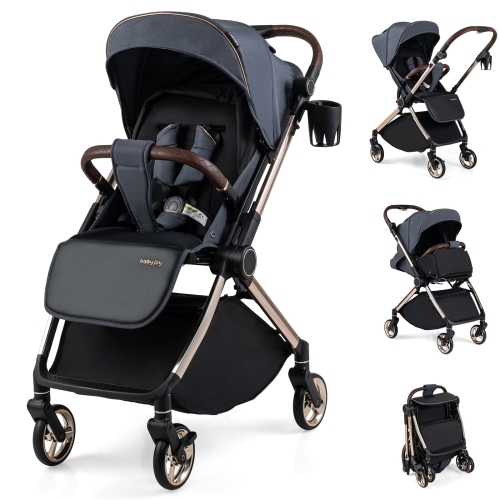
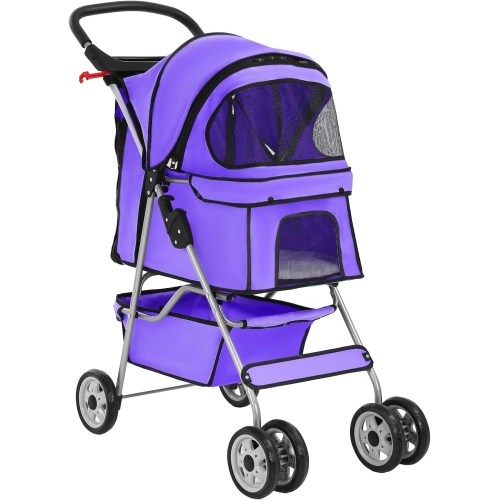
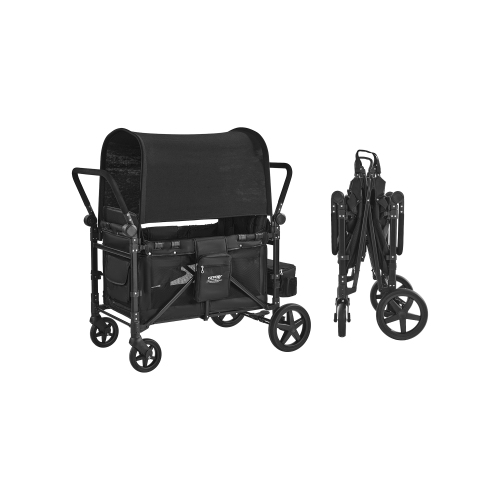
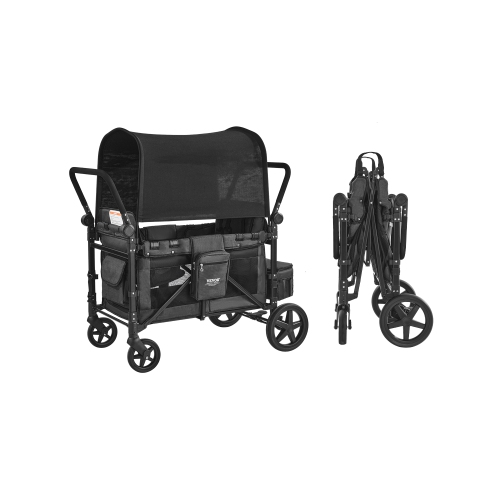
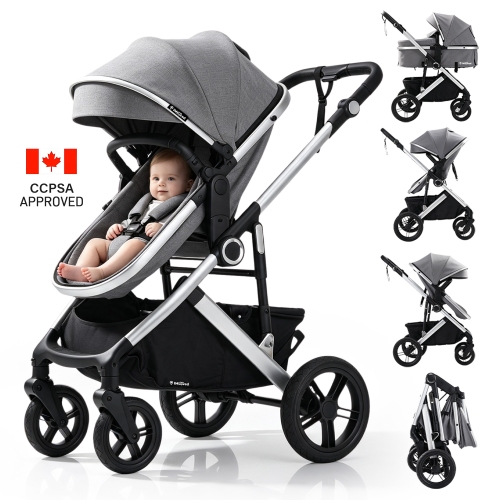
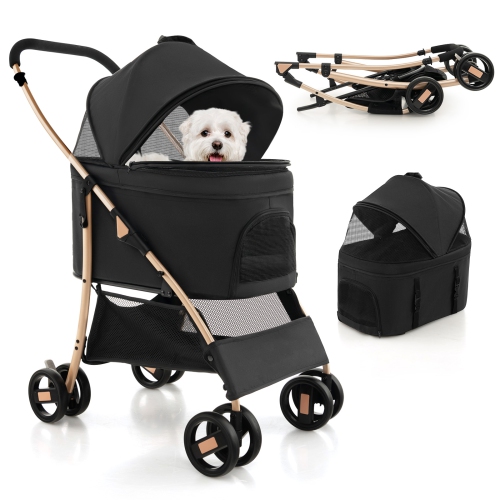
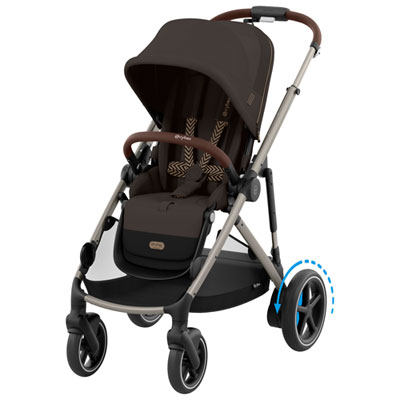
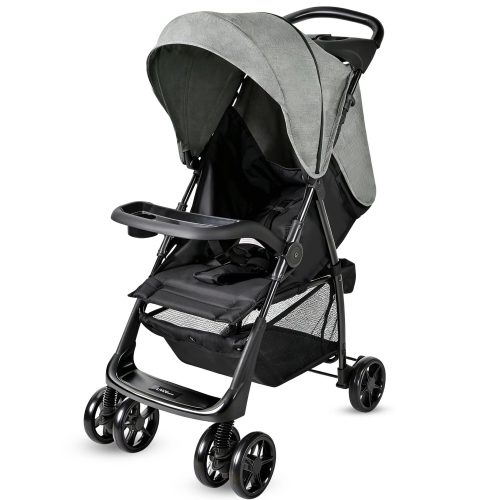
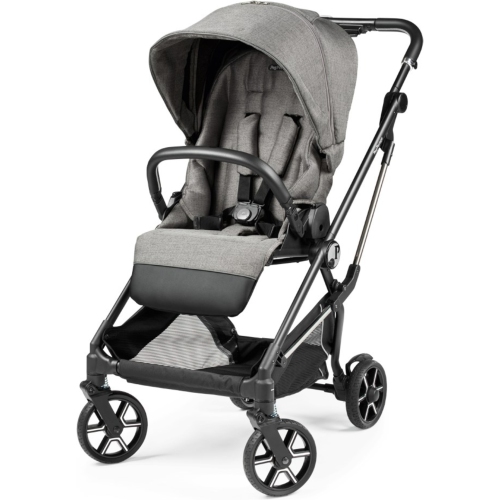
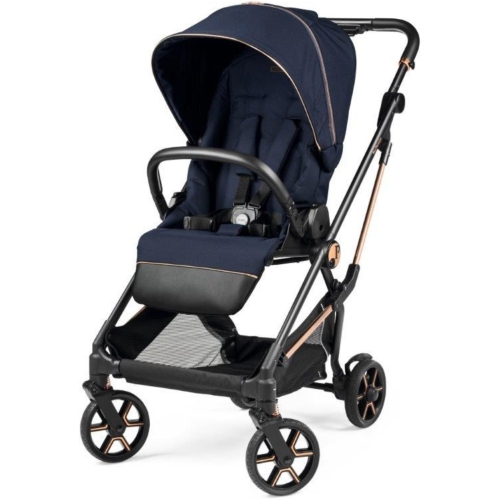
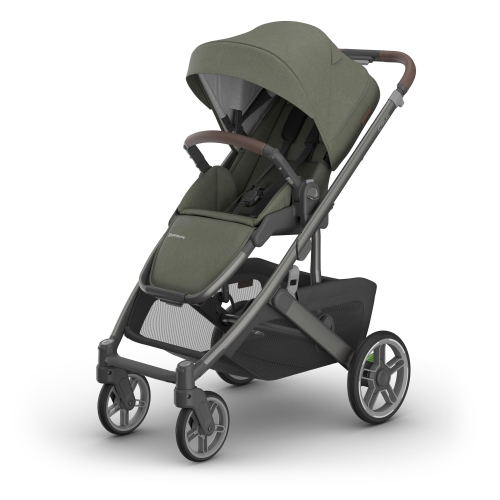
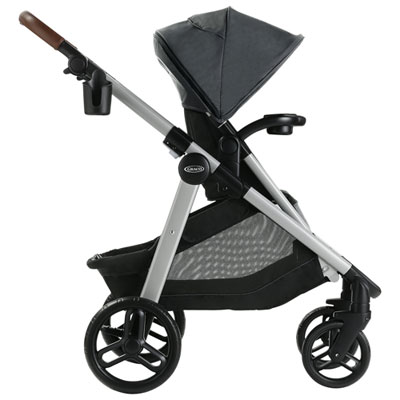
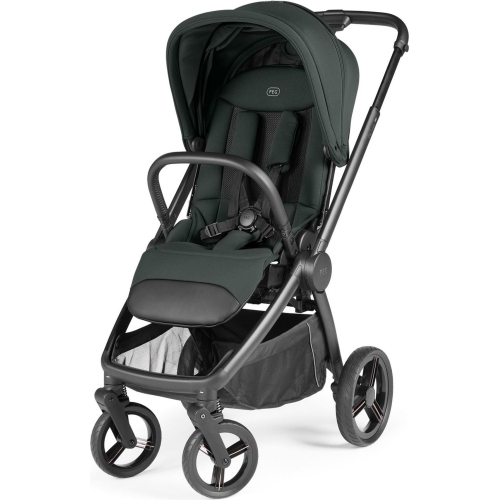
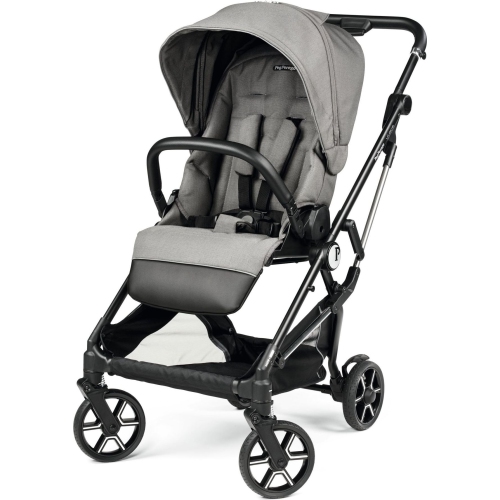
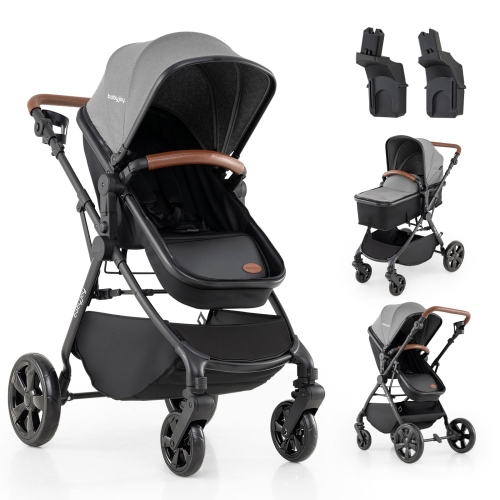
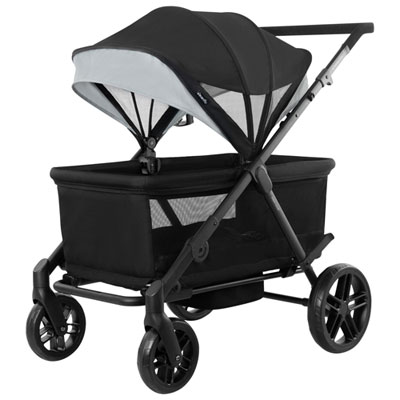
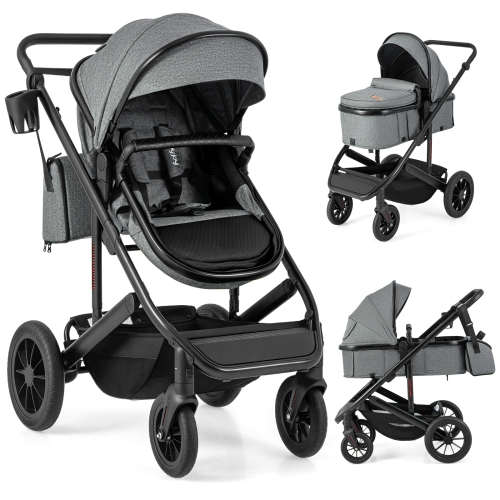
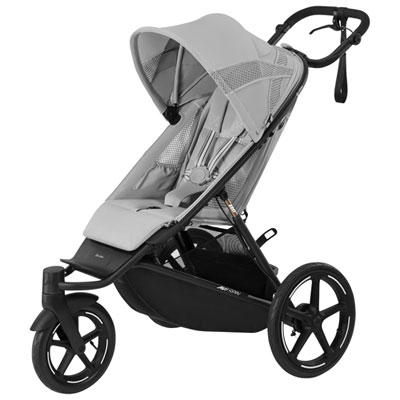
Looking for a versatile and convenient way to transport your little one? Look no further than these 4-wheel strollers. Designed with both functionality and style in mind, these strollers offer a smooth and comfortable ride for your baby while providing you with ease of maneuverability. Whether you're navigating busy city streets or exploring rougher terrains, these 4-wheel strollers are built to handle it all. With its sturdy construction and innovative features, these types of strollers ensure that you and your baby can enjoy every outing together, no matter where your adventures take you. Here are some of the best options.
Sort














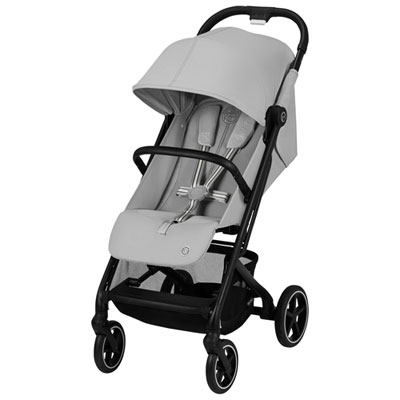

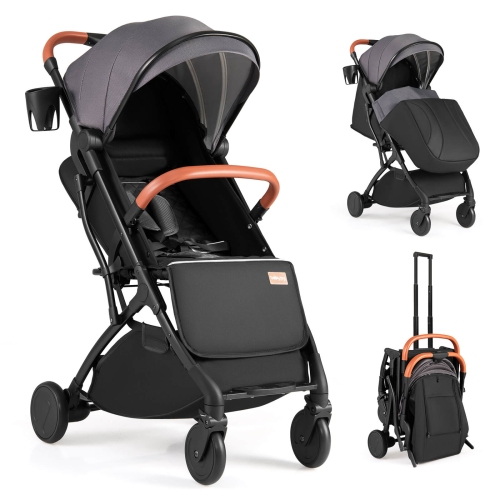
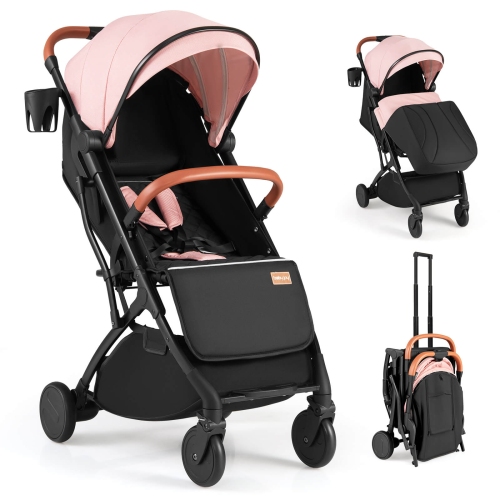

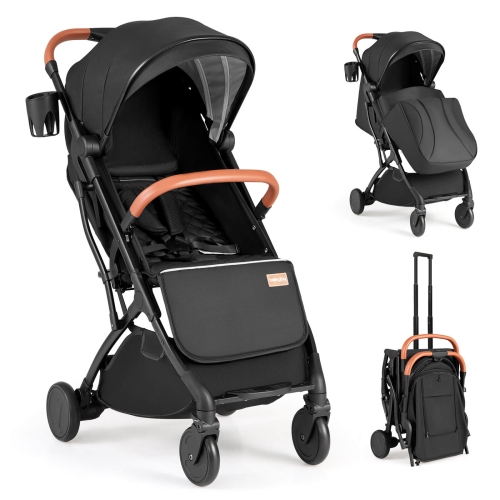
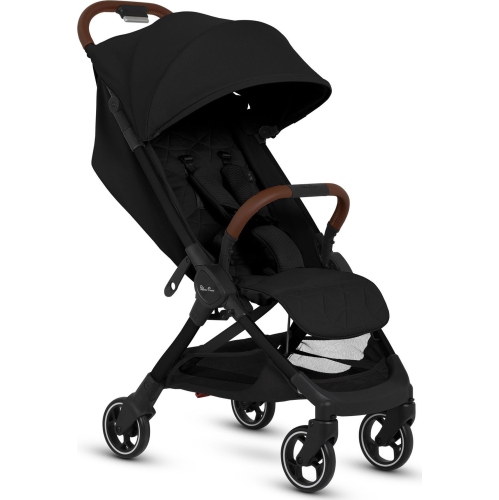

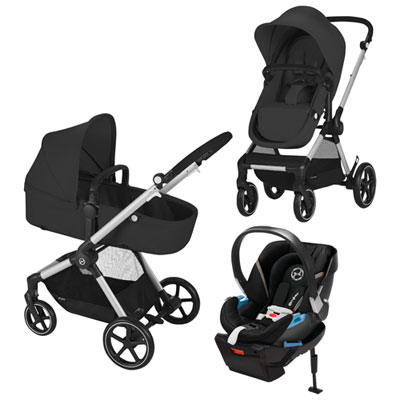
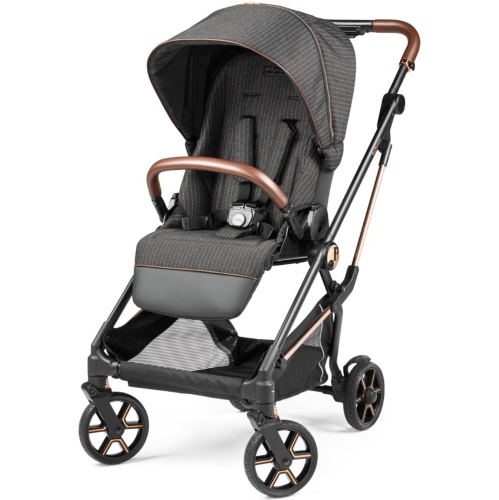


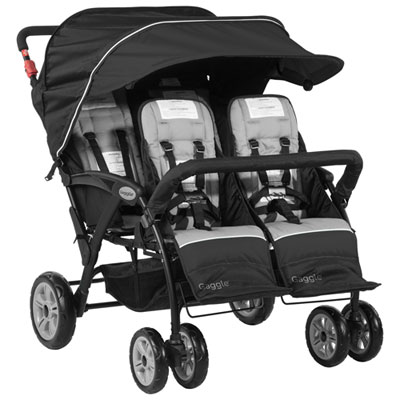



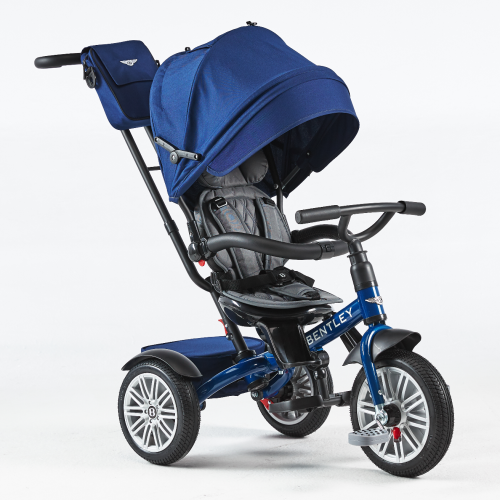
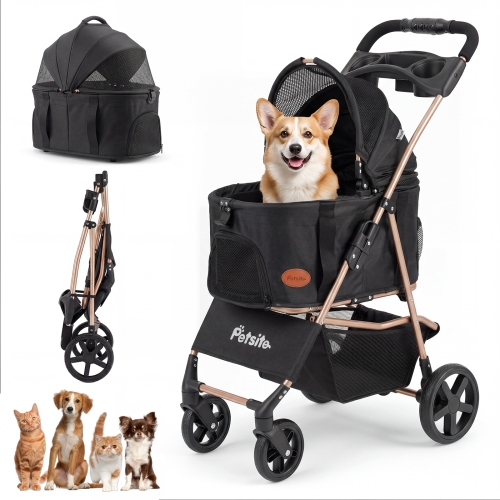

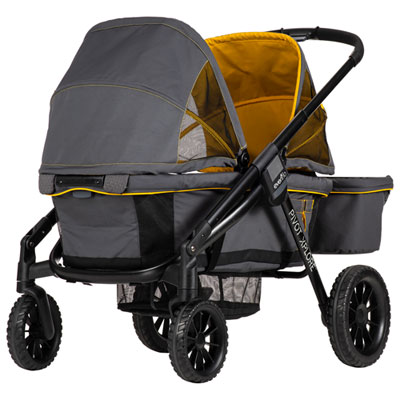
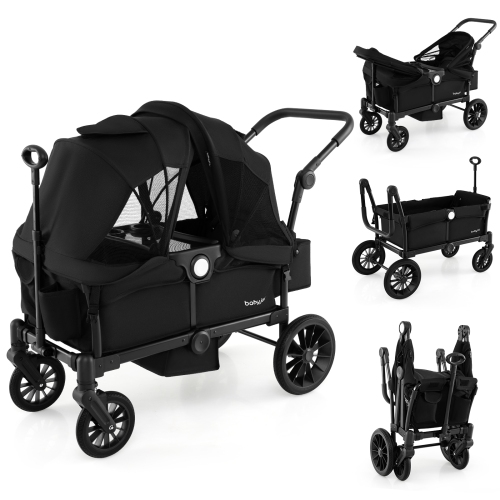









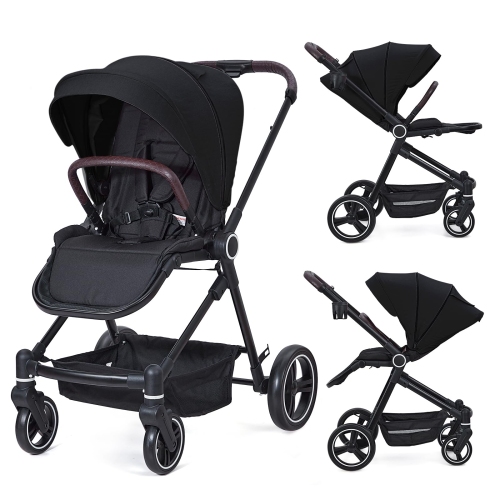
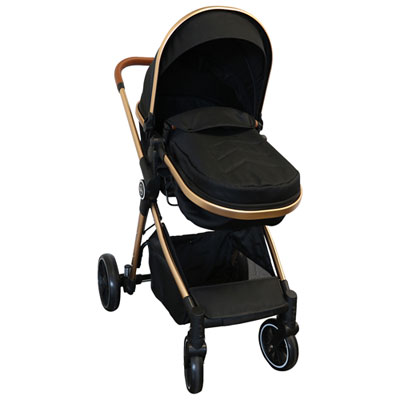
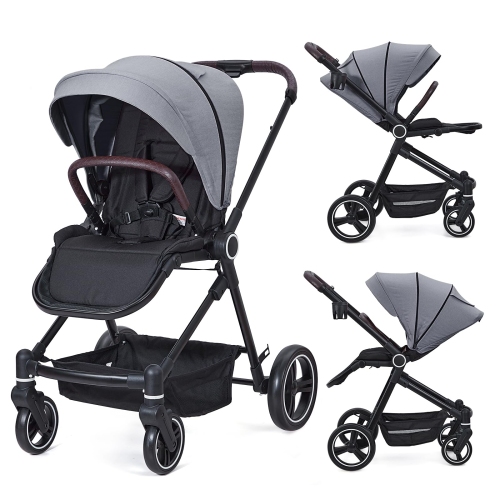

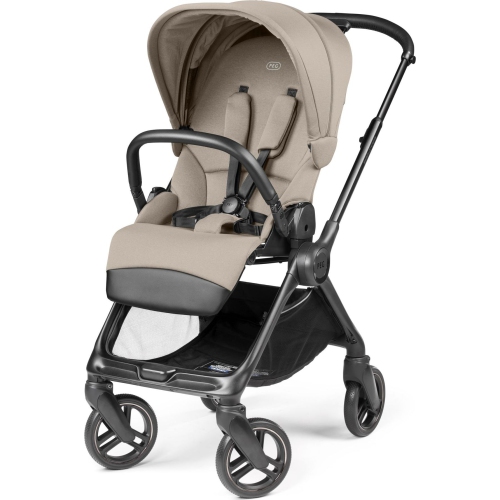



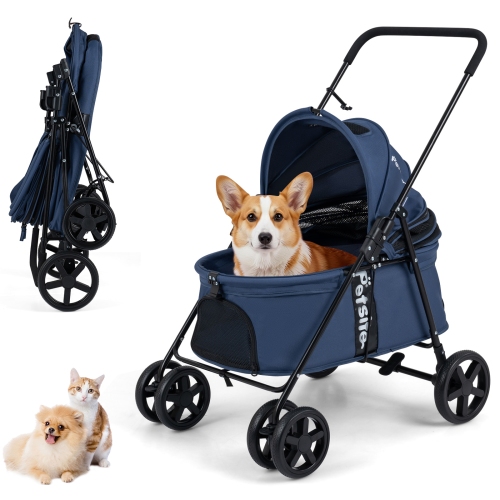
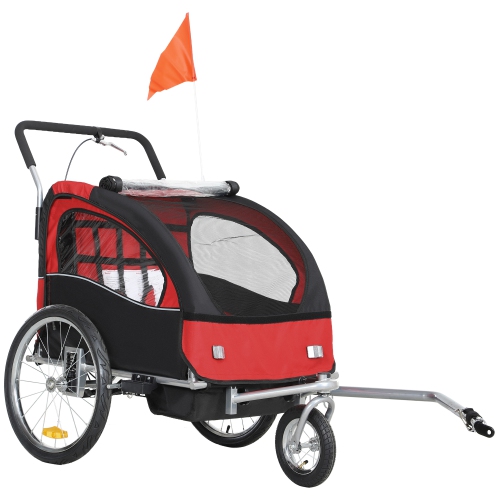


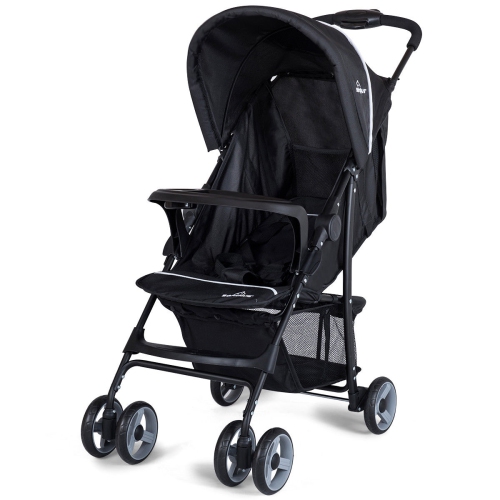
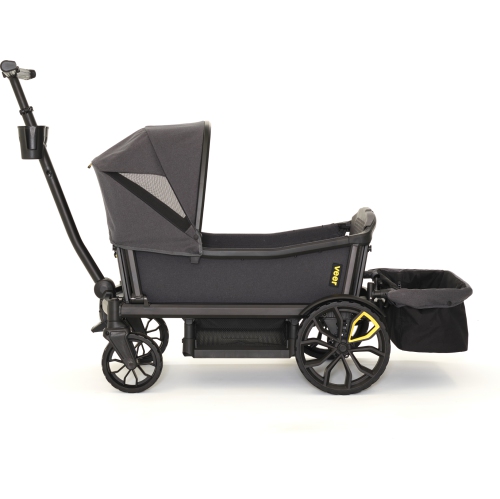
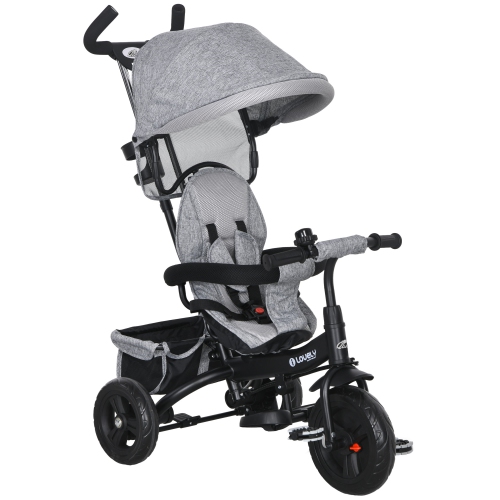
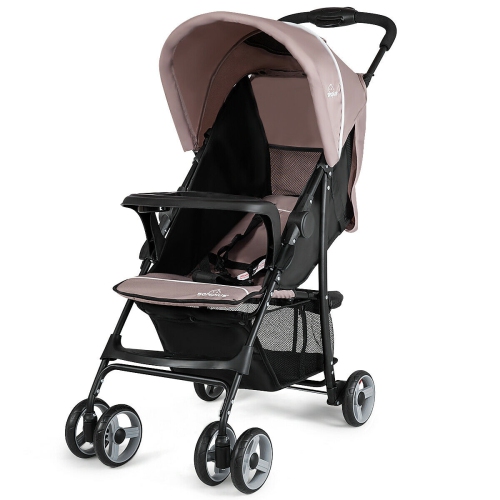
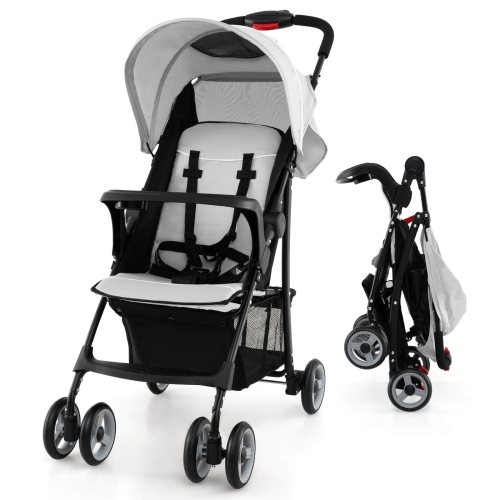
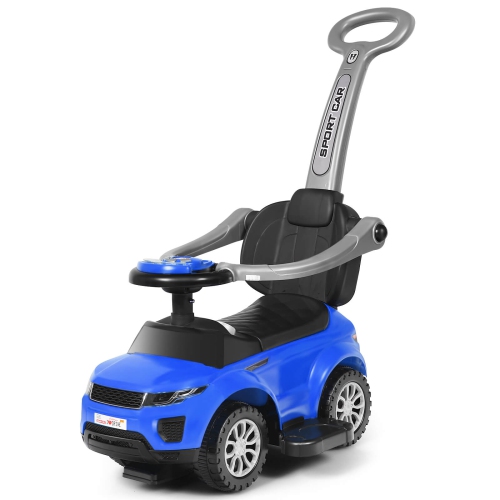



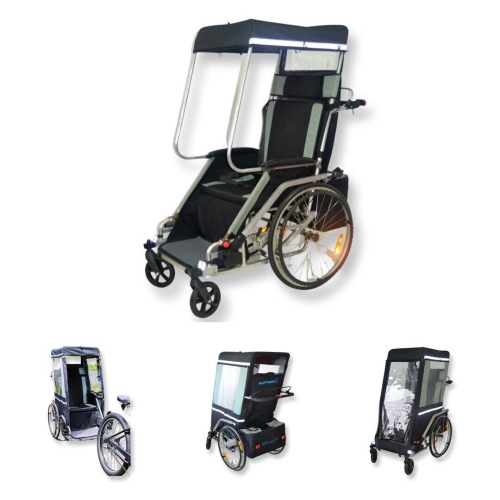
Why stroller handling depends on more than wheel count
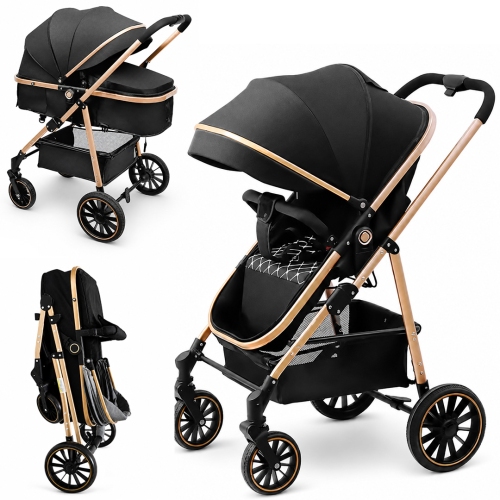
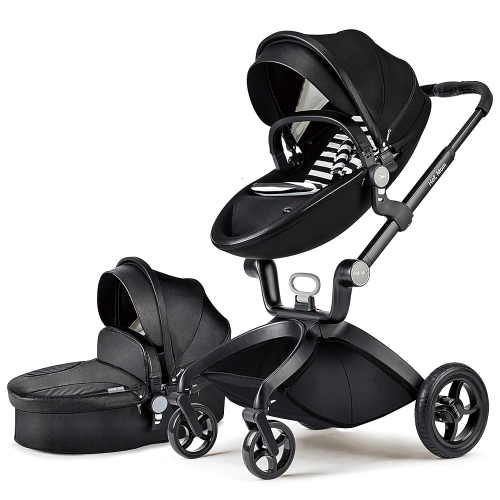
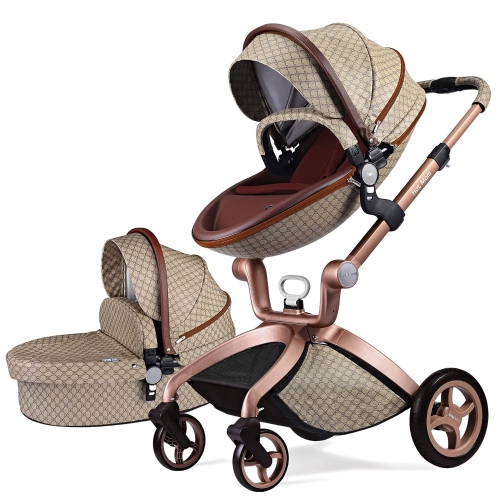
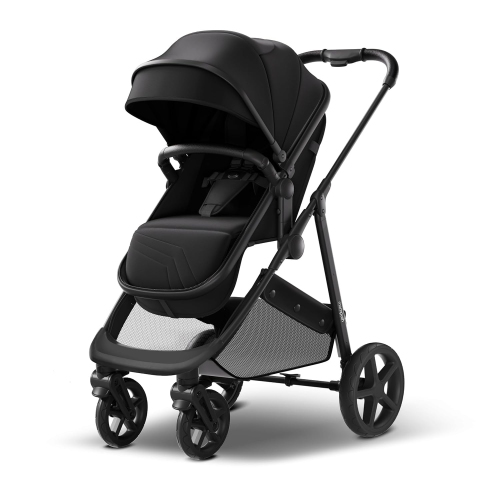
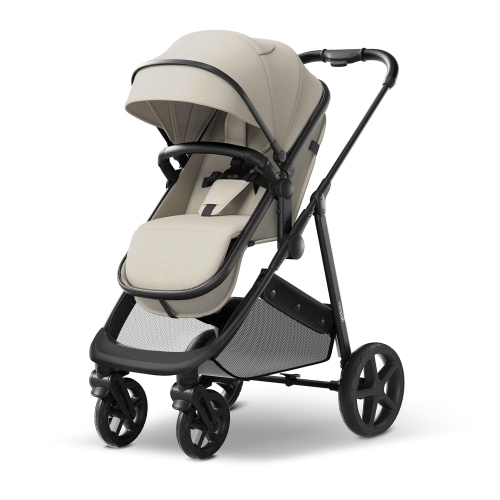
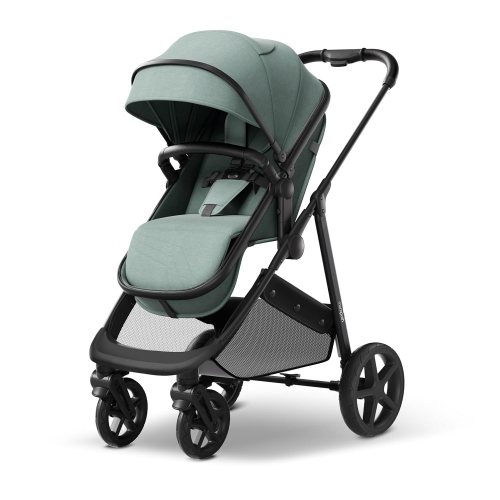
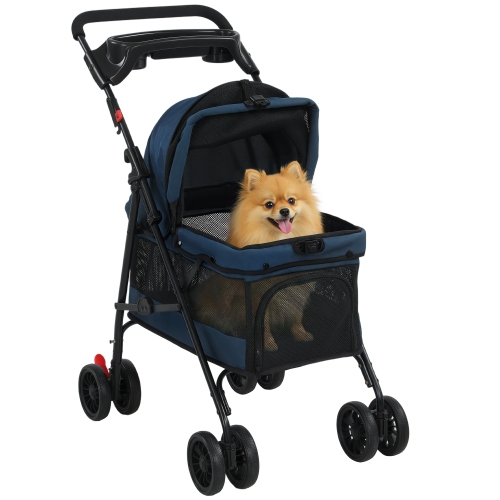
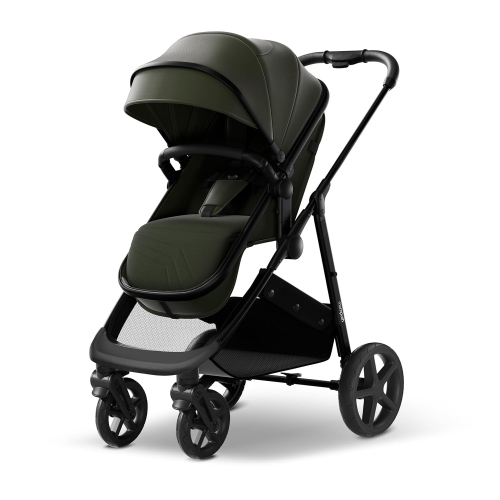
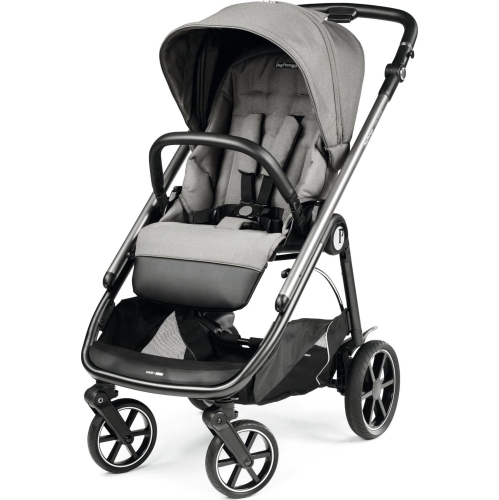
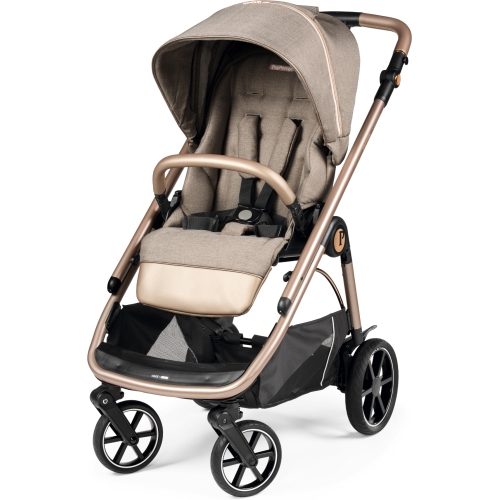
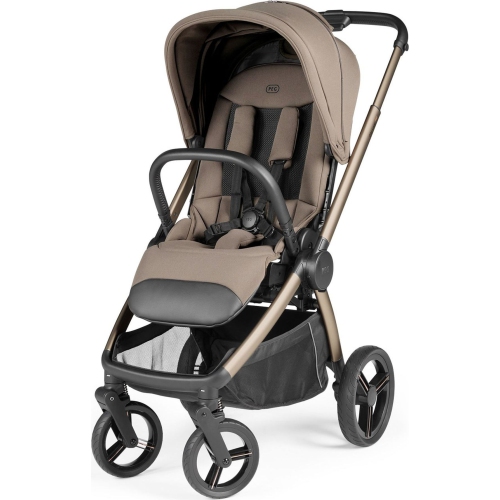
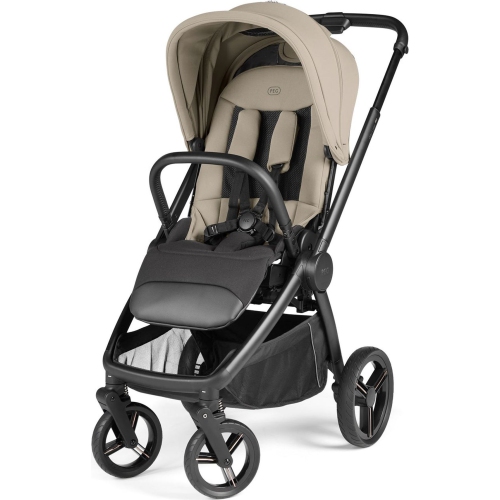
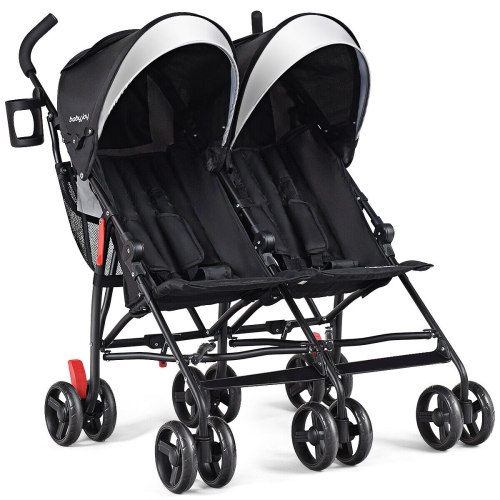
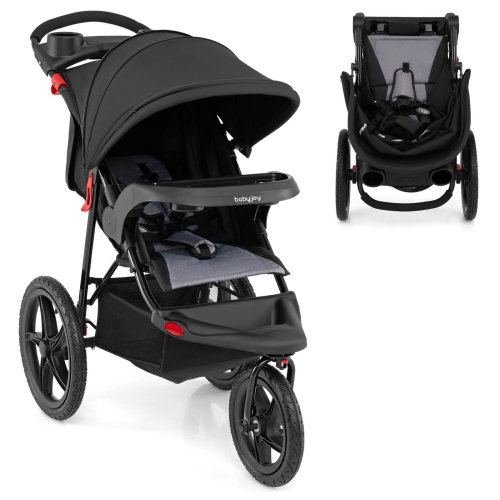
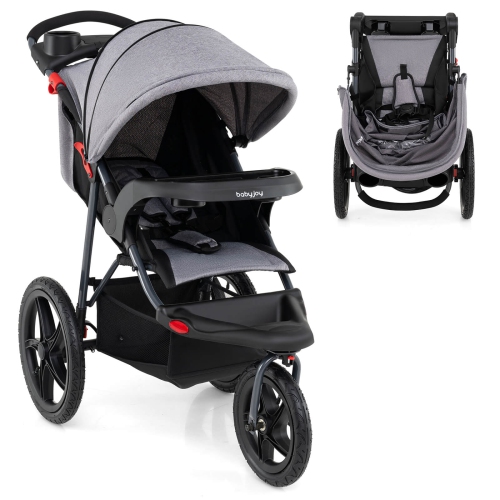
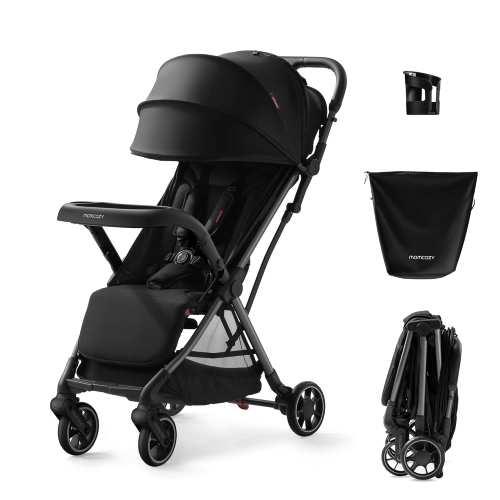
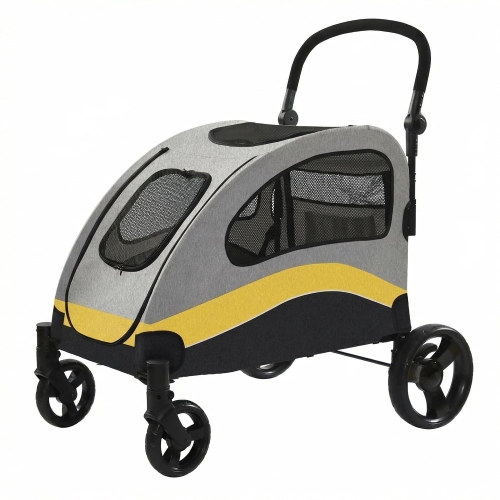
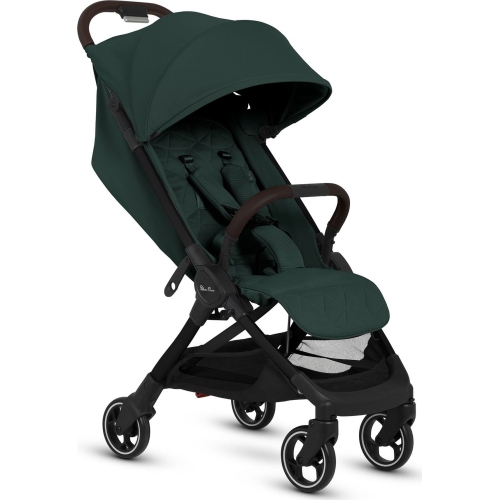
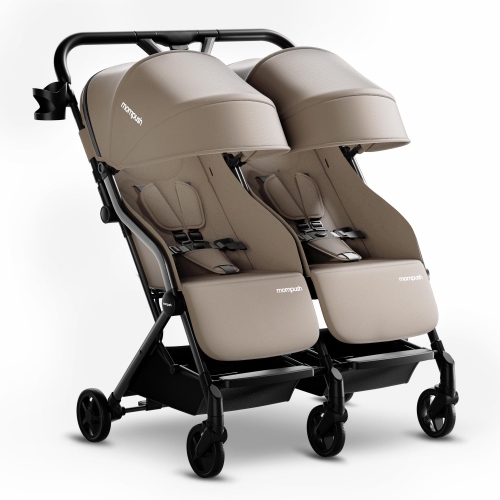
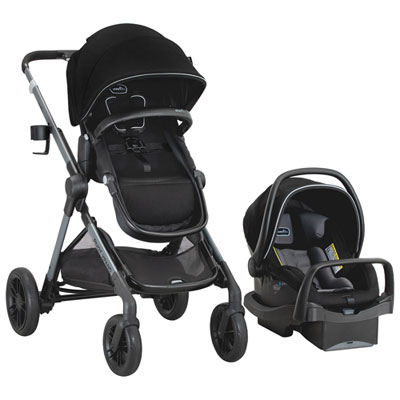
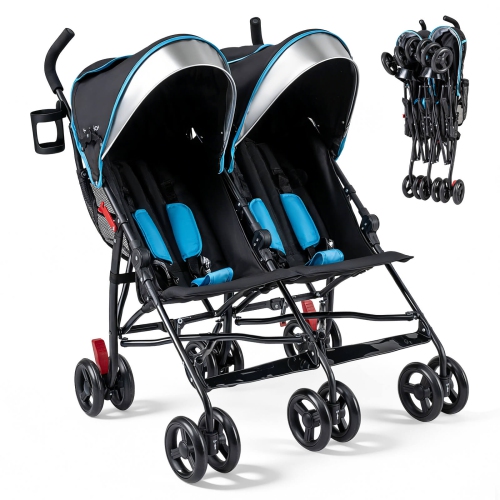
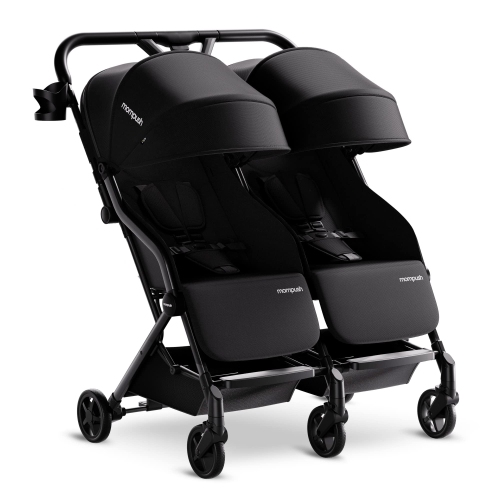
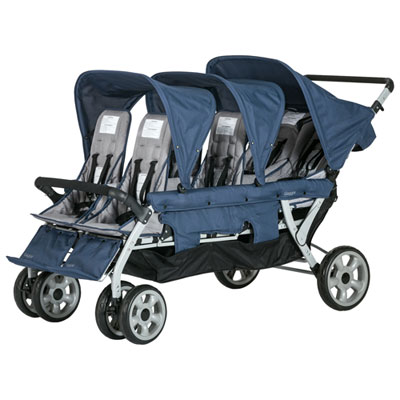
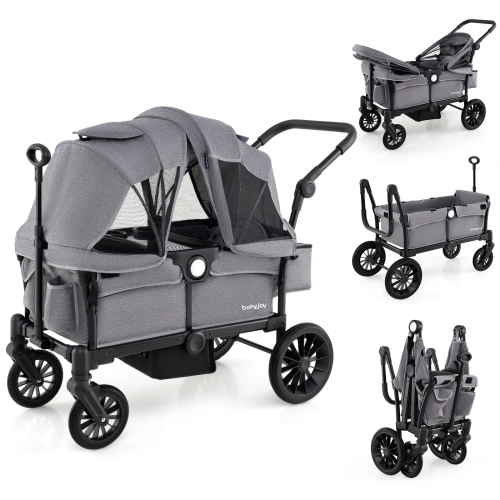
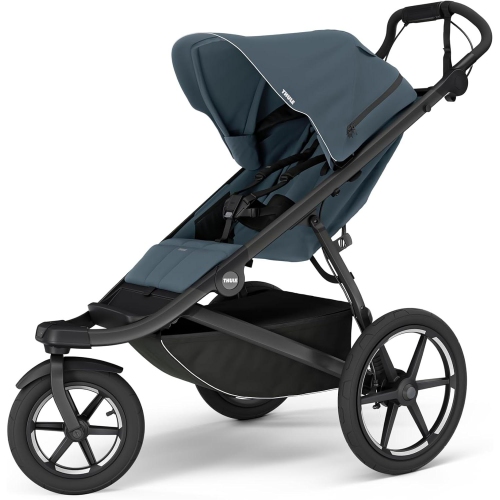
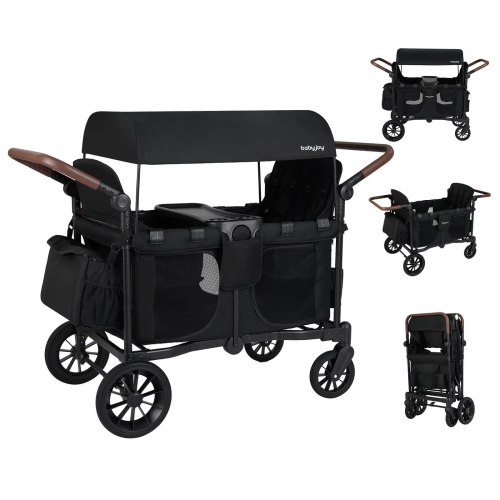
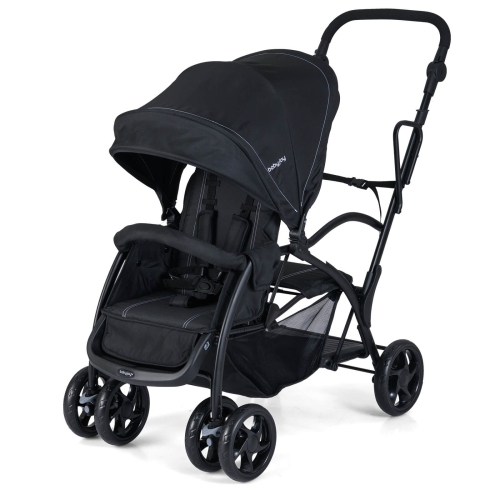
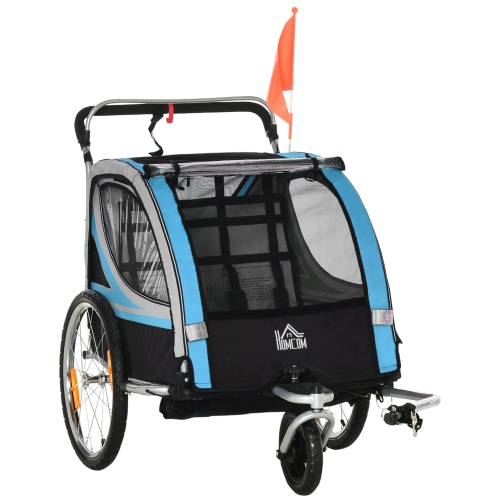
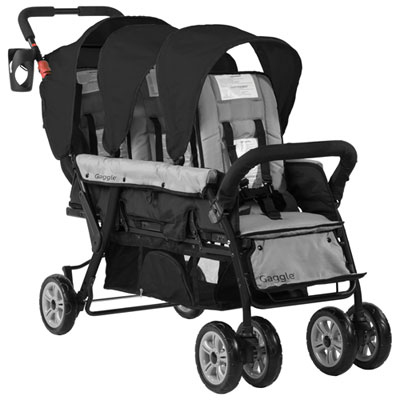
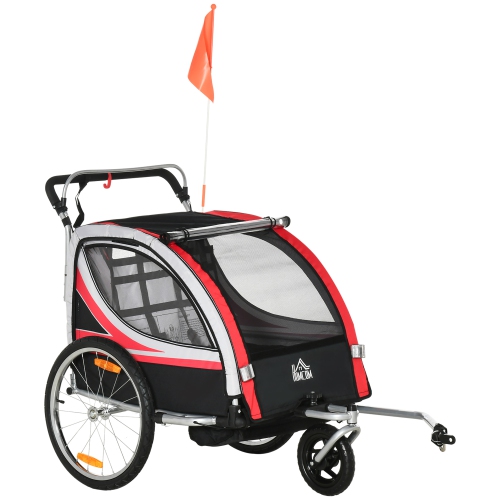
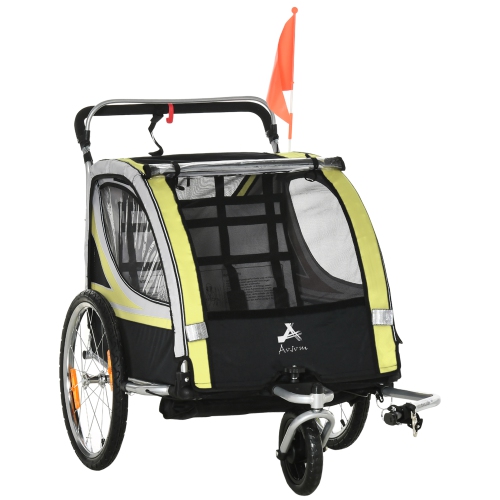
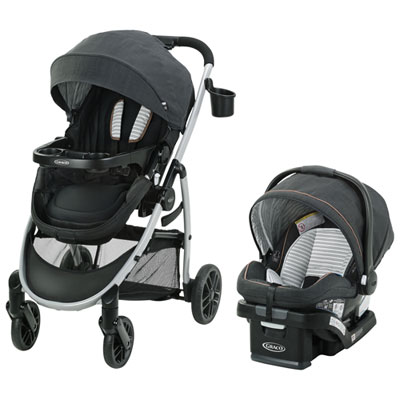
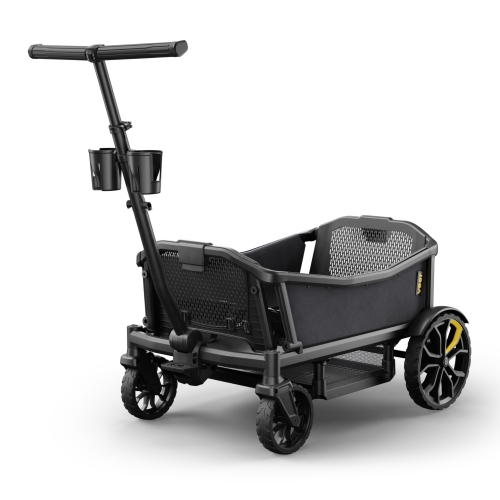
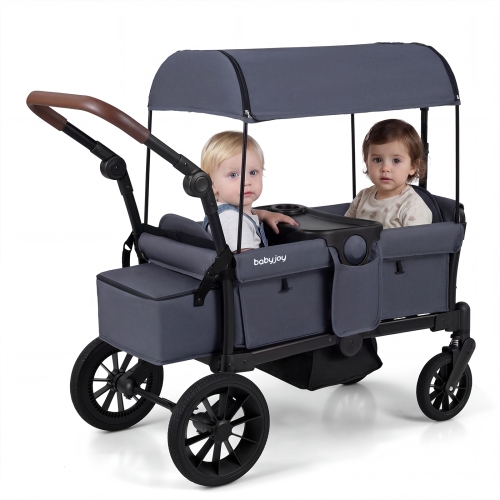
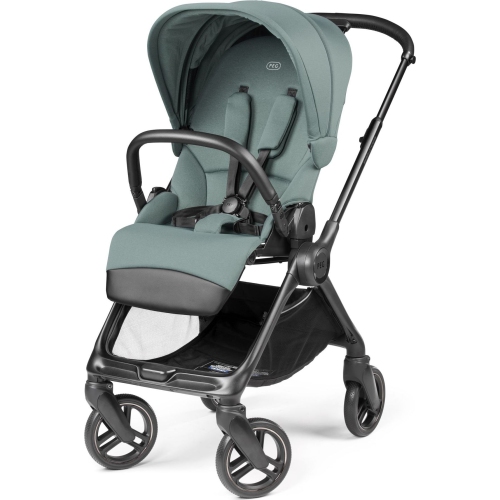
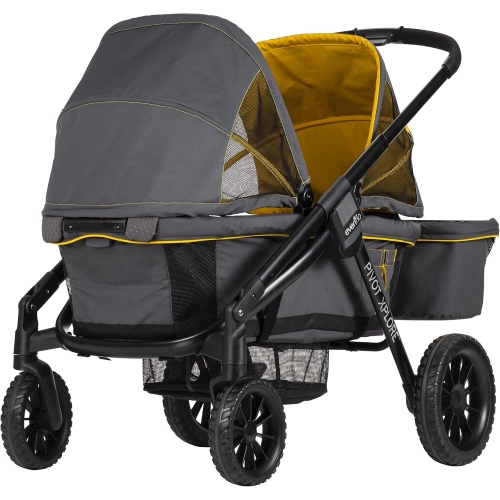
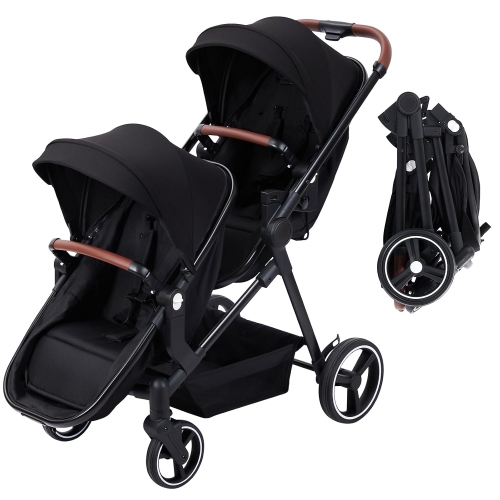
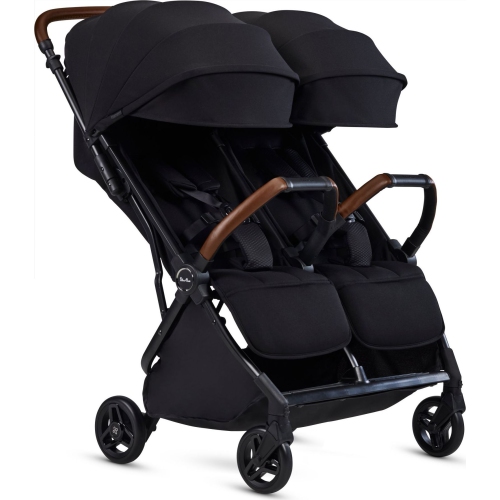
Four-wheel strollers are designed to carry young children on a chassis with four wheel positions, creating a balanced base for everyday outings. This layout helps distribute weight across the frame and can provide a steady feel on level pavement, through shopping centres, and along maintained paths. Handling depends on more than wheel count, though: wheel size, suspension, frame width, and the position of the seat all influence how a stroller moves. Swivelling front wheels make it easier to turn around display racks or navigate a narrow café entrance, while a front-wheel swivel lock, where fitted, can help maintain a straighter course over mildly uneven ground. Larger wheels generally roll across small cracks and paving joints more easily than smaller ones, but they can add weight and take up more storage space. Compact four-wheel strollers suit families who frequently move between lifts, public transit, and smaller entrances, while more substantial designs may prioritize suspension, seating space, or a larger basket. A four-wheel layout does not automatically make a stroller suitable for jogging or rough trails; those uses require a design specifically approved by its manufacturer. For everyday walking, the most useful balance is often between easy steering, manageable weight, and enough room for a growing child. Parents, grandparents, and other caregivers may all use the same stroller, making handle height and access to the brake important details. An adjustable handle can accommodate different heights without forcing someone to hunch over or shorten their stride. Space behind the rear axle also matters, particularly for a taller caregiver whose feet might otherwise brush the frame. For families with more than one young child, four-wheel configurations can also support different seating arrangements, although the number of wheels alone says little about passenger capacity. Seat layout, approved attachments, and overall dimensions determine whether a stroller fits that household’s routine. A stroller that feels comfortable during a short shop visit should also remain practical when the basket is loaded and the route includes several doorways.
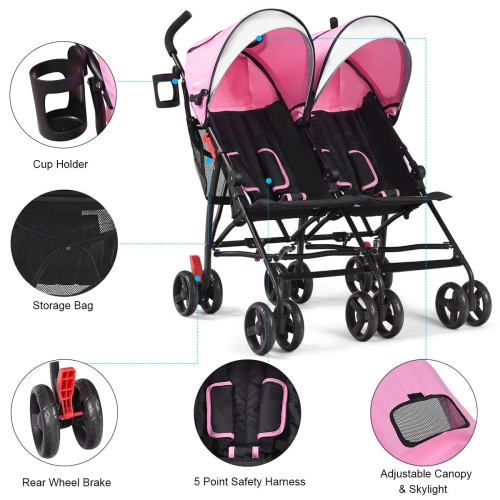
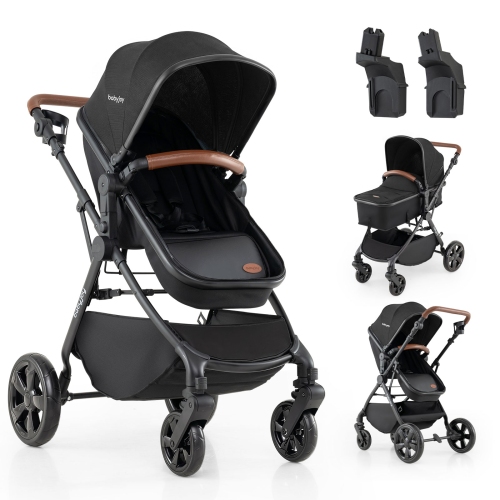
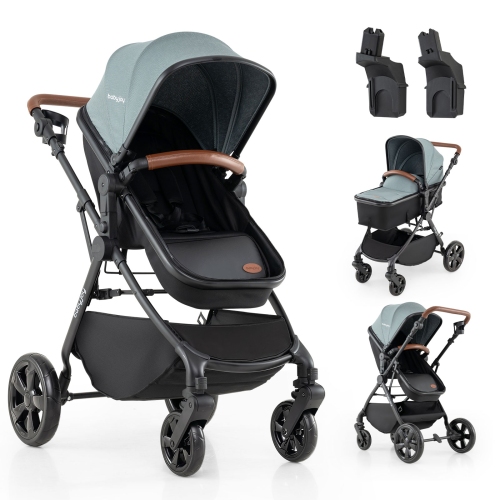
Seat fit and support shape a child’s comfort just as much as the chassis shapes the ride. Age suitability, maximum passenger weight, and any height restrictions should match the manufacturer’s specifications rather than assumptions based on a generously sized seat. A reclining backrest can give a tired child a more relaxed position, but recline alone does not make a seat appropriate for a newborn. Younger babies need a configuration specifically approved for their stage of development, which may involve a suitable bassinet or compatible infant car seat. Travel-system compatibility is specific to the stroller, car seat, and any required adapters; attachments are not interchangeable simply because they appear to fit. As a child grows, an adjustable leg rest, supportive footrest, and sufficient shoulder room can make everyday journeys more comfortable. A harness should adjust to fit securely according to the instructions, with straps lying correctly rather than slipping off the shoulders. Canopy coverage, ventilation panels, and a viewing window can add comfort and make it easier for a caregiver to keep an eye on the passenger. Materials also affect the experience of using and caring for a stroller. Aluminium frames can help keep carrying weight manageable, while steel components may add strength alongside extra weight; frame construction and joint quality matter more than the material name alone. Seat fabrics benefit from durable stitching and surfaces that tolerate ordinary crumbs, spills, and repeated use. Removable, washable covers can simplify cleaning, provided they are washed and refitted as directed. Wheel materials bring different maintenance needs, too. Solid tyres avoid punctures, while air-filled tyres require pressure checks and may need repairs. Suspension can soften the feel of small bumps, but it does not replace a correctly fitted harness or careful handling. A readily accessible parking brake is useful during stops, and basket weight limits deserve attention: hanging a heavily packed bag from the handle can affect balance. These practical details are especially relevant when one adult is managing both the stroller and a busy child.
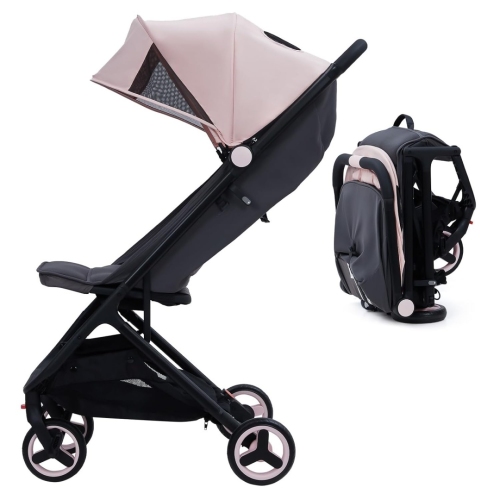
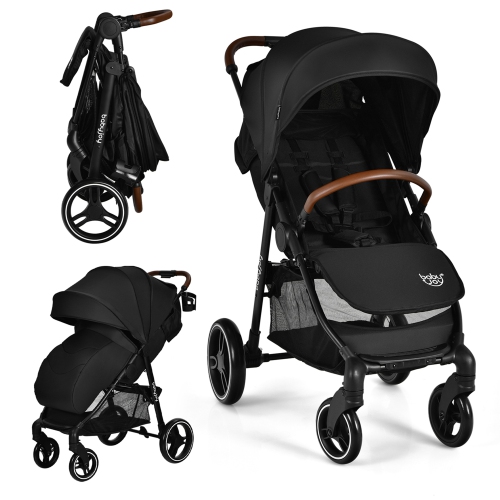
Storage and transport often determine how comfortably a four-wheel stroller fits into daily life. An easy fold is valuable at a car boot or building entrance, but the folded dimensions, lifting weight, and position of the carry handle matter just as much as the folding motion itself. Some designs fold with the seat attached, while others require the seat or accessories to be removed. A fold that stands independently can be convenient in a hallway, although a secure folding latch and a stable storage position remain important. Families using a smaller vehicle need space not only for the stroller but also for groceries, bags, and other passengers’ belongings. In an apartment, the difference between an upright folded frame and a wide, flat fold can determine whether it fits beside a cupboard or blocks the entrance. Basket access is another everyday consideration: a spacious basket is less useful if the seat position makes it difficult to retrieve a nappy bag. Cup holders, organizer pockets, and detachable trays can add convenience when approved for the stroller, but they should not interfere with folding, steering, or the harness. Long-term durability also depends on straightforward care. Removing grit from wheel assemblies, wiping the frame, and allowing cleaned fabric to dry fully help keep moving parts and seating surfaces in good condition. Loose fasteners, damaged straps, worn tyres, or a brake that does not engage properly need attention before further use, following the manufacturer’s maintenance instructions. For a baby shower or family gift, a stroller is most useful when its size, seating configuration, and transport requirements suit the recipient’s routine; the caregiver’s preferences matter more than an impressive list of extras. Households shopping across generations may also be familiar with 4 Wheel Walkers, which serve a separate purpose as walking aids rather than child transport. For children’s outings, a well-matched four-wheel stroller brings together supportive seating, predictable handling, and a fold that works with the spaces a family uses every day.
Top selling and popular products
-
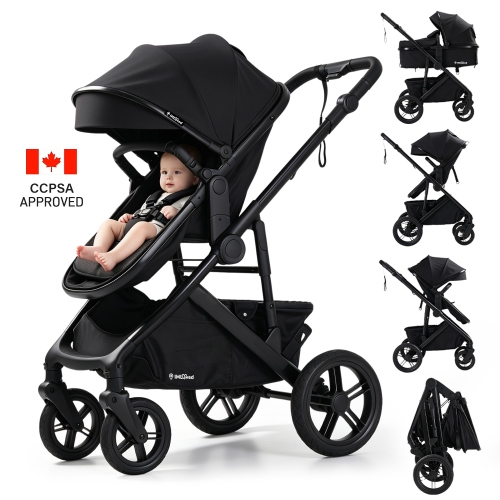 Your price for this item is $299.97
-
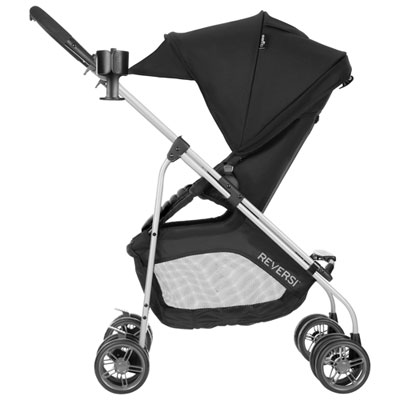 Your price for this item is $249.99
-
 Your price for this item is $399.99
-
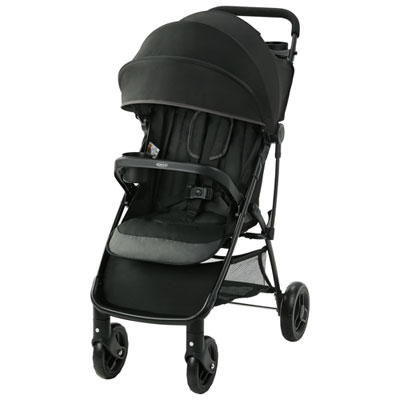 Your price for this item is $249.99
-
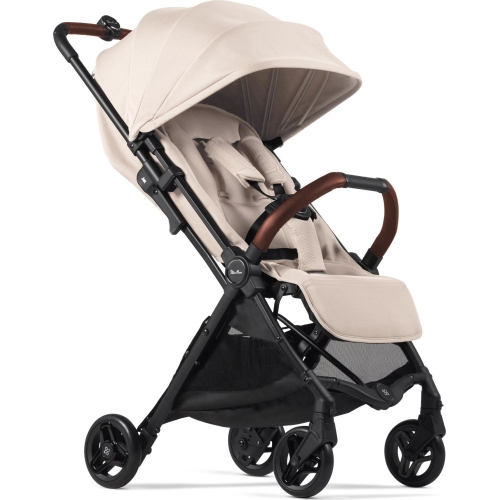 Your price for this item is $615
-
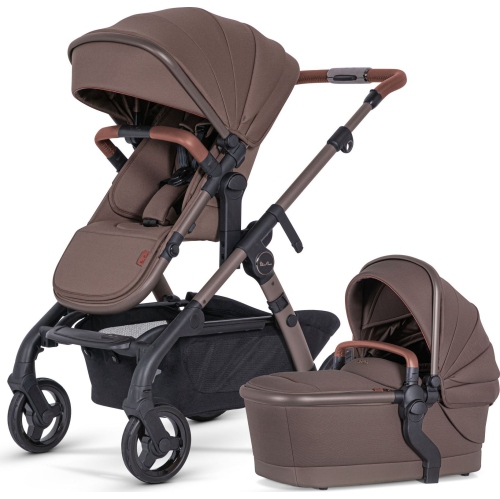 Your price for this item is $1964
-
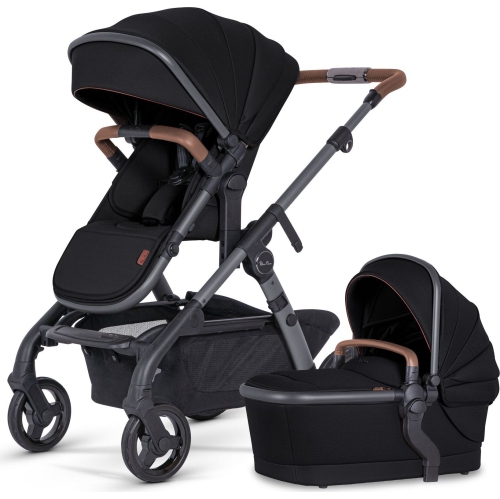 Your price for this item is $1964
-
 Your price for this item is $743.99
Discover more categories related to 4 Wheel Strollers
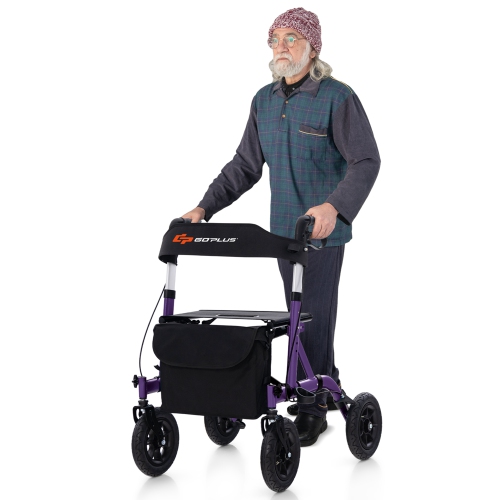
Top Collections:
Pokemon Centers, Kindle Devices, Best Budget Office Chairs, Canon G7X Cameras, Apple iPhones 16, Samsung Galaxy Phones, Refurbished Apple Laptops, Laptops for Students, iPhone 15 Apple, Budget Smartphones
Some products may be subject to Environmental Handling Fees
(EHF) depending on your province.
Learn more about EHFs.