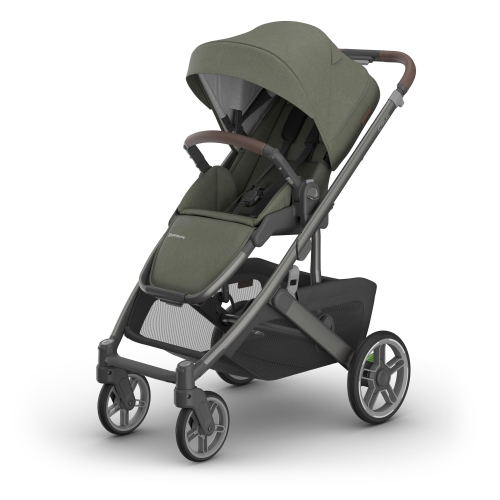
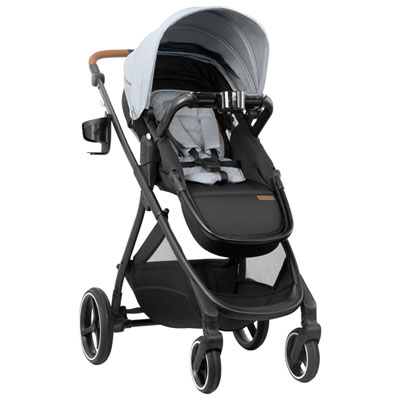
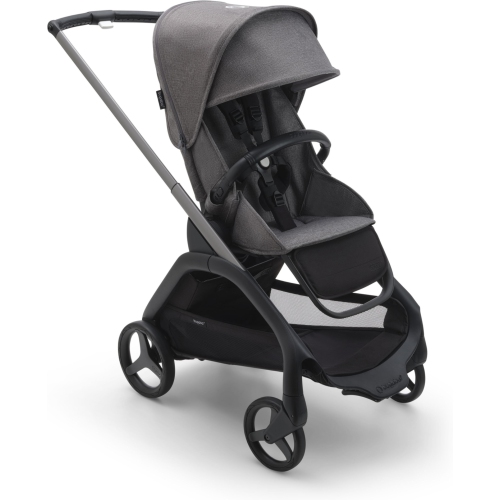
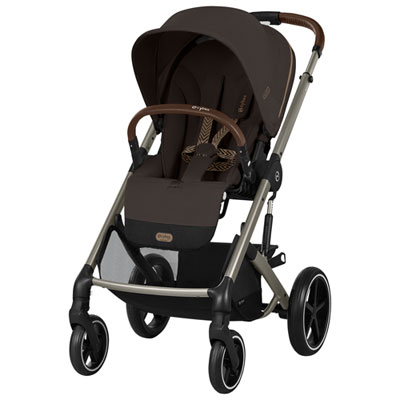
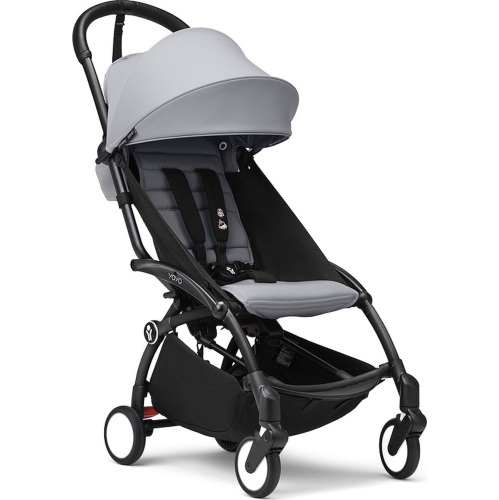
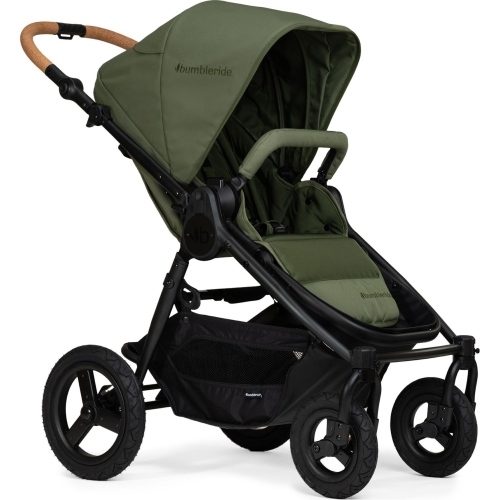
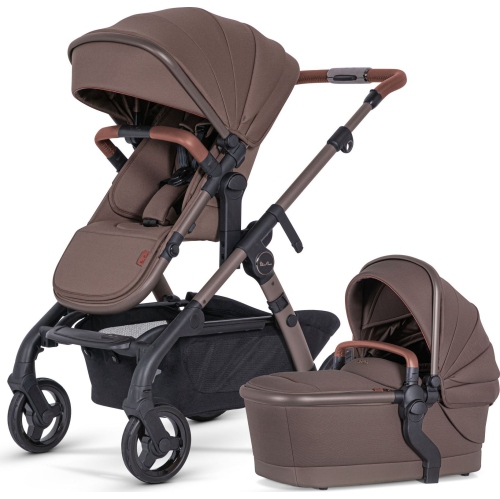
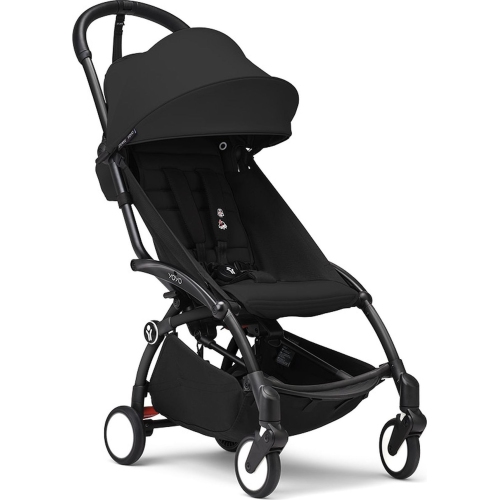
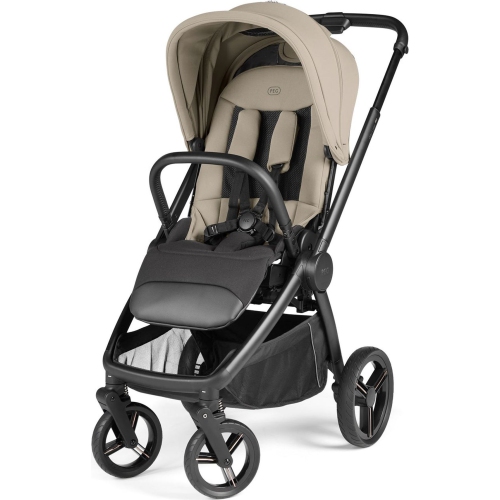
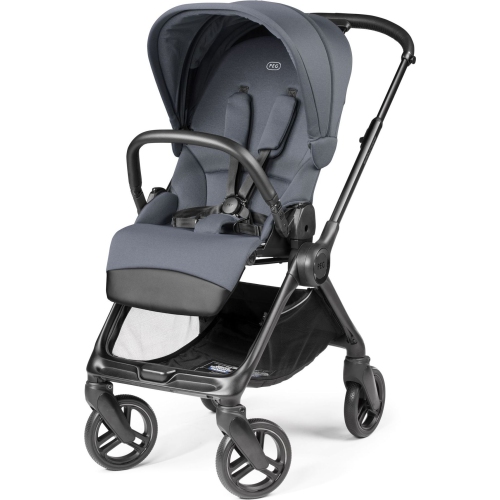
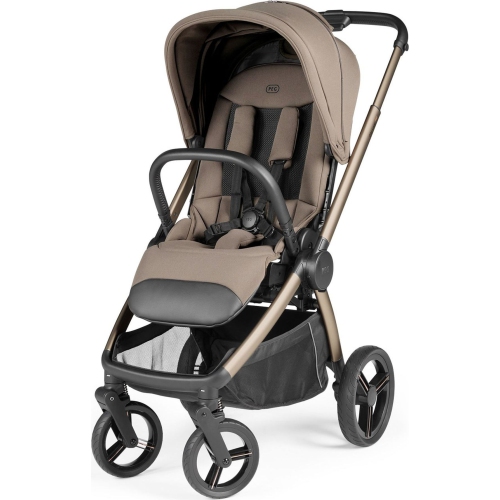
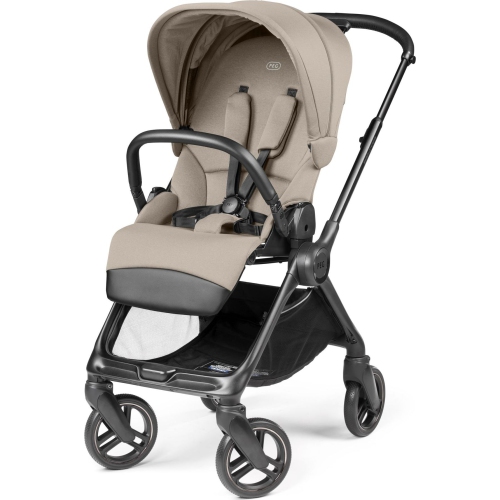
Full Size Strollers

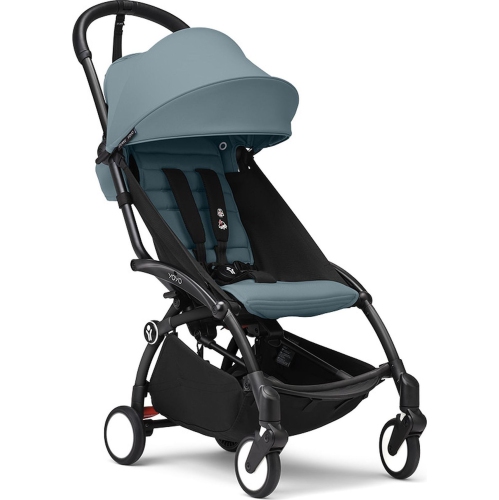
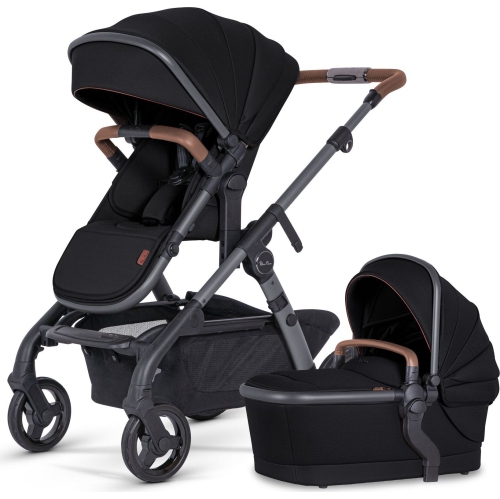
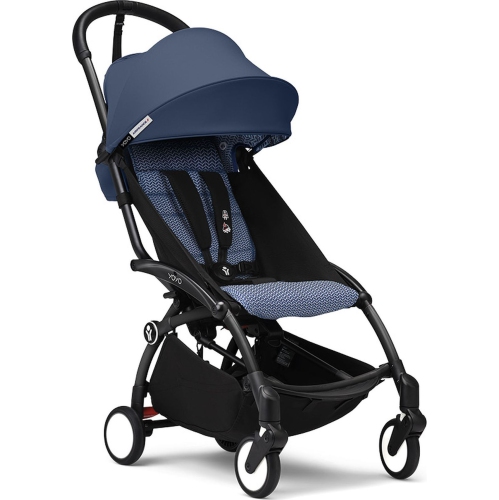
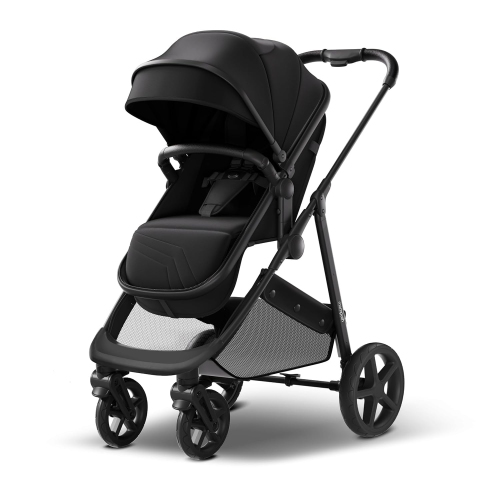
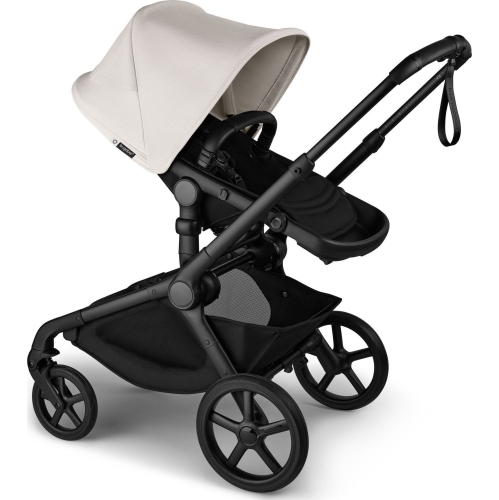
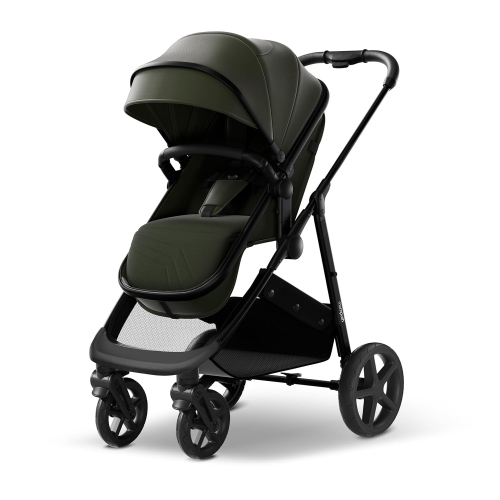
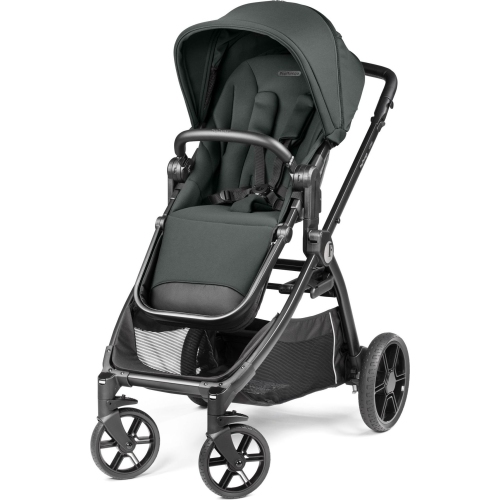
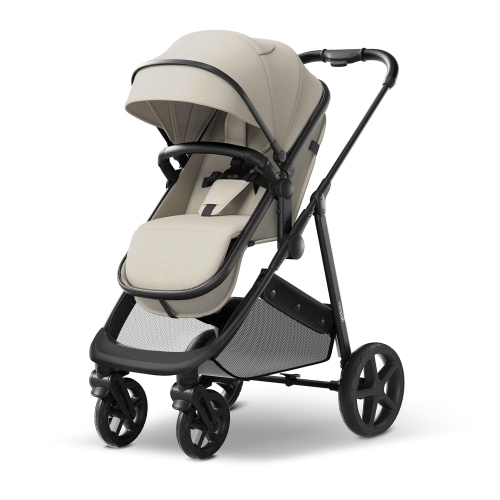
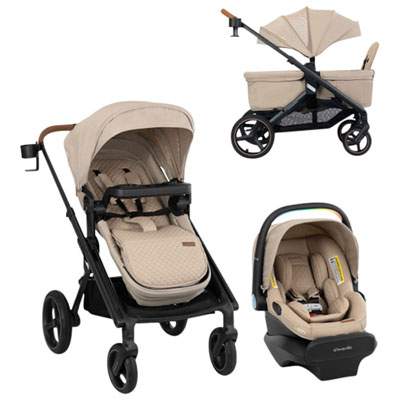
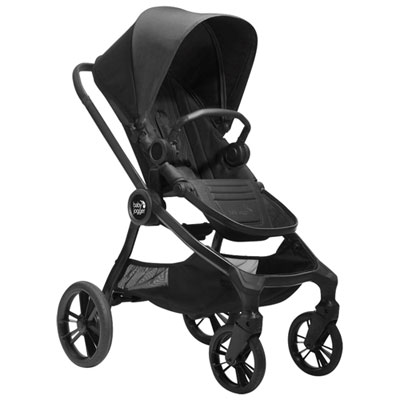
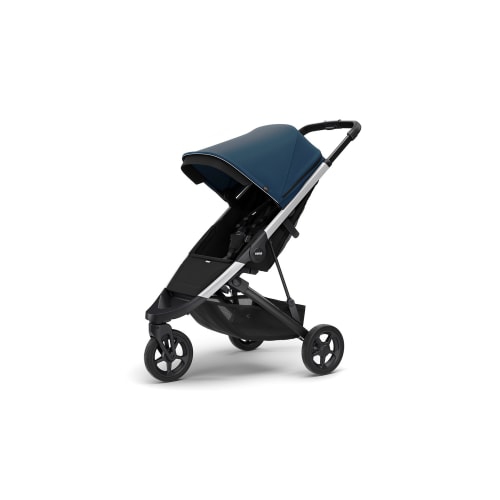
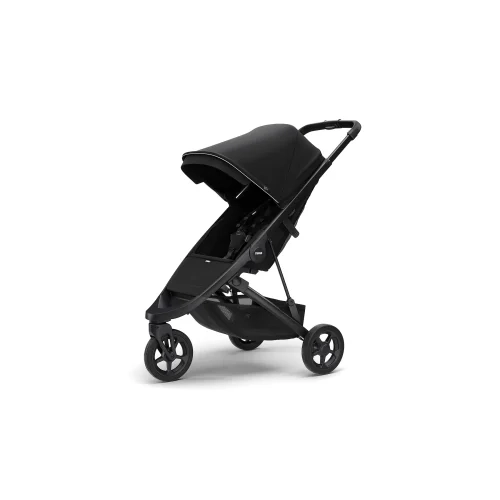
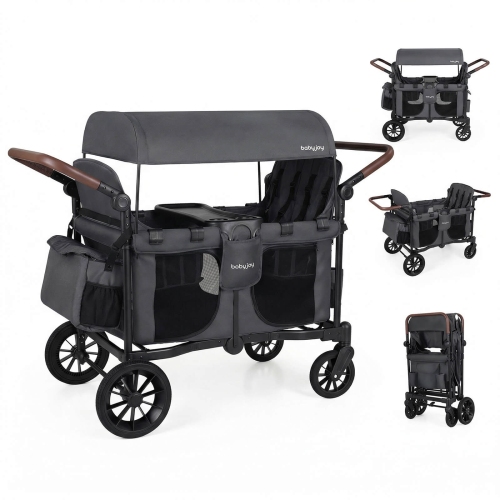
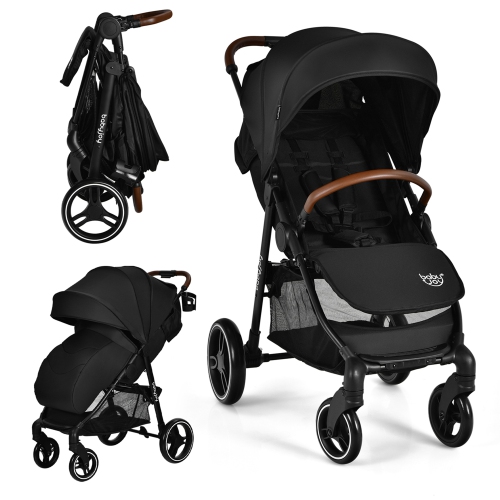
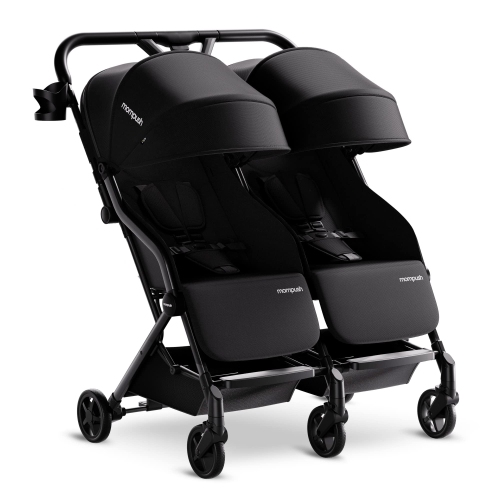
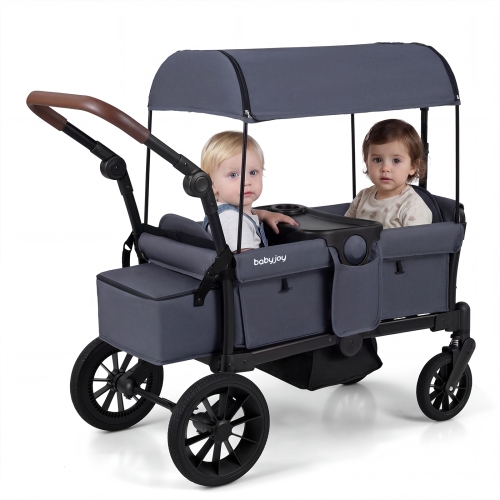
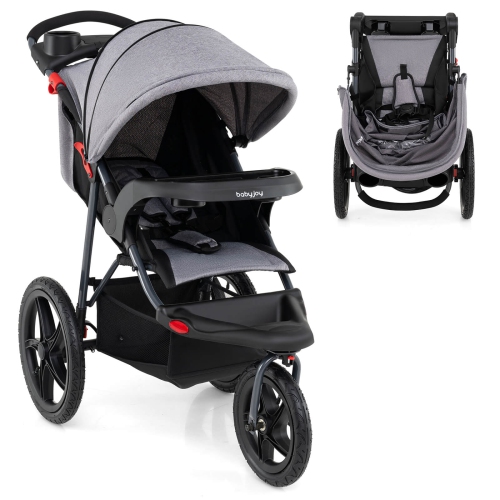
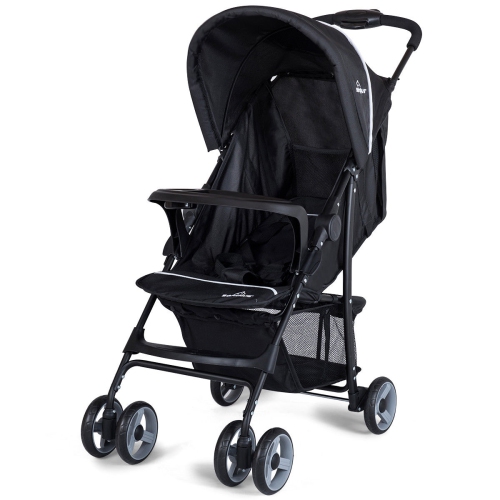
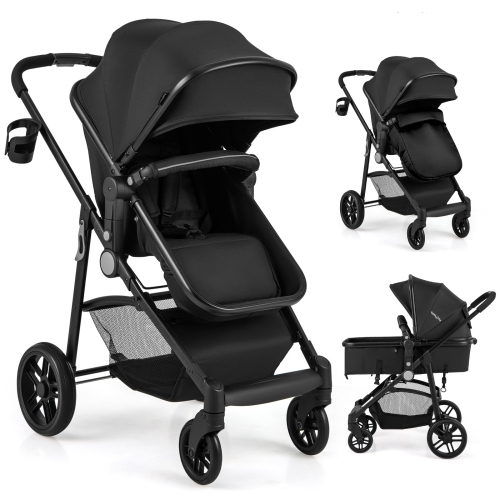
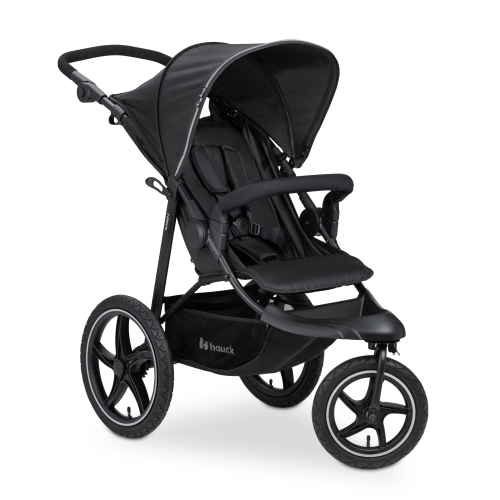
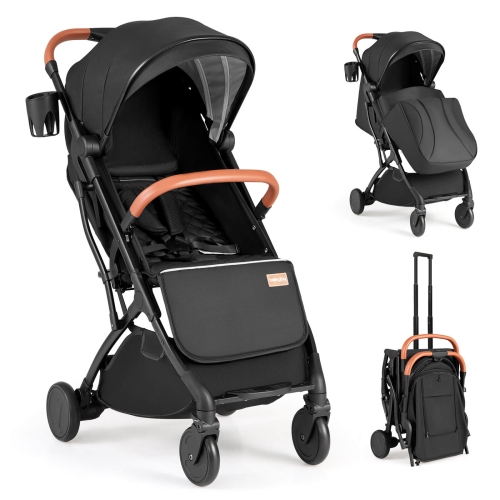
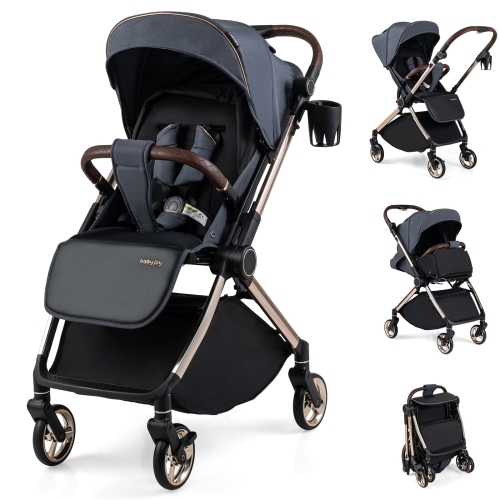
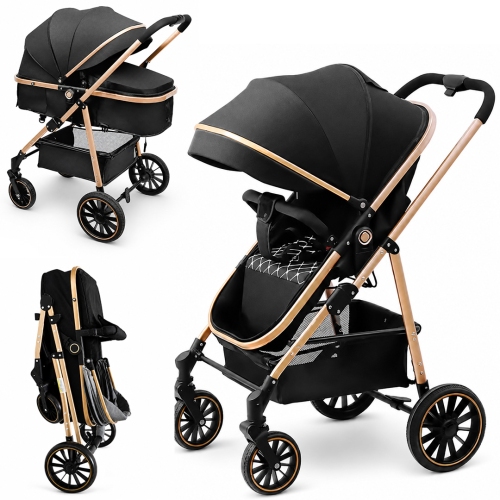
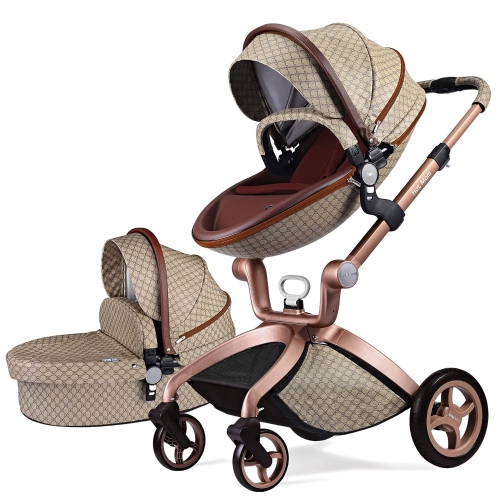
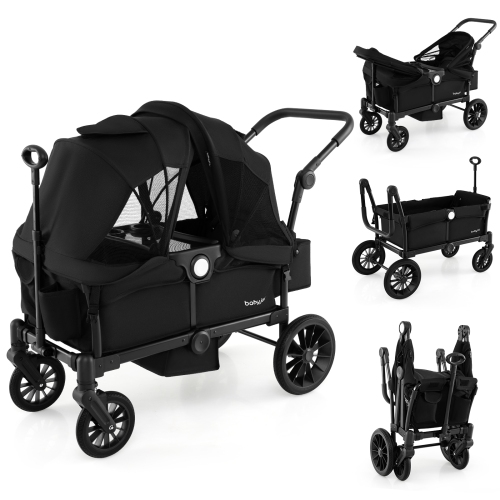
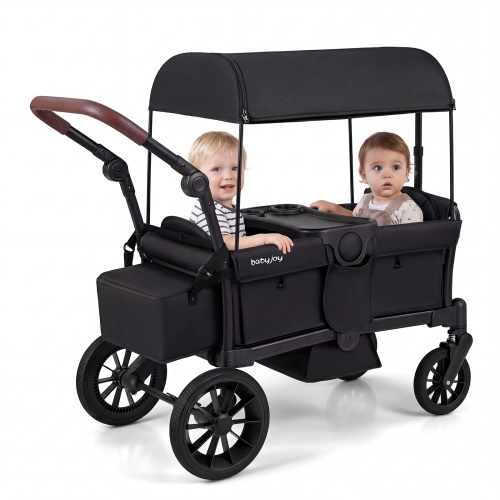
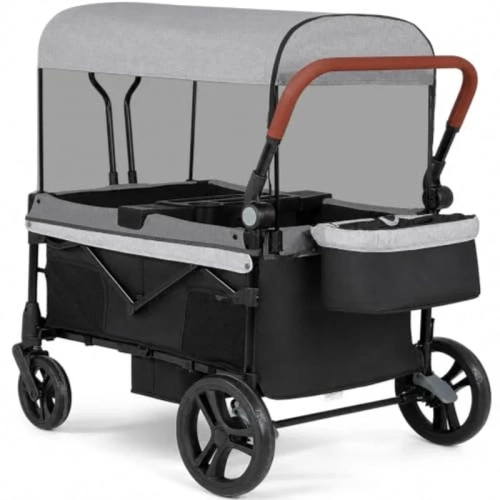
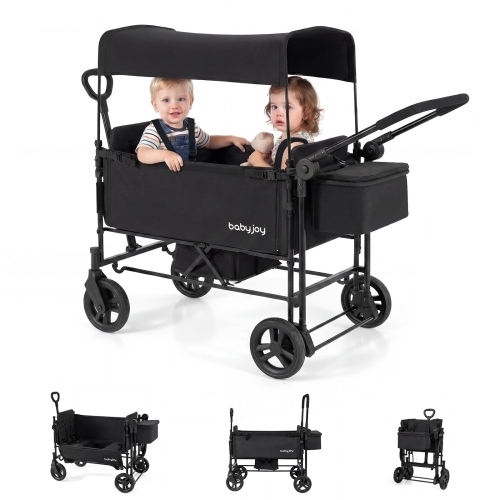
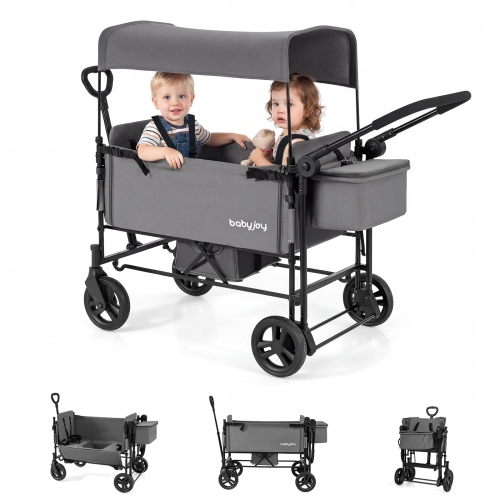
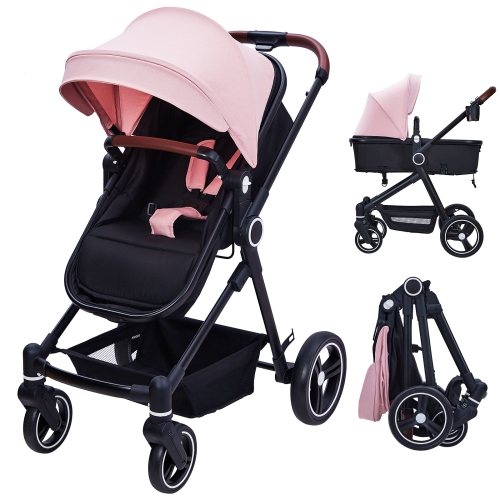
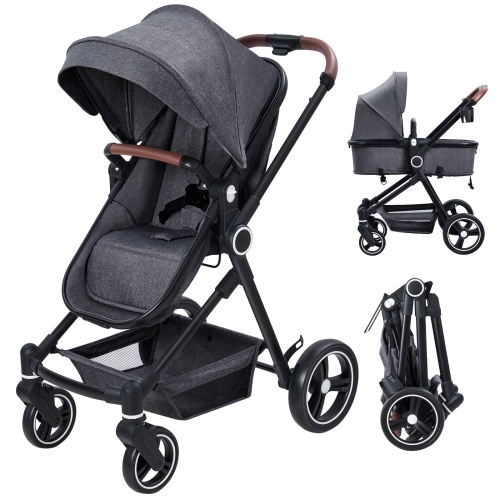
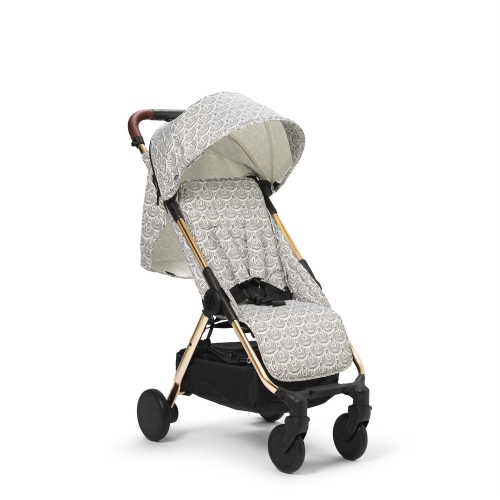
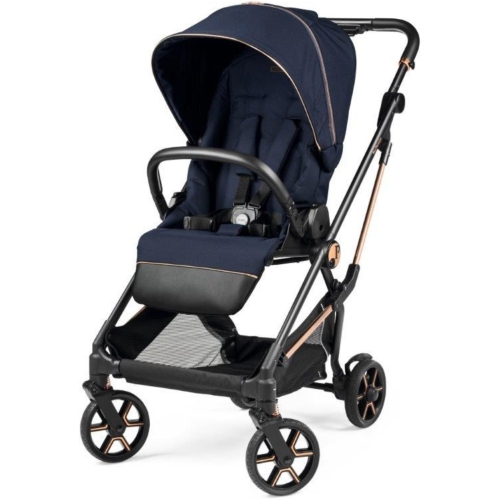
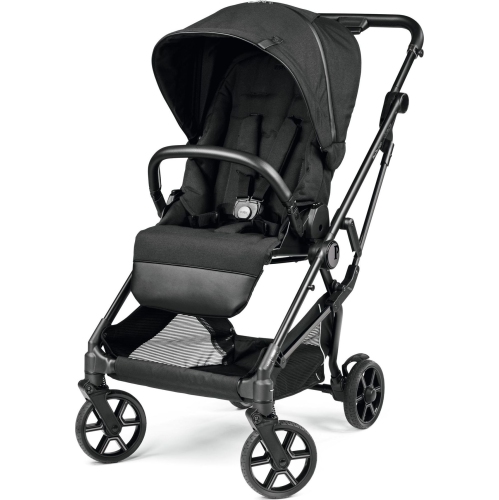
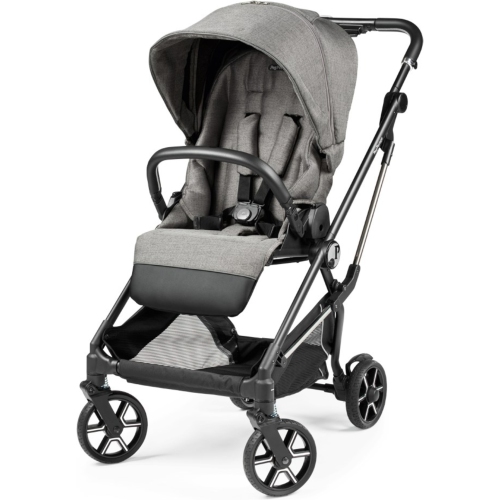
Browse full-size strollers for everyday outings with your little one. Compare seating options, folded dimensions, and storage space to find a stroller that fits your routine, and check each model’s age and weight requirements to choose one suited to your child.
Sort

More room for little passengers and everyday essentials

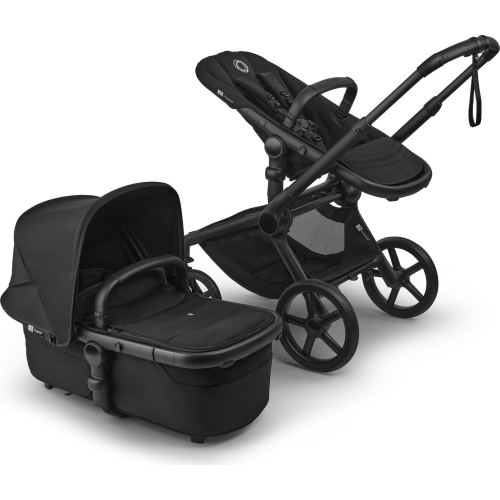
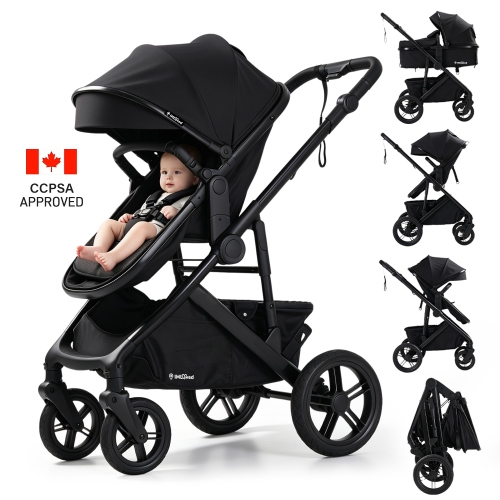
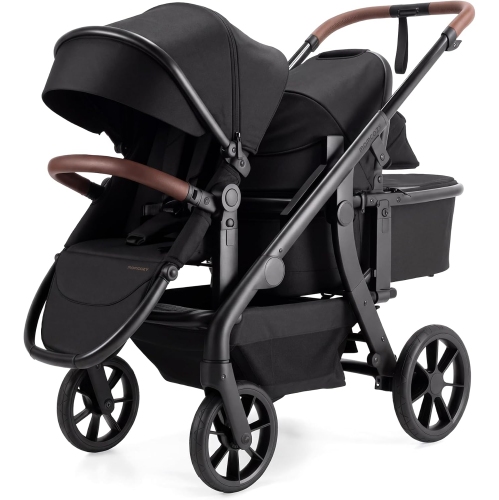
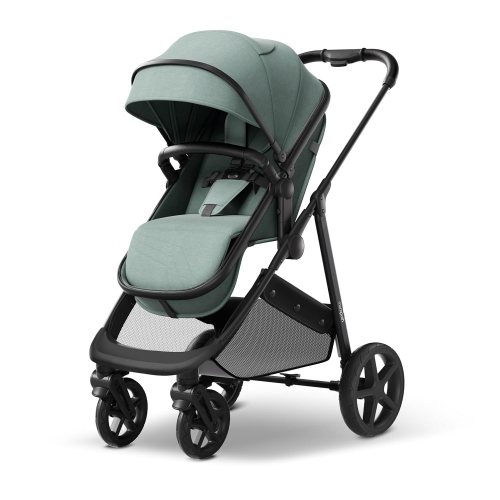
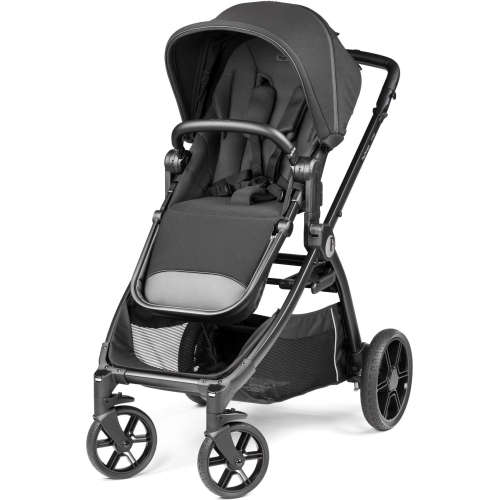
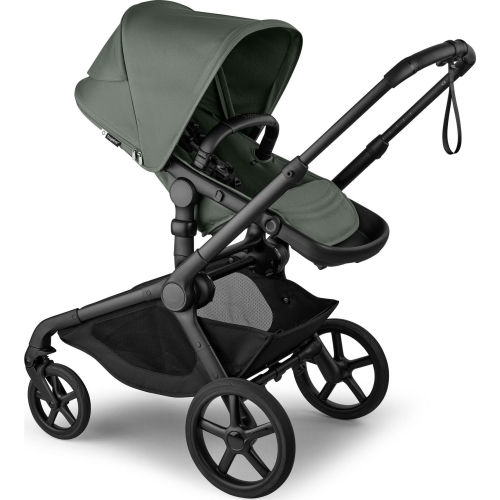
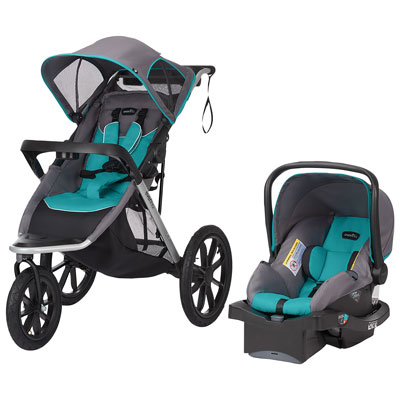
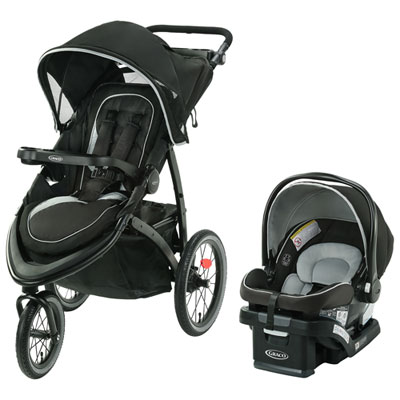
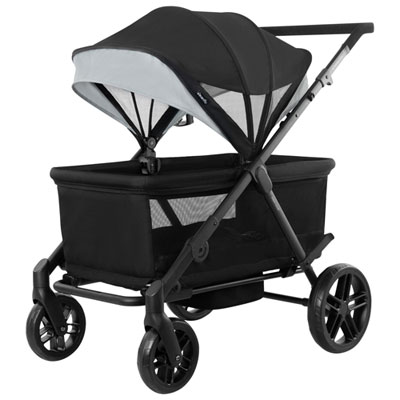
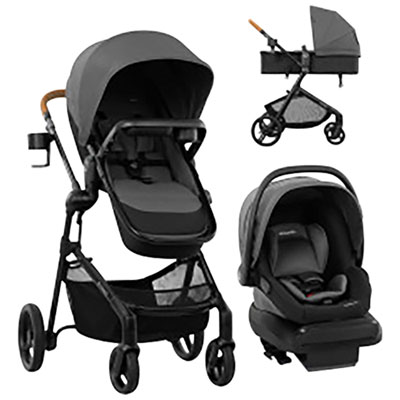
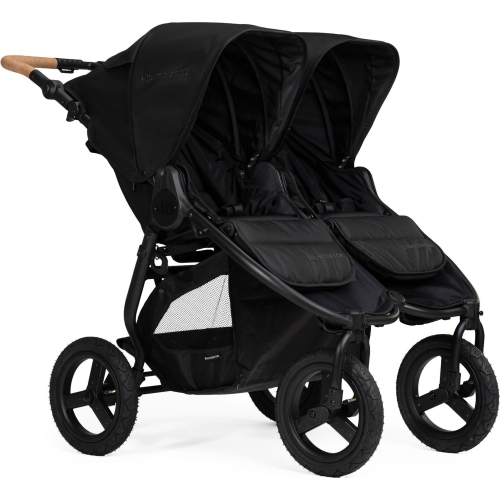
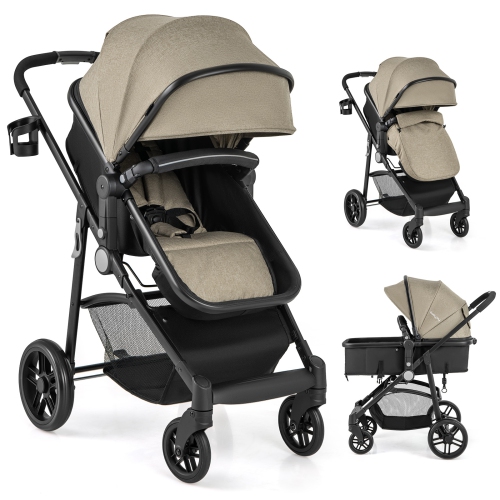
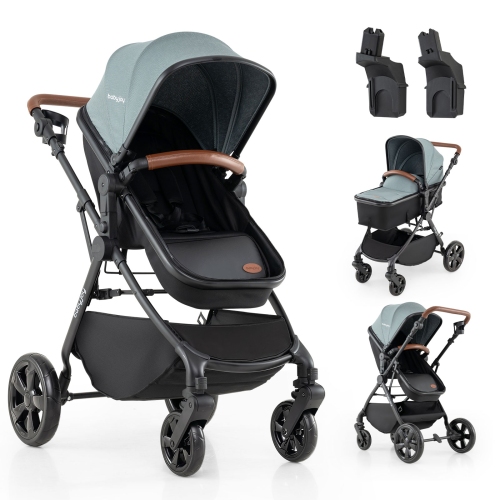
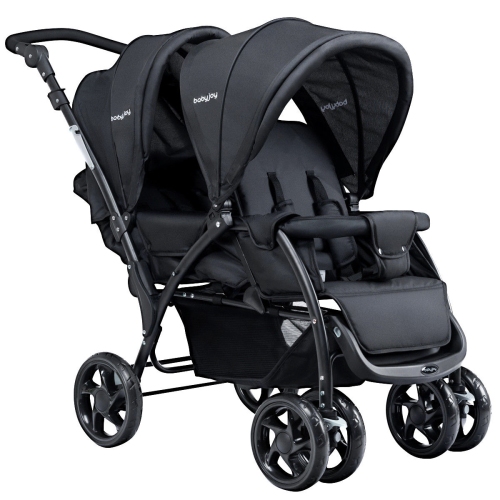
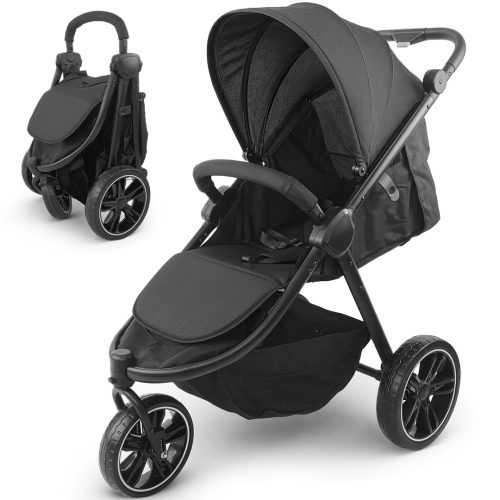
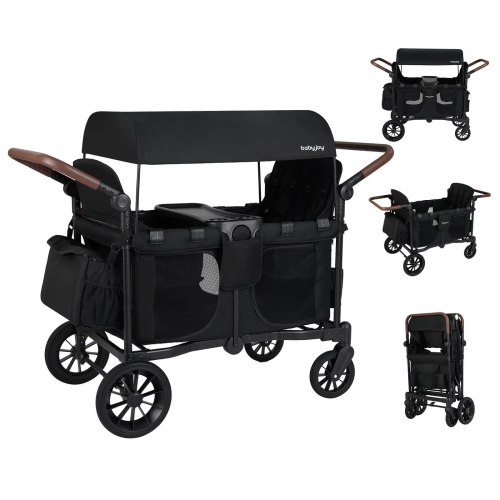
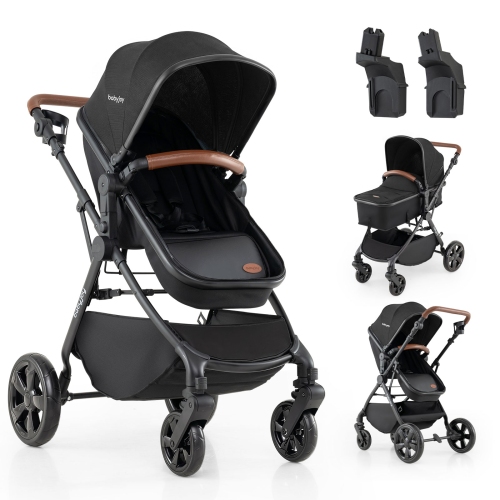
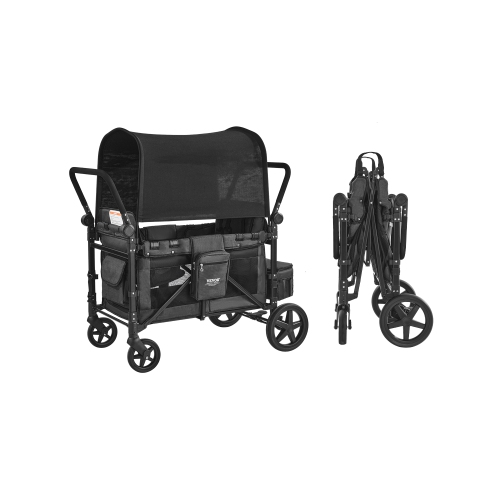
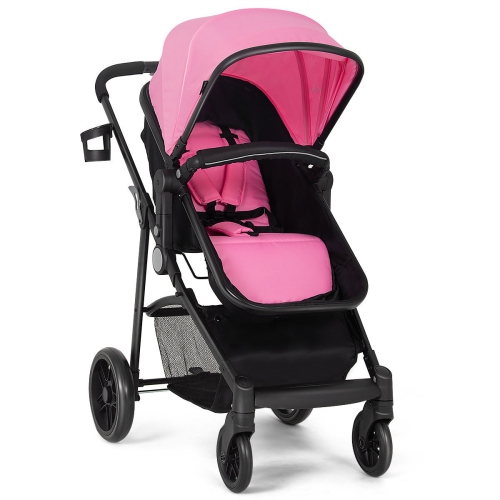
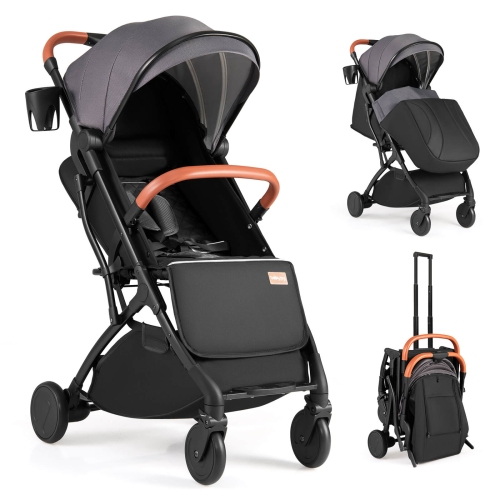
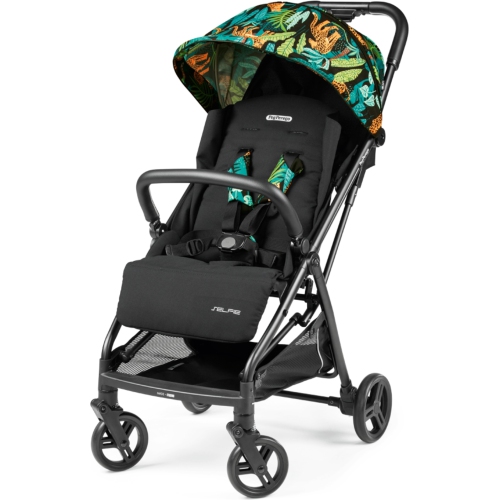
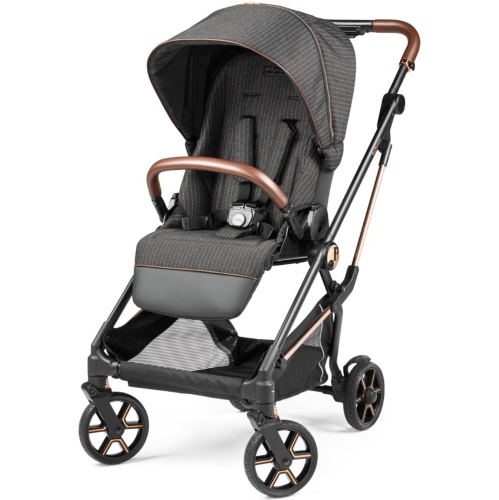
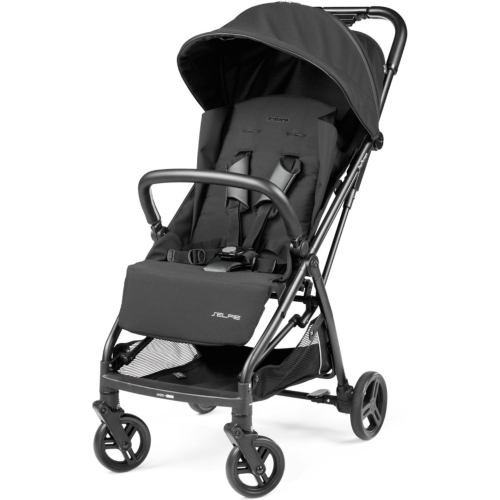
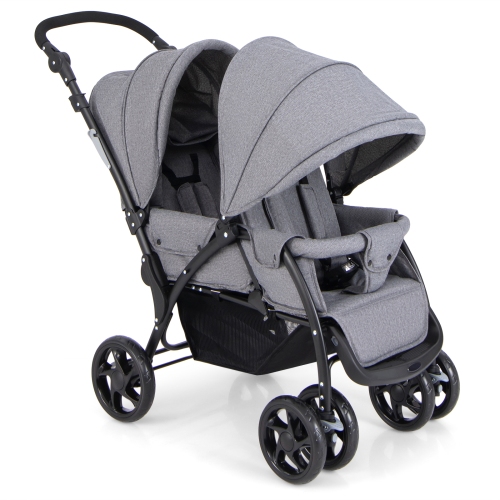
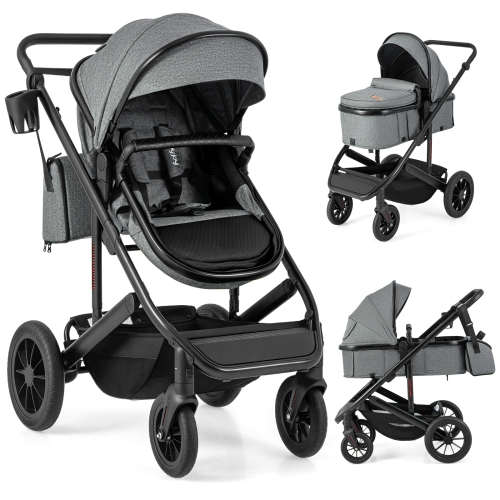
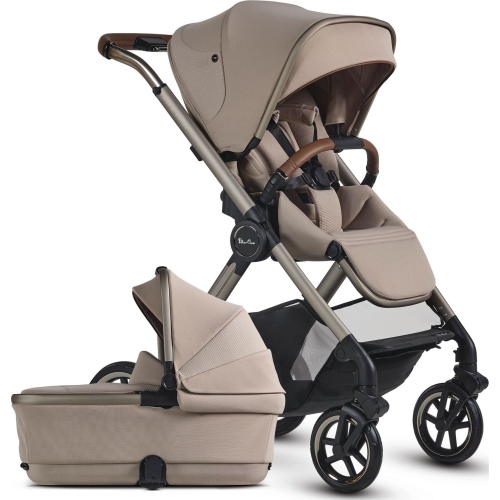
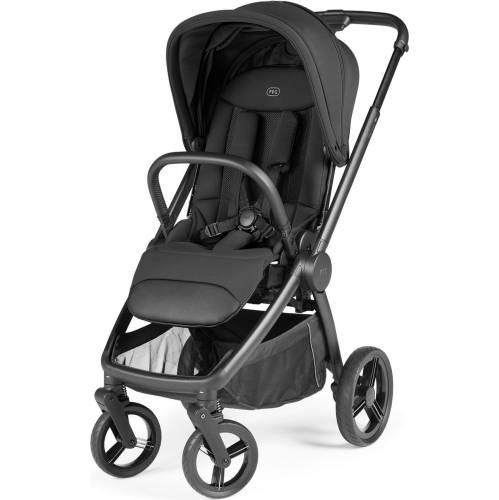
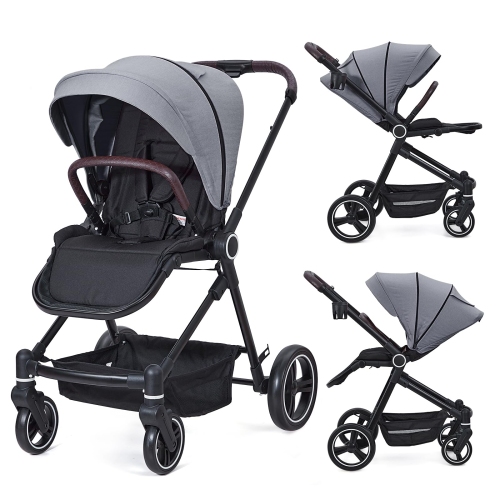
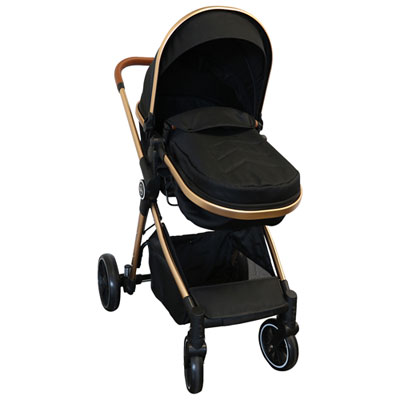
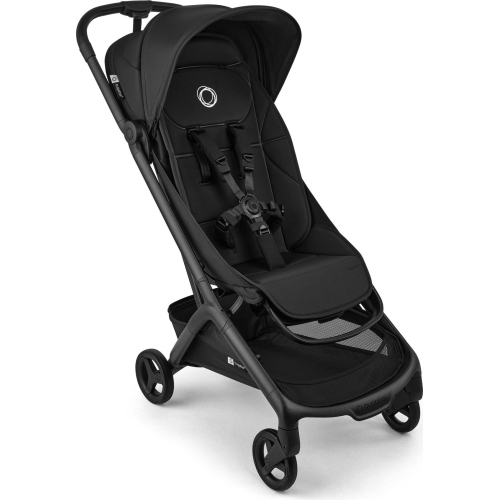
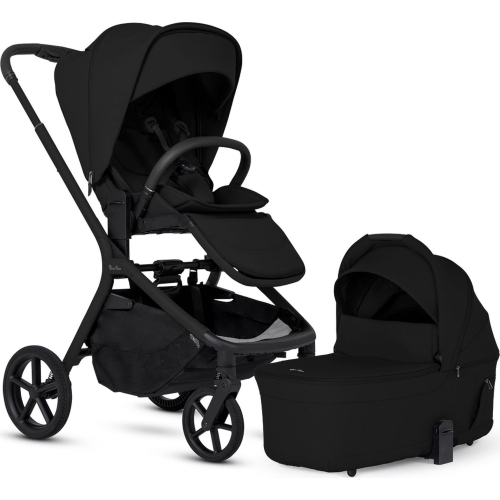
Full-size strollers are everyday baby strollers designed to combine a supportive seat, a sturdy frame, useful storage, and features that make regular outings more comfortable. They generally offer more seating room and carrying capacity than compact travel strollers, although dimensions, weight limits, and features vary by design. Larger wheels, suspension, adjustable seating, and generous under-seat baskets are common features, making this category well suited to neighbourhood walks, errands, and longer trips away from home. For families exploring Single Strollers, full-size designs offer a balance of everyday comfort and versatility, with space for a child and the supplies that tend to travel alongside them. A reversible seat can let a younger baby face a parent or caregiver, then turn outward when watching the passing scenery becomes part of the outing. Reclining backrests and adjustable leg rests provide different supported positions, while an extendable canopy can help shade the seating area. Newborn suitability is specific to each stroller: some require a compatible bassinet or infant car seat, while others have a seat expressly approved for use from birth. A reclining seat alone does not establish that a stroller is suitable for a newborn. The stated minimum age, developmental requirements, and height and weight limits determine when each configuration can be used. As children grow, a roomy seat, accessible footrest, and adjustable harness help maintain a comfortable fit without leaving the child loosely secured. Shoulder straps should sit in the position specified by the manufacturer, and the harness should remain fastened during use, including when the seat is reclined. These details matter during ordinary moments, from a short stop at the library to a longer walk with a toddler who alternates between riding and exploring on foot. Full-size strollers are particularly useful when outings call for more support and storage than a smaller stroller can comfortably provide.
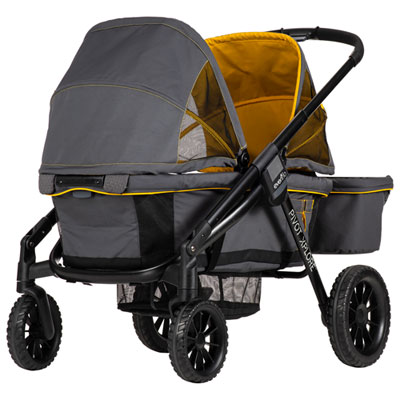
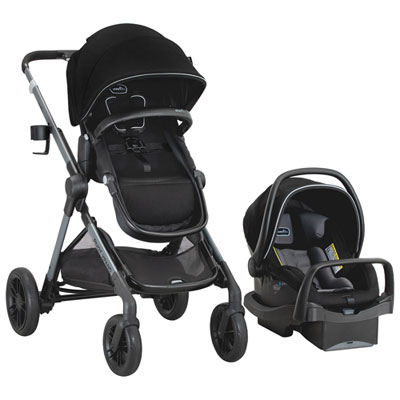
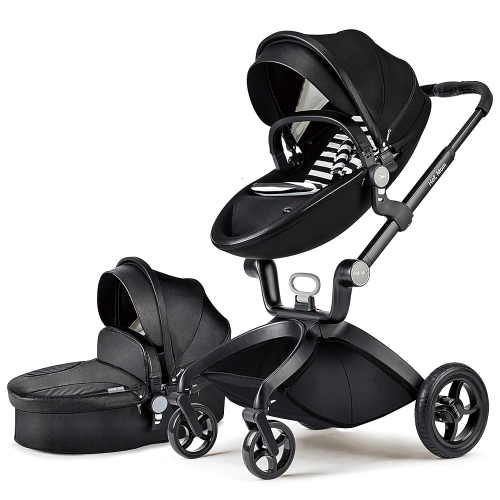
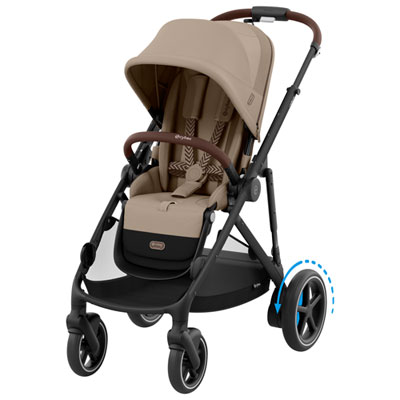
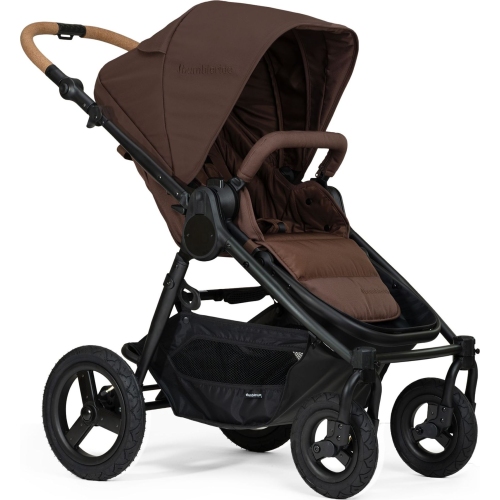
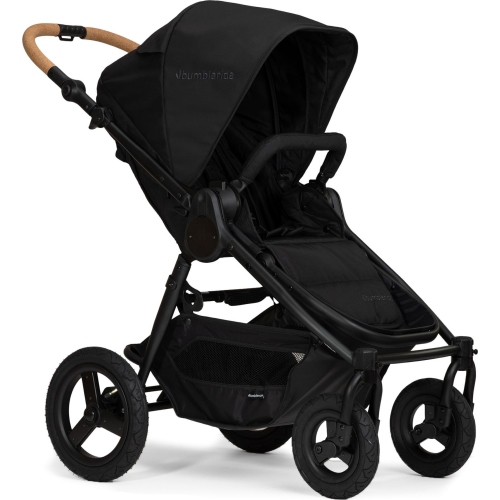
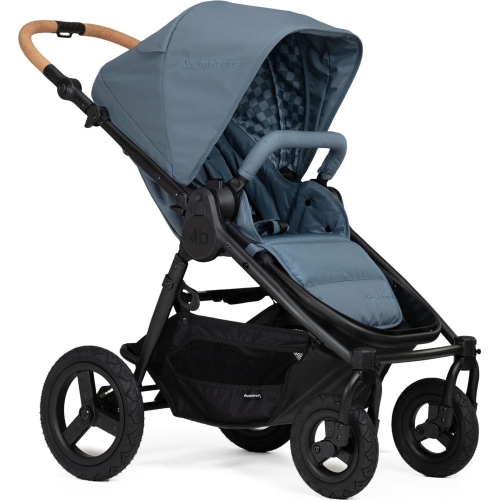
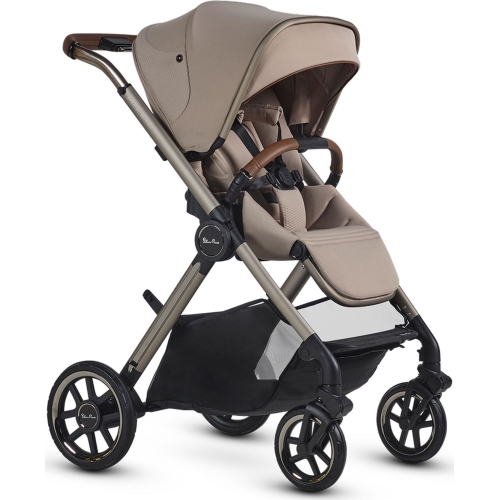
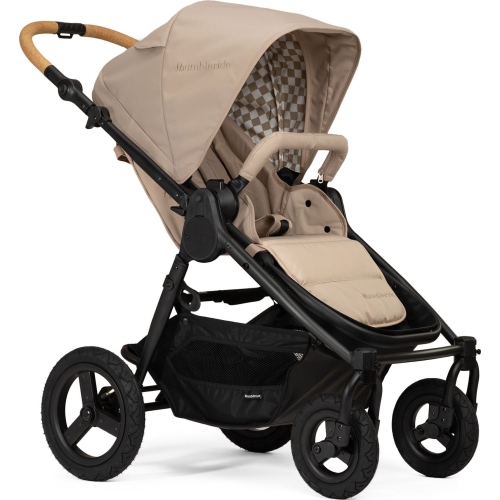
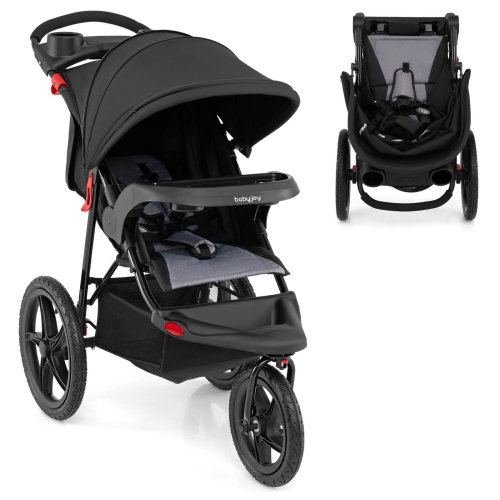
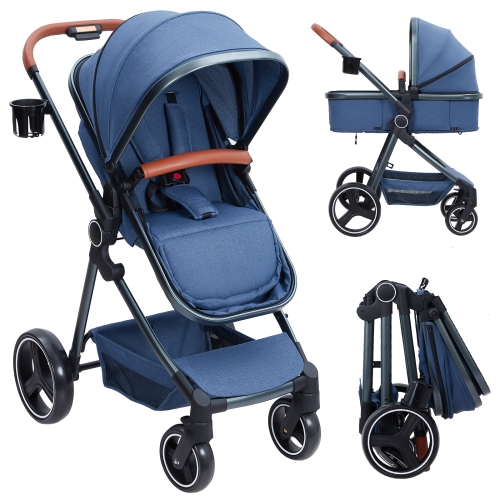
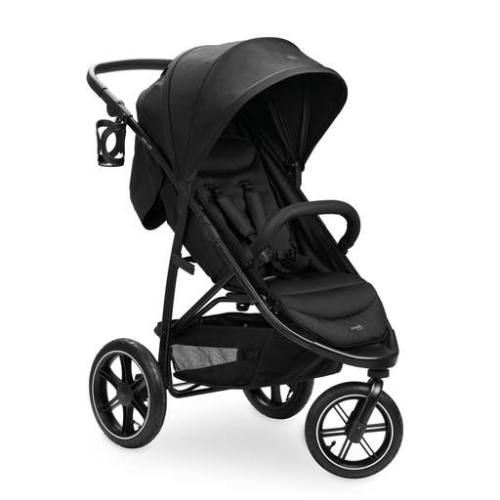
The feel of a full-size stroller depends on its wheels, frame, suspension, and overall proportions, not simply its size. Larger wheels can roll more easily over sidewalk joints and uneven paths, while suspension helps soften the movement transferred to the seat. Swivelling front wheels support tighter turns around shop aisles and building entrances; some designs also allow those wheels to lock for more controlled travel over uneven surfaces. Full-size construction does not make a stroller suitable for jogging, which requires a design specifically approved for that use. Tire materials also affect day-to-day upkeep. Solid or foam-filled tires do not need inflation, while air-filled tires require pressure checks and can need puncture repairs. Aluminum and steel are common frame materials, with durability influenced by the construction of joints, hinges, wheel mounts, and moving parts as well as the metal itself. A stroller that feels manageable on an open path may feel quite different when lifted into a vehicle or turned inside a narrow hallway. Overall width, handlebar height, folded dimensions, and lifting weight all shape how comfortably it fits into daily routines. An adjustable handlebar can make shared use easier for caregivers of different heights, particularly when it provides enough stride space to walk without contacting the rear axle. Folding arrangements vary, too: some strollers fold with the seat attached, while others require the seat to be removed or positioned in a particular direction. A secure fold lock helps keep the frame closed during handling, and a self-standing fold can simplify storage where floor space is limited. Basket access deserves equal attention. A large basket is most useful when a diaper bag can slide into it without awkward manoeuvring, including with the seat reclined. Its stated weight limit still applies, and bags should not hang from the handlebar unless the manufacturer expressly permits it, since extra weight there can affect stability.

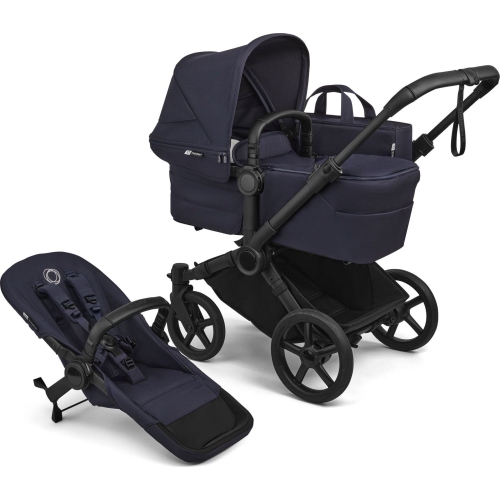
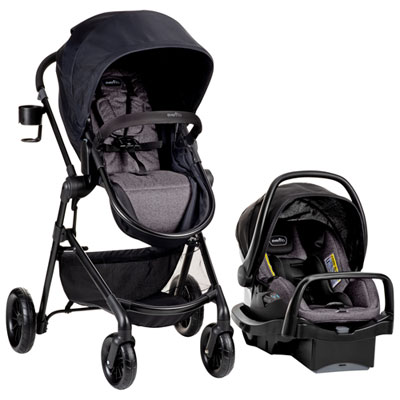
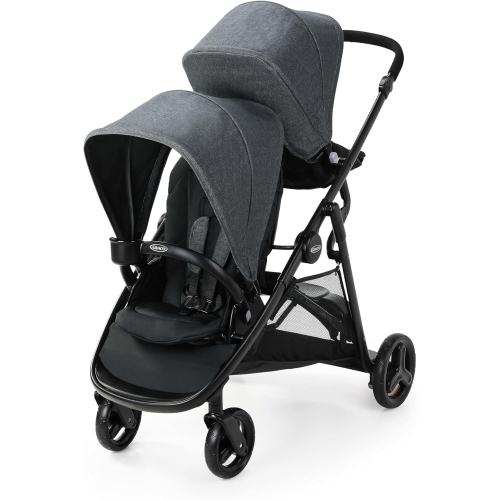
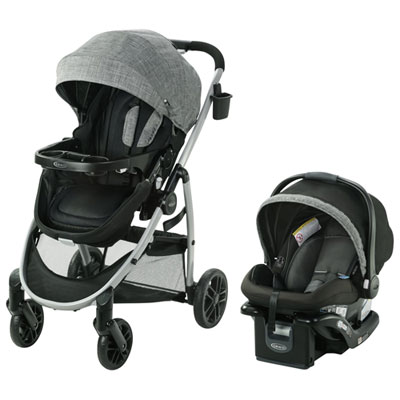
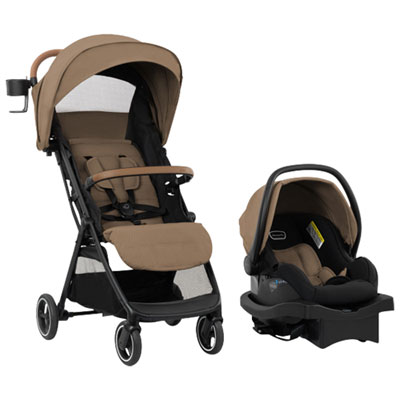
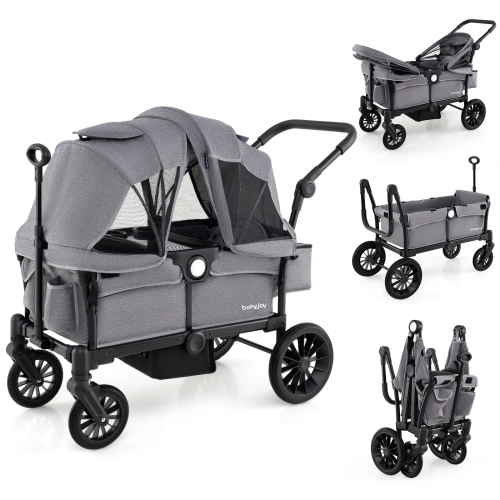
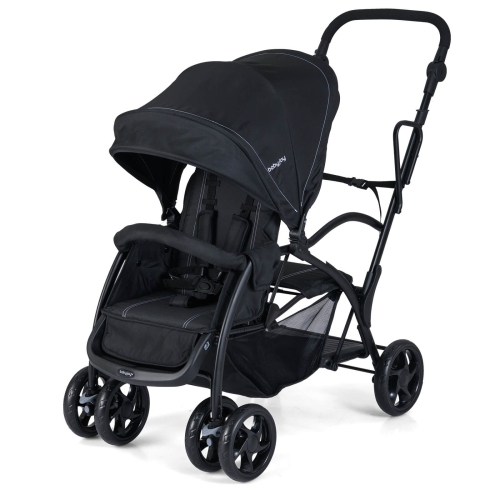
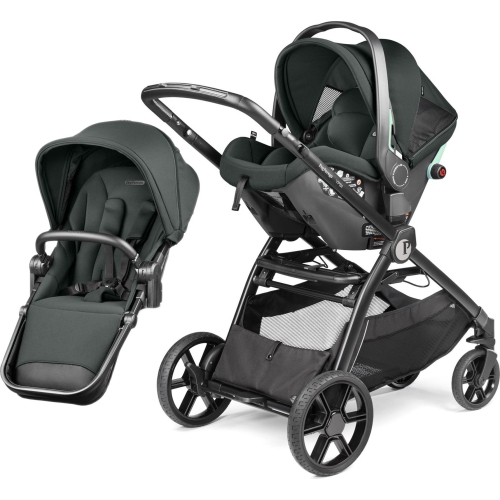
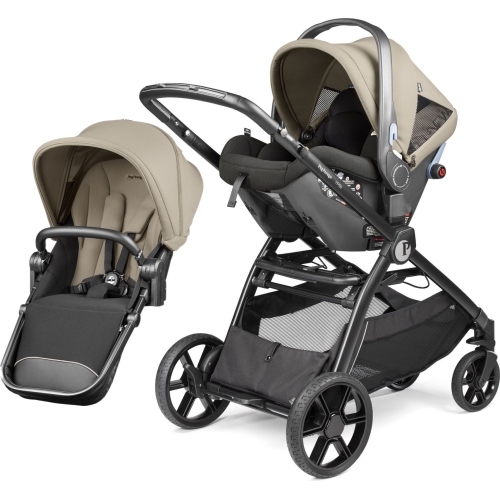
Full-size strollers often become part of a household’s daily rhythm, so easy cleaning and straightforward adjustments can matter as much as the first impression of the ride. Seat fabrics may include woven synthetic textiles, mesh sections, and removable padded components, each with its own care requirements. Removable fabric is not necessarily machine washable; the care label determines whether covers can be washed or need spot cleaning. Crumbs collect around seat seams and footrests, while hair and grit can gather near wheel axles, making accessible surfaces and removable wheels useful features for routine maintenance. Fabric and frame parts should be fully dry before the stroller is folded for storage, and brakes, harness fittings, hinges, and wheel attachments need regular checks for wear or damage. For families using a stroller alongside a vehicle, travel-system compatibility can reduce the handling involved in moving a baby between the car and stroller frame. Compatibility must be confirmed for the exact infant car seat and any required adapters; a secure connection should never be assumed from appearance alone. Infant car seats are for travel rather than routine sleep outside the vehicle. Some full-size stroller frames also support an additional seat or riding board, but conversion options, seating combinations, and weight limits are specific to the design. Those details matter when planning for siblings with different ages and mobility needs. For grandparents or other caregivers, clear brake operation, accessible harness buckles, and a manageable fold can make shared outings easier. As a gift for expecting parents, a full-size stroller is most useful when its size and configuration suit the recipients’ home, vehicle, and existing baby equipment. A comfortable seat, dependable handling, durable materials, and practical care requirements all contribute to a stroller that fits everyday family life, from carrying the diaper bag to giving tired little legs a place to rest.

FAQ

Some products may be subject to Environmental Handling Fees (EHF) depending on your province. Learn more about EHFs.