Baby Bath Toys
Looking to make bath time a splashing success for your little one? Dive into our collection of adorable and engaging baby bath toys that will transform the tub into a fun-filled aquatic adventure! From colorful floating creatures to interactive water squirters, these toys are designed to keep your baby entertained while promoting sensory development and hand-eye coordination. Let your baby's imagination run wild as they explore the wonders of water play with these safe and durable bath toys.
Sort
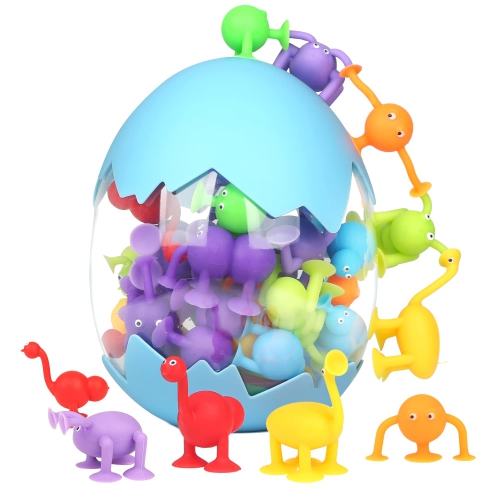
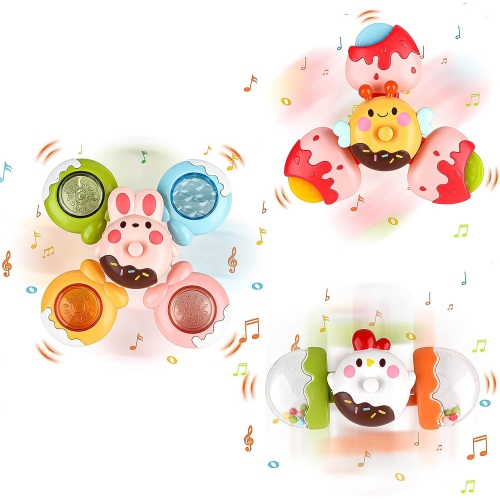
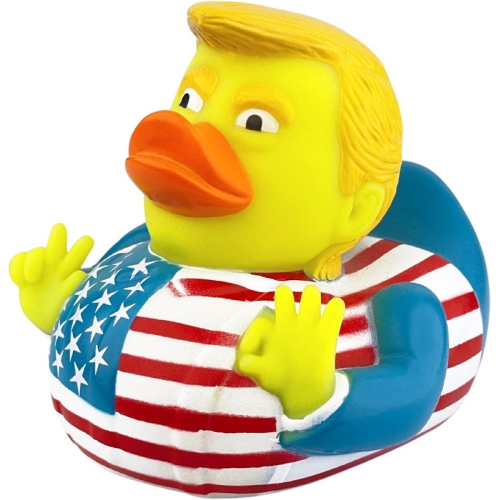
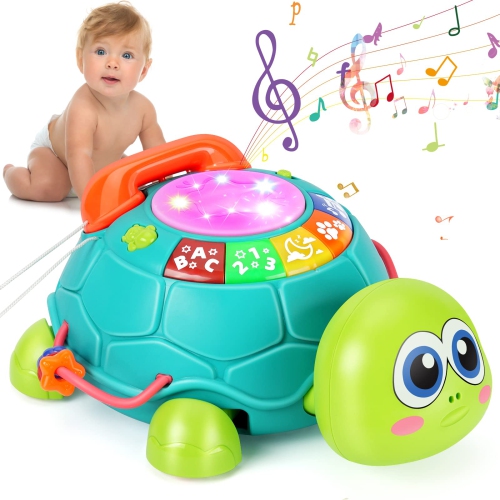
How floating and pouring turn bath time into play
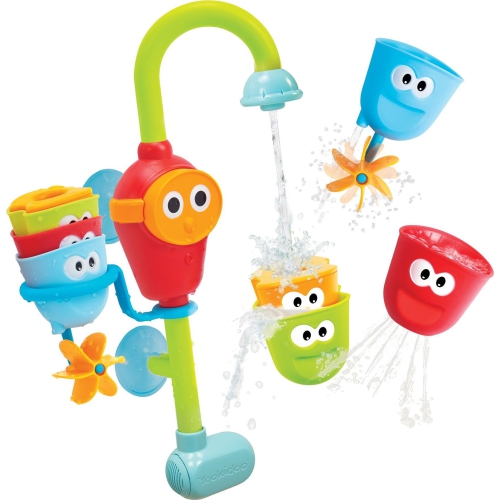
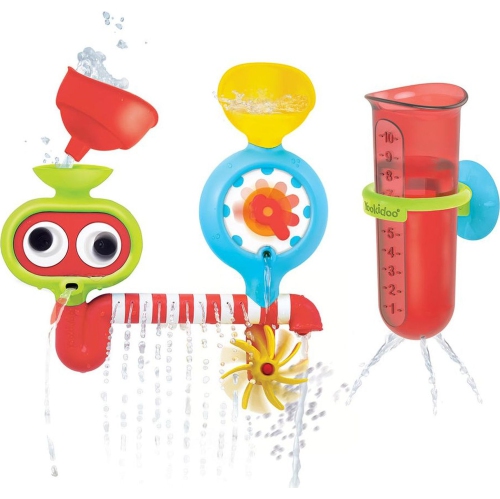
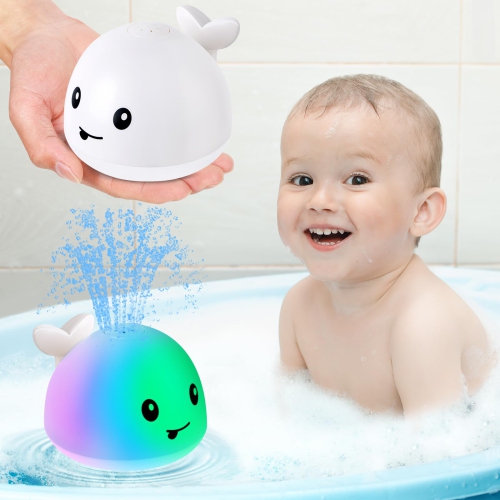
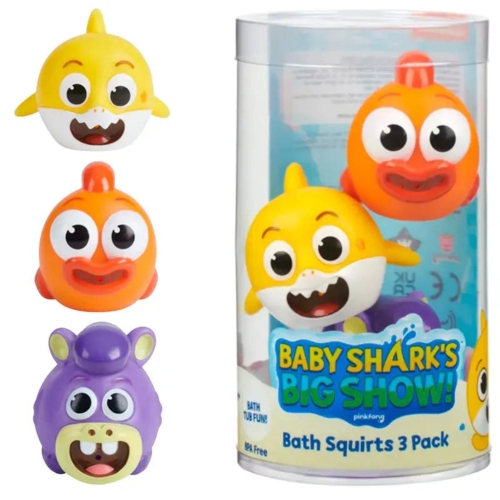
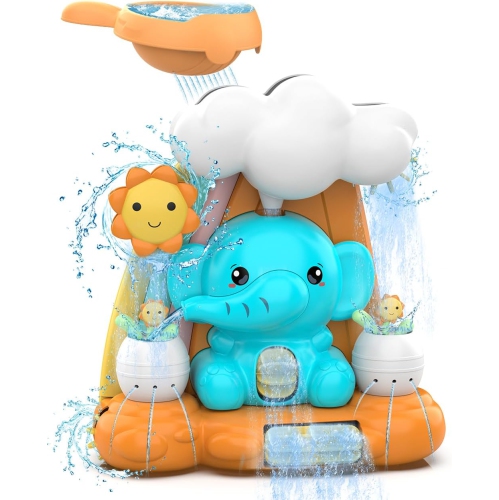
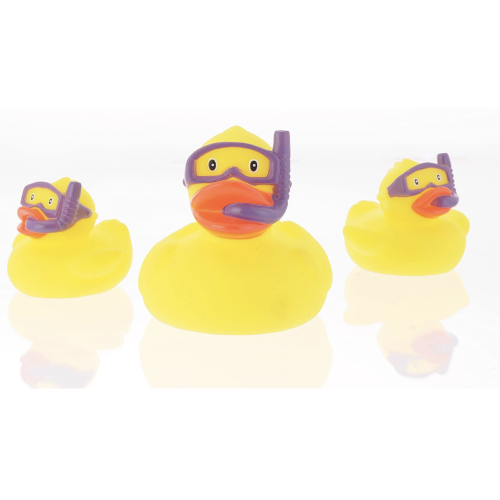
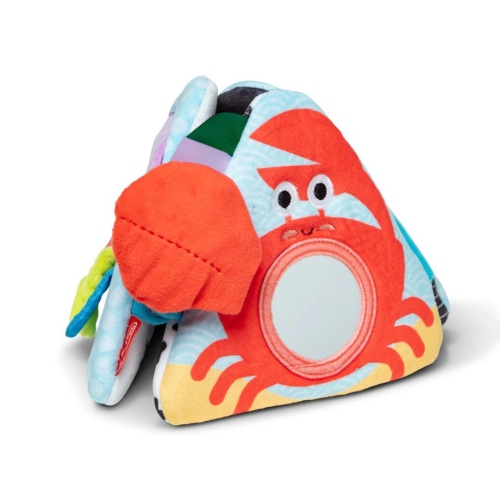
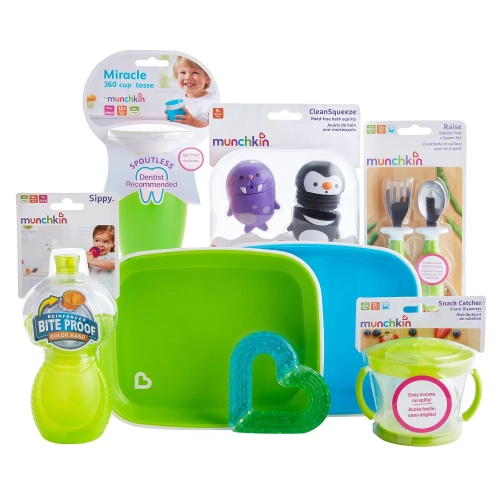
Baby bath toys bring floating, pouring, splashing, and simple discovery into an everyday routine. Designed for supervised water play, they give babies and toddlers something to hold, watch, and explore while a parent or caregiver stays close. The most useful features are often straightforward: a shape that small hands can grasp, a size suited to the child’s age, and a design that can be cleaned and dried thoroughly after each bath. Floating toys invite babies to reach and follow movement, while cups and scoops let toddlers practise filling, emptying, and pouring. A little water trickling through holes in a cup can hold a child’s attention as they watch the stream slow and stop. These repeated actions offer opportunities to explore cause and effect without complicated controls or a long sequence of steps. Textured surfaces, rounded shapes, and contrasting colours add variety, though a bath does not need to be crowded with toys to feel engaging. One or two manageable choices can leave more room for washing and make tidying up simpler. For younger babies, an adult may do most of the moving and pouring while the child watches or reaches; older babies and toddlers may become more interested in stacking, transferring water, and making up little stories. Age labels matter more than appearance alone, since a toy that looks appealing may require grasping skills or coordination a child has not yet developed. Familiar creature shapes can also give caregivers an easy starting point for naming, sounds, and pretend play, with Animal Bath Toys offering a related theme for children drawn to animal characters. Bath toys can help make the routine feel familiar, but every child responds differently to water play. A quiet floating shape may suit a child who dislikes unexpected splashes better than an active spraying feature, while a toddler who enjoys repetition may return to the same pouring activity bath after bath.
Materials and construction make a noticeable difference to how baby bath toys feel in the hand and how much care they need afterwards. Silicone can provide a flexible, easy-to-grip surface, while rigid plastic can hold its shape well for scooping, stacking, and directing water. The material name alone does not establish safety or ease of cleaning; the overall design, age rating, and manufacturer’s care directions are just as important. Smooth edges, secure components, and surfaces that are easy to inspect are practical details to look for. A broad opening can make the inside of a toy accessible for washing, and a design that separates into larger pieces may allow more thorough rinsing and drying. By contrast, a hollow toy with a tiny opening can retain water where it is difficult to see or reach. A sealed design avoids an open water entry point when intact, but it still needs regular checks for cracks or damaged seams. No bath toy should be assumed to stay free of mould simply because it is made from silicone or described as easy to clean. After use, empty trapped water, clean according to the instructions, rinse away soap residue, and let all parts dry fully in a ventilated spot. Dishwasher cleaning, boiling, and particular cleaning solutions are suitable only when the manufacturer expressly permits them. Putting damp toys into a closed container can prevent drying, so drainage and airflow matter in a storage basket or organizer. Caregivers who want a simpler cleanup routine may prefer fewer pieces, accessible interiors, and uncomplicated shapes rather than narrow channels that require extra attention. Durability also involves more than surviving a drop into the tub: repeated squeezing, twisting, and cleaning can wear joints and surfaces over time. Check for loose parts, splits, peeling finishes, persistent odours, or visible mould, and stop using a toy that is damaged or cannot be thoroughly cleaned. A brief inspection during cleanup is an opportunity to catch a change before the next bath.
Fit and intended use extend beyond the child’s hands to the bathing space itself. A compact baby tub leaves less room for large play features, whereas a full-size bathtub may accommodate pouring activities without crowding the area needed for washing and support. Suction-mounted toys depend on a suitable surface; textured walls, grout lines, or curved sections may prevent a firm attachment. Their placement should keep play within comfortable reach rather than encouraging a child to stand, stretch, or lean across the tub. Stacking and nesting designs can be useful when bathroom storage is limited, especially in a shared space where toys need to be gathered after every use. Interactive water-flow toys add movement, but their controls and setup should match both the child’s abilities and the caregiver’s routine. Any powered toy must be specifically designed for its intended bath use and used according to its water-exposure limits. Battery compartments should remain securely closed, with no damage or accessible batteries. Even a simple floating toy needs the same essential boundary: bath toys are not flotation devices or safety equipment, and they never replace constant, close adult supervision. Keep a baby or young child within arm’s reach, prepare washing supplies beforehand, and take the child along if leaving the bath area becomes necessary. For gifting, baby bath toys can suit a baby shower, a first birthday, or a present for a household with a young child, provided the age suitability is clear. Easy-care designs are a thoughtful consideration for parents, grandparents, and other caregivers who will handle the cleanup as well as the play. A gift intended for later use should stay put away until the child meets the stated age and developmental requirements. Sets with several functions may offer variety as interests change, but a larger number of pieces does not automatically mean a better fit. Toys that are comfortable to handle, straightforward to maintain, and appropriate for the bathing space can earn a lasting place in the routine, whether the favourite activity is watching a floating shape drift or carefully pouring water from one cup into another.
Materials and construction make a noticeable difference to how baby bath toys feel in the hand and how much care they need afterwards. Silicone can provide a flexible, easy-to-grip surface, while rigid plastic can hold its shape well for scooping, stacking, and directing water. The material name alone does not establish safety or ease of cleaning; the overall design, age rating, and manufacturer’s care directions are just as important. Smooth edges, secure components, and surfaces that are easy to inspect are practical details to look for. A broad opening can make the inside of a toy accessible for washing, and a design that separates into larger pieces may allow more thorough rinsing and drying. By contrast, a hollow toy with a tiny opening can retain water where it is difficult to see or reach. A sealed design avoids an open water entry point when intact, but it still needs regular checks for cracks or damaged seams. No bath toy should be assumed to stay free of mould simply because it is made from silicone or described as easy to clean. After use, empty trapped water, clean according to the instructions, rinse away soap residue, and let all parts dry fully in a ventilated spot. Dishwasher cleaning, boiling, and particular cleaning solutions are suitable only when the manufacturer expressly permits them. Putting damp toys into a closed container can prevent drying, so drainage and airflow matter in a storage basket or organizer. Caregivers who want a simpler cleanup routine may prefer fewer pieces, accessible interiors, and uncomplicated shapes rather than narrow channels that require extra attention. Durability also involves more than surviving a drop into the tub: repeated squeezing, twisting, and cleaning can wear joints and surfaces over time. Check for loose parts, splits, peeling finishes, persistent odours, or visible mould, and stop using a toy that is damaged or cannot be thoroughly cleaned. A brief inspection during cleanup is an opportunity to catch a change before the next bath.
Fit and intended use extend beyond the child’s hands to the bathing space itself. A compact baby tub leaves less room for large play features, whereas a full-size bathtub may accommodate pouring activities without crowding the area needed for washing and support. Suction-mounted toys depend on a suitable surface; textured walls, grout lines, or curved sections may prevent a firm attachment. Their placement should keep play within comfortable reach rather than encouraging a child to stand, stretch, or lean across the tub. Stacking and nesting designs can be useful when bathroom storage is limited, especially in a shared space where toys need to be gathered after every use. Interactive water-flow toys add movement, but their controls and setup should match both the child’s abilities and the caregiver’s routine. Any powered toy must be specifically designed for its intended bath use and used according to its water-exposure limits. Battery compartments should remain securely closed, with no damage or accessible batteries. Even a simple floating toy needs the same essential boundary: bath toys are not flotation devices or safety equipment, and they never replace constant, close adult supervision. Keep a baby or young child within arm’s reach, prepare washing supplies beforehand, and take the child along if leaving the bath area becomes necessary. For gifting, baby bath toys can suit a baby shower, a first birthday, or a present for a household with a young child, provided the age suitability is clear. Easy-care designs are a thoughtful consideration for parents, grandparents, and other caregivers who will handle the cleanup as well as the play. A gift intended for later use should stay put away until the child meets the stated age and developmental requirements. Sets with several functions may offer variety as interests change, but a larger number of pieces does not automatically mean a better fit. Toys that are comfortable to handle, straightforward to maintain, and appropriate for the bathing space can earn a lasting place in the routine, whether the favourite activity is watching a floating shape drift or carefully pouring water from one cup into another.
Top selling and popular products
-
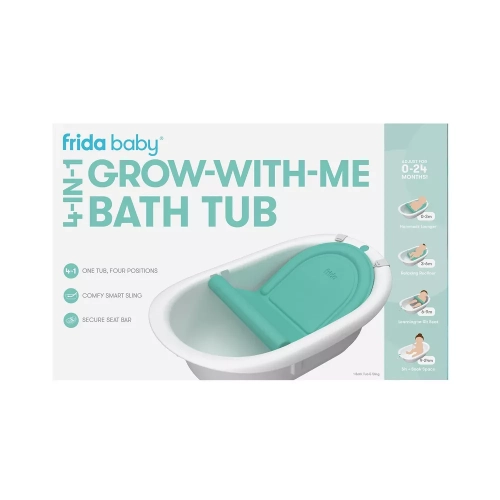 Your price for this item is $79.99
 -
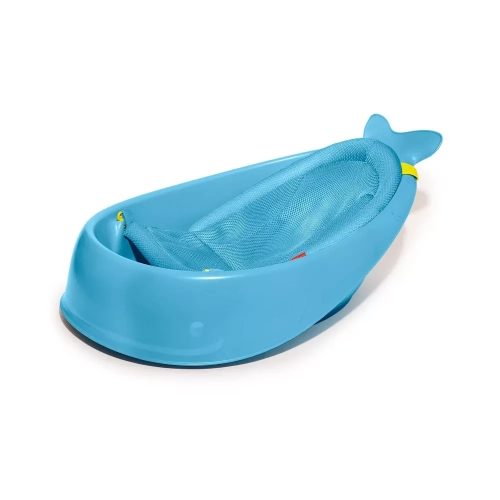 Your price for this item is $120.99
 -
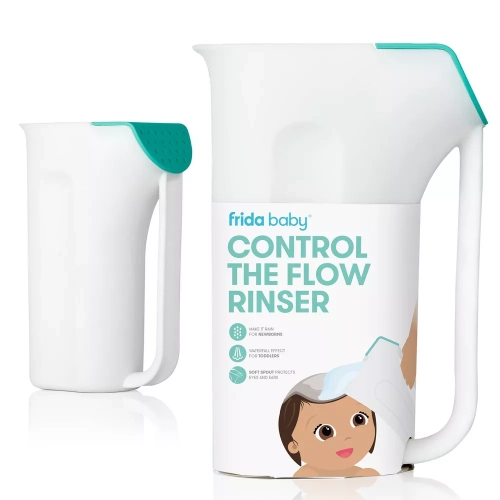 Your price for this item is $65.99
 -
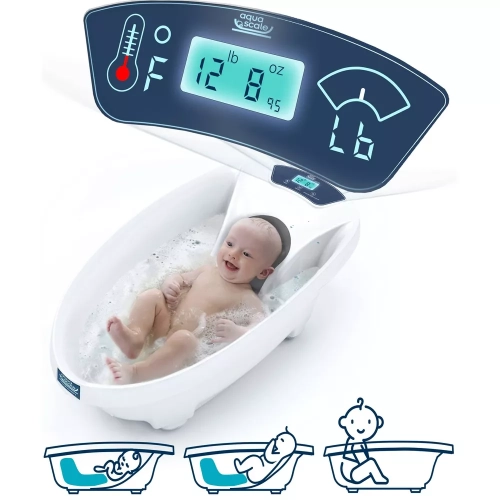 Your price for this item is $179.99
 -
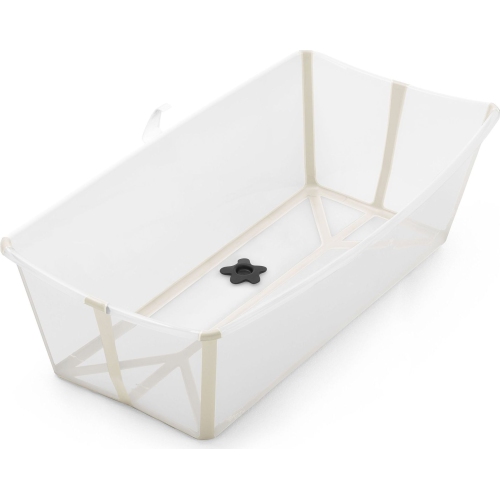 Your price for this item is $98.99
 -
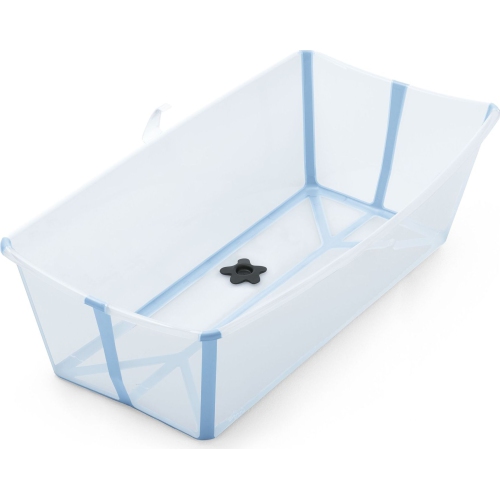 Your price for this item is $98.99
 -
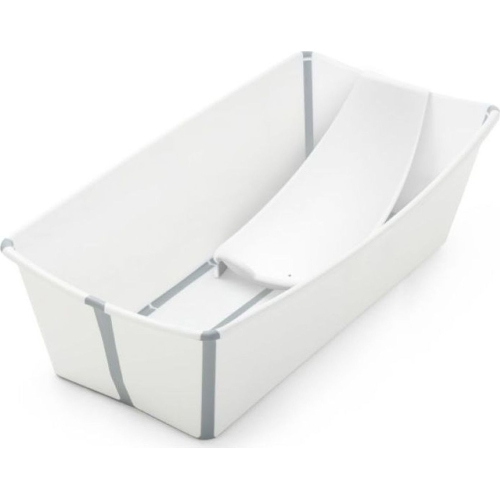 Your price for this item is $124.99
 -
 Your price for this item is $31.99
Discover more categories related to Baby Bath Toys
Top Collections:
Pokemon Centers, Kindle Devices, Best Budget Office Chairs, Apple iPhones 16, Best Laptops for Writers, iPhone 15 Apple, Canon G7X Cameras, Refurbished Apple Laptops, Alarm Clock, Motorola Razr Phones
Some products may be subject to Environmental Handling Fees
(EHF) depending on your province.
Learn more about EHFs.