Baby Bibs
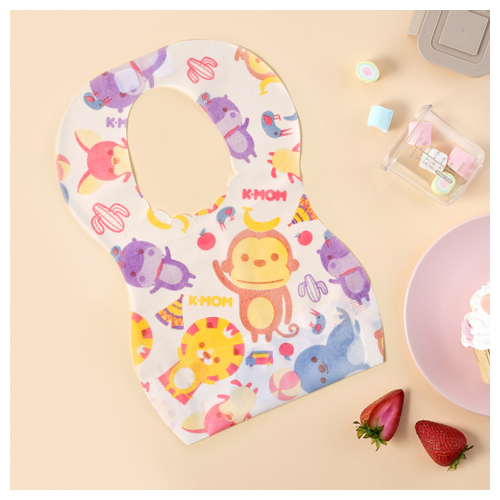
Keep your little one clean and stylish with our wide selection of baby bibs. From mealtime messes to teething adventures, these essential accessories are designed to keep your baby's clothes protected while adding a touch of fun to their outfits. Whether you're looking for waterproof bibs for messy eaters or drool-catching bandana bibs for teething babies, we have a variety of options to suit your needs. Explore our collection of baby bibs and the Best Baby Utensils to find the perfect combination of functionality and cuteness for your little bundle of joy.
Sort
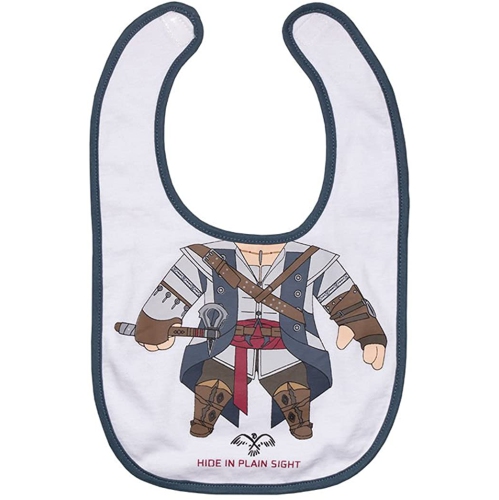
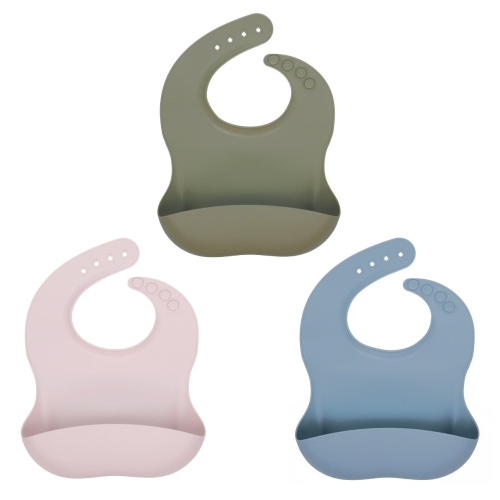
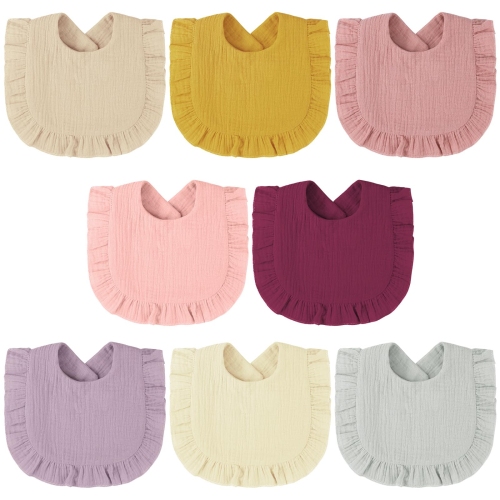
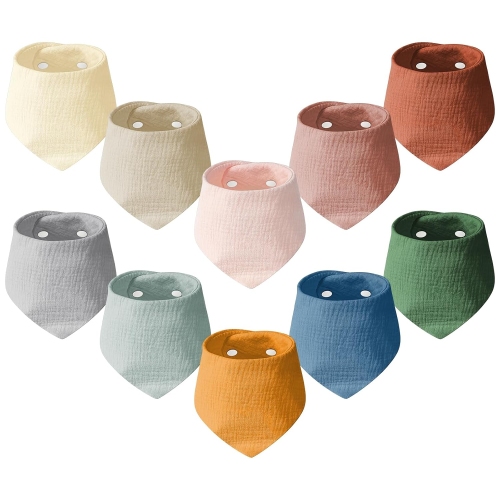
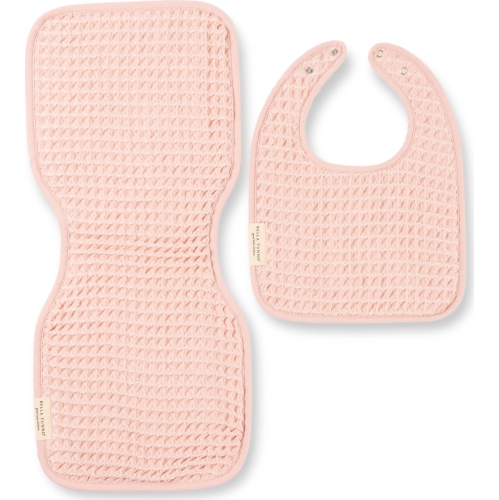
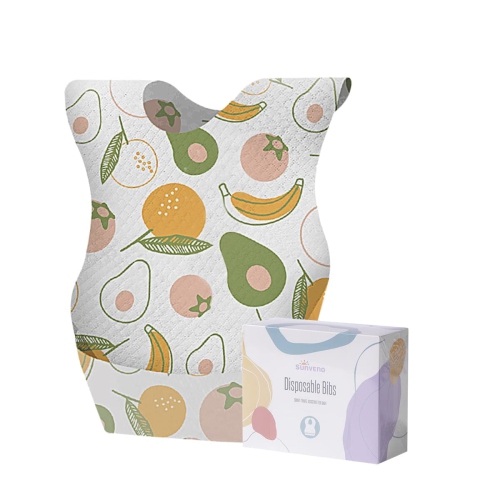
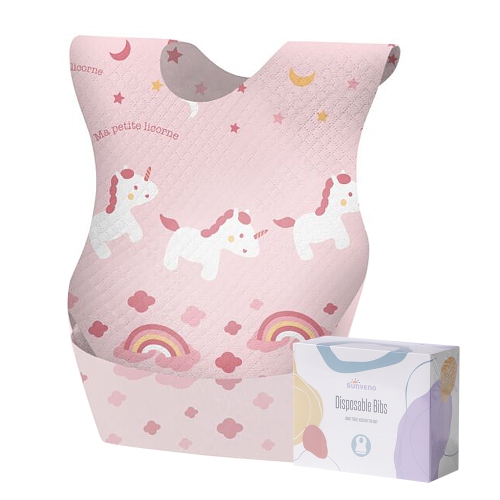
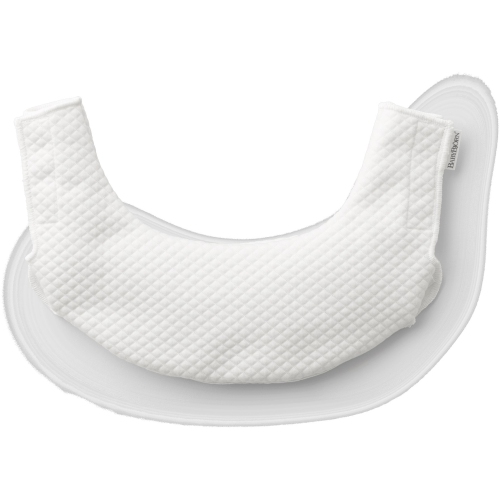
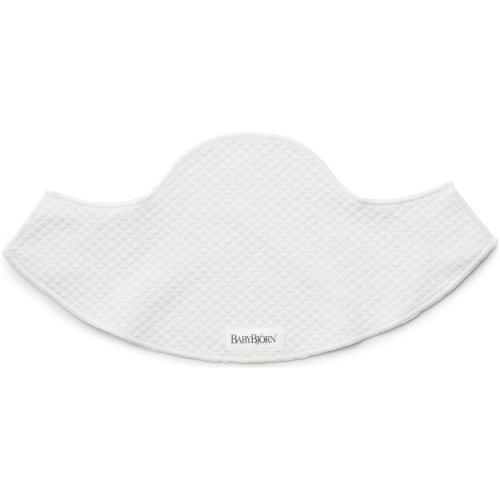
Practical coverage for drool, spills, and self-feeding
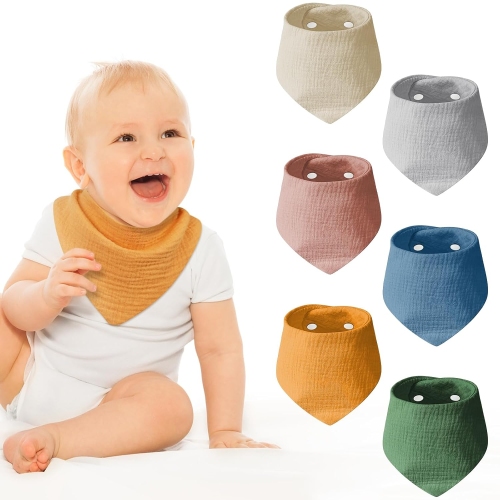
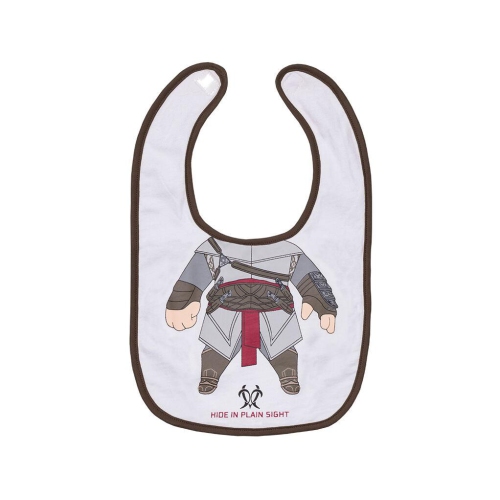
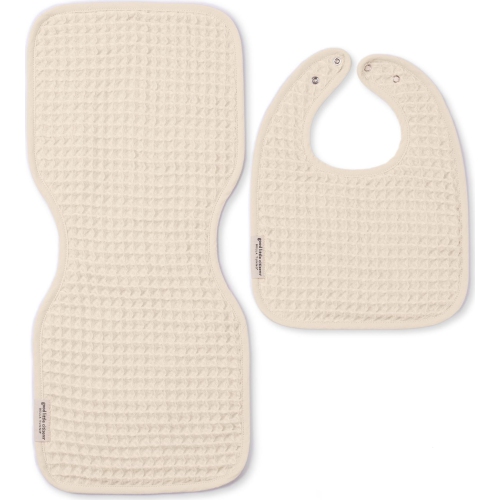
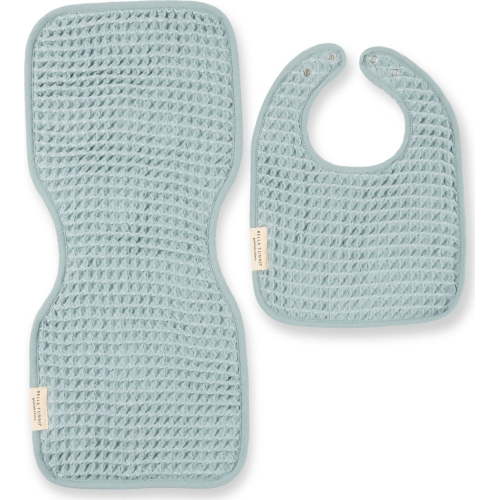
Baby bibs are a small everyday essential that can make feeding, teething, and drooling much easier to manage. A bib creates a washable barrier between a baby and their clothing, helping protect outfits from milk dribbles, purées, finger foods, and the steady stream of drool that often accompanies teething. For newborns and younger babies, soft, absorbent bibs made from materials such as cotton or muslin can be especially comfortable against delicate skin. They are useful during bottle or breastfeeding sessions, after feeds, and whenever a little one is producing more drool than usual. Bandana-style bibs offer a compact option for light spills and can look like a simple accessory when paired with everyday outfits, while traditional rounded or contoured styles provide more coverage across the chest. As babies grow and begin trying solid foods, a bib with a broad front and a built-in spill-catcher pocket can help collect dropped pieces of food before they reach the floor, high-chair seat, or clothing. For especially enthusiastic eaters, long-sleeved bibs can cover the torso and arms, making them helpful for meals involving sauces, soft fruit, cereal, yoghurt, or other foods that tend to travel beyond the spoon. The right style depends on the baby’s age, stage, feeding routine, and tolerance for wearing a bib. Some families keep soft cloth bibs close at hand for quick changes throughout the day, then use waterproof or silicone bibs for seated meals when a more substantial layer of protection is helpful. Adjustable snaps, hook-and-loop closures, and generously sized neck openings can make a bib easier to put on and remove while allowing room for a growing baby. A comfortable fit should sit securely without feeling tight, and the edges should lie flat rather than rubbing against the neck. It is also worth considering how much coverage is needed around the shoulders and upper chest, particularly if a baby tends to turn their head while eating or reaches into their bowl with both hands.
Material and clean-up are important considerations because bibs often face several messes in a single day. Absorbent fabric bibs can soak up drool and small spills, and many are convenient for regular laundering, although they may allow moisture to pass through to clothing if they become saturated. Silicone, vinyl, and other waterproof materials are useful for feeding because they can generally be wiped clean after a meal, and many styles can be rinsed under running water before being left to dry. A flexible bib that rolls or folds neatly can be convenient for a nappy bag, restaurant visit, road trip, or visit with grandparents, especially during the cooler months when extra layers make outfit changes more involved. Spill-catcher pockets are most effective when they remain open and sit slightly away from the baby’s chest, giving dropped food somewhere to land instead of slipping directly into a lap. For cloth styles, check care instructions and consider whether the bib can handle frequent washing, quick drying, and the occasional stubborn stain. Families may also appreciate packs that make it easy to keep a clean bib in the kitchen, nursery, car, and nappy bag. Having several options available can reduce the pressure of washing immediately after every meal and makes it simpler to match the bib to the task at hand: an absorbent style for drooling, a lightweight style for a short feed, or a full-coverage design for hands-on self-feeding. When browsing Feeding Bibs, look closely at the dimensions, closure type, material, care requirements, and recommended age range rather than relying on appearance alone. A bib that looks generous may still offer limited shoulder coverage, while a compact style may be ideal for drool but less suited to messy meals. Skin comfort matters as well, so soft edges and breathable fabrics can be preferable for babies who wear a bib for longer periods. If a baby has sensitive skin, families may wish to select smooth materials, avoid rough seams, and change a damp bib promptly.
Baby bibs can be useful for parents, caregivers, grandparents, and anyone settling into a new feeding routine with an infant or toddler. They are also a practical gift for a baby shower, newborn arrival, first birthday, or family welcoming a baby who is beginning to explore solid foods. A selection of bib styles can be particularly thoughtful because it supports different stages: small absorbent bibs for the early months, easy-clean feeding bibs for spoon-fed meals, and fuller-coverage options for self-feeding and creative table manners. During late summer and the warmer part of the year, lightweight cloth bibs can help manage drool without adding unnecessary bulk, while waterproof styles are handy for picnics, patio meals, travel, and snacks away from home. As the weather cools, a generous bib can help protect sweaters, long-sleeved tops, and layered outfits that are less convenient to change several times a day. Bibs may also be useful beyond the high chair, including during teething, messy crafts, or snack time, provided the design is appropriate for the activity and the child is supervised. For safety, a baby should never sleep while wearing a bib, and bibs should be removed during naps and bedtime because loose neckwear can create a suffocation or strangulation hazard. Caregivers should also check the bib regularly for loose fasteners, damaged edges, or worn material, and choose a size that provides coverage without restricting movement or breathing. With a few well-chosen options nearby, everyday spills become easier to manage and babies can explore new tastes, textures, and self-feeding skills with less worry about every splash reaching their clothes. A dependable bib does not need to be complicated: comfort, suitable coverage, secure but gentle fastening, and straightforward cleaning are the features that tend to matter most in real family routines.
Material and clean-up are important considerations because bibs often face several messes in a single day. Absorbent fabric bibs can soak up drool and small spills, and many are convenient for regular laundering, although they may allow moisture to pass through to clothing if they become saturated. Silicone, vinyl, and other waterproof materials are useful for feeding because they can generally be wiped clean after a meal, and many styles can be rinsed under running water before being left to dry. A flexible bib that rolls or folds neatly can be convenient for a nappy bag, restaurant visit, road trip, or visit with grandparents, especially during the cooler months when extra layers make outfit changes more involved. Spill-catcher pockets are most effective when they remain open and sit slightly away from the baby’s chest, giving dropped food somewhere to land instead of slipping directly into a lap. For cloth styles, check care instructions and consider whether the bib can handle frequent washing, quick drying, and the occasional stubborn stain. Families may also appreciate packs that make it easy to keep a clean bib in the kitchen, nursery, car, and nappy bag. Having several options available can reduce the pressure of washing immediately after every meal and makes it simpler to match the bib to the task at hand: an absorbent style for drooling, a lightweight style for a short feed, or a full-coverage design for hands-on self-feeding. When browsing Feeding Bibs, look closely at the dimensions, closure type, material, care requirements, and recommended age range rather than relying on appearance alone. A bib that looks generous may still offer limited shoulder coverage, while a compact style may be ideal for drool but less suited to messy meals. Skin comfort matters as well, so soft edges and breathable fabrics can be preferable for babies who wear a bib for longer periods. If a baby has sensitive skin, families may wish to select smooth materials, avoid rough seams, and change a damp bib promptly.
Baby bibs can be useful for parents, caregivers, grandparents, and anyone settling into a new feeding routine with an infant or toddler. They are also a practical gift for a baby shower, newborn arrival, first birthday, or family welcoming a baby who is beginning to explore solid foods. A selection of bib styles can be particularly thoughtful because it supports different stages: small absorbent bibs for the early months, easy-clean feeding bibs for spoon-fed meals, and fuller-coverage options for self-feeding and creative table manners. During late summer and the warmer part of the year, lightweight cloth bibs can help manage drool without adding unnecessary bulk, while waterproof styles are handy for picnics, patio meals, travel, and snacks away from home. As the weather cools, a generous bib can help protect sweaters, long-sleeved tops, and layered outfits that are less convenient to change several times a day. Bibs may also be useful beyond the high chair, including during teething, messy crafts, or snack time, provided the design is appropriate for the activity and the child is supervised. For safety, a baby should never sleep while wearing a bib, and bibs should be removed during naps and bedtime because loose neckwear can create a suffocation or strangulation hazard. Caregivers should also check the bib regularly for loose fasteners, damaged edges, or worn material, and choose a size that provides coverage without restricting movement or breathing. With a few well-chosen options nearby, everyday spills become easier to manage and babies can explore new tastes, textures, and self-feeding skills with less worry about every splash reaching their clothes. A dependable bib does not need to be complicated: comfort, suitable coverage, secure but gentle fastening, and straightforward cleaning are the features that tend to matter most in real family routines.
Top selling and popular products
-
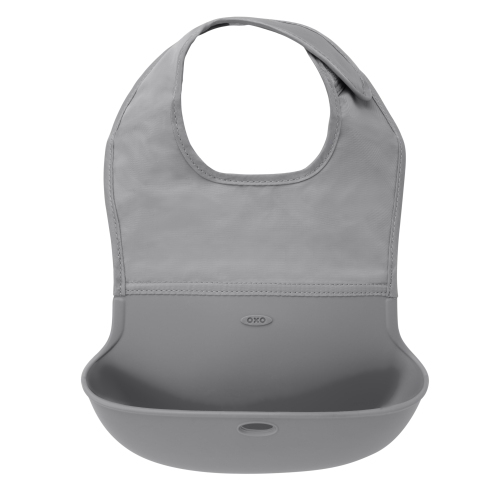 Your price for this item is $22.99
 -
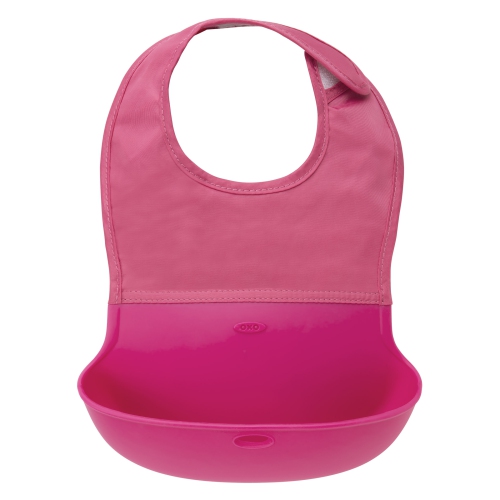 Your price for this item is $19.98
 -
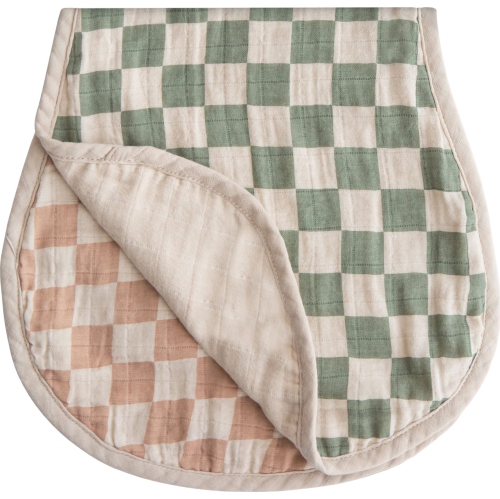 Your price for this item is $29.99
 -
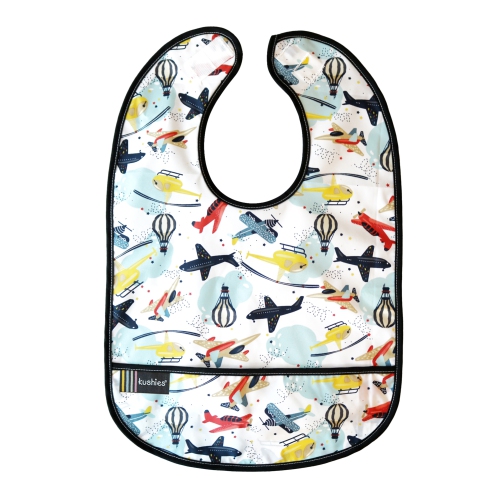 Your price for this item is $9.99
 -
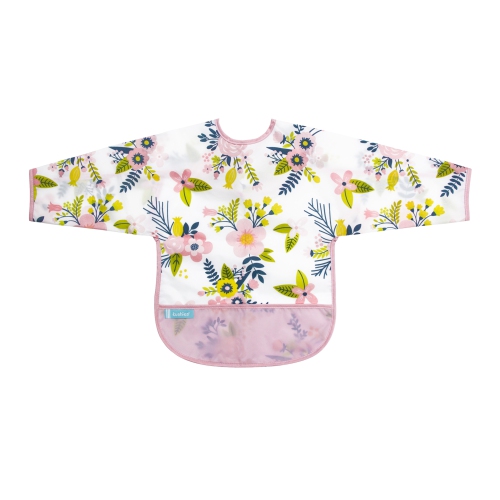 Your price for this item is $22.99
 -
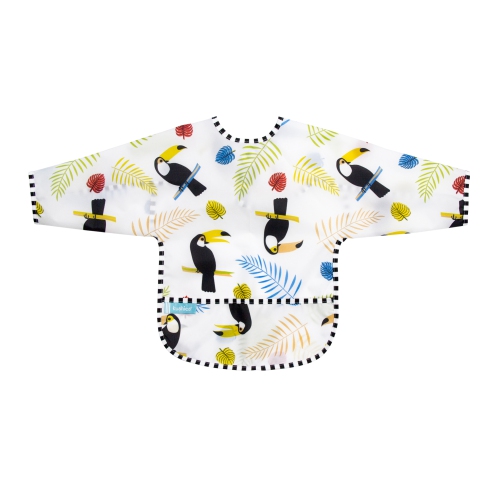 Your price for this item is $22.99
 -
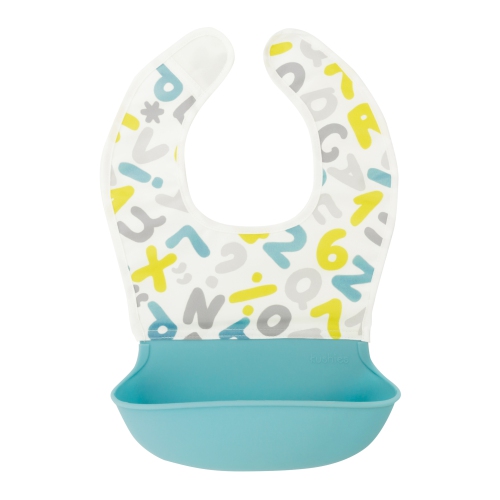 Your price for this item is $15.07
 -
 Your price for this item is $15.99
Discover more categories related to Baby Bibs
Top Collections:
Pokemon Centers, Kindle Devices, Best Budget Office Chairs, Apple iPhones 16, Best Laptops for Writers, iPhone 15 Apple, Canon G7X Cameras, Refurbished Apple Laptops, Alarm Clock, Motorola Razr Phones
Some products may be subject to Environmental Handling Fees
(EHF) depending on your province.
Learn more about EHFs.