Baby Tub
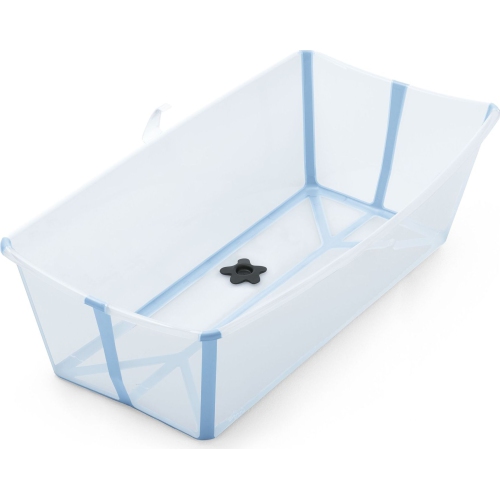
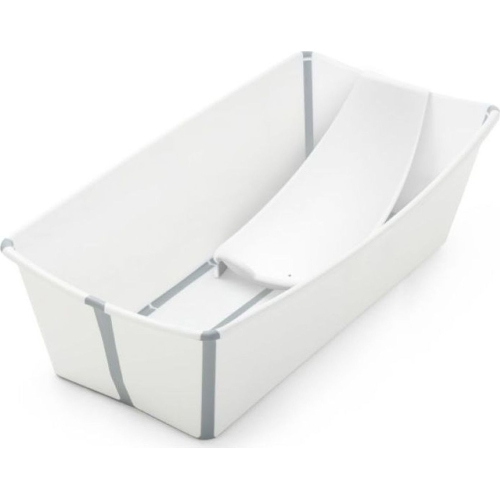
Looking for the perfect baby tub to make bath time a breeze for your little one? Our selection of baby tubs offers a variety of options to suit your needs and preferences. From compact designs ideal for small spaces to luxurious models with extra features, we have something for every parent and baby. Ensure a safe and comfortable bathing experience with our range of baby tubs that prioritize both functionality and style. Browse through our collection to find the perfect fit for your family's bath time routine.
Sort
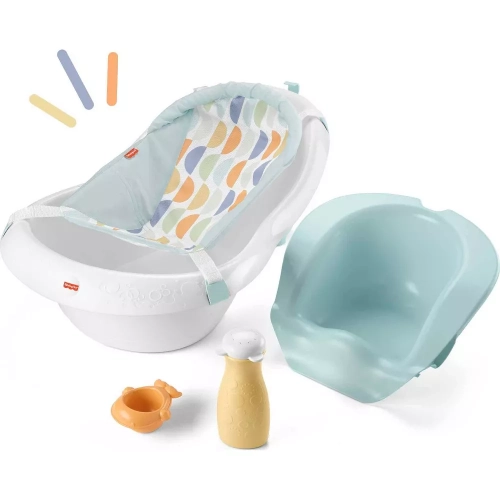
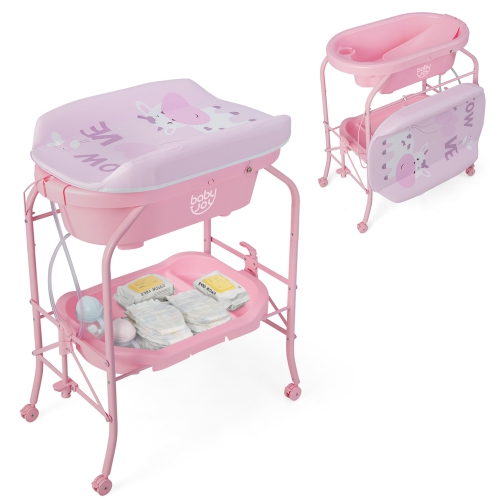
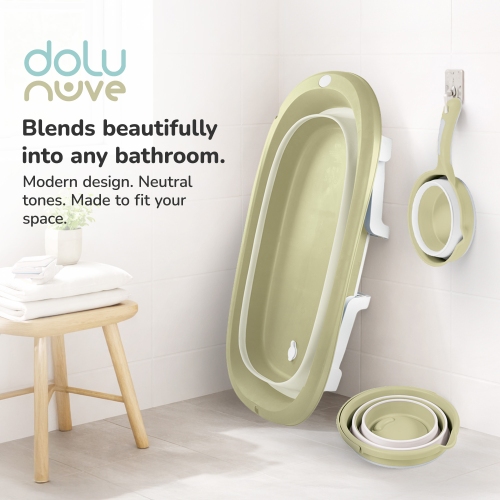
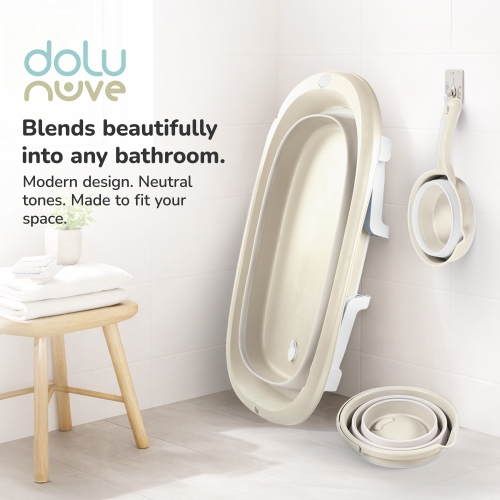
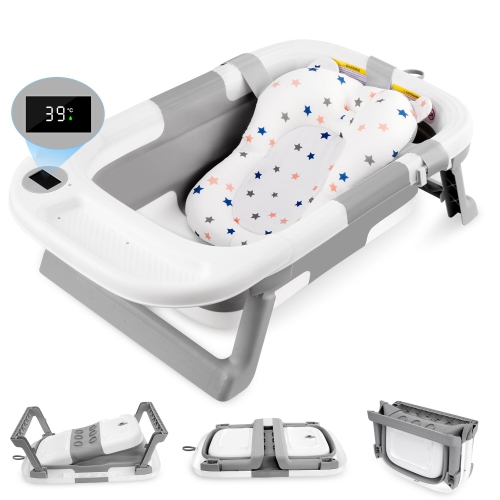

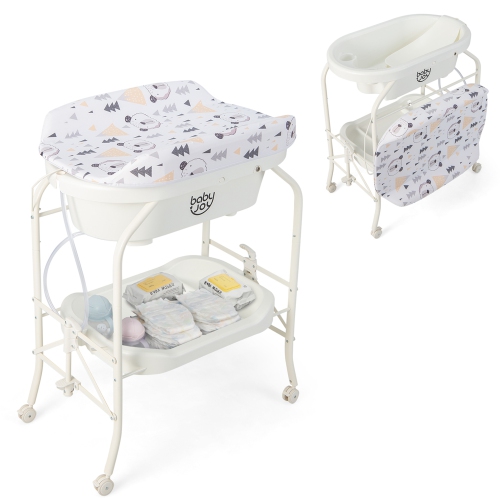
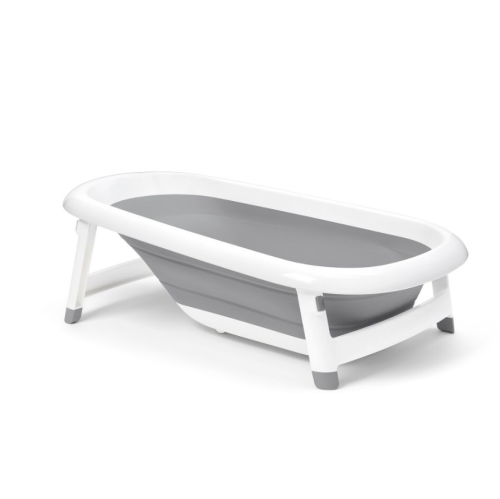
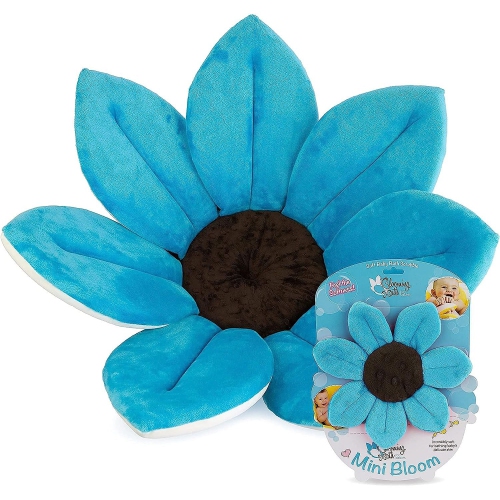
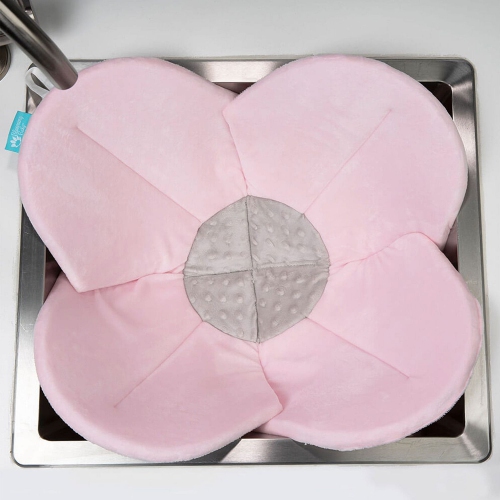
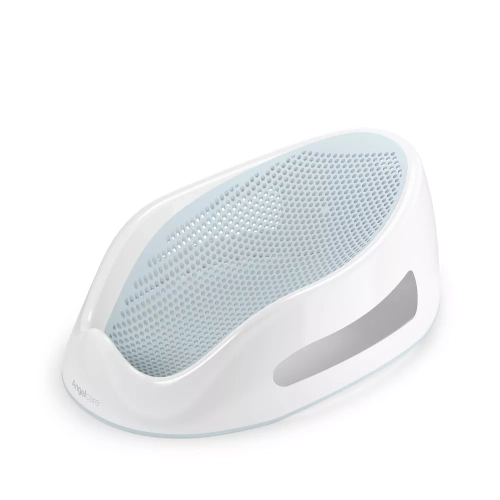
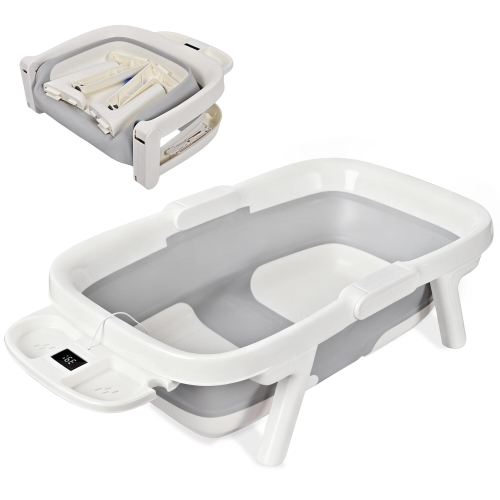
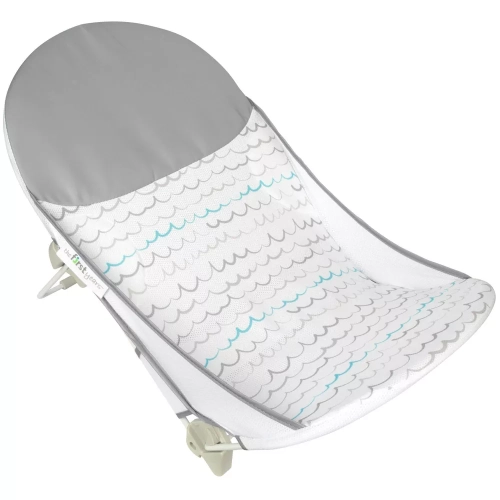
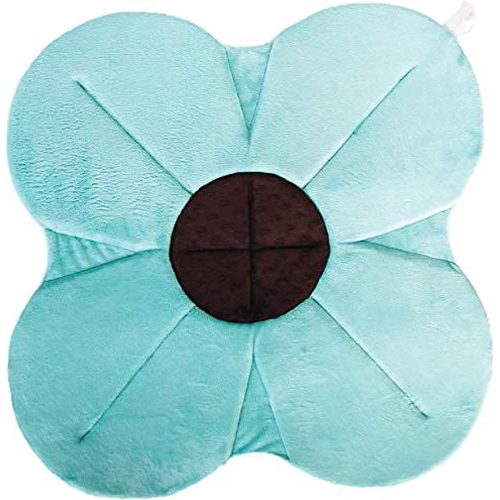
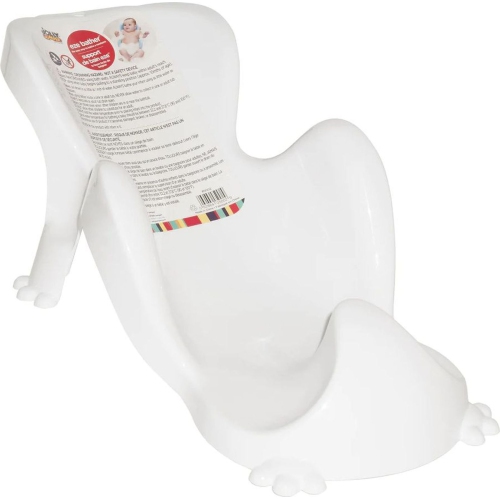
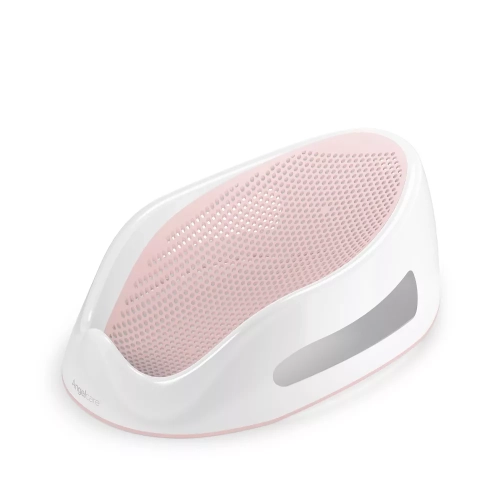
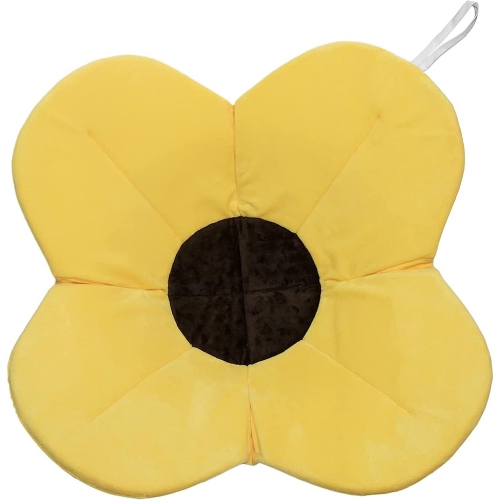
Safe, supportive bathing through your baby’s early stages
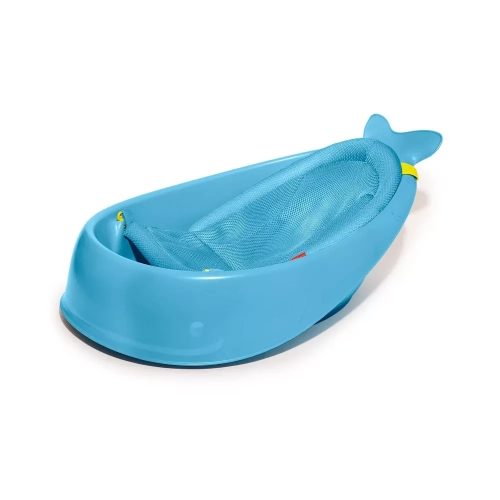
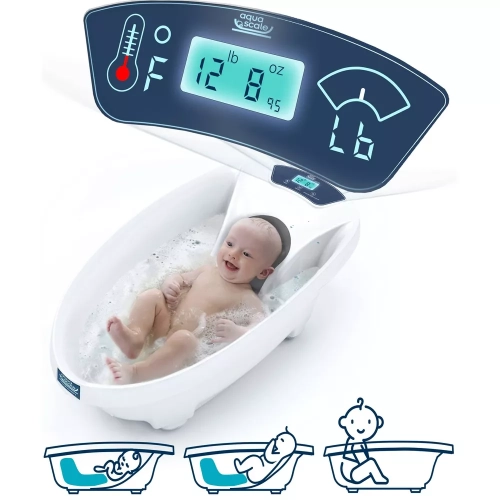
A baby tub can make bath time more comfortable, contained, and manageable during the early months, especially when a full-sized bathtub feels too large for a small baby. These products are designed to support different stages, from a newborn who needs gentle cradling to an older baby who can sit more steadily and enjoy splashing. When choosing a baby tub, consider your baby’s age, size, development, and the way you plan to bathe them. Some styles are made to rest in a kitchen sink, while others are shaped for use inside a standard bathtub. A compact design may be convenient for smaller homes, travel, or storing between baths, while a roomier tub can provide more space as your baby grows. Look for smooth surfaces that are easy to rinse and dry, supportive contours, and a stable base that stays firmly in place. A built-in newborn sling or adjustable support can be useful during the earliest stage, while a removable insert may allow the same tub to remain practical as your child gains head and upper-body control. Pay close attention to the manufacturer’s recommended age, height, weight, and developmental limits, since these can vary between designs. A baby tub can also be a thoughtful gift for new or expecting parents, particularly when paired with other everyday bath essentials such as soft washcloths, a hooded towel, gentle toiletries, or a lidded storage basket. It is the sort of practical present that can become part of a familiar evening routine: warm water ready, a towel within reach, and a calm space where parent and baby can slow down together after a busy day.
Safety and supervision should guide every baby bath purchase and every use. A baby should never be left alone in water, even for a moment and even if the tub includes a sling, seat, non-slip base, or other supportive feature. Keep one hand on your baby whenever they are in the water, since wet skin can become very slippery and a young child may move unexpectedly. Gather everything you need before starting, including a towel, clean clothing, nappy supplies, and any bath products, so you do not need to reach away or step out of the room. Place the tub on a firm, level surface or follow the manufacturer’s instructions for positioning it in a sink or bathtub. Before placing your baby in the water, test the temperature with your wrist or elbow; it should feel comfortably warm rather than hot. Use only a shallow amount of water appropriate for your baby’s age and the tub’s instructions, and keep the baby’s face and head well above the water at all times. Never depend on a bath ring or support device as a substitute for hands-on supervision. Keep electrical items, cords, and hot drinks away from the bathing area, and make sure taps and hard edges cannot be reached or bumped. Once bath time is finished, drain the water immediately and allow the tub to dry thoroughly between uses. Regularly inspect the tub, sling, seams, fasteners, and suction or grip surfaces for signs of wear, loosening, cracking, or mould. If a support accessory no longer fits securely or your baby has outgrown its limits, stop using it and select a more suitable option.
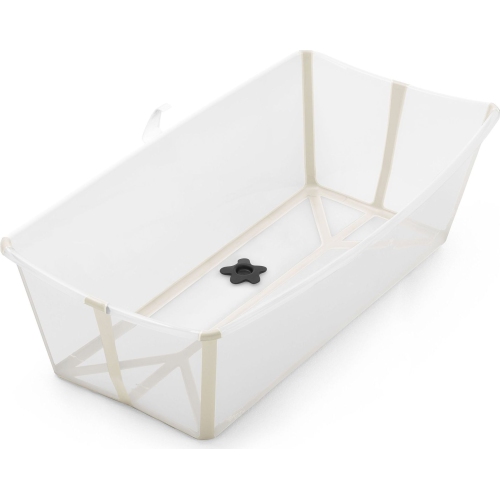
The most useful baby tub is one that suits your home, your routine, and your child’s current stage. If you bathe your baby in a laundry or kitchen sink, measure the basin first and check that the tub can sit securely without blocking the tap or leaving sharp edges exposed. For a standard bathroom, consider the tub’s footprint, how easily it can be lifted when filled, and whether it can be stored safely away from the floor. Families with limited storage may prefer a lightweight or foldable format, while caregivers who bathe a baby regularly may appreciate an adjustable design that can be cleaned quickly and used through more than one developmental stage. Ventilation matters as well: a tub that can be emptied, rinsed, and dried without hidden pockets is easier to keep fresh between baths. Some caregivers use a baby tub for a short, soothing wash before bedtime, while others prefer a daytime bath when their baby is alert and content. During the cooler months, warm the room before undressing your baby and have a towel ready so the transition out of the water is quick and cosy; the same simple preparation works year-round. As babies become more active, bath time may include gentle kicking, reaching, and supervised play, but the water level should remain shallow and the caregiver should stay within arm’s reach. Once a child can sit independently, some families move towards a larger bathing space, while others continue using a supportive baby tub until the product’s limits are reached. For families comparing supportive bathing options, Baby Bath Seats can offer another format to consider, provided the chosen product matches the child’s stage and is used exactly as directed. A well-chosen baby tub does not need to be complicated; it simply needs to provide a stable, appropriately sized place for bathing while helping caregivers keep the experience safe, warm, and easy to manage.
Safety and supervision should guide every baby bath purchase and every use. A baby should never be left alone in water, even for a moment and even if the tub includes a sling, seat, non-slip base, or other supportive feature. Keep one hand on your baby whenever they are in the water, since wet skin can become very slippery and a young child may move unexpectedly. Gather everything you need before starting, including a towel, clean clothing, nappy supplies, and any bath products, so you do not need to reach away or step out of the room. Place the tub on a firm, level surface or follow the manufacturer’s instructions for positioning it in a sink or bathtub. Before placing your baby in the water, test the temperature with your wrist or elbow; it should feel comfortably warm rather than hot. Use only a shallow amount of water appropriate for your baby’s age and the tub’s instructions, and keep the baby’s face and head well above the water at all times. Never depend on a bath ring or support device as a substitute for hands-on supervision. Keep electrical items, cords, and hot drinks away from the bathing area, and make sure taps and hard edges cannot be reached or bumped. Once bath time is finished, drain the water immediately and allow the tub to dry thoroughly between uses. Regularly inspect the tub, sling, seams, fasteners, and suction or grip surfaces for signs of wear, loosening, cracking, or mould. If a support accessory no longer fits securely or your baby has outgrown its limits, stop using it and select a more suitable option.
The most useful baby tub is one that suits your home, your routine, and your child’s current stage. If you bathe your baby in a laundry or kitchen sink, measure the basin first and check that the tub can sit securely without blocking the tap or leaving sharp edges exposed. For a standard bathroom, consider the tub’s footprint, how easily it can be lifted when filled, and whether it can be stored safely away from the floor. Families with limited storage may prefer a lightweight or foldable format, while caregivers who bathe a baby regularly may appreciate an adjustable design that can be cleaned quickly and used through more than one developmental stage. Ventilation matters as well: a tub that can be emptied, rinsed, and dried without hidden pockets is easier to keep fresh between baths. Some caregivers use a baby tub for a short, soothing wash before bedtime, while others prefer a daytime bath when their baby is alert and content. During the cooler months, warm the room before undressing your baby and have a towel ready so the transition out of the water is quick and cosy; the same simple preparation works year-round. As babies become more active, bath time may include gentle kicking, reaching, and supervised play, but the water level should remain shallow and the caregiver should stay within arm’s reach. Once a child can sit independently, some families move towards a larger bathing space, while others continue using a supportive baby tub until the product’s limits are reached. For families comparing supportive bathing options, Baby Bath Seats can offer another format to consider, provided the chosen product matches the child’s stage and is used exactly as directed. A well-chosen baby tub does not need to be complicated; it simply needs to provide a stable, appropriately sized place for bathing while helping caregivers keep the experience safe, warm, and easy to manage.
Top selling and popular products
-
 Your price for this item is $79.99
 -
 Your price for this item is $120.99
 -
 Your price for this item is $65.99
 -
 Your price for this item is $179.99
 -
 Your price for this item is $98.99
 -
 Your price for this item is $98.99
 -
 Your price for this item is $124.99
 -
 Your price for this item is $31.99
Discover more categories related to Baby Tub
Top Collections:
Pokemon Centers, Kindle Devices, Best Budget Office Chairs, Apple iPhones 16, Best Laptops for Writers, iPhone 15 Apple, Canon G7X Cameras, Refurbished Apple Laptops, Alarm Clock, Motorola Razr Phones
Some products may be subject to Environmental Handling Fees
(EHF) depending on your province.
Learn more about EHFs.