Baby Winter Clothes
As the colder months approach, it's essential to keep your little one cozy and warm with the right winter clothing essentials. Our collection of baby winter clothes offers a wide range of options to ensure your bundle of joy stays comfortable and stylish during the chilly season. From soft and snuggly onesies to adorable hats and mittens, we have everything you need to dress your baby in cute and practical outfits that provide both warmth and protection from the cold. Browse through our selection of baby winter clothes to find the perfect pieces to keep your little one snug all season long.
Sort
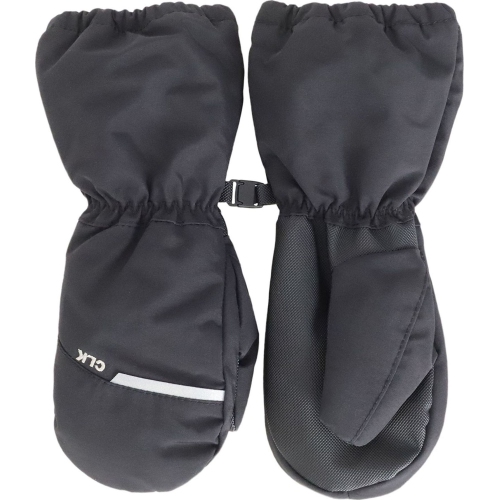
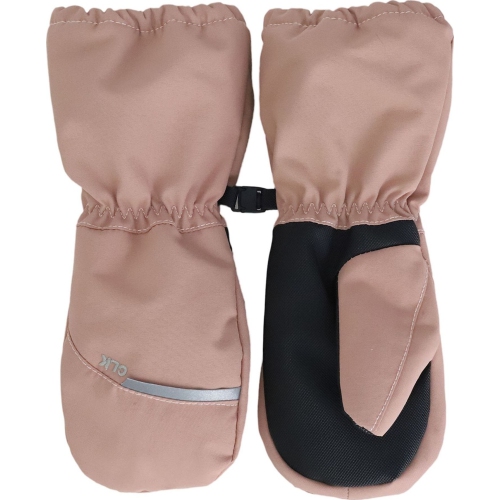
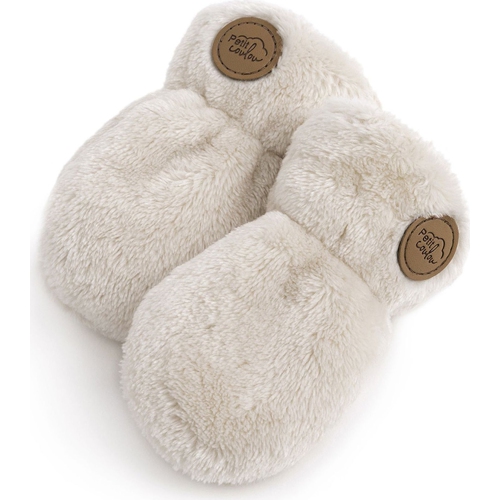
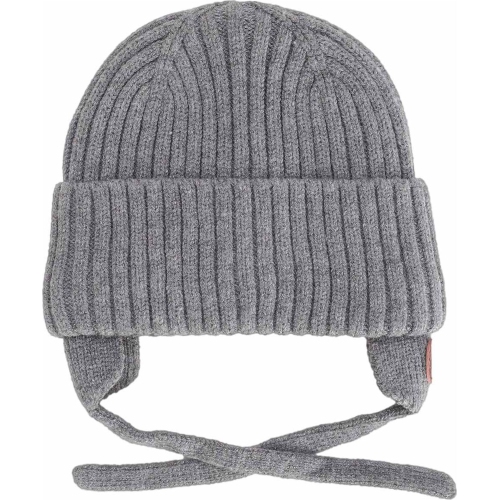
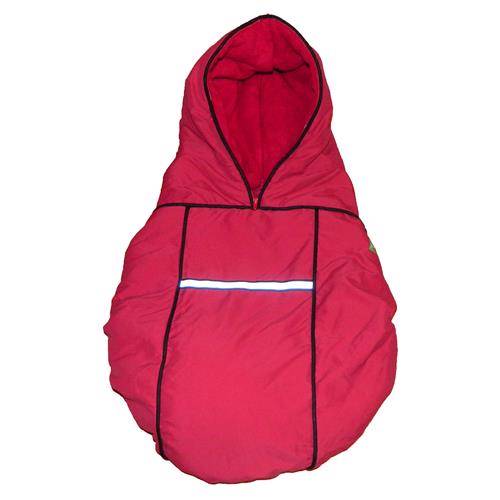
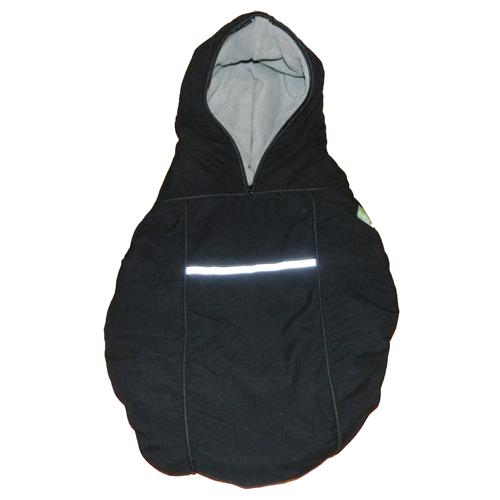
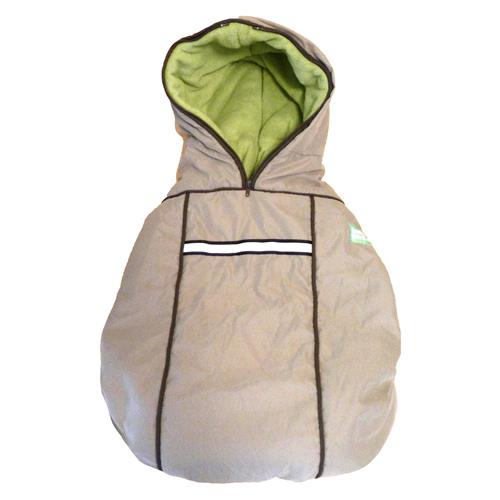
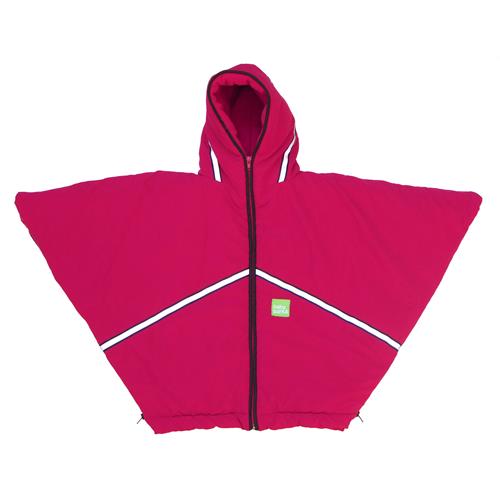
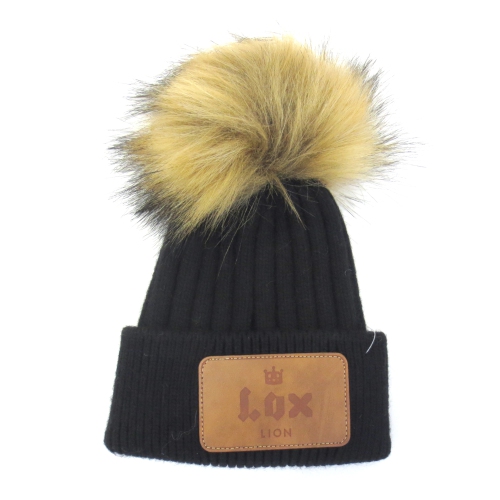
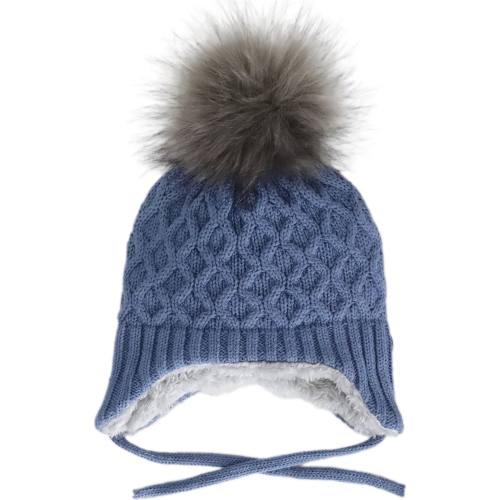

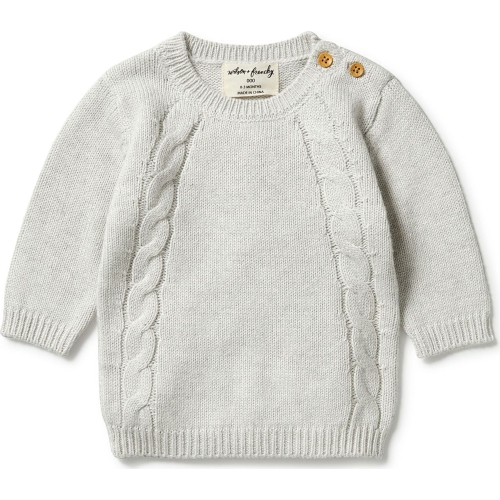
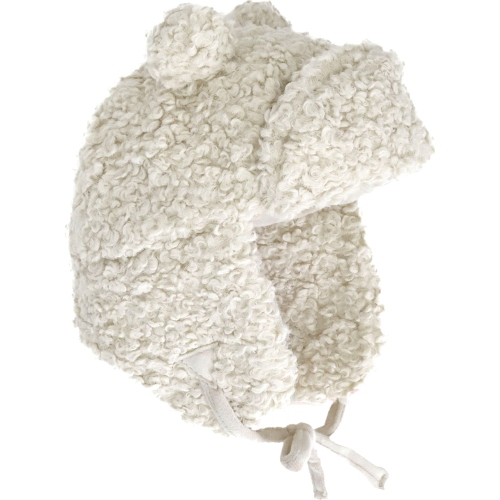
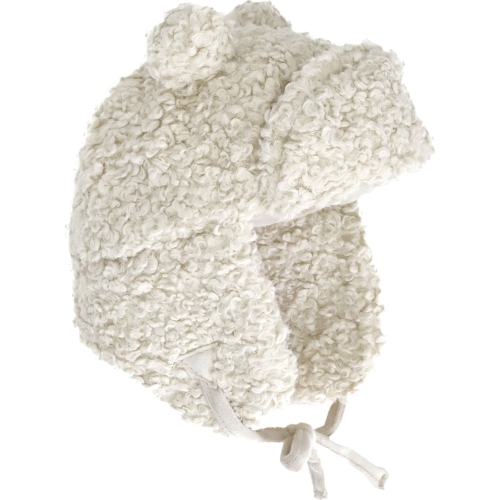
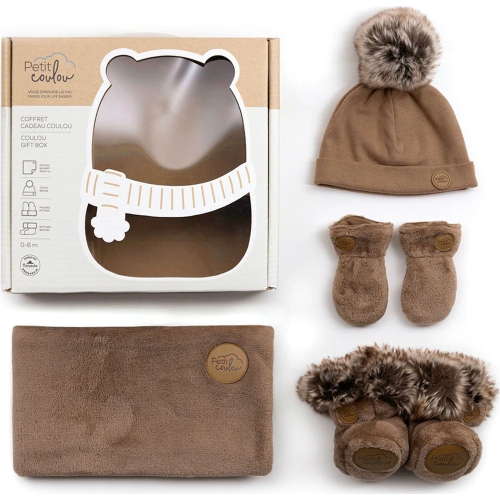
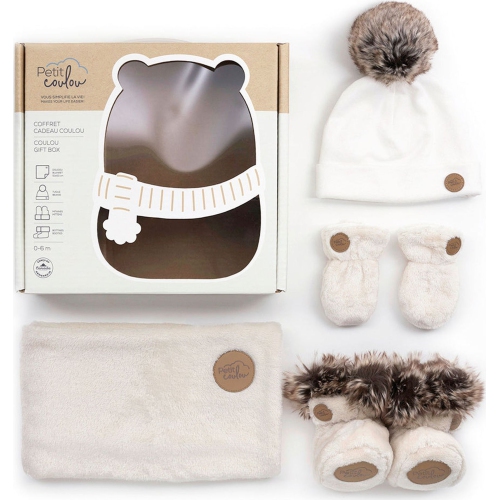
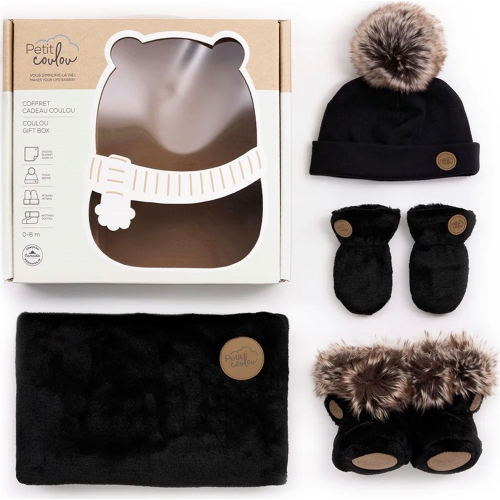
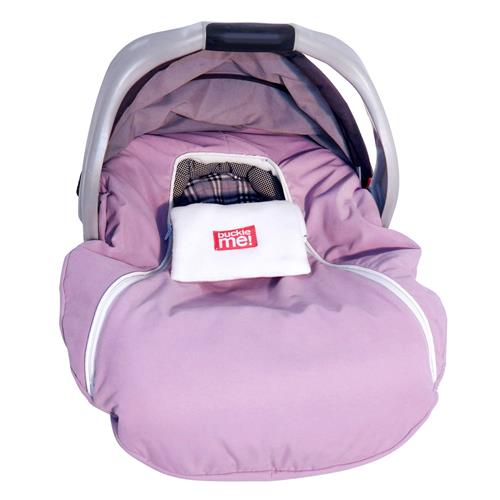
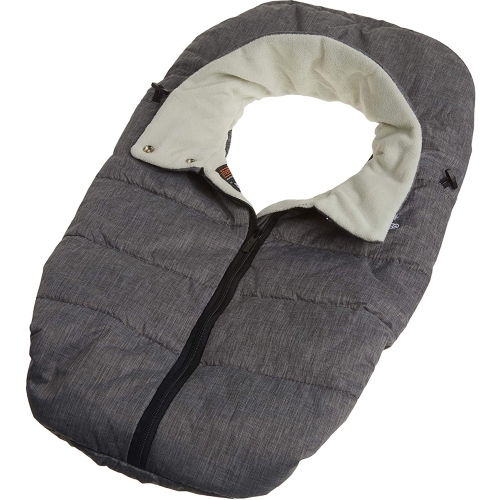
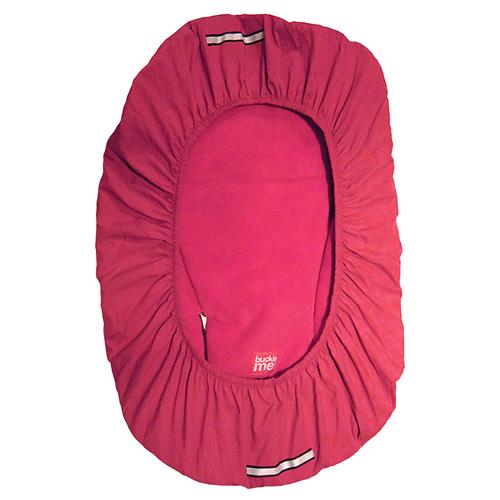
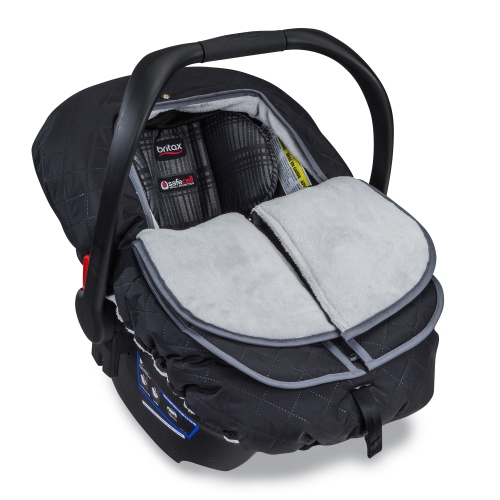
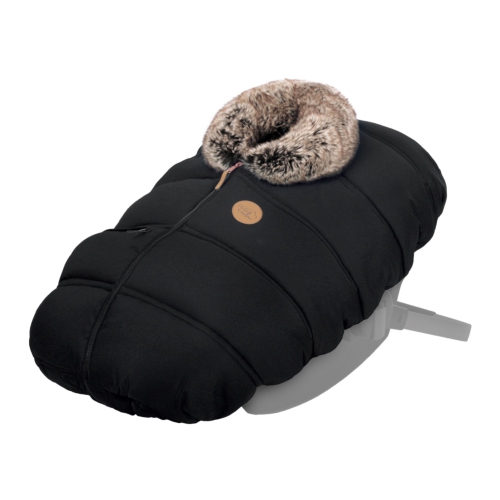
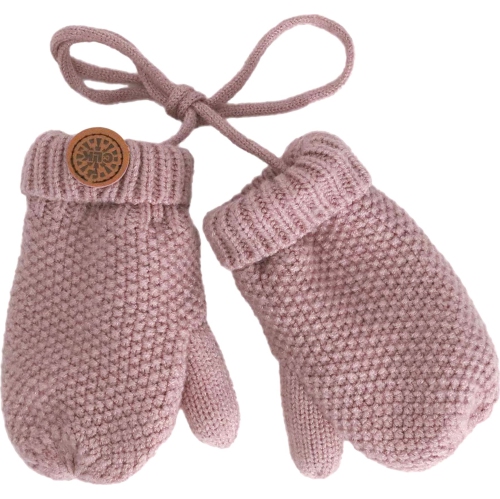
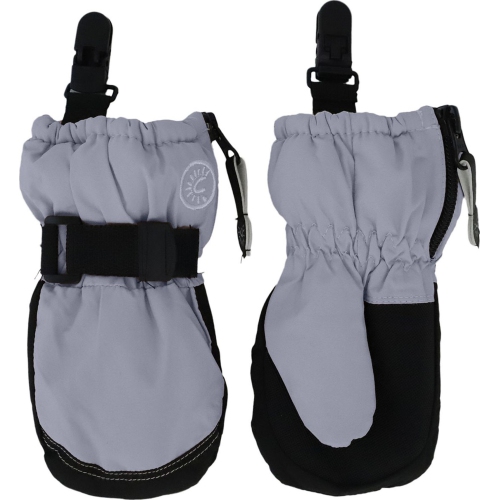
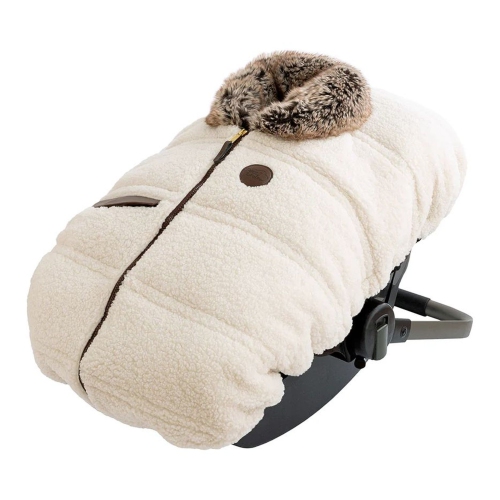
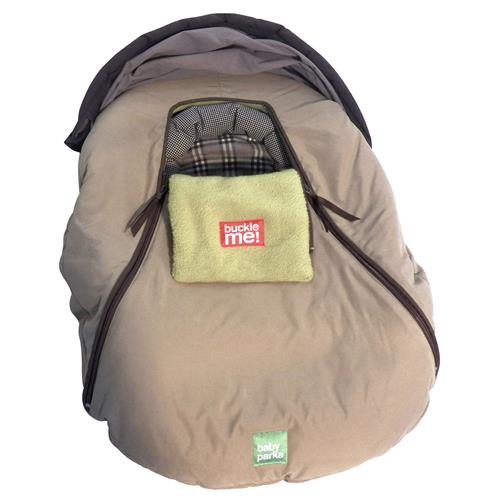
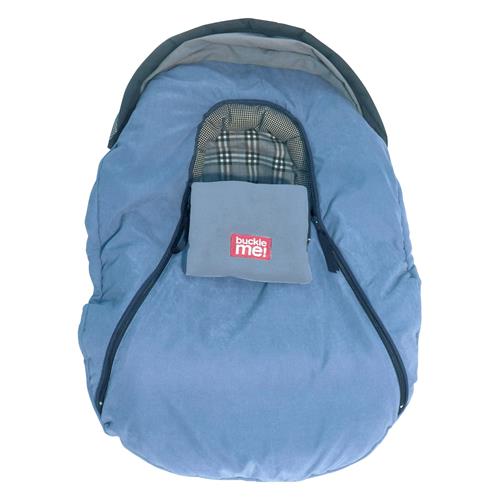
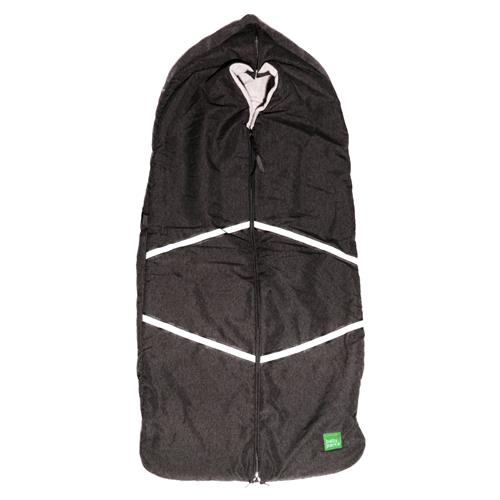
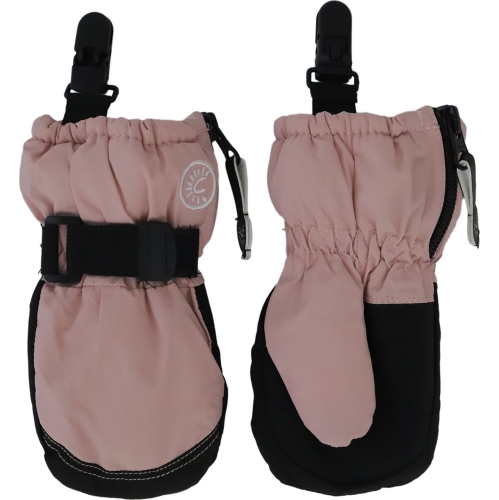

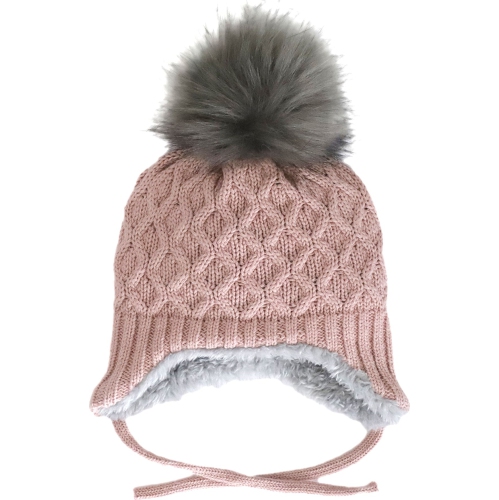
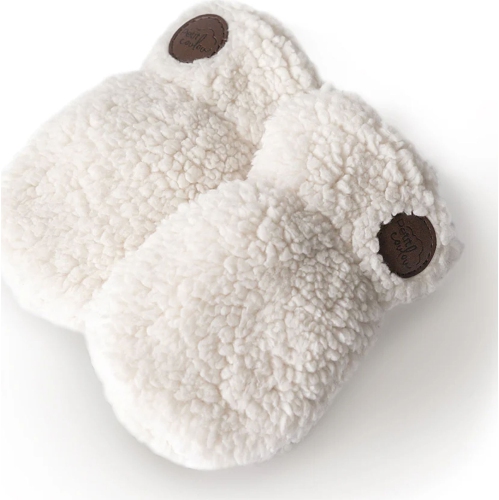
Practical layering for comfortable outings through colder months
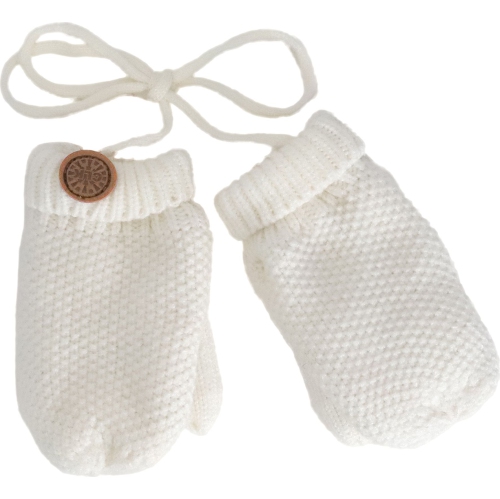
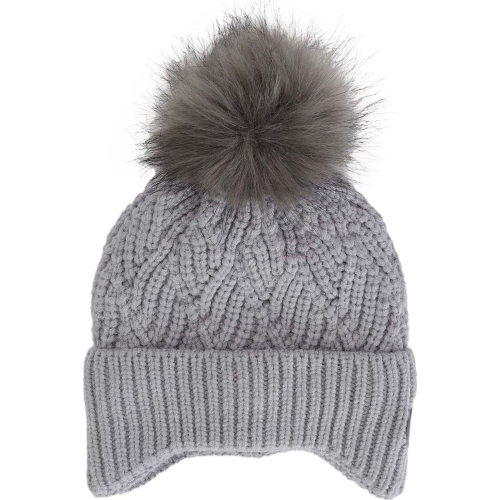
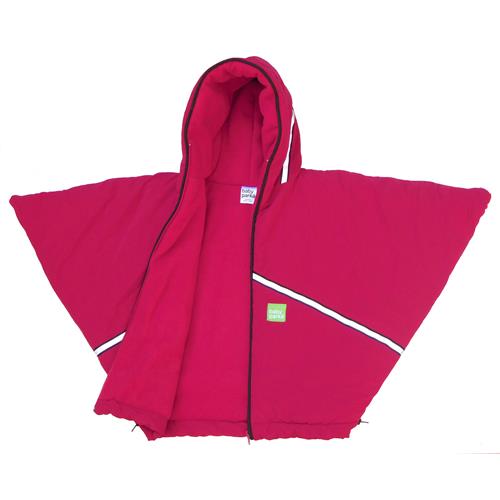
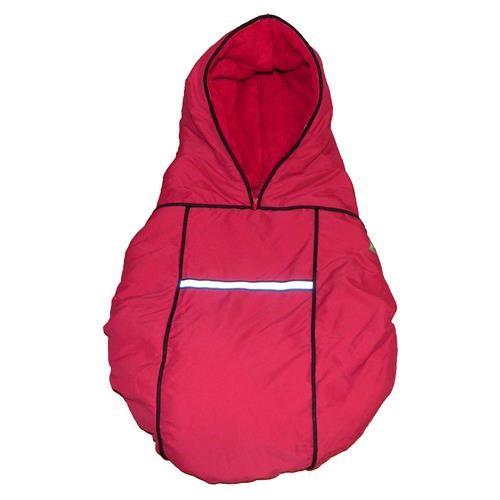
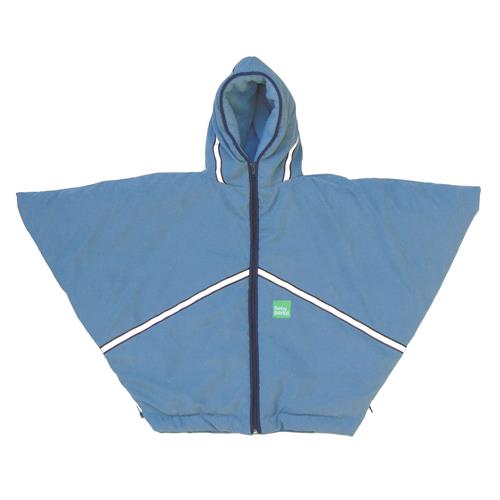
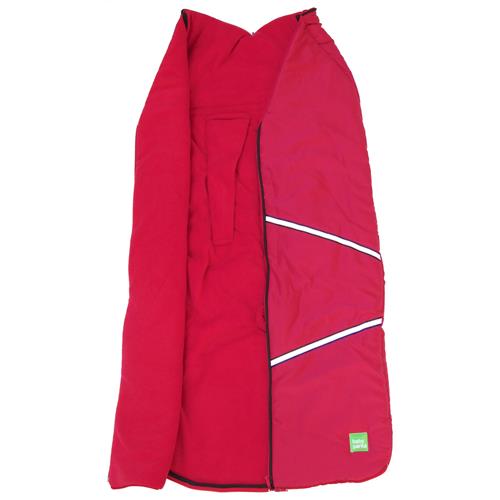
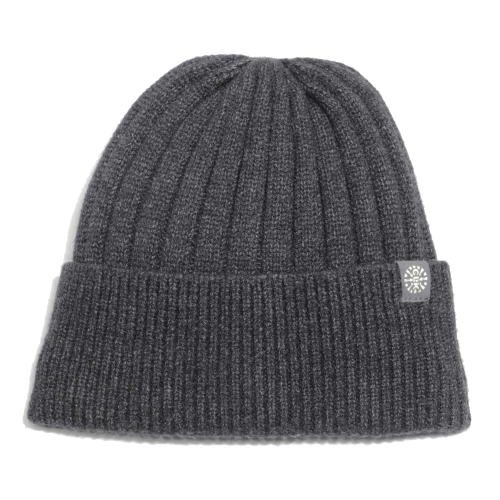
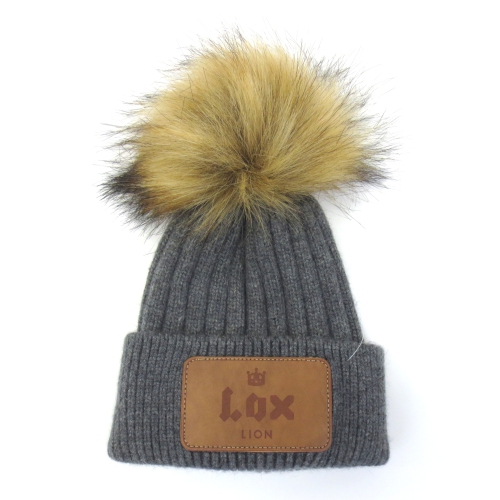
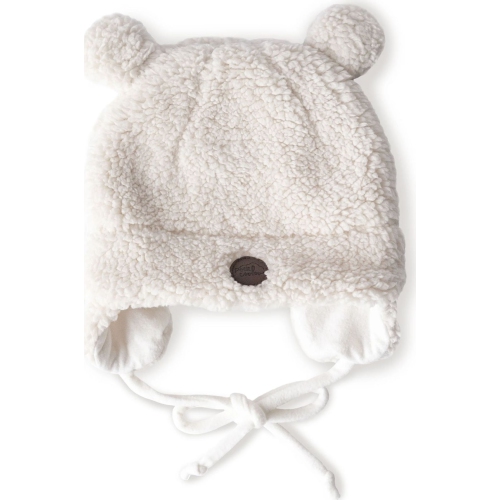
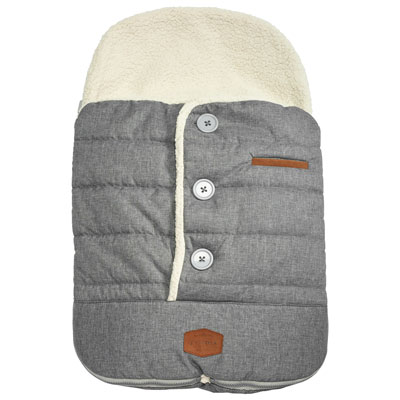
Baby winter clothes help little ones stay warm, comfortable, and ready for everyday outings during the cooler months. From the first crisp mornings of early fall through the colder days that follow, the right clothing can make trips to daycare, walks in the stroller, visits with family, and outdoor play easier for both babies and caregivers. Since infants and young children are still developing their ability to regulate body temperature, practical layering is often the most comfortable approach. A soft base layer can sit close to the skin, while a warmer middle layer and an outer layer help protect against chilly air, wind, and light precipitation. Look for comfortable fabrics, smooth seams, easy fasteners, and openings that make dressing and changing simpler. Babies spend much of their time being carried, held, or settled into a stroller, so bulky clothing that bunches under the back or presses around the neck can quickly become uncomfortable. Flexible materials and thoughtfully placed zippers, snaps, or closures make it easier to adjust layers as temperatures change between the home, vehicle, and outdoors. Winter clothing for babies also needs to suit their stage of development. A newborn may spend most outings bundled in a stroller or carrier, while an older baby who crawls, pulls up, or takes early steps may need more freedom to move. Clothing that allows room for a diaper, gentle stretching, and natural movement can help prevent fussiness during dressing and play. Consider the fit carefully: garments should be comfortably roomy without trailing fabric, loose cuffs, or oversized hoods that could interfere with movement or visibility. A well-fitting hat that covers the ears, warm socks, mittens, and weather-resistant outer layers can help complete an outfit for an outing, while indoor layers can be removed promptly when the room feels warm.
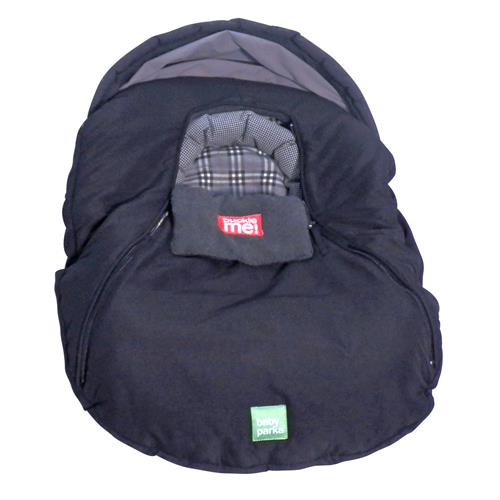
Choosing baby winter clothes is often about balancing warmth with convenience. Babies can become warm quickly when moving from a cold sidewalk into a heated shop, library, or home, so easy-to-remove layers are especially useful. A caregiver may begin an outing with a warm outer layer and hat, then remove one or more pieces once indoors. Check the baby’s upper back or chest rather than relying only on cool hands, and adjust clothing when needed. Hands and feet can feel cooler than the rest of the body, but a baby who is sweaty, flushed, or unusually warm may need a layer removed. For car travel, avoid placing a baby in a bulky coat or snowsuit underneath a car seat harness, as excess material can affect how snugly the harness fits. Instead, dress the baby in thinner layers and place a blanket over the secured harness, keeping the face clear and ensuring that nothing can cover the nose or mouth. The same care applies when using a stroller, carrier, or babywearing wrap: make sure the baby’s face remains visible, airflow is unobstructed, and clothing does not bunch around the chin or neck. Weather protection should also match the day. A light layer may be enough for a brief trip between the house and car, while longer time outdoors calls for more coverage at the head, hands, feet, and torso. Soft fleece-style layers, quilted garments, knitted accessories, and water-resistant outerwear can each have a place in a flexible cold-weather wardrobe, depending on the temperature and activity. It is helpful to keep an extra change of clothes and spare accessories in a diaper bag, since damp mittens, drool-soaked collars, or unexpected spills can turn a comfortable outing into an uncomfortable one. Easy-care materials and machine-washable construction are practical choices for busy households, particularly when a favourite outfit is worn repeatedly.
Baby winter clothes can make a thoughtful gift for new parents, grandparents, relatives, and friends preparing for a new arrival. Clothing is especially useful when selected with the baby’s expected growth and daily routine in mind. A small collection of coordinating layers in a slightly larger size may provide more lasting value than a single outfit designed for only a brief stage, while newborn-size pieces can be helpful for families building an initial wardrobe. When giving clothing as a present, consider the season in which the baby will wear it, how much time the family spends outdoors, and whether the parents prefer simple fastening systems for quick changes. Neutral colours, soft textures, and versatile designs can work well when the baby’s style or size is not yet known. It can also be useful to pair everyday layers with accessories that help complete an outing, such as warm headwear, mittens, socks, or booties, provided they are appropriate for the baby’s age and fit securely. Families shopping for more than one child may appreciate clothing that can be mixed and matched, while parents who travel between home, daycare, and appointments may prioritize compact layers that are easy to pack. For broader cold-weather wardrobe ideas for older family members, explore Fashionable Winter Clothes. Whether preparing for a first cold season, refreshing a growing baby’s wardrobe, or choosing a practical gift, focus on warmth, fit, comfort, and simple everyday use. The best choices are the pieces that help a baby stay settled while caregivers can dress, adjust, and move through the day with confidence.
Choosing baby winter clothes is often about balancing warmth with convenience. Babies can become warm quickly when moving from a cold sidewalk into a heated shop, library, or home, so easy-to-remove layers are especially useful. A caregiver may begin an outing with a warm outer layer and hat, then remove one or more pieces once indoors. Check the baby’s upper back or chest rather than relying only on cool hands, and adjust clothing when needed. Hands and feet can feel cooler than the rest of the body, but a baby who is sweaty, flushed, or unusually warm may need a layer removed. For car travel, avoid placing a baby in a bulky coat or snowsuit underneath a car seat harness, as excess material can affect how snugly the harness fits. Instead, dress the baby in thinner layers and place a blanket over the secured harness, keeping the face clear and ensuring that nothing can cover the nose or mouth. The same care applies when using a stroller, carrier, or babywearing wrap: make sure the baby’s face remains visible, airflow is unobstructed, and clothing does not bunch around the chin or neck. Weather protection should also match the day. A light layer may be enough for a brief trip between the house and car, while longer time outdoors calls for more coverage at the head, hands, feet, and torso. Soft fleece-style layers, quilted garments, knitted accessories, and water-resistant outerwear can each have a place in a flexible cold-weather wardrobe, depending on the temperature and activity. It is helpful to keep an extra change of clothes and spare accessories in a diaper bag, since damp mittens, drool-soaked collars, or unexpected spills can turn a comfortable outing into an uncomfortable one. Easy-care materials and machine-washable construction are practical choices for busy households, particularly when a favourite outfit is worn repeatedly.
Baby winter clothes can make a thoughtful gift for new parents, grandparents, relatives, and friends preparing for a new arrival. Clothing is especially useful when selected with the baby’s expected growth and daily routine in mind. A small collection of coordinating layers in a slightly larger size may provide more lasting value than a single outfit designed for only a brief stage, while newborn-size pieces can be helpful for families building an initial wardrobe. When giving clothing as a present, consider the season in which the baby will wear it, how much time the family spends outdoors, and whether the parents prefer simple fastening systems for quick changes. Neutral colours, soft textures, and versatile designs can work well when the baby’s style or size is not yet known. It can also be useful to pair everyday layers with accessories that help complete an outing, such as warm headwear, mittens, socks, or booties, provided they are appropriate for the baby’s age and fit securely. Families shopping for more than one child may appreciate clothing that can be mixed and matched, while parents who travel between home, daycare, and appointments may prioritize compact layers that are easy to pack. For broader cold-weather wardrobe ideas for older family members, explore Fashionable Winter Clothes. Whether preparing for a first cold season, refreshing a growing baby’s wardrobe, or choosing a practical gift, focus on warmth, fit, comfort, and simple everyday use. The best choices are the pieces that help a baby stay settled while caregivers can dress, adjust, and move through the day with confidence.
Top selling and popular products
-
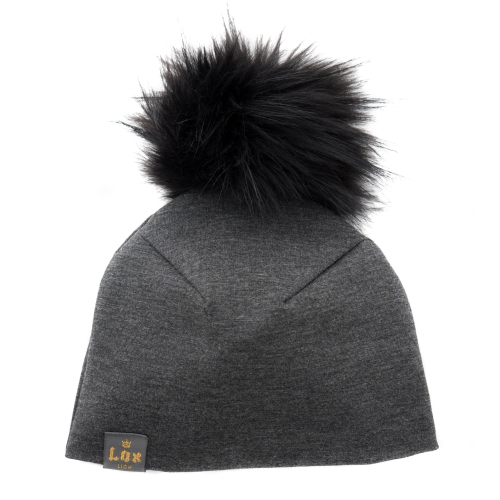 Your price for this item is $29.99
 -
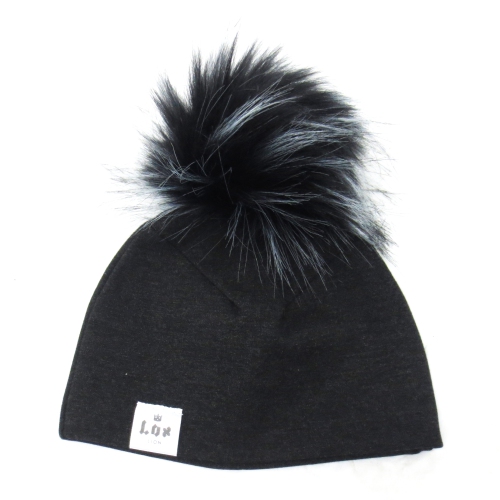 Your price for this item is $29.99
 -
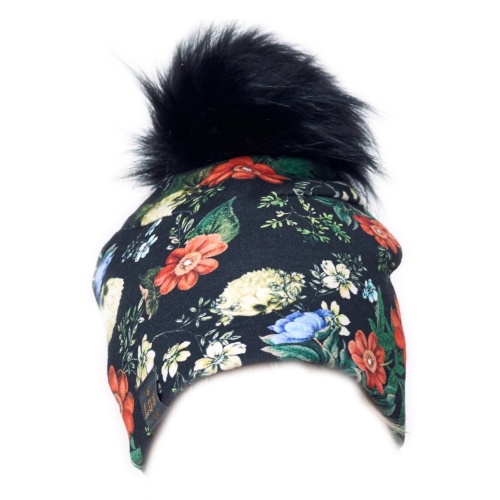 Your price for this item is $29.99
 -
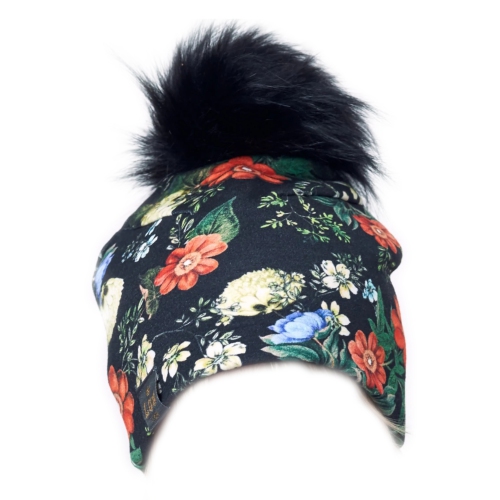 Your price for this item is $29.99
 -
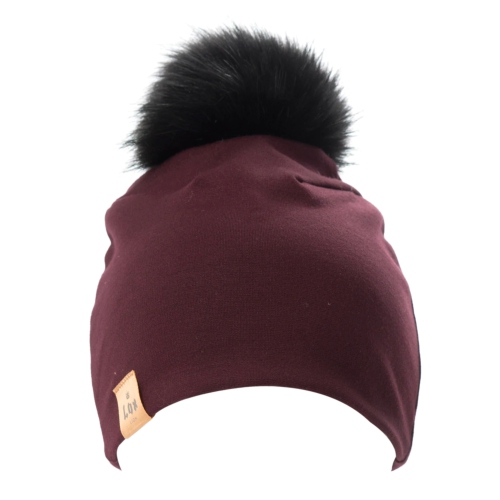 Your price for this item is $29.99
 -
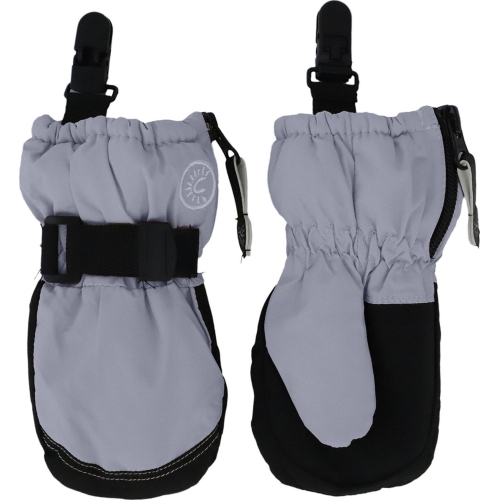 Your price for this item is $29.99
 -
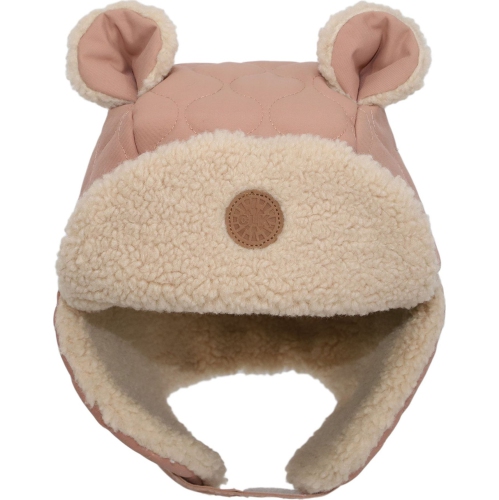 Your price for this item is $34.99
 -
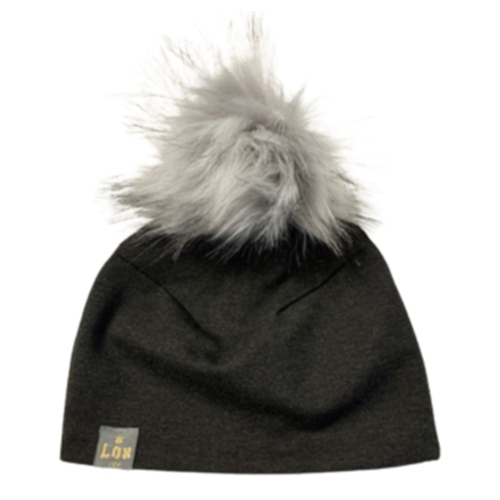 Your price for this item is $29.99
Discover more categories related to Baby Winter Clothes
Top Collections:
Pokemon Centers, Kindle Devices, Best Budget Office Chairs, Apple iPhones 16, Best Laptops for Writers, iPhone 15 Apple, Canon G7X Cameras, Refurbished Apple Laptops, Alarm Clock, Motorola Razr Phones
Some products may be subject to Environmental Handling Fees
(EHF) depending on your province.
Learn more about EHFs.