Infant Winter Hats
Keep your little one cozy and stylish this winter with these infant winter hats. From adorable animal designs to classic knitted styles, we have a variety of options to suit every baby's personality and keep them warm during the chilly months. Whether you're heading out for a family walk or just running errands, these hats are not only practical but also add an extra touch of cuteness to almost any outfit.
Sort
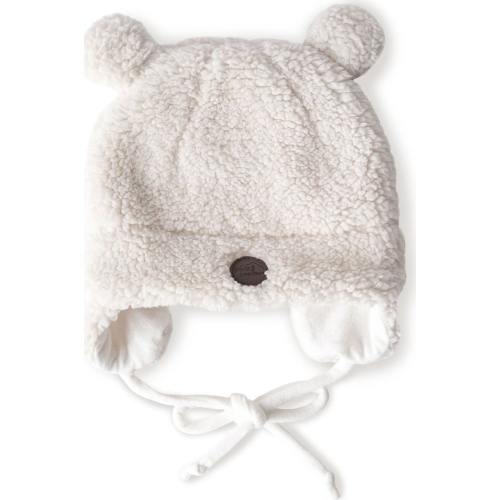
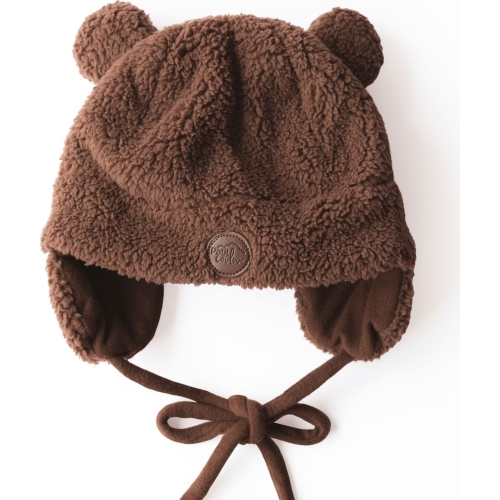
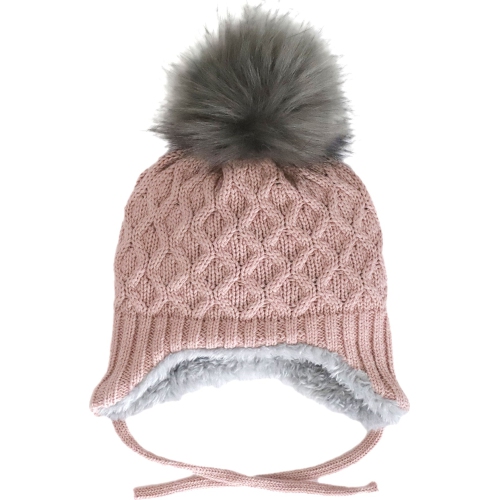
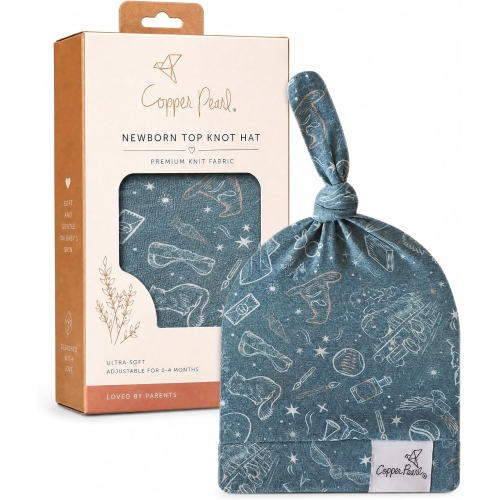
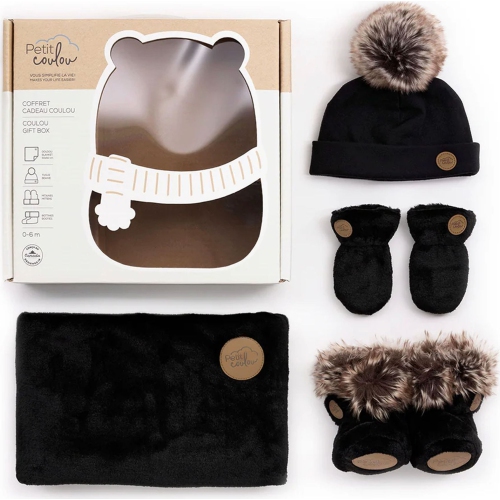
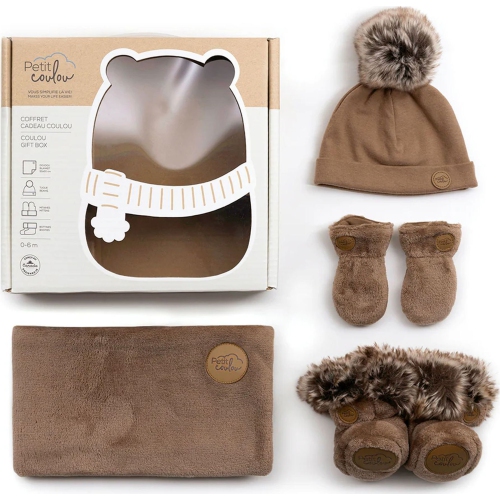
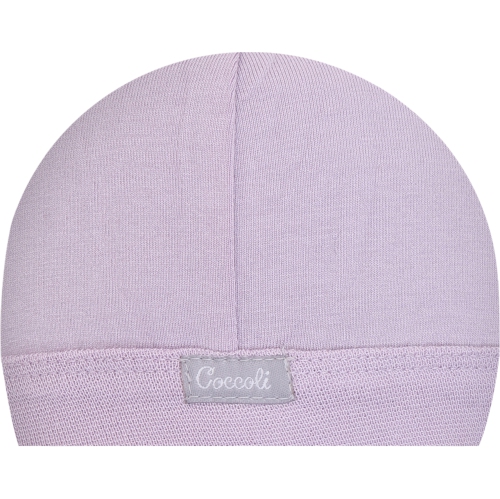
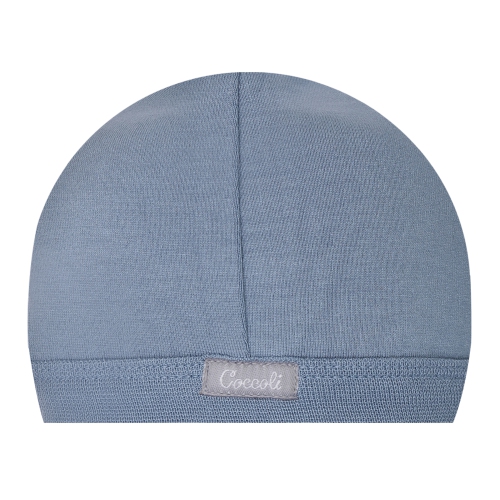
Cold-weather comfort goes beyond a thick knit
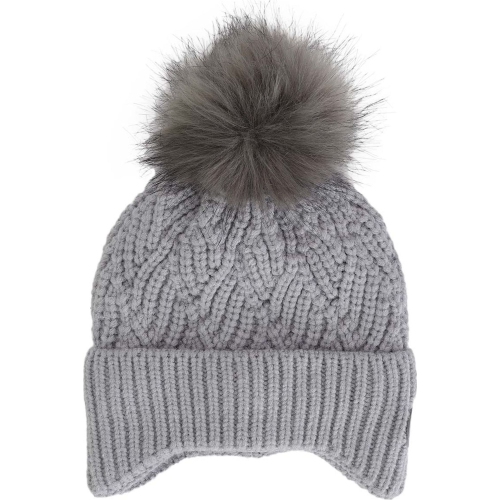
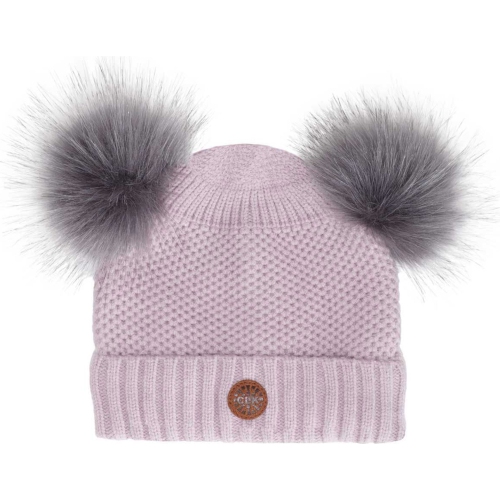
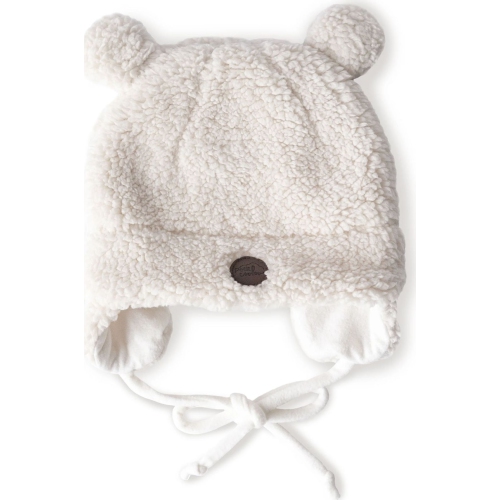
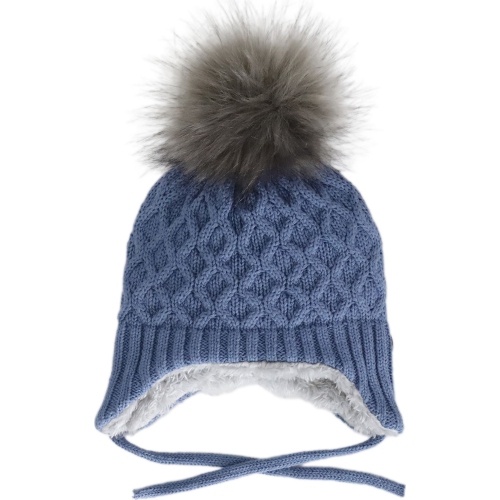
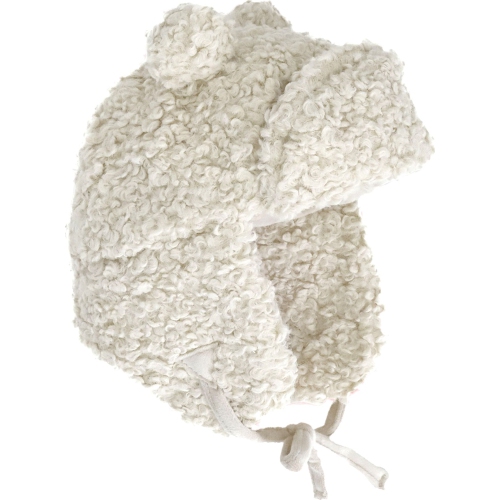
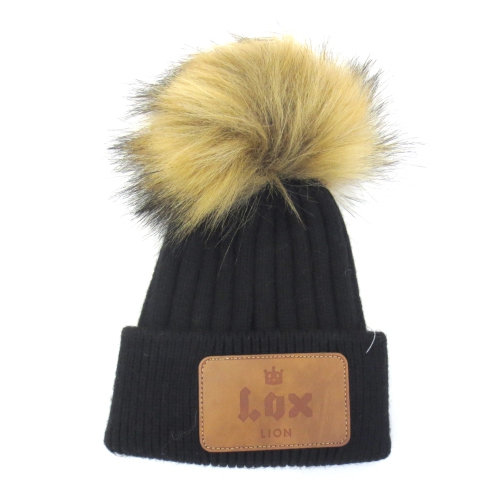
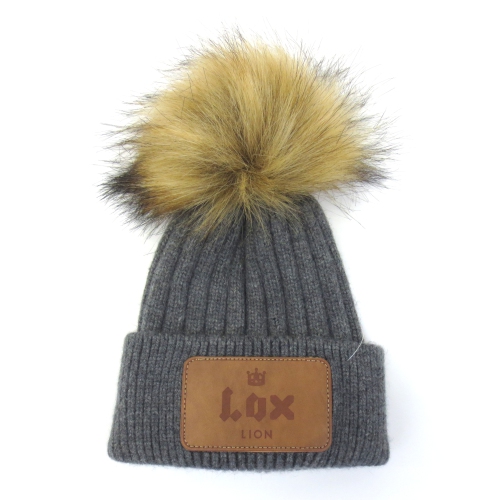
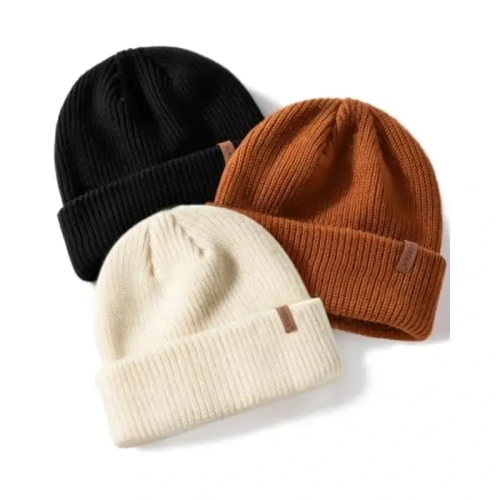
Infant winter hats provide an extra layer of warmth for a baby’s head and ears on cold-weather outings. Common styles include knitted toques, fleece beanies, cuffed hats, and designs with earflaps, with differences in fabric, lining, and shape affecting how they feel and fit. A soft, close-fitting toque can sit comfortably beneath a roomy coat hood, while an ear-covering shape offers more coverage along the sides of the head. For a stroller walk along a breezy pavement or a short trip between home and a childcare centre, comfort depends on more than the thickness of the knit. The fabric against the forehead, the position of the seams, and the amount of stretch all matter. Fine-gauge knits tend to have a smoother surface, while chunky cable knits add texture and may benefit from a soft lining where they touch the skin. Wool and merino wool blends can provide warmth and help manage moisture, though softness varies with the fibre and construction. Acrylic blends offer a wool-like appearance and often have straightforward care requirements. Polyester fleece typically feels soft, dries relatively quickly, and provides warmth without the open spaces found in a loose knit. Cotton blends can feel gentle against sensitive skin, but cotton holds moisture when wet, making fabric choice particularly important for snowy or damp outings. A lined hat combines the appearance of a knitted outer layer with a smoother inner surface, although lining alone does not make a hat windproof or waterproof. Closely knitted fabric generally allows less airflow than an open stitch, and full ear coverage can be more useful than extra height at the crown. Colours and patterns range from simple neutrals to bright stripes and playful animal-inspired shapes. These details give winter accessories personality, but a comfortable interior and a shape that stays in place are more important than an elaborate finish.
A well-fitting infant winter hat should cover the head and ears without pressing tightly against the forehead or slipping down over the eyes. Age labels provide a starting point rather than a precise fit, since babies of the same age can have different head measurements. A size chart based on head circumference offers a more useful comparison, particularly when the hat includes a lining that limits stretch. Measuring around the widest part of the head, above the eyebrows and ears, helps relate the baby’s measurements to the stated sizing. For the smallest babies, newborn hats offer a related category to consider, with fabric weight and coverage still worth checking for the intended use. Ribbed cuffs can provide gentle stretch and allow some adjustment around the forehead, while shaped panels can reduce excess fabric at the crown. A hat that is much too large may bunch behind the head or need frequent repositioning; one that is too small may ride up and leave the ears exposed. Buying with generous room to grow is therefore less useful than choosing a suitable fit for the baby’s present measurements. Earflaps should sit comfortably beside the face without covering the mouth or nose. Long ties, loose cords, and easily detached trims are details to avoid around infants, and small attachments deserve particular attention. A smooth, simple design can also be more comfortable when a baby rests against a stroller seat. When a hat is worn with a coat hood or baby carrier, the layers should not crowd the face or push the hat forward. A baby’s face needs to remain visible and unobstructed, especially in a carrier. Hats are for appropriate outdoor use rather than indoor sleep; removing them when coming inside helps prevent overheating. Outdoor clothing should work together, with the hat complementing the rest of the baby’s layers rather than compensating for unsuitable clothing elsewhere.
Everyday practicality often becomes clear after the first few outings and washes. A hat may brush against a damp coat collar, collect melted snow around the cuff, or need cleaning after a dribbly journey home, so care requirements are part of its usefulness. Machine-washable fabrics can simplify a busy routine, but the care label remains the best reference for water temperature, drying method, and whether a gentle cycle is needed. Wool-rich knits may require handwashing or a wool cycle, and some should be reshaped and dried flat rather than tumble-dried. Too much heat or agitation can shrink certain fibres, distort the fit, or affect the softness of a lining. Allowing a hat to dry fully before another outing helps avoid putting damp fabric against the baby’s skin. Durability shows in details such as secure stitching, an evenly finished cuff, and a lining that stays flat instead of twisting inside the outer layer. Stretch recovery matters as well: a cuff that returns to its shape after being gently stretched is better able to maintain a consistent fit. Pilling can occur with repeated rubbing, particularly where a hat meets a hood, but loose threads, opening seams, or damaged attachments need closer attention before further wear. For families who take frequent walks or travel between caregivers, having a clean, dry spare can make an interrupted routine easier to manage. Infant winter hats also make thoughtful baby shower or welcome-home gifts when the size and intended season are considered together. A baby born well before winter may need a larger size by the time outdoor warmth becomes necessary, so an age label alone may not tell the full story. Simple colours are easy to pair with different coats, while distinctive patterns can make a familiar hat easier to identify among nursery belongings. Whether chosen for daily stroller trips, family visits, or occasional outdoor photographs, a useful winter hat balances soft materials, reliable ear coverage, manageable care, and a fit that lets the baby move comfortably.
Top selling and popular products
-
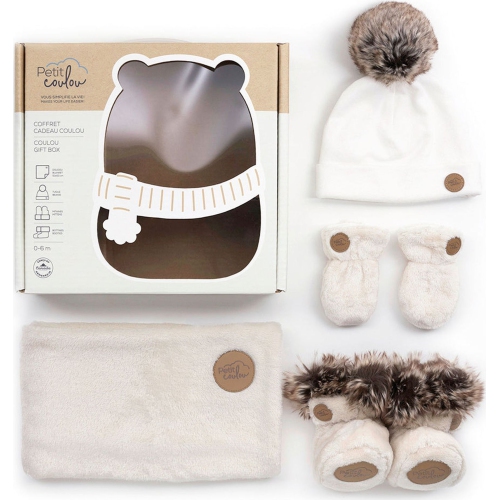 Your price for this item is $107.99
-
 Your price for this item is $19.99
-
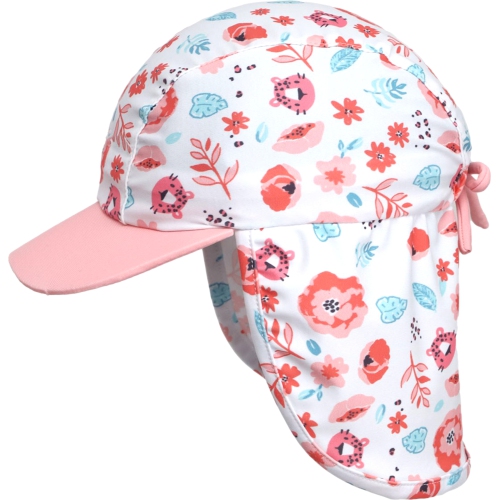 Your price for this item is $16.98
-
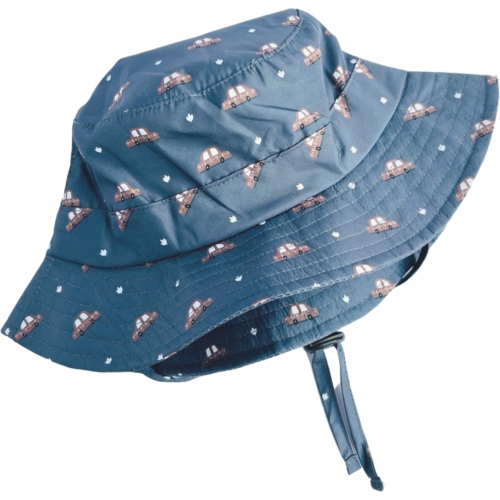 Your price for this item is $19.98
-
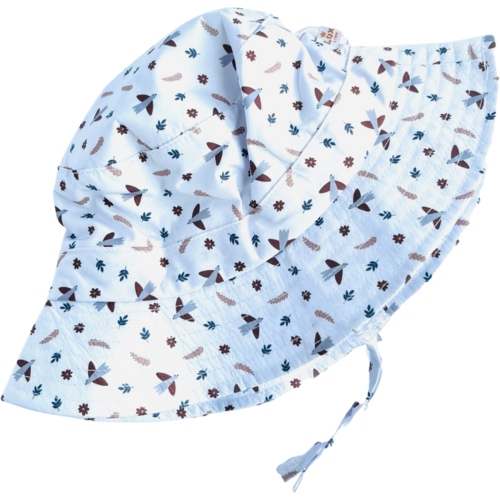 Your price for this item is $19.98
-
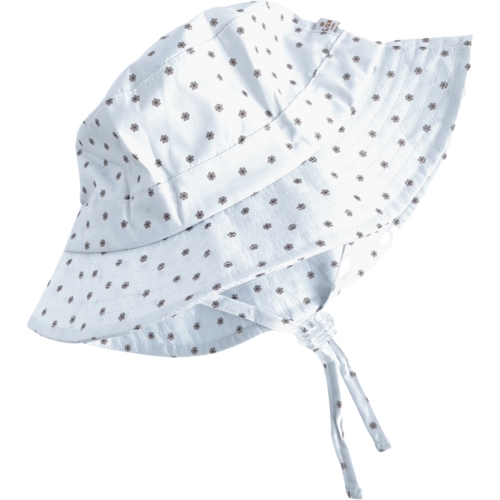 Your price for this item is $19.98
-
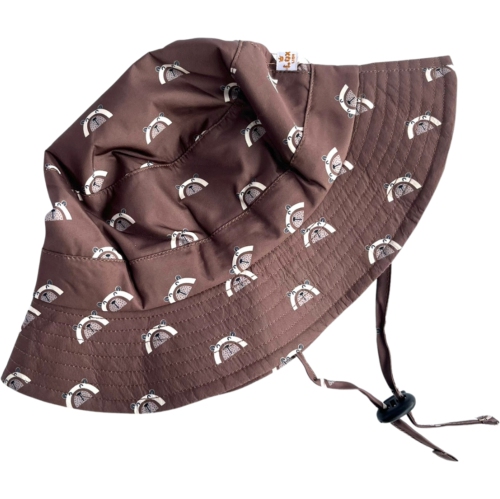 Your price for this item is $19.98
-
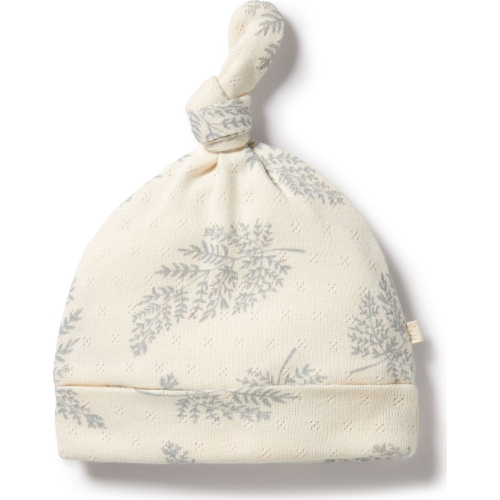 Your price for this item is $19.99
Discover more categories related to Infant Winter Hats
Top Collections:
Best Black Friday Deals This Year, Best Black Friday Deals On Electronics, Kindle Devices, Pokemon Centers, Best Black Friday Deals On Apple Products, Best Cameras for Sports Photography, Dyson Airwrap, Pokémon 30th Celebration Cards, Apple iPhone 17 Pro, Canon G7X Cameras
Some products may be subject to Environmental Handling Fees
(EHF) depending on your province.
Learn more about EHFs.