Bassinet Sheets
Find the perfect combination of comfort and style for your little one's bassinet with our selection of bassinet sheets. Crafted from soft and durable materials, these sheets are designed to provide a cozy and safe sleeping environment for your baby. With a variety of colors and patterns to choose from, you can easily mix and match to create a charming nursery decor. Ensure your baby sleeps soundly through the night with our high-quality bassinet sheets that are easy to clean and maintain.
Sort












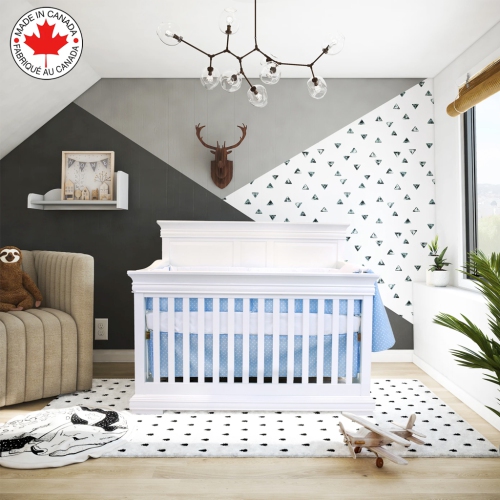
A secure fit takes more than matching measurements
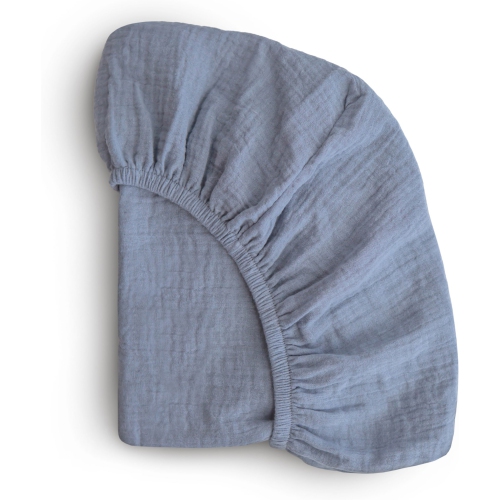
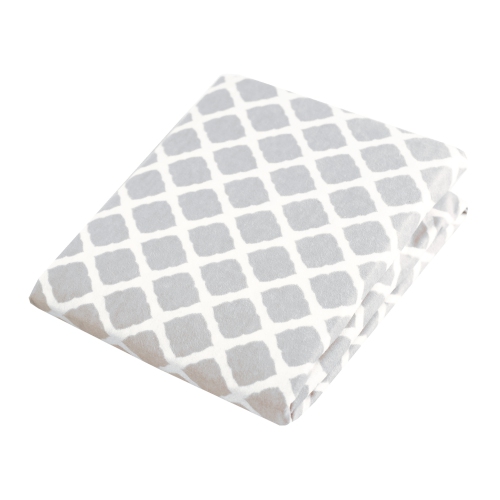
Bassinet sheets are fitted covers made for the small mattresses used in bassinets, providing a washable surface that sits securely against the mattress. Unlike a flat sheet or a standard crib sheet, a properly sized bassinet sheet follows the mattress shape without leaving loose fabric around the baby. That distinction matters because bassinet mattresses vary in length, width, depth, and outline: rectangular, oval, and rounded designs do not necessarily take the same sheet. Even two mattresses with similar measurements may have different corners or contours. A sheet’s stated compatibility, dimensions, and pocket depth are therefore more useful than a general description such as “universal fit.” Listings for bassinet mattresses can provide useful sizing context, but the bassinet manufacturer’s instructions should determine which mattress and bedding are appropriate for the sleep space. The mattress supplied with, or specifically approved for, the bassinet should remain the basis for choosing sheets. Full-perimeter elastic can help hold the edges underneath, while a suitable pocket depth allows the fabric to sit flat across the top. Elastic alone does not guarantee compatibility: an oversized sheet can gather into folds, and an overly tight one can pull at the corners or distort the mattress. The intended result is a smooth, taut surface with no loose corners, bunching, or gaps caused by an incorrect fit. Stretching a crib sheet over a smaller mattress, folding excess fabric underneath, or adding clips and ties is not a substitute for a correctly fitted bassinet sheet. Parents and caregivers preparing a bedside bassinet, a nursery, or another approved sleep space benefit from checking these details before building a bedding rotation. Sheets should also suit the bassinet’s intended stage of use; they do not extend its age, weight, or developmental limits. For infant sleep, a firm, flat surface with a fitted sheet, when permitted by the manufacturer, should remain free of pillows, loose blankets, toys, and added padding.
Material affects how bassinet sheets feel in the hand, how they handle repeated washing, and how easily they settle over the mattress. Cotton is a familiar option, with different fabric constructions offering noticeably different textures. Smooth woven cotton has a relatively crisp surface, while cotton jersey has the soft, flexible feel of a favourite T-shirt. Cotton muslin has a more open weave and often develops a gently textured finish after laundering. These descriptions refer to fabric construction rather than a guaranteed level of softness, thickness, or stretch, so fibre content and the individual care label still matter. A jersey sheet may give slightly as it is fitted around a curved edge, but that flexibility should not be used to compensate for the wrong dimensions. Woven sheets generally have less give, making accurate sizing particularly important. Blended fabrics offer another range of finishes and care characteristics; their suitability depends on the actual fibre mix rather than the word “blend” alone. For everyday use, the practical details often become most noticeable during a quick change after a milk spill or nappy leak. A sheet that slips neatly over each corner, has securely finished seams, and retains its shape after washing can make that task less fiddly. Smooth seams and well-enclosed elastic are useful construction details, while loose threads, damaged stitching, or exposed elastic call for closer attention before use. Colour and pattern provide room for personal preference without changing the need for a secure fit. White and pale shades make small marks easy to spot; muted colours, little checks, and simple prints can coordinate with nursery furnishings without requiring extra bedding inside the bassinet. A matching appearance across several sheets can make a rotation feel tidy, though sheets in different colours can also help caregivers tell a freshly changed set from one waiting for the wash. Fabric texture, finish, and appearance are worth considering together with fit, rather than treating any one feature as the deciding factor.
Bassinet sheets are made for frequent changes, so straightforward care and dependable construction have lasting practical value. Washing new sheets according to their care instructions before use removes handling residue and gives an opportunity to check how the fabric fits after laundering. Some fabrics shrink, and an initially suitable sheet may fit differently after washing or drying. The care label should guide water settings, drying methods, and any restrictions on bleach or other laundry treatments. Thorough rinsing and complete drying help prepare sheets for their next use, while prompt attention to milk and nappy stains can make routine cleaning easier. A fragrance-free detergent may be a useful household preference, particularly when caregivers are already choosing unscented laundry products for baby clothing. Fabric softener is not necessary to make a sheet suitable for a bassinet, and any laundry additive should be consistent with the textile’s care instructions. Between changes, checking the elastic, seams, and surface for wear helps identify sheets that no longer stay securely in place. Thinning patches, persistent loose threads, or stretched edges can matter more than fading alone, since the sheet still needs to lie smooth and remain fitted throughout use. Having more than one correctly sized sheet allows a clean replacement to be ready while another is being washed, although the most useful quantity depends on the household’s laundry routine. A caregiver who washes baby laundry daily may organize supplies differently from someone who combines loads less often. Keeping spare sheets with other changing essentials can simplify an overnight change without adding anything extra to the sleep surface. For baby showers or gifts for new parents, bassinet sheets are most useful when the recipient’s exact bassinet model and approved sheet requirements are known. A coordinated set can be thoughtful, but compatibility is more valuable than matching a nursery colour scheme. Whether chosen for a first baby, another child, or a caregiver’s home, well-fitting bassinet sheets serve a focused purpose: keeping the approved mattress surface covered with bedding that can be removed, washed, and replaced as part of everyday baby care.
Top selling and popular products
-
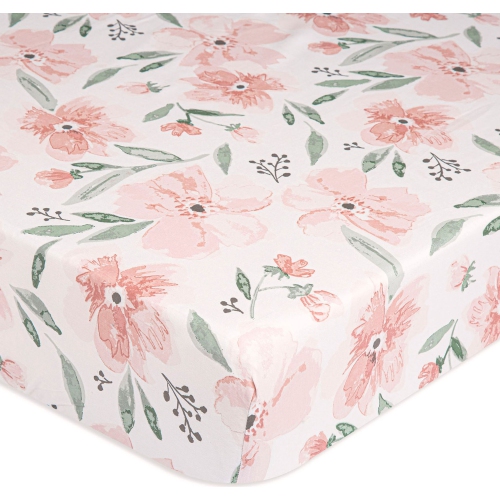 Your price for this item is $44.98
-
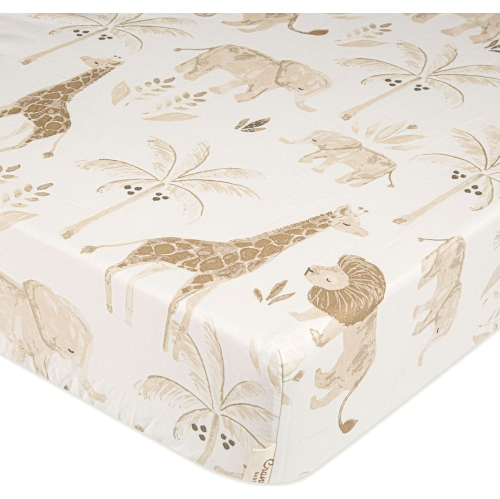 Your price for this item is $54.17
-
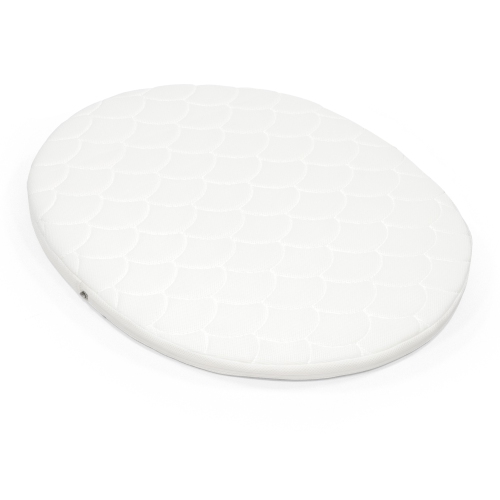 Your price for this item is $168.99
-
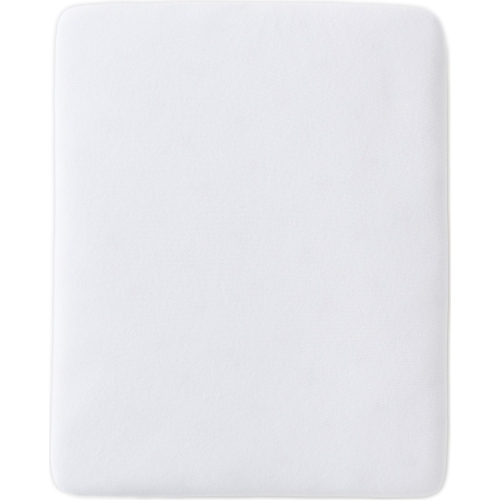 Your price for this item is $74
-
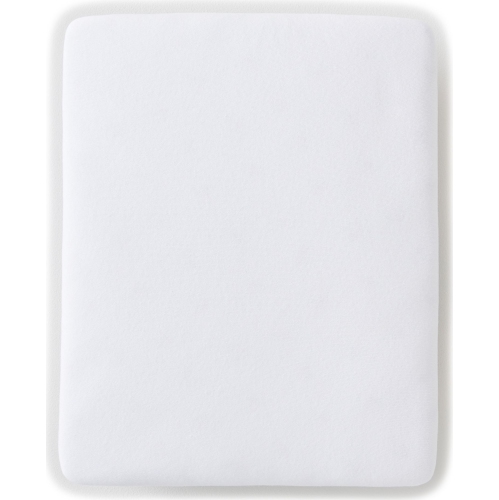 Your price for this item is $76
-
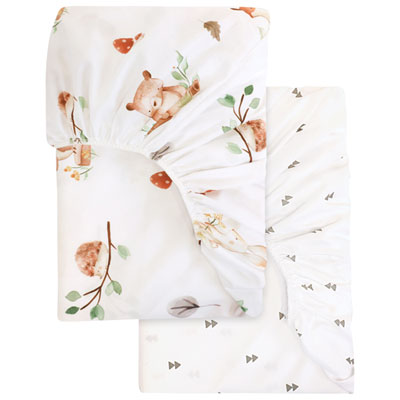 Your price for this item is $24.99
-
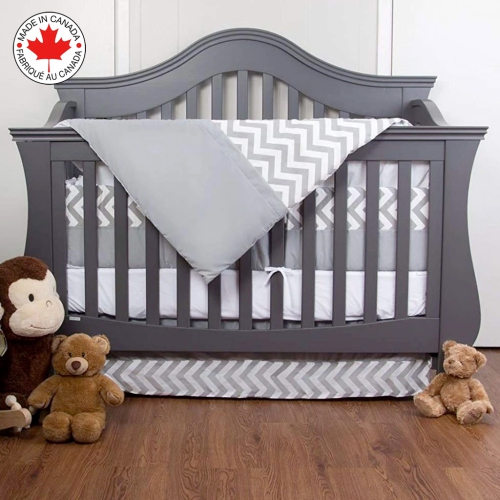 Your price for this item is $250
-
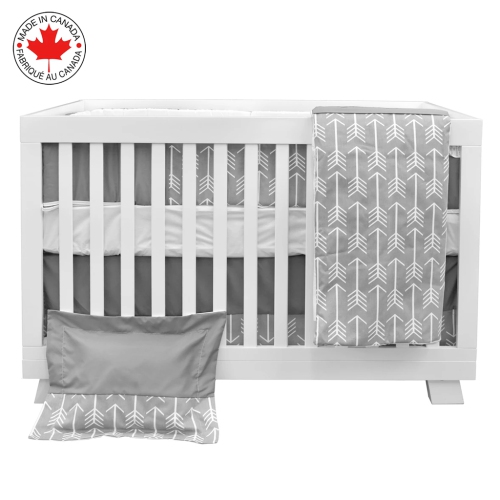 Your price for this item is $250
Discover more categories related to Bassinet Sheets

Top Collections:
Pokemon Centers, Kindle Devices, Best Cameras for Sports Photography, Pokémon 30th Celebration Cards, Apple iPhones 16, Canon G7X Cameras, iPhone 15 Apple, Flip Phones, Samsung Galaxy Phones, Alarm Clock
Some products may be subject to Environmental Handling Fees
(EHF) depending on your province.
Learn more about EHFs.