Best Strollers for Snow

Snowy sidewalks and slushy paths call for a stroller that can handle Canadian winters. The best strollers for snow offer features such as larger wheels, sturdy frames, and reliable suspension to help make outings with your little one smoother. Explore the options below, ranked by user review ratings, and compare features to find the right fit for your family’s winter walks.

What to look for in strollers for snow

1. Wheel Size and Traction

Large wheels with treaded tires can roll more easily over packed snow and uneven paths than small, smooth wheels. Air-filled tires offer cushioning but require pressure checks, while foam-filled tires offer a puncture-resistant alternative.

2. Stability and Handling

Look for a sturdy frame, suspension, and a front wheel that can lock straight to help you navigate uneven snowy paths. An accessible parking brake is useful when stopped, but no stroller can guarantee traction on ice.

3. Weather Protection and Comfort

A generous canopy and a compatible weather shield can help protect your child from wind and falling snow while allowing ventilation. Choose manufacturer-approved cold-weather accessories that leave the harness fitting snugly, and check the stroller’s age and recline requirements for your child.

4. Size, Weight, and Storage

All-terrain strollers often have larger frames, so check the folded dimensions against your vehicle’s cargo space and home storage area. Consider whether you can comfortably lift the stroller and whether its width suits the doorways and paths you use regularly.
  1. 1

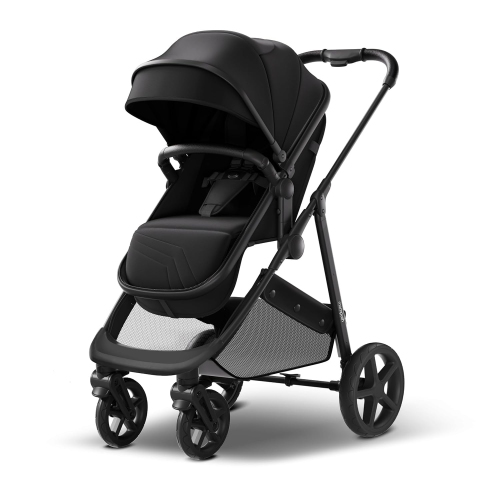
    MOMPUSH Wiz 2 In 1 Baby Stroller – Convertible Newborn to Toddler Stroller, Infant Pramette Mode, One-Hand Fold, Reversible Seat, Upf 50+ Canopy

    About this product

    A versatile 2-in-1 stroller featuring four-wheel suspension, puncture-proof wheels, and an XL shopping basket.

    $254.99
    SAVE $105
    Your price for this item is $254.99
  2. 2

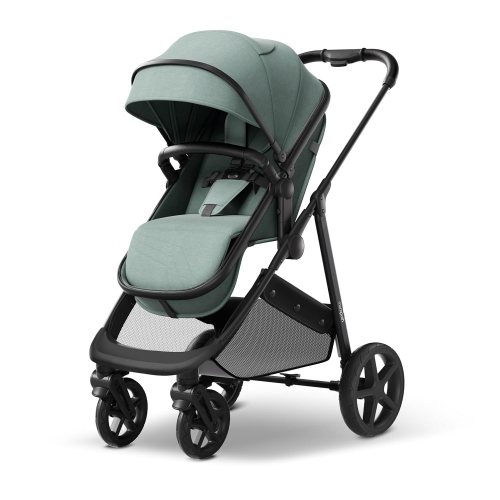
    MOMPUSH Wiz 2 In 1 Baby Stroller – Convertible Newborn to Toddler Stroller, Infant Pramette Mode, One-Hand Fold, Reversible Seat, Upf 50+ Canopy

    About this product

    A versatile 2-in-1 stroller featuring four-wheel suspension, puncture-proof wheels, and an XL shopping basket.

    $254.99
    SAVE $105
    Your price for this item is $254.99
  3. 3

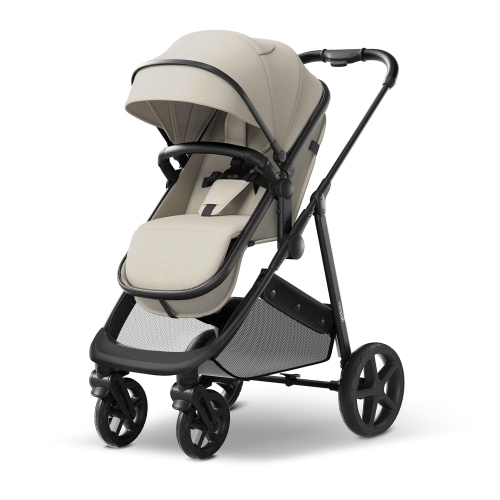
    MOMPUSH Wiz 2 In 1 Baby Stroller – Convertible Newborn to Toddler Stroller, Infant Pramette Mode, One-Hand Fold, Reversible Seat, Upf 50+ Canopy

    About this product

    A versatile 2-in-1 stroller featuring four-wheel suspension, puncture-proof wheels, and an XL shopping basket.

    $254.99
    SAVE $105
    Your price for this item is $254.99
  4. 4

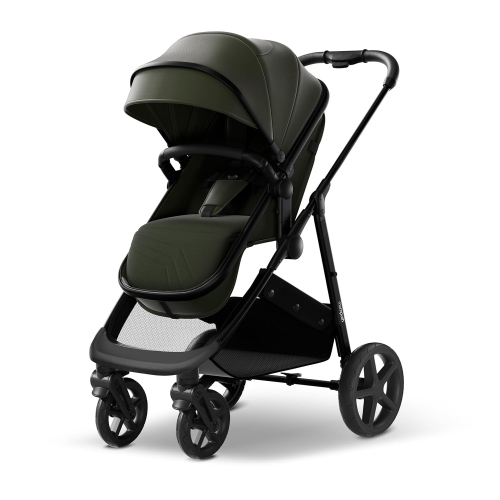
    MOMPUSH Wiz 2 In 1 Baby Stroller – Convertible Newborn to Toddler Stroller, Infant Pramette Mode, One-Hand Fold, Reversible Seat, Upf 50+ Canopy

    About this product

    A versatile foldable stroller featuring bassinet mode, reversible seat, UPF 50+ canopy, and all-terrain wheels.

    $254.99
    SAVE $105
    Your price for this item is $254.99
  5. 5

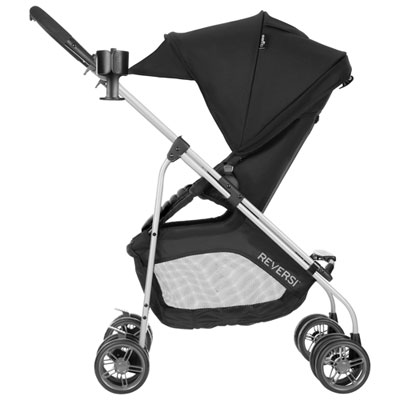
    Evenflo Reversi Reversible Lightweight Stroller - Black

    About this product

    A lightweight black stroller offering reversible seating, large canopy, storage basket, and lockable cup holder.

    What customers like

    • Large, adjustable canopy for sun protection
    • Lightweight and easy to maneuver
    • Simple folding and assembly process
    • Reversible seat with multiple recline options
    • Spacious storage basket and convenient cup holder
    (127)
    $249.99 Your price for this item is $249.99

Winter stroller handling takes more than large wheels

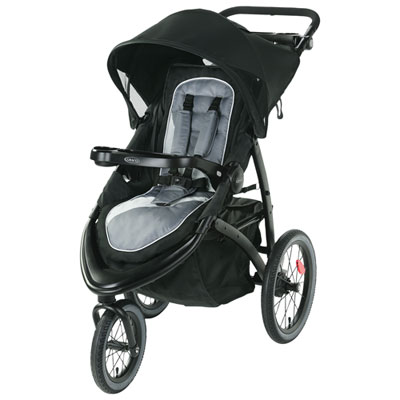
The best strollers for snow typically combine large rubber tires, effective suspension, and a front wheel that can be locked for straighter tracking. All-terrain and jogging-style strollers often have these features, making them practical options for families navigating cleared sidewalks, firm packed snow, and maintained park paths. Larger wheels roll over shallow ridges and uneven surfaces more readily than the small wheels common on compact travel strollers. Many all-terrain designs use 12-inch to 16-inch wheels, although front and rear wheel sizes can differ. Air-filled tires provide cushioning and can soften the vibration from frozen footprints and rough pavement, but they require pressure checks and may need puncture repairs. Foam-filled rubber tires offer an alternative without regular inflation, with ride comfort depending on their construction and the stroller’s suspension. Tread can help on some snowy surfaces, but no tire makes ice reliably safe. Three-wheel layouts offer a single front wheel to steer through shallow snow, while four-wheel layouts have handling characteristics that may suit everyday pavement and mixed surfaces. Wheel spacing, overall weight, and steering design matter alongside the number of wheels. A lockable swivel wheel adds flexibility: it can turn freely for corners on clear pavement and lock straight for uneven stretches when the manufacturer recommends it. Suspension helps reduce jolts, but deep drifts and heavily rutted paths can still be difficult or unsuitable. For a walk from an apartment entrance to a neighbourhood park, the most useful design is one that handles the entire route, including doorways, curb ramps, and the wet floor at the destination. A jogging-style frame is not permission to run on slippery ground. Cleared, manageable routes and a comfortable walking pace remain important, and a stroller should never need to be forced through snow that overwhelms its wheels. Families whose outings mainly involve maintained urban sidewalks may value manoeuvrability more than the extra size of a trail-oriented frame.

Fit and everyday handling are just as important as wheel size when choosing a stroller for winter use. A supportive seat, an adjustable harness, and an appropriate recline help accommodate a growing child, but age, weight, and developmental requirements differ between designs. Newborns need a configuration specifically approved for their stage, such as a compatible bassinet or another manufacturer-authorized arrangement; a reclining toddler seat is not automatically suitable from birth. For an older baby or toddler, usable seat space includes room for weather-appropriate clothing without compromising the harness fit. Bulky padding should not interfere with snug straps, and any footmuff or liner needs to work with the harness as intended. An adjustable handlebar can make pushing more comfortable for caregivers of different heights, especially over a longer walk, while enough stride clearance helps prevent boots from catching the rear axle. A wide wheelbase may feel reassuring on uneven ground, yet it also needs to fit through the building entrance, lift, or storage area used each day. Double strollers bring additional considerations, including total loaded weight, access to both seats, and the effort required to steer through a narrowed sidewalk. Frame construction, hinge quality, and secure locking mechanisms contribute to durability through repeated folding and transport. Aluminium frames can balance strength and manageable weight, while sturdy joints and well-fitted components help limit unwanted movement. Water-repellent fabrics are useful for light snow and splashes, but water-repellent does not mean waterproof. A canopy with generous coverage can shield a child from falling flakes and wind while preserving visibility and airflow. Basket placement also matters: a low, open basket may collect slush kicked up by the wheels. A secure storage space within the stated load limit is more useful than hanging heavy bags from the handlebar, which can affect stability. Parking brakes deserve attention too, including whether they are straightforward to operate while wearing boots. Even a firmly engaged brake cannot make a slippery slope a safe place to park.

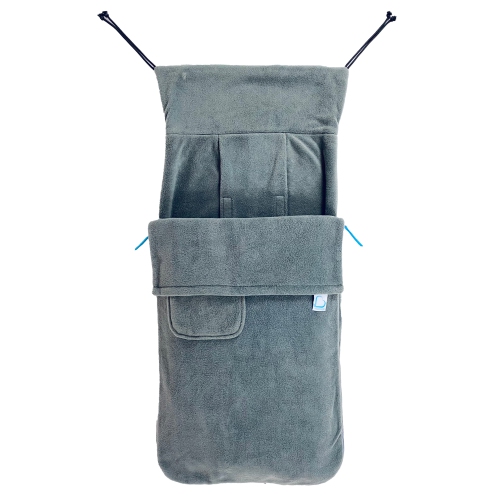
A practical winter setup also accounts for the small details that shape a family’s routine. Coordinating a stroller with options from Stroller Accessories for Winter starts with checking compatibility, harness access, and installation instructions. A properly fitted footmuff can provide warmth around a seated child’s legs, while handlebar mitts can make pushing more comfortable for an adult. Neither should obstruct controls, moving parts, or the child’s face. A suitable weather cover needs ventilation and a secure fit; draping a thick blanket over the entire stroller can restrict airflow and make it harder to monitor the child. Clothing and coverings may need adjusting when moving from an outdoor path into a heated shop, and regular checks of the child’s comfort are more useful than assuming one setup suits every part of an outing. For families who drive to walking routes, folded dimensions and lifting weight deserve close attention. Large wheels can take up considerable boot space, and removable wheels are helpful only if taking them off and reinstalling them is straightforward and secure. At home, a washable mat near the entrance can catch melting snow before the stroller is stored. Road salt, grit, and moisture should be removed according to the care instructions, with fabric, frame joints, wheel hubs, and brake components allowed to dry thoroughly. Tire pressure checks, inspections for loose fasteners, and attention to worn tread help keep the stroller ready for regular use. Lubricants and cleaning products should be used only where the manufacturer permits them. For grandparents or anyone choosing a stroller as a gift, confirming the family’s preferred configuration, storage space, and daily route is more valuable than choosing by appearance alone. The best match balances capable wheels and dependable handling with a seat that fits the child and a frame that caregivers can comfortably push, fold, lift, and maintain.

FAQ

Some products may be subject to Environmental Handling Fees (EHF) depending on your province. Learn more about EHFs.