Car Seat Mirrors
Ensure your little one is safe and sound during every car ride with a high-quality car seat mirror. These handy accessories provide you with a clear view of your baby in the rear-facing car seat, allowing you to keep an eye on them without having to turn around while driving. Easy to install and adjust, a car seat mirror is a must-have for any parent or caregiver who wants peace of mind and a safer driving experience. Browse our selection of car seat mirrors to find the perfect one for your needs.
Sort
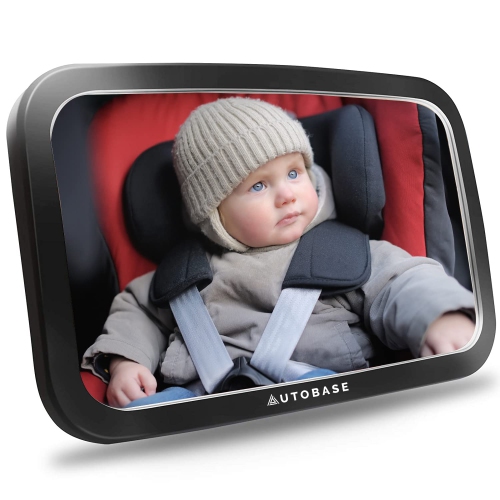
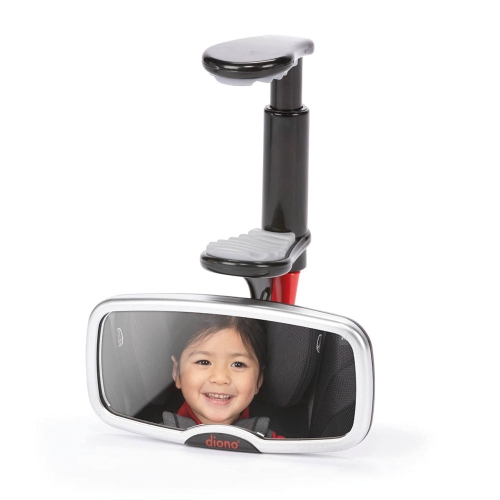
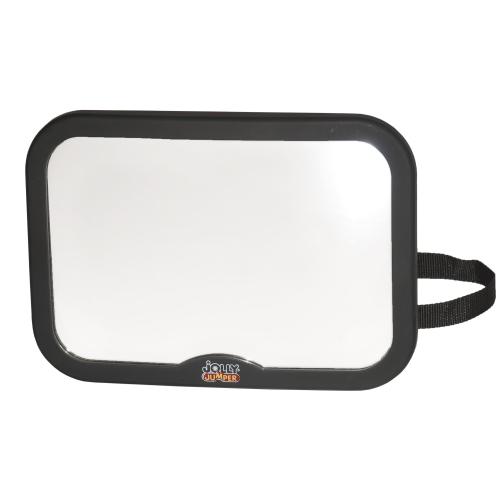
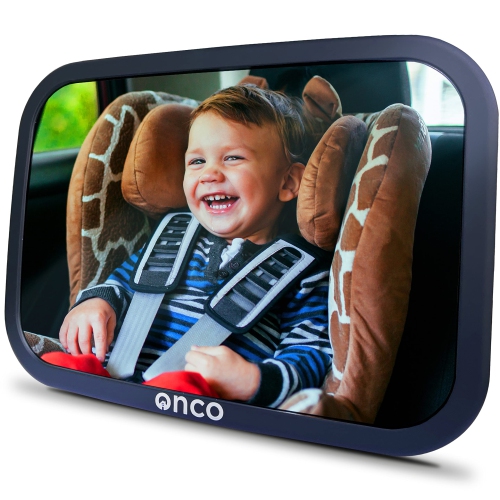
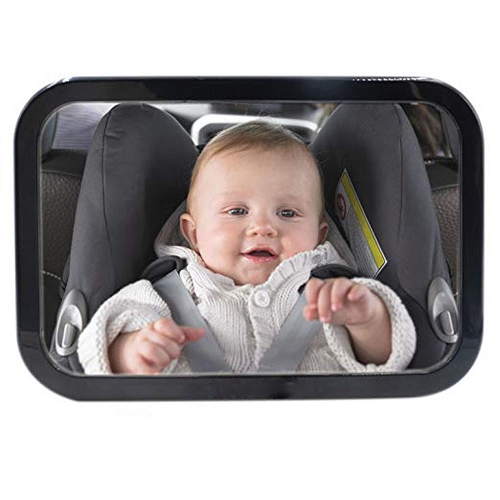
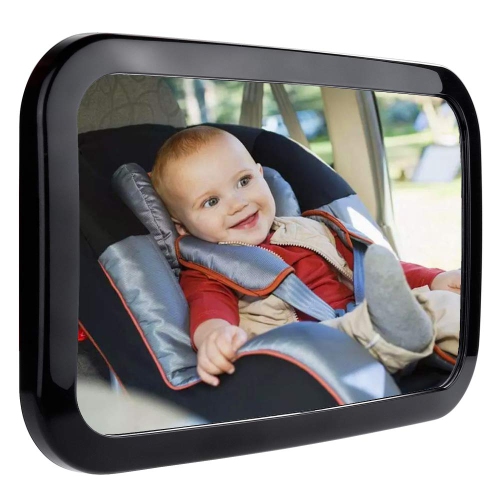
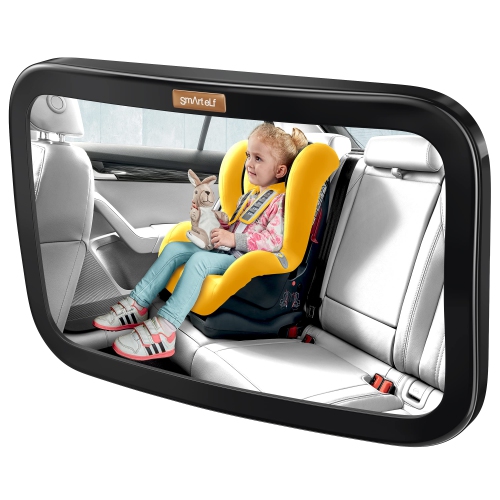
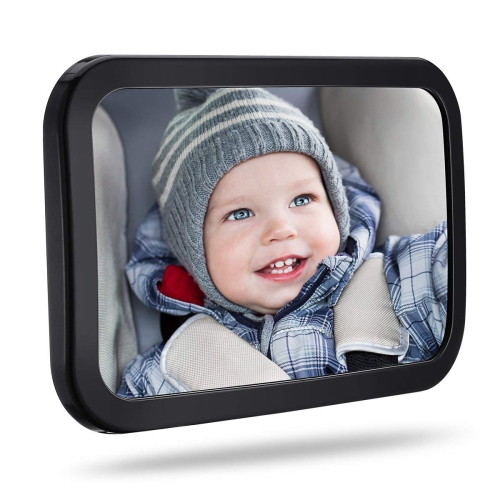
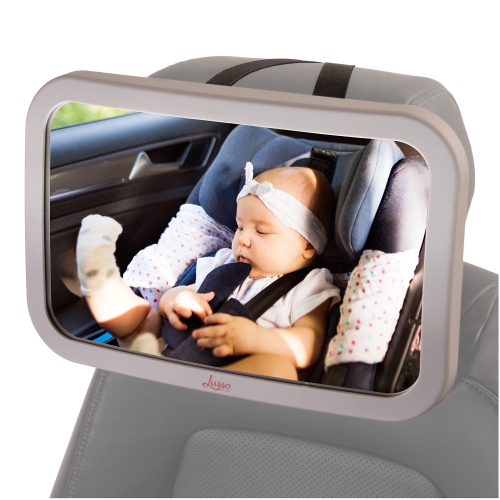
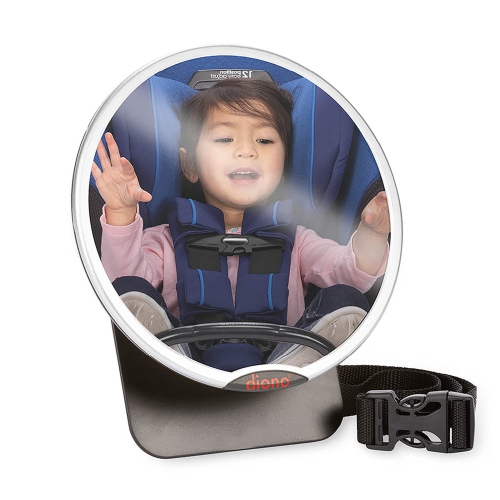
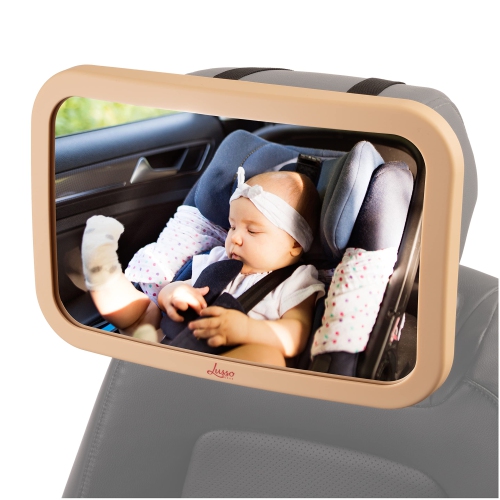
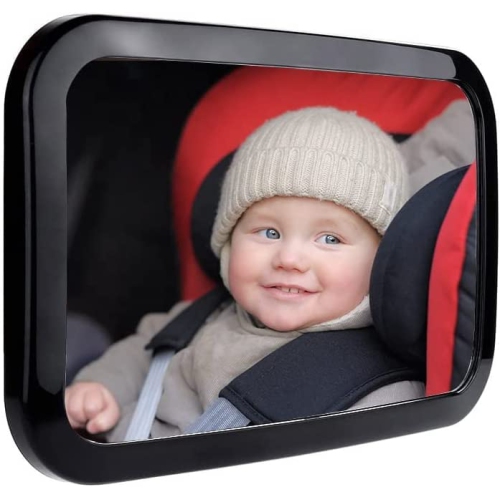
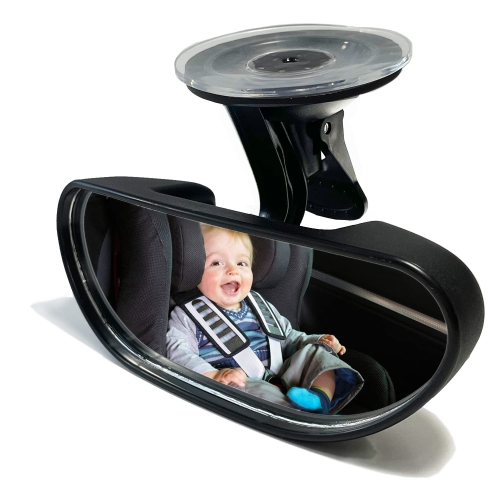
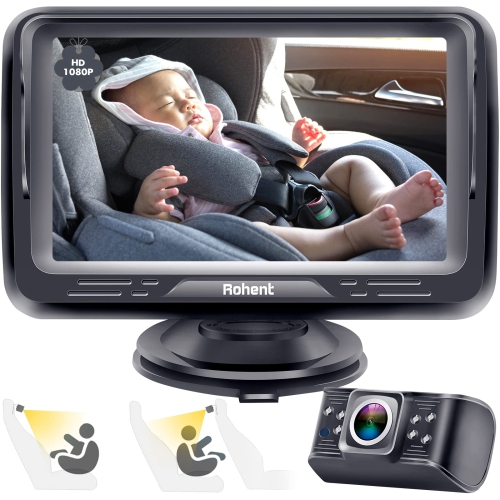
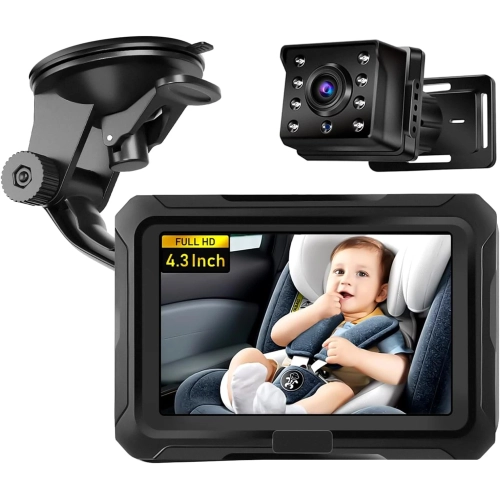
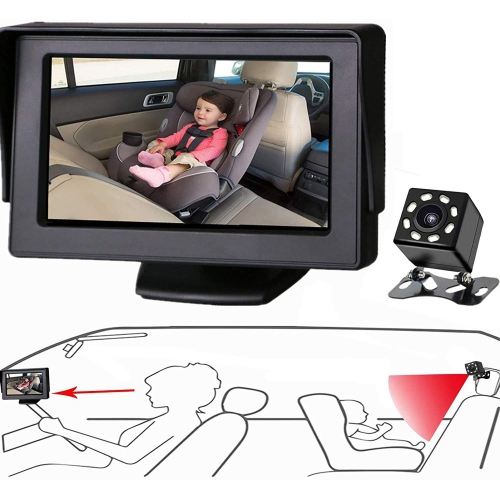
A clear view of your rear-facing little one
Car seat mirrors give parents and caregivers a reflected view of a child in a rear-facing car seat, usually through the vehicle’s interior rearview mirror. Positioned on a compatible rear headrest and angled towards the child, a baby car mirror can make it easier to take a brief glance without turning around. It is a convenience accessory, not a substitute for attentive driving, direct supervision, or a properly installed child restraint. The most useful design depends on the vehicle’s seating layout, the position of the car seat, and the sightline from the driver’s usual seated position. A broad mirror surface can help bring more of the child into view, while a smaller frame may fit more comfortably around a compact headrest. Convex mirrors provide a wider field of view, although the curved surface can make the child’s reflection appear smaller. A clear, minimally distorted reflection matters more than frame size alone: facial details should be visible without requiring a prolonged look away from the road. Adjustable pivots and rotating mounts offer flexibility when the mirror and car seat are not directly aligned, but the mount also needs to hold its position through ordinary vehicle movement. For a family travelling to daycare, visiting relatives, or sharing pickup duties, a mirror that stays at the intended angle can mean less readjustment between trips. Parents, grandparents, and other regular caregivers may find these accessories useful, particularly when an infant rides rear-facing and cannot be seen directly from the front seat. The related Baby Mirror Car selection offers another way to explore this type of accessory. Whichever style suits the vehicle, its role remains straightforward: providing a supplementary view while keeping the driver’s attention primarily on traffic. If a child needs feeding, soothing, or help with a dropped object, stopping somewhere safe is the appropriate response rather than reaching into the back seat.
Materials, mounting hardware, and headrest compatibility help distinguish car seat mirrors that otherwise look similar. Many use a lightweight acrylic or other plastic reflective surface rather than glass, often described as shatter-resistant. That description does not mean a mirror is unbreakable or guarantees protection in a collision; the complete assembly, including the frame, straps, buckles, and pivot, deserves consideration. A smooth-edged frame, a securely contained reflective panel, and fastening components that remain firmly closed are practical details for an accessory used near a child. Soft fabric surrounds can offer a different look and feel from rigid moulded frames, though fabric may retain dust and require different cleaning methods. Fit starts with the rear headrest. Some mounts depend on an adjustable headrest with space for straps to pass around it, while others have different attachment requirements. A fixed or integrated headrest should not be assumed compatible simply because a strap appears long enough. Dual straps or crossed straps may help resist rotation when fitted as intended, but strap count alone does not establish a secure fit. The mirror’s instructions and the vehicle and car seat manuals should all permit the proposed placement. Nothing should alter the child restraint’s installation, interfere with its harness or tether, obstruct an airbag, or place the mirror within the child’s reach. A mirror should not be attached to the car seat unless the car seat manufacturer expressly permits that arrangement. In vehicles with several rear seating positions, the headrest opposite the child may not provide the best usable reflection, and some layouts may not accommodate a mirror at all. A suitable setup preserves the driver’s necessary view through the rear window and does not require changing a correctly installed car seat’s position merely to improve visibility. Shared vehicles introduce another consideration: drivers of different heights may need different mirror angles. Checking the sightline while parked, from the normal driving position, helps establish whether the mount offers enough adjustment without loosening or pressing against surrounding upholstery.
Everyday durability comes down to how well a car seat mirror keeps its clarity and holds its adjustment over repeated use. A larger reflective surface is only helpful if it stays steady enough to give a useful image; persistent vibration, slipping straps, or a pivot that gradually droops can undermine an otherwise convenient design. Moving the mirror between vehicles adds wear to buckles and adjustment points, making accessible fastenings and clear installation instructions particularly useful for families sharing caregiving responsibilities. Each move calls for a fresh fit check rather than assuming the previous strap length and angle will work. Care requirements are generally simple, but they depend on the materials. Dust and fingerprints can blur the reflection, and abrasive cloths or unsuitable cleaning sprays may scratch or cloud plastic mirror surfaces. A clean, soft cloth and the manufacturer’s recommended cleaning method help preserve visibility. Fabric trim may allow spot cleaning, while electronic components require care to keep moisture away from battery compartments and controls. Lighted car seat mirrors add another feature to consider, but illumination should not create glare or distract the driver, and any controls should be set before travelling. Battery covers need to remain securely closed, with loose batteries kept away from children. Regular checks can reveal frayed webbing, cracked plastic, loose joints, or a damaged reflective surface before the next journey. A damaged mirror should be removed from use, and an unused one should be secured rather than left loose on a seat. For baby showers or gifts to new parents, vehicle compatibility makes a mirror a more thoughtful choice than appearance alone. Knowing the recipient’s headrest style and preferred seating arrangement helps avoid a gift that cannot be mounted as intended. Neutral colours, compact frames, and straightforward adjustment may suit caregivers who value a discreet accessory, while a wider reflective area may appeal to those whose vehicle layout allows it. The right car seat mirror balances a useful view with secure placement, easy upkeep, and a fit that respects the vehicle and child restraint manufacturers’ requirements.
Materials, mounting hardware, and headrest compatibility help distinguish car seat mirrors that otherwise look similar. Many use a lightweight acrylic or other plastic reflective surface rather than glass, often described as shatter-resistant. That description does not mean a mirror is unbreakable or guarantees protection in a collision; the complete assembly, including the frame, straps, buckles, and pivot, deserves consideration. A smooth-edged frame, a securely contained reflective panel, and fastening components that remain firmly closed are practical details for an accessory used near a child. Soft fabric surrounds can offer a different look and feel from rigid moulded frames, though fabric may retain dust and require different cleaning methods. Fit starts with the rear headrest. Some mounts depend on an adjustable headrest with space for straps to pass around it, while others have different attachment requirements. A fixed or integrated headrest should not be assumed compatible simply because a strap appears long enough. Dual straps or crossed straps may help resist rotation when fitted as intended, but strap count alone does not establish a secure fit. The mirror’s instructions and the vehicle and car seat manuals should all permit the proposed placement. Nothing should alter the child restraint’s installation, interfere with its harness or tether, obstruct an airbag, or place the mirror within the child’s reach. A mirror should not be attached to the car seat unless the car seat manufacturer expressly permits that arrangement. In vehicles with several rear seating positions, the headrest opposite the child may not provide the best usable reflection, and some layouts may not accommodate a mirror at all. A suitable setup preserves the driver’s necessary view through the rear window and does not require changing a correctly installed car seat’s position merely to improve visibility. Shared vehicles introduce another consideration: drivers of different heights may need different mirror angles. Checking the sightline while parked, from the normal driving position, helps establish whether the mount offers enough adjustment without loosening or pressing against surrounding upholstery.
Everyday durability comes down to how well a car seat mirror keeps its clarity and holds its adjustment over repeated use. A larger reflective surface is only helpful if it stays steady enough to give a useful image; persistent vibration, slipping straps, or a pivot that gradually droops can undermine an otherwise convenient design. Moving the mirror between vehicles adds wear to buckles and adjustment points, making accessible fastenings and clear installation instructions particularly useful for families sharing caregiving responsibilities. Each move calls for a fresh fit check rather than assuming the previous strap length and angle will work. Care requirements are generally simple, but they depend on the materials. Dust and fingerprints can blur the reflection, and abrasive cloths or unsuitable cleaning sprays may scratch or cloud plastic mirror surfaces. A clean, soft cloth and the manufacturer’s recommended cleaning method help preserve visibility. Fabric trim may allow spot cleaning, while electronic components require care to keep moisture away from battery compartments and controls. Lighted car seat mirrors add another feature to consider, but illumination should not create glare or distract the driver, and any controls should be set before travelling. Battery covers need to remain securely closed, with loose batteries kept away from children. Regular checks can reveal frayed webbing, cracked plastic, loose joints, or a damaged reflective surface before the next journey. A damaged mirror should be removed from use, and an unused one should be secured rather than left loose on a seat. For baby showers or gifts to new parents, vehicle compatibility makes a mirror a more thoughtful choice than appearance alone. Knowing the recipient’s headrest style and preferred seating arrangement helps avoid a gift that cannot be mounted as intended. Neutral colours, compact frames, and straightforward adjustment may suit caregivers who value a discreet accessory, while a wider reflective area may appeal to those whose vehicle layout allows it. The right car seat mirror balances a useful view with secure placement, easy upkeep, and a fit that respects the vehicle and child restraint manufacturers’ requirements.
Top selling and popular products
-
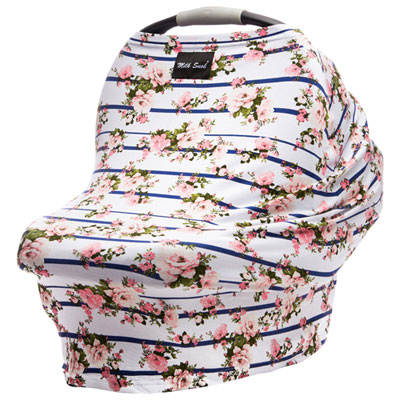 Your price for this item is $49.99
 -
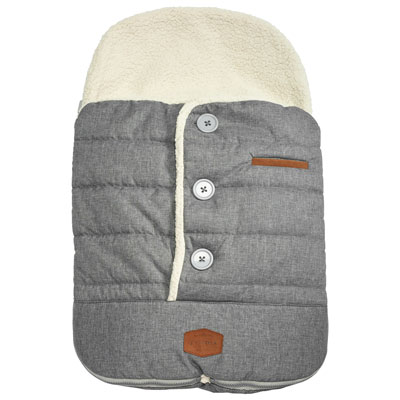 Your price for this item is $79.99
 -
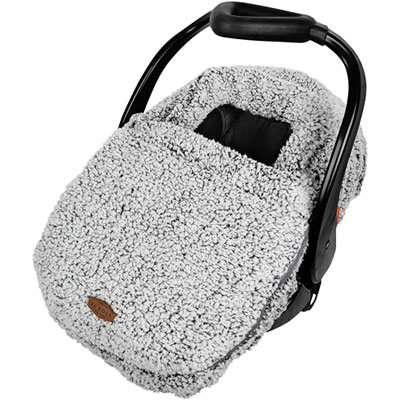 Your price for this item is $39.99
 -
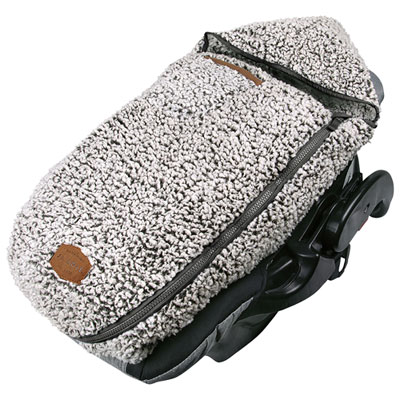 Your price for this item is $64.99
 -
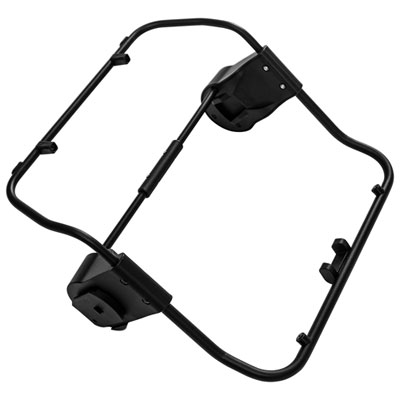 Your price for this item is $109.99
 -
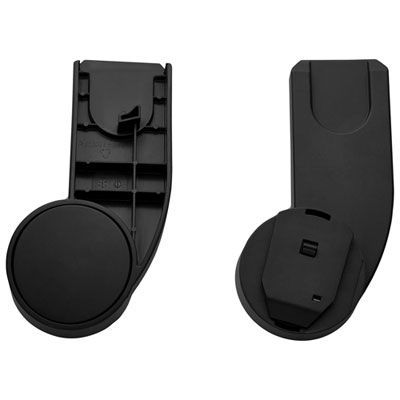 Your price for this item is $79.99
 -
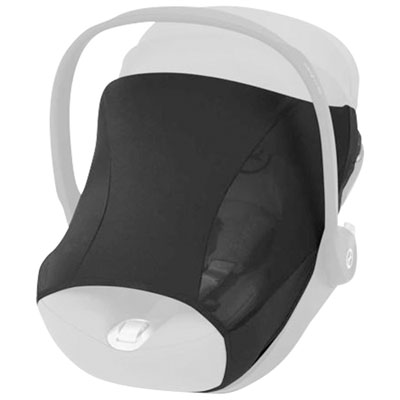 Your price for this item is $49.99
 -
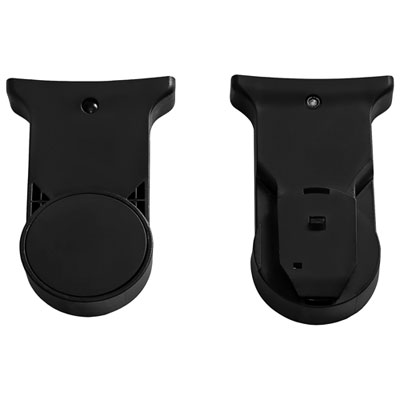 Your price for this item is $79.99
Discover more categories related to Car Seat Mirrors
Top Collections:
Pokemon Centers, Kindle Devices, Best Budget Office Chairs, Apple iPhones 16, Canon G7X Cameras, iPhone 15 Apple, Alarm Clock, Refurbished Apple Laptops, Flip Phones, Best Laptops for Writers
Some products may be subject to Environmental Handling Fees
(EHF) depending on your province.
Learn more about EHFs.