Children's Art Table and Chair Sets
Children's Art Table and Chair Sets create a dedicated space for kids to explore their creativity, whether they’re drawing, painting, or working on crafts. With a variety of designs and sizes available, these sets are perfect for playrooms, bedrooms, or family areas. Find the right Children's Art Table and Chair Sets to inspire imagination and provide a comfortable spot for your child’s artistic adventures.
Sort
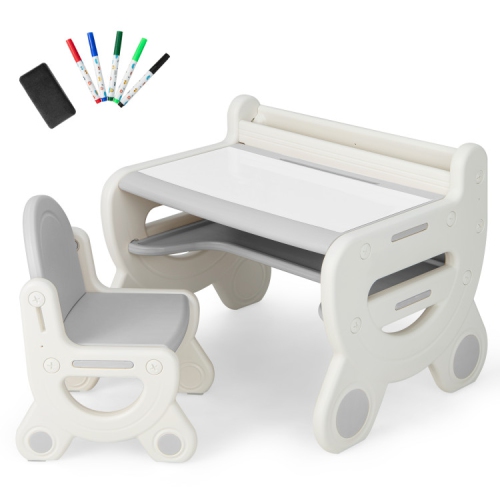
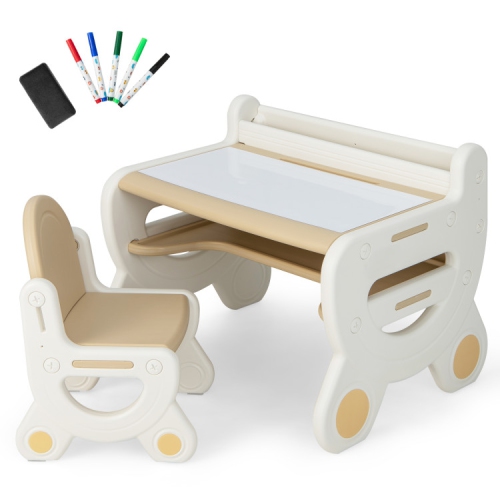
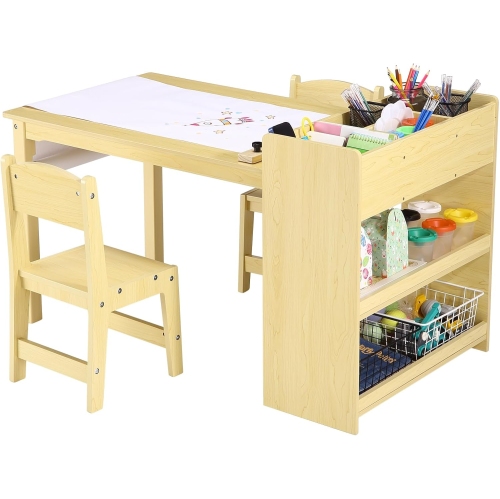
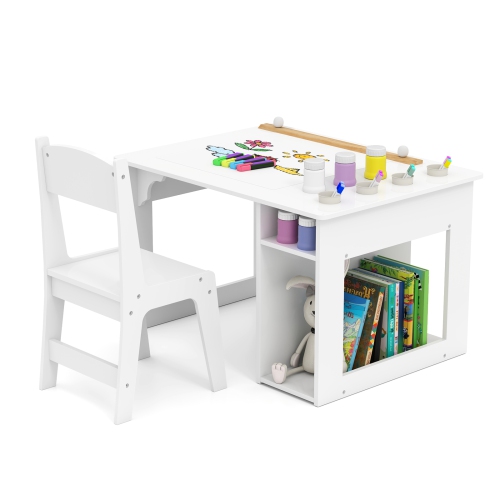
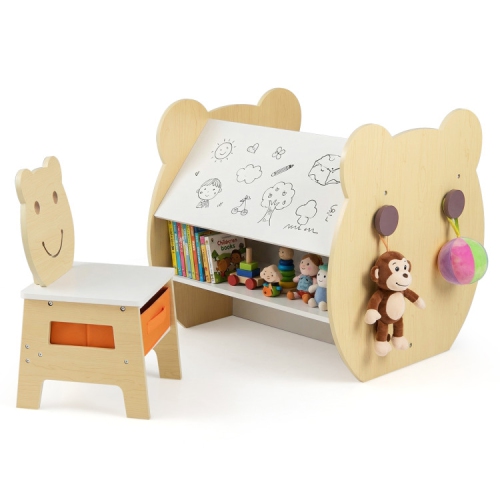
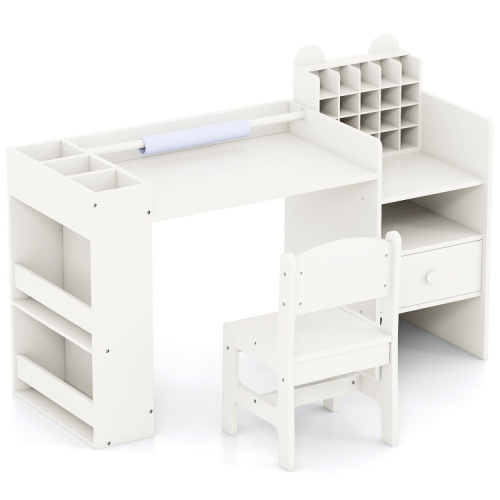
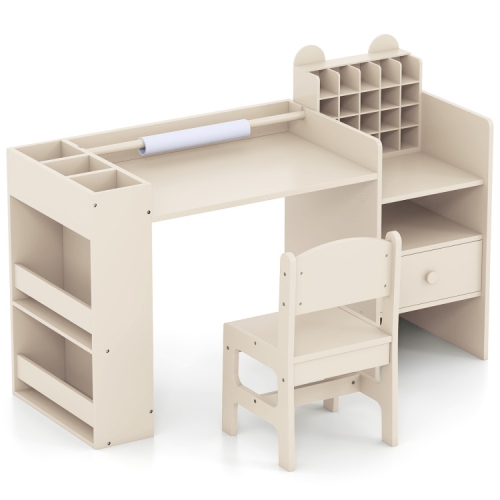
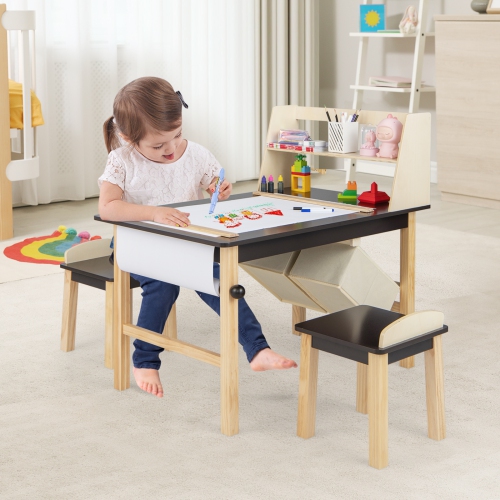
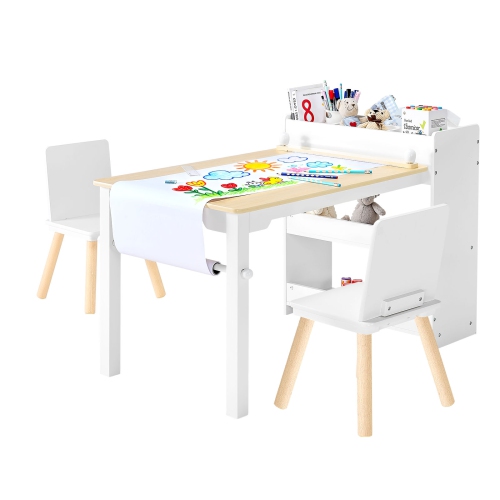
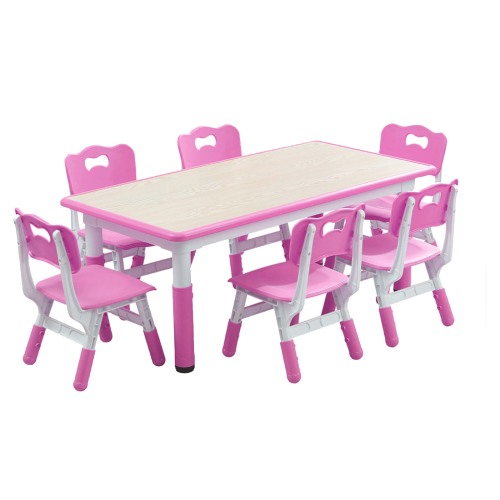
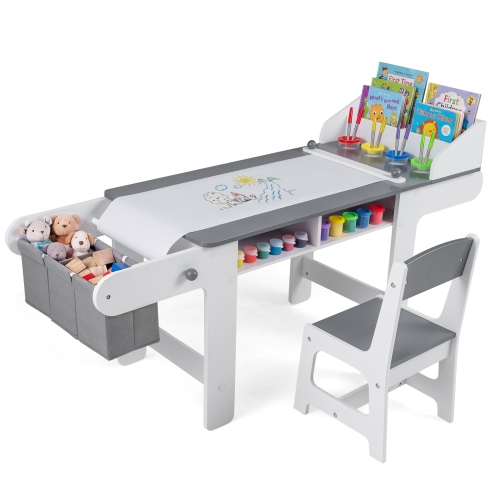
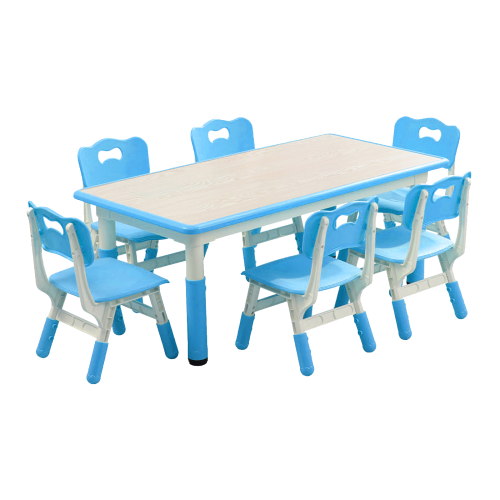
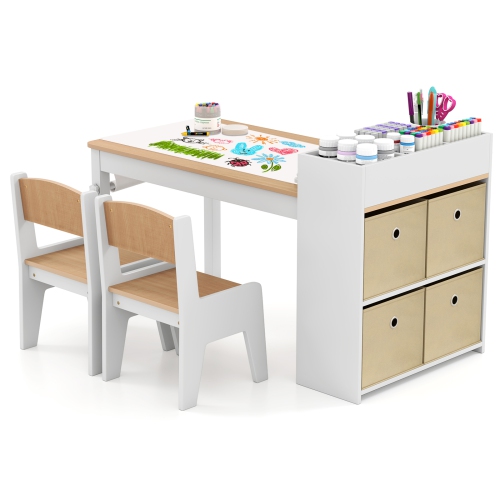
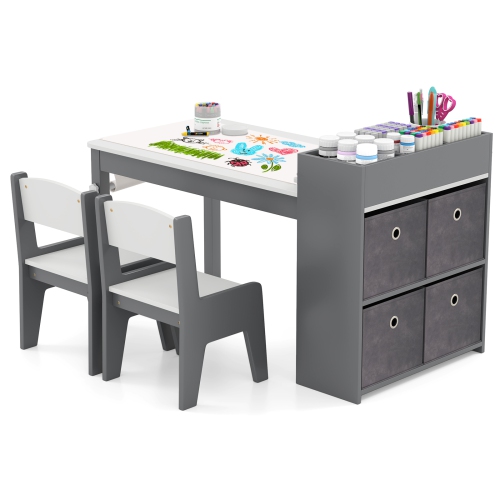
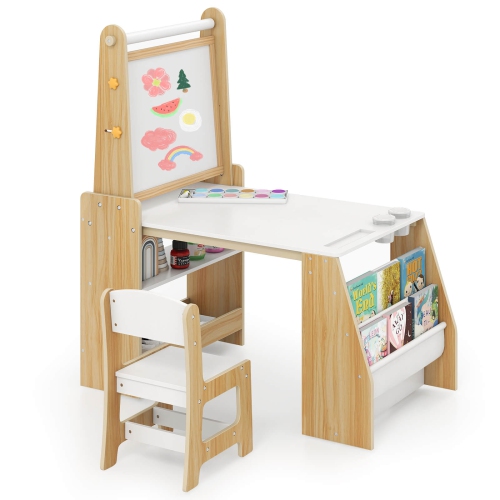
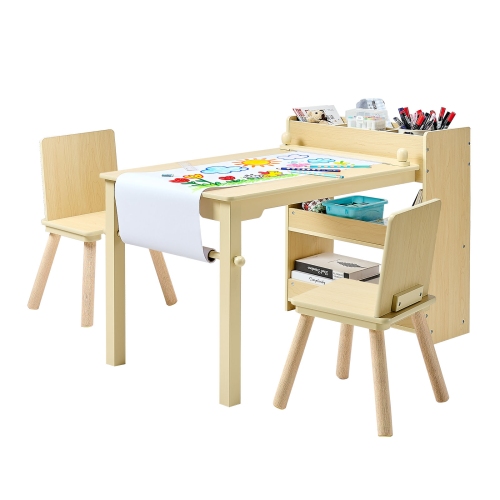
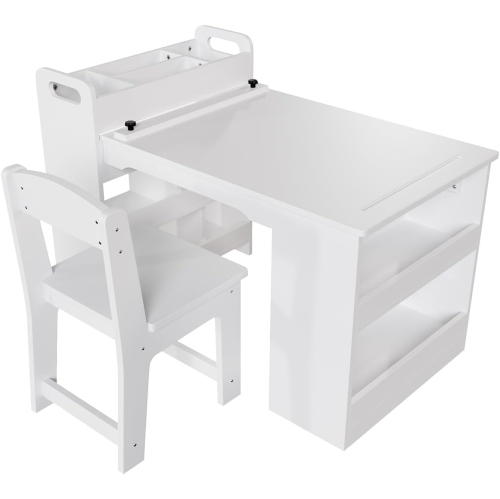
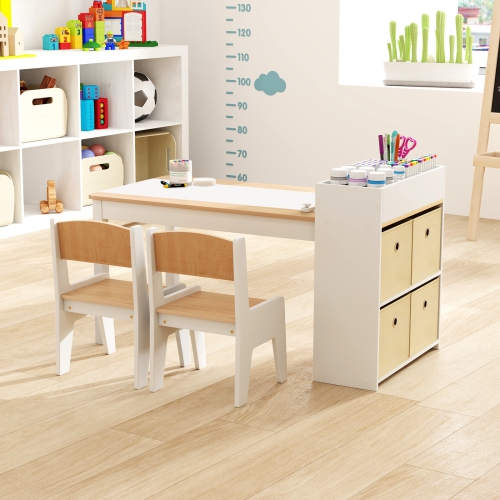
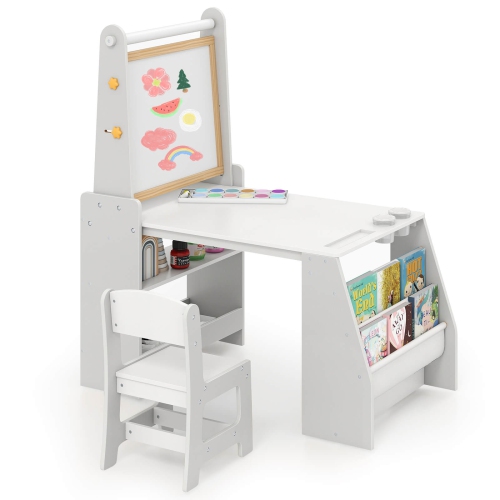
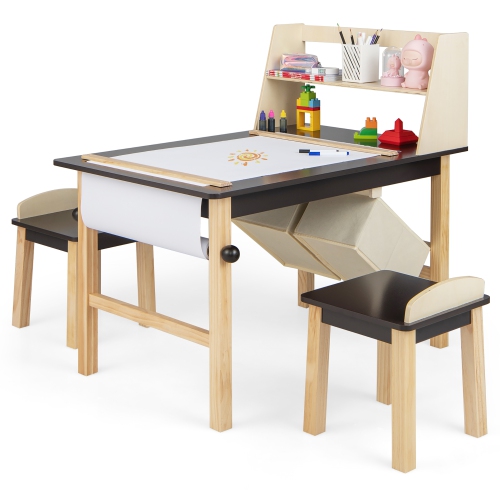
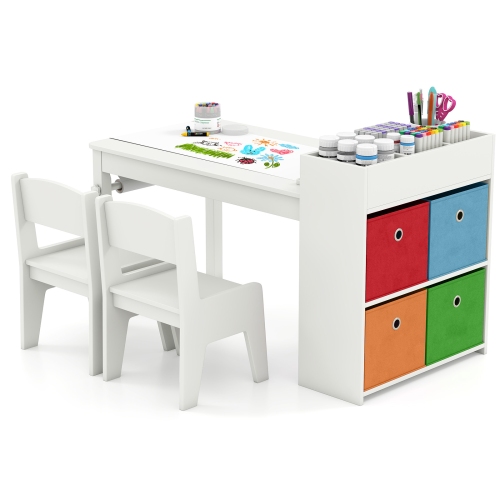
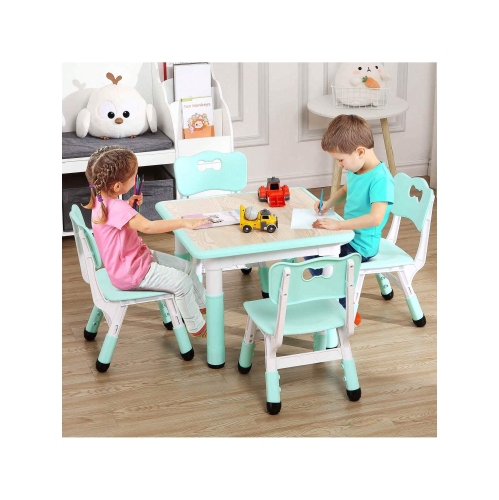
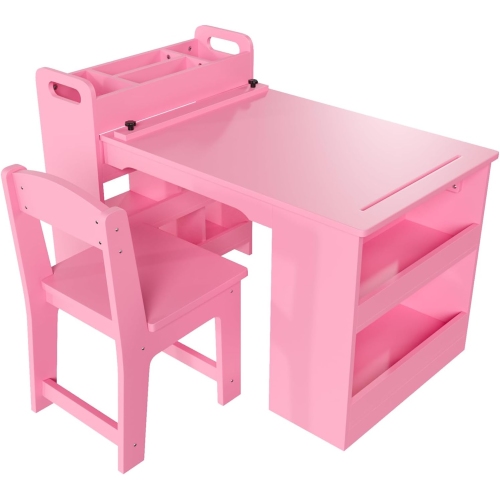
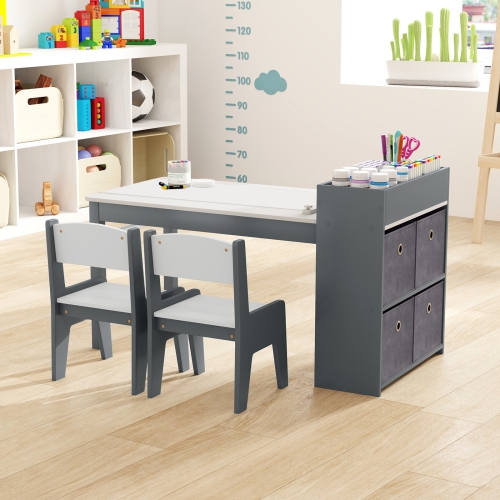
Little artists need room for more than paper
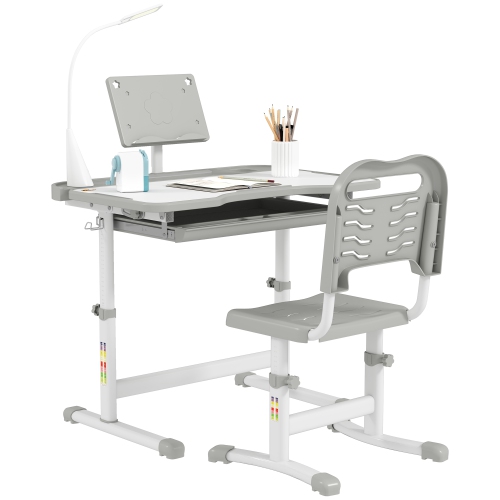
Children’s art table and chair sets give young makers a child-sized place to draw, paint, colour, and build, with seating matched to the work surface. Unlike a general play table, an art-focused design may include a paper roll holder, a paper clamp, supply cups, shelves, or storage compartments that keep creative materials close to hand. Features vary between sets, as do the number of chairs and the amount of usable tabletop space. A single-seat arrangement can suit a bedroom corner where one child likes to settle into a drawing, while a table with two chairs can make room for siblings or a visiting friend. The most useful layout leaves enough clear space for a sheet of paper, a few colouring tools, and the child’s forearms without everything gathering at the edge. Within the wider range of Kids Art Tables, coordinated table and chair sets offer a straightforward way to furnish a creative corner without matching separate pieces. Fit matters more than appearance alone: seat height, tabletop height, legroom, and the manufacturer’s age and weight guidance all help determine whether a set suits its intended user. A comfortable seated position generally allows a child’s feet to rest on the floor or a suitable support, with enough room beneath the table for knees to move freely. A chair that looks right beside a table may still feel cramped for a taller child, so measurements are more useful than a broad age description. The room’s layout matters, too. The footprint includes not only the table but also the space needed to pull out chairs, reach side storage, and walk past someone who is working. In a shared living area, a compact rectangular set can sit along a wall; in a playroom, access from more than one side can make shared projects easier. Keeping the work surface within sight of an adult also makes it easier to help with paint pots, scissors, or a tricky piece of folded paper.
Materials and construction influence how an art table feels in daily use and how much attention it needs after a busy craft session. Solid wood, engineered wood, and moulded plastic are common choices, each with different finishes, weights, and care requirements. A wooden set may have a natural-looking grain or a painted finish, while engineered wood can provide smooth, uniform surfaces in a range of colours. Plastic designs are often lighter to move, although stability still depends on the shape and construction of the complete set. A smooth tabletop gives paper a steady backing for drawing, and rounded corners can make movement around a small workspace more comfortable. Sturdy legs, secure chair joints, and well-fitted hardware are especially relevant when furniture gets used every day. Weight limits apply to individual components, so a table’s capacity should not be assumed to match that of its chairs. Adult assembly may be required, and checking fasteners periodically can help keep a set steady as it is moved and used. Surface care deserves equal attention because washable markers, glue, and paint do not behave the same way on every finish. Following the furniture’s cleaning instructions, wiping up spills promptly, and testing a suitable cleaning method on an inconspicuous area can help limit marks or damage. A craft mat can protect the work surface when compatible with the intended activity, but it should lie flat rather than slide around beneath a drawing. Paper roll holders are handy for long pictures and repeated fresh starts, though replacement rolls need to match the holder’s width and fitting. Removable bins can make tidying easier, while fixed shelves keep supplies visible without taking over the tabletop. Hinged lids, reversible tops, and removable panels offer different ways to use the space, but their operation should suit the child’s abilities and be used according to the manufacturer’s directions. Small accessories and art materials still need age-appropriate storage and supervision, even when the furniture itself is designed for children.
The best arrangement for everyday creativity often comes down to what a child actually likes to do. Someone who fills page after page with drawings may benefit from an uncluttered surface and easy paper access, while a child who enjoys collage may need more room for scraps, glue sticks, and a drying picture. For modelling dough or simple construction activities, a broad, level work area can be more useful than numerous small compartments. Storage works hardest when its contents are easy to see and return: a shallow tray for crayons, a separate space for clean paper, and a bin for unfinished projects can keep a creative session from beginning with a search. Deep cubbies can hold larger materials, but supplies at the back may be harder for a smaller child to reach. Shared tables benefit from enough elbow room for each seat and storage that does not force one child to lean across another’s work. Matching chairs can help define each person’s place, while a neutral finish can blend into a family room and a brighter colour can give a play area its own character. Neither approach needs to turn the room into a dedicated craft studio; a modest workspace can also serve for puzzles, picture books, pretend play, or early writing practice when the surface is cleared. For a birthday gift, a table and chair set can be a practical choice when there is a suitable place for it and its dimensions match the recipient. Checking the household’s available space and the child’s current seating needs is more helpful than choosing solely by colour or theme. It is also worth distinguishing furniture features from included supplies: a holder does not necessarily come with paper, and storage cups do not necessarily include drawing tools. A well-chosen set brings the essentials together in a manageable space, giving children somewhere to spread out a picture, return to an unfinished creation, and put their materials away when the activity is done.
Top selling and popular products
-
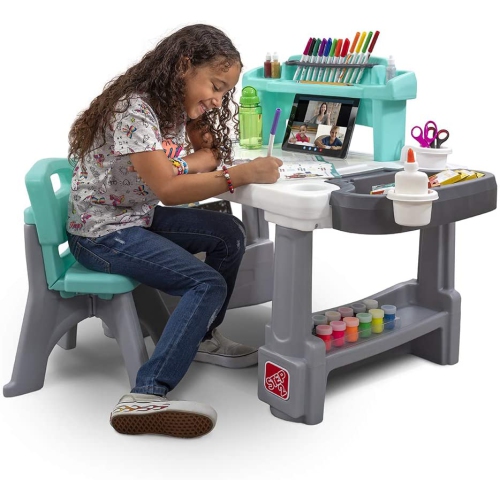 Your price for this item is $362.99
-
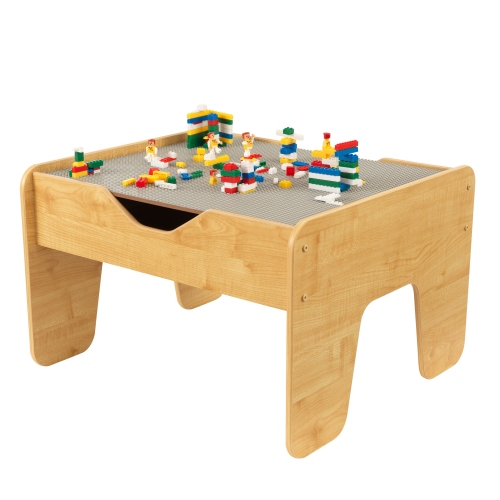 Your price for this item is $89.99
-
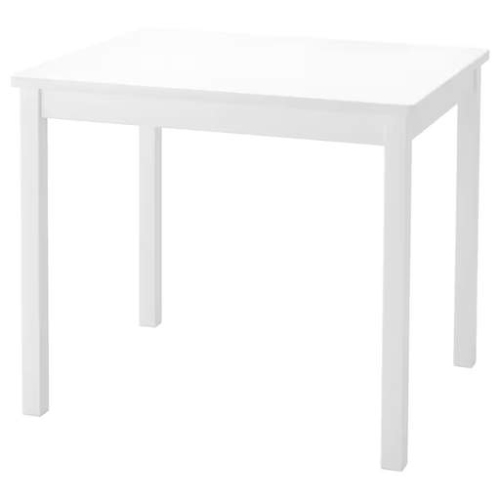 Your price for this item is $132.99
-
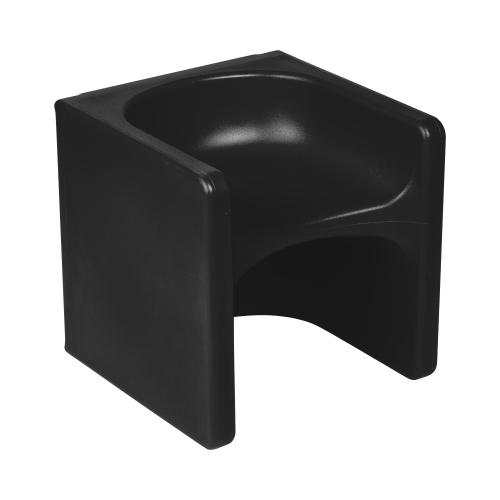 Your price for this item is $124.99
-
 Your price for this item is $124.99
-
 Your price for this item is $124.99
-
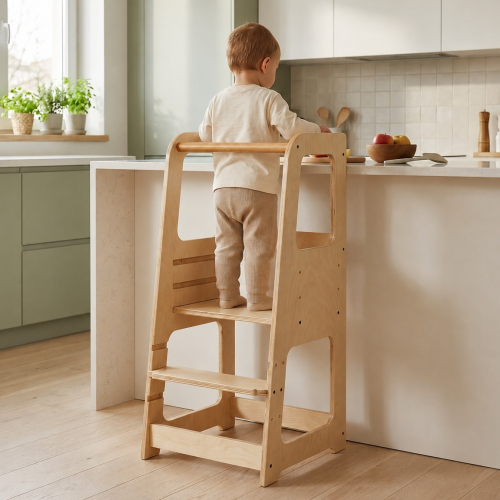 Your price for this item is $149.99
-
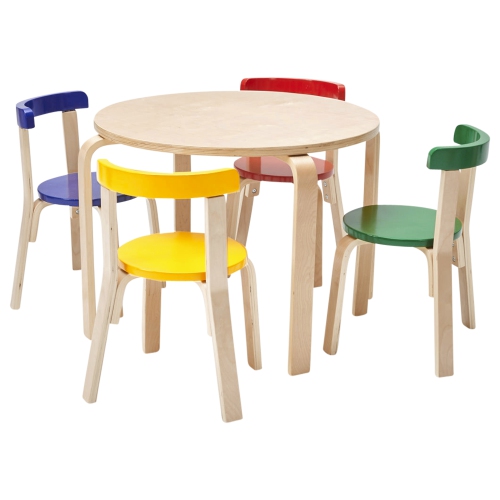 Your price for this item is $279.99
Discover more categories related to Children's Art Table and Chair Sets
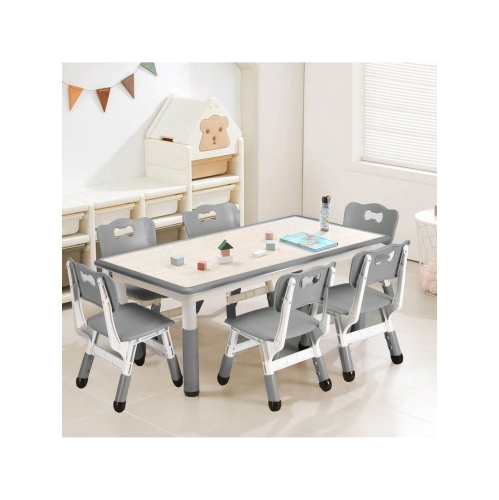
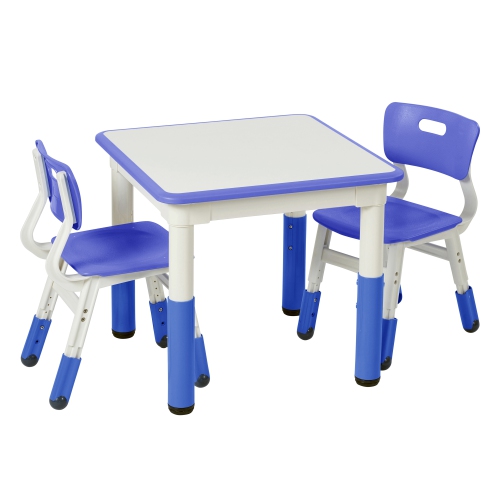
Top Collections:
Best Black Friday Deals This Year, Best Black Friday Deals On Electronics, Kindle Devices, Dyson Airwrap, Best Cameras for Sports Photography, Best Budget Office Chairs, Canon G7X Cameras, PS5 Pro Consoles, Best Black Friday Deals On Apple Products, XBOX One S Consoles
Some products may be subject to Environmental Handling Fees
(EHF) depending on your province.
Learn more about EHFs.