Children's Outdoor Playgrounds
Transform your backyard into a haven of fun and adventure with our collection of children's outdoor playgrounds. From swing sets to slides, climbing structures to playhouses, our range of outdoor play equipment is designed to spark imagination and encourage active play for kids of all ages. Whether you're looking to create a mini amusement park in your own yard or simply want to provide a safe and entertaining space for little ones to explore, our selection of outdoor playgrounds offers something for every family and every outdoor space.
Sort


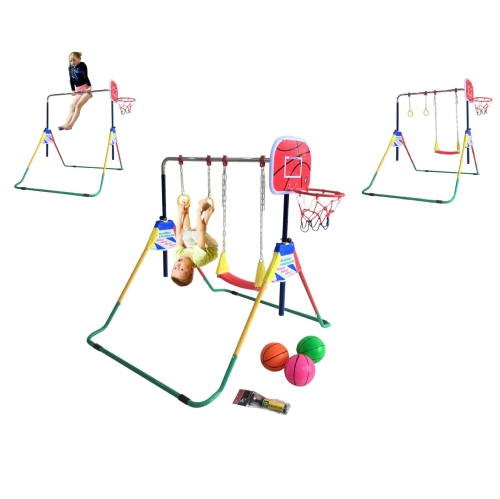
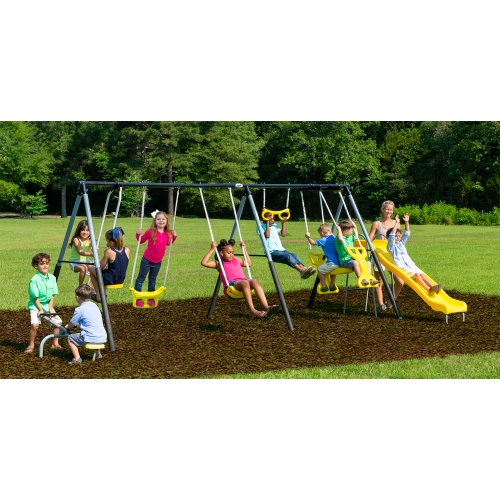

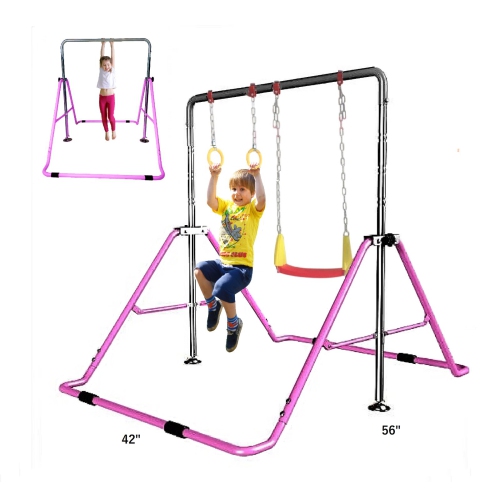
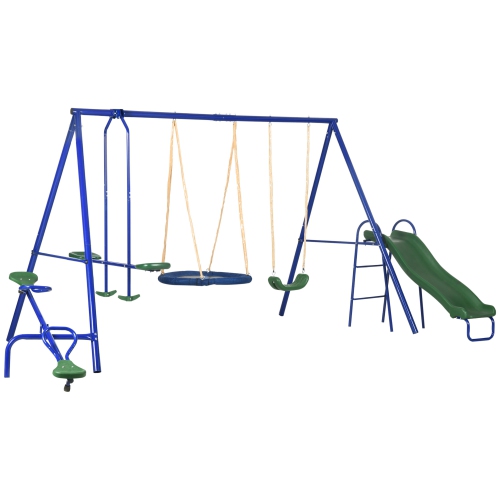


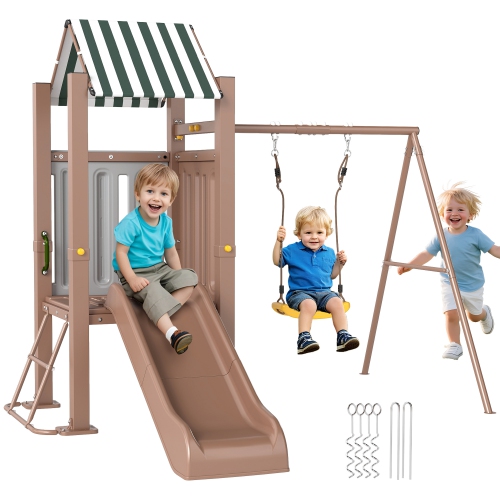
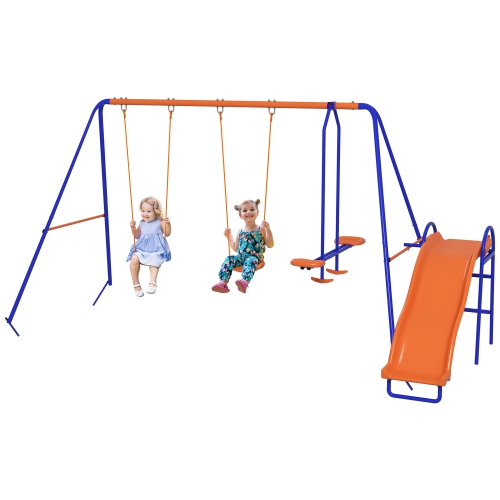

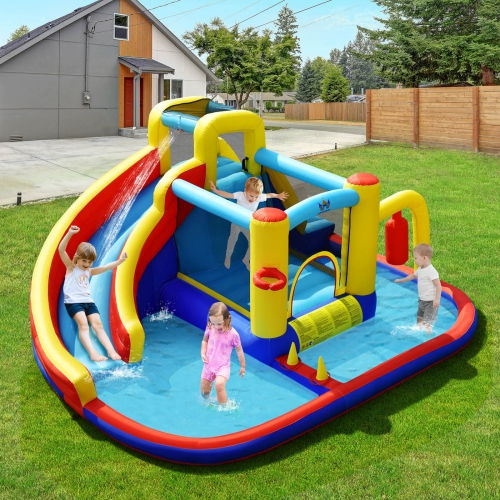


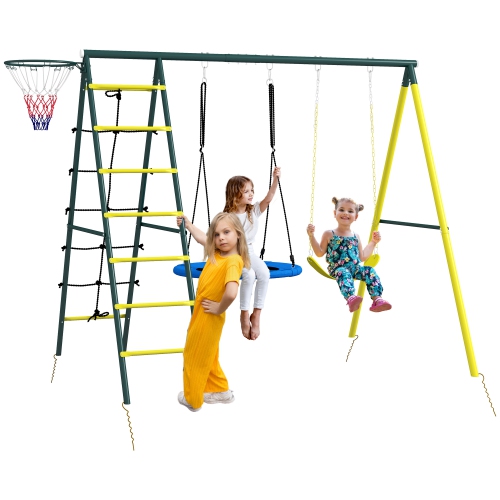

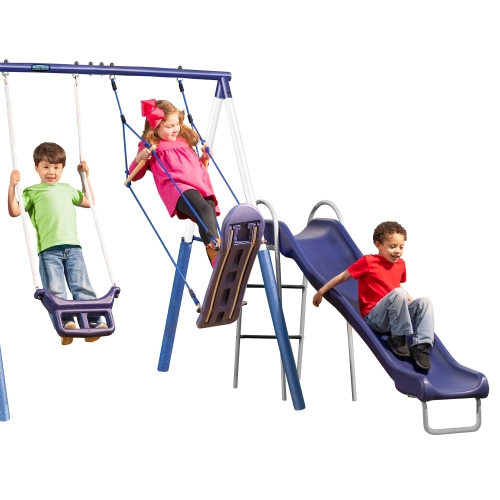
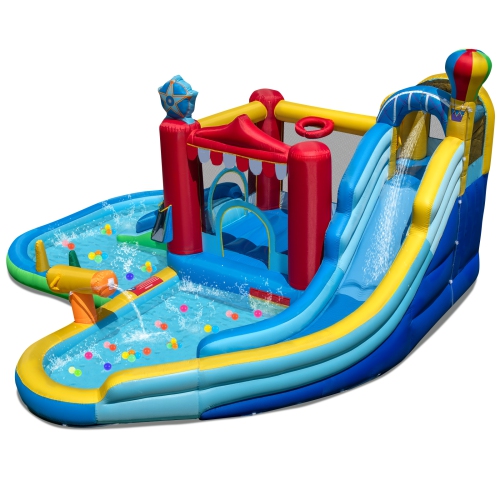
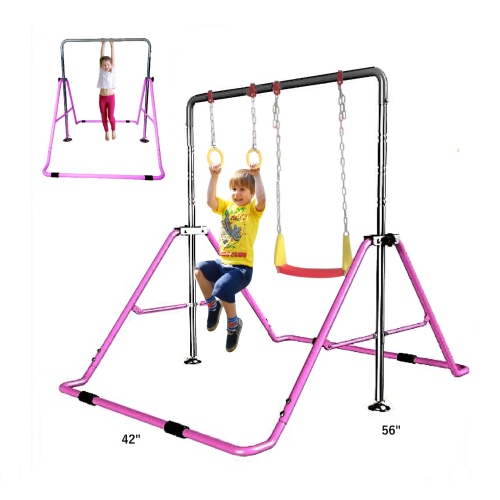
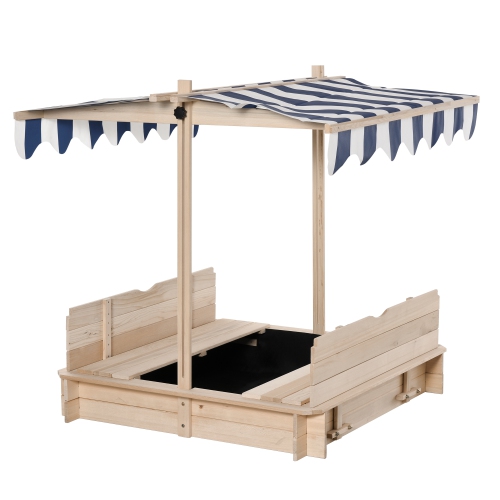
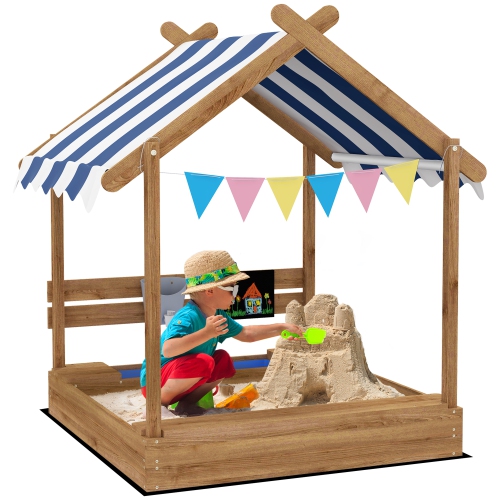
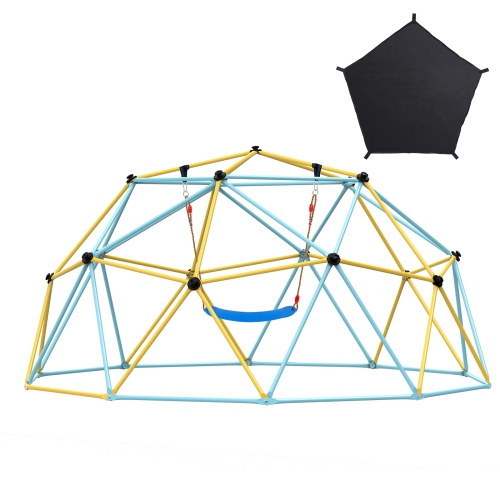
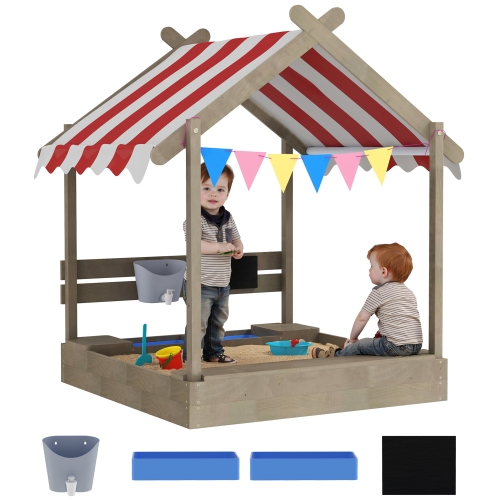

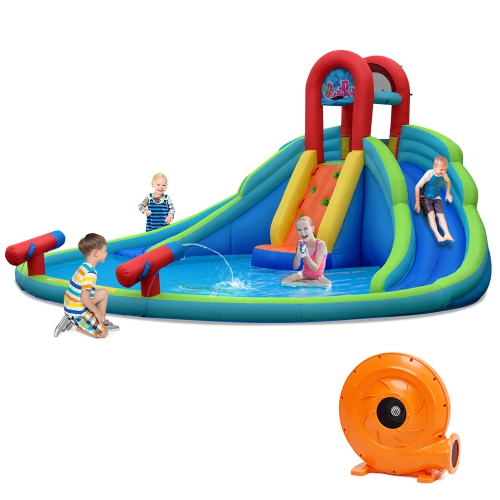
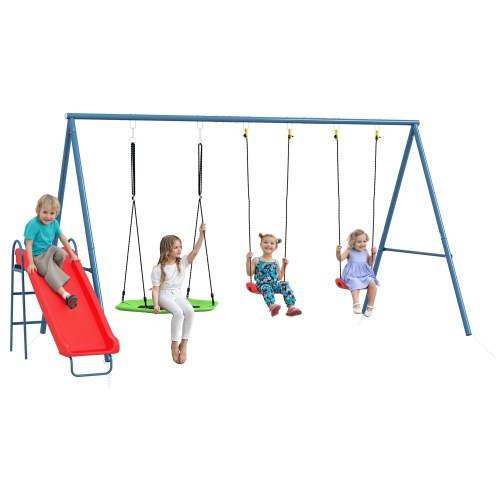
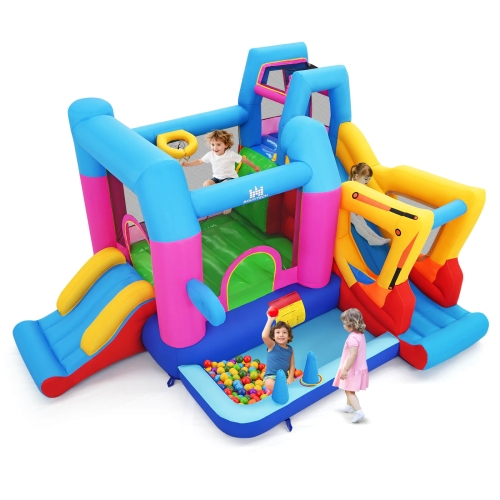
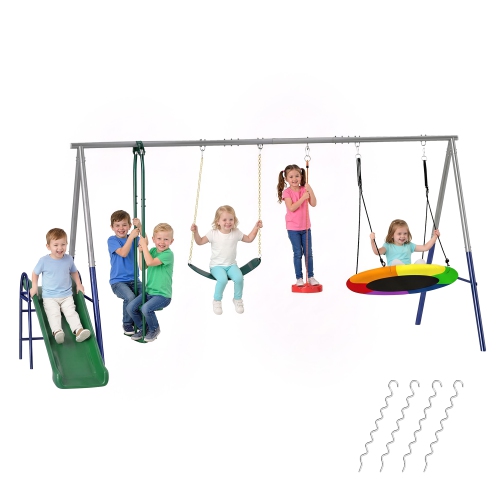
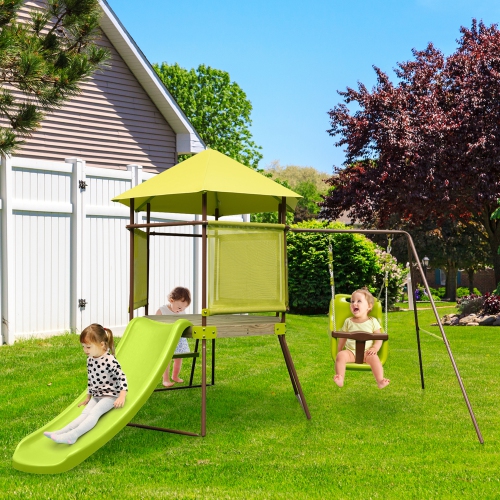
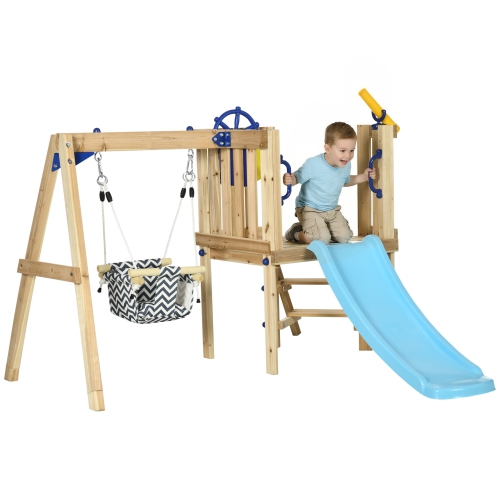

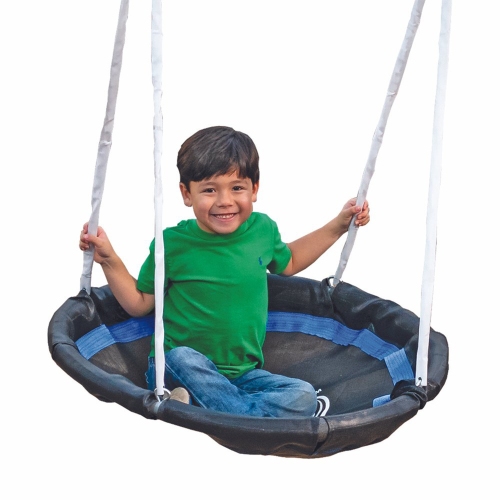
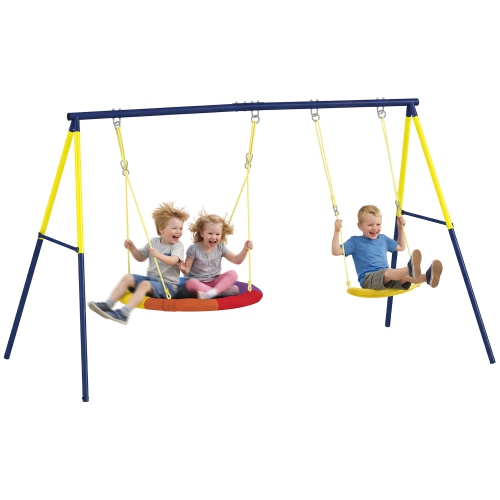


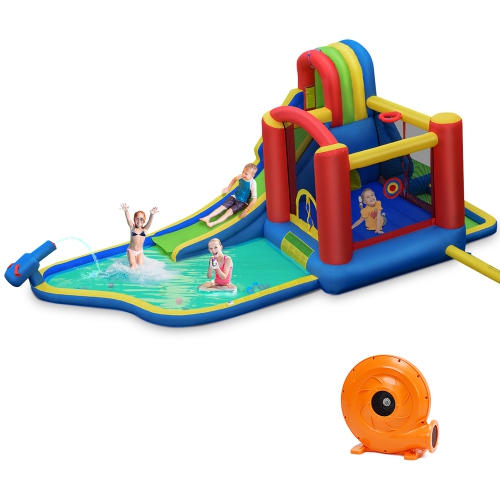
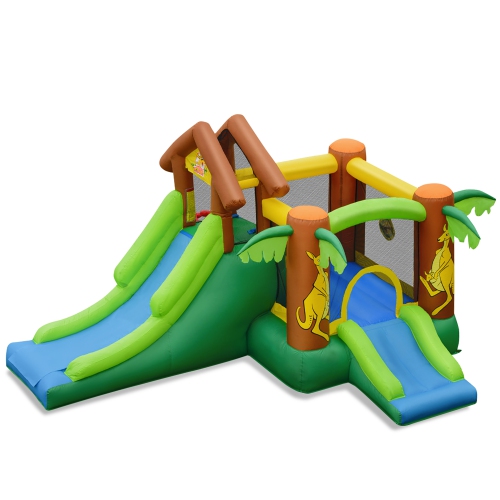
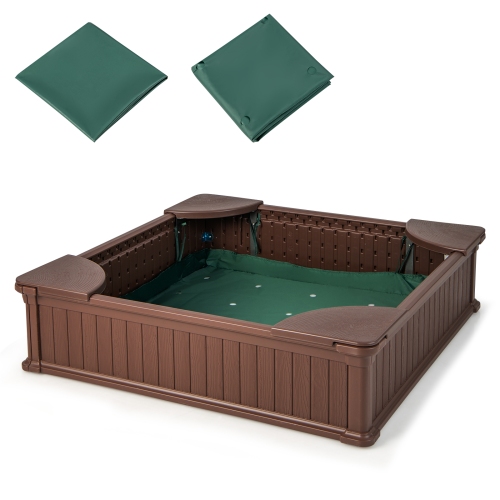

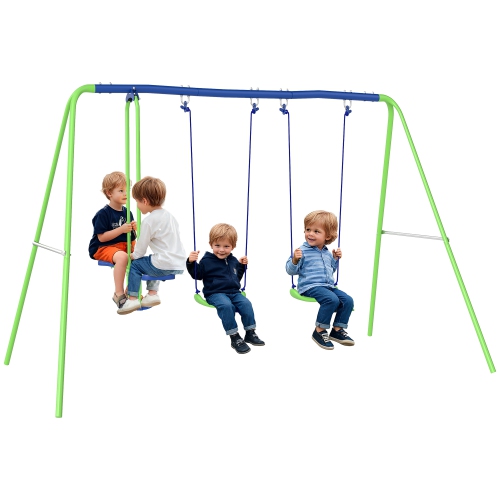
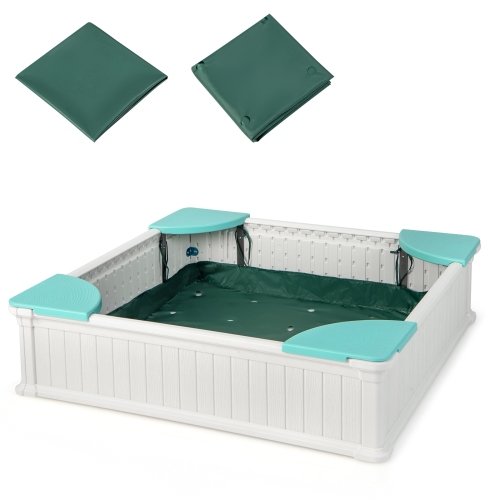
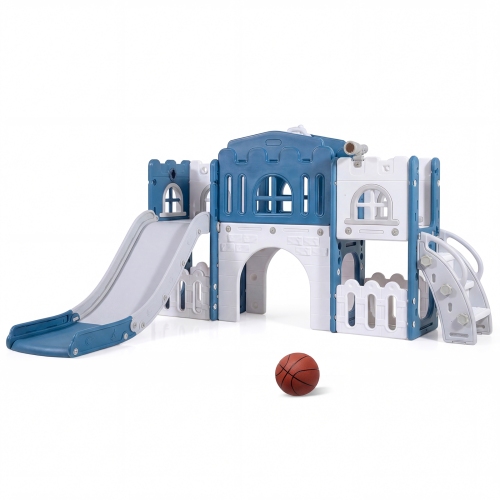
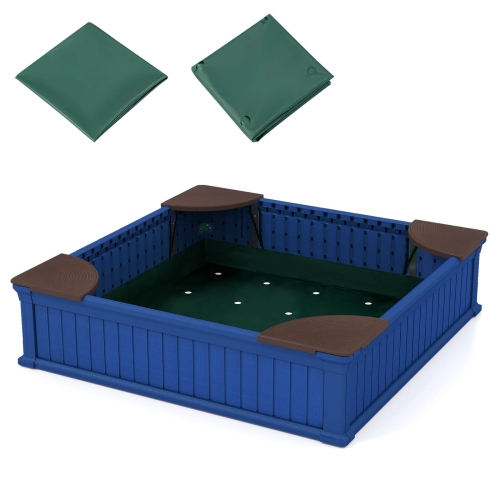
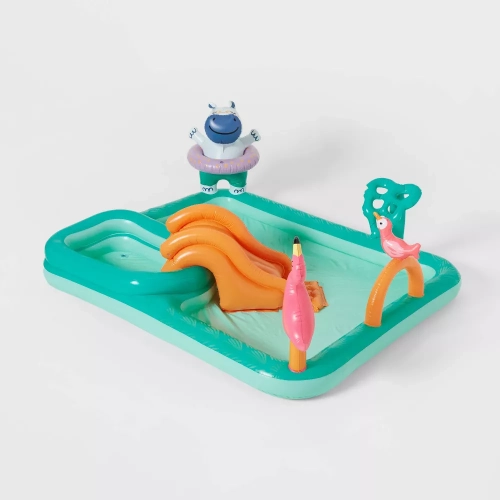

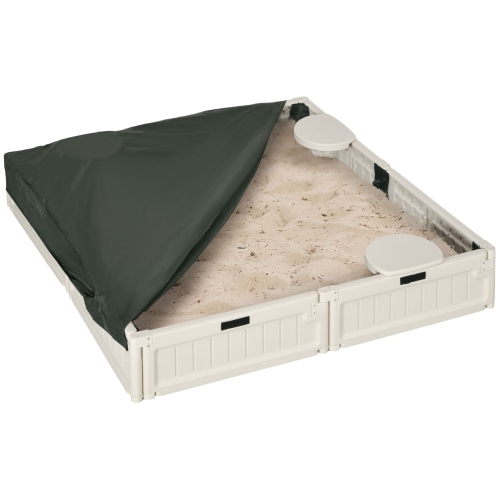
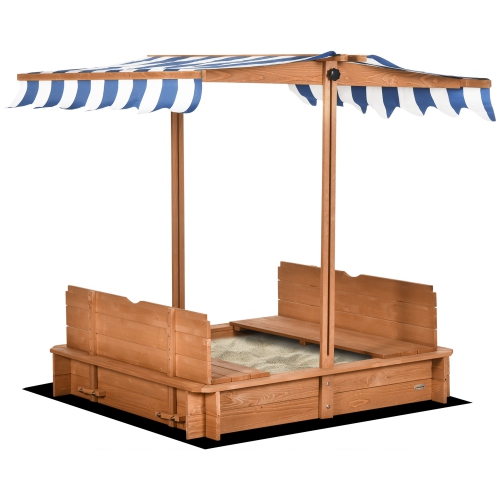
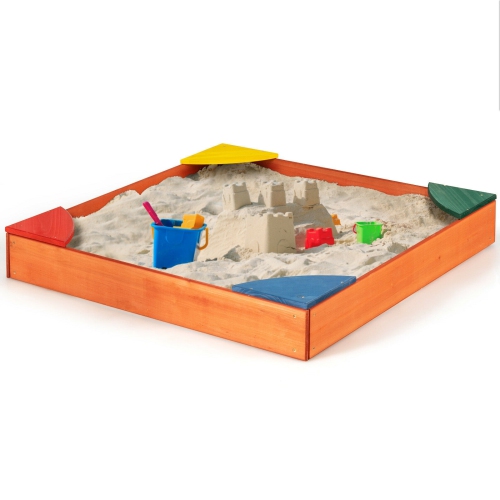

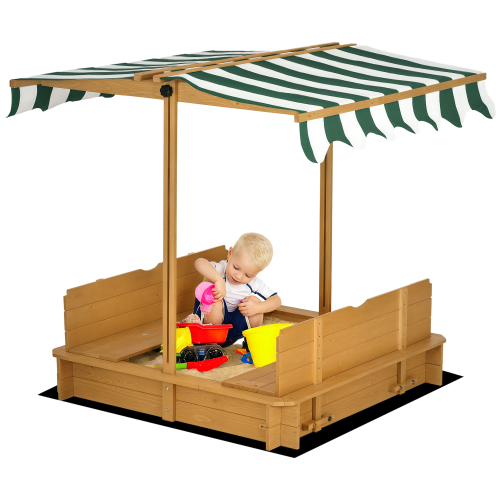


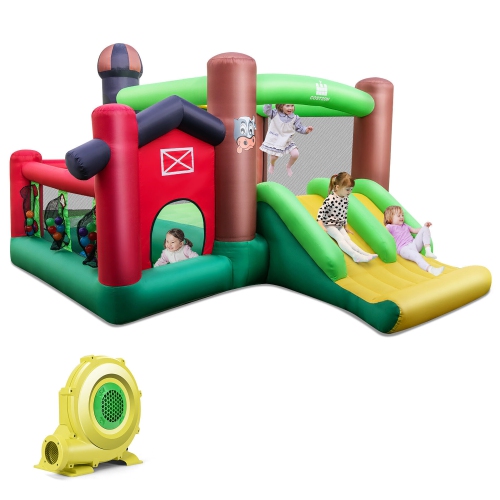
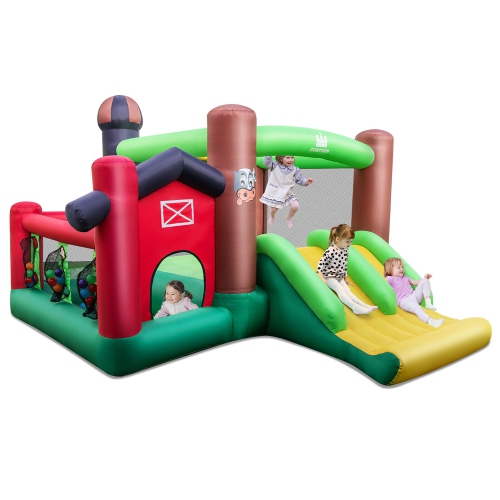
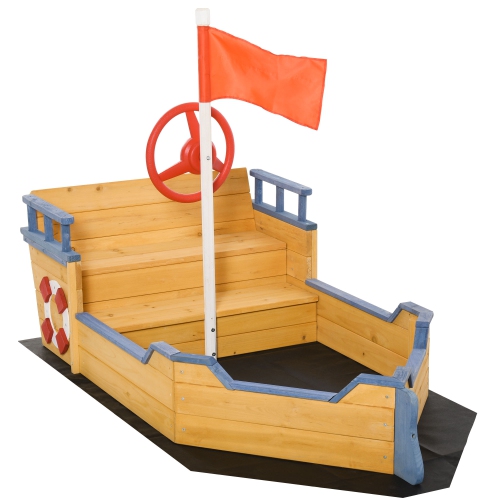
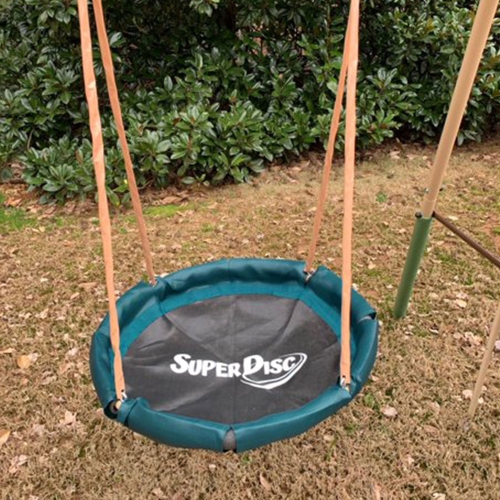
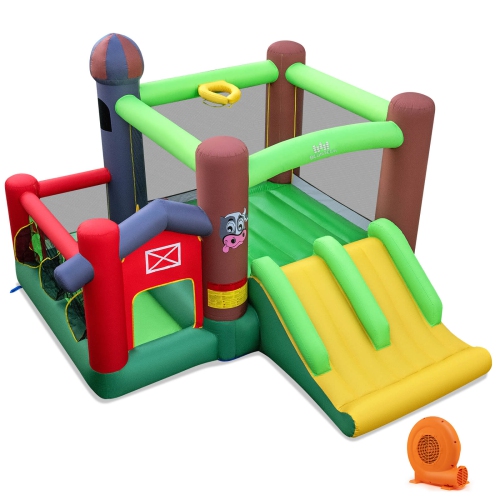

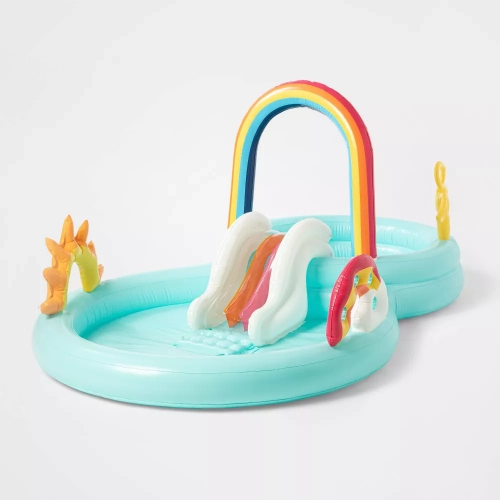
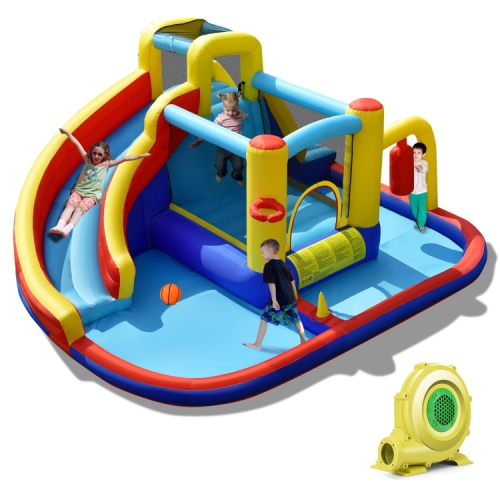

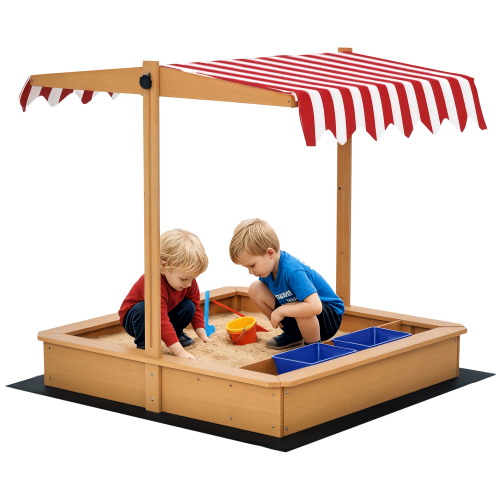
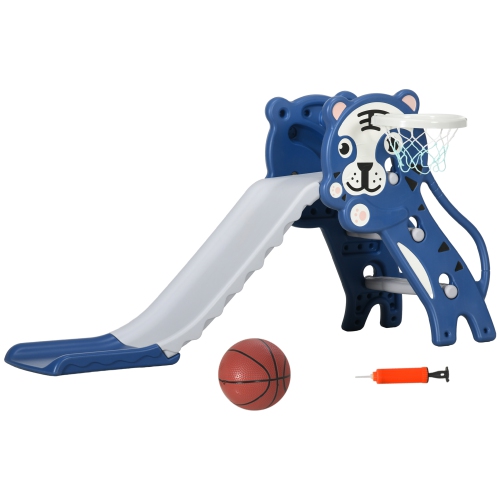

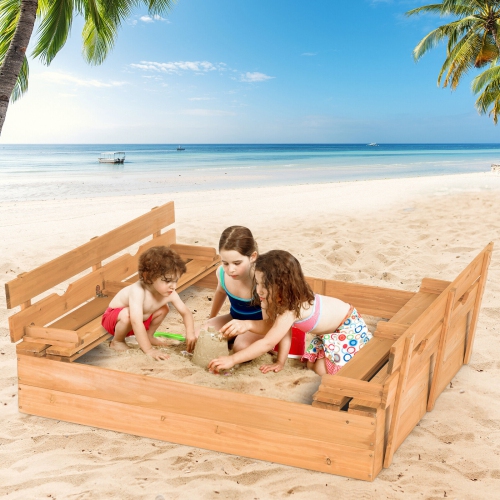
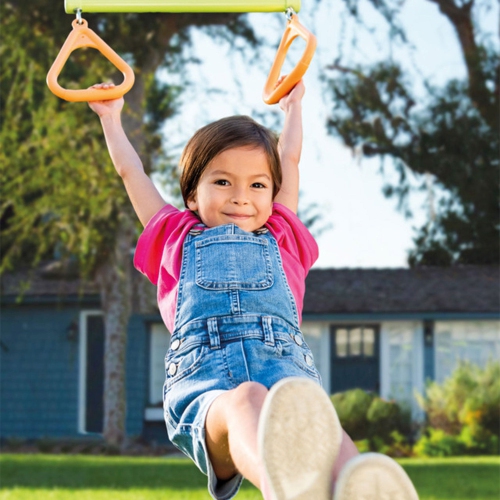
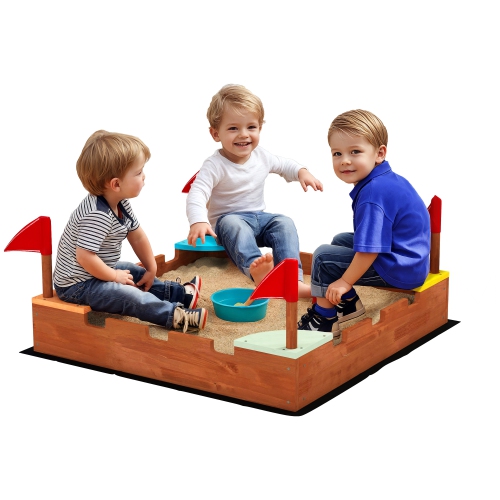

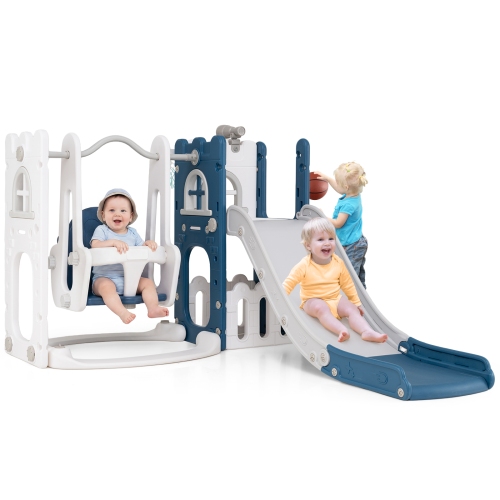

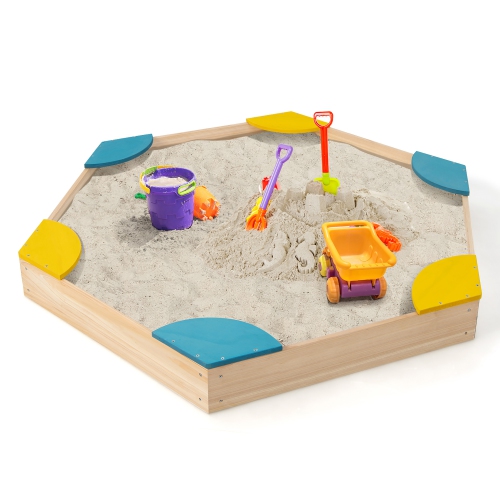
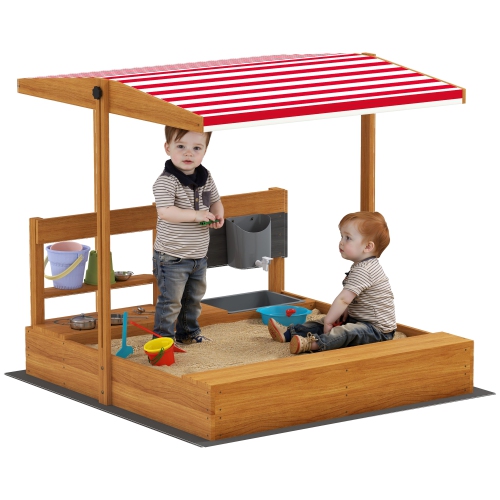

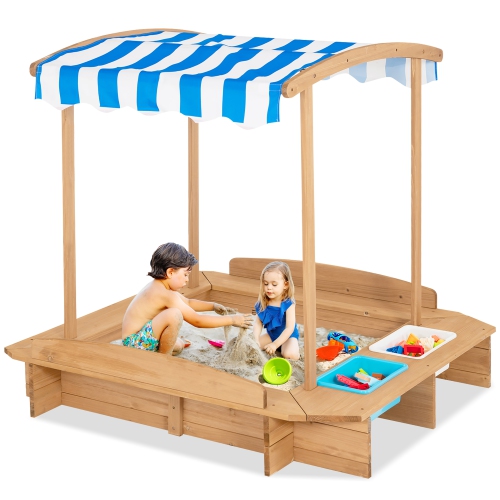
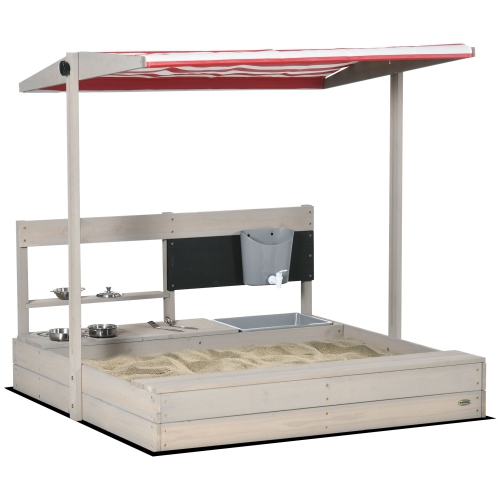
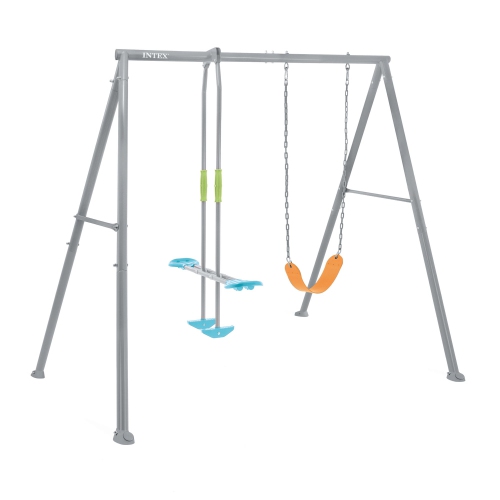

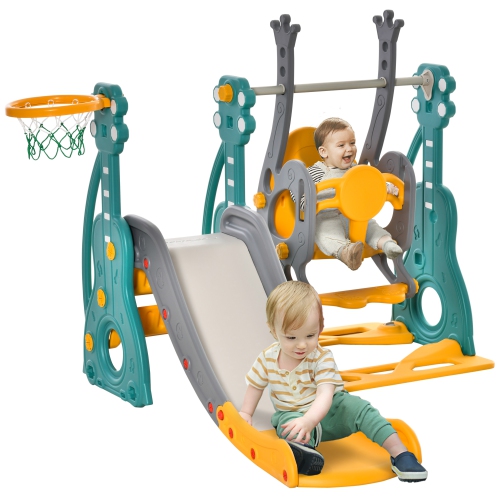
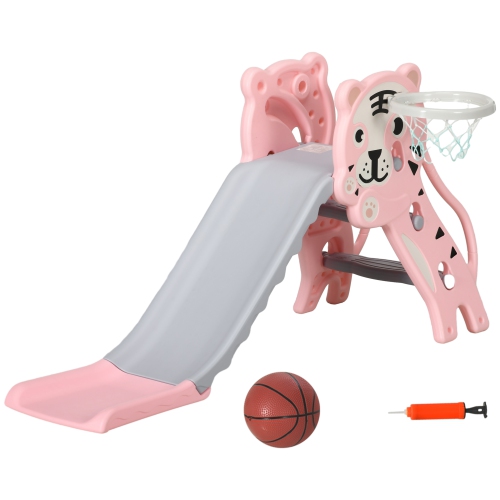


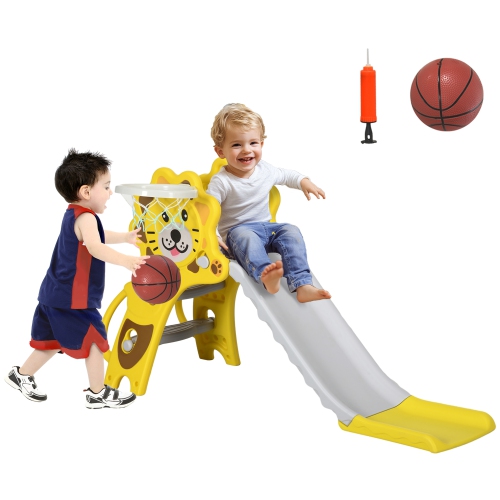
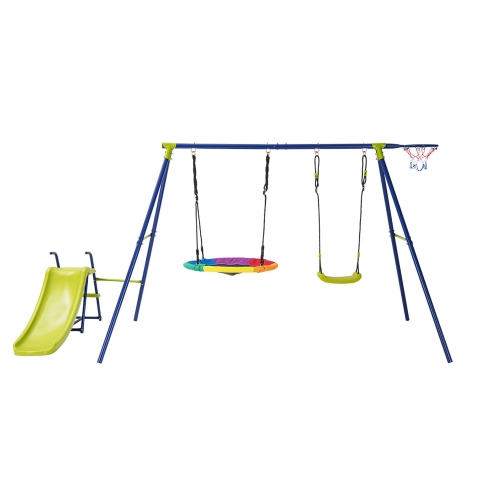

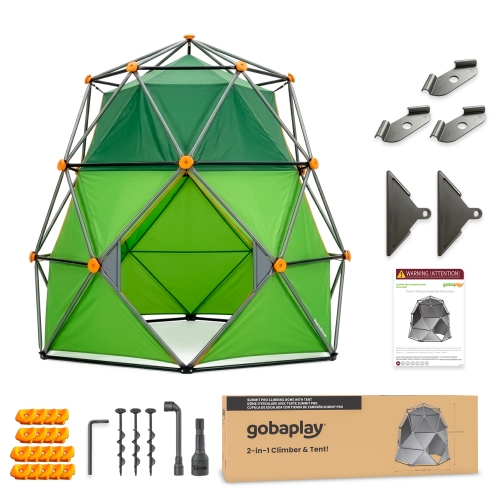
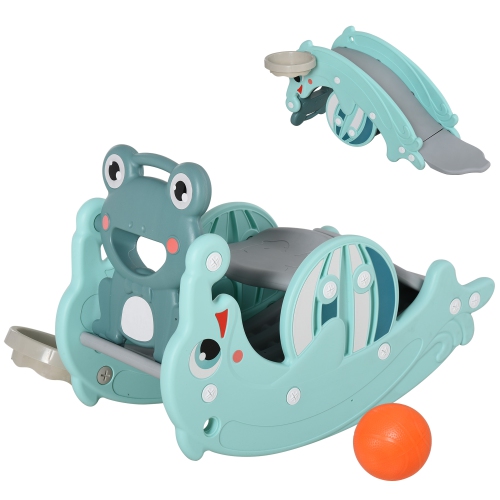

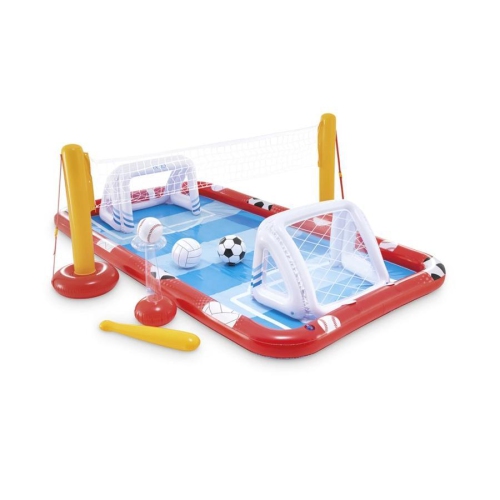
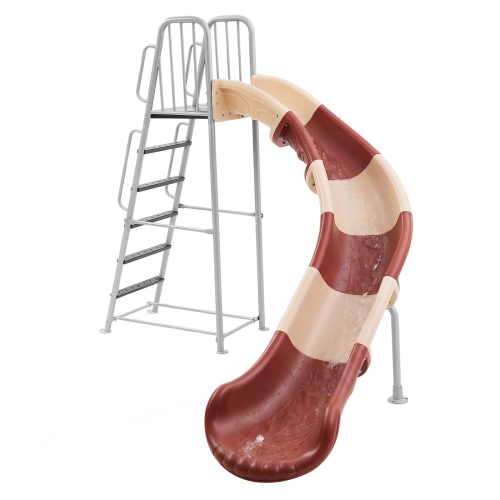
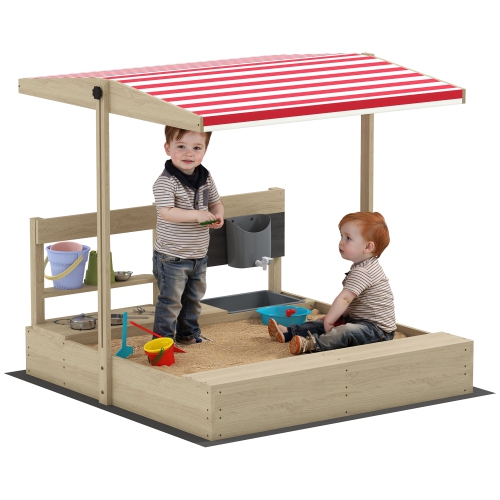


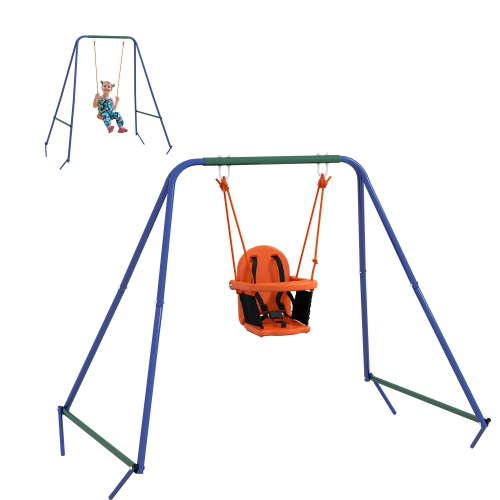
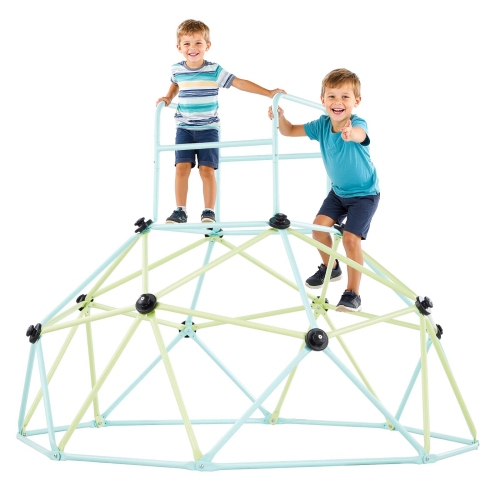

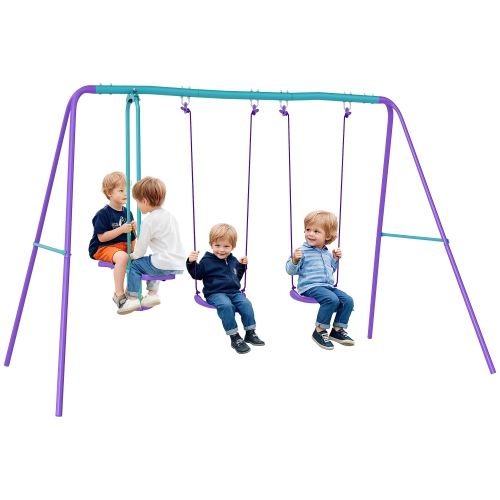


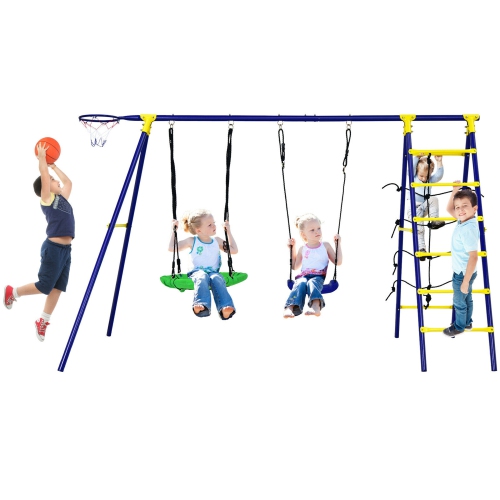
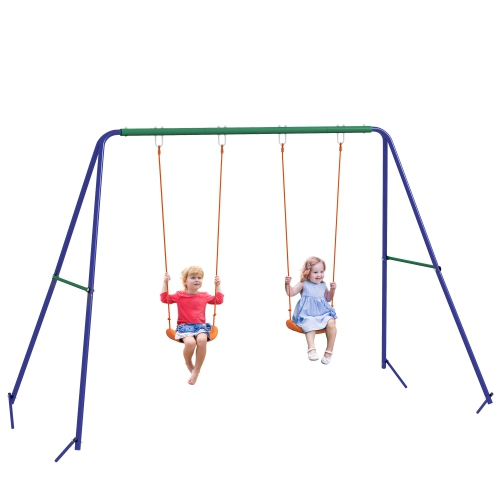


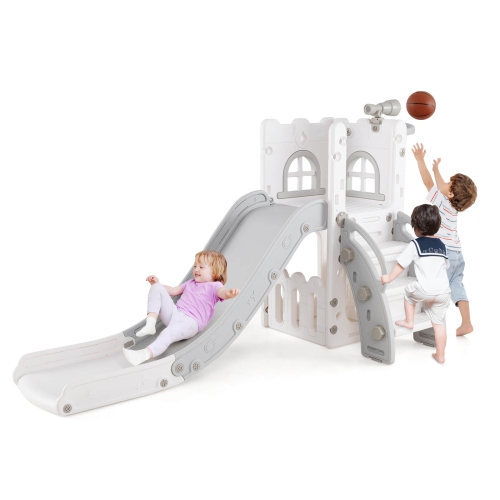
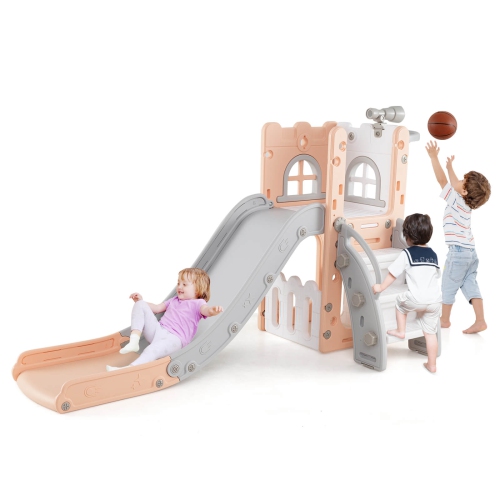

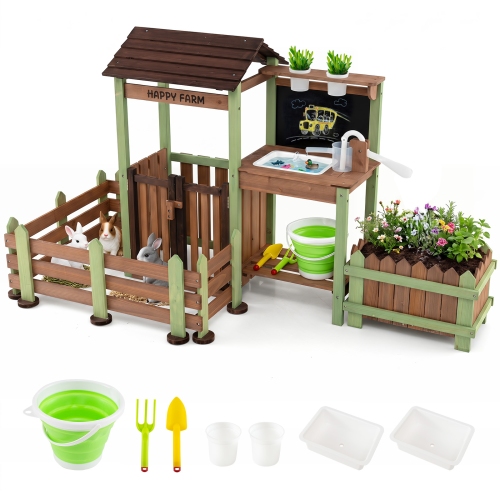
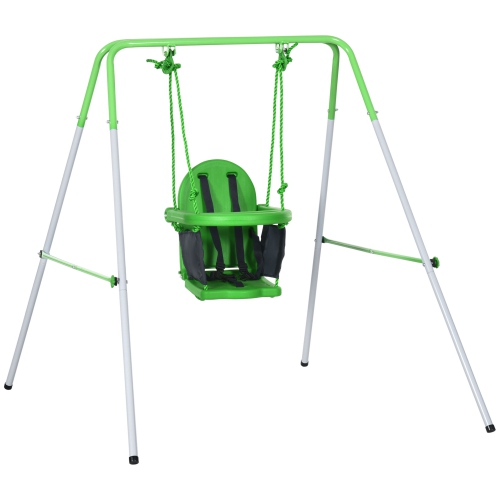

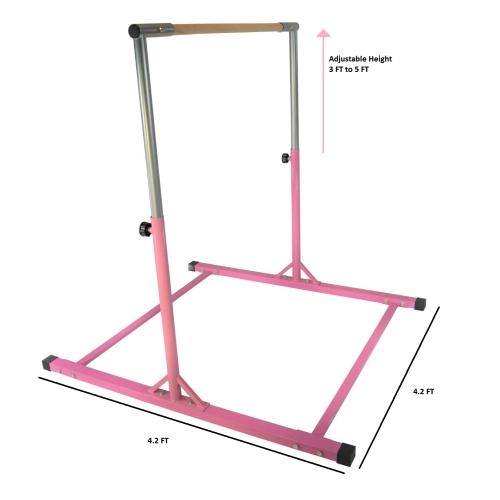


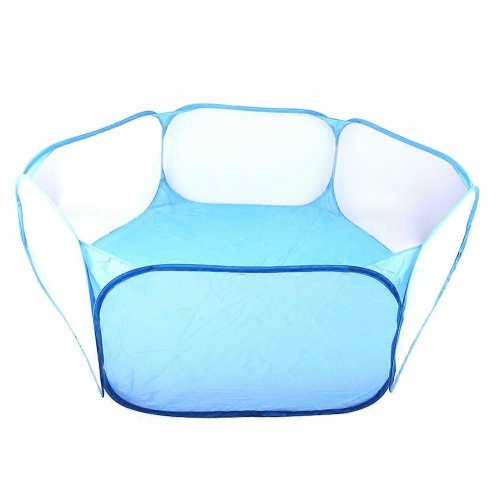
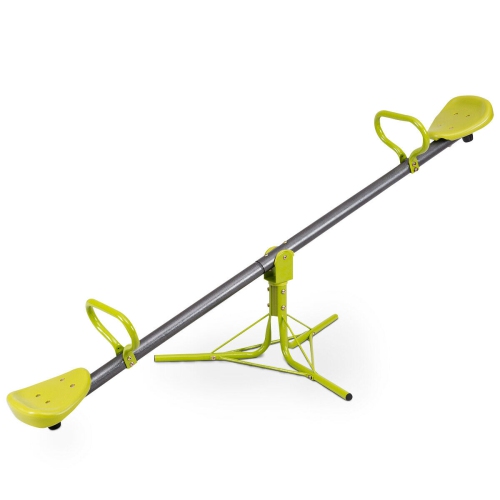


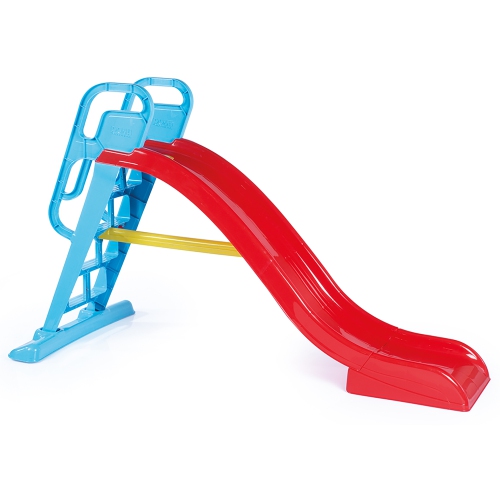
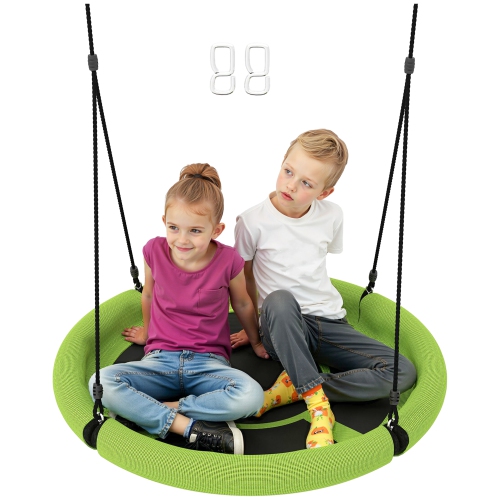


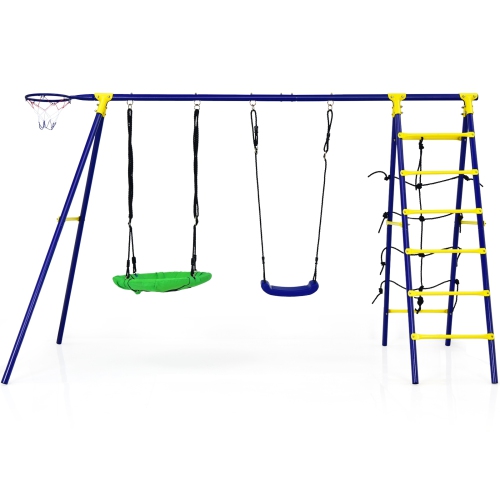

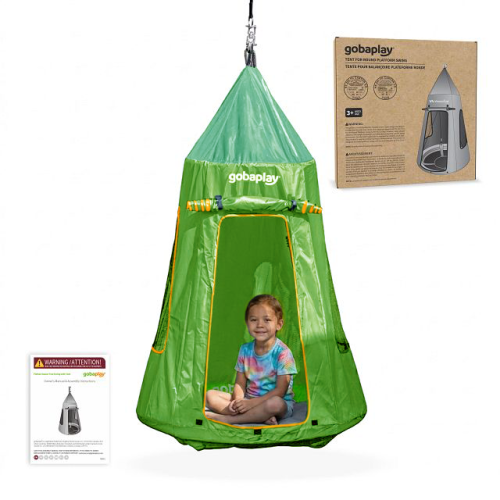
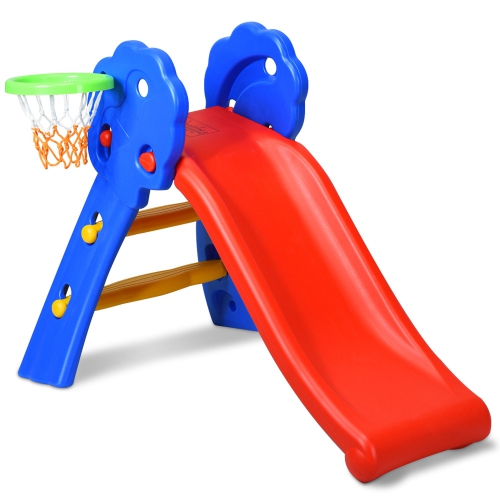
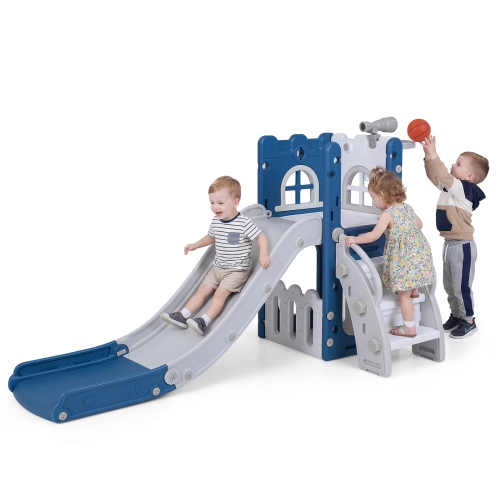
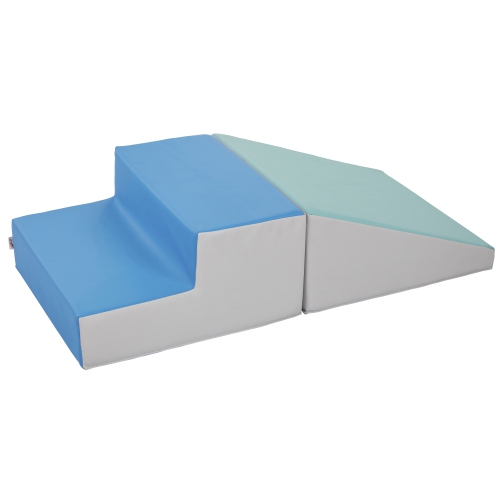


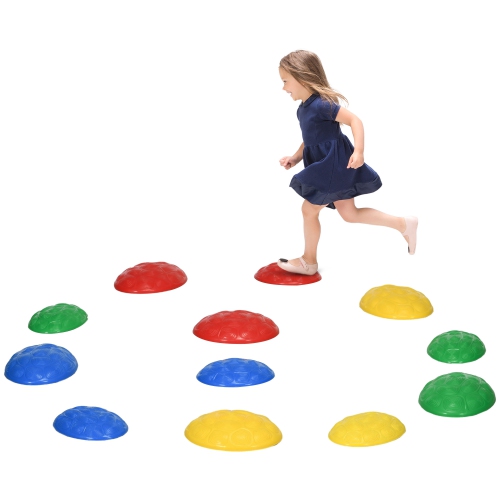


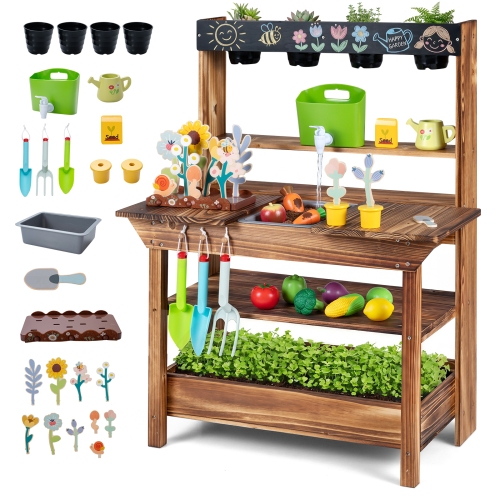
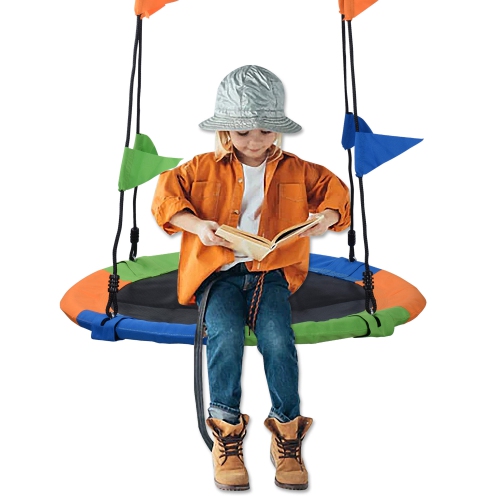


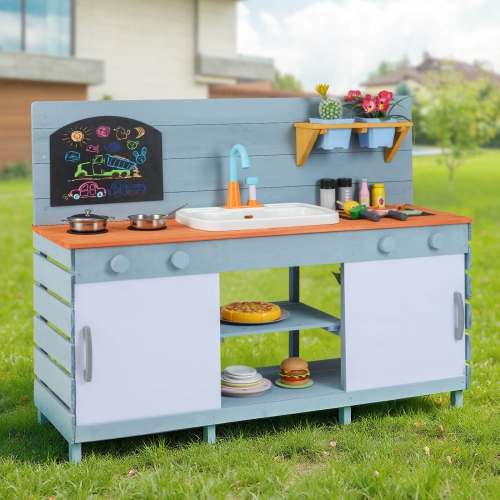


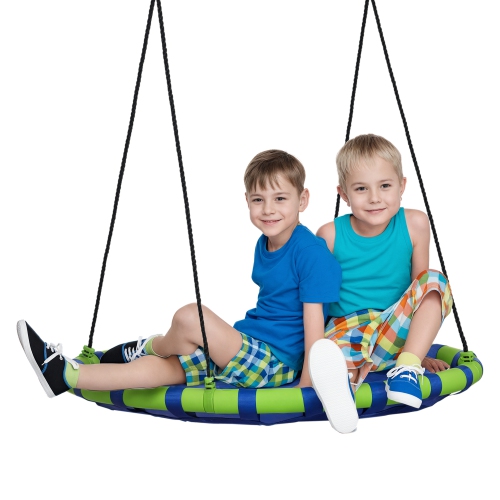

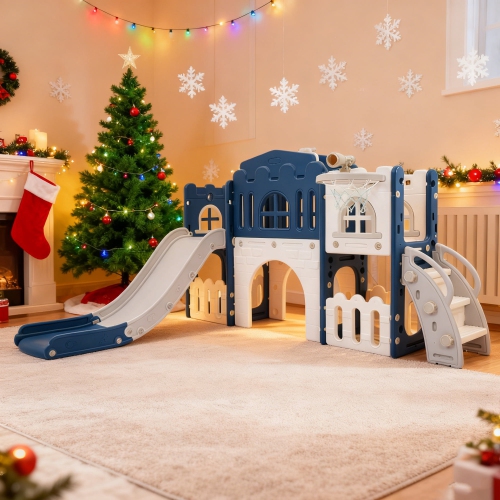


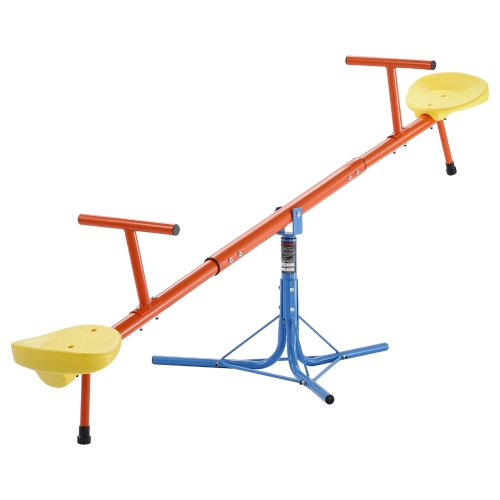

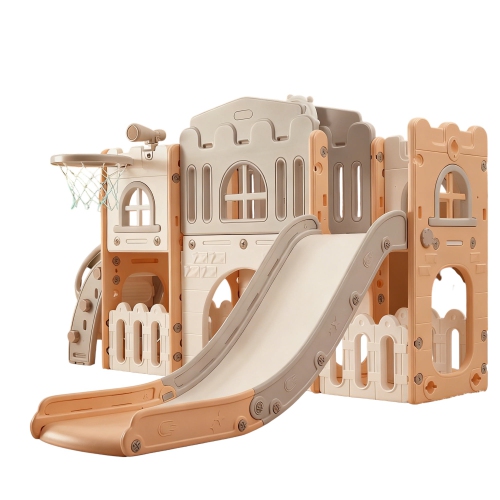


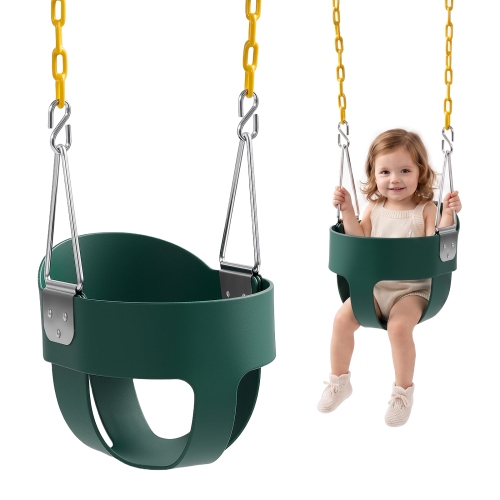
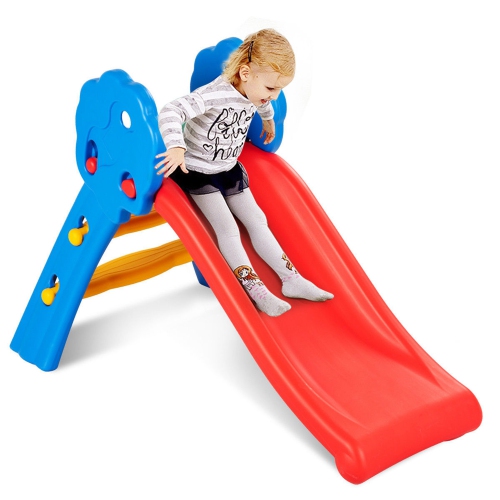

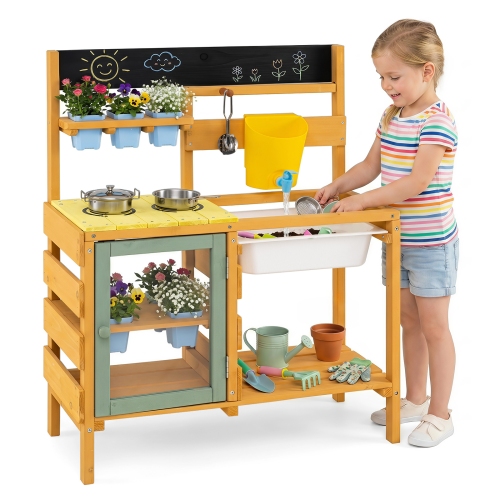

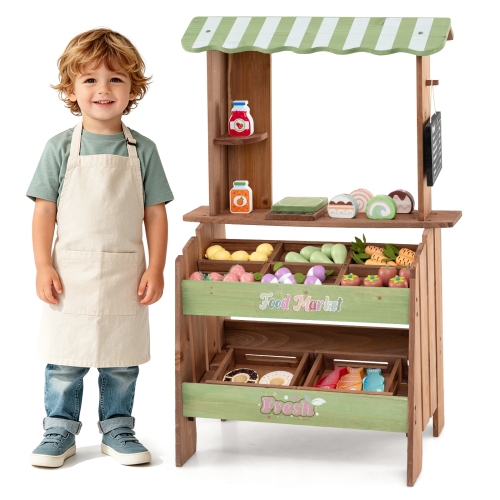


Imaginative backyard play with thoughtful space and safety planning
Children’s outdoor playgrounds bring the movement, imagination, and social play of a neighbourhood park into a backyard, patio area, or shared outdoor space. Designed for climbing, sliding, swinging, balancing, and make-believe, these play structures give children a place to stay active while building confidence and coordination through everyday play. A compact set may suit a smaller yard or younger children, with features such as a low climbing wall, a small platform, a slide, and one or two swings. Larger structures can include covered forts, multiple levels, lookout decks, wave slides, play kitchens, monkey bars, or web-style swings for households with several children or a broader age range. For families comparing options, the selection of Kids Outdoor Playsets can help narrow the search by considering the available space, the children’s ages, and the types of play they enjoy most. These sets can also make thoughtful gifts for birthdays, new-home celebrations, or families preparing a backyard for more active play. Children often turn a simple platform into a castle, a shop, a spaceship, or a lookout tower, so a structure with open-ended features can provide years of imaginative use rather than serving only one purpose. Swings and slides encourage energetic movement, while forts and playhouses offer quieter areas for storytelling, role-play, and time with siblings or friends.
Before choosing a children’s outdoor playground, measure the intended area carefully and account for the full movement zone around the structure. Swings need generous clearance in front and behind, slides require a safe landing area, and climbing features should not be placed close to fences, walls, trees, sheds, or other obstacles. Check the manufacturer’s recommended age range, maximum user weight, and capacity for each component, especially when more than one child may play at once. A set intended for toddlers will generally have lower platforms and simpler access points, while older children may benefit from taller decks, more challenging climbing walls, ladders, or overhead activities. Consider how the structure will fit into family routines as well. A covered play area can offer shade and a comfortable retreat during bright weather, while a built-in bench or playhouse creates a useful spot for imaginative games. Materials, finish, assembly requirements, and maintenance instructions are also important. Wood structures can create a classic backyard appearance and may include sturdy beams and roomy platforms, while plastic or metal components can offer smooth surfaces, bright colours, and straightforward cleaning. Look for rounded edges, secure fasteners, sturdy handholds, and barriers where elevated platforms need extra protection. Assembly can require several adults, careful levelling, and dedicated time, so review the installation instructions and confirm that the finished structure can be anchored securely to the ground. If the set is being given as a gift, checking the recipient’s yard dimensions and preferred play style ahead of time can prevent surprises and make setup easier.
Safety begins with a suitable surface beneath and around the playground. Grass alone may not provide enough cushioning beneath a fall area, particularly around swings, climbing walls, and slide exits. Depending on the installation location and local recommendations, families may consider impact-absorbing materials designed for playground use, ensuring that the surface is installed at the appropriate depth and kept clear of hard objects. Inspect the structure regularly for loose bolts, worn ropes, splinters, rust, cracks, or shifting posts, and tighten or repair components according to the care instructions. During the cooler months, remove accumulated water, ice, and snow before play, since slippery steps and platforms can increase the risk of falls. Wet clothing, gloves, and bulky layers can also affect grip and movement, so children should be supervised and dressed for safe, comfortable activity. As the weather changes, a quick check of the ground anchors, swing connections, slides, and climbing surfaces helps keep the set ready for use. Some families cover or store removable accessories when the playground is not in use, while others place the structure in a sheltered part of the yard to make seasonal care simpler. Adult supervision remains important, particularly for toddlers, children using equipment for the first time, or groups playing together. With the right size, layout, safety features, and installation plan, a children’s outdoor playground can become a familiar part of daily life: a place for a child to practise a new climb, race down a slide with a sibling, invent an elaborate game with friends, and enjoy active outdoor time whenever conditions allow.
Top selling and popular products
-
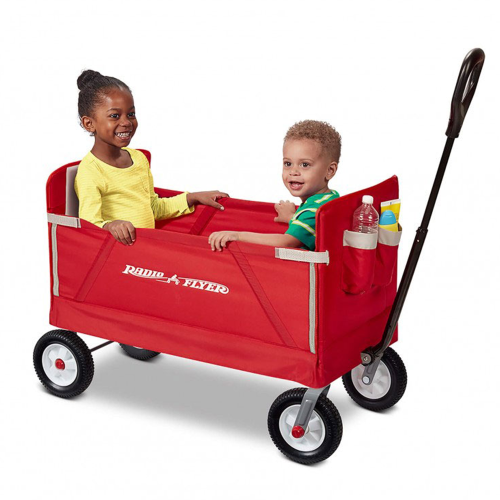 Your price for this item is $266.99
-
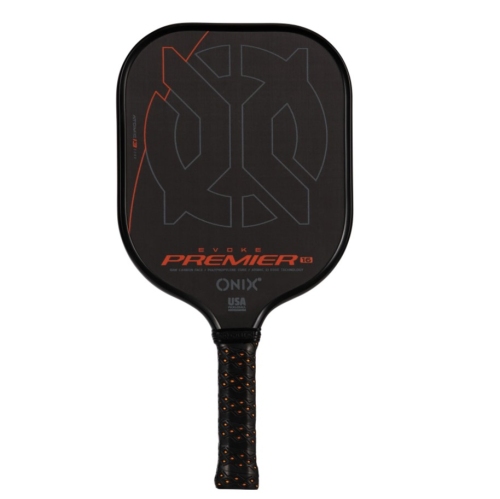 Your price for this item is $139.99
-
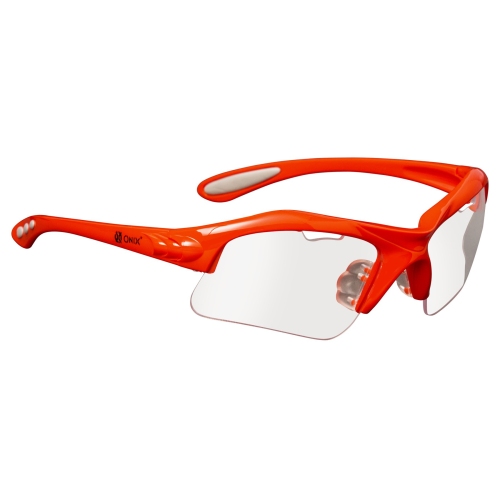 Your price for this item is $44.99
-
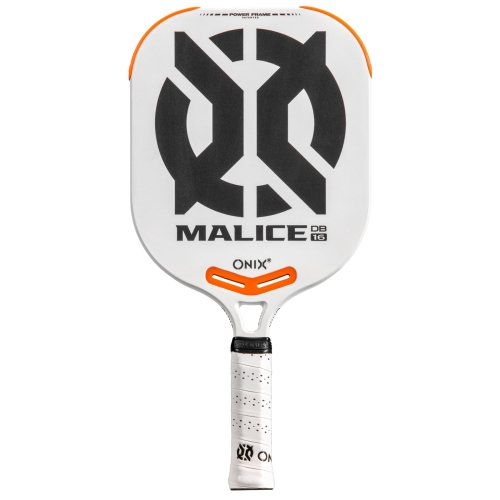 Your price for this item is $359.99
-
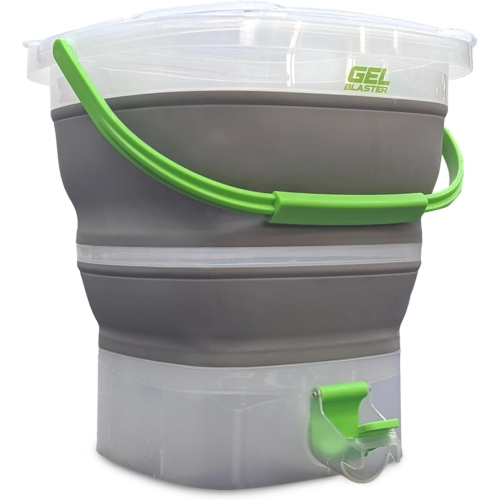 Your price for this item is $34.99
-
 Your price for this item is $429.99
-
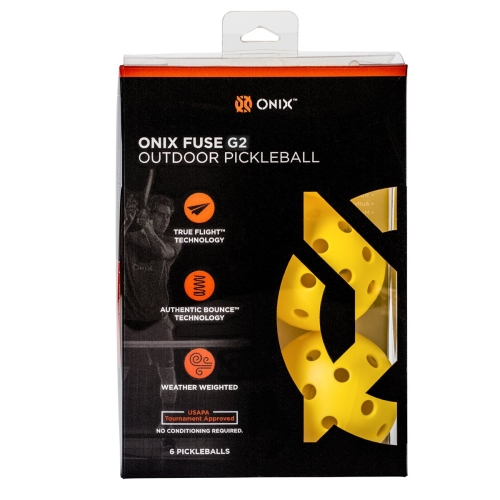 Your price for this item is $28.99
-
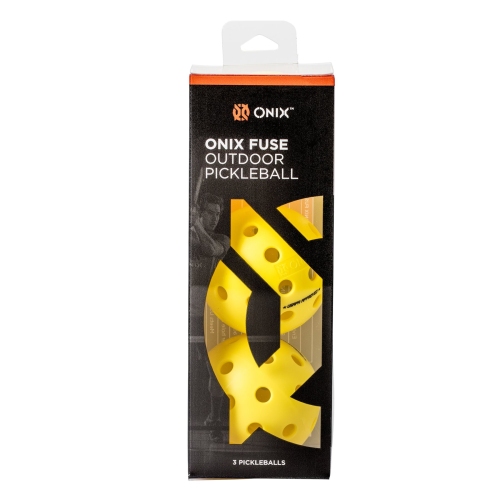 Your price for this item is $14.99
Discover more categories related to Children's Outdoor Playgrounds
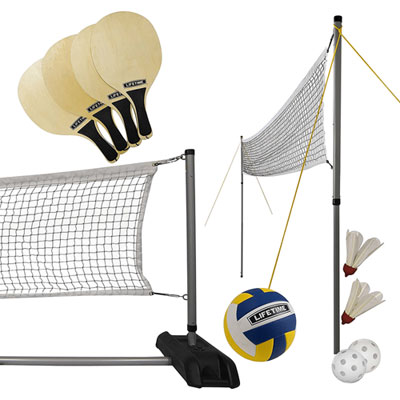
Top Collections:
Pokemon Centers, Best Cameras for Sports Photography, Kindle Devices, Samsung Galaxy Phones, Canon G7X Cameras, Pokémon 30th Celebration Cards, Refurbished Apple Laptops, iPhone 15 Apple, Laptops for Students, Budget Smartphones
Some products may be subject to Environmental Handling Fees
(EHF) depending on your province.
Learn more about EHFs.