Climbing Walls
For adventure seekers and fitness enthusiasts looking to bring the thrill of climbing into their own homes, our collection of climbing walls offers a challenging and fun way to stay active. Whether you're a beginner looking to improve your strength and agility or an experienced climber wanting to practice your skills, these climbing walls provide a safe and convenient way to enjoy this exciting sport from the comfort of your own space. Explore our range of options to find the perfect climbing wall to elevate your workout routine and add a touch of excitement to your home gym or recreational area.
Sort








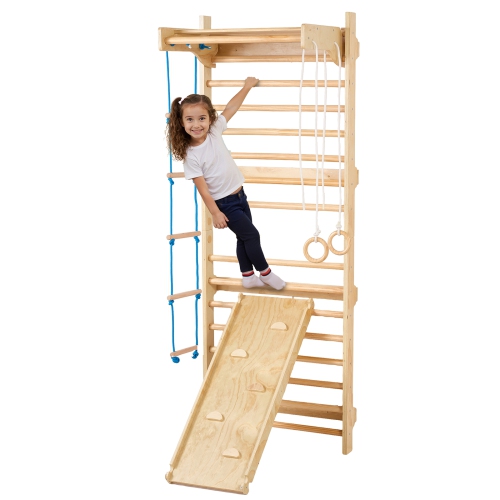



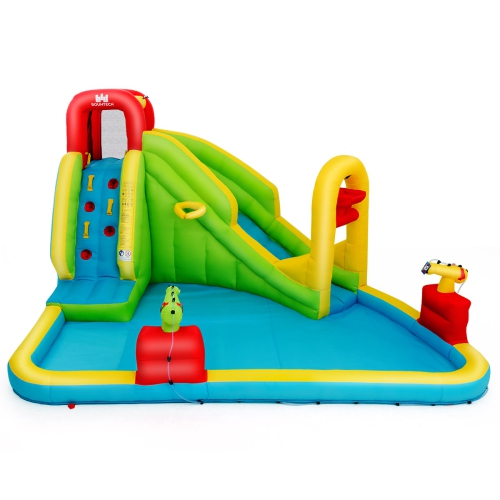
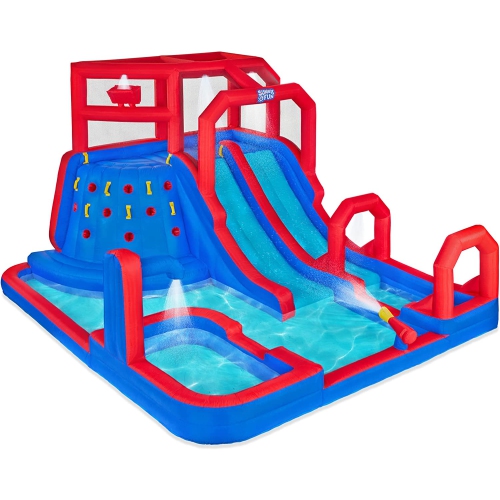
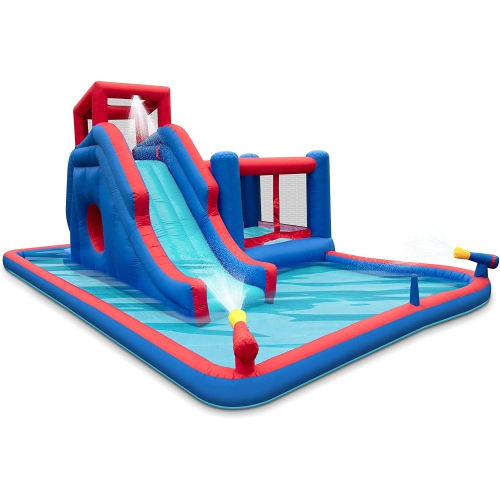
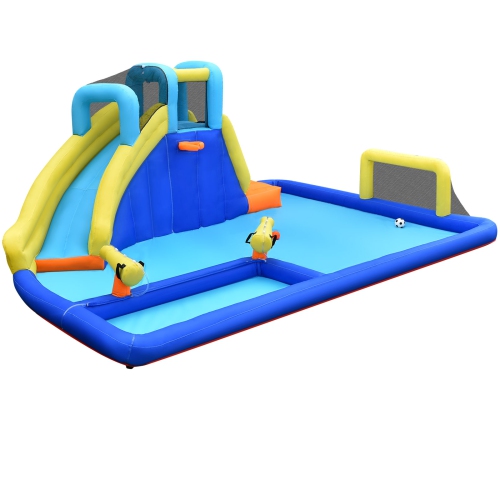



















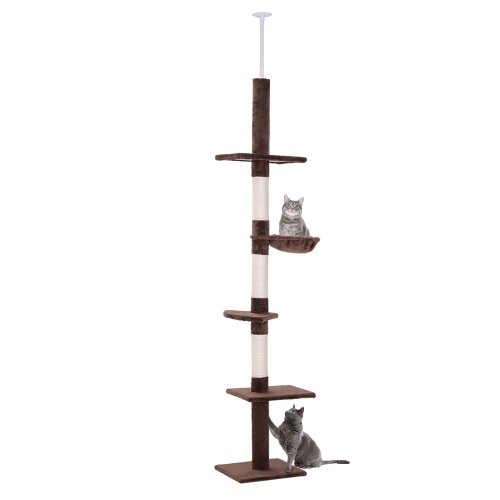

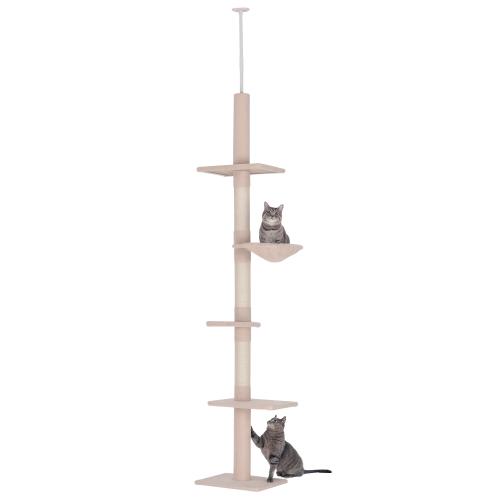
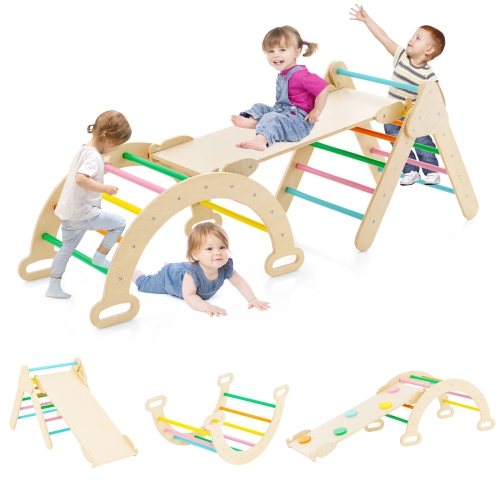


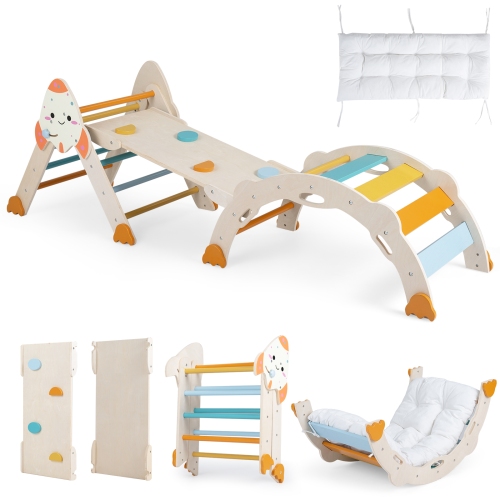


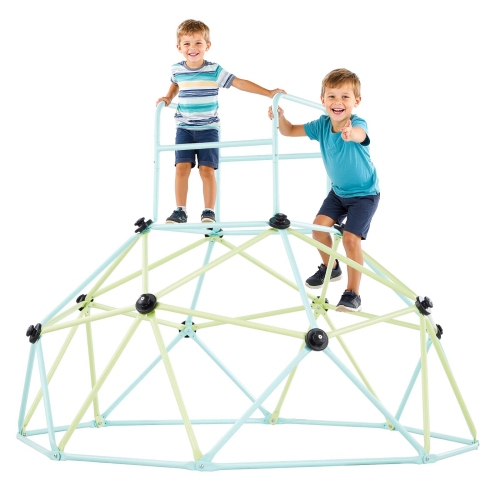

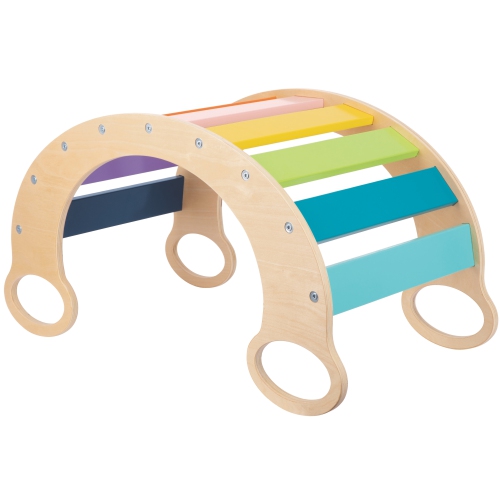
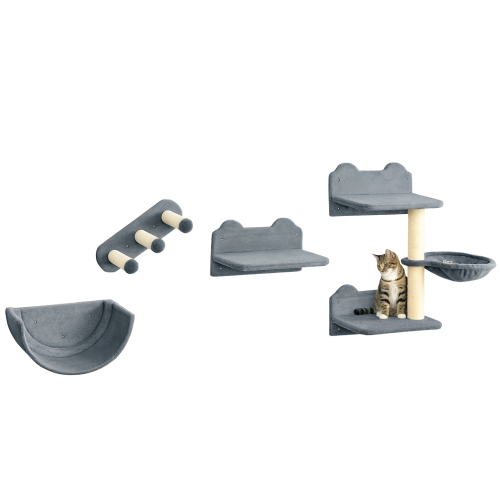
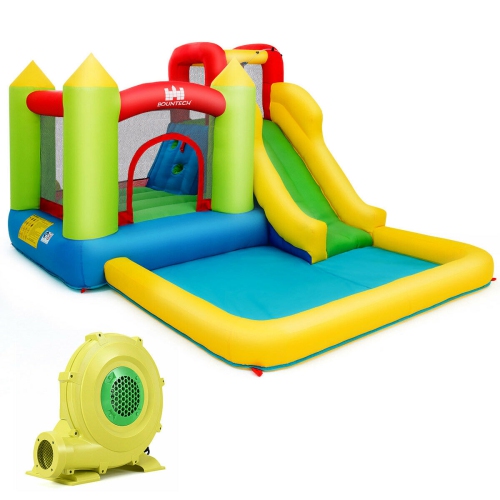
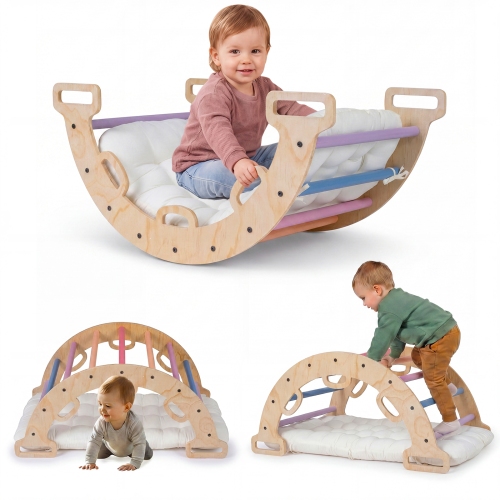
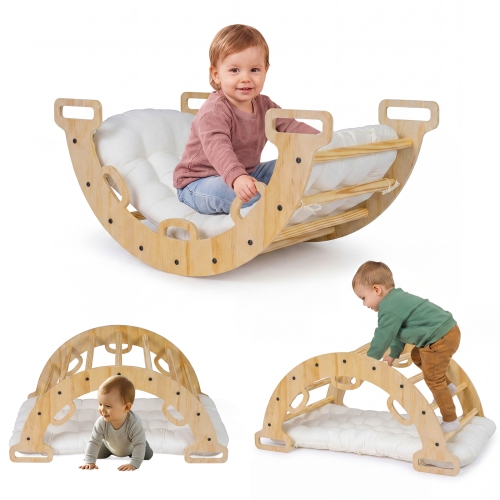
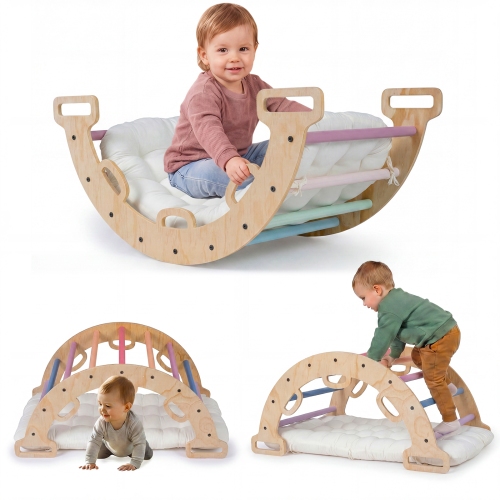
How climbing walls support movement, problem-solving and active play
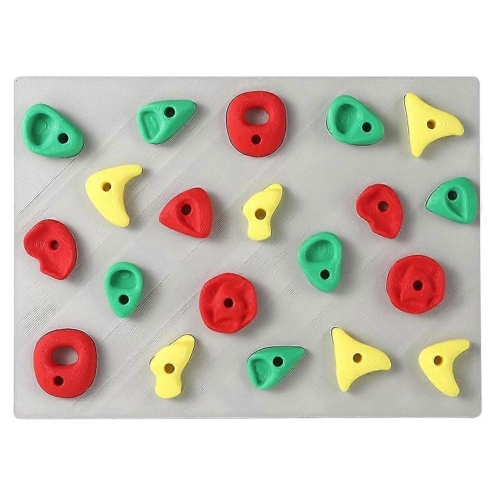
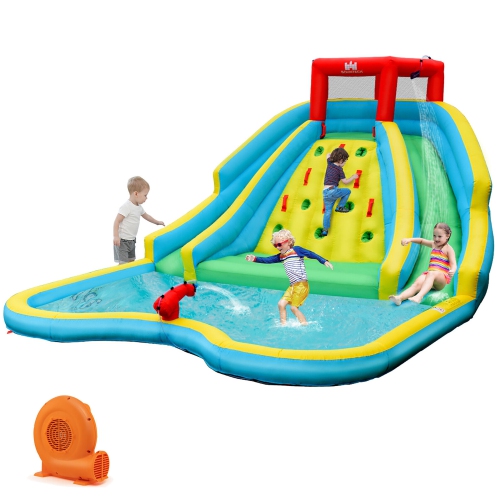
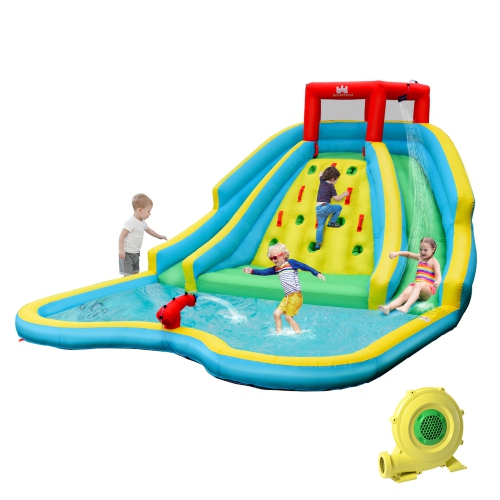
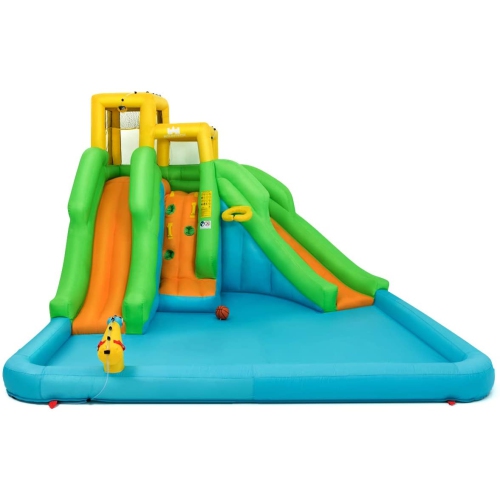
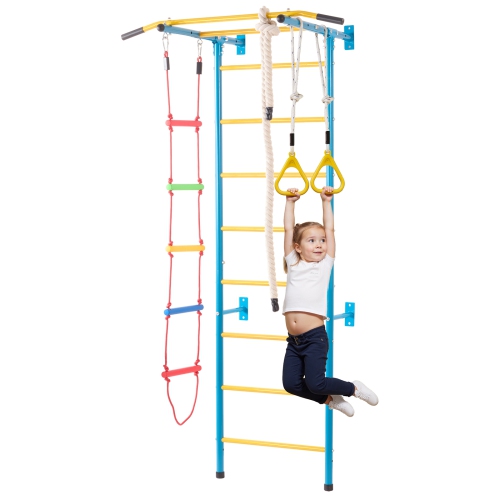
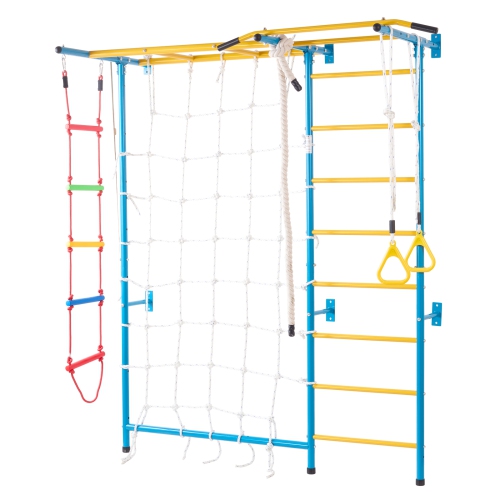
Climbing walls bring the movement and problem-solving of climbing into homes, playrooms, gyms, classrooms and recreation spaces. An artificial climbing wall typically combines a sturdy vertical or angled surface with handholds and footholds arranged in different colours, shapes and positions. Climbers use these features to plan a route, shift their weight, reach for the next hold and build confidence one movement at a time. Depending on the design, a wall may be intended for low-height, rope-free bouldering or for higher climbing with a harness, rope and appropriate belay system. Some walls are designed for children and young learners, with larger holds, shorter routes and playful layouts that encourage active movement without making the experience feel like formal exercise. Others are made for older children, teens or adults who want to improve grip strength, balance, coordination, flexibility and endurance. Climbing can also develop concentration and decision-making, since each route presents a small physical puzzle: a climber may need to choose between a wide, comfortable hold and a smaller hold that creates a more direct path. In a family setting, one person can climb while another offers encouragement, helps identify the next hold or records progress. At home, a climbing wall can turn an unused playroom corner, basement area or dedicated activity space into an engaging place to move during the cooler months. In a fitness or recreation setting, it can support structured training, warmups, skill practice and group activities. For gift-giving, climbing-focused play equipment can be a memorable choice for an active child, a family that enjoys indoor recreation or someone who likes hands-on challenges. Younger climbers may enjoy the sense of adventure that comes from scaling a wall, while older users may appreciate routes that can be adjusted as their strength and technique develop. A wall can be used for short bursts of activity, imaginative play or more deliberate training, making it suitable for a range of ages and routines.
When choosing climbing walls, begin by considering who will use the wall, where it will be installed and how the space will be used. Height, width, angle and available floor area all affect the climbing experience, while the arrangement of holds determines whether a route feels straightforward, playful or demanding. A vertical wall may be a practical choice for a compact room, while an angled surface can change the level of challenge and encourage different movement patterns. Look for a design with appropriately sized holds, secure attachment points and a layout that matches the climber’s age and ability. For children, large, easy-to-grip holds and accessible starting points can make early attempts more comfortable; more advanced users may prefer varied holds that support technique work and route setting. Check the recommended age range, user weight guidance, dimensions and installation requirements before making a purchase. The wall and its mounting surface must be able to support the intended use, and installation should follow the manufacturer’s instructions closely. A solid structure, reliable fasteners and suitable spacing are essential, particularly when a wall is mounted to a frame, finished wall or other fixed surface. The area beneath and around the wall also deserves careful planning. Keep the landing zone clear of furniture and hard-edged objects, and use an appropriate impact-absorbing surface where required by the design. Low climbing and bouldering setups still need active supervision, especially for young children, because even a short fall can result in an injury. Higher walls should only be used with the proper harnesses, ropes, anchors, belay equipment and trained supervision; equipment should never be improvised or substituted with items not designed for climbing. Indoor walls are generally protected from rain, snow and temperature changes, while outdoor installations require materials and care suited to the location, along with regular checks for moisture, corrosion, loose holds and surface wear. If the wall will be shared by several users, choose a layout that allows enough room for climbers to move safely and for supervisors to observe the activity clearly.
Climbing walls can serve different purposes, so it helps to match the setup to the experience you want to create. A family may choose a compact wall for everyday movement, imaginative play and brief challenges between other activities. A dedicated climber may use a more configurable wall to practise foot placement, body positioning, grip strength and route reading before visiting an indoor climbing facility or outdoor climbing area. A school, daycare or community space may value a wall that supports cooperative games, guided movement and age-appropriate physical education. For younger children, climbing can be introduced as a playful sequence of reaching, stepping and balancing rather than a race to the top. Adults can offer calm guidance, demonstrate safe movement and let children progress at their own pace, helping them learn to recognize when a route feels manageable and when they need assistance. Older children and teens may enjoy setting personal goals, repeating a route to improve efficiency or creating new challenges by changing the starting point and direction. A climbing wall can also complement other active equipment, including mats and movement accessories, when the overall space is planned with clear boundaries and easy supervision in mind. Families exploring climbing-themed play may also wish to browse Wall Climbing Toys for additional ways to bring climbing-inspired activity into playtime. Whether it is used for energetic sessions on a rainy afternoon, a focused workout before the day begins or shared family activity during the cooler months, the right climbing wall can make movement feel purposeful and enjoyable. Prioritize suitable construction, correct installation, age-appropriate use and consistent supervision, then choose the size, style and features that fit the climber, the room and the way you expect the space to be enjoyed.
Top selling and popular products
-
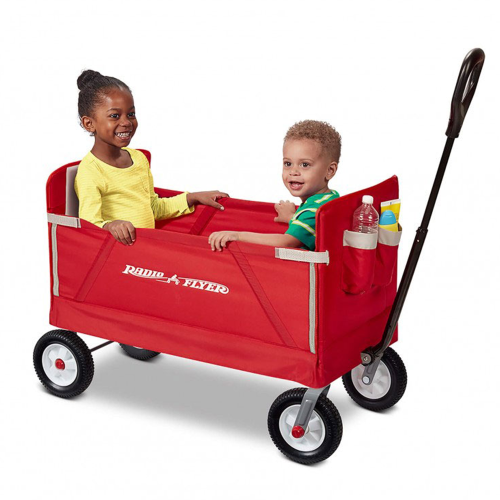 Your price for this item is $266.99
-
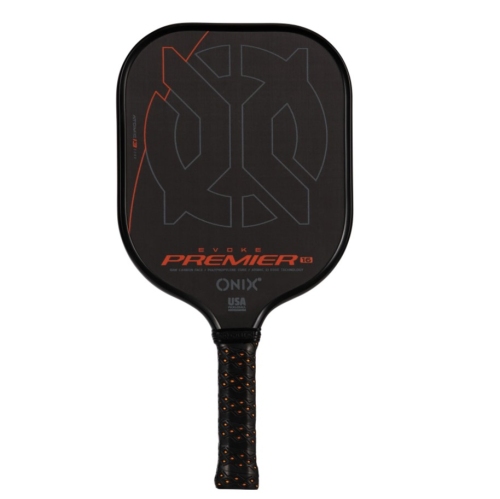 Your price for this item is $139.99
-
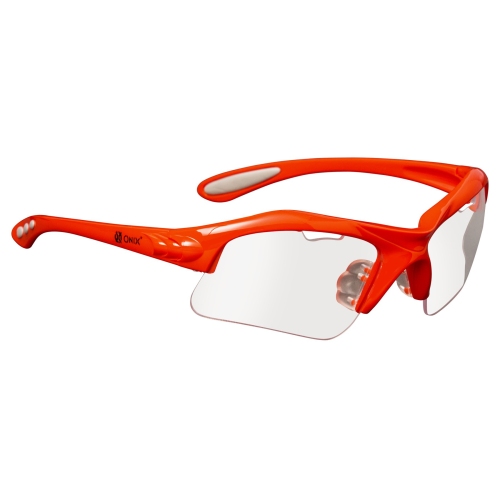 Your price for this item is $44.99
-
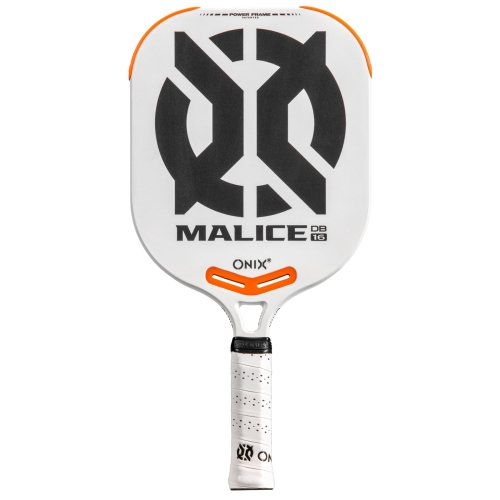 Your price for this item is $359.99
-
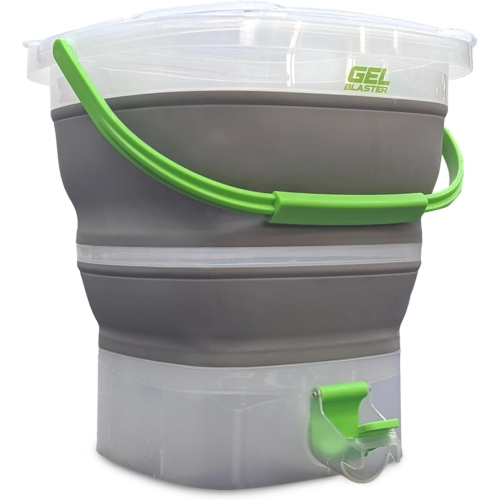 Your price for this item is $34.99
-
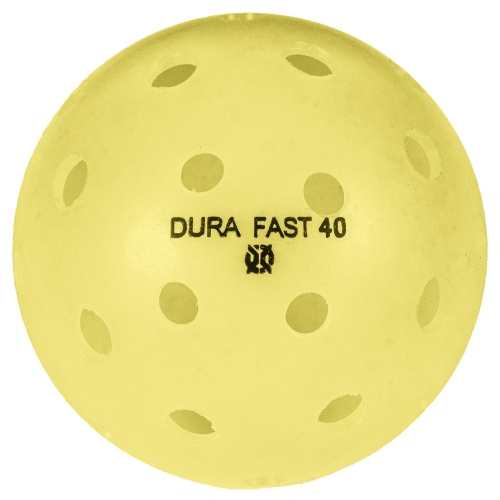 Your price for this item is $429.99
-
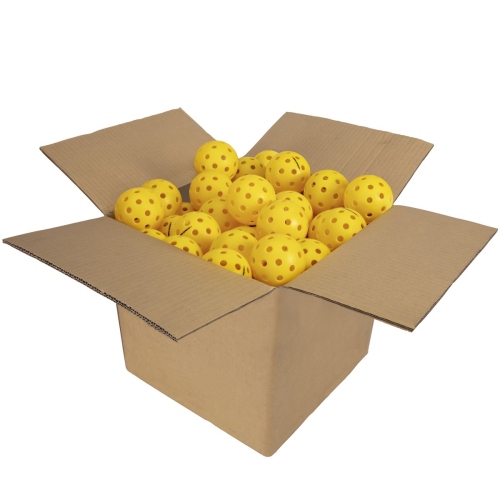 Your price for this item is $349.99
-
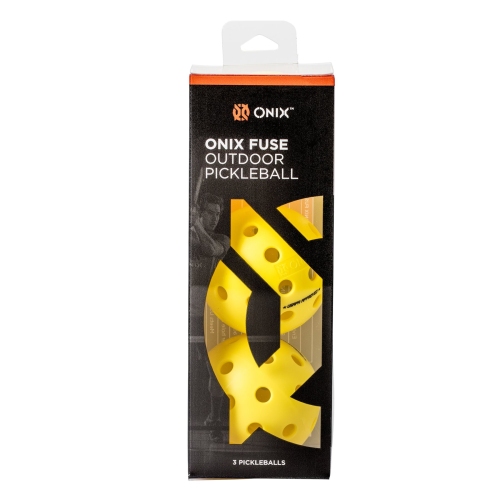 Your price for this item is $14.99
Discover more categories related to Climbing Walls
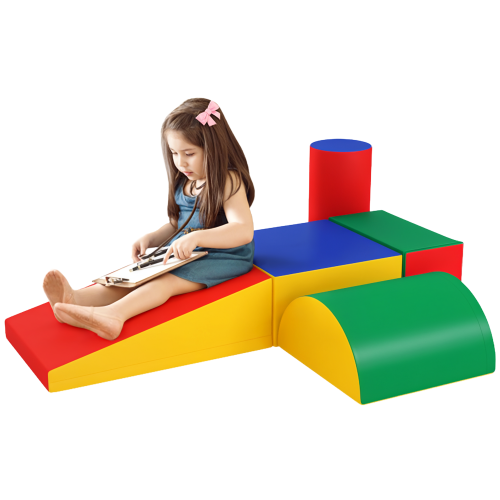

Top Collections:
Pokemon Centers, Best Cameras for Sports Photography, Kindle Devices, Samsung Galaxy Phones, Canon G7X Cameras, Pokémon 30th Celebration Cards, Refurbished Apple Laptops, iPhone 15 Apple, Laptops for Students, Budget Smartphones
Some products may be subject to Environmental Handling Fees
(EHF) depending on your province.
Learn more about EHFs.